
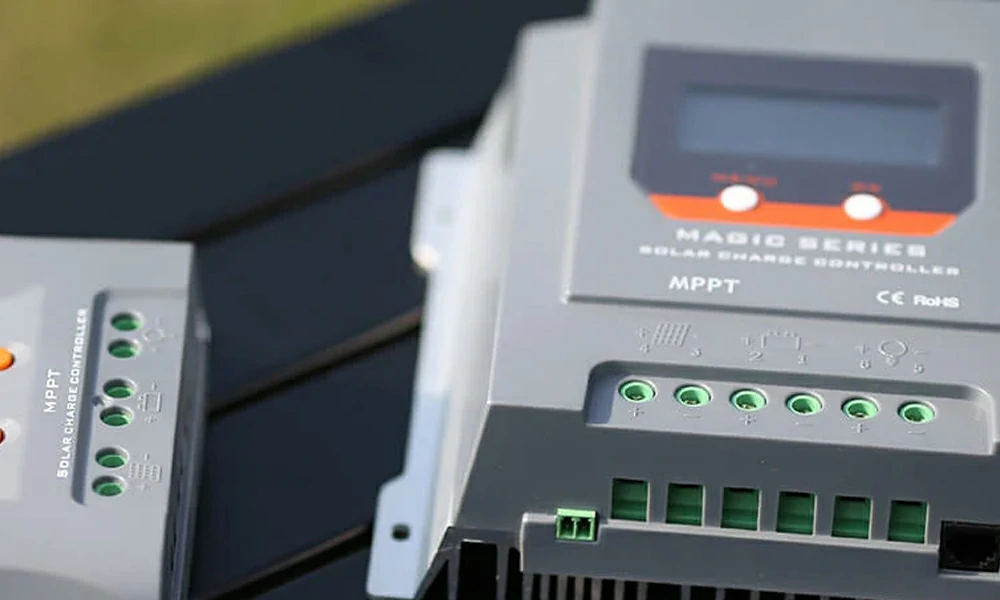
MPPT stands for Maximum Power Point Tracking. It is a technology used in solar charge controllers and inverters to continuously find the voltage and current combination that allows solar panels to produce the maximum available power.
As sunlight, temperature, shading, and other conditions change, the maximum power point also changes. MPPT continuously tracks these changes and adjusts the operating point of the solar array to improve energy harvest and battery charging efficiency.
This article explains what MPPT is, how it works, how it differs from PWM technology, and why it plays such a critical role in modern solar inverters and battery charging systems.
Quick Answer: What Does MPPT Stand For?
MPPT = Maximum Power Point Tracking
Its main purpose is to maximize the usable power produced by solar panels. Compared with a PWM charge controller, MPPT can convert excess panel voltage into additional charging current, making it especially useful for higher-voltage solar arrays, larger systems, and changing weather conditions.
What Does MPPT Mean in Solar?
An MPPT solar charge controller is essentially a DC-to-DC power converter that sits between the solar panels and the battery. Its primary role is to regulate the electrical characteristics of the power flowing into the battery, ensuring compatibility and efficiency.
Solar panels often produce a higher voltage than what batteries can safely accept. For instance, a panel might generate 30–40 volts, while a battery system may only require 12V, 24V, or 48V. Directly connecting the two would result in inefficiencies and potential damage.
The MPPT controller addresses this mismatch by converting excess voltage into additional current. Since electrical power is the product of voltage and current (P = V × I), this conversion allows the system to preserve—and often increase—the usable power delivered to the battery.
How Does MPPT Work?
An MPPT charge controller functions as a sophisticated DC-to-DC converter. Solar panels generate a DC voltage that is often higher than what a battery can safely accept. The MPPT controller converts the incoming voltage to the proper level required by the battery while simultaneously adjusting the current to maintain maximum power transfer.
Here’s a simplified explanation of its operation:
- Measurement: The controller continuously monitors the voltage and current from the solar panels.
- Calculation: It calculates the maximum power point based on real-time conditions, including sunlight intensity, temperature, and the angle of incidence.
- Adjustment: The controller dynamically adjusts the voltage and current delivered to the battery to achieve maximum efficiency.
- Optimization: By ensuring that power transfer is always near the maximum power point, the system reduces energy losses and improves overall battery charging efficiency.
For example, if your solar panels are generating 48 volts at 5 amps (240 watts), but your battery can safely accept only 24 volts, a conventional controller might simply drop the voltage to 24 volts, losing half the potential energy. An MPPT controller, however, will increase the current to match the reduced voltage, keeping the total power close to 240 watts.
Environmental Factors That Affect Solar Output
A useful way to think about solar generation is that the panel is always reacting to the environment. The maximum power point is not a fixed label printed on the panel. It is a moving target influenced by multiple factors.
1. Sunlight Intensity
When sunlight becomes stronger, the panel can generally deliver more current. Under weak light, output falls. Since power depends on both voltage and current, the panel’s best operating point shifts with irradiance.
2. Panel Temperature
Temperature has a major effect on voltage. As panels get hotter, their operating voltage typically decreases. This is one reason a panel may produce less efficient output on a very hot day even when sunlight is strong. MPPT compensates by finding the new optimum under those hotter conditions.
3. Time of Day
The angle and strength of the sun change from morning to noon to evening. These changes affect the available solar energy and therefore the ideal electrical operating point.
4. Cloud Cover and Weather
Passing clouds can cause rapid fluctuations in irradiance. Rain, haze, and seasonal weather also influence performance. MPPT helps the system adapt dynamically rather than running at a fixed, less efficient point.
5. Partial Shading
Shading from trees, nearby buildings, chimneys, or dirt buildup can alter panel behavior significantly. In more advanced inverter designs, multiple MPPT channels help reduce the performance losses caused by uneven panel exposure.
Because all of these variables are constantly shifting, MPPT is not a luxury feature. In many practical systems, it is essential.
MPPT Charge Controllers in Off-Grid Solar Systems
In off-grid systems, MPPT is most often associated with solar charge controllers. These devices sit between the solar panels and the battery bank. Their role is not only to protect the batteries from improper charging, but also to optimize how solar energy is harvested and delivered.
Without a suitable charge controller, the battery could be overcharged, undercharged, or charged inefficiently. All of these problems reduce system performance and may shorten battery life.
An MPPT charge controller improves this process in two important ways. First, it tracks the maximum power point of the solar array. Second, it converts that optimized input into the correct charging output for the batteries.
This is especially useful in systems where the panel voltage is significantly higher than the battery voltage. For example, a solar array might operate at a voltage far above a 12V, 24V, or 48V battery bank. An MPPT controller can step that voltage down while increasing charging current appropriately, allowing more total power to reach the battery.
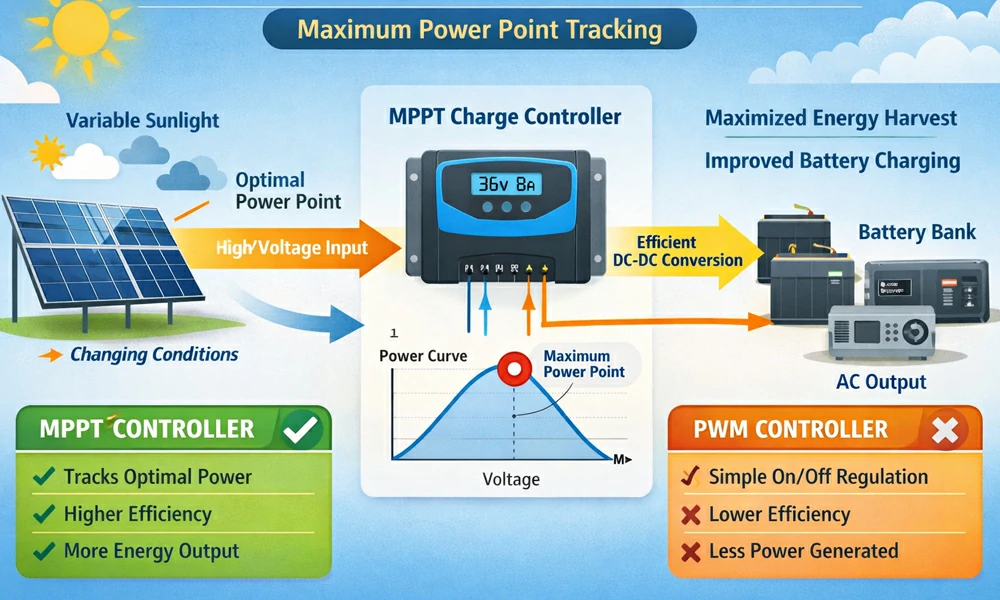
MPPT vs. PWM: Key Differences Explained
Solar charge controllers generally fall into two categories: MPPT and PWM (Pulse Width Modulation). While both serve the purpose of regulating battery charging, their performance differs significantly.
PWM Controllers
PWM controllers are simpler and more affordable. They regulate charging by rapidly switching the connection between the panel and the battery on and off. This effectively reduces current but does not optimize voltage.
As a result, the panel is forced to operate near the battery’s voltage, rather than at its own optimal voltage. This mismatch leads to energy loss.
MPPT Controllers
In contrast, MPPT controllers:
- Optimize both voltage and current
- Allow panels to operate at their maximum power point
- Convert excess voltage into usable current
- Deliver higher overall system efficiency
In many cases, MPPT controllers can improve energy harvest by 10% to 30% or more, especially in colder climates or systems with higher panel voltages.
For a complete efficiency, cost, and application comparison, see our MPPT vs PWM guide.
Advantages of Using an MPPT Solar Charge Controller
Incorporating an MPPT (Maximum Power Point Tracking) solar charge controller into your solar energy system brings several key benefits, boosting efficiency, energy production, and long-term savings.
1. Greater Energy Conversion Efficiency
MPPT controllers optimize the flow of electricity from solar panels to batteries. By dynamically adjusting voltage and current to align with the battery’s needs, these controllers reduce energy loss. This means you can harvest more usable electricity from the same solar setup, getting the maximum output from your investment.
2. Reliable Performance in Changing Weather
Solar panel output naturally fluctuates with sunlight intensity, cloud cover, and seasonal variations. On days with partial shading or overcast skies, the panels’ maximum power point shifts frequently. MPPT controllers automatically detect these changes and adjust system parameters to maintain near-peak power production, delivering consistent performance under varying weather conditions.
3. Potentially Fewer Solar Panels Needed
Because MPPT controllers extract energy more efficiently, you may require fewer solar panels to reach your desired energy target. This can lower installation costs and offer greater flexibility in panel placement. For homeowners with limited roof space, MPPT technology can make adopting solar more practical.
4. Ideal for Larger Installations
The advantages of MPPT controllers become even more pronounced in large-scale solar systems. Even a small boost in efficiency per panel can translate into substantial additional energy across a big array. MPPT ensures that every panel contributes its maximum potential, improving overall system output.
5. Faster Payback and Savings
Although MPPT controllers generally cost more upfront compared to PWM controllers, the improved energy capture often accelerates your return on investment. By maximizing the electricity harvested and stored, MPPT controllers help homeowners cut utility bills faster while enjoying the environmental benefits of solar energy sooner.
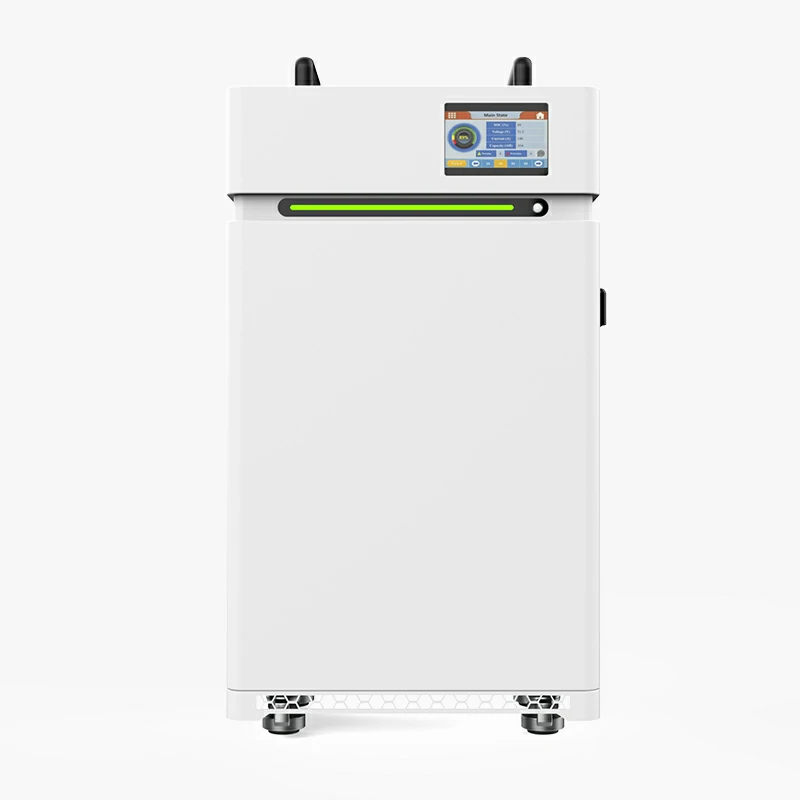
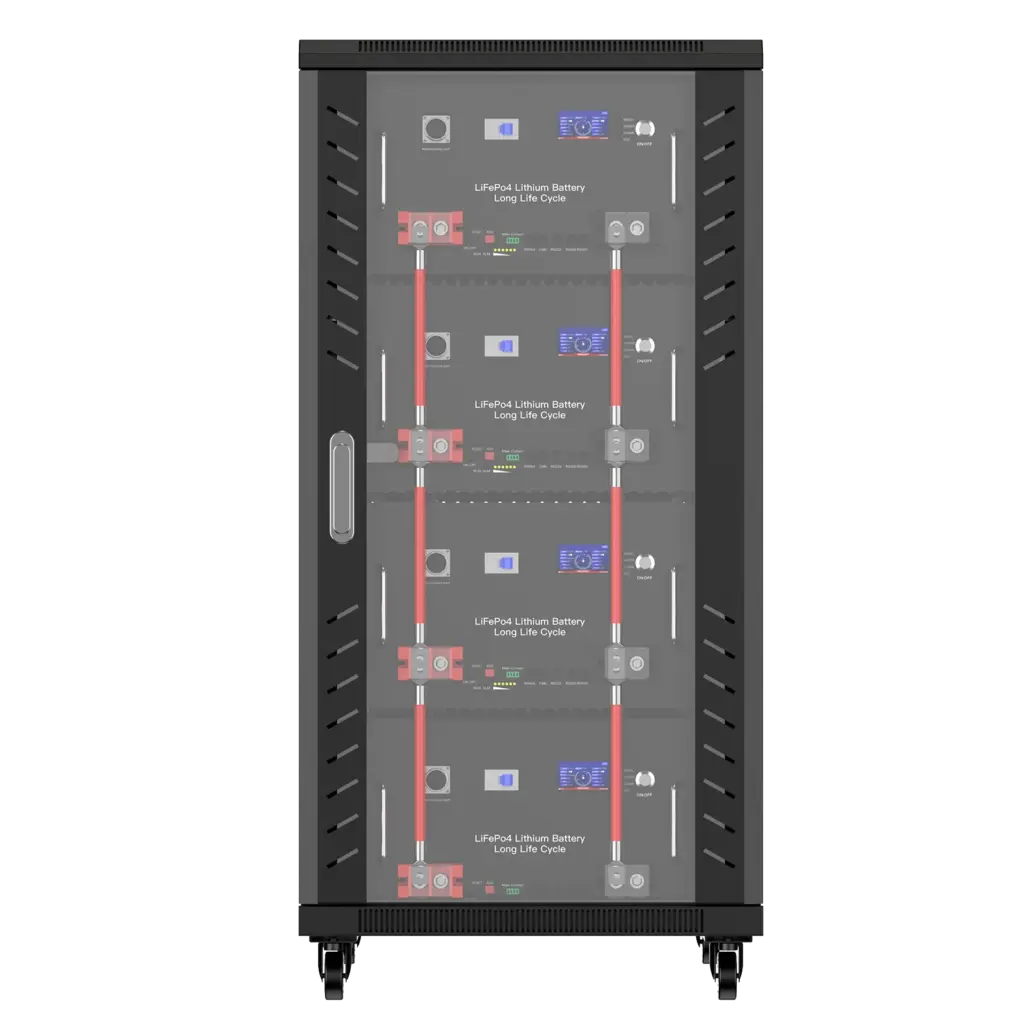
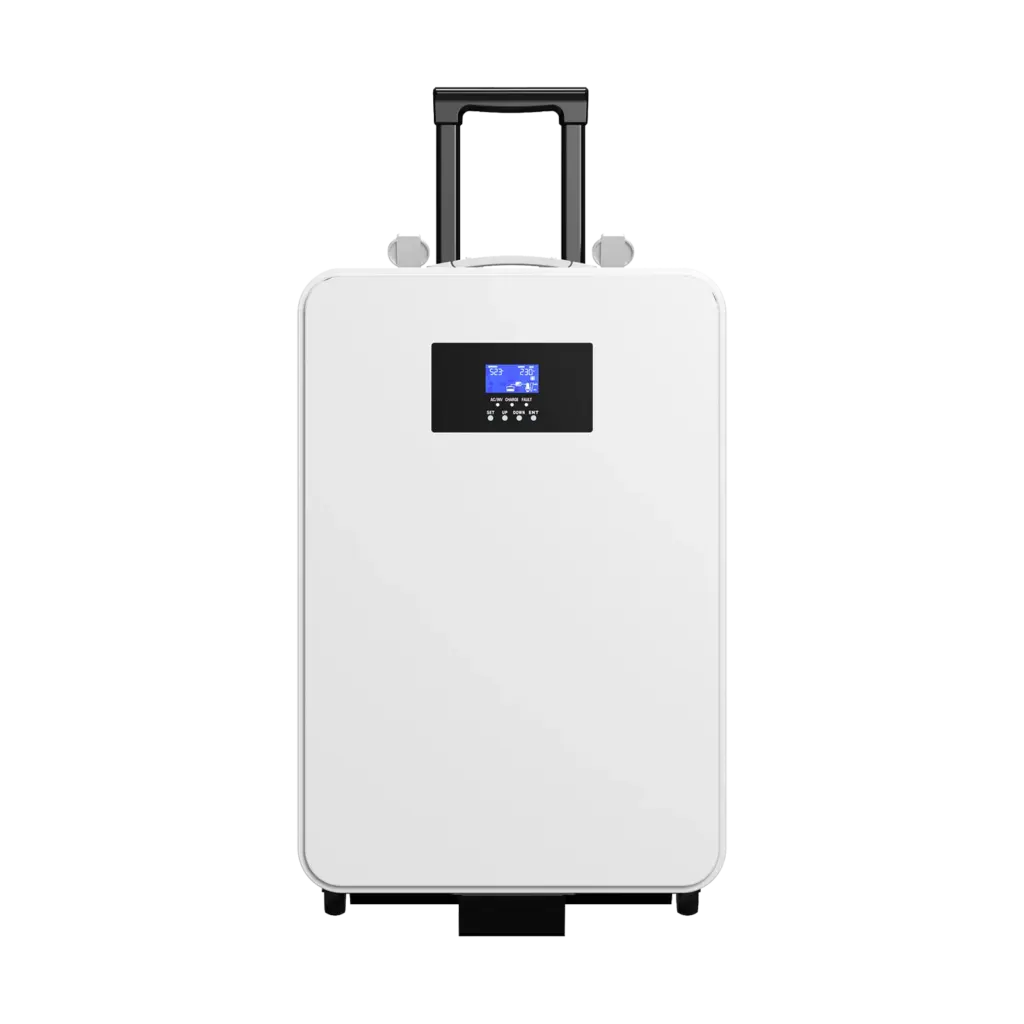
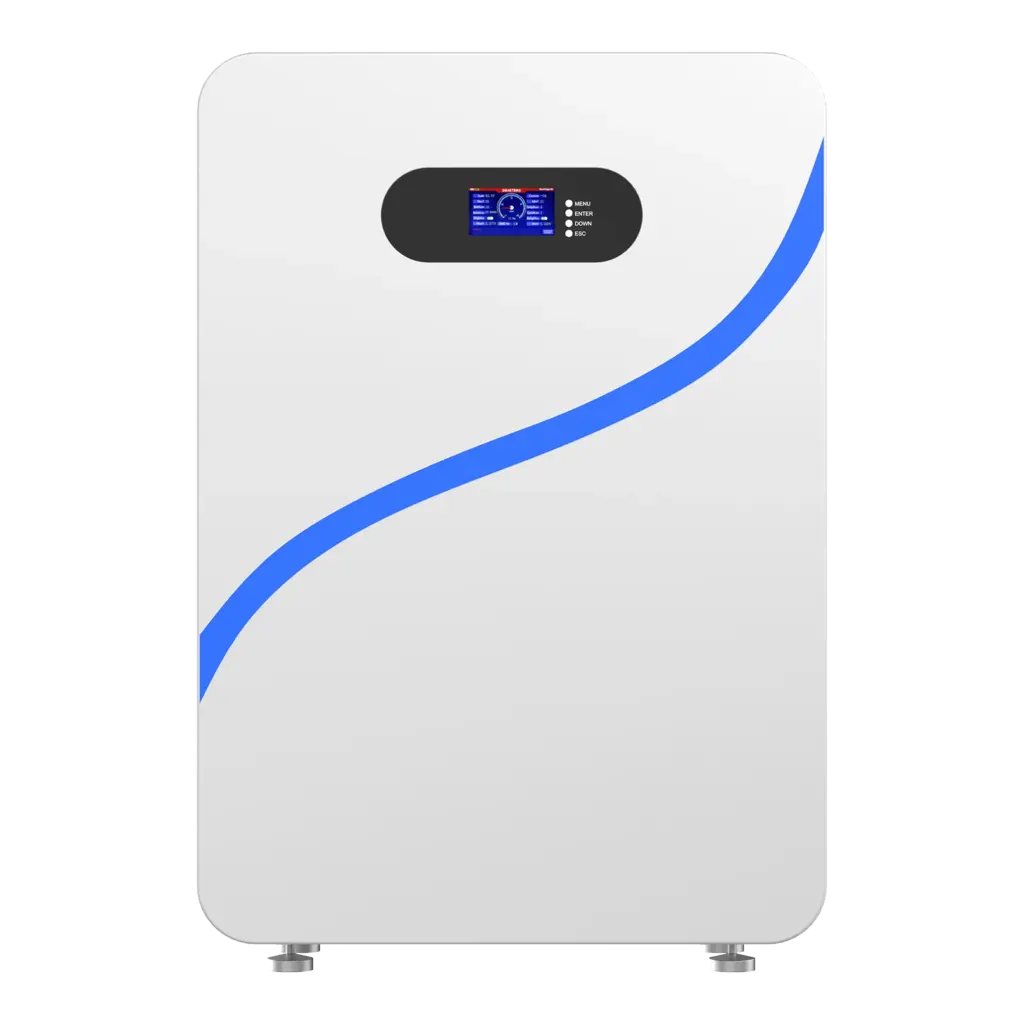
Avepower All-in-One Battery with Built-in MPPT
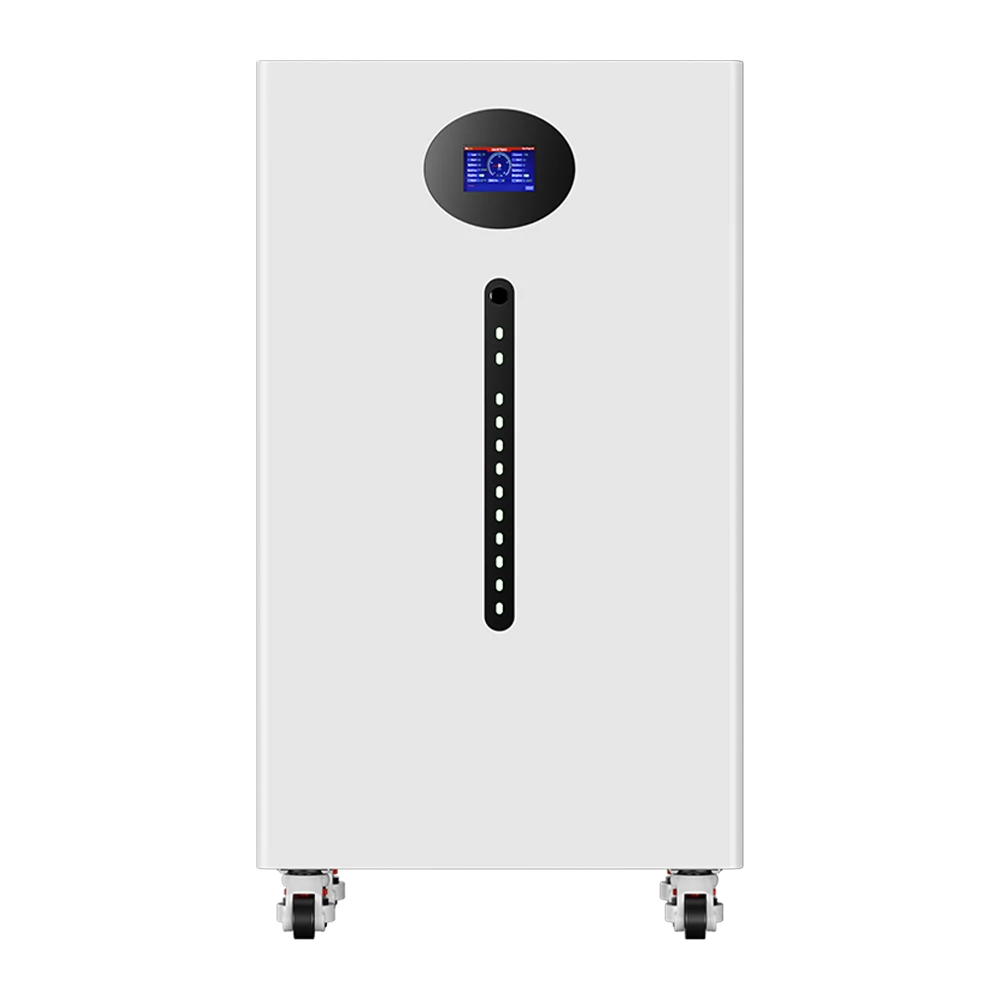
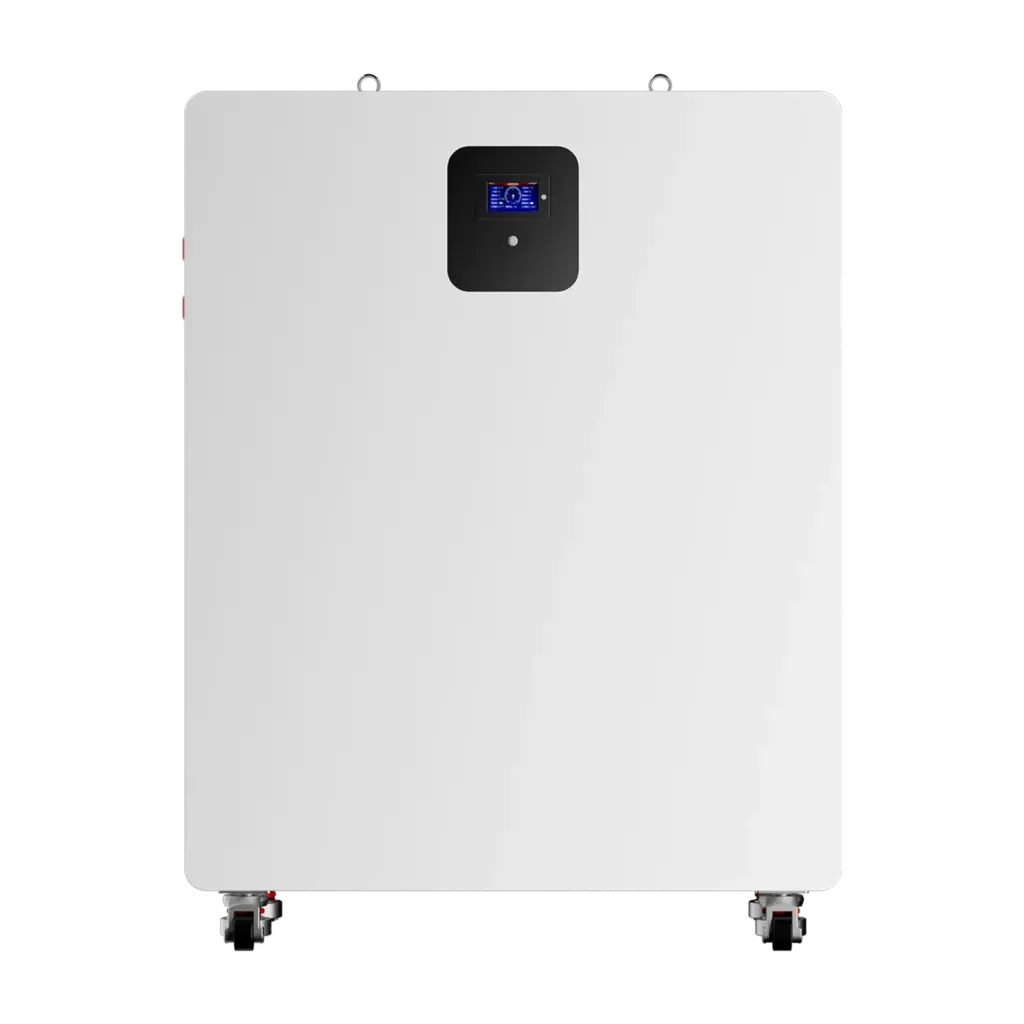
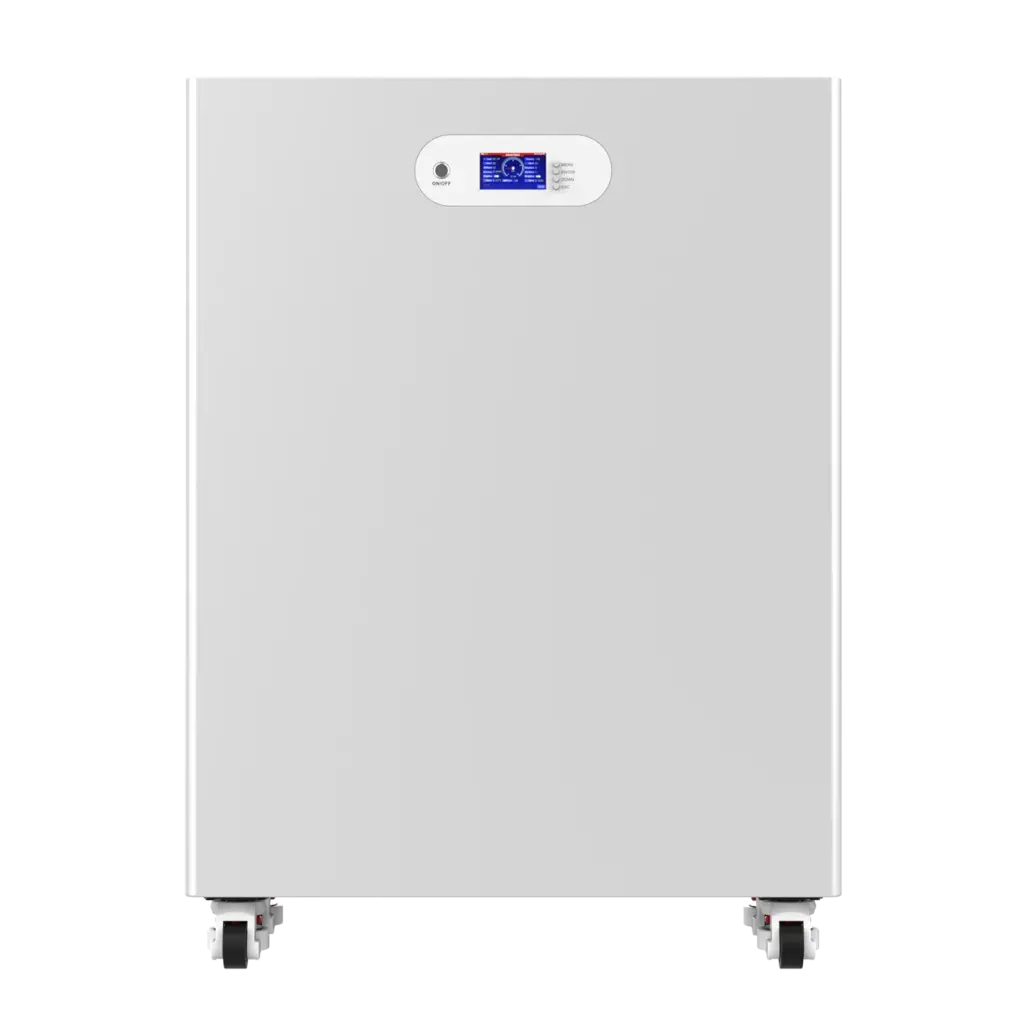
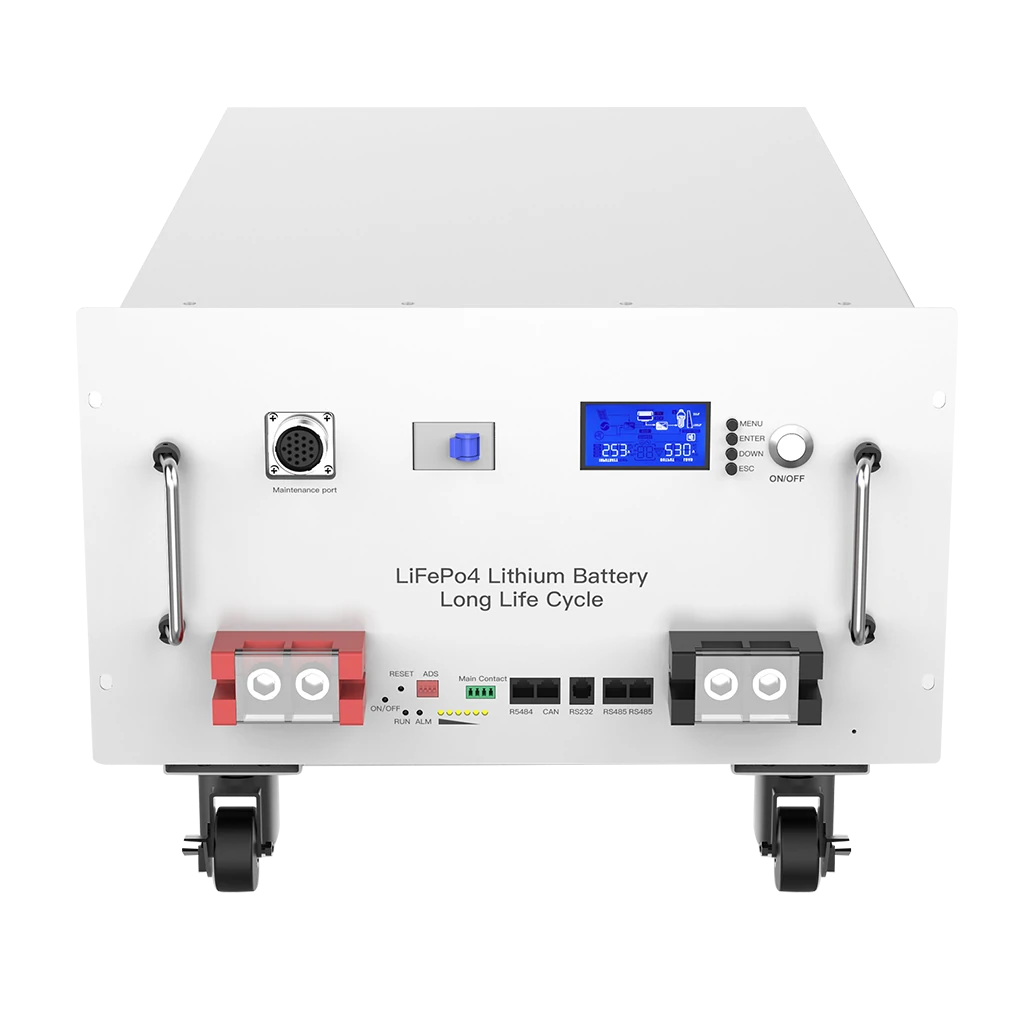
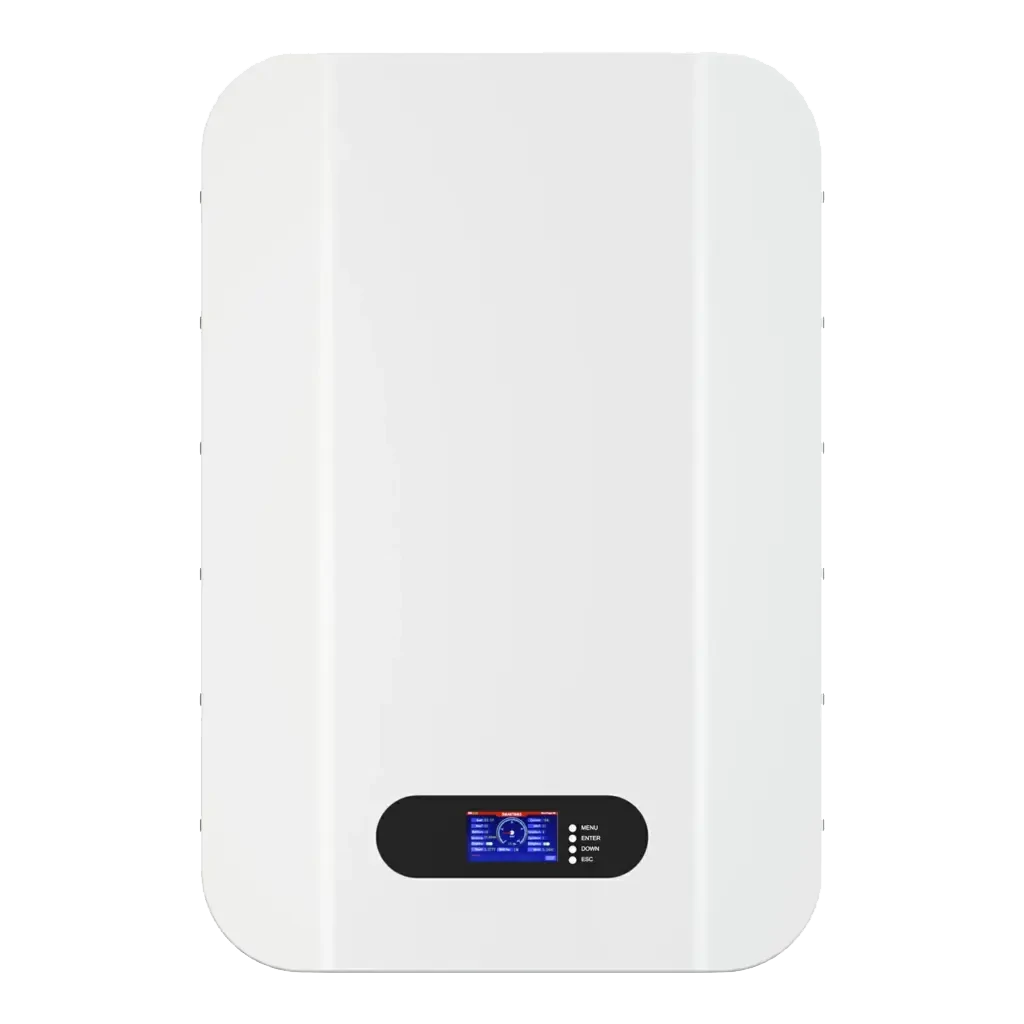
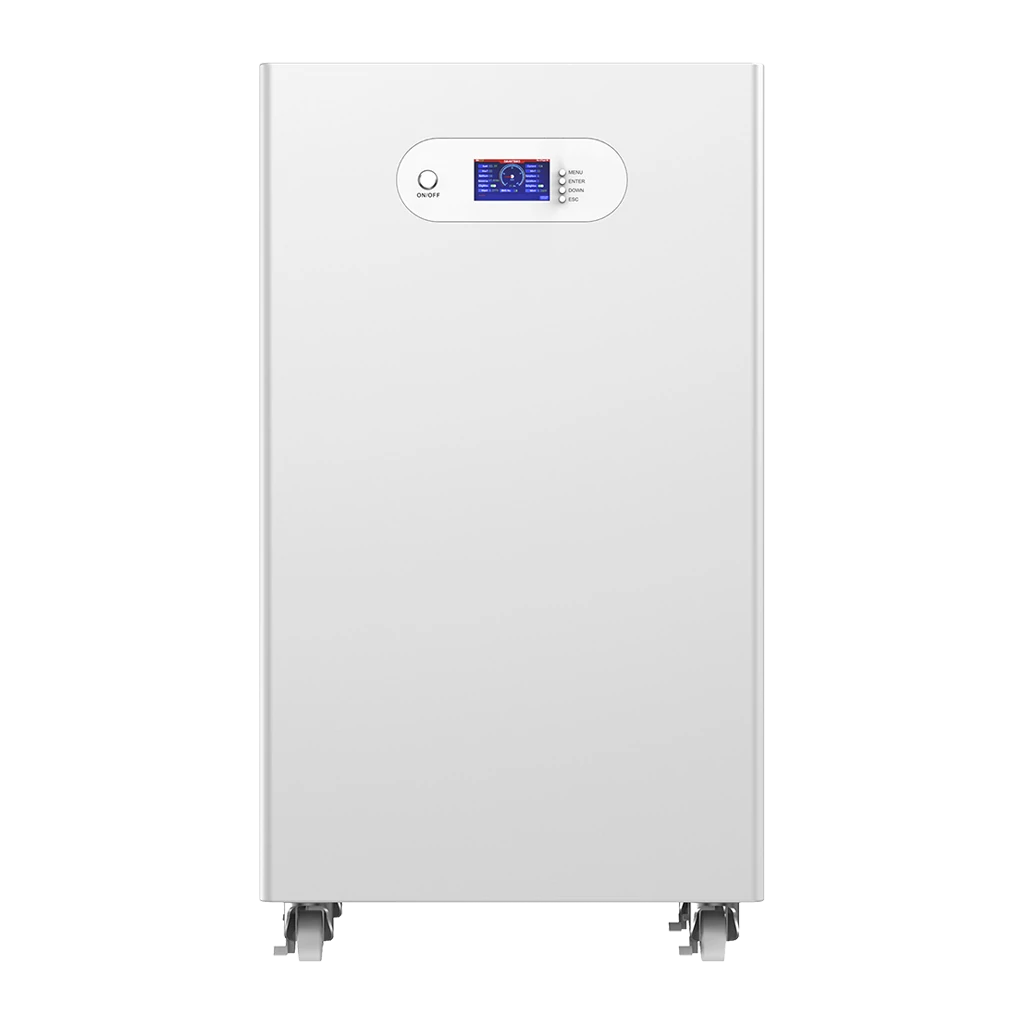
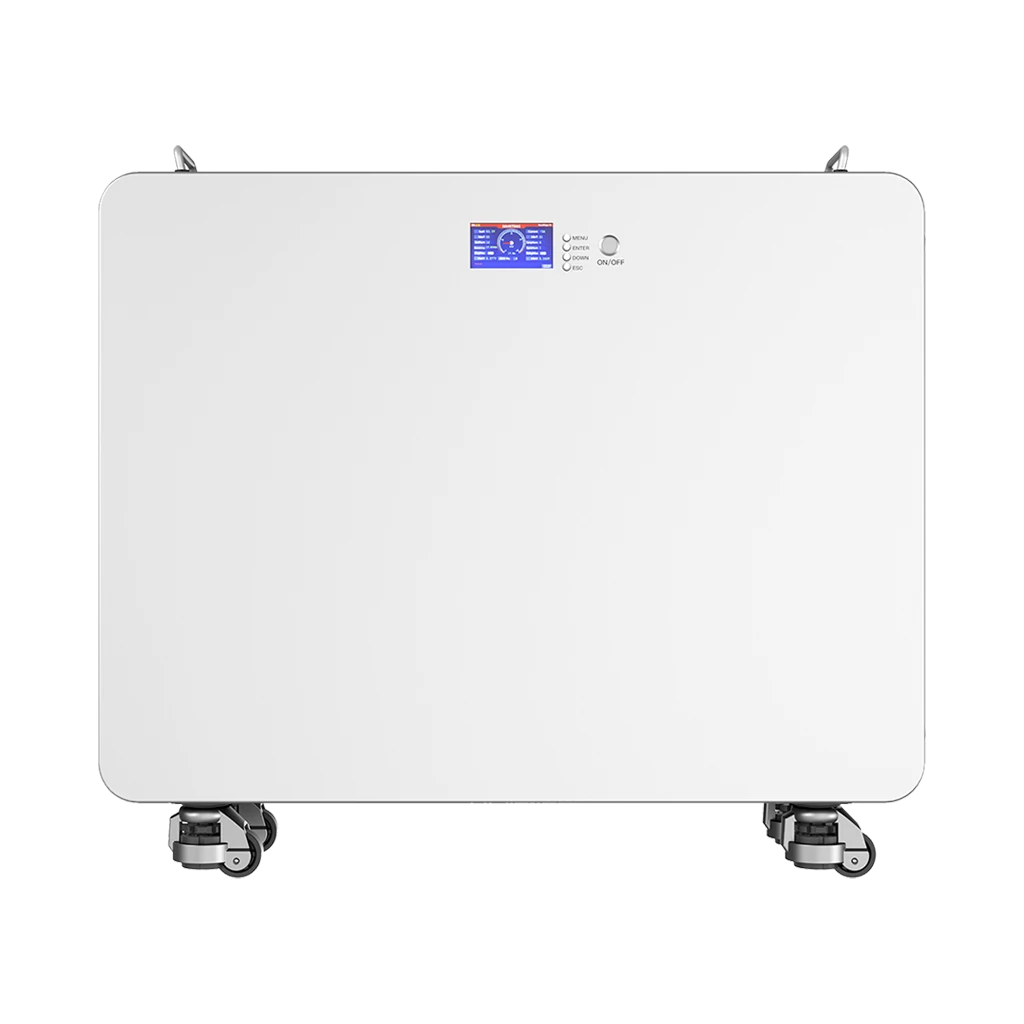
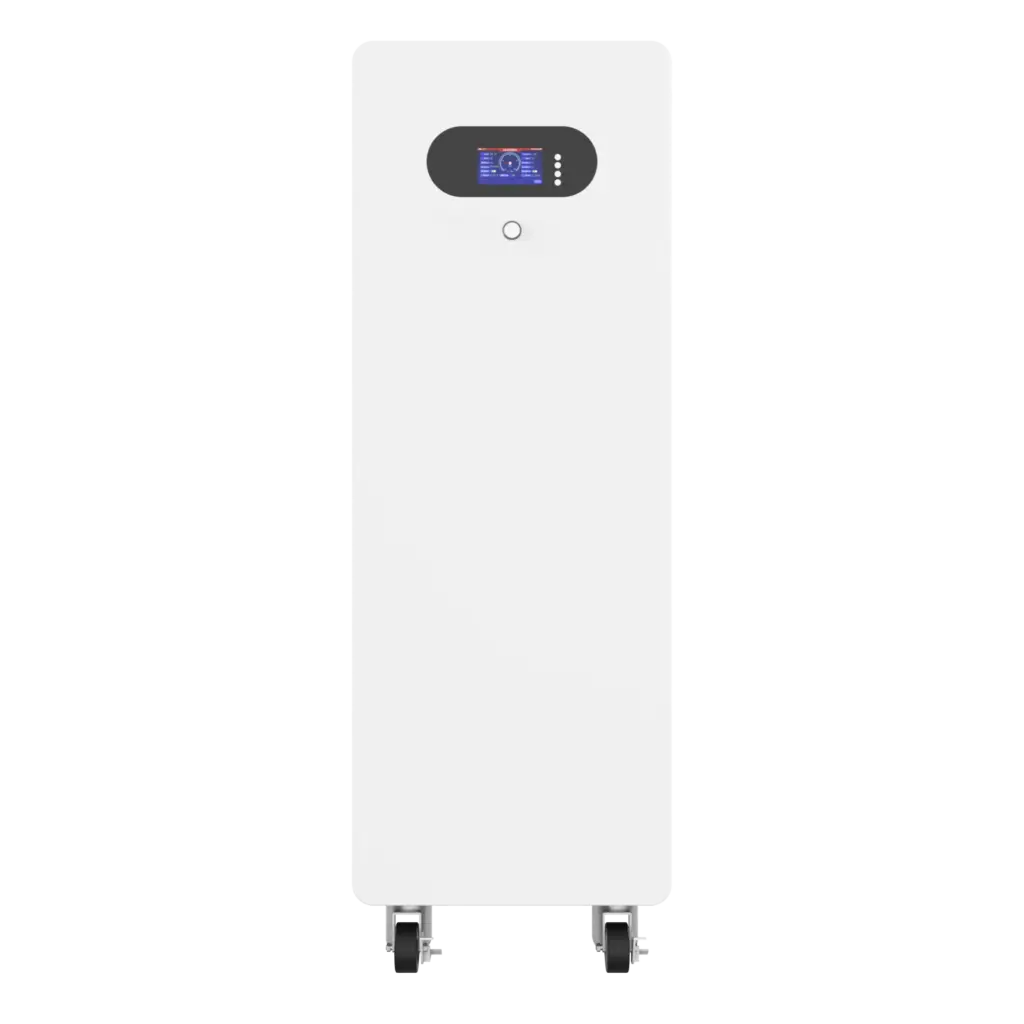
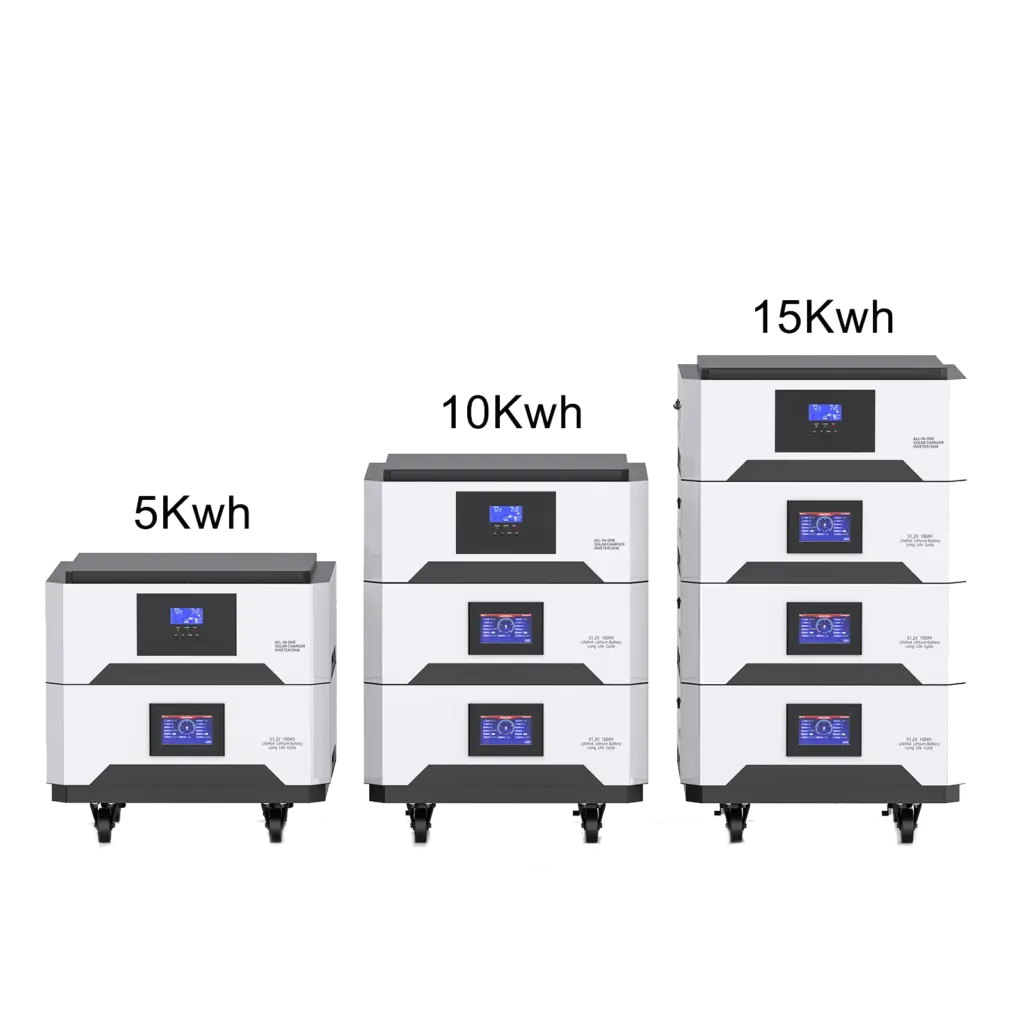
The Avepower 15kWh home solar battery with a 6kW inverter is a strong example of an integrated energy storage approach.
This system combines a 48V LiFePO4 battery pack, a 6kW inverter, and an MPPT solar charge controller into a single cabinet. It is designed as a compact, all-in-one solution for whole-home backup power, daily energy savings, and small commercial loads.
It features dual MPPT inputs with up to 2 × 7.5kW solar input capacity, an MPPT voltage range of 90–500VDC, pure sine wave output, and a fast switching time as low as 10ms. The system also supports Bluetooth and Wi-Fi monitoring for real-time visibility. With a rated cycle life of over 8,000 cycles and an intelligent Battery Management System (BMS), it ensures both safety and long-term performance.
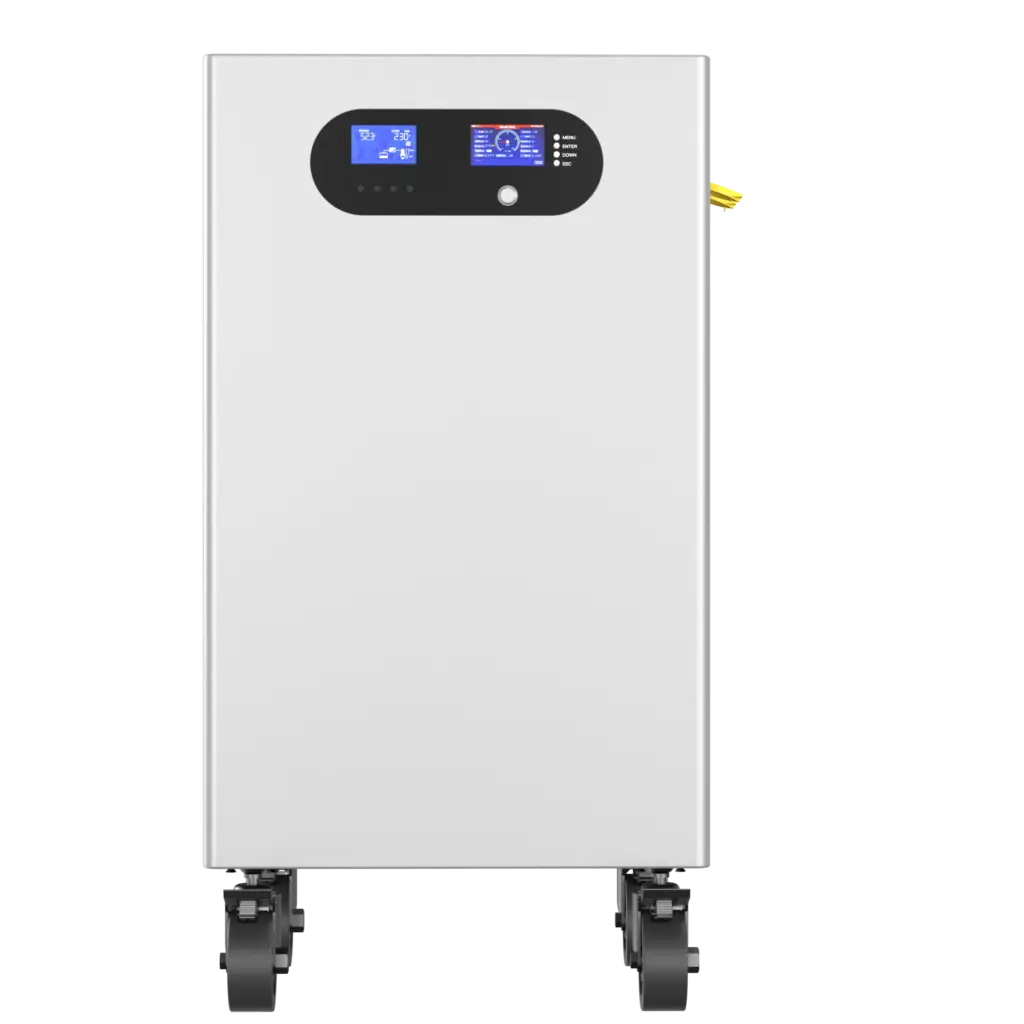
Avepower 15kWh Home Solar Battery with 6kW Inverter
- All-in-one battery, inverter, and MPPT for easy installation.
- 15kWh LiFePO4 battery with long life and safety.
- Dual MPPT supports up to 2×7.5kW solar input.
- Pure sine wave output for sensitive devices.
- Fast backup with transfer time as low as 10ms.
- Quiet (≤50dB) with built-in BMS and protections.
- Works from -10°C to 50°C, up to 4000m altitude.
What Does This Mean in the Context of MPPT?
In traditional energy storage setups, you often need to source batteries, inverters, solar charge controllers, BMS coordinators, and communication modules separately. This increases wiring complexity, compatibility risks, and installation time.
By contrast, an integrated energy storage cabinet with built-in MPPT significantly simplifies the system architecture. Installers no longer need to match separate controllers with batteries and inverters, and end users benefit from a cleaner, more unified solution.
What makes this design especially appealing is that it turns a technical concept into tangible value. You are not just buying an abstract “MPPT” feature—you are investing in a complete system that can handle high solar input, efficiently convert energy, store it in long-life LiFePO4 batteries, and deliver stable AC power when the grid goes down or electricity prices rise.
Looking for a reliable all-in-one solar storage solution with built-in MPPT?
Contact Avepower today to learn more about our integrated battery systems and find the right solution for your home or business.
Conclusion
Maximum Power Point Tracking (MPPT) is a critical technology for anyone looking to optimize their solar energy system. By intelligently adjusting voltage and current to extract the maximum power from solar panels, MPPT controllers significantly improve system efficiency, reduce energy loss, and enhance overall performance.
Compared to traditional PWM controllers, MPPT offers clear advantages: higher energy yield, adaptability to weather changes, fewer solar panels required, and better performance for larger installations. Although MPPT controllers may cost more upfront, the efficiency gains and faster return on investment make them a compelling choice for both residential and commercial systems.
FAQ
MPPT stands for Maximum Power Point Tracking. It is a technology used in solar charge controllers and some inverters to help solar panels operate at the point where they can produce the most power.
An MPPT charge controller monitors the voltage and current coming from the solar panels, finds the most efficient operating point, and converts that power into the proper charging output for the battery bank.
In an off-grid solar system, battery charging efficiency is critical. MPPT helps harvest more usable energy from the solar array, which improves battery charging performance and makes better use of available sunlight.
In most cases, yes. MPPT is generally more efficient than PWM because it can optimize both voltage and current instead of simply regulating current. This allows the solar system to capture more usable power, especially in changing weather conditions.
The exact improvement depends on system design, temperature, sunlight conditions, and battery voltage. In many practical applications, MPPT can deliver noticeably higher energy harvest than PWM, especially when panel voltage is significantly higher than battery voltage.
Yes. Many modern all-in-one solar power systems and energy storage products come with built-in MPPT charge controllers. This can simplify installation and improve compatibility between the solar input, battery, and inverter.