
A PWM controller is an electronic controller that uses pulse width modulation to regulate how much power is delivered to a load, such as a battery, DC motor, LED light, fan, or other electrical device. Instead of reducing voltage in a purely linear way, it switches power on and off very quickly and adjusts the length of the “on” time.
In solar power systems, the term PWM controller most often refers to a PWM solar charge controller. This device manages the flow of electricity from solar panels to a battery bank. It helps prevent overcharging, regulates battery voltage, and supports safer charging in small off-grid solar systems.
Quick Answer: What Is a PWM Controller?
A PWM controller is a device or circuit that uses pulse width modulation to control how much power reaches a load, such as a motor, LED, heater, or battery. In solar systems, a PWM solar charge controller manages the charging current between solar panels and a battery bank by rapidly switching the panel connection on and off.
For solar battery charging, PWM controllers are generally simple, reliable, and cost-effective. They are usually best suited for small solar systems, 12V or 24V battery banks, and systems where the solar panel voltage closely matches the battery voltage. For larger solar arrays or higher-voltage panels, an MPPT controller is often more efficient because it can convert extra panel voltage into usable charging current.
What Does PWM Mean?
PWM means Pulse Width Modulation.
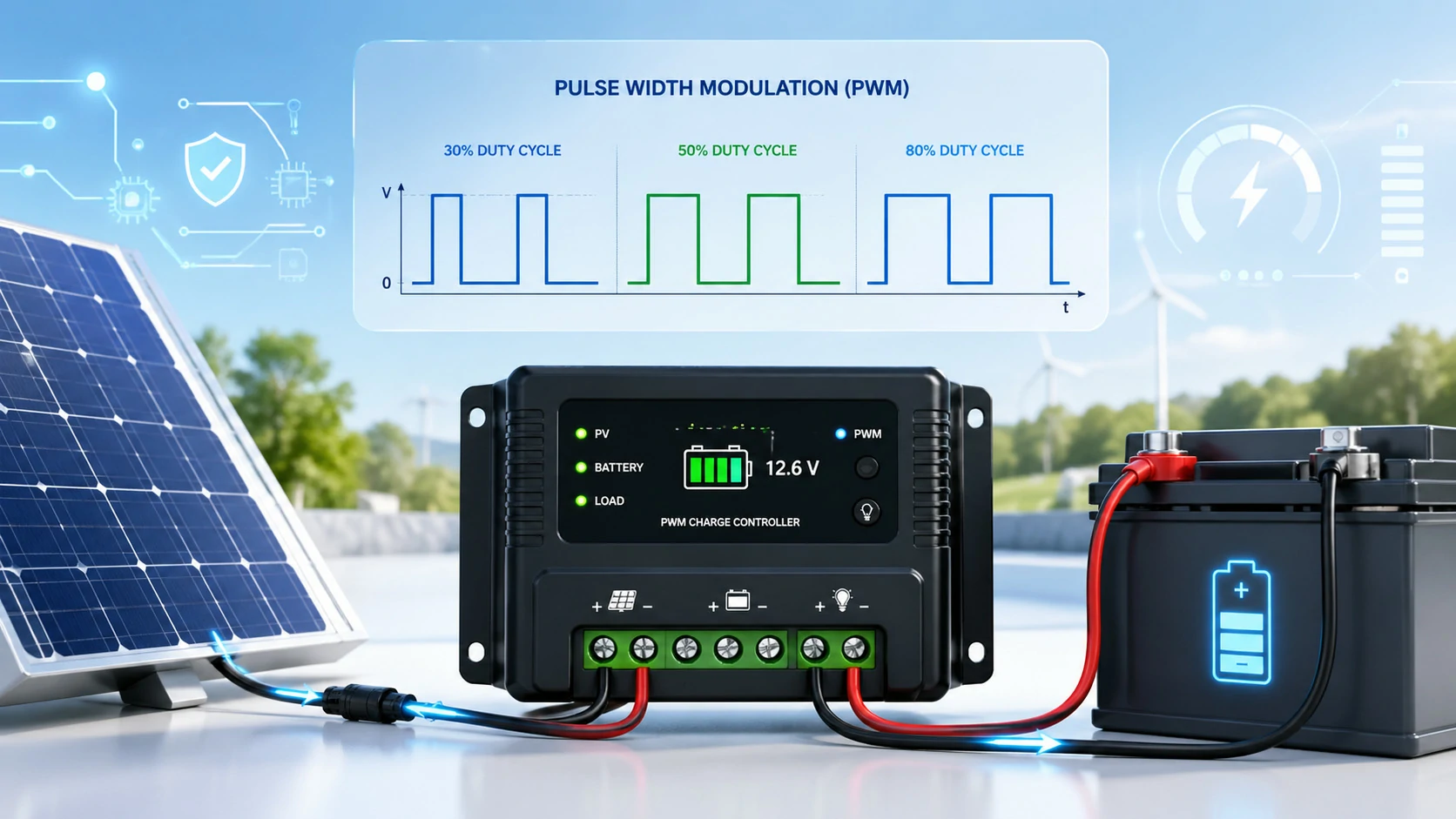
A PWM signal is usually a square-wave signal that repeatedly switches between an “on” state and an “off” state. The controller changes the width of each “on” pulse to control the average power output.
For example:
- A 25% duty cycle means the signal is on for 25% of the time and off for 75%.
- A 50% duty cycle means the signal is on half the time and off half the time.
- A 75% duty cycle means the signal is on for most of the cycle, so more average power is delivered.
The duty cycle describes the proportion of “on” time within one switching period. A lower duty cycle means lower average power, while a higher duty cycle means higher average power.
How Does a PWM Controller Work?
A PWM controller works by switching electrical power on and off at a specific frequency. The controller does not usually reduce voltage in a smooth analog way. Instead, it sends a series of pulses.
The important measurement is called the duty cycle.
Duty Cycle Formula:
Duty Cycle = On Time ÷ Total Cycle Time × 100%
For example:
| Duty Cycle | Meaning | Average Output Effect |
|---|---|---|
| 10% | On for 10% of each cycle | Low power |
| 50% | On half the time | Medium power |
| 90% | On for most of the cycle | High power |
| 100% | Always on | Full power |
A low duty cycle delivers less average power because the signal is off most of the time. A high duty cycle delivers more power because the signal is on for most of the cycle.
Simple Example: PWM Like a Fast Water Tap
Imagine a water tap that can only be fully open or fully closed.
If you open the tap for one second and close it for nine seconds, only a small amount of water flows. If you open it for nine seconds and close it for one second, much more water flows.
PWM works in a similar way, but much faster. The controller rapidly switches power on and off. By changing the “on” time, it controls how much average energy reaches the load.
This is why PWM is commonly used in systems where simple, efficient control is needed.
Common Types of PWM Controllers
The term PWM controller can refer to several types of devices, depending on the application. Below are the most common categories:
1. PWM Solar Charge Controller
A PWM solar charge controller regulates the charging process between solar panels and a battery bank. It prevents overcharging and adjusts the charging current as the battery voltage changes, helping extend battery life and maintain system stability.
2. PWM Motor Controller
PWM motor controllers are used to control the speed of DC motors by varying the effective voltage supplied. They are widely used in applications such as robotics, electric fans, pumps, and small electric vehicles.
3. PWM LED Controller
A PWM LED controller manages brightness by rapidly switching the LED on and off at a frequency too fast for the human eye to detect. This method ensures smooth dimming while maintaining high energy efficiency.
4. PWM Power Supply Controller
PWM technology is commonly used in switching power supplies and voltage regulators. It allows efficient control of output voltage and power, reducing energy loss compared to linear regulation methods.
5. PWM Fan Speed Controller
PWM fan controllers adjust fan speed in computers, HVAC systems, and other cooling equipment. By dynamically controlling airflow, they help optimize cooling performance while reducing noise and power consumption.
Can a PWM Controller Be Used With Lithium Batteries?
Yes, a PWM controller can be used with lithium batteries only if the controller supports the correct lithium charging parameters. For LiFePO4 batteries, the controller should allow proper charge voltage, float behavior, and low-temperature charging protection if required.
However, the battery’s BMS and the charge controller are not the same thing.
A BMS protects the battery cells from unsafe conditions such as overvoltage, undervoltage, overcurrent, short circuit, and temperature issues. A charge controller manages how solar power is delivered to the battery. Both must be compatible.
For Avepower LiFePO4 energy storage batteries, the system design should match the battery voltage, charge current limit, inverter or controller communication requirements, and installation environment. For larger residential or commercial battery storage systems, MPPT-based hybrid inverters are usually more suitable than basic PWM controllers.
What Is a PWM Solar Charge Controller?
A PWM solar charge controller is a solar battery charging device that connects solar panels to a battery bank and controls the charging process using pulse width modulation.
Its main job is to:
- Regulate charging current
- Prevent battery overcharging
- Maintain a suitable battery voltage
- Help protect battery life
- Reduce unnecessary heating and gassing in lead-acid batteries
- Support stable charging in small solar systems
How Does a PWM Solar Charge Controller Work?
In a solar system, a PWM controller sits between the solar panel and the battery.
A basic flow looks like this:
Solar Panel → PWM Charge Controller → Battery Bank → DC Loads or Inverter
When the battery is low, the PWM controller allows more current to flow from the solar panel to the battery. As the battery gets closer to full charge, the controller reduces the charging current by shortening the pulse width.
This means the controller does not simply leave the panel fully connected all the time. It pulses the connection to control charging and avoid overcharging. In 12V and off-grid systems, this makes PWM controllers simple and practical when the solar panel voltage is close to the battery voltage.
PWM Charging Stages in Solar Battery Systems
A PWM charge controller manages battery charging through several stages, depending on its design and battery configuration. These stages help ensure safe, efficient charging and extend battery lifespan.
Bulk Charging
During the bulk stage, the battery is in a low state of charge, so the controller allows as much current as available from the solar panels to flow into the battery. With PWM, the panel voltage is effectively pulled down close to the battery voltage, delivering strong initial charging current.
Absorption Charging
As the battery approaches its target voltage, the controller begins regulating the charge more carefully. It holds the voltage at a set level while gradually reducing the current. This prevents overheating and avoids overcharging while ensuring the battery reaches a near-full state.
Float Charging
Once the battery is fully charged, the controller switches to float mode. It maintains a lower, stable voltage to keep the battery topped off without pushing excess current, reducing stress and extending battery life.
For lead-acid batteries, this helps reduce overheating and gassing. For lithium batteries, the charge controller must support the correct lithium charging profile and voltage settings.
PWM Controller vs MPPT Controller
PWM and MPPT are the two main types of solar charge controllers.
A PWM controller regulates charging by switching the connection between the solar panel and battery on and off. It works best when the solar panel voltage is close to the battery voltage.
An MPPT controller, or Maximum Power Point Tracking controller, actively tracks the solar panel’s maximum power voltage and converts excess voltage into additional charging current. This allows MPPT controllers to harvest more usable energy in many solar conditions.
| Feature | PWM Controller | MPPT Controller |
|---|---|---|
| Name | Pulse Width Modulation | Maximum Power Point Tracking |
| Working Method | Pulls the panel voltage down close to the battery voltage | Tracks the maximum power point of the solar panels |
| Best For | Small systems with matched panel and battery voltage | Larger systems with higher voltage arrays |
| Cost | Lower | Higher |
| Efficiency Potential | When panel voltage is much higher than battery voltage, excess voltage is lost | Higher, as excess voltage can be converted into current |
| Typical Applications | 12V/24V small solar systems, RVs, small off-grid setups | Residential solar storage, commercial systems, complex arrays |
| Panel Compatibility | Requires more precise voltage matching | More flexible with high-voltage panels |
Why Does PWM Lose Efficiency With Higher-Voltage Solar Panels?
A PWM controller does not convert extra solar panel voltage into additional charging current. Instead, the solar panel voltage is pulled down toward the battery voltage.
For example, if a solar panel operates around 30V but charges a 12V battery through a PWM controller, much of the voltage advantage is not fully used. This is why many 60-cell solar modules with a Vmp around 30V may be suitable for MPPT controllers but not ideal for PWM controllers.
This does not mean PWM controllers are bad. It means they must be used in the right type of system.
Is a PWM Controller Good for Home Energy Storage?
For modern home energy storage systems, PWM controllers are usually not the first choice. Residential solar batteries often work with hybrid inverters, MPPT solar inputs, app monitoring, CAN or RS485 communication, and advanced battery management.
PWM controllers are more common in smaller DC systems, not full home battery backup systems.
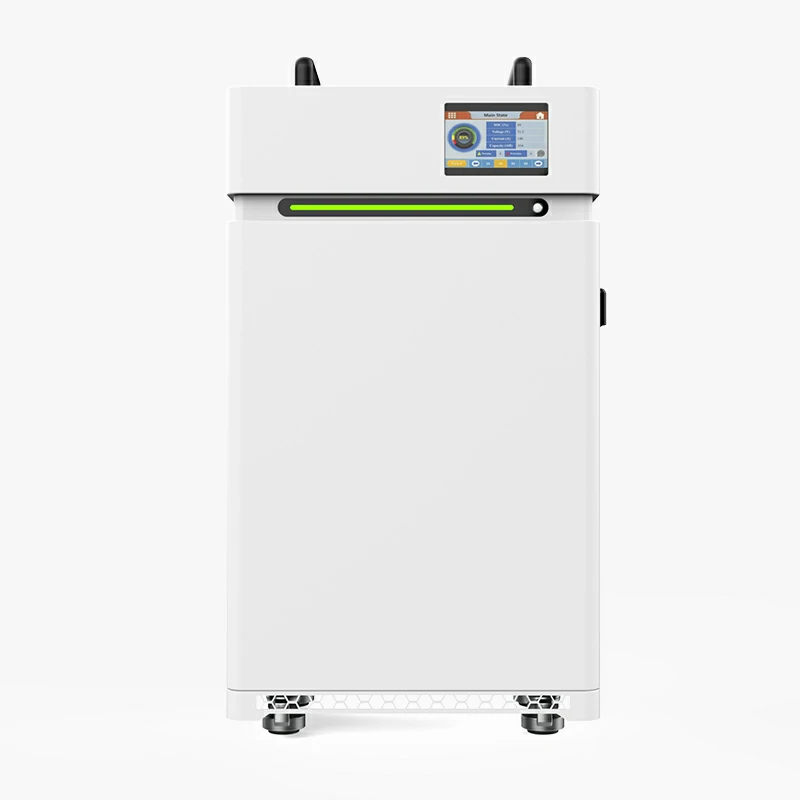
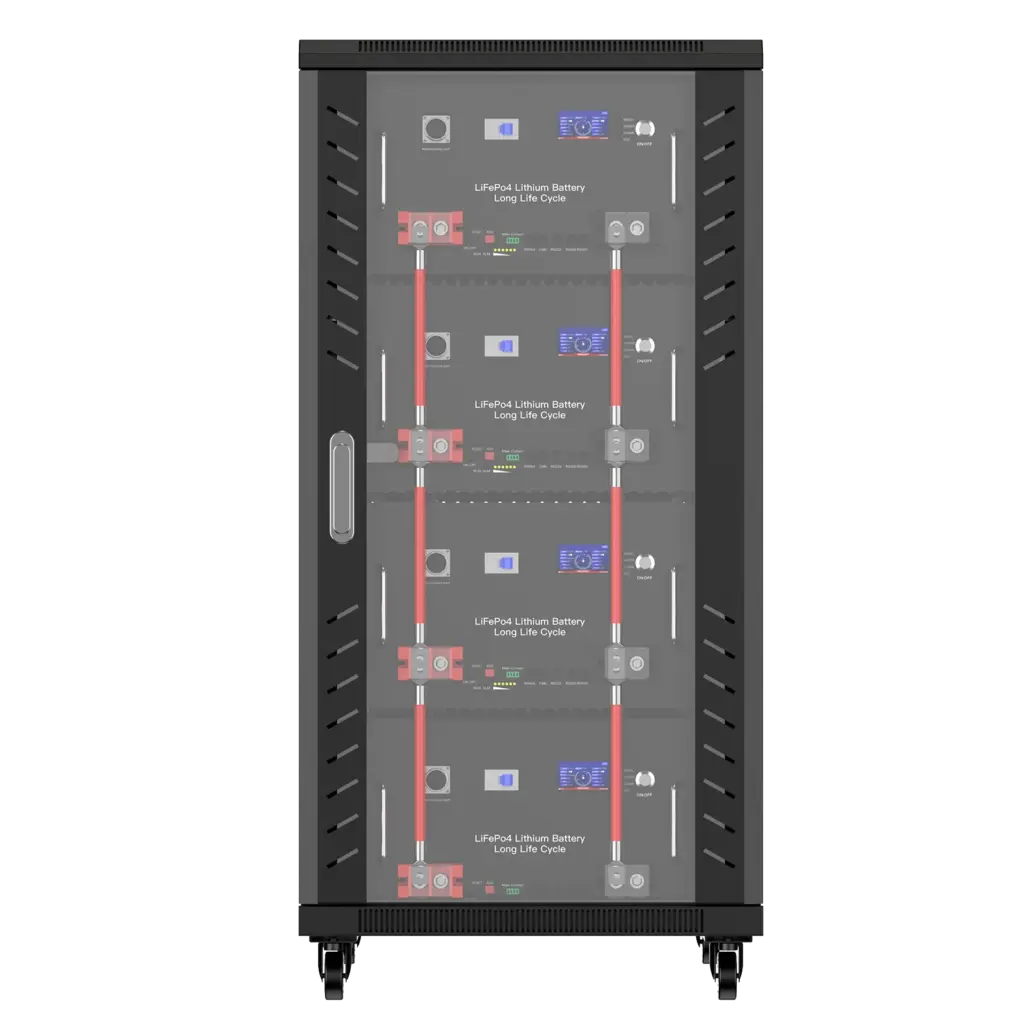
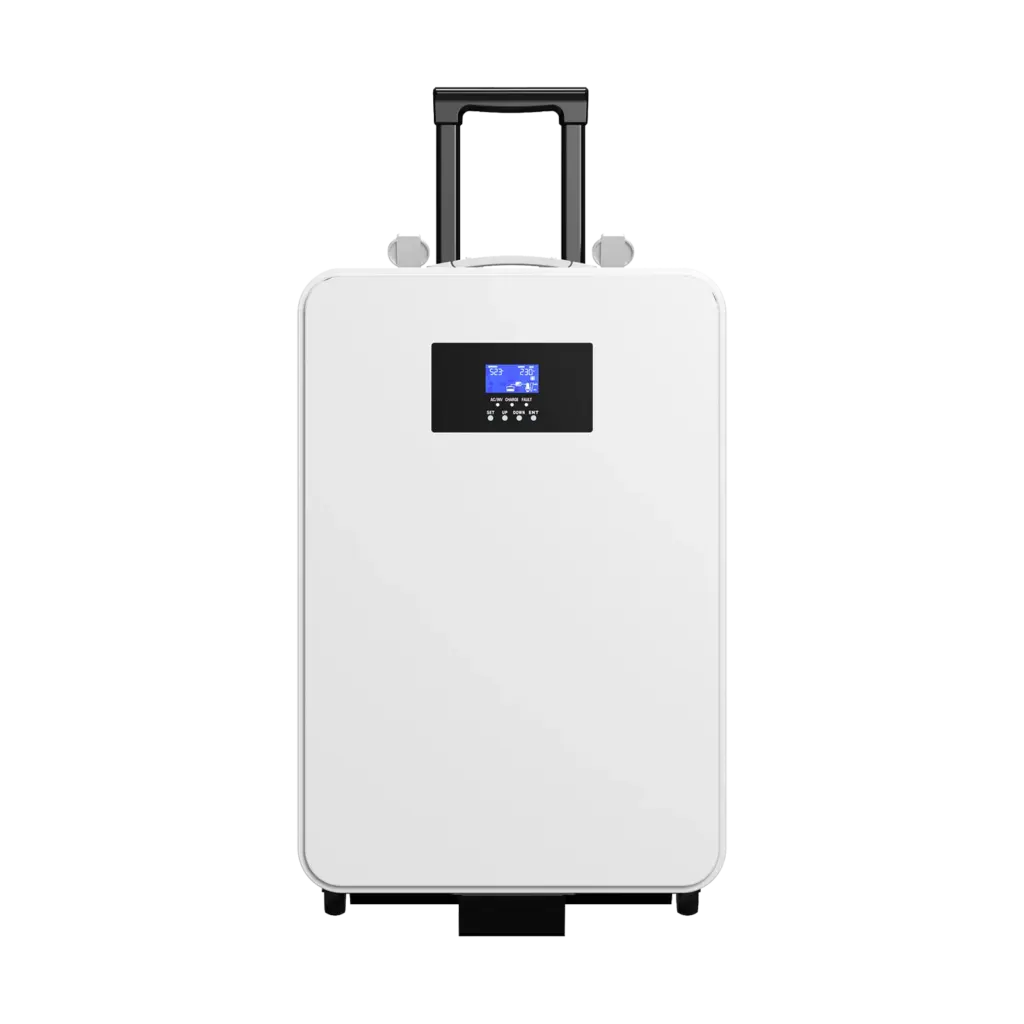
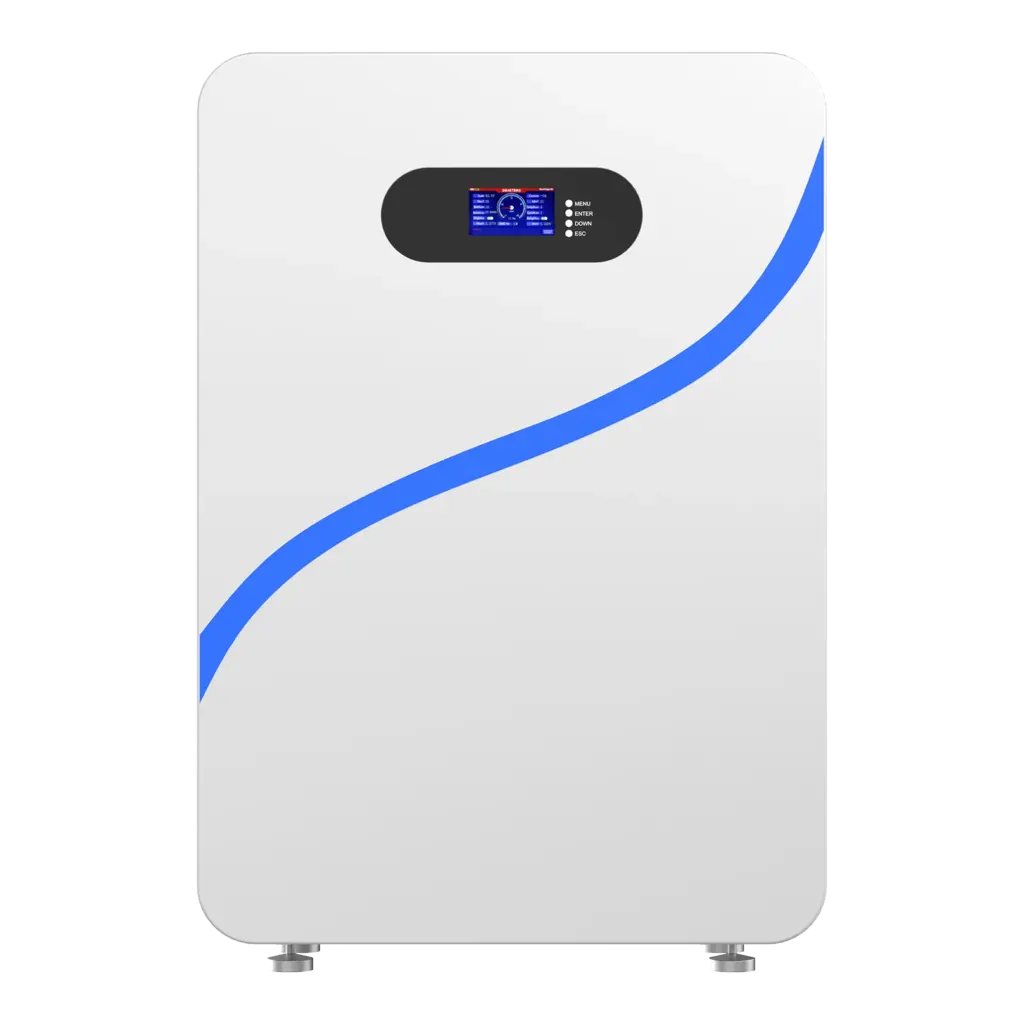
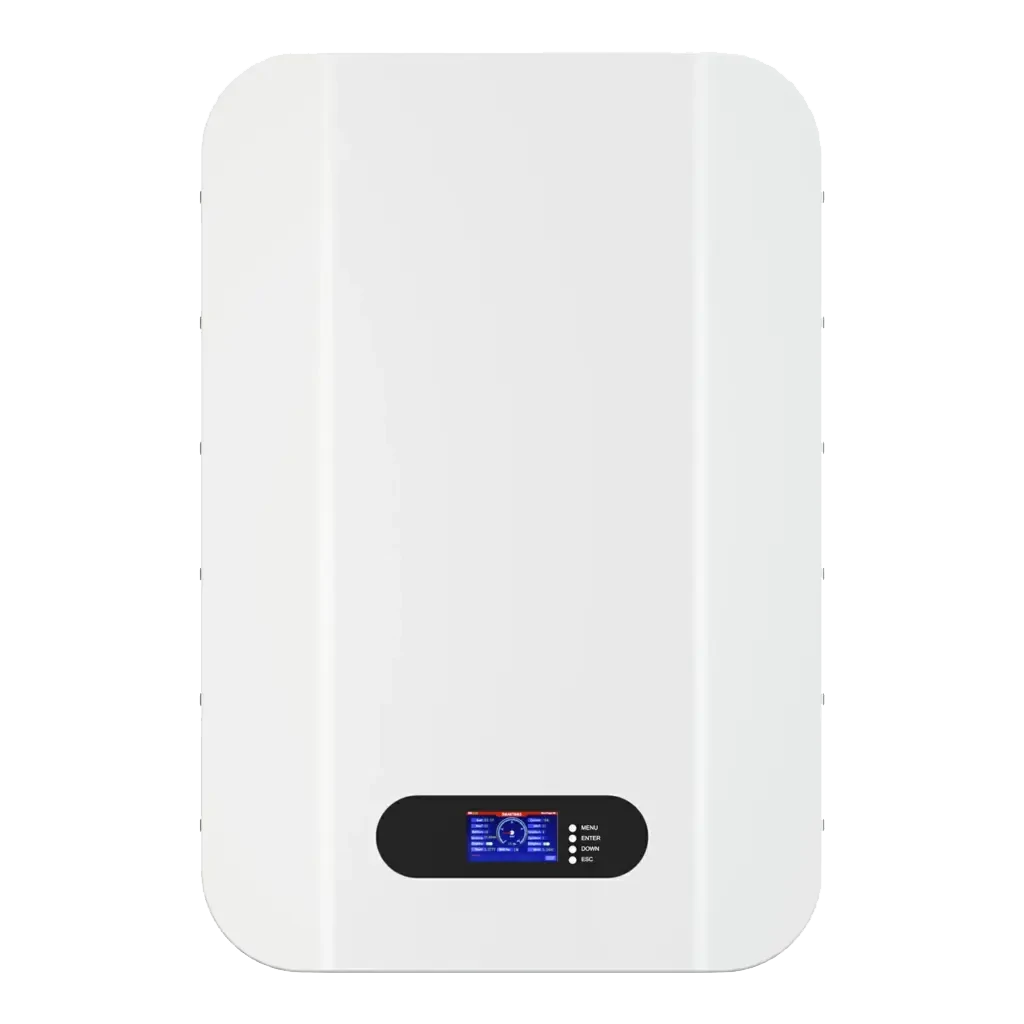
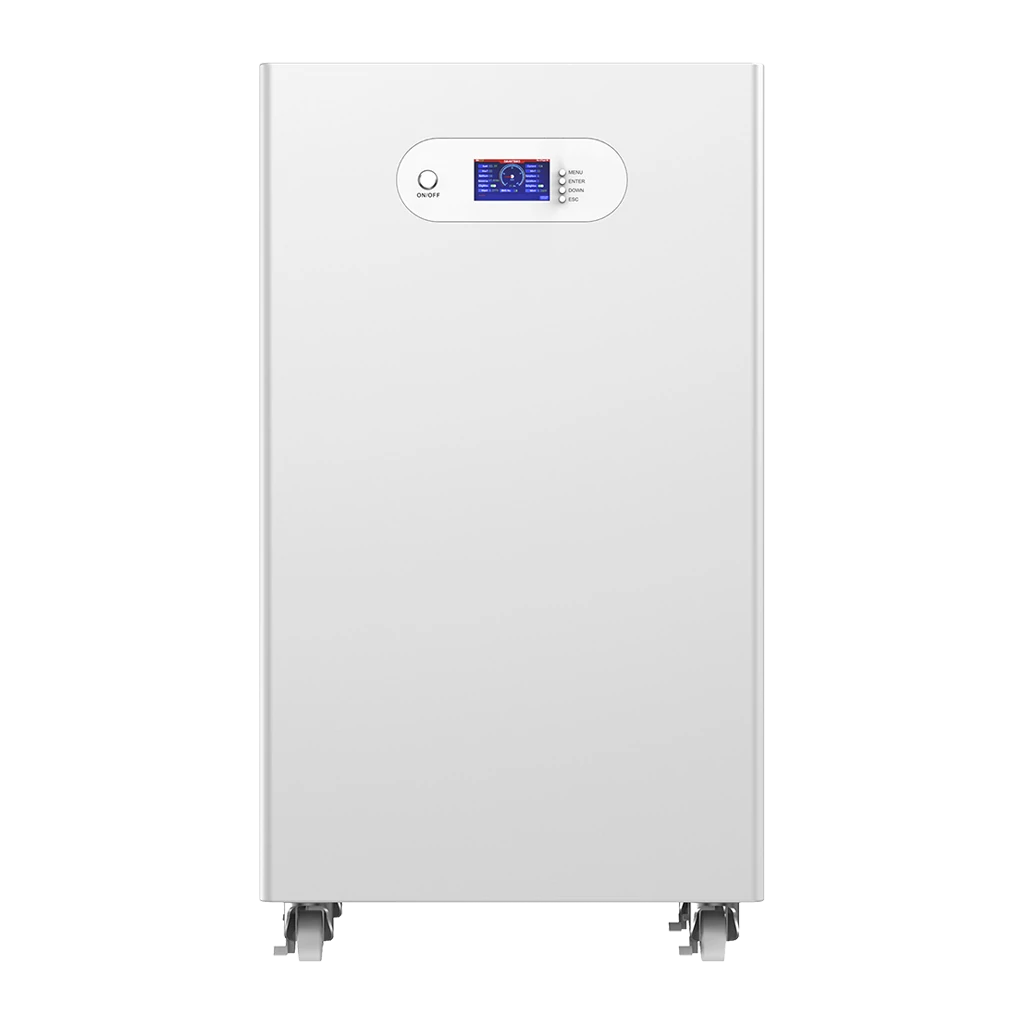
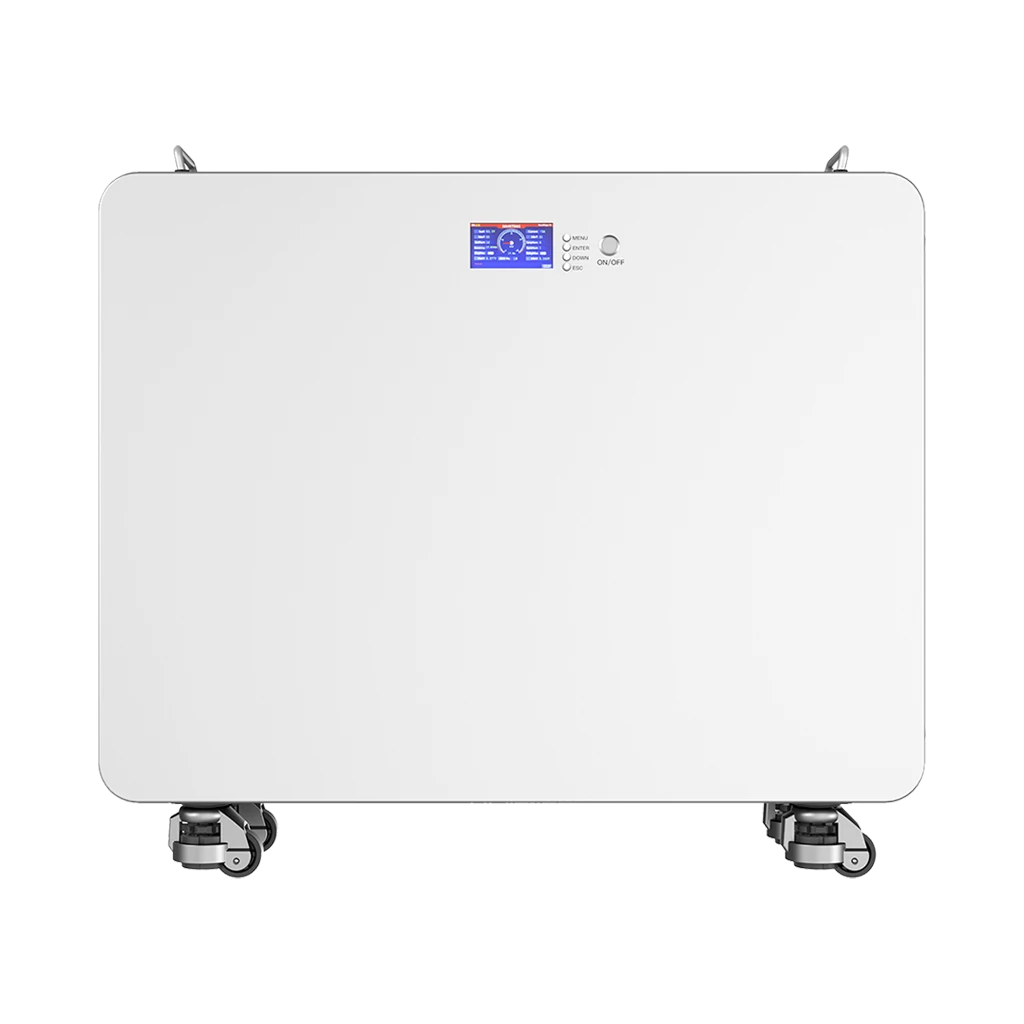
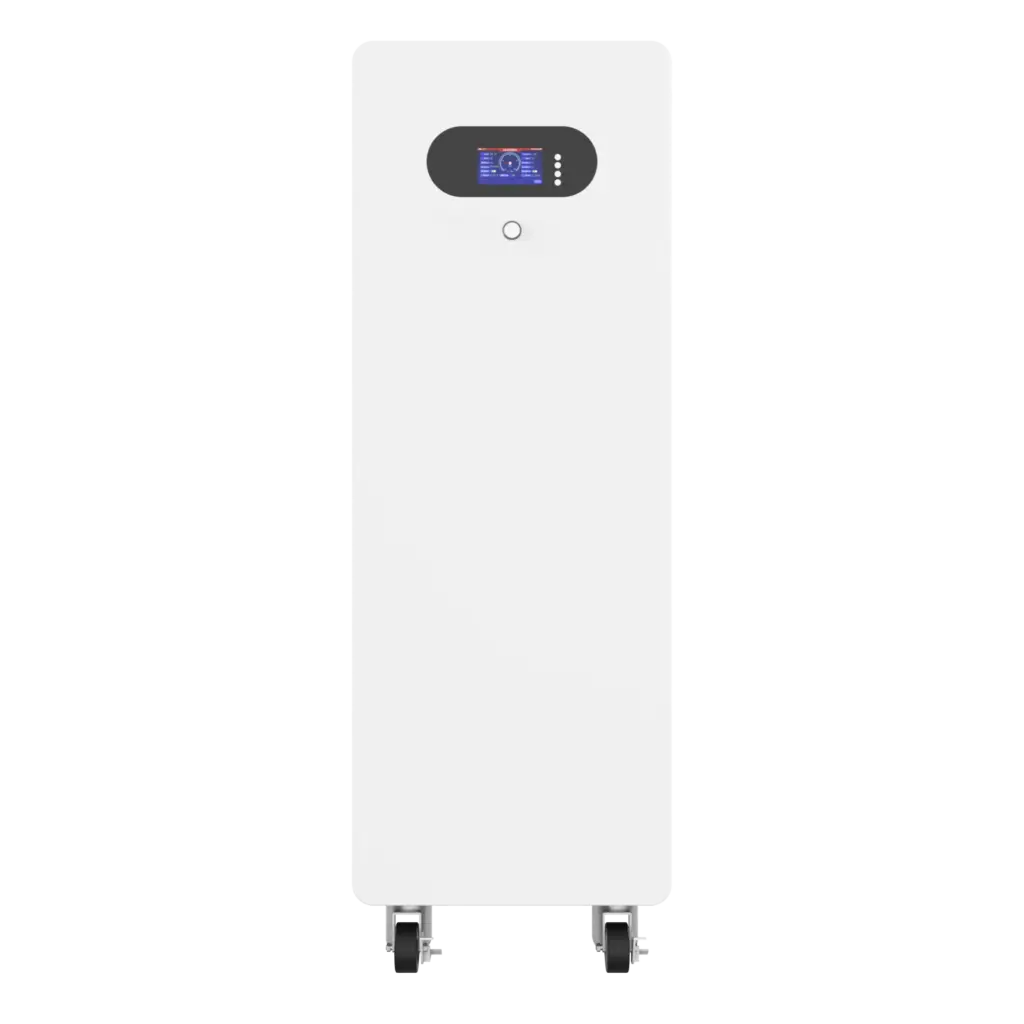
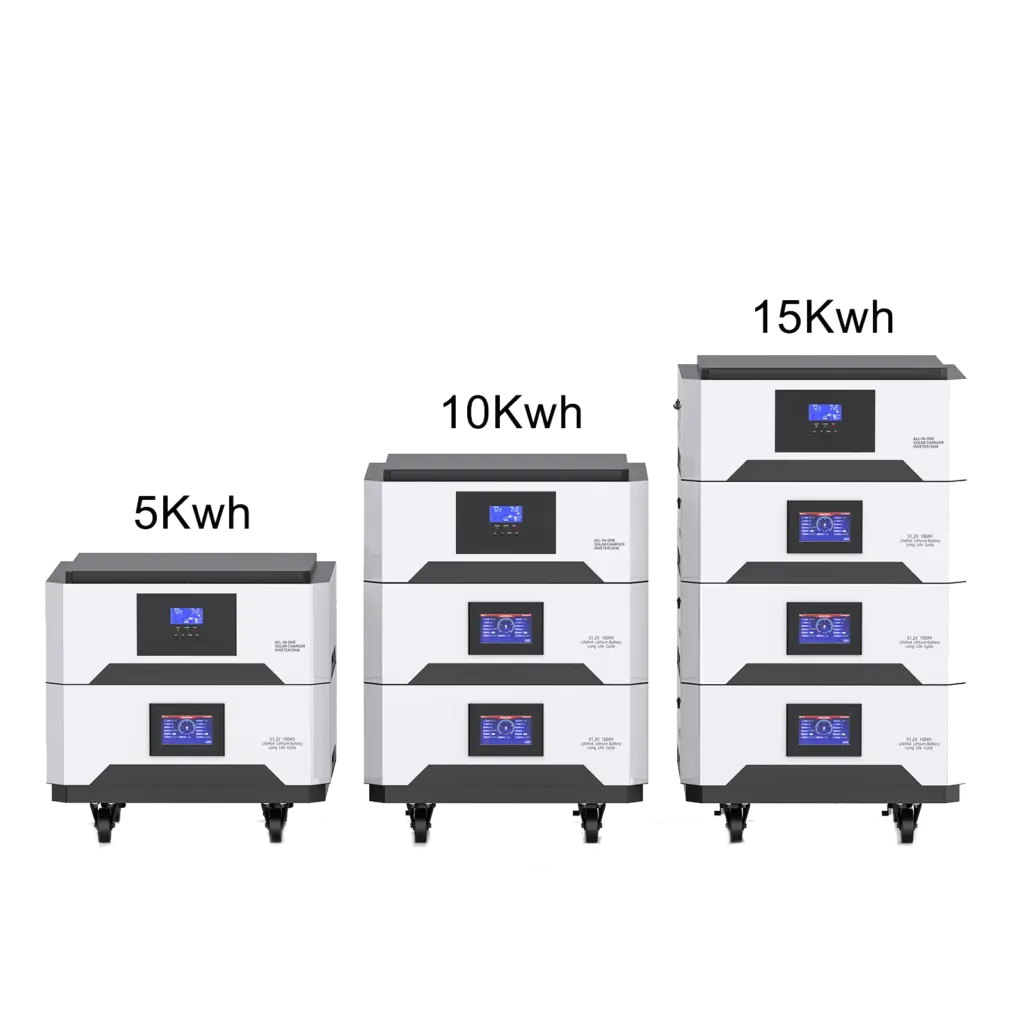
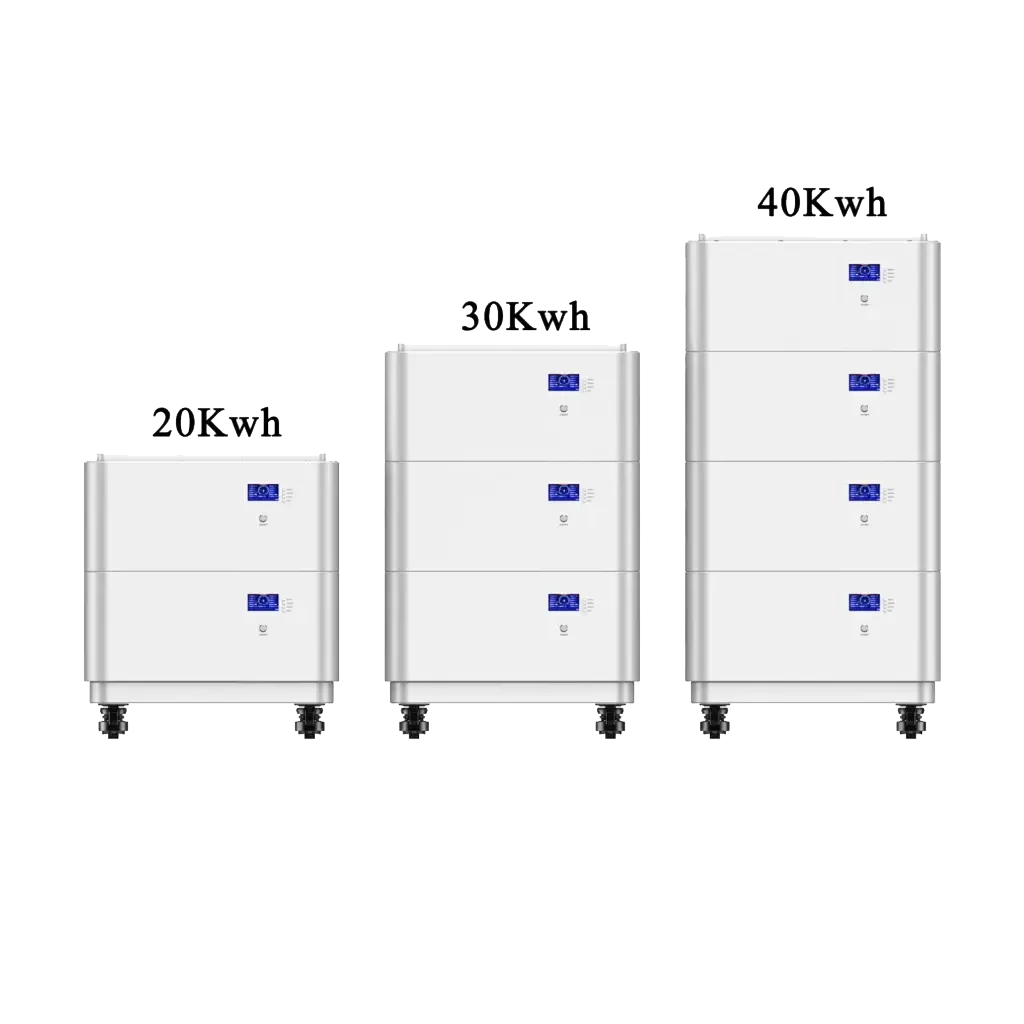
For example, Avepower residential LiFePO4 battery solutions are designed for installers, distributors, and project developers who need reliable home energy storage, inverter compatibility, BMS protection, communication support, and scalable capacity options. In these systems, the battery should be paired with a compatible inverter or charge system rather than selected only by controller type.
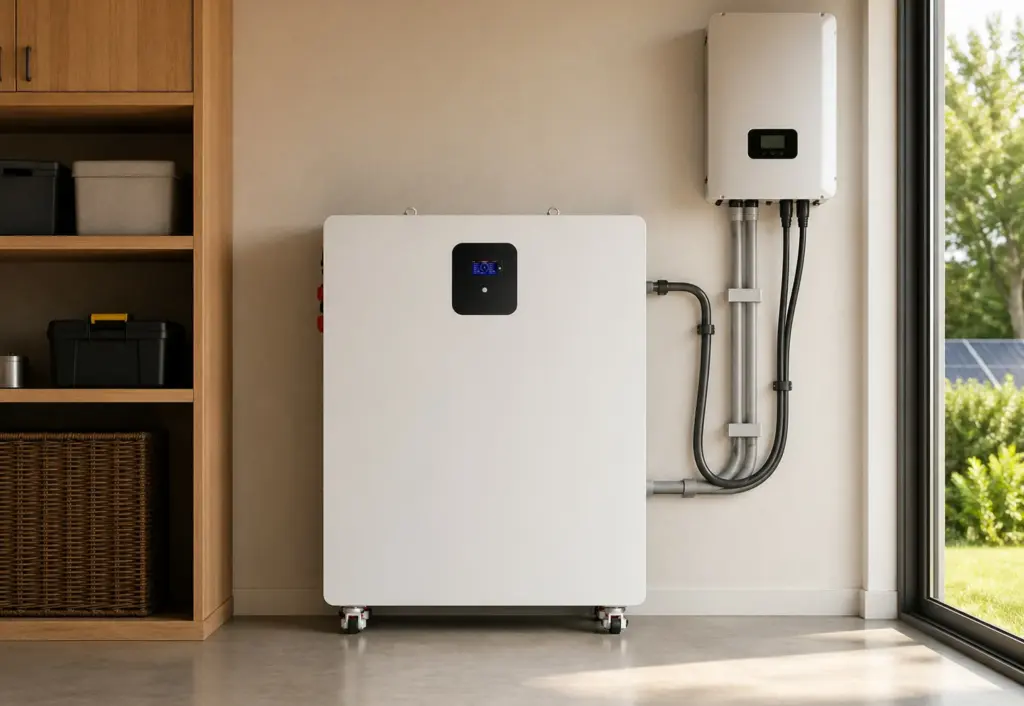
Avepower 50kWh 942Ah Solar Battery
Contact Avepower to discuss your solar battery storage project and get a suitable LiFePO4 solar battery solution.
Advantages of PWM Controllers
PWM controllers remain popular because they are simple, affordable, and effective in the right applications.
- Lower Cost: PWM controllers are usually less expensive than MPPT controllers. This makes them attractive for small solar kits, RV systems, camping setups, lighting systems, and low-power off-grid applications.
- Simple Design: PWM controllers have a simpler operating principle. Fewer complex conversion stages can mean easier installation and easier troubleshooting.
- Good for Small Solar Systems: For small systems where panel voltage closely matches battery voltage, a PWM controller can perform well enough without the added cost of MPPT.
- Reliable for 12V and 24V Setups: PWM controllers are often used in basic 12V and 24V battery systems, especially when the solar panel is selected specifically for that battery voltage.
- Lower Standby Consumption: Because PWM controllers are simpler, some models may consume less self-power than larger MPPT controllers, which can matter in very small systems.
Limitations of PWM Controllers
PWM controllers also have clear limitations.
- Lower Energy Harvest in Many Solar Systems: When solar panel voltage is significantly higher than battery voltage, PWM cannot convert that extra voltage into useful charging current. MPPT is usually better in this situation.
- Requires Voltage Matching: PWM controllers work best when the solar panel nominal voltage matches the battery bank voltage. For example, a 12V nominal panel with a 12V battery bank.
- Not Ideal for Large Solar Arrays: Large residential or commercial solar-plus-storage systems usually benefit from MPPT technology because MPPT supports higher-voltage strings and more flexible system design.
- Less Flexible for Cold Climates: Solar panel voltage increases in colder conditions. MPPT controllers can often take better advantage of this, while PWM controllers may not capture the extra available power.
- Limited Design Flexibility: PWM systems often require shorter cable runs, lower panel voltage, and closer matching between the array and battery bank.
When Should You Use a PWM Controller?
A PWM controller can be a good choice when:
- The system is small
- The budget is limited
- The battery bank is 12V or 24V
- The solar panel voltage closely matches the battery voltage
- The cable distance between panels and controller is short
- The system is used for basic off-grid power, camping, lighting, or small DC loads
- Maximum energy harvest is not the top priority
Common examples include:
- Small RV solar systems
- Camping solar kits
- Small cabin power systems
- Garden lighting systems
- Security camera solar power
- Small 12V battery charging setups
- Low-current backup systems
When Should You Avoid a PWM Controller?
A PWM controller may not be the best choice when:
- The solar array is large
- The solar panel voltage is much higher than the battery voltage
- You want maximum solar energy harvest
- The installation has long cable runs
- The system uses high-voltage solar strings
- The system is designed for home energy storage
- The battery bank requires advanced charging control
- The project needs better efficiency in cold or variable weather
For most modern residential solar battery systems, an MPPT-based inverter or charge controller is usually the better choice.
Looking for a Reliable Solar Battery Storage Solution?
Avepower provides LiFePO4 battery energy storage solutions for residential, commercial, and customized solar storage projects. Our battery systems are designed with intelligent BMS protection, scalable capacity options, inverter compatibility support, and OEM/ODM customization for installers, distributors, EPCs, and project developers.
Whether you are building a small home backup system or a larger solar battery storage project, Avepower can help you select the right battery configuration, communication protocol, and system architecture.
If you are designing a solar battery storage system for home backup, off-grid use, or commercial energy storage, Avepower can support battery selection, system configuration, and OEM/ODM customization.
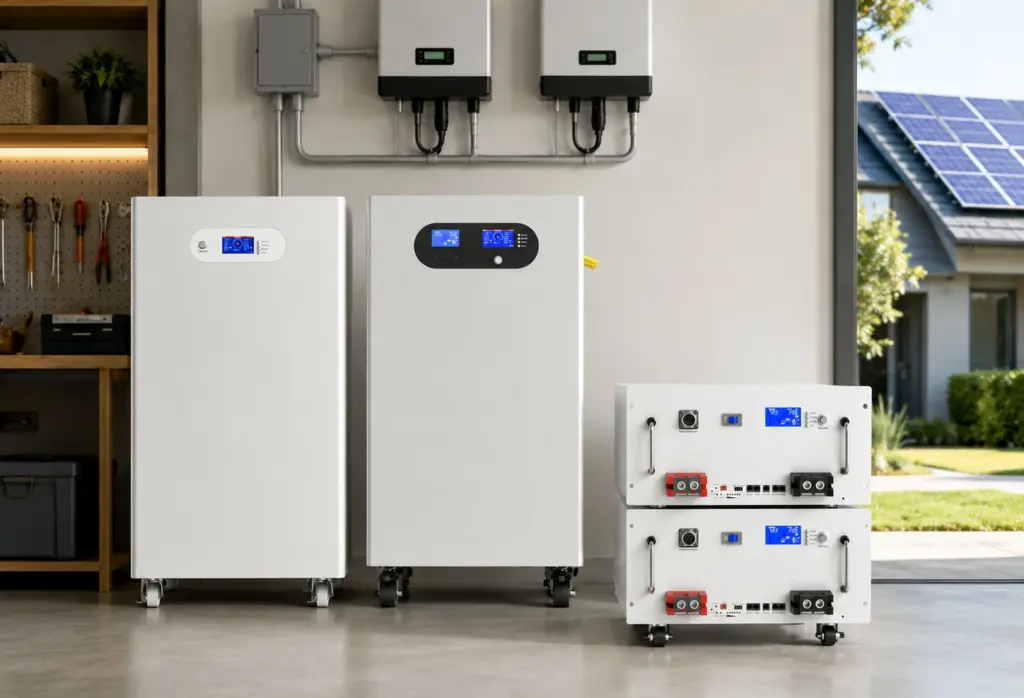
Take Control of Your Energy with Avepower!
Reliable home solar battery solutions with OEM/ODM customization and in-house manufacturing, tailored to the needs of distributors, installers, and energy partners.
Conclusion
A PWM controller is a power control device that regulates output by adjusting the width of electrical pulses. It is efficient, simple, and widely used in solar charging, motor control, LED dimming, and power regulation.
In solar applications, a PWM charge controller is best for small systems where panel voltage closely matches battery voltage. It is affordable and reliable, but it is less efficient than MPPT when panel voltage is higher than battery voltage or when maximum solar energy harvest is required.
For small 12V off-grid systems, PWM can be a smart choice. For residential energy storage, larger solar arrays, and professional solar battery installations, MPPT-based solutions are usually more suitable.
FAQ
A PWM controller is a general control method used in many electronic systems. A PWM solar charge controller is one specific type of PWM controller designed for battery charging.
A PWM controller is an electronic device that uses pulse width modulation to control power delivery. It rapidly switches power on and off and changes the on-time ratio to regulate average voltage, current, or power.
PWM stands for Pulse Width Modulation. It refers to controlling a signal by changing the width of each pulse.
PWM controllers use simpler circuitry and do not include advanced maximum power point tracking technology, which makes them less expensive than MPPT controllers.
PWM controllers are used in solar charge controllers, DC motors, LED dimmers, fans, robotics, power supplies, and many other electronic control systems.
The main disadvantage is that it cannot convert excess solar panel voltage into additional charging current. This can reduce efficiency when panel voltage is much higher than battery voltage.