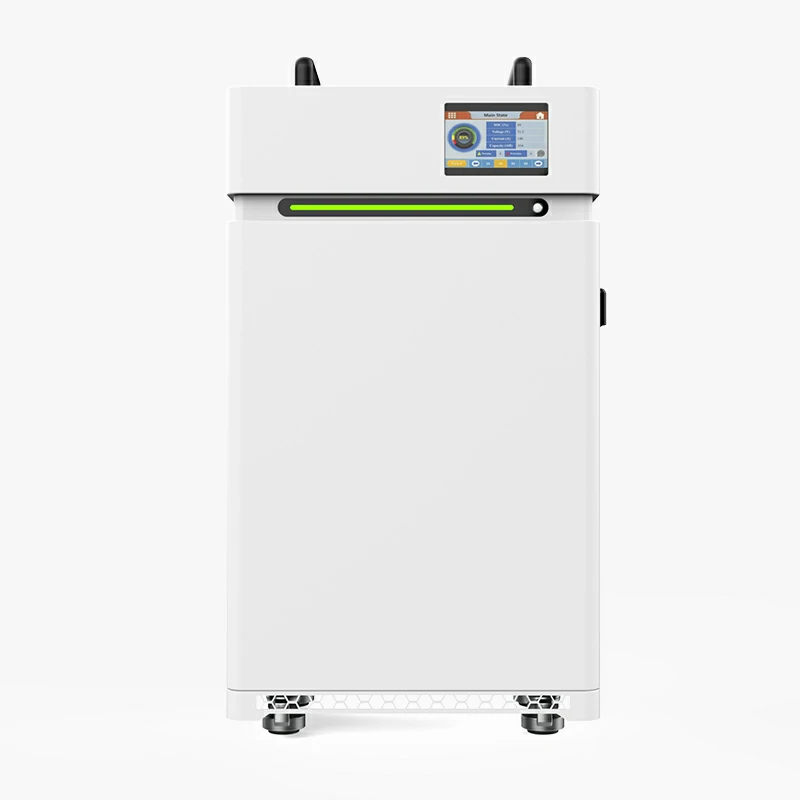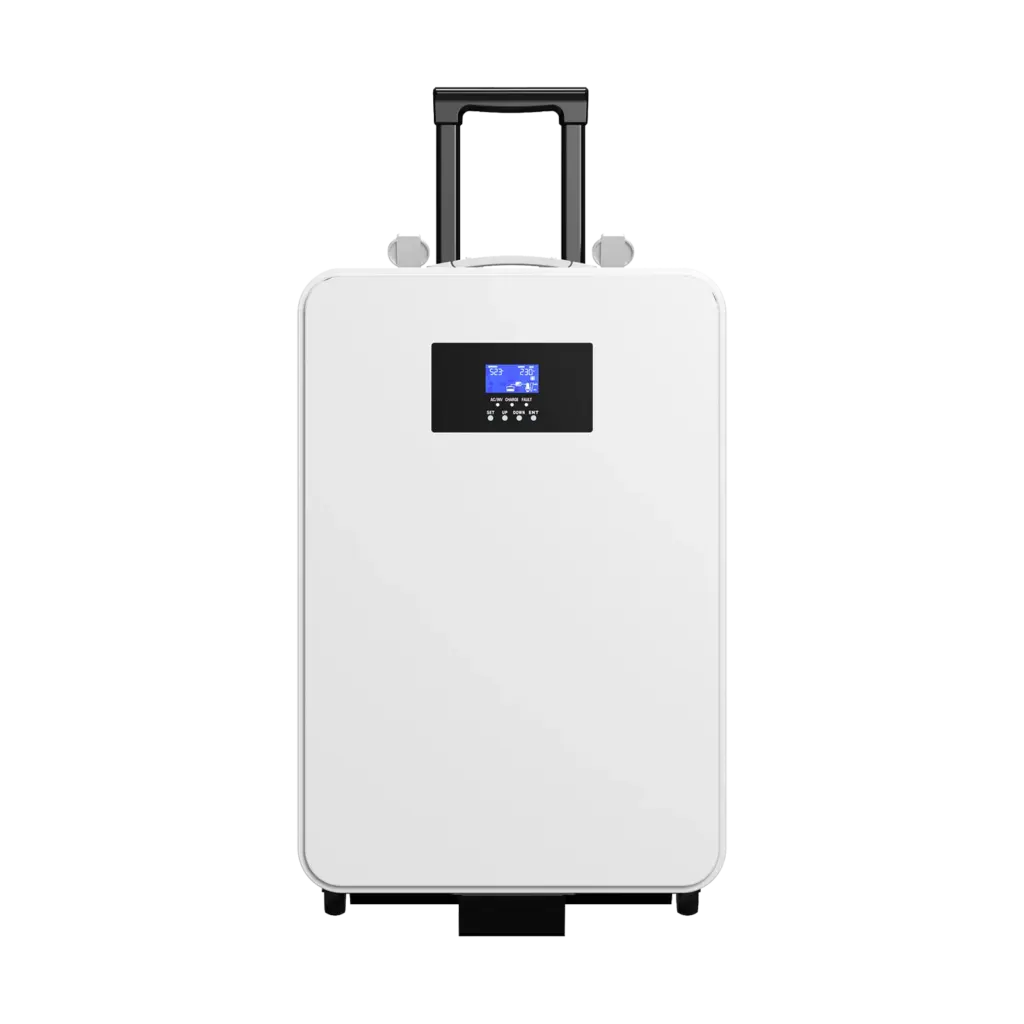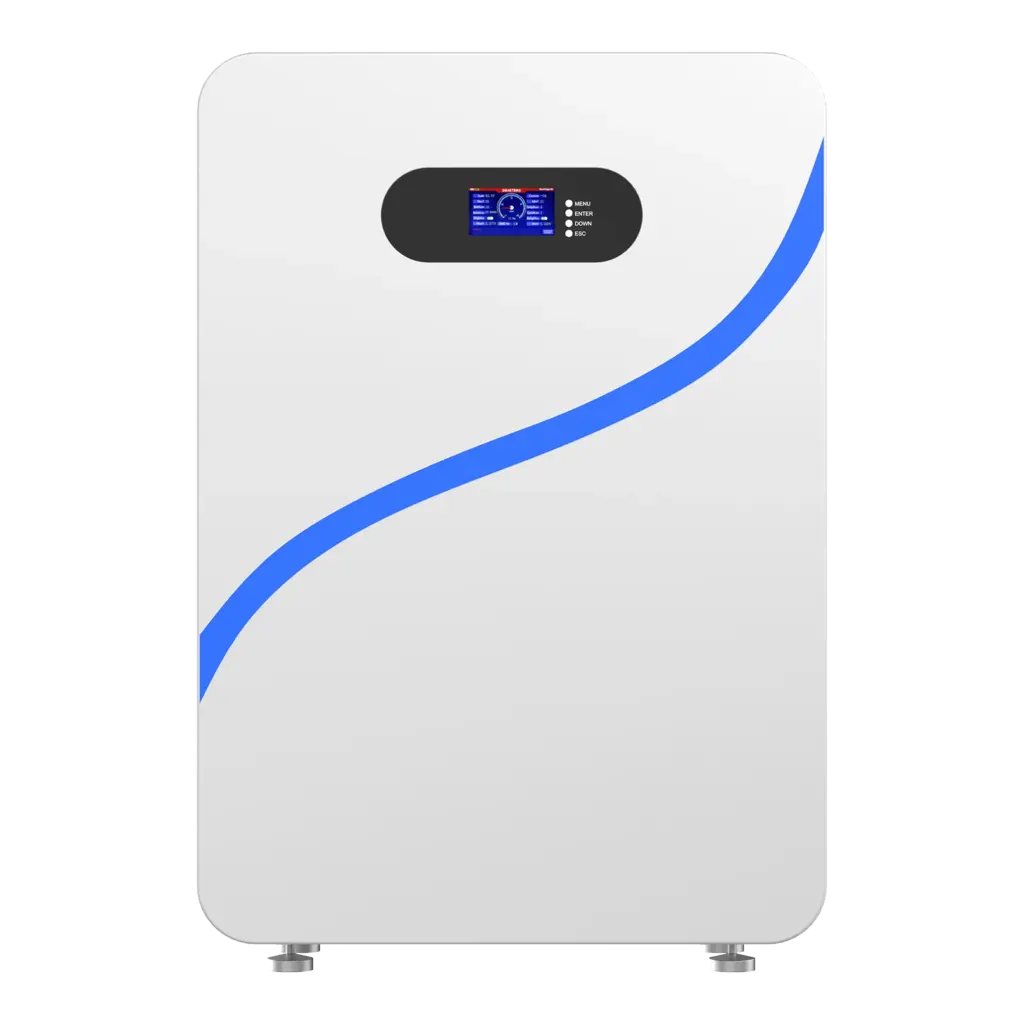

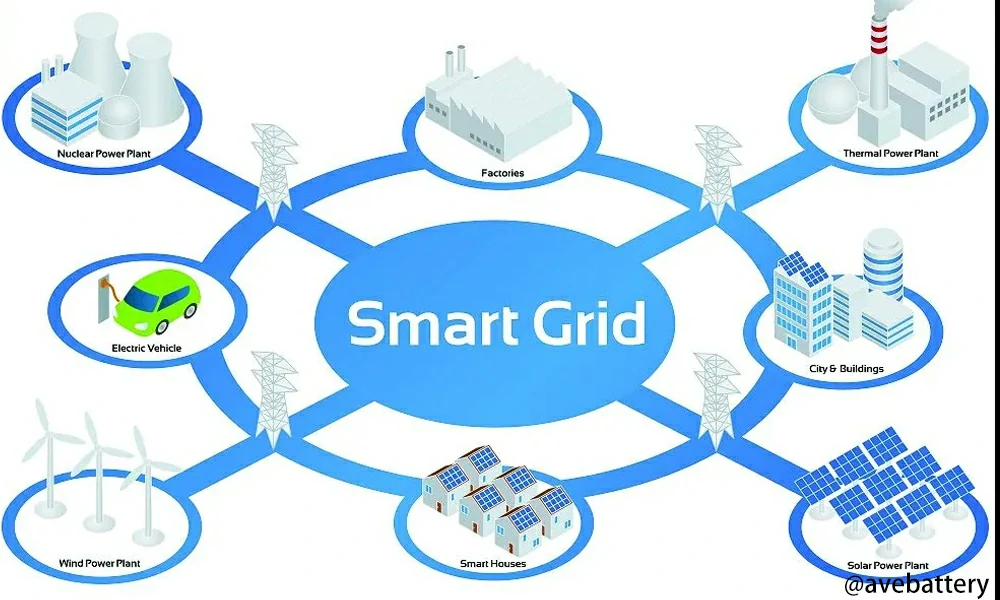
Smart grids need storage to keep electricity stable, to make more use of wind and solar power, and to cut the cost of emergency power. Utilities and grid planners must compare storage options on money terms as well as on technical fit.
In practice, smart grids can draw on multiple storage technologies—such as batteries, pumped hydro, compressed air energy storage (CAES), and even superconducting magnetic energy storage (SMES)—and each of them has very different cost, duration, and response-speed characteristics, so cost comparisons must always be made in the context of the service the grid actually needs.
Why Smart Grids Need Energy Storage
Before we get into the costs, let’s quickly talk about why smart grids need energy storage in the first place. Think of a power grid like a seesaw. One side is the energy supply, and the other is the energy demand. For the grid to stay stable, the seesaw needs to be perfectly balanced.
In the past, we mostly used fossil fuels like coal and natural gas to make electricity, and we could easily adjust how much power we were generating. But with solar panels and wind turbines, we can’t control the output in the same way. The sun doesn’t always shine, and the wind doesn’t always blow. Energy storage acts like a buffer. It stores up extra energy when it’s sunny or windy and releases it when the demand is high or the weather isn’t cooperating. This helps keep the grid stable and prevents blackouts.
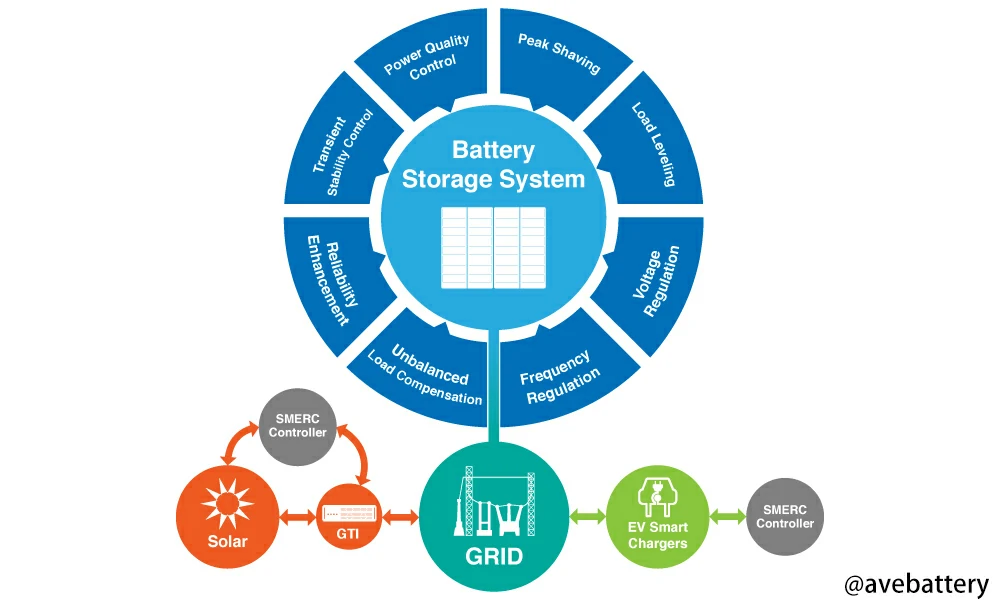
This is also why modern smart grids pair storage with advanced sensors, PMUs, smart meters, and self-healing substation relays—these digital tools tell the system when to charge, when to discharge, and how to keep voltage and frequency within limits.
Why Energy Storage Costs Matter in Smart Grids
Energy storage plays a central role in smart grids. These systems help manage peak demand, store excess renewable energy, and stabilize the grid during fluctuations. Utilities must consider the cost of storage carefully because it impacts both short-term budgets and long-term financial planning.
At the whole-of-grid level, large-scale modernization is not cheap—EPRI once estimated that implementing the smart grid in the U.S. would cost roughly $338–$476 billion, so any storage technology that is added on top of that must show clear system-level value.
The cost of storage systems includes three main components:
- Capital Expenditure (CapEx): The upfront cost of purchasing and installing the storage system.
- Operational Expenditure (OpEx): Costs associated with operating, maintaining, and monitoring the system.
- Lifecycle Cost: The total cost over the system’s lifespan, which considers efficiency, degradation, and replacement cycles.
By analyzing these costs, utilities can determine which storage technology offers the best value for their specific needs.
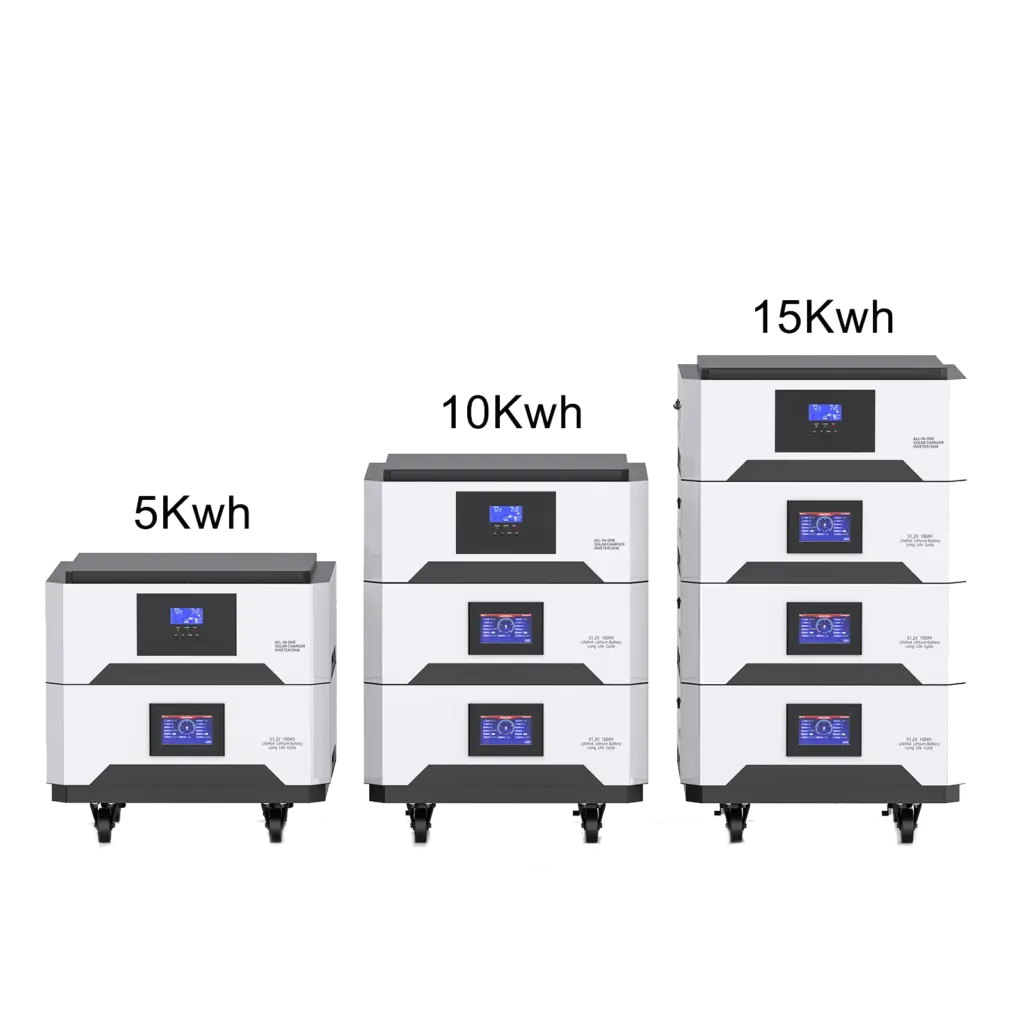
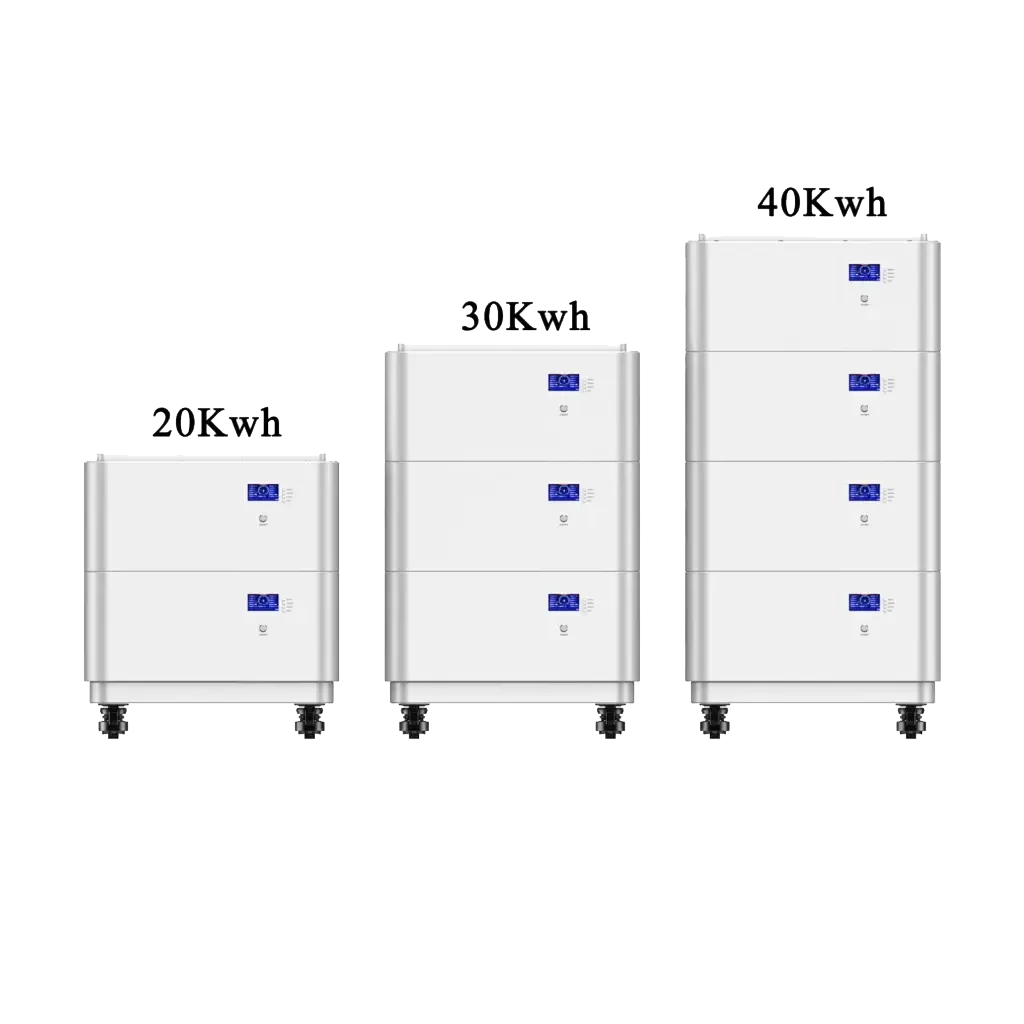
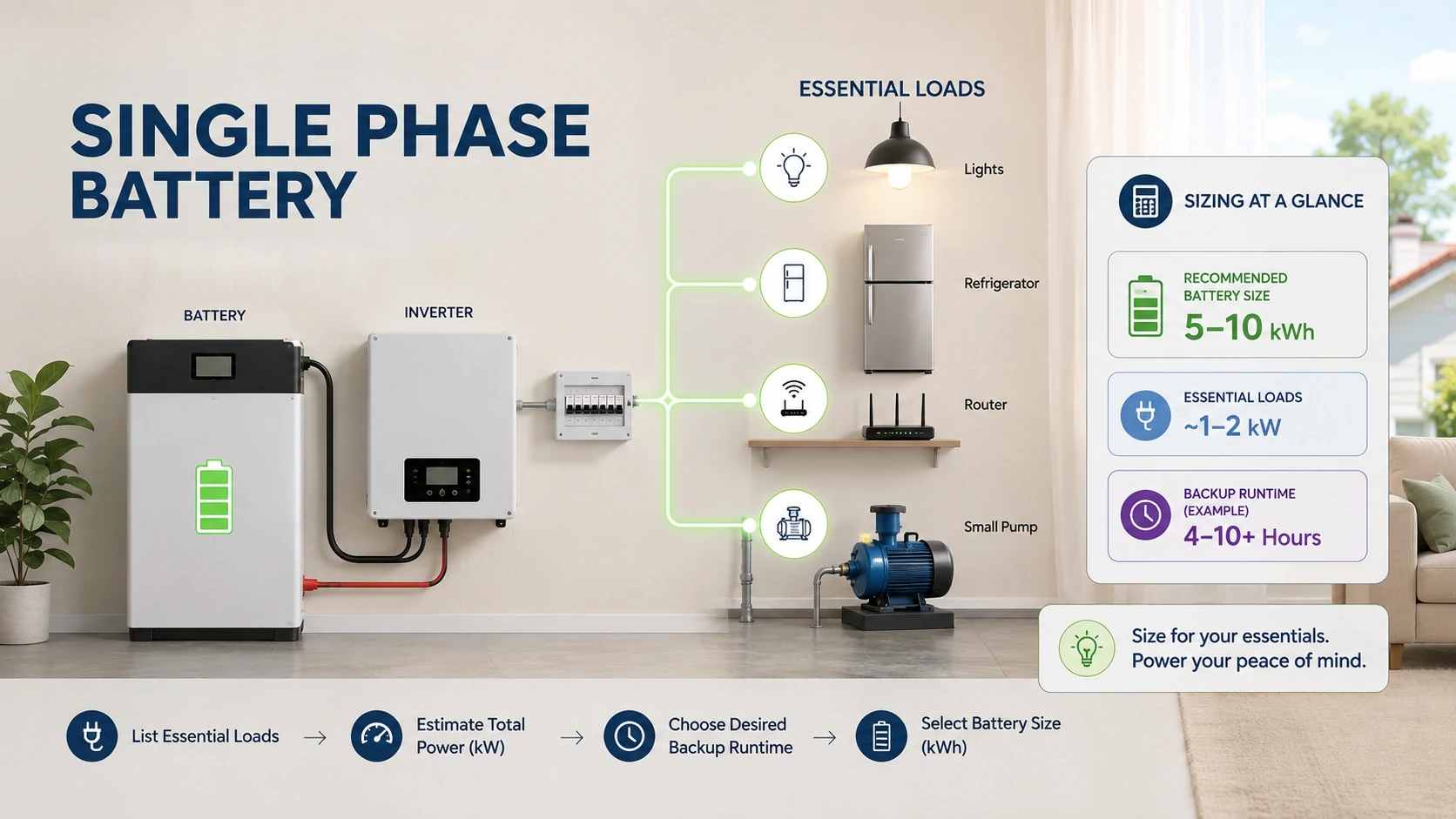
For example, at the household or small-commercial level, installed solar battery storage often falls in the $6,000–$23,000 range (equipment plus labor), so planners need to judge whether backup, peak shaving, or self-consumption benefits justify that spend in a given market.
In off-grid scenarios—such as remote homes in Australia—the full power system (PV, batteries, inverter, controls) can easily reach $25,000–$70,000+, which is why accurate load sizing is critical. For utility-scale applications, costs scale differently: a 10 MWh battery energy storage project can land in the $2.5–$5 million band once power electronics, installation, and grid connection are included.
Comparing Costs Across Energy Storage Technologies
Costs of different storage systems for smart grids vary widely:
| Storage Technology | CapEx ($/kWh) | Lifespan (Years) | Efficiency (%) | Best Use Case |
|---|---|---|---|---|
| Lithium-Ion Batteries | 350–600 | 10–15 | 85–95 | Urban & distributed storage, peak shifting |
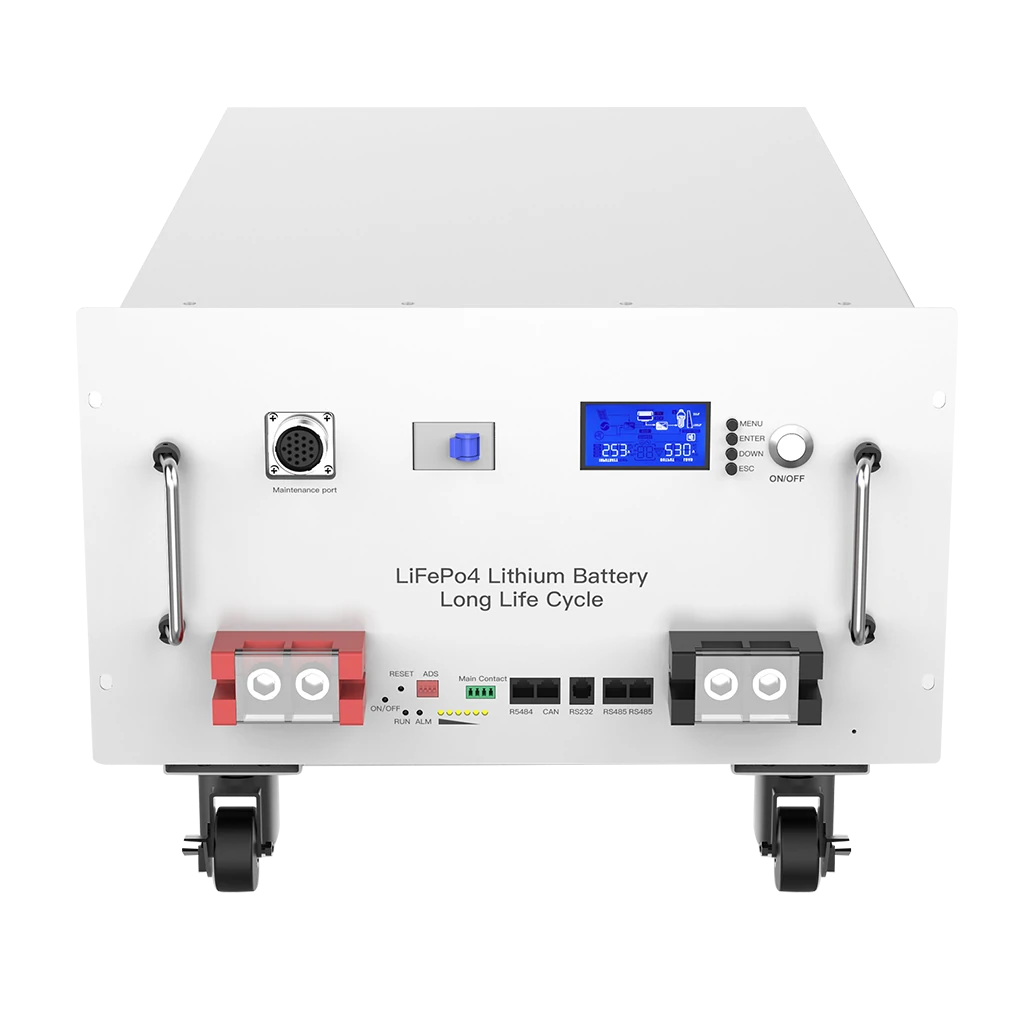
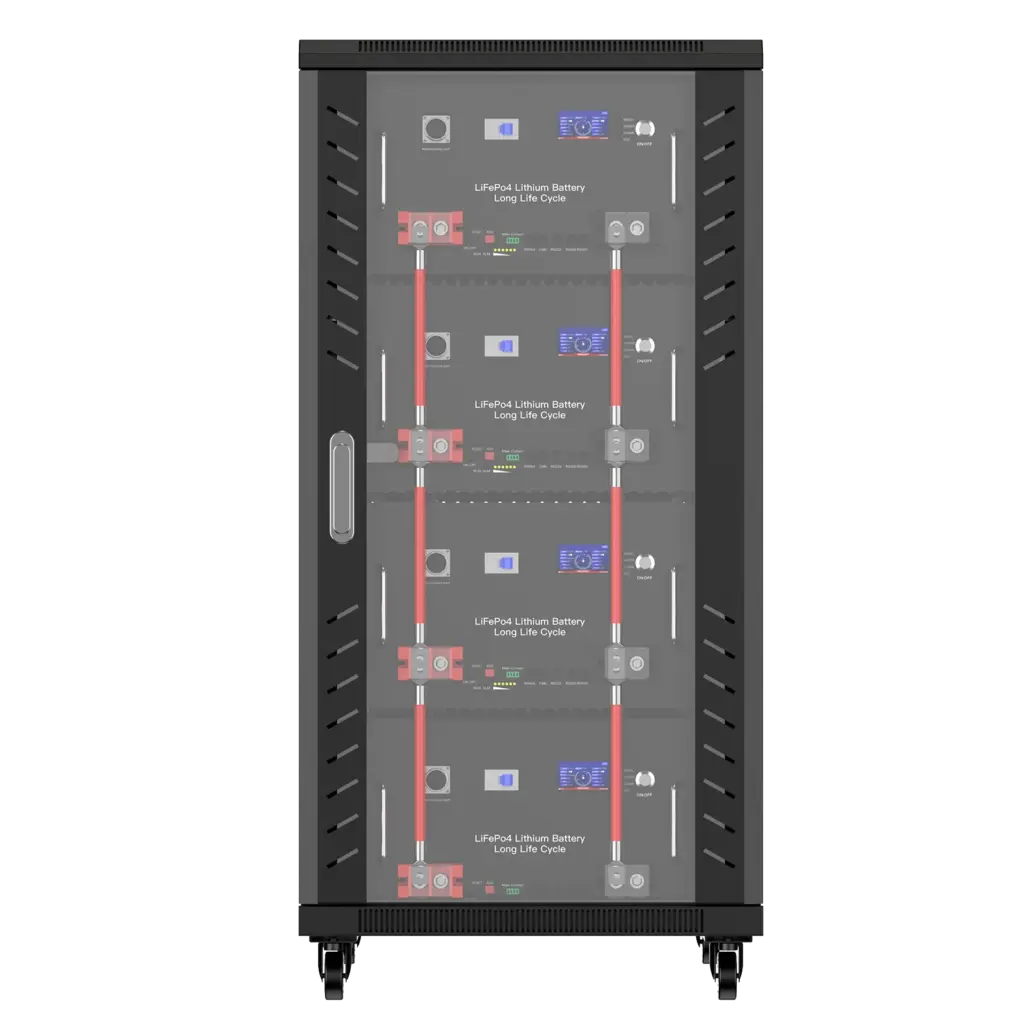
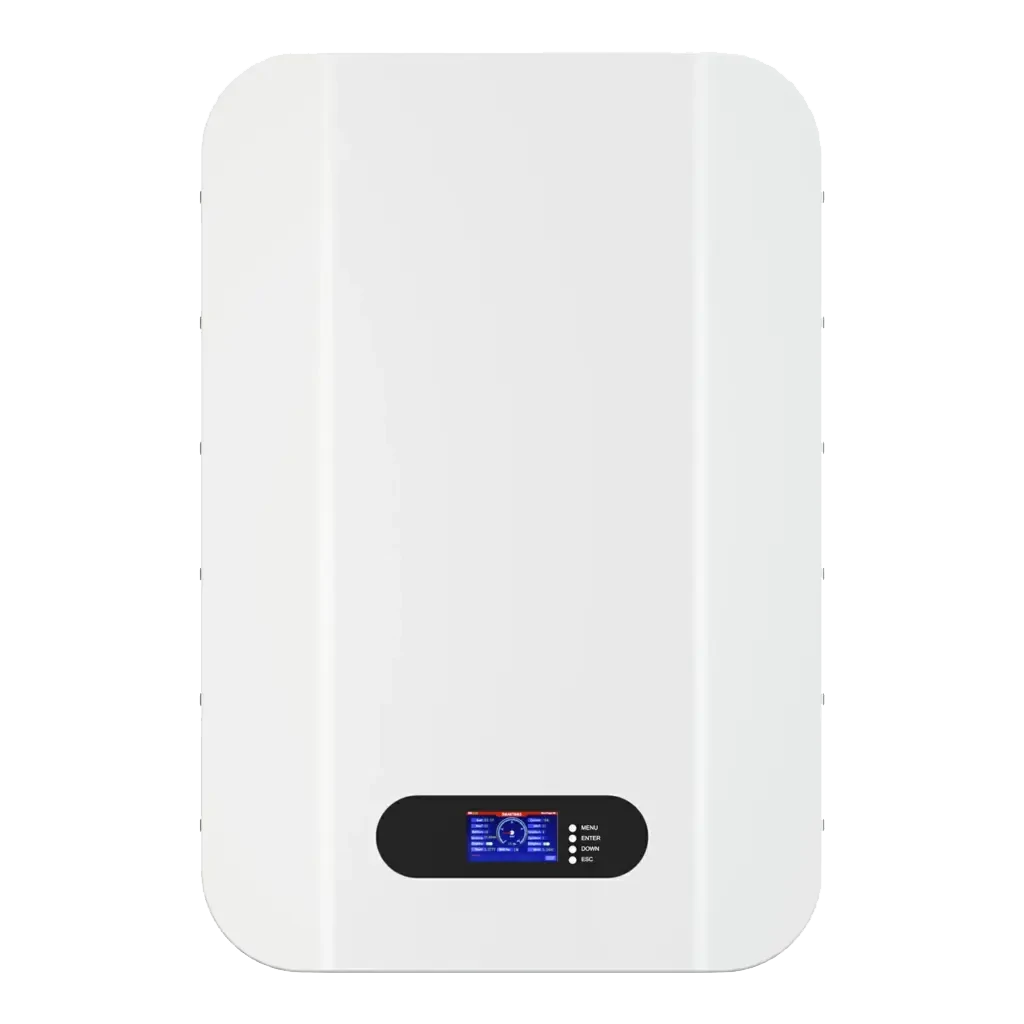
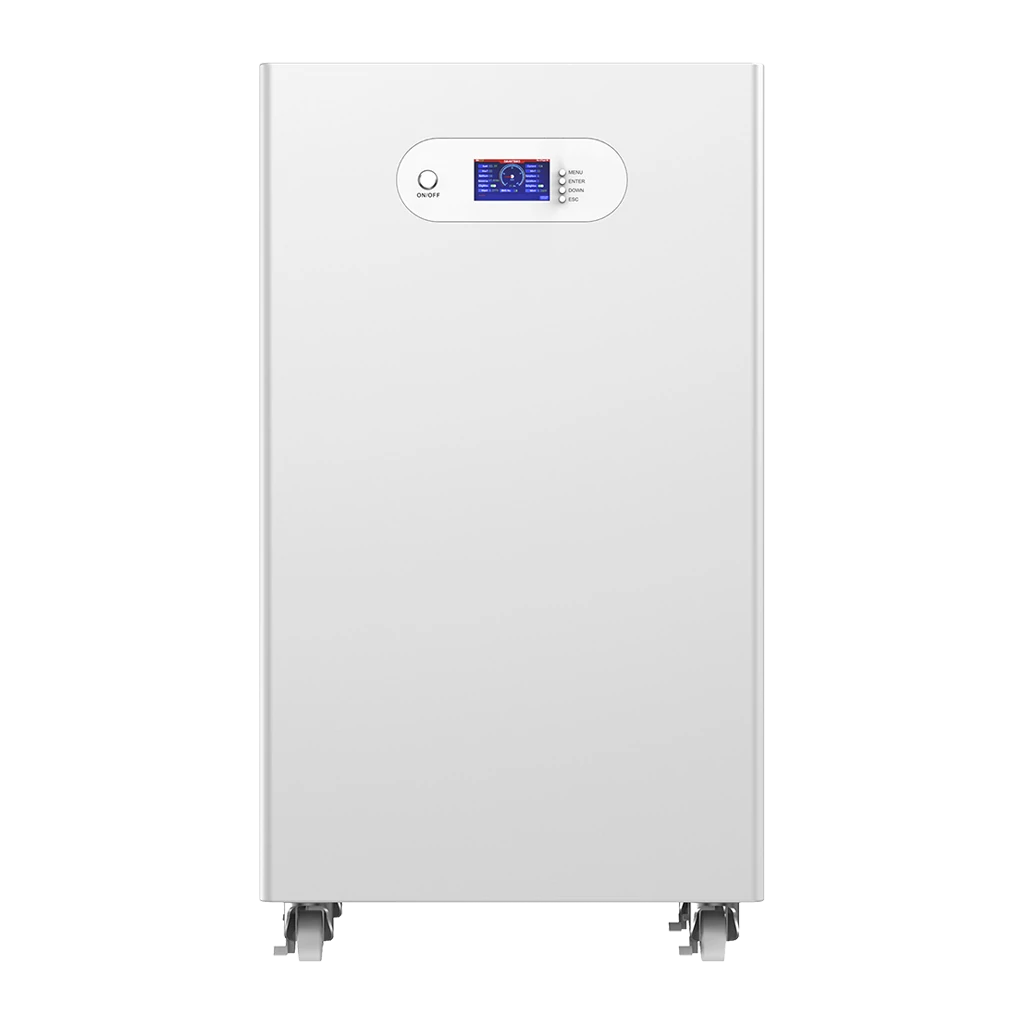
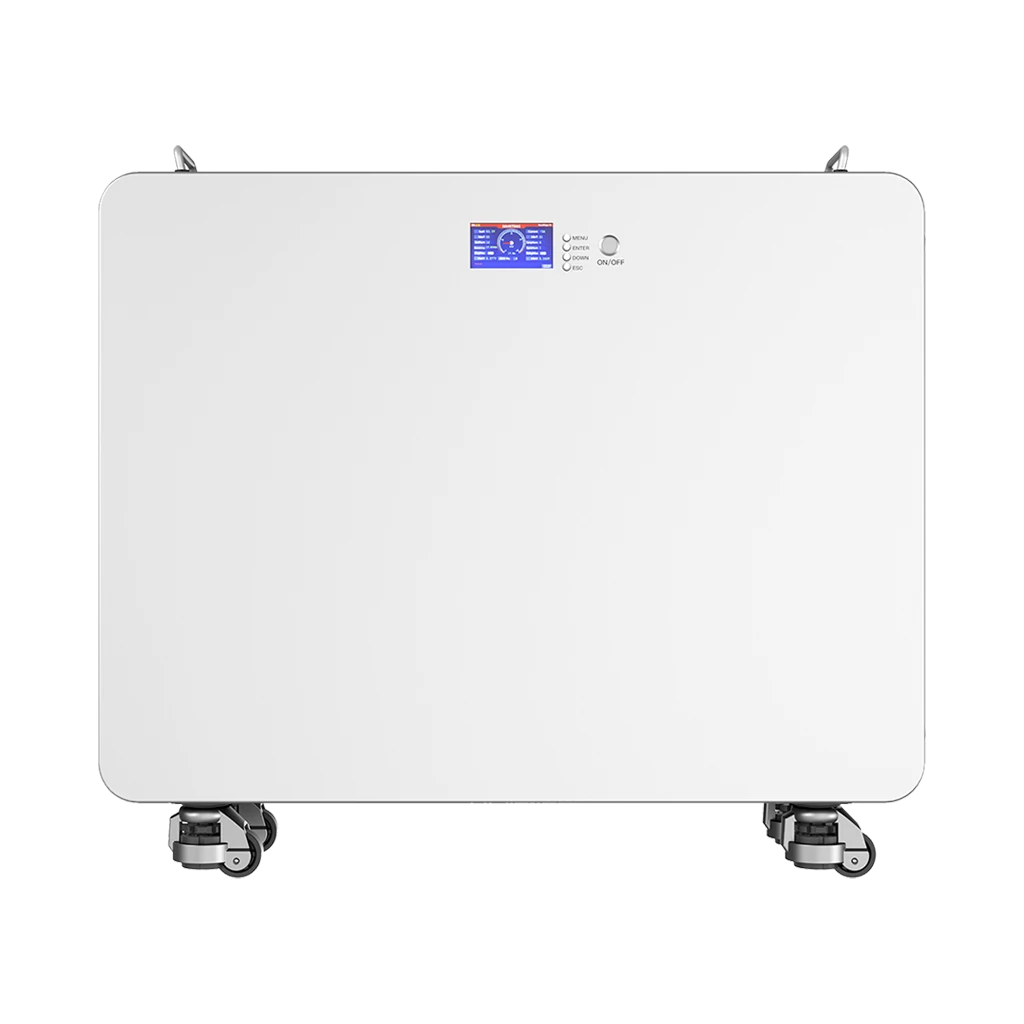
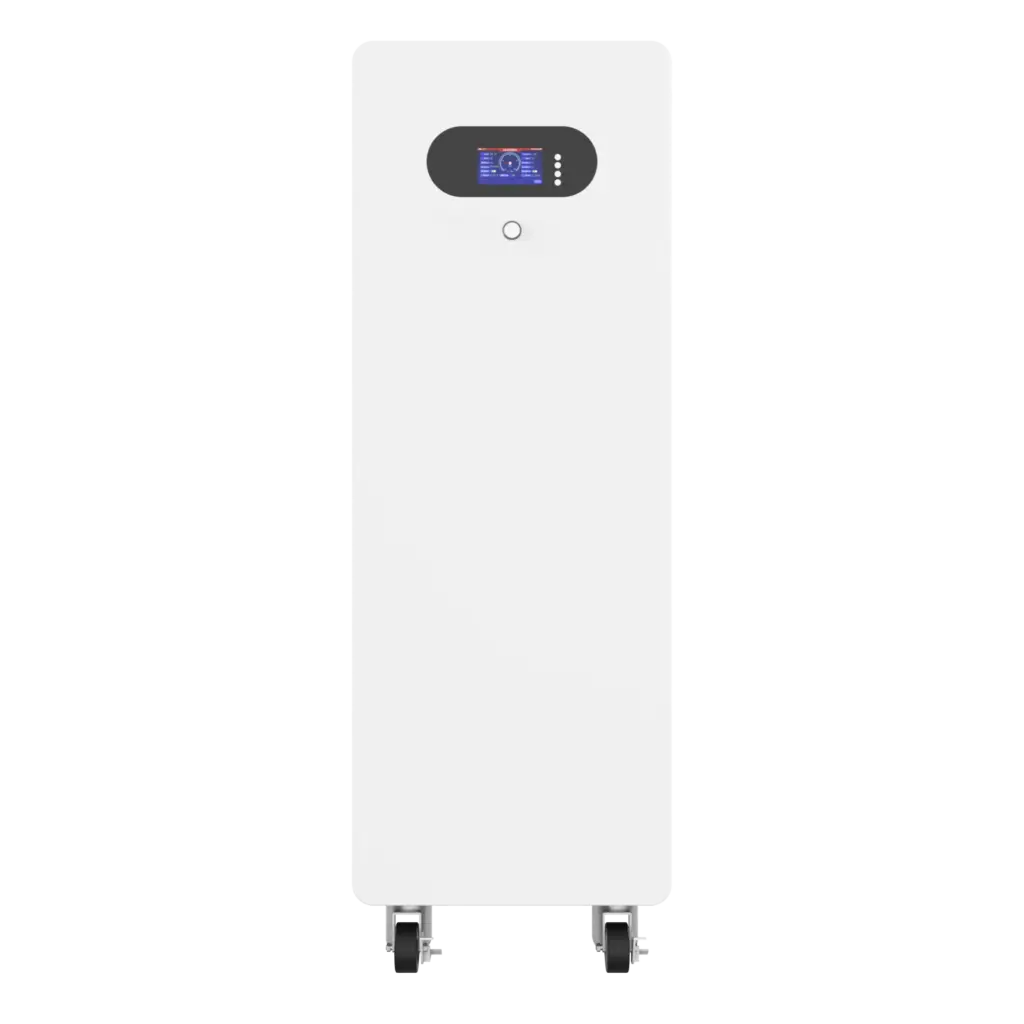
| LiFePO4 Batteries | 400–700 | 12–15+ | 90–95 | Safe, long-cycle residential & commercial storage |
| Flow Batteries | 500–1,000 | 15–20 | 65–85 | Long-duration storage, renewable integration |
| Lead-Acid Batteries | 150–300 | 3–8 | 70–80 | Backup, small-scale applications |
| Pumped Hydro | 1,000–2,500 | 30–50 | 70–85 | Bulk storage, grid balancing |
Other grid-scale options—such as CAES and SMES—tend to be more site-specific: CAES can be cost-effective where geology allows underground reservoirs, while SMES is very fast and precise but still relatively expensive per kWh, so it is mainly considered for power-quality and stability services rather than bulk energy shifting.
BESS vs ESS
In industry language, “BESS” (Battery Energy Storage System) refers specifically to electrochemical battery-based solutions—typically lithium-ion or LiFePO4—packaged with BMS, PCS, and controls. “ESS” (Energy Storage System) is the broader term that can include batteries, pumped hydro, CAES, thermal storage, and even flywheels. In other words, every BESS is an ESS, but not every ESS is a BESS.
Lithium-Ion Batteries
In a smart grid, lithium-ion batteries work alongside automated control systems. They allow grid operators to store excess energy when production exceeds demand and release it during peak periods. This reduces energy waste and improves the overall stability of the network.
Even though prices have been decreasing, planners must still account for several factors:
- Cycle Life: How many times the battery can be charged and discharged before its performance significantly drops.
- Maintenance Needs: Regular checks and occasional replacements of battery components.
- Efficiency Loss: Energy lost during charging and discharging, which affects the overall return on investment.
For utilities looking to balance cost and performance, lithium-ion batteries remain a strong choice, particularly in urban and distributed energy setups.
Typical utility-scale BESS based on lithium-ion is designed for about 5–15 years of service depending on cycling profile, temperature, and depth of discharge, so replacement planning must be built into the economic model.
LiFePO4 Batteries
Lithium iron phosphate batteries, often called LiFePO4 batteries, are becoming increasingly popular in smart grids. Utilities value them for their stability, safety, and long cycle life. These batteries have a slightly lower energy density than conventional lithium-ion batteries, but they offer better thermal stability and are less prone to overheating or catching fire.
LiFePO4 batteries are well-suited for home energy storage, commercial microgrids, and renewable energy integration. Their long lifespan, often exceeding 4,000 cycles, makes them a cost-effective solution over the long term. While their upfront cost is higher than lead-acid batteries, the low maintenance needs and extended life often result in lower total lifecycle costs.
In smart grid applications, LiFePO4 batteries provide reliable peak-shaving, load balancing, and renewable energy storage. When paired with intelligent monitoring systems, they can safely deliver stable power while minimizing degradation and operational risks.
For residential users with modest loads, even a 2 kW PV system can cover basic daily consumption if used efficiently, but adding LiFePO4 storage greatly improves self-sufficiency and outage protection.
Flow Batteries
Flow batteries are an alternative that separates energy capacity from power output. This makes them ideal for applications where energy needs to be stored for several hours or even days.
These batteries are often used to store surplus renewable energy generated during the day for use during evening peak periods. When paired with advanced grid monitoring and analytics, flow batteries provide utilities with detailed insights into performance and efficiency.
The upfront cost of flow batteries is higher than lithium-ion systems. However, their long lifespan and deep discharge capabilities can offer better value over time. Flow batteries also degrade more slowly, which means fewer replacements and less frequent maintenance compared to lithium-ion technology.
Lead-Acid Batteries
Lead-acid batteries are one of the oldest energy storage technologies, but they still serve important roles in modern smart grids. These batteries are commonly used in backup systems or localized storage applications.
Although they are less efficient and have shorter lifespans than lithium-ion or flow batteries, lead-acid batteries are inexpensive to purchase and simple to deploy. Their performance can be enhanced with modern monitoring systems, which track battery health and optimize usage.
For small-scale applications, microgrids, or emergency backup systems, lead-acid batteries offer a cost-effective solution. They are part of the broader ESS family and remain relevant where the lowest upfront CapEx is the main decision driver.
Pumped Hydro
Pumped-storage hydropower remains one of the most economical options for large-scale energy storage. This method involves pumping water to a higher elevation during low-demand periods and releasing it through turbines when electricity is needed.
Although the initial construction cost of pumped hydro is significant, the system has an extremely long lifespan, often exceeding several decades. It can provide energy for multiple days without degradation, making it an ideal choice for grid balancing in regions with suitable geography.
Other large-scale storage options, such as compressed air energy storage and thermal storage, are emerging as viable alternatives. These systems, when integrated with smart grid automation and control systems, can efficiently manage stored energy and provide flexibility to utilities.
Cost Factors Influencing Energy Storage Systems
Several factors contribute to the overall cost of energy storage systems:
- Capital Expenditure (CapEx): This includes the initial investment required for purchasing and installing the storage system.
- Operational Expenditure (OpEx): Ongoing costs associated with the maintenance and operation of the system.
- Efficiency and Performance: Systems with higher round-trip efficiency and longer operational lifespans can offer better economic returns over time.
- Scale and Deployment Location: Larger systems and those deployed in regions with favorable conditions (e.g., abundant renewable energy) can achieve economies of scale, reducing per-unit costs.
- Technological Advancements: Innovations in materials and design can lead to cost reductions and performance improvements.
At utility scale, the single biggest step-change in cost happens when the project moves from a few hundred kWh to multi-MWh: balance-of-plant, grid interconnection, and EMS/SCADA integration start to dominate, which is why a 10 MWh BESS can legitimately price in the multi-million-dollar range.
At household scale, by contrast, the decision is usually framed around reliability and energy independence—customers compare the $6,000–$23,000 storage investment with the losses from outages or high peak tariffs.
The cost of storage systems for smart grids involves more than just the price tag. By understanding the true cost of different storage systems, energy planners can design resilient, sustainable, and cost-effective smart grids that meet the growing demand for reliable electricity.
Reliable Energy Storage for Every Need
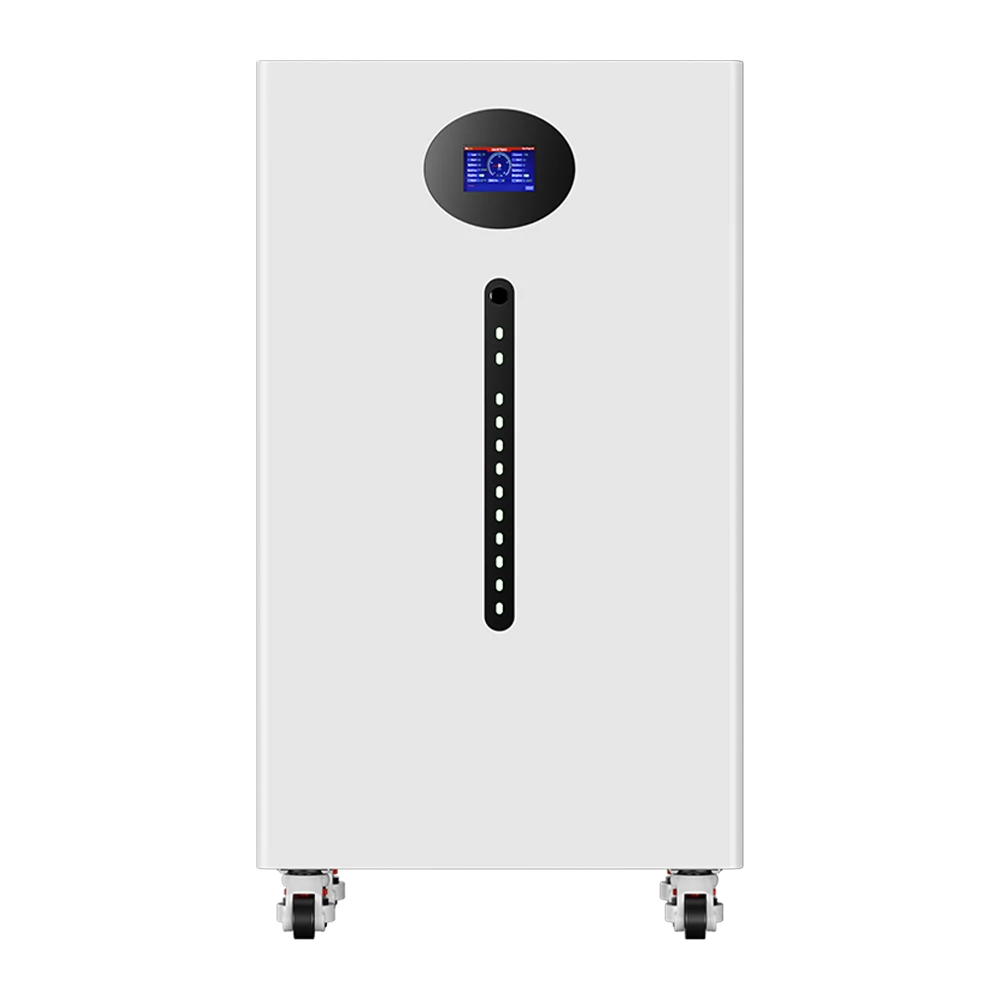
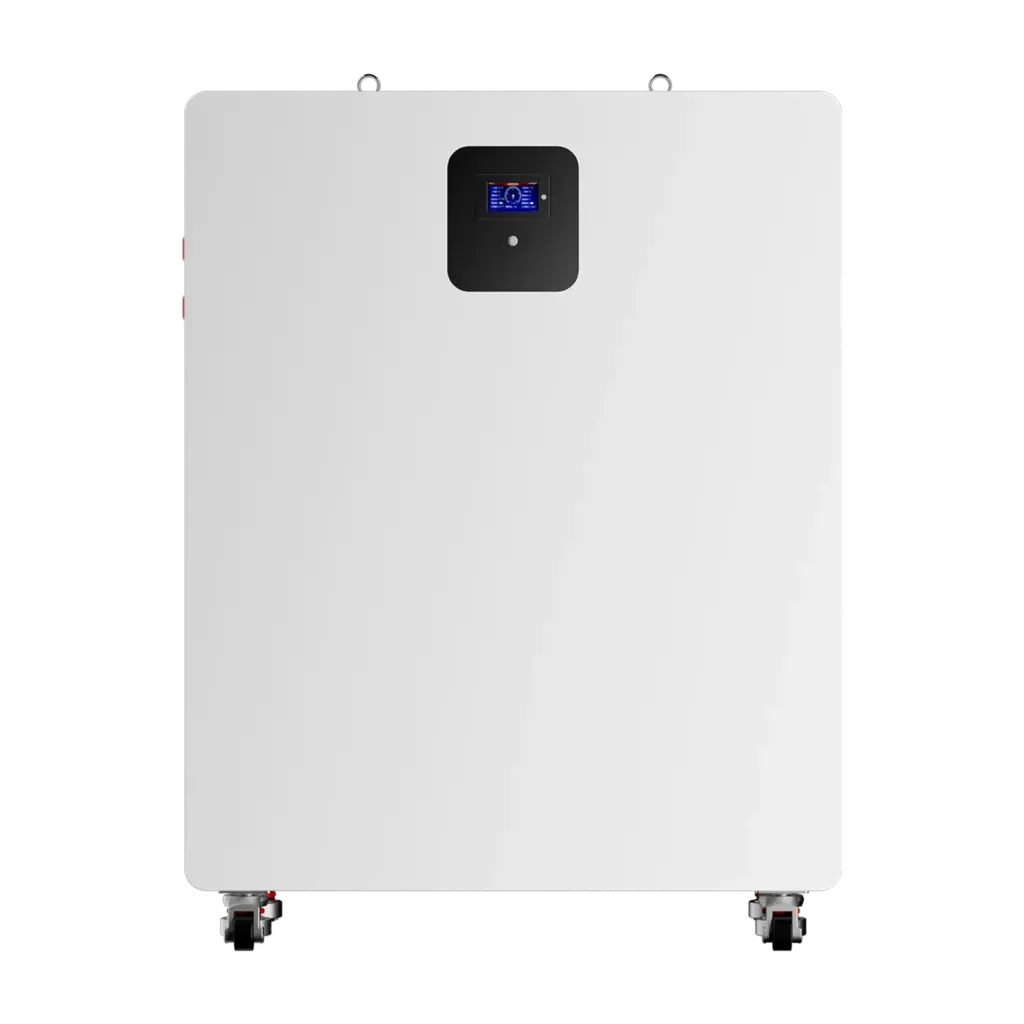
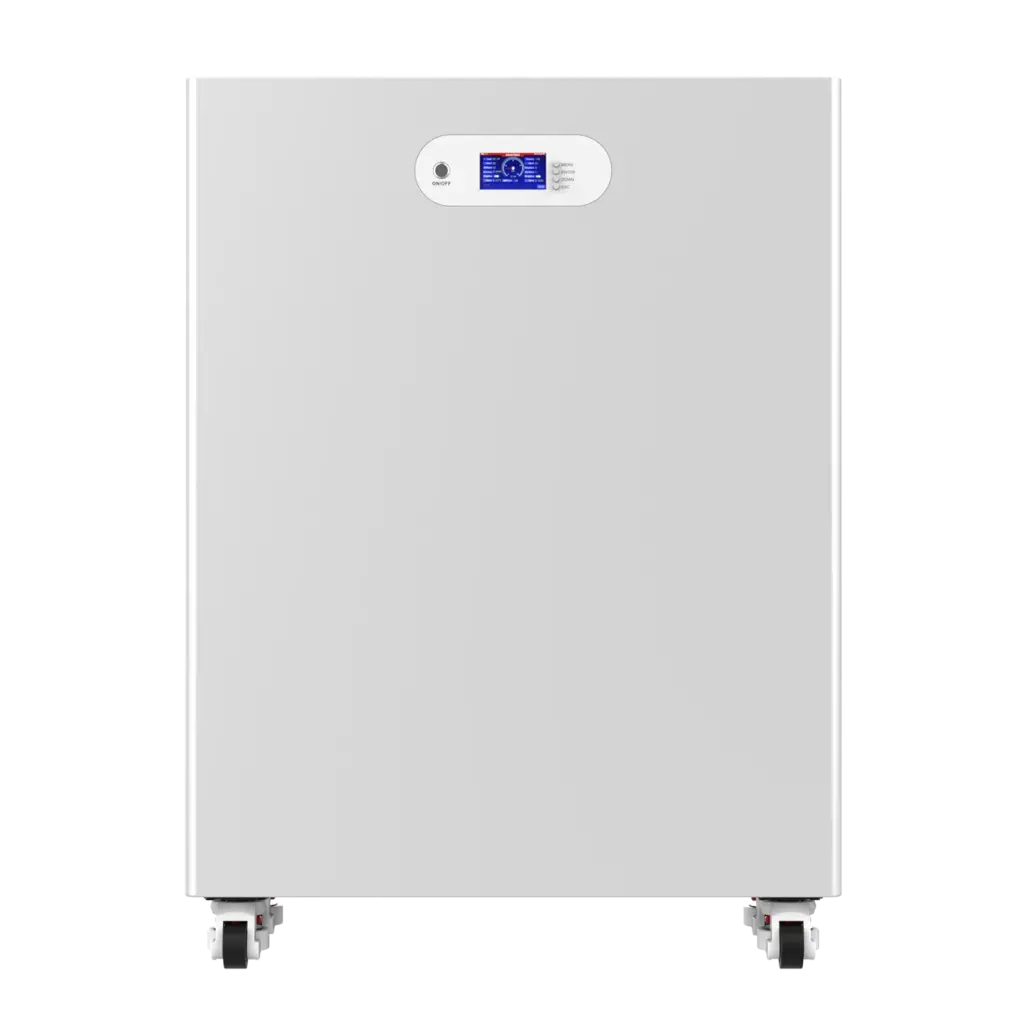
Avepower provides comprehensive, one-stop energy storage solutions designed to meet the needs of homes, businesses, and industrial applications. Our systems are scalable, reliable, and tailored to ensure efficient energy management across all sectors. Whether you are looking to secure backup power for your home, optimize energy use for your business, or implement large-scale industrial storage, Avepower has the right solution for you.
Take control of your energy today—contact Avepower to explore how our advanced storage solutions can power your home, business, or facility efficiently and sustainably.
FAQ
Grid-level storage systems may face high capital costs, efficiency losses, geographic limitations, environmental concerns, and complex maintenance requirements. For example, pumped storage requires suitable topography, and hydrogen storage involves energy losses during conversion.
Smart grids use several types of energy storage systems, including lithium-ion batteries, LiFePO4 batteries, flow batteries, pumped storage hydropower (PSH), compressed air energy storage (CAES), thermal energy storage, and hydrogen energy storage.
The cost of a smart grid varies widely depending on its size and components. Small-scale systems for residential use may range from $10,000 to $50,000, while large utility-scale implementations can cost millions of dollars.