
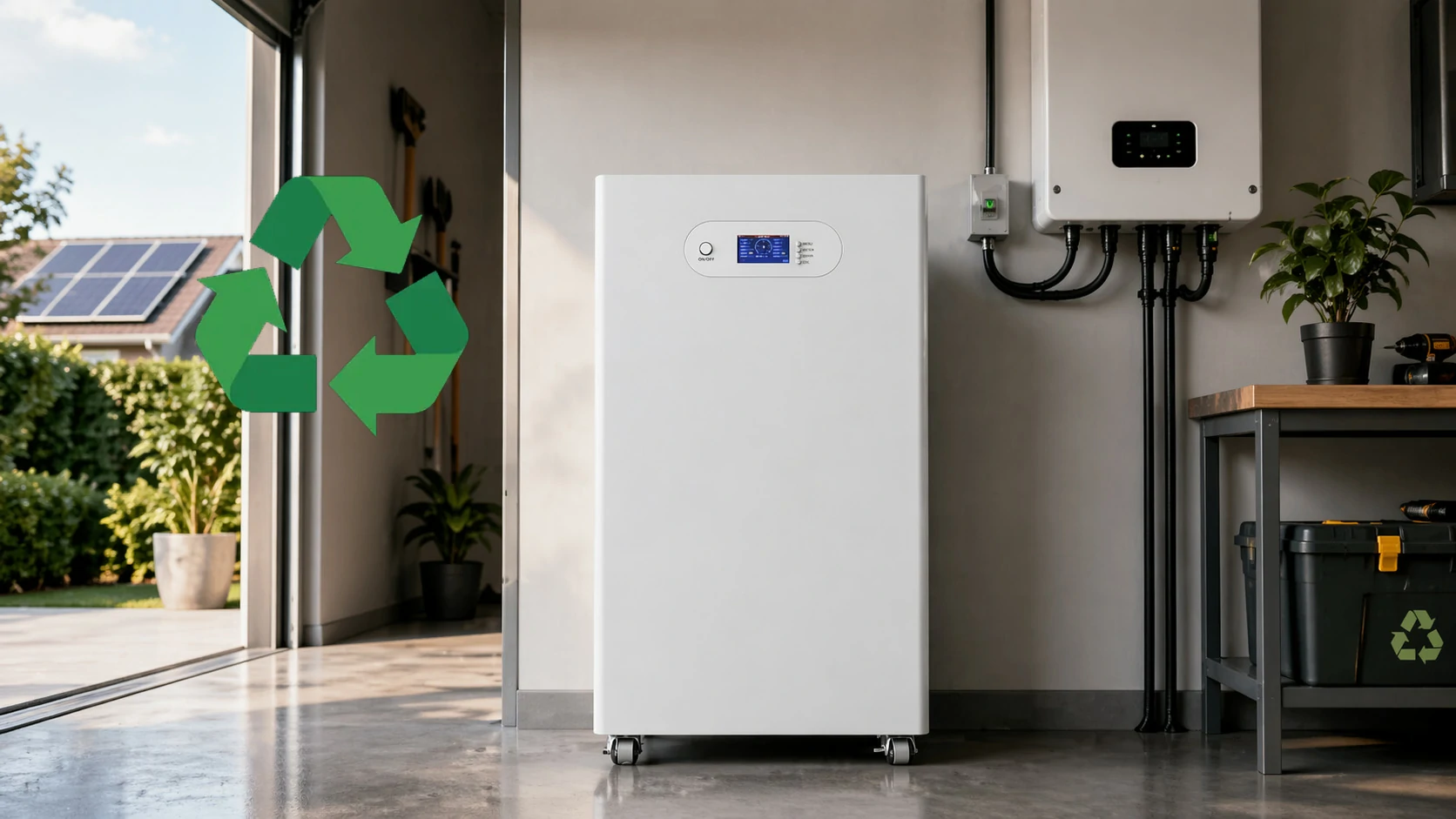
Solar batteries are designed to make better use of clean energy. But what happens when they reach the end of their lifespan? This is a valid and increasingly important question, especially as more homes and businesses add battery storage to their solar systems.
The good news is that solar batteries are recyclable. However, it’s important to understand that not all solar batteries are recycled in the same way, and recycling systems are not equally developed across all regions.
For example, lead-acid batteries have been in use for decades and benefit from well-established recycling systems in many countries. In contrast, lithium-ion batteries—including lithium iron phosphate (LFP) batteries commonly used in residential energy storage—are also recyclable, but their recycling typically depends on more specialized collection, processing, and recovery infrastructure, which is still developing in many parts of the world.
The Short Answer: Yes, Solar Batteries Are Recyclable
Yes, solar batteries can be recycled, and in many cases they should be. Recycling helps recover valuable materials, reduces pressure on virgin mining, and keeps hazardous or fire-prone battery waste out of landfills and household recycling streams. That matters more as clean energy storage scales up and more batteries begin reaching end of life.
For lithium-ion batteries, recycling can recover materials such as lithium, nickel, cobalt, manganese, graphite, copper, iron, and aluminum, depending on the battery chemistry. For lead-acid batteries, recycling systems are much more mature, and the U.S. lead battery industry reports a 99% recycling rate, with lead, plastic, and acid all recyclable within a closed-loop manufacturing system.
What Types of Solar Batteries Can Be Recycled?
Most solar batteries on the market today fall into one of these categories:
Lithium-Ion and LFP Batteries
Lithium-ion batteries are now the dominant rechargeable battery family in energy storage, and lithium iron phosphate, or LFP, is widely used in residential solar battery systems. These batteries are recyclable, and recycling can recover materials such as lithium, nickel, cobalt, manganese, graphite, copper, aluminum, and iron, depending on the chemistry.
However, lithium batteries also require careful handling. EPA says most discarded lithium-ion batteries are likely to be hazardous waste because they may be ignitable or reactive if damaged or managed improperly. That is why they need separate collection and specialized recycling channels rather than household disposal.
Lead-Acid Batteries
Lead-acid batteries are older but still used in some backup and off-grid applications. They are generally easier to recycle because the recycling infrastructure is already mature. Battery Council International says the U.S. lead battery industry maintains a sustained recycling rate of 99%, making lead batteries one of the most successfully recycled battery products.
Other Chemistries
Some niche or legacy solar storage systems may use nickel-cadmium, nickel-metal hydride, or flow battery technologies. These may also be recyclable, but the collection and recovery pathway is usually more specialized and less common than for lead-acid or mainstream lithium-ion systems.
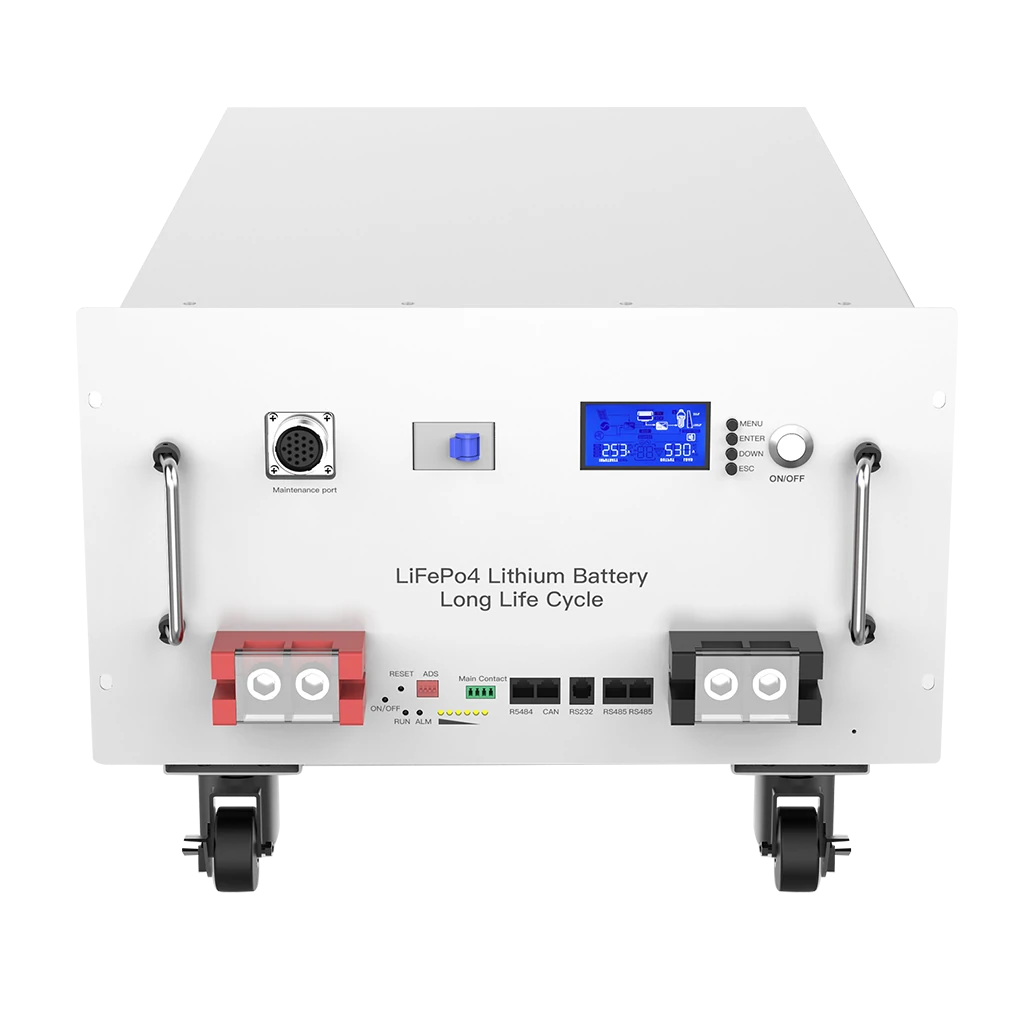
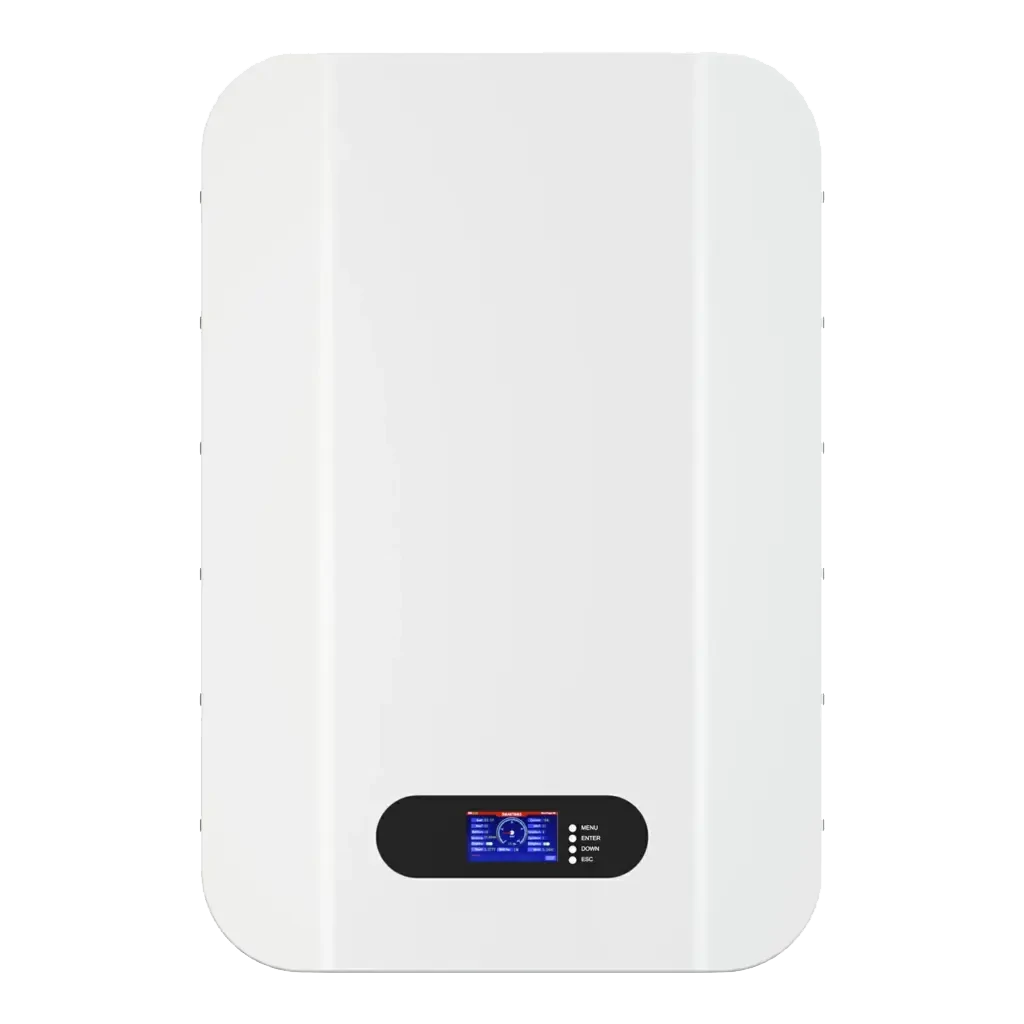
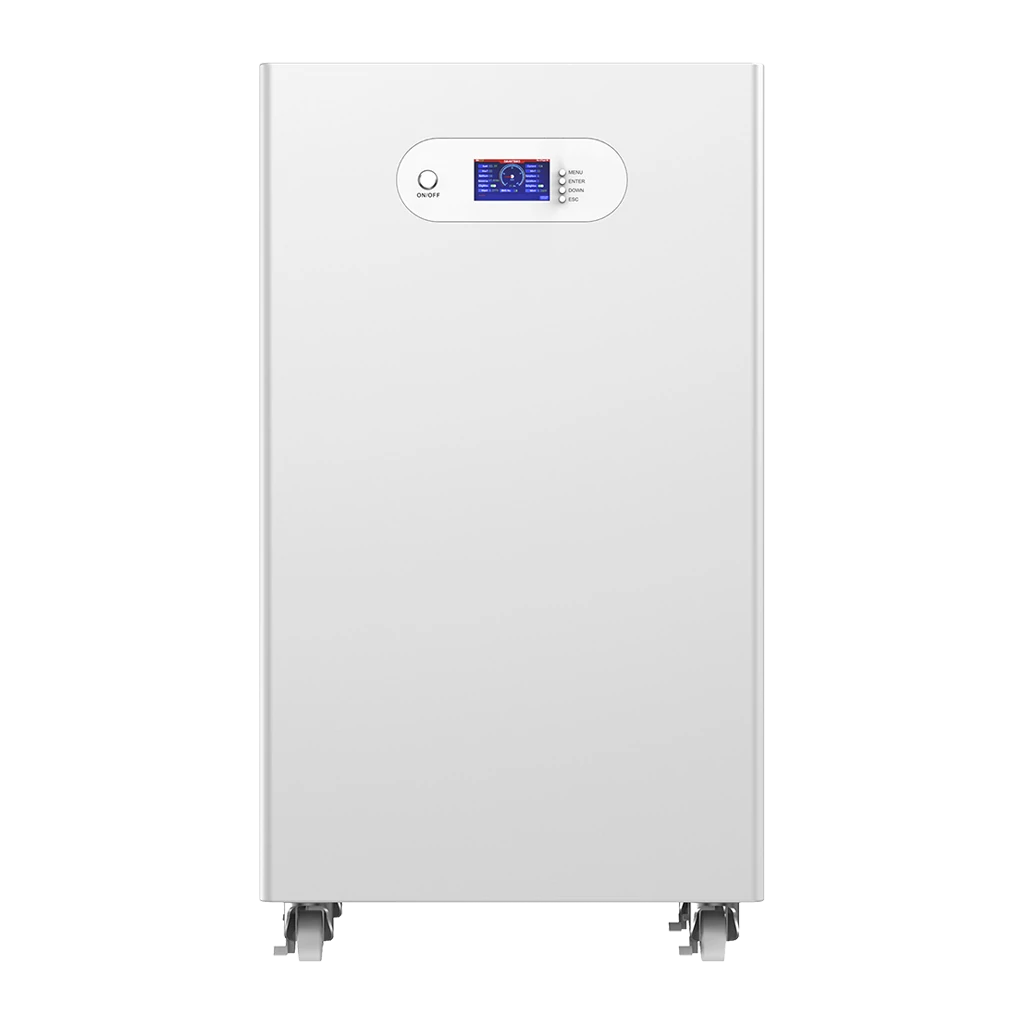
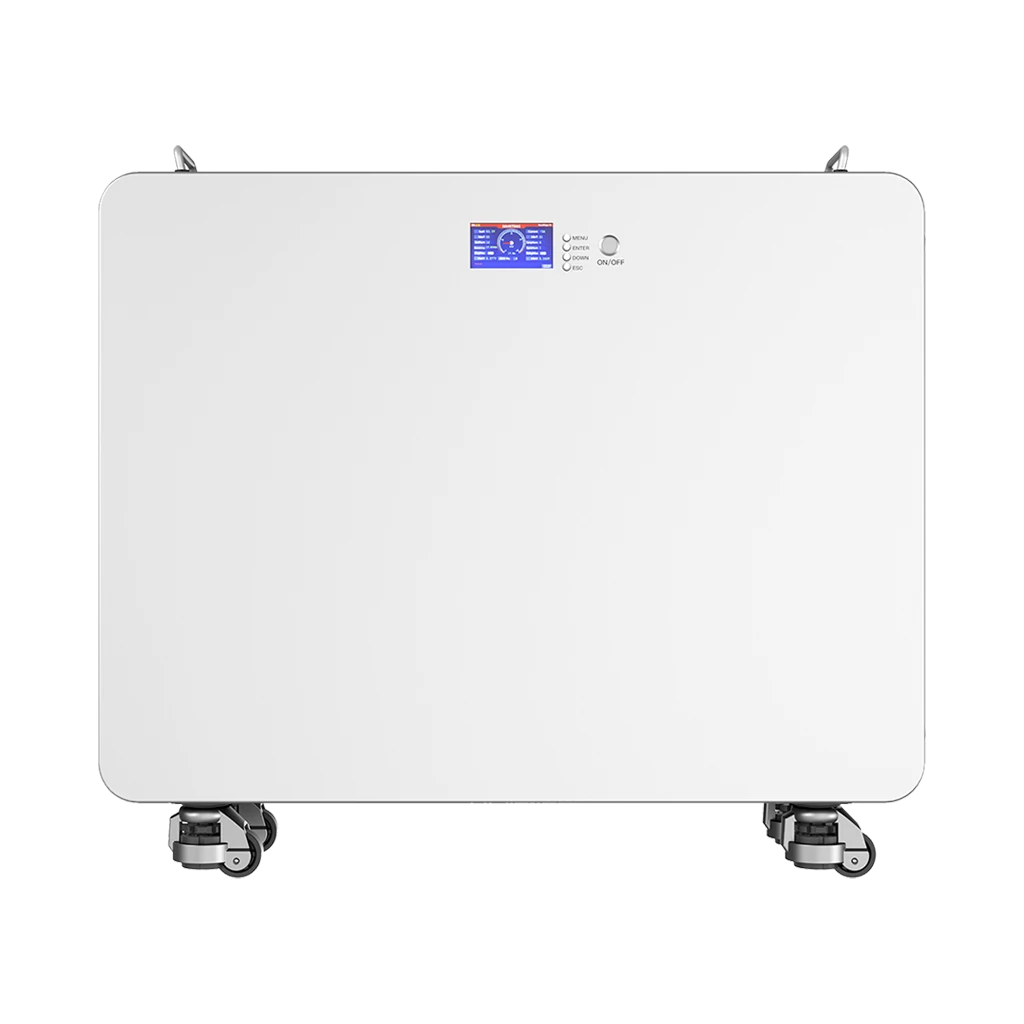
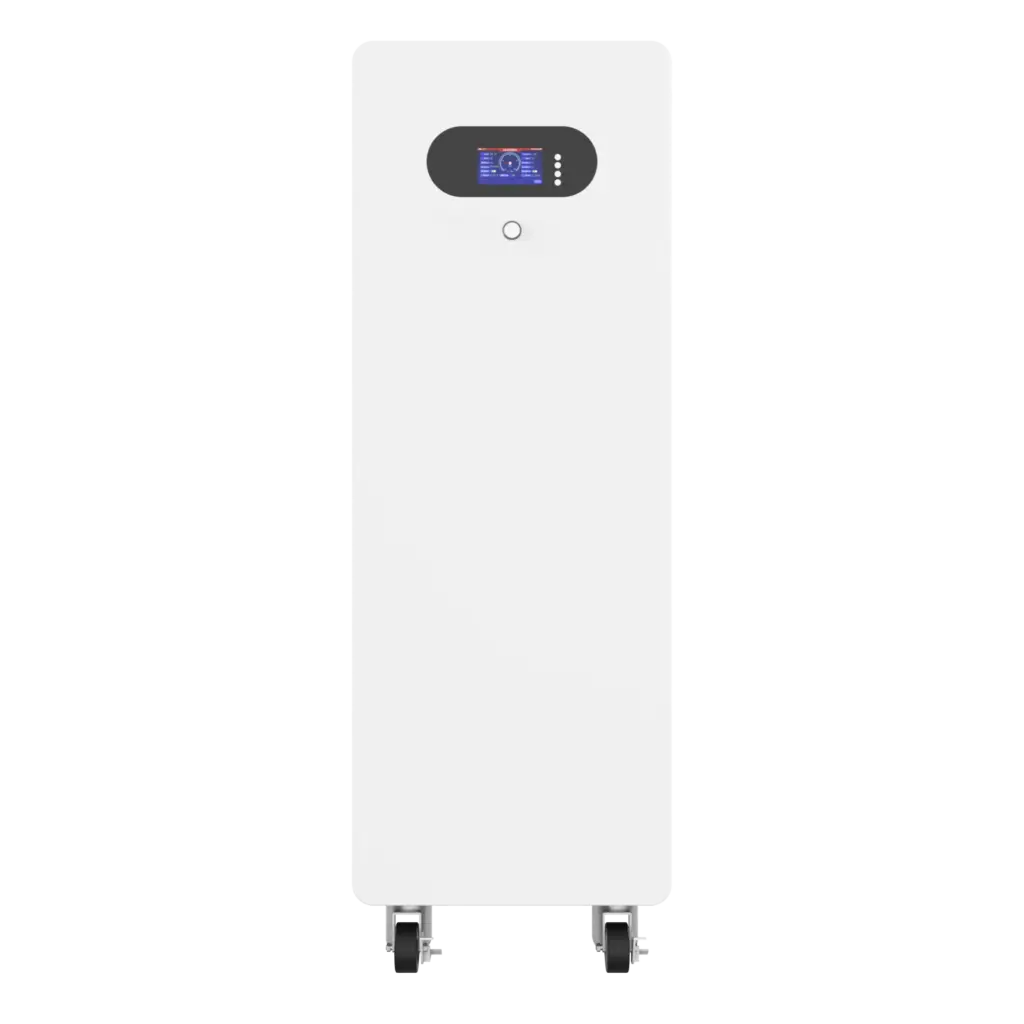
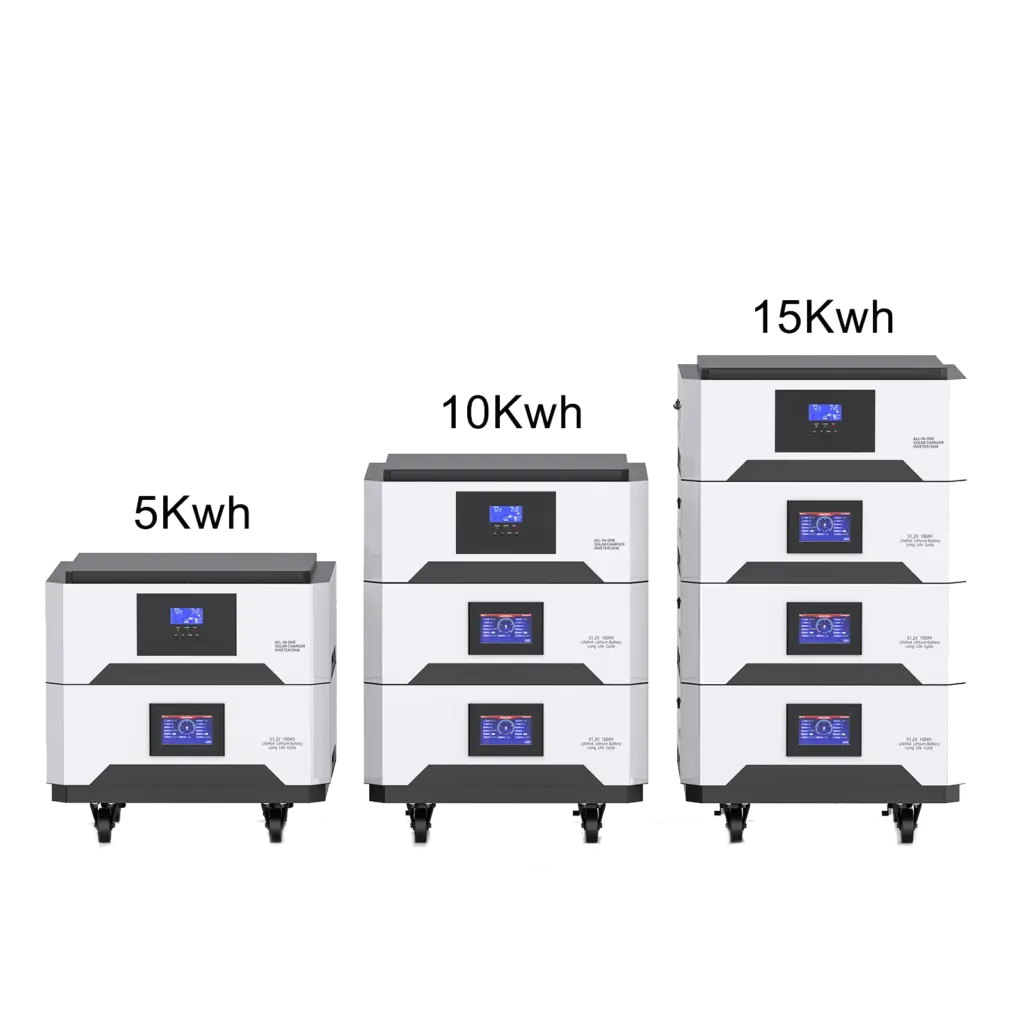
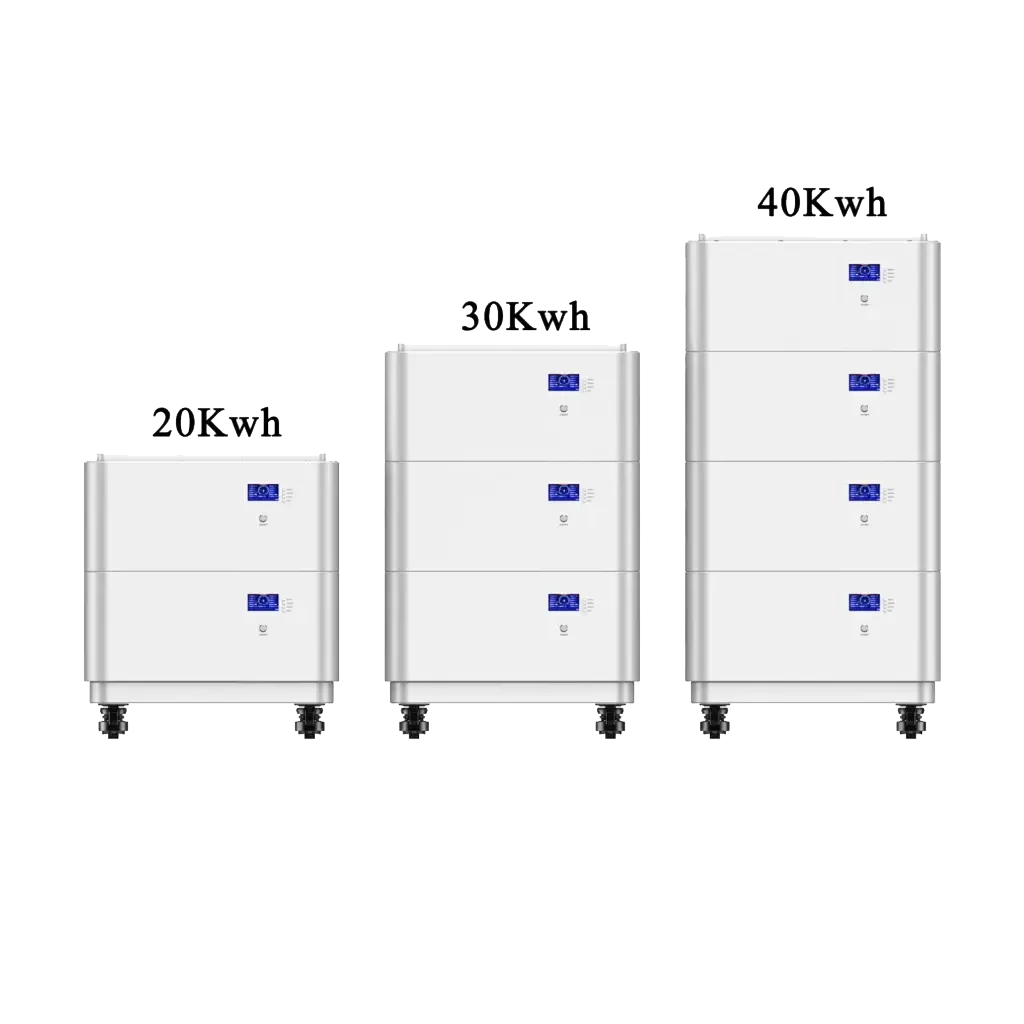
Looking for a safer long-life solar battery for residential energy storage? Avepower provides LiFePO4 home battery systems designed for backup power, lower electricity bills, and energy independence. With OEM/ODM support, multi-layer BMS protection, and international certifications including CE, UL, RoHS, UN38.3, and ISO 9001, Avepower supports installers, distributors, and project buyers looking for reliable energy storage solutions.
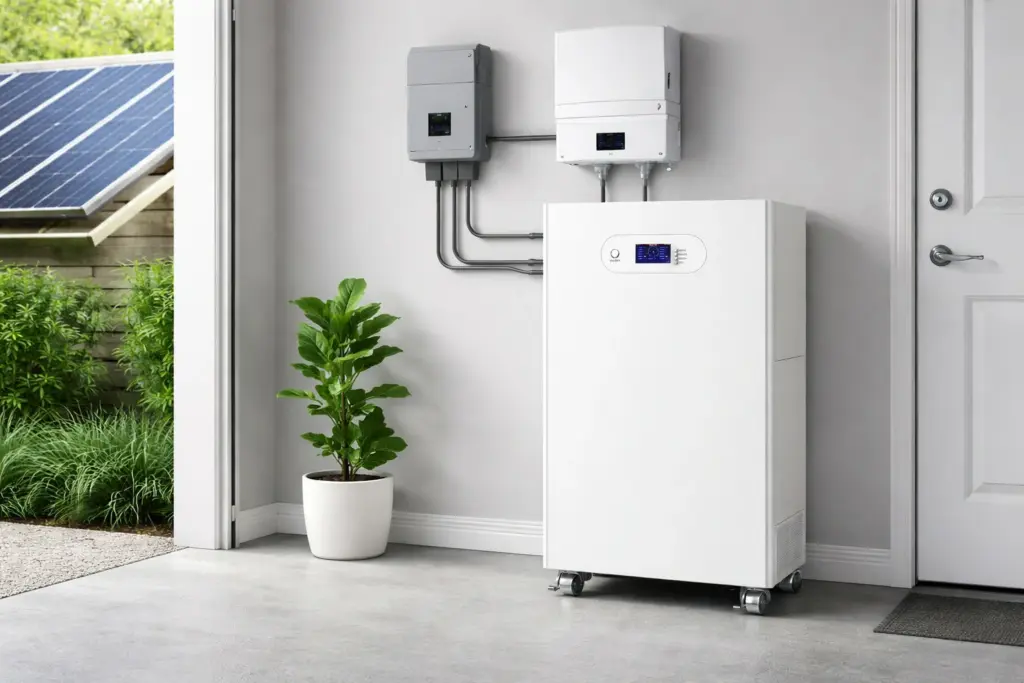
Choose a Safer Long-Life Solar Battery Solution
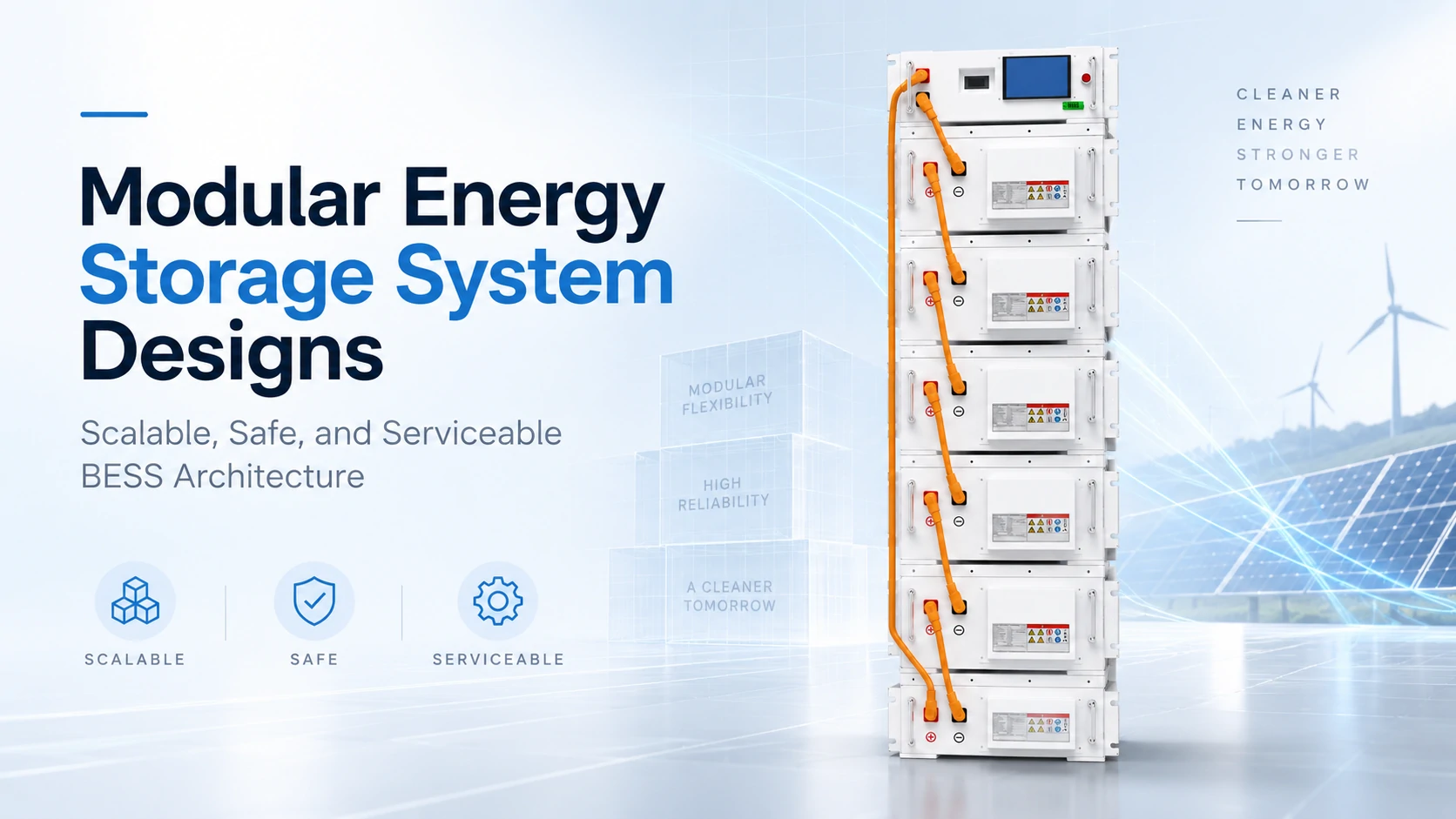
Recyclability matters, but so does choosing a battery that is built for long service life, safety, and reliable performance from the start. Avepower offers safe and long-lasting LiFePO4 battery solutions designed for residential energy storage, backup power, and custom energy projects.
What Materials Can Be Recycled from Solar Batteries?
Solar batteries are made up of various materials, many of which still retain significant value even after the battery reaches the end of its life.
In lithium-ion batteries, recyclers can recover critical minerals and metals such as lithium, nickel, cobalt, manganese, graphite, copper, aluminum, and iron. These materials are highly valuable because they are essential for manufacturing new batteries and other clean energy technologies.
In fact, end-of-life lithium-ion batteries contain many of the same critical resources required to produce new ones. When properly processed, up to 100% of battery components can be recovered and reused for other applications—or even turned into new batteries.
For lead-acid batteries, recyclers typically recover lead, plastic, and acid. All three of these key components can be reused, and modern lead-acid batteries are often manufactured using a high percentage of recycled materials.
Solar Battery Recycling Process
While the exact details may vary depending on battery chemistry and recycling providers, most lithium-ion batteries follow a broadly similar recycling process.
Step 1: Collection and Sorting
The first step is the collection and sorting of used batteries. These may come from a variety of sources, including homeowners, installers, retailers, distributors, e-waste programs, and hazardous waste collection centers.
For larger energy storage systems, batteries are often partially disassembled into modules or individual cells before transportation. This helps improve safety and efficiency during handling and processing.
Step 2: Safe Handling and Pre-Treatment
Before entering the main recycling stage, batteries must undergo careful handling and pre-treatment. This phase typically includes:
- Battery identification
- Discharging (if necessary)
- Dismantling and shredding
- Mechanical separation
The goal is to separate key components such as casings, wiring, metal foils, plastics, and the internal materials that contain valuable elements for further recovery.
Step 3: Material Recovery and Processing
Once pre-treatment is complete, recyclers use one or more industrial methods to recover valuable materials. The three main approaches are:
- Pyrometallurgy: Uses high temperatures to extract metals; it is a well-established method but energy-intensive
- Hydrometallurgy: Uses chemical solutions to separate and refine valuable materials, often achieving higher recovery purity
- Direct Recycling: Focuses on recovering cathode materials without breaking them down into elemental form, which can improve efficiency in certain cases
Lead-Acid Battery Recycling (For Comparison)
In comparison, lead-acid battery recycling is more mature and straightforward. These batteries are typically broken down into:
- Lead
- Plastic components
- Acid
All of these materials can then be efficiently reintroduced into the manufacturing supply chain, creating a closed-loop recycling system.
Solar battery recycling is not only possible but increasingly important as energy storage adoption grows. While lithium-ion recycling systems are still evolving, ongoing advancements are making the process more efficient, scalable, and environmentally sustainable.
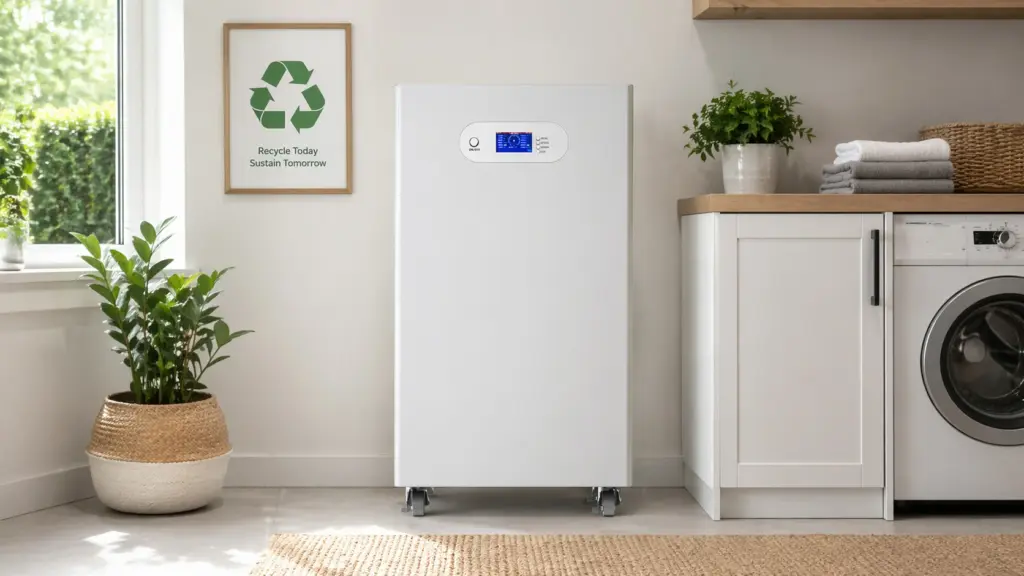
Why Solar Battery Recycling Matters
Solar battery recycling is becoming increasingly important as battery waste continues to grow at a rapid pace. Lithium-ion battery waste is expanding by around 20% annually, and in countries like Australia, total battery waste could exceed 136,000 tonnes by 2036.
As solar energy systems, energy storage solutions, and electric vehicles become more widespread, managing end-of-life batteries is critical—not only for waste reduction but also for environmental and material safety.
Another key reason recycling matters is the valuable materials contained within batteries. Solar batteries rely on essential minerals such as aluminum, lithium, nickel, cobalt, manganese, and graphite. These materials are considered critical for the global clean energy transition.
By recovering and reusing these resources, recycling helps:
- Reduce dependence on raw material mining
- Lower environmental impact
- Support a more circular and sustainable supply chain
In short, effective battery recycling is not just about waste management—it’s a vital part of building a cleaner, more resilient energy future.
Are Solar Batteries Recycled the Same Way as Solar Panels?
No. Solar batteries and solar panels are fundamentally different products, and they follow entirely different recycling systems.
Solar panels are relatively difficult to recycle. The same features that make them durable and cost-effective over a 20–30 year lifespan—such as tightly bonded layers of glass, silicon, and protective materials—also make them harder to separate and process at end of life.
In contrast, solar battery recycling focuses on recovering valuable metals, minerals, and electrode materials. While this process can be more targeted in terms of material recovery, it also comes with its own challenges, particularly around safety, handling, and transportation.
Many homeowners install both solar panels and battery storage systems and assume they can be recycled in the same way. In reality, they require completely different recycling pathways, technologies, and infrastructure.
How to Safely Dispose of Solar Batteries
When a solar battery reaches the end of its lifespan, it should never be disposed of as household waste or placed in standard recycling bins. Improper disposal can pose serious safety and environmental risks.
Avepower recommends that used lithium-ion batteries be taken to designated recycling facilities or household hazardous waste collection points. To reduce the risk of fire, battery terminals should be taped over, and the battery should be stored and transported in a way that minimizes contact with other metal objects or batteries.
For residential solar battery systems, the best first step is to contact your installer, manufacturer, local hazardous waste authority, or a certified battery recycling provider. They can guide you on proper handling and disposal procedures. Larger home energy storage systems may require professional removal.
What Questions Should You Ask Before Choosing a Solar Battery?
If you’re planning to purchase a new solar battery, recyclability should be part of your decision-making process. Beyond simply asking, “Can this battery be recycled?”, it’s important to consider a few deeper questions:
- What battery chemistry does it use?
- Is there a local recycling pathway available for this type of battery?
- Does the supplier or installer offer end-of-life support or recycling guidance?
- Is the battery designed with safety, traceability, and long service life in mind?
Why More Home Are Choosing LiFePO4 Battery Systems
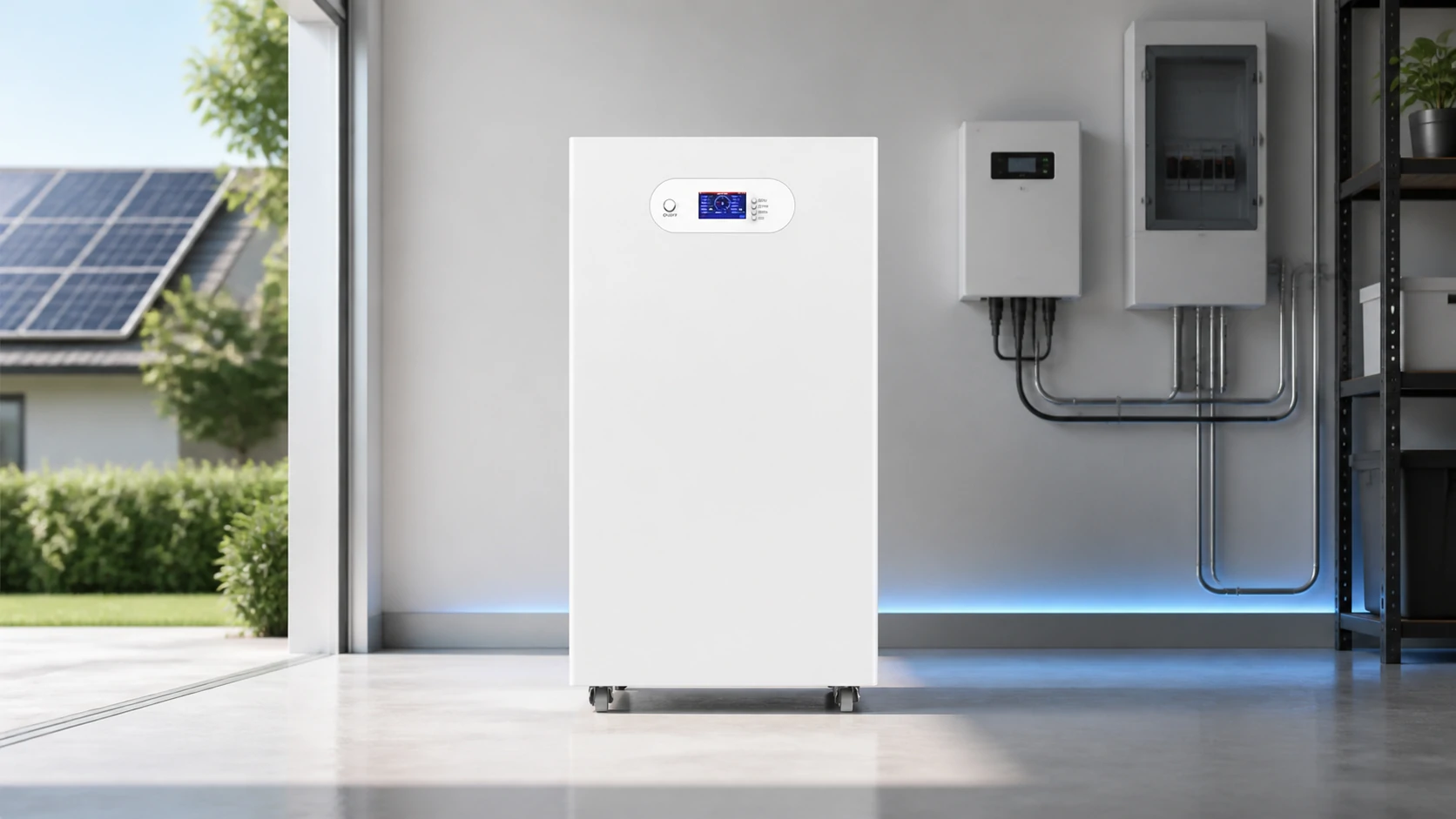
For residential energy storage, many homeowners are increasingly choosing lithium iron phosphate (LiFePO4) batteries. Within the lithium-ion family, LiFePO4 is widely recognized as a safer and longer-lasting option.
Avepower home energy storage systems use high-quality LiFePO4 batteries with a lifespan of over 8,000 cycles. These systems are designed with safety and reliability in mind and are backed by multiple certifications, including UL, IEC, CE, MSDS, and UN38.3.
Sustainability isn’t just about whether a battery can be recycled at the end of its life—it’s also about choosing the right chemistry and a responsible manufacturer that prioritizes safety, durability, compliance, and long-term support.
If you’re planning a solar + storage project, selecting a high-quality battery is essential. A well-designed system not only improves energy independence but also ensures long-term performance and safety.
Avepower provides durable and safe LiFePO4 battery solutions tailored for residential energy storage, backup power, and customized energy projects.
Contact Avepower today to get a quote and start building a more reliable and sustainable energy system.
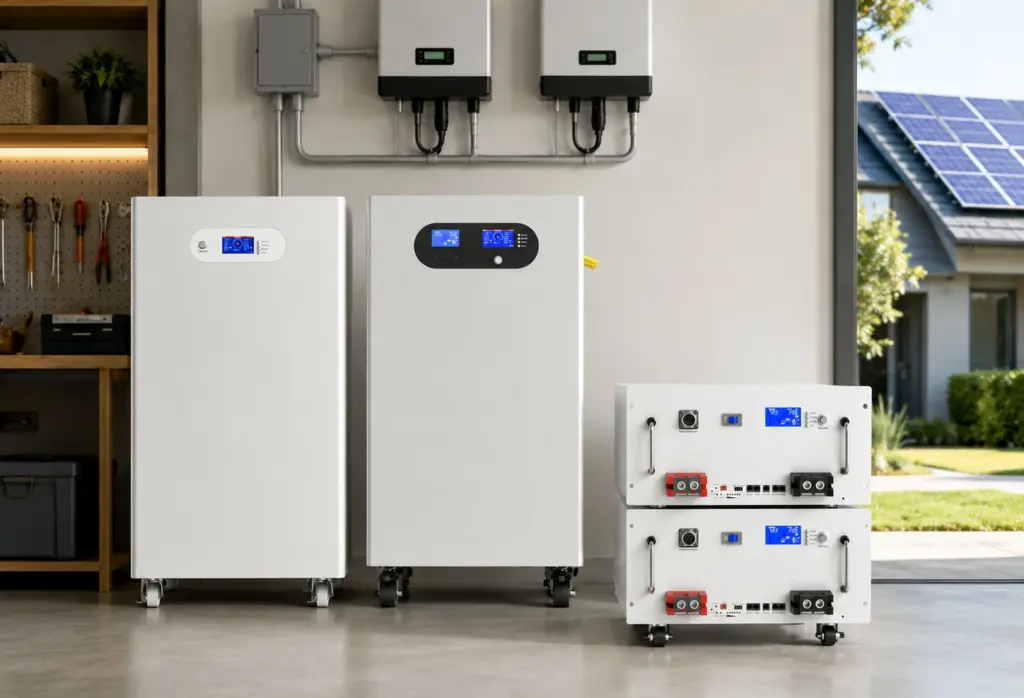
Take Control of Your Energy with Avepower!
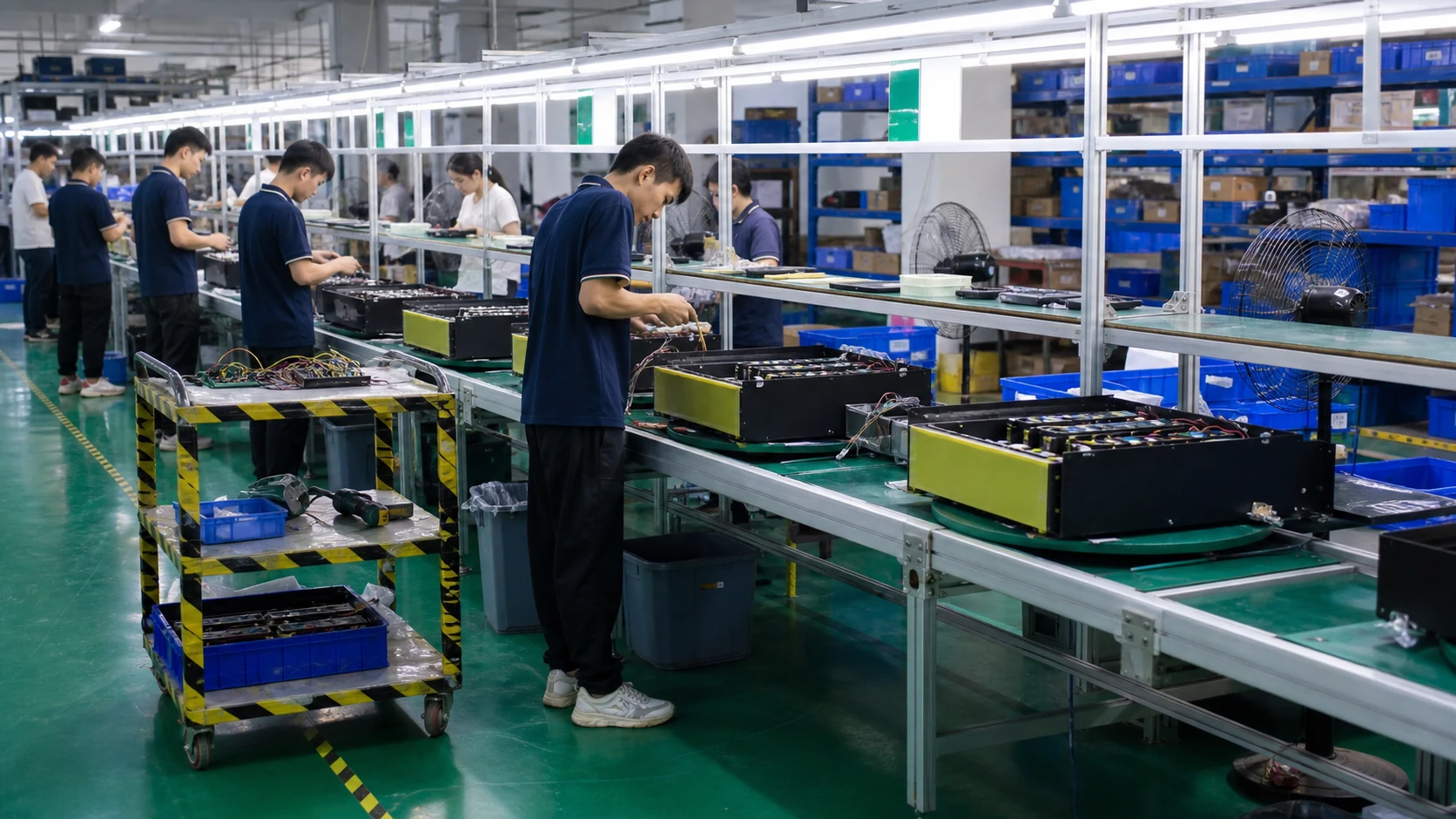
Reliable home solar battery solutions with OEM/ODM customization and in-house manufacturing, tailored to the needs of distributors, installers, and energy partners.
Conclusion
So, can solar batteries be recycled? The answer is yes. However, they can only be effectively recycled when they are properly collected, transported, and processed through the right recycling systems.
For homeowners and businesses, the best approach is to choose high-quality batteries that offer a long service life, reducing the frequency of replacement. At the same time, it’s important to ensure there is a responsible end-of-life pathway in place when the battery eventually needs to be replaced.
FAQ
Depending on the chemistry, recyclers may recover lithium, nickel, cobalt, manganese, graphite, copper, aluminum, iron, lead, plastic, and acid.
No. Lithium-ion batteries should not go in household garbage or regular recycling bins because they can pose fire and safety risks.
A qualified battery recycler, installer, manufacturer take-back channel, or household hazardous waste collection point is usually the right route.
Look for long-life chemistry, strong safety design, certification, clear end-of-life guidance, and a supplier with traceability and technical support.
It reduces waste, lowers fire risk, recovers critical minerals, and can reduce emissions and energy use compared with traditional mining.