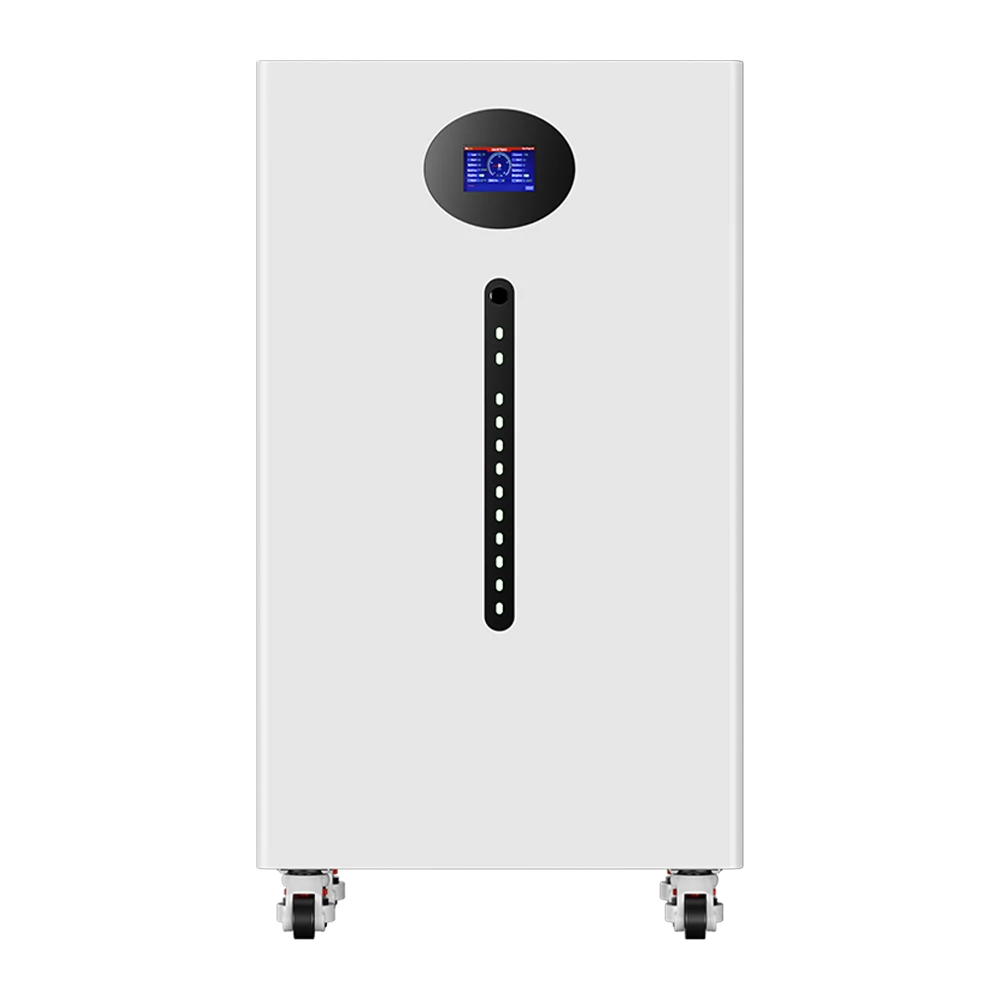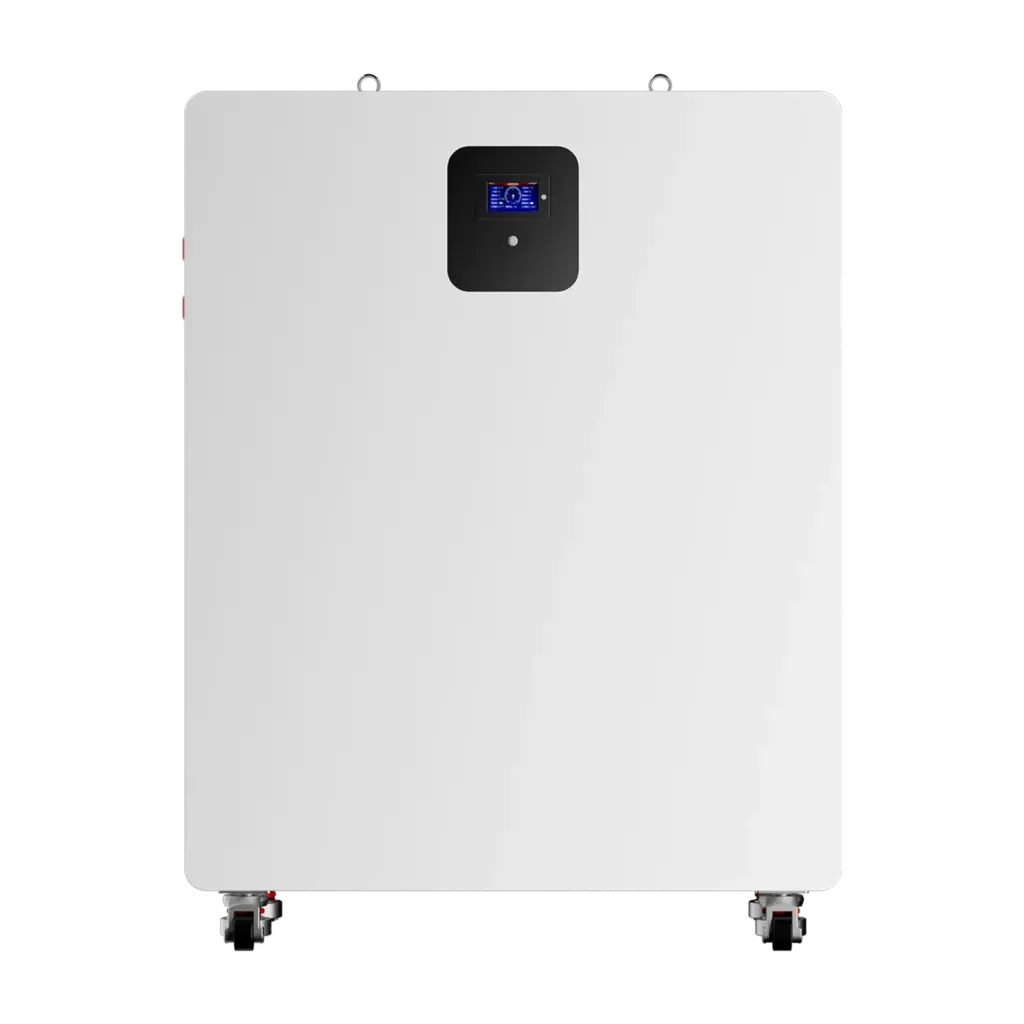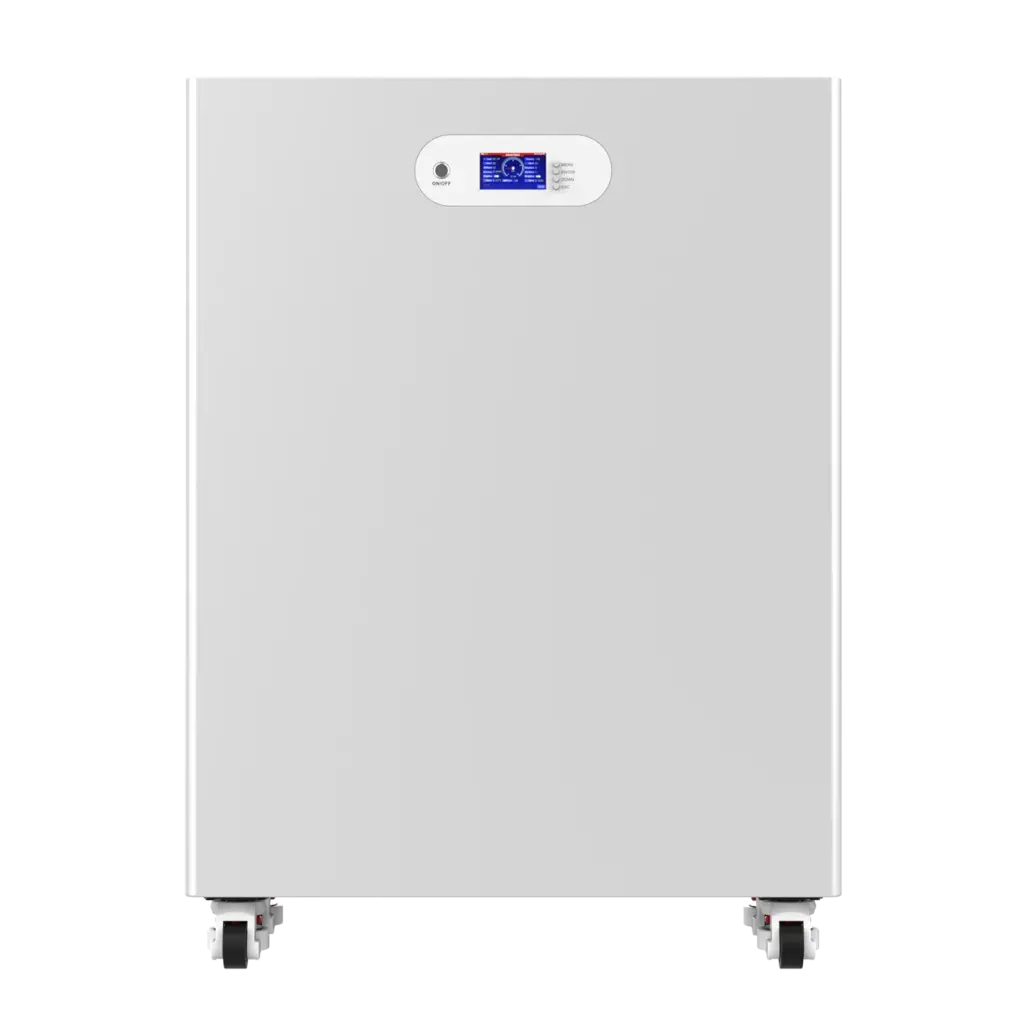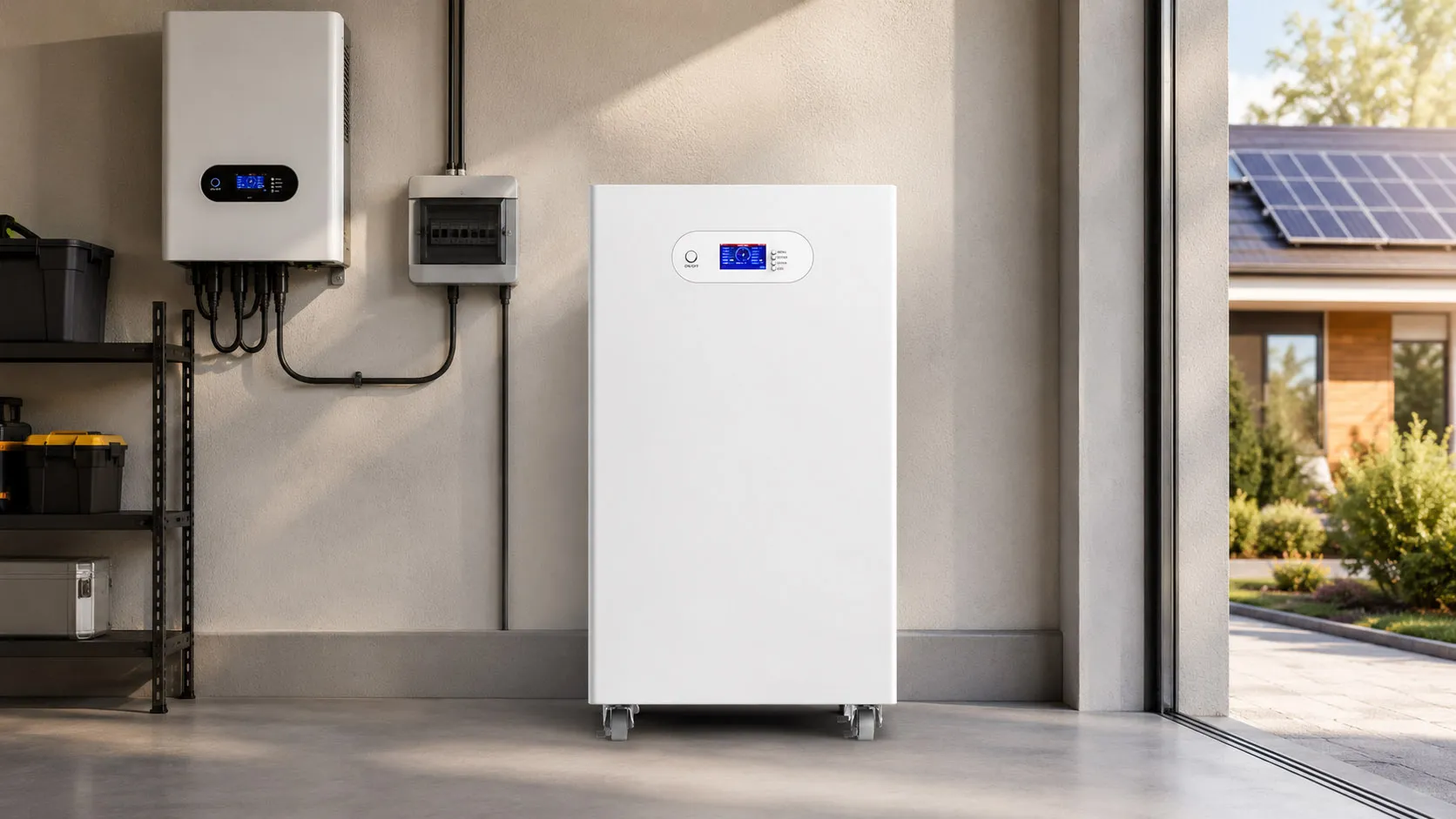

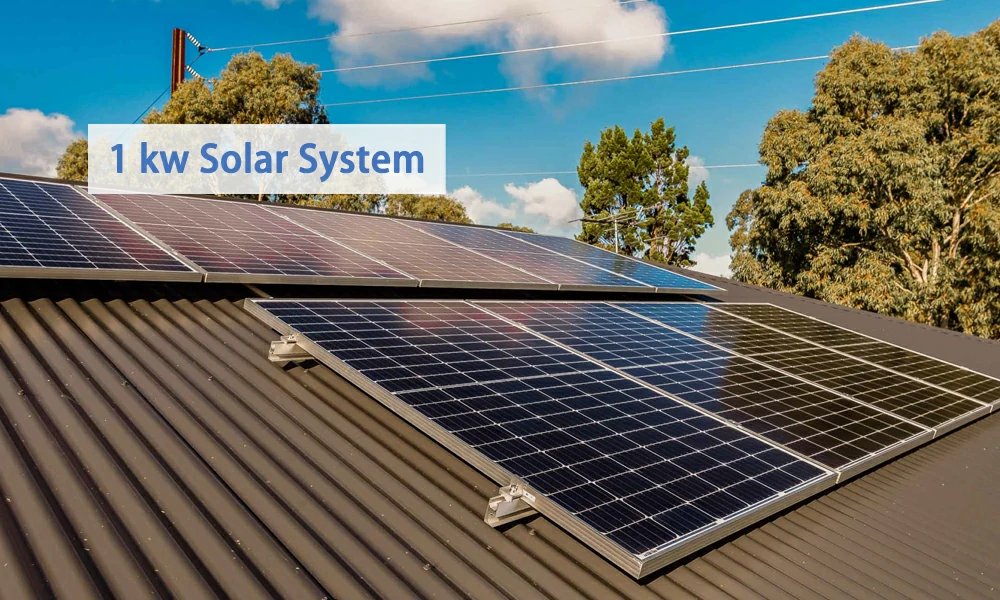
A 1kW off-grid solar system is compact and can be installed on a standard rooftop or simple ground-mounted frame. Paired with batteries and an inverter, it meets basic daily power needs. It’s ideal for providing backup power to critical loads or offering a compact off-grid solution for cabins, sheds, or small homes.
This guide explains what a 1kW system really means, what a complete off-grid setup typically includes, the actual energy it can generate, and the pricing of a 1kW off-grid solar system.
How Much Energy a 1 kW System Can Produce
In many sunny regions, a 1 kW PV array often produces around 4–5 kWh per day when installed well (good sun exposure, minimal shading, decent tilt). In less sunny areas, or when roofs face the wrong direction, daily output may drop meaningfully. Weather and seasons also matter, so you should expect winter production to be lower than summer production.
A practical way to estimate daily production is:
Daily energy (kWh) ≈ Array size (kW) × Peak sun hours × System efficiency
System efficiency includes losses from heat, wiring, dust, inverter conversion, and battery charging. Many designers use 75%–85% as a realistic planning range for small off-grid systems.
So if your location averages 5 peak sun hours and you plan at 80% efficiency: 1 kW × 5 × 0.8 ≈ 4.0 kWh/day
What Can a 1kW Off-Grid Solar System Power?
A 1kW off-grid solar system is well suited for running essential, low-power loads, but it cannot support an entire home the way grid electricity does. To get the best performance, it’s important to prioritize critical appliances, avoid high-power heating devices, and limit how many appliances run at the same time.
Under typical conditions, a 1kW solar system can reliably power:
- LED lighting for several rooms
- Phone and laptop charging
- Wi-Fi router or modem
- TV (especially efficient models)
- Fans
- Small kitchen appliances used briefly (blender, coffee grinder)
Refrigerators are among the most energy-hungry household appliances. However, with a properly sized battery and inverter, a small, energy-efficient refrigerator can be supported by a 1kW off-grid solar system.
The Right Way to Size a 1kW Off-Grid System: Start With Your Loads
A clean design starts with one honest list: what you will power, and how long per day.
| Appliance | Typical Power | Hours/Day | Energy/Day |
|---|---|---|---|
| LED lights (8 bulbs) | 9W each (72W total) | 5 | 0.36 kWh |
| Wi-Fi + phone charging | 30W average | 10 | 0.30 kWh |
| Laptop | 60W | 4 | 0.24 kWh |
| TV | 90W | 3 | 0.27 kWh |
| Efficient fridge (average) | ~60W average (cycles) | 24 | 1.44 kWh |
| Fan | 50W | 6 | 0.30 kWh |
In this example, the total is about 2.91 kWh/day.
This total matters because it guides both your battery size and your panel sizing. If your daily use is closer to 4–5 kWh/day, your 1kW solar system may feel undersized unless you have excellent sun and careful usage.
Core Components of a 1kW Off-Grid Solar Kit
Choosing an off-grid solar system means you plan to generate and store your own electricity without relying on the utility grid. For this reason, a true off-grid setup includes much more than just solar panels. A complete 1kW off-grid solar kit typically consists of the following core components:
Solar Panels
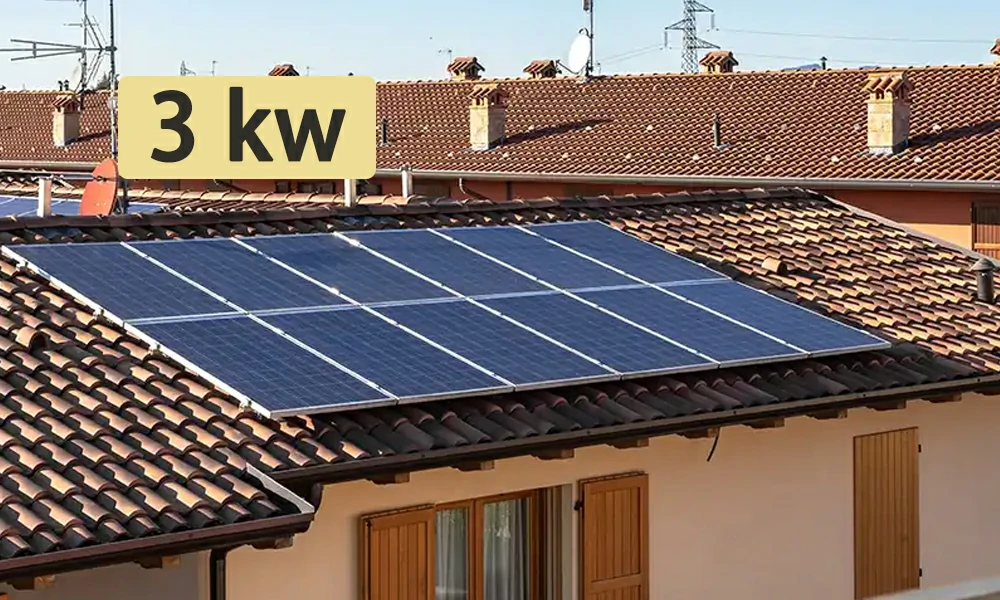
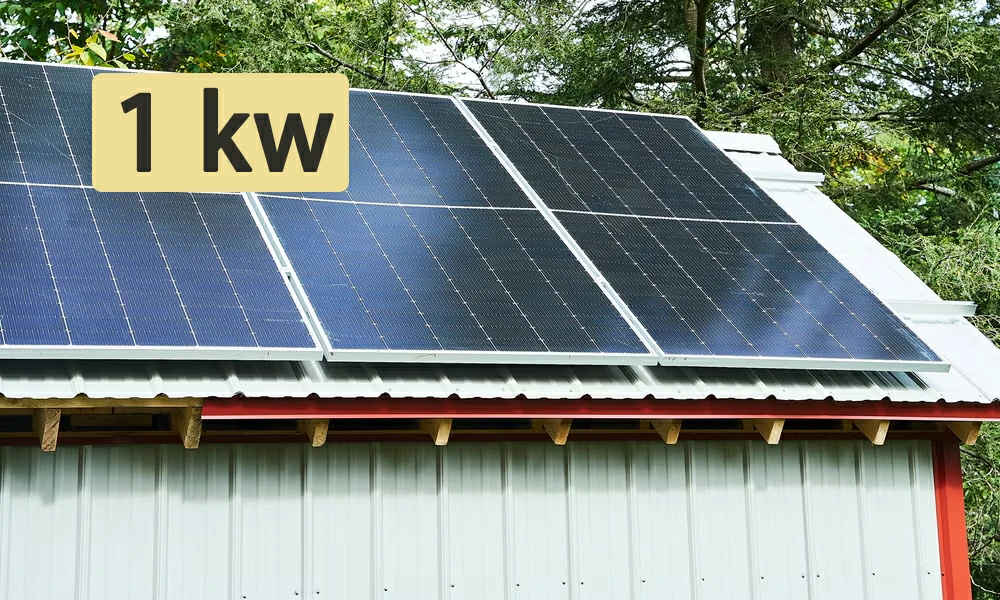
Solar panels are the primary energy source. A 1kW system usually uses 3–4 panels, each rated between 250W and 400W, depending on the panel model. Real-world energy production can vary due to installation layout, cable routing, panel orientation, and shading, which all affect the actual daily kilowatt-hour output.
Charge Controller (MPPT or PWM)
The charge controller regulates how electricity flows from the solar panels to the batteries. For off-grid systems, MPPT controllers generally deliver more usable energy than PWM controllers, especially when panel voltage does not closely match battery voltage or when temperatures fluctuate throughout the day.
Battery Bank
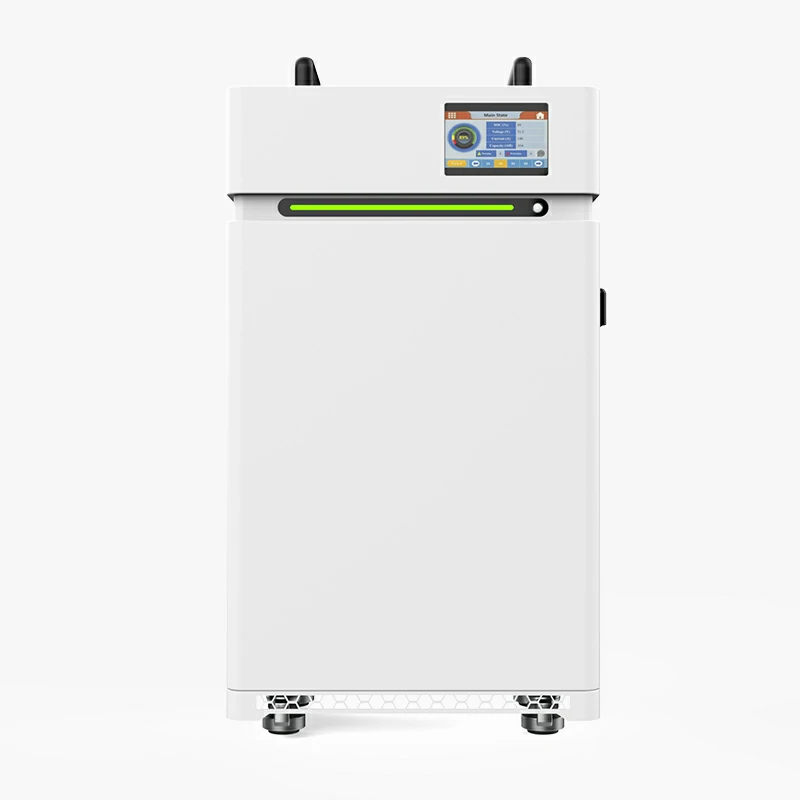
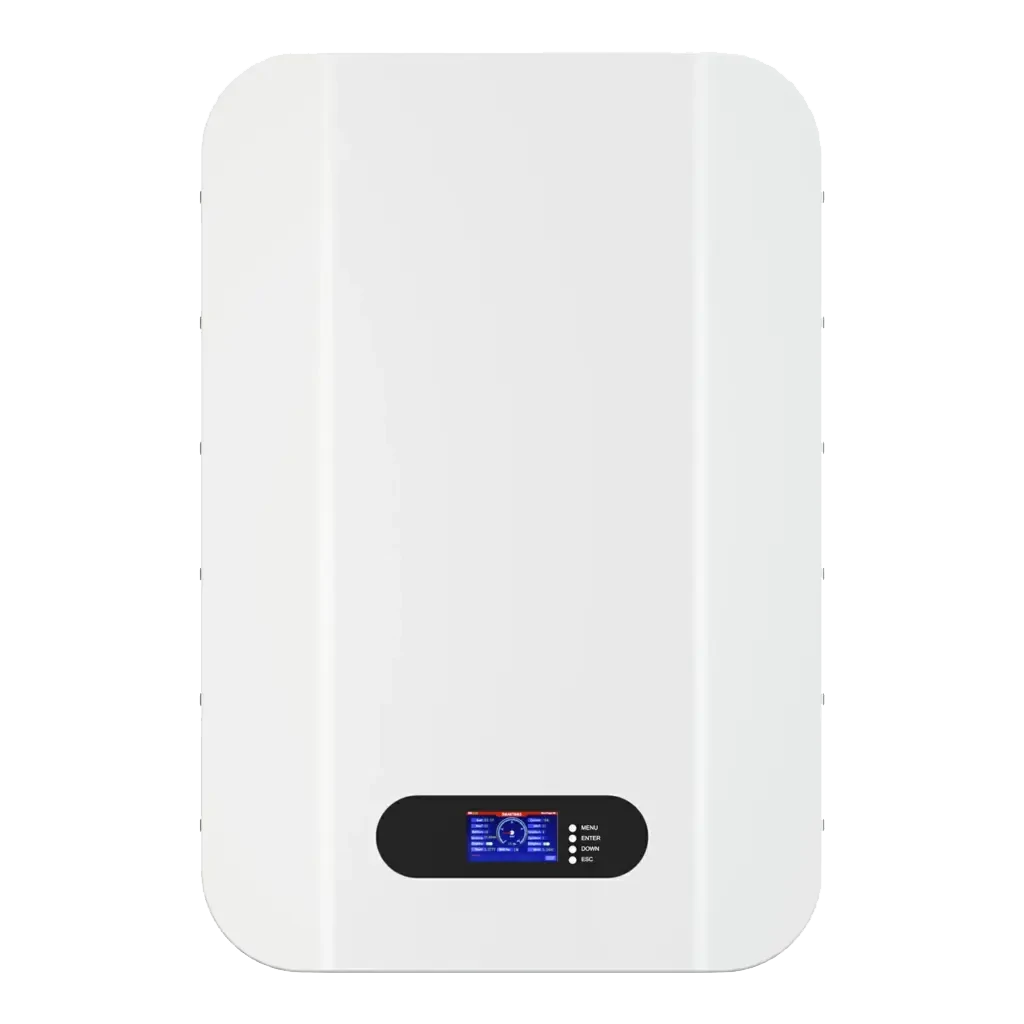
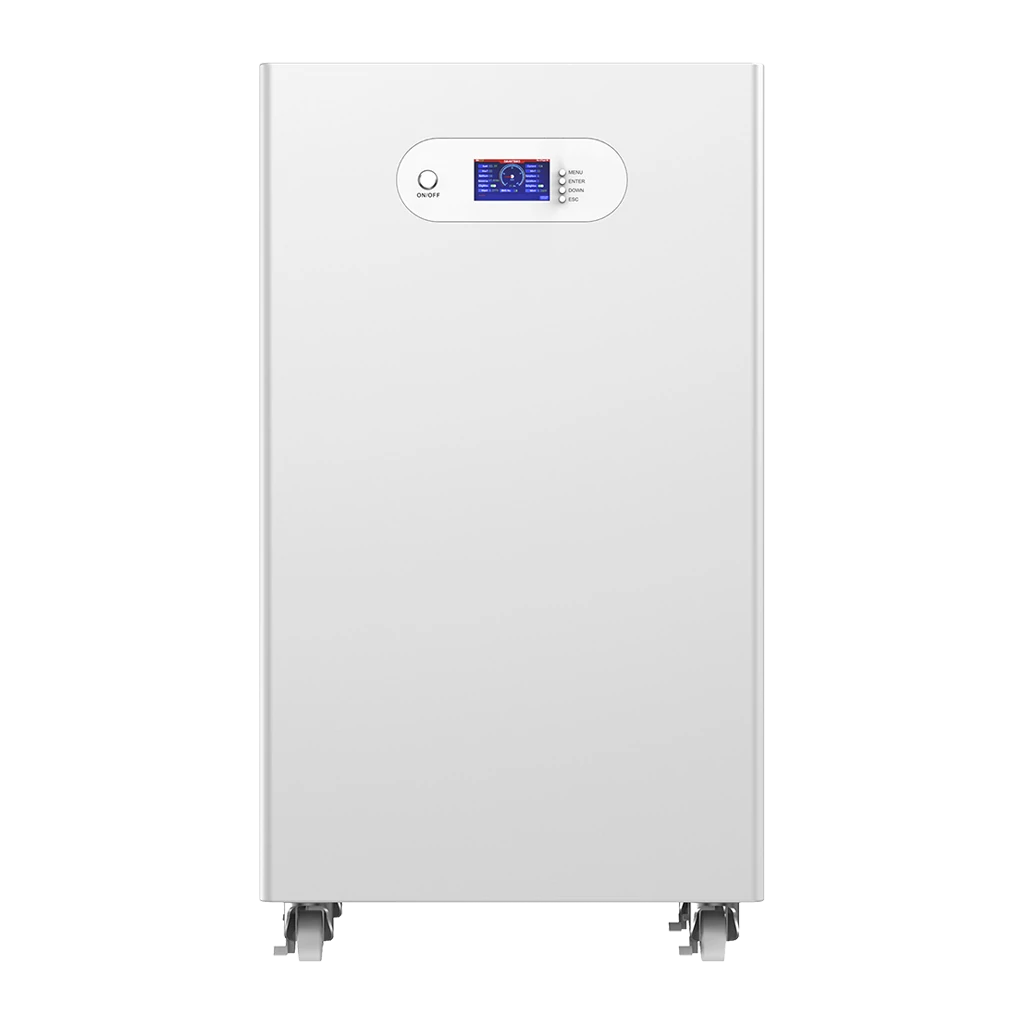
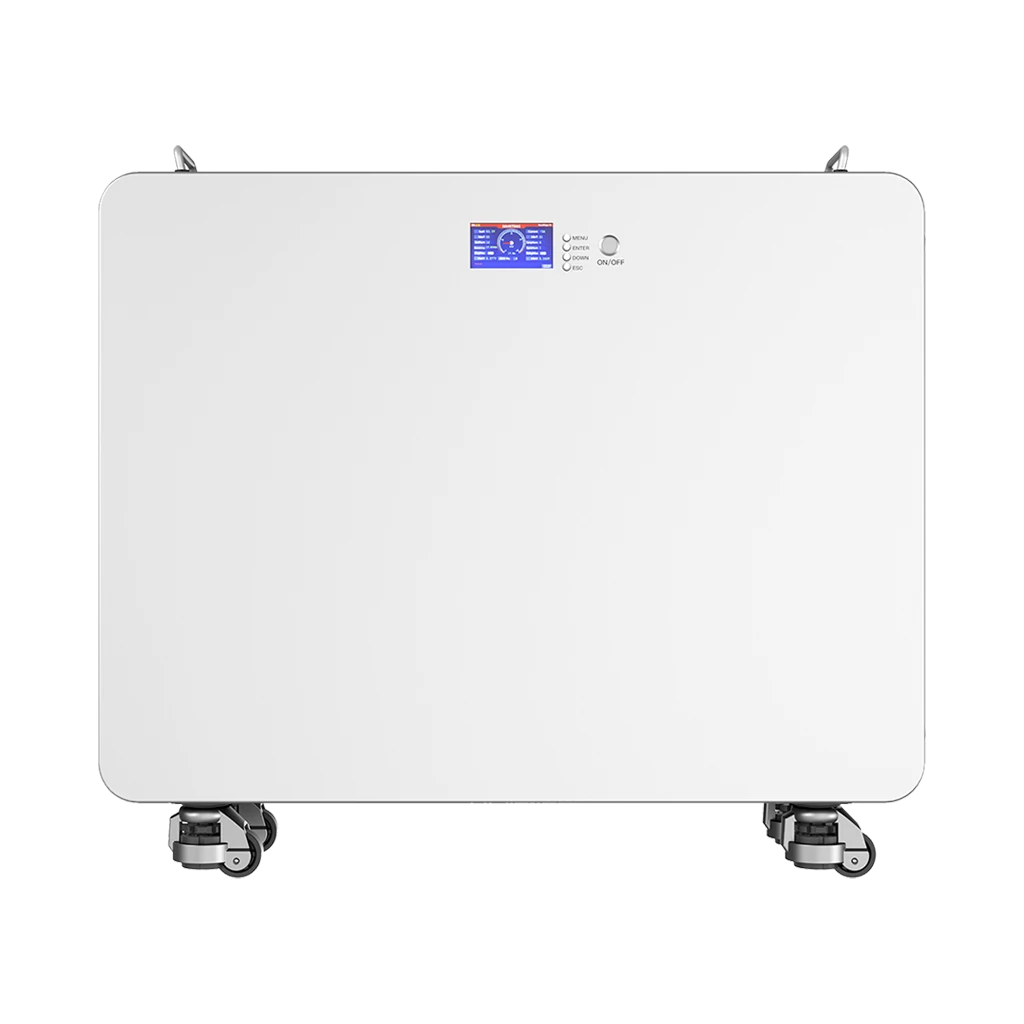
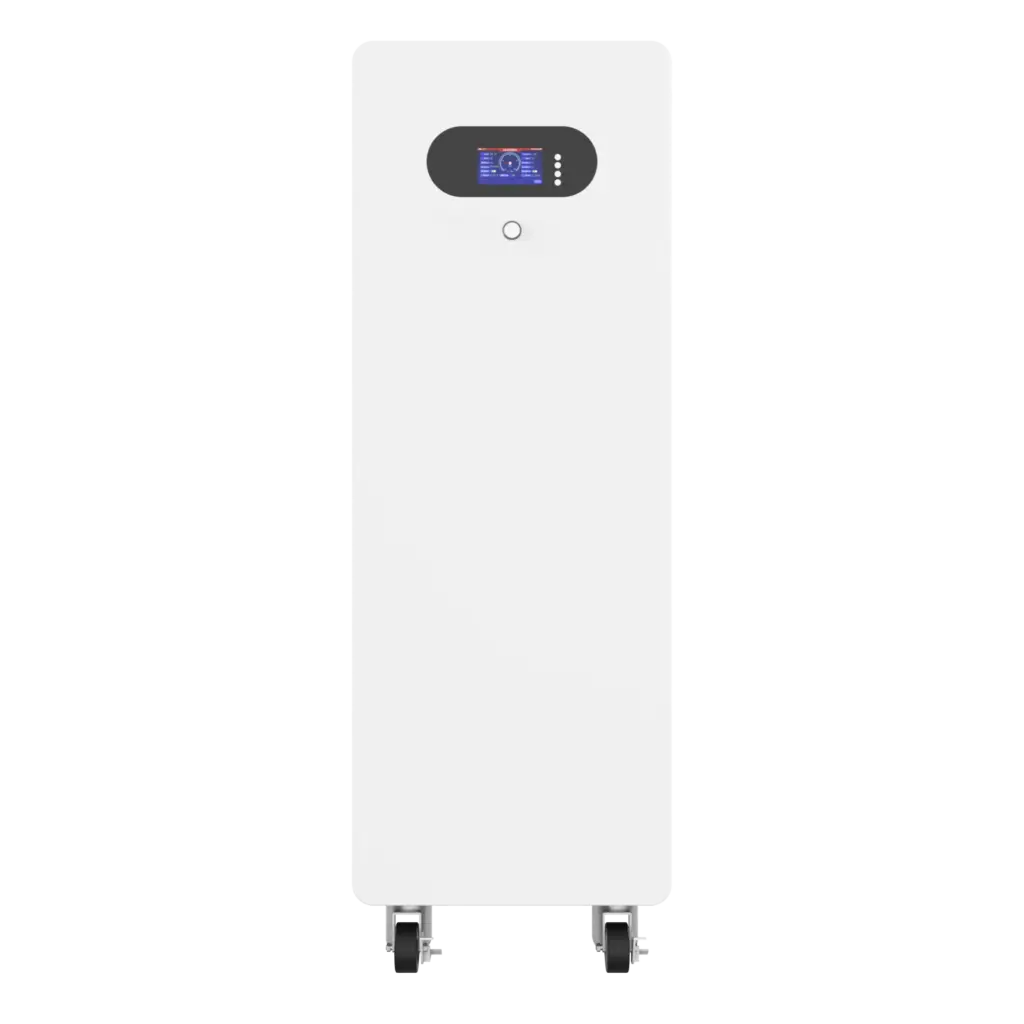
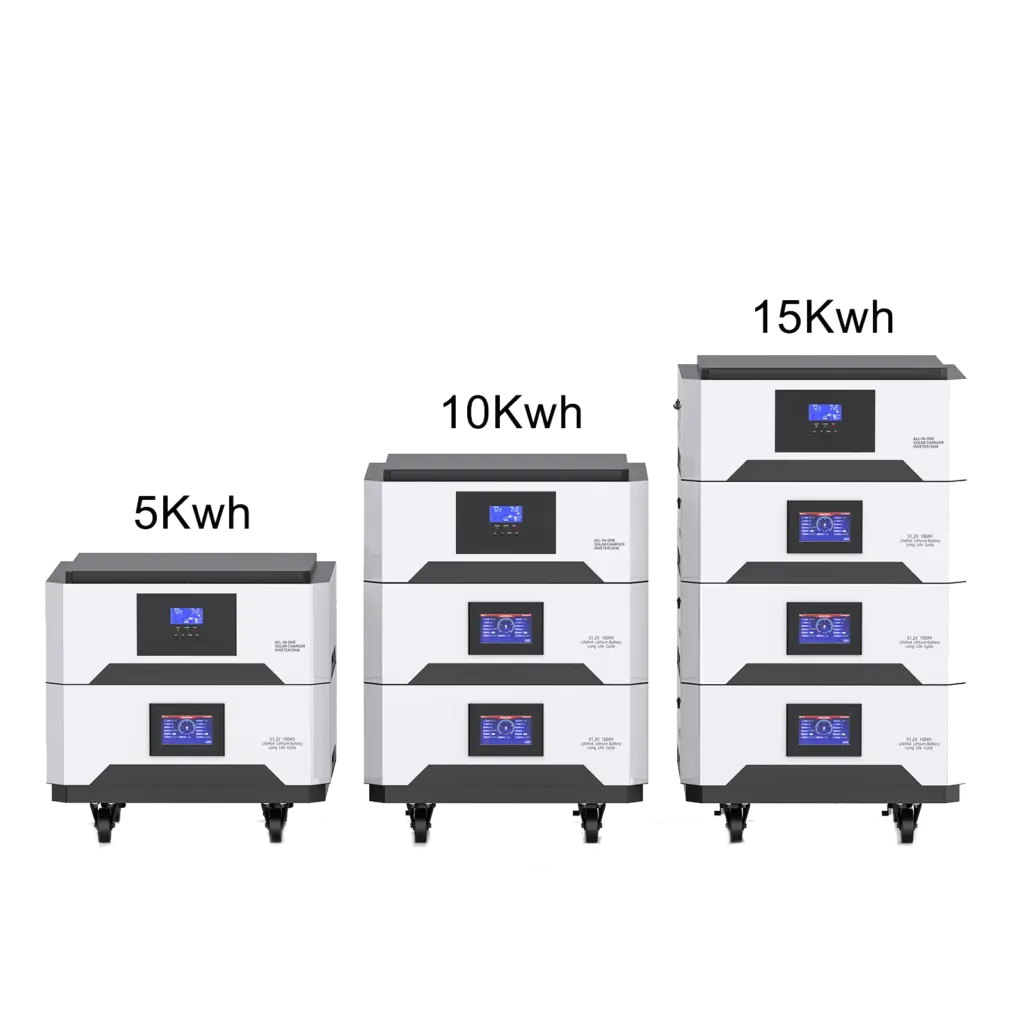
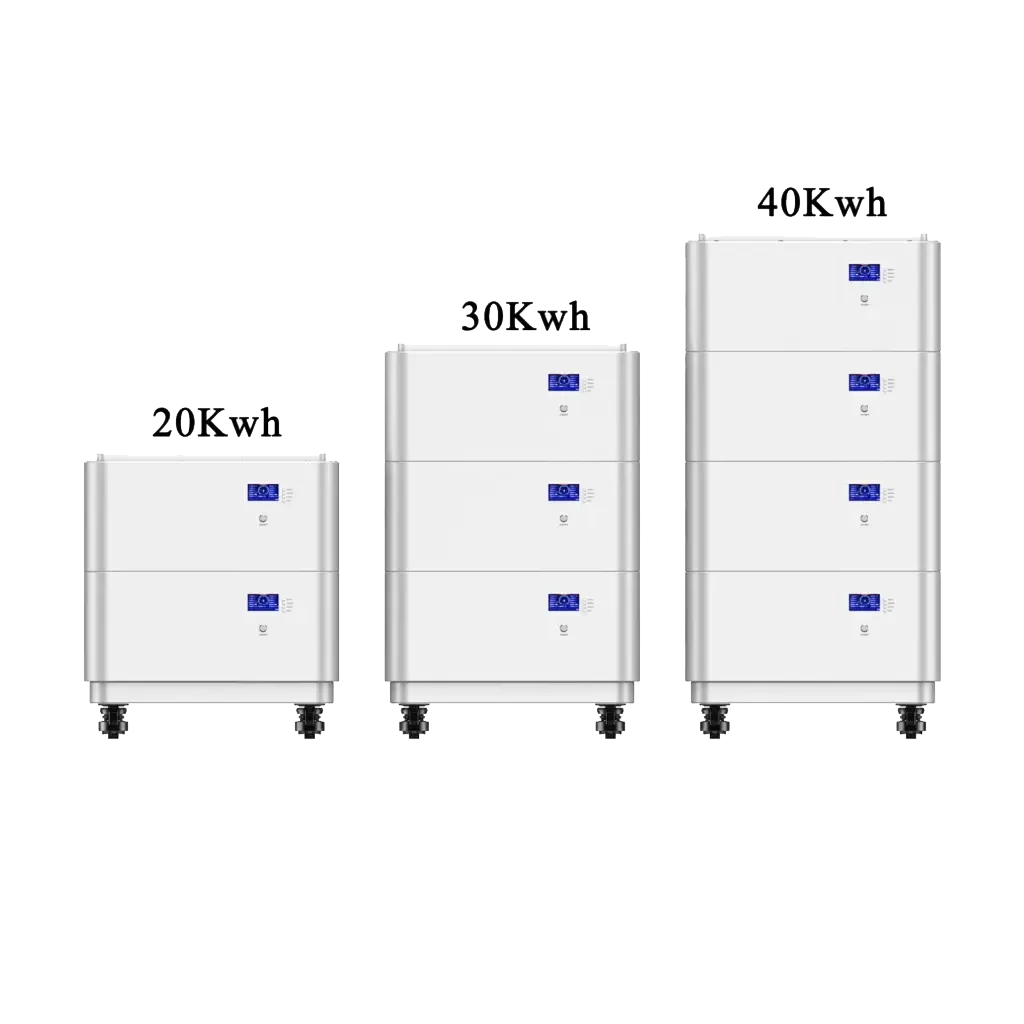
Batteries store energy for use at night and during cloudy periods. In off-grid systems, batteries are often the most expensive component, but they also determine how reliable your power supply is after sunset. For example, an Avepower 5kWh battery is well suited for pairing with a small off-grid solar system, providing stable and dependable energy storage.
Inverter (If AC Power Is Required)
The solar inverter converts the DC power stored in the batteries into AC power for standard household appliances. Solar inverter sizing depends on your simultaneous power demand as well as the surge requirements of connected devices.
Balance of System (BOS) Components
A complete system also includes mounting rails, MC4 connectors, circuit breakers or fuses, DC isolators, battery cables, grounding equipment, combiner boxes (in some cases), conduits, and optional monitoring devices. While these components may seem minor individually, together they are critical for system safety, reliability, and overall cost.
How Many Solar Panels Are Needed for a 1kW Solar System?
The number of solar panels required for a 1kW solar system depends on the wattage of each panel.
If each solar panel is rated at around 330 watts, you typically need 3 panels to reach close to 1kW of capacity (3 × 330W = 990W).
If the panels are rated at around 250 watts, you will likely need 4 panels (4 × 250W = 1,000W).
In some system designs, the solar array is intentionally oversized—for example, 1.1 to 1.3kW of panels paired with a 1kW system. This helps increase real-world energy production, especially during winter months or in cloudy conditions when solar output is reduced.
How Many Batteries Does a 1kW Off-Grid Solar System Need?
The required battery capacity for a 1kW off-grid solar system depends on three key factors:
- Your daily energy consumption (kWh per day)
- How many days of backup power you need (system autonomy)
- How deeply you plan to discharge the batteries (usable capacity)
Battery Sizing Formula: Usable battery capacity (kWh) ≈ Daily energy use (kWh/day) × Number of backup days
For example, if your total daily energy consumption is around 4 kWh, and you want 2 days of backup power: Usable capacity ≈ 4 × 2 = 8.0 kWh. In this case, you should consider a battery system with a nominal capacity of around 8 kWh battery, depending on the battery’s depth of discharge and efficiency.
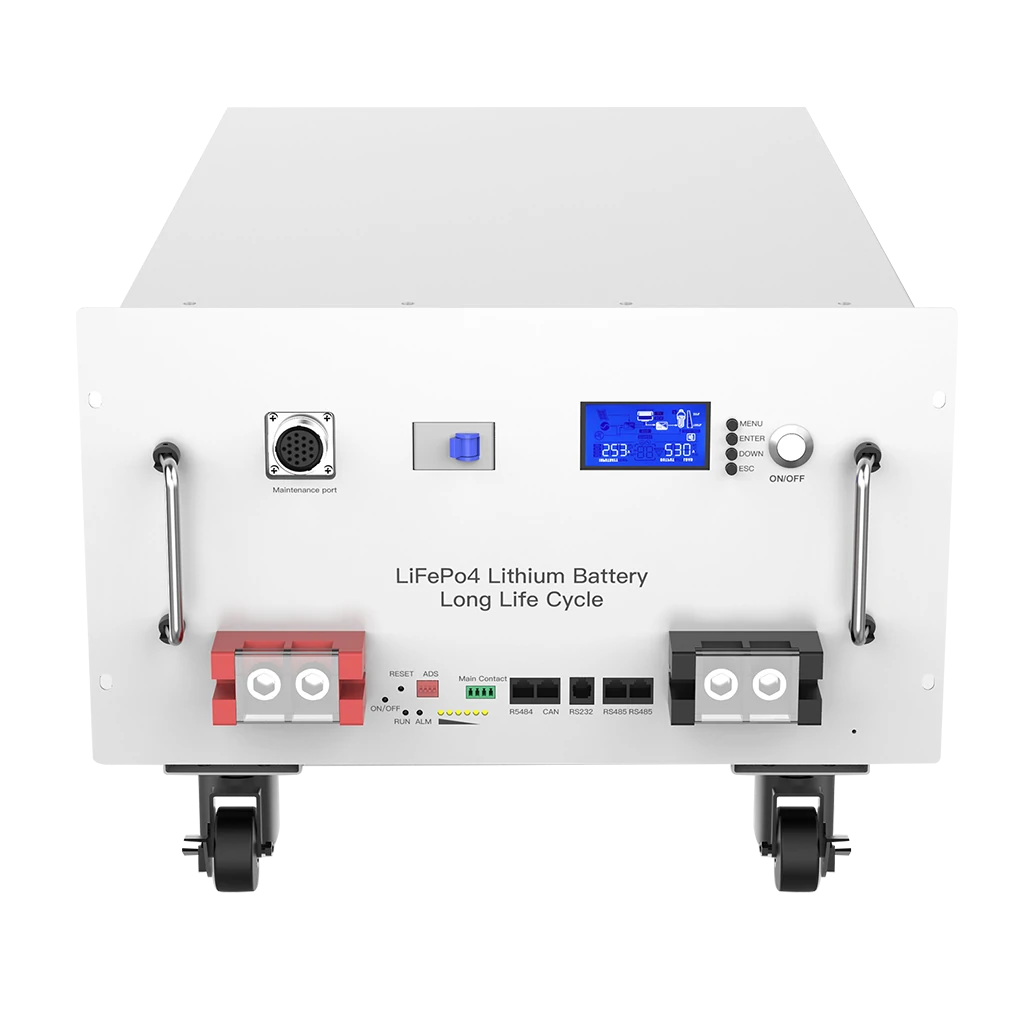
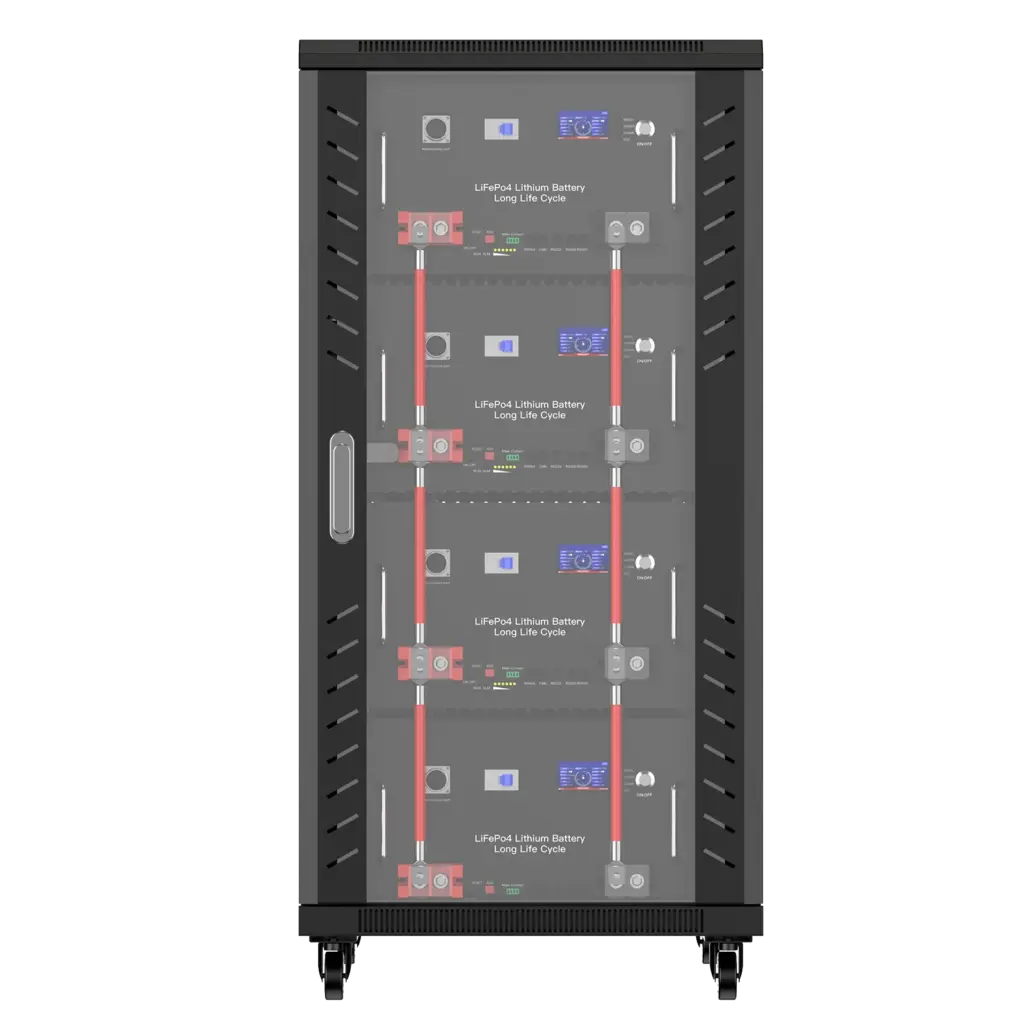
If your goal is only to supply power overnight rather than for multiple days, a smaller battery bank may be sufficient. For example, the Avepower 7kWh solar battery is a practical option. It is designed to support critical household loads such as refrigerators, air conditioners, and lighting for extended periods. With an 80% depth of discharge (DoD) and up to 8,000 charge cycles, it delivers reliable performance for 10–15 years. Its modular, scalable design also allows you to expand capacity easily as your energy needs grow.
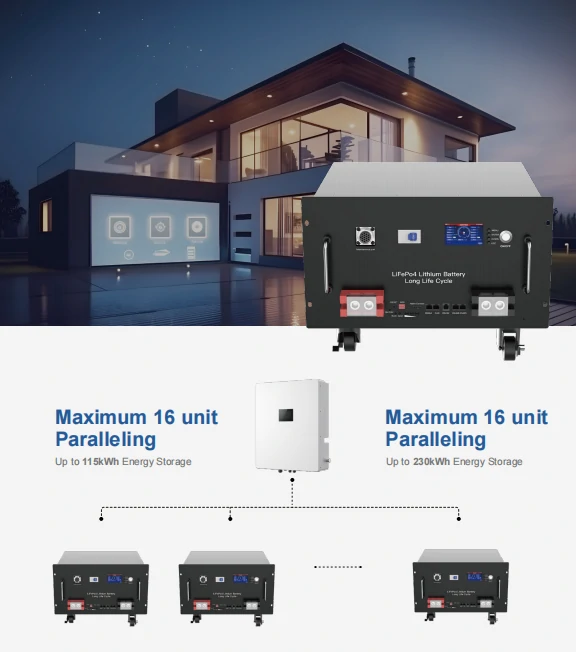
Avepower 7kWh Rack Mount Solar Battery
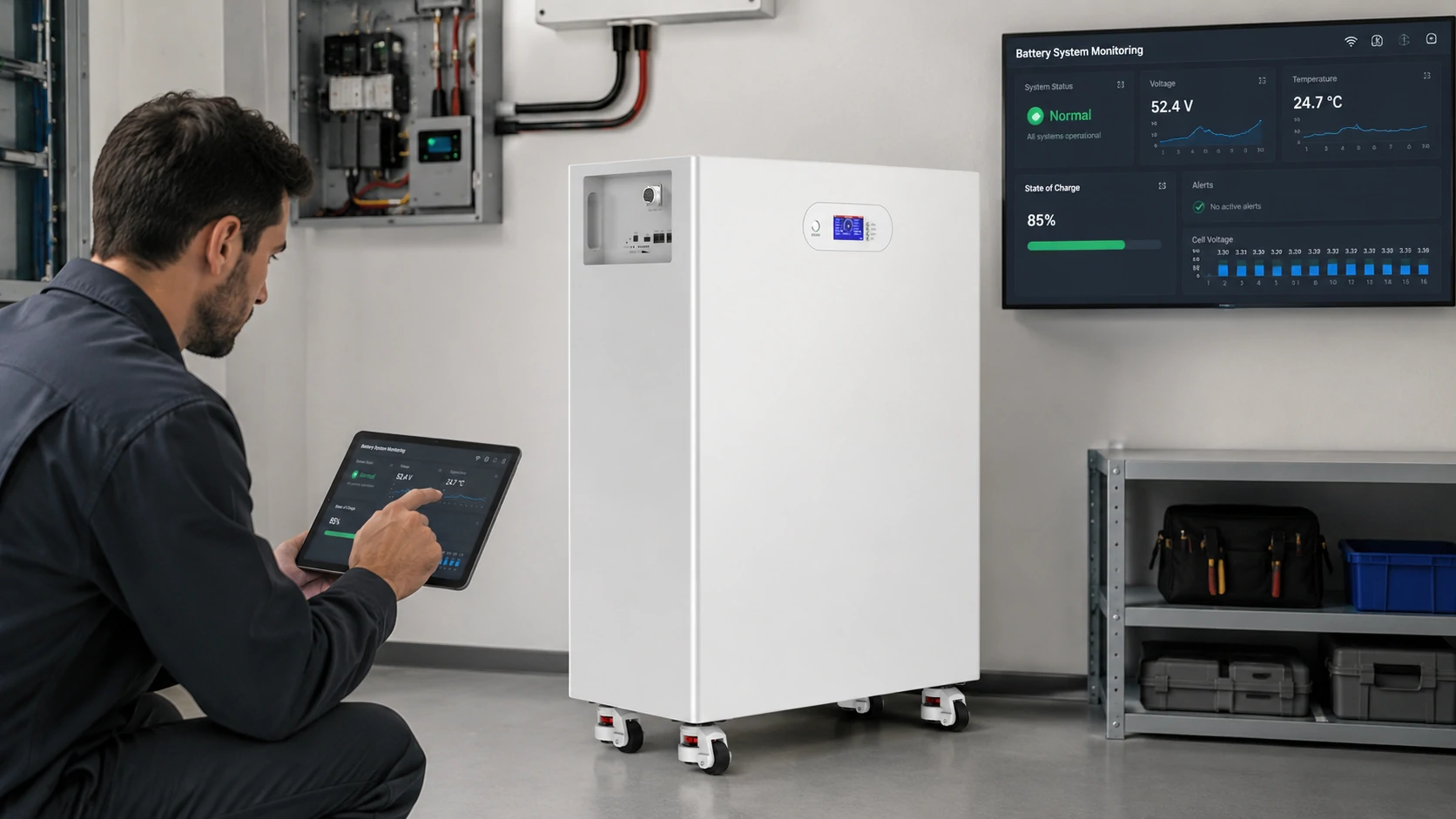
Equipped with an advanced Battery Management System (BMS) to ensure safe, reliable performance.
Delivers up to 8,000 cycles for 10–15 years of dependable use, using Grade A LiFePO₄ cells for superior stability, safety, and efficiency.
As your energy needs grow, expansion is effortless—supporting up to 16 battery units in parallel for a total storage capacity of up to 260 kWh.
Why Many Small Systems Still Use Bigger Batteries
A 1kW solar array can charge a battery bank slowly. If you pick a huge battery and small panels, you might wait too long to recharge after cloudy weather. If you pick a tiny battery and small panels, you might run out of energy at night. A balanced setup usually feels best.
For many off-grid users, these are common ranges:
- More autonomy or heavier loads: 10 kWh battery–15 kWh battery (often paired with more than 1kW of panels)
- Minimal survival/backup: 2 kWh battery–5 kWh battery
- Comfortable essentials: 5 kWh battery–10 kWh battery
1kW Off-Grid Solar System Price
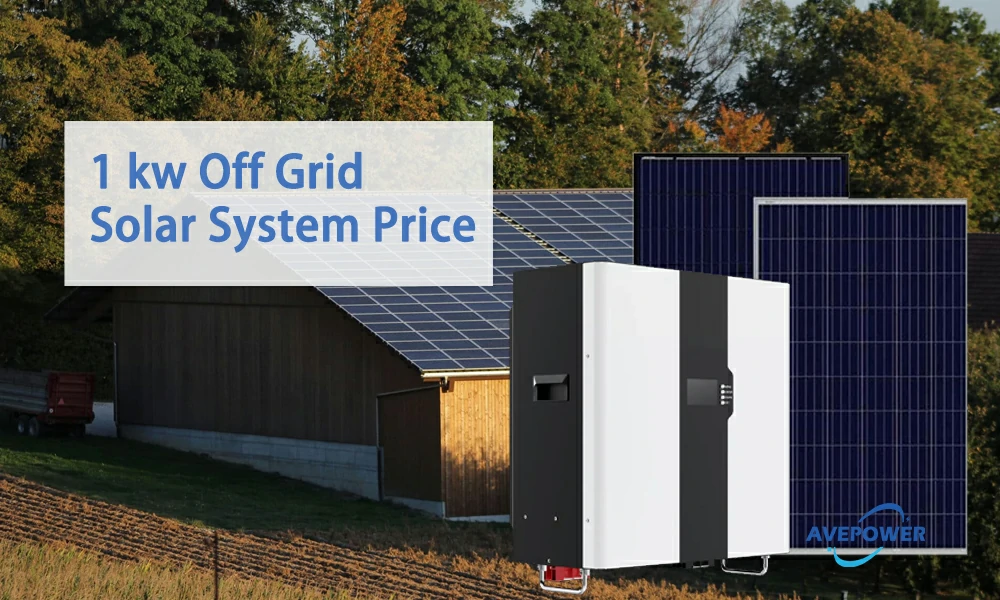
The price of a 1kW off-grid solar system can vary widely. In most cases, the battery bank and inverter have a much greater impact on total cost than the solar panels themselves.
Below is a typical cost breakdown, including major components as well as installation and electrical safety equipment:
- Solar panels: USD $500 – $1,200
- Charge controller: USD $120 – $450
- Inverter: USD $250 – $900+
- Battery bank: USD $900 – $3,500+
- Mounting, wiring, breakers, fuses, isolators: USD $300 – $1,000
- Installation labor (if hired): USD $800 – $2,500+
As a result, a complete 1kW off-grid solar system with batteries typically costs between USD $2,800 and $5,800 or more, depending mainly on battery capacity and labor costs.
If the system is used only as a small grid-tied setup or for daytime operation without energy storage, a 1kW system without batteries may cost approximately USD $1,800 to $3,000.
When you see very low-priced solar kits online, it’s important to check carefully what is included. Many budget packages exclude critical items such as batteries, safety breakers, mounting hardware, or high-quality cables. These missing components often lead to significant additional costs later on.
Choosing the Right Inverter Size for Your Off-Grid System
When selecting an inverter for a 1kW off-grid solar system, it’s important to consider both the continuous power and the surge power requirements of your appliances.
For example, a refrigerator’s average running power is typically between 60 to 150 watts, but its compressor can cause a power surge at startup that is much higher. Similarly, devices like water pumps and power tools also experience power fluctuations when they start.
Key Factors in Inverter Sizing:
- Continuous Power: The total wattage of all devices you usually run at the same time.
- Surge Power: The higher, temporary power draw required when electric motors or compressors start.
For a basic 1kW off-grid system powering essential appliances, a pure sine wave inverter rated between 1000W and 2000W is recommended. Compared to modified sine wave inverters, pure sine wave inverters provide cleaner power that is gentler on sensitive electronics and motors, improving appliance performance and longevity.
Choosing a Charge Controller: MPPT vs. PWM
The charge controller significantly affects how much solar energy your system can effectively capture.
- PWM (Pulse Width Modulation) controllers are simpler and more affordable, making them suitable for small, basic solar setups.
- MPPT (Maximum Power Point Tracking) controllers are usually a better fit for off-grid systems because they efficiently convert higher panel voltages into higher charging currents for the batteries.
If you want your 1kW system to perform well during mornings, winter months, or in colder climates, an MPPT controller typically delivers better daily energy harvest and overall performance.
The choice of controller also depends on system voltage (12V, 24V, or 48V) and how your solar panels are wired (series or parallel). Many 1kW systems opt for 24V or 48V, as higher voltages reduce current, allow for smaller wire sizes, and improve overall efficiency.
Can a 1kW Solar System Be Expanded Later?
Many users start with a system around 1kW and later expand their capacity by adding more solar panels and increasing battery storage to reach 2kW or beyond. The cost of expansion depends largely on the equipment you initially purchased.
If your original inverter and charge controller are sized to support future growth, then upgrading mainly involves purchasing additional solar panels, paying for extra installation, and adding more battery capacity.
Expanding from 1kW to 2kW typically costs between $1,500 and $4,000 or more, depending on how much battery capacity you add and whether you need to upgrade your inverter or other hardware.
Off-Grid vs Grid-Tied: Why 1kW Feels Different
A 1kW system connected to the grid can feel bigger than a 1kW off-grid system because the grid acts like an unlimited battery. When your usage spikes, the grid covers the gap.
A 1kW off-grid system must do two jobs at once:
- Produce enough energy during the day
- Store enough energy to survive nights and low-sun days
That second job—storage—is the reason off-grid pricing climbs quickly.
Complete Off-Grid Solar Solutions
Bring reliable power anywhere with Avepower off-grid energy storage solutions. We offer a complete solution—solar panels, inverter, and battery storage—so you can get stable power day and night, even when the grid is not available.
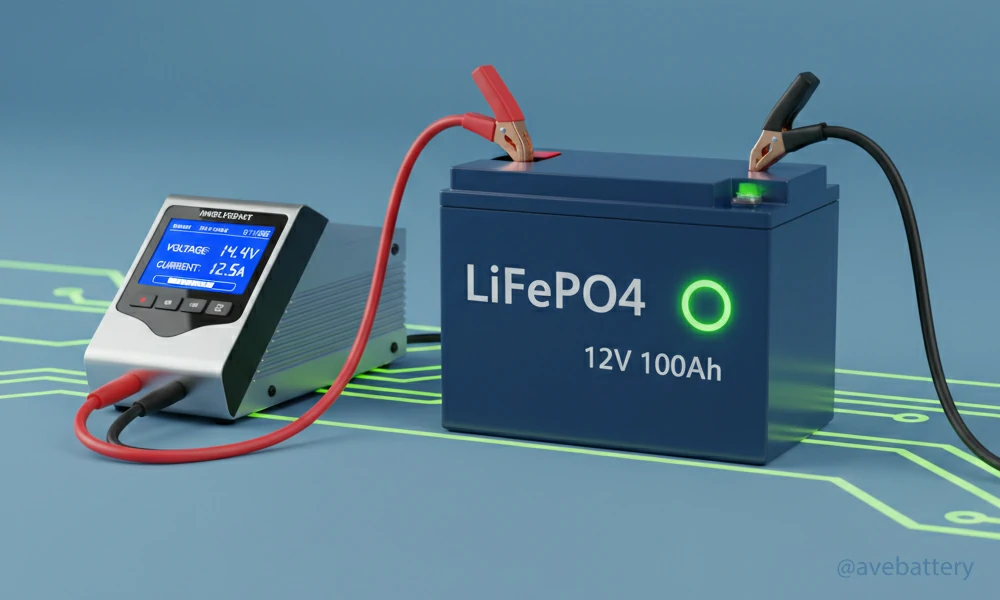
Our batteries use LiFePO4 chemistry with a built-in BMS for protection, long cycle life, and reliable performance in daily use. You also get flexible options for capacity and system design, plus supportive guidance from selection to installation.
Share your appliances and daily kWh, and we’ll help you build the right off-grid system with confidence.
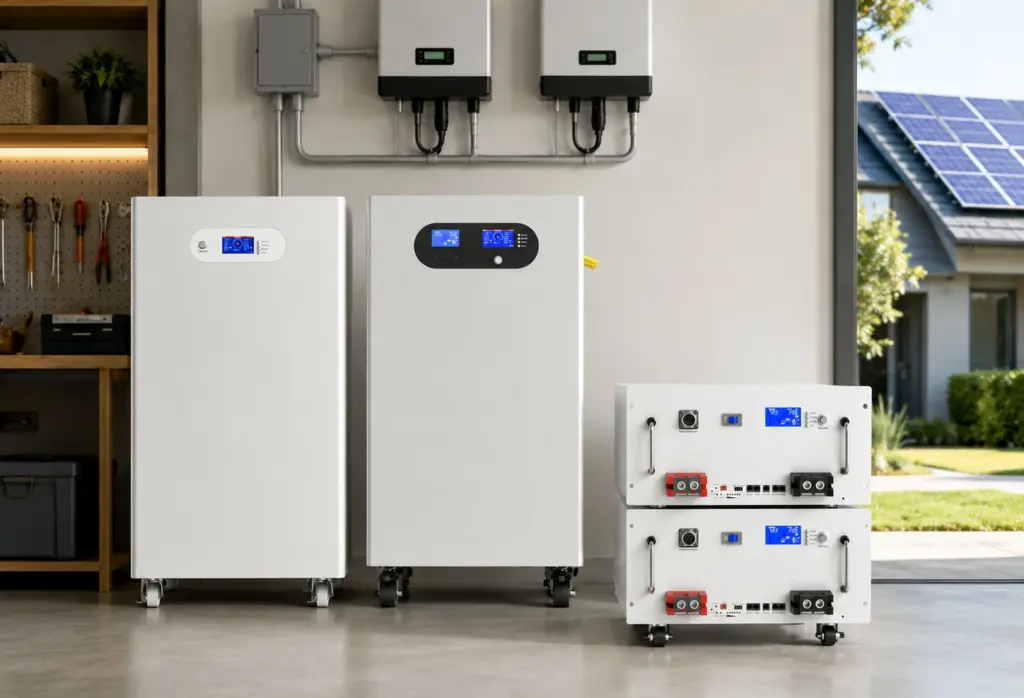
Take Control of Your Energy with Avepower!
Reliable home solar battery solutions with OEM/ODM customization and in-house manufacturing, tailored to the needs of distributors, installers, and energy partners.
FAQ
A 1kW system often produces around 4–5 kWh per day depending on peak sun hours, shading, season, and system losses.
A 1kW system can run an efficient fridge if the inverter can handle starting surge and the battery bank is large enough for overnight operation.
High-power heating devices (kettles, heaters, ovens), large air conditioners, and heavy tools can overload the inverter and drain batteries quickly.
Off-grid systems must include batteries, charge control, and often larger inverters. Storage and reliability hardware are expensive.