
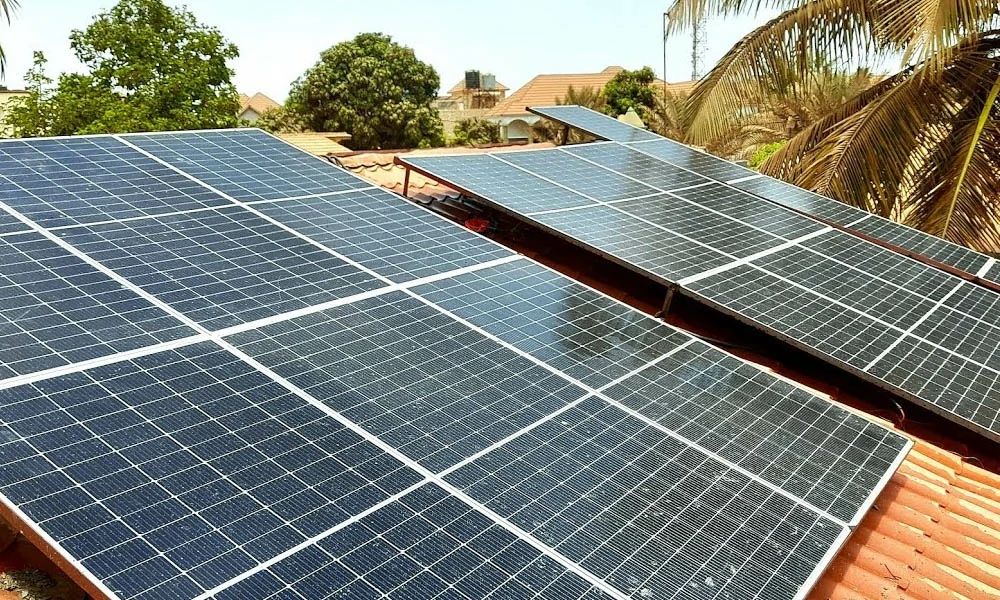
A 20 kW solar system is typically used for large homes and rural properties rather than standard suburban houses. With the right battery size, a 20 kW solar array can cover most or even all of your energy needs, especially in sunny countries like Australia. The battery capacity required for a 20 kW system depends on your lifestyle, when you use electricity, and whether you need backup power during outages or want to go completely off-grid.
What Is a 20 kW Solar System?
A 20 kW solar system refers to the total DC capacity of the solar panels under standard test conditions. If you use 400 W panels, a 20 kW system typically requires 50 panels, and in some cases more, depending on panel wattage. When panels are above 500 W, a typical 20 kW system generally needs around 40 solar panels; the higher the wattage per panel, the fewer panels you need. Such a system usually requires more than 100 square metres of usable roof space, especially if you want the best orientation and minimal shading.
In Australia, most 20 kW systems are connected to a three-phase power supply. A three-phase inverter can distribute loads and output across all phases, making it better suited for large air conditioners, pumps, and commercial equipment, while also helping meet grid requirements for high-capacity systems.
How Much Energy Can a 20 kW Solar System Produce Per Day?
A properly installed 20 kW solar system typically generates around 60–90 kWh of electricity per day on average, depending on your city, roof orientation, and shading.
Under good conditions, the average daily output of a 20 kW system in major Australian cities is approximately:
- Melbourne: 60–70 kWh
- Sydney: 68–76 kWh
- Perth: 80–90 kWh
The system can produce even more electricity on clear summer days, while output will drop during cloudy winter periods.
Can a 20 kW Solar System Power My Whole House?
Yes—a 20 kW solar system can comfortably power an entire large household, even one with air conditioning, pool pumps, and electric vehicles.
The average Australian home consumes 20–25 kWh per day, so a 20 kW system generates over three times that amount. That surplus power can be exported to the grid for feed-in credits or stored in batteries for nighttime use.
However, powering your home completely off-grid requires enough battery storage to cover your consumption during evenings and cloudy days.
How Big a Solar Battery Do You Need?
Battery capacity, measured in kilowatt-hours (kWh), tells you how much energy can be stored and used later.

Grid-Connected Homes: What Battery Size Is Suitable?
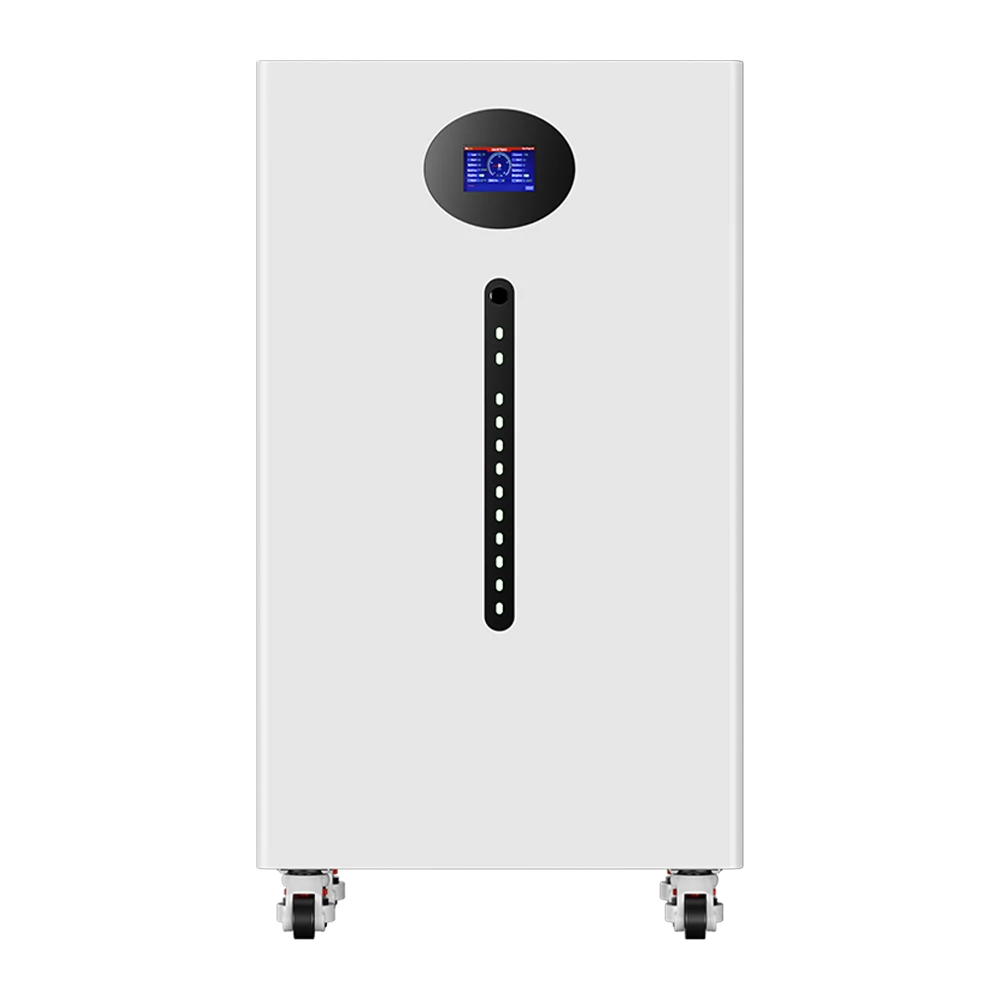
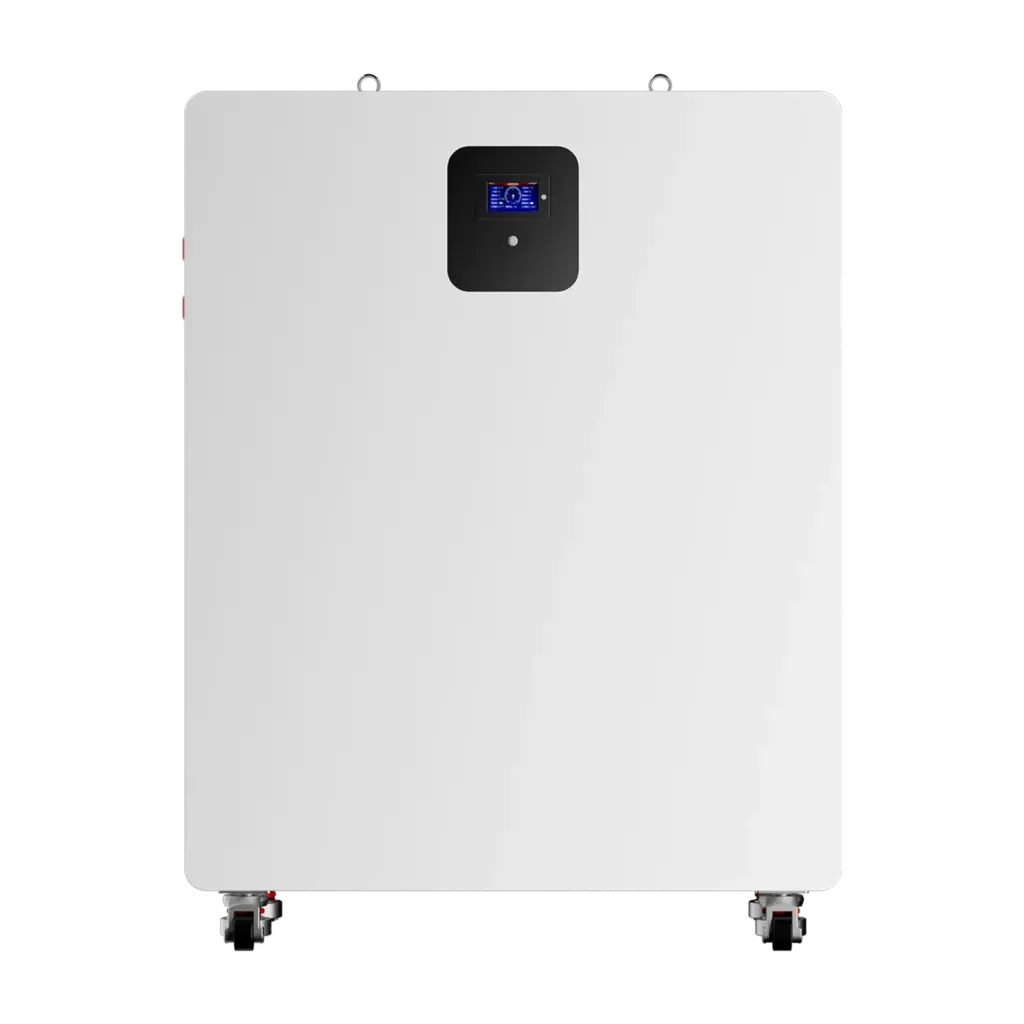
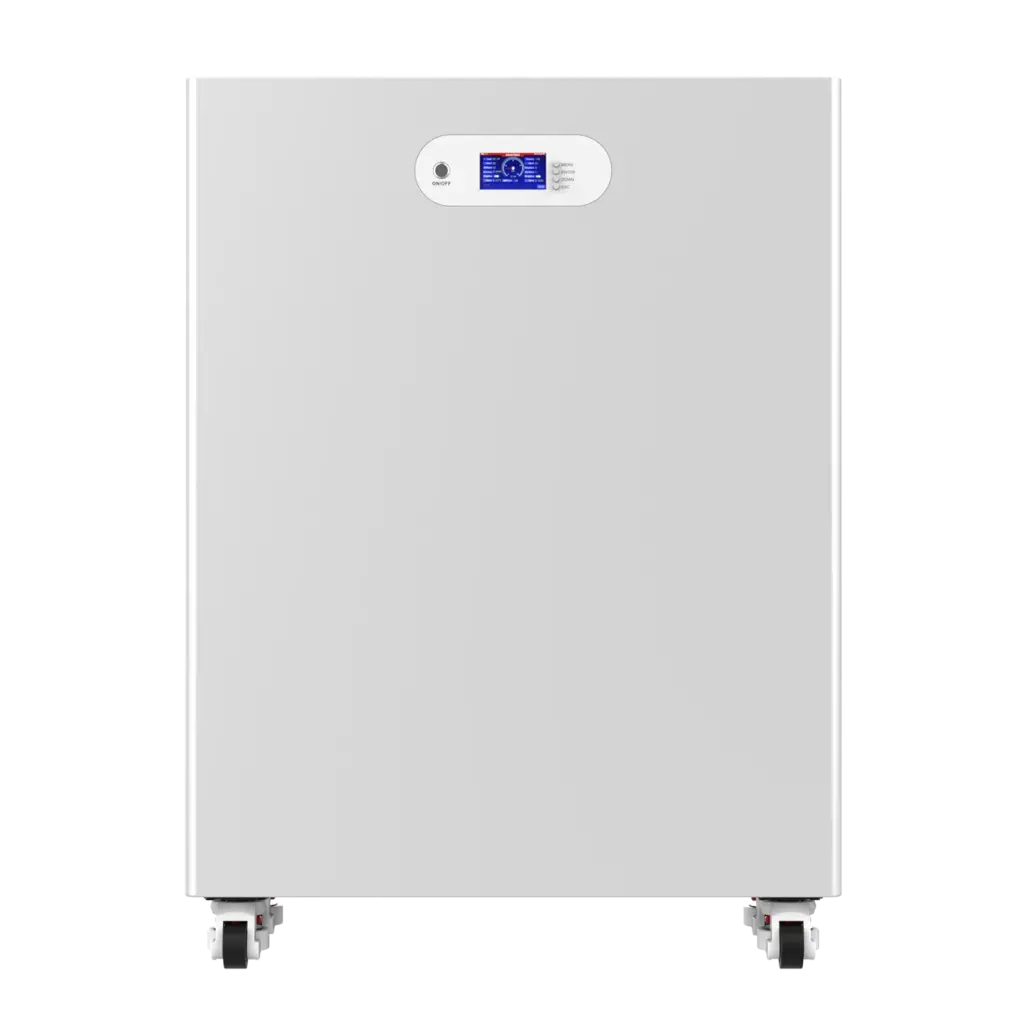
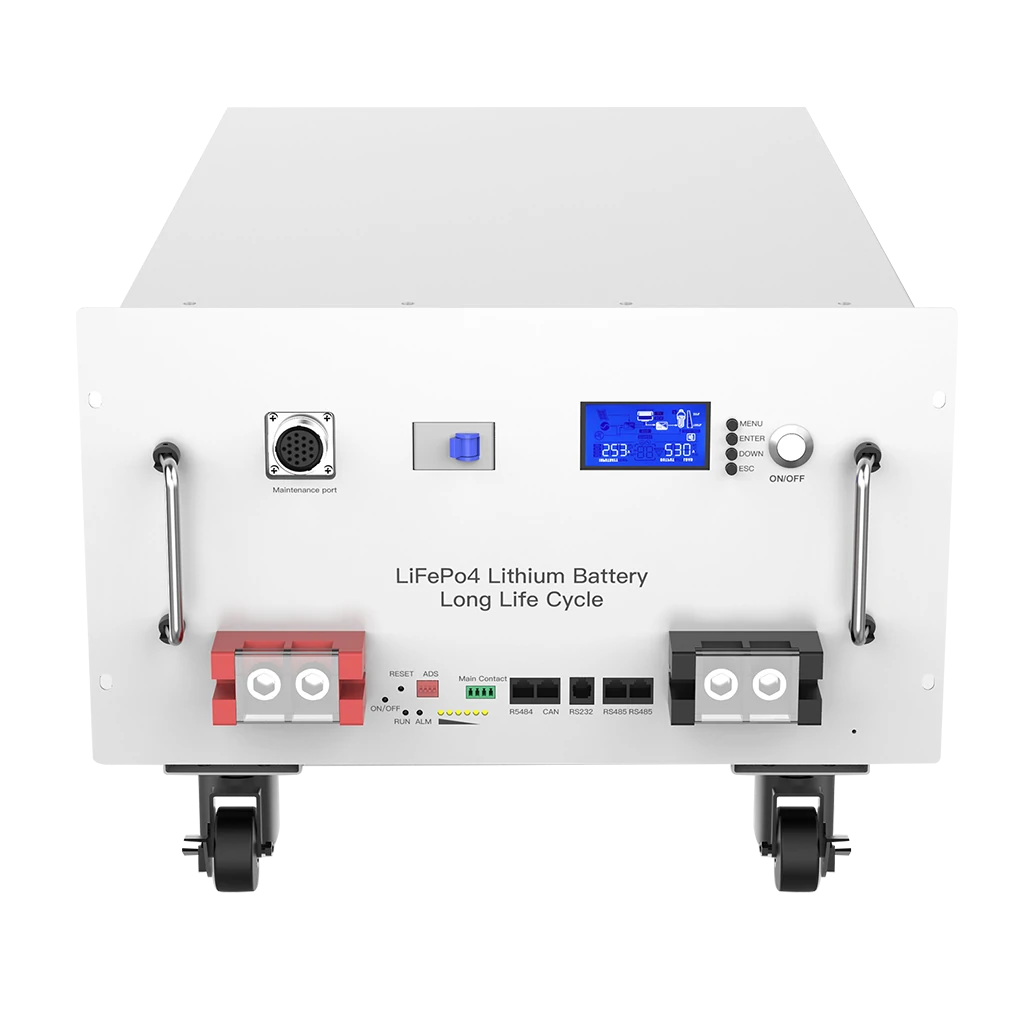
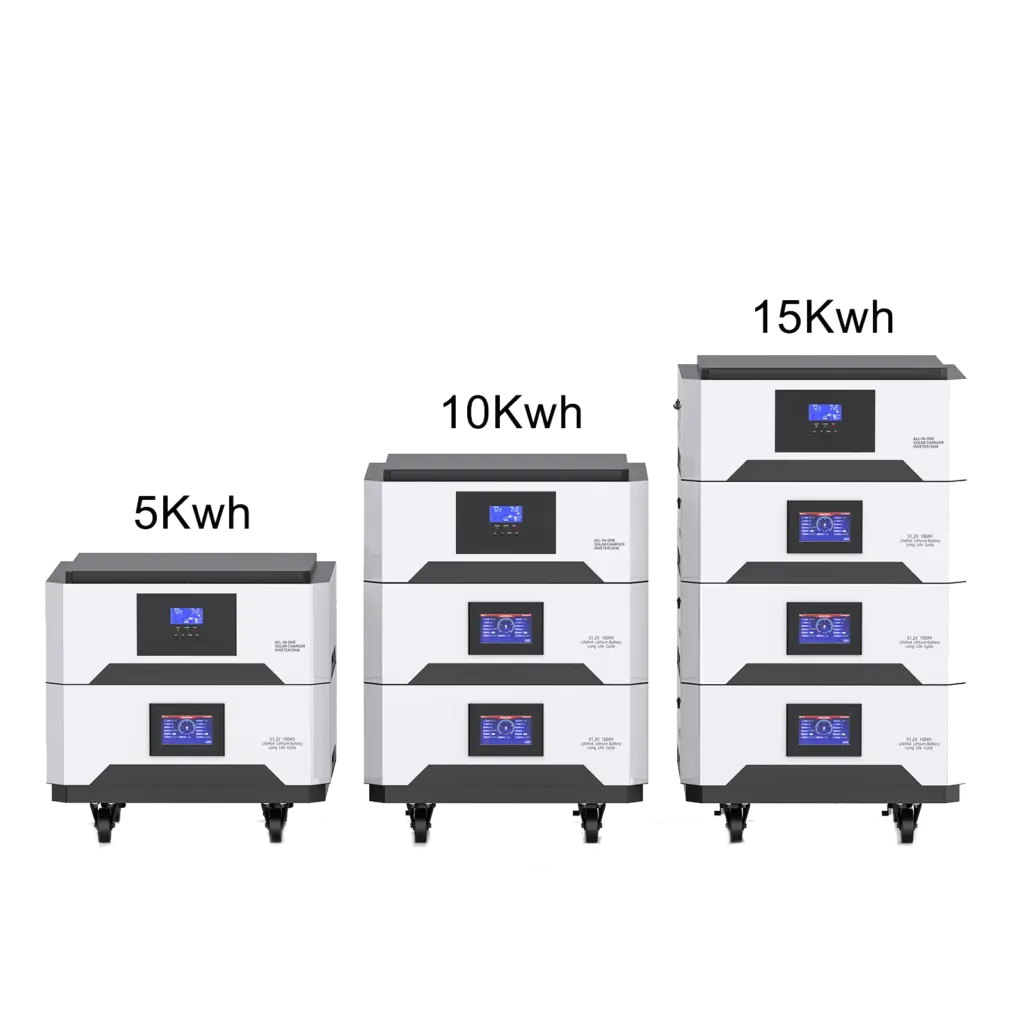
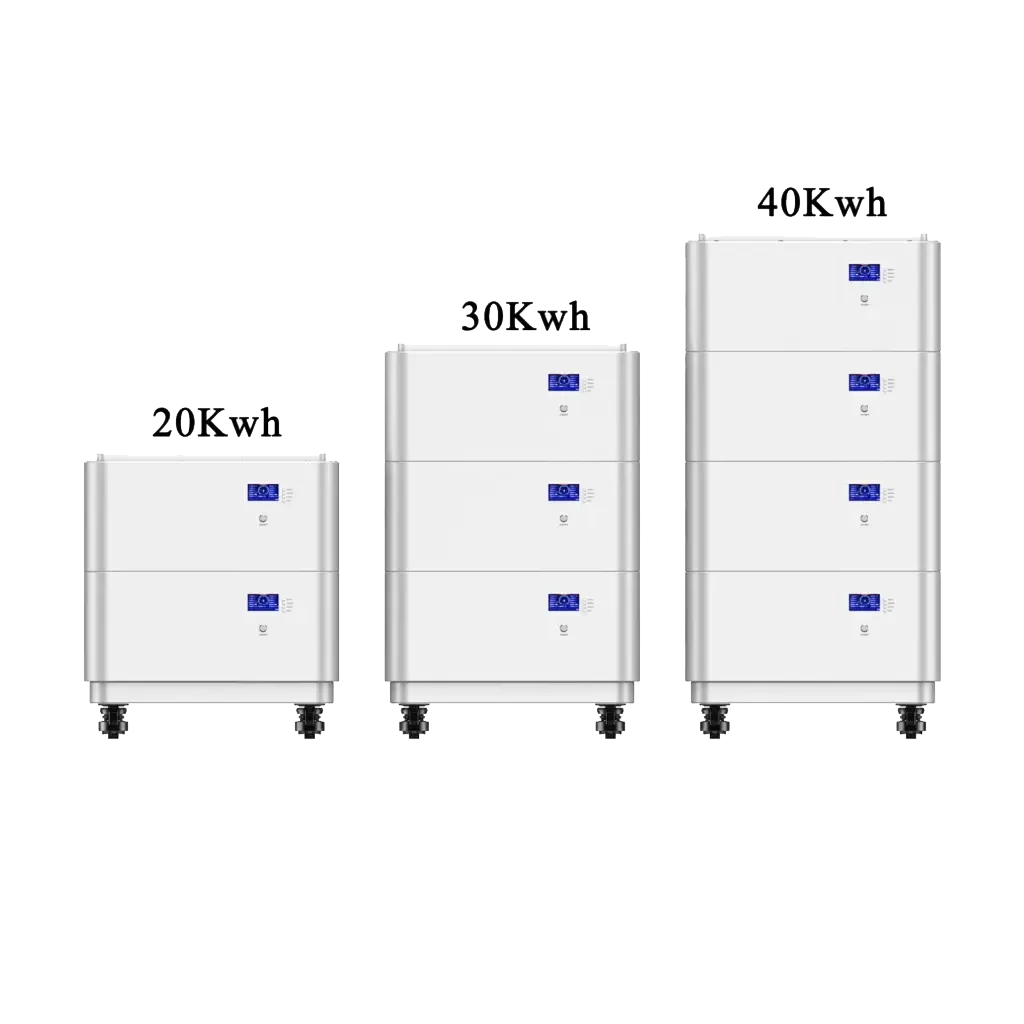
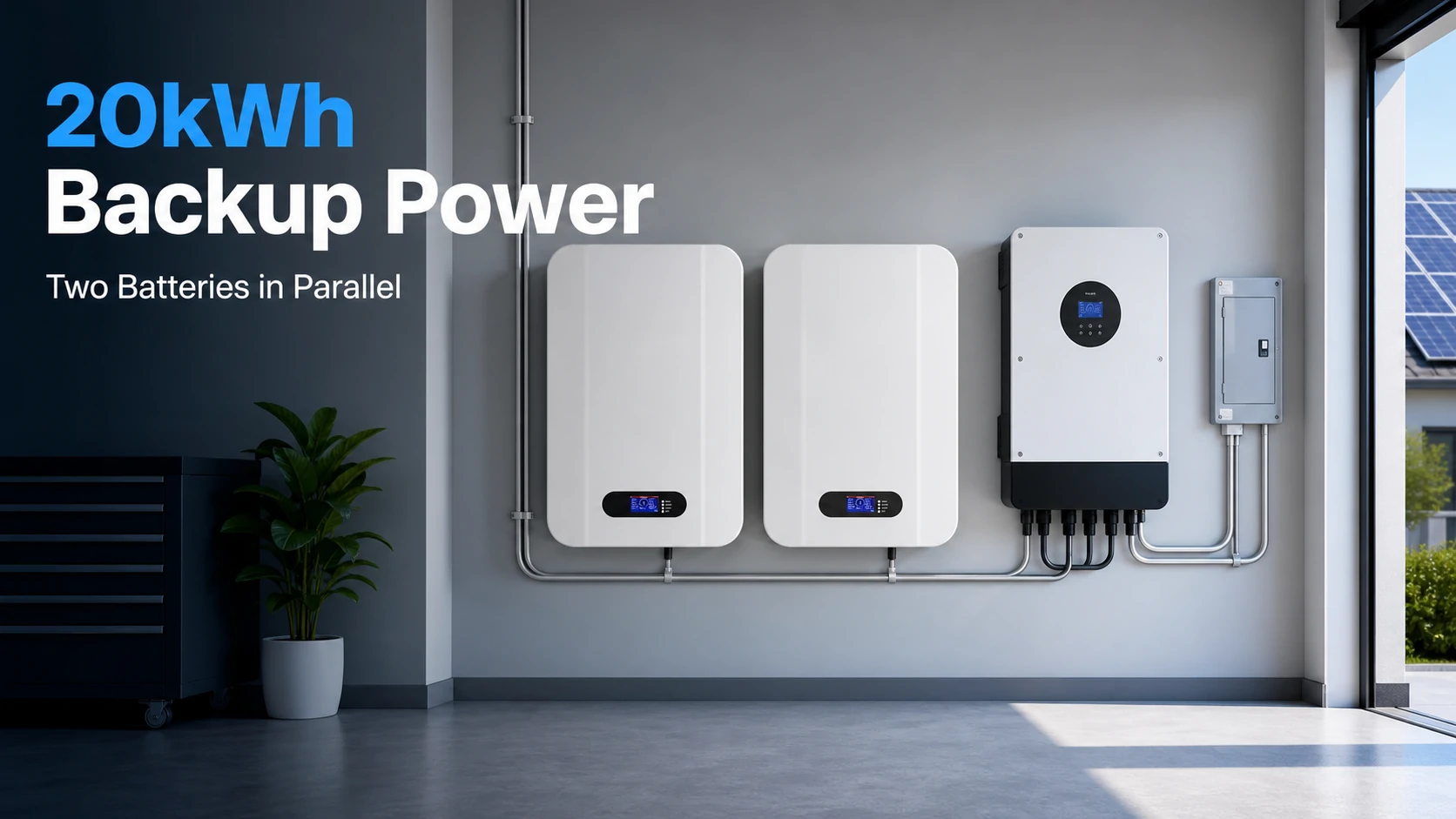
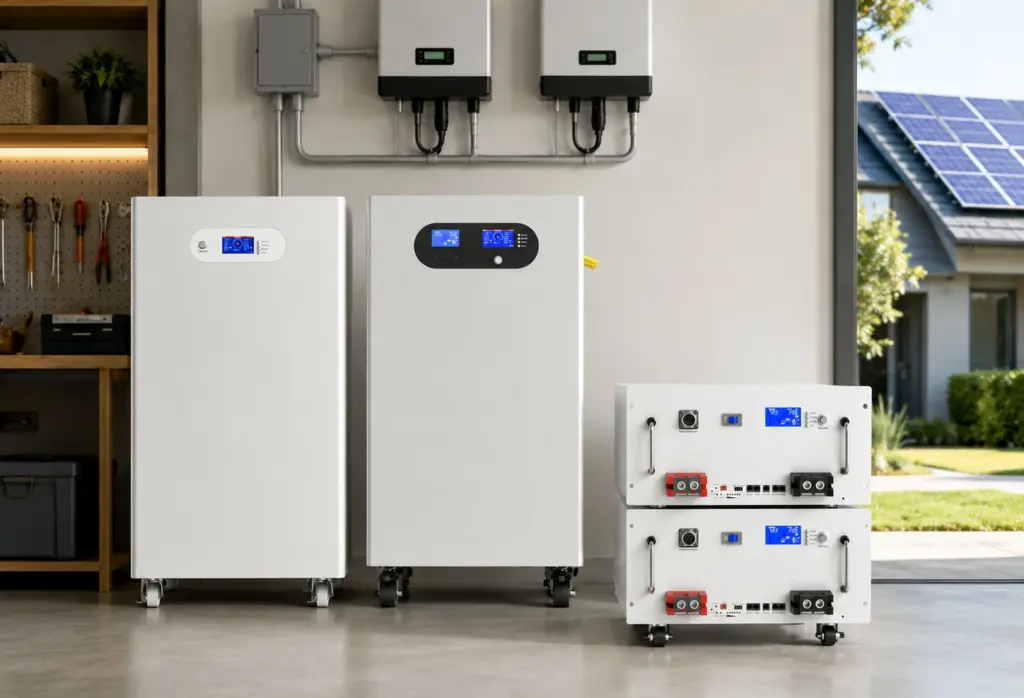
For a grid-connected home, a 20 kWh battery is usually enough to cover most of a typical household’s night-time energy use. A 25 kWh battery–30 kWh battery is ideal for larger families with multiple air conditioners, electric water heating, EV charging, or extended evening usage.
Bigger batteries (40 kWh and above) can certainly be used, but unless your night-time consumption is very high, the extra cost often delivers diminishing returns.
Off-Grid: How Large a Battery Is Needed for a 20 kW Off-Grid Solar System?
A 20 kW off-grid solar system has no grid backup once the sun sets. Therefore, off-grid designs typically aim for 1.5 to 3 days of autonomy. This means sizing the battery bank to ensure reliable power during cloudy days, nighttime peaks, or unexpected high usage.
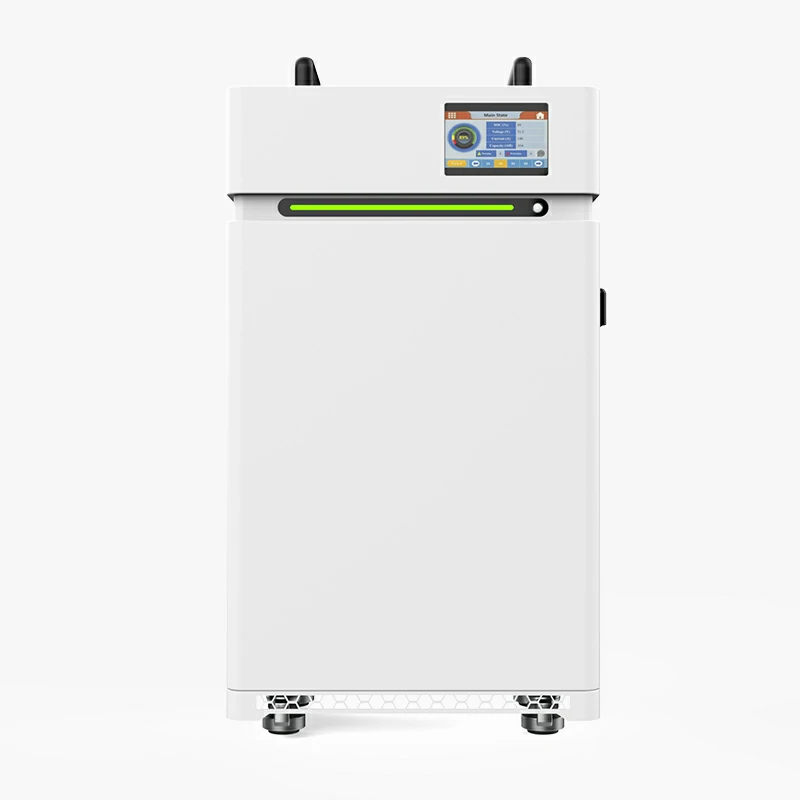
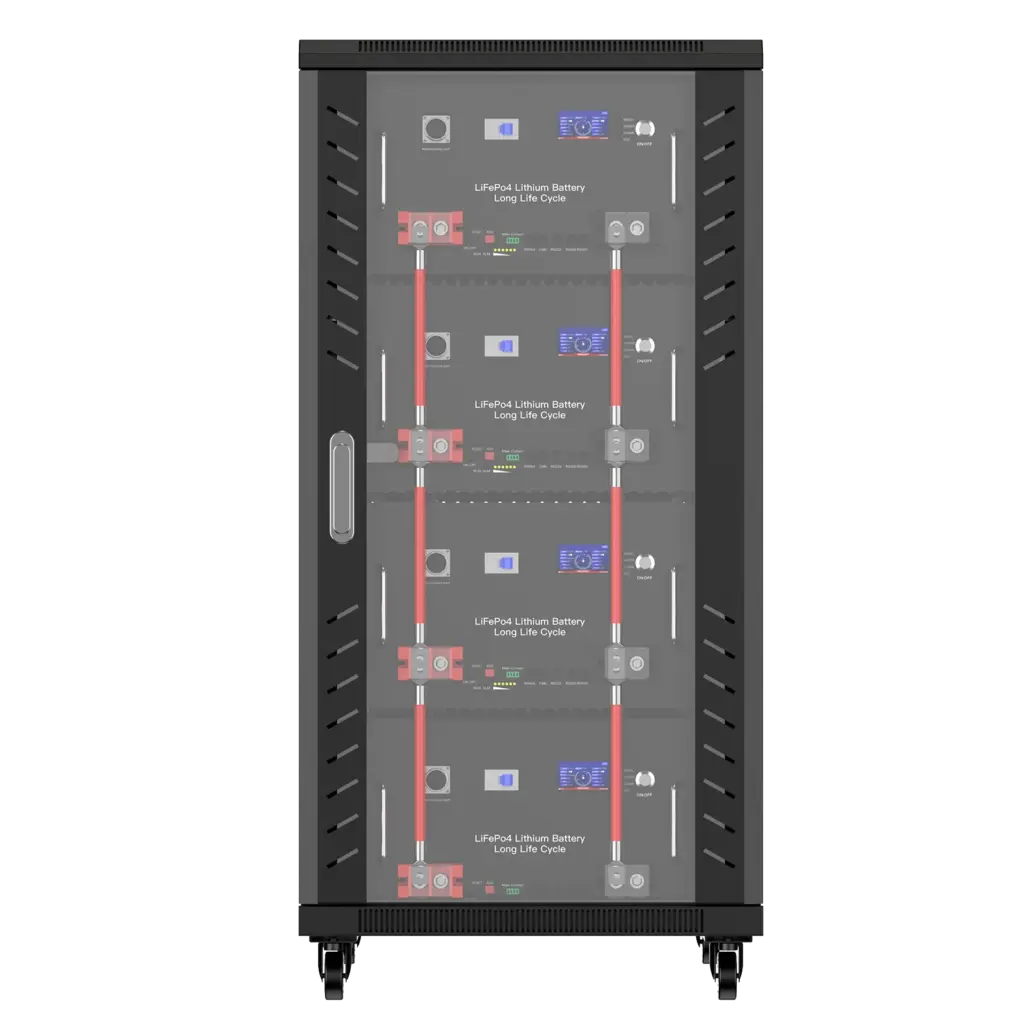
For example, an off-grid home using about 25 kWh per day would need roughly 55 kWh of usable battery capacity to sustain two days of autonomy. However, many 20 kW off-grid systems come equipped with 60 to 120 kWh battery banks. These batteries are often spread across multiple cabinets or racks and are usually paired with a backup generator for added reliability.
How Much Does a 20 kW Solar System Cost?
The cost varies depending on the state, component quality, roof complexity, and whether it’s for residential or light commercial use. A fully installed 20 kW system using quality components and eligible for STC rebates typically costs between $17,000 and $24,000.
If your home already has three-phase power, the price for a 20 kW three-phase solar system usually falls within this range as well. Using premium solar panels and inverters or requiring special installation methods may push the cost slightly higher.
| Location | Typical Price (Grid-Connected) | Average Daily Output |
|---|---|---|
| Sydney | $18,000 – $22,000 | 85 kWh/day |
| Melbourne | $19,000 – $24,000 | 80 kWh/day |
| Adelaide | $17,000 – $21,000 | 88 kWh/day |
| Brisbane | $18,000 – $22,000 | 90 kWh/day |
| Perth | $17,000 – $20,000 | 87 kWh/day |
Cost of a 20 kW Solar System with Battery Storage
A 20 kW solar system combined with a 20–30 kWh battery storage typically costs between $30,000 and $45,000 USD before any subsidies. Many homeowners pay less after applying federal battery incentives as well as any state rebates or interest-free loan programs.
The exact price depends on your site conditions, chosen brands, and the installer’s margins, so consider these figures as rough estimates rather than fixed quotes.
Conclusion
For large households or farms aiming to reduce electricity bills and boost sustainability, a 20 kW solar system is a powerful solution. It can generate around 80–90 kWh of electricity daily, enough to support multiple households or run high-energy equipment.
To achieve true energy independence, pairing it with at least 25 kWh of battery storage is recommended. Although the upfront cost is higher, government incentives and long-term savings make this investment worthwhile. By choosing the right battery capacity, you can store daytime energy for use at night, avoid rising grid prices, and enjoy the freedom of reliable, clean energy around the clock.
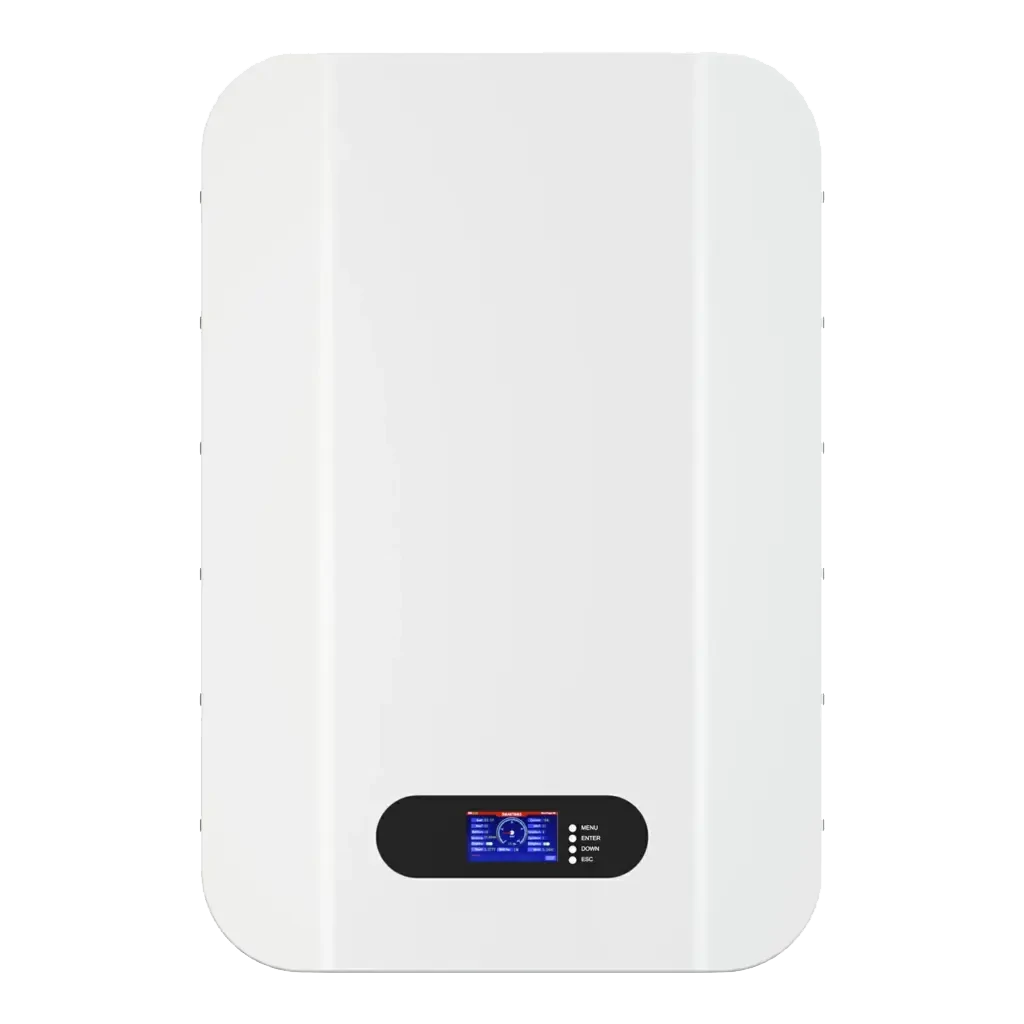
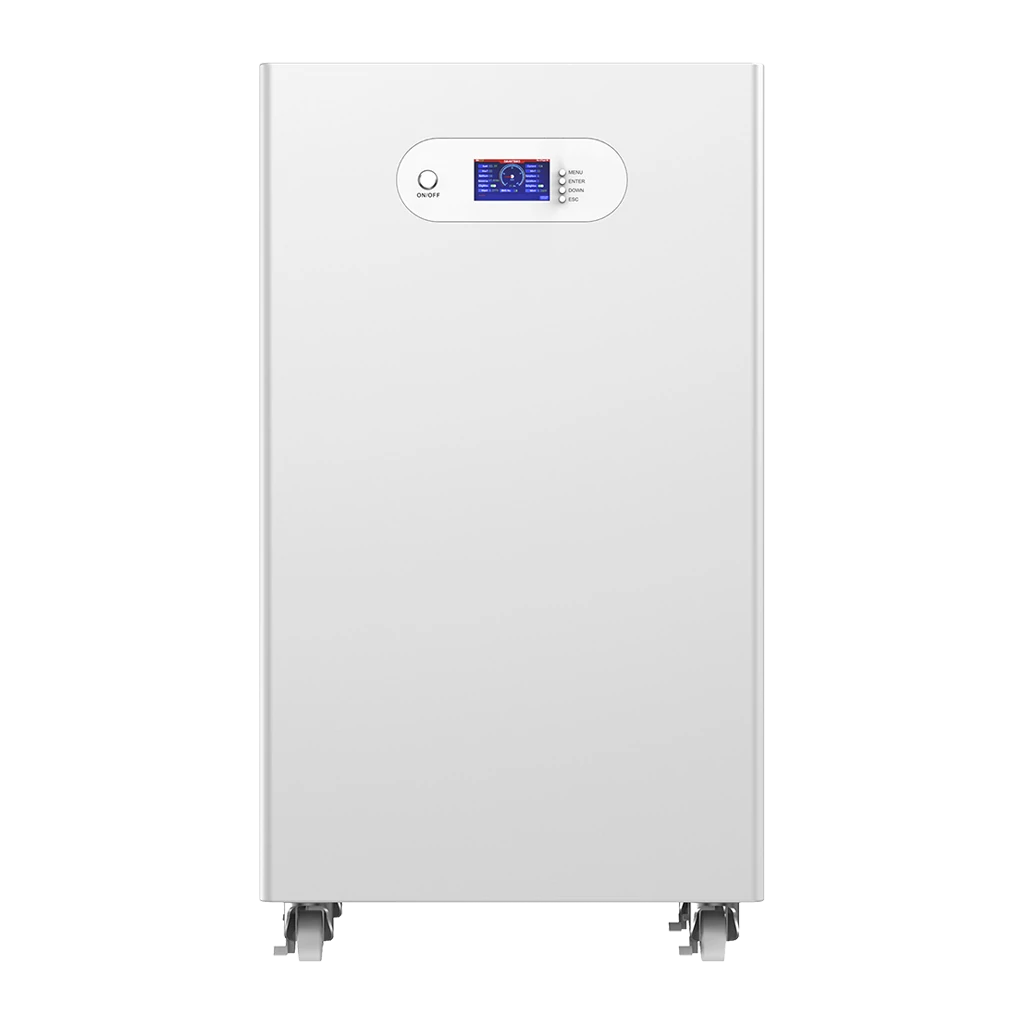
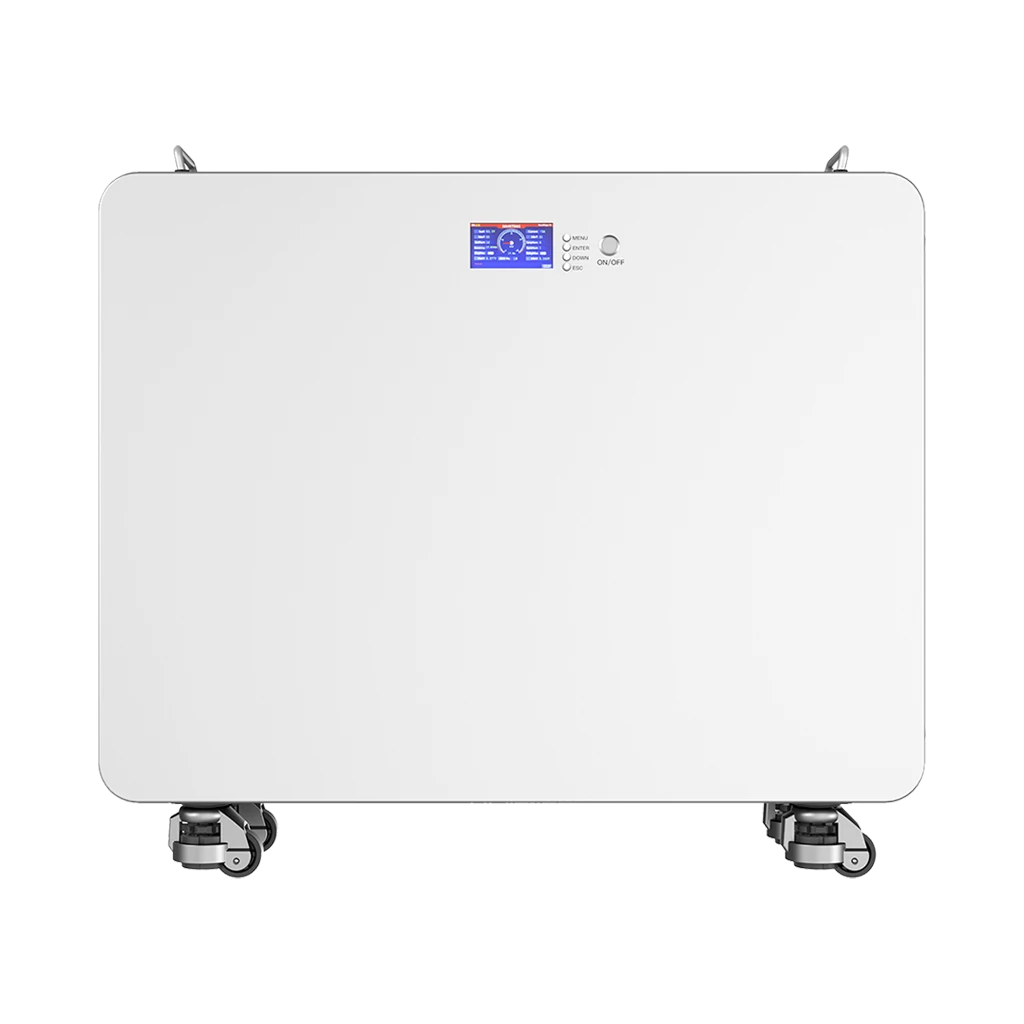
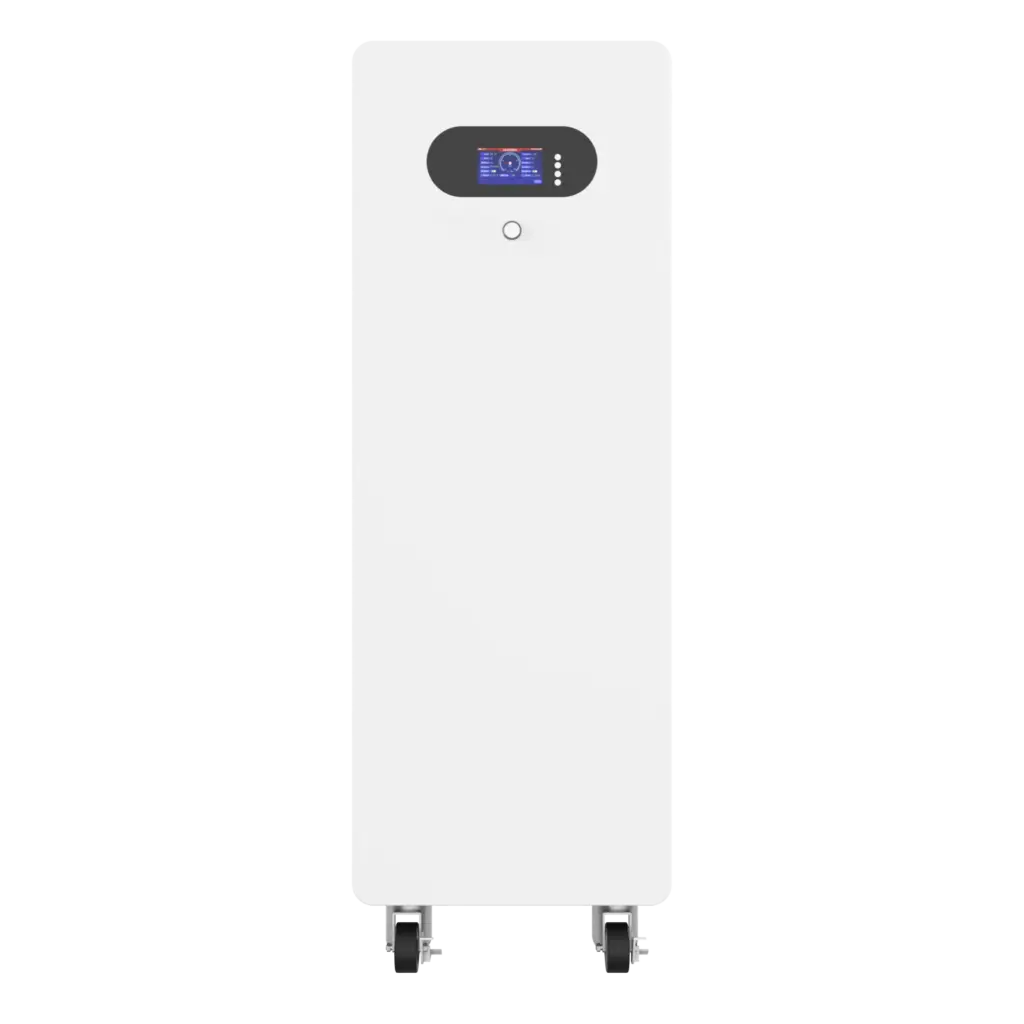
Thinking of installing a 20 kW solar and battery system? Avepower offers customizable 48 V solar batteries with 8000+ cycles, advanced BMS protection, and CE/UL certifications. Talk to our experts to find the right setup for your home today.
Take Control of Your Energy with Avepower!
Reliable home solar battery solutions with OEM/ODM customization and in-house manufacturing, tailored to the needs of distributors, installers, and energy partners.
FAQ
A 20 kW solar system typically generates about 60–90 kWh of electricity per day, depending on your location, roof orientation, and shading conditions.
For a typical large household using about 25 kWh per day and wanting one to two days of backup, a battery bank of around 30–50 kWh usable capacity is a practical starting point.
The number of panels depends on the wattage of each module. With 400 W panels, a 20 kW solar system will need about 50 panels, while with 500 W panels it will need around 40.