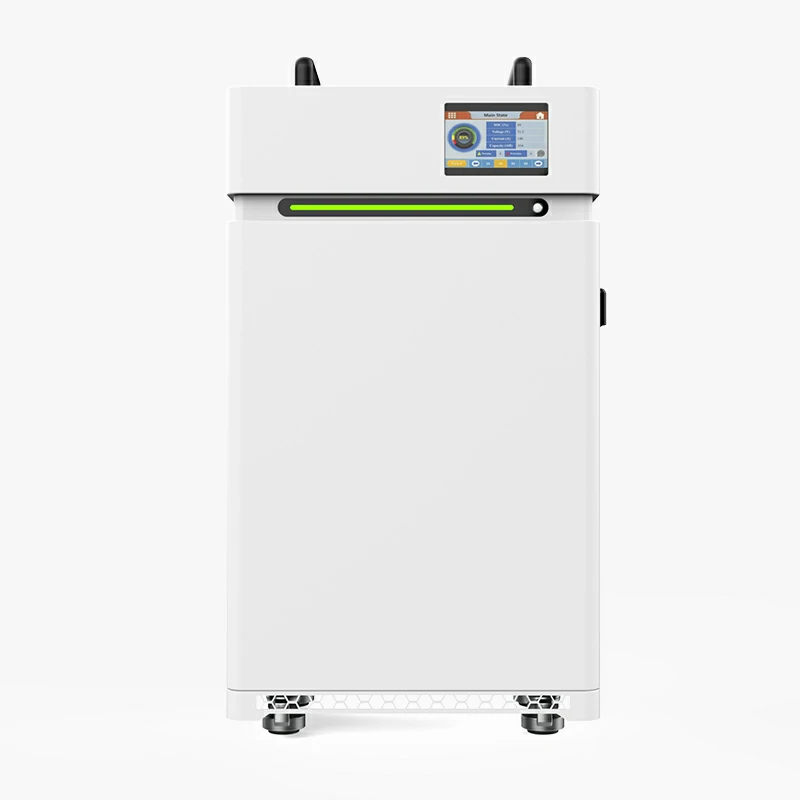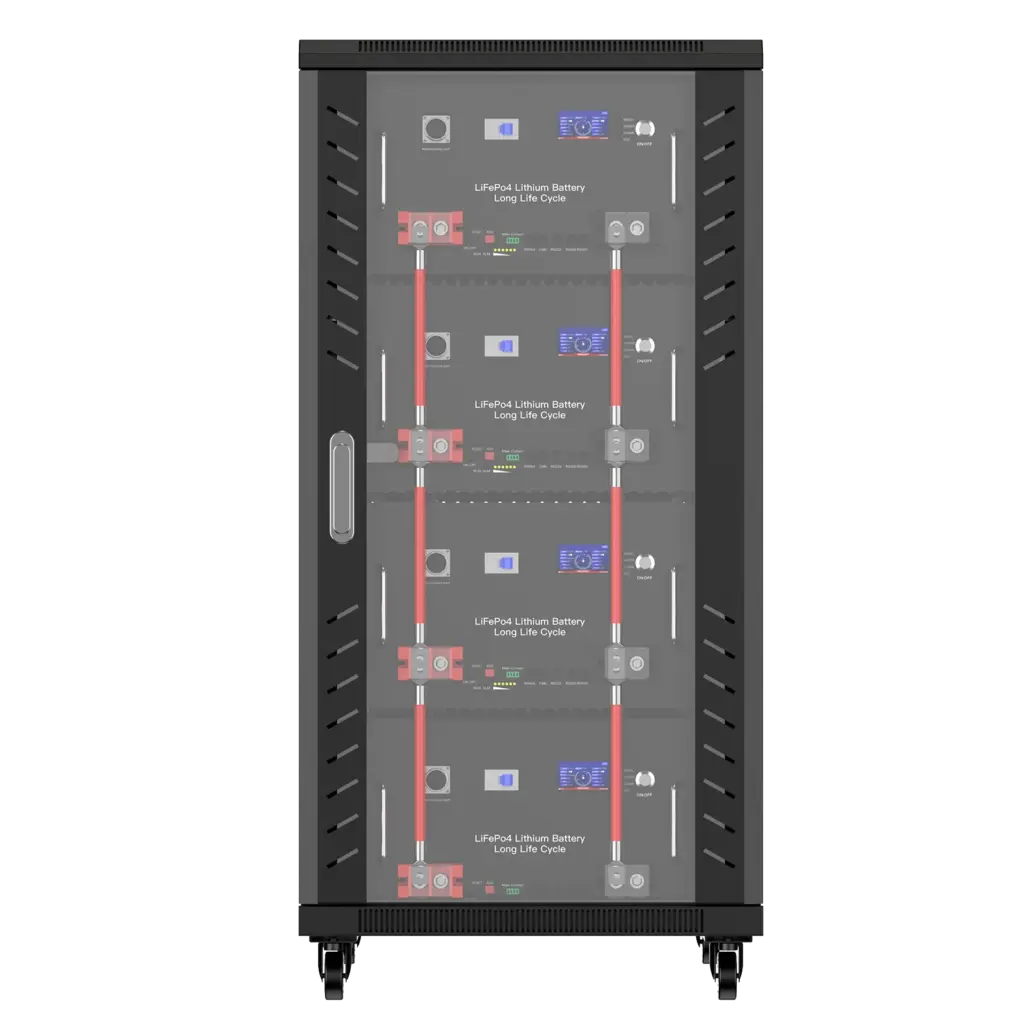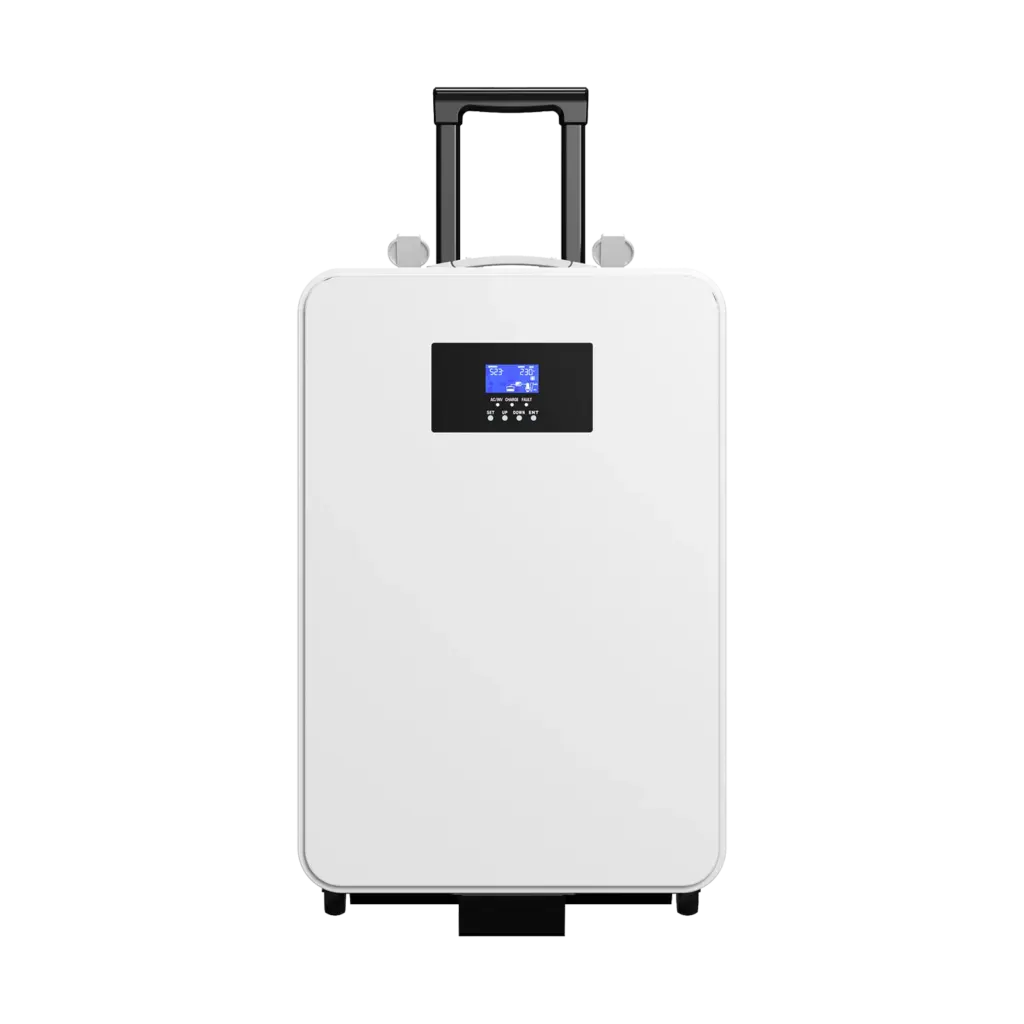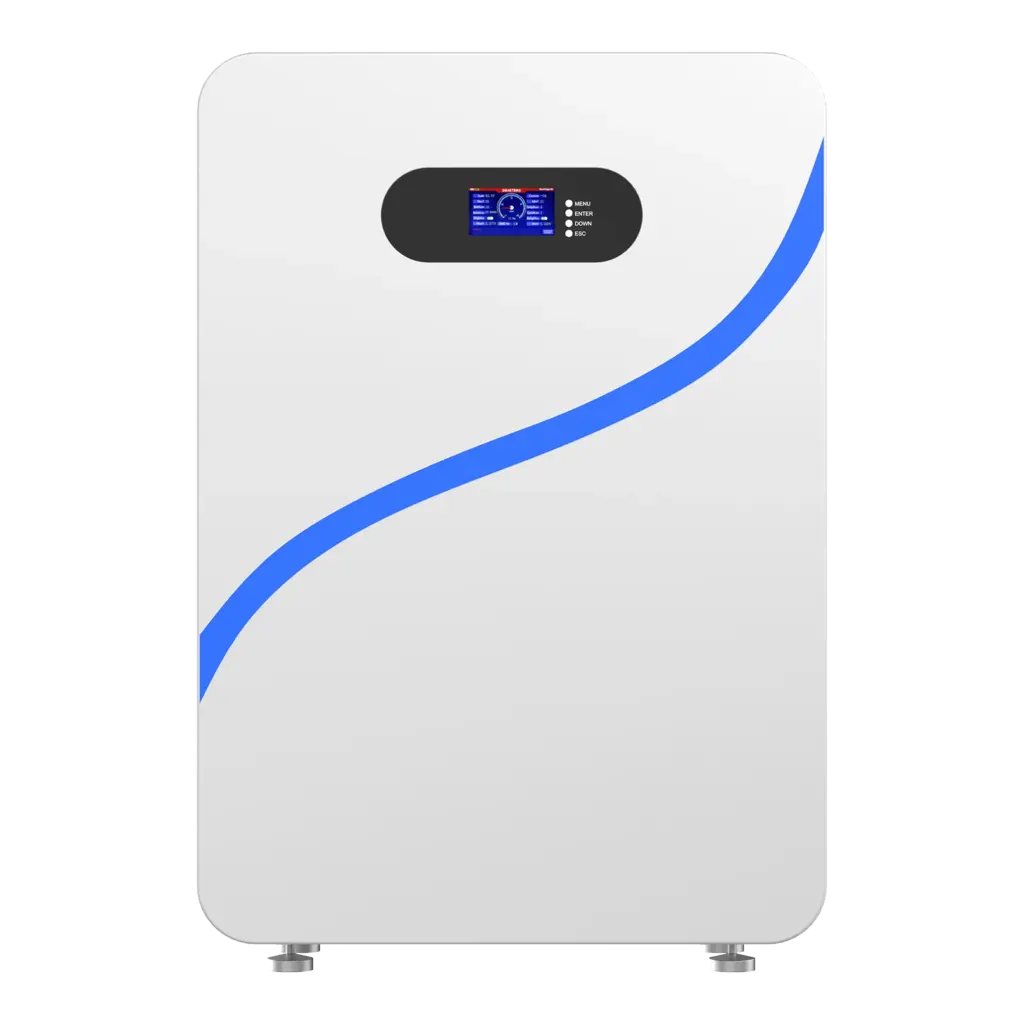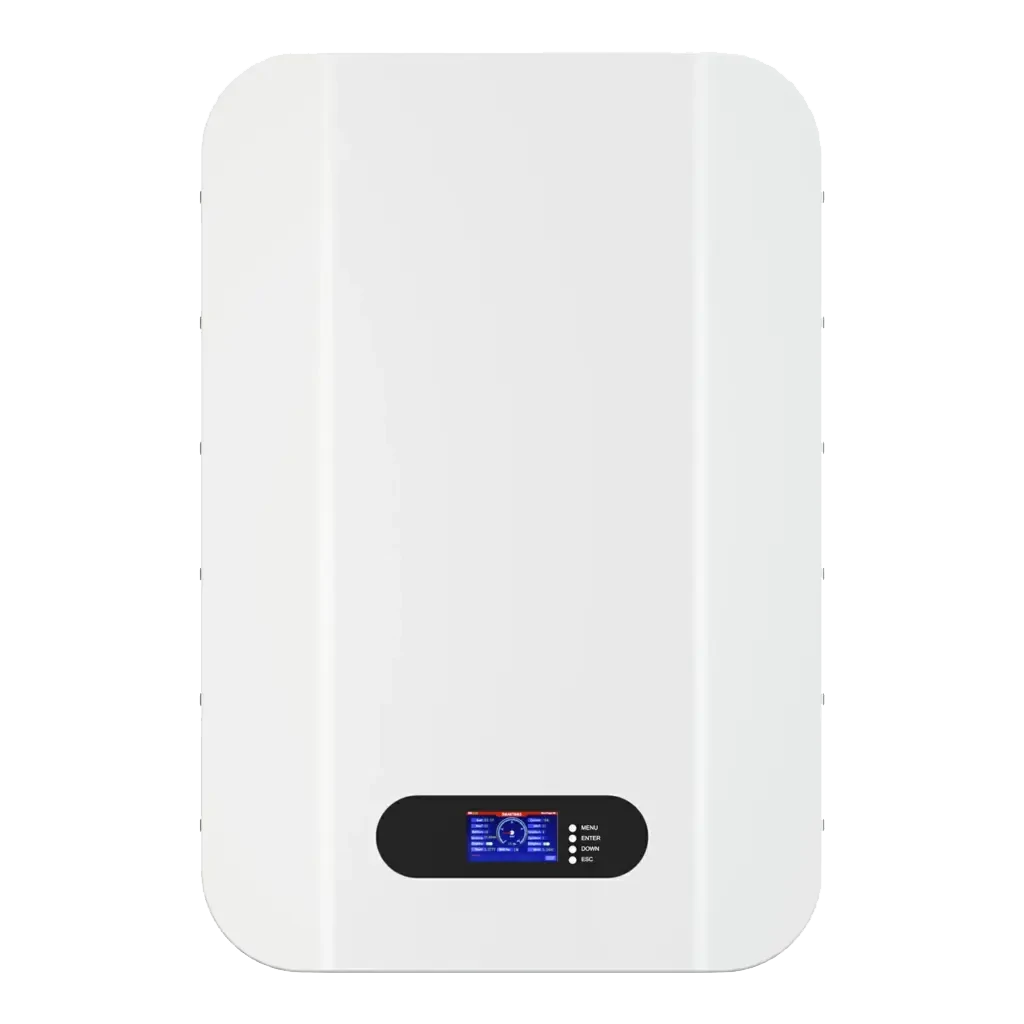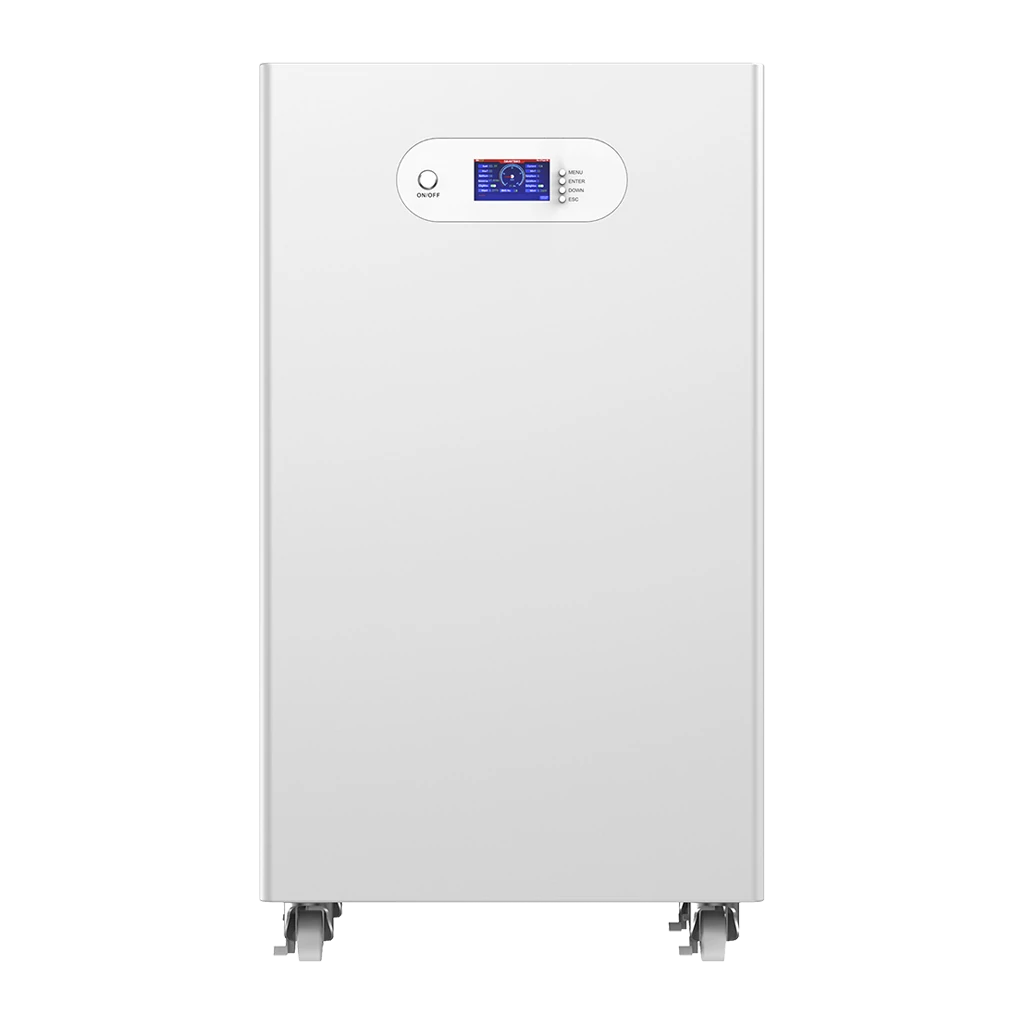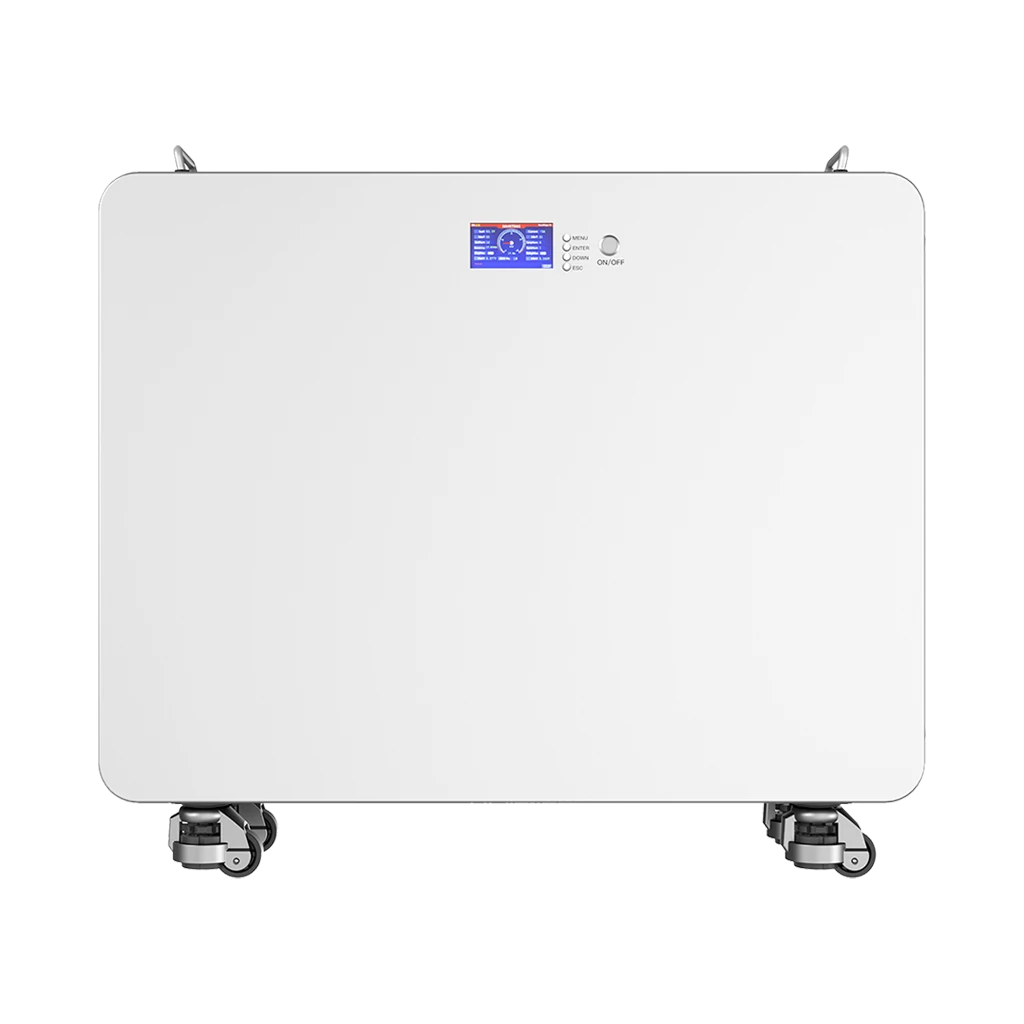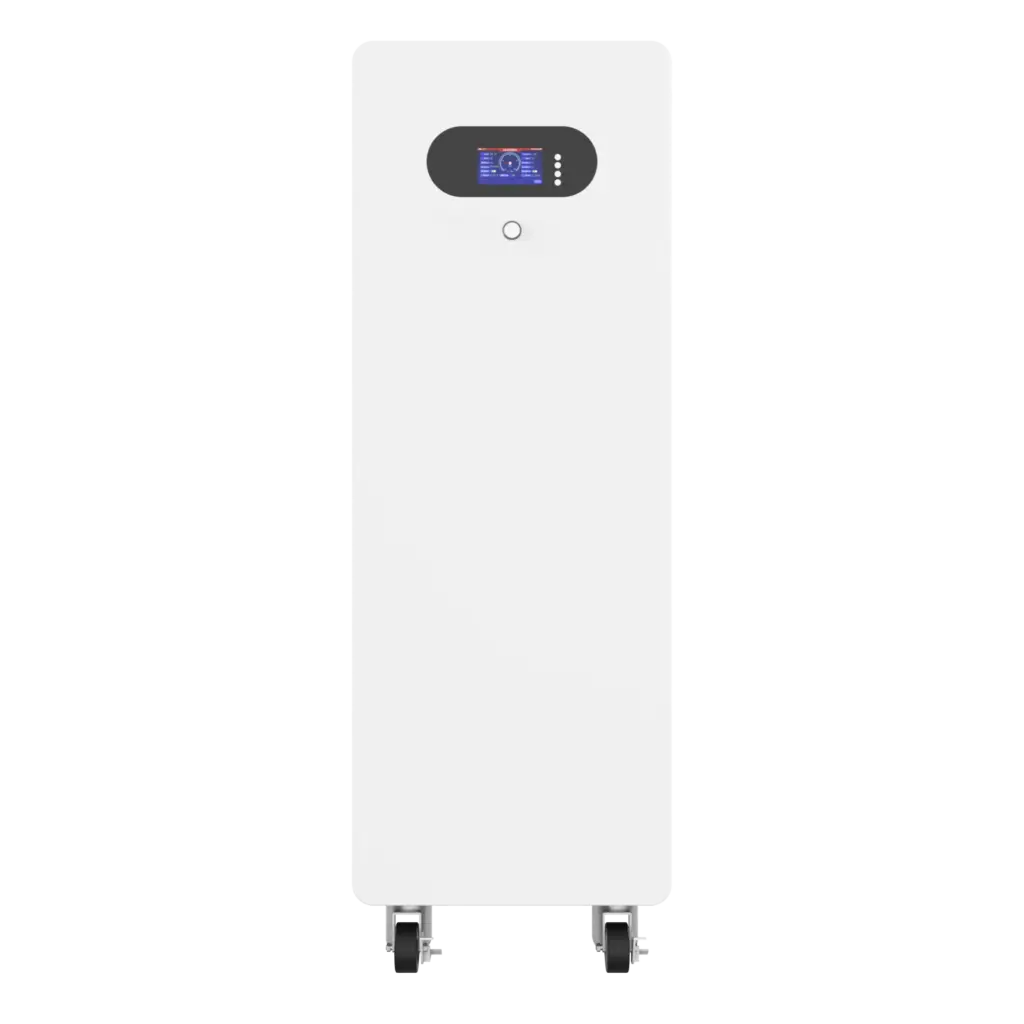

A 50 kWh battery is a powerful solution for homeowners and businesses that want reliable energy, longer backup time, and better use of solar power. It can run essential loads for several days or support whole-home operation for many hours. Charging time varies by power source, and operating costs depend largely on electricity prices.
This article explains how long a 50 kWh battery lasts, what it can power, how long it takes to charge, how much it costs, and what the real operating range looks like in daily life.
What Is a 50 kWh Battery Backup System?
A 50 kWh battery is an energy storage system that can store 50 kilowatt-hours (kWh) of electricity. One kilowatt-hour equals the energy used by a 1,000-watt appliance running for one hour.
In real life, this means a 50 kWh battery can:
- Run essential home loads for several days
- Power an entire home for many hours
- Support high-power appliances like air conditioners, water pumps, and EV chargers
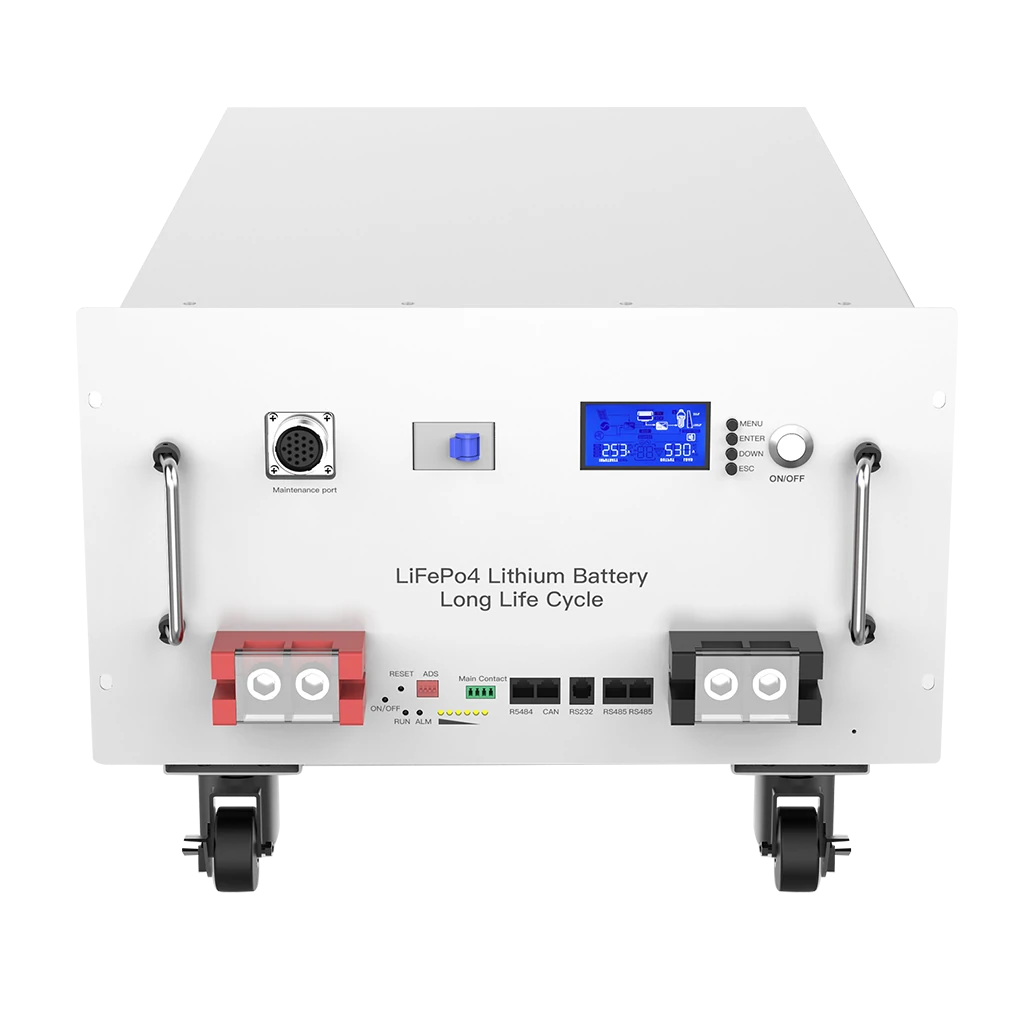
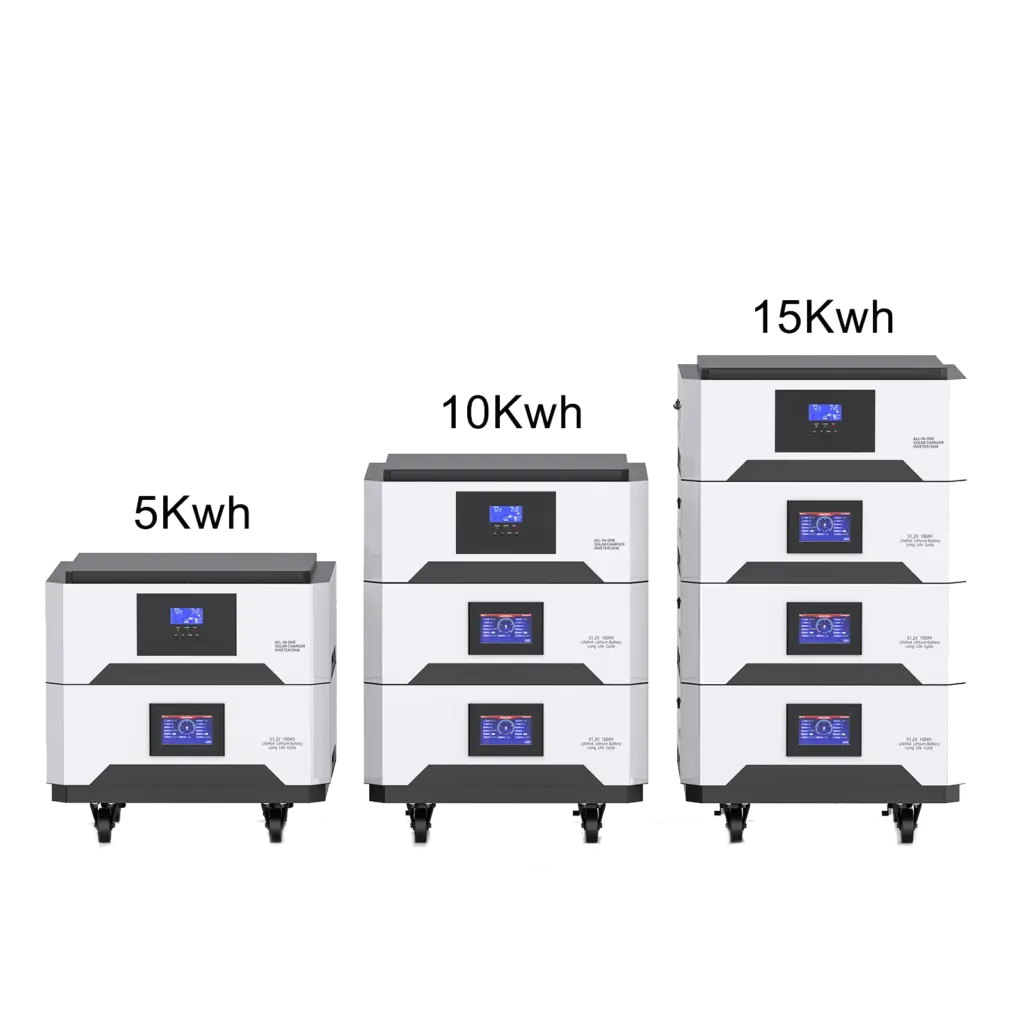
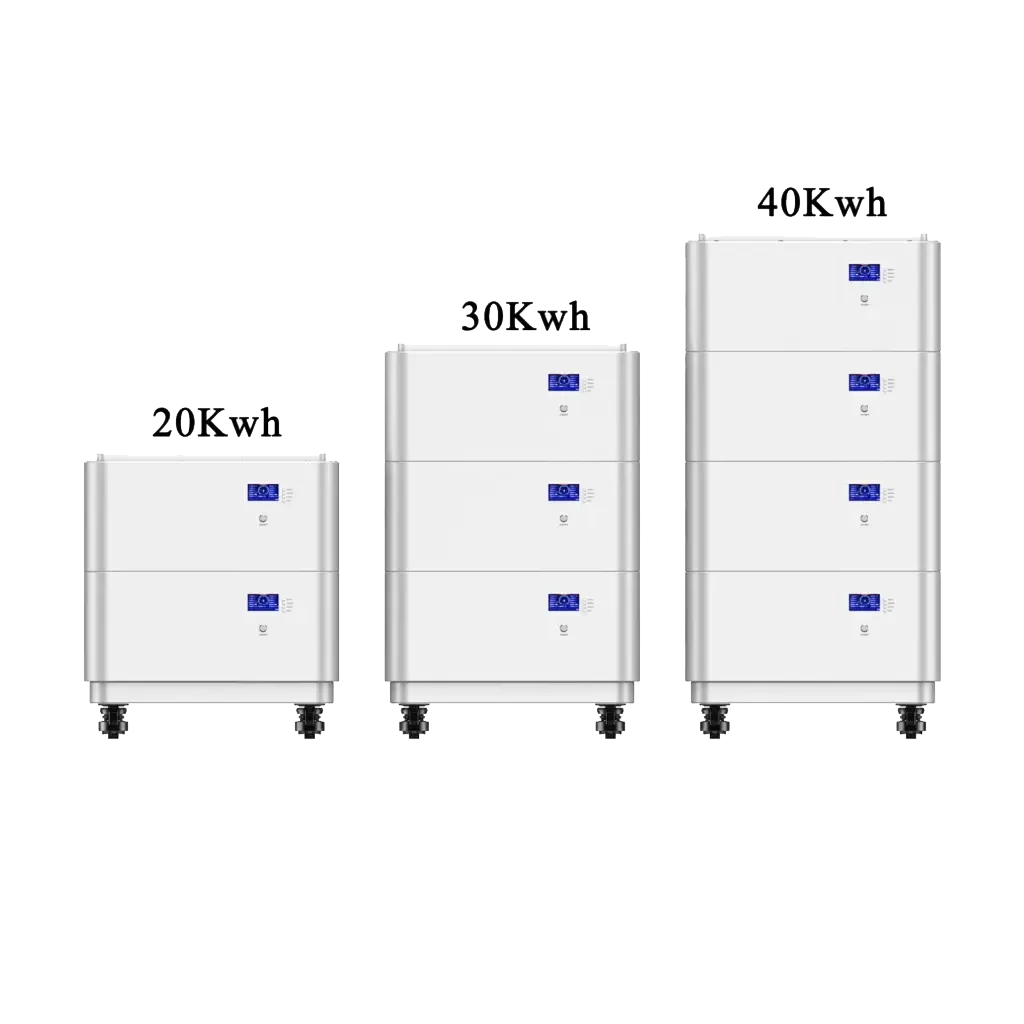
Most modern 50 kWh batteries use lithium iron phosphate (LiFePO4) chemistry. This chemistry offers high safety, long cycle life, and stable performance. Manufacturers like Avepower design 50 kWh systems using modular battery packs, smart battery management systems (BMS), and inverter compatibility for solar, grid, or generator use.
How Long Will a 50 kWh Battery Last?
The runtime of a 50 kWh battery depends on three main factors:
- Total power demand (watts or kilowatts)
- Battery usable capacity
- System efficiency and energy losses
Although a battery may be rated at 50 kWh, most systems allow about 90% to 95% usable capacity to protect battery health. This means the real usable energy is usually between 45 and 47.5 kWh.
Below are realistic runtime examples using a usable capacity of 45 kWh:
- 500 watts (lights, router, fridge): about 90 hours
- 1,000 watts (basic home essentials): about 45 hours
- 2,000 watts (small household load): about 22 hours
- 5,000 watts (full home with AC): about 9 hours
- 10,000 watts (large home or workshop): about 4.5 hours
Every example assumes stable power draw and no additional charging input from solar or the grid.
An average home in the United States consumes 25–30 kWh per day. In this case:
- A 50 kWh battery can power a home for 1.5 to 2 full days
- If energy use is reduced during an outage, the battery can last 2 to 3 days
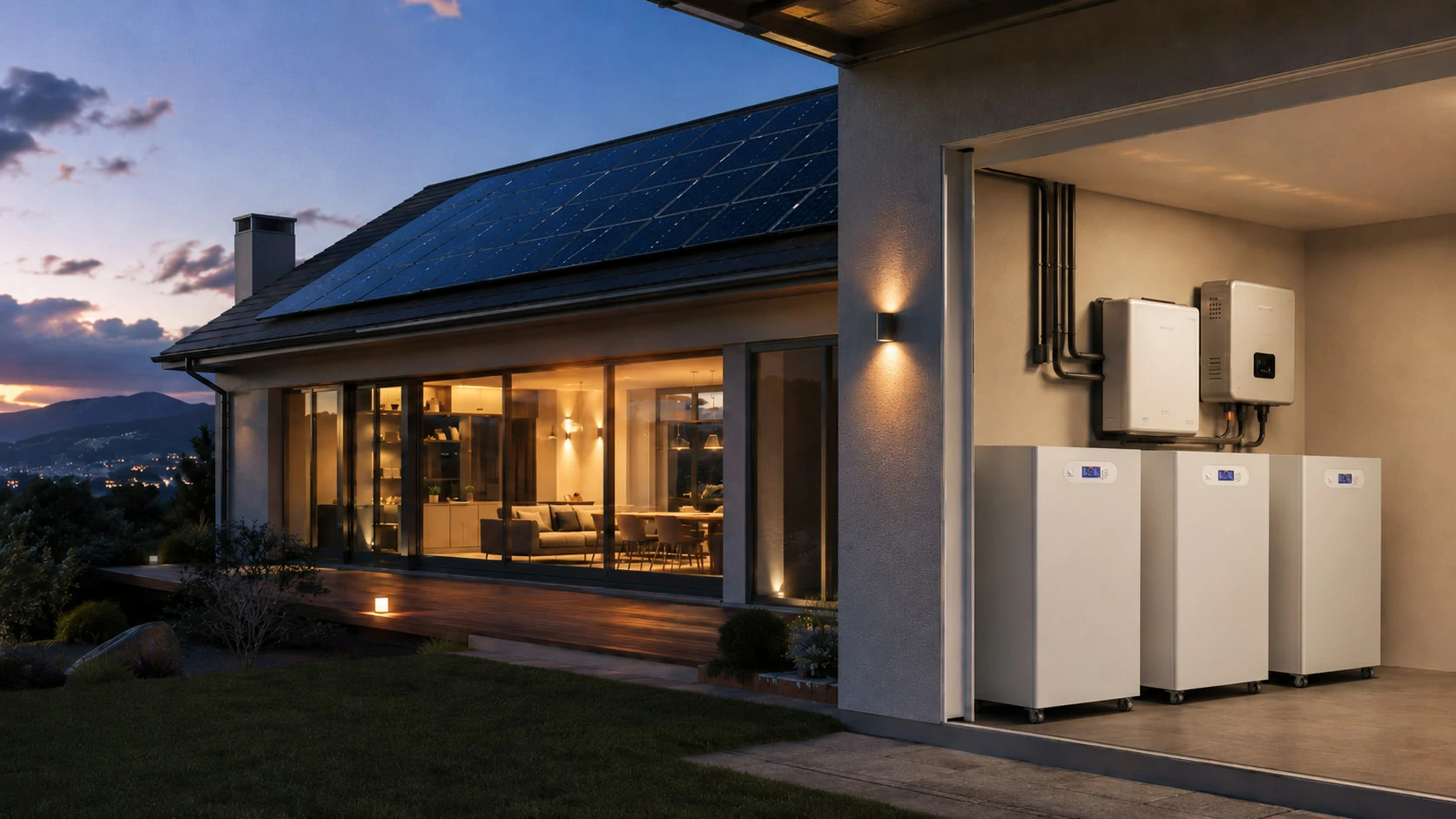
When paired with solar panels, a system like an Avepower 50 kWh battery can provide near-continuous power during extended outages.
What Can a 50 kWh Battery Power?
A 50 kWh battery can power nearly all residential appliances, including high-power loads.
| Appliance | Power Use | Runtime on 50 kWh |
|---|---|---|
| Refrigerator | 150 W | 12–14 days |
| LED lighting (whole house) | 300 W | 6–7 days |
| TV and electronics | 400 W | 5 days |
| Washing machine | 500 W | 90 hours |
| Microwave | 1,200 W | 40 hours |
| Central AC (average) | 3,500 W | 14 hours |
| EV charger (Level 2) | 7,000 W | 7 hours |
Can a 50 kWh Battery Power an Entire House?
Yes. A 50 kWh battery can support whole-home backup, especially when paired with a suitable inverter. Many systems allow:
- Full home backup
- Load prioritization
- Automatic switching during outages
For homes with high energy use, installers often combine a 50 kWh battery with solar panels to reduce grid dependence. Many businesses choose Avepower modular battery systems because they allow future expansion beyond 260 kWh without replacing the entire system.
Why Choose a 50 kWh Battery Instead of Smaller Systems?
Smaller batteries such as 10 kWh battery or 20 kWh battery units work well for short outages. A 50 kWh battery provides:
- Longer backup duration
- Whole-home support
- Better compatibility with large solar systems
- Reduced need for generators
- Higher energy independence
For households with electric heating, EVs, or home offices, this capacity offers real peace of mind.
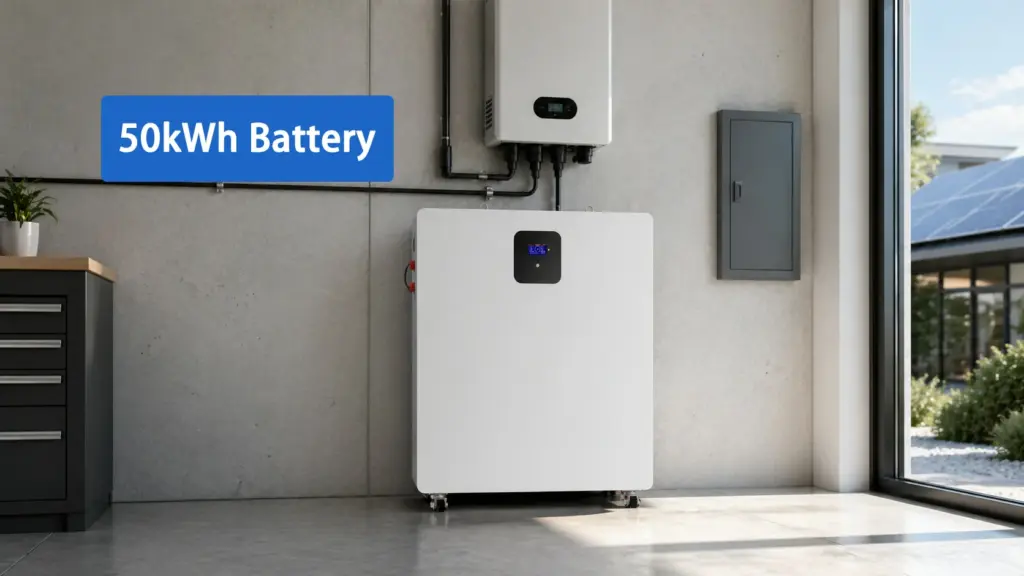
How Long Does It Take to Charge a 50 kWh Battery?
Charging time depends on the power source and charging rate.
Charging From Solar Panels
Solar charging time depends on solar system size and sunlight hours.
| Solar System Size | Daily Output | Charging Time |
|---|---|---|
| 5 kW solar | 20–25 kWh/day | 2–3 days |
| 8 kW solar | 30–35 kWh/day | 1.5–2 days |
| 10 kW solar | 40–50 kWh/day | 1 day |
Many homeowners pair a 50 kWh battery with 20 kW of solar panels. Avepower systems are designed to integrate with hybrid inverters, which allows solar, grid, and generator charging at the same time.
Charging From the Grid
Grid charging is usually faster and more predictable.
| Charger Power | Charging Time |
|---|---|
| 5 kW | ~10 hours |
| 10 kW | ~5 hours |
| 15 kW | ~3.5 hours |
Many systems charge overnight to take advantage of off-peak electricity rates.
Charging From a Generator
A generator can charge a 50 kWh battery during long outages.
- Small generators (5–8 kW) → 6–10 hours
- Larger generators (10–15 kW) → 3–5 hours
Battery charging reduces generator runtime and fuel use.
What Is the Price of a 50 kWh Battery?
The price of a 50 kWh battery depends on brand, chemistry, and system design. Typical price ranges are:
- Battery only: $18,000 – $30,000
- Battery + inverter: $22,000 – $38,000
- Fully installed system: $28,000 – $45,000
High-quality systems such as the Avepower 50 kWh solar battery are engineered for long service life, advanced safety, and wide inverter compatibility—helping reduce total ownership costs over time.
Built with premium LiFePO4 (lithium iron phosphate) cells, the system delivers 8,000+ charge cycles with excellent thermal stability. An intelligent built-in BMS continuously monitors voltage, temperature, and current to ensure safe and reliable operation.
For user convenience, the battery supports Bluetooth or Wi-Fi monitoring, allowing real-time performance tracking and remote management. The modular architecture enables scalable expansion up to 800 kWh, making it suitable for large homes, commercial backup, and off-grid energy storage applications.
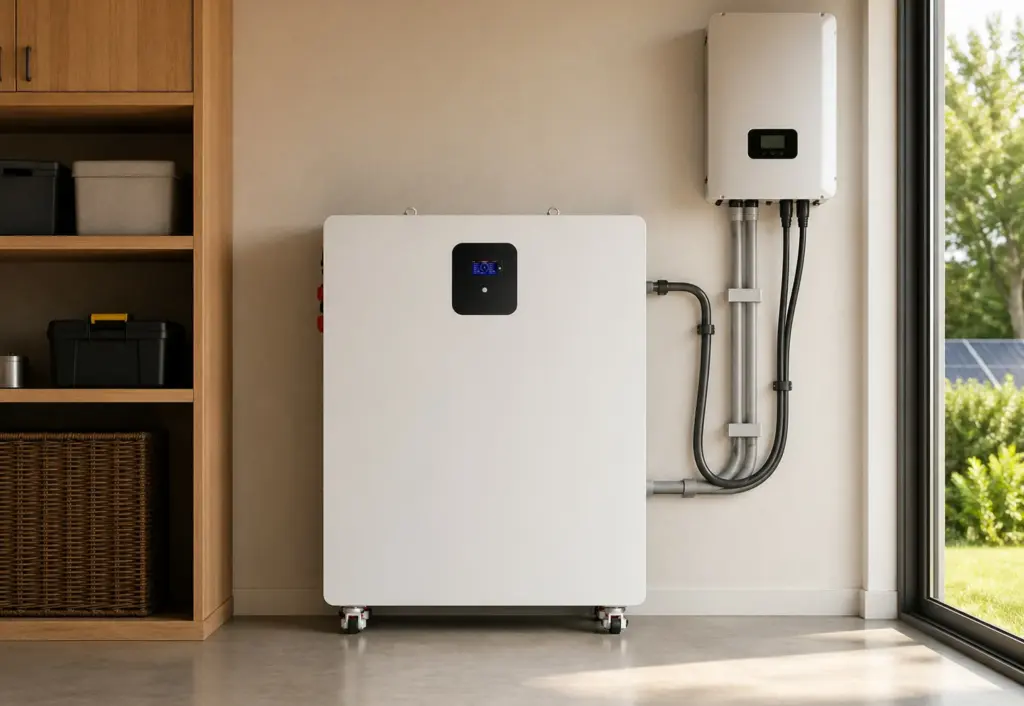
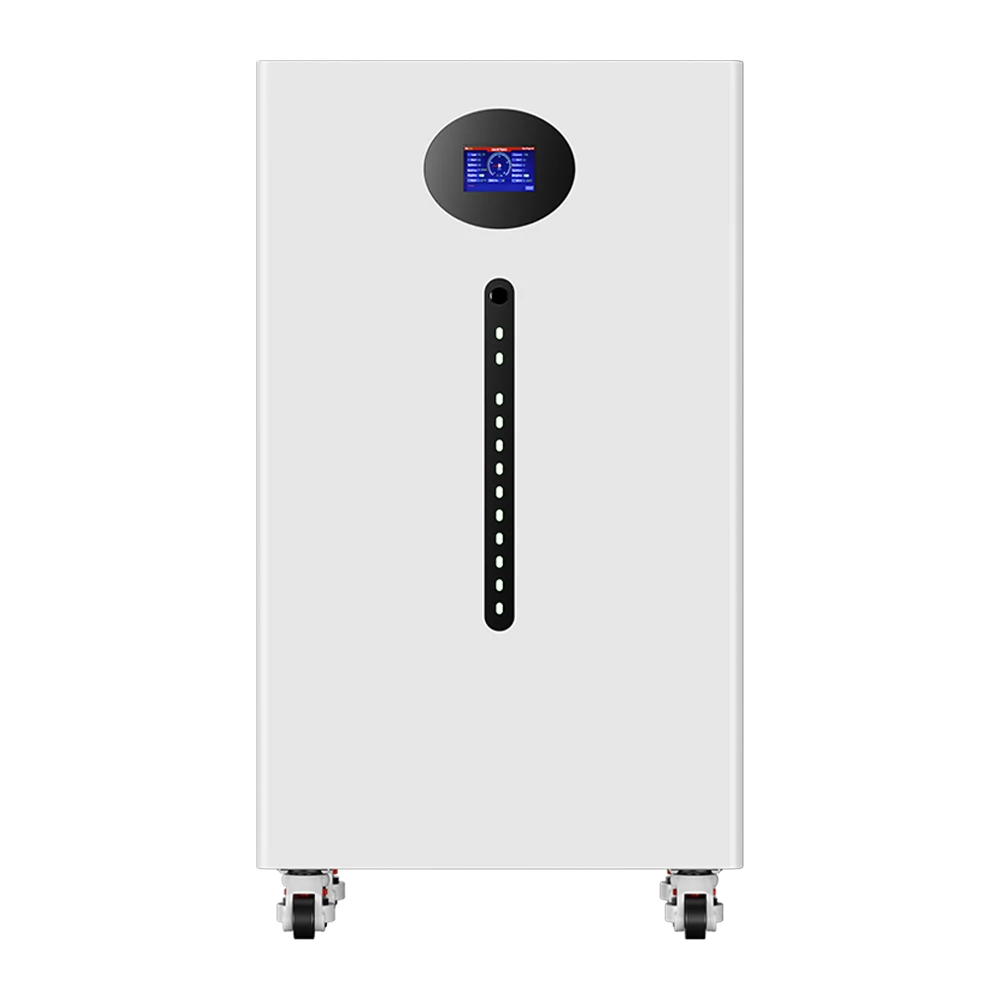
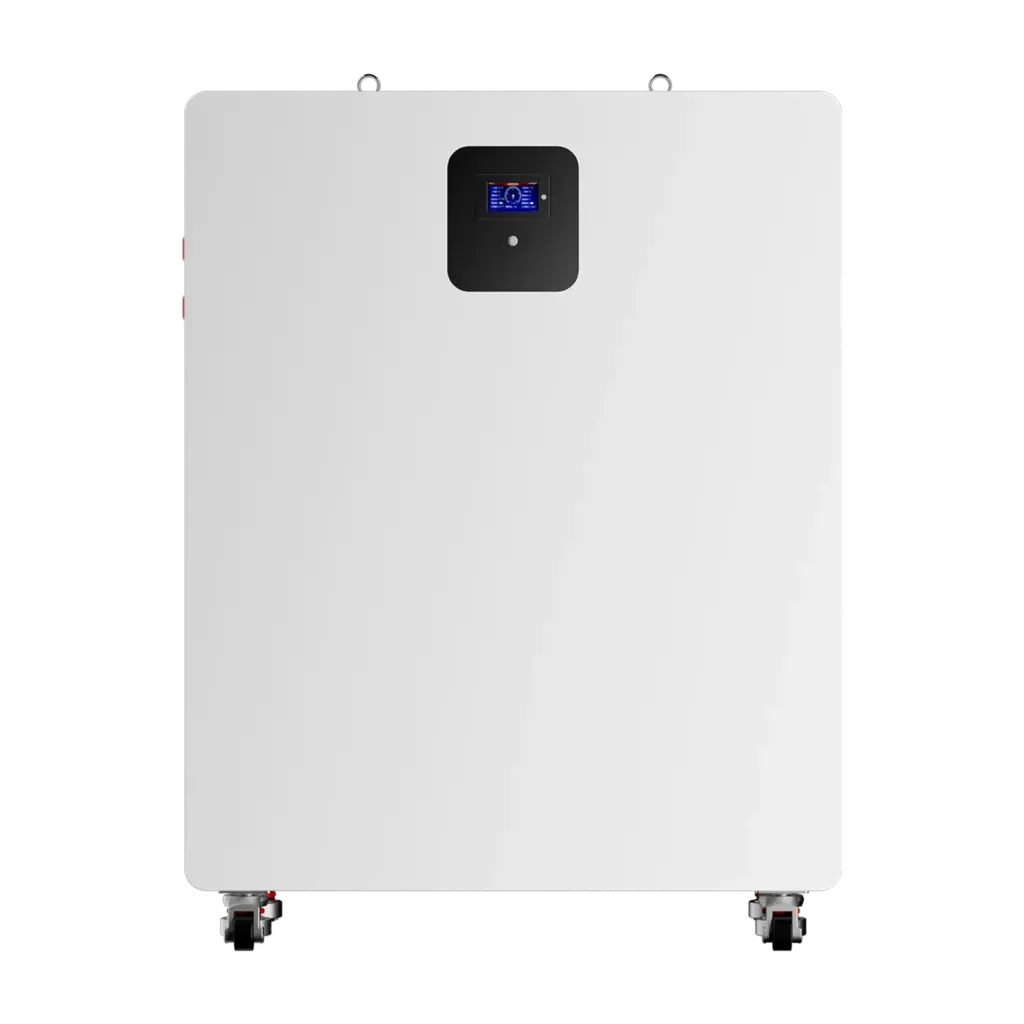
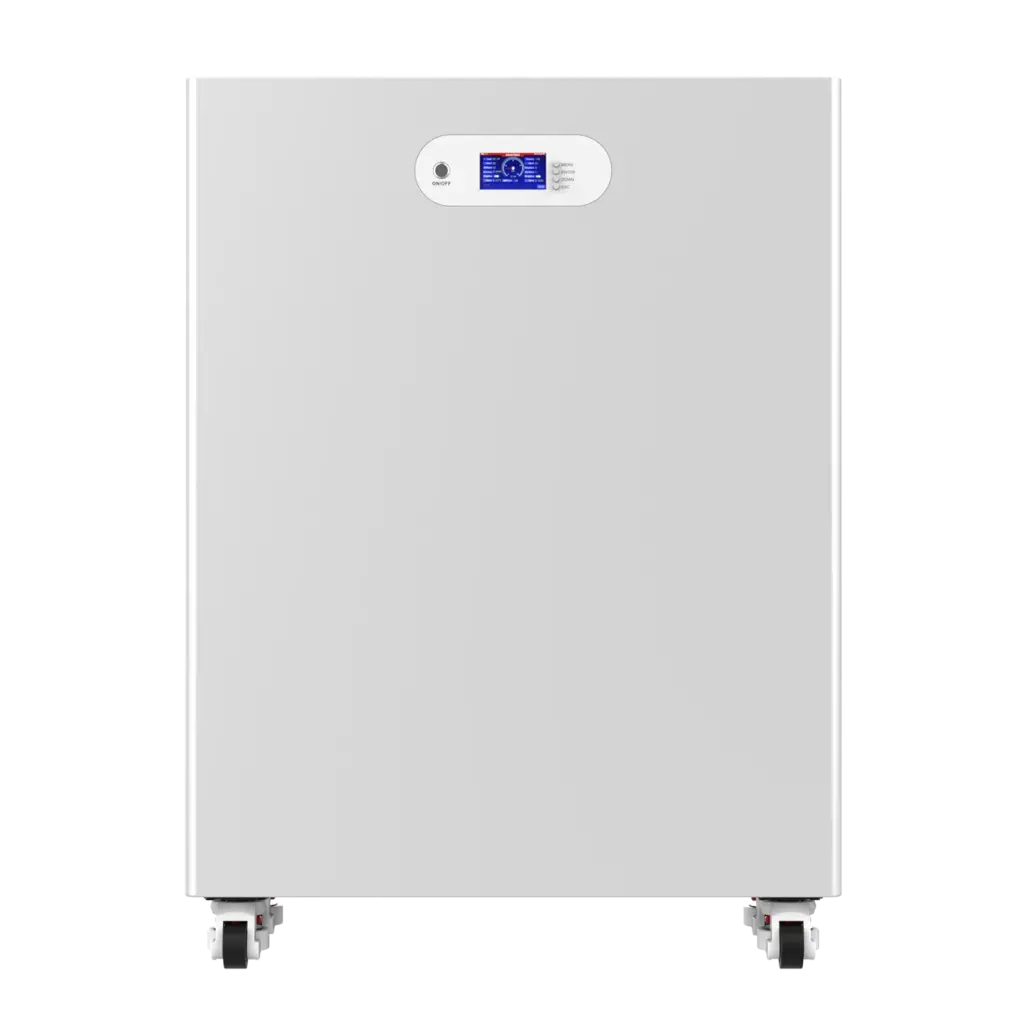
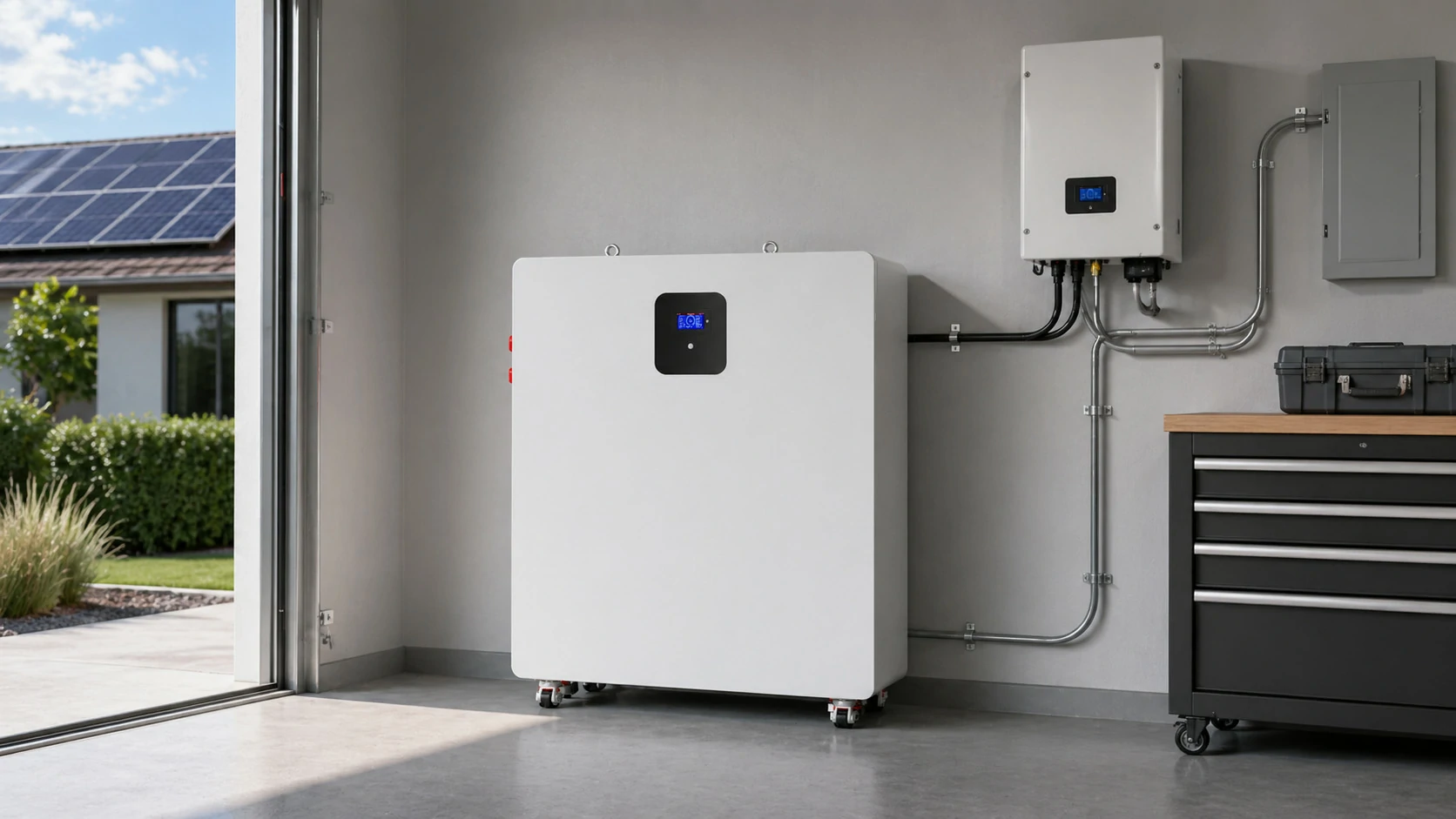
Avepower 50kWh Home Battery
- Expandable capacity options: 50kWh, 100kWh, or 150kWh
- Premium LiFePO4 cells with up to 8,000 cycles
- Broad inverter compatibility
Cost Per kWh
The average cost per kWh for a 50 kWh system ranges from:
- $360 to $900 per kWh installed
Larger systems often have a lower cost per kWh compared to smaller home batteries.
How Much Does It Cost to Charge a 50 kWh Battery?
Charging from the Grid
Charging cost depends on electricity rates. The U.S. average residential electricity price in 2025 was 17 cents/kWh, which is $0.17/kWh. At common U.S. prices:
- $0.12 per kWh → $6.00
- $0.17 per kWh → $8.50
- $0.20 per kWh → $10.00
- $0.30 per kWh → $15.00
This cost assumes a full 50 kWh charge from empty.
Charging with Solar Energy
Solar charging is nearly free after installation. The cost comes from:
- Solar panel investment
- Inverter and maintenance
When charged by solar energy, the cost is close to zero, excluding system maintenance. This is one reason many Avepower customers combine battery storage with rooftop solar systems.
Generator Charging Cost
Generator charging costs depend on fuel type:
- Gasoline generators are the most expensive
- Diesel generators are more efficient
- Propane generators offer cleaner operation
Fuel-based charging usually costs $0.30–$0.60 per kWh, which makes it a backup option rather than a daily solution.
50 kWh Battery Range: Electric Vehicle
Many popular electric cars have battery packs close to 50 kWh. For example:
- The Nissan Leaf (earlier models) uses roughly a 40–62 kWh battery and can travel between 150 and 226 miles (240–360 km) on a full charge.
- The Chevrolet Bolt EV has a 66 kWh battery, offering around 259 miles (417 km) of range.
Based on this, a 50 kWh battery in an EV typically provides about 180 to 220 miles (290 to 350 kilometers) of driving range under normal driving conditions.
EV range depends on several factors, including:
- Driving speed and style
- Terrain (hills or flat roads)
- Outside temperature and climate control use
- Vehicle weight and aerodynamics
Thus, while the battery size is a key indicator, actual mileage varies.
Ready to Take Control of Your Energy?
If you are considering a 50 kWh battery backup system for your home or business, the next step is choosing a solution that is safe, scalable, and built for long-term performance. Avepower provides high-capacity home energy storage systems designed to work seamlessly with solar panels, the grid, or hybrid setups. With long cycle life, advanced battery management, and flexible system design, Avepower helps you build a reliable backup power solution tailored to your real energy needs.
Contact Avepower today to discuss your load requirements, backup goals, and installation plans. A properly designed 50 kWh battery system can deliver true energy independence, lower operating costs, and peace of mind when you need it most.
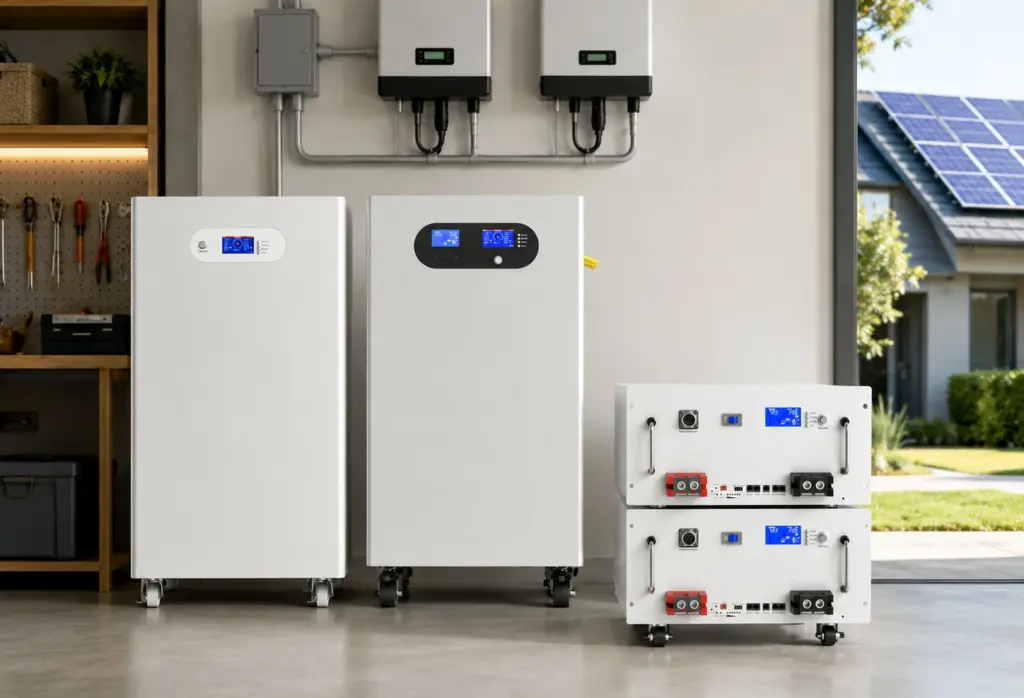
Take Control of Your Energy with Avepower!
Reliable home solar battery solutions with OEM/ODM customization and in-house manufacturing, tailored to the needs of distributors, installers, and energy partners.
FAQ
A home that averages 0.5 kW (500 watts) during an outage can often stretch a 50 kWh system across 3.5 days. A home that averages 1 kW can often get about 1.5–2 days. A home that averages 2 kW can often get about 22 hours.
A home that runs central AC, electric heating, large electric water heating, or a pool pump will drain a battery much faster. Those loads can turn a “multi-day” plan into a “few hours” reality.
Most last 10 to 15 years or 6,000 to 8,000 charge cycles before their capacity drops significantly.