
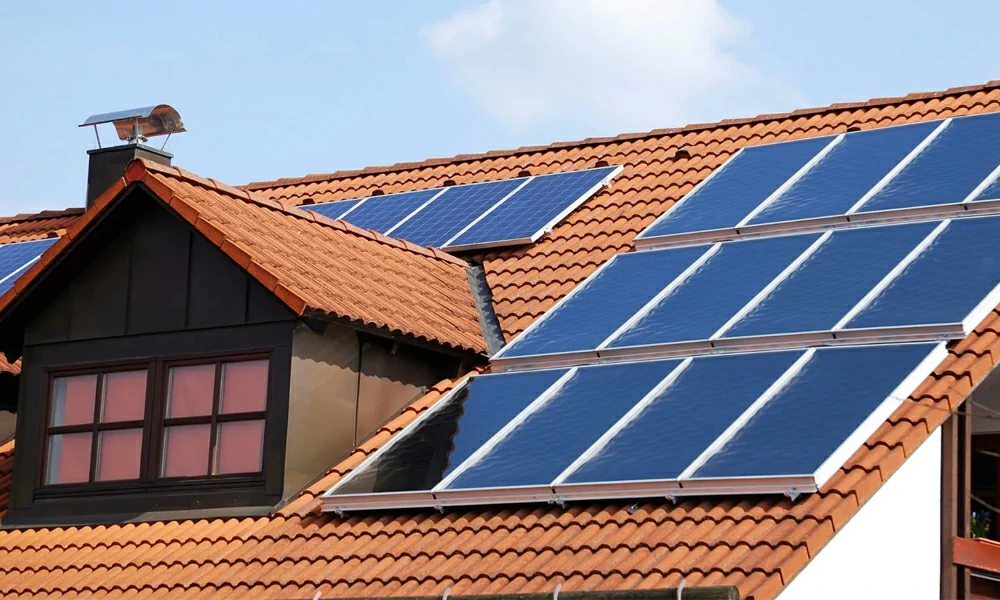
Rising power bills and strong sun make many Australian households look seriously at solar. A common question is very direct: “Will a 10kW solar system actually run my home?” This guide will walk you through what a 10 kW solar system actually does, how it compares to real household usage in Australia, and when it is the right size for your roof.
What Does a 10kW Solar System Mean?
A 10kW solar system refers to the rated DC capacity of the solar panel array. In simple terms, it means the solar panels can produce up to 10 kilowatts of power under strong test conditions.
However, homeowners should not confuse kW with kWh.
kW measures power at a moment in time.
kWh measures energy produced or consumed over time.
For example, if a 10kW system operates at full output for one hour, it produces 10kWh of electricity. In real conditions, output changes throughout the day because of sunlight, roof angle, weather, panel temperature, shading, inverter limits, and system losses.
For location-specific modelling, tools such as the PVWatts solar calculator can estimate solar production based on local climate data and system design assumptions. PVWatts estimates grid-connected PV energy production and uses long-term historical weather data to model output variation.
How Much Power Does a 10kW Solar System Produce Per Day?
A well-designed 10kW solar system in Australia commonly produces around 30–45kWh per day on average, depending on the city, season, roof direction, tilt angle, shading, and inverter setup.
As a rough 2026 planning guide:
| City | Typical Daily Output From 10kW Solar System |
|---|---|
| Sydney | 34–39kWh |
| Melbourne | 31–36kWh |
| Brisbane | 39–42kWh |
| Adelaide | 36–42kWh |
| Perth | 40–44kWh |
| Hobart | 29–33kWh |
| Darwin | 42–46kWh |
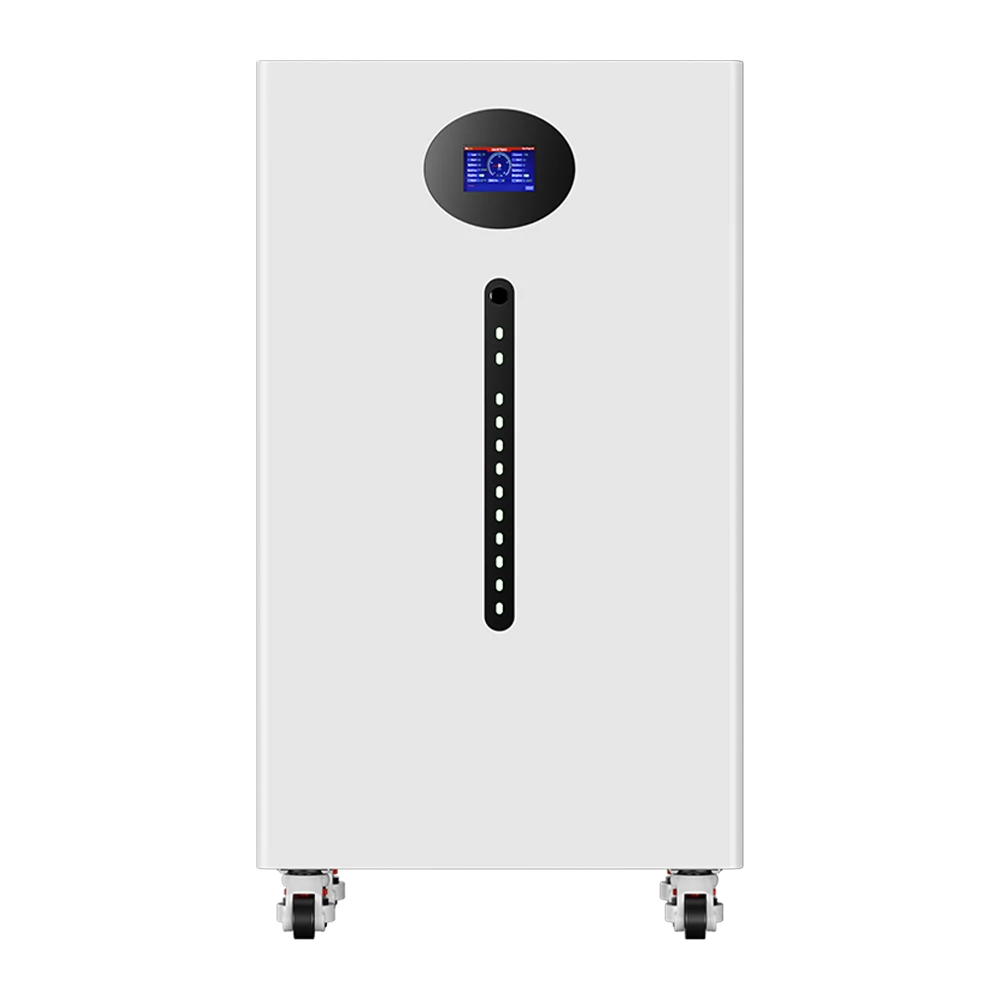
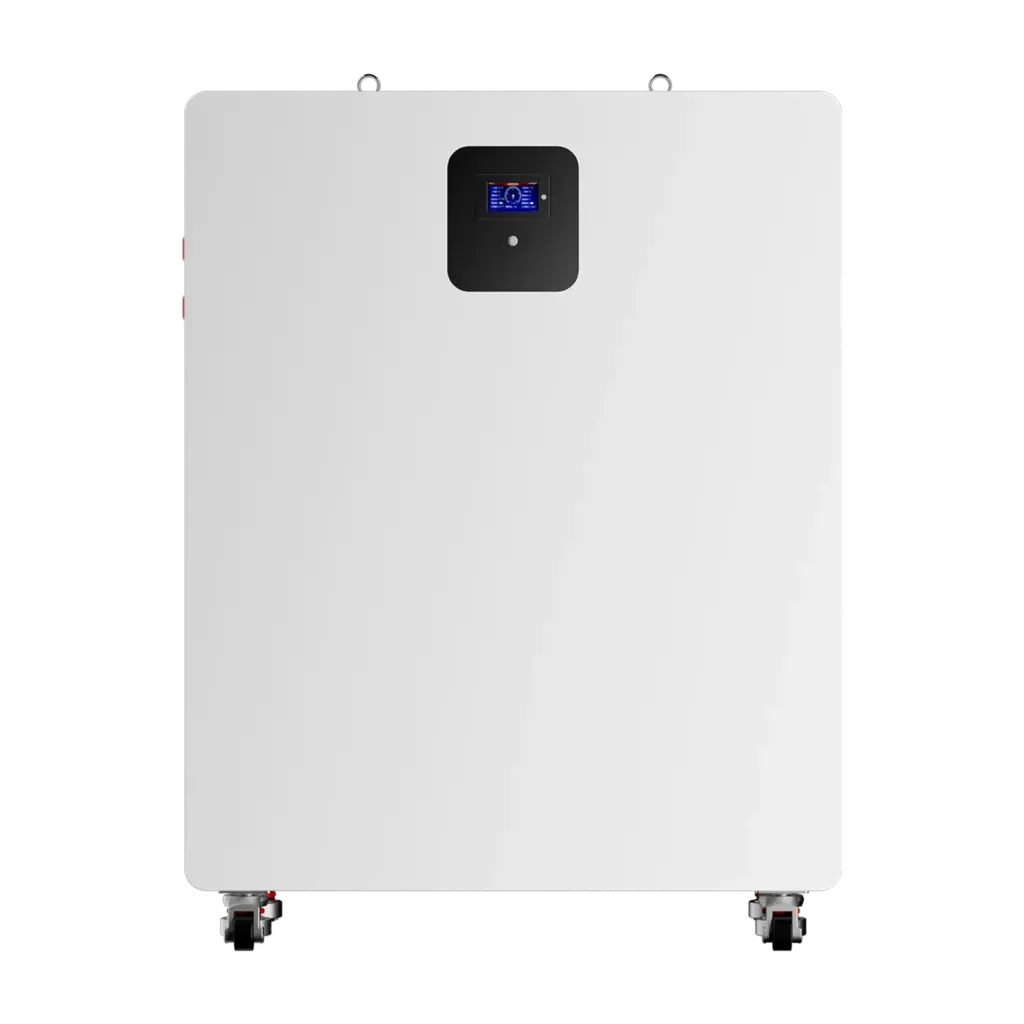
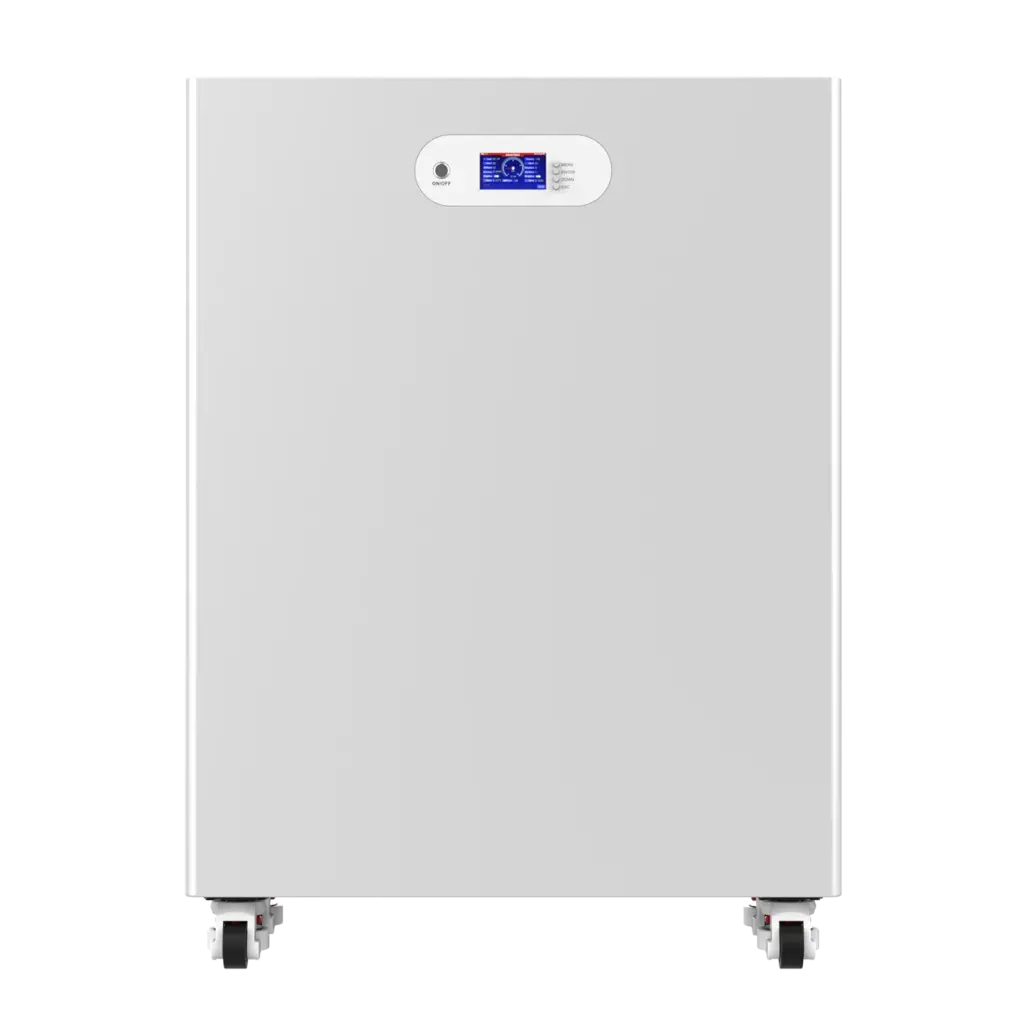
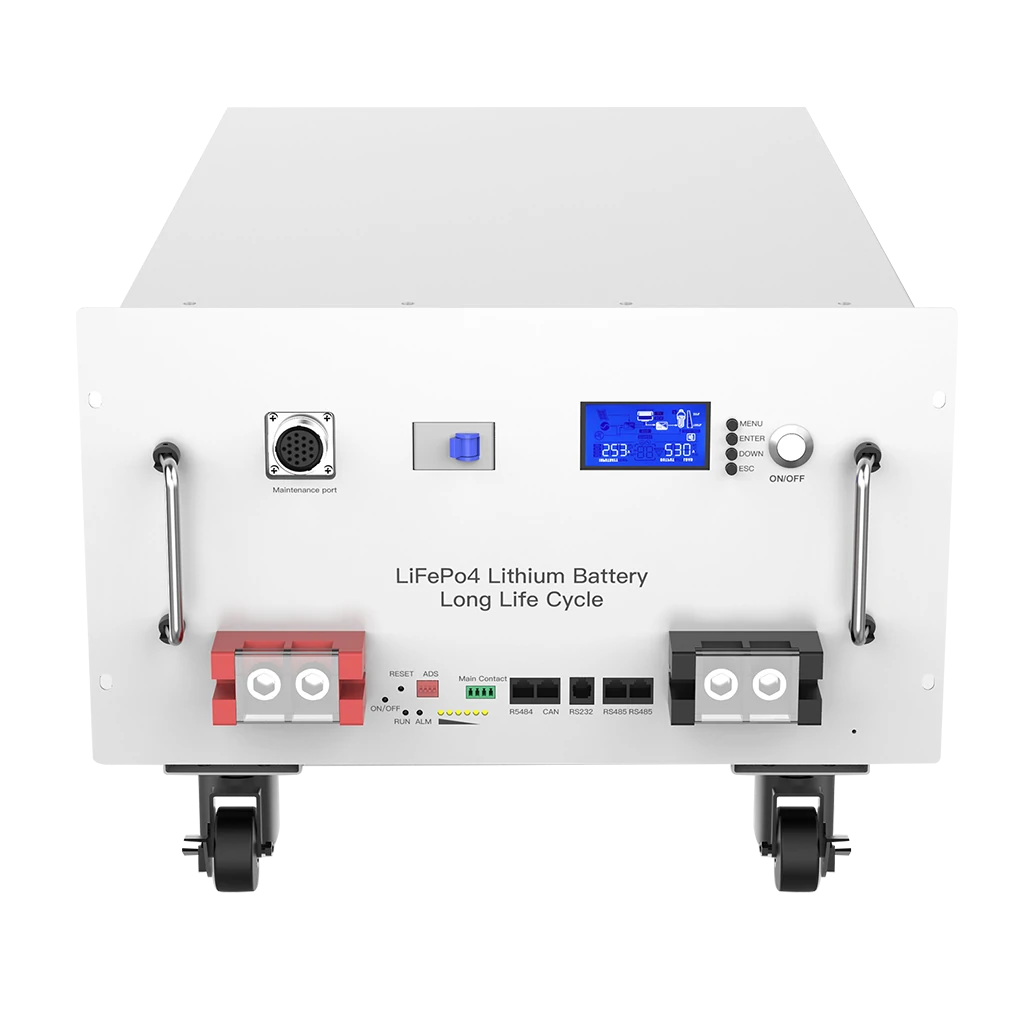
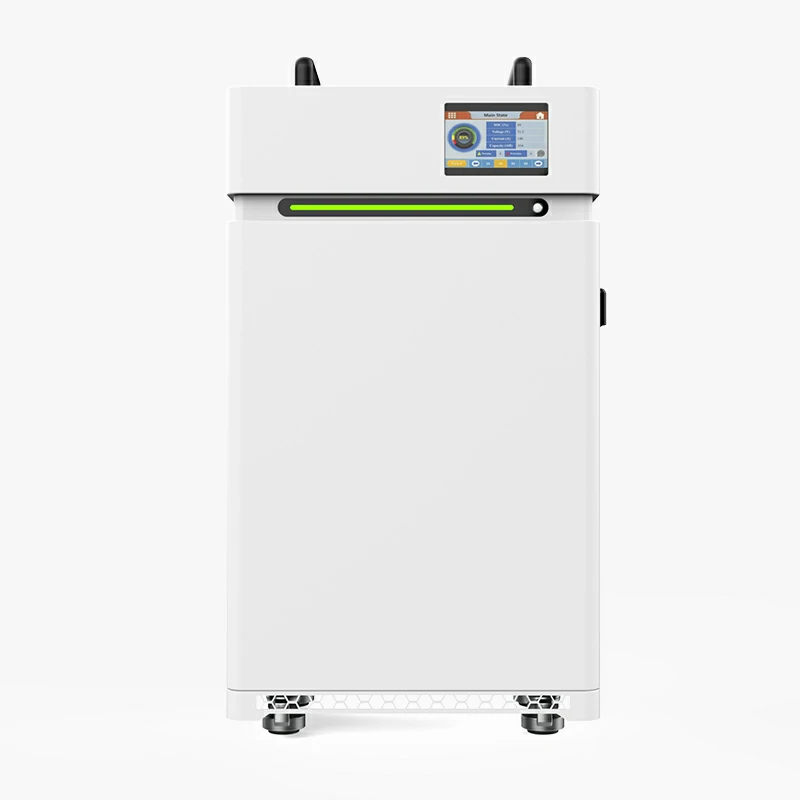
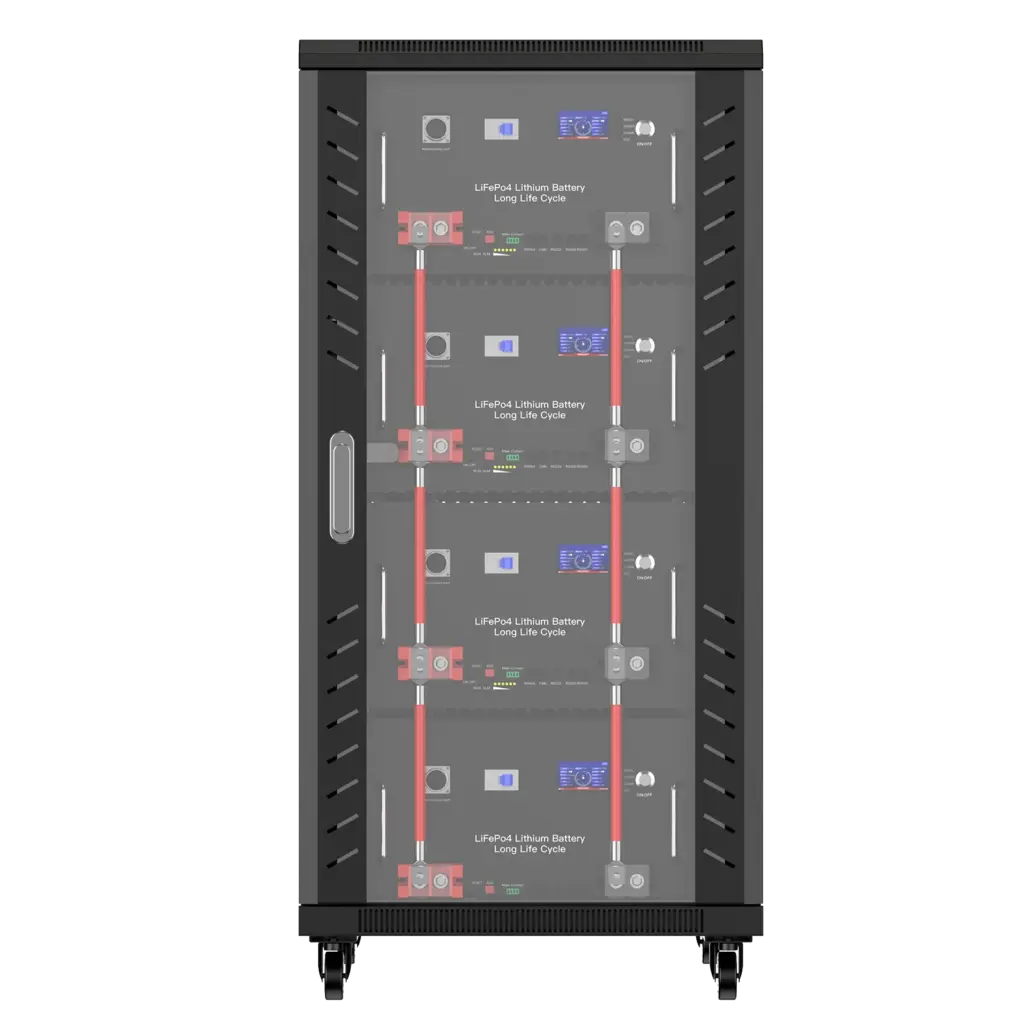
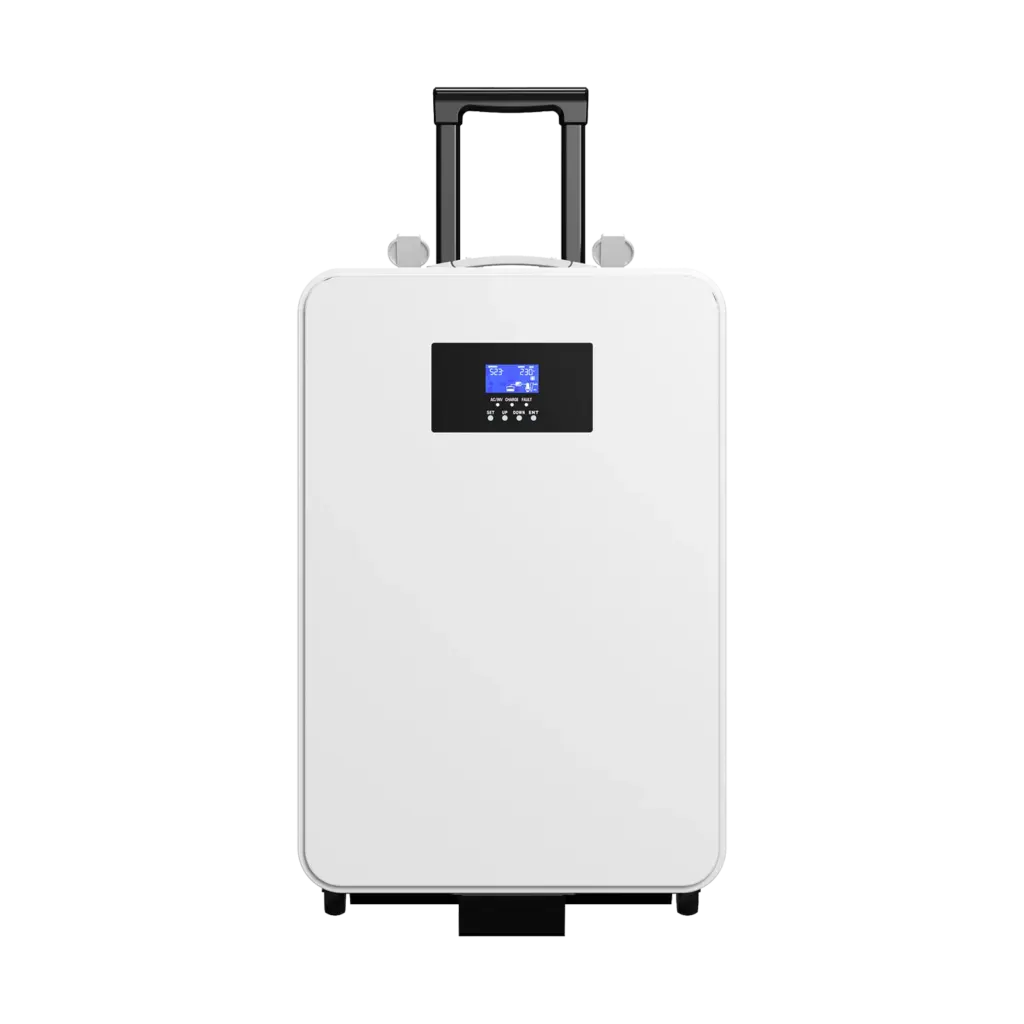
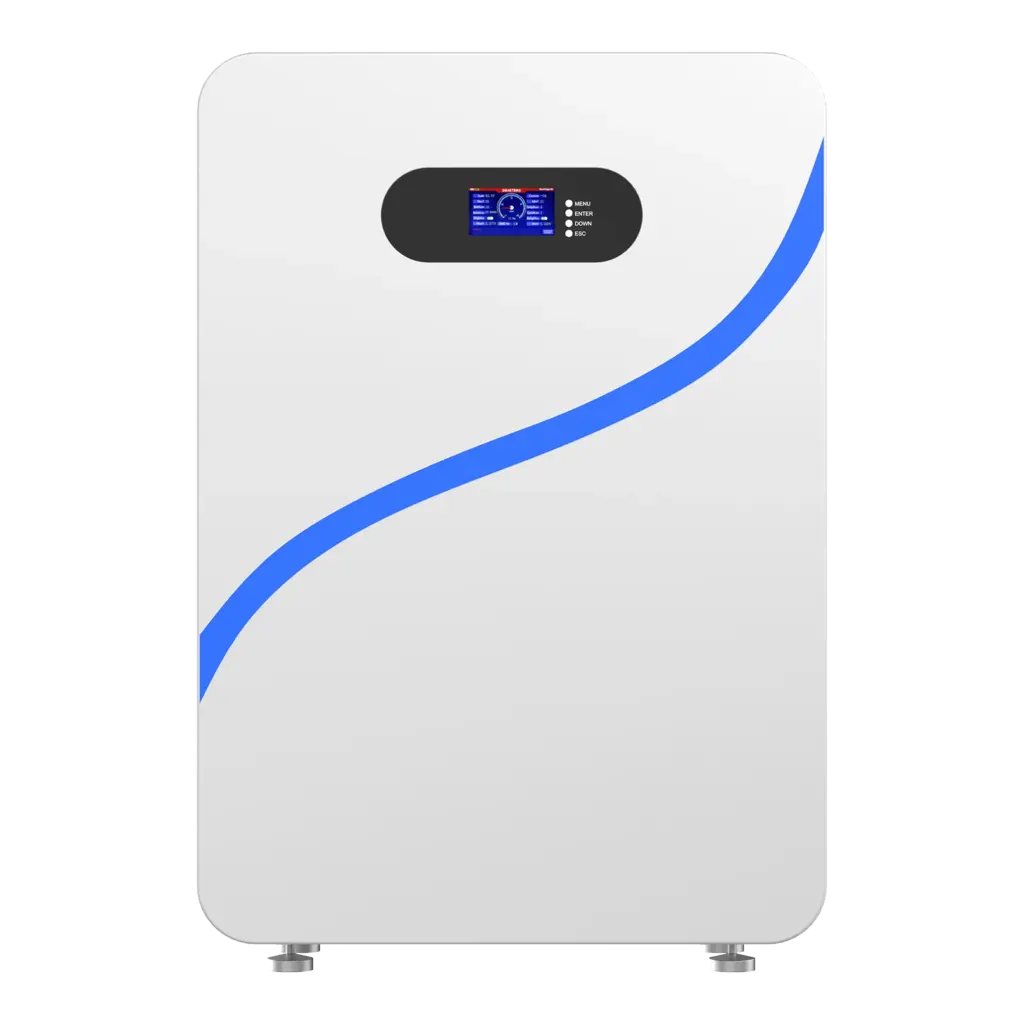
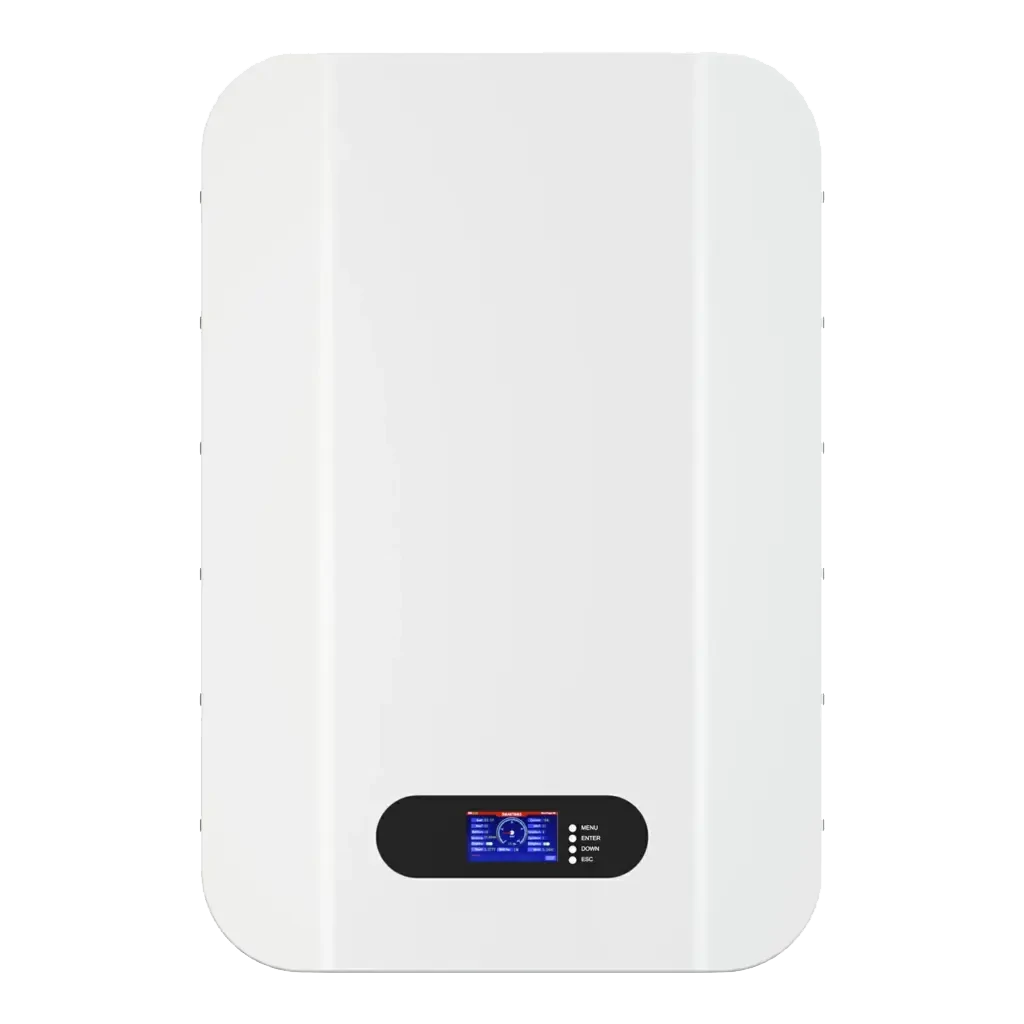
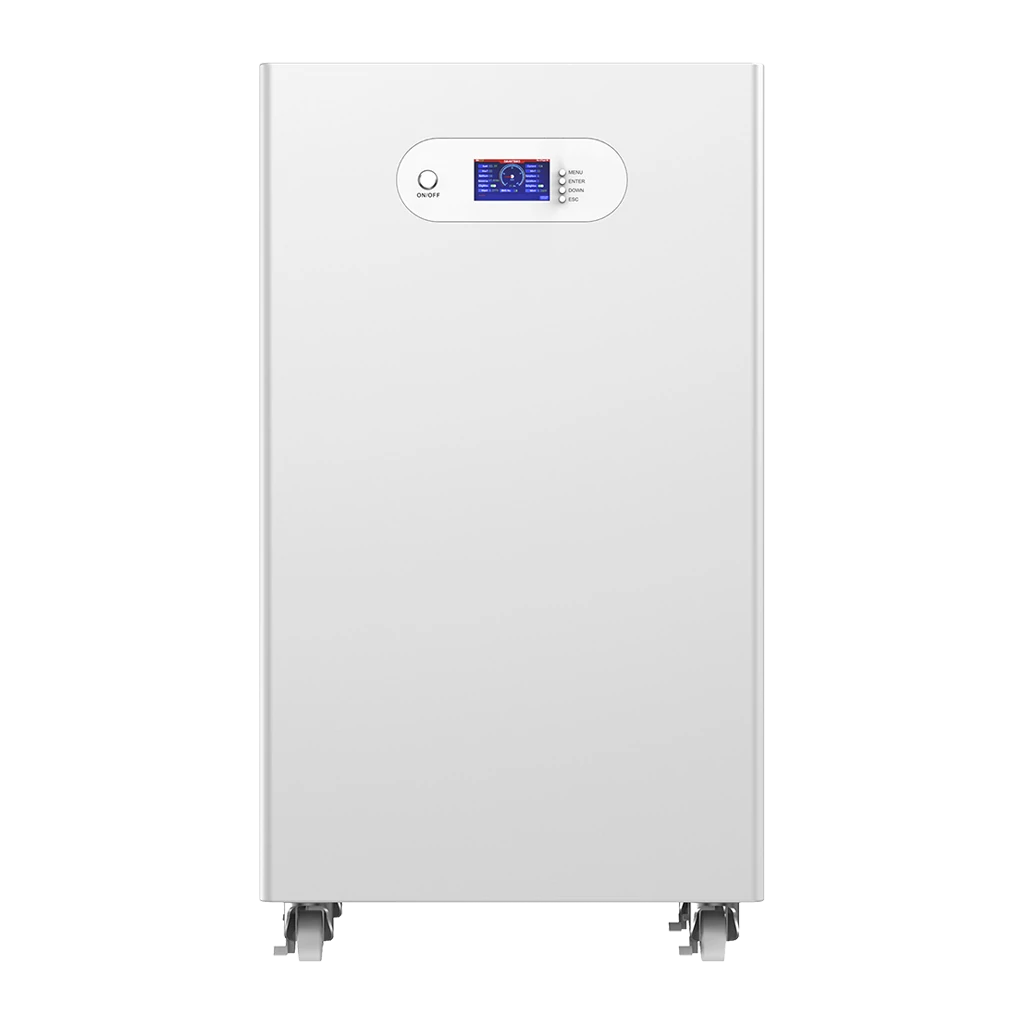
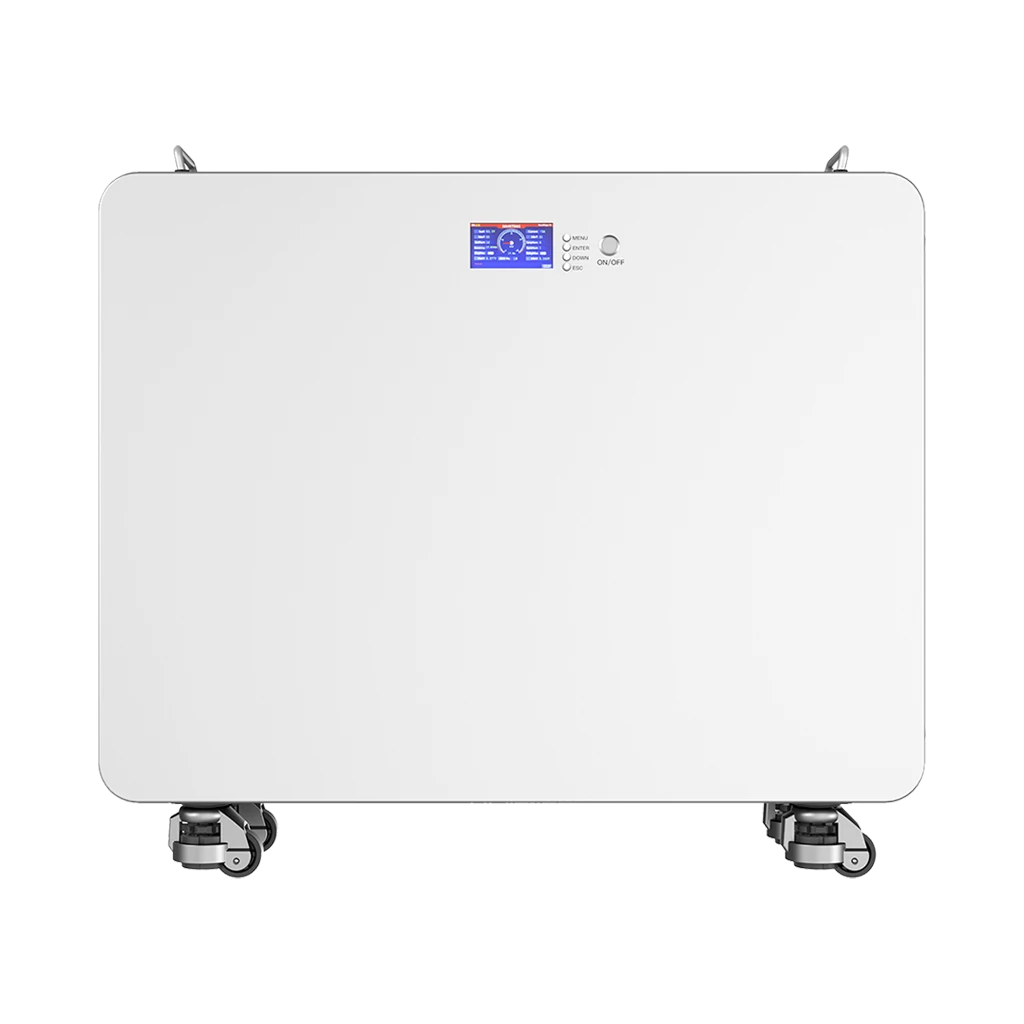
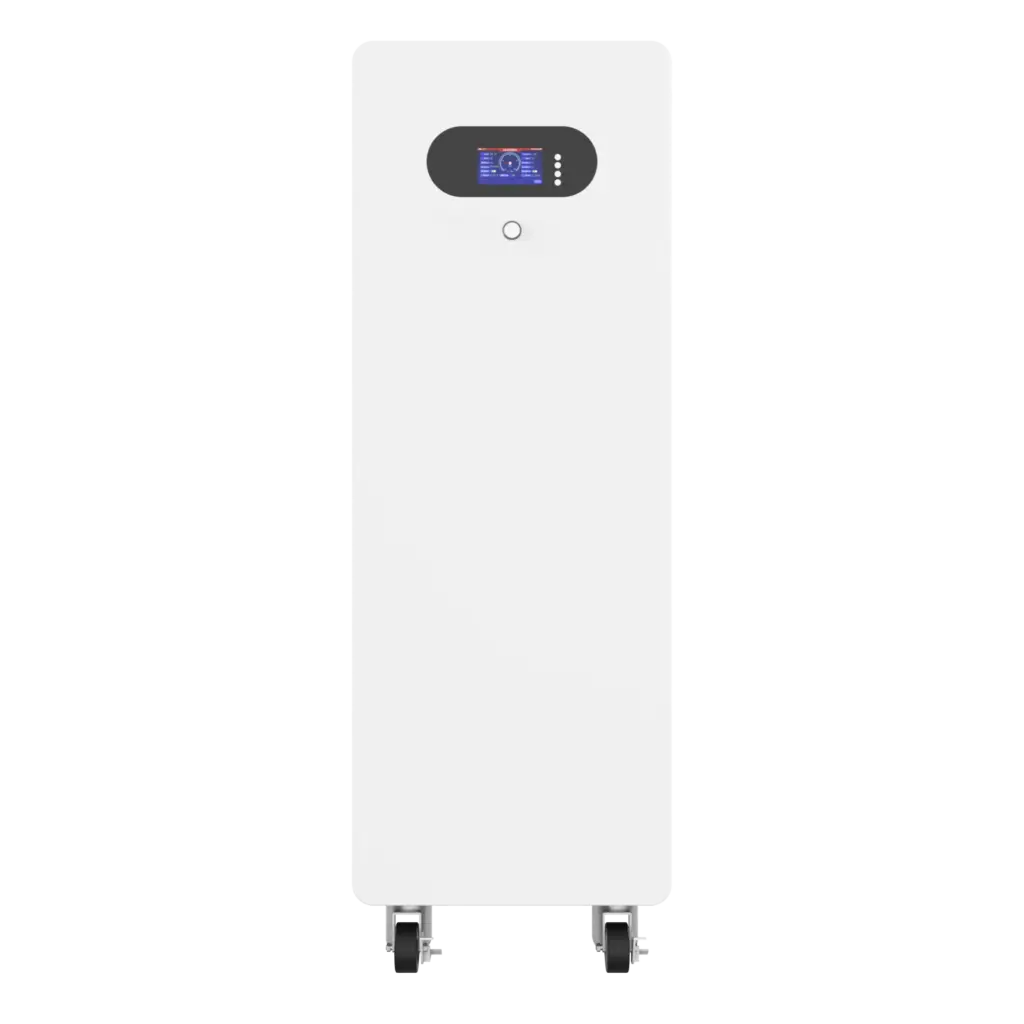
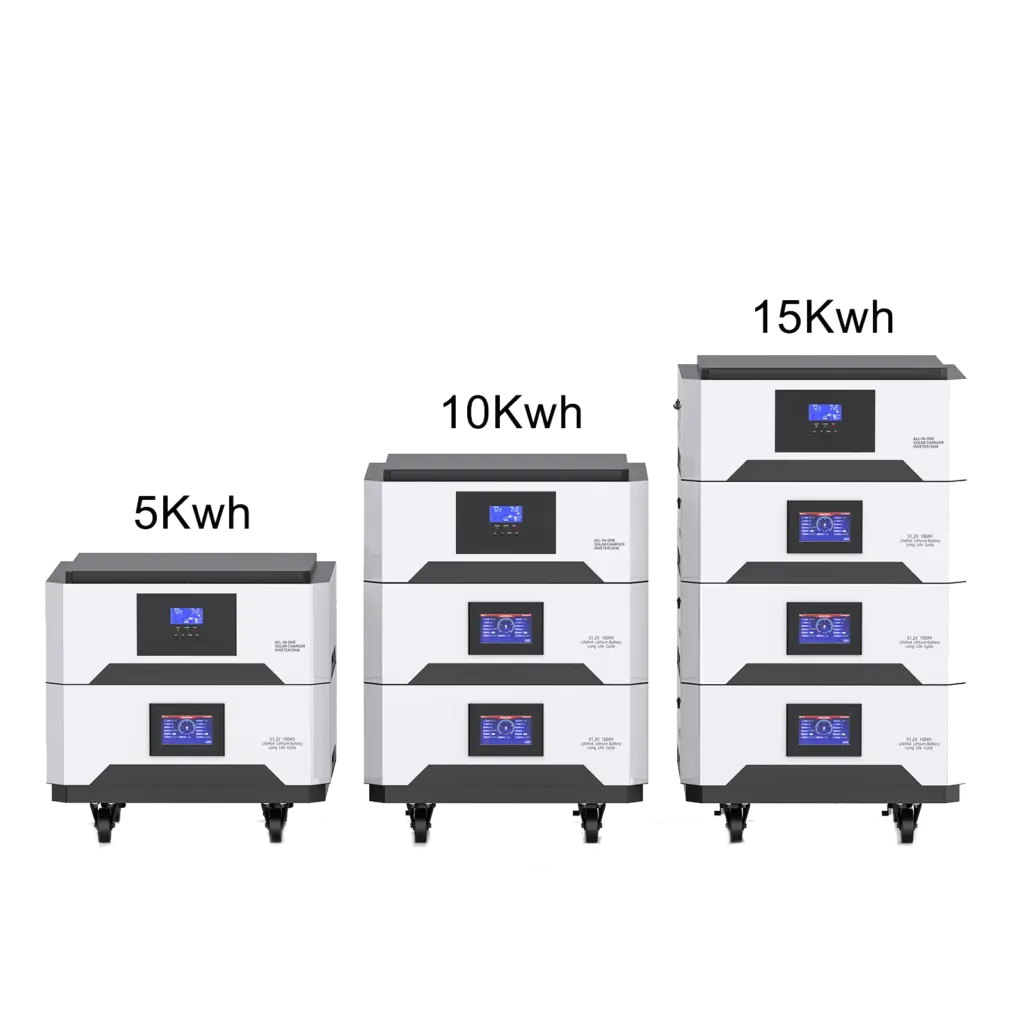
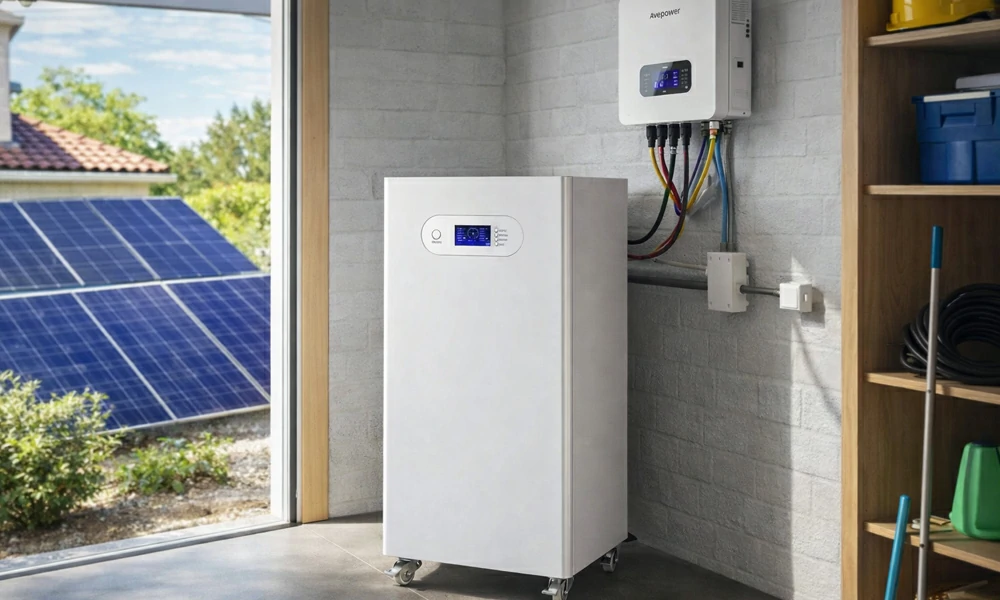
The timing of your use matters a lot. You use most of your solar during the day. At night you still need the grid or a battery. Avepower 10kwh solar batteries can store the extra energy from your 10kW system and make that energy available when the sun goes down.
Is a 10kW Solar System Enough for a Home?
For many large homes, yes. A 10kW solar system can be enough, but only when the household load profile matches the system.
A home that uses 20kWh per day but consumes most of that electricity at night may still buy grid power after sunset. A home that uses 35kWh per day with pool pumps, EV charging, air conditioning, and work-from-home loads during daylight hours may get far better value from the same 10kW system.
A practical guide:
| Household Situation | Typical Daily Use | Is 10kW Usually Suitable? |
|---|---|---|
| Small home with low daytime load | 10–18kWh | Often oversized unless future demand will grow |
| Family home with moderate usage | 18–28kWh | Often suitable, especially with daytime use |
| Large home with pool or ducted AC | 28–40kWh | Strong fit if daytime loads are high |
| Home with EV charging | 35–55kWh+ | Useful, but may need smart charging and battery storage |
| Small business with daytime usage | 30–60kWh+ | Often a very good match |
If your goal is to reduce bills, look beyond annual generation. The most valuable solar electricity is the electricity you use directly in your home instead of buying from the grid.
How Many Panels Do You Need for a 10kW Solar System?
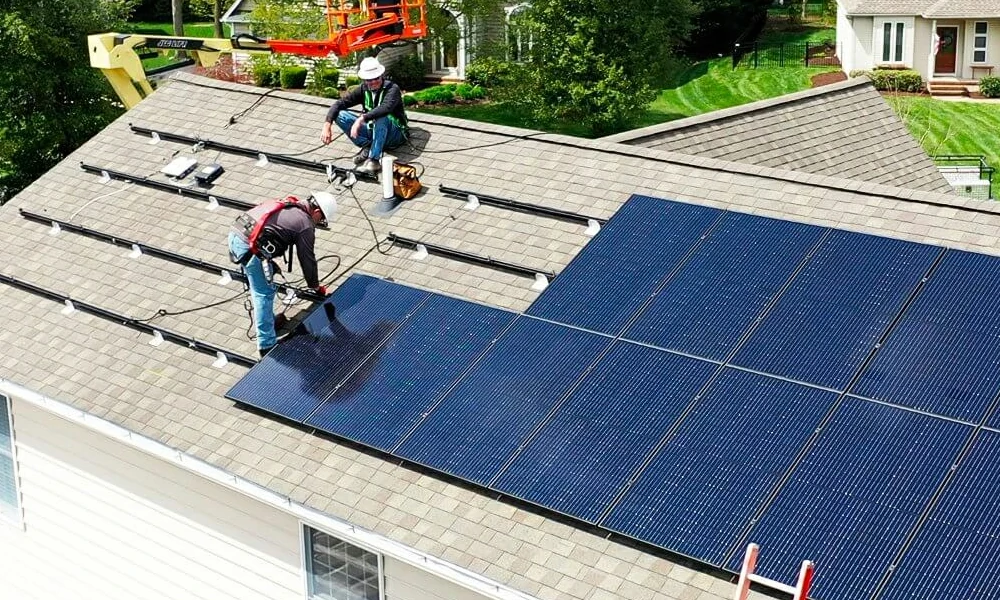
The number of panels depends on panel wattage.
Older or lower-wattage panels may require 25–30 panels. Modern high-output panels can reduce the number to around 20–24 panels.
| Panel Wattage | Approximate Panels Needed |
|---|---|
| 370W | 27 panels |
| 400W | 25 panels |
| 440W | 23 panels |
| 500W | 20 panels |
In real installations, you also need to allow for panel spacing, roof edges, chimneys, vents, skylights, shading zones, and local design rules. A simple roof with one large north-facing surface is easier and cheaper to install than a complex roof split across several orientations.
How Much Roof Space Does a 10kW Solar System Need?
A modern 10kW solar system usually needs around 40–60m² of usable roof space. The exact number depends on panel efficiency and layout.
Higher-efficiency panels can reduce the roof area required, but they often cost more. Lower-cost panels may need more roof area, which can be a problem for homes with limited roof space or shading.
Before choosing a 10kW system, check:
- Clear roof area without heavy shade
- Roof orientation and tilt
- Roof material and structural condition
- Available switchboard and inverter location
- Local network export limits
- Future battery and EV charging plans
How Much Does a 10kW Solar System Cost in 2026?
In Australia, a standard 10kW residential solar system in 2026 commonly costs around AUD 8,000–10,500 after the STC discount, depending on city, component quality, roof complexity, and installer standards.
A cheaper quote may not always be a better quote. A 10kW system is large enough that small design mistakes can create long-term problems, such as poor string layout, excessive clipping, difficult warranty claims, inverter overload issues, or low self-consumption.
The main cost drivers include:
- Battery-ready or hybrid inverter design
- Solar panel brand and efficiency
- Inverter type and quality
- Single-phase or three-phase connection
- Roof height, pitch, material, and access
- Switchboard upgrade requirements
- Monitoring and safety components
- Installer workmanship and after-sales support
10kW Solar System With Battery: Do You Need Storage?
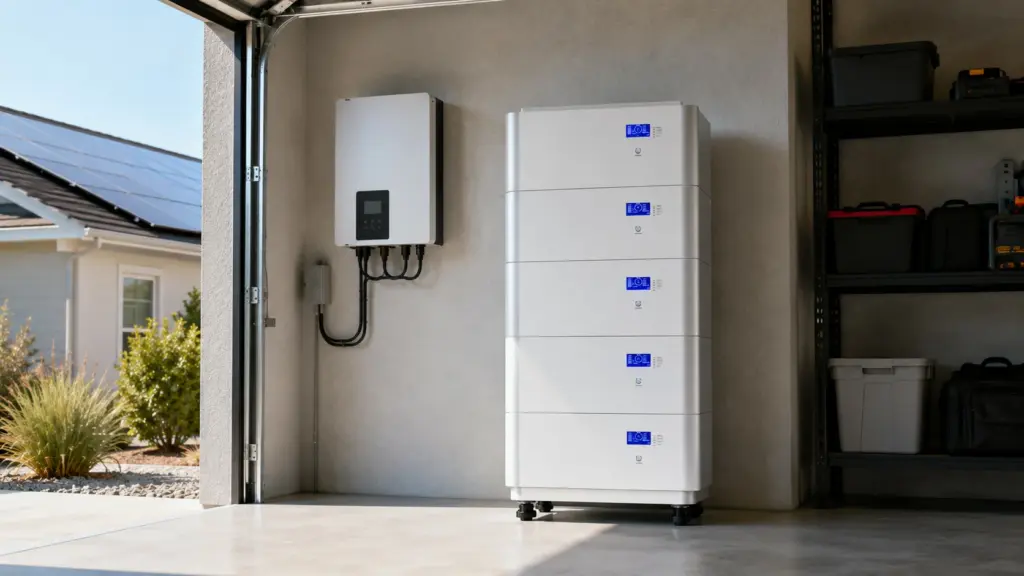
A 10kW solar system can work without a battery, but a battery changes how much solar energy you can use after sunset.
Without a battery:
- Solar powers daytime loads first
- Excess power is exported to the grid
- The home buys electricity from the grid at night
- Savings depend heavily on daytime self-consumption and feed-in tariffs
With a battery:
- Extra solar can be stored during the day
- Stored energy can be used in the evening
- Grid purchases can be reduced
- Backup power may be possible if the system is designed for it
- Self-consumption can increase
The battery decision is especially important in 2026 because Australia’s Cheaper Home Batteries Program provides around a 30% discount on eligible small-scale battery systems connected to new or existing rooftop solar from 1 July 2025.
The Clean Energy Regulator states that eligible batteries must be between 5kWh and 100kWh nominal capacity, with STCs claimable only on the first 50kWh of usable capacity. Batteries must also meet program and installation requirements.
What Size Battery for a 10kW Solar System?
There is no single best battery size for every 10kW solar system. The right size depends on evening usage, backup needs, solar export patterns, budget, and whether the home wants partial or high energy independence.
A practical sizing guide:
| Battery Size | Best Fit |
|---|---|
| 5–10kWh | Basic evening use and small backup loads |
| 10–15kWh | Common choice for family homes wanting higher self-consumption |
| 15–25kWh | Larger homes, heavier evening loads, partial backup |
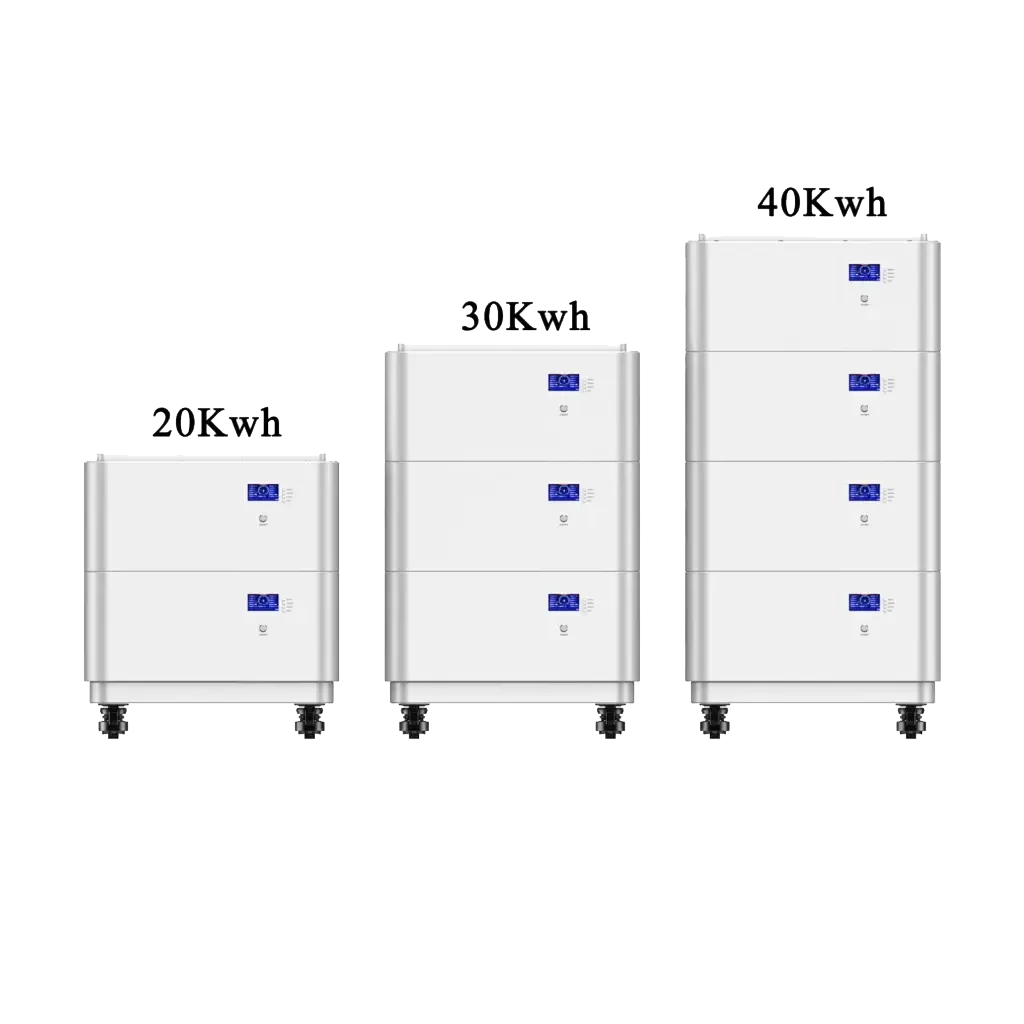
| 25–40kWh | High-consumption homes, EV charging, stronger grid independence |
| 40kWh+ | Off-grid or near off-grid projects requiring careful engineering |
For many grid-connected homes with a 10kW solar system, 10–15kWh is a practical starting point. It can store excess daytime solar and cover a meaningful share of evening loads. Larger homes with ducted air conditioning, electric cooking, heat pumps, pool equipment, or EV charging may need 20kWh or more.
Avepower’s home energy storage solutions are designed for households, installers, and energy partners that need scalable LiFePO4 battery storage. For users planning a 10kW solar system, Avepower generally recommends checking three numbers before choosing battery size:
- Average daily electricity use
- Evening and overnight consumption
- Solar export volume during the day
If a household exports 18kWh on most sunny days but only installs a 5kWh battery, much of the export problem remains. If it installs a very large battery but has low evening usage, the battery may sit underused.
Grid-Tied, Hybrid or Off-Grid: Which Setup Works Best?
A 10kW solar system can be designed in several ways.
Grid-Tied 10kW Solar System
This is the simplest and often the lowest-cost option. Solar powers the home during the day, and excess energy exports to the grid. At night, the home buys power from the grid.
Best for:
- Homes with strong daytime loads
- Lower upfront budget
- Simple payback-focused projects
- Areas with reasonable export approval
Hybrid 10kW Solar System With Battery
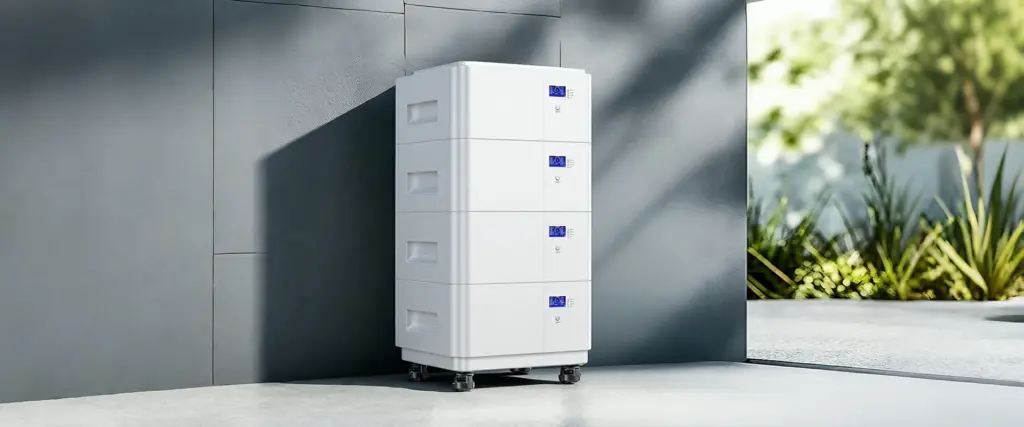
A hybrid system combines solar, grid connection, and battery storage. This is becoming more common because feed-in tariffs are often lower than retail electricity rates, making self-consumption more valuable than exporting.
Best for:
- Homes with evening electricity use
- Areas with low feed-in tariffs
- Backup power planning
- Future VPP participation
- Families expecting higher future energy demand
For hybrid projects, battery and inverter communication is important. Avepower supports inverter compatibility planning through its inverter compatibility guidance, helping installers match battery systems with suitable inverter brands and communication protocols.
Off-Grid 10kW Solar System
A fully off-grid system needs more than a 10kW array. It needs enough battery capacity, inverter capacity, backup generation strategy, and seasonal design margin to handle cloudy weather and winter production.
Best for:
- Remote properties
- Farms or cabins far from the grid
- Sites where grid connection is too expensive
- Projects with engineered backup requirements
For off-grid projects, a battery bank of 30kWh battery–60kWh battery or more may be required depending on daily loads and autonomy expectations. This should be designed by a qualified solar professional, not guessed from panel size alone.
How Much Can a 10kW Solar System Save?
Savings depend on three things:
- How much solar electricity the system produces
- How much of that solar electricity you use directly
- The difference between your grid electricity rate and feed-in tariff
A household that uses most solar energy during the day will usually save more than a household that exports most of it.
For example:
- If your grid electricity costs 30c/kWh
- Your feed-in tariff is 5c/kWh
- Every 1kWh used directly saves 30c
- Every 1kWh exported earns only 5c
That is why self-consumption is the centre of the payback calculation.
A 10kW solar system may produce strong annual output, but the financial result depends on whether that production offsets expensive grid electricity.
Avepower Recommendation: Design the Battery Around the Load, Not Just the Solar Size
A 10kW solar system tells you how much solar generation capacity you have. It does not tell you how much energy your home needs at night, how much backup power you require, or how much solar is normally exported.
For residential and installer-led projects, Avepower’s stackable battery solutions can support modular energy storage design, making it easier to expand capacity as household electricity demand grows. This is useful for homes that may later add EV charging, heat pumps, larger air-conditioning loads, or higher backup requirements.
Avepower LiFePO4 battery systems are designed with intelligent BMS protection, communication options such as CAN and RS485, and scalable configurations for different residential energy storage needs. For installers, distributors, and project partners, Avepower can also support OEM/ODM customization, product selection, and system matching through its installer-focused solutions.
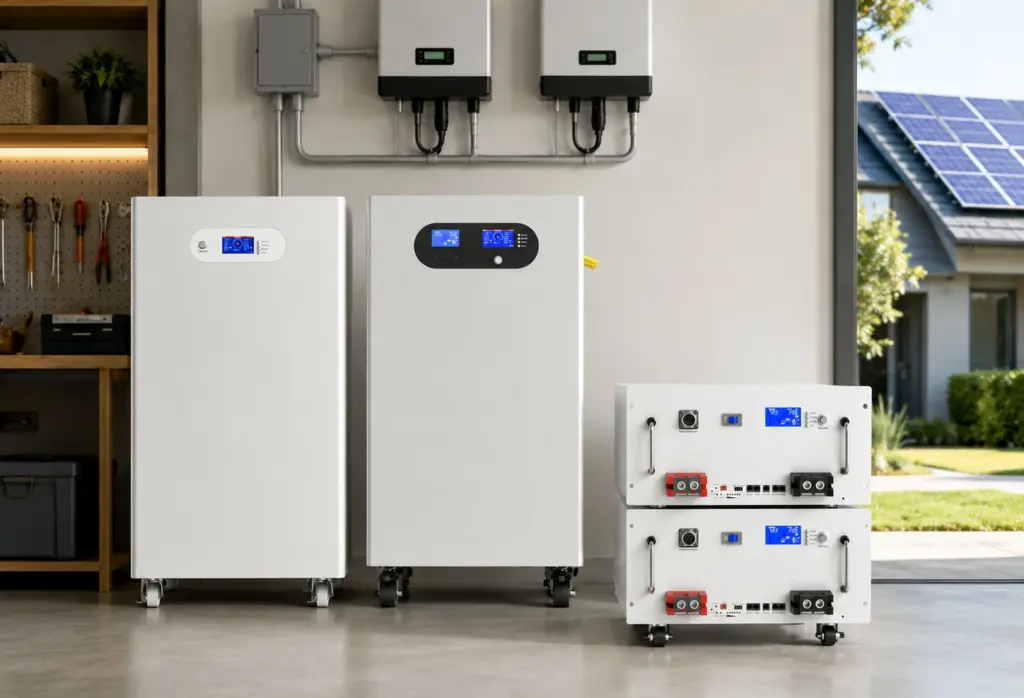
Take Control of Your Energy with Avepower!
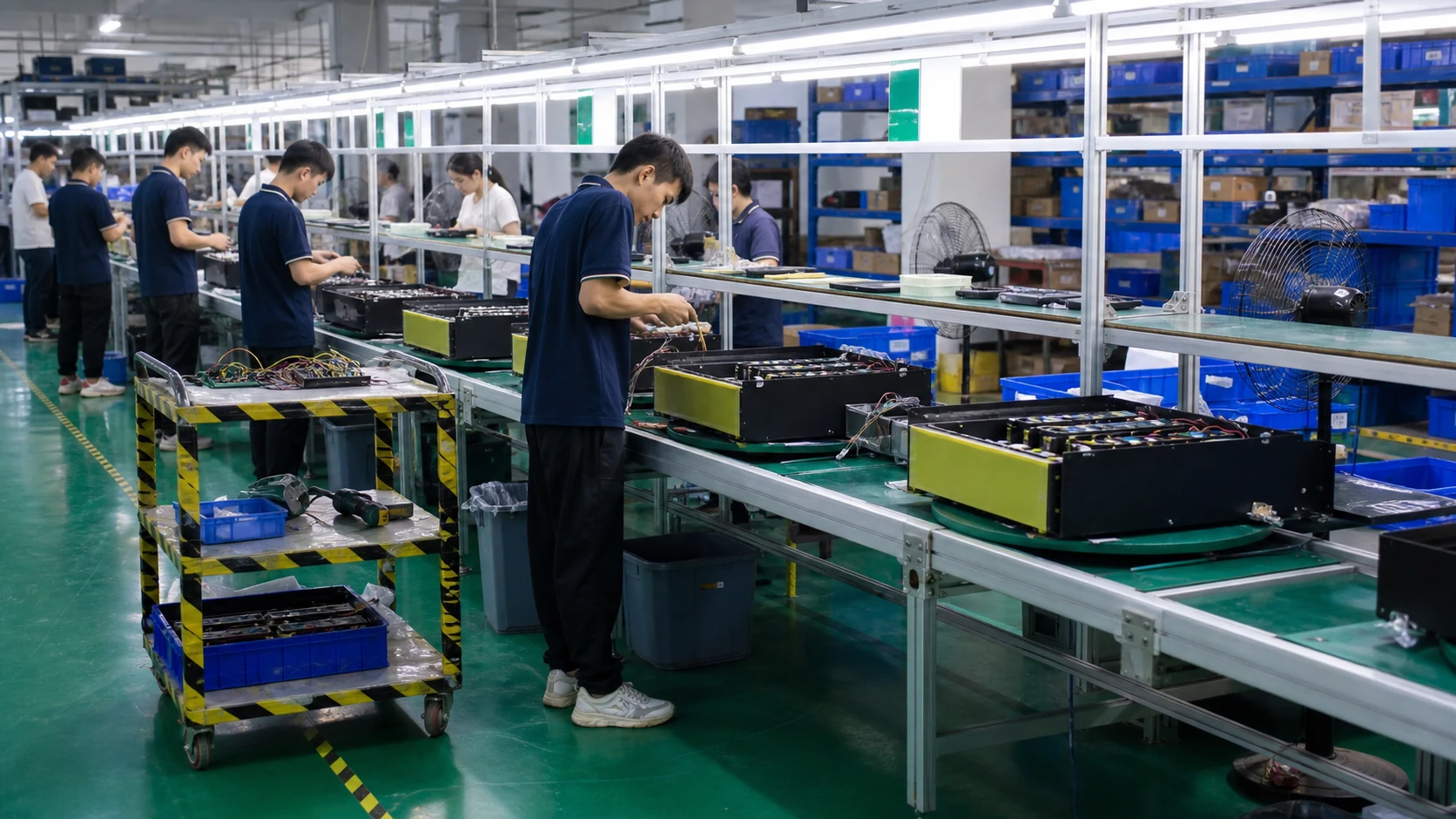
Reliable home solar battery solutions with OEM/ODM customization and in-house manufacturing, tailored to the needs of distributors, installers, and energy partners.
Conclusion
A 10kW solar system can be a strong investment in 2026 for larger homes, high-energy users, and households preparing for battery storage or electrification.
It is usually most suitable when:
- Daily electricity use is around 25–40kWh
- The home has meaningful daytime loads
- The roof has enough unshaded space
- Export limits are manageable
- The owner wants to add battery storage now or later
- Future electricity demand is likely to grow
For low-consumption homes, a smaller system may offer better return. For high-consumption homes, a 10kW system can be an excellent foundation, especially when combined with a properly sized battery.
The best result comes from matching solar production, battery capacity, inverter design, and household load timing into one system plan.
For homeowners, installers, and energy storage partners looking to pair a 10kW solar system with scalable LiFePO4 battery storage, Avepower solar battery solutions can help build a safer, more flexible and future-ready energy system.
FAQ
A 10kW solar system usually produces around 30–45kWh per day on average, depending on location, weather, roof orientation, shading, and system design.
Most modern 10kW solar systems need around 20–25 panels, depending on panel wattage. Higher-wattage panels reduce the number of panels required.
A typical 10kW system needs around 40–60m² of usable roof space. Complex roofs, shading, vents, and panel spacing may increase the required area.
Yes, it can be enough for many family homes, especially those using 25–40kWh per day or running daytime loads such as air conditioning, pool pumps, or EV charging.
In Australia, many standard 10kW systems cost around AUD 8,000–10,500 after the STC discount, depending on city, product quality, roof complexity, and installer choice.
Many 10kW systems can pay back in roughly 3–7 years, depending on system cost, electricity prices, feed-in tariffs, self-consumption, and whether a battery is included.