

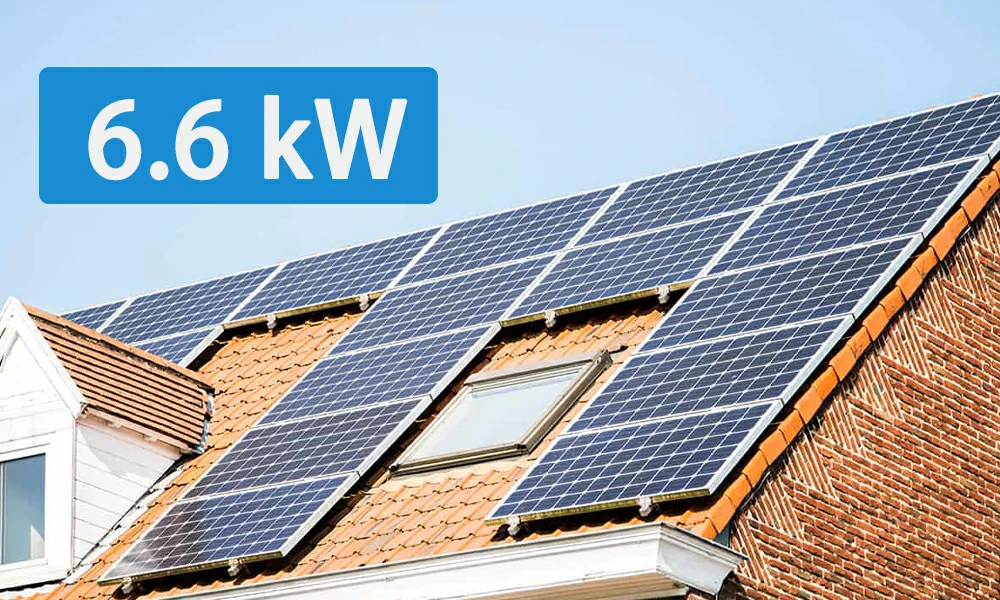
A 6.6 kW solar system is still one of the most practical rooftop solar sizes for Australian homes in 2026. In good conditions, it can usually generate around 22–29 kWh of electricity per day, depending on your city, roof direction, shading, season and inverter setup.
This guide explains what a 6.6 kw solar system includes, how much it costs, why it is commonly paired with a 5kW inverter, how many panels you need, what size battery makes sense, and when this system size is worth it.
Quick Answer: Is a 6.6 kW Solar System Worth It?
Yes, a 6.6 kW solar system is worth it for many Australian homes, especially if the home uses a reasonable amount of electricity during the day.
A typical 6.6kW system can:
- Produce about 22–29 kWh per day in many Australian locations
- Use around 14–16 modern high-output panels
- Pair commonly with a 5kW inverter
- Reduce daytime grid electricity use
- Work well with a 10 kWh to 15 kWh battery
- Often pay back faster than a much larger system if your daytime usage is moderate
However, it is not automatically the best size for every home. If your electricity use is very low, a smaller system may be enough. If you have EV charging, electric hot water, pool pumps, multiple air conditioners or a fully electric home, you may need a larger solar array or a battery-ready design.
For official system sizing guidance, homeowners can also use the Australian Government’s SunSPOT solar and battery calculator.
What Is a 6.6 kW Solar System?
A 6.6 kW solar system means the total rated capacity of the solar panels is about 6.6 kilowatts DC. This rating is measured under standard test conditions, so it does not mean the system will produce 6.6kW every hour of the day.
Real-world output changes with:
- Sunlight intensity
- Roof direction
- Roof tilt
- Local weather
- Shading
- Panel temperature
- Inverter efficiency
- Cable losses
- System age
A complete 6.6kW rooftop solar system normally includes solar panels, mounting hardware, DC and AC cabling, isolators, monitoring equipment and an inverter. If the system is designed for storage, it may also include a hybrid inverter and a battery.
Why Is 6.6kW So Popular in Australia?
The 6.6kW size became popular because it offers a strong balance between cost, rebate value, inverter size and household energy demand.
For many homes, it is large enough to make a visible difference on electricity bills, but not so large that too much power is exported for a low feed-in tariff.
It is also commonly matched with a 5kW inverter. This combination has become a standard design because it can improve solar generation in the morning and afternoon while keeping the inverter size practical for many residential grid connections.
In simple terms, 6.6kW gives homeowners more panel capacity without always requiring a larger inverter.
Why Does a 6.6kW Solar System Often Use a 5kW Inverter?
Many 6.6kW solar systems in Australia are paired with a 5kW inverter. This may look strange at first because the solar panel capacity is higher than the inverter rating.
But this is common solar design.
Solar panels rarely operate at their full rated output for long periods. Morning light, afternoon light, cloud, heat and roof angle all reduce real output. By installing more panel capacity than inverter capacity, the inverter can reach useful output earlier in the day and stay productive for longer.
The trade-off is occasional “clipping” at midday when panel output is higher than the inverter can convert. In a well-designed system, this loss is usually small compared with the extra generation gained across the rest of the day.
Before installation, always check local grid requirements and confirm that the inverter model is approved for your area. Installers can refer to the Clean Energy Council approved inverter list.
How Much Power Does a 6.6 kW Solar System Produce?
A 6.6 kW solar system usually produces around 22–29 kWh per day in many Australian cities. Sunnier locations such as Perth, Brisbane and Darwin can generate more, while Melbourne, Hobart and shaded sites may produce less.
Estimated daily output:
| Location | Estimated Daily Output | Estimated Annual Output |
|---|---|---|
| Hobart | 19–22 kWh/day | 6,900–8,000 kWh/year |
| Melbourne | 20–24 kWh/day | 7,300–8,700 kWh/year |
| Sydney | 23–26 kWh/day | 8,400–9,400 kWh/year |
| Adelaide | 25–27 kWh/day | 9,100–9,800 kWh/year |
| Brisbane | 26–28 kWh/day | 9,500–10,200 kWh/year |
| Perth | 26–29 kWh/day | 9,500–10,600 kWh/year |
| Darwin | 28–30 kWh/day | 10,200–10,900 kWh/year |
These numbers are estimates, not guarantees. A shaded roof in Sydney may perform worse than an unshaded roof in Melbourne. A clean, well-oriented system with quality components can also outperform a poorly designed system in a sunnier location.
For site-specific modelling, installers and homeowners can compare estimates using NREL PVWatts or the Australian SunSPOT calculator.
How Many Solar Panels Do You Need for a 6.6 kW System?
The number of panels depends on the wattage of each module.
With modern panels, a 6.6kW system may need fewer panels than older installations:
| Panel Rating | Approx. Number of Panels |
|---|---|
| 370W | 18 panels |
| 400W | 17 panels |
| 415W | 16 panels |
| 440W | 15 panels |
| 475W | 14 panels |
Older 330W to 370W panels may require 18–20 panels. Newer 440W to 480W panels can often reach the same system size with about 14–15 panels.
This matters if your roof has limited usable space, multiple roof sections, skylights, vents or shading from nearby trees.
How Much Roof Space Does a 6.6kW Solar System Need?
A 6.6kW solar system generally needs around 28–38 square metres of usable roof space.
The exact area depends on:
- Panel dimensions
- Panel wattage
- Roof layout
- Tilt frame requirements
- Walkway and fire access rules
- Shading and obstructions
- Whether panels are placed across one or several roof faces
A north-facing roof usually gives the highest total annual output in Australia. East-facing panels generate more in the morning, while west-facing panels generate more in the afternoon. For many households, an east-west split can be useful because it spreads generation across more of the day.
That can be better for self-consumption than chasing the highest possible midday peak.
How Much Does a 6.6 kW Solar System Cost in 2026?
In Australia, a quality 6.6 kW solar system commonly costs around AUD $5,500 to $8,500 after the federal STC discount, although premium systems, difficult roofs, regional installation and hybrid inverter upgrades can push the price higher.
Typical price factors include:
- Panel brand and efficiency
- Inverter brand and warranty
- Standard inverter vs hybrid inverter
- Single-storey vs double-storey roof
- Tile roof vs metal roof
- Switchboard upgrades
- Monitoring features
- Installer quality
- Location and freight cost
- Grid connection requirements
Avoid choosing only by the cheapest quote. Very low pricing can mean lower-grade components, rushed installation, weak after-sales service or limited support if the inverter or panels underperform later.
A 6.6kW system is expected to operate for decades, so installation quality matters as much as the equipment list.
What Rebates Apply to a 6.6kW Solar System?
Australia’s Small-scale Renewable Energy Scheme provides Small-scale Technology Certificates, usually called STCs. These certificates help reduce the upfront cost of eligible solar installations.
The Clean Energy Regulator explains that STCs are issued based on how much electricity the system is expected to generate until the scheme ends in 2030. You can check the official explanation on the Clean Energy Regulator SRES page.
The number of STCs depends on:
- System size
- Installation location
- Installation year
- Deeming period
- Eligibility rules
- Approved products and installer requirements
Because the scheme is scheduled to wind down toward 2030, the STC value generally reduces over time. That means the same system may receive fewer certificates in later years.
What Battery Capacity Is Needed for a 6.6 kW Solar System?
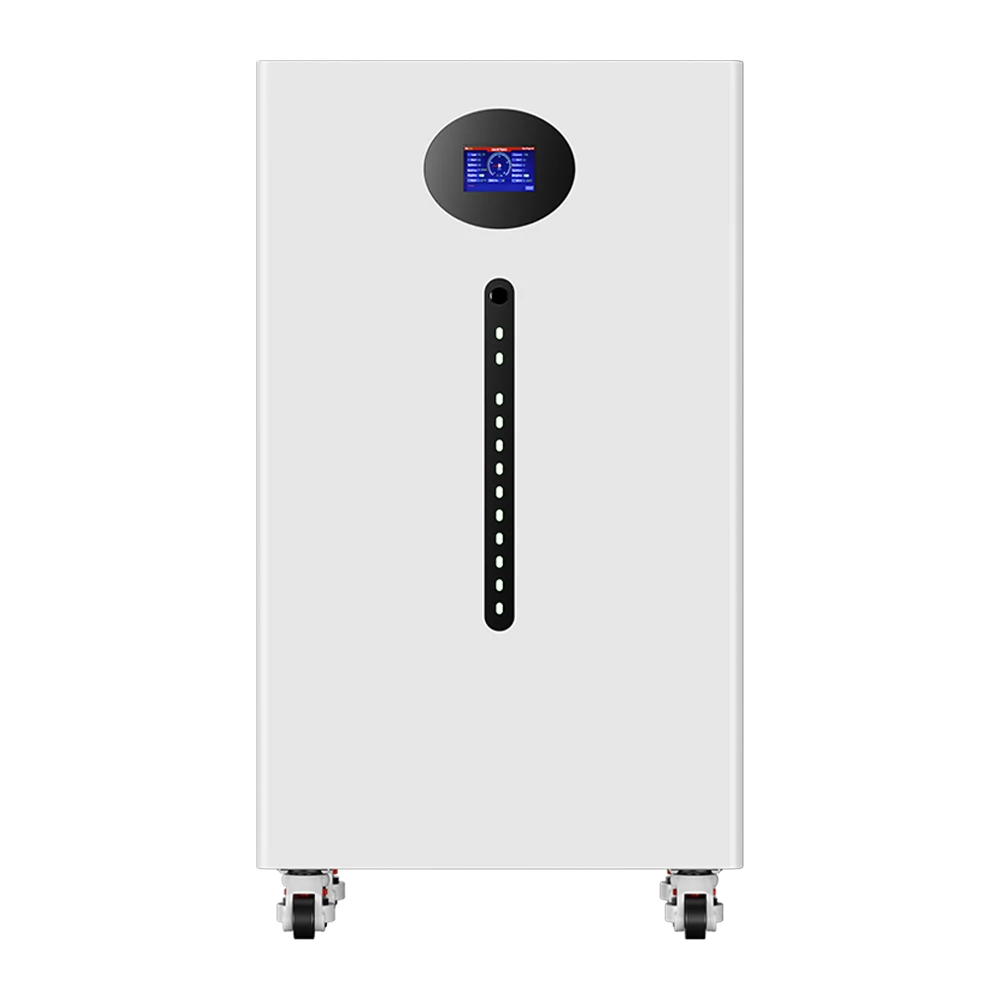
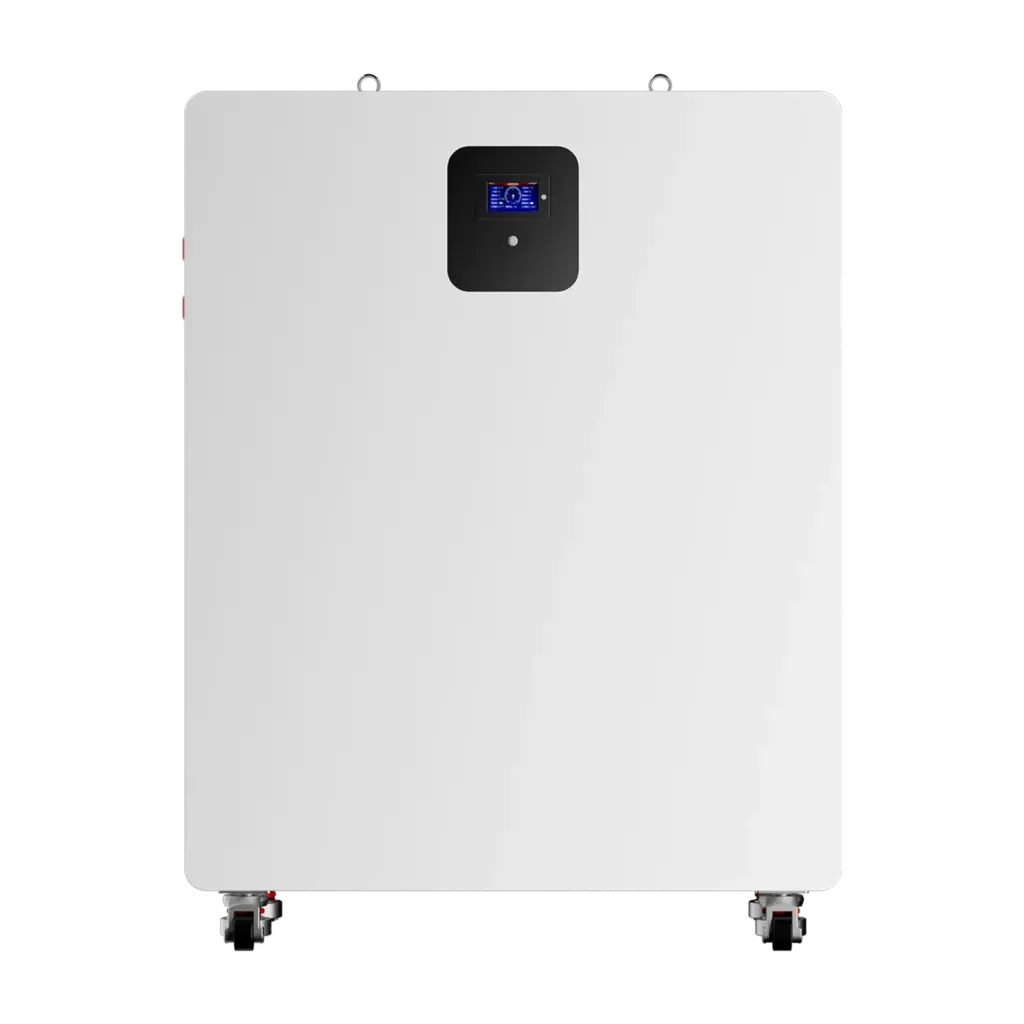
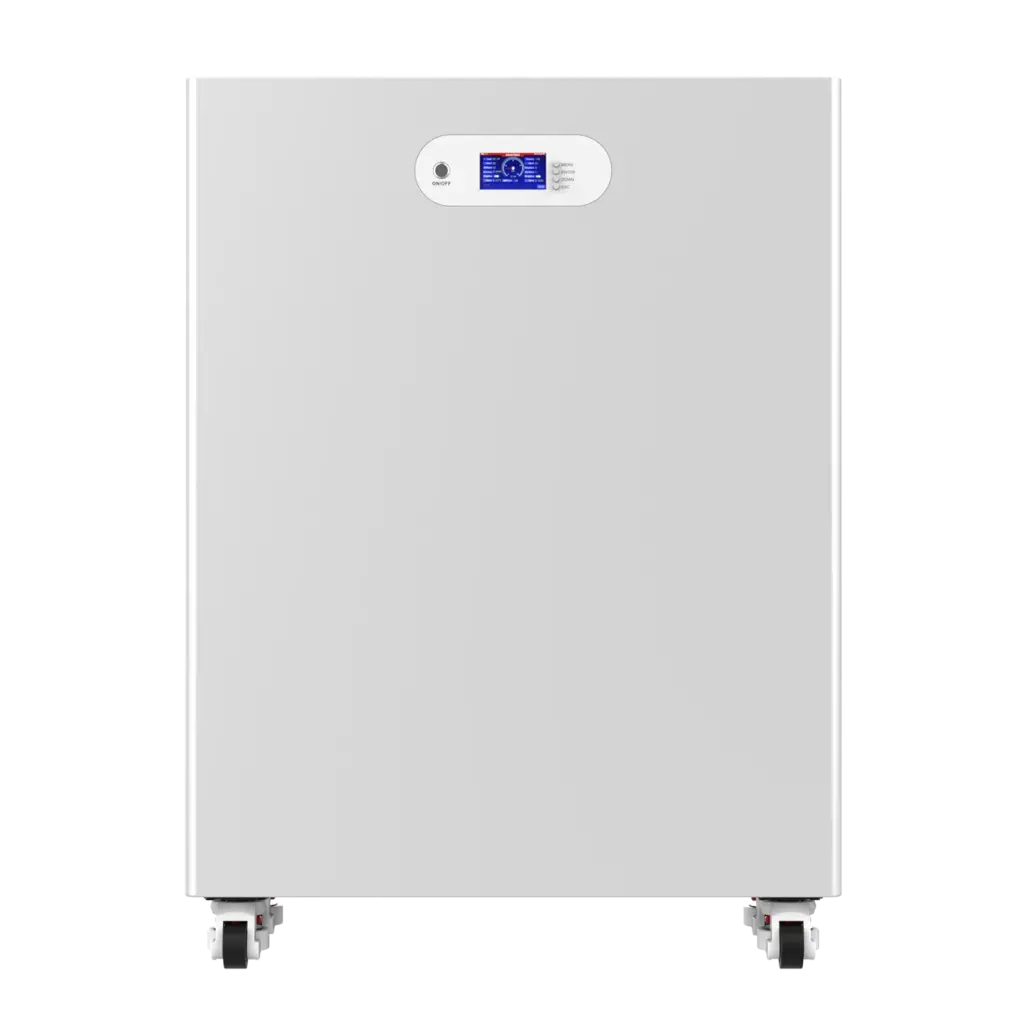
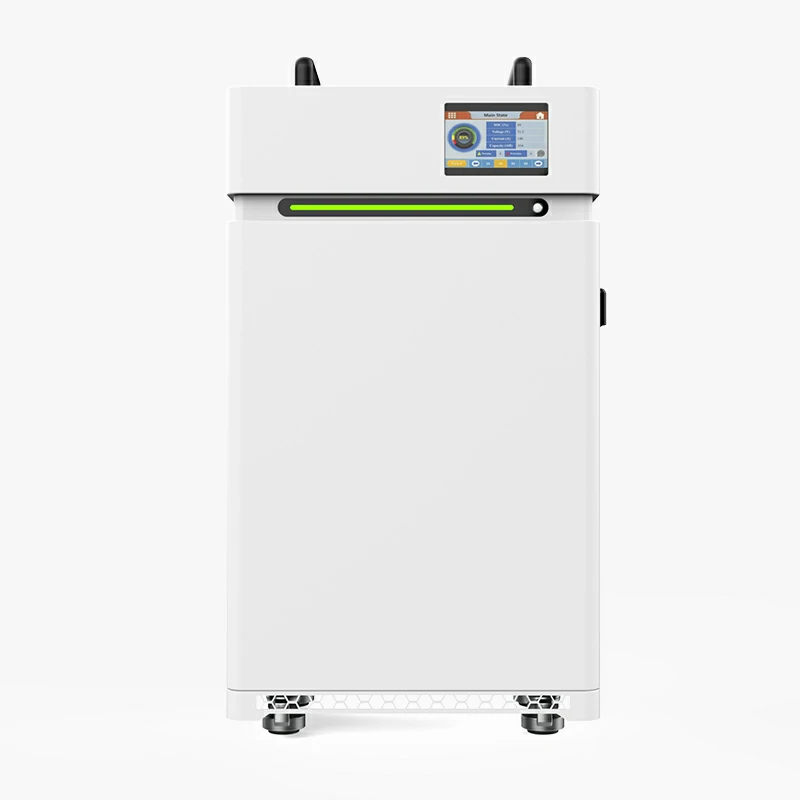
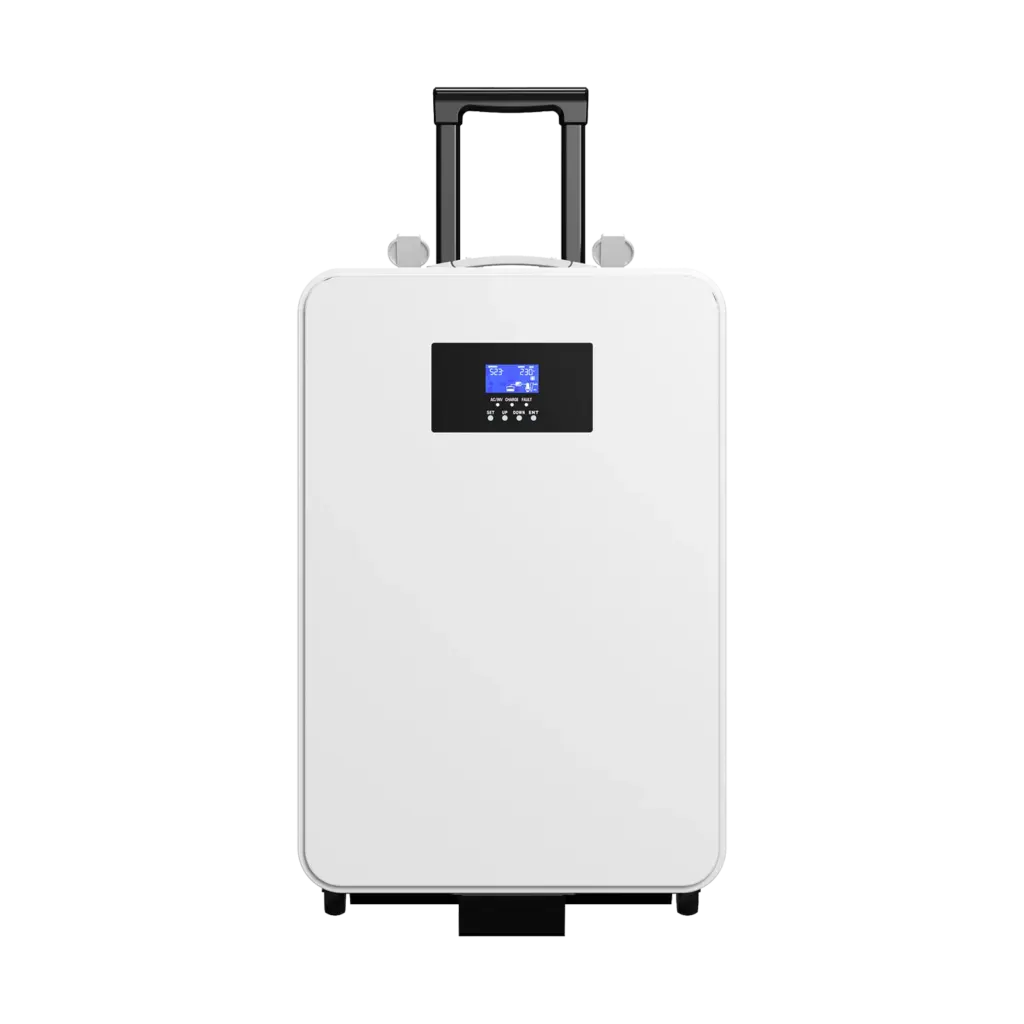
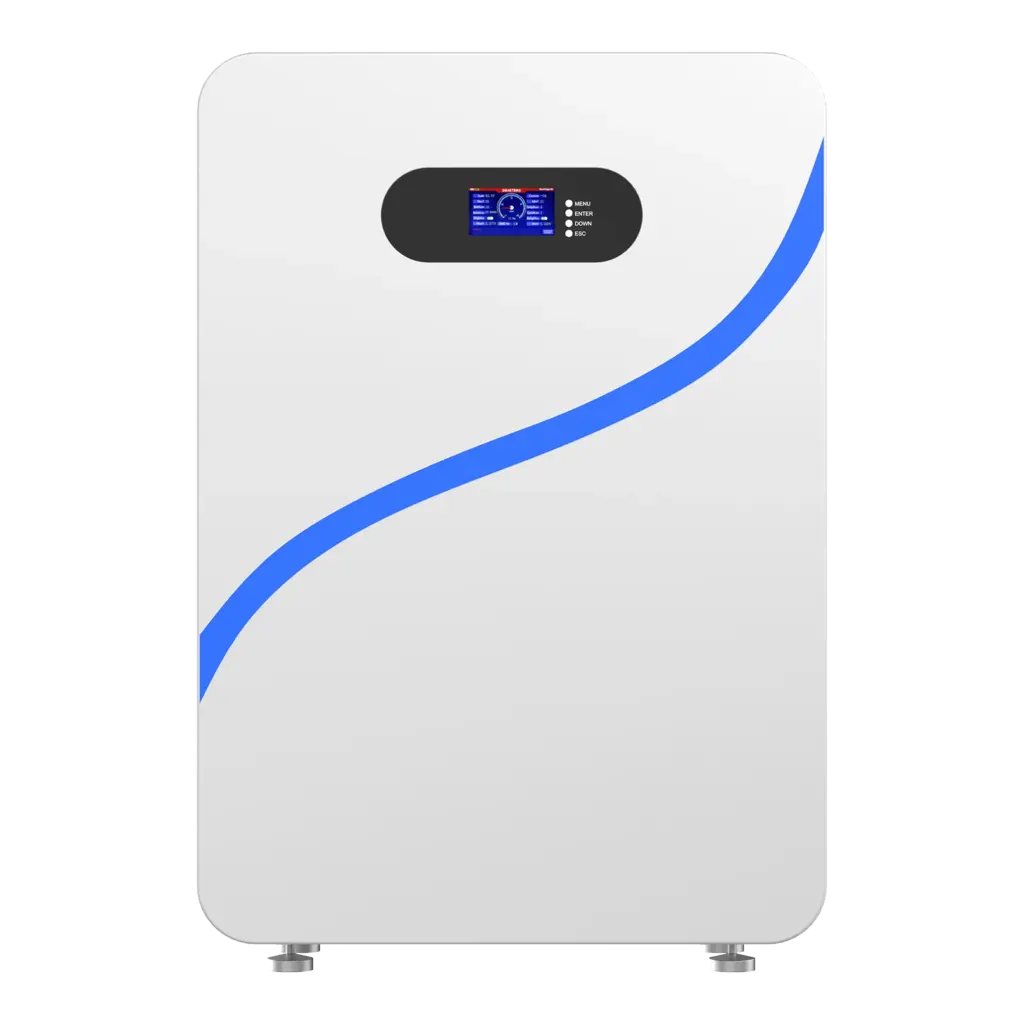
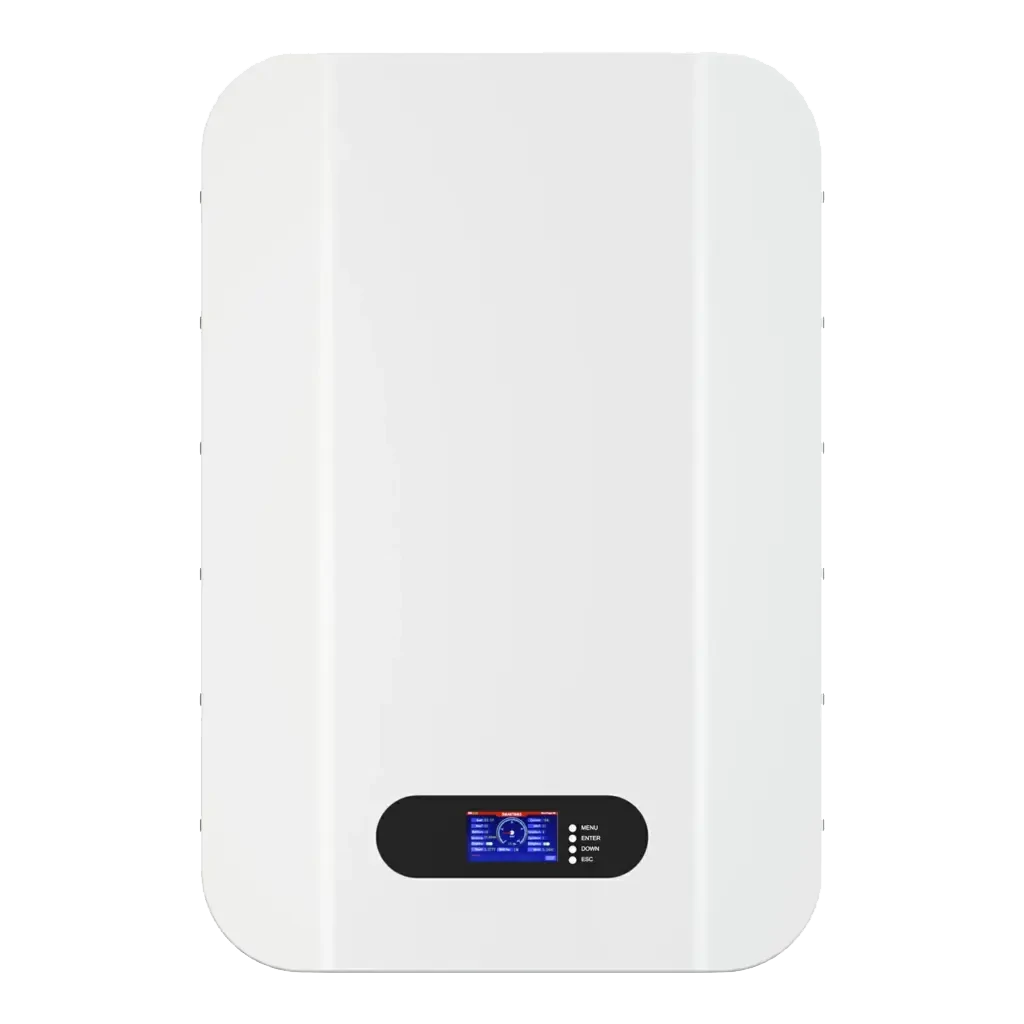
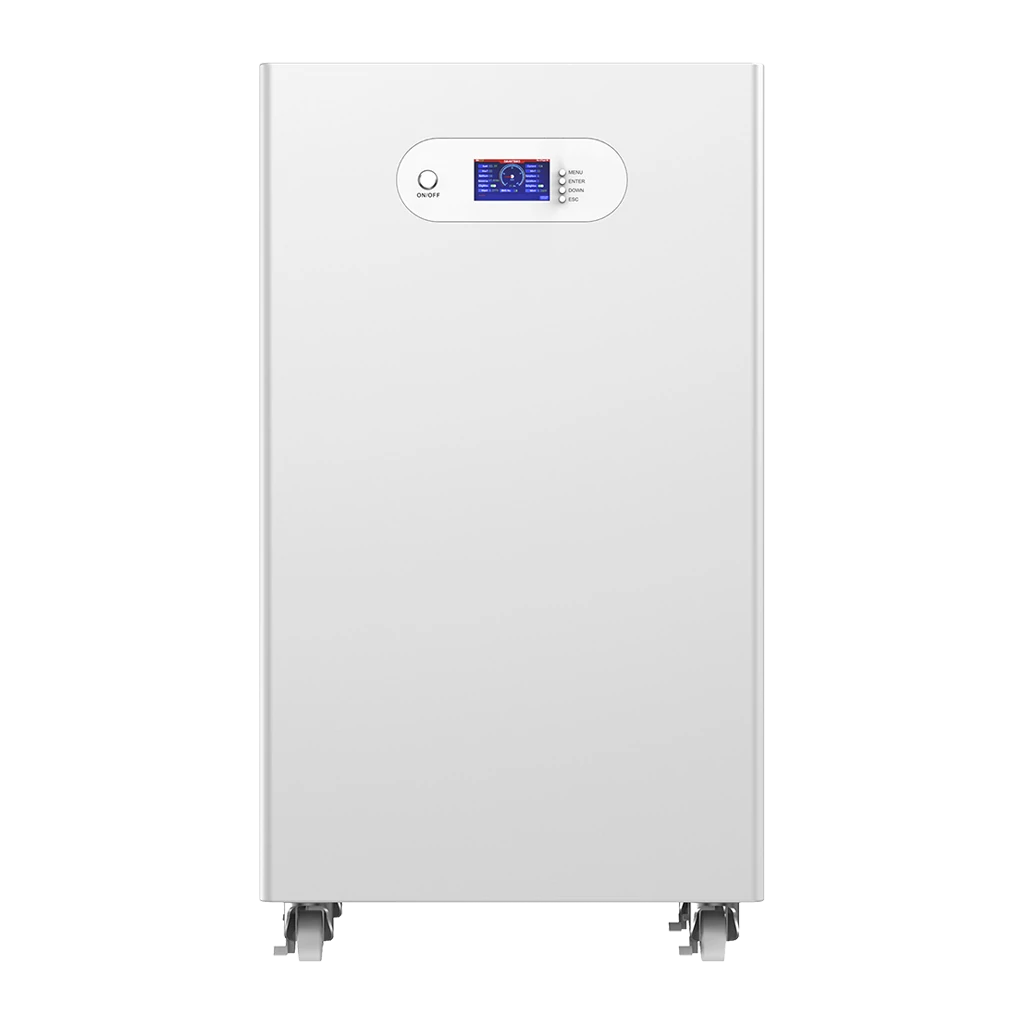
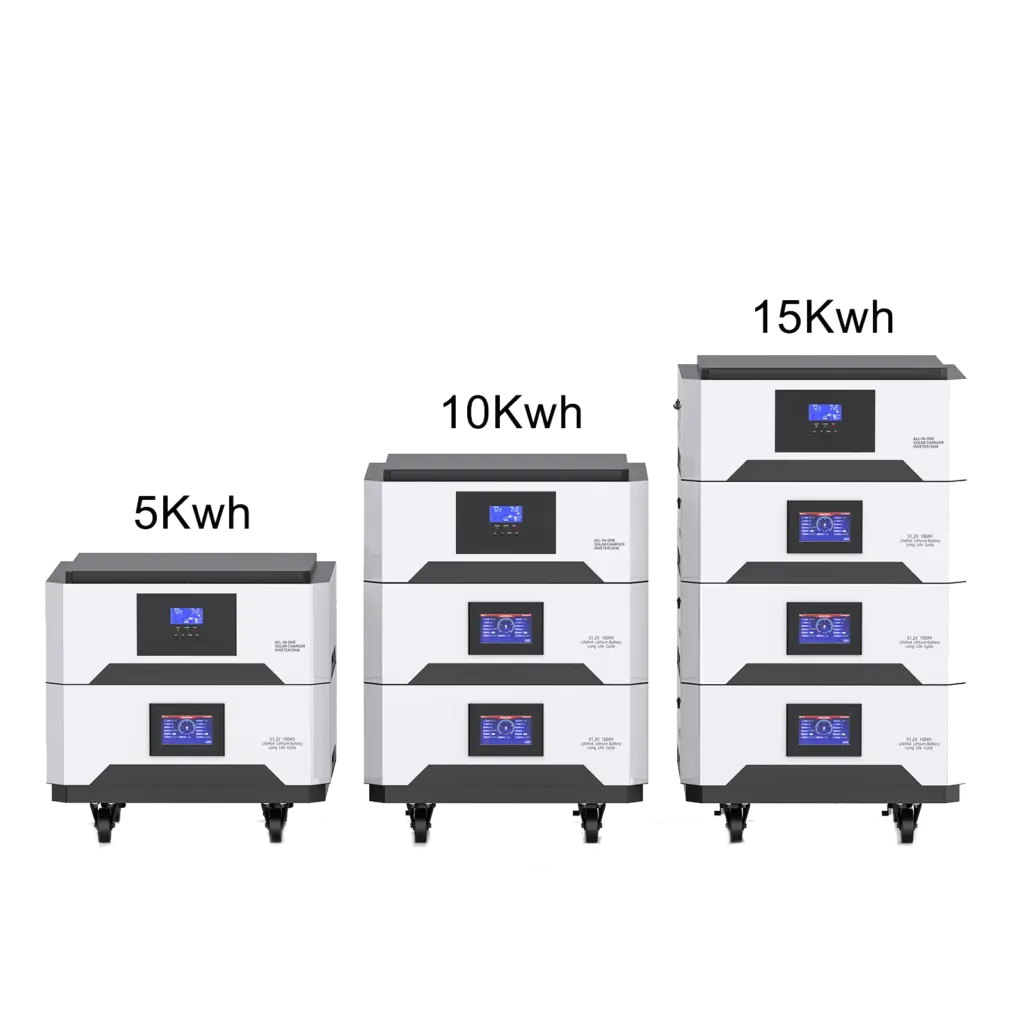
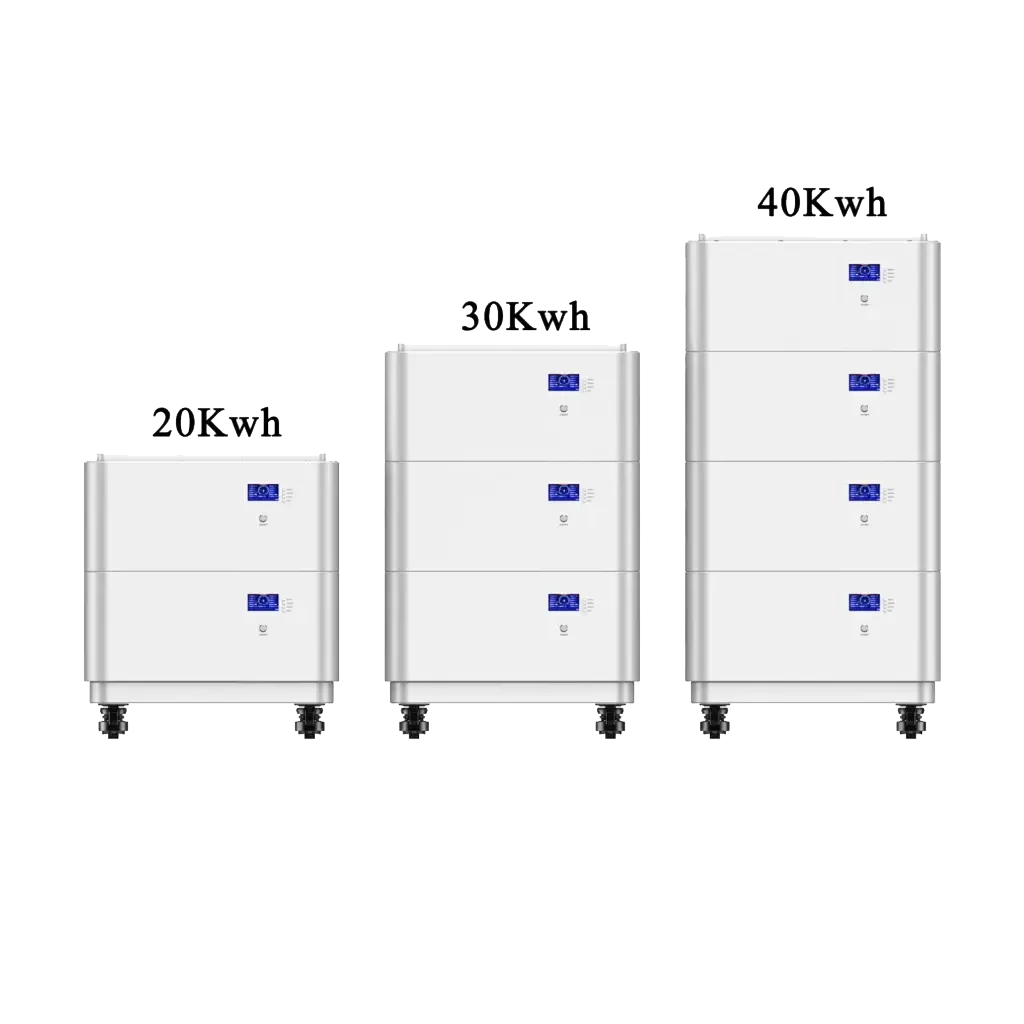
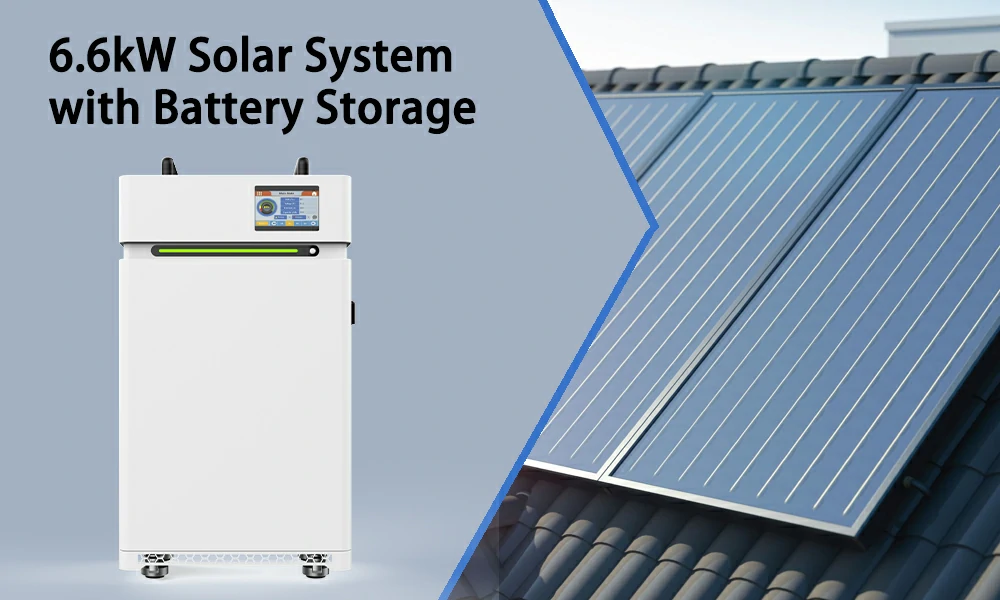
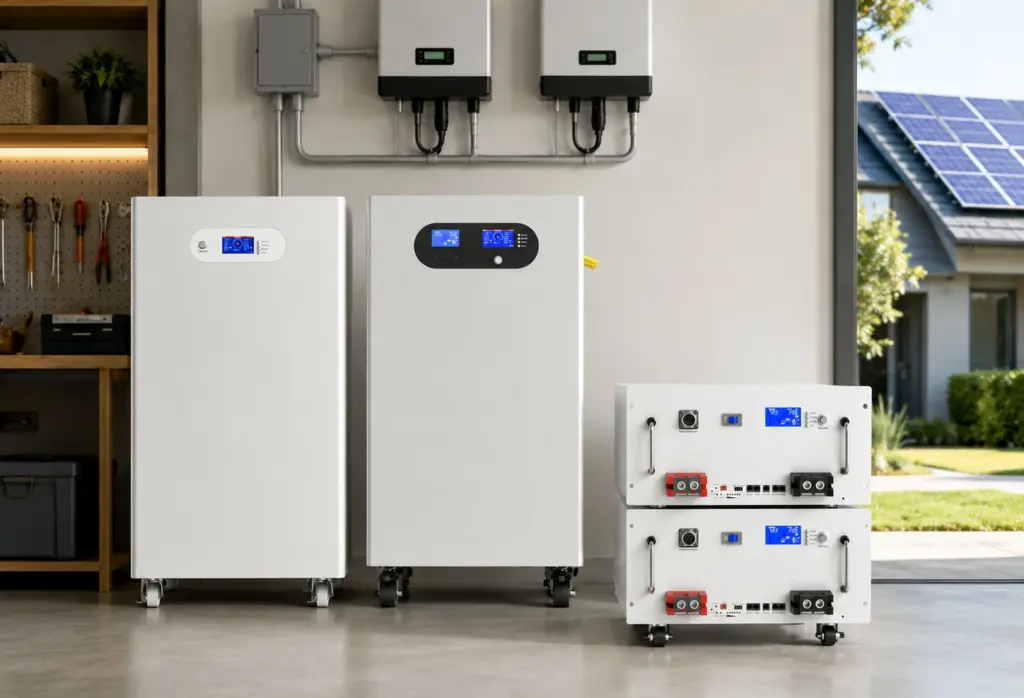
As solar systems become increasingly popular, more homeowners are opting to include energy storage batteries. Avepower generally recommends a minimum battery capacity of 10 kWh. For low to moderate energy users (such as 2-3 person households primarily using gas appliances), a 10 kWh battery typically provides sufficient storage for surplus energy, meeting daily consumption and backup needs.
For households with higher energy demands or those requiring substantial backup power—such as electric vehicle (EV) owners or households with fully electric cars—it’s advisable to choose larger battery capacities, typically 15 kWh battery or more, to ensure adequate power supply.
It’s best to select battery capacity based on your actual average daily electricity usage, which usually ranges from 10 to 40 kWh. This helps avoid under- or over-sizing your system, optimizing both performance and cost-efficiency. If you’re unsure about the right size, feel free to contact Avepower’s storage experts. Provide your daily energy consumption details, and we’ll recommend the most suitable battery capacity for your needs.
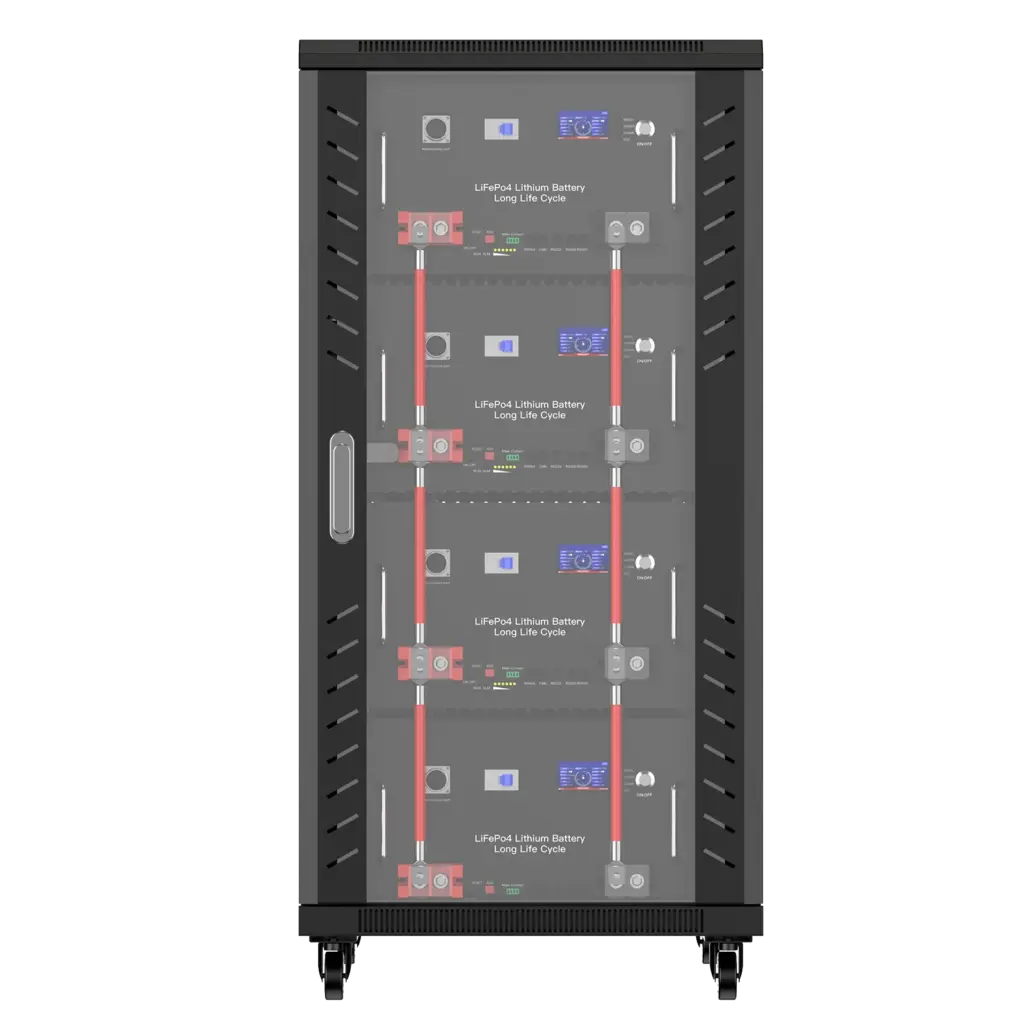
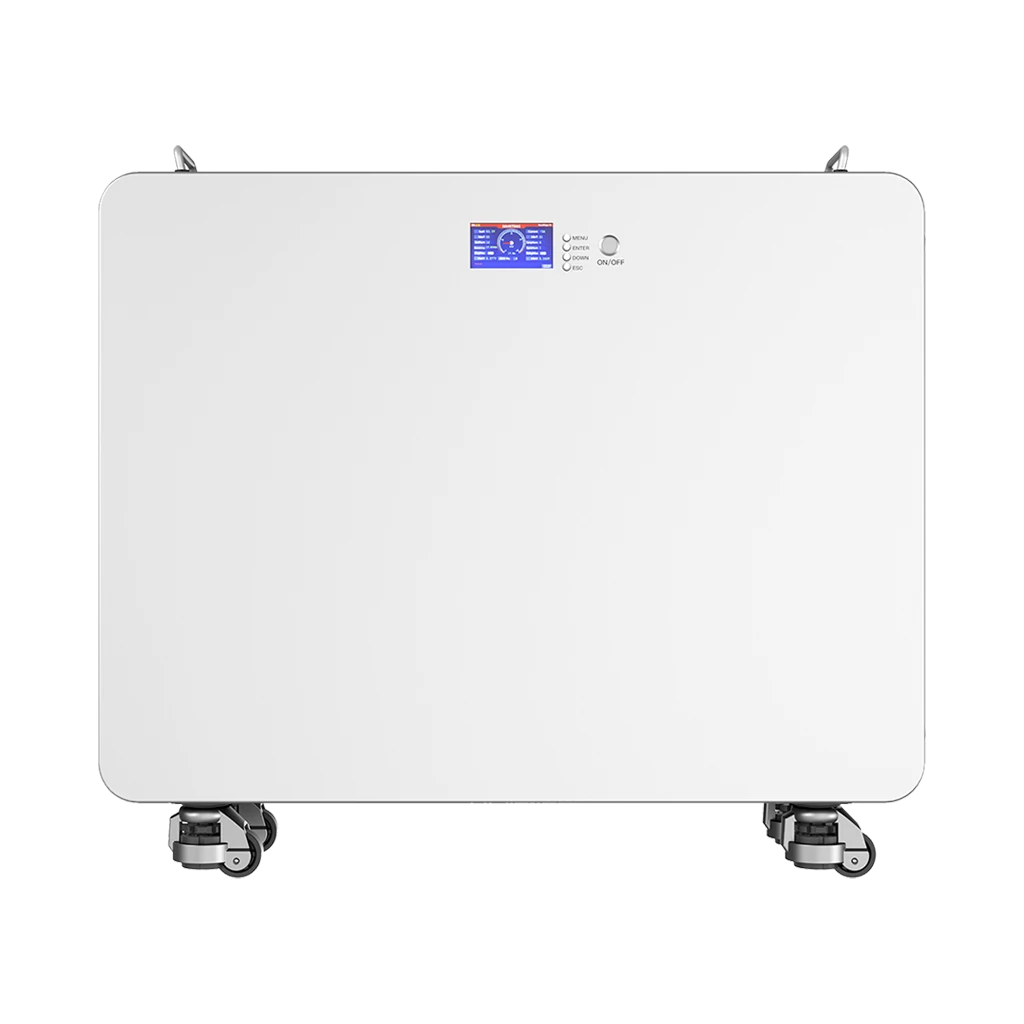
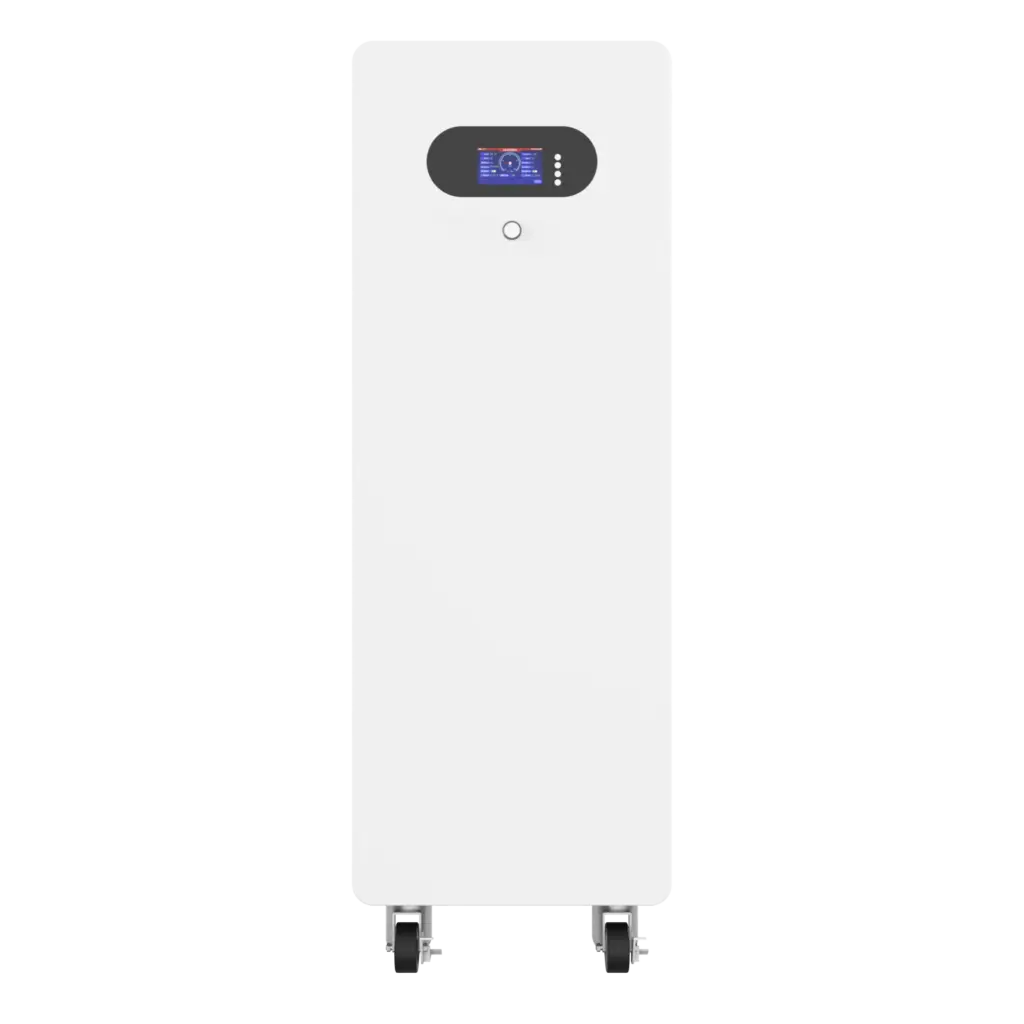
Avepower’s home batteries also feature robust scalability, allowing capacity to be expanded up to 260 kWh without any energy loss, accommodating growing household power demands over time.
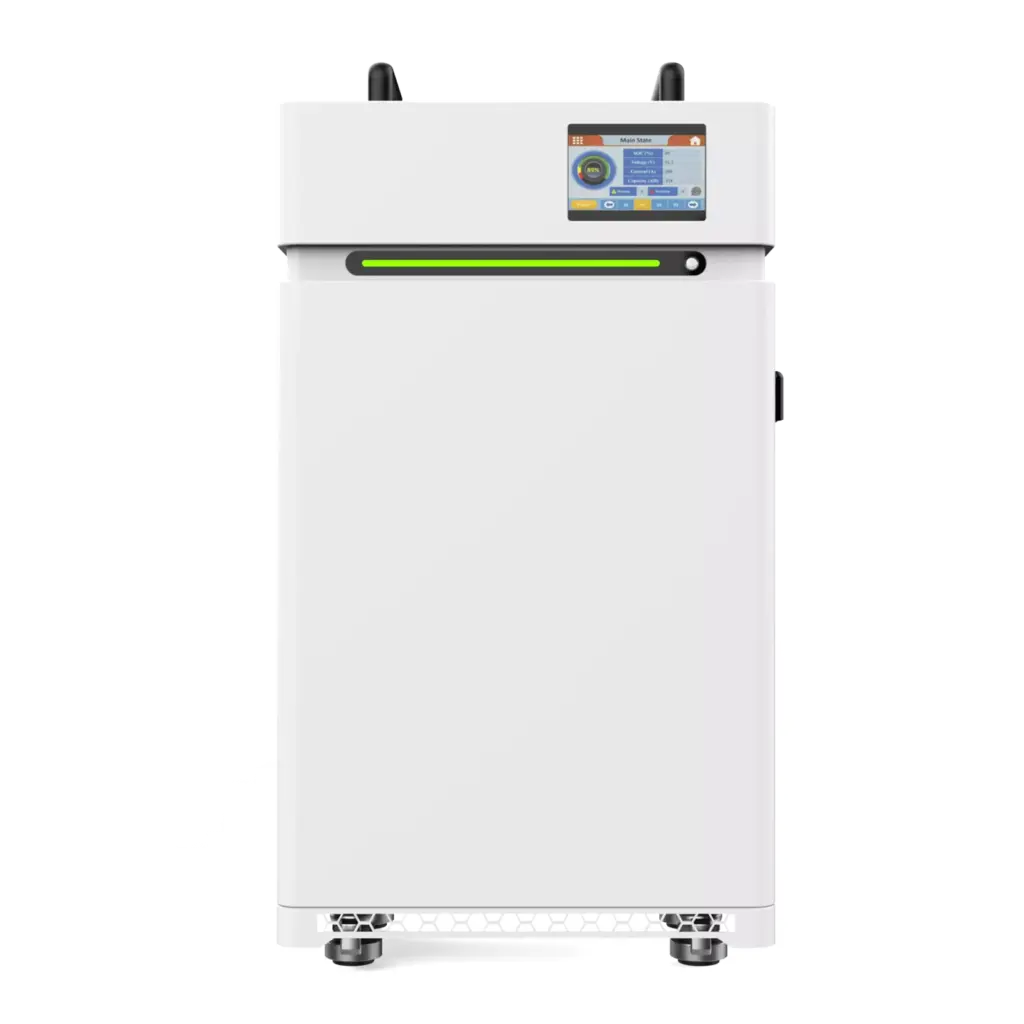
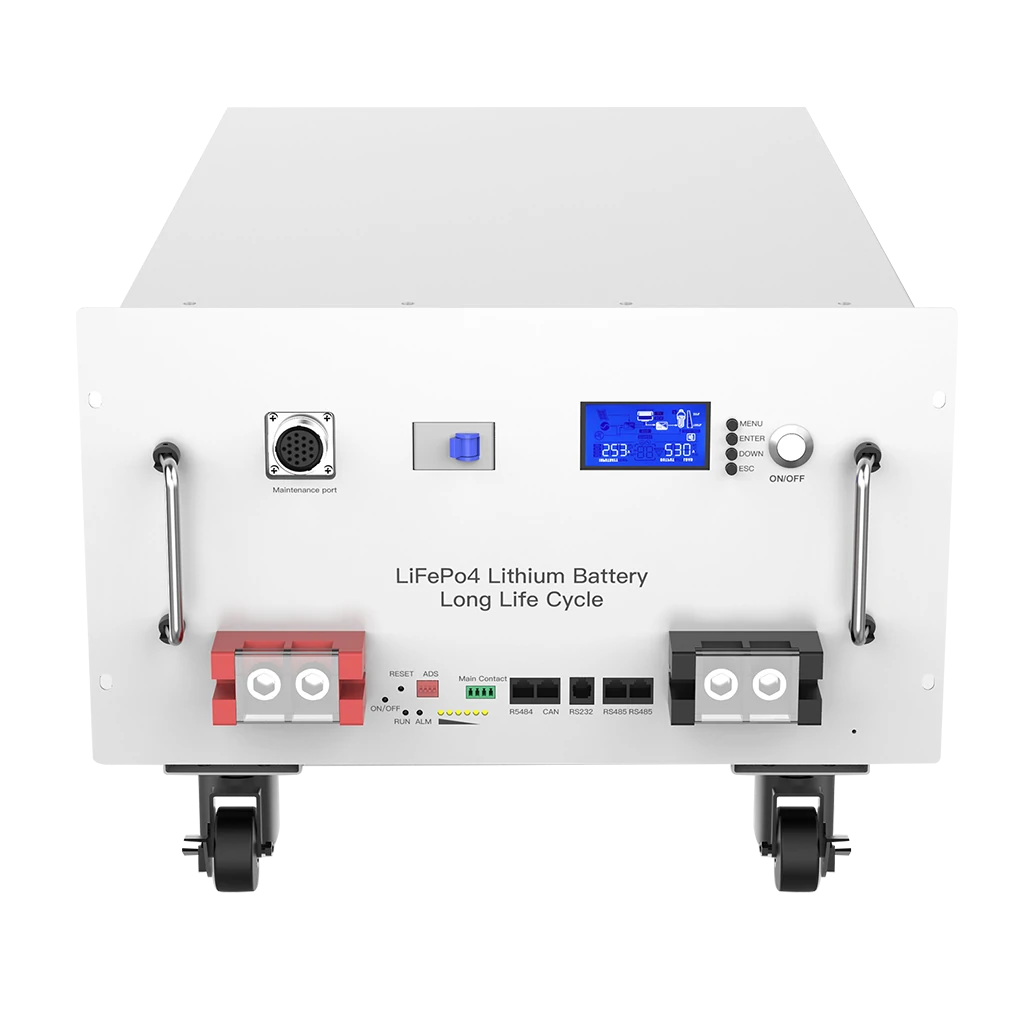
Avepower 15kWh Home Battery
- Uses high-safety LiFePO4 (lithium iron phosphate) cells
- Cycle life up to 8,000 cycles (@ 80% DOD)
- RS485 / CAN communication interfaces
- Compatible with mainstream hybrid inverter brands and models
- Modular, scalable design for future capacity expansion
- Suitable for both solar and non-solar applications
What Size Battery for a 6.6 kW Solar System?
For a 6.6 kW solar system, a 10 kWh to 15 kWh battery is usually a practical range for many homes.
A simple sizing guide:
| Household Situation | Suggested Battery Size |
|---|---|
| Small home, light evening use | 5–7 kWh |
| Average family home | 10 kWh |
| Higher evening use or partial backup | 10–15 kWh |
| Fully electric home, larger loads, longer backup | 15–20 kWh+ |
| Off-grid or near off-grid use | Custom design required |
Avepower generally recommends sizing the battery around the home’s night-time load, not just the solar array size. A 6.6kW solar system may generate enough surplus to charge a 10kWh battery on many sunny days, but winter production, cloudy weather and household daytime loads must also be considered.
For many residential projects, an Avepower 10 kWh battery is a practical starting point for storing surplus solar and reducing evening grid imports. For homes that need more backup time or future expansion, Avepower stackable solar batteries allow installers and project partners to scale capacity more flexibly.ithin 8 to 12 years, although the exact payback period varies based on household electricity usage patterns and local feed-in tariffs.
How Much Does a 6.6kW Solar System With Battery Cost?
A 6.6kW solar system with battery storage usually costs much more than a solar-only system because the battery, hybrid inverter, backup wiring and installation work add significant cost.
As a rough 2026 guide in Australia:
| System Type | Typical Installed Cost |
|---|---|
| 6.6kW solar only | AUD $5,500–$8,500 |
| 6.6kW solar + 10kWh battery | AUD $13,000–$18,000+ |
| 6.6kW solar + 15kWh battery | AUD $16,000–$22,000+ |
Actual pricing depends heavily on battery brand, usable capacity, inverter type, backup configuration, switchboard condition and available incentives.
For installers, distributors and project buyers, Avepower provides home energy storage solutions using LiFePO4 battery technology, BMS protection, modular capacity options and inverter communication support.
Payback Period: Solar Only vs Solar With Battery
A solar-only 6.6kW system often has a shorter payback period than a solar-plus-battery system because the upfront cost is lower.
Typical payback estimate:
| System Setup | Typical Payback |
|---|---|
| 6.6kW solar only | 3–6 years |
| 6.6kW solar with battery | 7–12 years |
Solar-only systems usually pay back faster when the home uses power during the day. Solar-plus-battery systems can still make sense, but the value is not only financial. The battery also adds backup power, energy independence and protection against future tariff changes.
The best payback usually comes from increasing self-consumption. Every kWh of solar power used inside the home offsets the full retail electricity price. Every kWh exported only earns the feed-in tariff.
That is why load shifting is important. Run dishwashers, washing machines, pool pumps, hot water systems and EV charging during solar production hours where possible.
Is a 6.6kW Solar System Enough for a Home?
A 6.6kW solar system can be enough for many small to medium homes, especially those using about 15–25 kWh per day.
It may be suitable for:
- 2–4 person households
- Homes with moderate electricity use
- Families using appliances during the day
- Work-from-home households
- Homes with pool pumps or electric hot water timers
- Households planning to add a 10kWh battery later
It may be too small if:
- You use more than 30–40 kWh per day
- You have multiple large air conditioners
- You charge an EV daily at home
- You are moving toward an all-electric household
- You want long backup duration
- You have limited winter sunlight
- You want to export large amounts of solar power
In these cases, compare 8kW, 10kW or larger systems, and check whether your grid connection allows the extra inverter capacity.
How to Get More Value From a 6.6kW Solar System
A good solar system is not just about panel size. The real value comes from matching generation to usage.
Practical tips:
- Use more power during sunlight hours: Shift flexible loads to the middle of the day. This improves self-consumption and reduces grid imports.
- Choose the right inverter: If you may add a battery later, ask whether a hybrid inverter or battery-ready design makes sense.
- Avoid heavy shading: Even partial shading can reduce output. Ask your installer for a shading analysis before signing.
- Monitor system performance: Check the app regularly. A sudden drop in generation may indicate shading, inverter faults, dirty panels or wiring issues.
- Clean panels when needed: Dust, bird droppings and coastal salt can reduce output. Cleaning needs depend on rainfall, roof pitch and local conditions.
- Plan for future loads: If you may add EV charging, induction cooking, heat pumps or more air conditioning, design the system with future capacity in mind.
- Check battery compatibility early: If storage is part of the plan, ask about inverter communication, battery voltage, supported protocols and backup wiring. Avepower provides an inverter compatibility list to help installers and project partners check supported inverter brands and communication options.
Common Mistakes When Buying a 6.6kW Solar System
Many homeowners focus only on the headline price. That can lead to poor long-term results.
Avoid these mistakes:
- Choosing the cheapest quote without checking equipment quality
- Ignoring roof shading
- Assuming the system will produce full power all day
- Forgetting that winter output is lower
- Installing solar without thinking about evening usage
- Adding an oversized battery that rarely gets fully charged
- Not checking inverter and battery compatibility
- Overlooking switchboard upgrade costs
- Not confirming warranty support and installer reputation
A well-designed 6.6kW solar system should be sized around your electricity pattern, not just your roof space.
Solar Is Only Half the Energy Strategy
A 6.6 kw solar system can reduce daytime grid use, but battery storage determines how much of that solar energy can be used after sunset.
For homeowners, the main goal is simple: use more of your own solar power and buy less electricity from the grid.
For installers, distributors and EPC partners, the goal is slightly different: design a reliable system that is safe, scalable, compatible and easy to support after installation.
Avepower supports residential and light commercial energy storage projects with wall mounted batteries, modular stackable batteries, BMS protection, LiFePO4 chemistry, CAN/RS485 communication and OEM/ODM options for project partners.
For a typical 6.6kW solar system, Avepower’s practical recommendation is to start by checking:
- Daily household electricity use
- Evening and overnight consumption
- Essential backup loads
- Inverter type and communication protocol
- Available installation space
- Whether the battery needs future expansion
- Whether the system is for backup, self-consumption or both
Take Control of Your Energy with Avepower!
Reliable home solar battery solutions with OEM/ODM customization and in-house manufacturing, tailored to the needs of distributors, installers, and energy partners.
Conclusion
A 6.6 kW solar system remains one of the best-balanced residential solar sizes in Australia. It is large enough to produce meaningful daily energy, works well with a 5kW inverter, fits many roofs and can deliver a strong payback when the household uses enough electricity during the day.
For solar-only homes, it can significantly reduce grid consumption. For homes with high evening usage, adding a 10kWh to 15kWh battery can increase self-consumption and provide backup power when properly configured.
The best result comes from good design: match the solar array, inverter, battery and household load profile instead of buying the cheapest package.
If you are planning a 6.6kW solar-plus-storage project, Avepower can help installers, distributors and project partners select a suitable LiFePO4 battery platform with scalable capacity, BMS protection and inverter compatibility support.
FAQ
A 6.6kW solar system usually produces around 22–29 kWh per day in many Australian locations. Output depends on city, season, roof direction, shading, panel quality and inverter performance.
A 5kW inverter is commonly used because solar panels rarely operate at full rated output all day. Oversizing the panel array helps the inverter produce more energy in the morning and afternoon, with only occasional midday clipping.
Most modern 6.6kW systems need around 14–16 panels, depending on panel wattage. Older lower-wattage panels may require 18–20 panels.
A typical 6.6kW system needs around 28–38 square metres of usable roof space. The exact amount depends on panel size, roof shape, tilt, access rules and shading.
It can be enough for many 4-bedroom homes with moderate electricity use. If the home has EV charging, electric heating, pool pumps or high air-conditioning demand, a larger system or battery storage may be needed.
A 10kWh battery is a common starting point. Homes with higher evening usage or backup needs may choose 15kWh or more. The best battery size should be based on night-time load and backup requirements.
A quality 6.6kW solar-only system commonly costs around AUD $5,500–$8,500 after STC discounts. Premium equipment, difficult roofs, regional installs and hybrid inverter upgrades can increase the price.
A solar-only system often pays back in about 3–6 years. With battery storage, payback may extend to around 7–12 years, depending on battery cost, electricity tariffs and self-consumption.