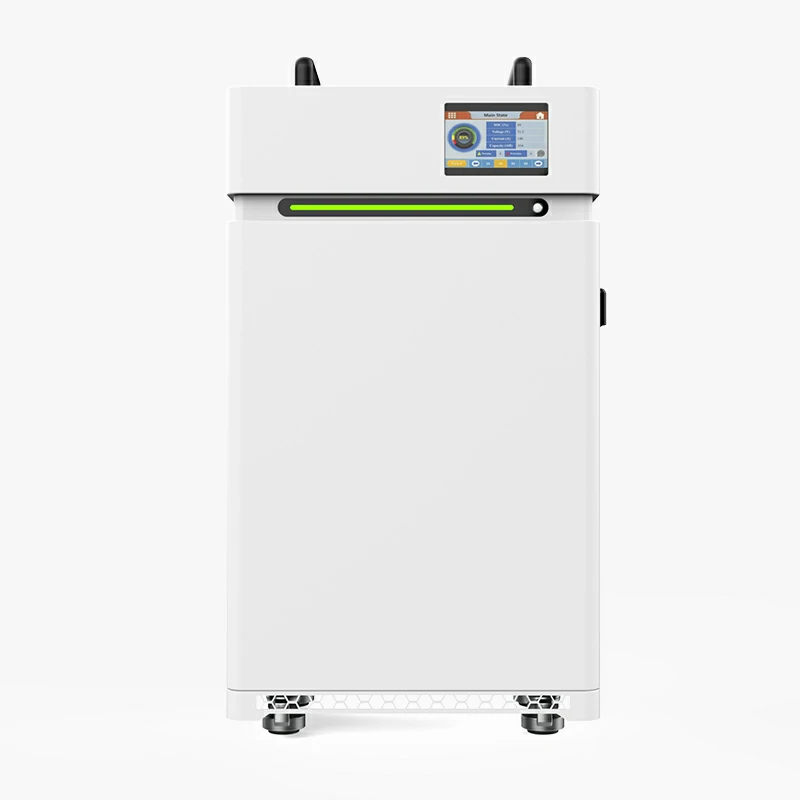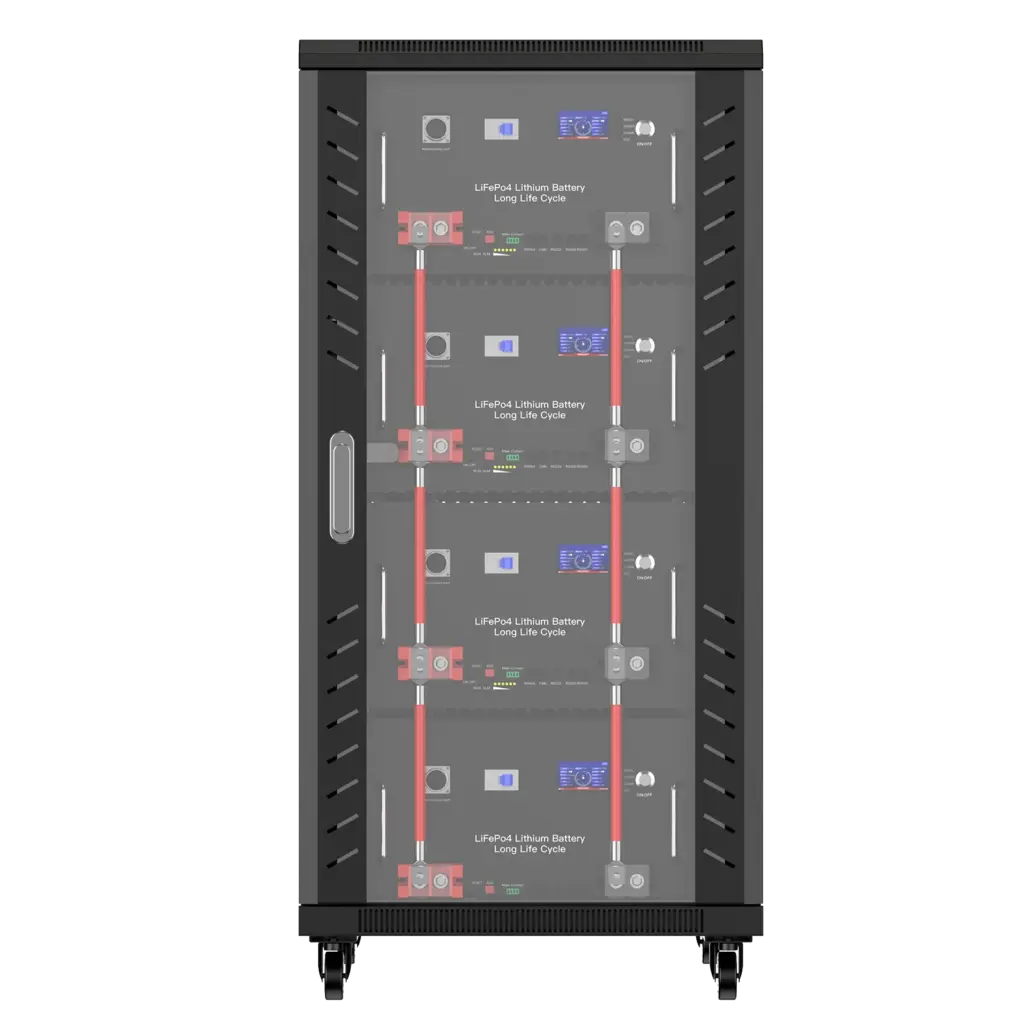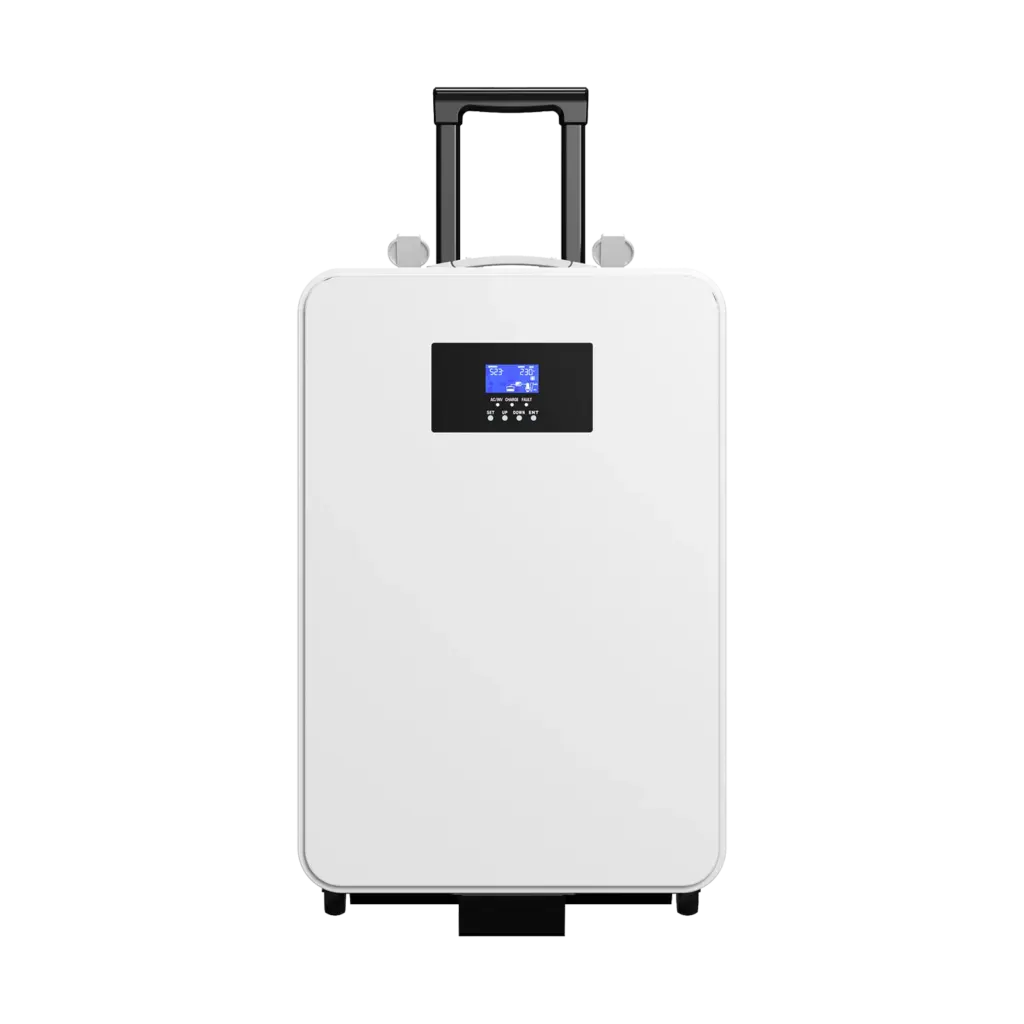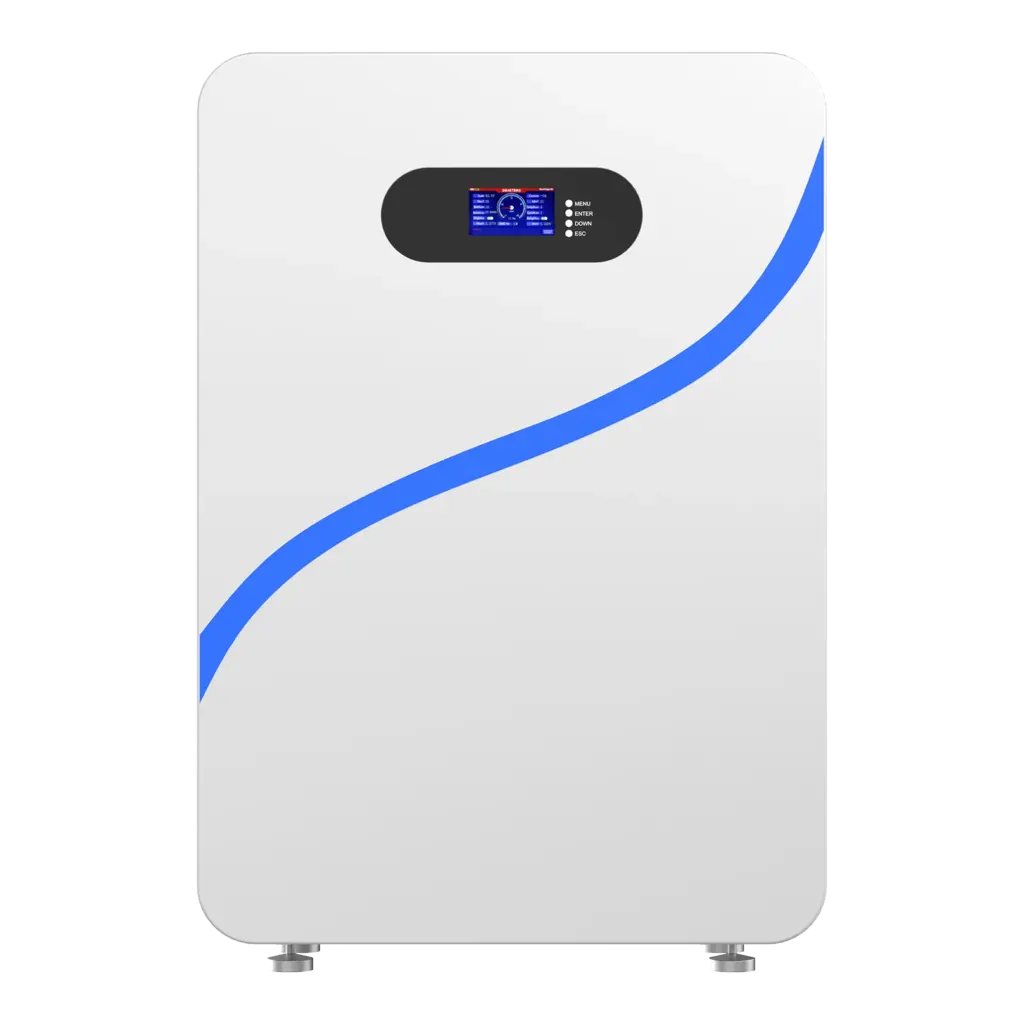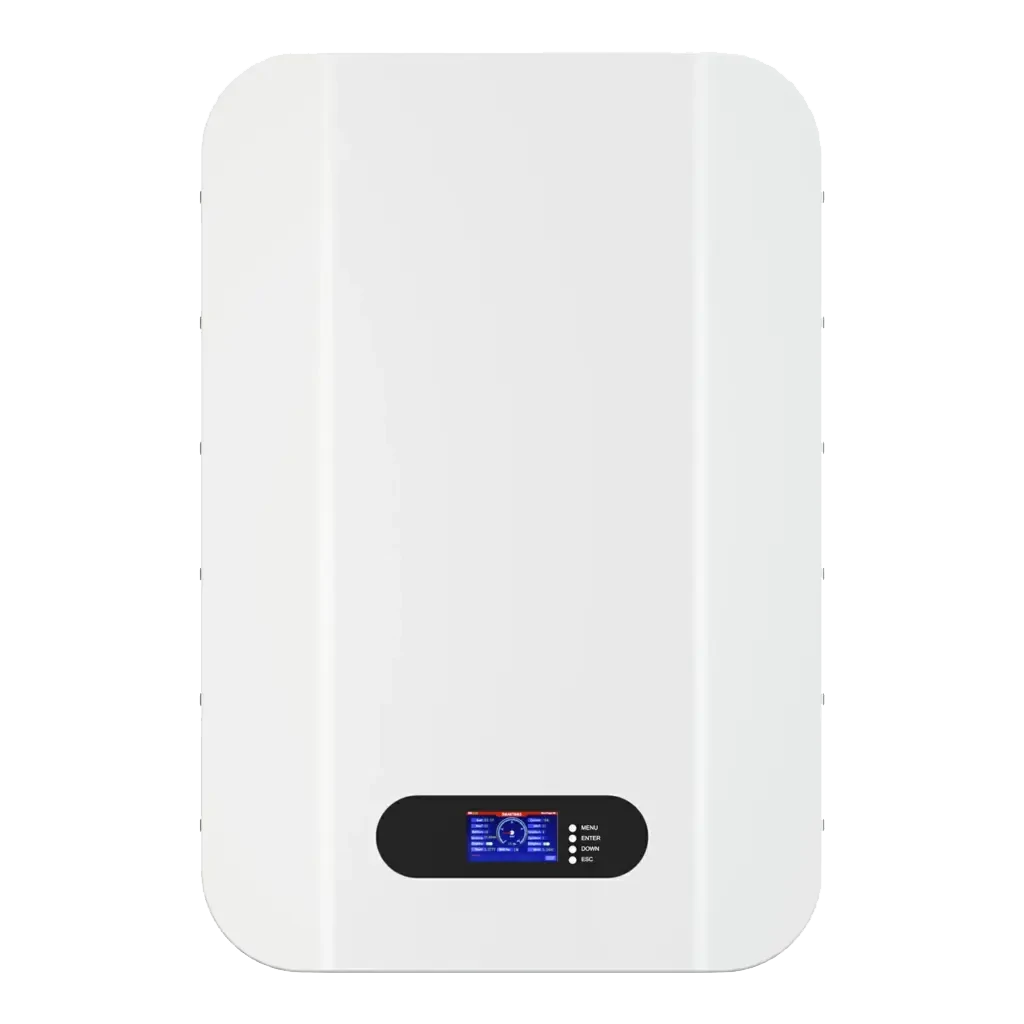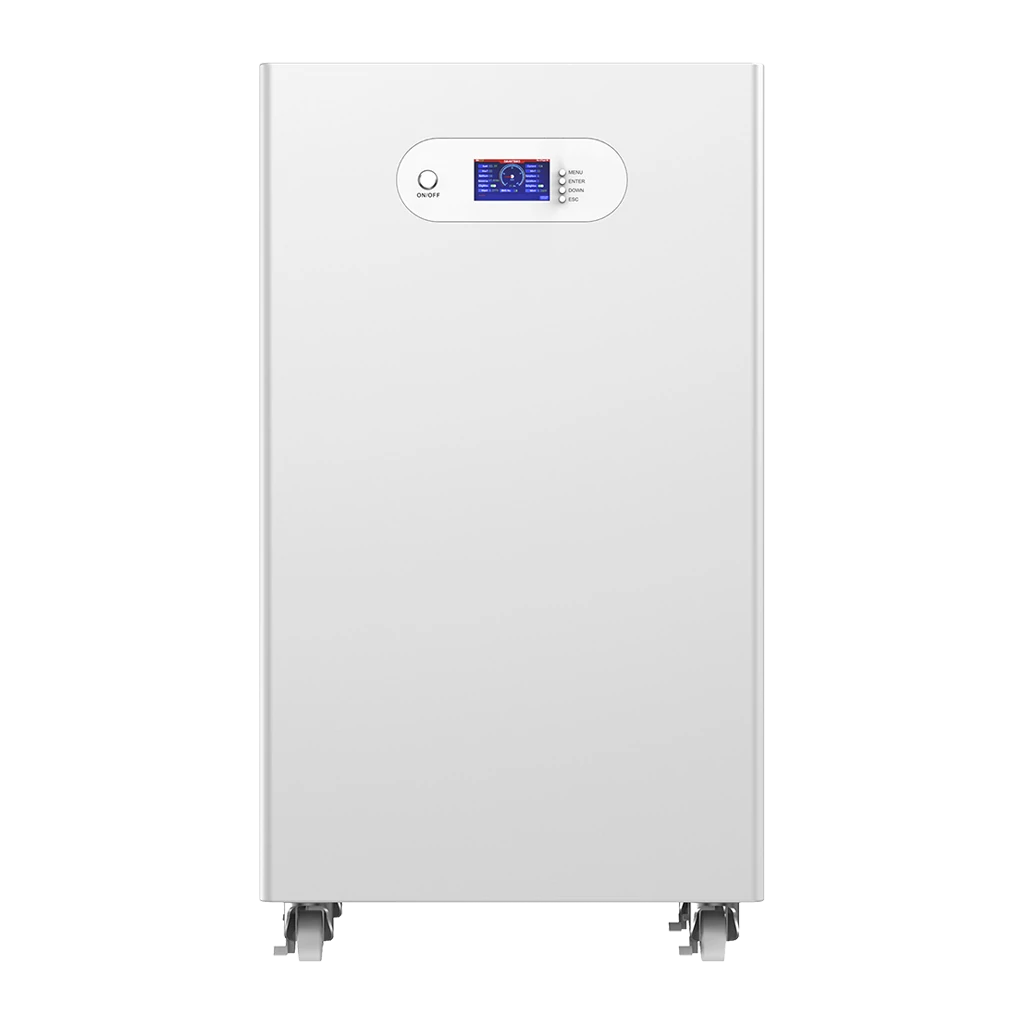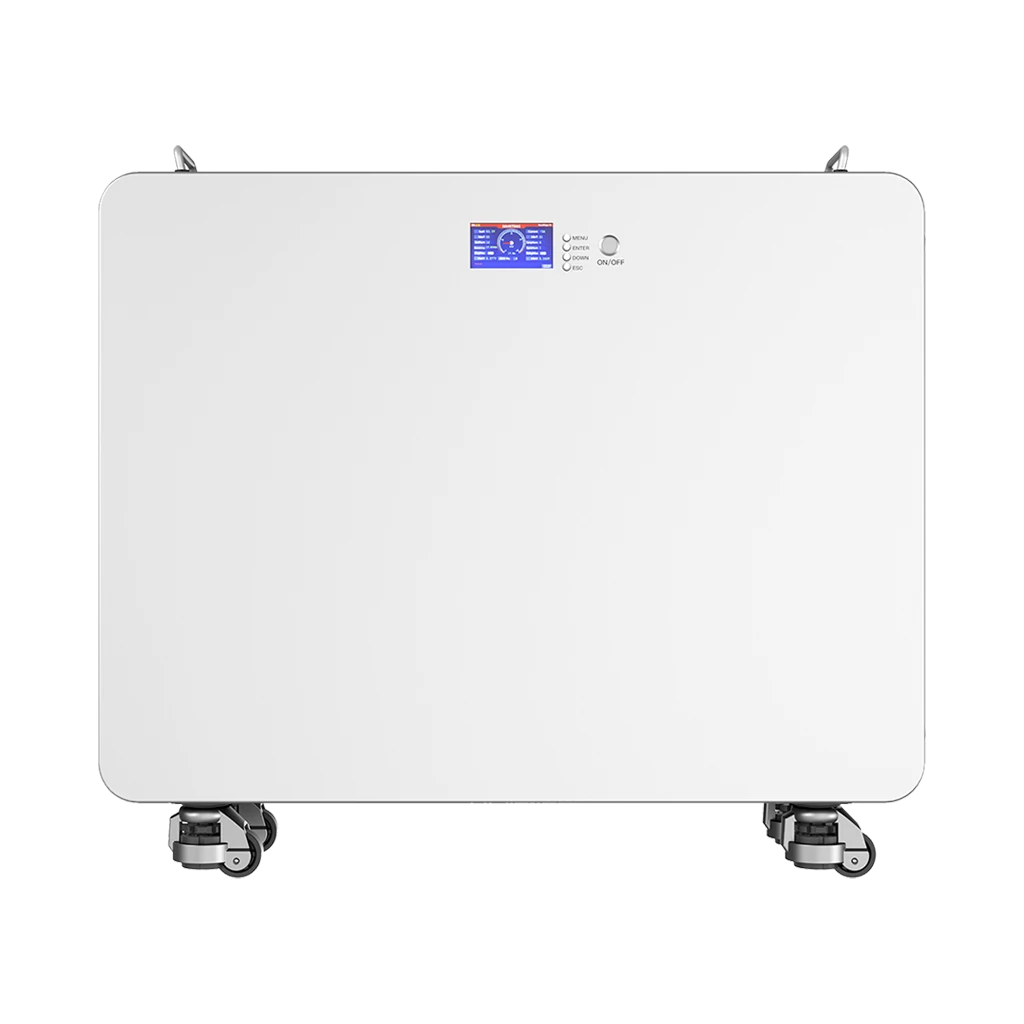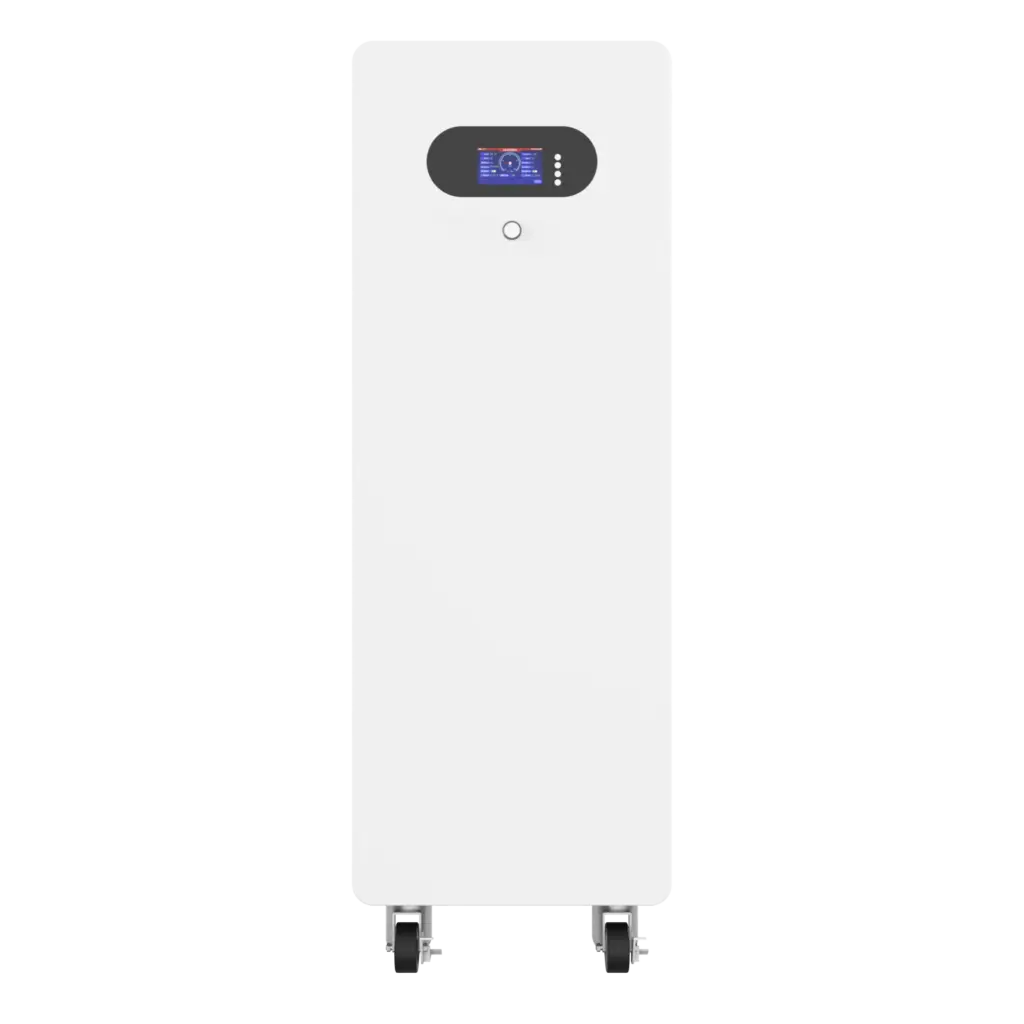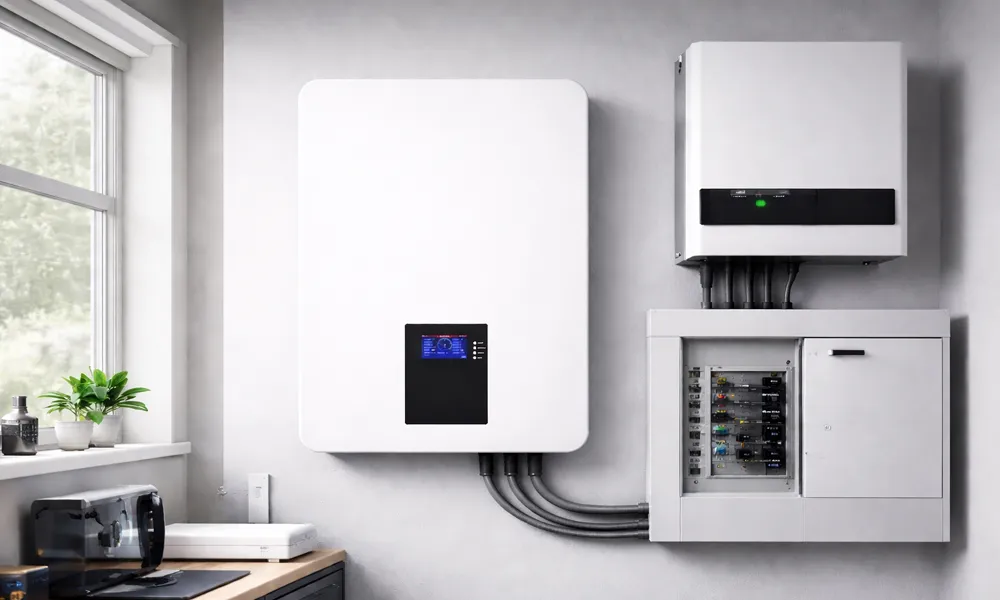

This guide will walk you through 6kW solar battery cost, what a typical solar + battery package includes, and how federal and state rebates can change the numbers.
Quick Answer: How Much Does a 6kW Solar Battery Cost?
| System Type | Typical Installed Cost in 2026 |
|---|---|
| 6–6.6kW solar system only | AU$5,500–AU$8,000 |
| 6kWh battery added to an existing compatible solar system | Around AU$6,500–AU$9,000 |
| 6kWh battery with battery inverter or extra integration work | Around AU$8,500–AU$11,500 |
| 6.6kW solar + 10kWh battery | Around AU$13,000–AU$18,000 |
| 6.6kW solar + 12–14kWh battery | Around AU$14,000–AU$22,000 |
How Much Does a 6–6.6kW Solar System Cost Without a Battery?
Before adding storage, it helps to separate the solar cost from the battery cost.
In Australia, a quality 6–6.6kW solar system usually costs around AU$5,500–AU$8,000 installed after the standard solar STC discount. This typically includes:
- Solar panels
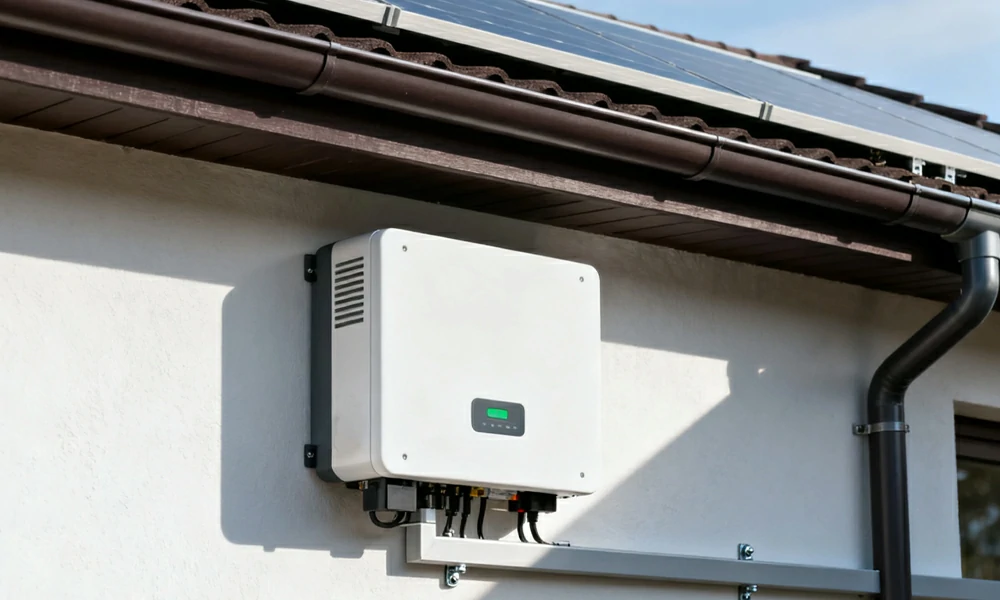
- Grid-tied inverter
- Roof mounting system
- Electrical protection
- Installation labour
- Grid connection paperwork
- Basic monitoring
A 6.6kW system remains popular because many homes can pair it with a 5kW inverter, depending on network rules and system design. This gives more daytime production without a large increase in installation labour.
A 6.6kW system can produce roughly 23–29kWh per day in many Australian cities under good conditions, although winter output, shading, roof direction and panel tilt can change the result significantly. For example, output in Melbourne will usually be lower than Perth or Brisbane.
If you only use electricity during the day, solar alone may already deliver a strong payback. If most of your usage happens after sunset, a battery becomes more useful.
How Much Does a 6kWh Battery Cost?
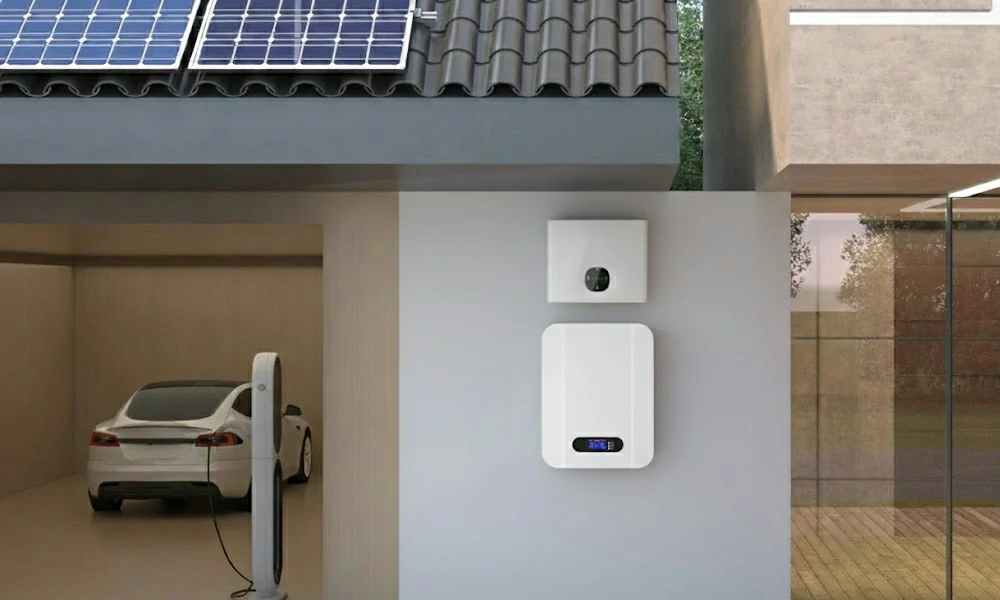
A 6kWh home battery is usually considered a small battery. It can help with evening self-consumption and essential backup, but it is not usually enough for whole-home overnight use in larger households.
In 2026, a 6kWh battery may cost approximately:
| Cost Item | Typical Range |
|---|---|
| Battery unit | AU$3,500–AU$5,500 |
| Standard installation | AU$1,500–AU$3,000 |
| Battery inverter or hybrid inverter upgrade | AU$1,500–AU$3,000 |
| Switchboard or backup circuit work | AU$500–AU$2,500 |
| Total installed cost | AU$6,500–AU$11,500 |
If the home already has a compatible hybrid inverter and a simple installation site, the total price may sit near the lower end. If the system needs a new inverter, backup gateway, switchboard upgrade or long cable run, the final quote can rise quickly.
Is a 6kWh Battery Big Enough for a 6kW Solar System?
Sometimes, but not always.
A 6kWh battery may suit:
- Small homes with low night-time consumption
- Homes mainly wanting backup for lights, Wi-Fi, fridge and small appliances
- Customers on a tight budget
- Existing solar owners who want to increase self-consumption without installing a large battery
A 6kWh battery may feel too small if you have:
- Electric hot water
- Pool pump
- Ducted air conditioning
- Heat pump
- EV charger
- Large evening loads
- Frequent blackout concerns
- A goal to run most of the home overnight
For many average homes, a 10kWh battery is a better match for a 6–6.6kW solar system. It gives more usable evening energy and usually offers a better cost per kWh because many installation costs are fixed.
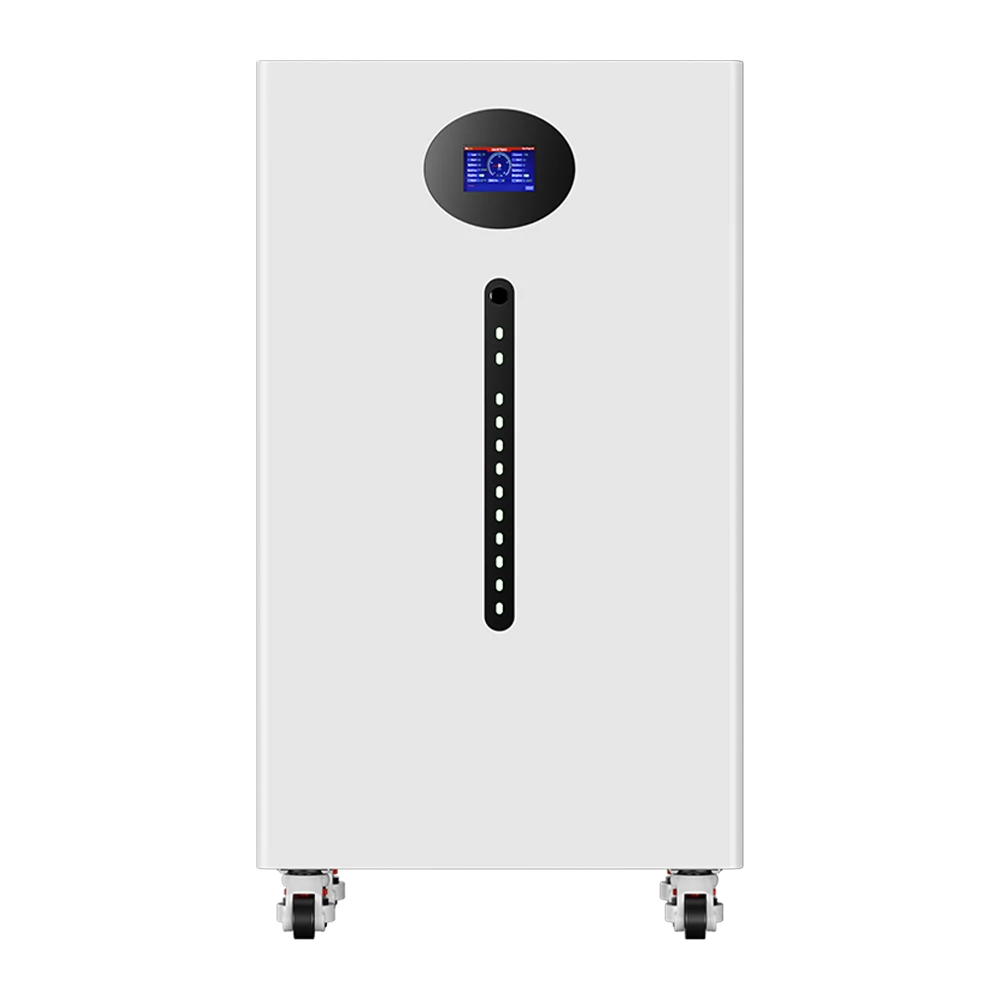
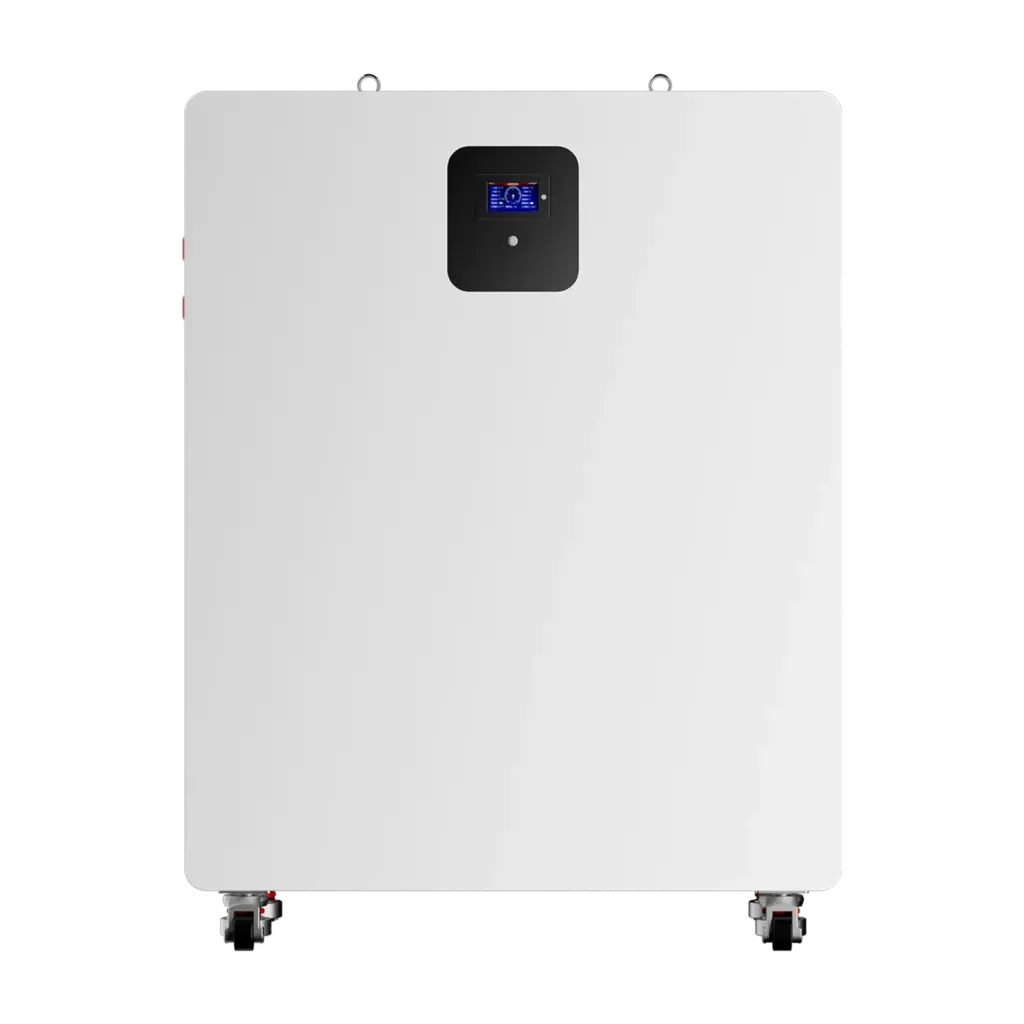
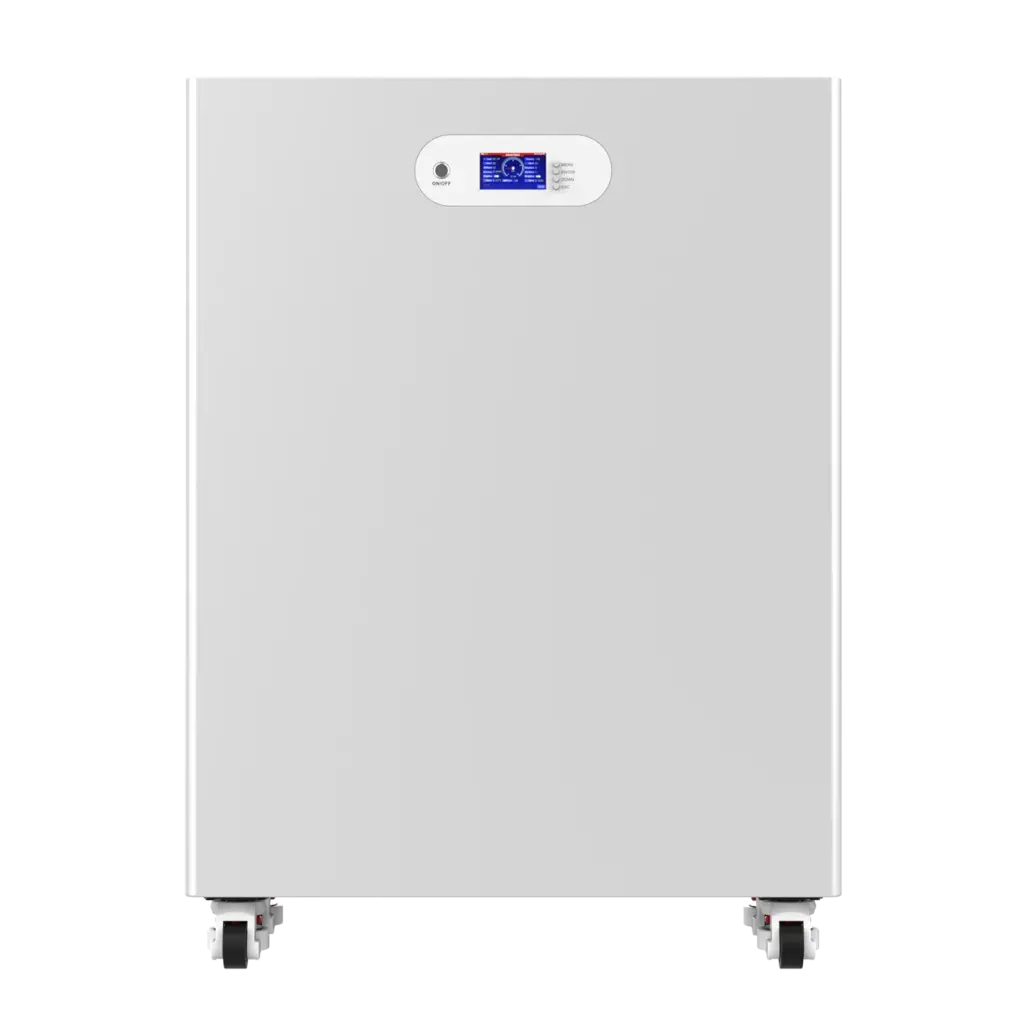
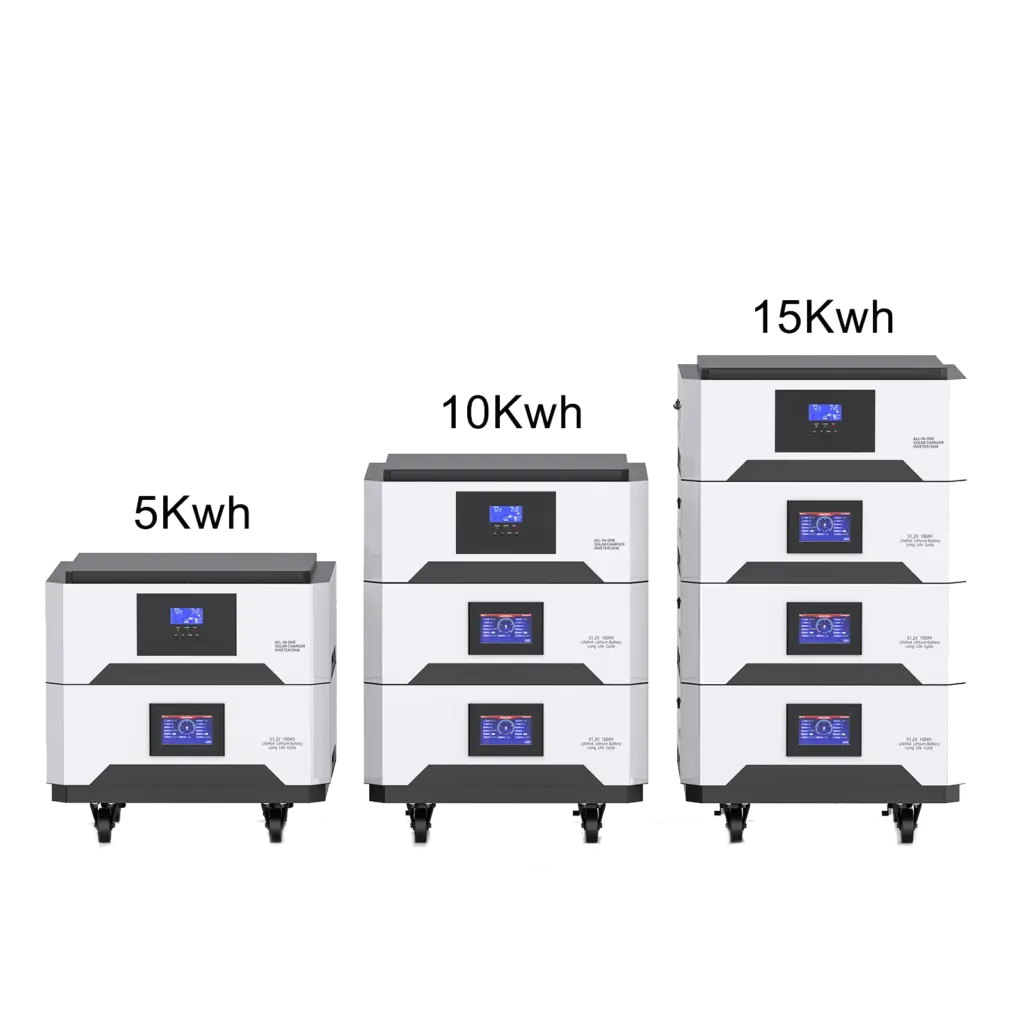
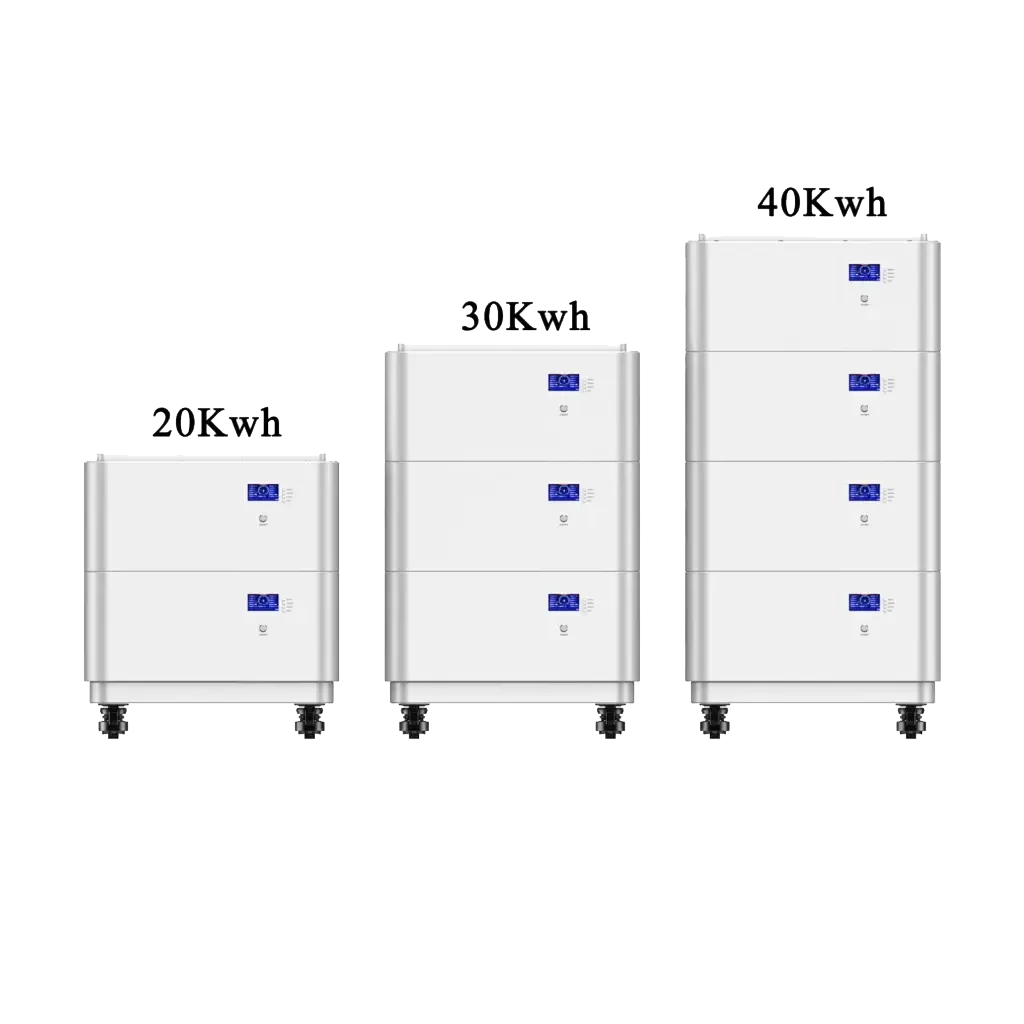
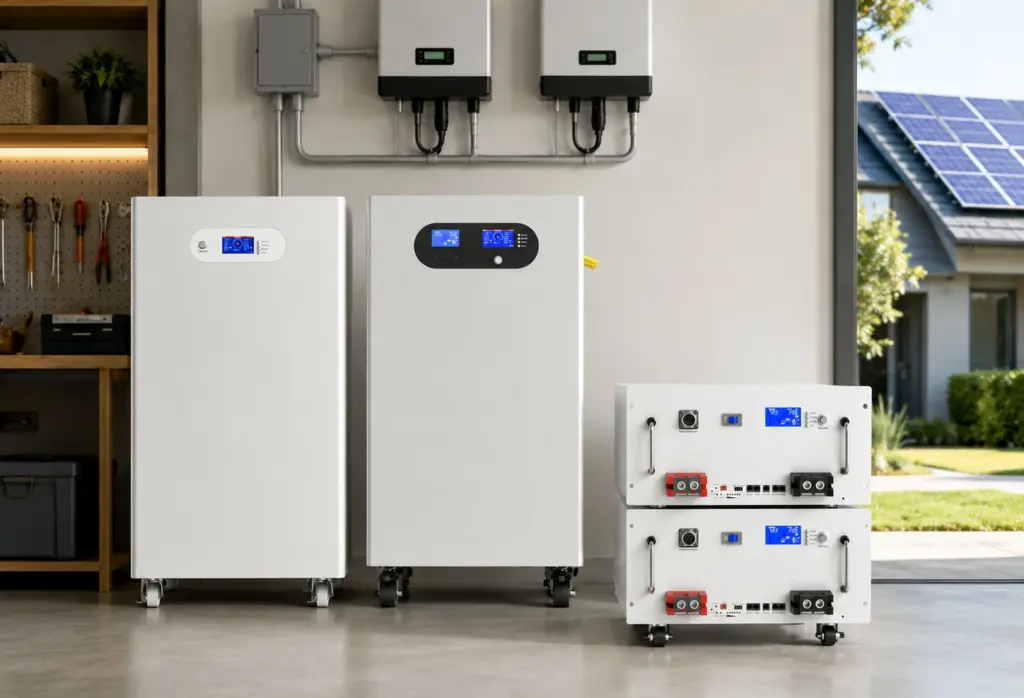
For installers and distributors, this is why modular systems are becoming more attractive. Avepower’s stackable solar batteries can be configured from smaller entry-level systems to larger residential storage projects, depending on the household’s actual load profile.
Need a Battery Size That Fits Your 6kW Solar System?
Not every home needs the same battery capacity. Avepower helps installers, distributors and project buyers choose scalable LiFePO4 battery solutions based on real energy use, backup needs and budget.
Typical Battery Size Options for a 6kW Solar System
| Battery Size | Best For | Practical Comment |
|---|---|---|
| 5–6kWh | Small homes, essential backup, low night use | Lower upfront cost but limited storage |
| 10kWh | Most medium households | Often the best balance of price and usable capacity |
| 13.5–15kWh | Larger homes, more night loads, stronger backup needs | Better for air conditioning, heat pumps or larger families |
| 20kWh+ | High-consumption homes, EV readiness, semi-off-grid use | Needs careful sizing so the battery is not oversized |
Avepower generally recommends sizing the battery around night-time consumption plus backup reserve, not simply matching the solar array size. A home that uses 22kWh per day may only need 8–12kWh of battery storage if much of the load happens during sunlight hours.
What Changes the Final 6kW Solar Battery Cost?
1. Usable Battery Capacity
Battery quotes should be compared by usable kWh, not just nominal kWh. A battery advertised as 10kWh may have slightly less usable energy depending on depth of discharge, BMS settings and warranty conditions.
2. Battery Chemistry
Most modern home battery systems use lithium technology. LiFePO4 batteries are widely used in residential storage because they offer good thermal stability, long cycle life and strong safety performance.
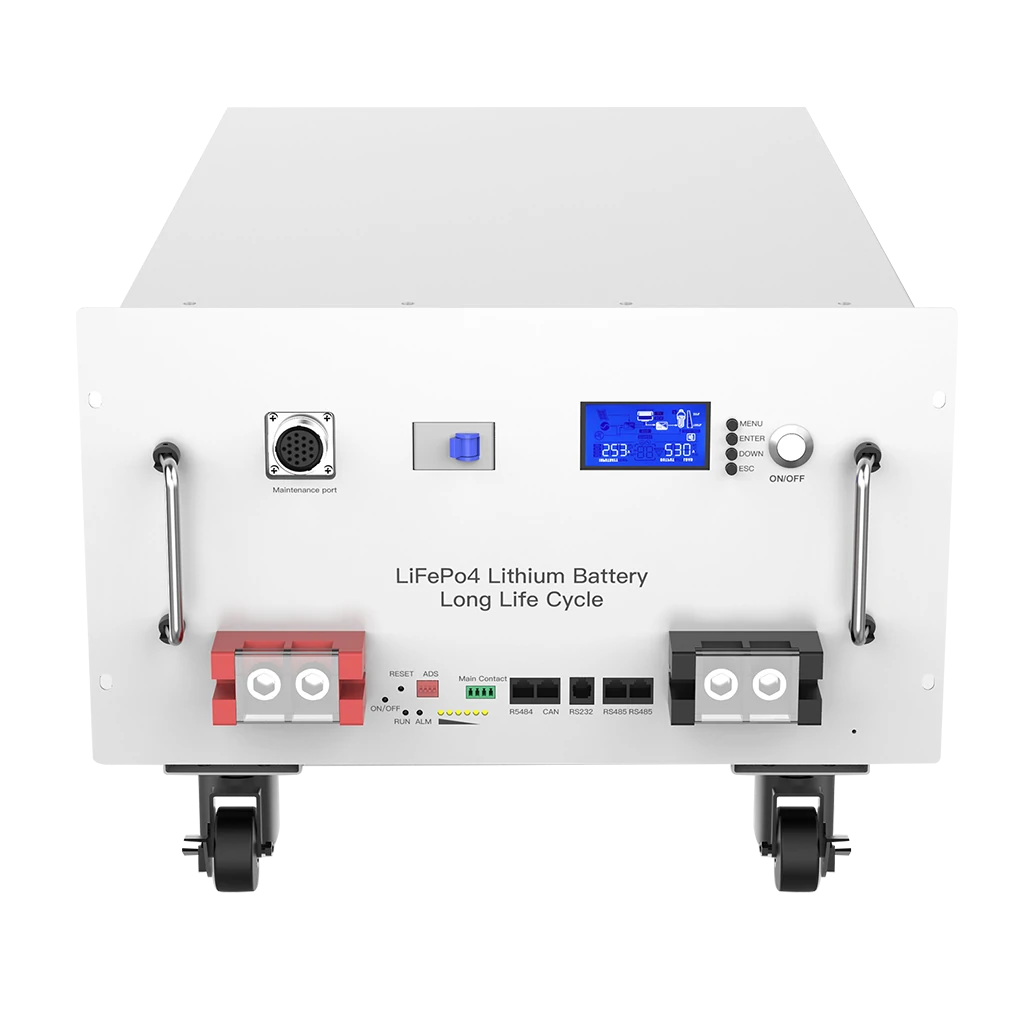
Avepower’s home energy storage systems use LiFePO4 battery technology with BMS protection, making them suitable for residential solar storage, backup power and installer-led battery projects.
3. Inverter Type
There are two common approaches:
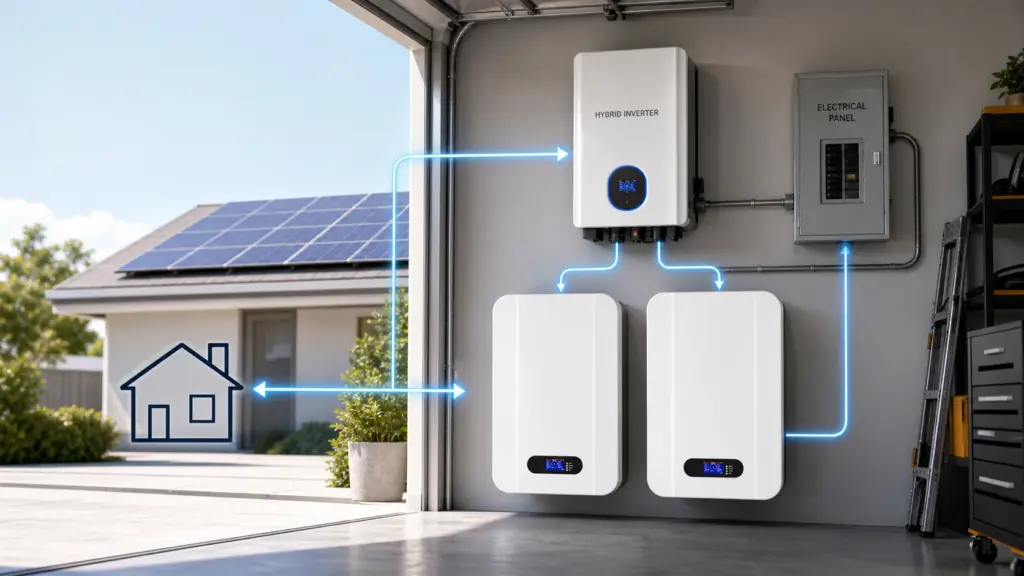
- Hybrid inverter system: solar and battery are managed through a hybrid inverter.
- AC-coupled battery system: the battery has its own inverter and can be added to many existing solar systems.
Hybrid systems may be more cost-effective for new installations. AC-coupled systems can be useful for retrofits, but they may cost more depending on equipment and wiring.
4. Backup Power Requirements
Not every battery automatically provides blackout protection. If you want backup, the installer may need to add:
- Backup gateway
- Essential loads board
- Extra protection devices
- Transfer switching
- More design and commissioning time
This can add cost, but it also changes the value of the system. For homes in blackout-prone areas, backup may be one of the main reasons to buy a battery.
5. Installation Complexity
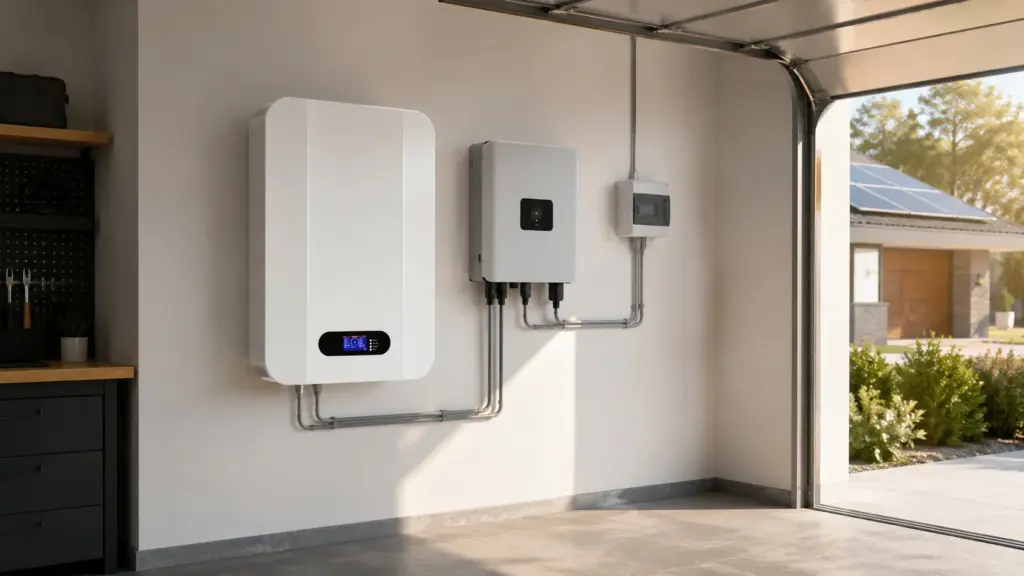
A simple garage wall installation costs less than a complex outdoor installation with long cable runs, switchboard upgrades or restricted access.
Battery installation should follow Australian safety requirements such as AS/NZS 5139, and battery products should be checked against the Clean Energy Council approved product lists where required.
6. Rebate Eligibility
Rebates can change the final price by thousands of dollars. Under Australia’s battery STC rules, eligible batteries must meet requirements around capacity, solar PV connection, approved products and installation standards.
The Clean Energy Regulator states that eligible solar batteries must be between 5kWh and 100kWh nominal capacity, while STCs can only be claimed on the first 50kWh of usable capacity. Batteries installed without solar PV are not eligible under this scheme.
How the 2026 Australian Battery Rebate Affects Cost
Australia’s Cheaper Home Batteries Program has made home batteries more affordable, but the rules changed from 1 May 2026.
The program still aims to provide around a 30% discount across a range of battery sizes, but the support now tapers by capacity:
- 0–14kWh: full STC factor applies
- Above 14kWh to 28kWh: 60% of the STC factor applies
- Above 28kWh to 50kWh: 15% of the STC factor applies
For a normal 6–6.6kW solar system, this makes the 10–14kWh battery range especially practical. It is large enough for many households, but still sits within the strongest rebate band.
If you are comparing a 10kWh battery with a 20kWh battery, do not only compare total capacity. Look at:
- How much extra usable storage you will actually cycle
- Whether your solar system can recharge it in winter
- Whether your evening load justifies the size
- How the rebate applies to each kWh
- Whether a larger system needs more installation work
A bigger battery is not automatically a better financial decision.
How Much Can a 6kW Solar Battery System Save?
Savings depend on the gap between your grid import rate and your solar feed-in tariff.
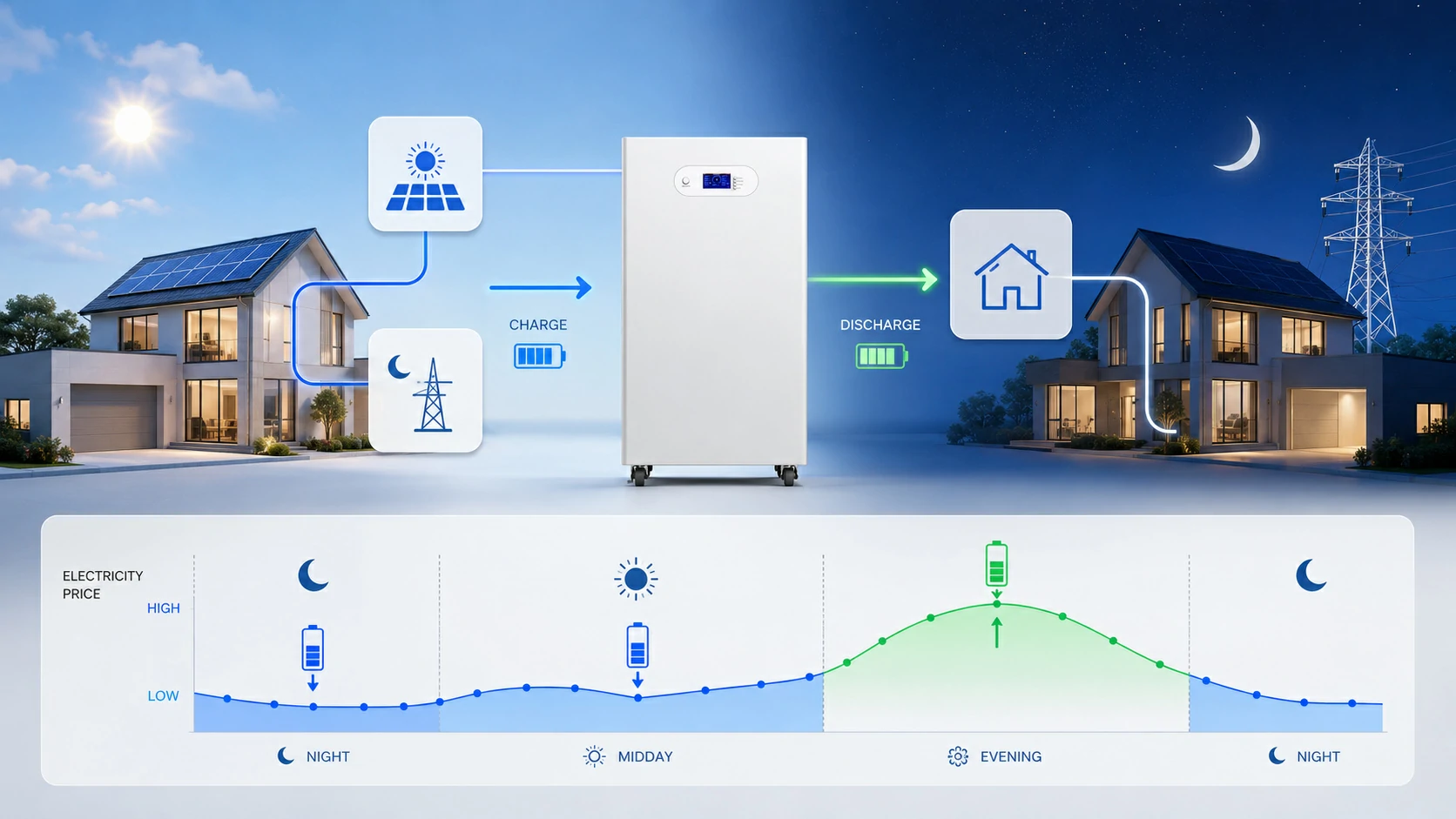
A battery saves money when it stores solar energy that would otherwise be exported cheaply and lets you use it later when grid electricity is more expensive.
For example:
- Solar export value: 3–8 cents/kWh
- Evening grid import rate: 25–45 cents/kWh
- Value of using stored solar: roughly the difference between the two
If your battery supplies 6kWh each evening and the effective saving is 25 cents/kWh, that is about AU$1.50 per day, or around AU$550 per year. If you cycle more energy, have higher peak rates or use time-of-use tariffs well, the savings can be higher.
However, the battery is not only a bill-saving product. It can also provide:
- Backup power
- Better solar self-consumption
- More protection from rising electricity prices
- Greater energy independence
- Support for future EV or heat pump loads
- Potential VPP participation where available
For pure payback, solar panels usually pay back faster than batteries. Batteries make the most sense when your household has high evening use, low export tariffs, time-of-use rates, blackout concerns or strong rebate eligibility.
6kW Solar Battery Cost Example
Here is a realistic example for a medium Australian home.
System design:
- 6.6kW rooftop solar system
- 5kW hybrid inverter
- 10kWh LiFePO4 battery
- Standard installation
- No major switchboard upgrade
- Eligible battery rebate applied
Estimated cost:
| Component | Estimated Cost |
|---|---|
| 6.6kW solar system | AU$5,500–AU$8,000 |
| 10kWh battery system | AU$9,000–AU$11,000 |
| Total package | AU$14,500–AU$19,000 |
This is why many “6kW solar battery cost” quotes vary so much. A basic 6kWh battery retrofit can be under AU$10,000, while a complete new solar-and-battery system with 10–14kWh of storage can easily sit between AU$15,000 and AU$22,000.
Should You Choose 6kWh, 10kWh or 15kWh?
A good installer should ask for your electricity bill and load profile before recommending a battery size.
As a rough guide:
- Choose 6kWh if your main goal is essential backup and light evening use.
- Choose 10kWh if you want a stronger daily-use battery for a typical home.
- Choose 15kWh if you have larger night loads, air conditioning, heat pump water heating or future EV plans.
- Choose 20kWh+ only when your daily load and solar generation can justify it.
For B2B buyers, installers and OEM customers, Avepower can support flexible residential battery configurations, including wall-mounted batteries and modular stackable systems. This helps installers match different household budgets instead of forcing every project into one fixed capacity.
Avepower Suggestion for Installers and Home Battery Projects
From a system design perspective, the best battery is not always the biggest one. It is the battery that matches the home’s solar generation, night load, backup expectation and budget.
Avepower recommends focusing on:
- LiFePO4 chemistry for long cycle life and safety
- Smart BMS protection
- Usable capacity, not only nominal capacity
- Inverter communication compatibility such as CAN, RS485 or RS232
- Modular expansion for different home sizes
- Clear warranty and service support
- OEM/ODM flexibility for distributors and energy storage brands
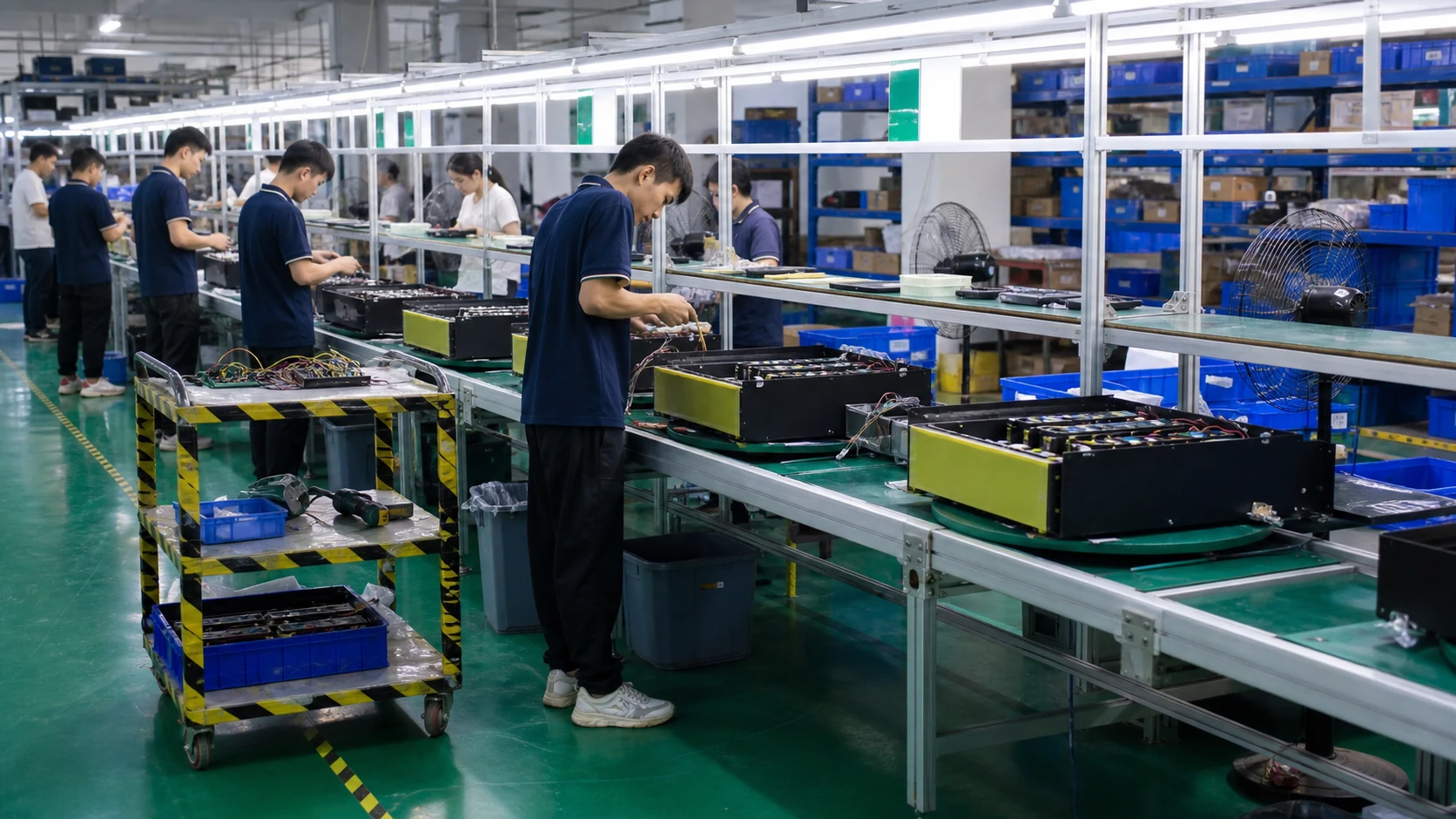
For distributors, installers and project developers, Avepower provides residential energy storage solutions and custom battery storage support for different market needs.
Take Control of Your Energy with Avepower!
Reliable home solar battery solutions with OEM/ODM customization and in-house manufacturing, tailored to the needs of distributors, installers, and energy partners.
Final Verdict: What Is a Fair 6kW Solar Battery Cost?
A fair 6kw solar battery cost depends on what you mean by the term.
If you mean a 6kWh battery, expect roughly AU$6,500–AU$11,500 installed, depending on inverter and installation work.
If you mean a 6–6.6kW solar system with a practical home battery, expect roughly AU$13,000–AU$22,000, depending mainly on battery size.
If you want the best value, do not buy based on headline capacity alone. Ask for a quote that shows usable kWh, backup function, inverter compatibility, rebate assumptions, warranty terms and installation scope. A well-sized 10kWh or 13.5kWh battery often provides a better real-world balance than a very small 6kWh battery or an oversized system that rarely cycles fully.
FAQ
No. A 6kW solar system refers to solar panel power output. A 6kWh battery refers to energy storage capacity. Many people search for “6kW solar battery cost,” but the technically correct battery term is usually 6kWh.
A 6kWh battery commonly costs around AU$6,500–AU$9,000 installed if the system is simple. If a new battery inverter, backup gateway or switchboard work is needed, the price may rise to around AU$8,500–AU$11,500.
A 6.6kW solar system with a 10–14kWh battery often costs around AU$13,000–AU$22,000, depending on equipment quality, rebate eligibility and installation complexity.
It can be enough for small homes or essential backup loads, but many medium households prefer 10kWh or more for stronger evening coverage.
For many homes, 10kWh to 13.5kWh is a practical match. Smaller batteries reduce upfront cost, while larger batteries suit bigger night loads, EV charging or stronger backup needs.
Only if the system is designed with backup capability. Some batteries are installed for self-consumption only and will shut down during a grid outage unless backup hardware is included.
Yes, in many cases. You may need an AC-coupled battery, a hybrid inverter upgrade or extra switchboard work. Compatibility should be checked before purchase.
Yes, eligible batteries can receive support through the Cheaper Home Batteries Program, subject to capacity, product, solar PV and installation requirements.