
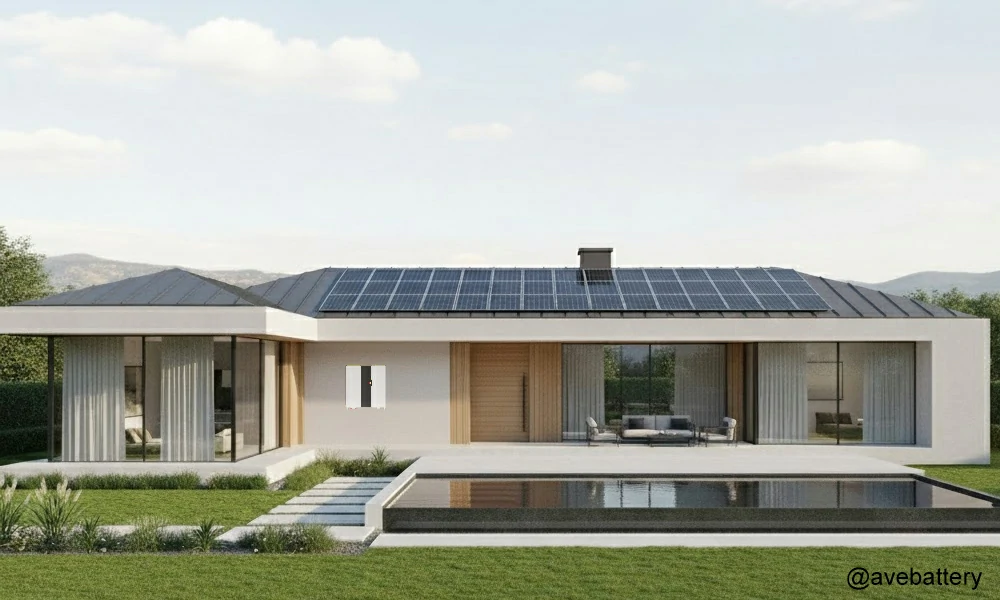
Many Australian households now have rooftop solar but still pay high evening power bills. A 5kW solar battery is often the first step people consider when they want more control and more backup. Typical residential electricity rates now sit around 24–43 cents per kWh depending on your state, with a national average in the low-to-mid 30-cent range.
A typical 5kW rooftop solar system in Australia can make roughly 18–25 kWh per day on average, depending on your state and roof. A 5kWh battery can usually store a good share of that extra solar to cover your evening use.
How Much Does A 5kWh Solar Battery Cost In Australia In 2026?
The installation cost of a 5kWh solar battery in Australia typically starts around $5,180 (for the battery only). Adding a compatible battery inverter brings the total to about $6,630, excluding any additional distribution panel work.
Prices for a 5kWh battery system generally fall into these ranges:
- $5,000 – $7,000 for just the battery (supply and installation included).
- $7,000 – $12,000 when factoring in a new inverter, monitoring, and typical installation fees.
Through the “Cheaper Home Batteries Program,” the federal government offers a prepay discount of about 30%, saving up to $372 per available kWh (around $344 after adjustments). For a 5kWh home battery, this can reduce costs by approximately $1,500 to $1,700.
However, the STC factor slowly steps down over time. In 2025, eligible batteries earn 9.3 STCs per usable kWh, but in 2026 the factor falls to 8.4 STCs per kWh, which means the discount per kWh is slightly lower.
| System Type | Typical Installed Price 2025 (Before Rebate) | Approx. Installed Price 2026 After ~30% Federal Rebate |
|---|---|---|
| 5kWh battery only (AC-coupled or DC-ready) | ~$5,000 – $7,000 | ~$3,500 – $5,000 |
| 5kWh battery + new hybrid/AC battery inverter | ~$7,000 – $12,000 | ~$5,000 – $8,500 |
| 5kW solar + 5kWh battery package | Roughly $10,000 – $15,000 after panel rebates but before battery rebate | ~$7,500 – $12,000 total |
Compare 5kWh Solar Battery Costs in Australia
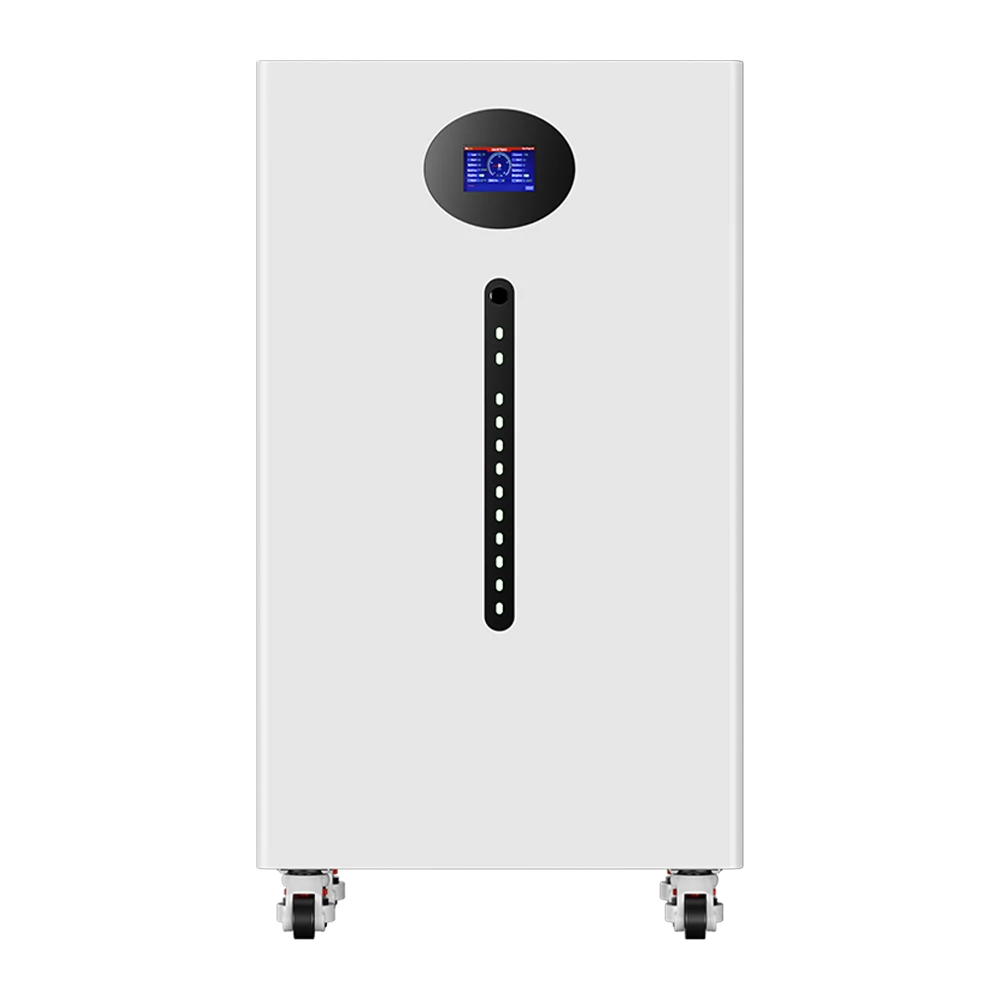
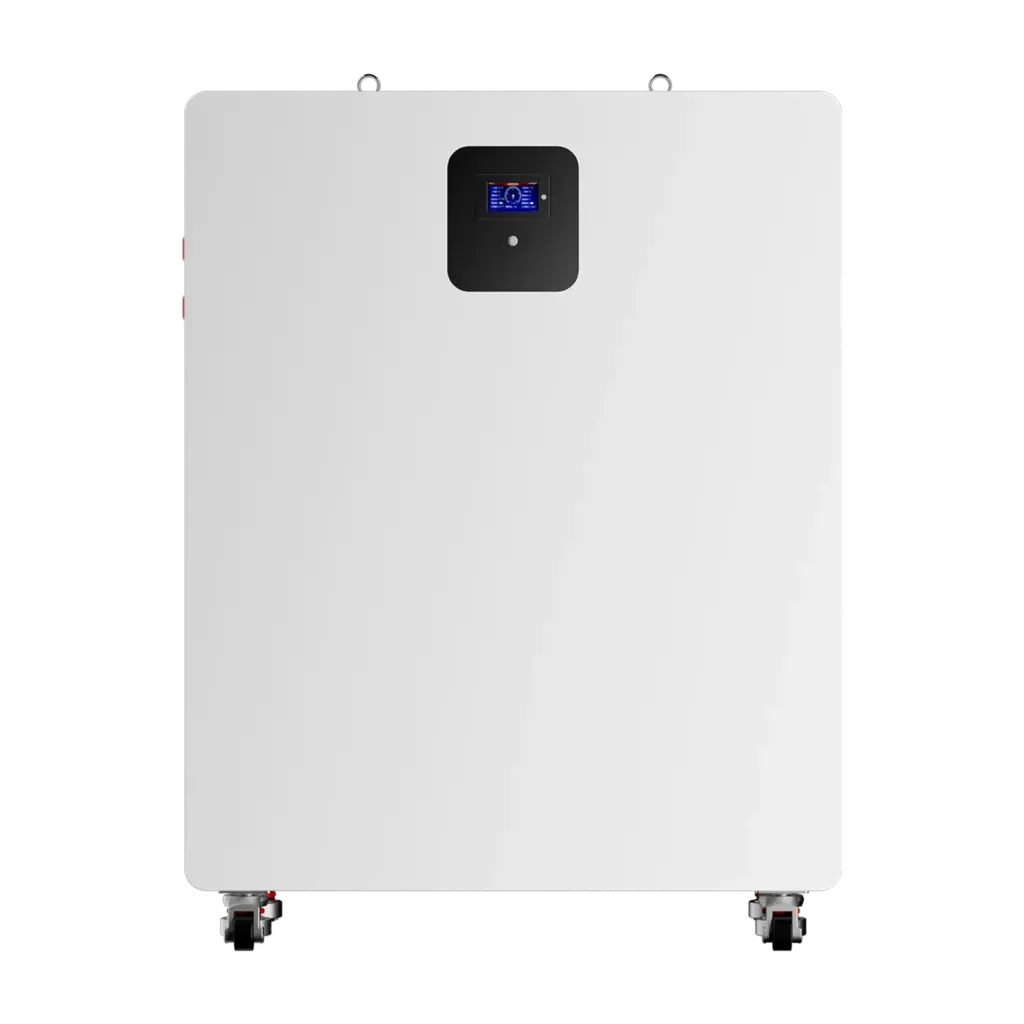
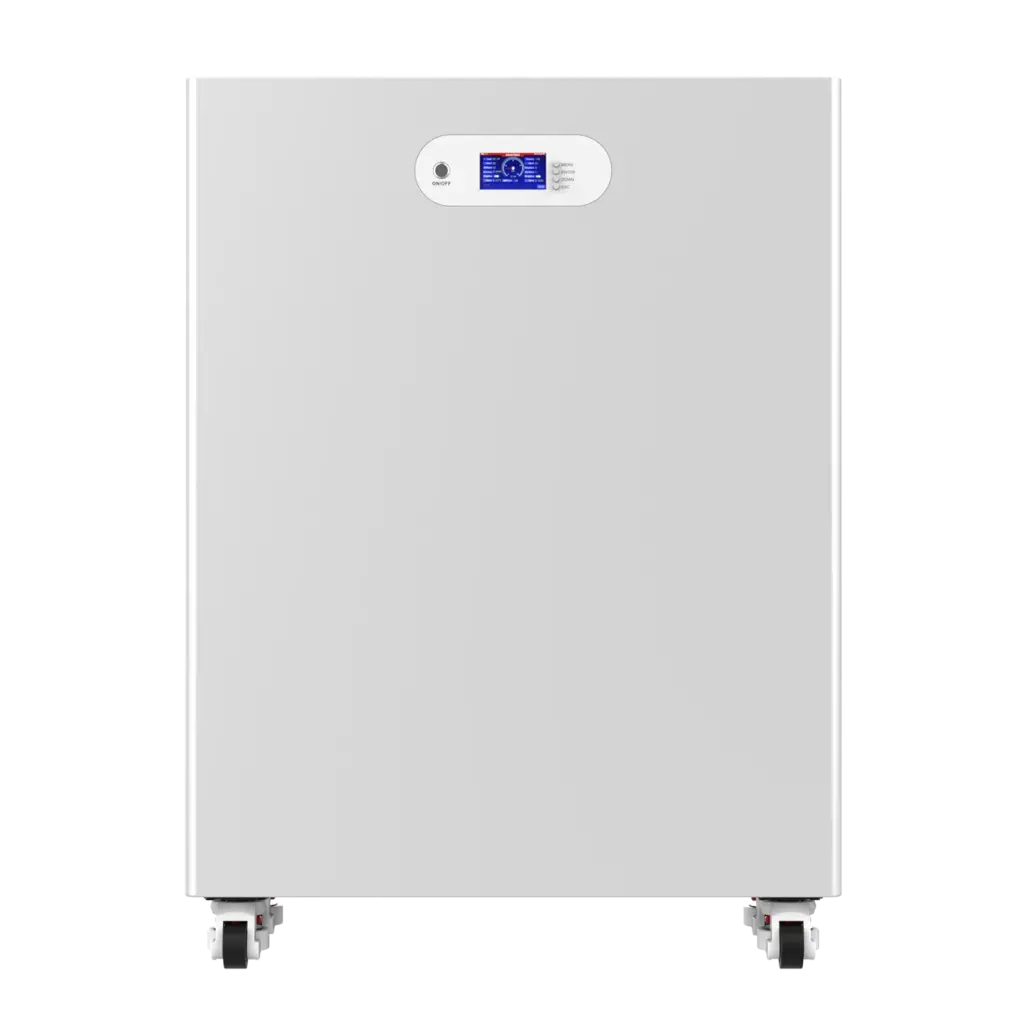
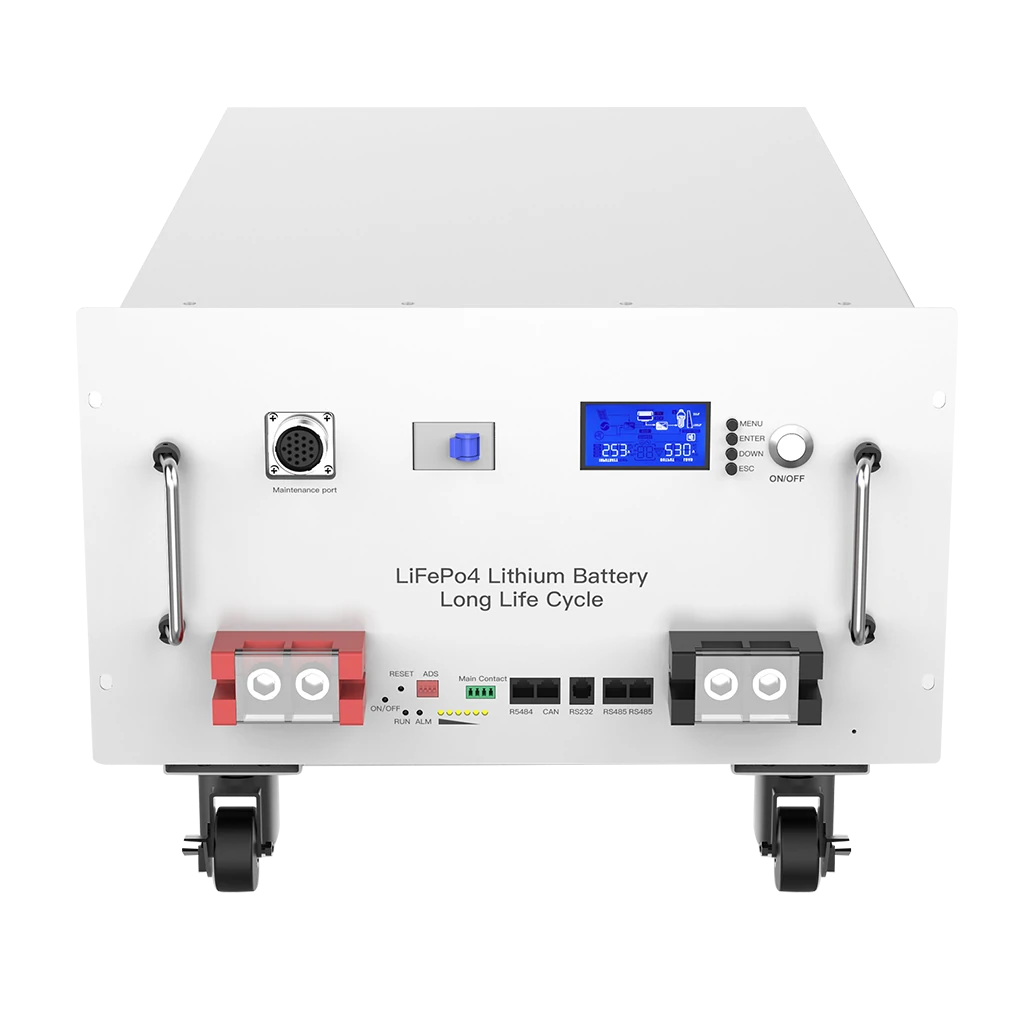
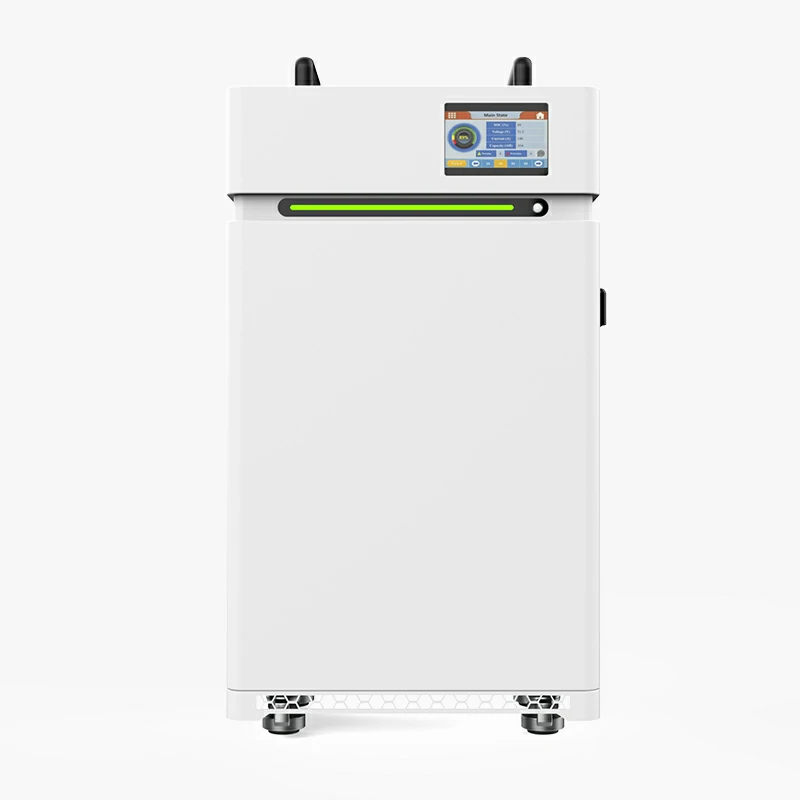
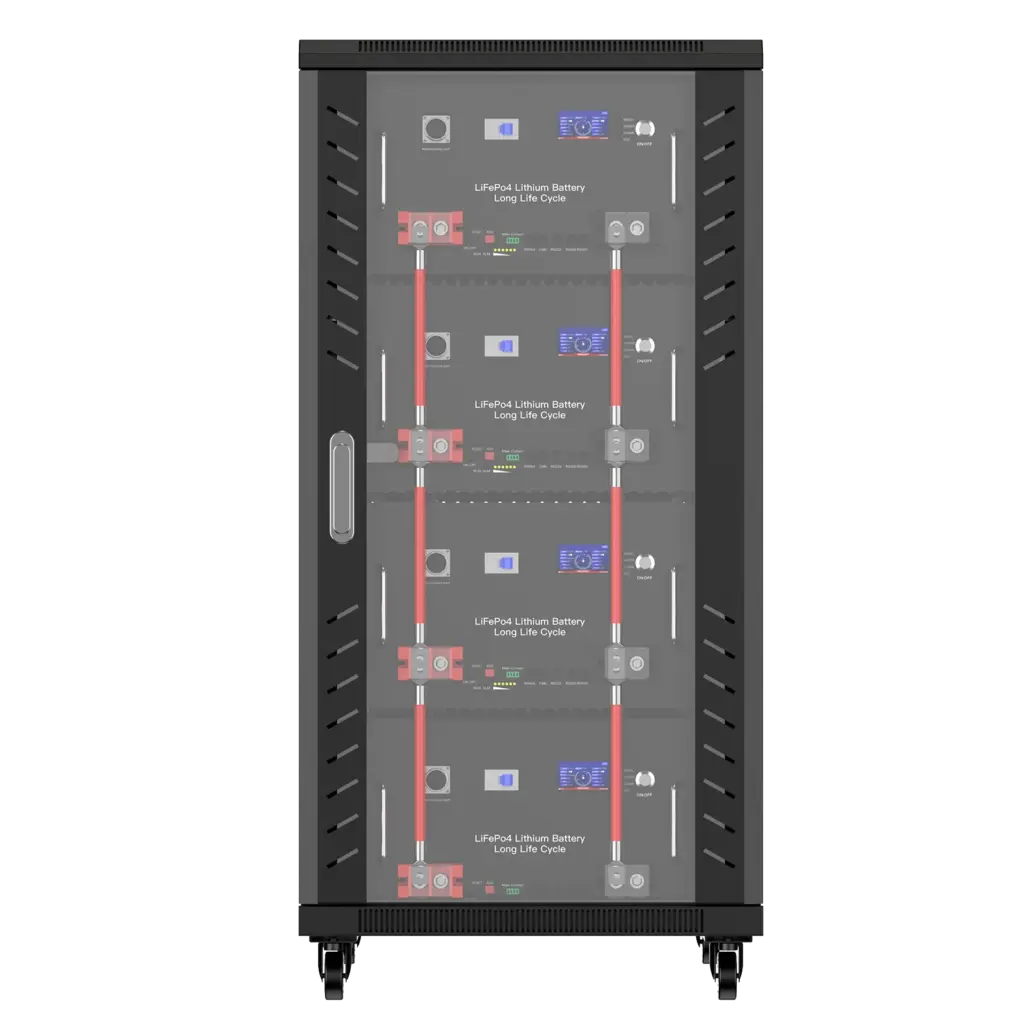
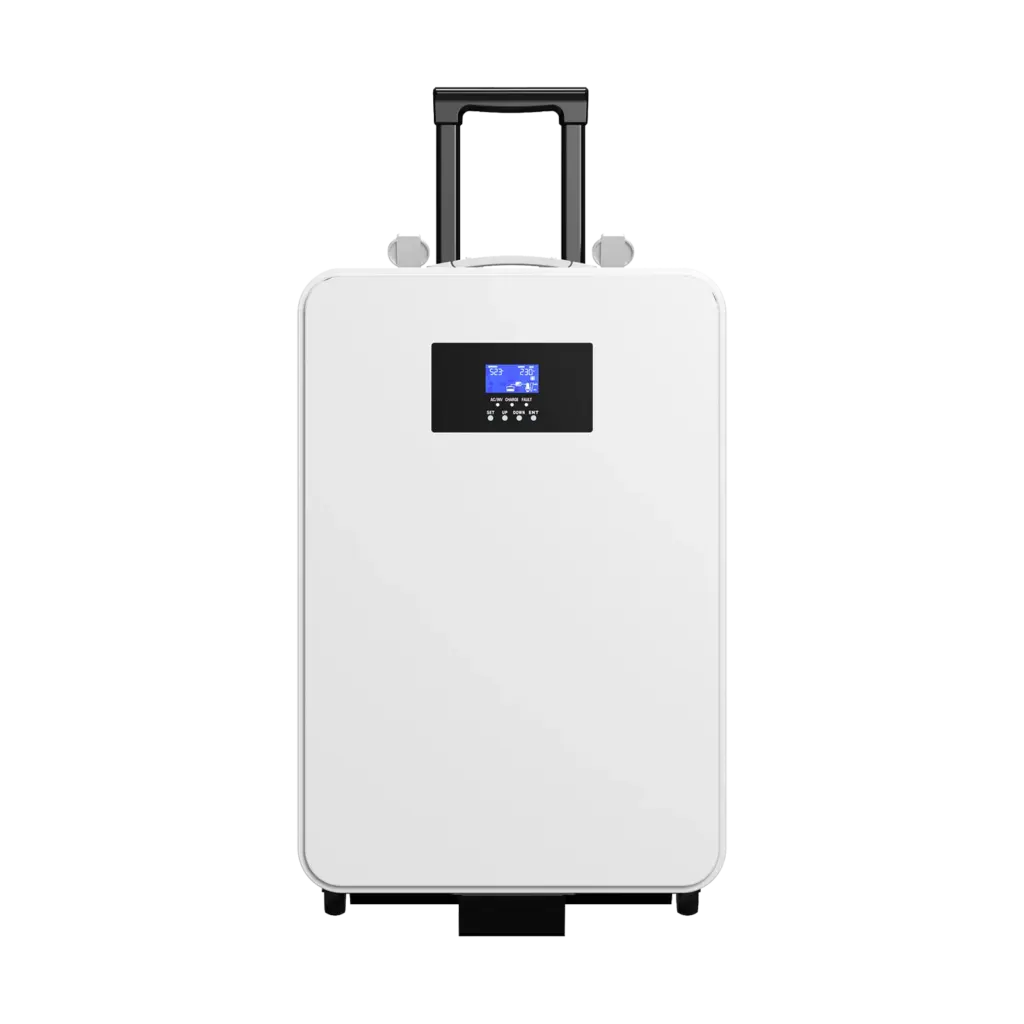
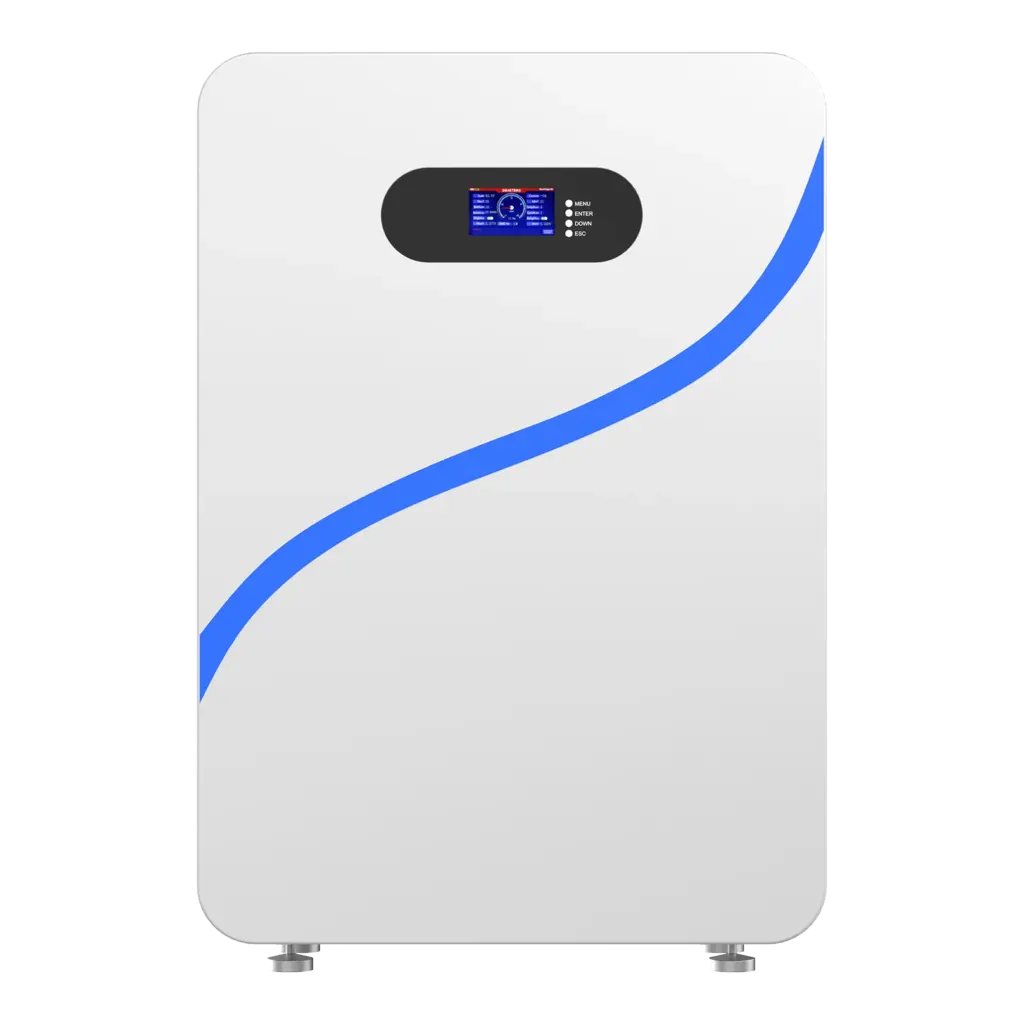
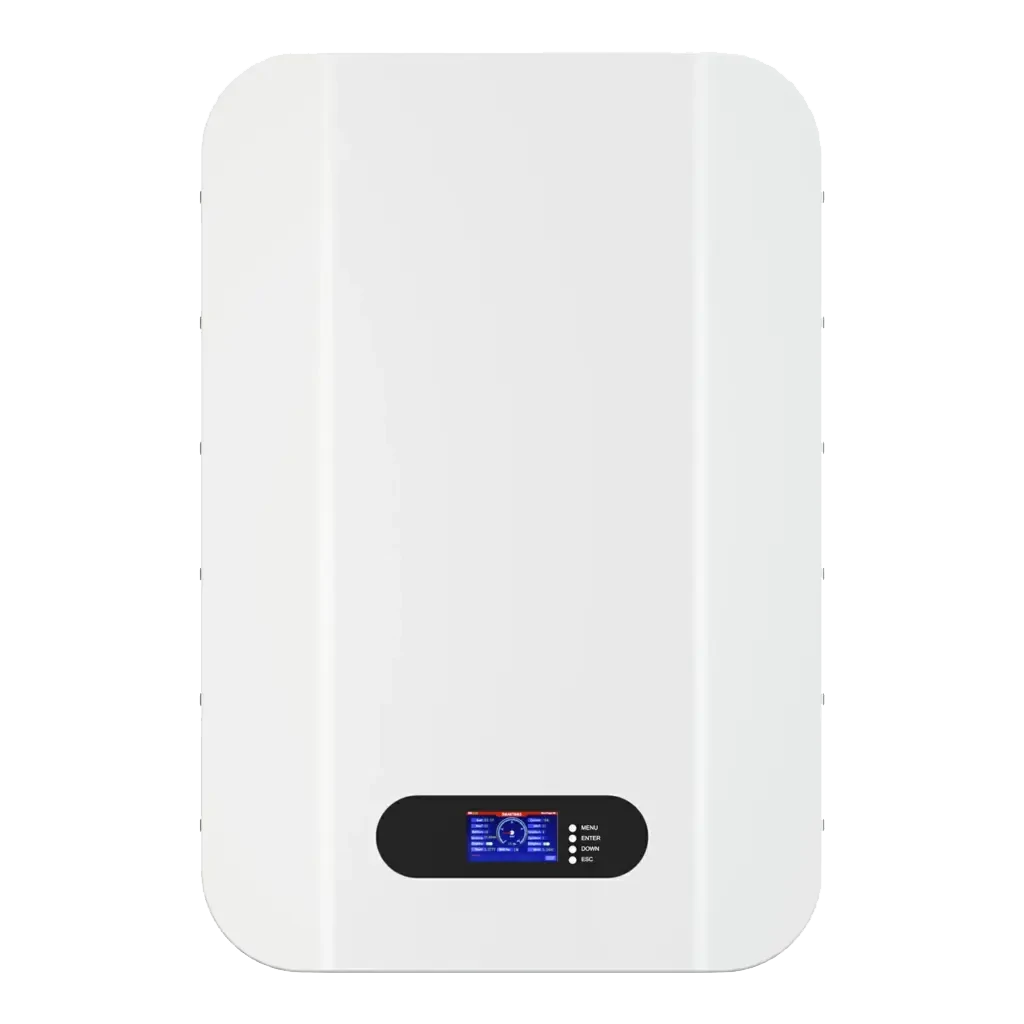
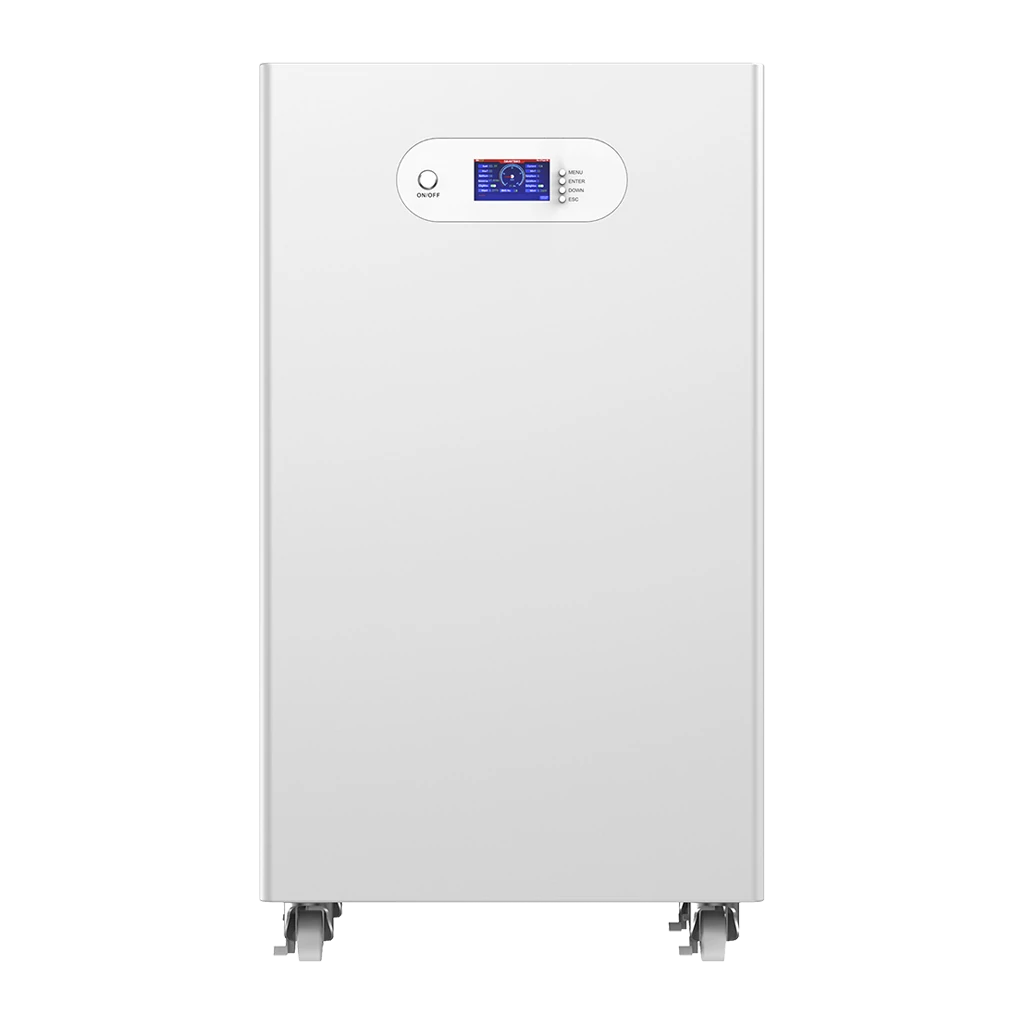
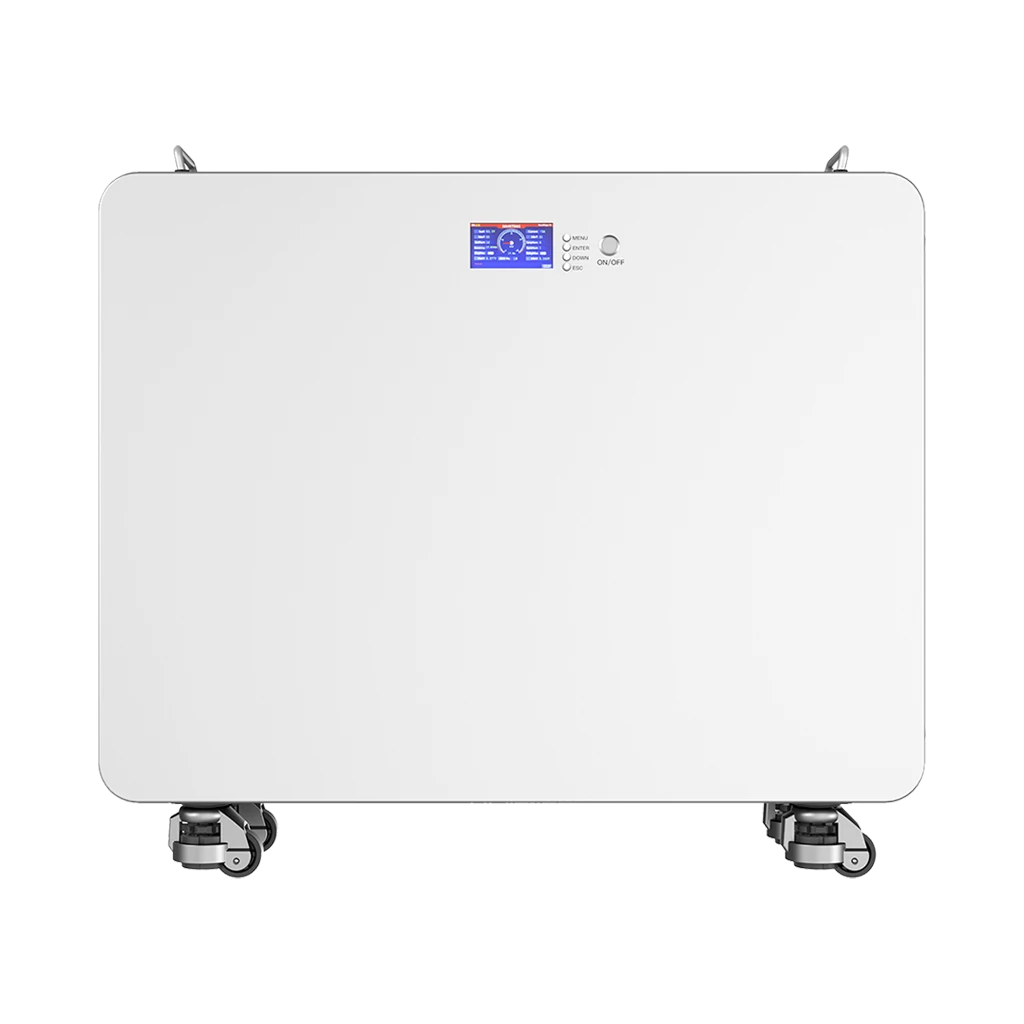
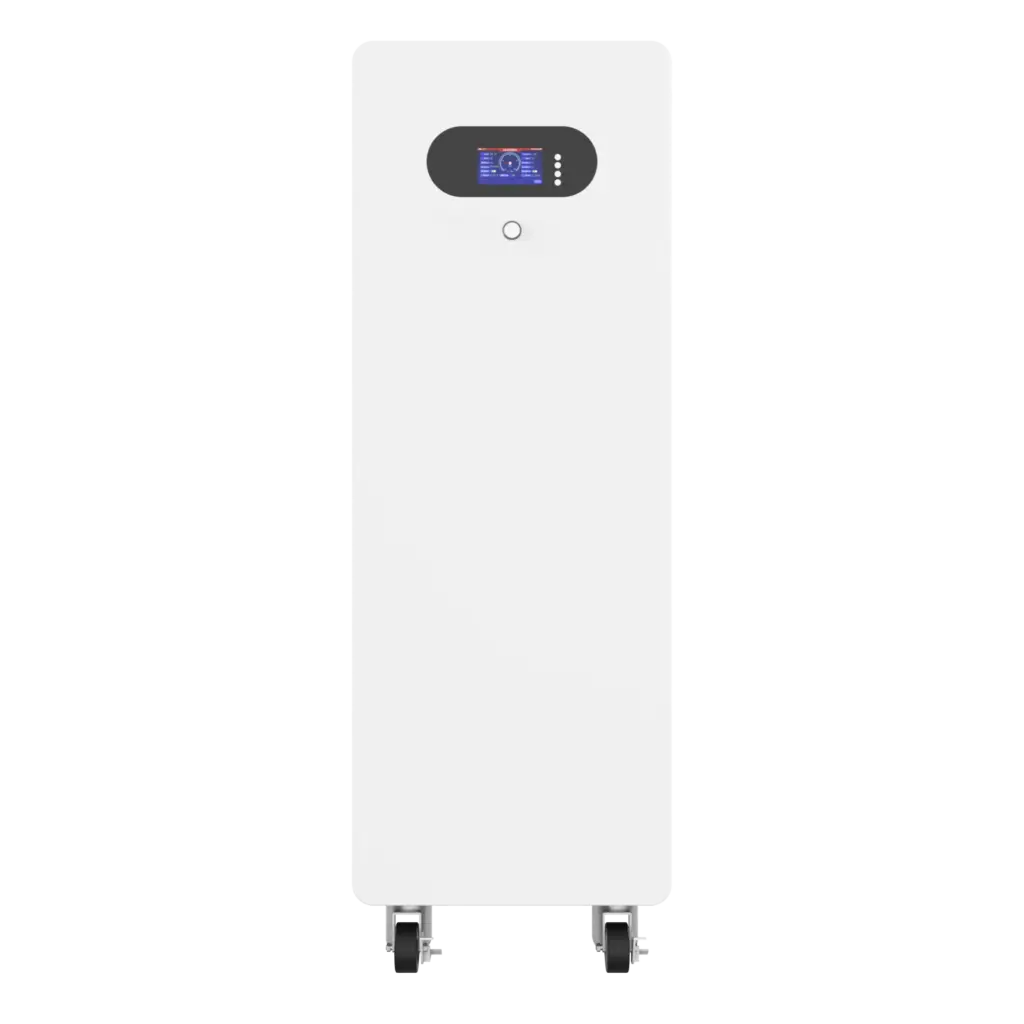
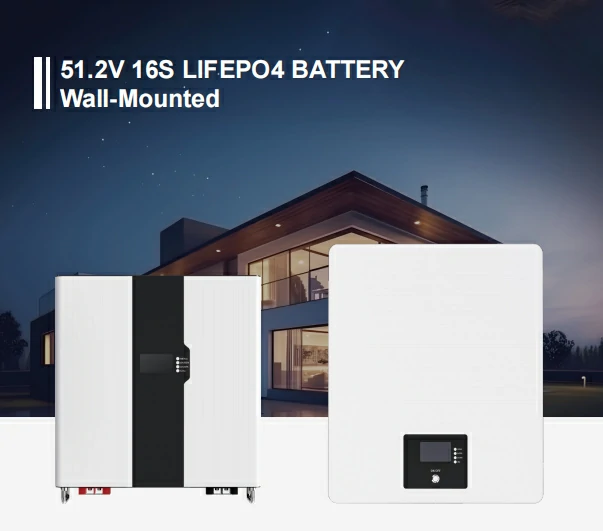
A 5kWh solar battery can be a practical first step for Australian homes that want to store excess rooftop solar, reduce evening grid use and add basic backup power. Avepower offers LiFePO4 battery solutions for residential solar storage projects that need stable performance, long cycle life and flexible installation options.
What Drives 5kW Solar Battery Prices In Australia?
Battery Chemistry And Quality
Most solar backup battery in Australia now use lithium-ion chemistry. Within this, LiFePO4 (lithium iron phosphate) is very popular for home battery storage because it offers:
- High cycle life (often thousands of charge-discharge cycles)
- Strong safety record
- Stable performance in hot conditions
Higher-quality LiFePO4 solar batteries usually cost more upfront but can last longer and hold their usable capacity better over time.
Usable Capacity And Depth Of Discharge
Battery marketing often lists “nominal” capacity, but you should pay attention to usable capacity.
- Many systems limit Depth of Discharge (DoD) to protect the cells.
- A 5kWh battery might offer 4–4.5kWh of usable energy each day.
Price indexes in Australia usually show cost per usable kWh installed. For example, recent national data shows most systems landing around $800–$1,300 per kWh installed, depending on brand and size, after the federal rebate.
Because some installation costs are fixed, larger batteries often have a lower cost per kWh than small ones, which is why a 10kWh system can sometimes look like better value than two separate 5kWh units.
Inverter Type And System Design
Your 5kWh solar battery can connect to your solar system in two main ways:
- Hybrid (DC-coupled)
- You have a hybrid solar inverter that handles both panels and battery.
- Adding a battery later usually costs less because you do not need another inverter.
- The Solar Choice price index shows a lower installed cost for “battery only” systems where a hybrid inverter already exists.
- AC-coupled battery with its own inverter
- The battery has its own dedicated inverter/charger.
- You can add this to almost any existing solar system.
- It usually costs more, which is why “battery plus inverter” systems show higher averages.
Your installer’s design choice will affect both upfront cost and efficiency. A well-planned system can use the battery more efficiently and may improve your long-term savings.
Brand, Warranty And Local Support
Well-known brands such as Tesla, Enphase, Sungrow and others often sit toward the higher end of the price scale. They may offer:
- Longer or more robust warranties
- Established Australian support channels
- Strong integration with monitoring apps and smart tariffs
The Clean Energy Council and independent comparison sites warn that very cheap batteries often come with weaker warranties or unclear support arrangements.
Avepower aim to sit in the “good value but still high quality” space, where batteries offer:
- Long cycle-life (8000+ cycle, 10-year lifespan) claims
- Integrated BMS protection
- Compatibility with modern hybrid inverters
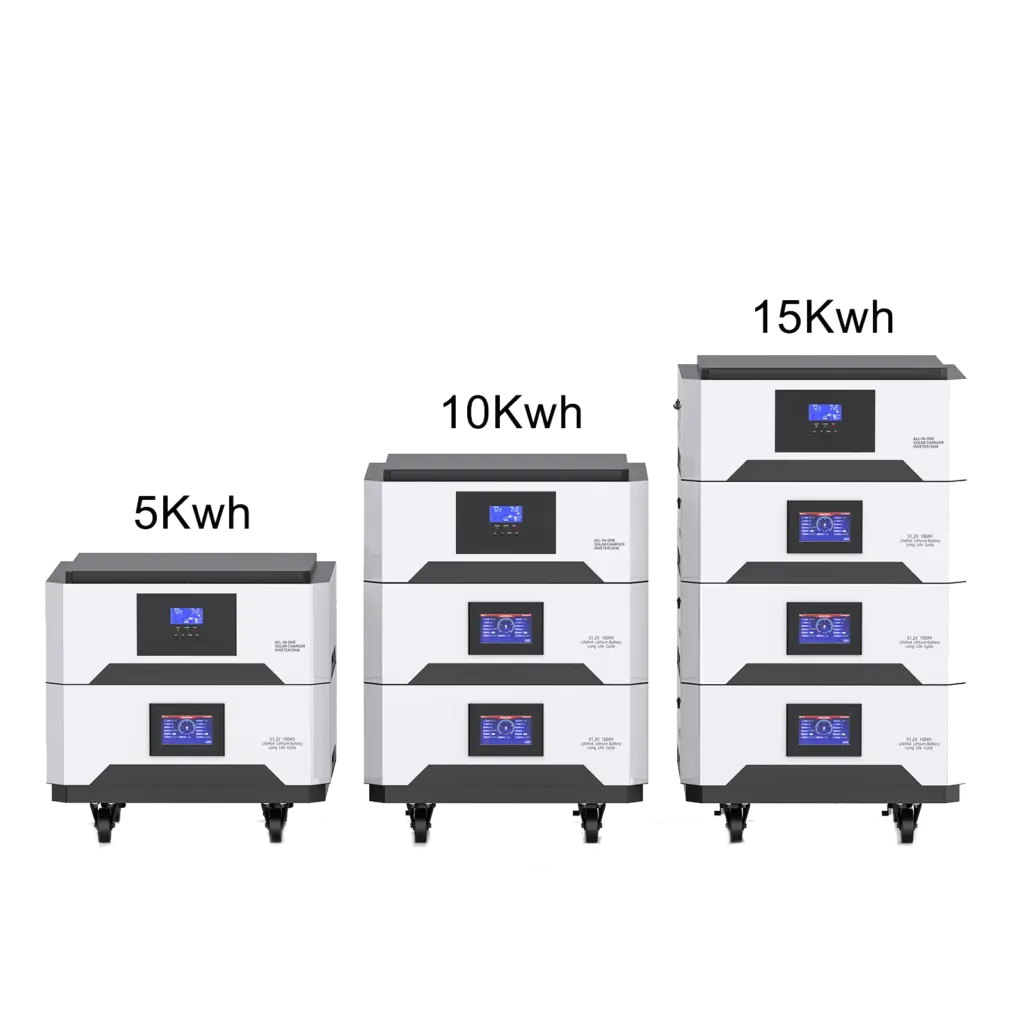
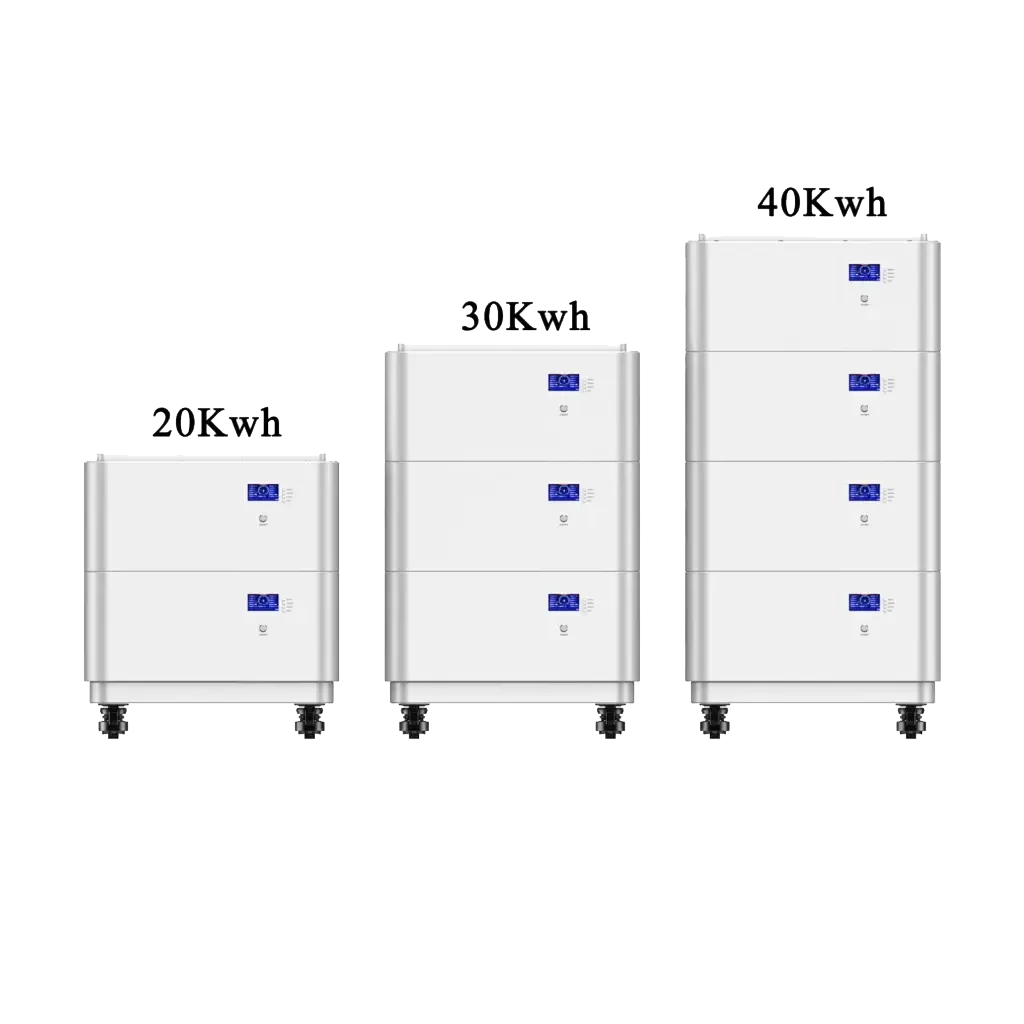
- Optional modular designs (for example, stackable 5kWh blocks that can grow with your needs (Max. 260kwh))
For Australian homeowners, this kind of product usually reaches you through local installers or solar retailers who import and support these systems.
Government Incentives, VPPs And Finance
Government support now plays a major role in the true 5kW battery price in Australia.
- From 1 July 2025, the Cheaper Home Batteries Program provides around a 30% discount on the upfront cost of eligible 5–100kWh battery systems, delivered through the Small-scale Renewable Energy Scheme (SRES) via certificates.
- Clean Energy Council guidance states that batteries must be on an approved products list to qualify.
Several states and territories also have their own rebates or low-interest loans. For example:
- Western Australia offers a Residential Battery Scheme that pays a set amount per kWh of capacity when you join a Virtual Power Plant (VPP).
- The ACT and some other regions provide interest-free loans or local schemes that make upfront costs easier to manage.
Many VPPs also pay you for allowing your battery to occasionally discharge into the grid. These extra payments can improve your payback but give the VPP operator some control over when your battery charges and discharges.
What Can A 5kWh Battery Actually Power?
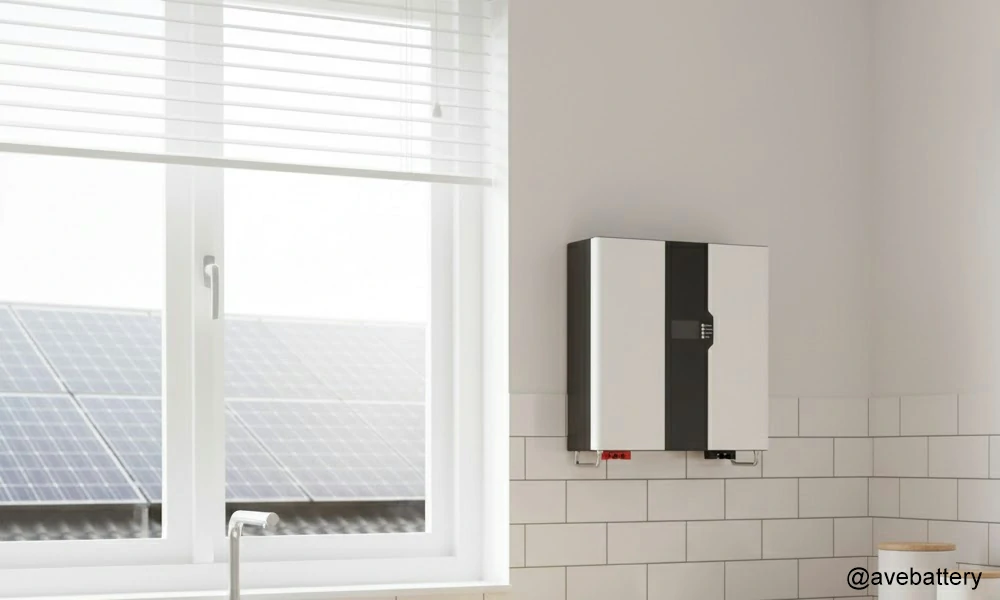
Price is only one side of the story. You also need to know what a 5kWh solar battery will actually do for your house.
Most detached homes in Australia use somewhere around 15–25kWh per day, though units and very efficient homes can sit well below this figure.
A 5kWh solar battery with around 4–4.5kWh usable can:
- Cover a fair slice of your evening usage, especially if you already use energy efficiently.
- Run lights, Wi-Fi, TV, fridge and some power points through most of the evening.
- Support short bursts of higher loads (kettle, microwave, small air-con) without issue, assuming the inverter power rating is suitable.
However, a 5kWh solar battery is usually not enough to:
- Run ducted air-conditioning for many hours at night
- Keep a very large home fully powered through long outages
- Push your bill down to zero on its own
For many city households, a 5kWh solar battery is best viewed as a solid first step:
- It soaks up excess solar that would otherwise go back to the grid for a low feed-in tariff.
- It covers your peak evening rates.
- It gives some backup for common loads if the power goes out.
If your home has high usage or you want longer backup, you may prefer a 10–13kWh system instead.
Related resources: 10kw solar battery price australia
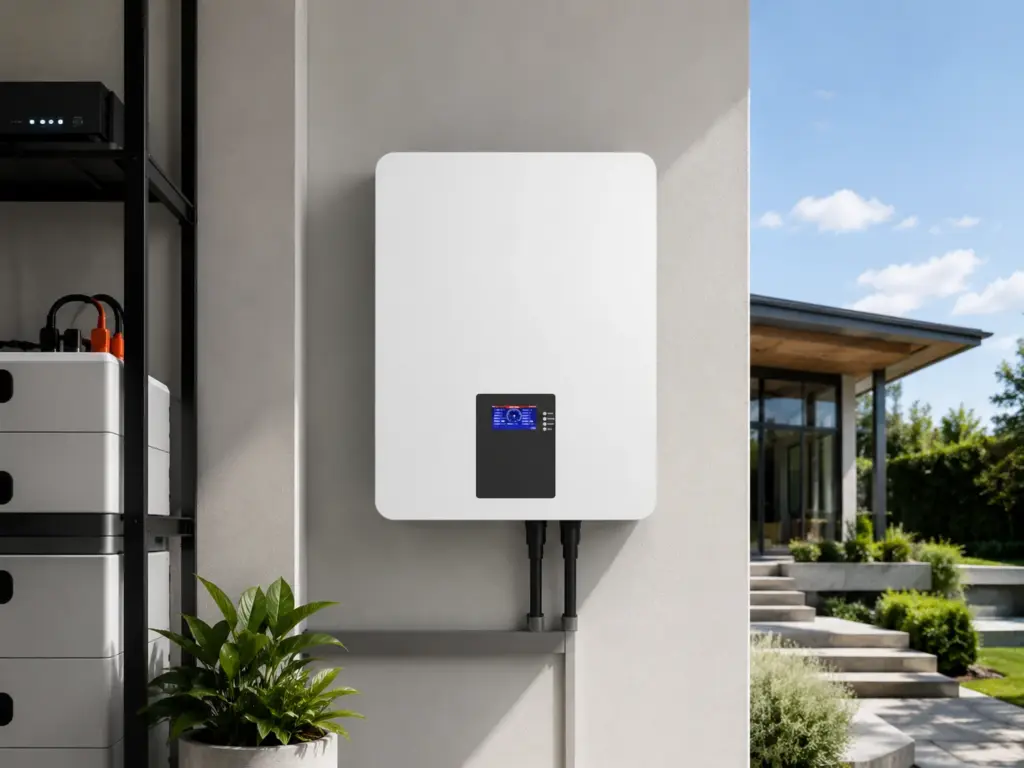
Start Your Australian Home Battery Project with Avepower
Whether you are comparing 5kW solar battery prices, upgrading an existing solar system or sourcing batteries for residential projects, Avepower provides safe LiFePO4 battery storage solutions with BMS protection, scalable capacity options and OEM/ODM support.
How Much Can A 5kWh Solar Battery Save You Each Year?
Your savings from a 5kWh solar battery depend on three main things:
- How much extra solar you have during the day.
- Your retail power price (what you pay for grid power).
- Your feed-in tariff (what you get paid for exported solar).
A simple way to think about savings is to look at each stored kWh:
- You might avoid paying 25–35 cents per kWh for grid power.
- You might give up a 5–10 cent feed-in tariff.
- So each stored kWh can save around 15–30 cents compared with exporting.
If a 5kWh battery cycles one full charge and discharge on most days, your annual saving might look like this:
- 5 kWh × 0.20–0.30 dollars × 365 days ≈ $365–$550 per year.
In a well-matched home that uses more evening power and can cycle the battery more than once on some days, annual savings can move closer to $700–$1,000, especially when paired with a VPP plan or higher peak tariffs.
Estimated Payback Period for a 5kWh Solar Battery
| Scenario | Installed Cost After Rebates | Typical Annual Saving | Simple Payback Period |
|---|---|---|---|
| Basic 5kWh battery, good solar surplus | $5,500 | $550 | ~10 years |
| Same battery in high-tariff area or with VPP | $5,500 | $800 | ~7 years |
| Higher-end 5kWh battery with backup circuits | $7,500 | $800 | ~9–10 years |
Real life is rarely this neat. Power prices may rise, your usage may change, and you may add an EV or heat pump later. You can treat these numbers as rough guideposts, not exact forecasts.
Avepower often sees distributors pair a 5kWh Avepower battery with homes that already have strong solar savings and mainly want bill smoothing and backup. For customers who chase faster payback and deeper bill cuts, installers tend to recommend 10kWh solar battery or larger Avepower configurations.
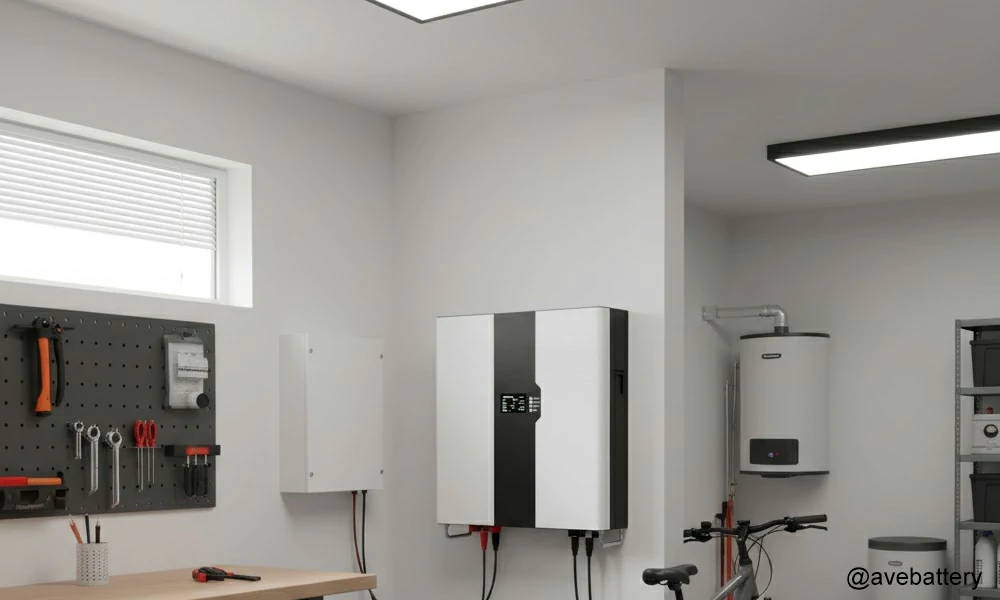
Is A 5kW Solar Battery Right For Your Home?
When A 5kWh Battery Makes Sense
A 5kWh solar battery often works well if:
- You live in a smaller home or unit.
- Your solar array is around 5–6.6kW.
- You export more than about 5kWh per day on average.
- You mainly want to trim evening bills rather than go off-grid.
- You want some backup but do not need to run heavy loads for long periods.
When You Might Prefer 10kWh Or More
You may want to look at 10–13kWh systems if:
- You have a larger family home with high evening usage.
- You run pool pumps, ducted air-conditioning, EV charging or other big loads.
- You want longer outage protection for fridges, freezers, medical devices and internet.
- You plan to join a VPP and maximise revenue from grid support.
Quick Comparison Table
| Battery Size | Typical Installed Price After Federal Rebate (2026, Approx.) | Best Suited To |
|---|---|---|
| 5kWh | $5,000–$8,000 | Units, townhouses, small families, first-time battery buyers |
| 10kWh | $8,500–$12,000 | Average family homes with higher usage, more backup needs |
| 13kWh+ | $11,000+ | Large homes, heavy loads, keen VPP participants, serious bill reduction |
Expandable Capacity Solar Batteries
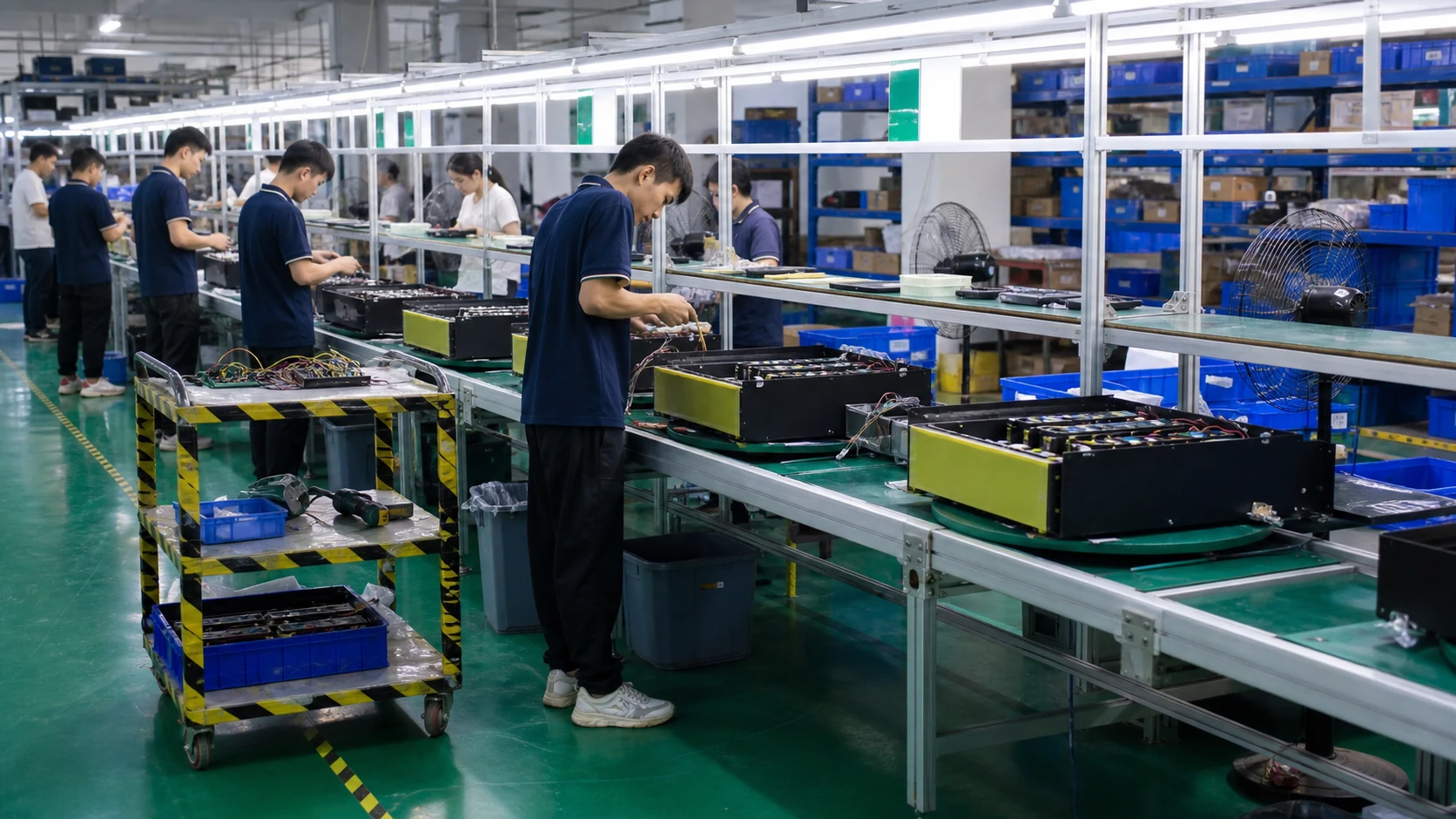
Avepower is a leading solar battery manufacturer, offering:
- Wall-mounted batteries and rack-mounted LiFePO4 batteries, typically in 48V and 24V configurations.
- Modular 5kWh build modules that can expand into larger systems.
- Battery packs with integrated Battery Management Systems (BMS), designed for over 8,000 cycles and enhanced safety.
All products are internationally certified (CE, CB, RoHS) and manufactured according to the ISO9001 quality system.
For Australian homeowners, installers and distributors can include Avepower batteries in their home energy storage solutions. Homeowners should ask their installer if they offer Avepower batteries or similar LiFePO4 options with comparable safety and durability specs.
If you’re a solar retailer, electrician, or project developer in Australia, and plan to expand your 5kWh-15kWh storage offerings under the “Cheaper Home Batteries Program,” it’s best to speak directly with Avepower for supply solutions, technical support, and white-label options.
Contact Avepower today to learn more about our flexible, scalable battery solutions and how we can support your business or home energy needs!
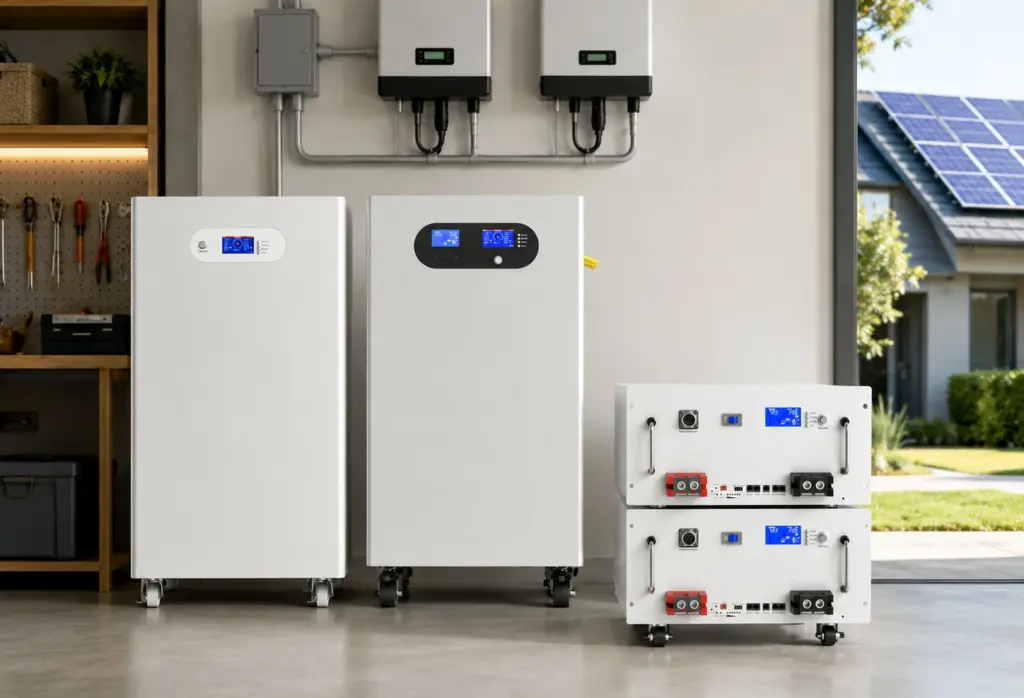
Take Control of Your Energy with Avepower!
Reliable home solar battery solutions with OEM/ODM customization and in-house manufacturing, tailored to the needs of distributors, installers, and energy partners.
FAQ
A fair price for a mainstream 5kWh battery in 2026, after federal support, will often sit in the $5,000–$7,000 range for a simple retrofit and $6,000–$9,000 when you also need a new hybrid inverter.
Most homes that use a 5kWh battery well can expect $400–$800 per year in savings, depending on power prices, feed-in tariffs, and how full you cycle the battery.
Most good quality lithium batteries now come with 10-year warranties and are designed to last 8000+ of cycles.
If your bills are already low or you use most of your solar during the day, the payback may be slow. In that case, you may still choose a battery for comfort, resilience, or future-proofing, rather than for speed of payback.