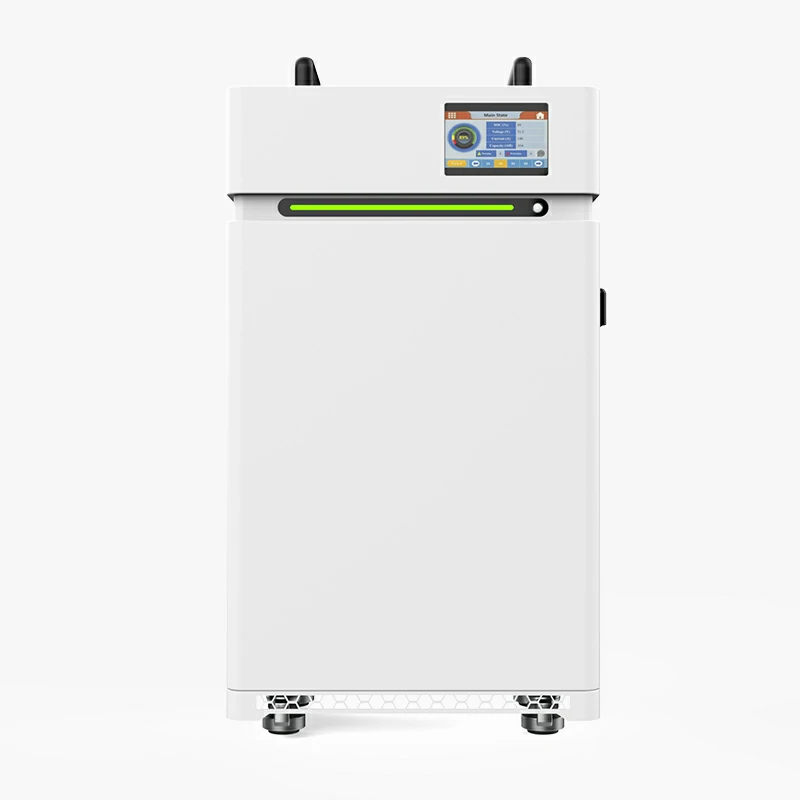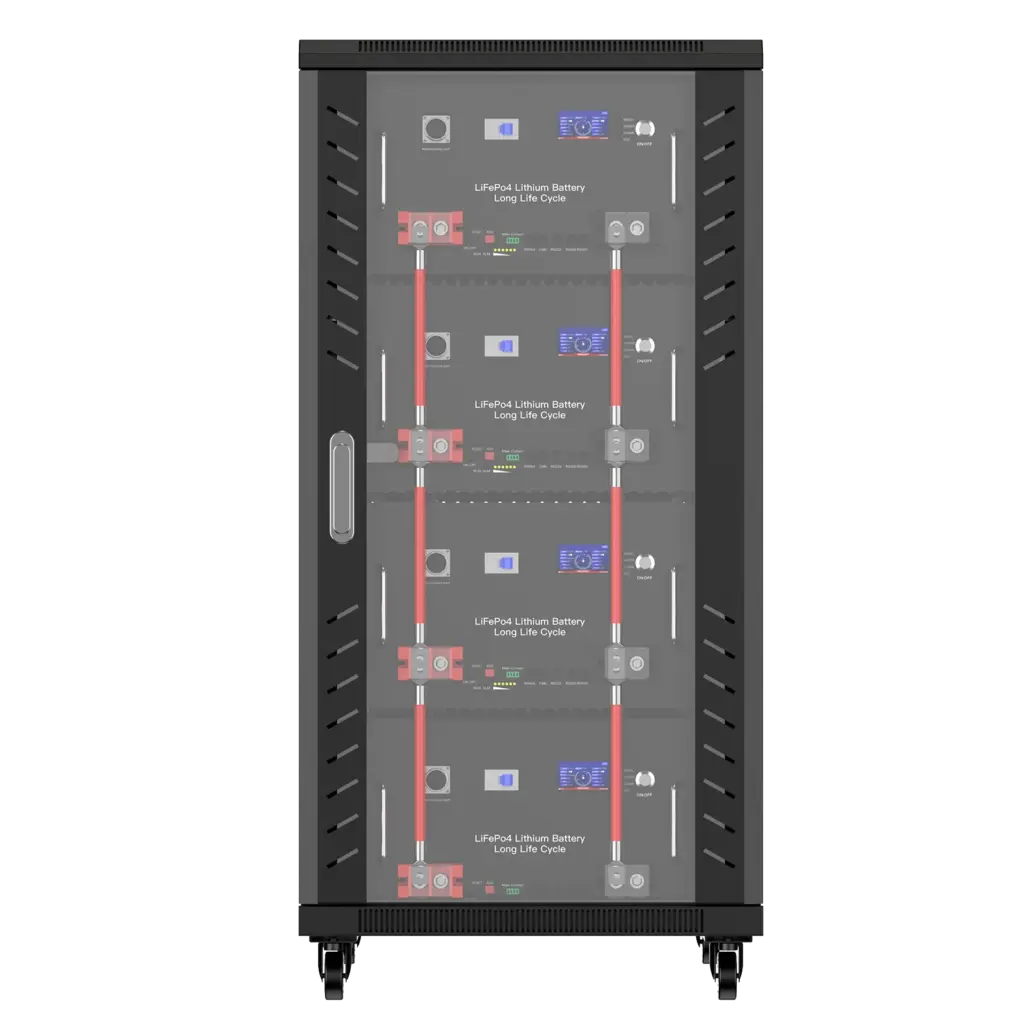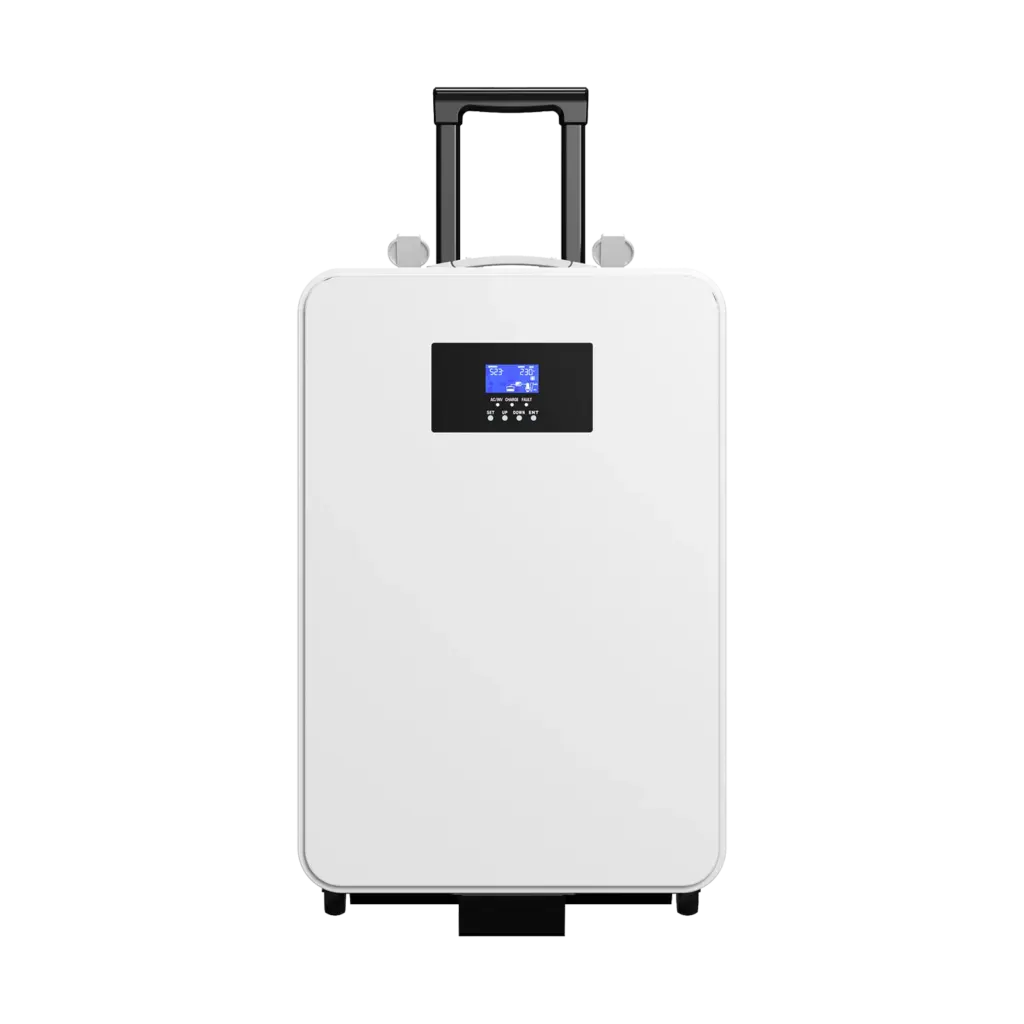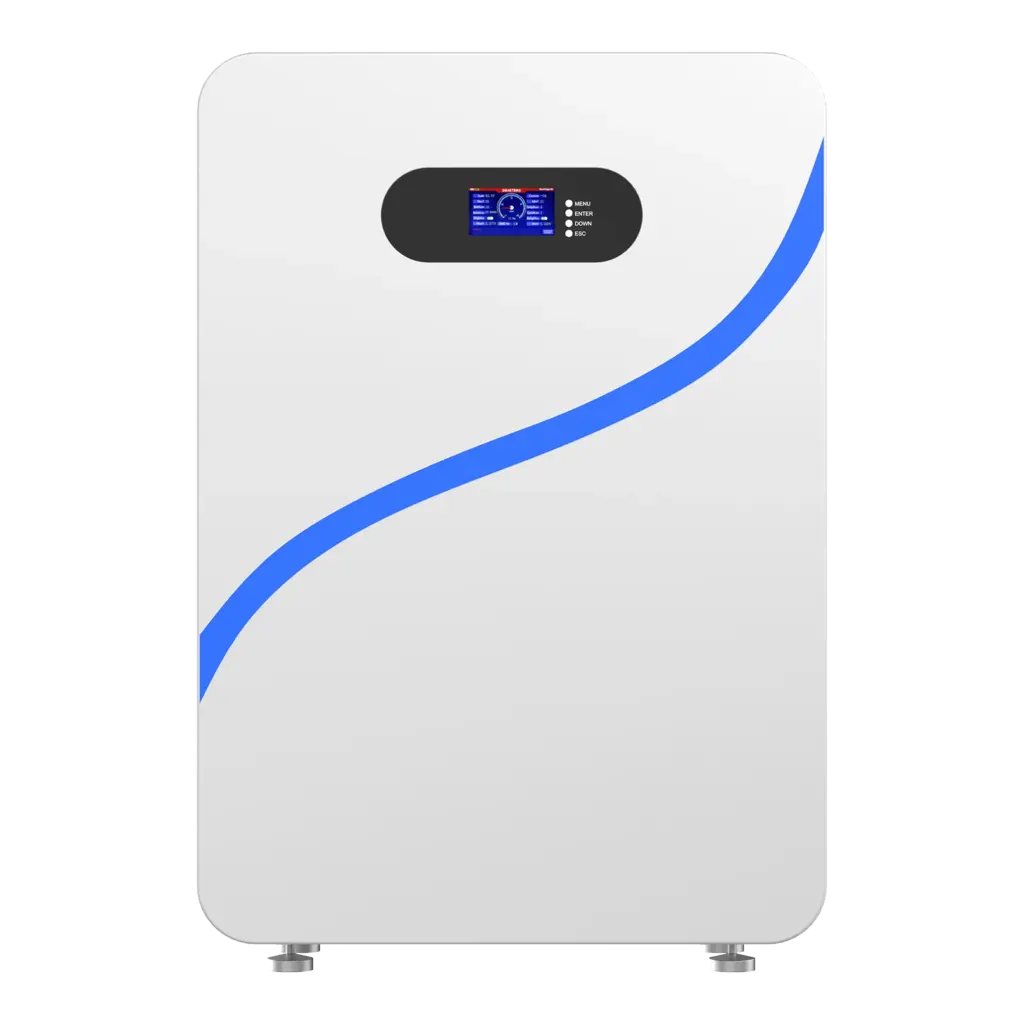


A 10kWh solar battery is the size many Australian homes look at first — big enough to cover evening use, but not as expensive as a very large system.
This guide gives you a clear, Australia-specific view of 10kWh battery costs, how rebates work, typical payback times, and who a 10kWh battery really suits.
10kW Solar Battery Price In Australia: 2026
| Item | Typical 2025–2026 Range (AUD, incl. GST) |
|---|---|
| 10kWh battery unit only | $8,000 – $12,000 |
| 10kWh battery installed | $9,500 – $15,000 |
| 10kW solar system (panels + inverter only) | ~$7,500 – $10,500 installed after STCs |
| 10kW solar + 10kWh battery package | ~$14,000 – $25,000 installed, before state rebates |
Because the Cheaper Home Batteries Program slices roughly 30% off the upfront price (up to about $372 per usable kWh for systems between 5–50kWh), many 10kWh solar battery price now land around:
- After federal rebate: roughly $6,500 – $10,000 out-of-pocket
- After stacking state incentives or VPP payments: in some cases, closer to $5,000 – $8,000
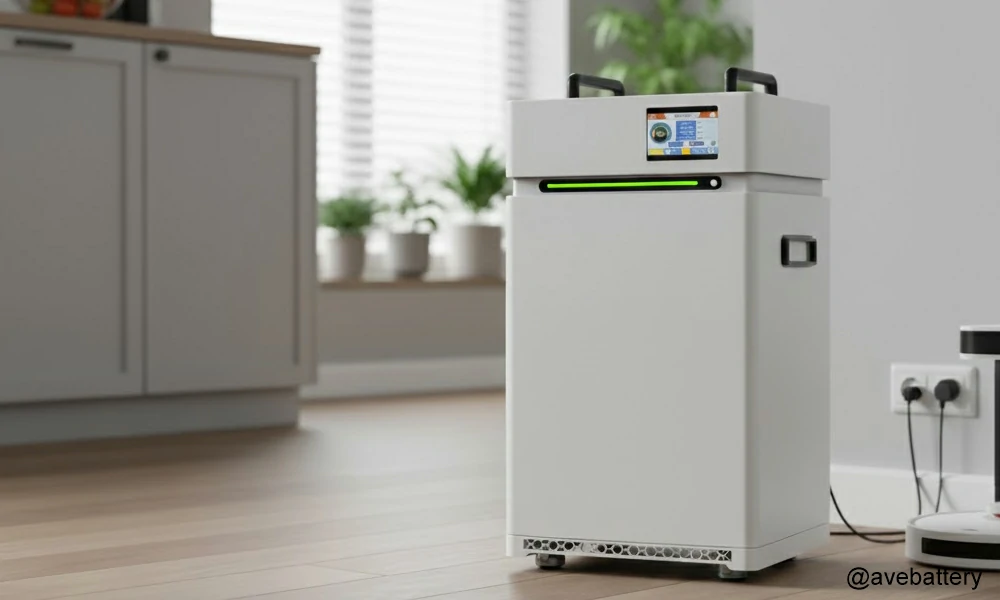
Premium names like Tesla or Sonnen tend to sit in the top end of the range, while high-quality LiFePO4 solar modular batteries (such as those manufactured by Avepower and sold via Australian installers) usually sit in the middle.
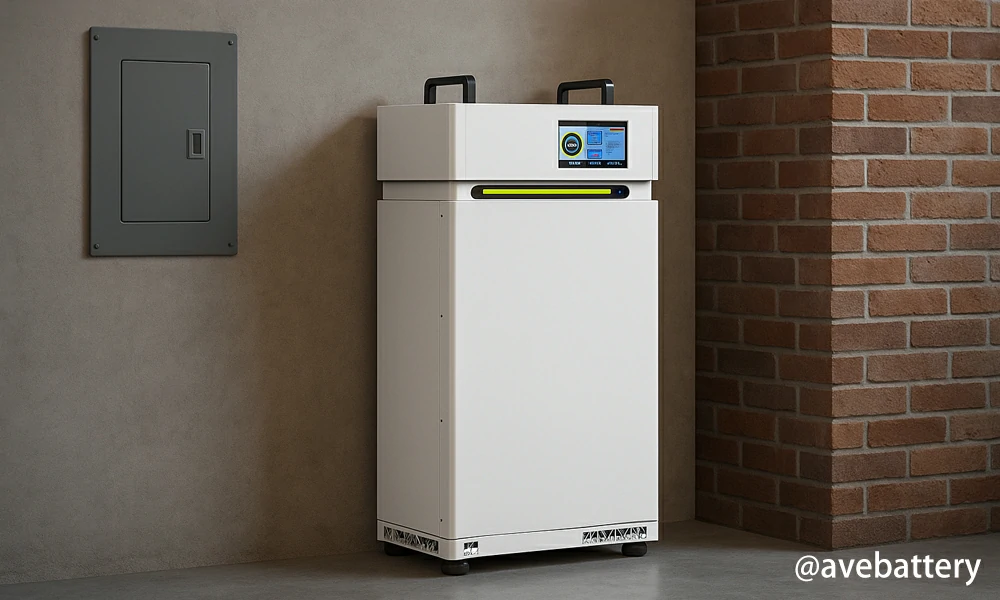
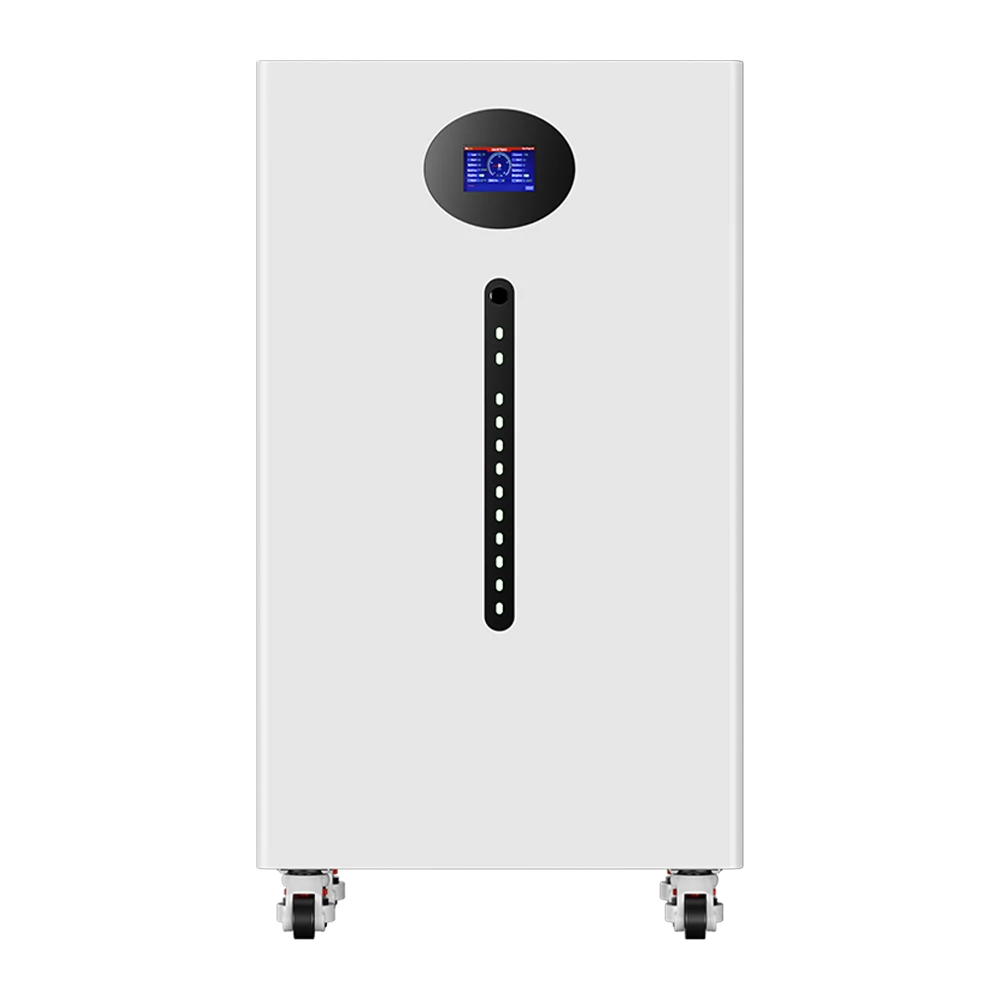
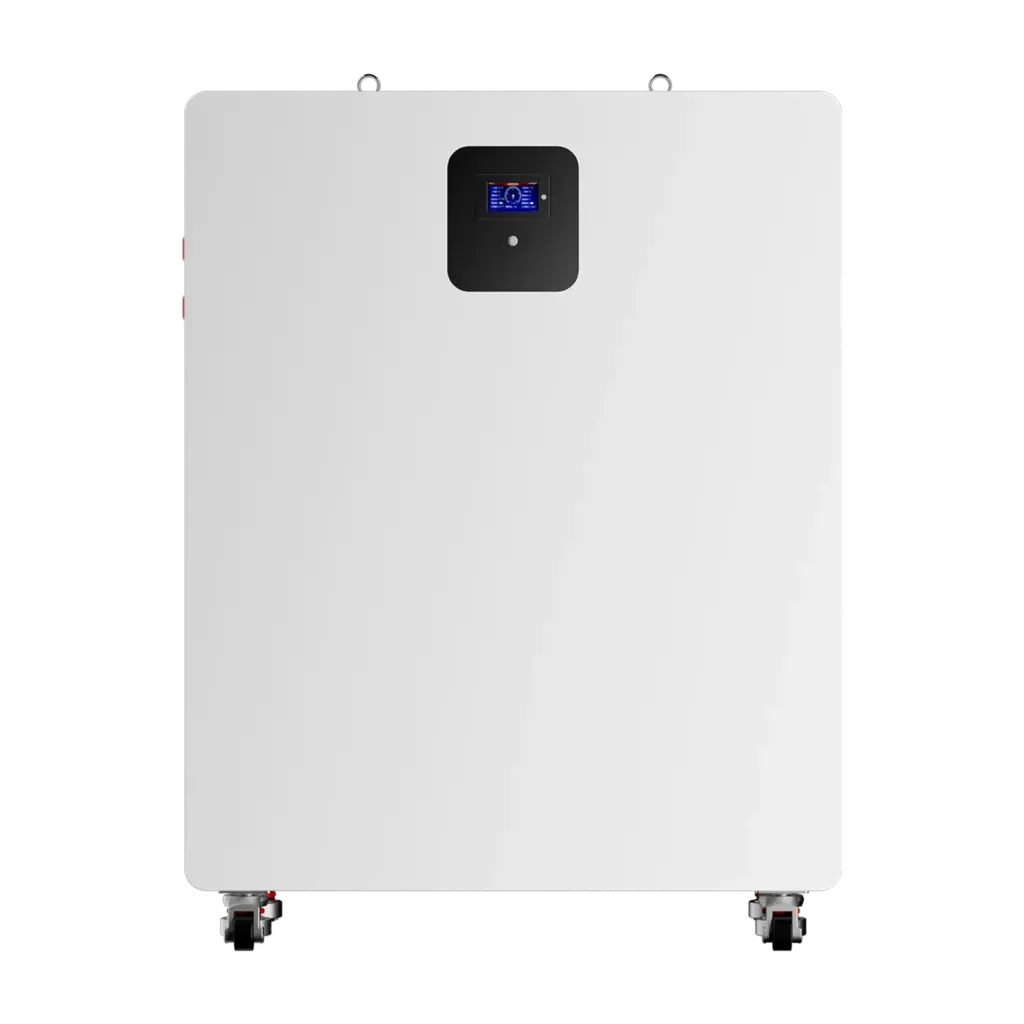
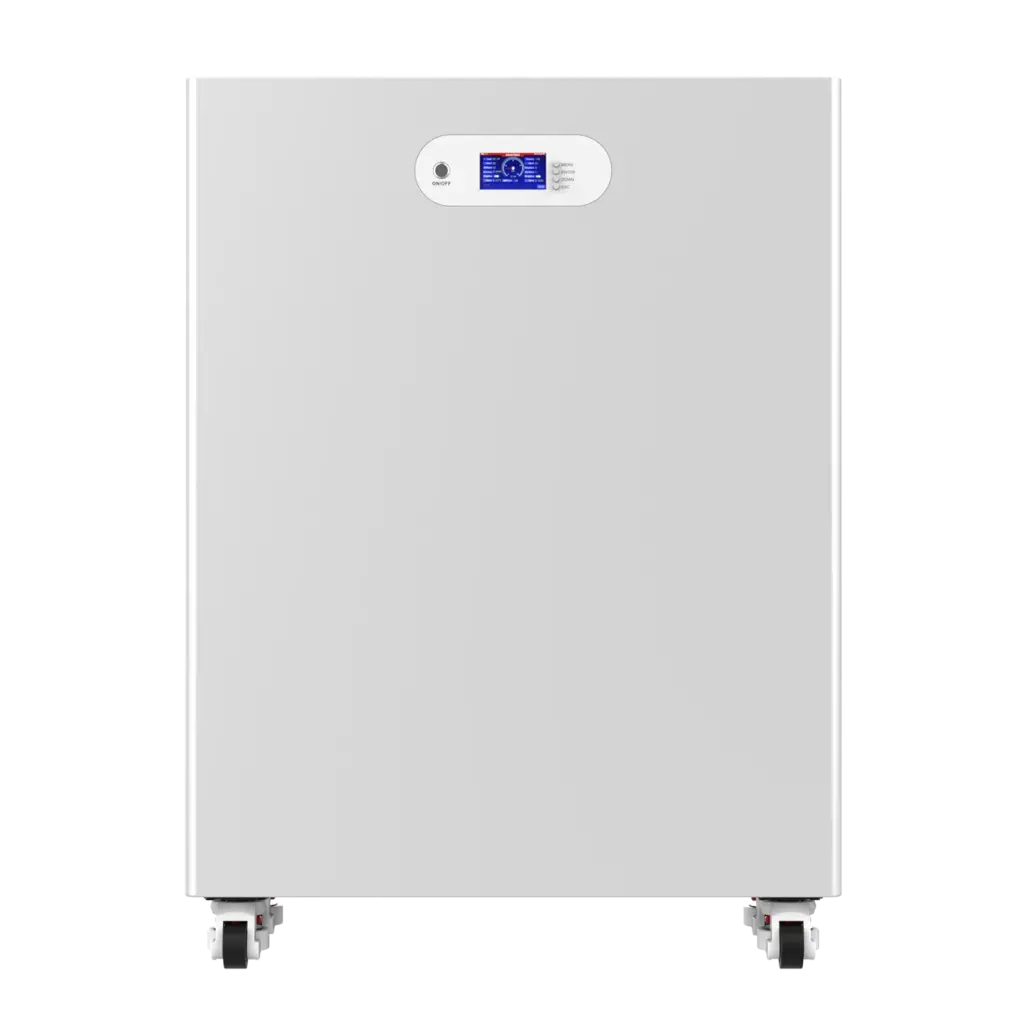
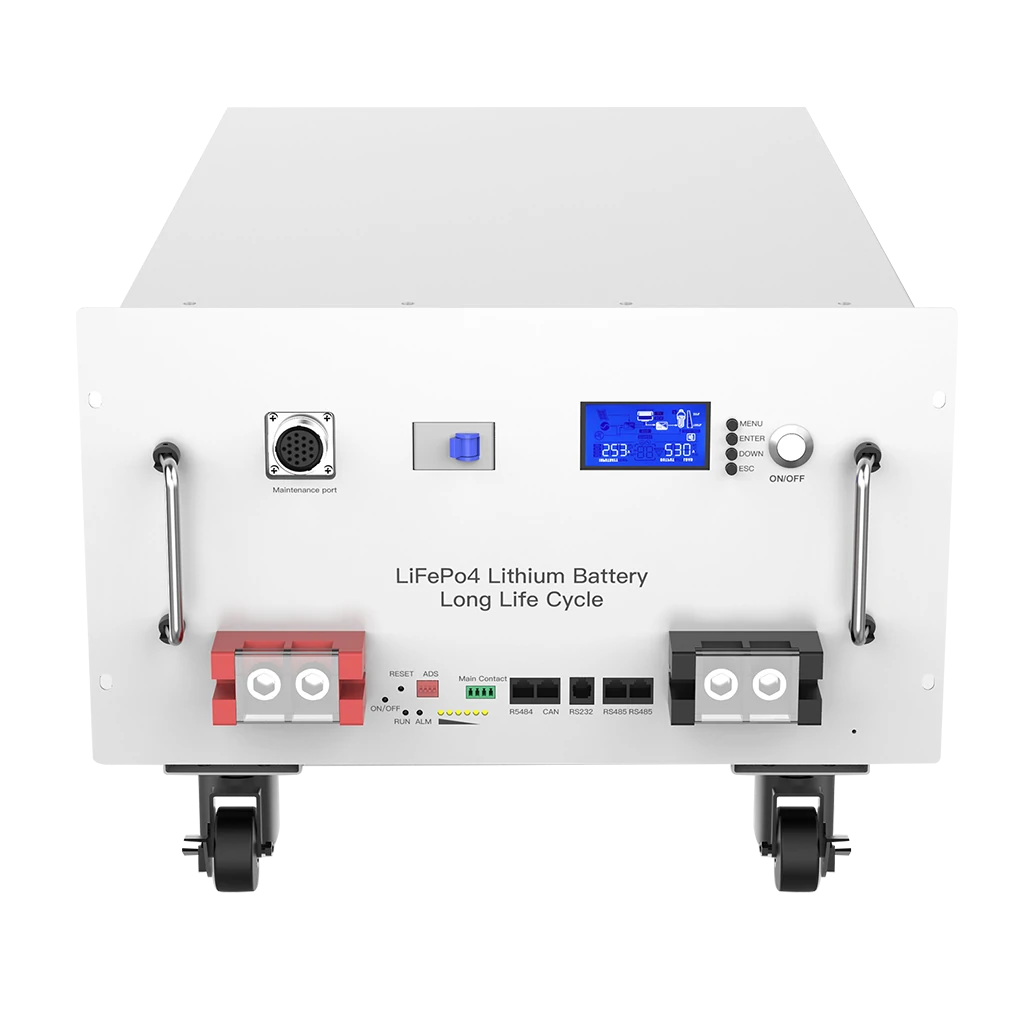
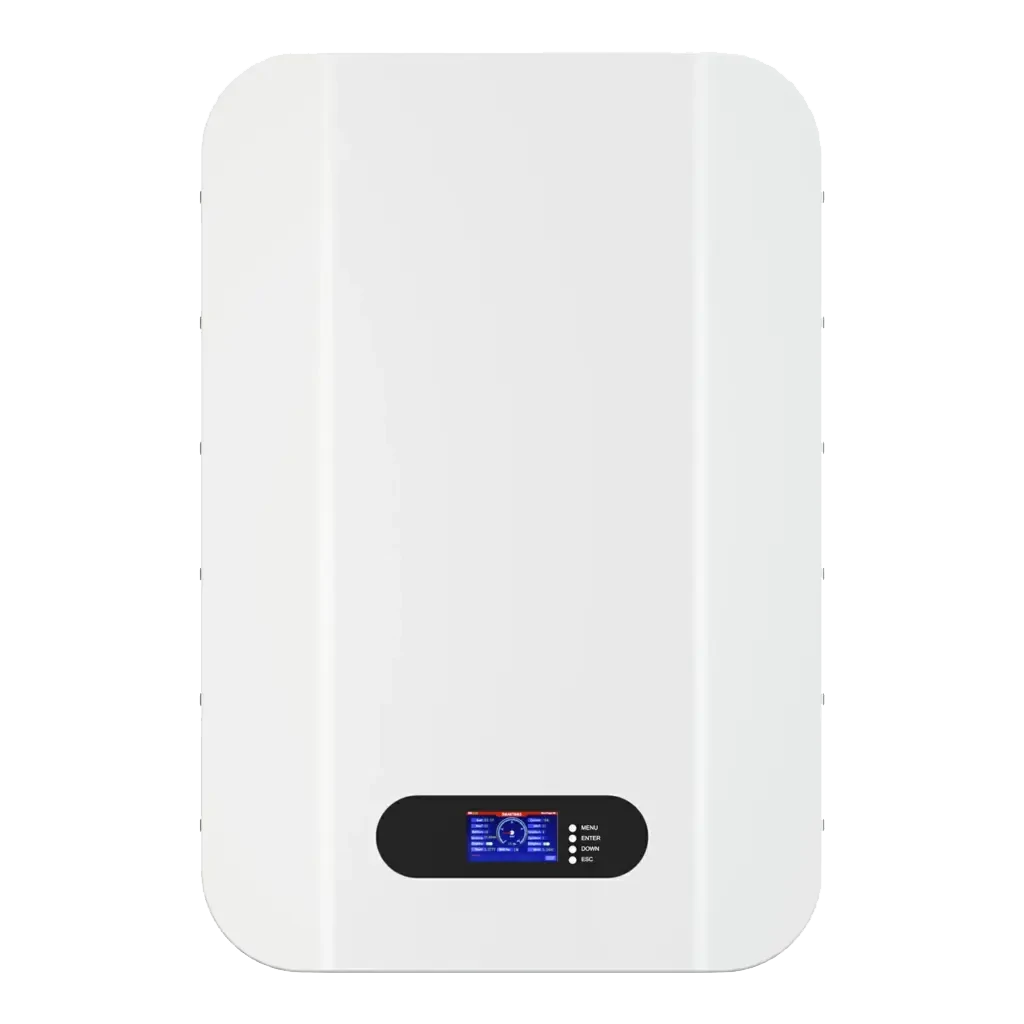
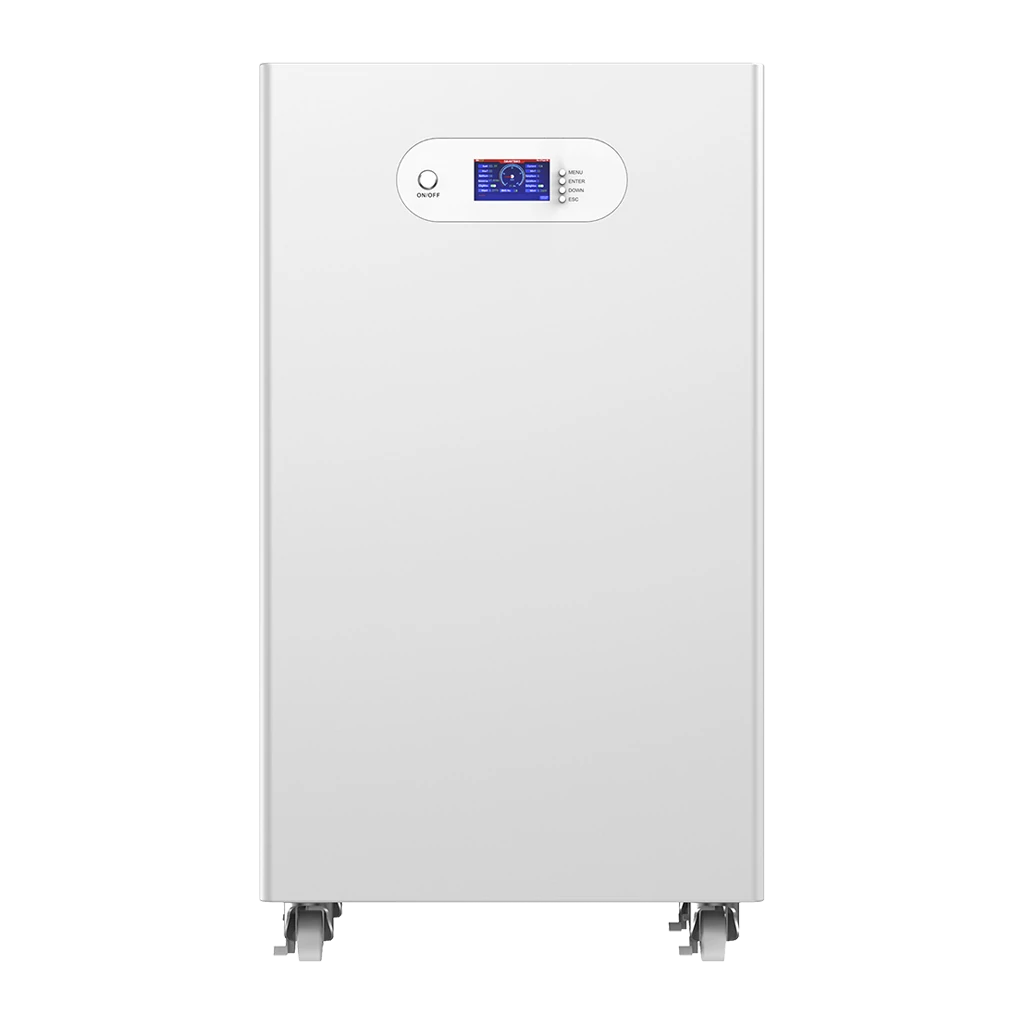
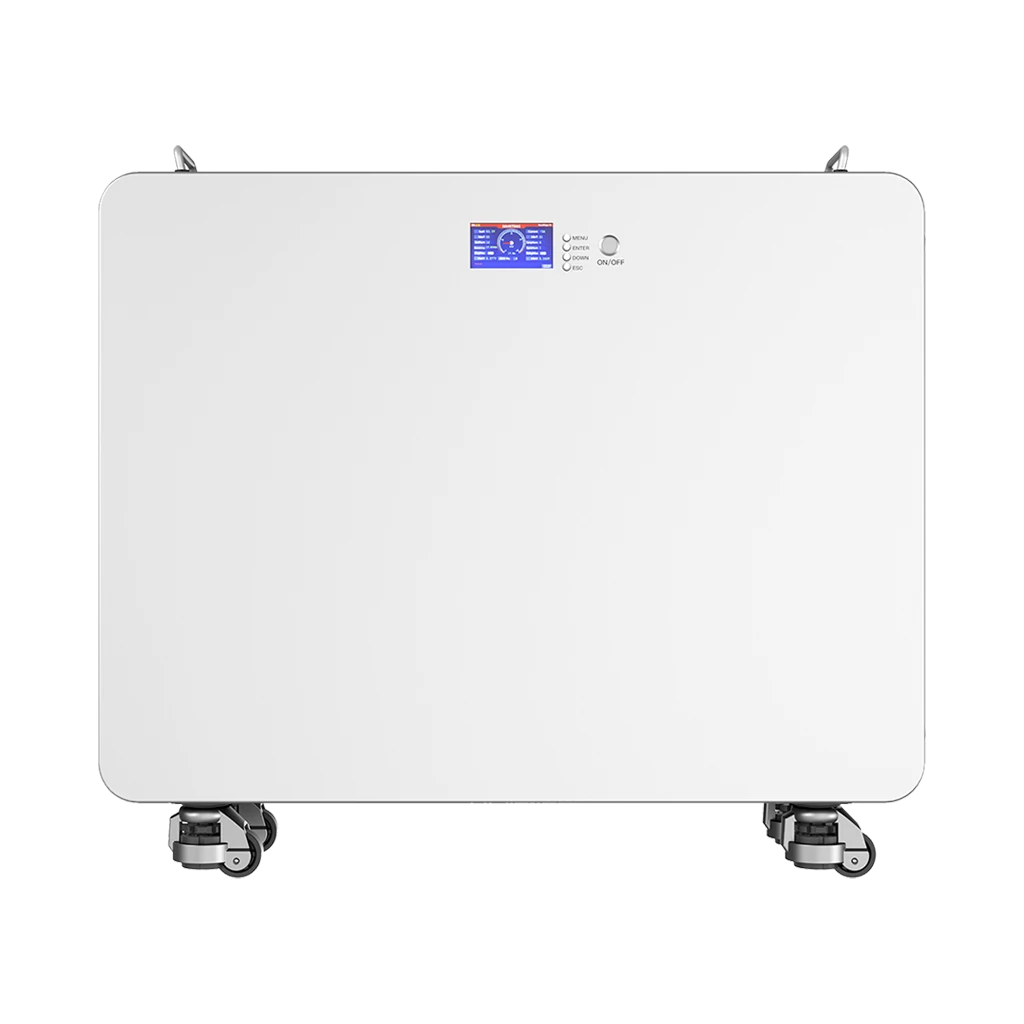
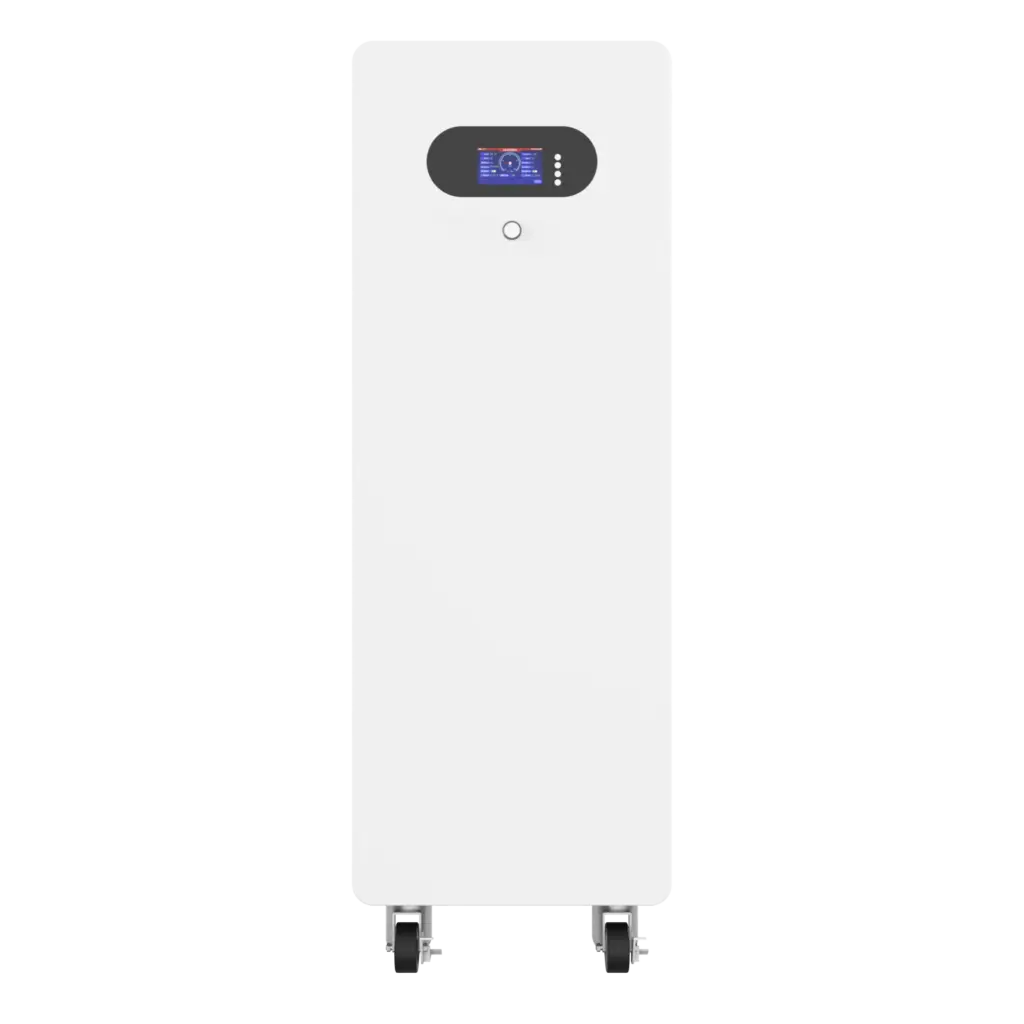
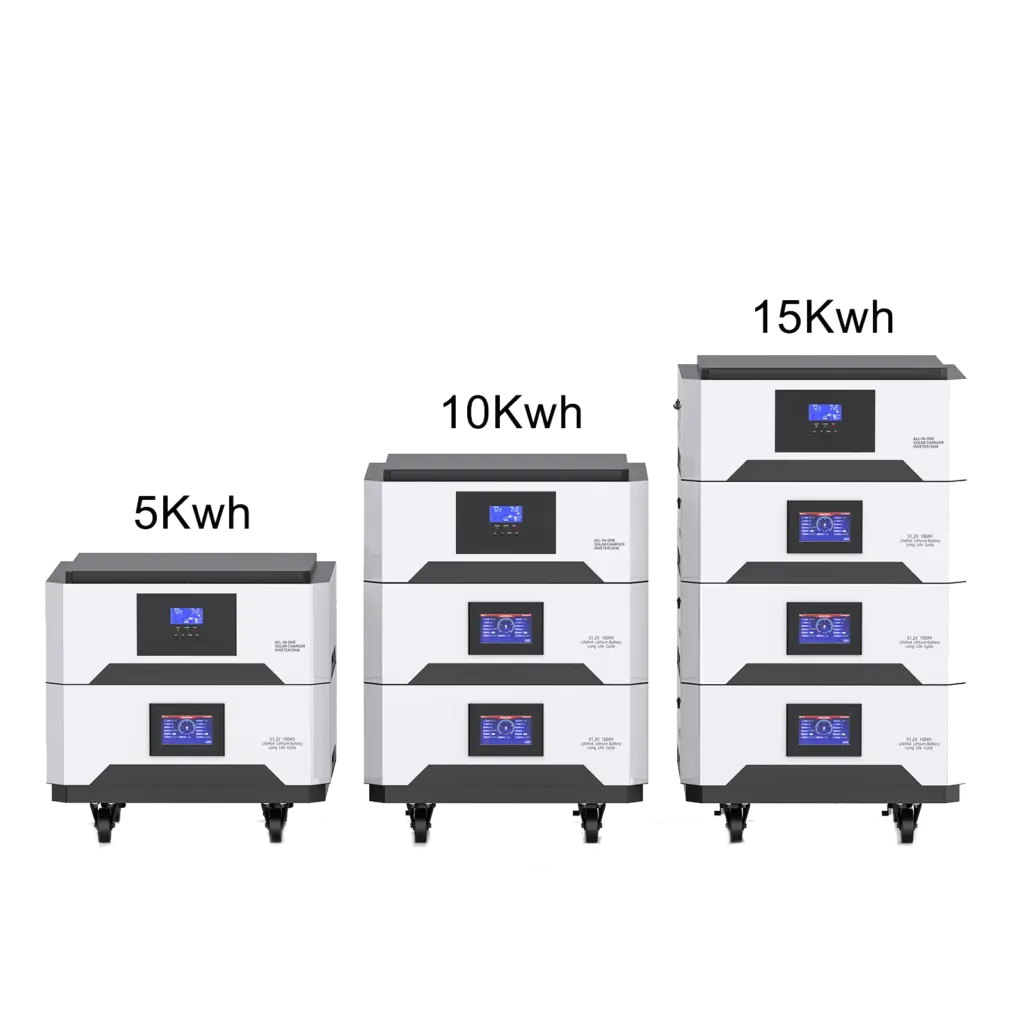
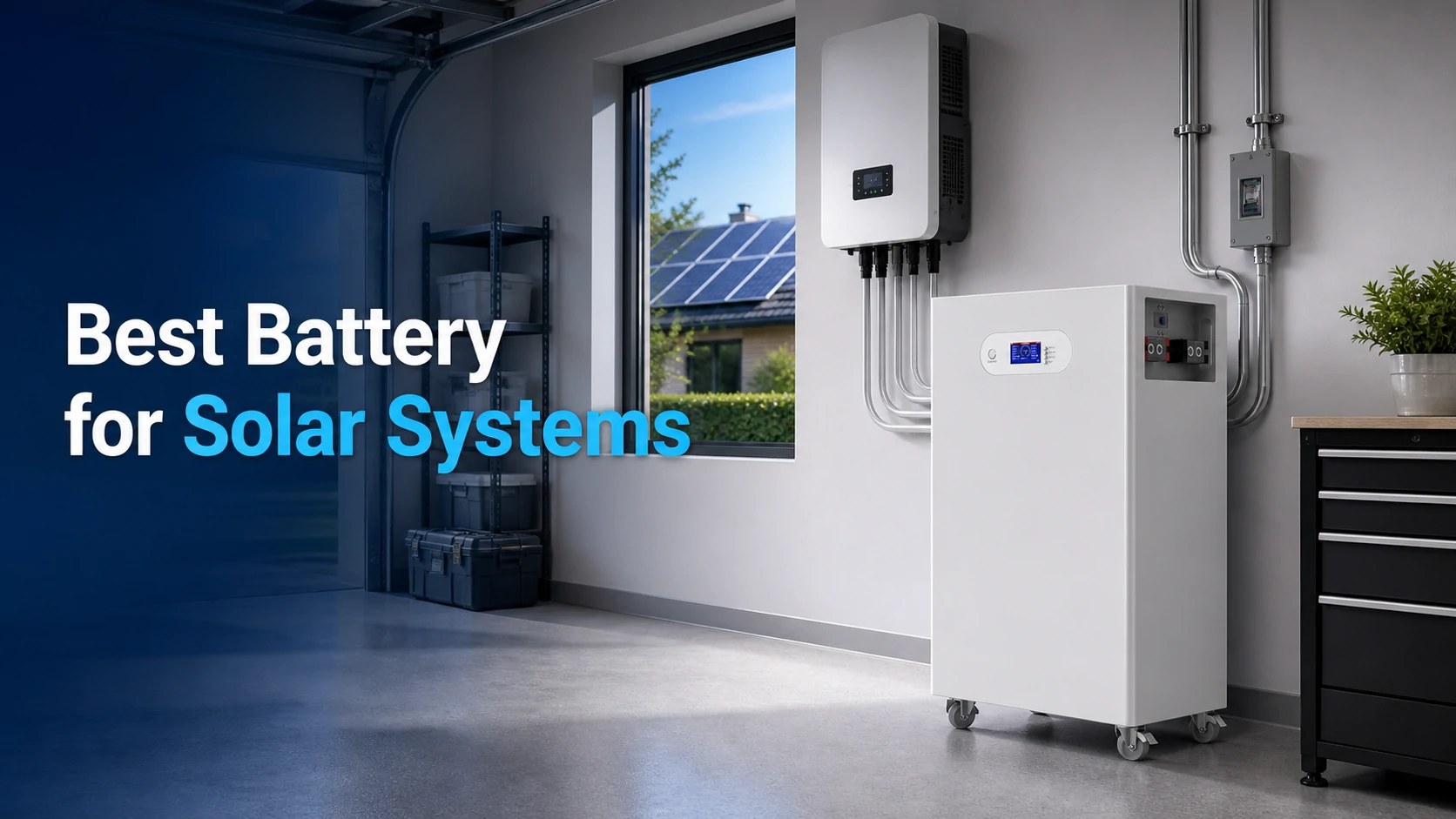
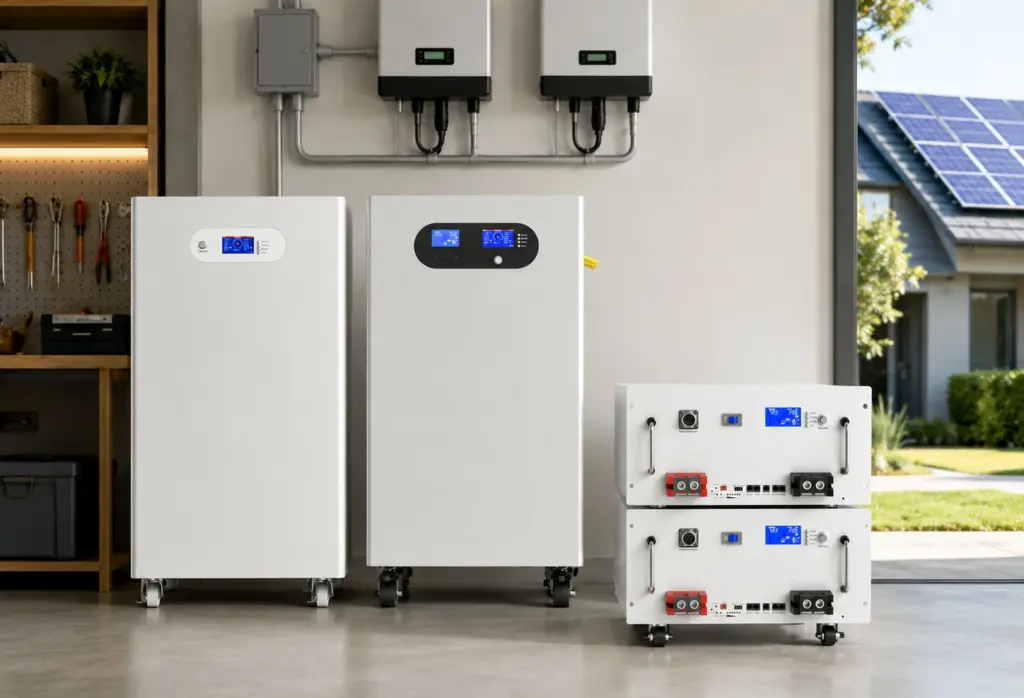
Avepower 10kWh Solar Battery
Save energy when electricity is cheap, and use it when rates are high!
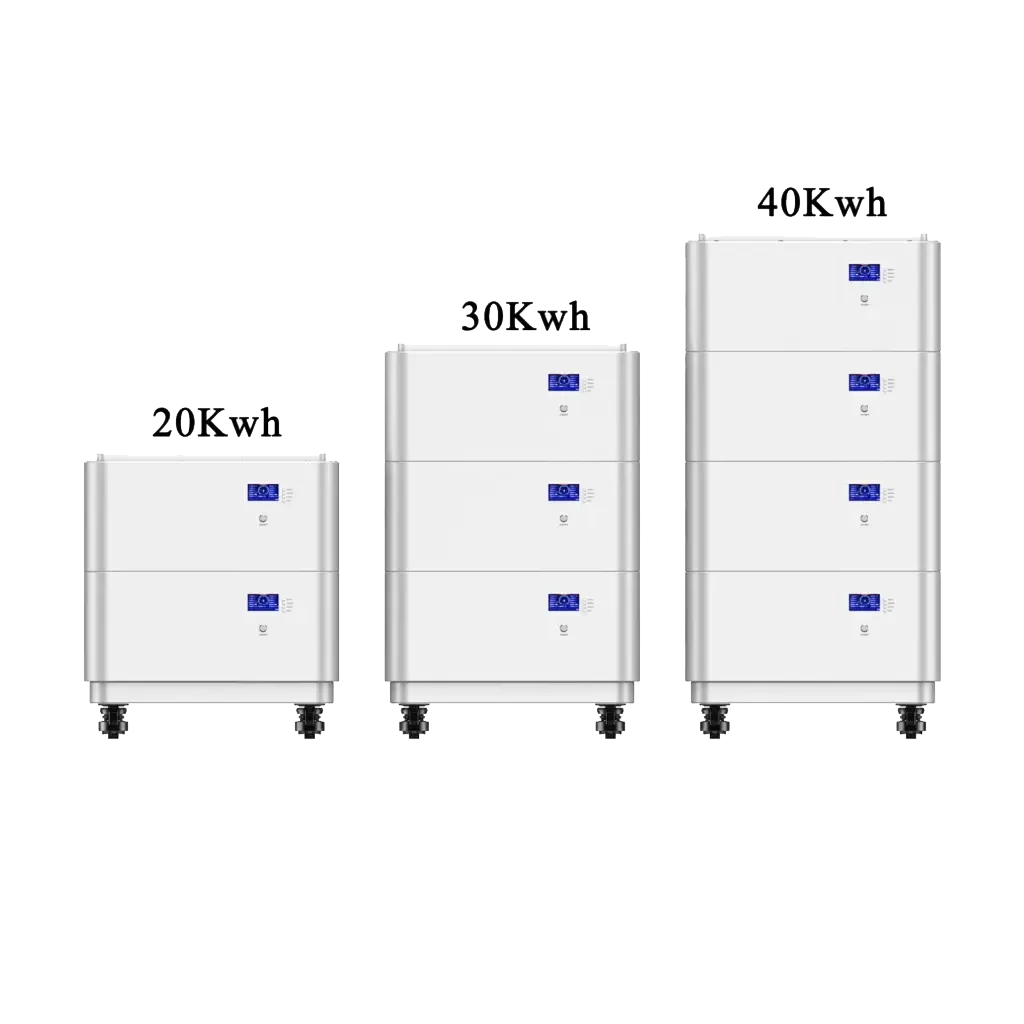
With our modular design, you can start with 10kWh and easily add more storage anytime—up to 260kWh—to fit your needs.
Who Should Seriously Consider A 10kWh Battery?
A 10kWh solar battery is not the right size for every home. It suits certain use patterns very well.
Good Candidates For A 10kWh Battery
You are likely a good fit if:
- Your household uses 7–12kWh after sunset most nights.
This often includes:- Electric hot water
- Ducted or multiple split-system air conditioners
- Electric cooking
- Home office gear, big TVs or gaming PCs
- Maybe an EV trickle-charging overnight
- You already have 6.6–10kW of rooftop solar.
Your panels need to create enough surplus in the middle of the day to both power the home and fill the battery. - You are on a time-of-use tariff.
If your evening rates sit in the 40–60c/kWh range, using stored solar rather than peak grid power really lifts the value. - You value backup power.
A 10kWh solar battery can comfortably run essentials — fridge, lights, modems, phone chargers, some fans — through most outages.
When A 10kWh Battery Might Be Overkill
You might go smaller or skip a battery altogether if:
- Your evening usage is only 3–5kWh.
- You live where grid power is still relatively cheap (for example parts of Tasmania or the ACT).
- You cannot claim many rebates and need the lowest upfront cost.
In these cases, you might look at:
- A 5–8kWh battery; or
- Just solar only plus a good feed-in tariff.
Avepower (as a battery manufacturer) often sees installers pair a 10kWh battery with a 6.6–10kW solar system for “typical” three-bedroom homes. In larger homes or homes with EVs, installers tend to lean toward modular 13–20kWh setups, which can start with 10kWh and grow over time.
Related resources: Home Battery Storage Without Solar Maintenance Cost Annual Budget
10kW Solar Battery Price By City (Australia)
| City | Typical Installed Range (Before Rebates) | Why It Varies |
|---|---|---|
| Sydney | $9,500 – $15,000 | Competitive market, higher labour than some states |
| Melbourne | $9,500 – $15,000 | Similar to Sydney; feed-in tariffs are low, so batteries are attractive even with longer payback |
| Brisbane | $9,000 – $14,000 | Warm climate and strong solar uptake; travel costs lower in metro areas |
| Adelaide | $9,000 – $14,000 | Very strong solar culture; high evening tariffs help battery value |
| Perth | $9,000 – $14,000 | Good sun, strong competition; extra WA rebates apply for many homes |
| Canberra | $9,500 – $15,500 | Smaller installer pool, more extreme winters; loan schemes help |
| Darwin | $10,000 – $16,000 | Hot climate and higher transport costs push prices up |
| Hobart | $9,500 – $15,000 | Milder solar yields and lower tariffs lead to longer payback despite similar hardware costs |
If you are buying 10kW of new solar plus a 10kWh solar battery in one go, many packages now sit roughly between $18,000 and $26,000 before rebates, with mid-tier gear and reasonable backup wiring.
What Factors Affect The Price Of A 10kWh Solar Battery?
The final price is not just the battery sticker price. It usually depends on:
- Battery chemistry and build – Most Australian systems use LiFePO4 (LFP) for safety and long cycle life; higher-quality cells and robust BMS protection generally cost more.
- Inverter setup – If you need a new hybrid inverter, your cost will be higher than if your current inverter is already battery-ready.
- Installation complexity – Old switchboards, meter upgrades, long cable runs or wall reinforcements can add $1,000–$3,000.
- Location and labour rates – Regional installs and very high-demand periods can push labour and margin up.
- Brand and warranty – Established brands with 10-year warranties and strong certifications (CE, UL, etc.) often sit at the middle or top of the price range but can be better value over time.
Avepower, for example, positions itself in the quality-LFP, modular segment—not the cheapest, but focused on long life, BMS protection and global certifications rather than bare-bones pricing.
How Rebates And Incentives Reduce 10kWh Battery Prices
Australia’s battery pricing picture in 2026 looks very different because of the new Cheaper Home Batteries Program plus several state and territory schemes.
Federal Cheaper Home Batteries Program (All Of Australia)
From 1 July 2025, the federal government started funding a discount of around 30% of the installed cost for eligible small-scale battery systems between 5–50kWh.
10kWh solar battery:
- The rebate is capped at about $372 per usable kWh, which means a maximum of around $3,700 for a 10kWh battery.
- The scheme is delivered through the existing Small-scale Renewable Energy Scheme (SRES), similar to the panel rebates.
- The discount usually appears directly on your quote from an approved installer.
- The rebate value steps down each year towards 2030, so the benefit is highest in the early years.
For many 10kWh systems:
- A pre-rebate price of $10,000–$12,000 drops to roughly $6,500–$8,500.
- Some cost-optimised systems in competitive metro markets can land below $6,000 after rebates and VPP credits.
State And Territory Support
You can often add state or territory incentives on top of the federal discount.
| State / Territory | Main Support (Beyond Federal Rebate) | Notes |
|---|---|---|
| NSW | Up-front discounts ended mid-2025; now generous VPP incentives of up to about $1,500 for connecting your battery to a Virtual Power Plant under the Peak Demand Reduction Scheme. | You can stack the VPP incentive with the federal rebate. |
| Victoria | Battery rebate up to $2,950 for eligible homeowners, plus optional low-interest loans for solar. | You can usually combine this with the federal battery rebate. |
| Queensland | Battery Booster rebate closed to new applications; no separate state battery subsidy right now. | Queenslanders rely mainly on the federal rebate and VPP offers. |
| South Australia | Home Battery Scheme closed, but SA remains strong for VPP deals and now also uses the federal rebate. | SA has some of the highest evening power prices, which helps payback. |
| Western Australia | WA Residential Battery Scheme offers up to $1,300 (Synergy) or $3,800 (Horizon) on top of the federal rebate, and some material suggests total combined support of up to $5,000–$7,500 for a 10kWh battery. | WA households can see some of the lowest out-of-pocket costs in the country. |
| Northern Territory | Home And Business Battery Scheme offers $400 per usable kWh, capped at $12,000, and can be combined with the federal rebate. | NT often sees very strong payback when usage is high. |
| ACT | Sustainable Household Scheme offers low-interest loans of $2,000–$15,000 at about 3%, which can be used for batteries. | Finance support helps spread the cost, but interest-free terms are being tightened. |
| Tasmania | No dedicated battery rebate at the time of writing; residents rely on the federal scheme and retailer incentives. | Check with local installers for emerging offers. |
Because these programs change, your installer should always confirm what you qualify for when they quote a 10kWh solar system.
Virtual Power Plants (VPPs)
A Virtual Power Plant links many home batteries so an energy company can draw small amounts from each battery at peak times.
If you connect your 10kWh solar battery to a VPP:
- You often receive an upfront joining payment (in NSW this can be up to around $1,500 depending on battery size).
- You may also receive ongoing bill credits when your battery helps the grid.
- You usually give the VPP operator controlled access to a portion of your usable storage at certain times.
VPP income cannot be predicted perfectly, but in many cases it trims another few hundred dollars per year from your bills.
How Long Is The Payback Period For A 10kWh Battery?
A battery’s payback period is the time it takes for your bill savings and VPP earnings to equal your net installed cost.
| City | Typical Annual Savings (10kWh) | Simple Payback |
|---|---|---|
| Adelaide | ~$1,350 | ~6.3 years |
| Perth | ~$1,120 | ~7.6 years |
| Brisbane | ~$1,100 | ~7.7 years |
| Sydney | ~$1,030 | ~8.3 years |
| Canberra | ~$700 | ~12.1 years |
| Melbourne | ~$610 | ~13.9 years |
| Darwin | ~$620 | ~13.7 years |
| Hobart | ~$410 | ~20.7 years |
Actual payback for your home will depend on:
- How full your battery cycles (more night-time use means faster payback).
- How high your peak tariffs are.
- Whether you get extra state incentives or VPP income.
In many australia cities, a well-used 10kWh solar battery now sits in the 6–10 year payback window, which finally fits inside the typical 10-year warranty from quality manufacturers.
Is A 10kWh Battery Enough For The Average Australian Home?
Most Australian homes now sit in the range of 16–20kWh of electricity per day, depending on household size and climate.
A simple pattern for a solar-plus-battery home might look like this:
- Daytime: 10–15kWh used directly from solar
- Evening & overnight: 7–10kWh drawn from the battery
In that context, a 10kWh solar battery is often enough to:
- Cover nearly all of your evening and early morning use on sunny days.
- Leave the grid only for longer, cloudy stretches or big loads (long air-con sessions, EV fast-charging).
What Can A 10kWh Battery Actually Run?
| Appliance / Load | Typical Power Draw | Approx. Energy Use | How Long 10kWh Can Run It (Rough Guide) |
|---|---|---|---|
| 10–15 LED lights | 80–150W total | ~0.1kWh per hour | 60+ hours (lights only) |
| Modern fridge / freezer | 80–150W average | 1–1.5kWh per day | 3–7 days (if almost nothing else runs) |
| Wi-Fi modem + laptop + phone charging | 50–120W | ~0.2kWh per hour | 30–40 hours |
| Television + sound system | 100–250W | ~0.3kWh per hour | 25–30 hours |
| Split-system air conditioner | 600–2,000W | 2–4kWh per hour | 2–4 hours of heavy cooling/heating |
| Front-loader washing machine | 1,000–2,000W peak | ~1.2kWh per cycle | 8–10 wash cycles (if nothing else runs) |
When 10kWh May Not Be Enough
A 10kWh solar battery may feel small if:
- You charge one or more EVs mainly at night.
- You run large ducted air-conditioning for many hours after sunset.
- You have a home business with heavy evening loads (for example, freezers, pumps, machinery).
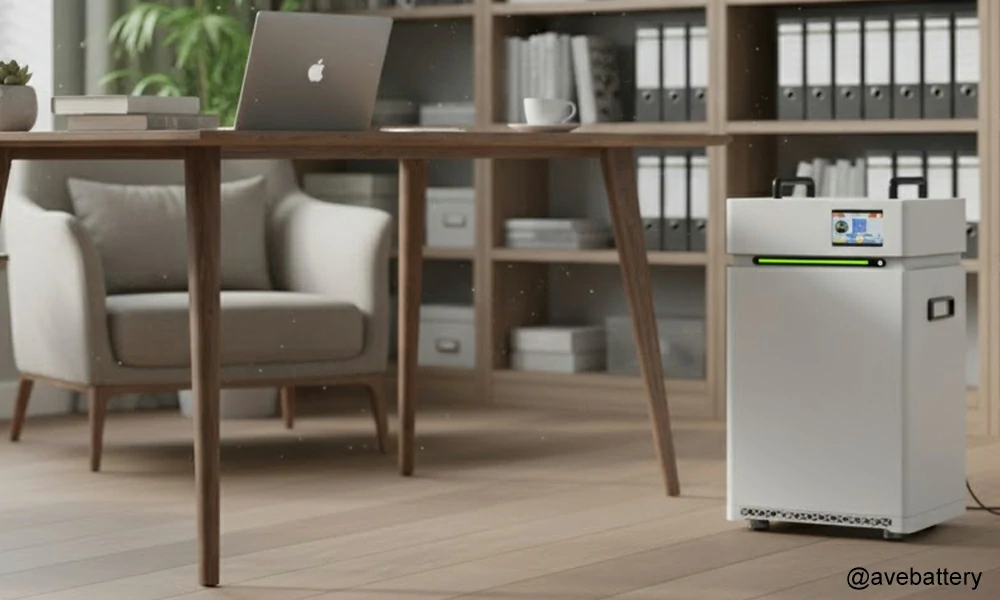
In these cases, a modular system from a manufacturer like Avepower can help, because you can start at 10kWh and add extra modules later if your usage grows.
If you’re unsure, you can use Avepower’s free solar battery capacity calculator to find the perfect solar battery size based on your household’s actual energy needs.
Solar Battery Size Calculator — How Many kWh do I Need?
10kWh vs 5kWh vs 8kWh vs 13kWh vs 16kWh: Which Size Offers the Best Value?
You can think about battery size in three steps:
- How much do you use after sunset?
- How many days of “poor solar” do you want protection for?
- How much capital do you want tied up in storage?
Based on current Australian battery price indices and typical installer bundles:
| Usable Storage | Typical Installed Cost | Approx Cost Per kWh | Typical Household Fit |
|---|---|---|---|
| 5kWh | $6,000 – $8,000 | ~$1,200 – $1,500 / kWh | Small homes, low evening use |
| 8kWh | $8,500 – $10,500 | ~$1,050 – $1,300 / kWh | 2–3 person homes on TOU tariffs |
| 10kWh | $9,500 – $15,000 | ~$950 – $1,300 / kWh | Average family homes, good all-rounder |
| 13kWh | $11,000 – $18,000 | ~$850 – $1,250 / kWh | High use homes, EV charging, bigger backup |
| 16kWh | $13,000 – $20,000 | ~$810 – $1,250 / kWh | Larger families, extensive backup & EV charging |
As battery size goes up, cost per kWh usually falls, but total dollars at risk also rise.
Related resources: 5kw solar battery price australia
Customizable and Flexible Solar Batteries
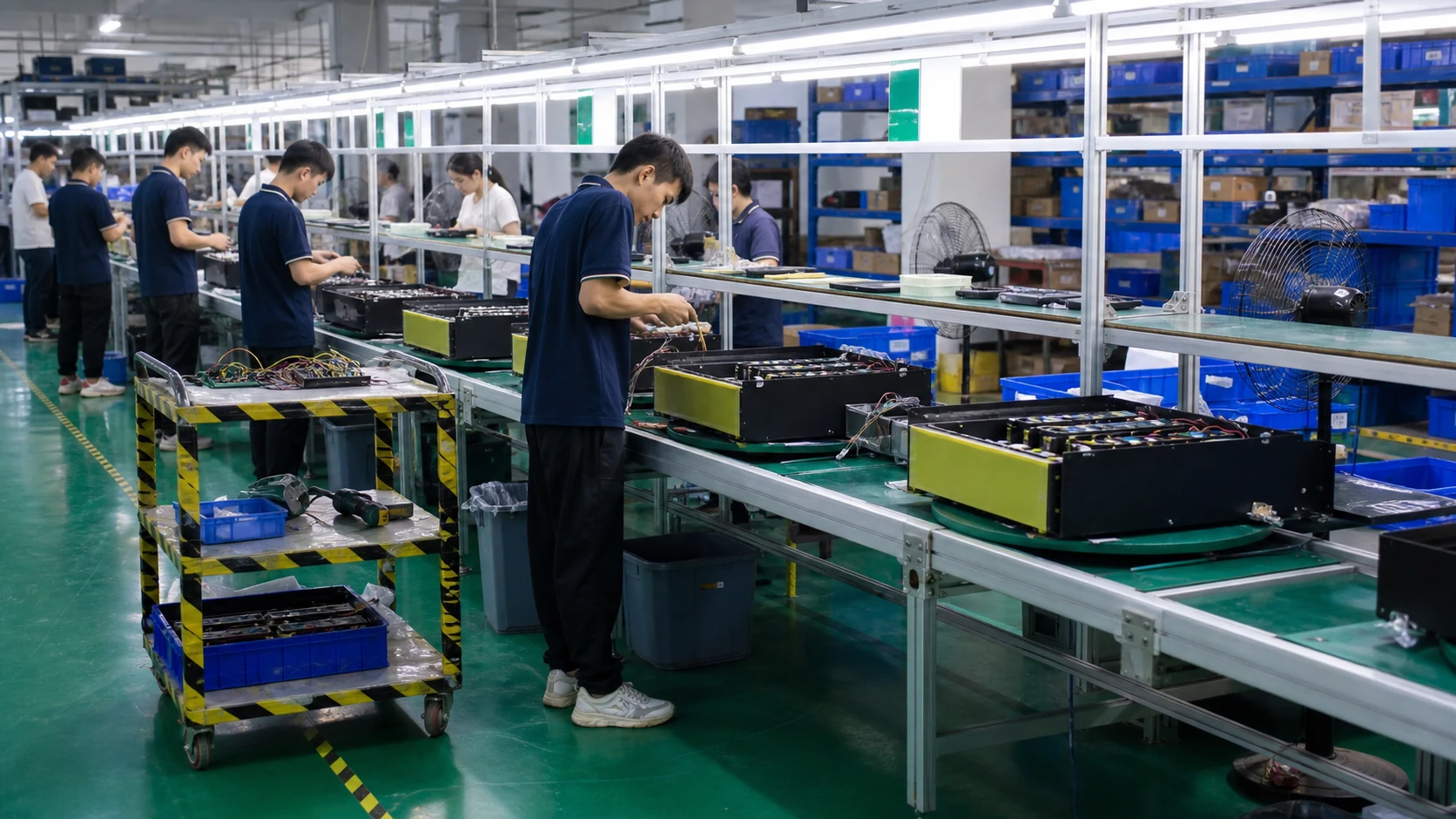
Avepower is a battery manufacturer that supplies home storage systems to many international markets, including projects in Australia.
It’s smart to pick a battery that can grow with your needs. Avepower is the perfect choice: our 48V 300Ah LiFePO4 battery is easily expandable up to 260kWh. Whether you need backup power, energy savings, or a reliable power source for everyday use, it’s the ideal solution.
Need full-home backup power? Avepower has you covered with a complete energy storage solution. We’ll customize the battery system based on your household’s energy usage, helping you achieve energy independence—whether it’s for a few days or even months of power.
Our batteries use top-tier LiFePO4 technology and come with a smart Battery Management System (BMS) to ensure safe, quiet, and long-lasting performance—even in harsh weather conditions.
Take Control of Your Energy with Avepower!
Reliable home solar battery solutions with OEM/ODM customization and in-house manufacturing, tailored to the needs of distributors, installers, and energy partners.
FAQ
A typical 10kWh home battery system in Australia (battery + inverter + standard installation) usually costs around $10,000–$15,000 before rebates, depending on brand and installation complexity.
The average Australian home uses roughly 15–25kWh of electricity per day, and a 10kWh battery can usually cover most evening and overnight usage when paired with a decent solar array.
Many guides suggest that homes with a 10kW solar system usually benefit from 10–13kWh of usable storage, assuming typical family usage and time-of-use tariffs.
If you run only essentials (LED lights, modem, fridge, phone charging, a small fan), a 10kWh battery can often last all night and into the morning.