

To convert watt hours (Wh) to amp hours (Ah), divide watt hours by battery voltage:
Amp Hours (Ah) = Watt Hours (Wh) ÷ Voltage (V)
You must know the battery voltage because the same watt-hour capacity equals different amp-hours at different voltages.
Quick Example: 1,000Wh
| Battery Voltage | Calculation | Amp Hours |
|---|---|---|
| 12V | 1,000Wh ÷ 12V | 83.33Ah |
| 24V | 1,000Wh ÷ 24V | 41.67Ah |
| 48V | 1,000Wh ÷ 48V | 20.83Ah |
Wh to Ah Calculator
Energy (Wh): [ 1000 ]
Voltage:
[ 12V ] [ 24V ] [ 48V ] [ Custom ]
Result: 83.33Ah at 12V
Formula used: 1,000Wh ÷ 12V = 83.33Ah
Our free calculator, converting watt-hours (Wh) to amp-hours (Ah) is effortless. Simply enter the energy in watt-hours and your battery’s voltage, and the tool will instantly provide the corresponding amp-hour value.
Watt-Hours to Amp-Hours Free Calculator
Formula: Ah = Wh ÷ V
Watt Hours To Amp Hours Conversion Charts
You may not want to do a full calculation every time. These tables show common watt hour values at typical system voltages. You can use them for fast checks.
Every value uses the formula: Amp Hours (Ah) = Watt Hours (Wh) ÷ Voltage (V)
Watt Hours To Amp Hours At 12 V
At 12V, the conversion is: Ah = Watt Hours ÷ 12
| Energy (Wh) | Capacity At 12 V (Ah) |
|---|---|
| 50 Wh | 4.17 Ah |
| 100 Wh | 8.33 Ah |
| 200 Wh | 16.67 Ah |
| 500 Wh | 41.67 Ah |
| 1,000 Wh | 83.33 Ah |
| 2,000 Wh | 166.67 Ah |
| 5,000 Wh | 416.67 Ah |
| 10,000 Wh | 833.33 Ah |
Watt Hours To Amp Hours At 24 V
At 24V, the conversion is: Ah = Watt Hours ÷ 24
| Energy (Wh) | Capacity At 24 V (Ah) |
|---|---|
| 50 Wh | 2.08 Ah |
| 100 Wh | 4.17 Ah |
| 200 Wh | 8.33 Ah |
| 500 Wh | 20.83 Ah |
| 1,000 Wh | 41.67 Ah |
| 2,000 Wh | 83.33 Ah |
| 5,000 Wh | 208.33 Ah |
| 10,000 Wh | 416.67 Ah |
Watt Hours To Amp Hours At 36 V
At 36V, the conversion is: Ah = Watt Hours ÷ 36
| Energy (Wh) | Capacity At 36 V (Ah) |
|---|---|
| 50 Wh | 1.39 Ah |
| 100 Wh | 2.78 Ah |
| 200 Wh | 5.56 Ah |
| 500 Wh | 13.89 Ah |
| 1,000 Wh | 27.78 Ah |
| 2,000 Wh | 55.56 Ah |
| 5,000 Wh | 138.89 Ah |
| 10,000 Wh | 277.78 Ah |
Watt Hours To Amp Hours At 48 V
At 48V, the conversion is: Ah = Watt Hours ÷ 48
| Energy (Wh) | Capacity At 48 V (Ah) |
|---|---|
| 50 Wh | 1.04 Ah |
| 100 Wh | 2.08 Ah |
| 200 Wh | 4.17 Ah |
| 500 Wh | 10.42 Ah |
| 1,000 Wh | 20.83 Ah |
| 2,000 Wh | 41.67 Ah |
| 5,000 Wh | 104.17 Ah |
| 10,000 Wh | 208.33 Ah |
How To Convert Watt Hours To Amp Hours Step By Step
Step 1: Decide What You Want To Size
You first decide what you are sizing:
- You might size a single battery (for example, “How many amp hours is this 2,400 Wh battery at 24 V?”), or
- You might size a whole battery bank for one day of use (for example, “How many amp hours do I need at 12 V to cover 800 Wh per day?”).
Step 2: Find Or Calculate Total Watt Hours
You next find the number of watt hours:
- If you already know Wh or kWh from a spec sheet, you can use that number.
- If you only know watts and hours for devices, you can calculate Wh by adding each device:
Example Daily Use Table
| Device | Power (W) | Run Time (h/day) | Daily Energy (Wh) |
|---|---|---|---|
| LED lights | 40 | 5 | 200 |
| Laptop | 60 | 3 | 180 |
| Wi-Fi router | 10 | 24 | 240 |
| Phone charging | 10 | 2 | 20 |
| Total | 640 Wh/day |
This small system uses about 640 Wh per day.
Step 3: Pick Your Battery Voltage
You then choose the system or battery voltage:
- Small systems: 12 V (vans, small RVs, tiny boats)
- Medium systems: 24 V (larger RVs, small cabins)
- Larger home storage: 48 V (most home backup batteries, including many Avepower models)
In real projects, Avepower usually recommends 48 V or higher for home backup systems, because higher voltage reduces current and allows thinner cables and lower losses.
Step 4: Convert Wh To Ah
You now use the main formula:
Amp Hours (Ah) = Watt Hours (Wh) ÷ Voltage (V)
Example With The 640 Wh Load
- At 12 V: Ah = 640 ÷ 12 ≈ 53.33 Ah
- At 24 V: Ah = 640 ÷ 24 ≈ 26.67 Ah
- At 48 V: Ah = 640 ÷ 48 ≈ 13.33 Ah
You can see that the same energy requires fewer amp hours at higher voltage. The energy stays the same (640 Wh), but the capacity in Ah changes with voltage.
Related resources: How to Calculate Battery Amp Hours
Step 5: Add Safety Margin And Depth Of Discharge
In real life, you do not want to drain the battery to 0%. You choose a target depth of discharge (DoD) and add a safety margin.
Many lead-acid batteries are used down to about 50% of their rated capacity.
Many lithium iron phosphate (LiFePO4) batteries, like those used in Avepower products, are often rated for 80–90% usable capacity.
Related resources: AGM Battery vs Lithium
If you want 640 Wh per day at 12 V, and you plan to use only 80% of your lithium battery, you can use this adjusted formula
Required Ah = (Daily Wh ÷ Voltage) ÷ Usable Fraction
If usable fraction = 0.8 (80%):
- Required Ah = (640 ÷ 12) ÷ 0.8
- Required Ah ≈ 53.33 ÷ 0.8 ≈ 66.67 Ah
You might pick a 12 V 70 Ah lithium battery to cover this load with a bit of spare capacity.
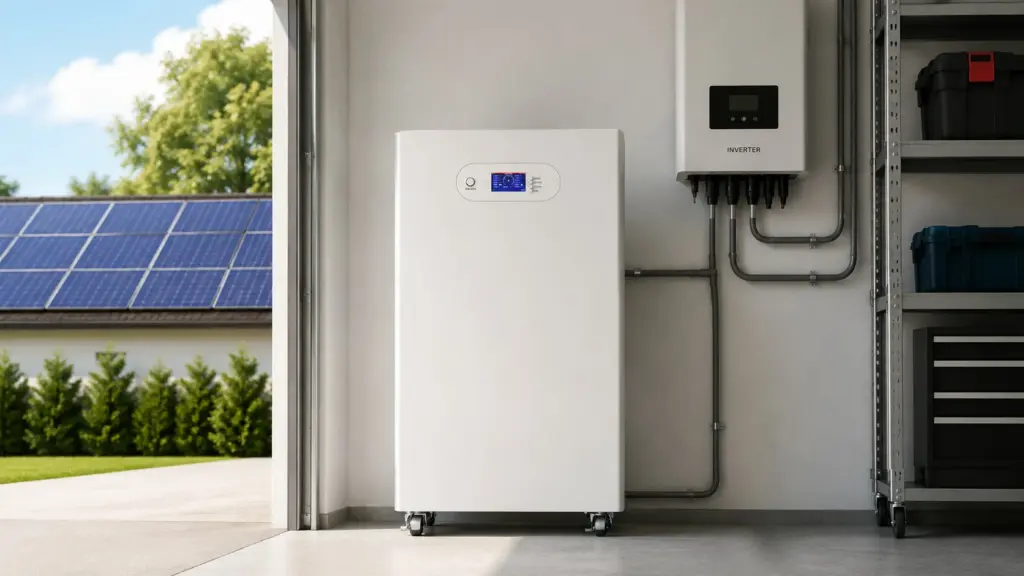
Planning a 12V, 24V or 48V Battery System?
The same watt-hour demand can require different amp-hour capacities at different voltages. Share your load list, daily runtime and target system voltage, and Avepower can help match a suitable battery configuration for your real application.
Plan A Home Backup System With A 48V Battery
Now imagine you have a small home that needs 8kWh per day during an outage. You plan a 48V backup system.
- You want 8kWh (8000Wh) of usable energy.
- You use Ah = Wh ÷ V.
- Ah = 8000 Wh ÷ 48 V
- Ah ≈ 166.67 Ah
So you need around 170Ah at 48V. In the real world, you will round up:
- One 48V 200Ah battery gives you 9.6 kWh.
- Two 48V 100Ah batteries in parallel also give you 9.6 kWh.
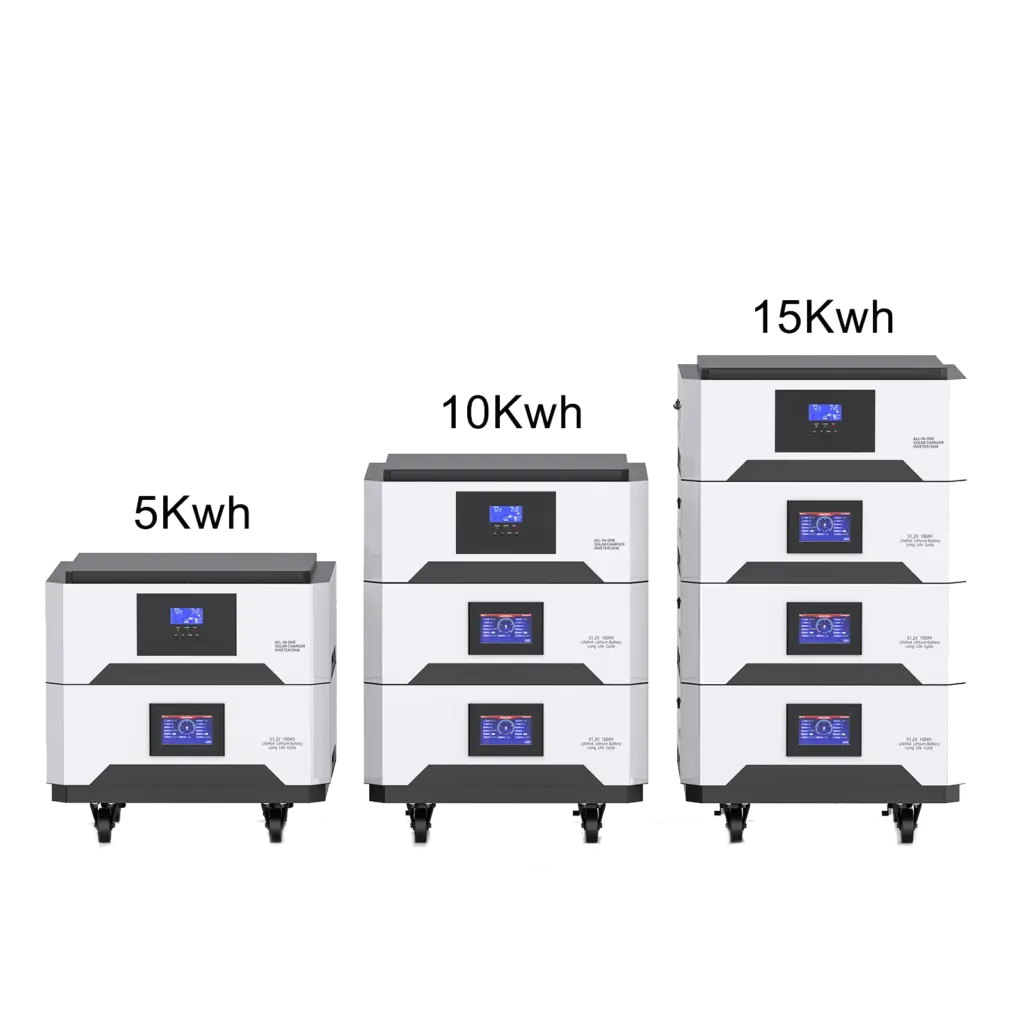
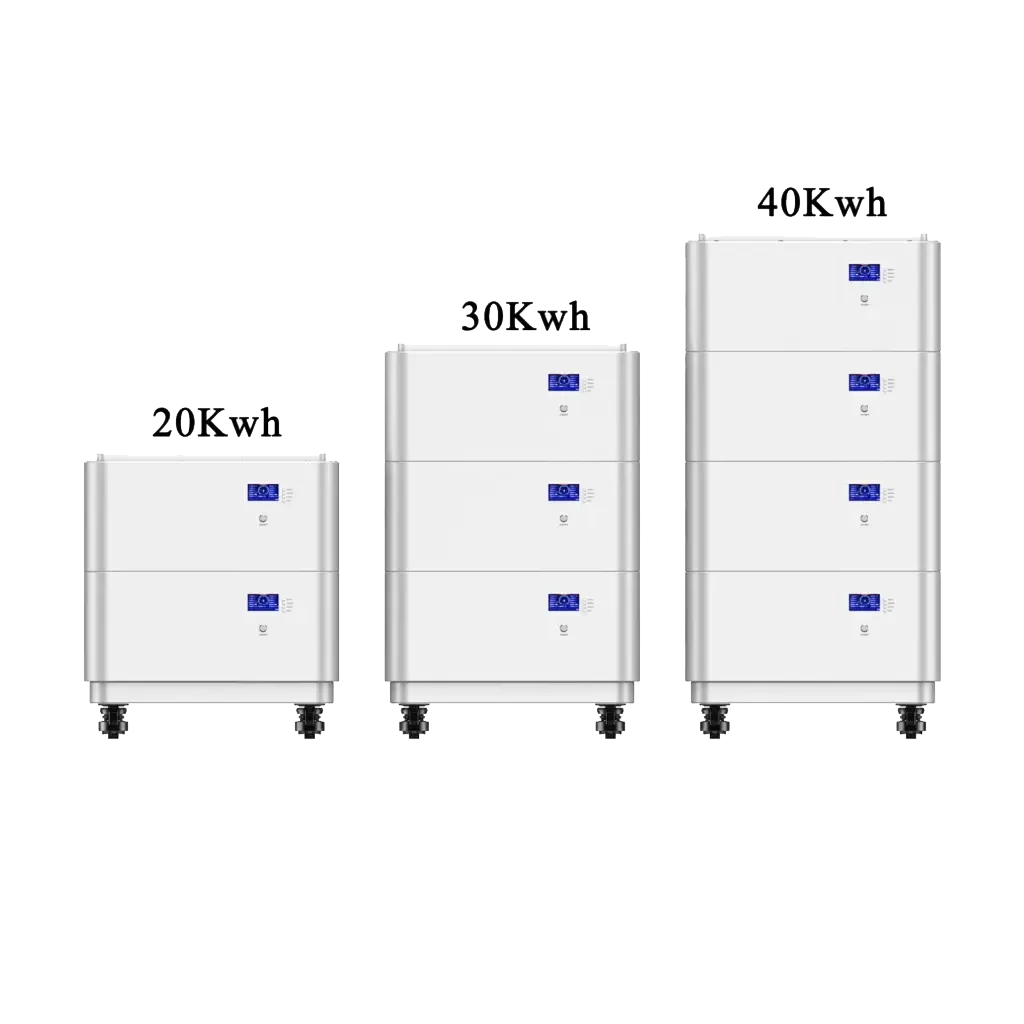
Many Avepower home backup batteries use a modular design, so installers can reach 10 kWh, 15 kWh, or even higher by stacking several modules. The same simple formula guides every design.
Example: Compare Two 100Ah Batteries
You see two battery options:
- Battery A: 12V 100Ah
- Battery B: 48V 100Ah
You want to know which one stores more energy.
Battery A:
- Wh = 100 Ah × 12 V = 1200 Wh
Battery B:
- Wh = 100 Ah × 48 V = 4800 Wh
Even though both batteries show 100Ah, the 48V battery stores four times as much energy. This is why you should always compare Wh or kWh, especially when you choose between different system voltages.
How Many Watt Hours Are In A 100 Ah Battery?
You can use this simple rule:
Watt Hours (Wh) = 100 Ah × Voltage (V)
So the energy depends on voltage:
- 100 Ah at 12 V → 100 × 12 = 1,200 Wh (1.2 kWh)
- 100 Ah at 24 V → 100 × 24 = 2,400 Wh (2.4 kWh)
- 100 Ah at 48 V → 100 × 48 = 4,800 Wh (4.8 kWh)
A 100 Ah 48 V battery has four times the energy of a 100 Ah 12 V battery. The number “100 Ah” alone does not tell the whole story; you must always look at voltage as well.
Example: 100 Ah 48 V Lithium Home Battery
A 48 V 100 Ah lithium battery holds about 4.8 kWh of energy.
If your average load during an outage is 400 W (for example, fridge, lights, Wi-Fi, and a few small devices), you can estimate backup time:
Runtime (h) ≈ Energy (Wh) ÷ Load (W)
If you can use 90% of 4.8 kWh:
- Usable energy ≈ 4.8 kWh × 0.9 = 4.32 kWh = 4,320 Wh
- Runtime ≈ 4,320 Wh ÷ 400 W ≈ 10.8 hours
Real-world runtime may be shorter because of inverter losses, battery temperature, and changing loads, but this gives you a solid first estimate.
Many Avepower home backup batteries are sized in this range (5 kWh, 10 kWh, 15 kWh) because these sizes match typical household backup needs: lights, communication, refrigeration, and some key outlets.
How Voltage Changes The Amp-Hours You Need
Many users ask:
“Why do my amp-hours change when I change voltage if the energy is the same?”
The answer is simple. For the same energy (Wh):
- When voltage goes up, amp-hours go down.
- When voltage goes down, amp-hours go up.
You can see this with a 1,200Wh target:
- At 12V: 1200Wh ÷ 12V = 100Ah
- At 24V: 1200Wh ÷ 24V = 50Ah
- At 48V: 1200Wh ÷ 48V = 25Ah
The energy is still 1,200Wh. You just spread it across a different voltage and current level. A higher voltage system lets you move the same power with less current, which reduces cable size and cable loss.
How Avepower Can Support Your Battery Planning
If you read this far, you likely have a real project in mind. You might want backup for storms, lower evening bills with solar, or more comfort when you work from home.
You now know how to:
- Convert watt hours to amp hours and back.
- Turn kWh into Ah at any voltage.
- Estimate runtimes for a 100 Ah battery at 12 V, 24 V, or 48 V.
- Use tables as quick checks for your design.
If you want to go further, you can:
- Make a detailed list of your essential loads and daily run times.
- Use the formulas in this guide to estimate your daily Wh and required battery Ah.
- Talk with a home battery manufacturer or installer and share your numbers.
Avepower, as a dedicated home backup battery manufacturer, uses the same logic every day when we size systems with partners. Even if you only use this article as your own calculator, these steps will help you speak the same “energy language” as engineers and installers.
When you understand how watt hours and amp hours relate, you gain real control over your off-grid plans, your solar storage choices, and your backup power for the next outage.
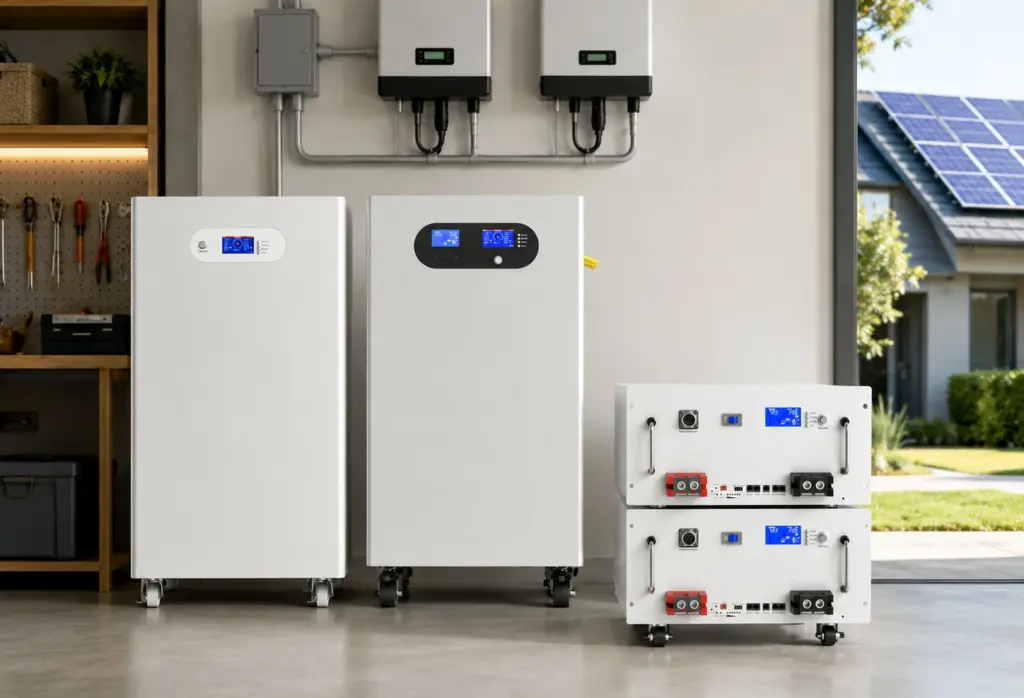
Take Control of Your Energy with Avepower!
Reliable home solar battery solutions with OEM/ODM customization and in-house manufacturing, tailored to the needs of distributors, installers, and energy partners.
FAQ
Watt hours (Wh) show how much energy a battery can store or deliver over time. Amp hours (Ah) show how much current a battery can provide for a certain number of hours.
2. How do I convert watt hours (Wh) to amp hours (Ah)?
You can convert Wh to Ah if you know the battery voltage. For example, if a battery stores 2400Wh at 24V, the capacity is: 2400Wh ÷ 24V = 100Ah.
The amp hour rating is only part of the story. A 100Ah 12V battery holds about 1.2kWh, while a 100Ah 48V battery holds about 4.8kWh. Both have 100Ah, but the higher voltage battery stores more energy because Wh = Ah × V.
For small DC systems (like RVs or boats), many people still think in amp hours. For home backup and solar storage, it is usually easier to think in kWh, because it matches your power bill.