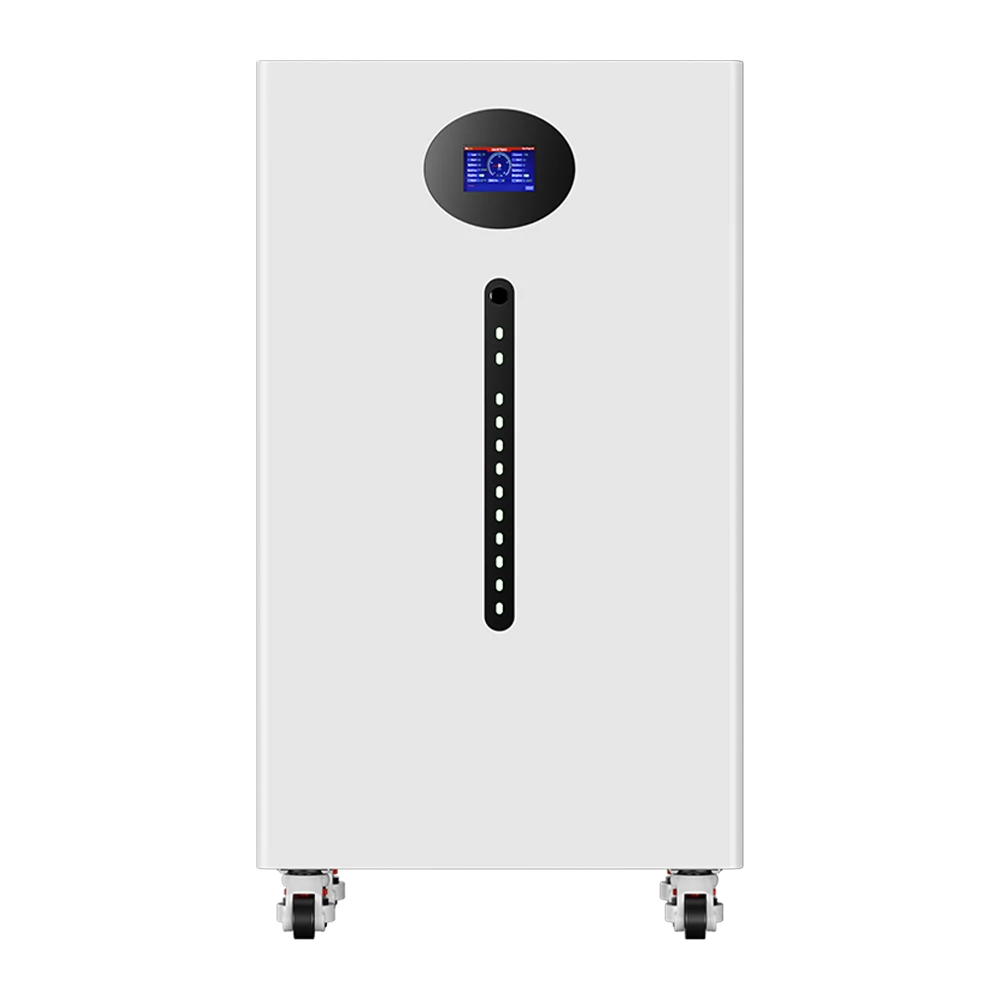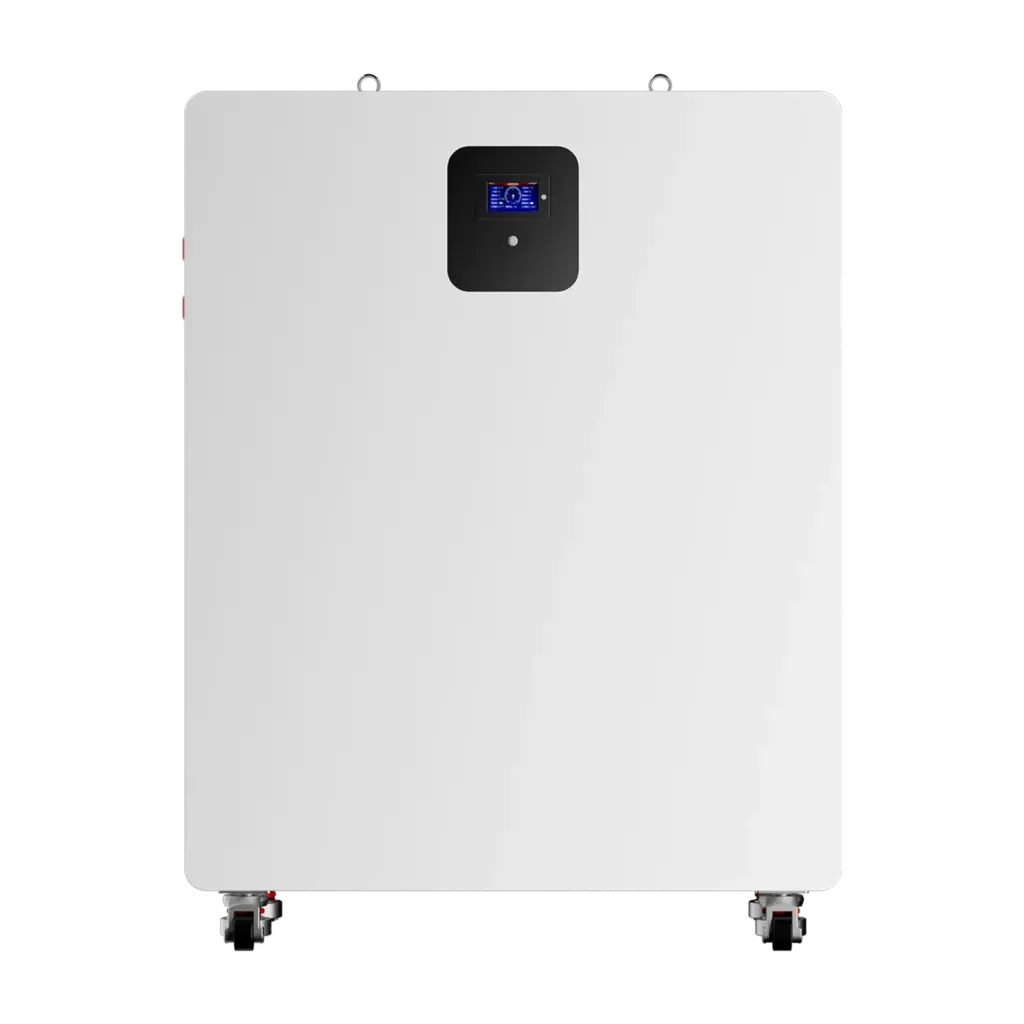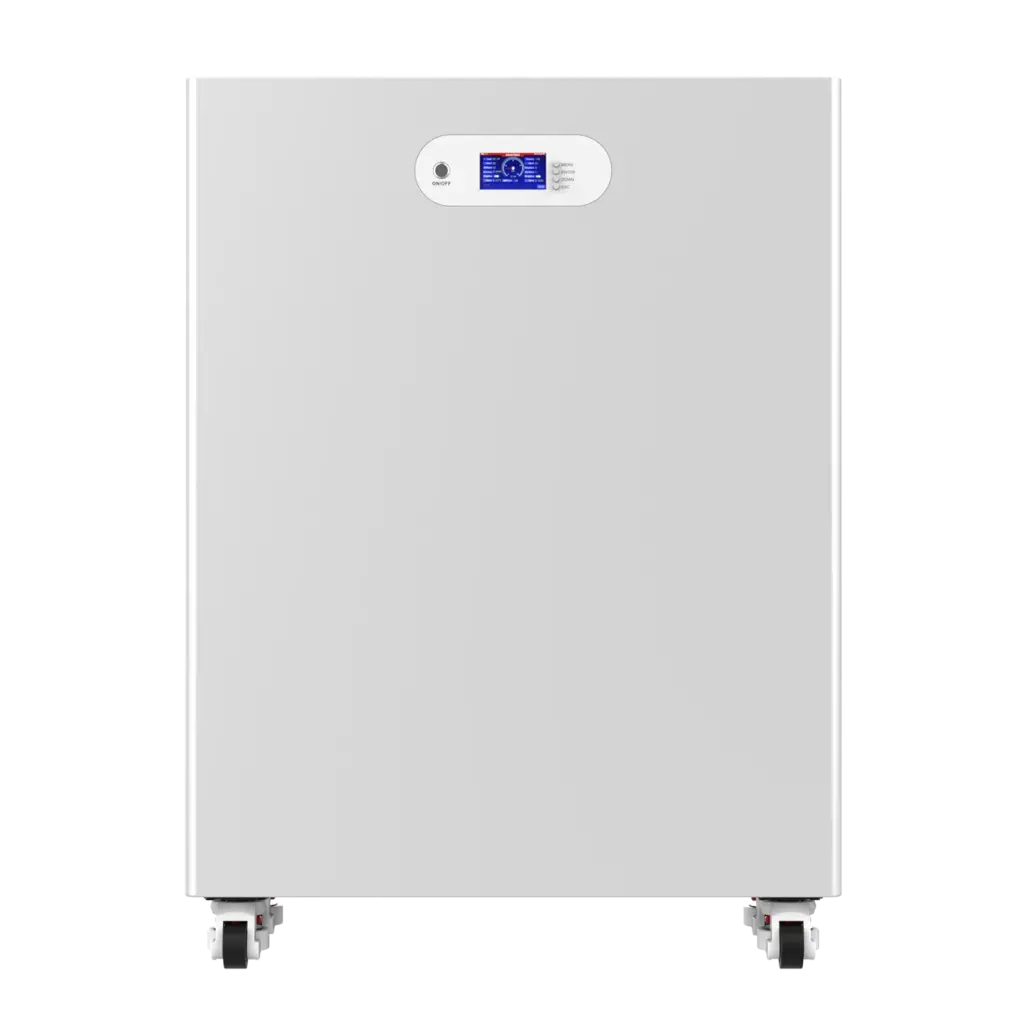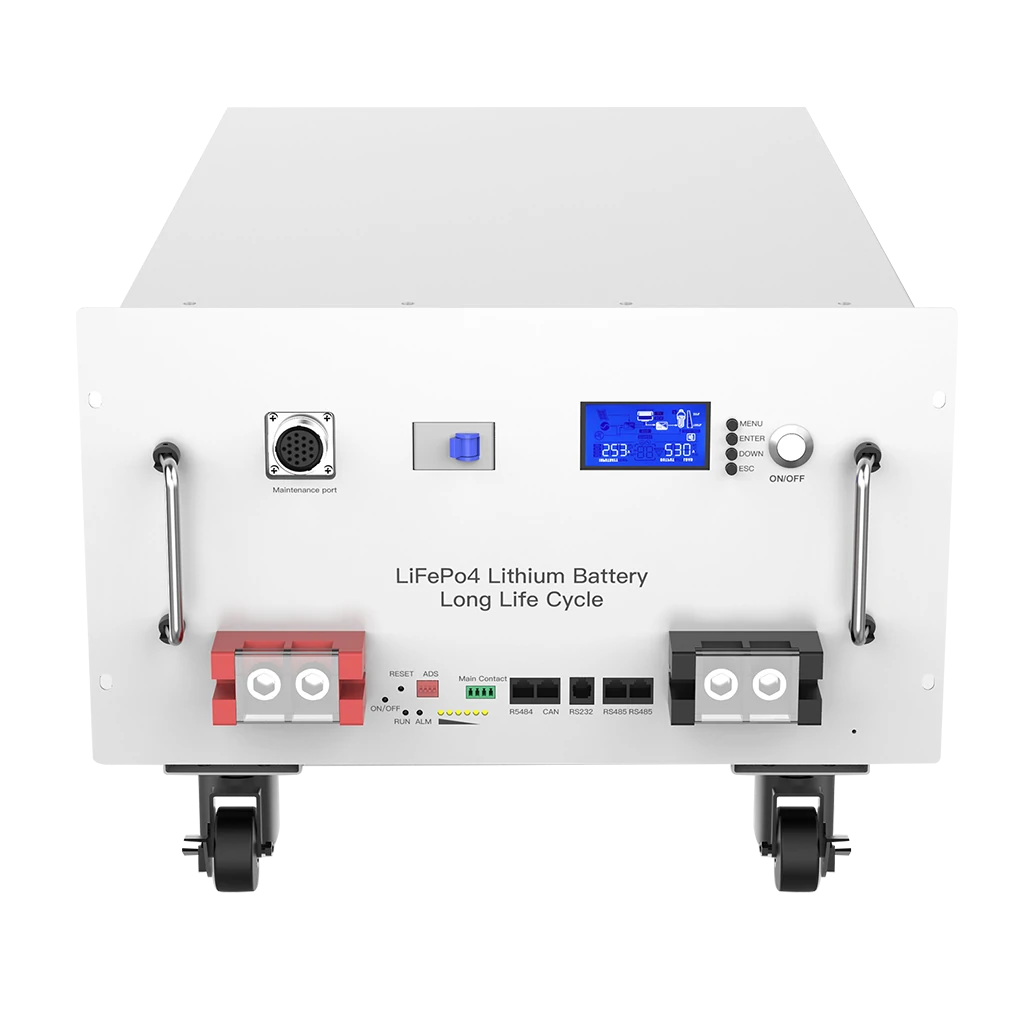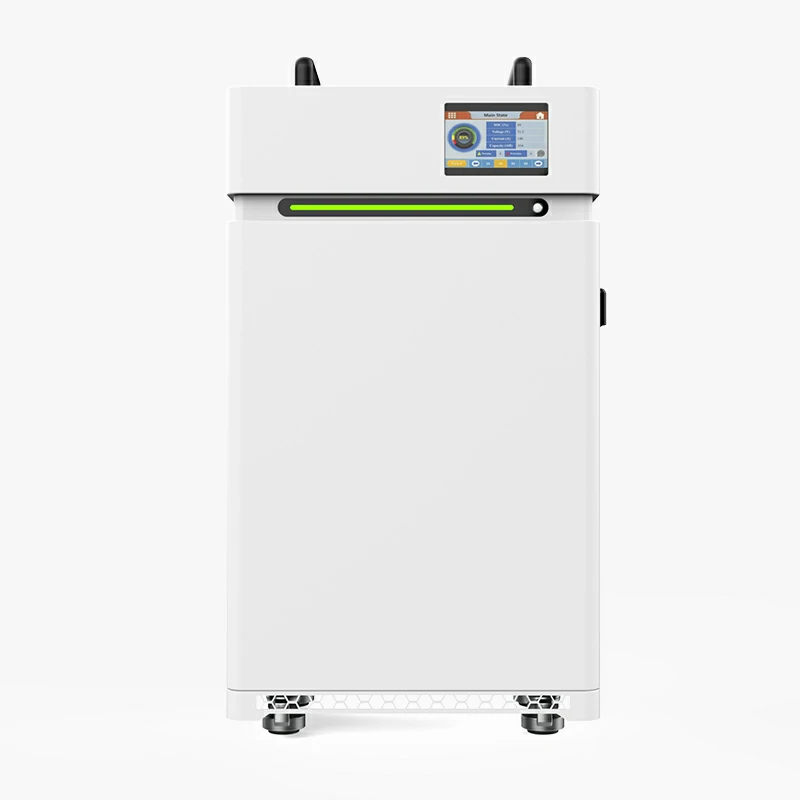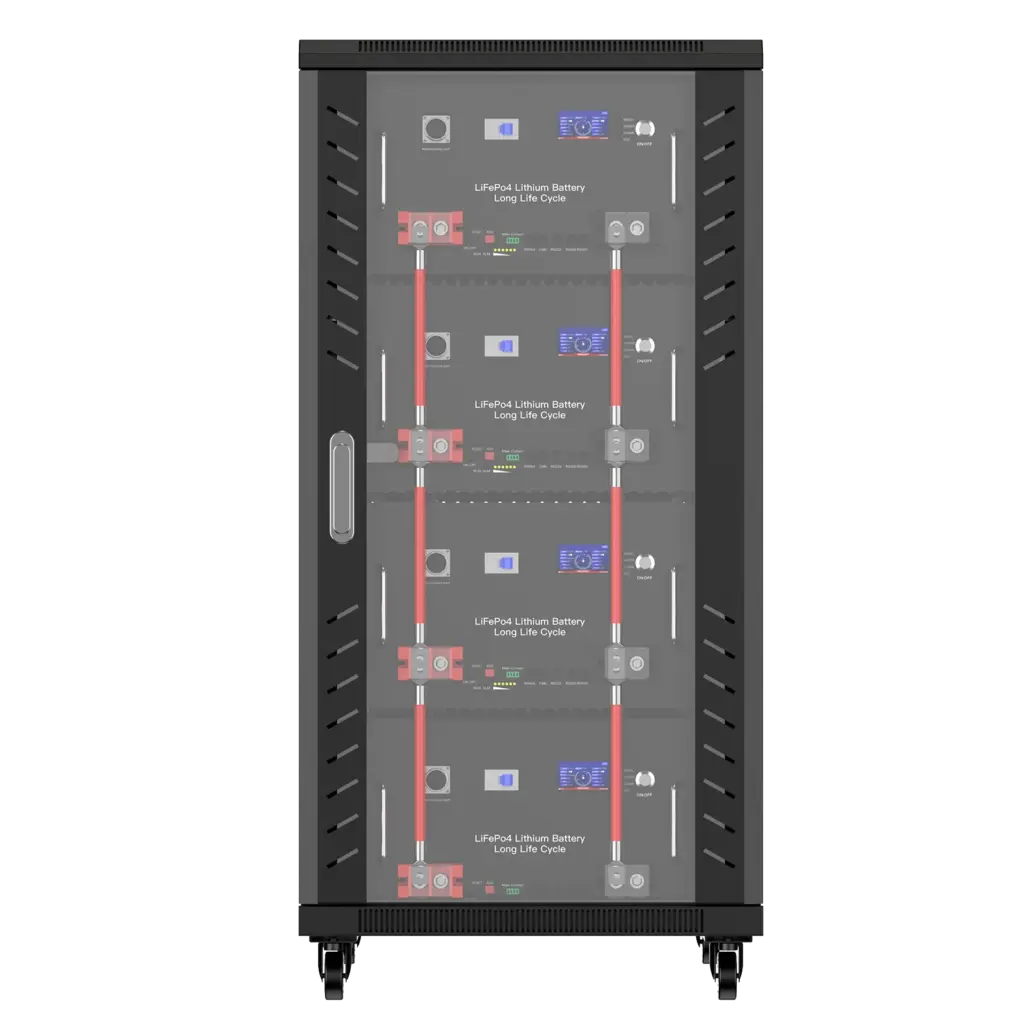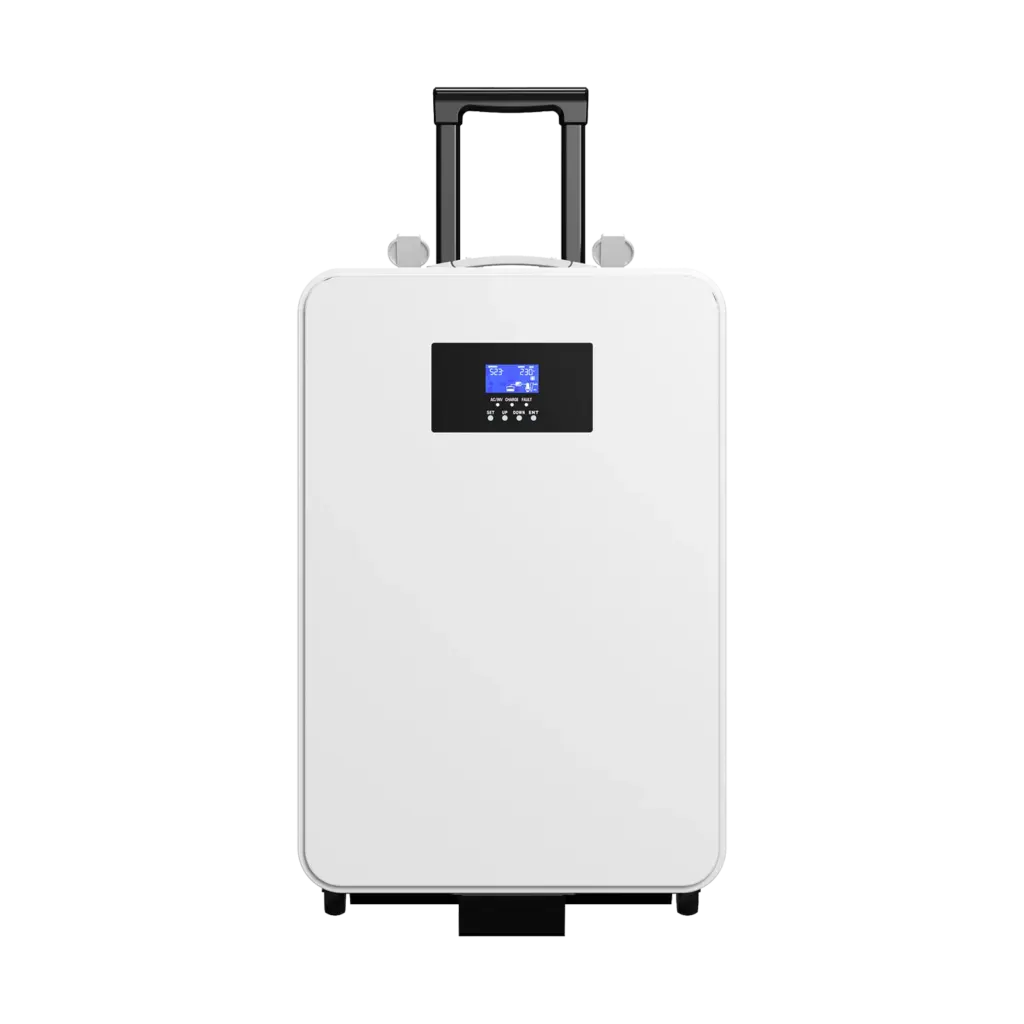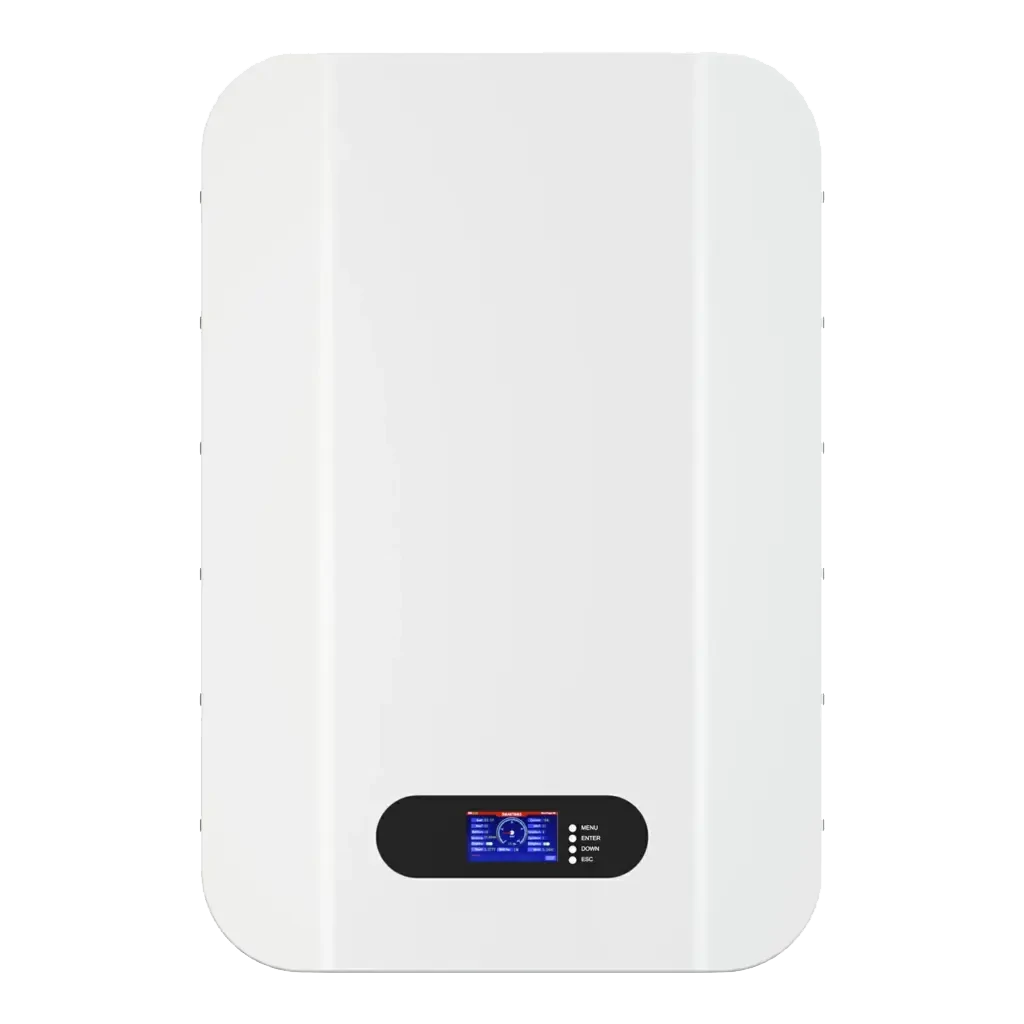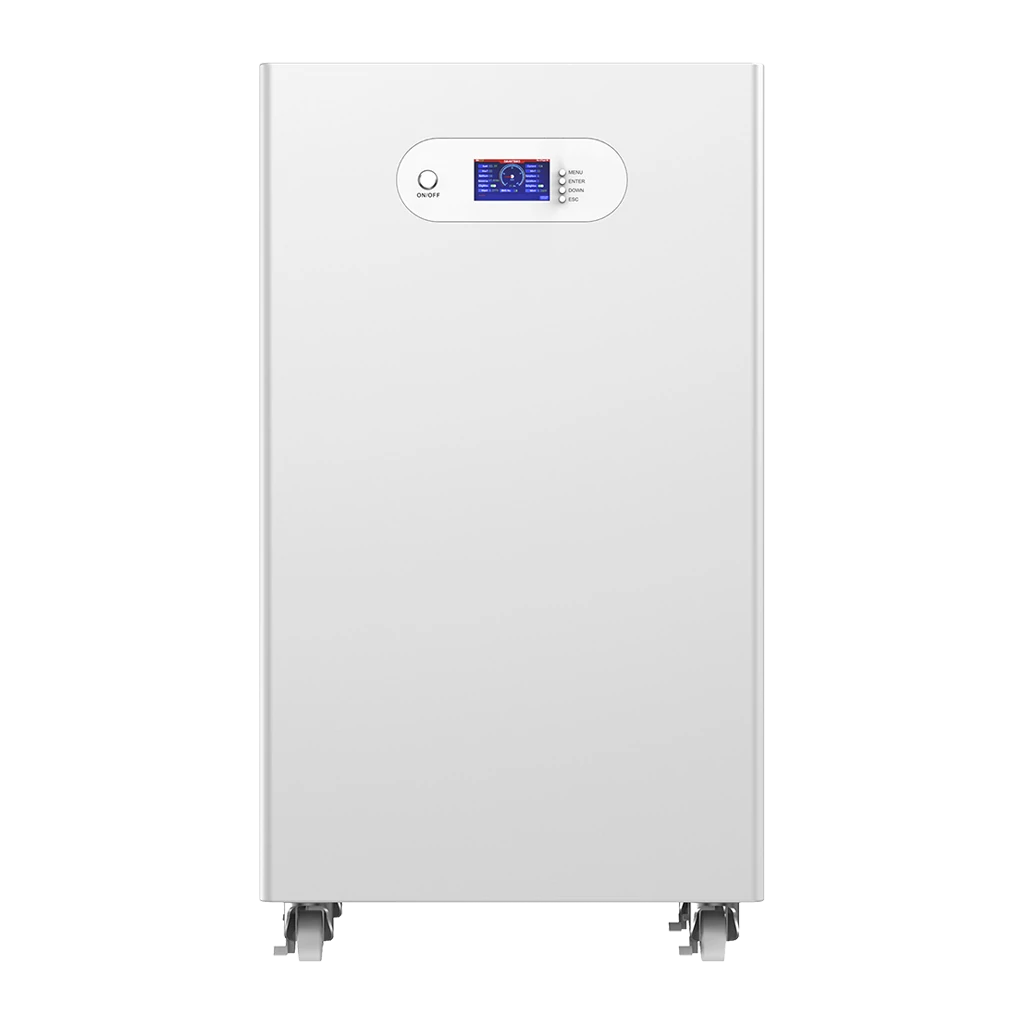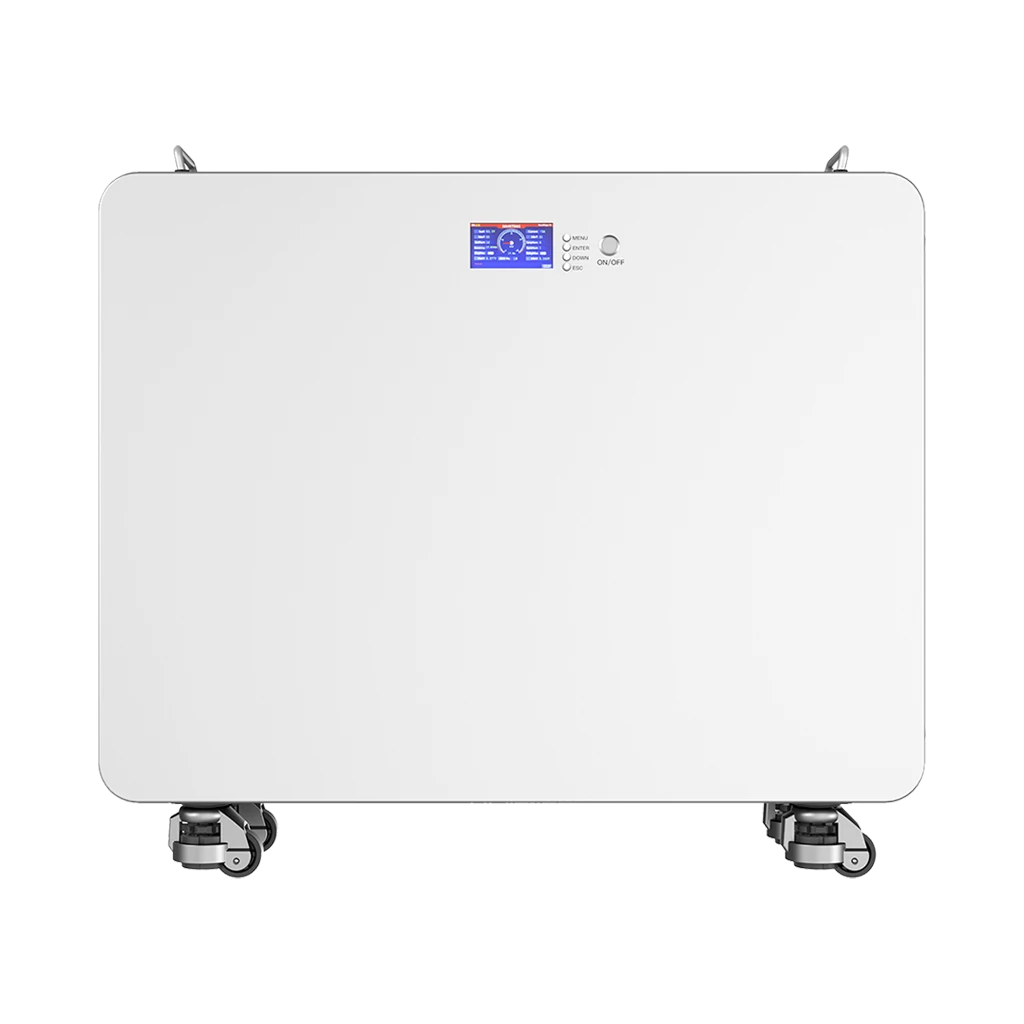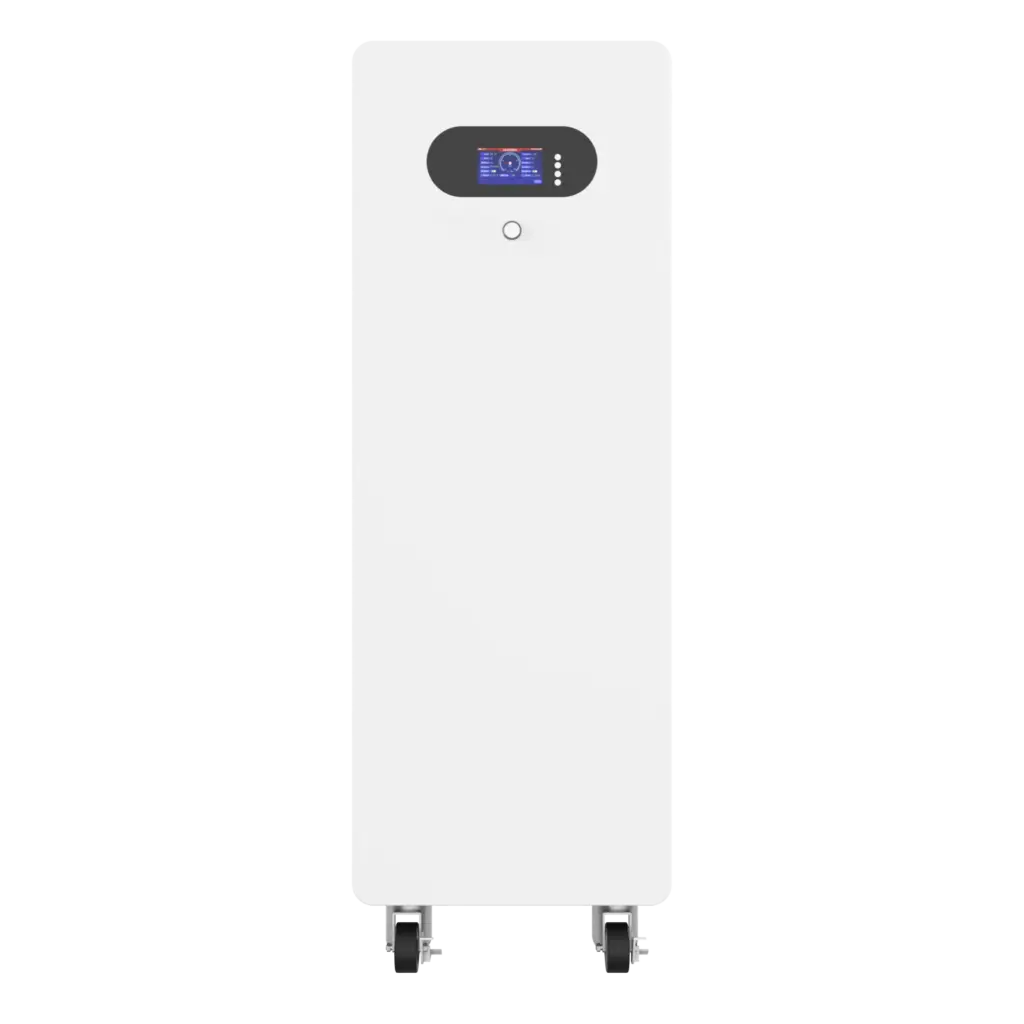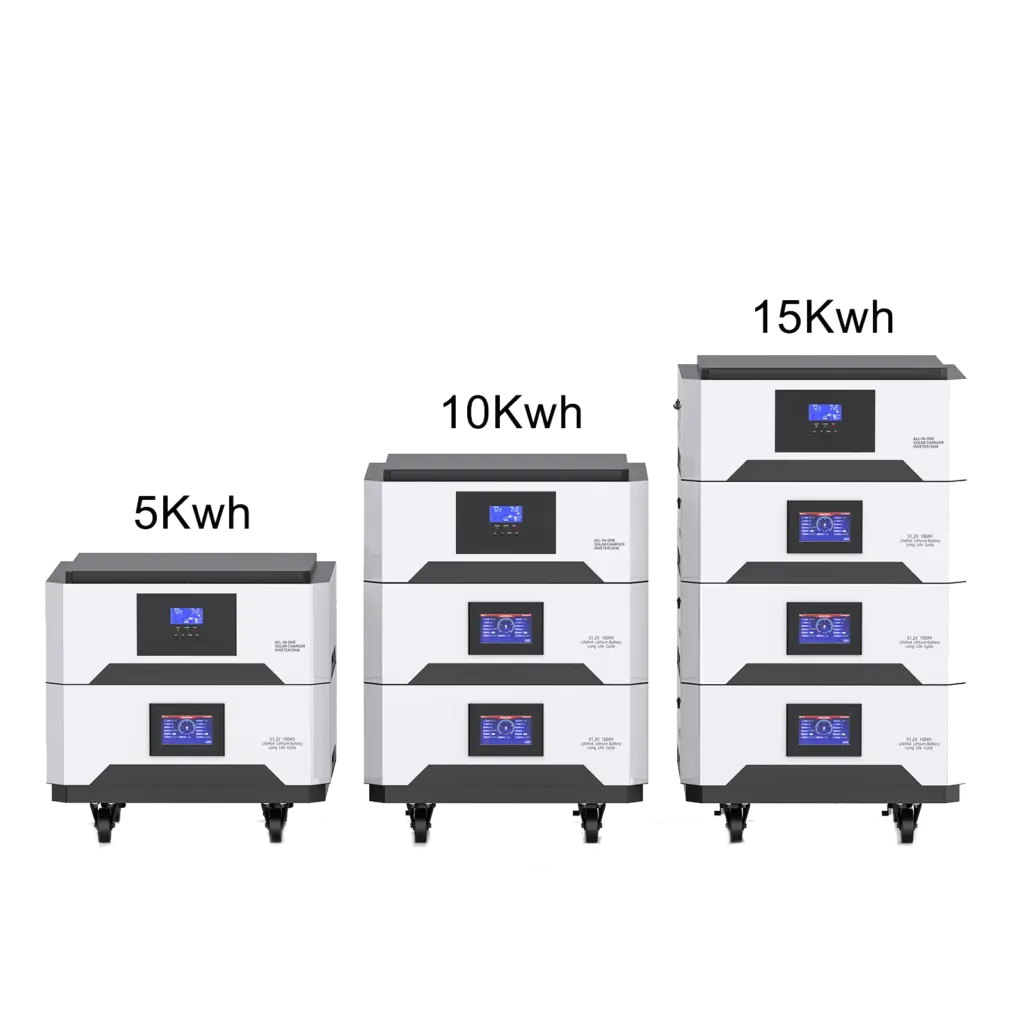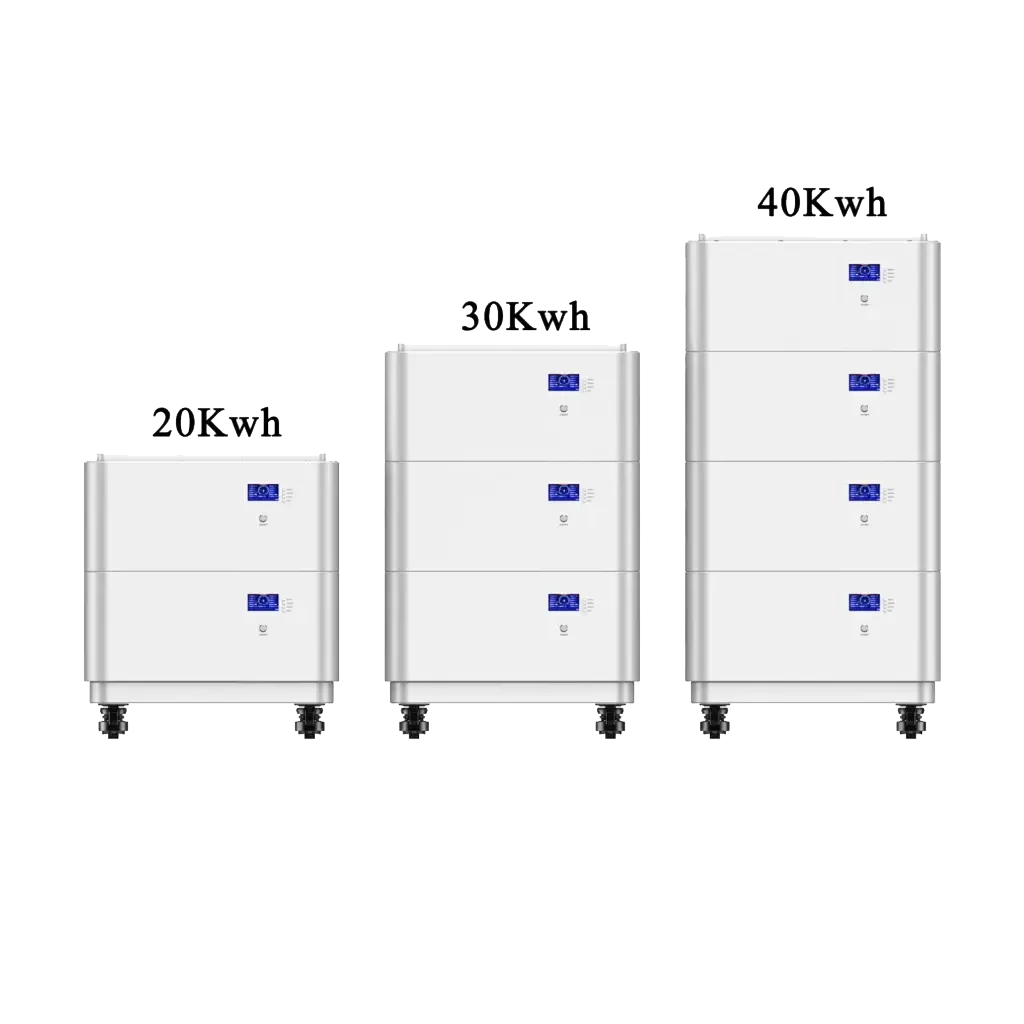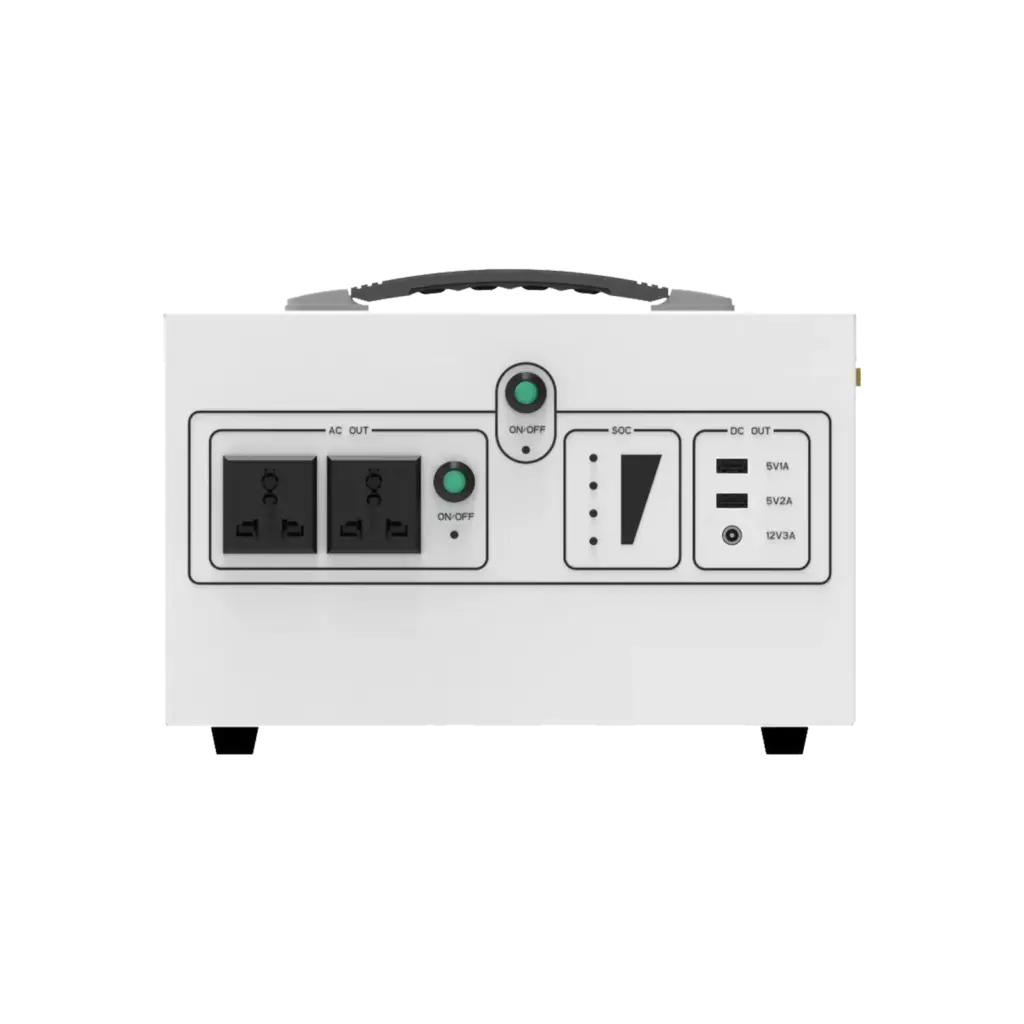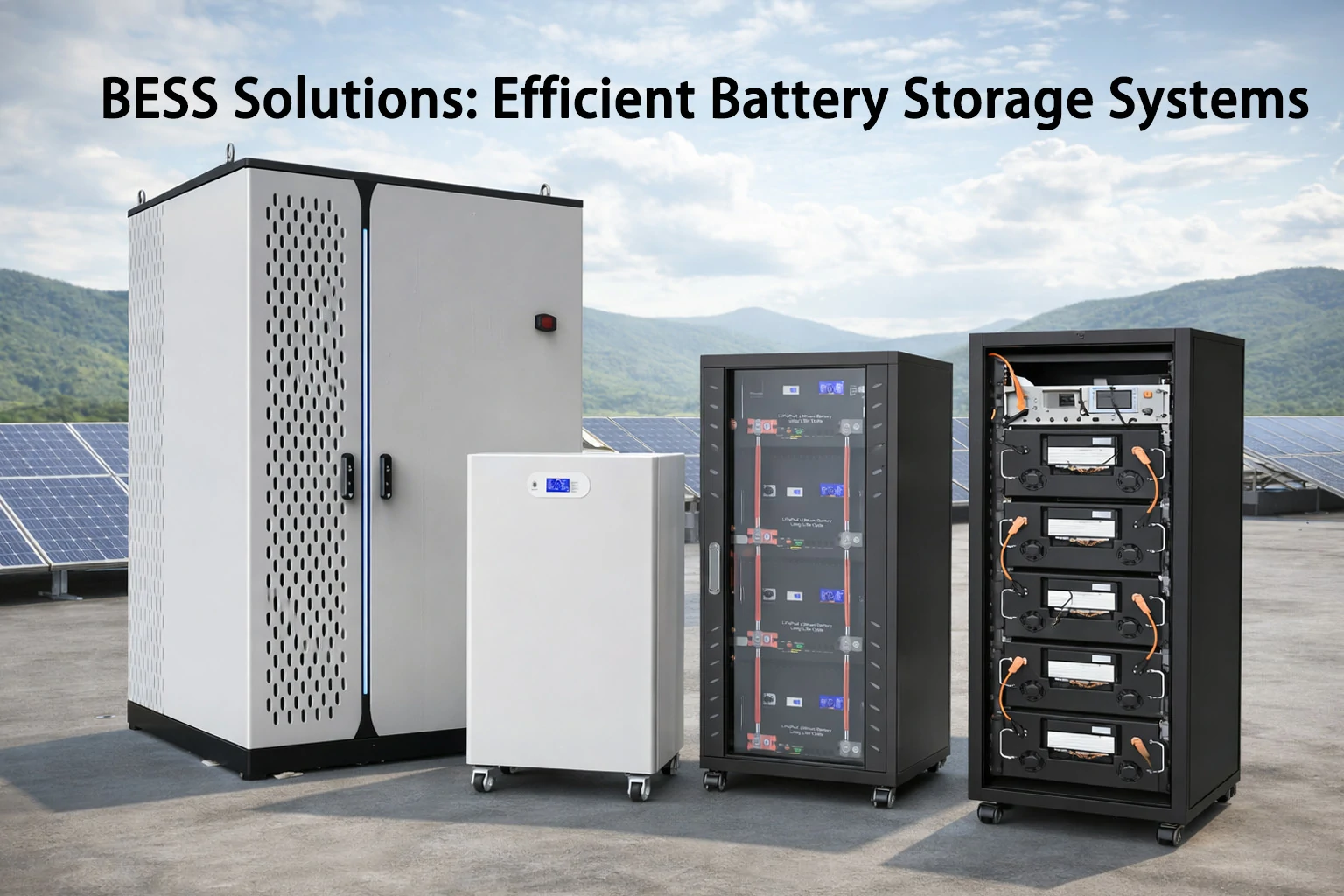

If you are planning a larger home or light commercial storage system, connecting 4 batteries in parallel is one of the most practical ways to increase total energy capacity while keeping the system voltage the same. For many users, this is the simplest path to building a bigger backup system without redesigning the inverter side of the installation.
This guide explains in detail how 4 batteries in parallel work, why this configuration is beneficial, and how to connect them safely and correctly.
What Does It Mean to Connect 4 Batteries in Parallel
When batteries are connected in parallel, all positive terminals are tied together, and all negative terminals are tied together. The key result is simple:
- Voltage stays the same
- Capacity increases
- Available current increases
That is the core concept. Parallel connection is about more storage at the same voltage, not a higher system voltage. This is why parallel wiring is common in 48V energy storage systems that already match the inverter’s DC input range.
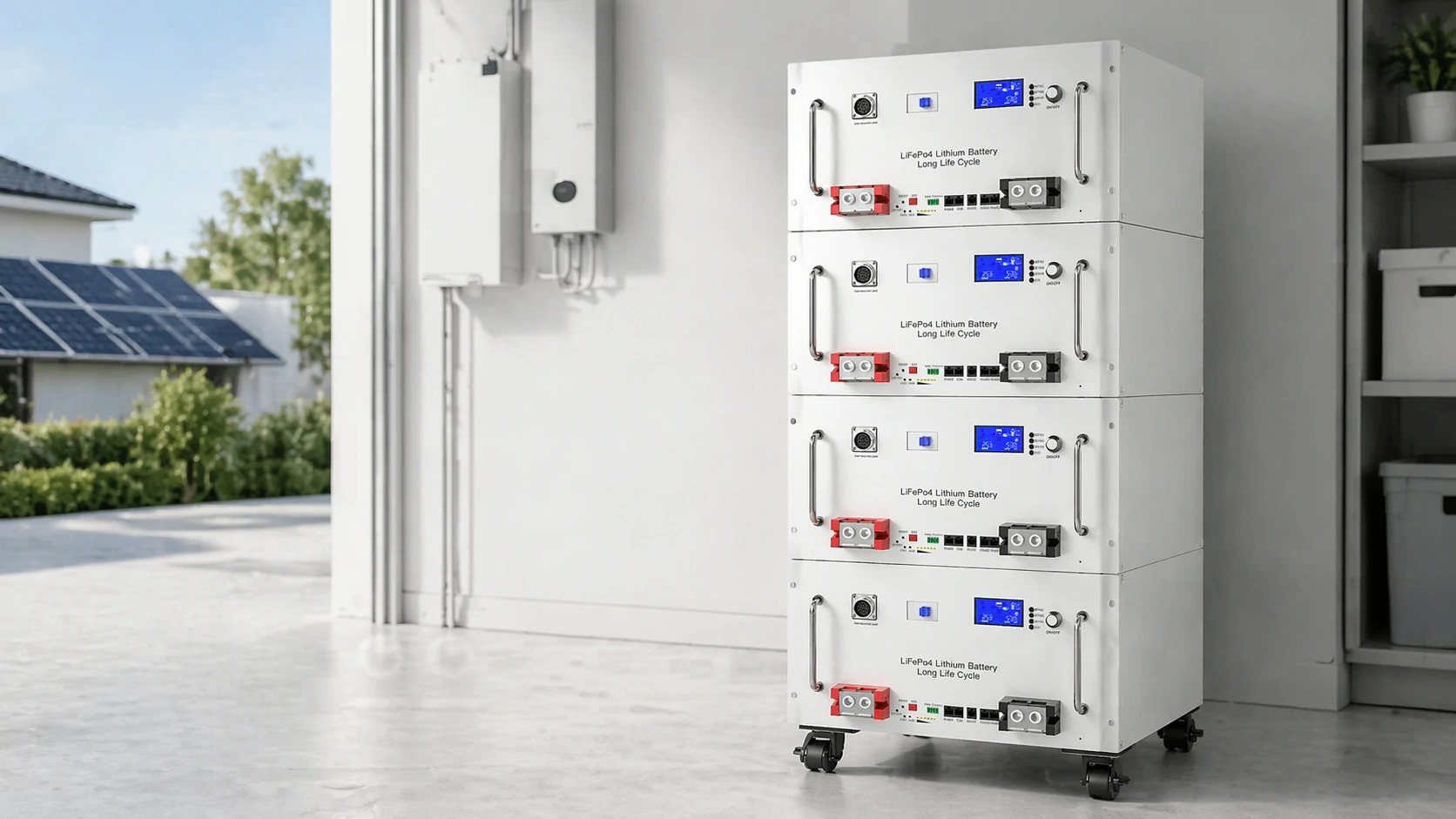
So if one battery is a nominal 48V-class battery and stores about 15kWh, then connecting 4 batteries in parallel still gives you a 48V-class battery bank, but with roughly 4 times the energy capacity. Manufacturers such as Avepower explicitly allow multiple batteries to be connected in parallel and note that current sharing depends on using correct, balanced cabling and protection.
Example: 4 × 15 kWh Batteries
Let us assume each battery has the following specifications:
- Voltage: 48 V
- Capacity: 300 Ah
- Energy: 15 kWh
If you connect 4 batteries in parallel, the system becomes:
| Parameter | Single Battery | 4 Batteries in Parallel |
|---|---|---|
| Voltage | 48 V | 48 V |
| Capacity | 300 Ah | 1200 Ah |
| Energy | 15 kWh | 60 kWh |
So the total system energy becomes: 15 kWh × 4 = 60 kWh
This means your energy storage system can store 60 kWh of usable electricity, which is enough to power many homes for an entire day depending on consumption.
Why Use 4 Batteries in Parallel?
Many hybrid inverters and off-grid inverters are designed around a fixed DC battery voltage, commonly using 48 V nominal battery banks. If your inverter is already designed for this voltage, connecting batteries in parallel allows you to expand runtime and storage capacity without altering the inverter’s architecture.
1. Modular Expansion
Parallel battery systems are inherently modular. You can start with a single 15 kWh battery and, if the system design allows, add more batteries later to increase capacity. Avepower’s 48 V battery solutions exemplify this modular approach, supporting up to 16 batteries in parallel, making it easy to scale storage based on your energy needs.
2. Longer Backup Time
Parallel battery systems extend backup duration significantly. Consider an example of typical household loads:
| Appliance | Power Consumption |
|---|---|
| Refrigerator | 150 W |
| Lighting | 200 W |
| TV + Electronics | 200 W |
| WiFi Router | 20 W |
| Washing Machine | 500 W |
Total average load: ~1 kW
With a 60 kWh battery, the system could theoretically provide up to 60 hours of continuous operation, though actual runtime will vary depending on inverter efficiency and real household usage patterns.
3. Higher Current Capability
Another advantage of connecting batteries in parallel is the increased ability to safely deliver high currents. Each battery shares the load, allowing the system to supply more power without overloading any single unit. For instance:
- Single battery BMS limit: 200 A
- Four batteries in parallel: up to 800 A potential output
This higher current capacity enables the system to support energy-intensive appliances such as:
- Power tools
- Air conditioners
- Electric ovens
- EV chargers
4. System Redundancy and Reliability
Using multiple batteries improves overall system reliability. If one battery experiences a fault, the remaining batteries continue to supply power, reducing downtime. This modular design is widely adopted in professional solar and backup systems, making it easier to expand capacity or perform maintenance without disrupting power supply.
5. Reduced Stress per Battery
Larger parallel battery banks also reduce the stress on individual batteries during discharge. Because the load current is shared among multiple batteries, each unit typically only delivers a portion of the total current. This not only improves heat dissipation but also lowers the per-battery stress—assuming the battery bank is balanced and the cells are matched.
Can Any Four Batteries Be Connected in Parallel
The answer is No. For safe parallel connection, the batteries should be:
- The same chemistry
- The same nominal voltage
- Ideally the same brand and model
- The same capacity
- At very similar state of charge
- With compatible BMS communication and parallel rules
Some battery systems allow extensive parallel expansion, while others limit the number of batteries or require approved communication methods and accessory kits. Avepower recommends that multiple lithium batteries can be connected in parallel, but it is essential to select the correct cable size, install individual fuses, and ensure equal current paths.
Mixing old and new batteries, or using batteries with different capacities or internal resistances, can lead to uneven current distribution. In a four-battery setup, this may cause one battery to bear a higher load during charging or discharging than the others. Over time, this imbalance can worsen, reducing overall performance and increasing the likelihood of false alarms.
Therefore, it is best to install four matched 48v 15 kWh batteries from the same series simultaneously, whenever possible.
Equipment You Need Before Wiring
Before starting, make sure all necessary components are ready. A professional-grade installation typically includes:
- 4 matched 15 kWh batteries
- Busbars or parallel connectors rated for the system’s current, as provided by the manufacturer
- Equal-length battery cables
- Properly sized lugs
- Individual fuses or circuit breakers on the positive terminal of each battery
- Main battery fuse or circuit breaker
- Inverter or charging system compatible with the battery bank
- BMS communication cables, if required
- Torque tools and insulated hand tools
- Personal protective equipment (PPE) and lockout procedures, where applicable
This is not merely a matter of preference. Avepower recommends installing a fuse on the positive terminal of each battery, as well as a main fuse on the positive cable connecting the battery bank.
The Most Important Wiring Principle Equal Current Sharing
Parallel batteries should see the same electrical path resistance as closely as possible. Why? Because current follows the easiest path. If one battery has shorter cables or lower resistance connections, that battery may charge and discharge harder than the others. Over time, that creates imbalance.
Recommended Layout for 4 Batteries in Parallel
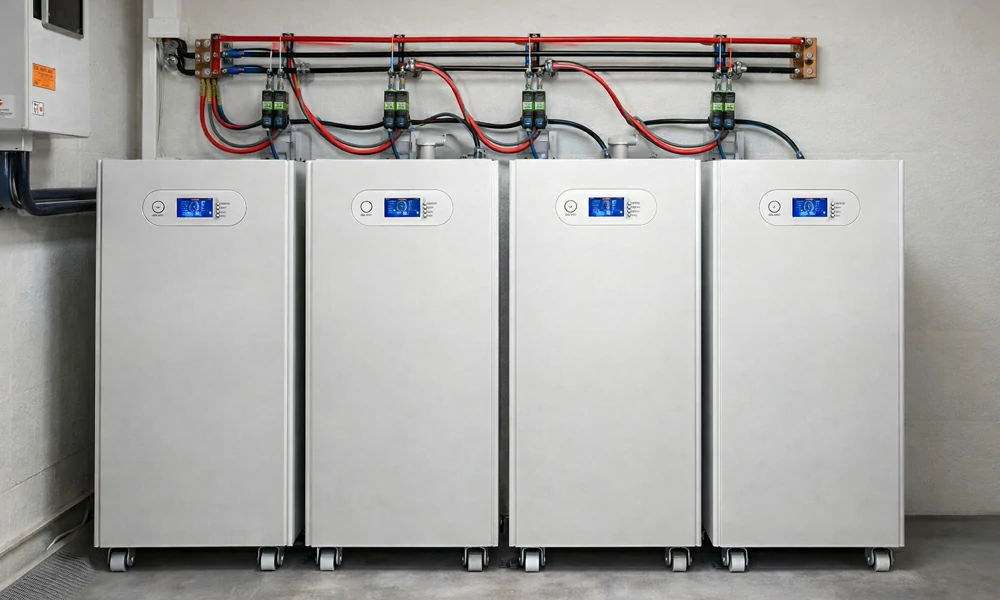
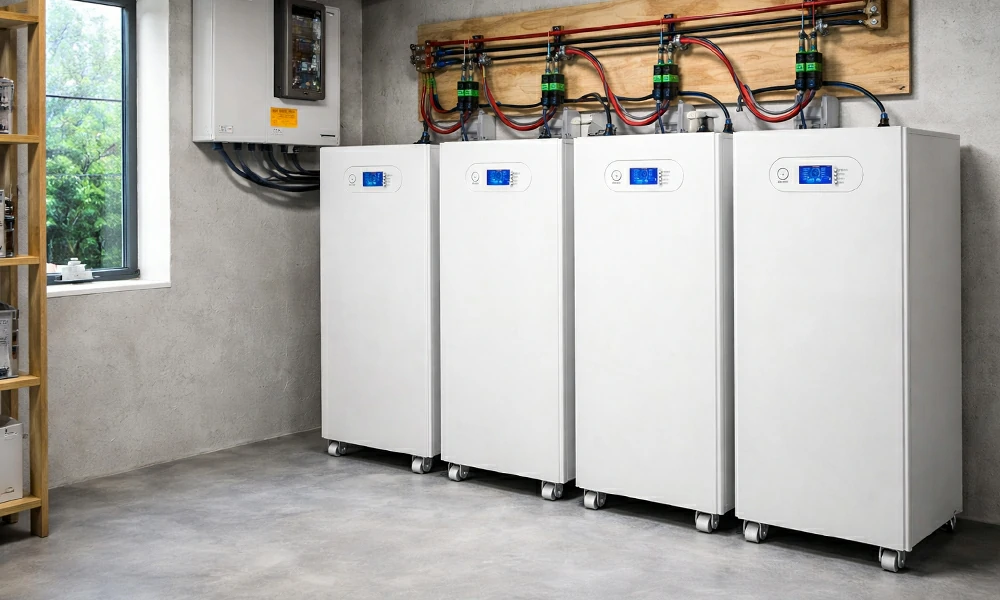
For a bank of four 15kWh batteries, the cleanest approach is usually:
- Connect all battery positives to a positive busbar
- Connect all battery negatives to a negative busbar
- Use equal-length cables from each battery to the busbars
- Put an individual fuse on each battery positive lead
- Take the inverter/charger main positive from the positive busbar
- Take the inverter/charger main negative from the negative busbar
- Use BMS communication daisy-chain or hub connection if the manufacturer requires it
This is typically better than “jumping” battery to battery in a long chain because a chain can create uneven resistance and poor sharing unless it is engineered very carefully. Busbars make current distribution cleaner and easier to inspect.
Step-by-Step Guide: How to Connect 4 Batteries in Parallel
Let’s walk through the practical process of paralleling four batteries.
Step 1: Verify Battery Compatibility
Check the nameplates and manuals of all four batteries to confirm:
- Same brand and model
- Same nominal voltage
- Same capacity
- If applicable, matching firmware or communication compatibility
- Same allowed parallel count
Do not assume that batteries are compatible just because they are all labeled 48 V. The manufacturer’s parallel guidelines are the true standard. While Avepower allows multiple lithium batteries to be connected in parallel, it also specifies installation conditions that must be confirmed with the manufacturer beforehand.
Step 2: Bring State of Charge Close
Before making the final parallel connections, charge all four batteries to roughly the same voltage and let them rest for a while. Confirm that the voltages are very close before connecting them in parallel. This minimizes the balancing current at the terminals. If one battery has a significantly higher charge than another, a large balancing current will flow the moment they are connected.
Step 3: Power Down the System
Turn off the inverter, charger, PV input, and any connected loads. Battery systems can produce extremely high DC fault currents. The NFPA (National Fire Protection Association) guidelines for battery systems emphasize disconnect devices and overcurrent protection, because DC battery faults can be very serious.
Step 4: Install Busbars and Protection Devices
Install a positive busbar and a negative busbar rated for the total current of the battery bank.
- For example, if the four-battery bank could theoretically supply hundreds of amperes, the busbars and protection devices must handle the total system current, not just the current of a single battery.
- Avepower recommends that system cable cross-sections reflect the combined current of the battery bank, and that the main positive cable connecting the battery bank also has a fuse.
Installation checklist:
- Fuse on the positive lead of each battery
- One main battery bank fuse or circuit breaker
- If required by installation standards or local regulations, an easily accessible disconnect breaker
Step 5: Connect Each Battery to the Busbars
- Run a positive cable from each battery’s positive terminal and connect it through its individual fuse to the positive busbar.
- Run a negative cable from each battery’s negative terminal to the negative busbar.
Important: All four positive cables and all four negative cables must be the same length and the same gauge.
Step 6: Connect the Main System Cables
- Connect the main positive cable from the inverter or DC load/charger to the positive busbar.
- Connect the main negative cable to the negative busbar.
If you use a busbar-centered equal-length cable design, the battery bank achieves good balance. In systems without busbars, diagonal wiring is especially important to prevent one end battery from carrying a heavier load than the others. Avepower recommends a diagonal connection pattern to balance current path lengths.
Step 7: Connect Communication Cables
Many lithium batteries with built-in Battery Management Systems (BMS) require communication cables between the battery and the inverter or monitoring device. While not all batteries require this, it is very common.
Follow the battery manual precisely. Some systems require designating one battery as the master, while others use ring or daisy-chain communication topologies.
Step 8: Torque and Double-Check All Components
Before powering on:
- Verify polarity
- Check fuse positions
- Verify torque on all terminals
- Inspect cable routing
- Confirm communication cable order
- Ensure no exposed wires or unsupported conductors
Loose DC connections are dangerous—they can generate resistance, heat, and even arcing.
Step 9: Power On in the Correct Sequence
A typical commissioning sequence is:
- Turn off the battery breaker
- Power the battery/BMS network
- Confirm communication and voltage readings
- Start the inverter/charger
- Connect loads
- Begin controlled charging
Closely monitor the system during the first charge and first significant discharge cycle.
Step 10: Verify Current Sharing
After operation, check that all four batteries are supplying power evenly. Many modern batteries or monitoring systems can display current, voltage, and alarm information for each battery.
If one battery consistently shows higher or lower values than the others, inspect cable symmetry, terminal torque, communication links, and the battery’s health.
Calculating Capacity and Runtime for 4 Batteries in Parallel
Using four 15 kWh batteries as an example:
Total Storage: 4×15kWh=60kWh nominal
Usable Storage (Assuming a 90% DoD): 60kWh×0.9=54kWh usable
| Load (kW) | Usable Energy (kWh) | Estimated Runtime (hours) |
|---|---|---|
| 5 | 54 | 10.8 |
| 10 | 54 | 5.4 |
| 15 | 54 | 3.6 |
| 20 | 54 | 2.7 |
It can power larger loads much longer than a single battery.
Is It Better to Use Busbars or Battery to Battery Jumpers
For four large 15kWh batteries, busbars are usually better.
Why?
Because busbars make it easier to:
- create equal cable lengths
- keep the layout clean
- place fuses correctly
- inspect and service the system
- scale later
Battery-to-battery jumper chains can work in some products when the manufacturer provides a dedicated parallel kit, but a chain layout is easier to get wrong. In a large bank, busbars generally provide more predictable current sharing and a cleaner installation.
4 Batteries Series vs Parallel – Key Differences
- Series: Voltage ↑, capacity same
- Parallel: Voltage same, capacity ↑
| Connection Type | Voltage | Capacity (Ah/kWh) | Total Energy Example (4 × 15 kWh, 48 V) |
|---|---|---|---|
| Series | Adds up | Same as one battery | 4 × 48 V = 192 V system, 15 kWh total |
| Parallel | Same as one battery | Adds up | 48 V system, 4 × 15 kWh = 60 kWh total |
Related articles: batteries in series vs parallel
Related articles: 4 batteries in series
When Connecting 4 Batteries in Parallel Makes Sense
This setup is especially useful when you want:
- more backup time without changing system voltage
- modular expansion
- a larger solar self-consumption battery bank
- improved current sharing across multiple units
- support for medium or large loads over longer durations
For example, a 60kWh nominal bank made from four 15kWh batteries could be a strong fit for:
- large residential backup
- small commercial backup
- off-grid homes
- telecom or remote-site storage
- solar load shifting for high evening demand
The configuration is scalable, practical, and widely used, provided the battery model, inverter, protection, and installation method are all designed for it.
Ready to build a reliable, high-capacity backup system? Avepower offers fully compatible lithium battery solutions, flexible modular setups, and expert support to help you expand your energy storage safely and efficiently. Contact us today to design your 4-battery parallel system.
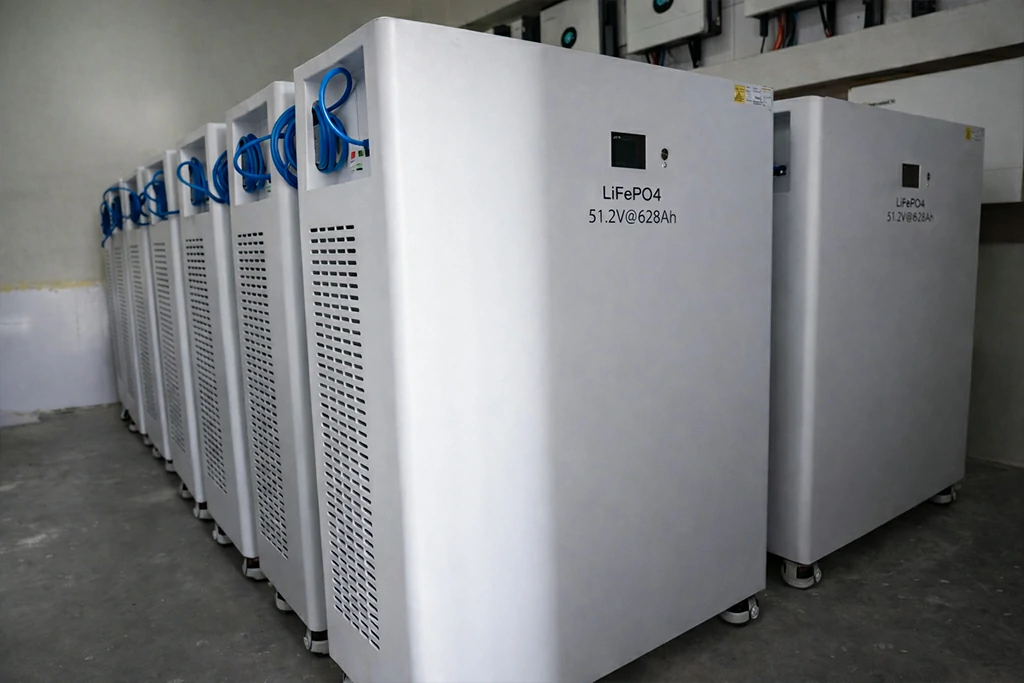
Avepower 20 × 32 kWh Batteries in Parallel Case Study
Avepower delivered a 640 kWh LiFePO4 battery system (20 × 32 kWh in parallel) for a hotel in Afghanistan, providing stable backup power, peak shaving, and intelligent energy management. The modular system works grid-connected or off-grid with seamless switching, helping the hotel maximize solar use and reduce carbon emissions.
FAQ
When 4 batteries are connected in parallel, the voltage stays the same, while the total amp-hour capacity and energy storage increase. For example, if each battery is a 48V 15kWh battery, connecting four in parallel still gives you a 48V system, but the total storage becomes 60kWh.
If each battery is 15kWh, then 4 batteries in parallel provide 60kWh of total energy storage. The formula is simple: 15kWh × 4 = 60kWh
Four 15kWh batteries provide 60kWh of storage. If your backup load is 5kW, the bank could theoretically run for about 12 hours. If your load is 10kW, runtime would be about 6 hours.
No. Mixing different chemistries, capacities, or voltages can lead to uneven charging, reduced efficiency, and potential safety hazards.
Cable size depends on the maximum current of the battery bank. For a typical 48 V 15 kWh lithium battery system, installers often use 25 mm² to 50 mm² copper cables.
If one battery fails, the remaining batteries in the parallel battery bank can continue operating. However, the total storage capacity will decrease, and the system should be inspected to identify and replace the faulty battery.