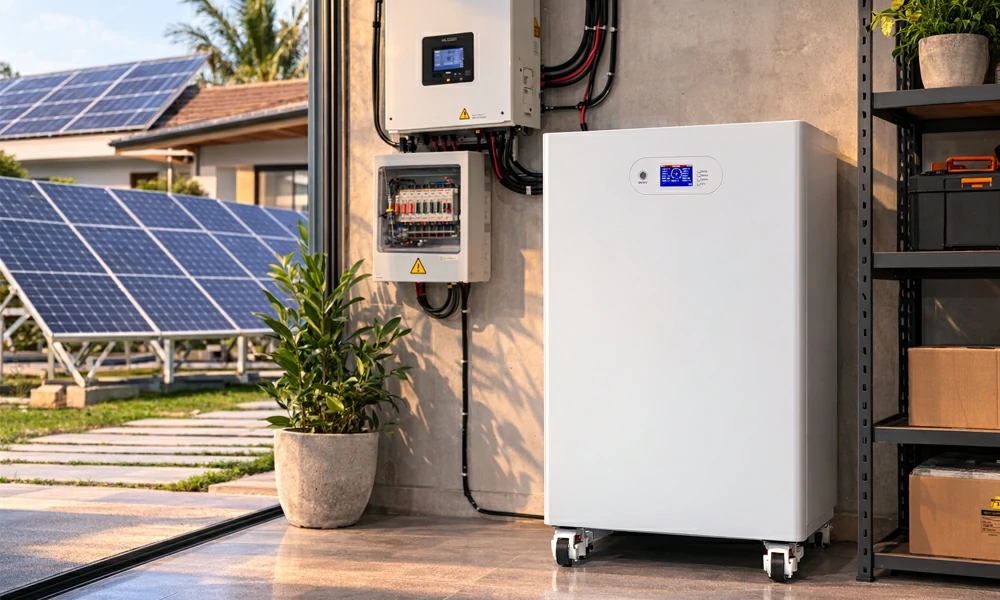

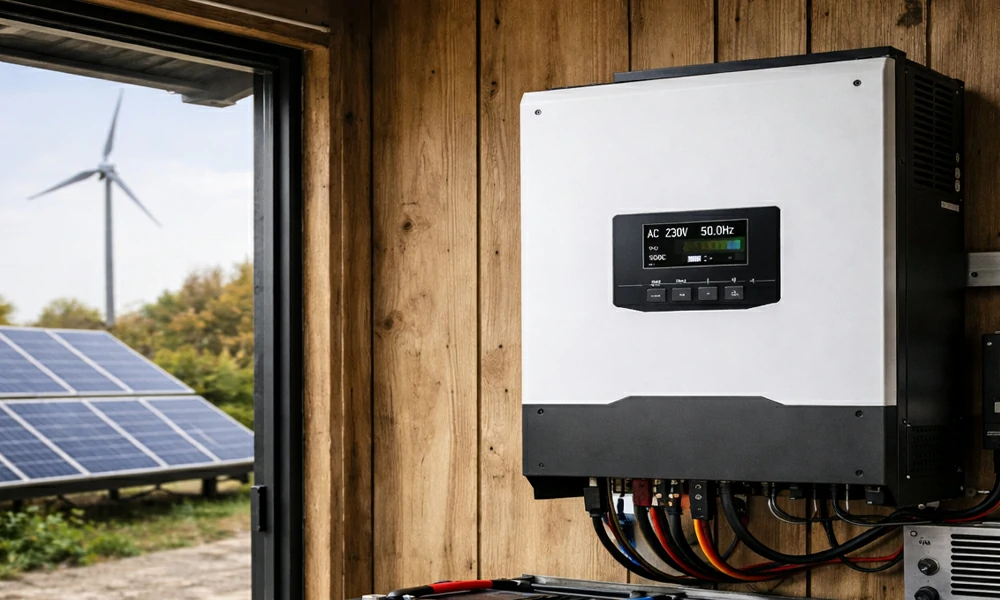
You can use solar power without any utility company when you build an off grid solar system. You can run lights, fridges, pumps, and tools even when the nearest power line is far away. An off grid solar inverter sits at the center of that setup because the inverter turns stored solar energy into the same kind of power that most appliances expect.
This guide explains what an off grid inverter is, how it works, what it costs, where people use it, and how you can choose the right one for your loads and your battery bank.
What Is an Off-Grid Solar Inverter?
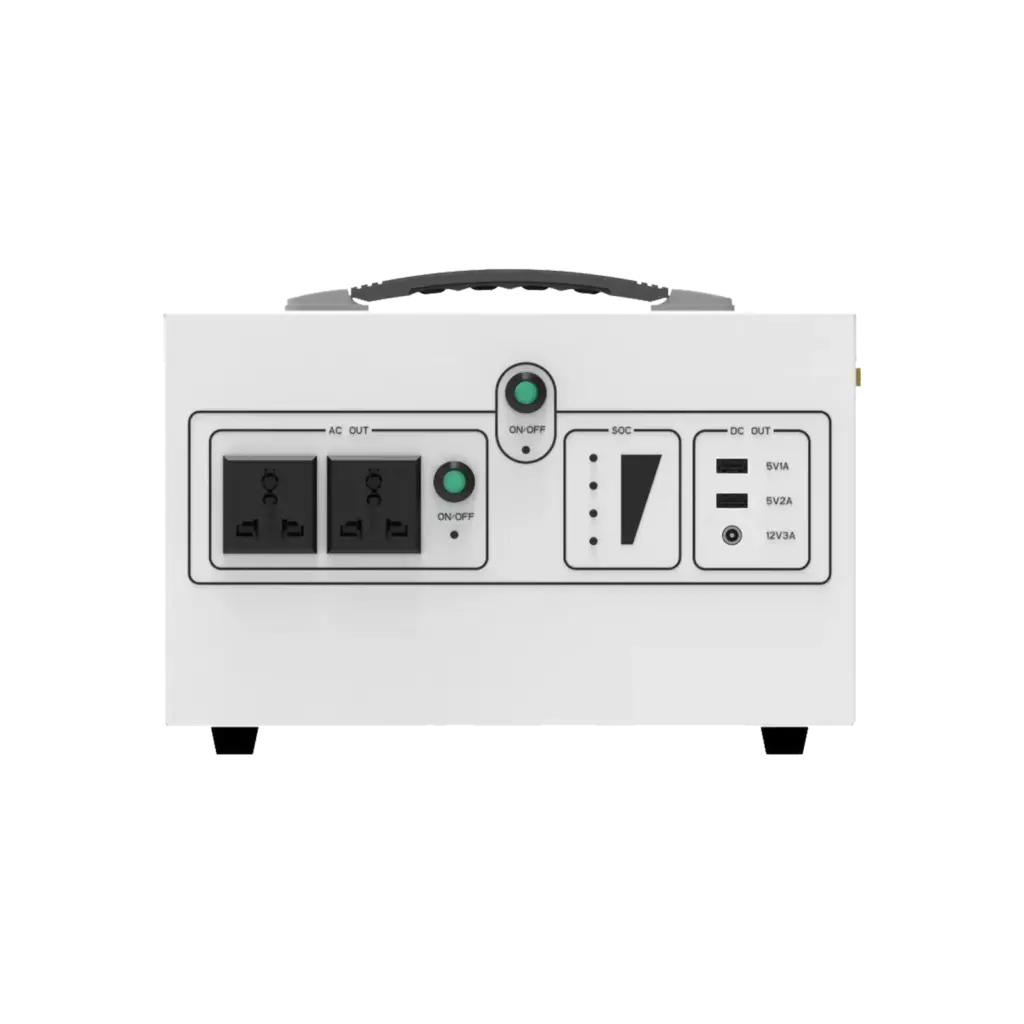
An off-grid solar inverter (people also call it a standalone inverter or inverter-charger, depending on features) is a power device that converts direct current (DC) electricity into alternating current (AC) electricity in systems that are not connected to the utility grid.
Solar panels and batteries always produce DC electricity. However, most household appliances, tools, and machines require AC power to operate. The off-grid inverter performs the essential task of changing DC electricity from batteries into AC electricity that homes and businesses can safely use.
Unlike grid-tied inverters, an off-grid inverter works without support from the public grid. The system must generate, store, and manage all electricity on its own. For this reason, off-grid inverters always work together with battery storage, and often with charge controllers and backup generators.
Off-grid inverters are commonly used in:
- Remote homes and cabins
- Farms and rural properties
- Islands and coastal locations
- Recreational vehicles (RVs) and boats
- Construction sites
- Areas with unstable or unavailable grid power
In simple terms, an off-grid inverter acts as the “heart” of a standalone solar power system. It ensures that stored energy becomes usable electricity whenever it is needed.
How an Off-Grid Inverter Works in a Real System
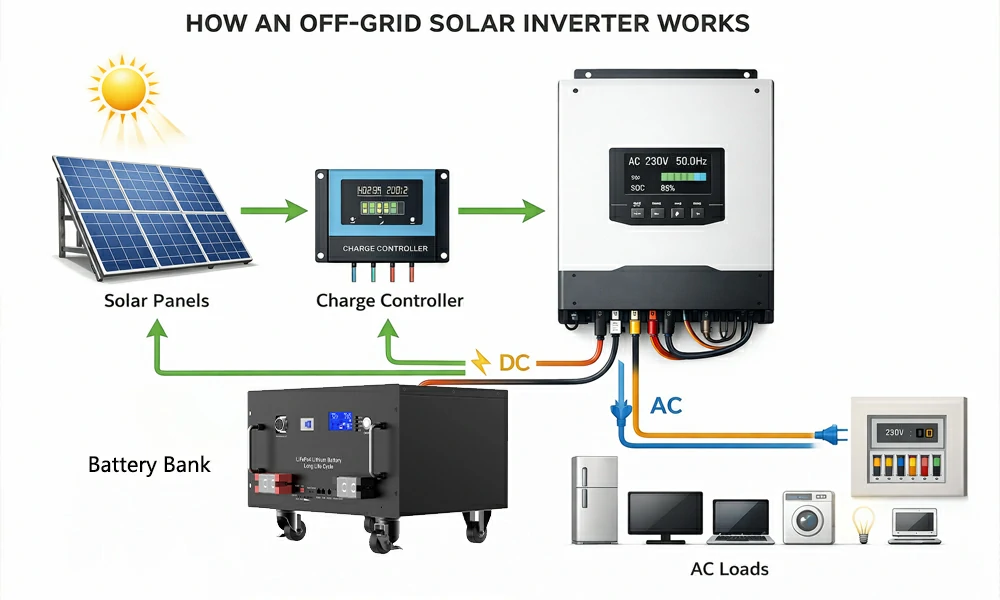
A typical off-grid solar setup uses a simple energy flow:
- Solar panels make DC power.
- A charge controller (or built-in MPPT) manages charging.
- A battery bank stores energy.
- The inverter converts battery DC into AC for your loads.
This “panels → charge control → batteries → inverter → loads” flow is the standard model for off-grid systems.
When sunlight is strong, solar can cover loads and charge batteries. When sunlight drops, batteries cover loads. If you add a generator, the inverter-charger can use generator power to recharge batteries and support heavy loads.
Related articles: AC vs DC Coupling
Types of Off-Grid Inverter Waveforms
The quality of AC power produced by an off-grid inverter depends on its waveform. There are three main waveform types, and each one suits different use cases.
1. Square Wave Inverters
Square wave inverters produce a very basic AC signal. These inverters have low manufacturing costs, which makes them affordable. However, the rough waveform limits their compatibility.
These inverters can power simple tools, heaters, and some motors. They often cause noise, heat buildup, and reduced efficiency in sensitive electronics. For modern homes, square wave inverters are rarely recommended.
2. Modified Sine Wave Inverters
Modified sine wave inverters produce a stepped waveform that is closer to normal AC power. They can handle a wider range of appliances than square wave models.
Many lights, fans, and basic devices work fine with this waveform. However, electronics such as laptops, refrigerators, medical equipment, and variable-speed motors may perform poorly or suffer long-term damage.
3. Pure Sine Wave Inverters
Pure sine wave inverters generate smooth and clean AC power that closely matches utility electricity. This waveform ensures stable operation for all types of devices.
These inverters support sensitive electronics, high-efficiency appliances, and motor-driven equipment without risk. Although they cost more, pure sine wave inverters are the best choice for most off-grid homes and professional installations.
Off-Grid Inverter Pricing and Variation Reasons
The unit price of an inverter depends on its power rating, features, waveform quality, and brand. In South Africa, inverter are typically priced around ZAR 12,292, while similar 5kVA models can exceed ZAR 20,000. The final delivered cost also includes installation, wiring, circuit breakers, and labor fees.
The total cost of a complete off-grid system includes solar panels, mounting racks, batteries, inverter, protective devices, and installation expenses. Since batteries significantly increase overall cost, a full off-grid system is usually much more expensive than a simple grid-tied solar setup. For example, a 5kW kit with a 12kWh battery reserve sells for approximately ZAR 159,340, depending on your chosen energy and storage capacity.
What Factors Influence Off-Grid Inverter Pricing?
Off-grid inverter prices vary based on several key factors that affect performance, reliability, and system compatibility. Understanding these can help you choose the right inverter for your needs.
- Power and Surge Ratings: Larger inverters cost more due to more robust power electronics. Inverters that handle high motor start surges are pricier because of the extra capacity required.
- Output Waveform Quality: Pure sine wave inverters are more expensive as they deliver cleaner, more stable power, making them better for sensitive electronics.
- Battery Voltage Compatibility: Inverters for higher battery voltages (e.g., 48V) generally cost more than 12V units, but 48V systems reduce current and cable losses in larger setups.
- Inverter Charger Features:Units with strong AC chargers and AC pass-through simplify generator integration and backup power management, adding to the cost.
- Solar Charging Integration: All-in-one inverters with built-in MPPT charge controllers reduce extra components and simplify installation but may limit future expansion.
- Monitoring and Communication Capabilities: Inverters with WiFi monitoring, mobile apps, data logging, and battery communication protocols (CAN, RS485) usually cost more due to enhanced control and diagnostics.
- Warranty and Support Services: Longer warranties and strong service networks increase upfront costs but reduce long-term risk and provide peace of mind
Advantages of Using an Off-Grid Solar Inverter
Choosing an off-grid solar inverter comes with several important benefits:
- Complete Energy Independence: You are not tied to utility companies, avoiding unexpected price hikes or outages. This independence means full control over your electricity supply.
- Reliable Power: With a well-designed battery system and inverter, you can have steady power even when the sun isn’t shining or during grid failures.
- No Electricity Bills: Since you generate and store your own power, your monthly electricity costs can drop dramatically, leading to long-term savings.
- Environmentally Friendly: Using solar energy reduces your carbon footprint by cutting down on fossil fuel use.
Disadvantages of Off-Grid Inverter
- Higher initial investment: Off-grid systems require batteries, charge controllers, and backup planning. These components increase the upfront cost.
- System design complexity: Off-grid systems require careful planning. Incorrect sizing can lead to power shortages or wasted capacity.
- Battery replacement costs: Batteries wear out over time. Replacement costs must be considered during system planning.
- Energy management responsibility: Users must monitor consumption habits. Excessive use can drain batteries faster than expected.
How to Choose the Right Off-Grid Inverter Based on Your Needs
Selecting the right off-grid inverter requires careful sizing based on your actual load, rather than guessing, to ensure optimal performance.
Step 1: List Your Power Consumption and Daily Energy Usage
Start by listing all the devices you plan to run. Record the operating power (in watts) for each device. For devices with motors or compressors, also note their peak (surge) power. Multiply the power (watts) by the number of hours each device will run daily to estimate the daily watt-hours consumption. Add all these values together to get your total daily energy usage. If you plan to use seasonal equipment such as heaters, well pumps, workshop tools, or air conditioners, be sure to include these in your load calculation.
Step 2: Select Inverter Power Based on Continuous and Surge Loads
Add together the running power of all devices that might operate simultaneously. Include some margin to accommodate power overlaps and peak fluctuations common in household environments.
Make sure your inverter has enough surge capacity to handle motor startup currents. For example, refrigerators and water pumps may start simultaneously. Your inverter must handle these surges without tripping.
Step 3: Match Inverter Input Voltage to Your Battery Bank Voltage
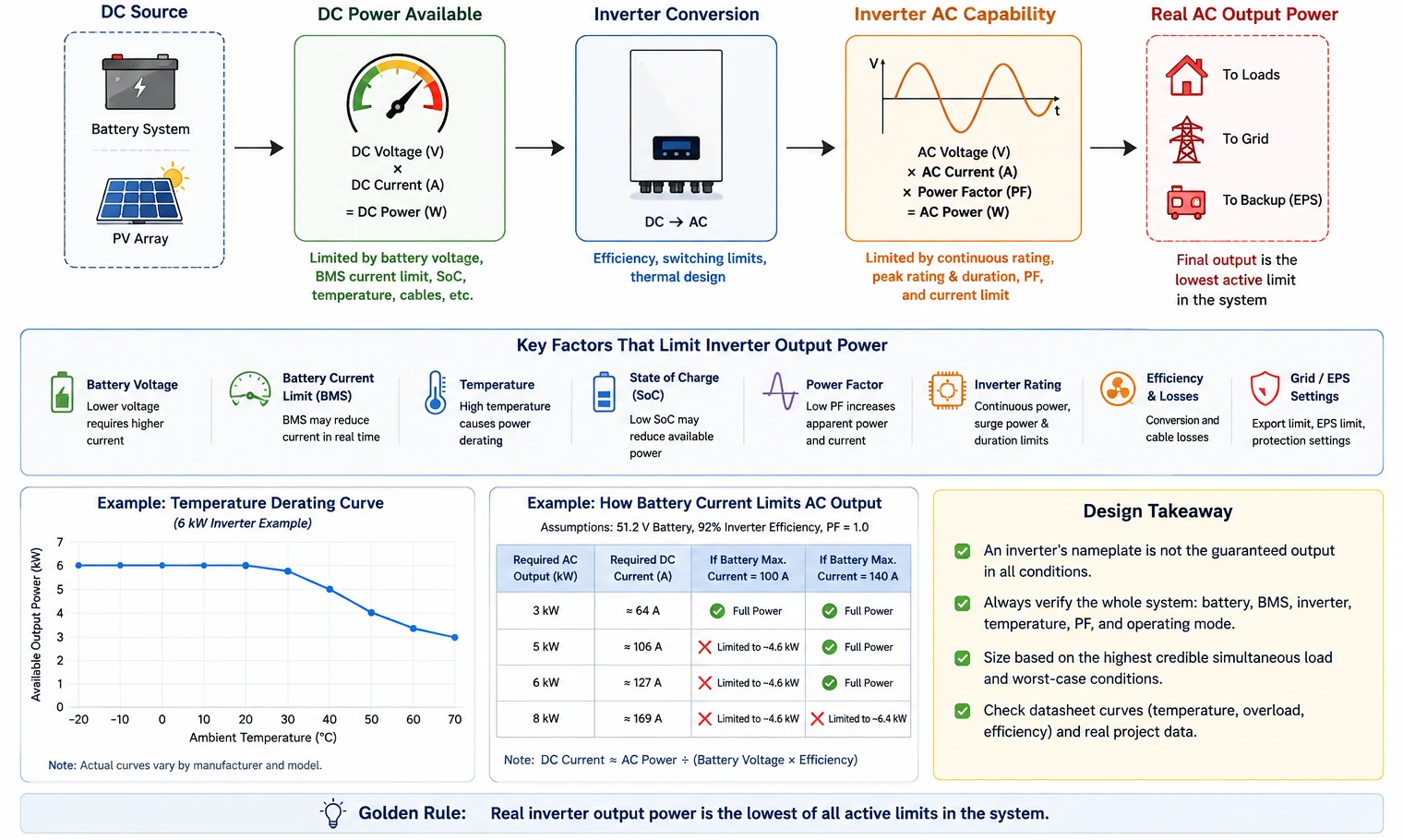
Small systems typically use 12V battery banks, medium systems 24V, and larger residential or high-power loads 48V. Higher voltage reduces current, improving efficiency and cable sizing.
Step 4: Check Inverter Efficiency and No-Load Power Consumption
Choose an inverter with high conversion efficiency to minimize wasted energy (which is dissipated as heat). Also, check the no-load power consumption, as the inverter will draw power even when loads are minimal. If your system runs small loads at night, pay particular attention to the inverter’s standby current to avoid unnecessary battery drain.
Step 5: Confirm Battery Compatibility Before Purchase
Verify that the inverter is compatible with your battery’s chemistry and charging requirements. If you plan to use lithium batteries with CAN or RS485 communication, ensure the inverter supports these protocols.
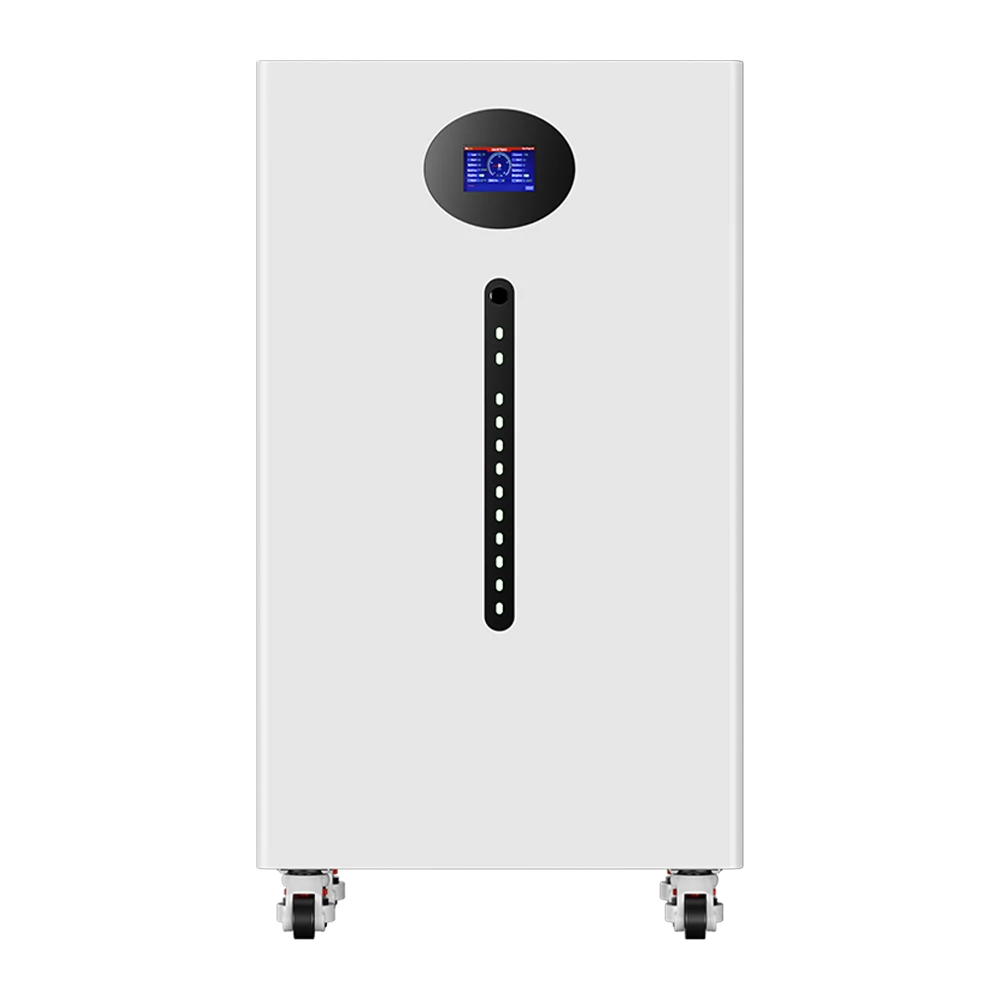
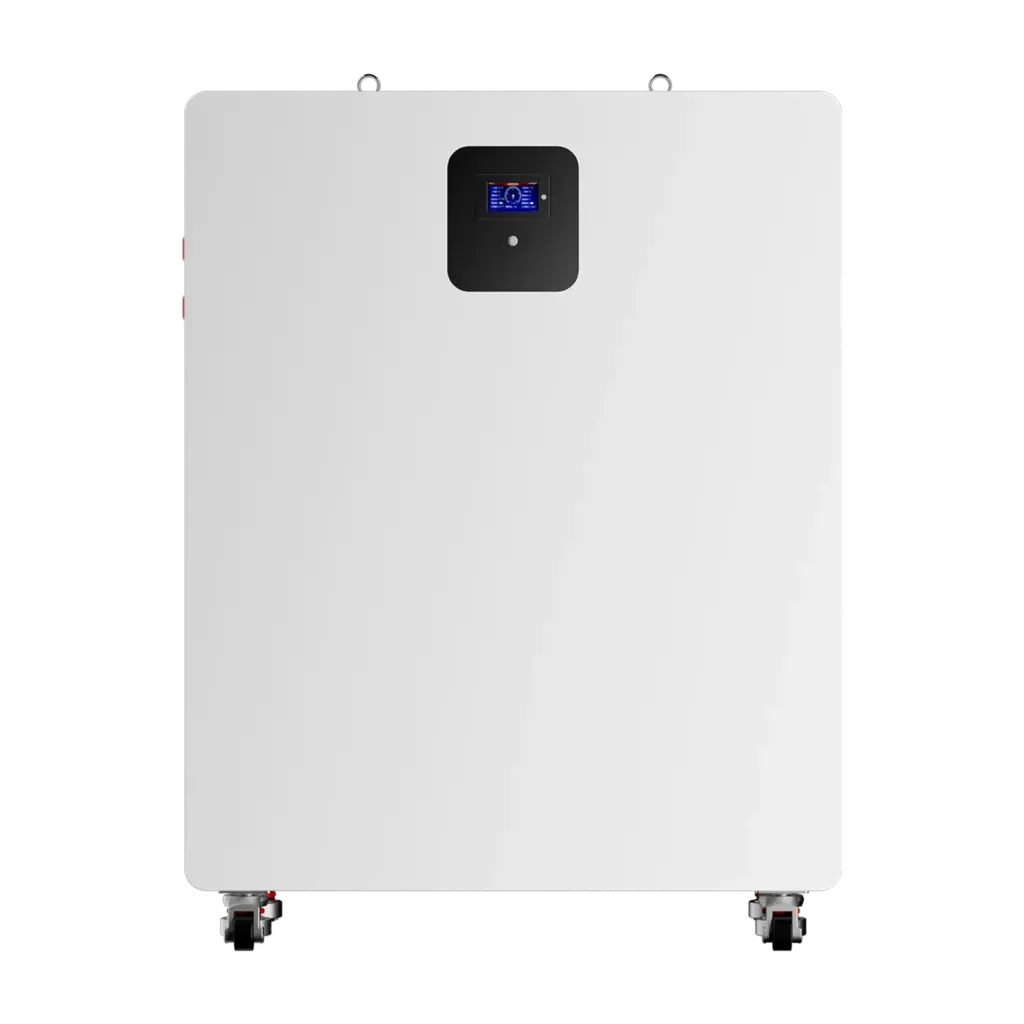
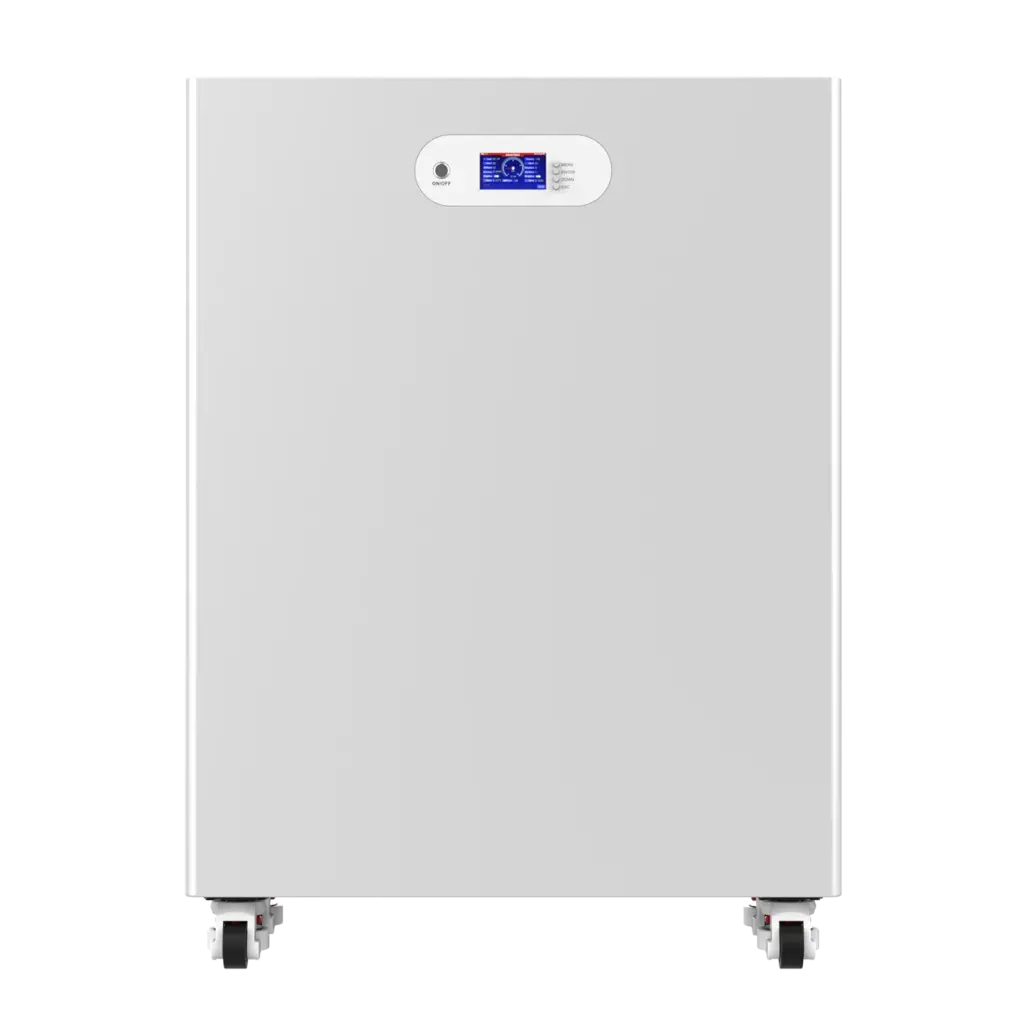
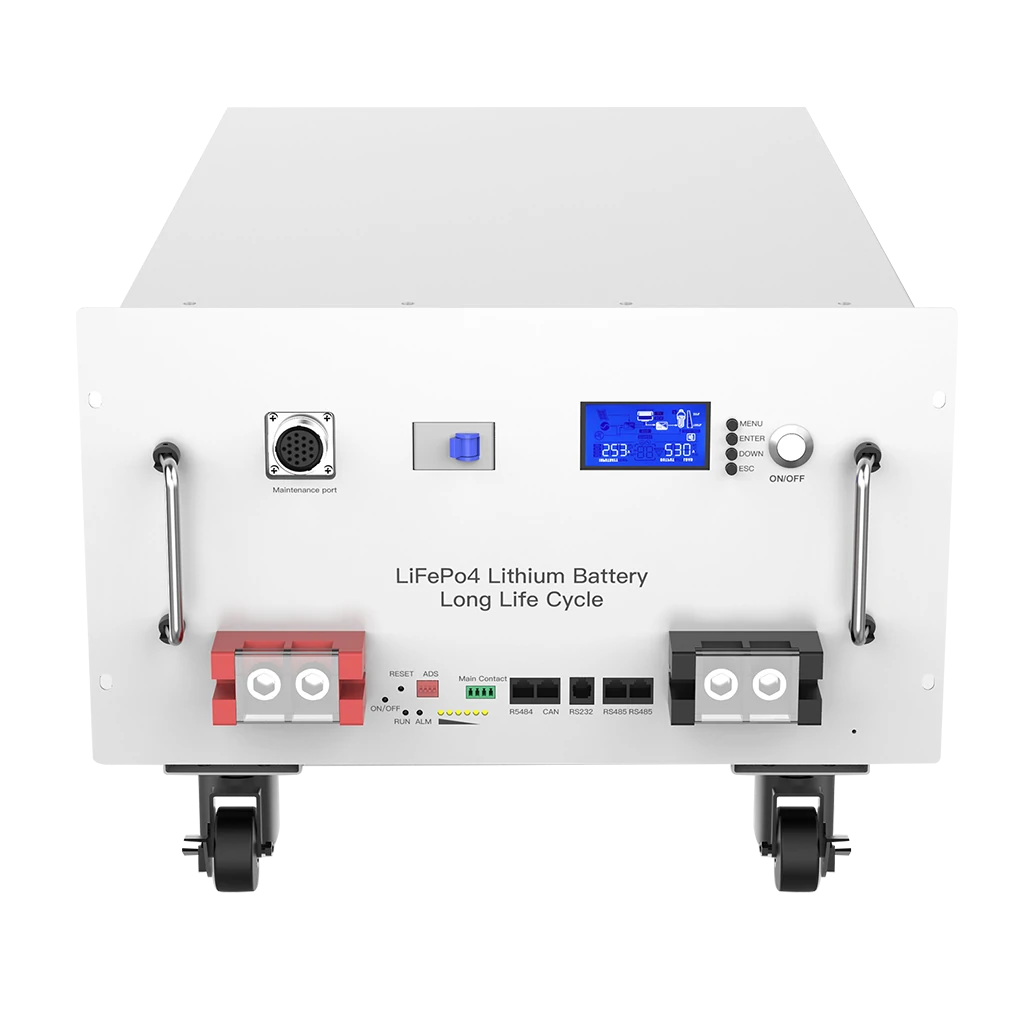
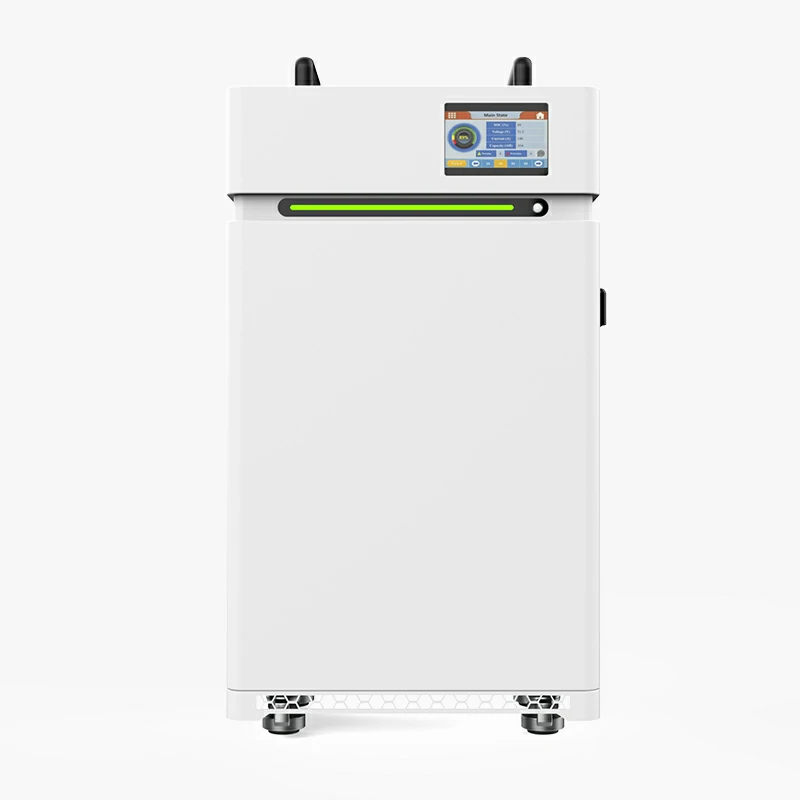
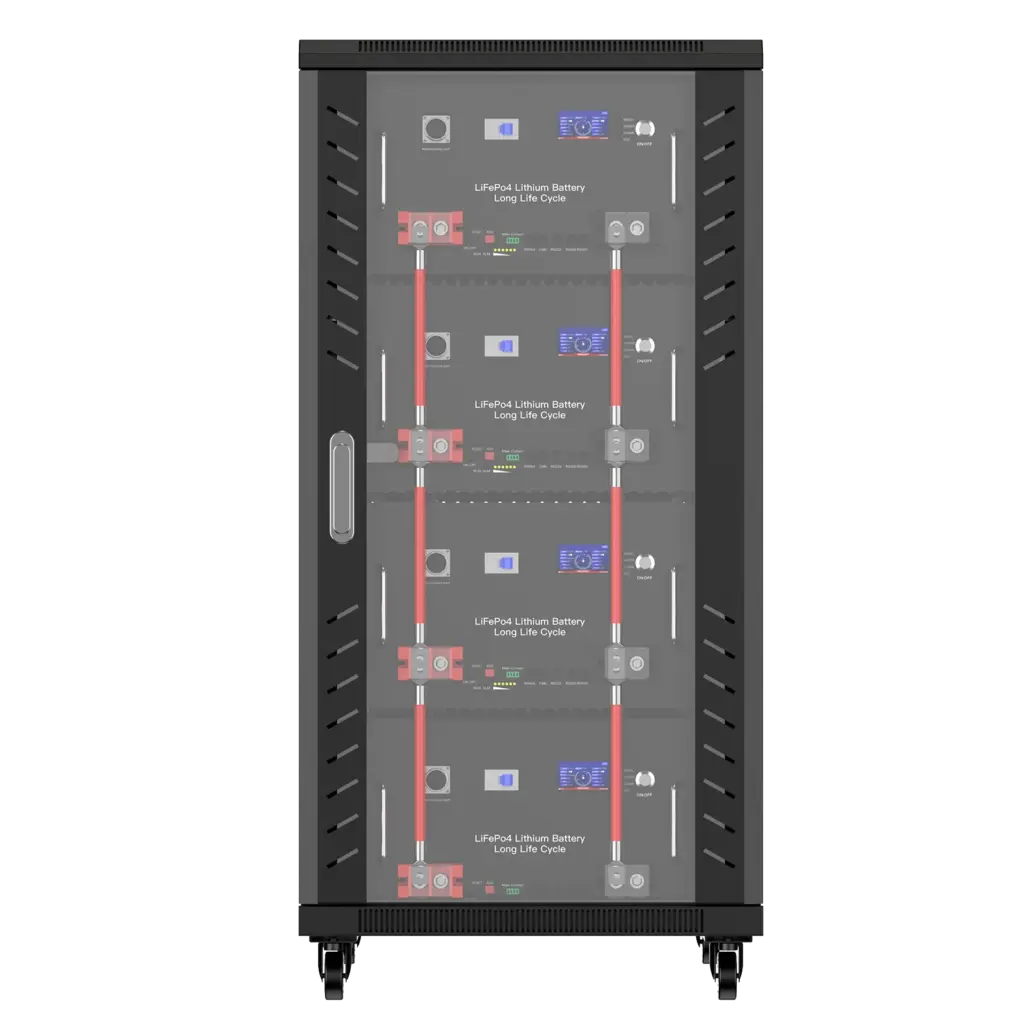
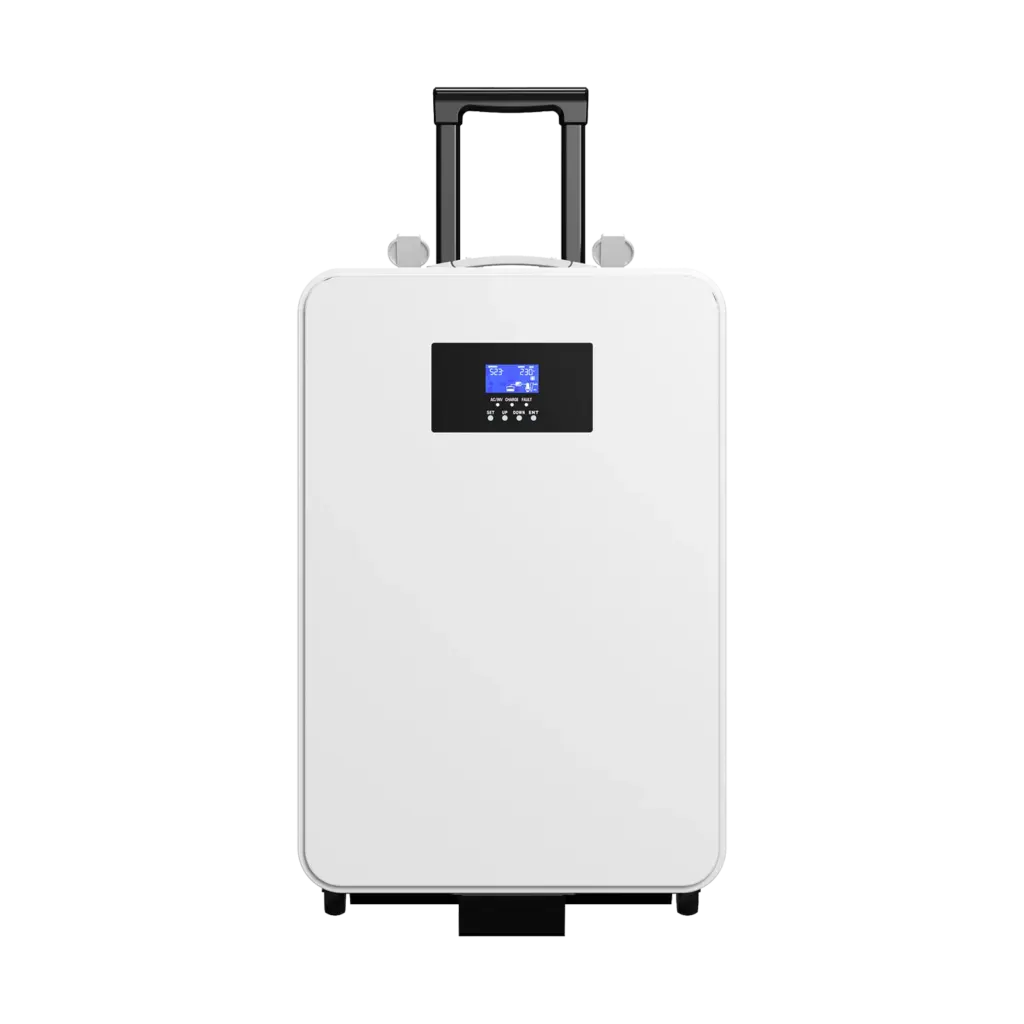
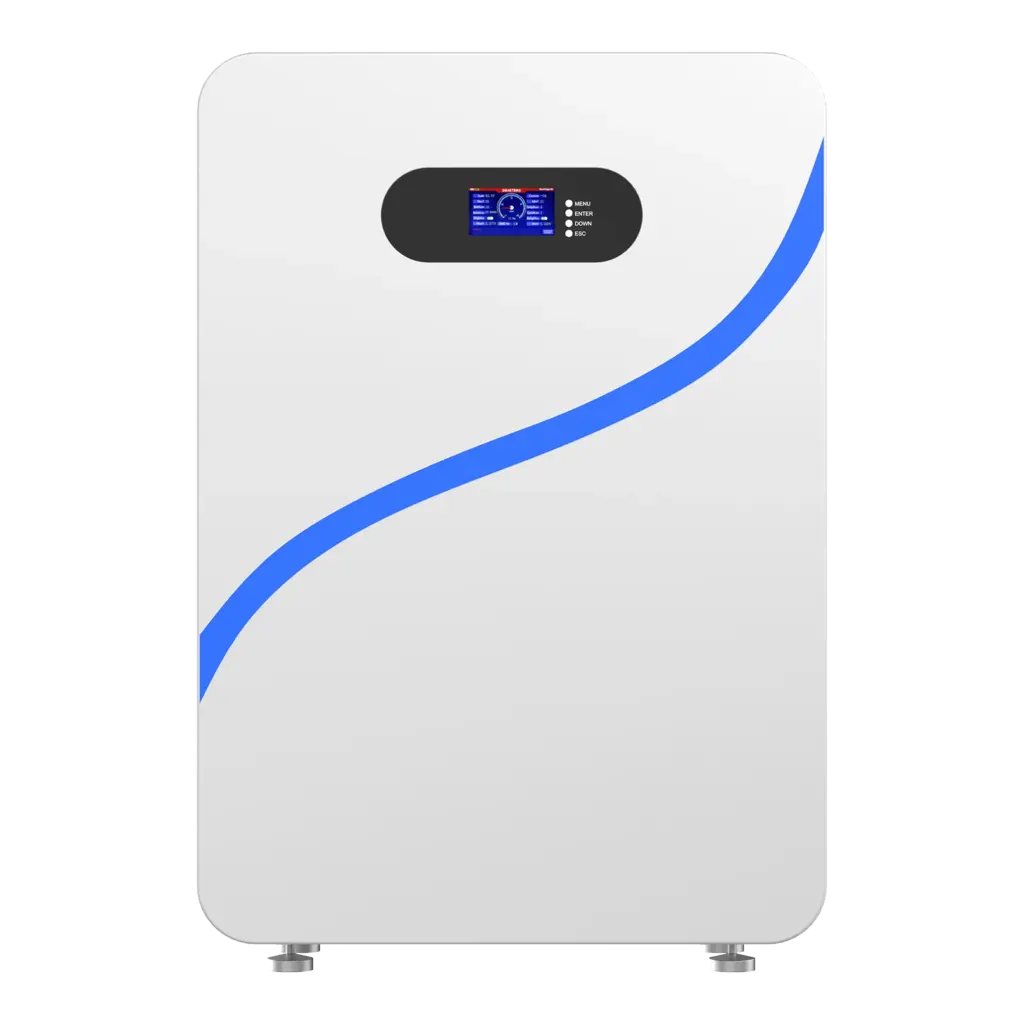
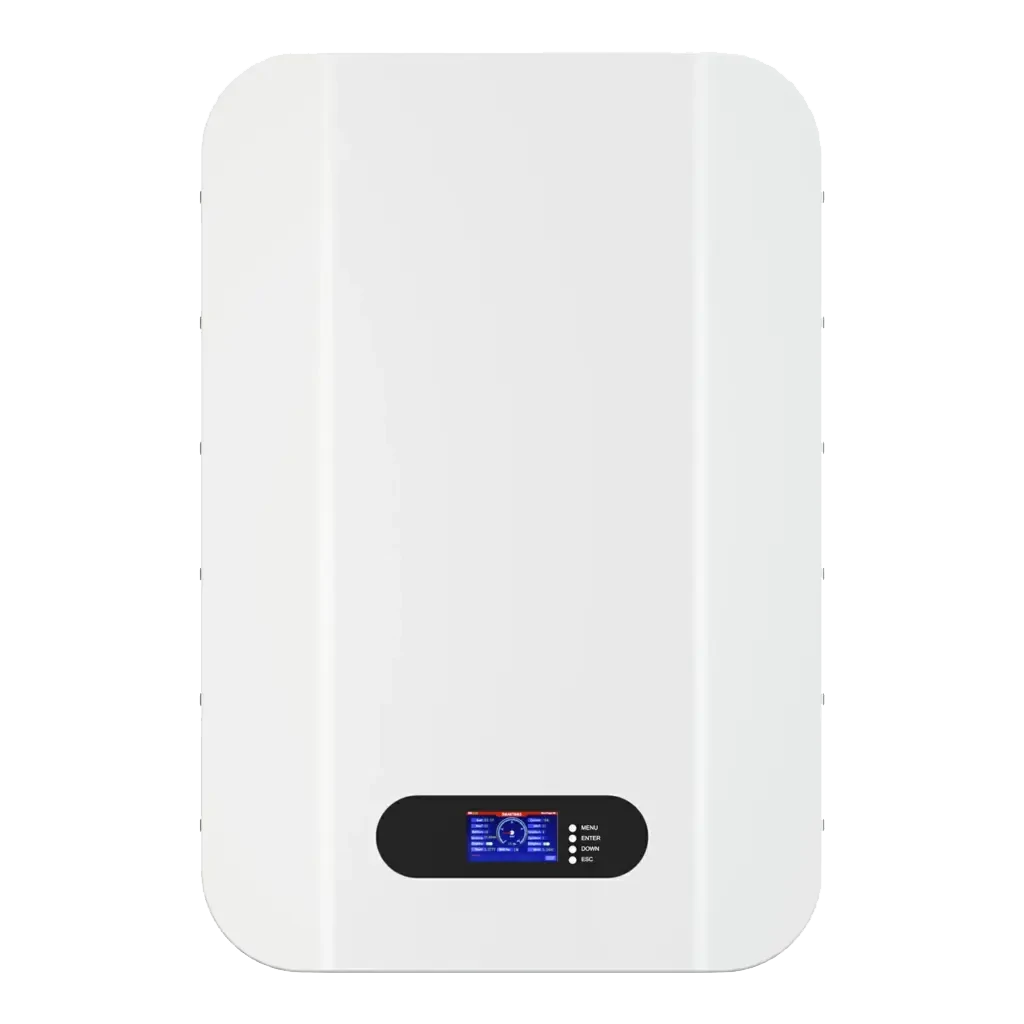
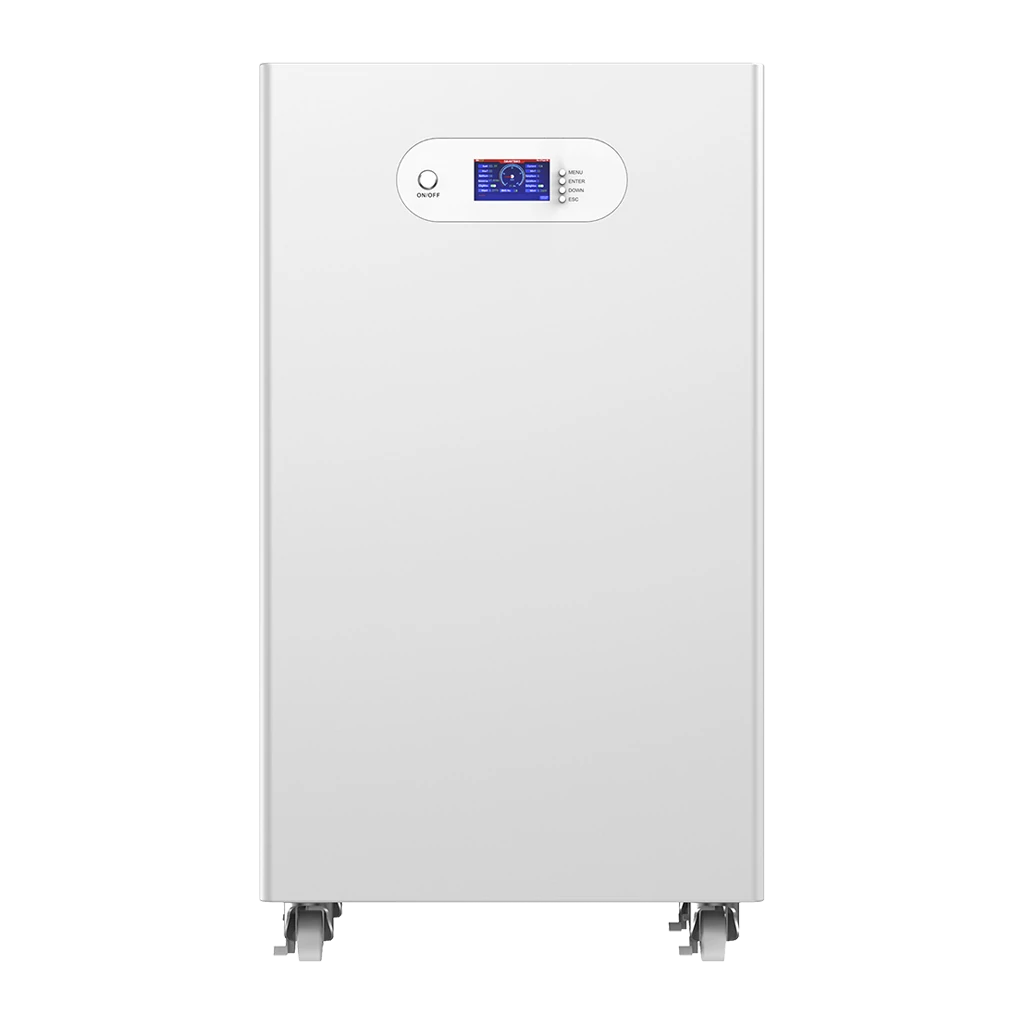
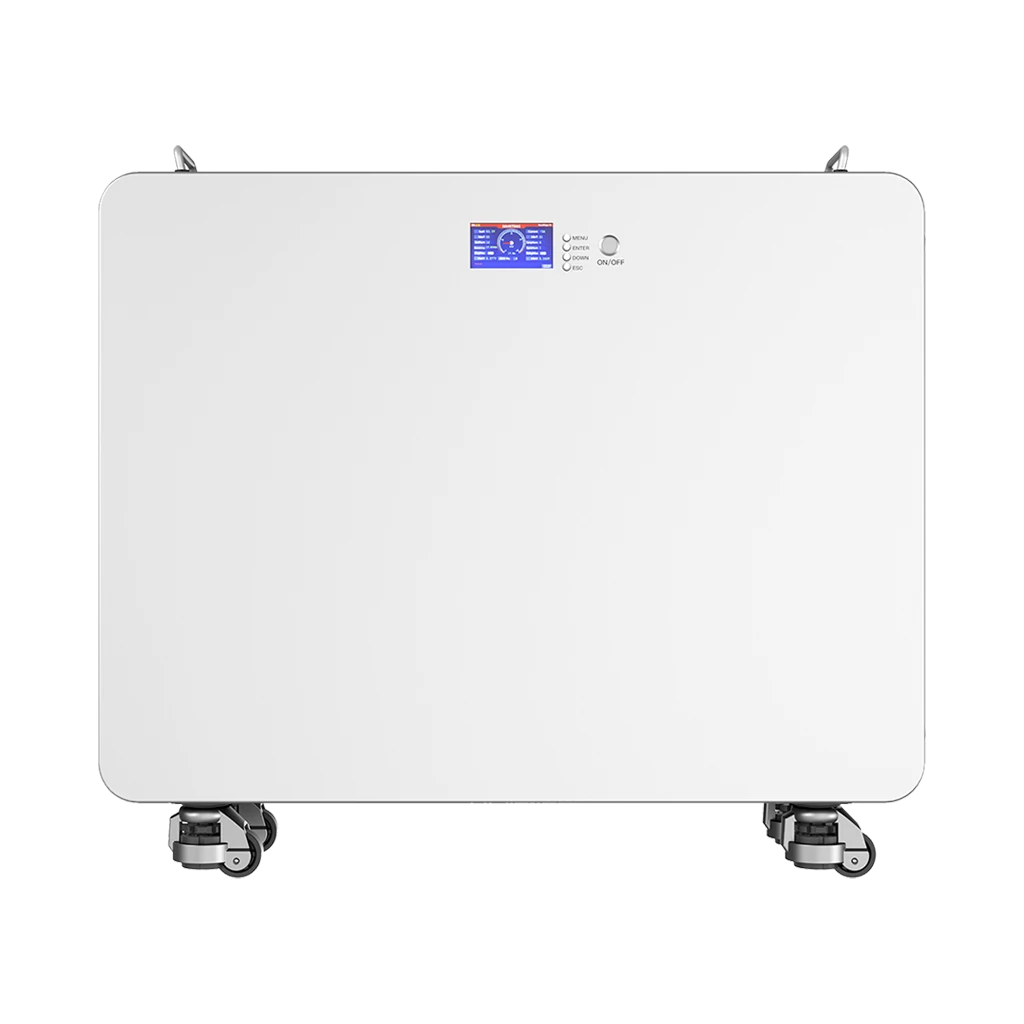
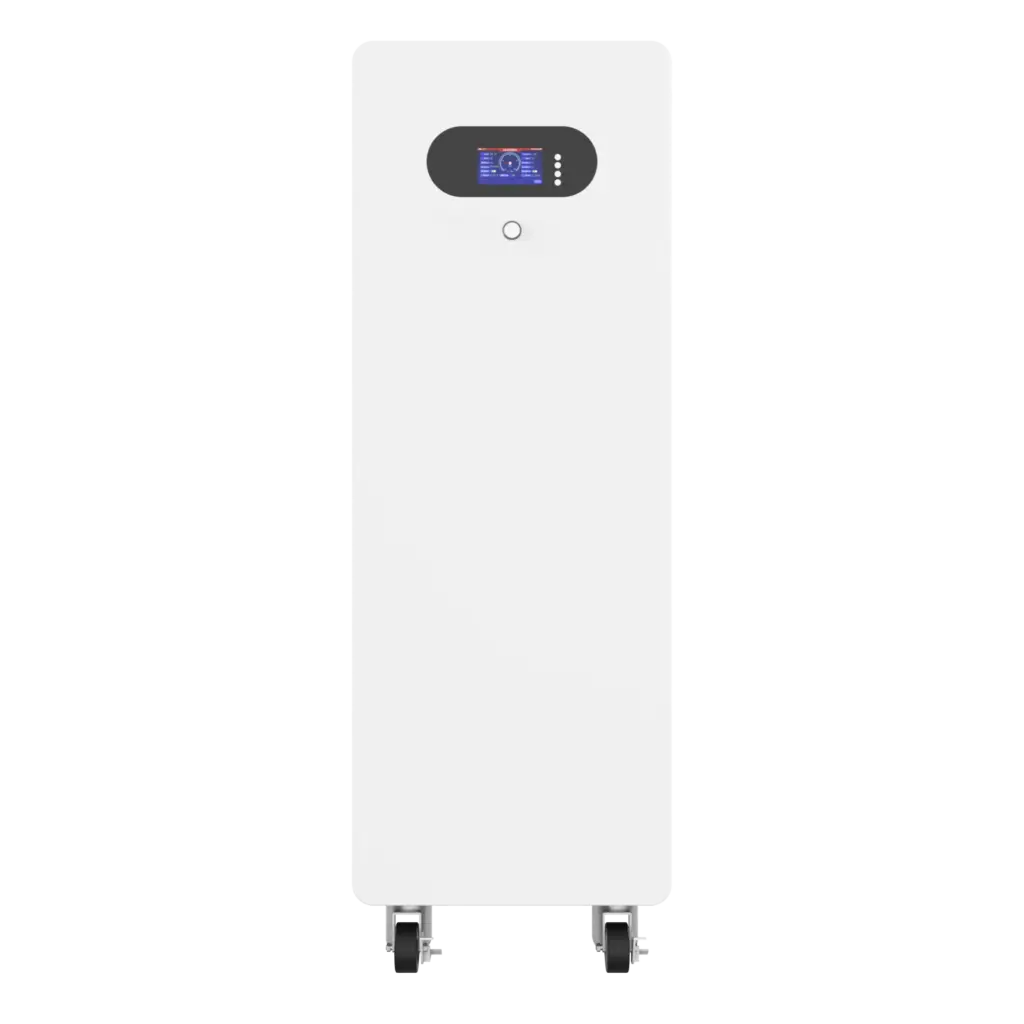
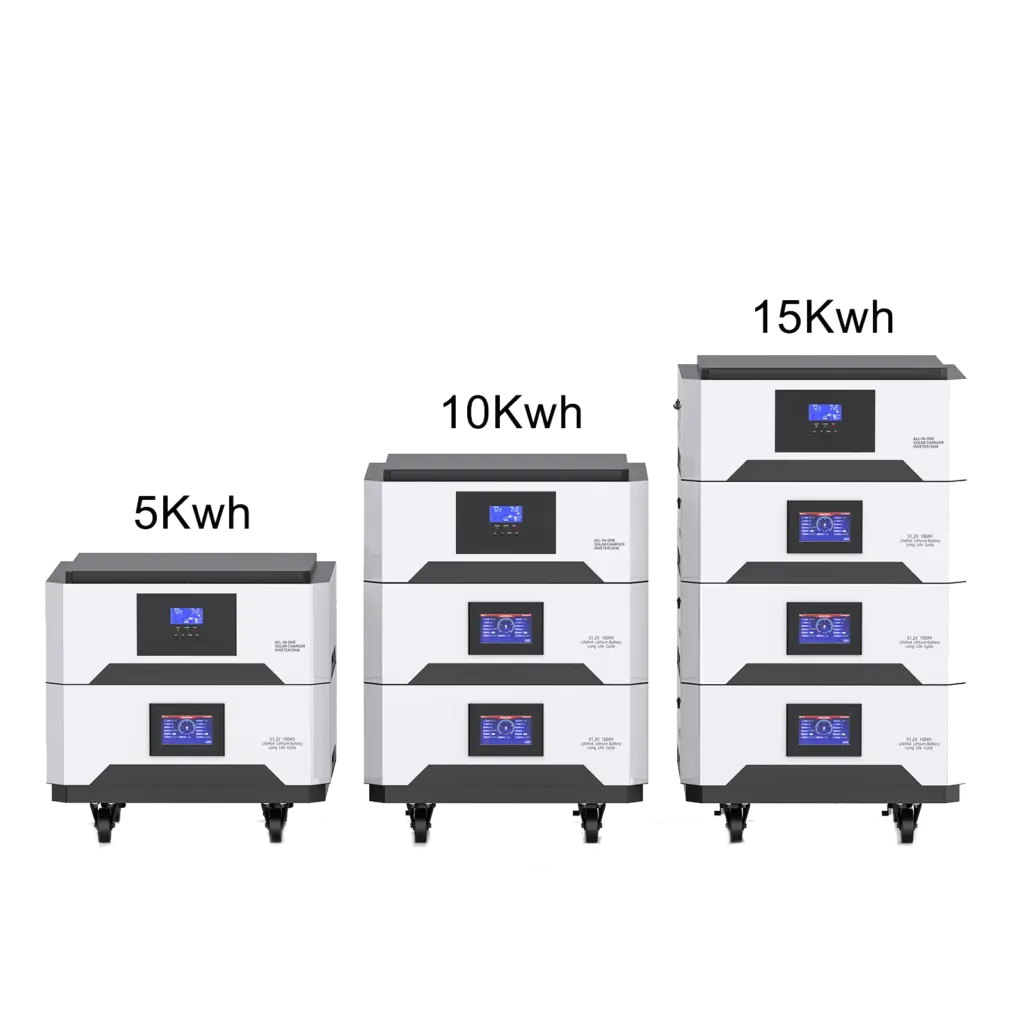
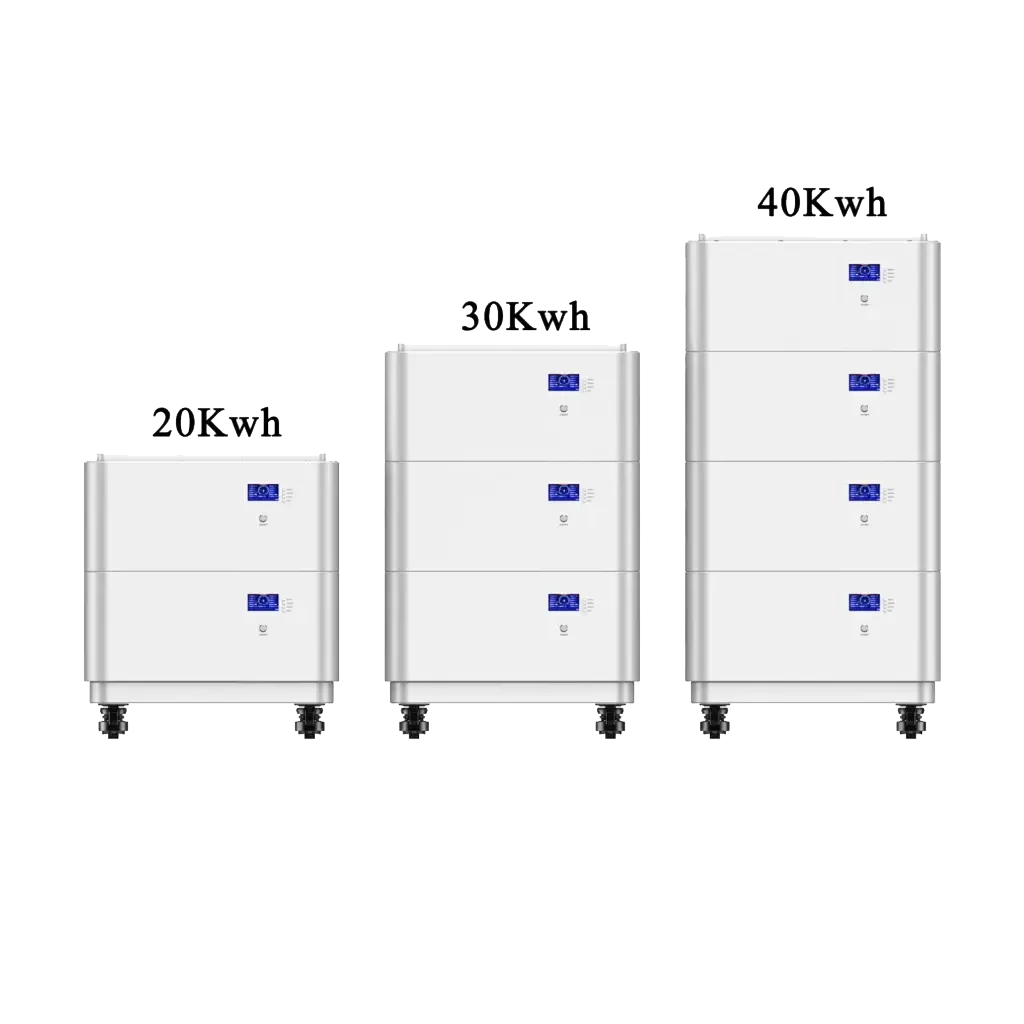
When purchasing batteries from Avepower, you can confidently pair their LiFePO4 battery storage systems with many off-grid and hybrid inverters, provided the voltage range and communication protocols are supported. Avepower also offers an all in one battery solution combining a 15 kWh battery with a 6 kW inverter, eliminating compatibility concerns. If interested, please visit the product page for details.
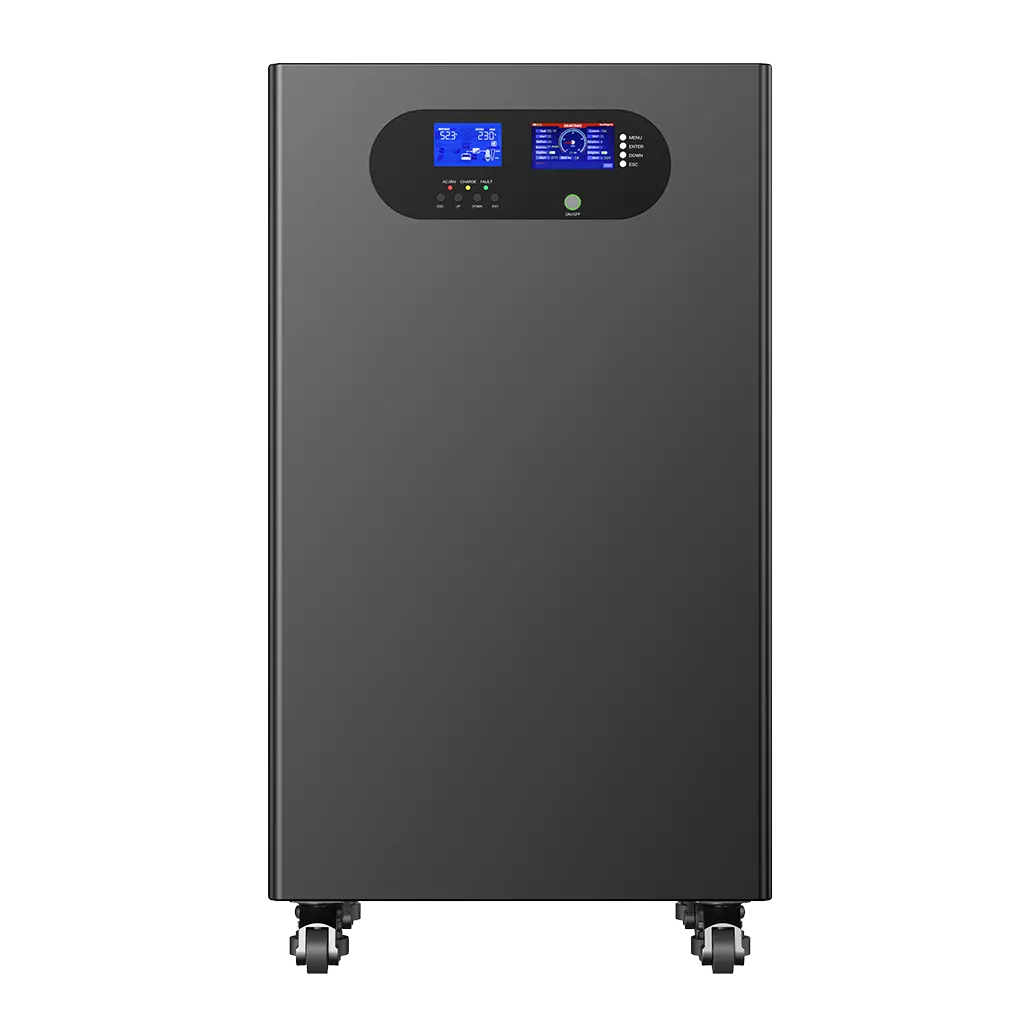
Avepower 15kWh Home Solar Battery with 6kW Inverter
- All-in-one battery, inverter, and MPPT for easy installation.
- 15kWh LiFePO4 battery with long life and safety.
- Dual MPPT supports up to 2×7.5kW solar input.
- Pure sine wave output for sensitive devices.
- Fast backup with transfer time as low as 10ms.
- Quiet (≤50dB) with built-in BMS and protections.
- Works from -10°C to 50°C, up to 4000m altitude.
An off-grid inverter always works with batteries. Battery capacity determines how long power remains available when sunlight is limited. Lithium batteries offer longer lifespan and better efficiency. Lead-acid batteries cost less but require more maintenance. System designers must balance cost, lifespan, and daily energy needs.
Off Grid vs Grid Tied vs Hybrid Inverters
You will pick the inverter type based on your relationship to the grid.
| Category | What the inverter depends on | What happens in a blackout | Typical best fit |
|---|---|---|---|
| Off-grid inverter | Batteries + solar (and often generator) | Your system can keep running if it is sized well | Remote homes, farms, sites with unstable grid |
| Grid-tied inverter | Grid reference + solar | The inverter shuts down due to anti-islanding | Homes that want bill savings and net metering |
| Hybrid inverter | Grid + solar + optional batteries | The system can run loads if batteries and backup mode are configured | Homes that want backup + grid savings |
A grid tied inverter normally shuts down when the grid fails, because the inverter must not feed power into dead utility lines. This safety behavior is often called anti islanding.
A hybrid solar inverter can behave like a grid tied inverter when the grid is present, and it can behave like an off grid inverter for backup when the system has batteries and the backup mode is set.
Maintaining Your Off-Grid Solar Inverter
Off-grid inverters need regular care to stay reliable. Annual inspections by a qualified technician can catch problems early and keep the system running smoothly. Make sure to follow the manufacturer’s maintenance instructions and check warranty coverage, which often ranges from 10 to 25 years.
Build Your Off-Grid Solar System with Avepower
If you are planning an off-grid setup, you need more than just an inverter. You need a matched solar panels + off-grid inverter + battery storage solution that fits your daily kWh, peak load, surge power, and backup days—so your system stays stable and your battery lasts longer.
Tell us your location, daily kWh, peak/surge loads, and backup goal, and our team will send you a practical system recommendation covering PV array size, off-grid inverter type (pure sine wave), and battery capacity (LiFePO4)—with a clear bill of materials for your project.
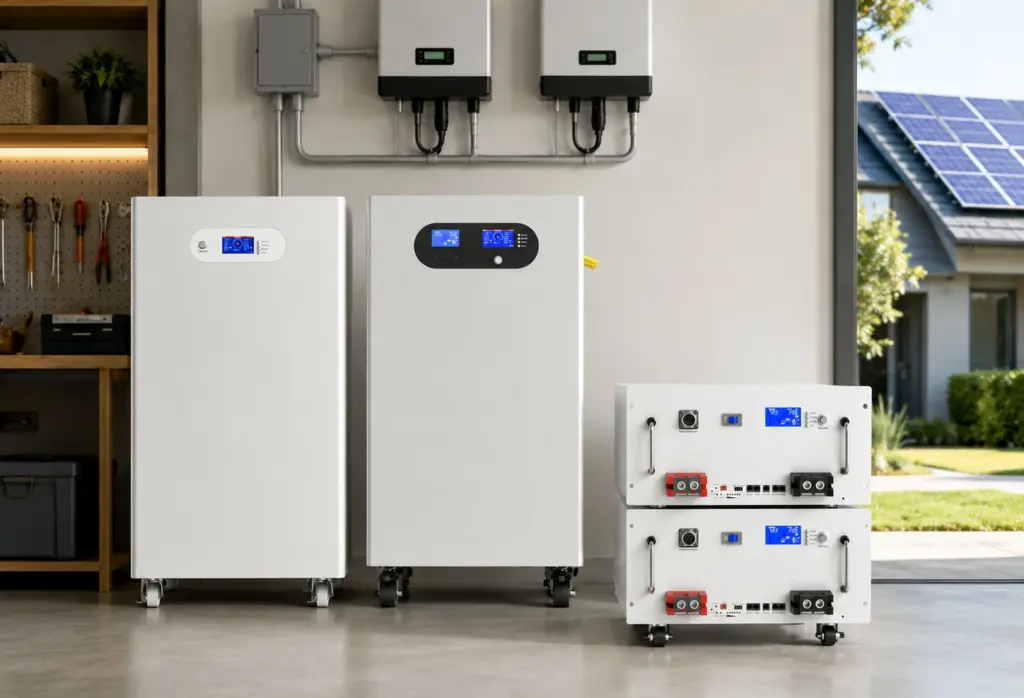
Take Control of Your Energy with Avepower!
Reliable home solar battery solutions with OEM/ODM customization and in-house manufacturing, tailored to the needs of distributors, installers, and energy partners.
FAQ
An off-grid solar inverter is used to convert DC electricity from solar panels and batteries into AC electricity for homes or facilities that are not connected to the utility grid. It allows users to run standard appliances without relying on public power.
No, an off-grid inverter cannot operate properly without batteries. Batteries are required to store energy and provide a stable DC power source for the inverter, especially at night or during low sunlight periods.
The required inverter size depends on the total wattage of appliances you plan to use at the same time, including surge power for motors. Most homes need between 3 kW and 10 kW, but larger homes may require higher capacity.
An off-grid inverter operates completely independent of the utility grid, while a hybrid inverter can work with solar panels, batteries, and the grid. Hybrid inverters offer flexibility but do not provide full independence unless batteries are installed.
Yes, off-grid systems can work during cloudy days or rain as long as the batteries are sufficiently charged. However, extended periods of poor weather may require reduced energy use or a backup generator.