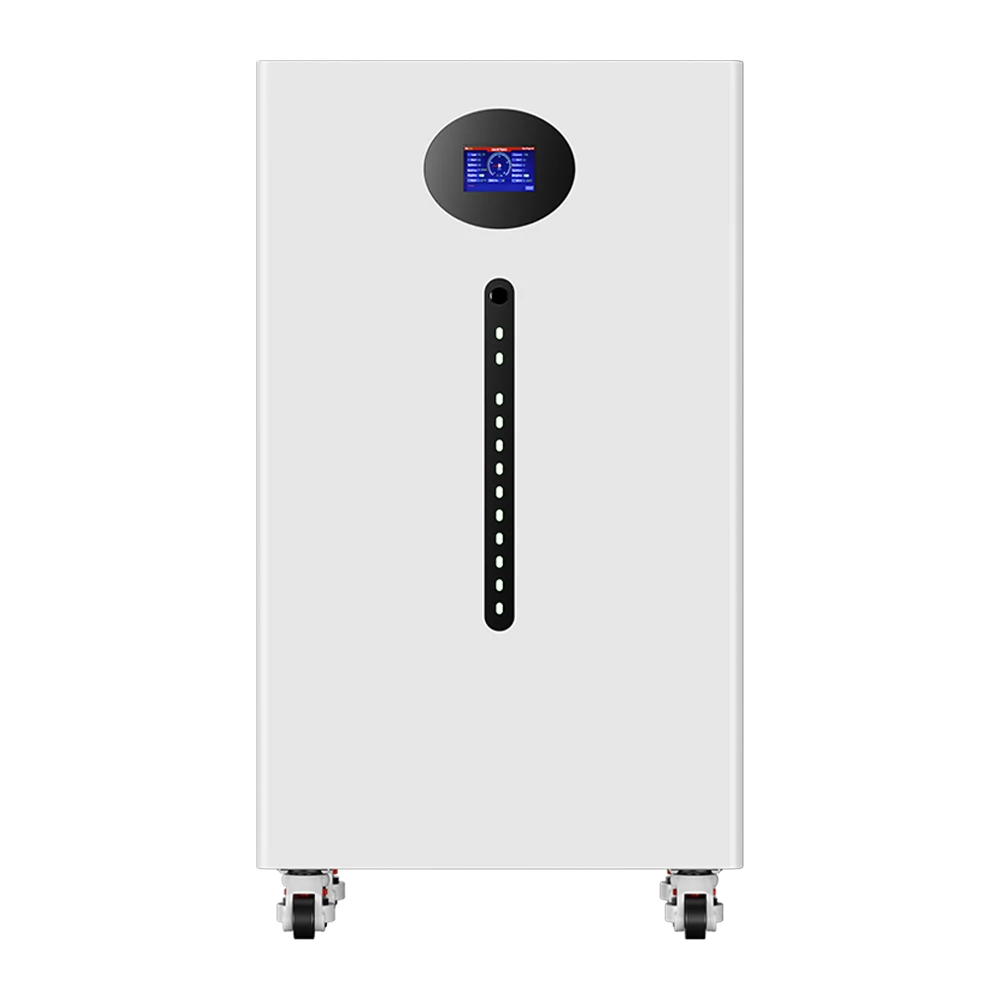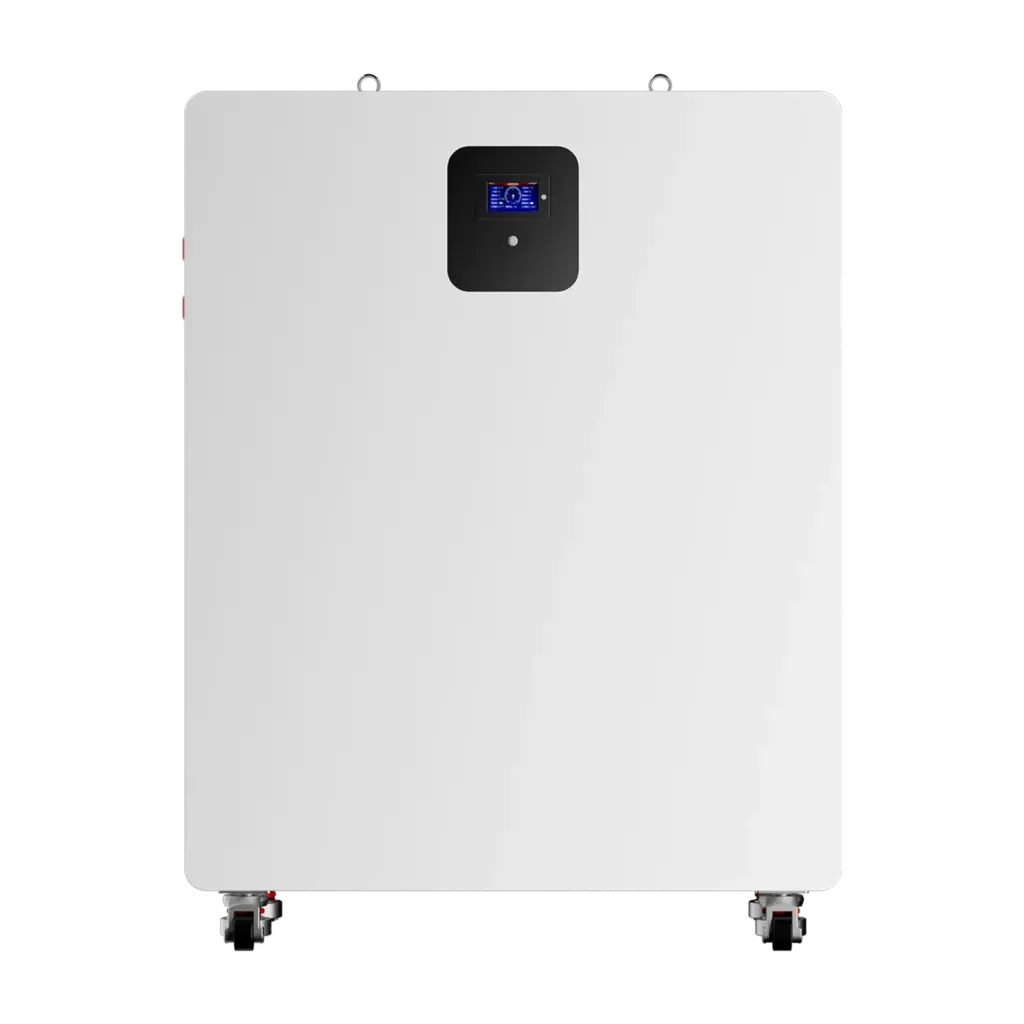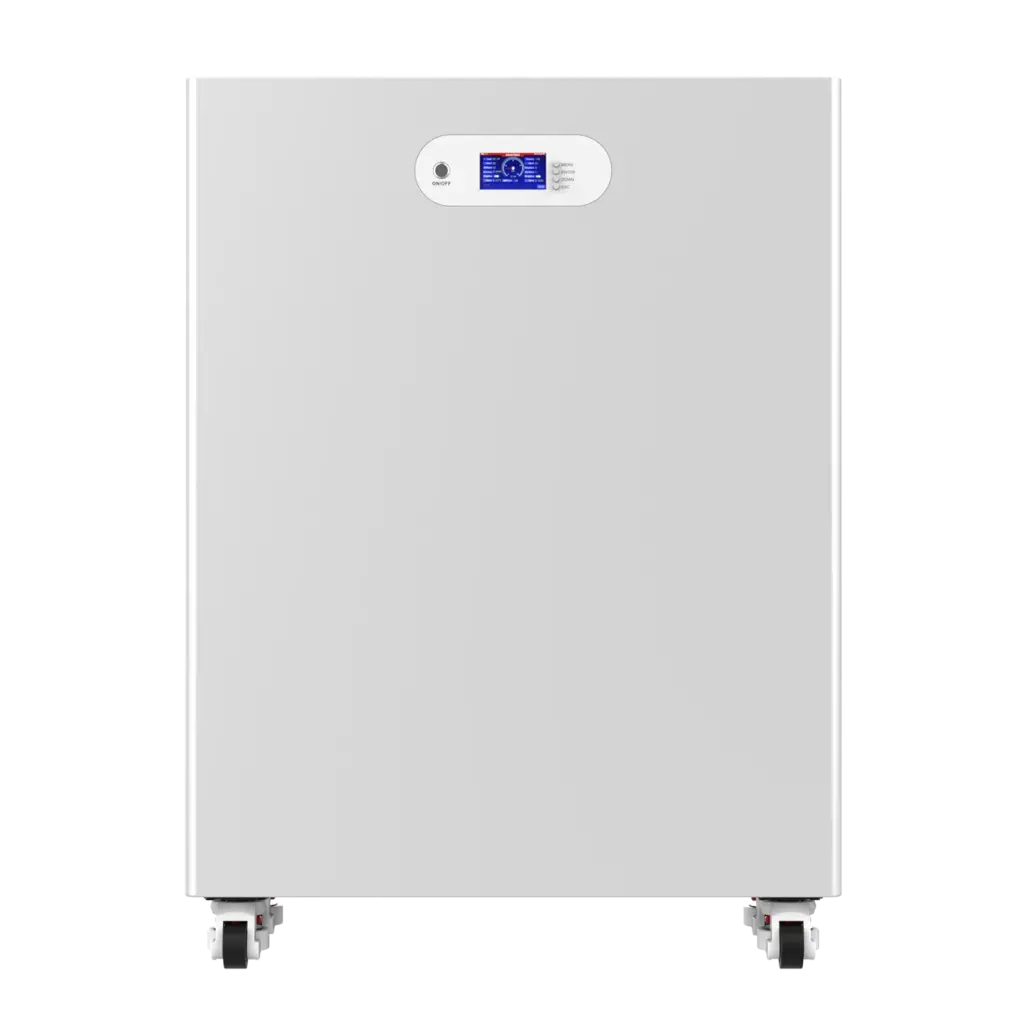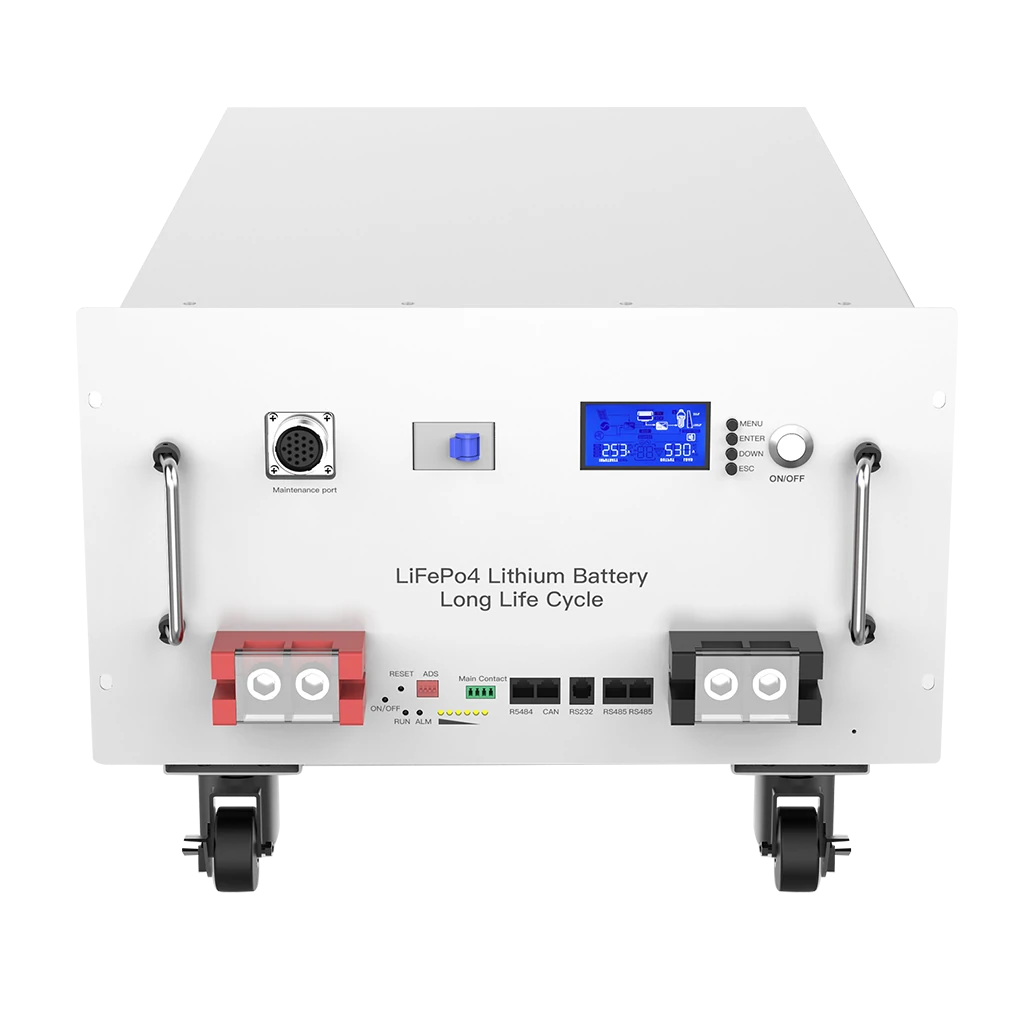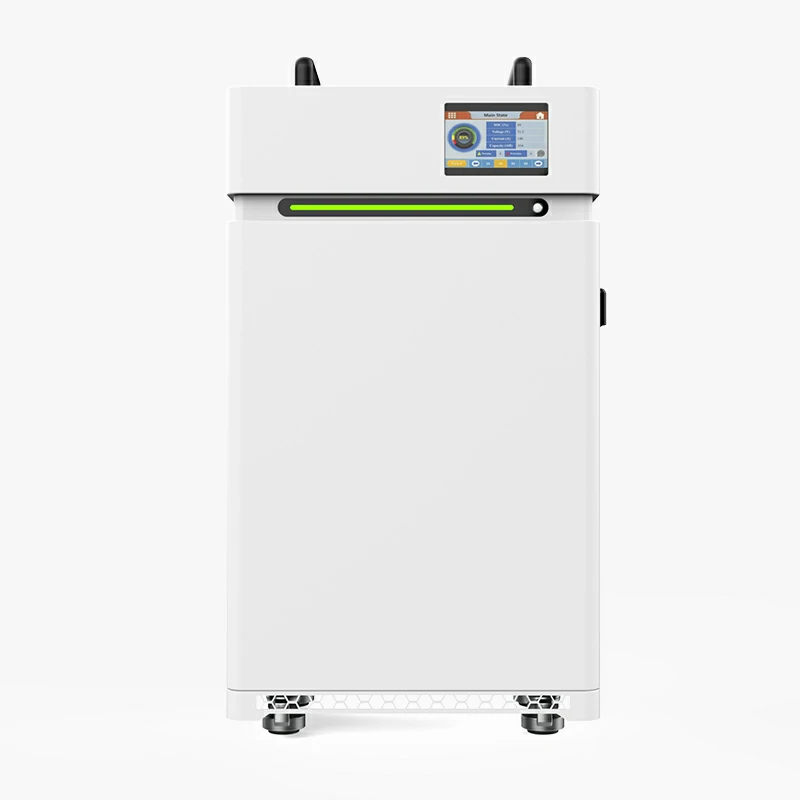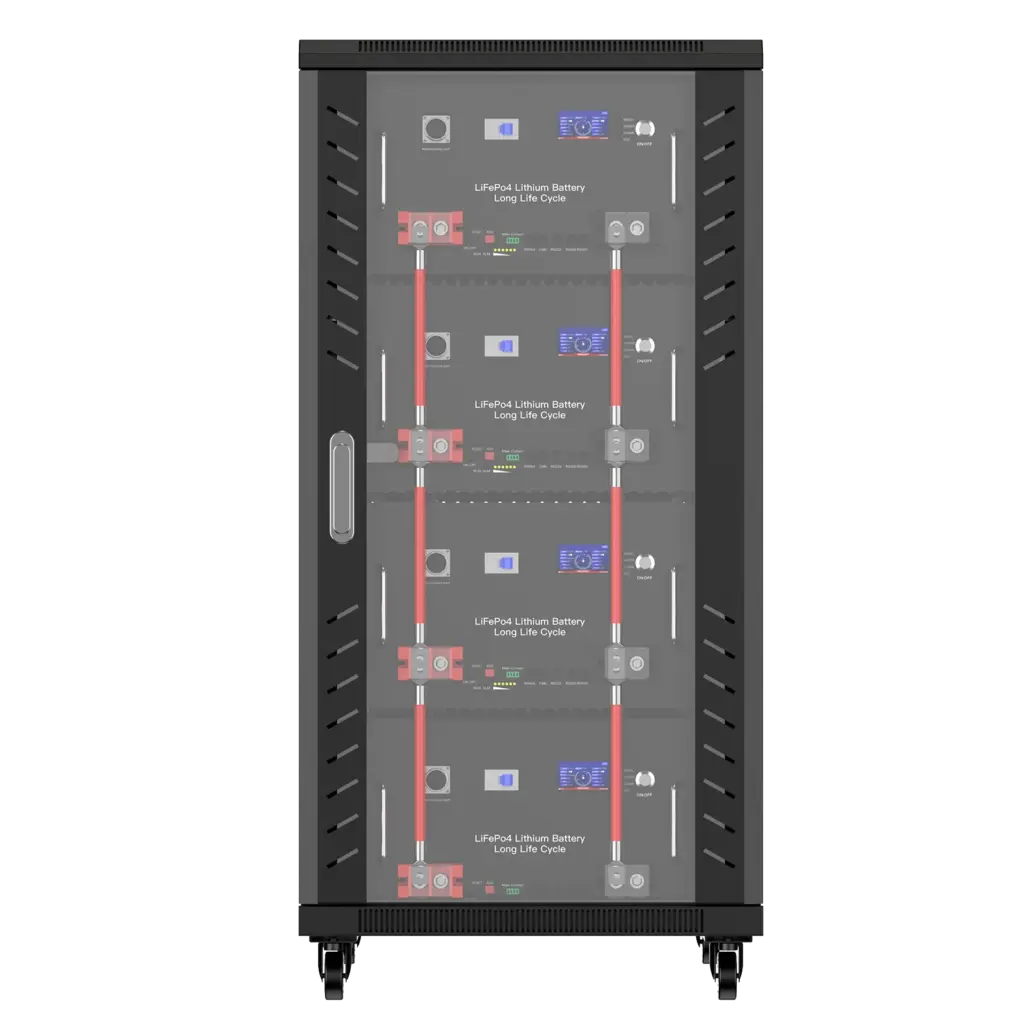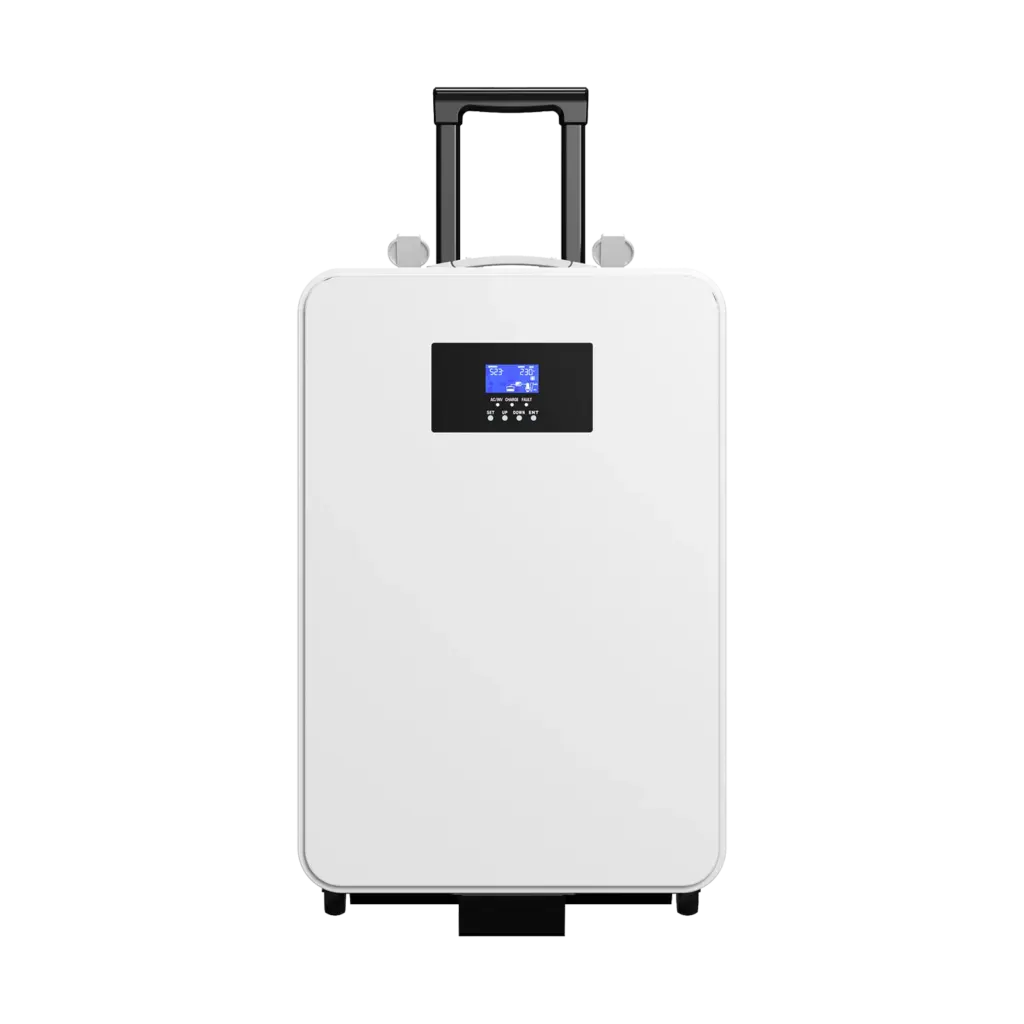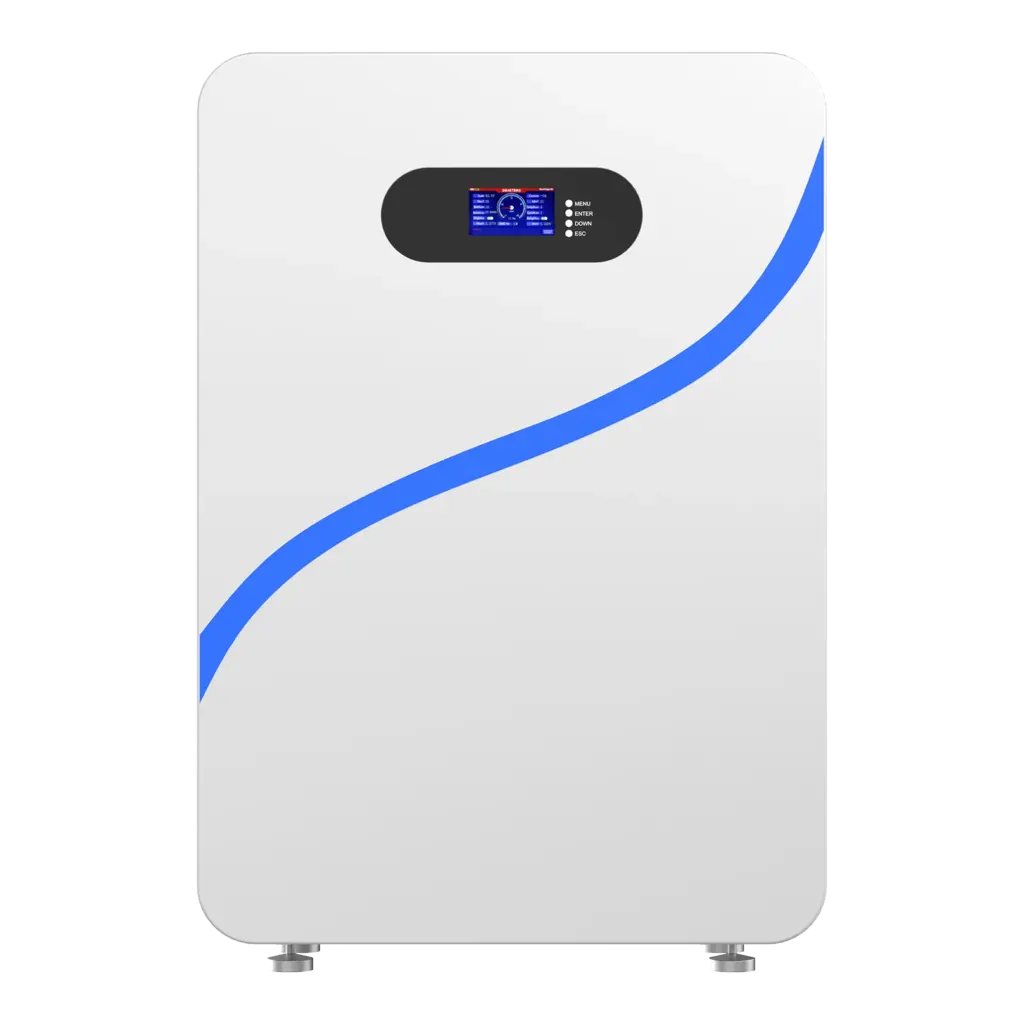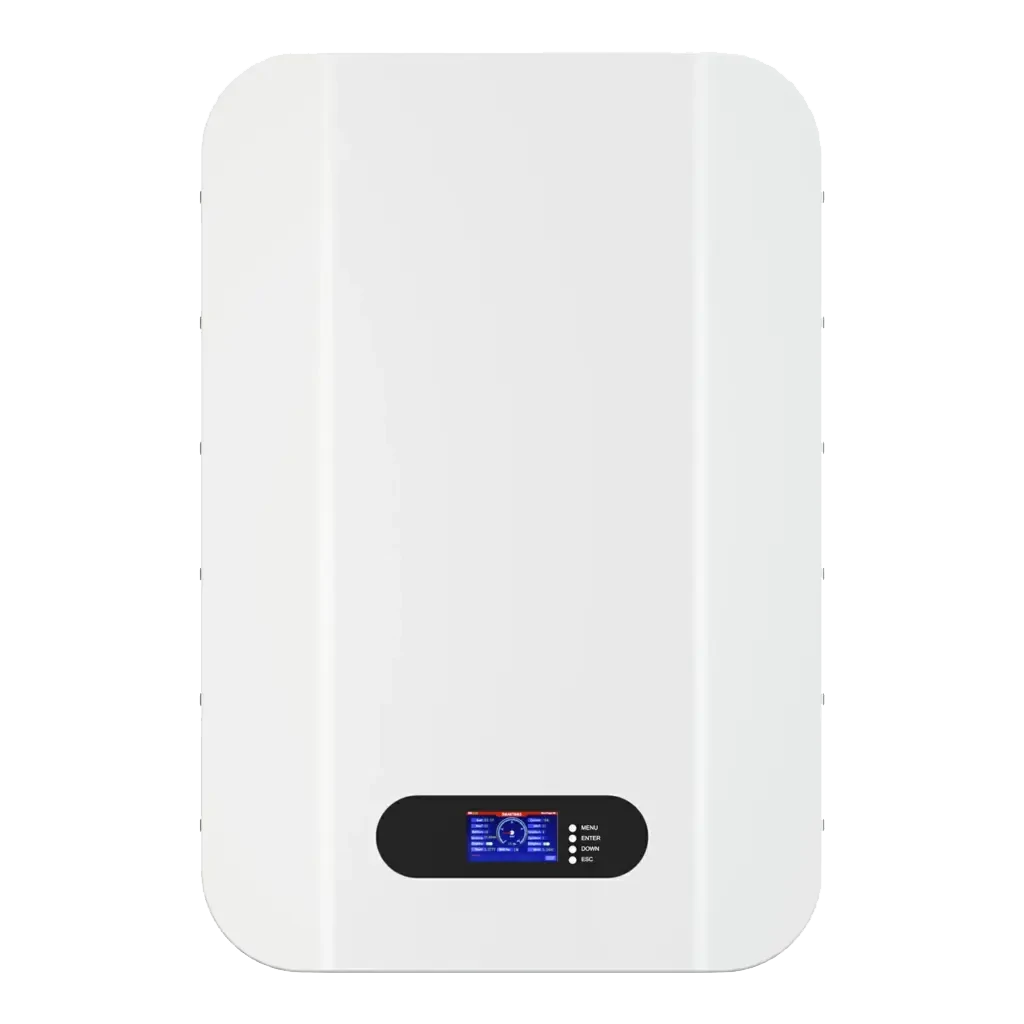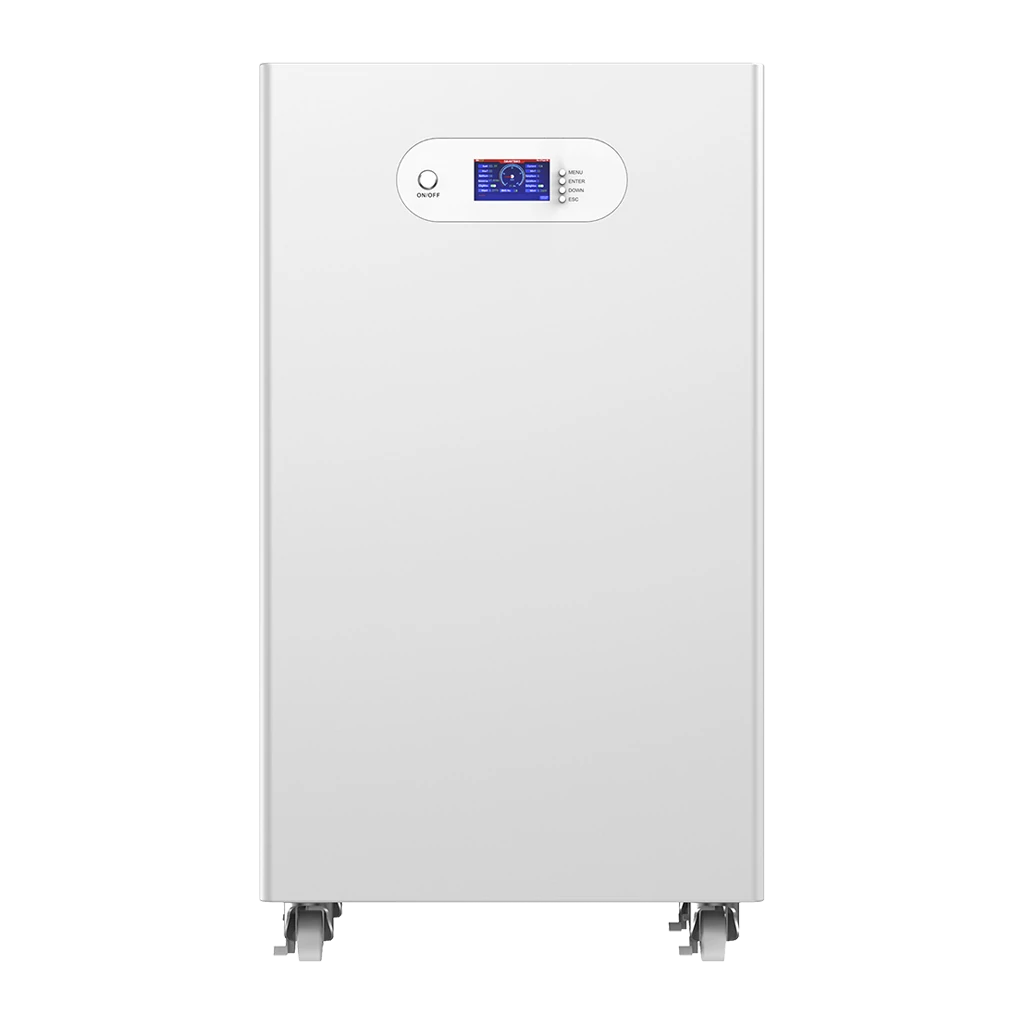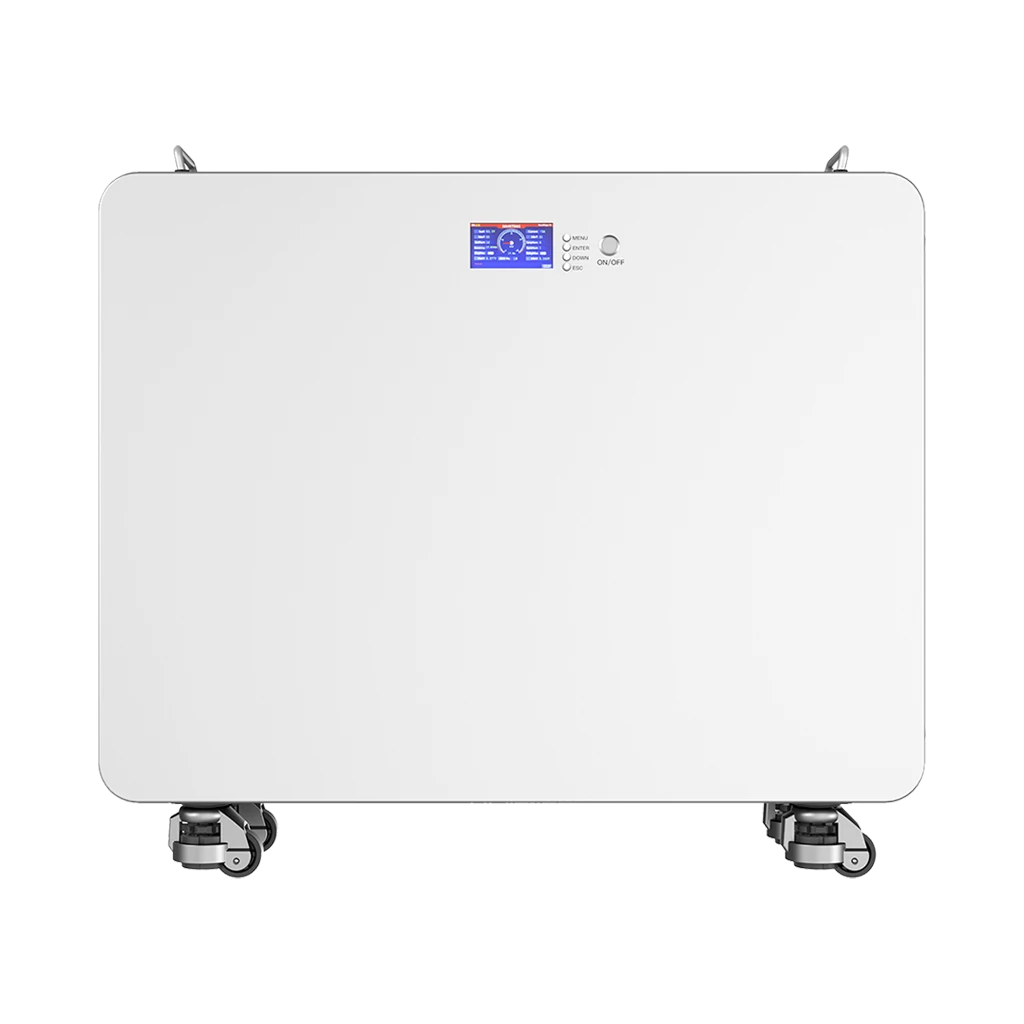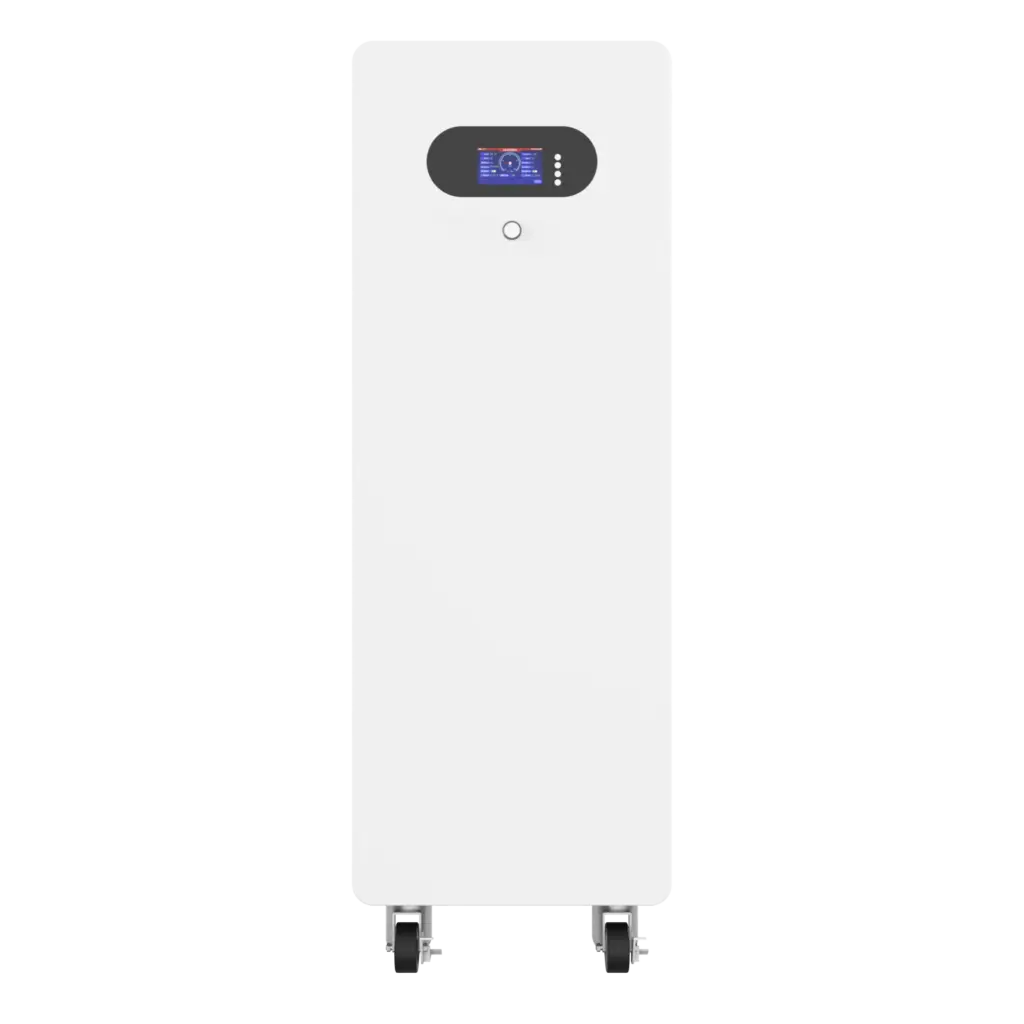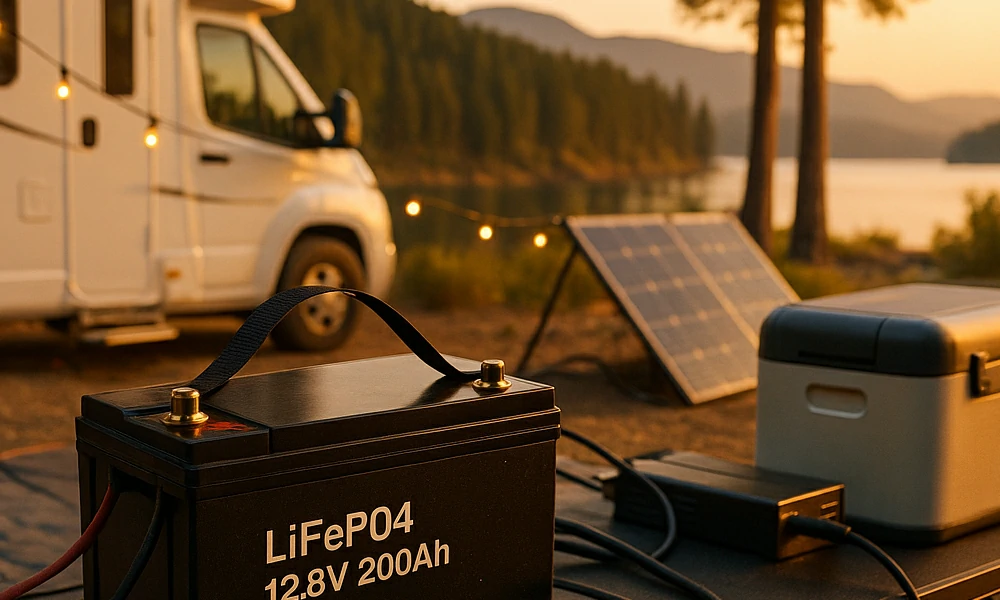

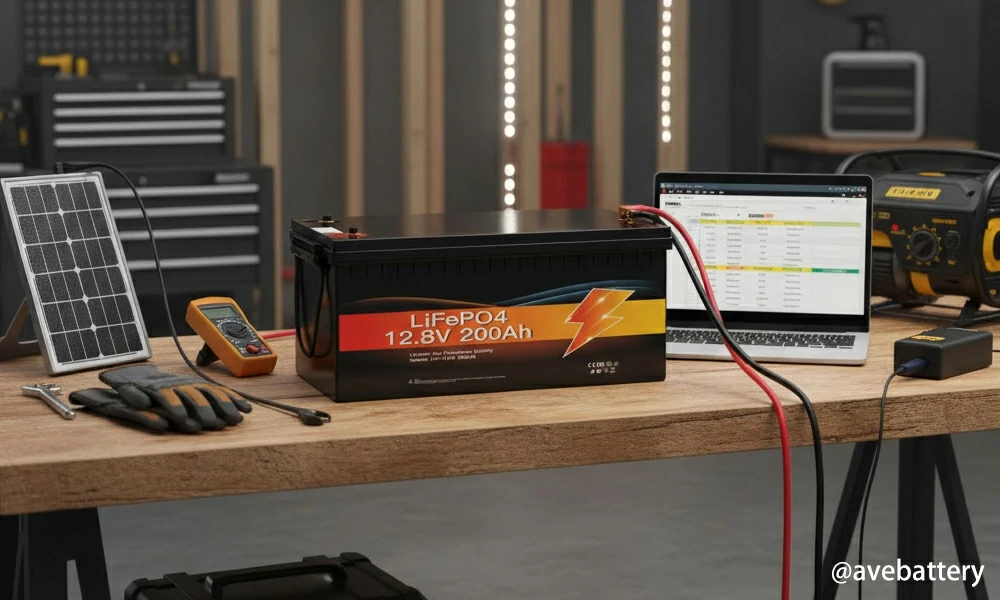
A 12.8V 200Ah lithium battery stores about 2.56kWh of nominal energy. Assuming 80% depth of discharge (DoD) and 90% inverter efficiency, about 1.84kWh is available to AC loads. That gives roughly 18.4 hours at 100W, 9.2 hours at 200W, 6.1 hours at 300W, 3.7 hours at 500W, or 1.8 hours at 1,000W.
So, how long will a 200Ah lithium battery last? The answer depends mainly on battery voltage, load wattage, usable depth of discharge, inverter efficiency and operating conditions. A 24V or 48V 200Ah battery stores much more energy than a 12V 200Ah battery, even though all three are rated at 200Ah.
Battery Runtime Calculator
Enter your battery and load values to estimate runtime.
How Long Will a 200Ah Lithium Battery Last? Quick Answer
For a typical 12.8V 200Ah LiFePO4 battery, expect about 1.8 to 18.4 hours of AC runtime at loads between 1,000W and 100W when using 80% DoD and 90% inverter efficiency. Lower loads run longer; higher loads shorten runtime quickly.
Assumptions used:
- Battery: 12.8V 200Ah LiFePO4
- Nominal energy: 2,560Wh
- Depth of discharge: 80%
- Inverter efficiency: 90%
- Estimated AC energy available: 1,843Wh
- No solar input while discharging
| Average Load | Estimated Runtime |
|---|---|
| 50W | 36.9 hours |
| 100W | 18.4 hours |
| 200W | 9.2 hours |
| 300W | 6.1 hours |
| 500W | 3.7 hours |
| 750W | 2.5 hours |
| 1,000W | 1.8 hours |
| 1,500W | 1.2 hours |
How to Calculate 200Ah Battery Runtime
To calculate how long a 200Ah battery will last, convert amp-hours into watt-hours, adjust for usable depth of discharge and inverter losses, and then divide the usable energy by the average load in watts. Battery voltage must be included because 200Ah alone does not tell you how much energy is stored.
Runtime Formula for AC Loads
Use:
Runtime (hours) = Battery Voltage × Battery Capacity × DoD × Inverter Efficiency ÷ Load
12.8V × 200Ah × 0.80 × 0.90 ÷ 500W
= 3.69 hours
So:
A 12.8V 200Ah lithium battery can theoretically support a 500W average AC load for about 3.7 hours under these assumptions.
Step 1: Calculate Nominal Energy
12.8V × 200Ah = 2,560Wh
Step 2: Apply 80% DoD
2,560Wh × 0.80 = 2,048Wh
Step 3: Apply 90% Inverter Efficiency
2,048Wh × 0.90 = 1,843Wh
Step 4: Divide by Load
500W: 1,843Wh ÷ 500W = 3.69 hours
If you are not sure what the Ah rating represents, see Avepower's guide to amp-hours and battery runtime.
How Long Will a 200Ah Battery Last at 12V, 24V and 48V?
A 200Ah battery does not have one fixed runtime because voltage determines total stored energy. A 25.6V 200Ah lithium battery stores twice as much energy as a 12.8V 200Ah battery, while a 51.2V 200Ah battery stores four times as much.
- 80% DoD
- 90% inverter efficiency
- 500W AC load
| Battery | Nominal Energy | Estimated AC Energy | Runtime at 500W |
|---|---|---|---|
| 12.8V 200Ah | 2.56kWh | 1.84kWh | 3.7 h |
| 25.6V 200Ah | 5.12kWh | 3.69kWh | 7.4 h |
| 51.2V 200Ah | 10.24kWh | 7.37kWh | 14.7 h |
How Long Will a 200Ah Lithium Battery Run Common Appliances?
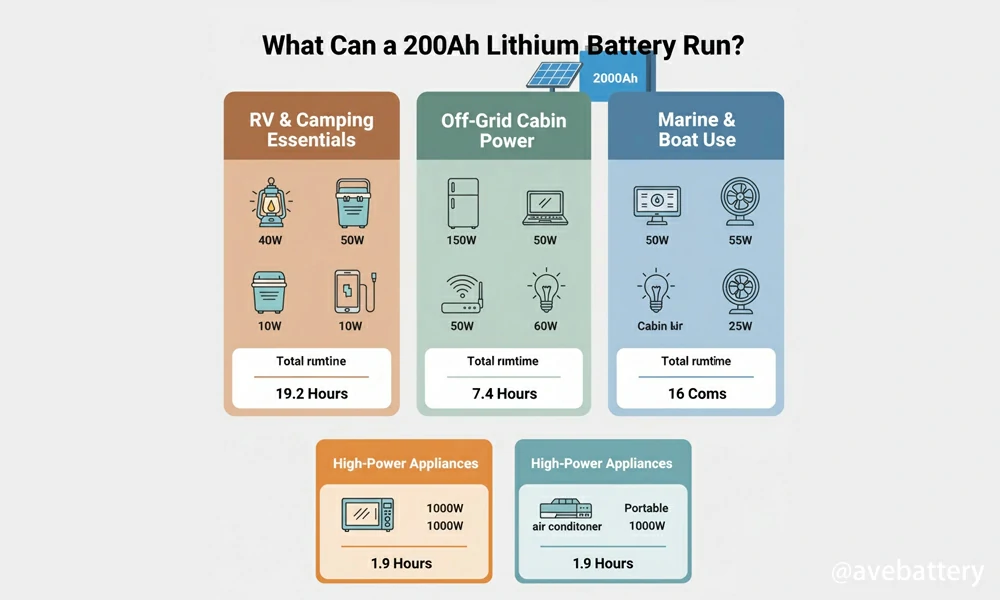
A 12.8V 200Ah lithium battery can run low-power electronics for many hours, but heating appliances, air conditioners and other high-wattage loads can reduce runtime to only a few hours or less. Average power consumption matters more than the appliance name alone.
Use:
12.8V / 200Ah / 80% DoD / 90% inverter efficiency
| Appliance / Load | Example Average Load | Estimated Runtime |
|---|---|---|
| Wi-Fi + small electronics | 30W | 61.4 h |
| Laptop | 60W | 30.7 h |
| LED lighting | 100W | 18.4 h |
| TV | 120W | 15.4 h |
| Refrigerator* | 150W average | 12.3 h |
| Small home backup load | 300W | 6.1 h |
| Medium backup load | 500W | 3.7 h |
| Coffee maker / appliance | 1,000W | 1.8 h |
| High-power appliance | 1,500W | 1.2 h |
What About DC Loads?
Direct DC loads may run longer because they avoid the main inverter conversion loss. For an 80% DoD assumption, a 12.8V 200Ah battery provides about 2,048Wh of usable DC energy before accounting for any DC-DC converter losses.
45W DC refrigerator:
2,048Wh ÷ 45W ≈ 45.5 hours
How Long Does a 200Ah Lithium Battery Last in Years?
People use “last” to mean two different things:
- Runtime per charge (hours): You saw the math above.
- Lifespan (years): You care about cycle count and how hard you push the battery.
A well-managed LiFePO₄ battery can deliver 2,000–8,000 cycles depending on depth of discharge, temperature, and charge/discharge rates. If you cycle it once per day, even 2,000 cycles gives you about 5.5 years. Many users who run a moderate DoD (50–80%) and keep temperatures friendly see 8–12 years of useful service before capacity drops to around 70–80% of the original.
Four habits that extend lifespan:
- Avoid deep drains to near-zero frequently.
- Keep it cool but not cold; avoid sitting above 35°C (95°F) for long periods.
- Use a sensible DoD most days (50–80% is a sweet spot).
- Charge at a reasonable rate (follow your battery’s BMS and label).
What Affects How Long a 200Ah Lithium Battery Lasts?
The calculated runtime is only a baseline. Depth of discharge, inverter efficiency, battery temperature, load behavior, battery age and BMS limits all affect how much of a 200Ah lithium battery's nominal energy can actually reach your appliances.
Depth of Discharge (DoD)
Higher usable DoD gives more runtime, but your calculation should follow the battery manufacturer's recommended operating limits rather than assuming every lithium battery should always be discharged to 100%.
12.8V 200Ah:
| DoD | Energy Before Inverter Loss |
|---|---|
| 60% | 1.54kWh |
| 80% | 2.05kWh |
| 90% | 2.30kWh |
| 100% | 2.56kWh |
Inverter Efficiency
AC appliances receive less energy than the battery stores because an inverter consumes some energy during DC-to-AC conversion. Efficiency also changes with load, so 90% should be treated as a planning assumption rather than a universal value.
500W:
- 100% theoretical: 4.10h at 80% DoD
- 95% efficiency: 3.89h
- 90% efficiency: 3.69h
- 85% efficiency: 3.48h
Temperature
Battery temperature can change available capacity, allowable charge/discharge current and BMS behavior, particularly in very cold or hot conditions. Use the battery datasheet rather than applying one universal temperature correction percentage.
Battery Age and Real Load Behavior
An older battery may no longer deliver its original capacity, while real appliances rarely draw exactly the same wattage every minute. Compressor cycling, startup surges and inverter standby consumption should therefore be considered when estimating real runtime.
Need Help Sizing a Battery for Your Load?
Send us your inverter model, peak load, required backup time and application, and our engineering team can help calculate an appropriate battery configuration.
Battery runtime depends on more than amp-hours. Avepower can help installers, distributors and project buyers match battery voltage, usable kWh, BMS current and inverter power to the actual load profile.

Power That Lasts
If you want a battery you can just install and forget, go with an Avepower LiFePO4.
You get 4000+ cycles, around 10 years of use, a built-in BMS, and capacity you can expand later as your needs grow—just talk to Avepower for easy sizing advice and a no-pressure quote.
FAQ
A 12.8V 200Ah LiFePO4 battery stores about 2.56kWh. Assuming 80% DoD and 90% inverter efficiency, it provides about 1.84kWh to AC loads, enough for approximately 3.7 hours at 500W or 1.8 hours at 1,000W.
Under the same 12.8V, 80% DoD and 90% efficiency assumptions: 12.8 × 200 × 0.80 × 0.90 ÷ 100 = 18.43 hours. So approximately 18.4 hours.
A 12.8V 200Ah lithium battery will run a 300W average AC load for approximately: 6.1 hours
Approximately 3.7 hours for a 12.8V 200Ah LiFePO4 battery at 80% DoD and 90% inverter efficiency.
Approximately 1.8 hours under the same assumptions. Real runtime may be shorter because of inverter standby consumption, temperature and battery condition.
Usually yes for an efficient refrigerator, but use its average energy consumption, not only compressor nameplate wattage. At a true average load of 150W, the simplified calculation gives about 12.3 hours.
It depends on system voltage and load. A 12.8V 200Ah battery stores only about 2.56kWh nominally, while a 51.2V 200Ah system stores about 10.24kWh. Calculate both kWh capacity and required kW output before sizing a backup system.