
AC-coupled solar + storage is usually one of the most practical ways to add battery storage to an existing solar PV system because the existing solar inverter can remain in place while a separate bidirectional battery inverter connects to the AC side. The trade-off is additional energy conversion, so new solar-and-storage projects may benefit more from DC coupling.
What Is AC-Coupled Solar + Storage?
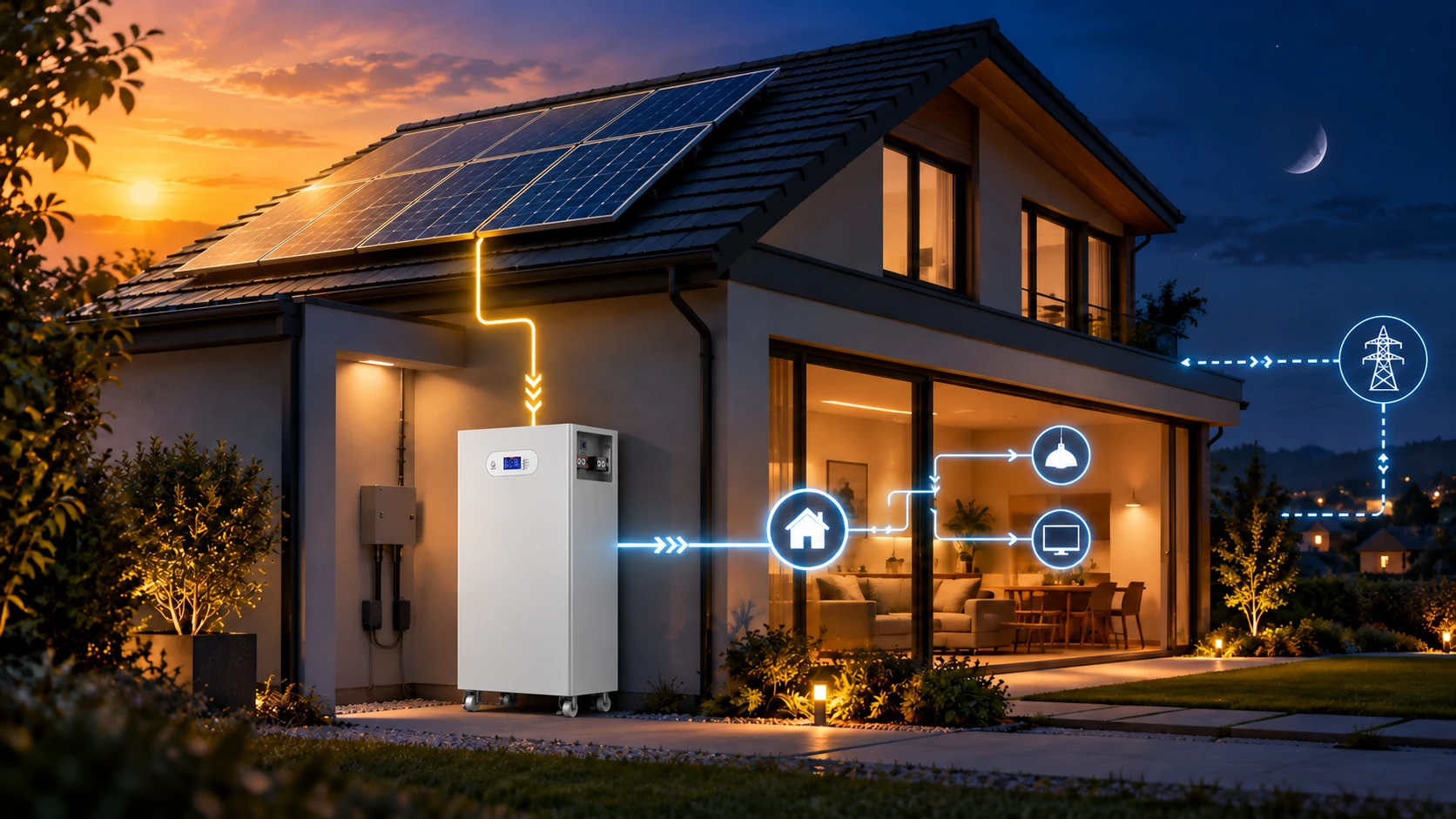
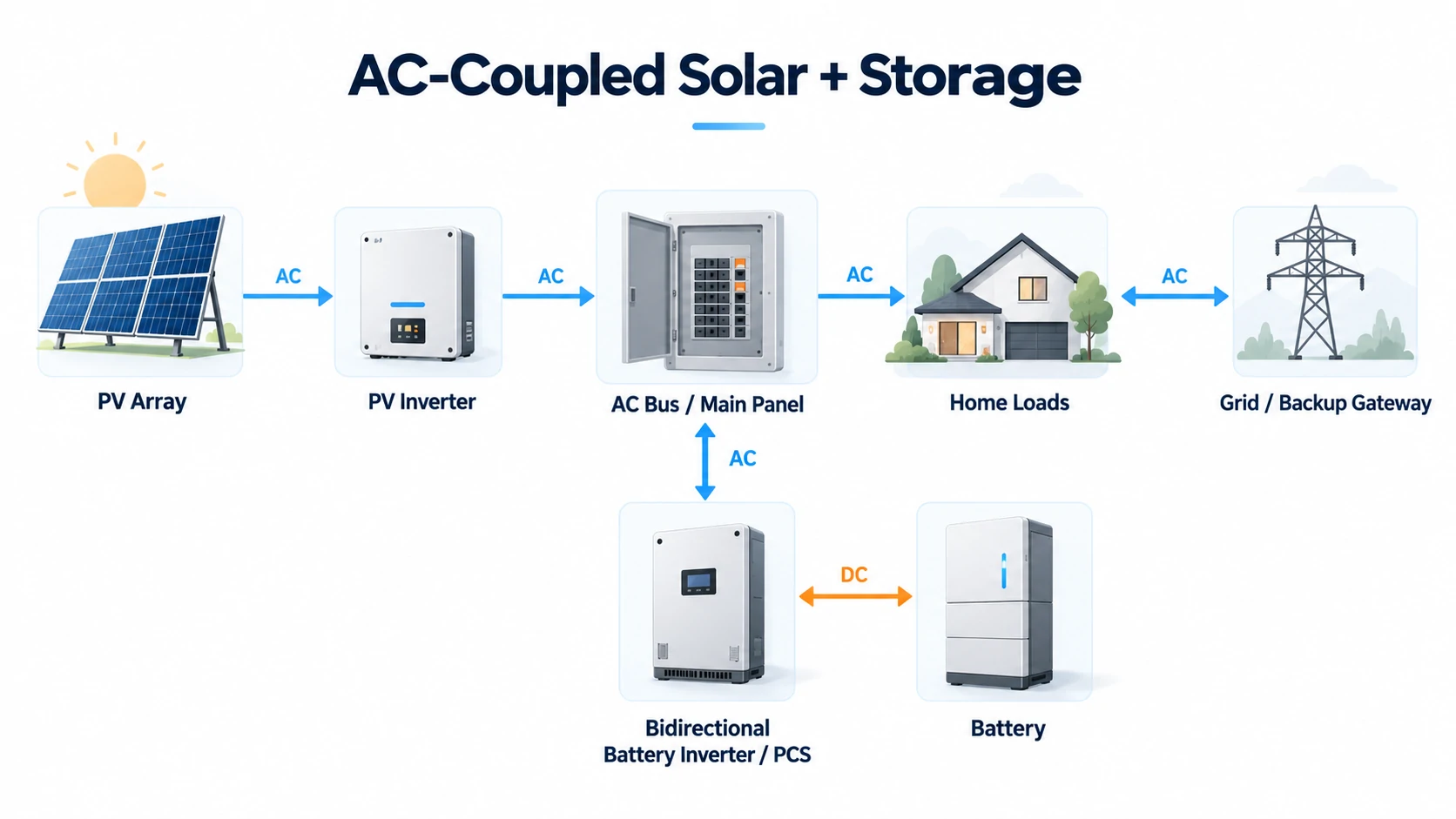
An AC-coupled solar + storage system connects the solar array and battery system on the alternating-current side of the installation. The PV array has its own solar inverter, while the battery uses a separate bidirectional battery inverter or power conversion system. Both systems meet at an AC distribution bus or electrical panel.
The normal energy paths look like this:
Direct solar use
Solar panels → PV inverter → AC panel → electrical loads
Charging the battery from solar
Solar panels → PV inverter → AC panel → battery inverter → battery
Using stored energy
Battery → battery inverter → AC panel → electrical loads
Batteries themselves still store energy as DC electricity. “AC-coupled battery” means the battery system has the inverter hardware required to interface with an AC electrical system; it does not mean the electrochemical battery stores AC power. For the wider battery, inverter and control process, see Avepower’s guide to how solar batteries work.
How Does an AC-Coupled Solar Battery Work During Normal Operation?
An AC-coupled system normally lets the existing PV inverter continue converting solar DC into AC while a separate bidirectional battery inverter converts AC into DC for charging and DC back into AC during discharge. Metering and controls monitor the site so energy can be directed among loads, battery and grid according to the operating strategy.
During sunny periods, solar generation normally serves building loads first.
If PV production exceeds current demand, surplus AC power may:
- charge the battery through the battery inverter;
- be exported to the utility grid where permitted;
- supply flexible loads such as EV charging;
- or be curtailed if neither storage nor export is available.
After solar output falls, the battery inverter can discharge stored energy to reduce grid imports or support backed-up loads.
The exact priority is determined by system configuration and energy-management logic. A self-consumption system, time-of-use system and backup-focused system may use the same battery very differently.
When Is AC Coupling the Better Choice?
AC coupling is usually most attractive when a working solar PV system is already installed and the owner wants to add storage without replacing the existing PV inverter. It is also useful when PV and storage need to remain independently serviceable or expandable. For a completely new solar-plus-storage installation, AC and DC architectures should both be evaluated.
A practical decision framework is:
| Project condition | Architecture worth evaluating first | Why |
|---|---|---|
| Existing PV inverter is working well | AC-coupled | May preserve the existing PV system |
| Existing microinverter system | AC-coupled | Storage can be added on the AC side |
| New solar and battery installed together | Compare AC and DC; DC often deserves first review | Shared conversion can reduce solar-to-battery conversion steps |
| Existing solar inverter is near replacement age | Compare AC retrofit with hybrid-inverter replacement | Keeping an aging inverter may not create the lowest lifecycle cost |
| Backup is the primary objective | Either, but backup architecture must be verified | Islanding, transfer equipment, surge power and PV control matter more than the coupling label alone |
| Off-grid or weak-grid project | Detailed engineering required | Black start, grid forming and PV curtailment become critical |
| Commercial PV retrofit | AC coupling can be attractive | Storage PCS can often be added alongside existing PV, subject to interconnection and protection design |
If you are specifically adding storage to an operating PV system, Avepower’s retrofit solar battery guide covers the equipment audit that should take place before requesting a battery quotation.
AC-Coupled vs DC-Coupled Storage: What Is the Real Difference?
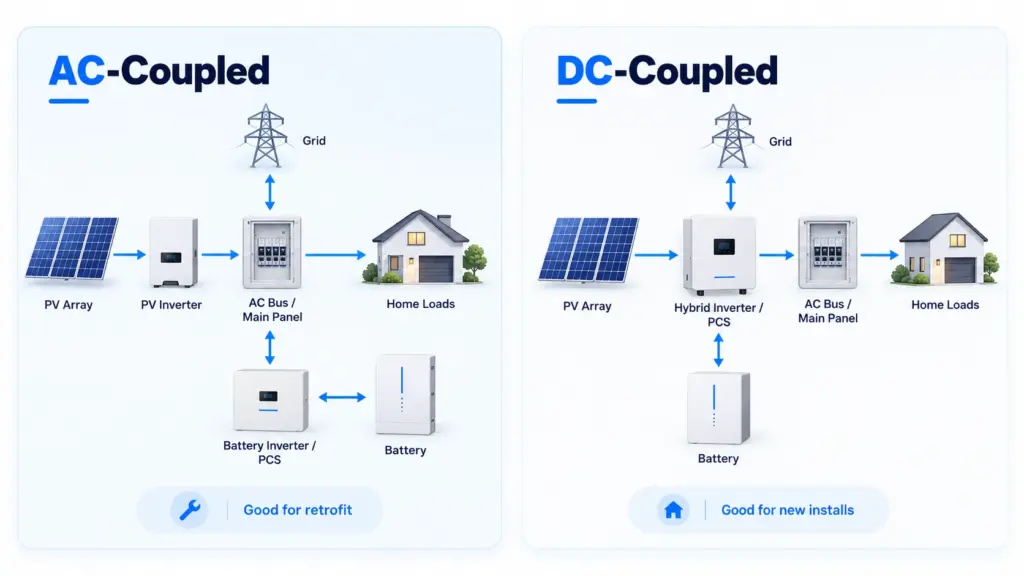
AC and DC coupling differ mainly in where the PV and storage systems electrically meet. AC coupling gives solar and storage separate inverter paths; DC coupling keeps more of the solar-to-battery energy path on the DC side.
| Factor | AC-coupled | DC-coupled |
|---|---|---|
| Existing PV retrofit | Usually attractive | Can require PV inverter replacement or redesign |
| PV inverter | Separate | Often shared/integrated through hybrid architecture |
| Battery inverter / PCS | Separate | Often integrated |
| Solar-to-battery conversion | More conversion stages | Usually fewer |
| PV and storage independence | High | More integrated |
| Clipping recovery | Normally limited by existing PV inverter | Can be possible in suitable designs |
| New-build integration | Good | Often very attractive |
| Grid charging | Commonly supported | Depends on inverter architecture |
| Backup capability | System-dependent | System-dependent |
| Best general fit | Retrofit and independent expansion | Integrated new solar + storage |
For a dedicated comparison of the two architectures, see Avepower’s AC vs DC coupling guide.
Is AC-Coupled Storage Less Efficient?
AC coupling normally introduces additional conversion losses when solar electricity is stored because the energy may pass through the PV inverter and then the battery inverter before entering the battery.
NREL’s 2024 utility-scale PV-plus-battery model illustrates why efficiency claims need conditions. It assumes 85% round-trip efficiency for energy entering through the AC/grid path and 87% when a representative DC-coupled battery charges directly from coupled PV. These are modeling assumptions for a specific utility-scale configuration—not universal residential AC and DC battery specifications.
Consider a simple illustrative example.
If 10kWh enters two storage systems:
- at 90% round-trip efficiency, about 9.0kWh returns;
- at 94%, about 9.4kWh returns.
The difference is approximately:
0.4kWh per 10kWh storage cycle
This is why efficiency should be evaluated at the correct system boundary. Avepower explains the distinction between battery-level and system-level measurements in its battery round-trip efficiency guide, while the separate inverter efficiency guide explains peak, weighted and part-load inverter efficiency.
Will AC-Coupled Solar Work During a Power Outage?
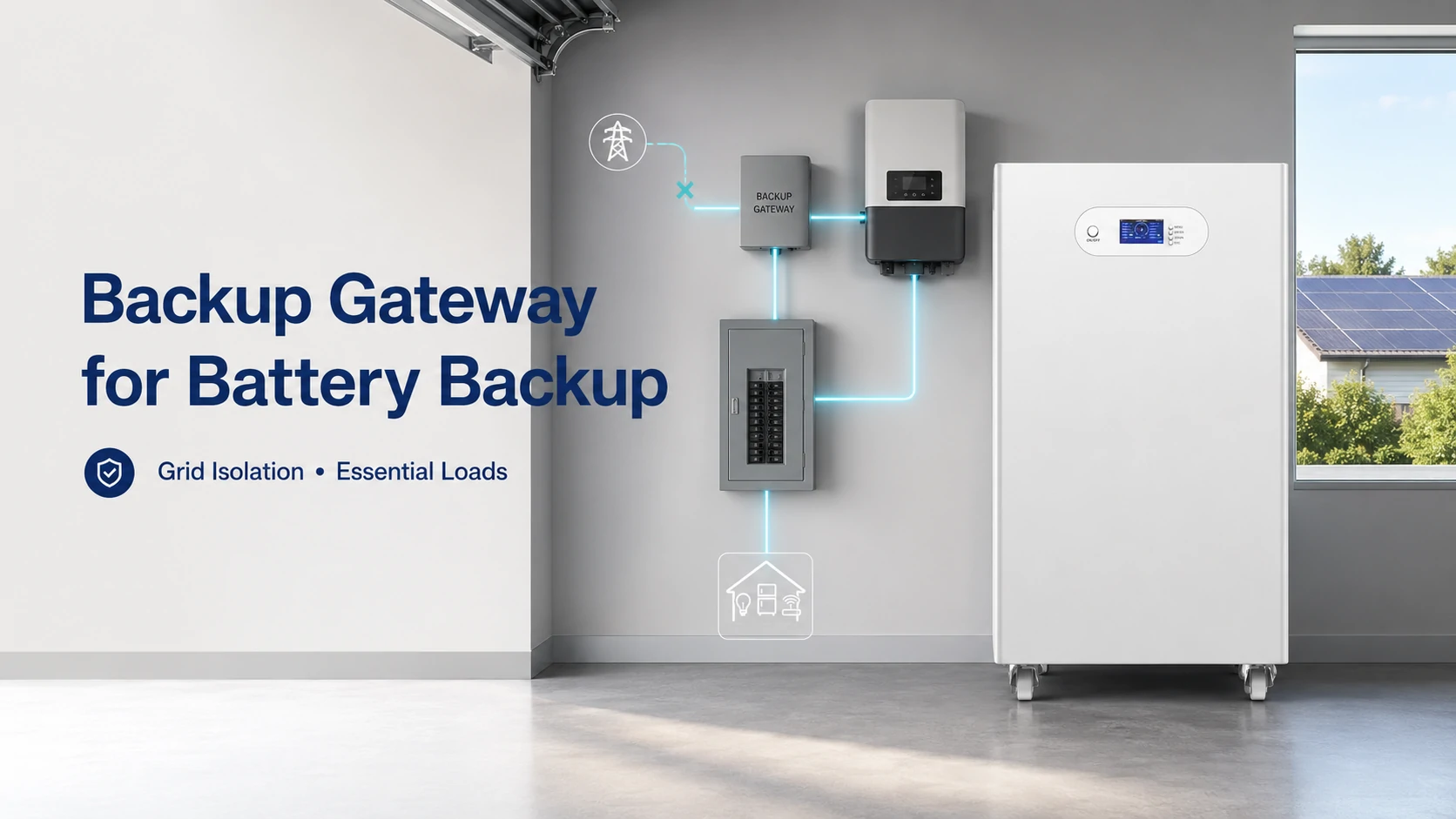
AC-coupled solar can continue operating during an outage only when the complete system is engineered for islanded operation. The battery inverter or another grid-forming device must establish a stable local AC grid, safely isolate the property from the utility and coordinate solar production when PV output exceeds load plus available battery charging power.
A conventional grid-tied solar inverter is designed to stop operating when the utility grid disappears unless an approved backup architecture establishes an alternative local grid.
A backup-capable AC-coupled system may therefore need:
- an automatic transfer device or backup gateway;
- grid-forming inverter functionality;
- compatible PV inverter behavior;
- correctly located meters or CTs;
- critical-load or whole-building backup wiring;
- battery SOC reserve logic;
- PV curtailment;
- reconnection logic;
- sufficient continuous and surge power.
Avepower’s solar battery backup guide covers backup reserve, critical loads, output power and solar recharging in more detail.
Can You Add AC-Coupled Storage to Any Existing Solar System?
No. AC coupling can preserve the existing PV inverter in many retrofit projects, but it does not make every solar system automatically compatible. The installer still needs to check the PV inverter, phase configuration, switchboard, metering, grid rules, backup behavior, battery inverter or PCS, battery voltage, current limits and communication requirements.
A lithium battery and inverter must match in:
- operating voltage;
- charge current;
- discharge current;
- BMS limits;
- CAN or RS485 interface;
- pinout;
- communication protocol;
- firmware;
- master/slave configuration;
- protection settings.
Avepower maintains an inverter compatibility list covering supported CAN/RS485 protocol profiles for inverter platforms including Deye, GoodWe, Growatt, Solis, SMA, Schneider, Victron and others. Compatibility should still be confirmed using the exact inverter model and firmware, rather than assuming an entire brand is compatible.
For the technical reasons behind model-level compatibility, see Avepower’s inverter and battery communication guide.
How Much Does AC-Coupled Solar + Storage Cost?
There is no universal AC-coupled storage price because the project cost depends on battery capacity, battery inverter or PCS power, backup equipment, metering, electrical upgrades, labor, permitting and the condition of the existing PV system. An AC retrofit adds separate power-conversion hardware but may avoid replacing a functioning solar inverter.
For a current U.S. residential benchmark, a typical 13.5kWh battery installation averaged about $15,647 before incentives on its marketplace. This is a U.S. home-battery market benchmark—not an Avepower price, not an AC-coupling-specific price and not a figure that should be applied to other countries.
Is AC-Coupled Storage Suitable for Homes?
Yes. AC coupling is particularly useful for homes that already have rooftop solar with a functioning string inverter or microinverters. It can support solar self-consumption, time-of-use shifting and backup, but the final architecture must still match household load power, battery runtime, available installation space, electrical service and local grid requirements.
Residential buyers should decide early whether they want:
essential-load backup;
whole-home backup;
solar self-consumption;
tariff shifting;
or a combination of these goals.
The answer changes battery capacity and power requirements.
A household that only wants refrigeration, lighting, Wi-Fi and selected outlets during outages can require a very different system from one that expects to operate central air conditioning, electric cooking, pumps and EV charging.
Avepower’s residential energy storage solutions show the battery formats available for installer-led home projects.
What Are the Main Disadvantages of AC Coupling?
The main disadvantages are additional solar-to-battery conversion stages, separate battery power electronics, potential backup-control complexity and limited access to solar energy already clipped upstream by the PV inverter. The practical importance of each disadvantage depends on the existing system, so none should be treated as an automatic reason to reject AC coupling.
The biggest mistakes are often not efficiency-related.
They are:
- keeping an inverter that is already near replacement age;
- choosing battery kWh without checking inverter kW;
- assuming solar will automatically operate during an outage;
- failing to verify battery charging power against PV surplus;
- assuming brand-level inverter compatibility means model-level compatibility;
- ignoring switchboard, transformer or export constraints;
- comparing efficiency numbers measured at different electrical boundaries.
The architecture should therefore be selected only after the existing system and intended operating modes are known.
Get an AC-Coupled Solar + Storage Configuration Checked
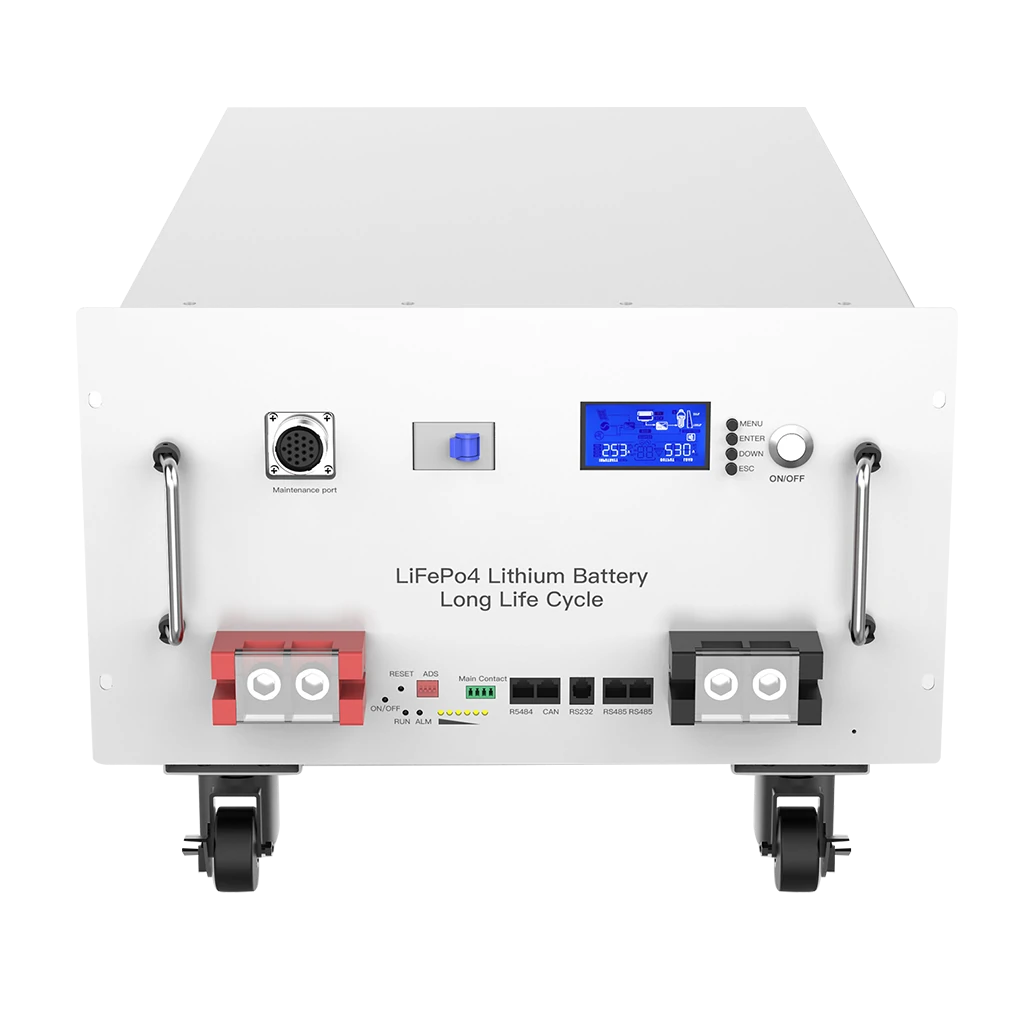
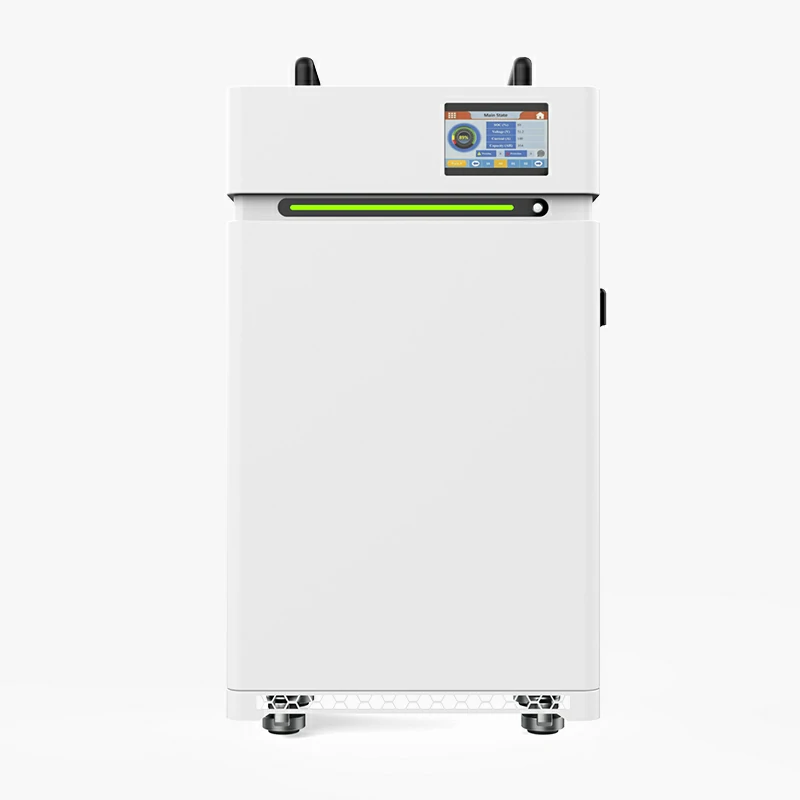
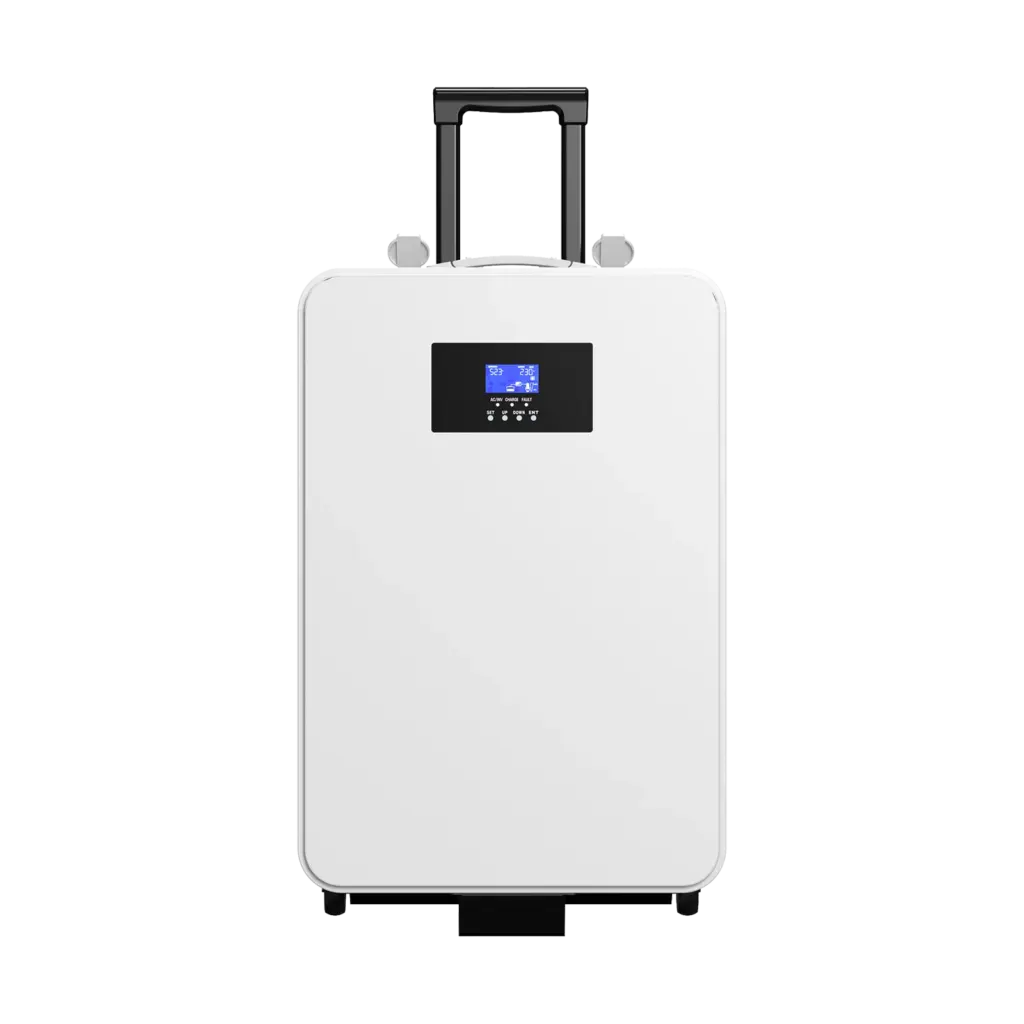
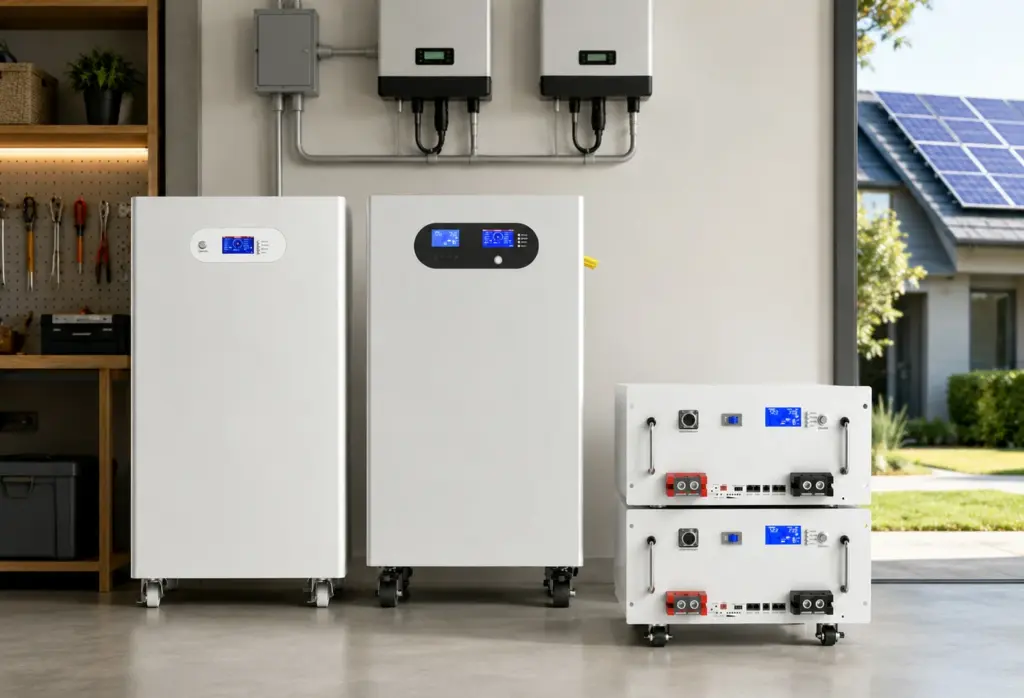
At Avepower, we supply the DC battery-storage component used in AC-coupled energy storage systems. We do not treat the battery itself as a complete AC-coupled system, because a full installation also requires a compatible bidirectional inverter or PCS, protection devices, metering, and system controls matched to the project’s electrical and backup requirements.
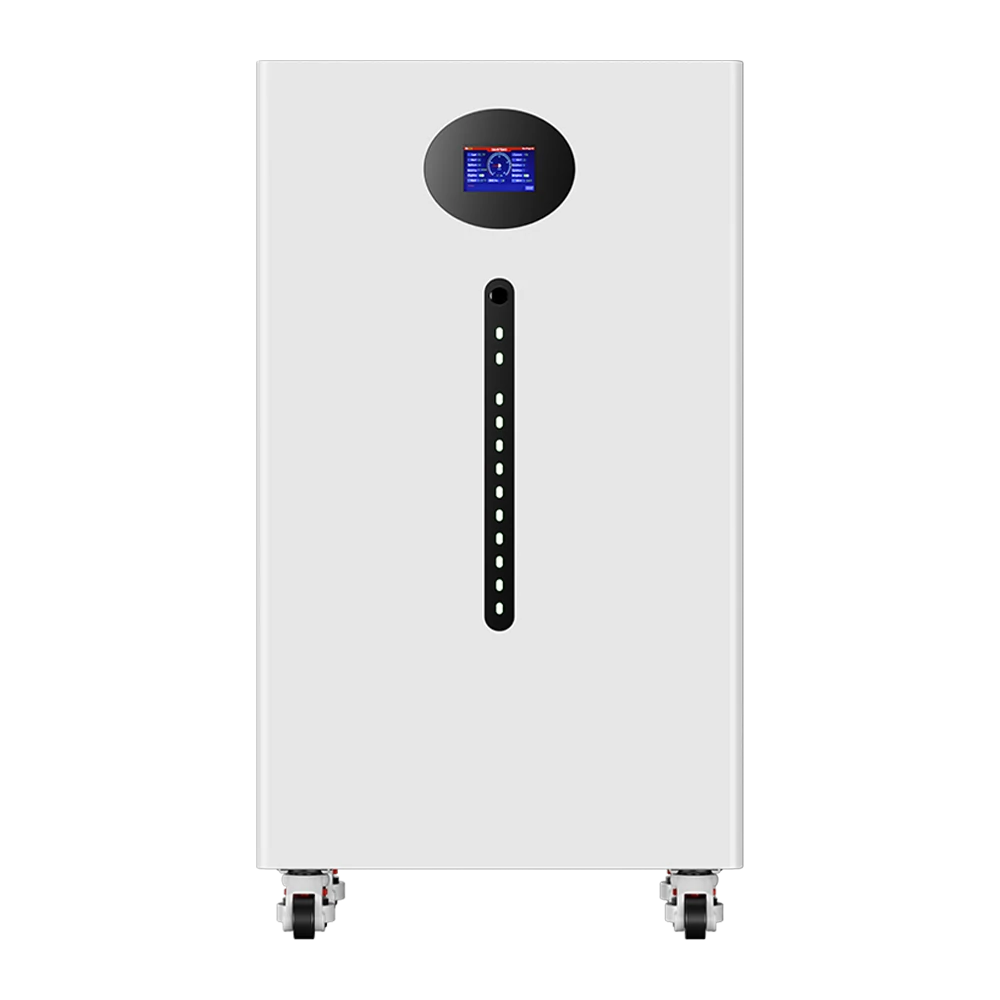
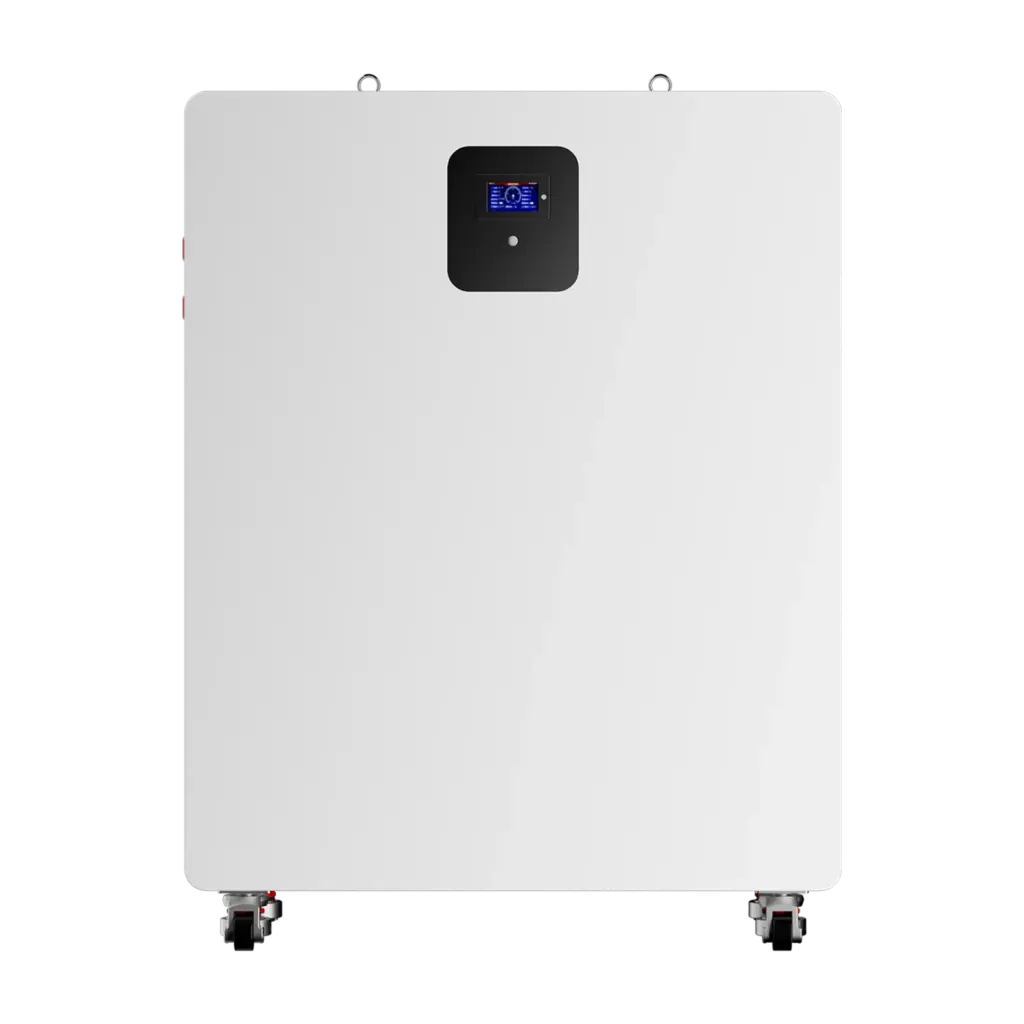
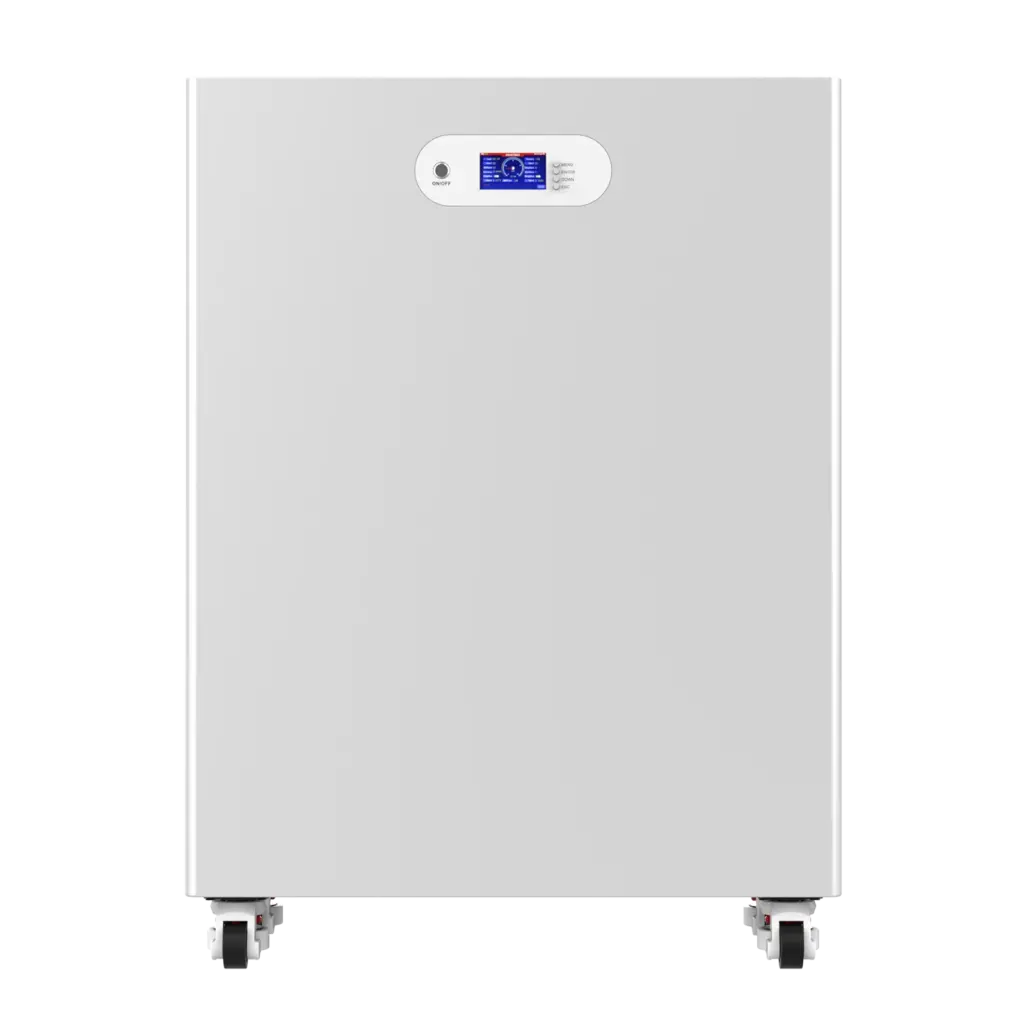
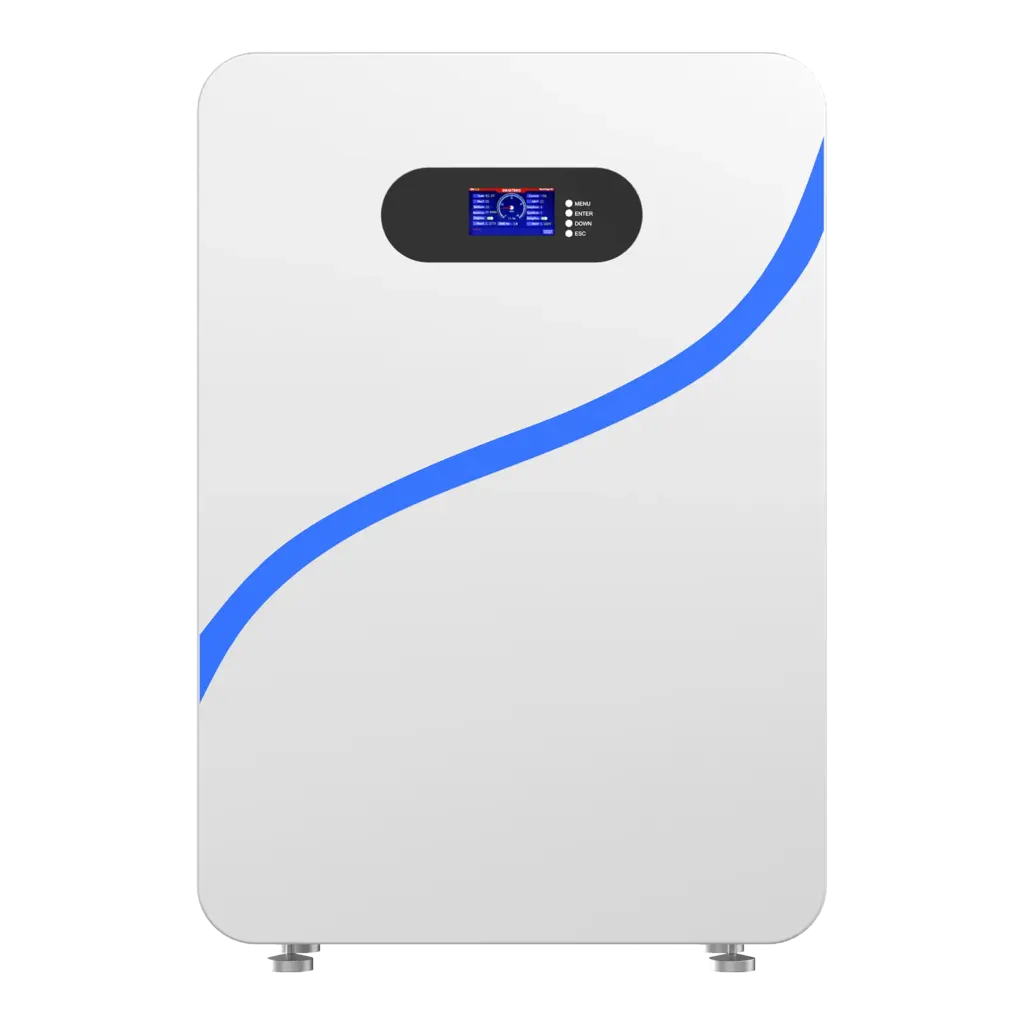
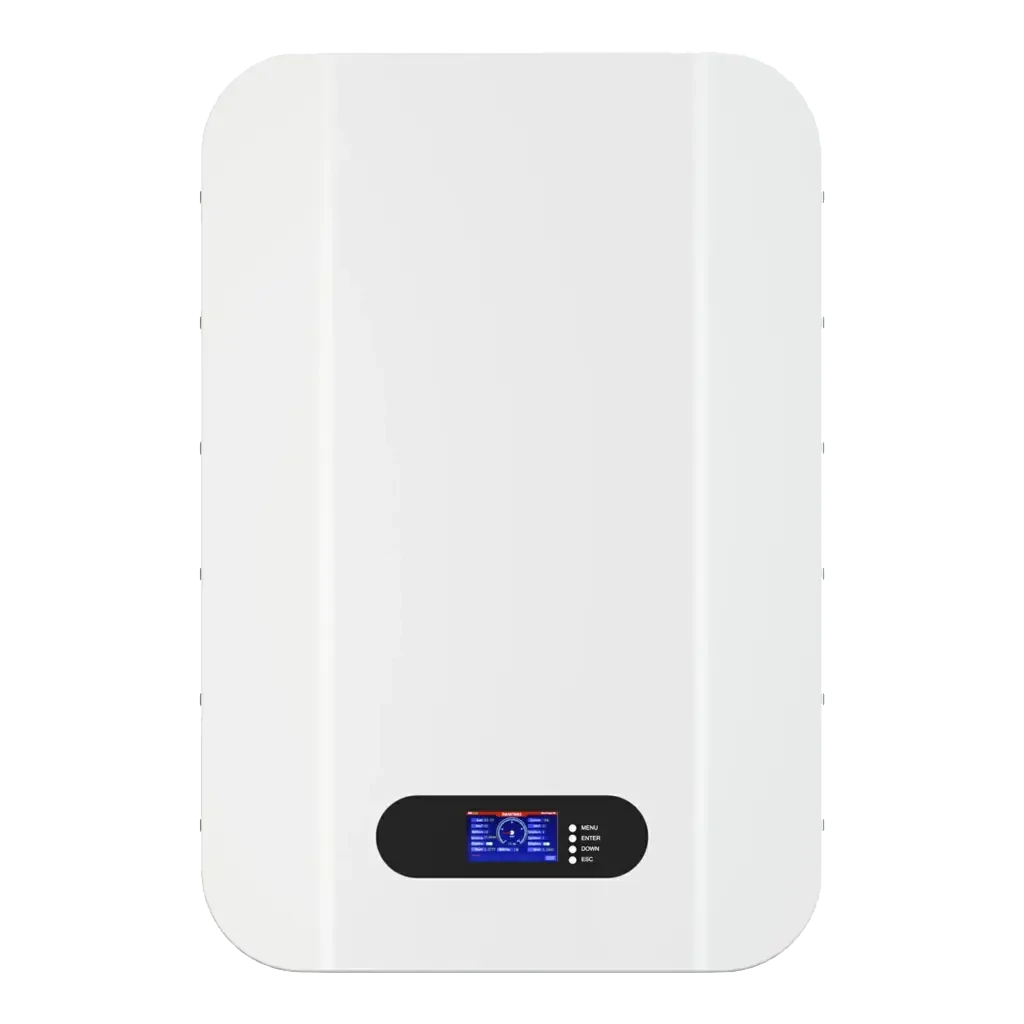
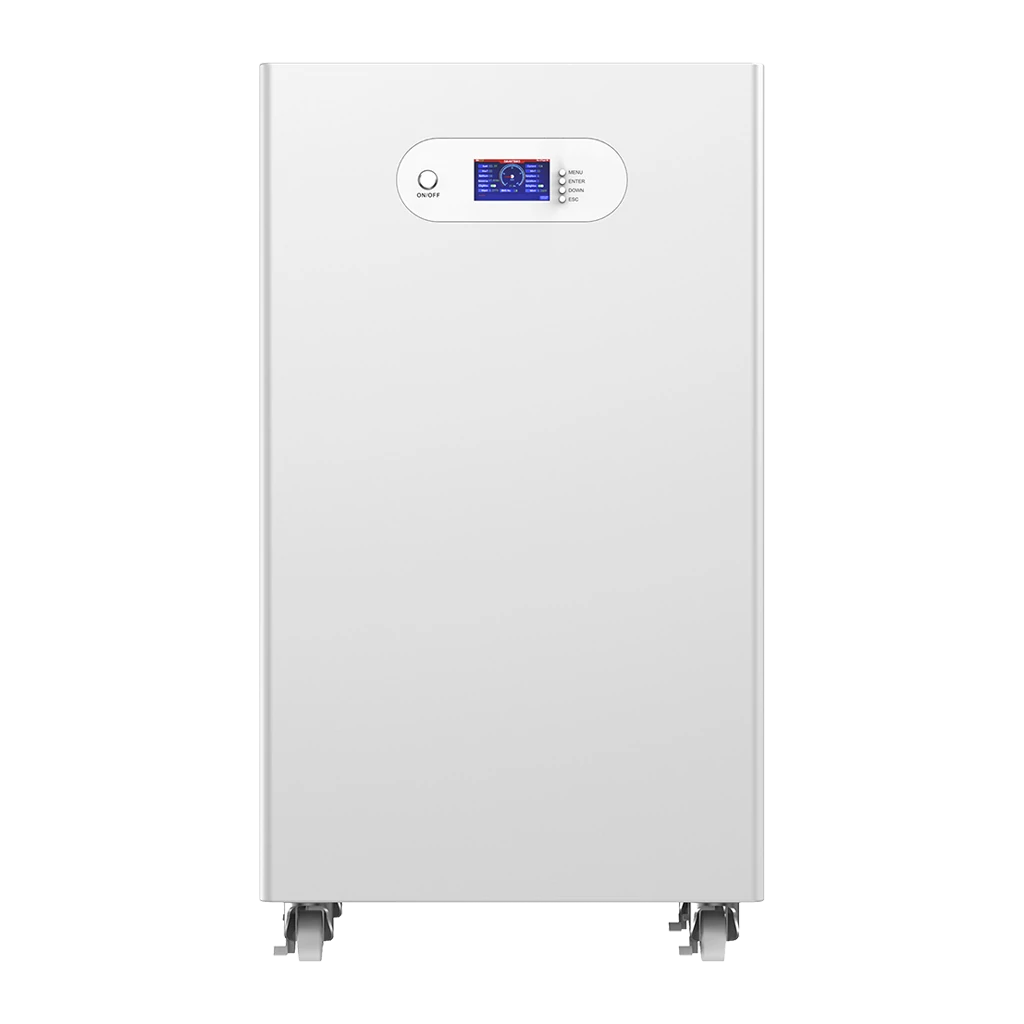
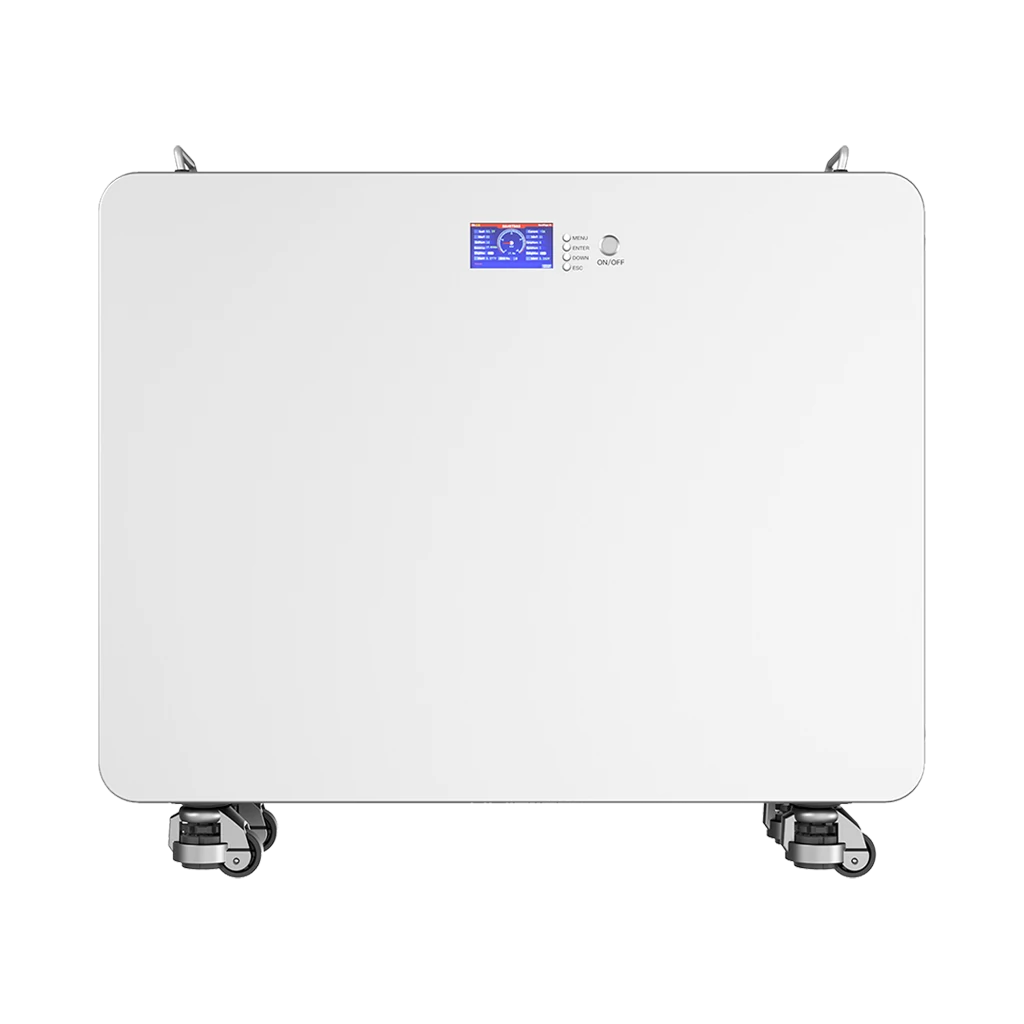
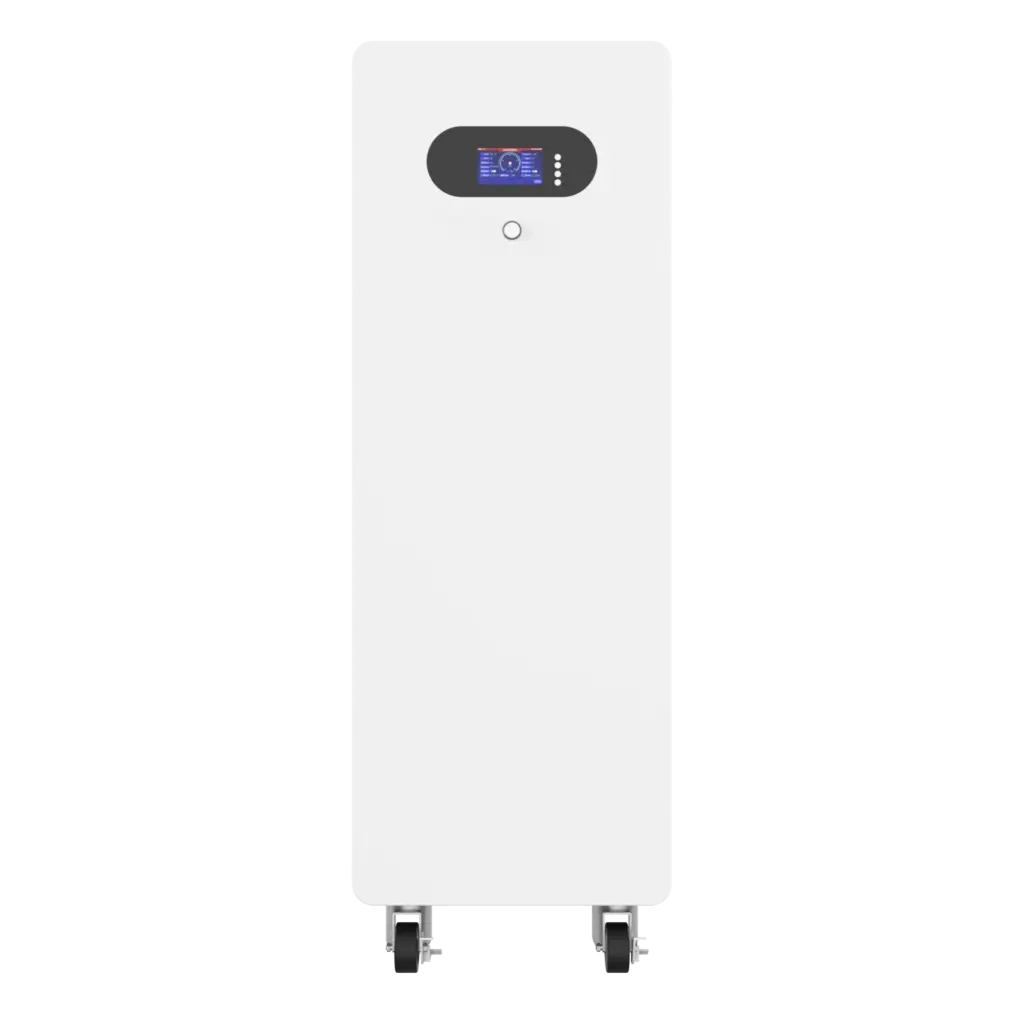
One example from our current product range is our 51.2V 314Ah 16kWh vertical LiFePO4 battery.
Its published specifications include:
- 51.2V nominal voltage;
- 314Ah capacity;
- approximately 16kWh nominal energy;
- CAN, RS485, and RS232 communication;
- 157A continuous discharge;
- up to 200A discharge for up to 300 seconds;
- support for up to 16 batteries in parallel.
These specifications describe the battery side of the system. When we evaluate an AC-coupled project, we do not assume that battery capacity or voltage alone guarantees compatibility.
We also check the exact inverter or PCS model, operating-voltage range, charge and discharge current, communication protocol, firmware, and BMS requirements before recommending a configuration.
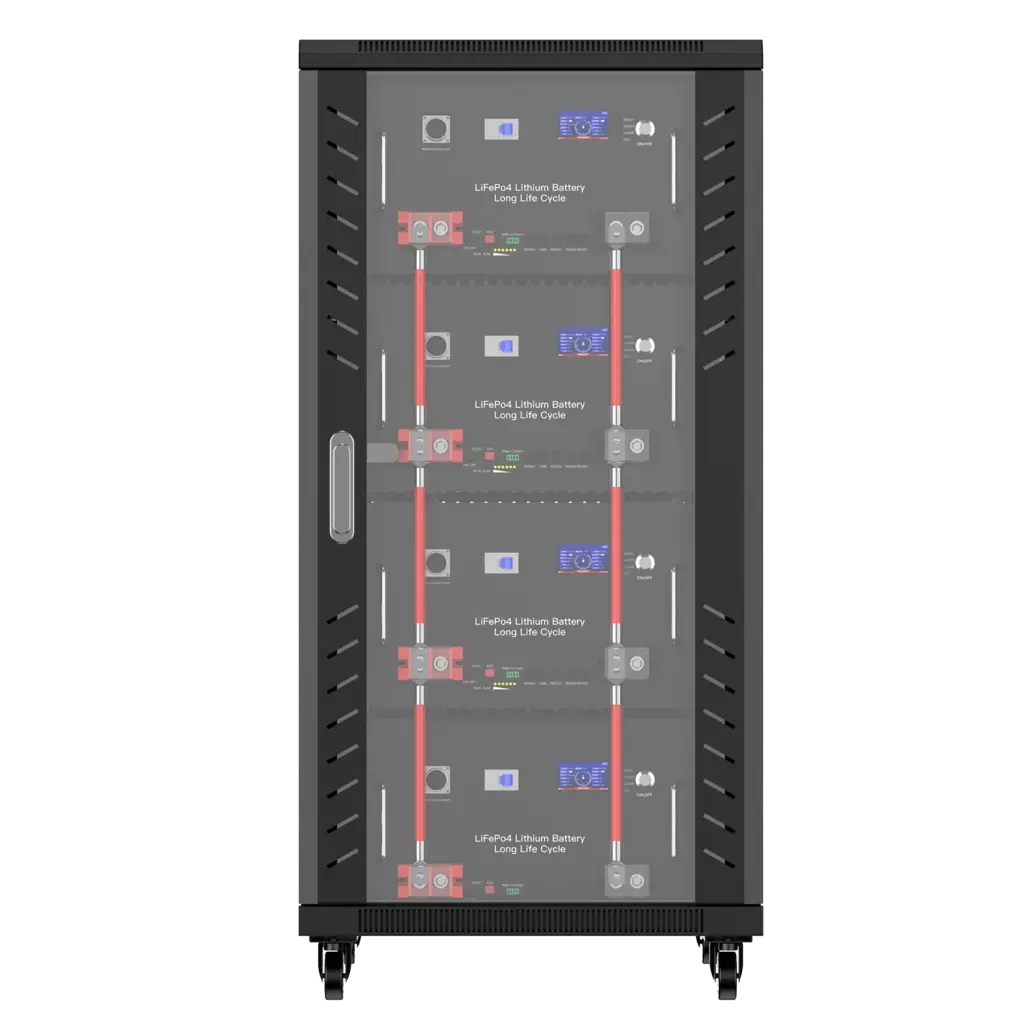
For example, one of our published projects in France uses four 16kWh low-voltage batteries in parallel to create a 64kWh solar battery system:
4 × 16kWh = 64kWh
We use this project as an example of modular battery-capacity expansion. Because the published project information does not specifically identify the system as AC-coupled, we do not present it as proof of an AC-coupled installation.
We believe this distinction is important when documenting real projects: we only use project data to support conclusions that the published installation information can actually verify.
For distributors, installers, EPCs, and project buyers who require technical or tender documentation, we also maintain an energy storage certification resource covering available CE, CB, FCC, UL-related, UN38.3, RoHS, and other test documentation.
Because certification requirements differ by battery model and destination market, we recommend confirming the applicable certificates for the exact product and project before final procurement.
Take Control of Your Energy with Avepower!
Reliable home solar battery solutions with OEM/ODM customization and in-house manufacturing, tailored to the needs of distributors, installers, and energy partners.
FAQ
It is often one of the best architectures to evaluate first because a separate battery inverter may allow the existing PV inverter to remain in service. It is not always better if the existing inverter is old, unsupported, incompatible with the required backup design or already due for replacement.
The solar-to-battery path normally involves more conversion stages, so AC coupling can have higher conversion losses. There is no universal efficiency penalty, however. Compare complete systems under the same test boundary, operating power and conditions rather than using a fixed AC-versus-DC percentage from another product or project.
Often yes. Because a microinverter-based PV array already outputs AC, a separately controlled AC-side battery can be a practical retrofit. The exact microinverter, battery inverter, metering, islanding control and backup behavior must still be approved for the proposed installation.
Many systems can charge from the grid because the bidirectional battery inverter can convert AC electricity to DC for storage. Whether grid charging is enabled or economically useful depends on equipment configuration, tariffs, utility rules, operating strategy and applicable local requirements.
It can be, but an off-grid AC-coupled system requires careful grid-forming, black-start, PV curtailment and battery-recovery design. Manufacturer-specific limits may apply, and some architectures also use DC-coupled PV so the batteries can recover from a fully depleted condition without depending entirely on the AC microgrid.