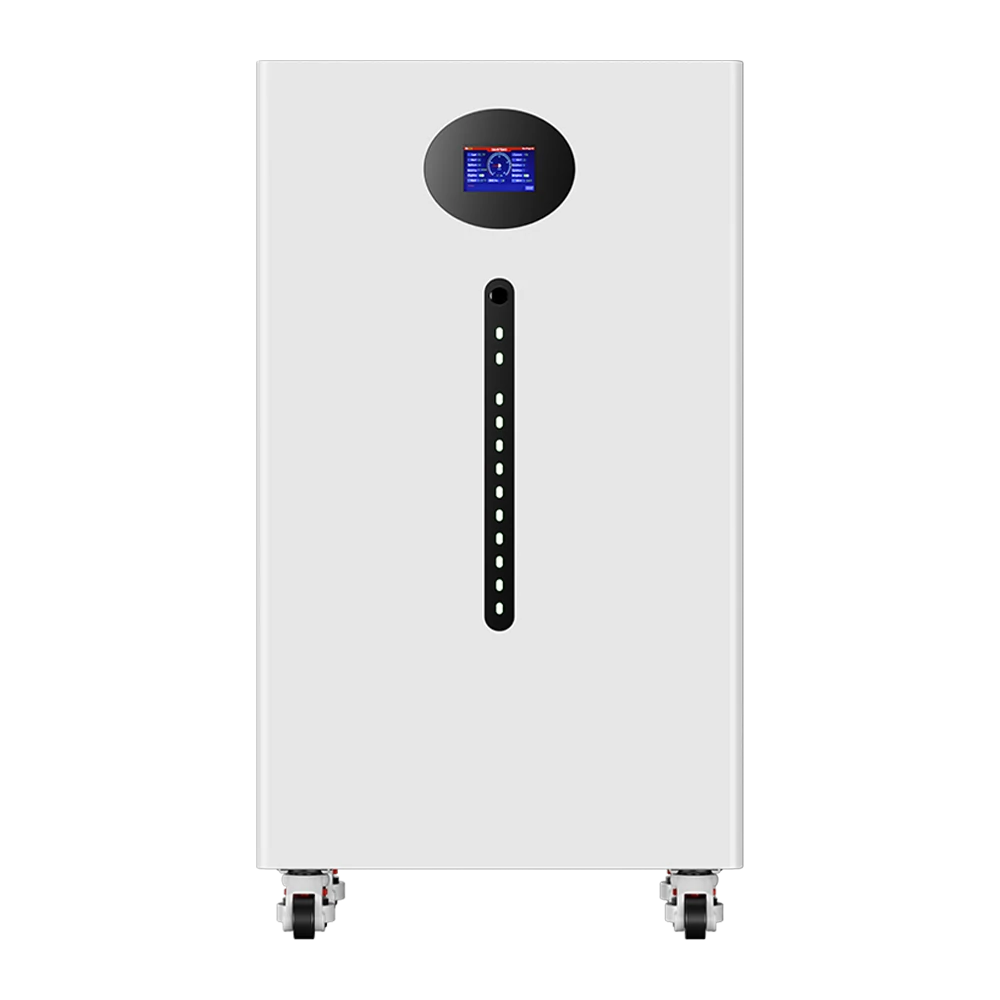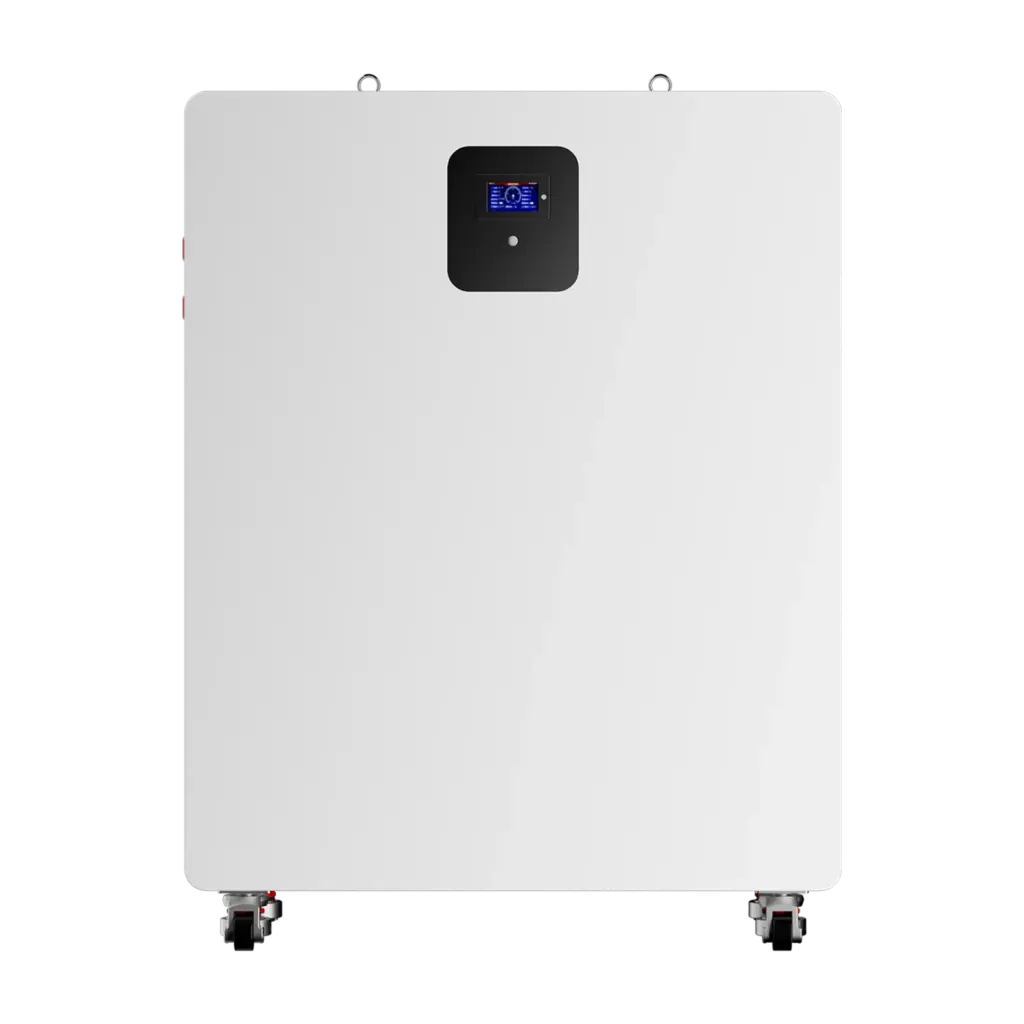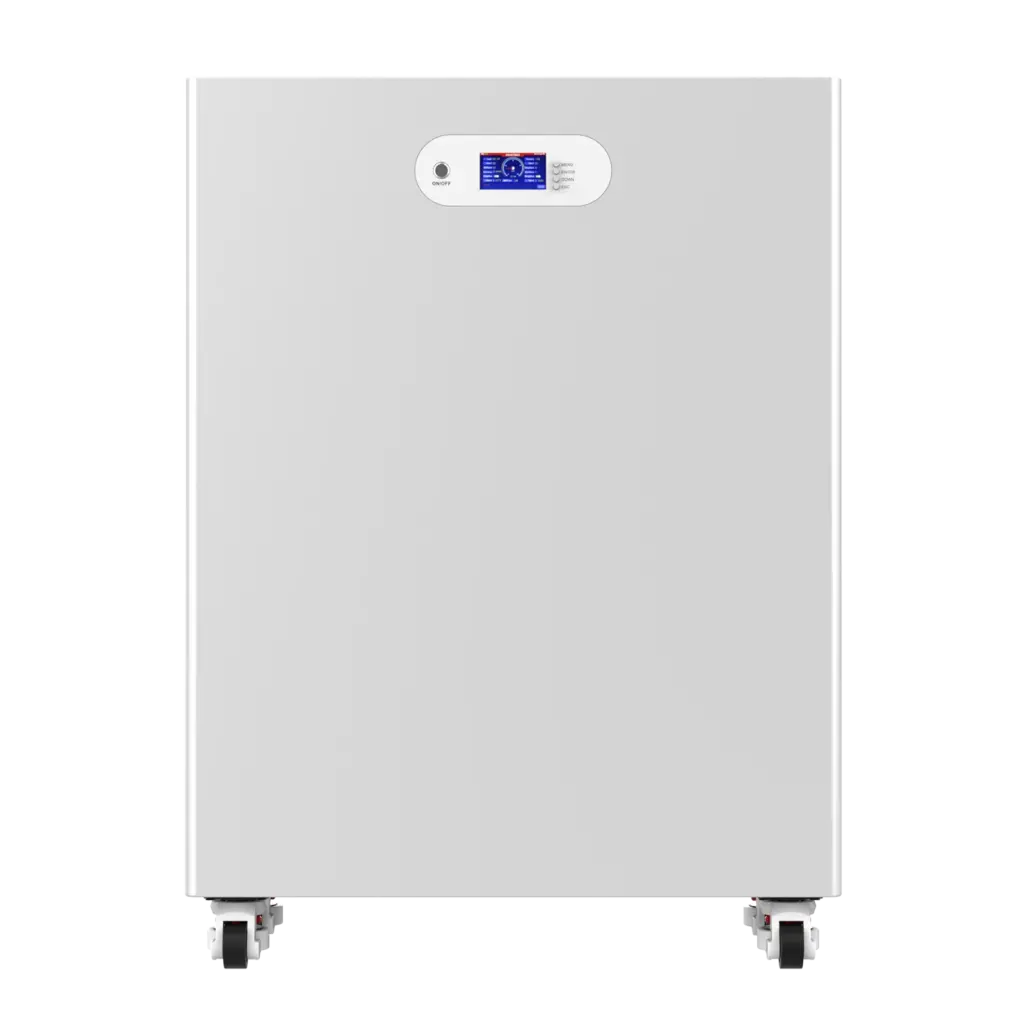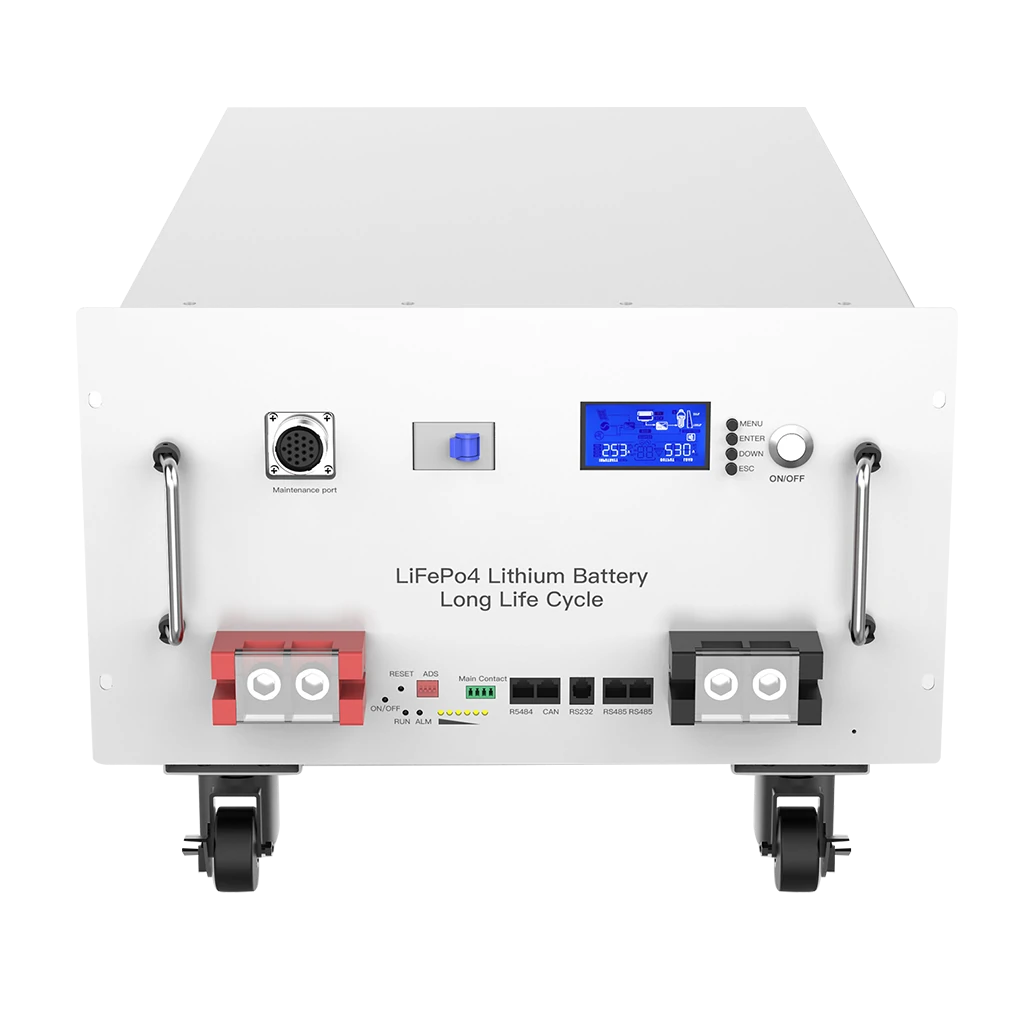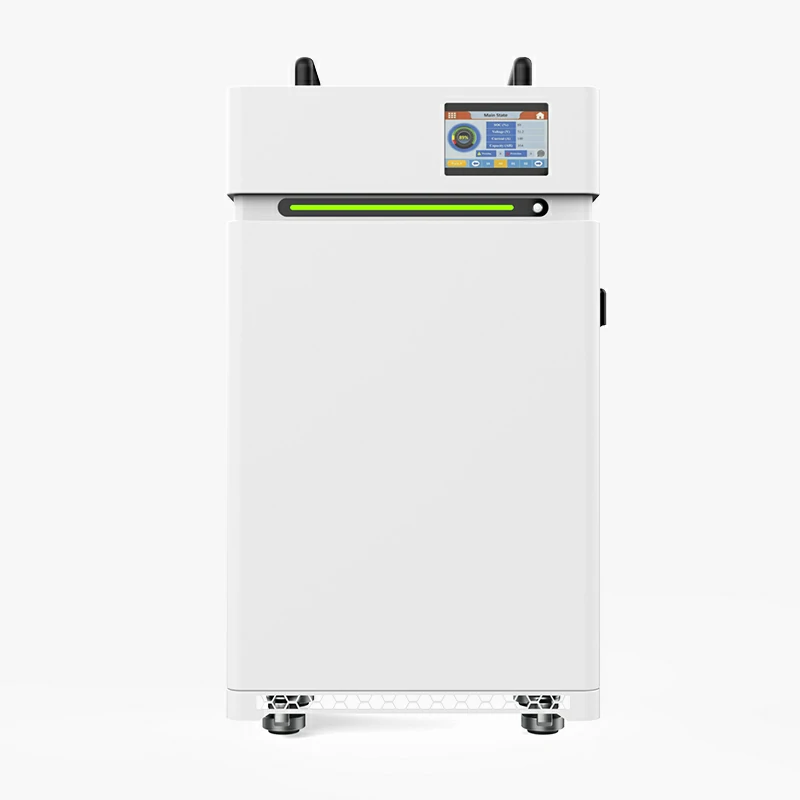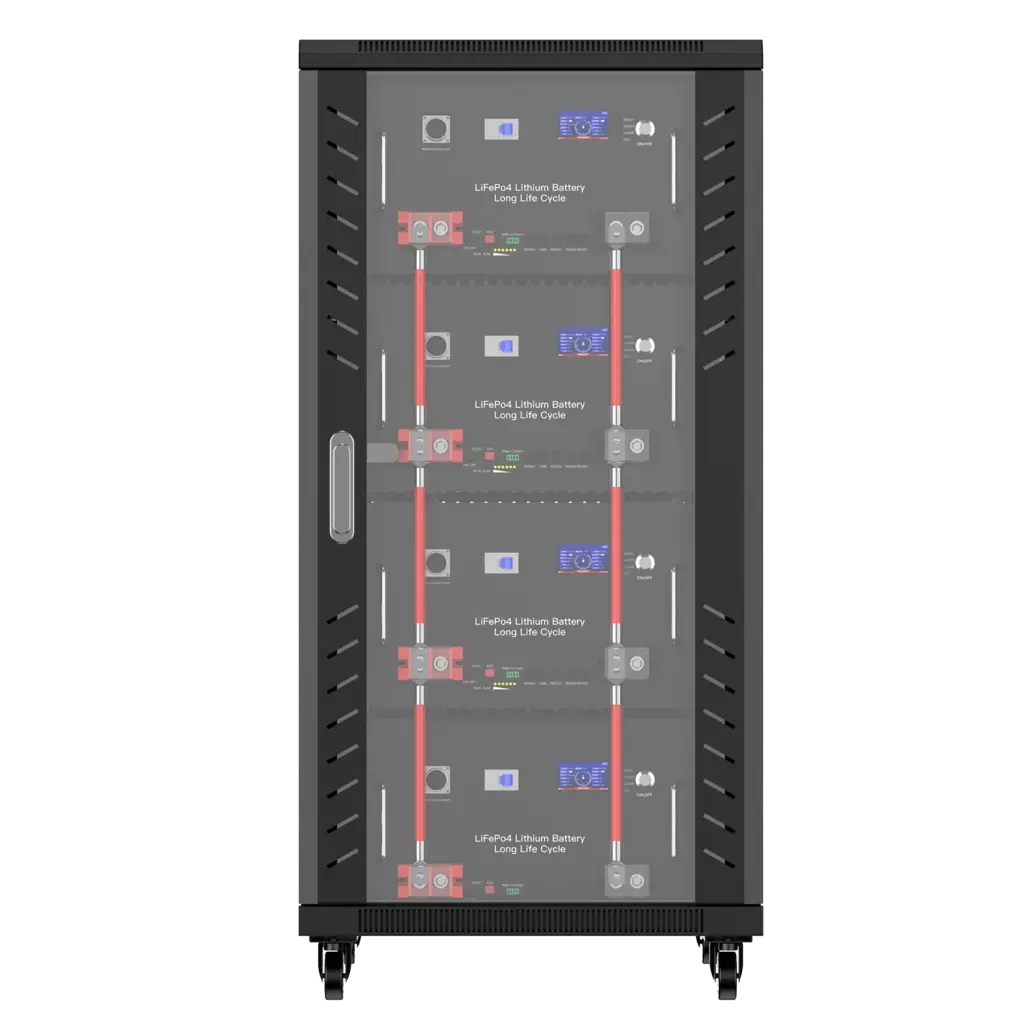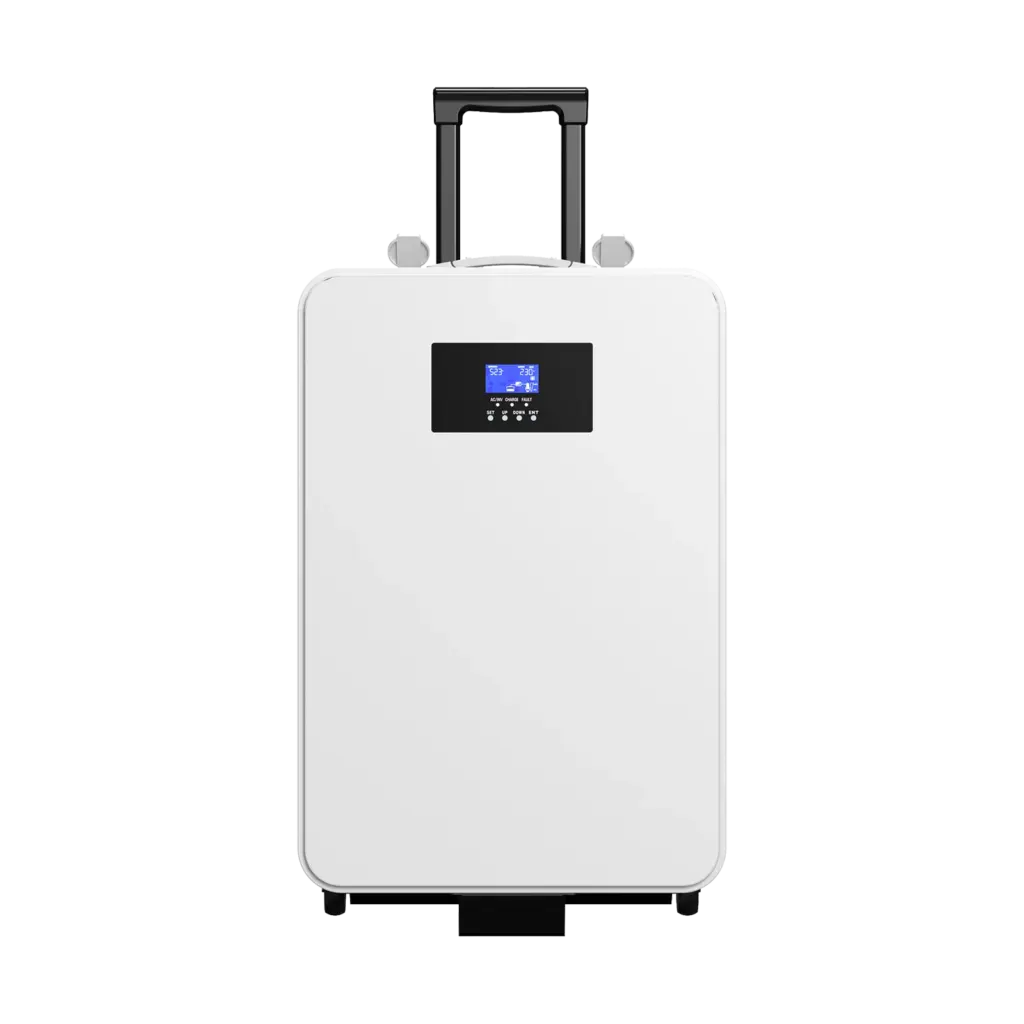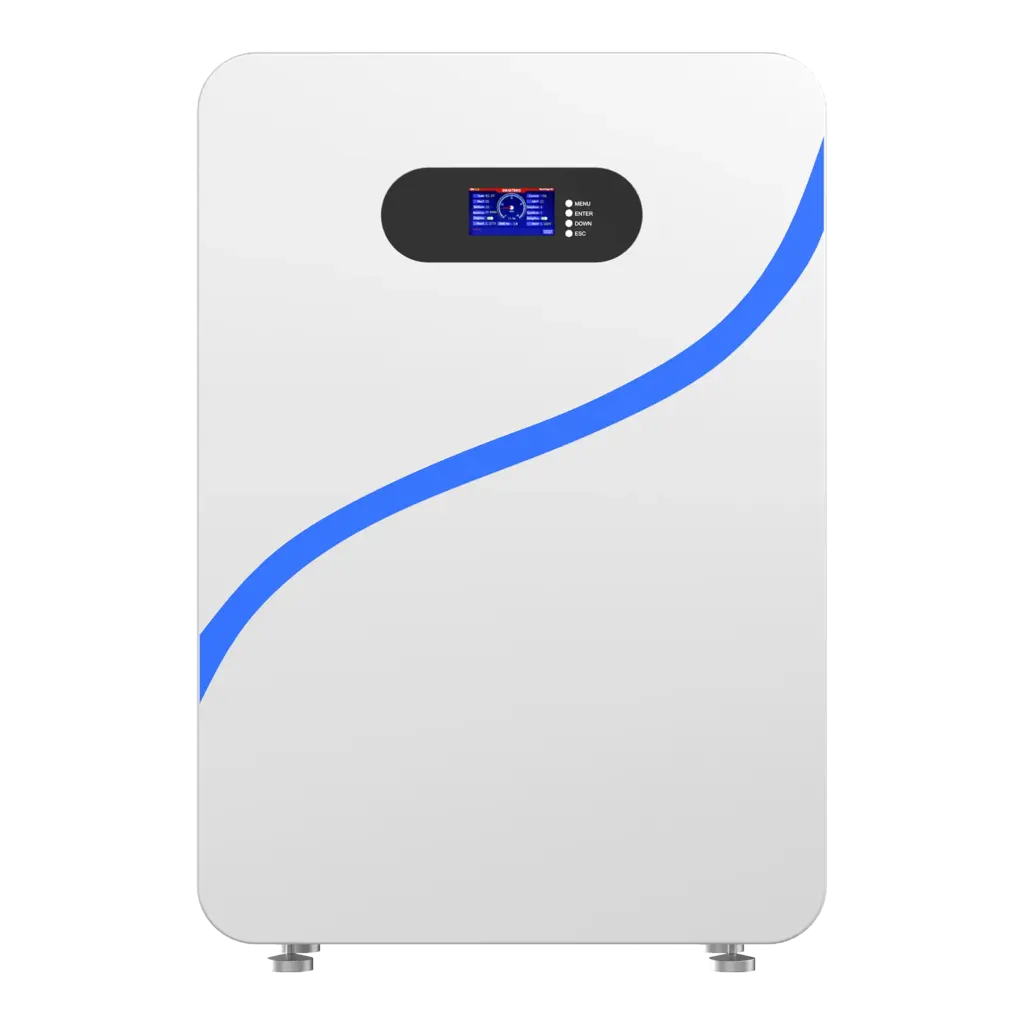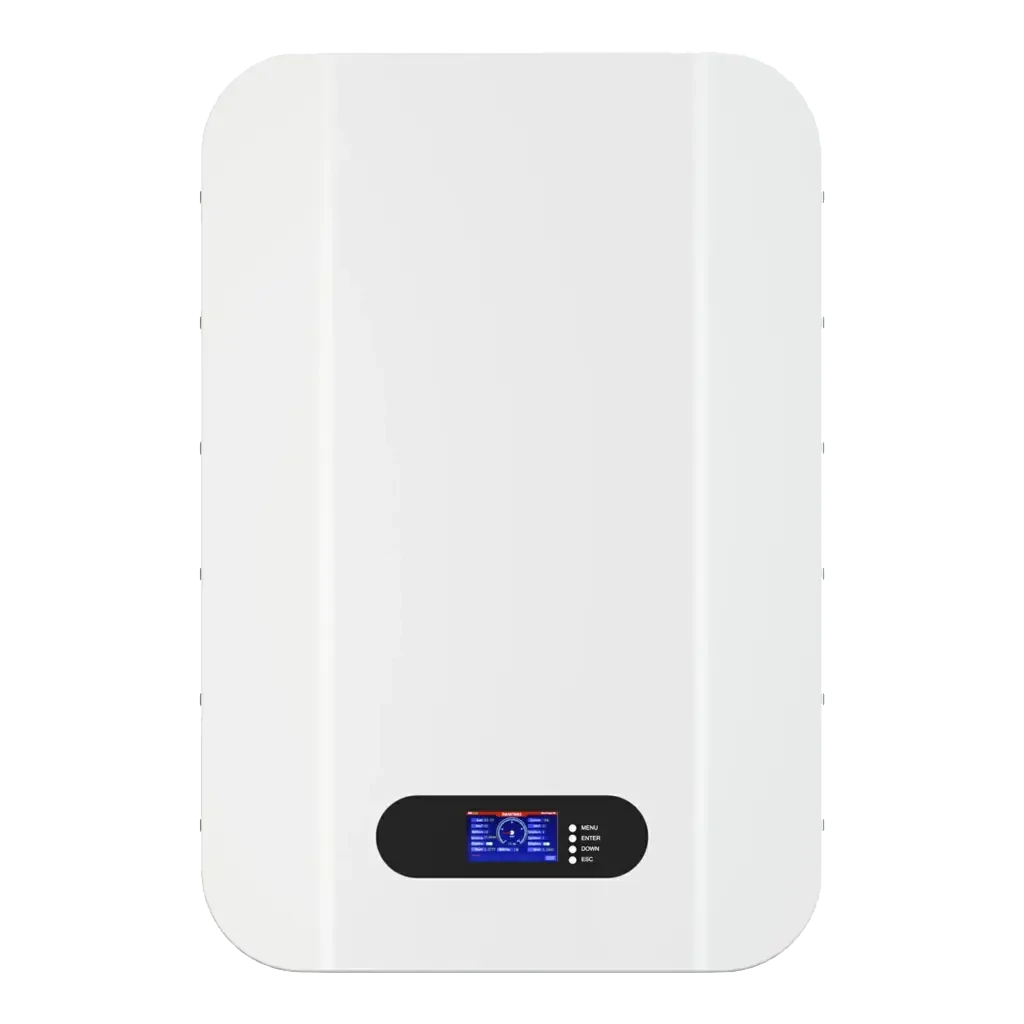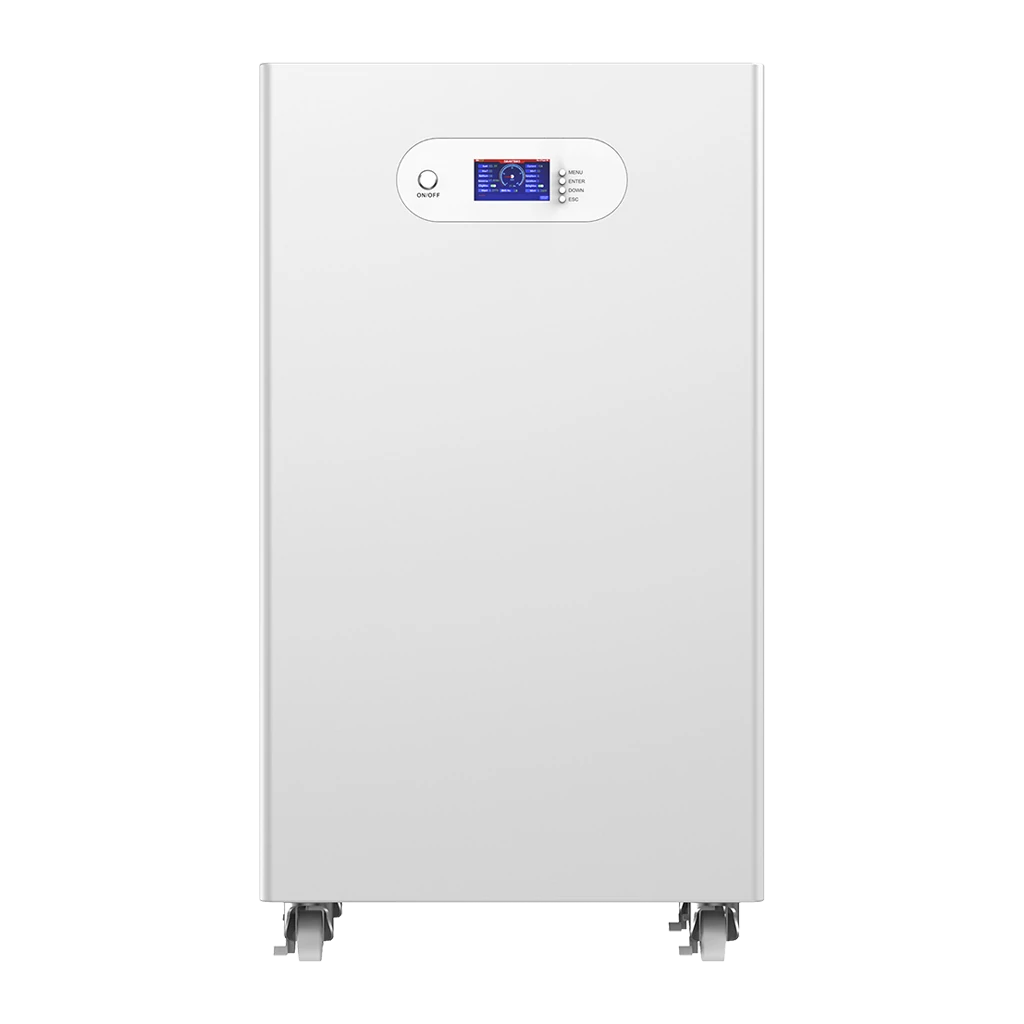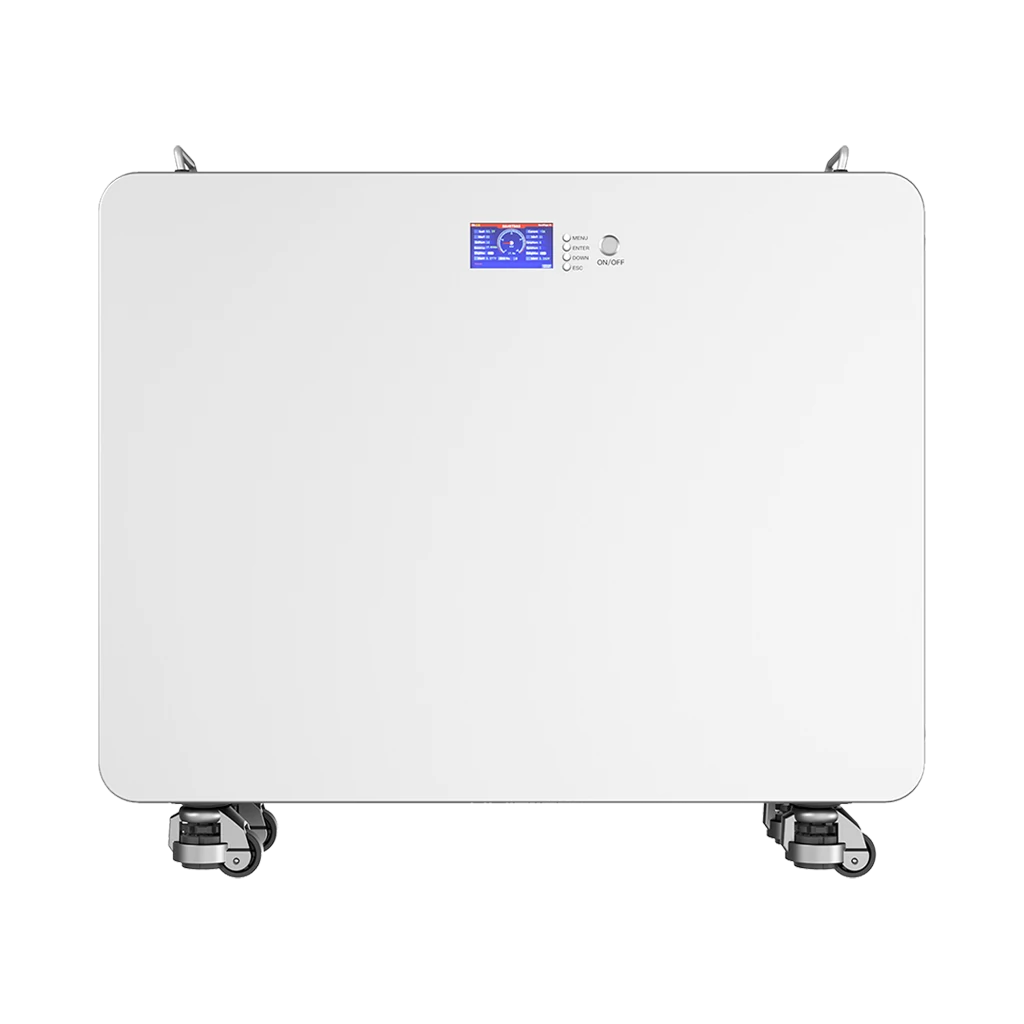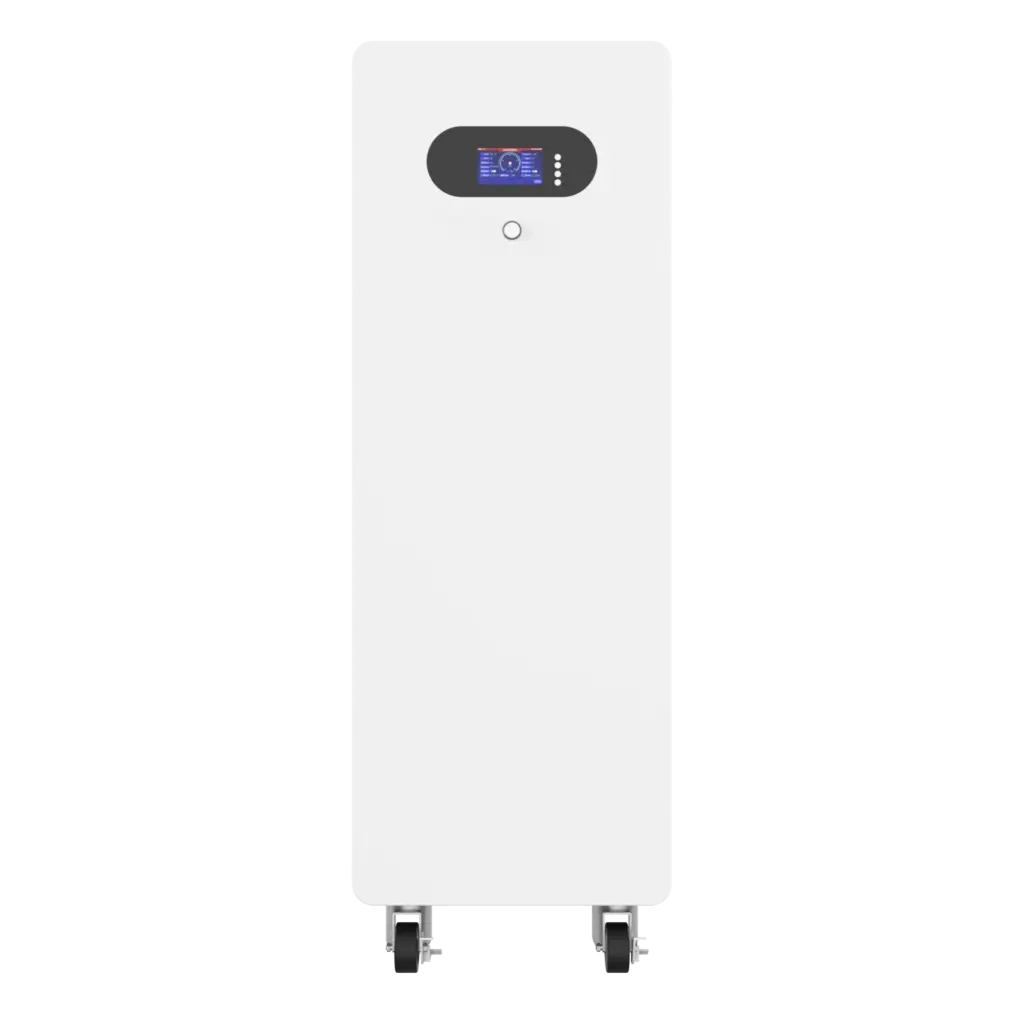

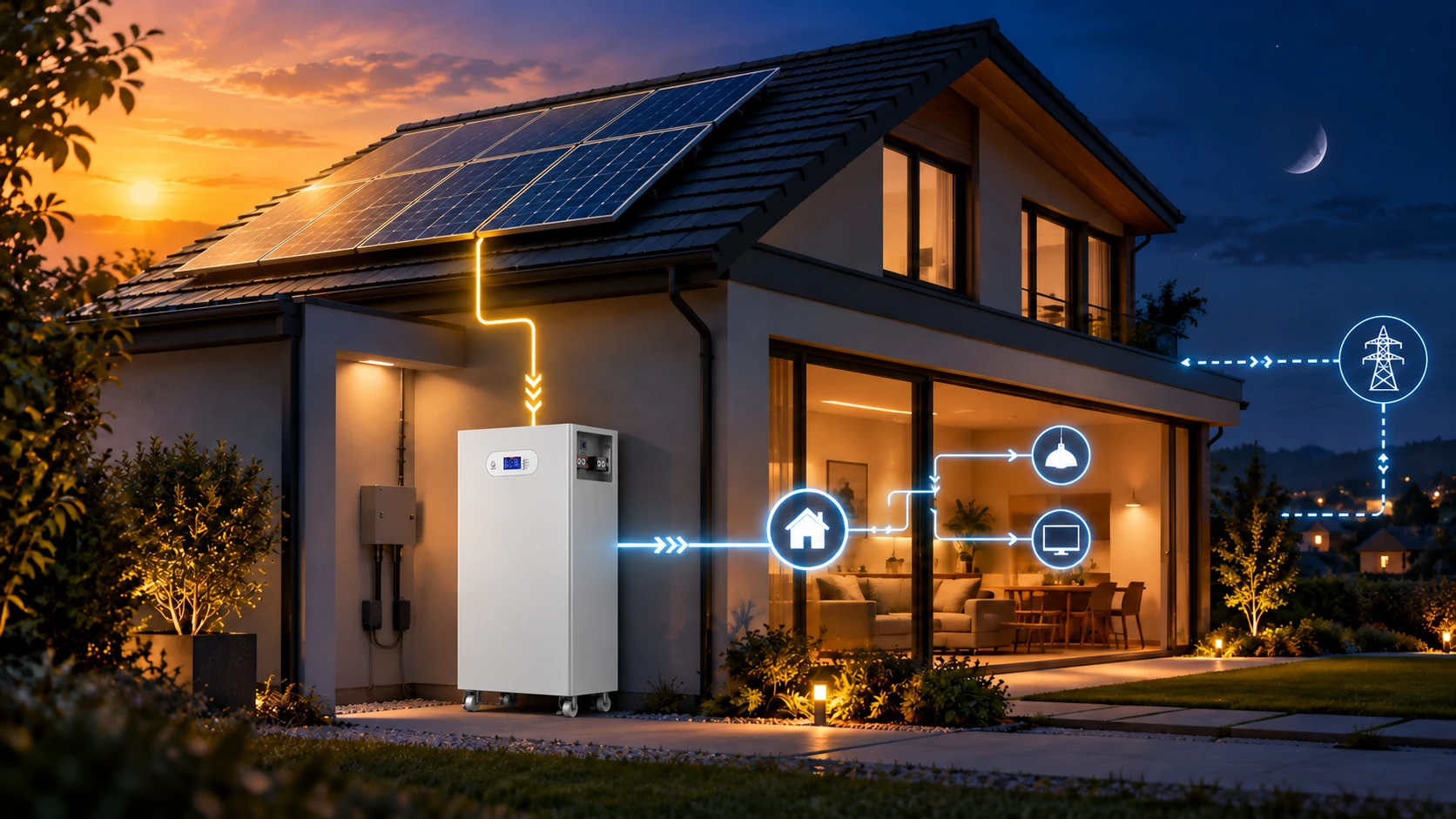
The most practical way to store solar energy for later electrical use is usually a battery energy storage system. Solar panels power your loads first, while surplus electricity charges the battery for use after sunset, during expensive tariff periods or during outages if backup is properly configured. Thermal, mechanical and hydrogen storage also exist, but they generally serve different applications and scales.
Can Solar Energy Be Stored?
Yes. Solar energy can be stored by converting it into a form that can be retained and released later. Batteries store electricity electrochemically, thermal systems store heat, pumped hydro stores gravitational potential energy, and other technologies can store energy as pressure, motion or chemical fuel. Storage always involves some loss; no real storage process is 100% efficient.
For most homes and small businesses using photovoltaic panels, “solar energy storage” effectively means storing electricity in a rechargeable battery.
Solar panels themselves do not store electricity. During daylight, the electricity they generate must be:
- used immediately by the building;
- stored;
- exported to the grid; or
- curtailed when it cannot be used or exported.
That distinction matters because a grid export credit is not the same thing as physically storing electricity on site.
For a deeper explanation of the battery, inverter, BMS and control process, see Avepower’s guide to how solar batteries work.
Do Solar Panels Store Energy?
No. Solar panels generate electricity when sunlight reaches their photovoltaic cells, but conventional PV modules do not store electricity themselves. Storage requires a separate battery or another technology capable of converting the electrical energy into a form that can be retained and released later.
A conventional grid-connected solar system does not automatically continue powering the building simply because sunlight is available. A backup-capable solar-plus-storage system must be designed to isolate safely from the utility grid and supply approved circuits while operating as an islanded electrical system.
A battery therefore provides potential backup energy, but battery ownership alone does not guarantee blackout operation.
What Is the Best Way to Store Solar Energy?
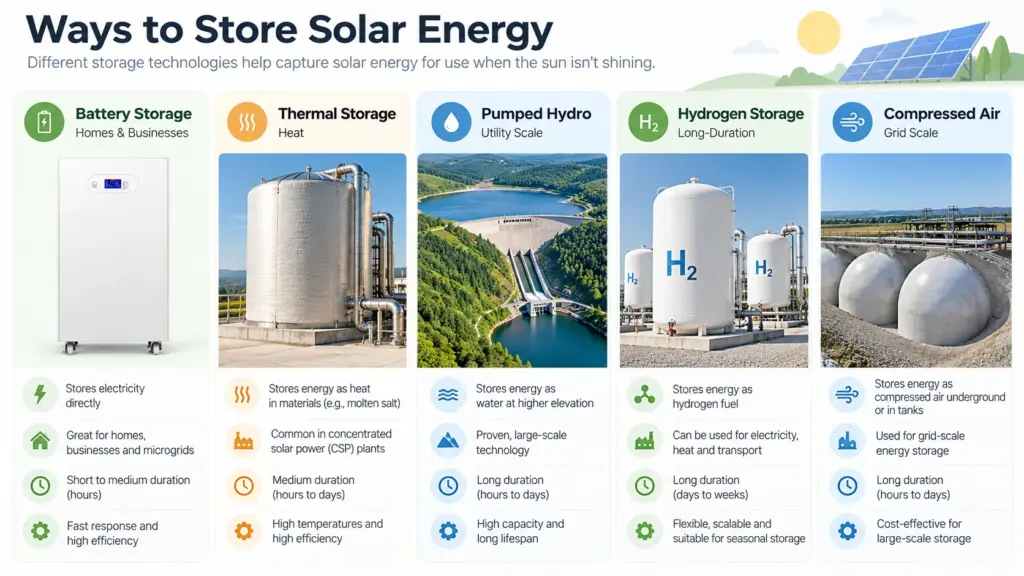
For homes and most small commercial sites that need electricity later, rechargeable battery storage is normally the most practical option. Thermal storage can be more economical when the final requirement is heat rather than electricity, while pumped hydro, compressed air and similar technologies generally require infrastructure that makes them more appropriate for utility or industrial applications.
| Storage method | Energy is stored as | Best fit | Can it return electricity? | Main limitation |
|---|---|---|---|---|
| Battery storage | Chemical energy | Homes, businesses, microgrids, utilities | Yes | Capital cost, degradation and conversion losses |
| Hot-water / thermal storage | Heat | Water heating, space heating, industrial heat | Usually not directly | Stored energy is useful mainly as heat |
| Pumped hydro | Elevated water | Utility-scale storage | Yes | Requires suitable geography and large infrastructure |
| Compressed-air storage | Pressurized air | Large projects | Yes | Infrastructure and site requirements |
| Flywheels | Rotational energy | Fast-response power applications | Yes | More suitable for short-duration applications |
| Hydrogen | Chemical fuel | Long-duration and sector-coupling projects | Yes, after reconversion | Multiple conversion stages and complex infrastructure |
| Grid export / net billing | Financial credit, not stored on site | Grid-connected solar | No physical storage | Value depends on utility rules and export compensation |
How Does a Solar Battery Store Energy?
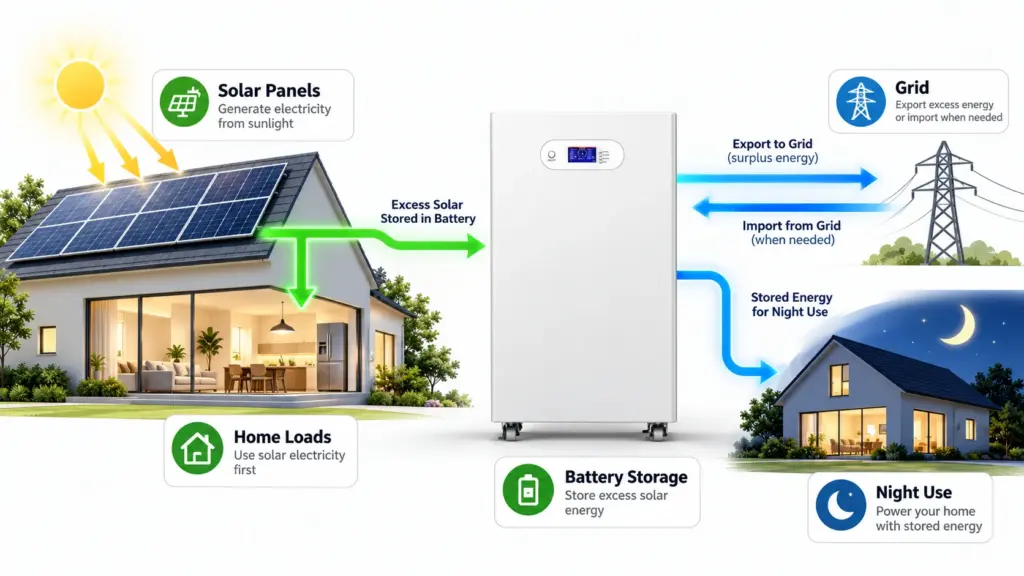
A solar battery stores excess electricity when PV production exceeds current demand and releases that energy when demand is higher than available solar production. A complete system also needs power electronics, protection and controls; the battery cells alone do not decide when electricity should be stored, exported or delivered to the building.
A typical daytime energy flow is:
Solar PV → Household or business loads → Battery → Grid export
After solar production falls, the flow may become:
Battery → Inverter → Loads → Grid only when additional electricity is required
The exact path depends on system architecture.
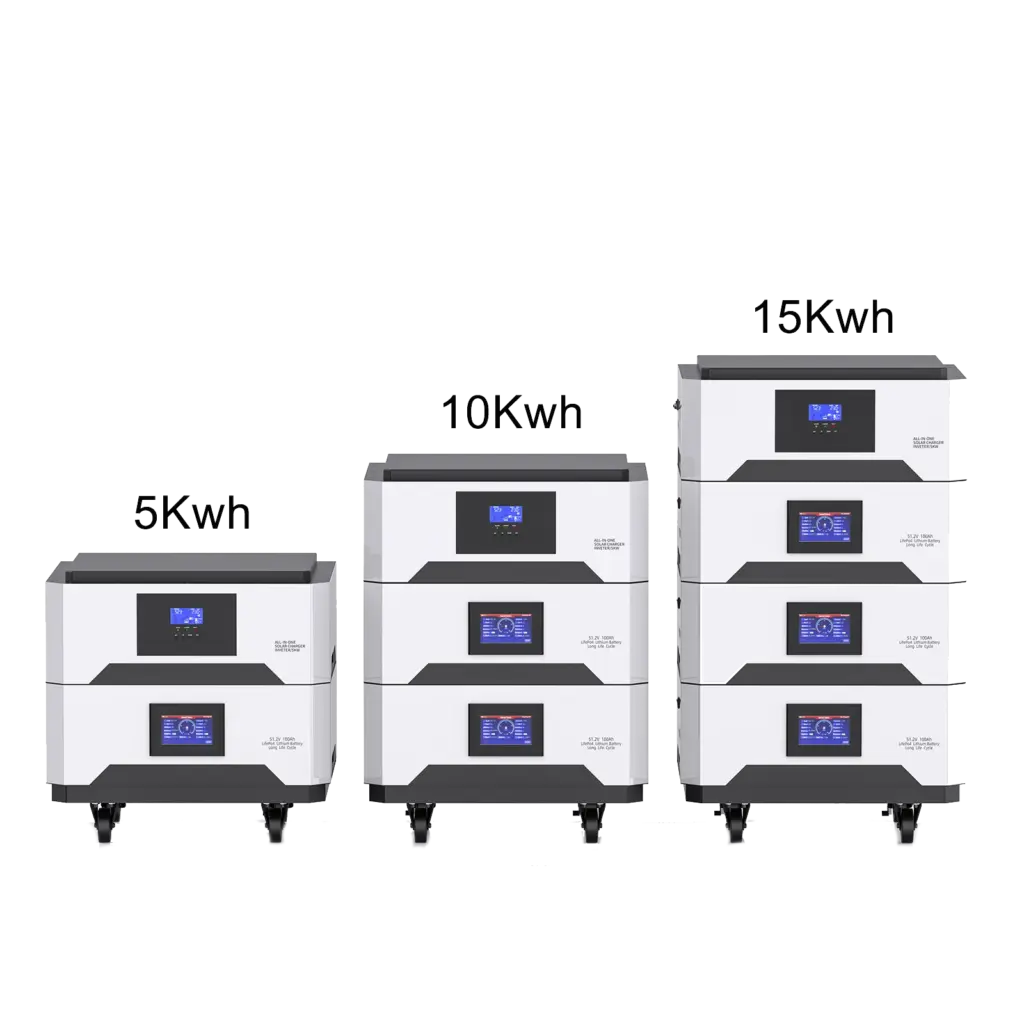
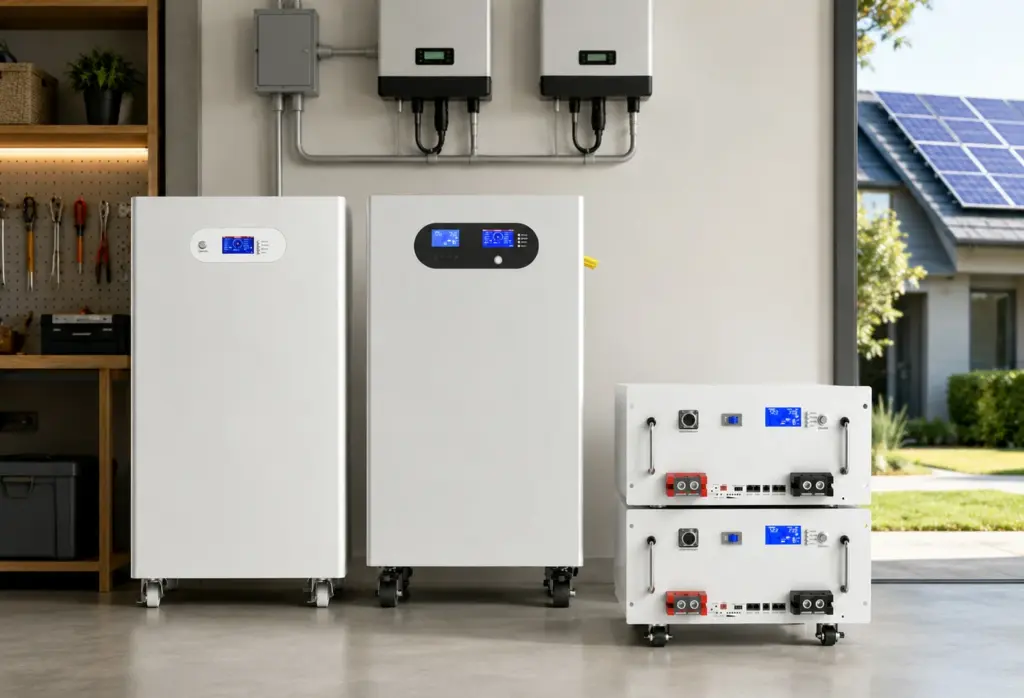
A modern solar storage system can include:
- PV modules;
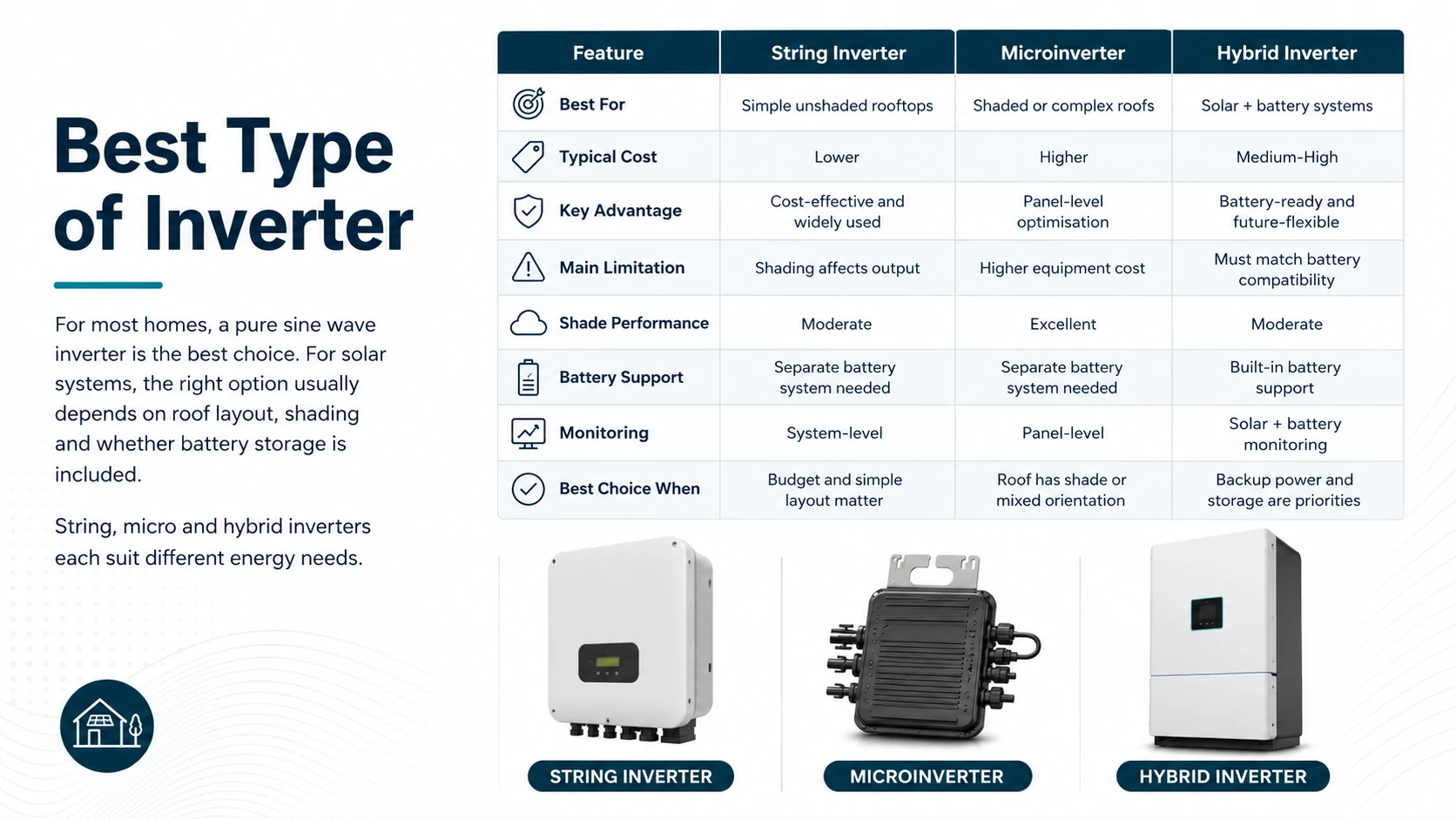
- a hybrid inverter or separate PV and battery inverters;
- battery modules;
- a battery management system (BMS);
- metering or CT sensors;
- electrical protection;
- an energy management system;
- monitoring software;
- and, where backup is required, approved isolation or backup equipment.
AC-Coupled vs. DC-Coupled Solar Storage: Which Is Better?
AC coupling is often attractive when adding a battery to an existing PV installation because the existing solar inverter may remain in place. DC coupling can be attractive when solar and storage are designed together because it may reduce conversion stages and can sometimes capture solar energy that would otherwise be clipped.
| Factor | AC-Coupled Storage | DC-Coupled Storage |
|---|---|---|
| Existing solar retrofit | Often easier | May require inverter/system changes |
| New solar + battery installation | Suitable | Often well suited |
| PV-to-battery conversion path | Usually more conversion stages | Can reduce conversion stages |
| Independent battery inverter | Usually yes | Often integrated through hybrid architecture |
| Ability to capture PV clipping | Usually limited | Potentially possible |
| Grid charging | Often straightforward | Depends on system design |
| Best choice | Existing PV and flexible retrofit | Integrated new-build solar + storage |
If you already have solar panels, Avepower’s retrofit solar battery guide covers additional compatibility questions before modifying an existing system.
Which Battery Chemistry Is Best for Solar Energy Storage?
Lithium iron phosphate, or LFP/LiFePO4, is currently the dominant chemistry for stationary battery storage and is a strong default candidate for applications that cycle frequently. However, chemistry alone does not determine whether a battery is safe or suitable; system design, BMS controls, temperature management, installation, certification and operating conditions remain important.
A practical comparison is:
| Battery chemistry | Main strength | Main limitation | Typical solar-storage fit |
|---|---|---|---|
| LiFePO₄ / LFP | Long-cycle stationary use, widespread availability | Lower energy density than some nickel-based chemistries | Excellent fit for residential and C&I ESS |
| NMC lithium-ion | Higher energy density | Less dominant in modern stationary storage | Applications where space or weight is important |
| Lead-acid | Mature technology and comparatively low initial hardware cost | Lower usable depth, heavier and generally shorter cycling life | Legacy and budget off-grid systems |
| Flow battery | Energy capacity can be scaled for longer-duration storage | Large footprint and system complexity | Commercial, industrial and grid-scale storage |
How Long Can Stored Solar Energy Power a House?
A simple approximation is:
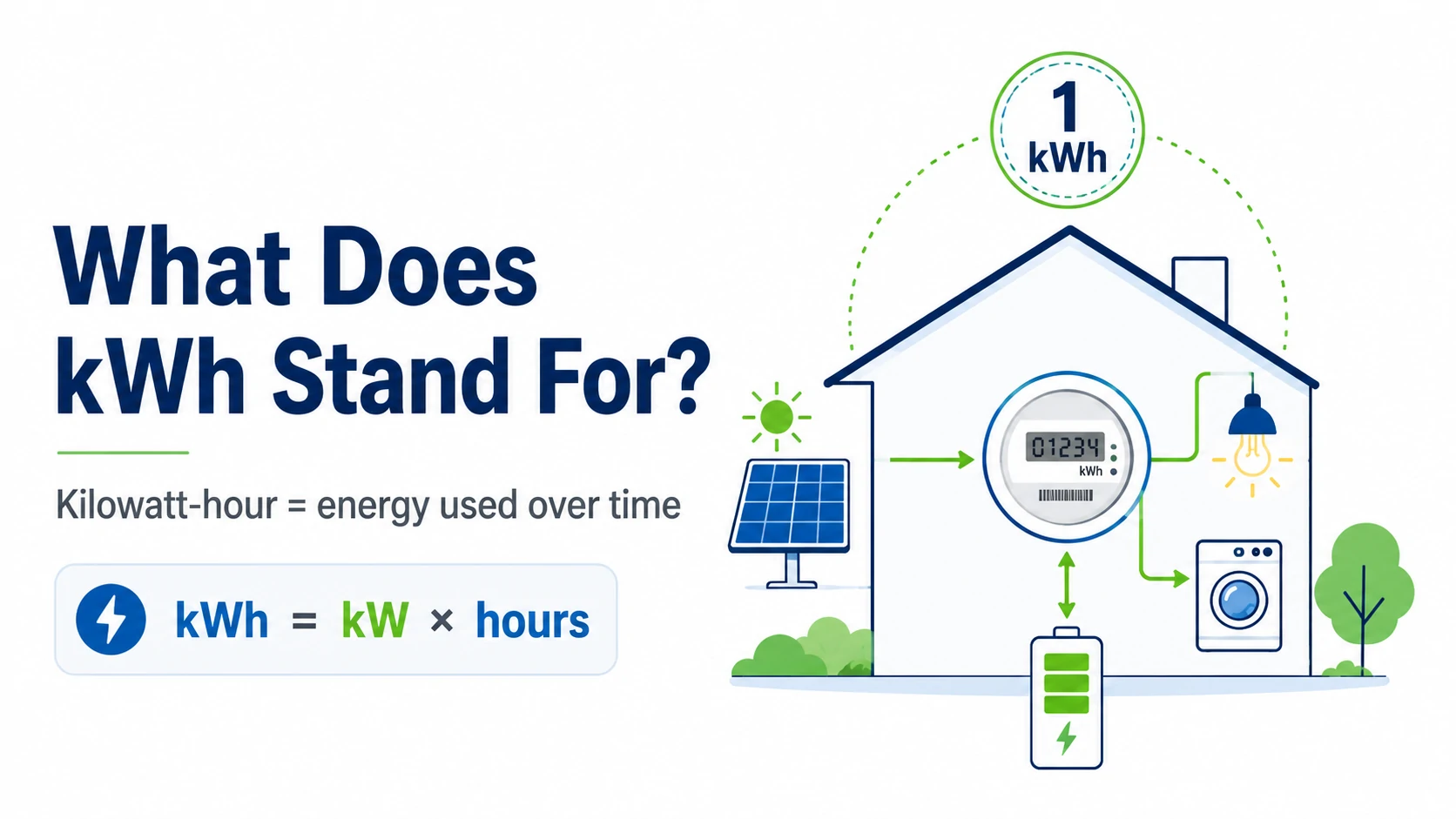
Runtime (hours) ≈ usable battery energy (kWh) ÷ average load (kW)
For example:
10 kWh usable battery ÷ 0.5 kW average critical load = about 20 hours
That does not mean every 10 kWh battery will power every home for 20 hours.
If the average load rises to 2 kW:
10 ÷ 2 = about 5 hours
This is why claims such as “a 10 kWh battery powers a home for X hours” are incomplete unless the load is specified.
For outage planning, prepare a list of critical appliances, record their running wattage, identify high-starting-current devices and decide which circuits actually need backup.
How Much Does Solar Battery Storage Cost?
There is no reliable global “price per battery” because installation cost depends on location, capacity, inverter architecture, electrical upgrades, labor, permitting and whether solar and storage are installed together. Current market data is useful as a benchmark, but it should never be presented as a universal quotation.
As a U.S. example, in July 2026 that a typical 13.5 kWh home battery installation on its marketplace cost about $15,647 before available incentives.
Important U.S. Tax-Credit Update for 2026
Do not automatically subtract the old 30% federal residential clean-energy credit from a 2026 home battery quote.
The IRS states that the U.S. Residential Clean Energy Credit under Section 25D is not available for qualifying residential clean-energy expenditures made after December 31, 2025 following the accelerated termination of the credit.
State, utility, commercial and other programs may follow different rules, so incentives should always be checked for the specific project location and customer type.
Can You Store Solar Energy Without Batteries?
Yes, solar energy can be stored without electrochemical batteries, but the result is not always stored electricity. Solar energy can be converted into hot water, building heat or cooling, gravitational potential energy, compressed air or hydrogen, while grid export can provide financial credit rather than physical on-site storage.
For a household, practical alternatives can include:
- Solar thermal storage: Use surplus solar electricity to heat water.
- Load shifting: Run water heating, pool pumps, laundry, cooling or EV charging while solar production is high. This does not technically store electricity, but it reduces the amount that needs to be stored.
- Building thermal mass: Pre-cooling or pre-heating a building can shift part of HVAC energy demand away from later peak periods.
- EV charging: Surplus PV can be directed to an EV. Electricity can only be returned to the home if the vehicle, charger and local installation support an approved vehicle-to-home arrangement.
- Grid export: Exporting solar electricity may generate a credit under local tariff rules. The grid is not physically preserving your original electricity for later use, so net metering should be treated as an accounting mechanism rather than an on-site battery.
Mechanical storage and hydrogen become more relevant for utility, industrial or long-duration applications than for a typical home.
What Are the Disadvantages of Solar Energy Storage?
Battery storage improves flexibility but adds cost, conversion losses, degradation, equipment complexity and safety requirements. A battery can also be undersized for energy, undersized for power, poorly matched to an inverter or installed in an unsuitable environment, so “adding storage” does not automatically improve every solar system.
The main limitations are:
- Conversion losses. Energy returned from a battery is lower than the energy originally used to charge it. The DOE explicitly notes that storage is never 100% efficient.
- Battery aging. Capacity and performance change with calendar age, cycling, temperature, state of charge and operating conditions.
- Power limitations. Enough stored kWh does not guarantee enough instantaneous kW.
- Temperature limits. Charge and discharge limits vary by chemistry and product. The installation environment must match the manufacturer’s specifications.
- Backup limitations. A solar battery does not automatically keep a building powered during a grid outage. Backup requires compatible controls, isolation and wiring.
- Safety and permitting. Stationary energy storage must be installed according to applicable product standards, electrical codes, fire codes and local authority requirements.
How Can Solar Storage Scale From a Home Battery to a Larger System?
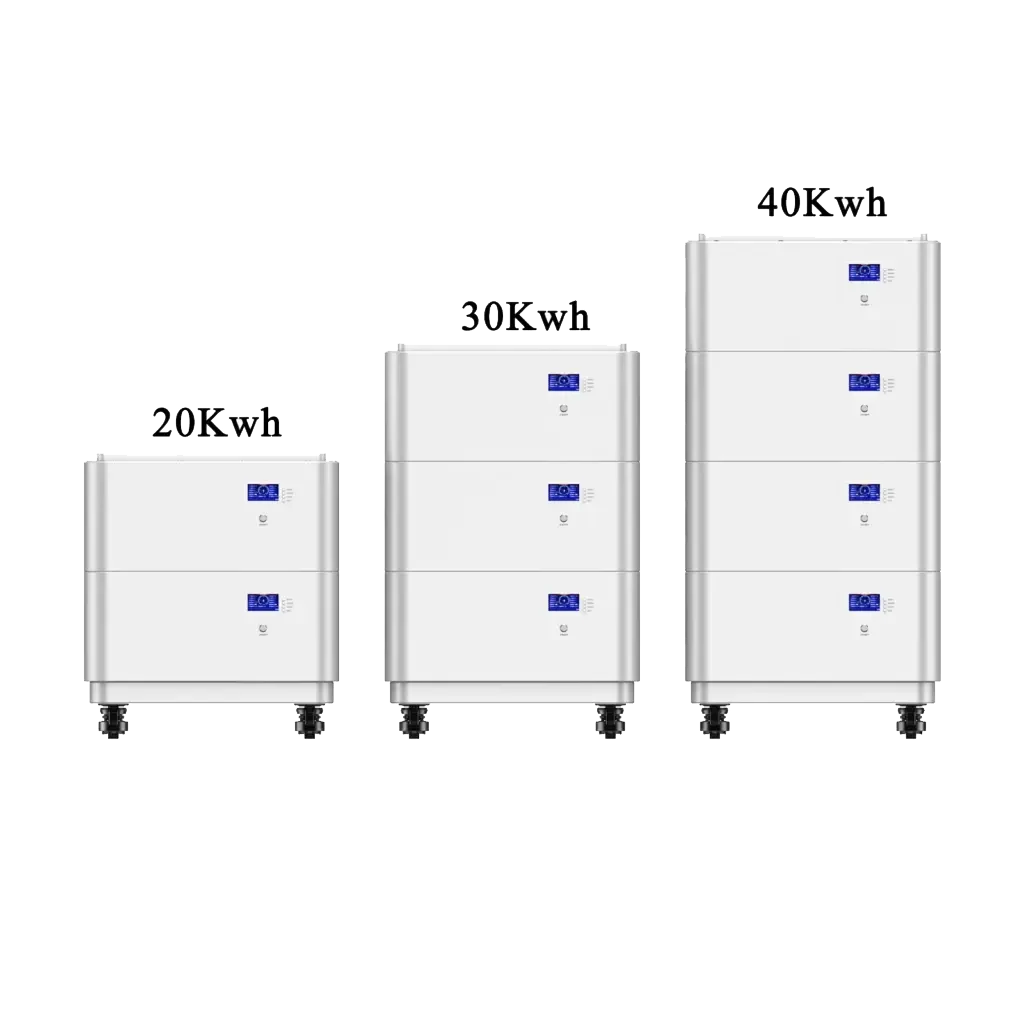
Solar battery systems can be scaled by combining compatible modules or cabinets, but larger capacity requires more than connecting additional kWh. Engineers must also verify current sharing, protection, cable sizing, inverter or PCS limits, communications, fault management and installation requirements.
A first-party Avepower residential project in France provides one verified example of modular capacity expansion.
The installation used:
- four 16kWh LiFePO₄ battery units;
- 51.2V nominal battery architecture;
- parallel configuration;
- 64kWh total nominal storage.
The project therefore demonstrates a real 4 × 16kWh = 64kWh modular storage configuration rather than a hypothetical case. It should still be treated as an Avepower first-party project record rather than independent third-party performance validation.
For larger commercial applications, system design increasingly shifts from simple household battery sizing toward PCS, EMS, thermal management, demand profiles and site-level electrical engineering.
Conclusion
For most homes and small businesses, the practical answer to how to store solar energy is a properly sized battery energy storage system. But successful storage design requires more than choosing a battery capacity.
Then verify usable kWh, output kW, efficiency, inverter compatibility, backup architecture, environmental limits, certifications and expansion requirements.
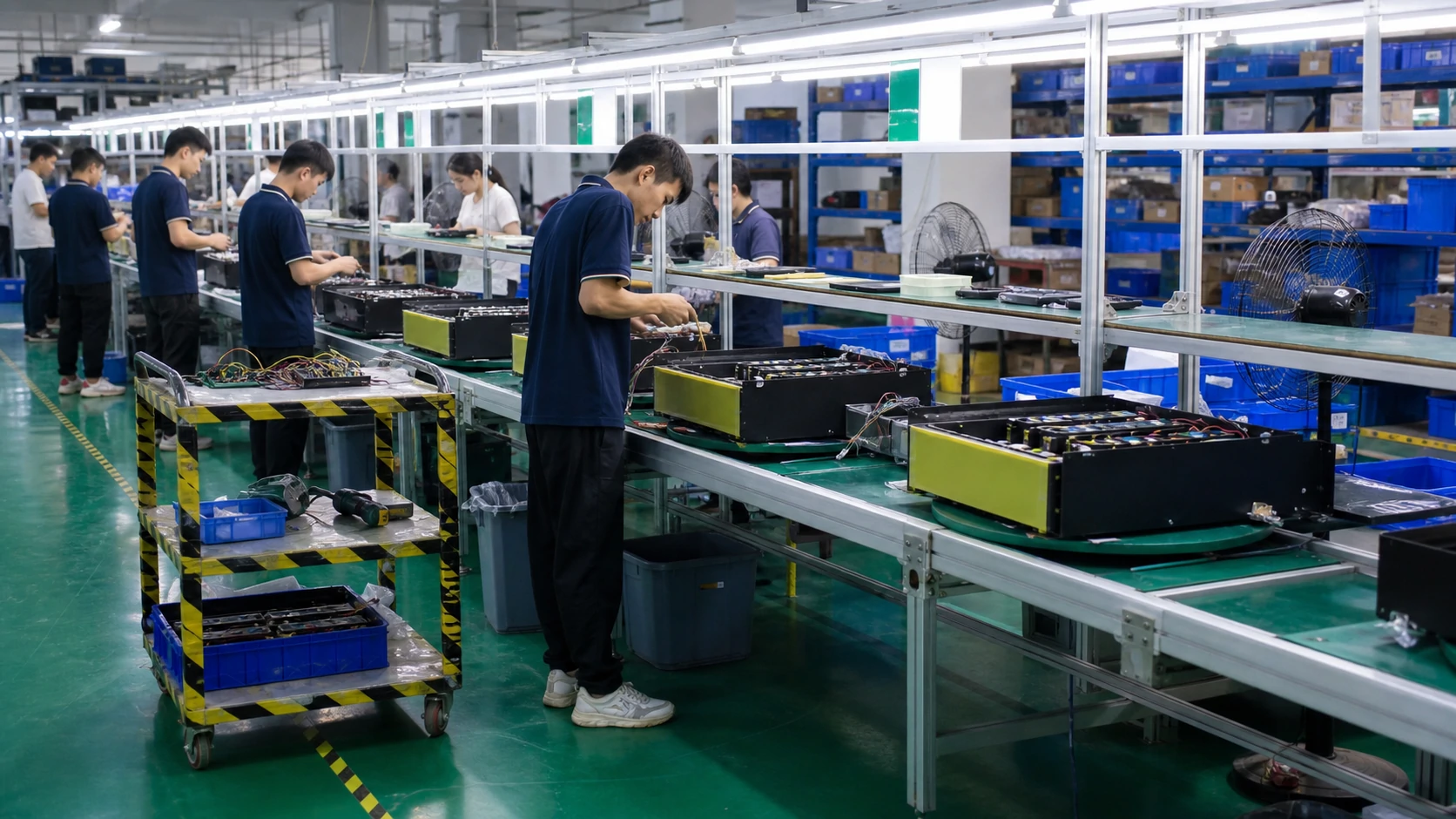
For an Avepower project assessment, provide your country, solar PV size, existing inverter model, daily or interval electricity consumption, required backup loads, desired backup duration, grid voltage, installation environment and required certifications. Avepower can then evaluate an appropriate residential or commercial LiFePO4 battery configuration rather than selecting storage capacity from a generic rule.
Explore Avepower’s energy storage solutions or installer-focused battery systems and technical support for project-specific configuration.
Take Control of Your Energy with Avepower!
Reliable home solar battery solutions with OEM/ODM customization and in-house manufacturing, tailored to the needs of distributors, installers, and energy partners.
FAQ
Yes, many existing PV systems can be retrofitted with storage. AC coupling is often the first architecture to evaluate because it may allow the existing solar inverter to remain in service. Compatibility, switchboard capacity, backup requirements, inverter condition and local interconnection rules still need to be checked.
Stored energy can remain available beyond a single night, but batteries have self-consumption and self-discharge and are normally designed to operate within defined SOC limits. There is no universal “number of days”; use the manufacturer’s standby specifications and storage instructions for the exact system.
Only when the exact product is approved for the intended outdoor environment. Check its enclosure/IP rating, permitted temperature range, mounting requirements, exposure to sunlight or flooding, clearances and local electrical and fire requirements.