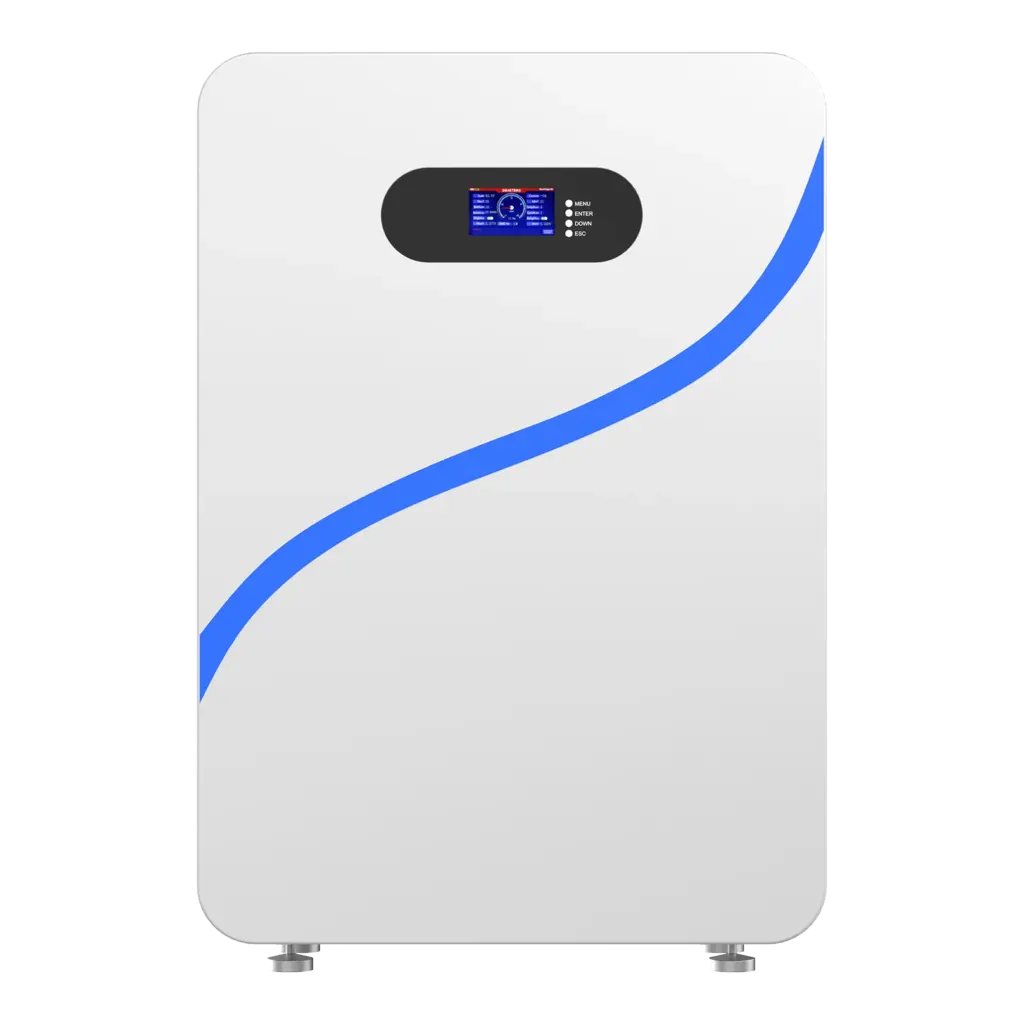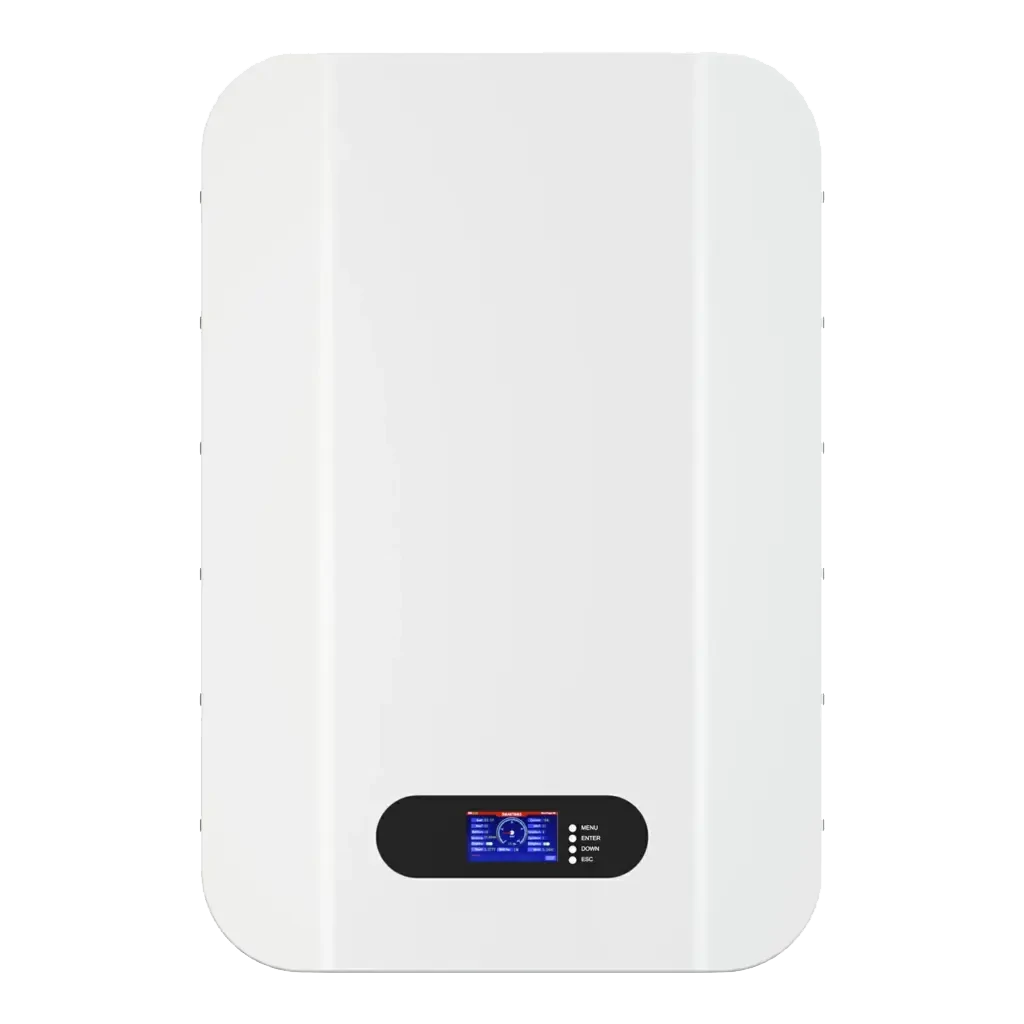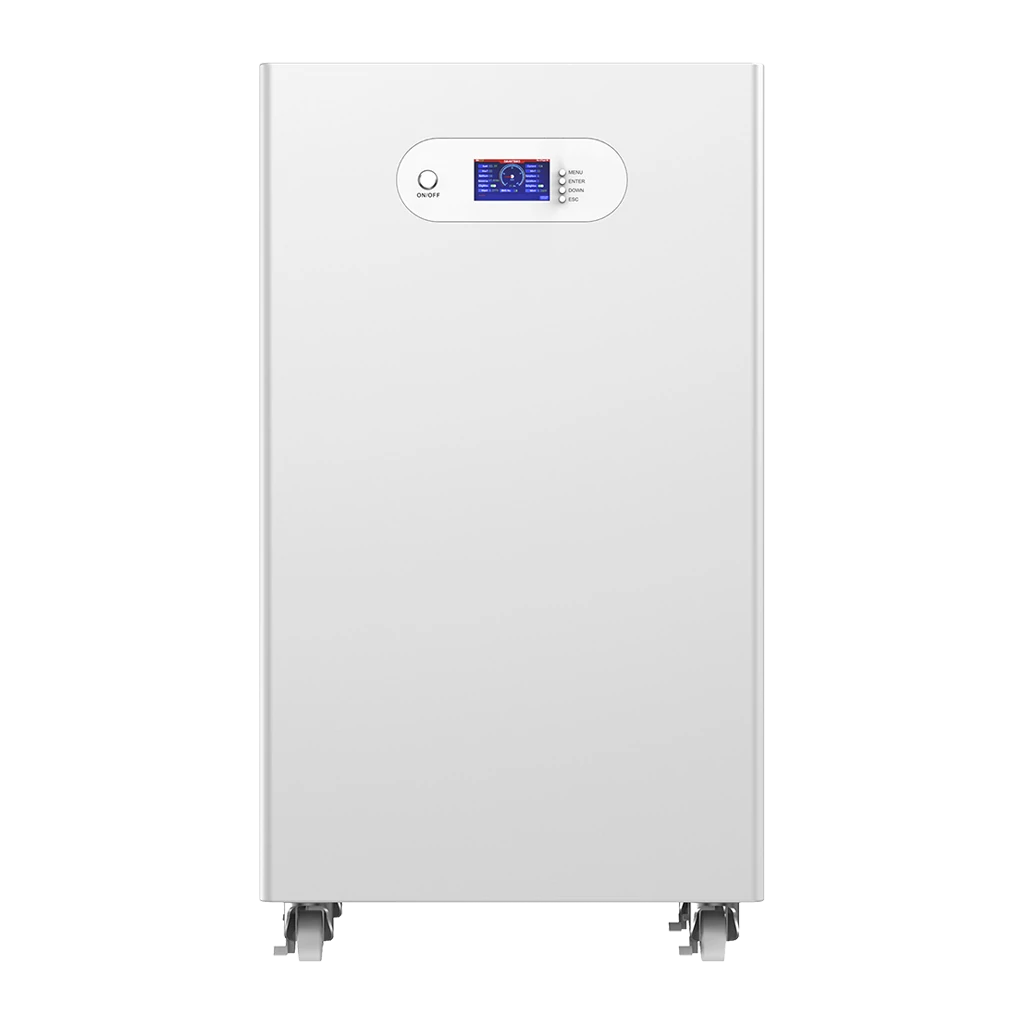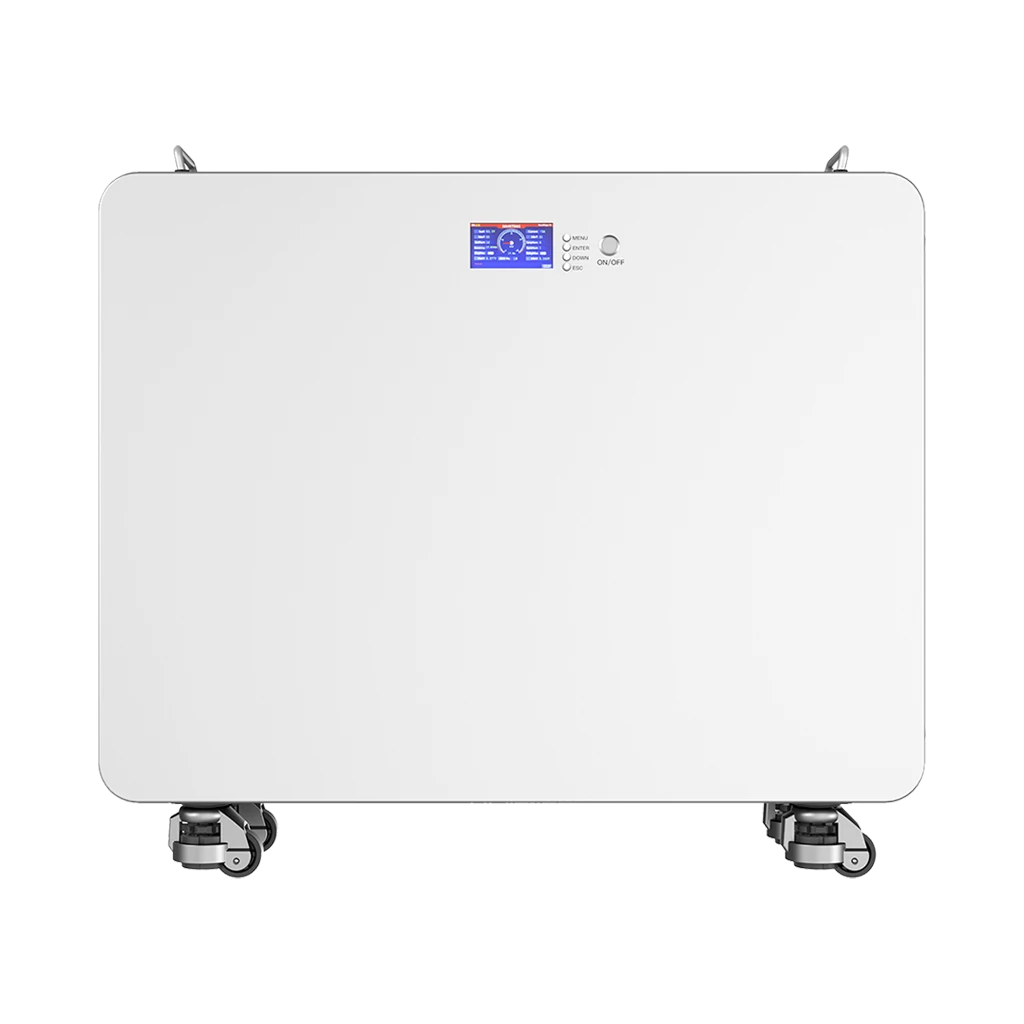

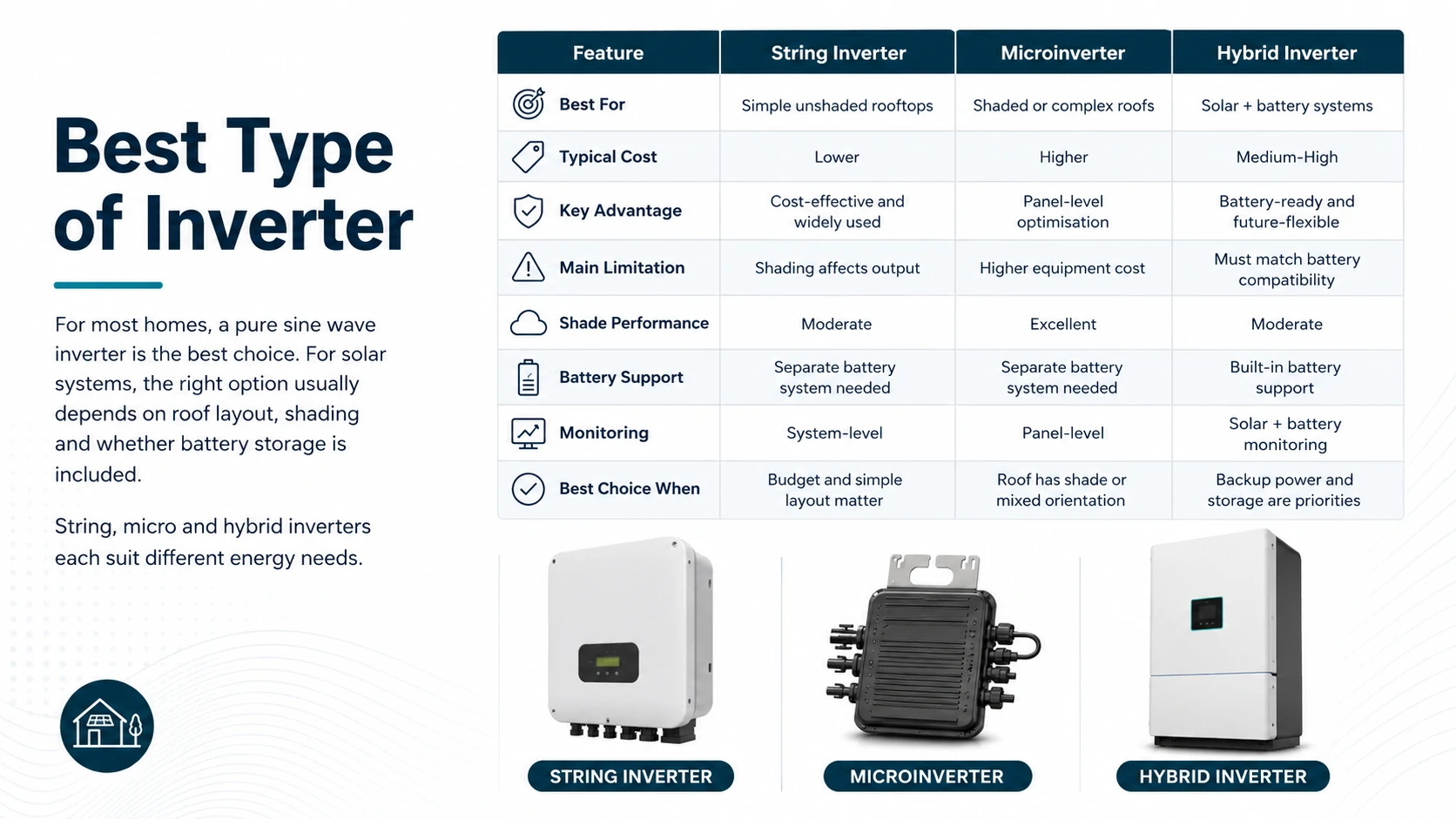
The best type of inverter for most modern homes is a pure sine wave hybrid inverter if you plan to use solar panels and battery storage. If you only need a basic solar system on a simple roof, a string inverter is usually the most cost-effective choice. If your roof has shading or multiple directions, microinverters or optimized string inverters are often better.
An inverter converts DC electricity from solar panels or batteries into AC electricity used by household appliances.
For a simple answer:
| Situation | Best Type of Inverter | Why It Fits |
|---|---|---|
| Home backup with sensitive appliances | Pure sine wave inverter | Clean AC output for electronics, motors, refrigerators, routers, pumps |
| New solar + battery system | Hybrid inverter | Manages solar, battery, grid, backup, and charging in one unit |
| Simple unshaded solar roof | String inverter | Lower cost, easier maintenance, fewer rooftop electronics |
| Shaded or multi-angle roof | Microinverter or optimized string inverter | Panel-level control improves output under uneven conditions |
| Existing solar system adding battery | Battery inverter / AC-coupled system | Easier retrofit without replacing the working solar inverter |
| Remote cabin or farm without grid | Off-grid inverter | Designed to run from batteries and solar without utility power |
| Small mobile backup system | Portable pure sine wave inverter | Compact emergency power for essential loads |
If you want a deeper technical explanation of inverter functions, Avepower’s guide to what a solar inverter is is a useful supporting resource.
What Does an Inverter Actually Do?
An inverter converts DC electricity into AC electricity so solar panels, batteries and home appliances can work together safely. Solar panels and batteries use DC power, while most homes and businesses use AC power for lights, refrigerators, pumps, computers and other appliances.
In a battery storage system, the inverter does more than basic conversion. It may control battery charging, battery discharge, backup output, grid import/export, monitoring and safety shutdown. For a deeper beginner-friendly explanation, Avepower’s guide on what is an inverter explains how inverter type affects appliance compatibility, solar storage and backup performance.
Which Solar Inverter Type Is Best: String, Micro, Hybrid, or Off-Grid?
The best solar inverter type depends on roof layout, shading, battery plans, backup needs, and budget. String inverters are best for simple solar-only systems, microinverters are best for complex roofs, hybrid inverters are best for solar-plus-storage, and off-grid inverters are best for sites without reliable grid access.
| Inverter Type | How It Works | Best For | Main Advantage | Main Limitation |
|---|---|---|---|---|
| String inverter | One inverter converts DC from several solar panels | Simple unshaded roofs | Lowest cost, easier service | One weak or shaded panel can reduce string output |
| Microinverter | Small inverter installed at each panel | Shaded or multi-direction roofs | Panel-level conversion and monitoring | Higher cost, rooftop service work |
| Optimized string inverter | Optimizers manage each panel, central inverter converts AC | Partly shaded roofs | Middle ground between string and micro | More components than basic string |
| Hybrid inverter | Manages solar, battery, grid, and backup | New solar + battery systems | Battery-ready, efficient, compact | Needs careful battery compatibility matching |
| Battery inverter | Manages battery charging/discharging separately | Existing solar retrofit | Good for AC-coupled battery upgrades | Extra conversion steps |
| Off-grid inverter | Supplies AC from batteries/solar without grid | Remote homes, farms, cabins | Works independently from utility grid | Requires larger battery and load planning |
For new solar battery projects, a hybrid inverter is often the most future-ready option. For existing solar systems with a working inverter, an AC-coupled battery inverter can be easier to retrofit. Avepower explains this distinction in its guide to solar battery inverters and its article on AC-coupled solar battery systems.
Need Help Matching an Inverter With a LiFePO4 Battery System?
Avepower helps installers, distributors and project buyers match LiFePO4 battery systems with suitable inverter brands, communication protocols and scalable storage designs. Explore Avepower’s inverter compatibility list or review the all-in-one solar battery system with built-in inverter to simplify your next solar storage project.
Pure Sine Wave vs Modified Sine Wave: Which Is Better?
Pure sine wave inverters are the best choice for most homes, solar battery systems and modern appliances because they provide cleaner, grid-like AC output. Modified sine wave inverters may work for simple lights, fans or basic tools, but they can cause noise, heat, poor efficiency or compatibility problems with sensitive electronics.
| Inverter Output Type | Best For | Not Ideal For | Practical Recommendation |
|---|---|---|---|
| Pure sine wave inverter | Homes, solar battery systems, refrigerators, routers, pumps, TVs, laptops, medical devices | Higher upfront budget limits | Best default choice |
| Modified sine wave inverter | Simple lights, resistive loads, basic tools | Motors, compressors, sensitive electronics, long runtime systems | Use only for non-sensitive temporary loads |
| Square wave inverter | Very basic legacy loads | Almost all modern appliances | Generally avoid |
For most solar battery projects, pure sine wave is the safer default because the inverter output affects the whole user experience. If the battery is high quality but the inverter output is unstable, users may still experience buzzing, overheating, appliance errors or startup failure. Avepower’s pure sine wave inverter guide explains why pure sine wave output is commonly preferred for refrigerators, pumps, computers, routers and modern home backup systems.
When Is a String Inverter the Best Choice?
A string inverter is best when the roof is simple, panels face the same direction, shading is minimal, and the owner wants the lowest practical system cost with easier ground-level maintenance. It is often the best inverter type for straightforward grid-tied solar systems without battery backup.
Choose a string inverter when:
- The roof has one main solar-facing plane.
- Shading from trees, chimneys, dormers, or nearby buildings is limited.
- You do not need panel-level monitoring.
- You want easier inverter access for future service.
- You are not planning battery backup immediately.
Do not choose a basic string inverter when each panel receives very different sunlight. In that case, power optimizers or microinverters can protect output from being limited by the weaker panels.
When Are Microinverters the Best Choice?
Microinverters are best when panels face different directions, partial shading is common, future solar expansion is likely, or panel-level monitoring is important. They are usually not the cheapest option, but they can improve performance and visibility on complex residential roofs.
Microinverters convert power at the panel level, so each module works more independently. SolarReviews notes that microinverters are best for complex solar installations on multiple roof sections or systems that experience shading, while string inverters are best for simple installations.
Microinverters are useful when:
- Some panels face east, west, or different roof angles.
- Shade moves across the array during the day.
- The homeowner wants module-level monitoring.
- Future panel expansion is likely.
- Rapid shutdown and panel-level safety are design priorities.
The tradeoff is cost and service complexity. Electronics are installed under or near each panel, so replacement work may require rooftop access.
When Is a Hybrid Inverter the Best Choice?
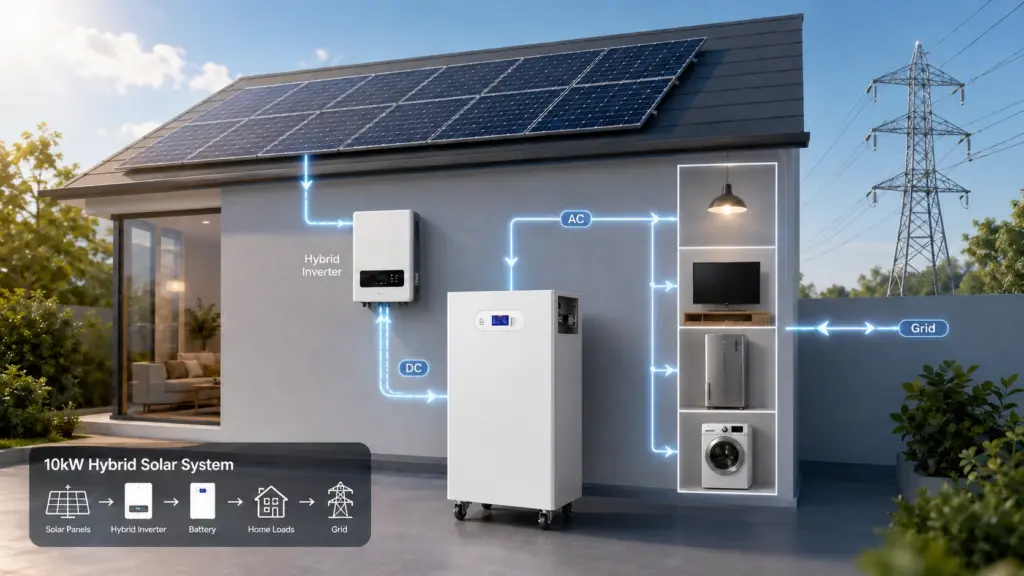
A hybrid inverter is the best choice when you want solar self-consumption, battery backup, peak-rate energy shifting, and future storage expansion in one integrated system. It is especially suitable for new solar-plus-storage projects where the inverter can be selected together with the battery from the start.
A hybrid inverter combines the functions of a solar inverter and a battery inverter. Avepower’s hybrid solar inverter guide explains that a hybrid inverter manages solar panels, battery storage, and the utility grid together. It can store excess solar energy, discharge batteries when solar output drops, and provide backup power when paired with the right battery and transfer equipment.
Hybrid inverters are best for:
- New solar + battery installations.
- Homes with evening peak electricity rates.
- Backup power for essential loads.
- Projects where future battery expansion is likely.
- Installers who want fewer system components and cleaner wiring.
However, “hybrid” does not automatically mean whole-home backup. The inverter must be sized for the connected loads, compatible with the battery voltage and BMS protocol, and configured with proper backup circuits.
When Is a Battery Inverter Better Than a Hybrid Inverter?
A separate battery inverter is often better when the home already has a working solar inverter and the owner wants to add storage without replacing the existing PV system. This is common in retrofit projects where AC-coupling reduces disruption and keeps the original solar system in place.
A battery inverter manages battery charging and discharging, while the existing solar inverter continues handling the PV array. Avepower’s guide on solar inverter with battery systems explains that a normal solar inverter does not usually manage battery charging unless it is battery-ready or paired with a battery inverter.
Use a battery inverter when:
- The existing solar inverter is still reliable.
- The PV system is already installed and working.
- Replacing the inverter would add unnecessary cost.
- You want to add battery storage as a retrofit.
- AC-coupling is allowed by local regulations and system design.
Use a hybrid inverter instead when building a new system or replacing an old inverter anyway. In that situation, DC-coupled solar-to-battery charging can reduce equipment count and simplify long-term energy management.
When Is an Off-Grid Inverter the Best Choice?
An off-grid inverter is best when the site has no reliable utility grid, frequent outages, or needs independent power for a cabin, farm, telecom site, rural building, or small commercial load. It must be sized together with the battery bank, solar array, generator input, and surge loads.
Unlike grid-tied inverters, off-grid inverters are designed to form their own AC supply from batteries and solar charging equipment. Avepower’s off-grid solar inverter guide covers this use case in more detail.
Off-grid inverters are suitable for:
- Remote homes and cabins.
- Rural farms and telecom backup.
- Areas with unstable grids.
- Systems that need generator integration.
- Projects where backup power is more important than export income.
The limitation is that off-grid systems require more planning. You need enough battery capacity for night use and cloudy weather, enough surge capacity for motors and pumps, and enough solar input to recharge the battery reliably.
How Do You Size the Best Inverter for Your Loads?
The right inverter size should be based on peak simultaneous load, surge load and safety margin, not only daily energy consumption. A home using 10kWh per day does not automatically need a 10kW inverter; it needs an inverter sized for the appliances running at the same time.
Use this formula:
Recommended inverter capacity = peak simultaneous load × 1.2 to 1.25
For many home systems, a 20–30% safety margin is practical. For motor loads, you also need surge capacity.
Example Load Calculation
Example load calculation:
| Appliance | Running Power |
|---|---|
| Refrigerator | 150W |
| Microwave | 1,000W |
| TV | 100W |
| LED lights | 120W |
Peak simultaneous load: 1,370 W
Add 25% margin: 1,712.5W
Practical inverter choice: 2kW pure sine wave inverter
If the home also uses high-demand appliances such as air conditioning, electric ovens, induction cooktops, or large pumps, the inverter may need to be 5–10 kW or more, depending on the project.
Case Study: 15kWh Battery With 6kW Pure Sine Wave Inverter
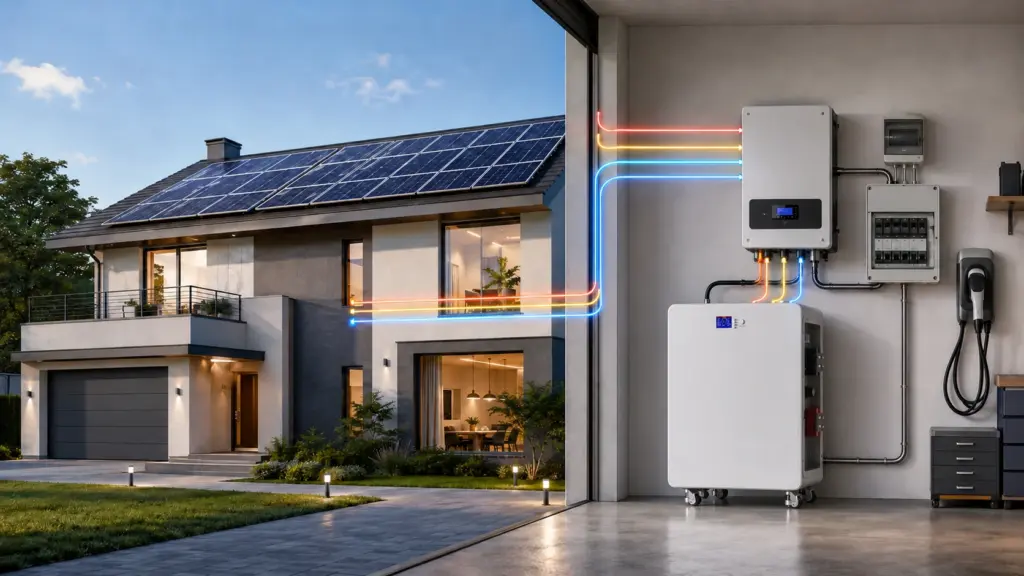
A 15kWh battery paired with a 6kW pure sine wave inverter can be a practical choice for residential solar storage, backup power and small energy projects. It is strong enough for many essential-load backup scenarios, but final runtime depends on real load, usable battery capacity and inverter efficiency.
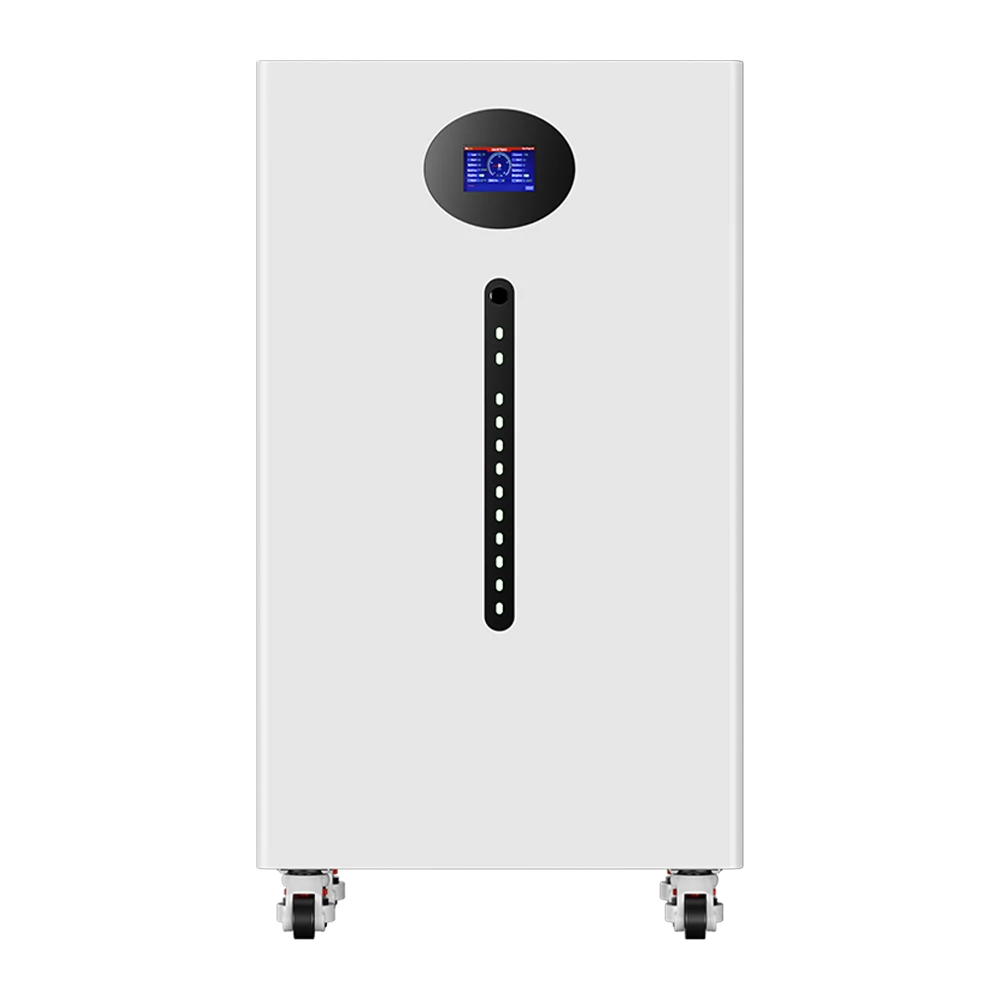
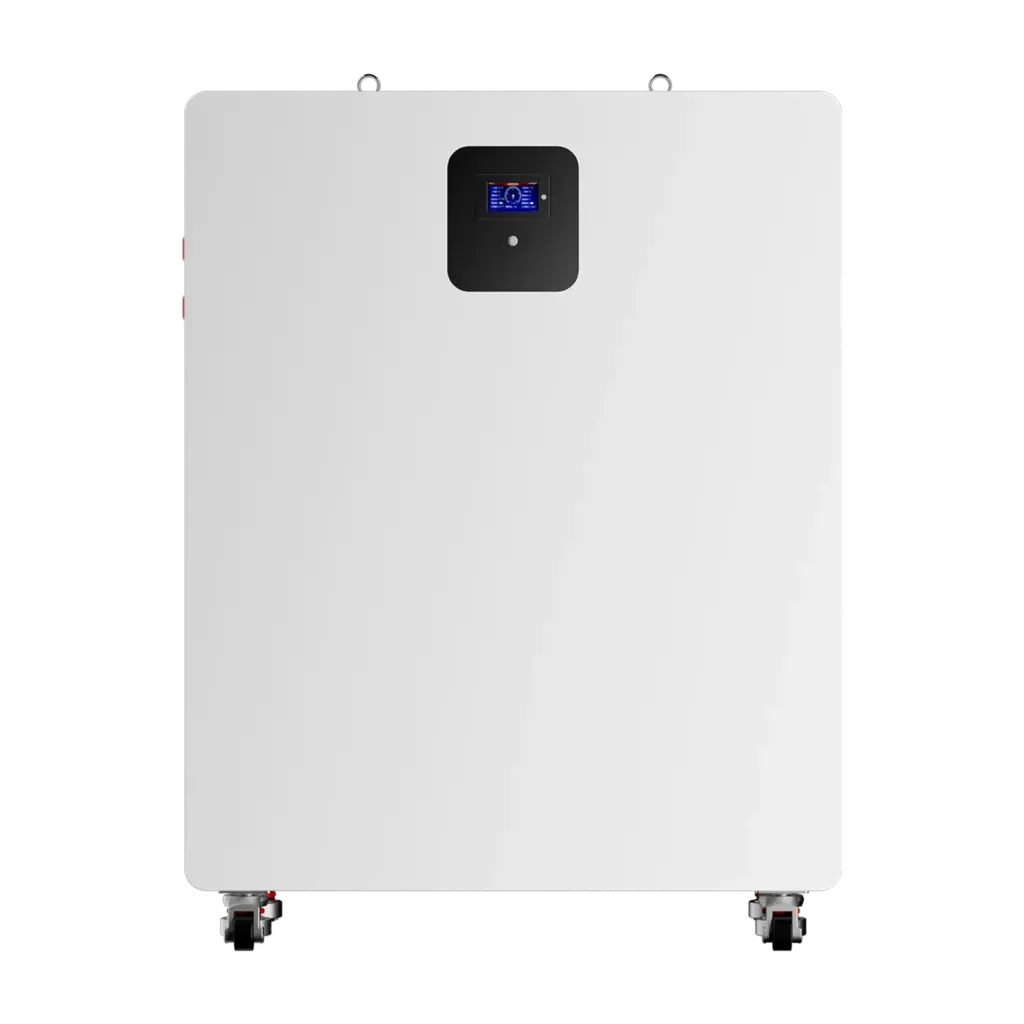
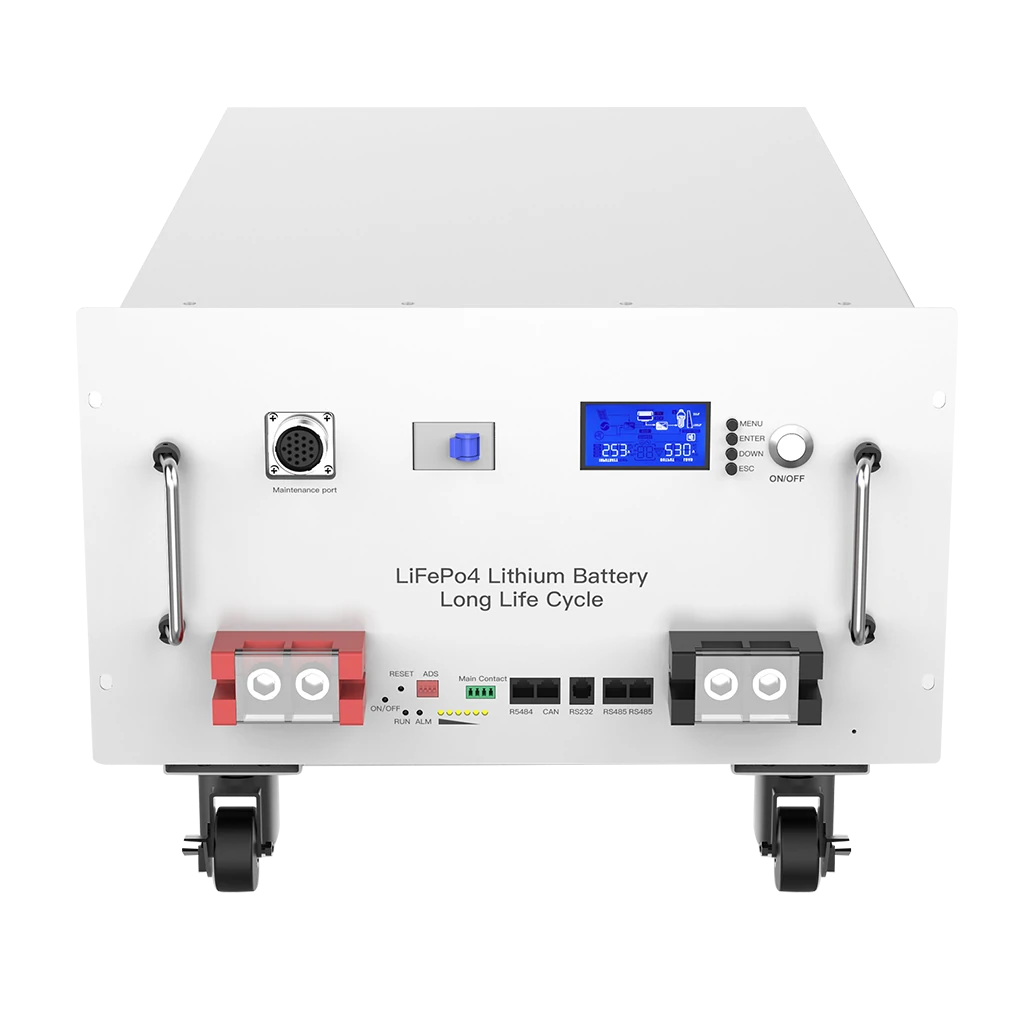
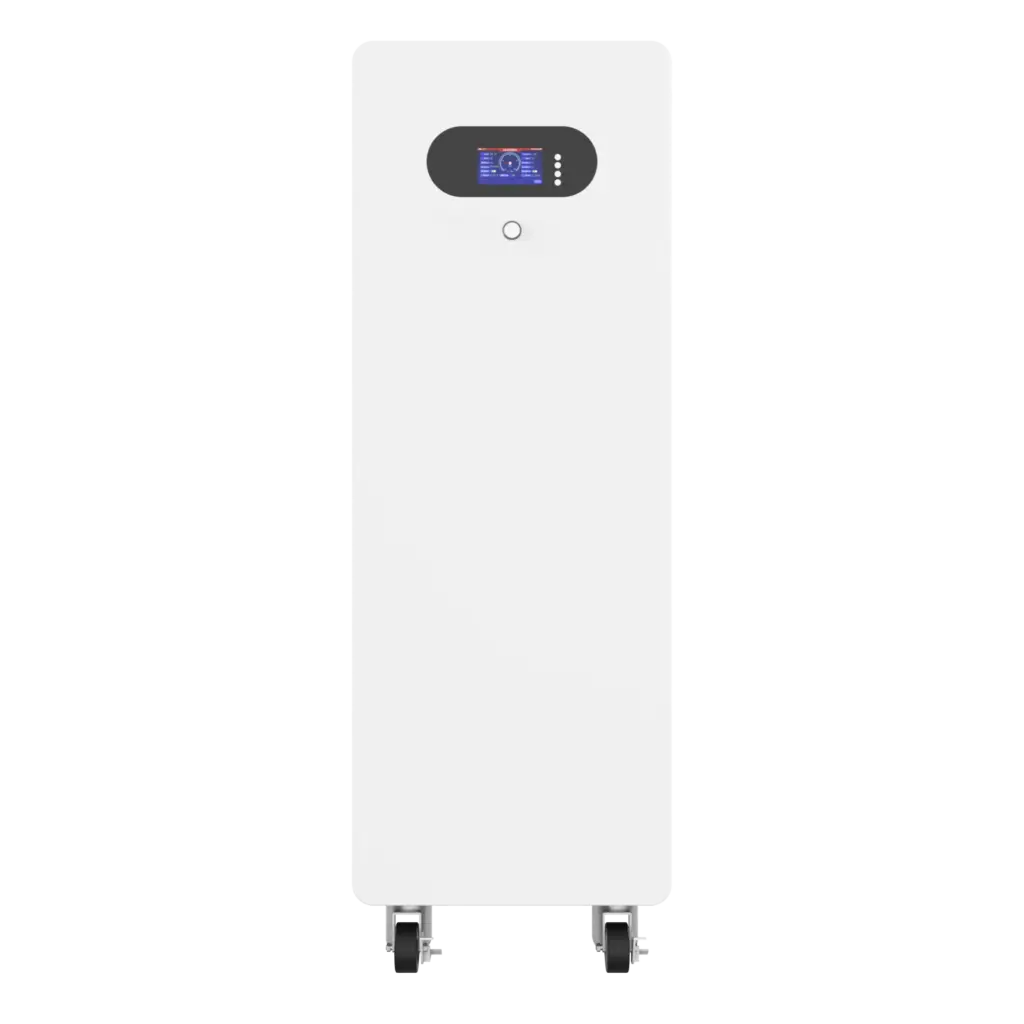
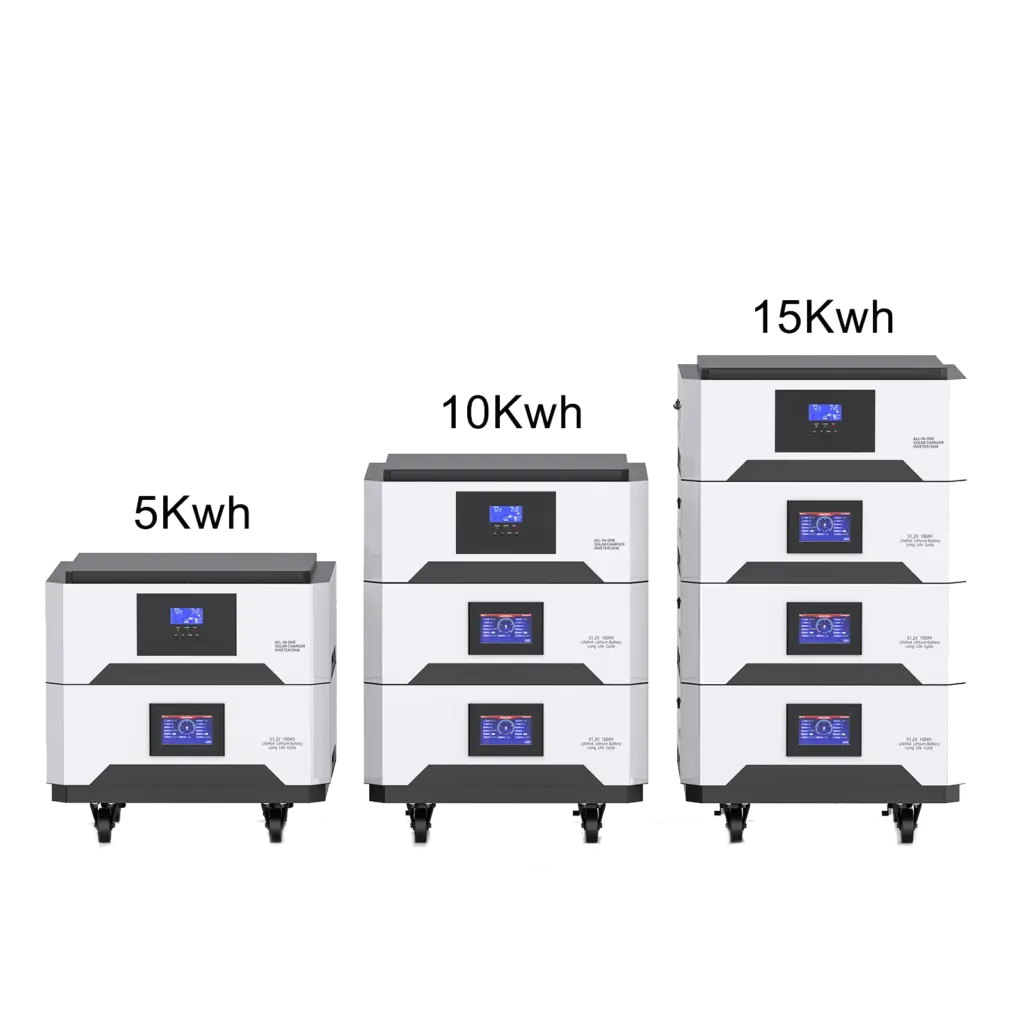
Avepower’s 15kWh all-in-one battery with 6kW inverter integrates a 15kWh LiFePO4 battery pack, 6kW pure sine wave inverter and MPPT solar charger in one floor-standing cabinet. 6200W rated AC output, up to 6200W PV input, RS485/CAN communication, Bluetooth/WiFi monitoring, 8000+ cycles at 80% DoD and pure sine wave output.
Example backup calculation:
| Item | Value |
|---|---|
| Battery nominal capacity | 15kWh |
| Assumed usable depth of discharge | 80% |
| Assumed inverter/system efficiency | 90% |
| Estimated usable AC energy | 15 × 0.8 × 0.9 = 10.8kWh |
If essential loads average 600W, estimated runtime is:
10.8kWh ÷ 0.6kW = 18 hours
If essential loads average 1.2kW, estimated runtime is:
10.8kWh ÷ 1.2kW = 9 hours
This calculation is not a guarantee because actual runtime depends on appliance cycling, surge loads, battery settings, temperature, inverter efficiency curve and backup wiring. However, it shows why inverter size and battery capacity must be selected together. A 6kW inverter can support higher instantaneous load than a 2kW inverter, but battery runtime still depends on how much energy the loads consume over time.
How Should You Check Compatibility, Safety and Standards?
The best inverter is not only the one with high efficiency; it must also be approved for the market, correctly matched with the battery voltage, communication protocol, grid rules, backup wiring and installer qualifications.
Before buying an inverter, check these points:
- Waveform: pure sine wave for home backup and sensitive appliances.
- Voltage platform: 12V, 24V, 48V, high-voltage battery or PV DC range.
- Continuous output: must support normal running loads.
- Surge rating: must support motors, pumps, compressors and power tools.
- Battery communication: CAN, RS485, RS232 or Modbus depending on system.
- Certification: check local approved product lists and grid connection rules.
- Backup function: not every grid-tied inverter can run during an outage.
- Monitoring: app or EMS support helps with maintenance and troubleshooting.
- Scalability: useful if future EV charging, heat pumps or larger batteries are planned.
- Installer support: poor installation can damage even a good inverter.
What Data Should You Compare Before Buying an Inverter?
The most important inverter data points are output waveform, continuous power, surge power, conversion efficiency, battery voltage compatibility, MPPT input range, backup transfer time, communication protocol, warranty, and certification status. Do not choose based only on rated watts.
Inverters are expected to need replacement at least once over the 25-year lifetime of a PV array, which makes warranty, cooling, service access, and supplier support important buying factors.
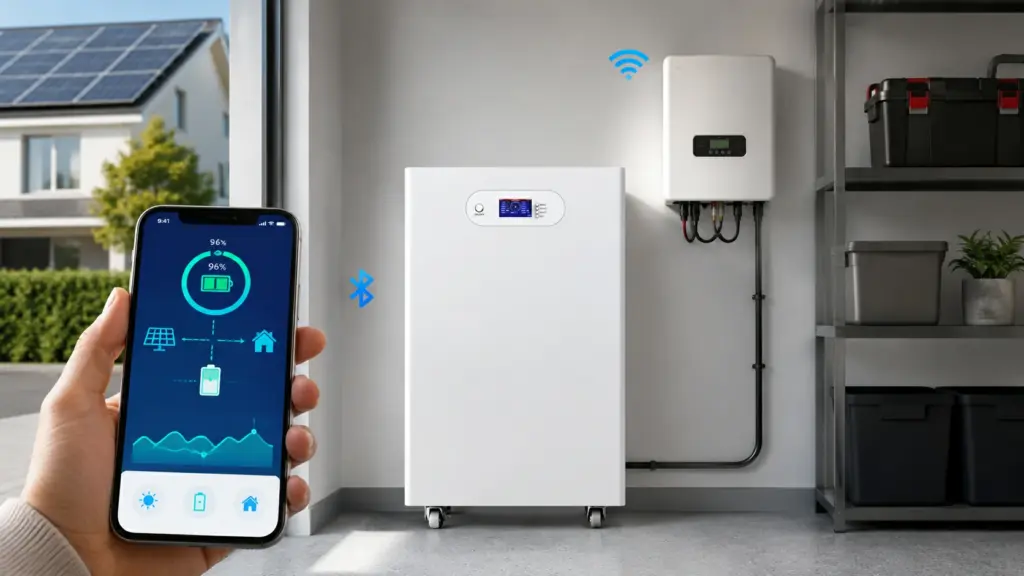
How Should You Match an Inverter With a Home Battery?
The inverter and battery must match in voltage, current, communication protocol, charge/discharge limits, backup design, and certification requirements. A high-quality battery will not perform well if the inverter cannot communicate with its BMS or if the inverter is undersized for the load.
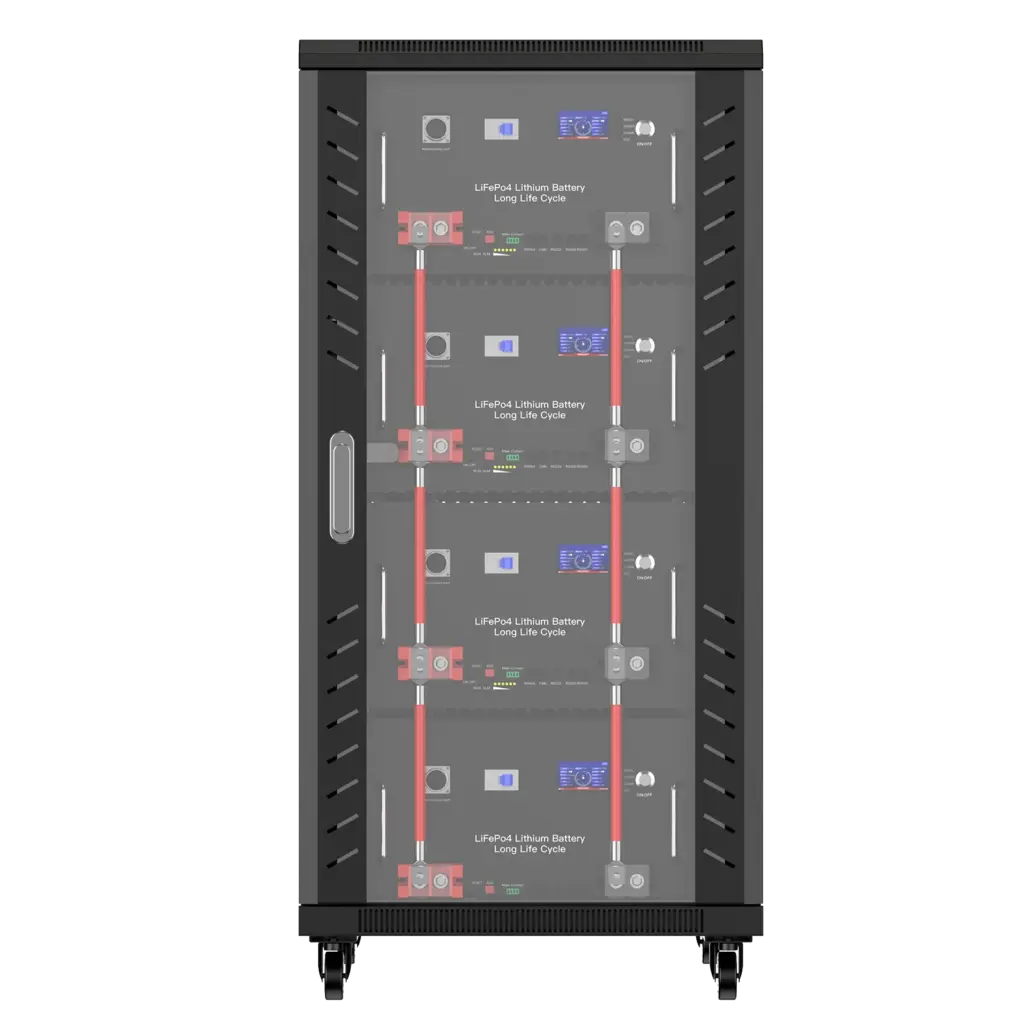
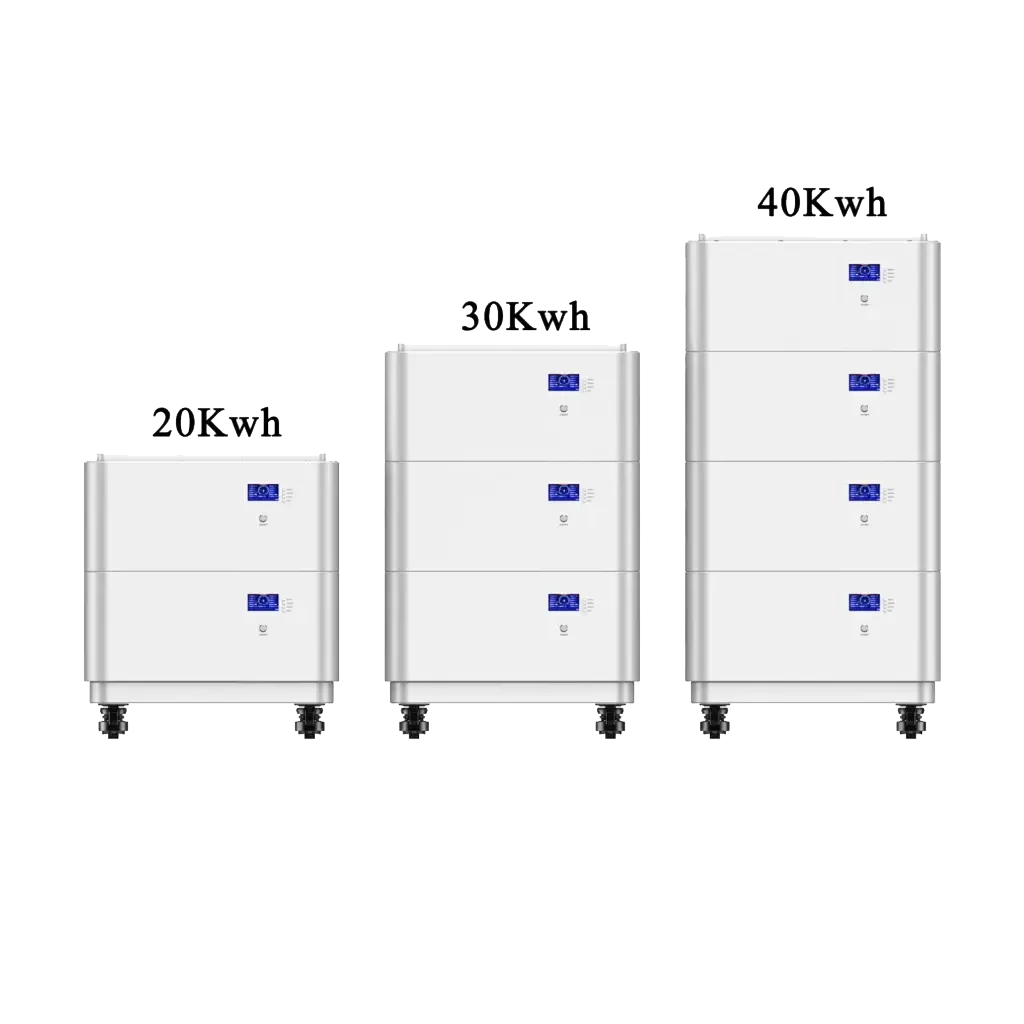
Avepower home battery systems are designed around LiFePO4 chemistry, BMS protection, and inverter communication support. The Avepower home energy storage page notes inverter compatibility with major inverter brands.
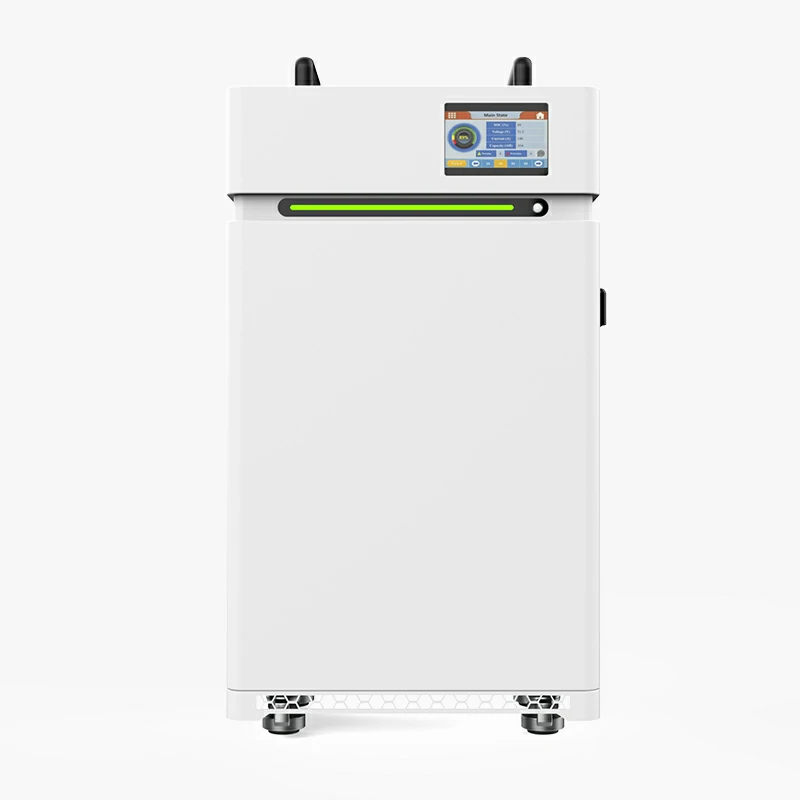
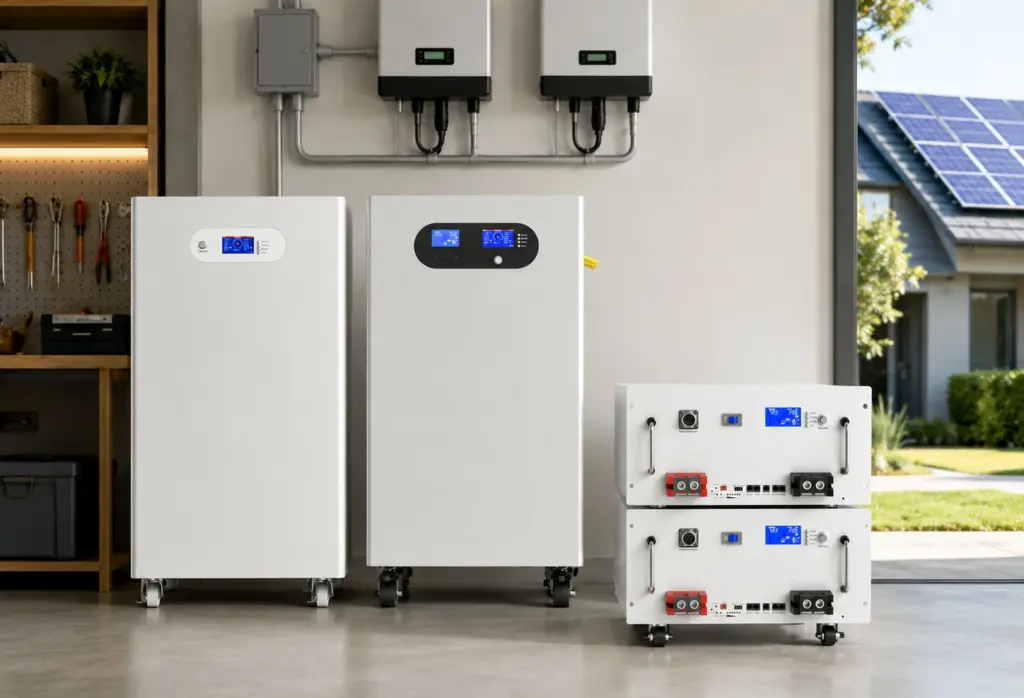
For an integrated solution, Avepower also offers an all-in-one battery system and a 15kWh all-in-one solar battery with 6kW inverter. This type of system can reduce matching work because the battery, inverter, and MPPT solar charger are already integrated in one cabinet.
Practical Avepower System Example
A homeowner wants backup for lights, router, refrigerator, freezer, security system, and a small pump. The estimated running load is about 1.3 kW, with motor surge reaching around 3.5 kW. A practical design could use:
- A pure sine wave inverter rated around 5–6 kW.
- A 10–15 kWh LiFePO4 battery for evening and outage backup.
- CAN/RS485 communication between inverter and battery BMS.
- Essential-load backup circuit instead of whole-home backup if budget is limited.
- Modular battery expansion if future loads increase.
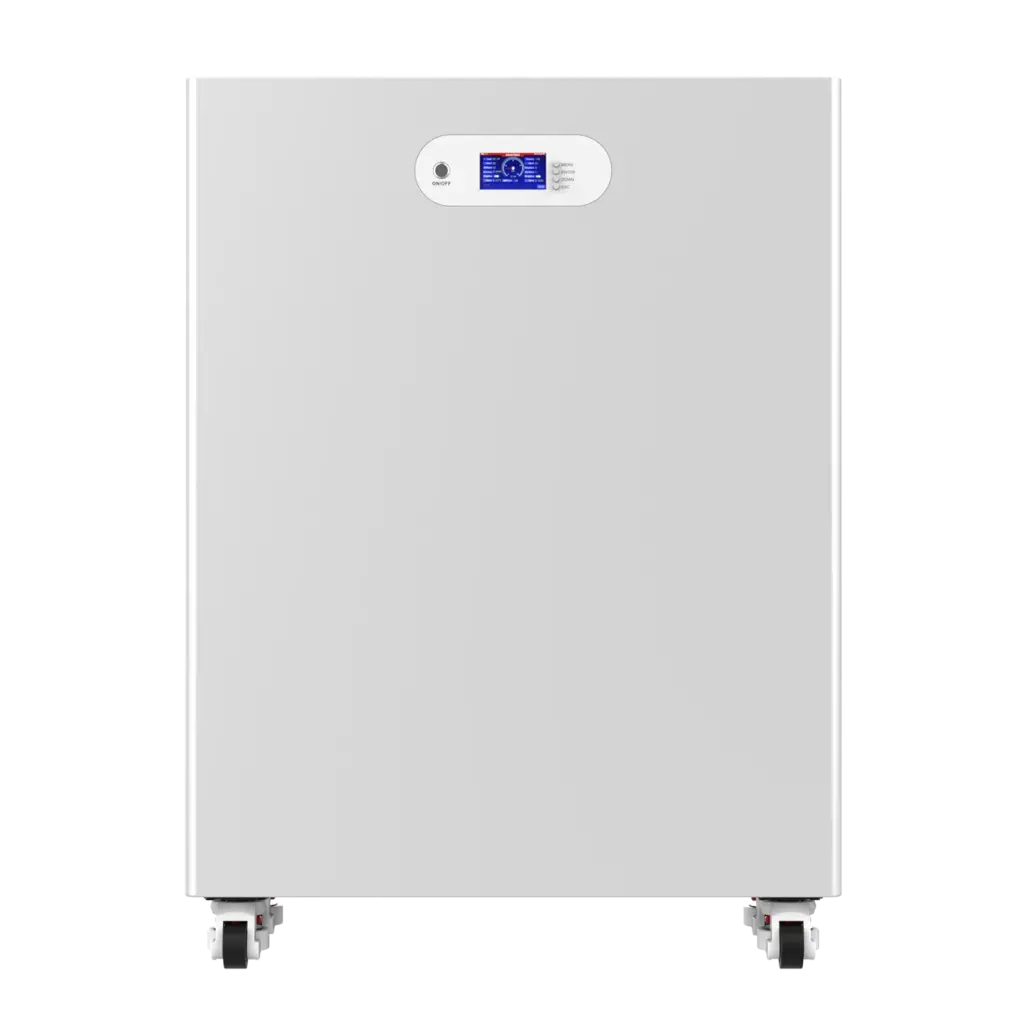
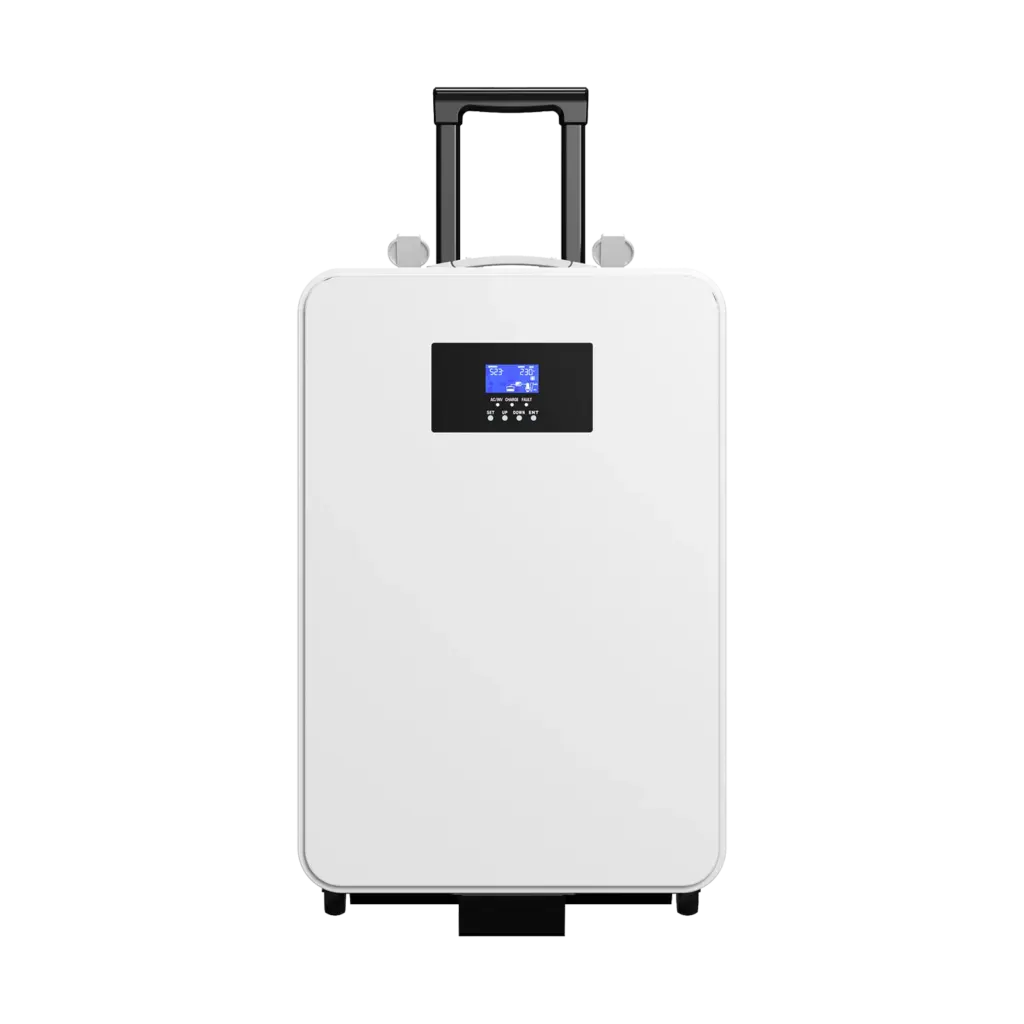
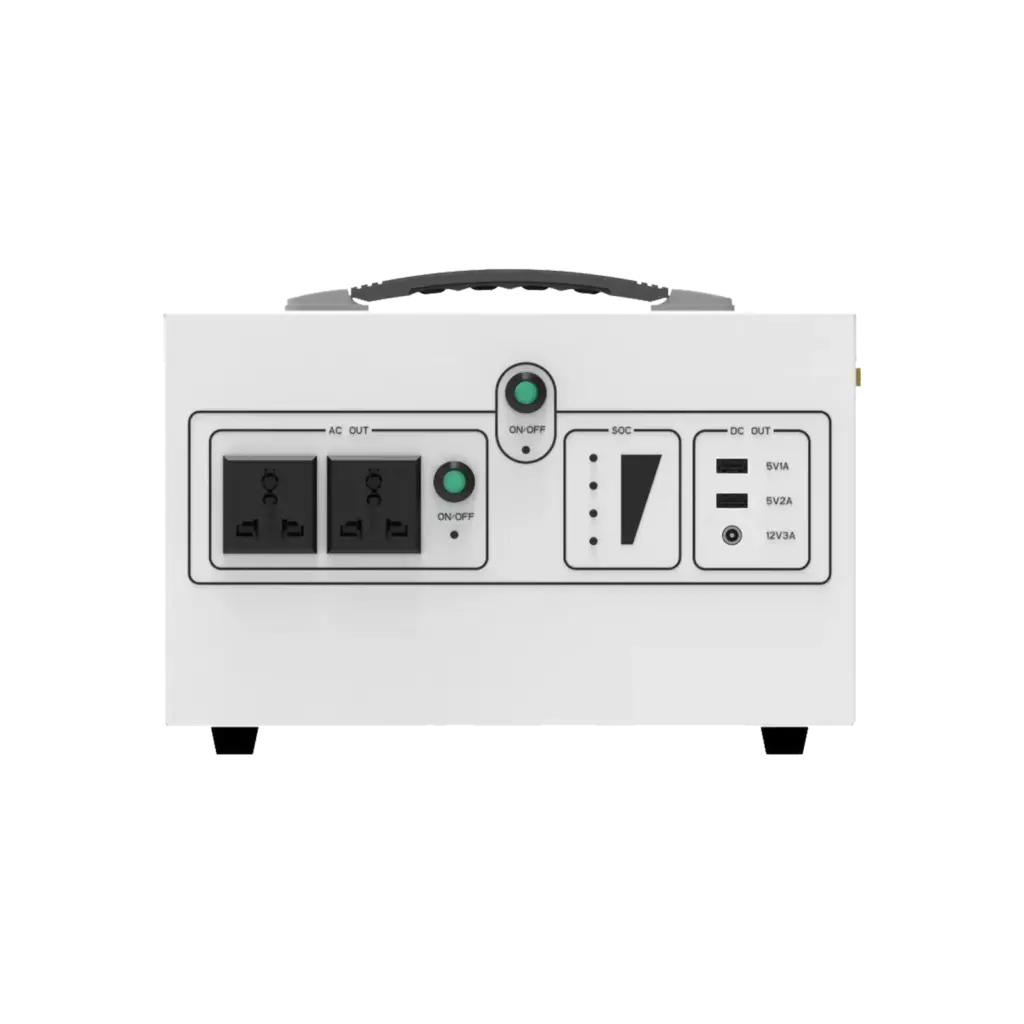
For smaller mobile or temporary backup use, Avepower’s 5kWh lithium battery with solar inverter is more suitable than a full whole-home system because it combines a LiFePO4 battery, pure sine wave inverter, and MPPT solar charging in a compact cabinet.
What Safety Standards Should a Good Inverter Meet?
Check the required certifications for your country. Examples include CEC approval and AS/NZS 4777.2 for Australia, UL 1741 and IEEE 1547 for North America, and IEC 62109 for PV inverter safety. Always confirm local grid and installer requirements before purchasing.
Final Recommendation: Which Inverter Should You Choose?
Choose a pure sine wave hybrid inverter if you want the most practical long-term setup for home solar, battery storage, and backup power. Choose a string inverter if your solar project is simple and budget-focused. Choose microinverters or optimizers if shading is a real issue. Choose an off-grid inverter only when the grid is unavailable or unreliable.
For installers, distributors, and project buyers, Avepower can help match LiFePO4 battery capacity, BMS communication, inverter compatibility, and backup design according to the application. Explore Avepower’s home energy storage solutions or request a project-matched recommendation for your target load, runtime, voltage platform, and market requirements.
Take Control of Your Energy with Avepower!
Reliable home solar battery solutions with OEM/ODM customization and in-house manufacturing, tailored to the needs of distributors, installers, and energy partners.
FAQ
The best type of inverter for home use is usually a pure sine wave inverter because it provides clean AC power for modern appliances, refrigerators, routers, computers, pumps, and sensitive electronics. If the home has solar and battery storage, a pure sine wave hybrid inverter is often the best choice.
The best inverter for a solar system depends on the roof and energy goal. A string inverter is best for a simple unshaded roof. Microinverters are better for shaded or complex roofs. A hybrid inverter is best when solar battery storage or backup power is planned.
A hybrid inverter is better when you want solar panels and battery storage in one system. A normal grid-tied inverter can be cheaper for solar-only use, but it usually cannot manage battery charging, discharging, and backup operation without additional equipment.
Microinverters are better for shaded, complex, or multi-direction roof layouts. String inverters are usually better for simple roofs because they cost less and are easier to service. The best choice depends on whether panel-level optimization is worth the extra cost.
he best inverter for off-grid solar is a pure sine wave off-grid inverter with enough continuous and surge power for your loads, suitable battery voltage, generator input if needed, and strong battery communication.
Avepower focuses on LiFePO4 home energy storage systems and also offers integrated all-in-one battery systems with built-in pure sine wave inverter and MPPT solar charging options. Avepower can also support inverter compatibility matching for installers, distributors, and OEM/ODM projects.