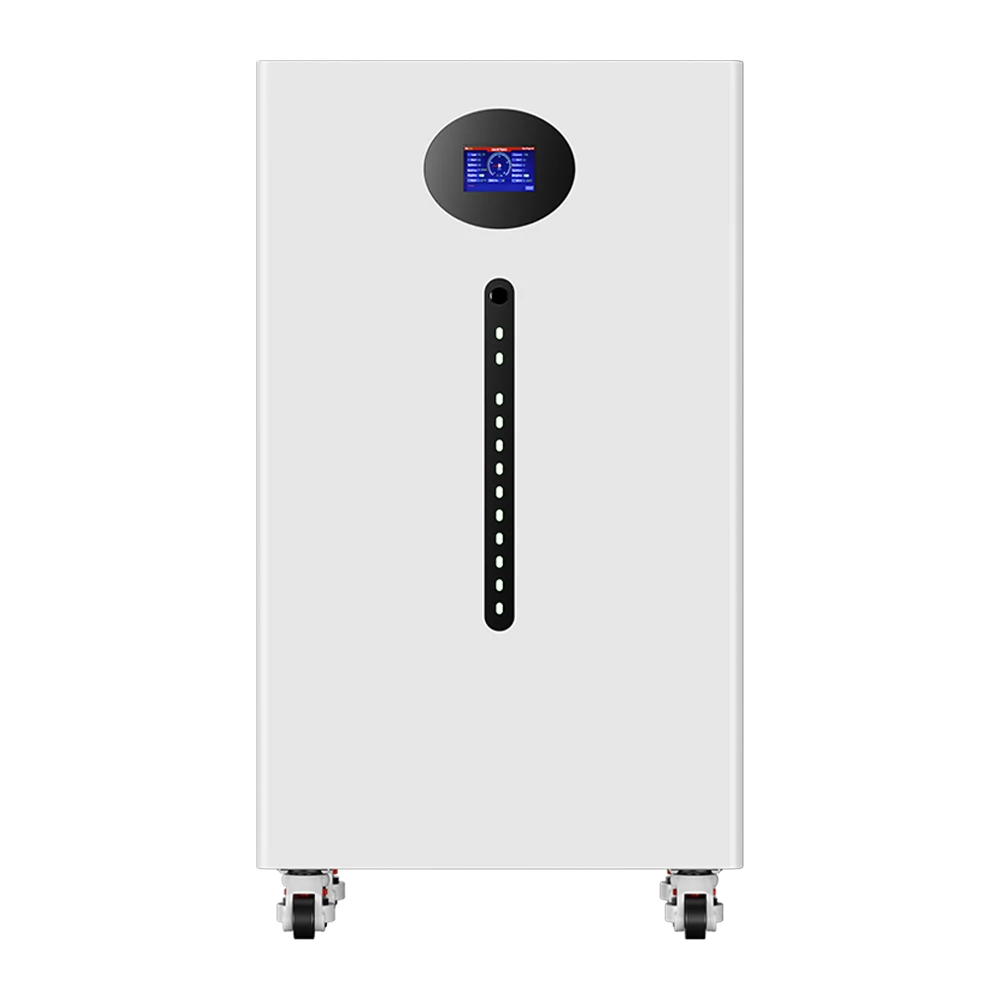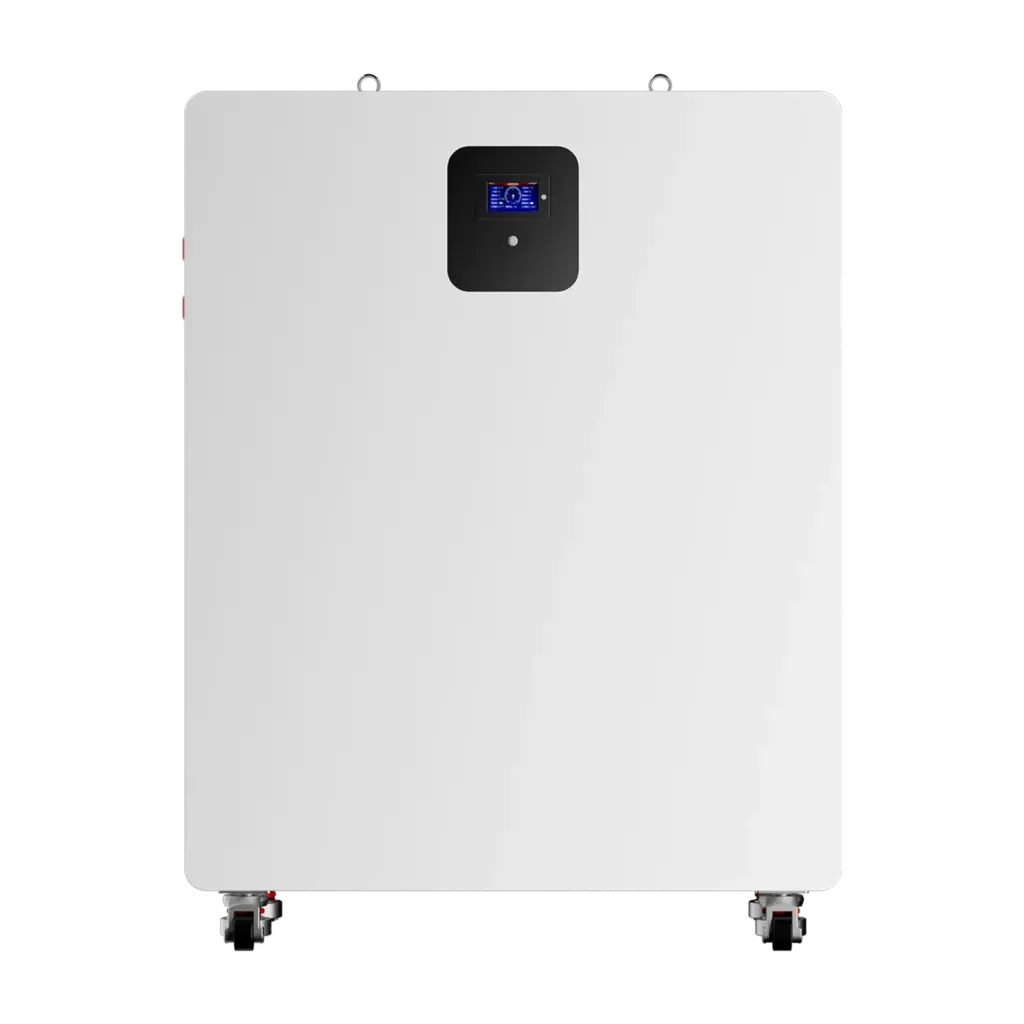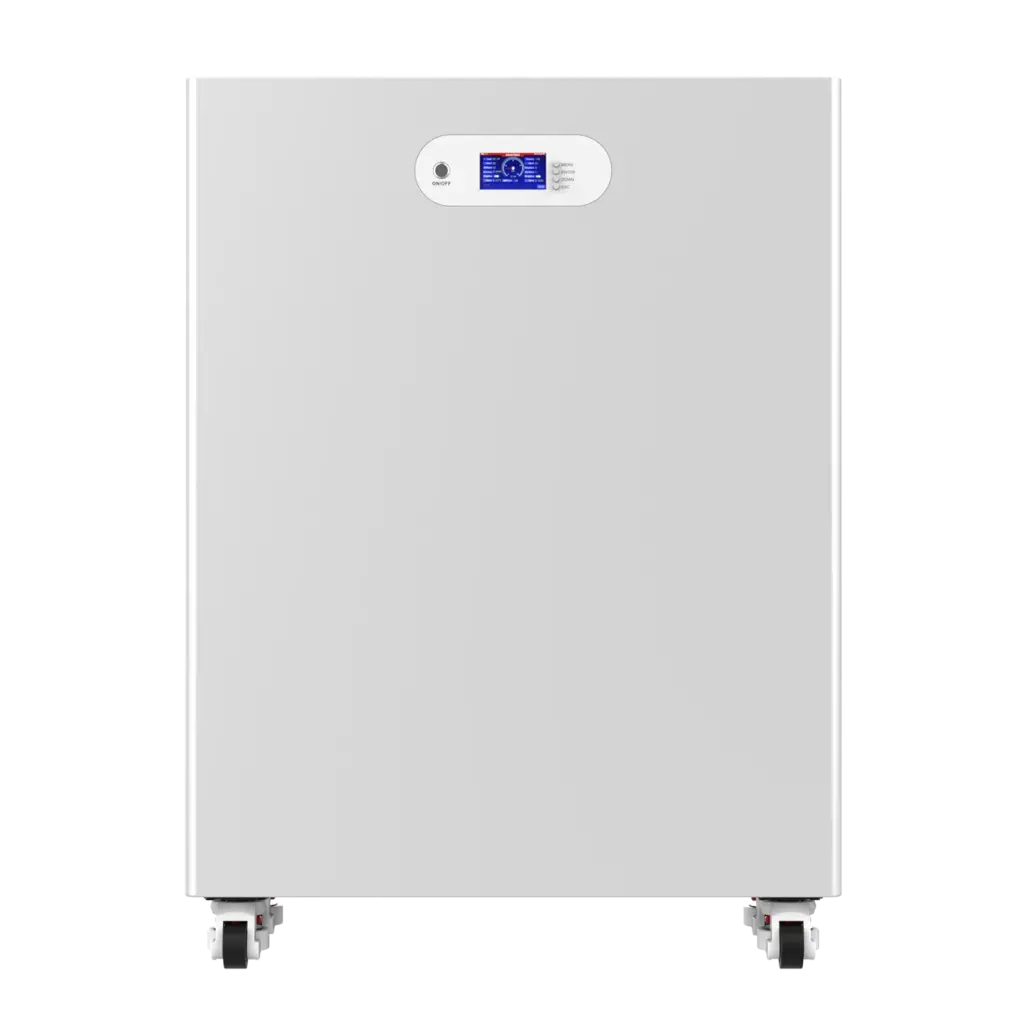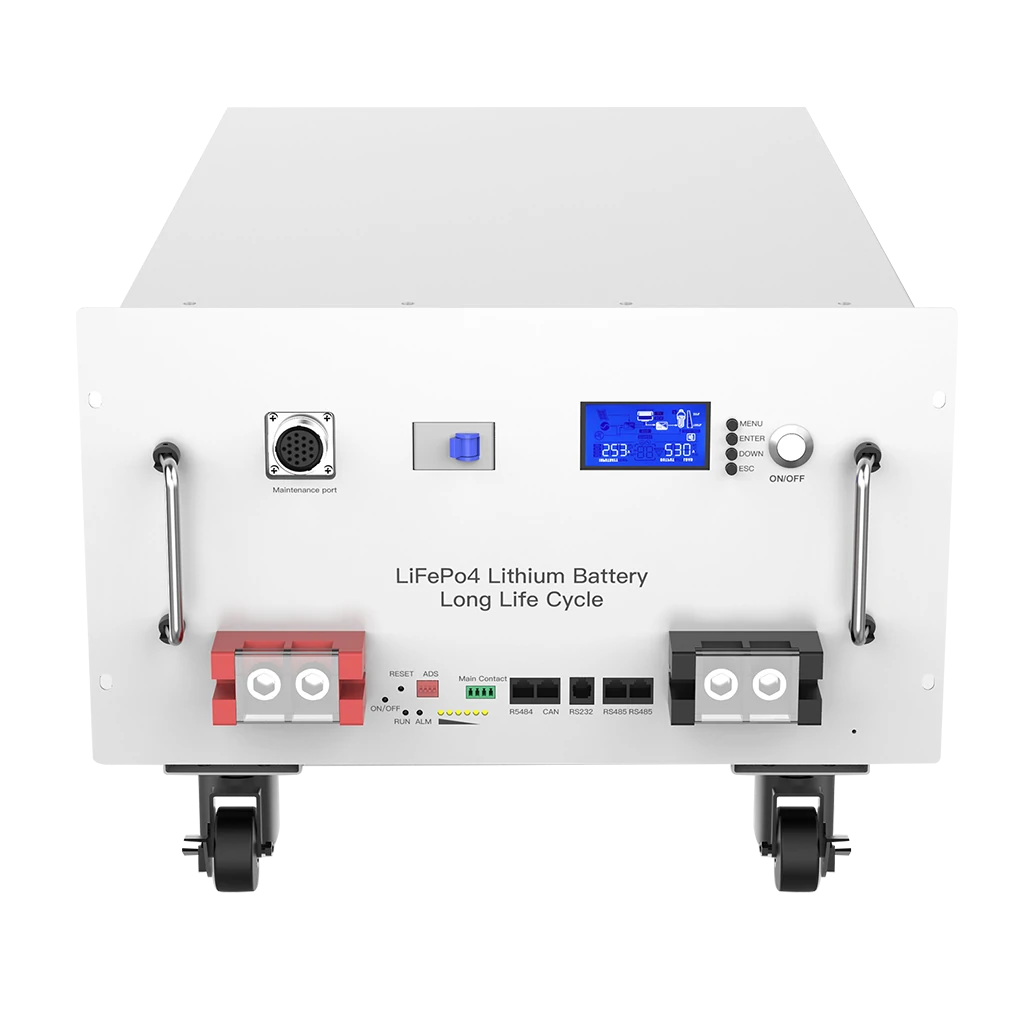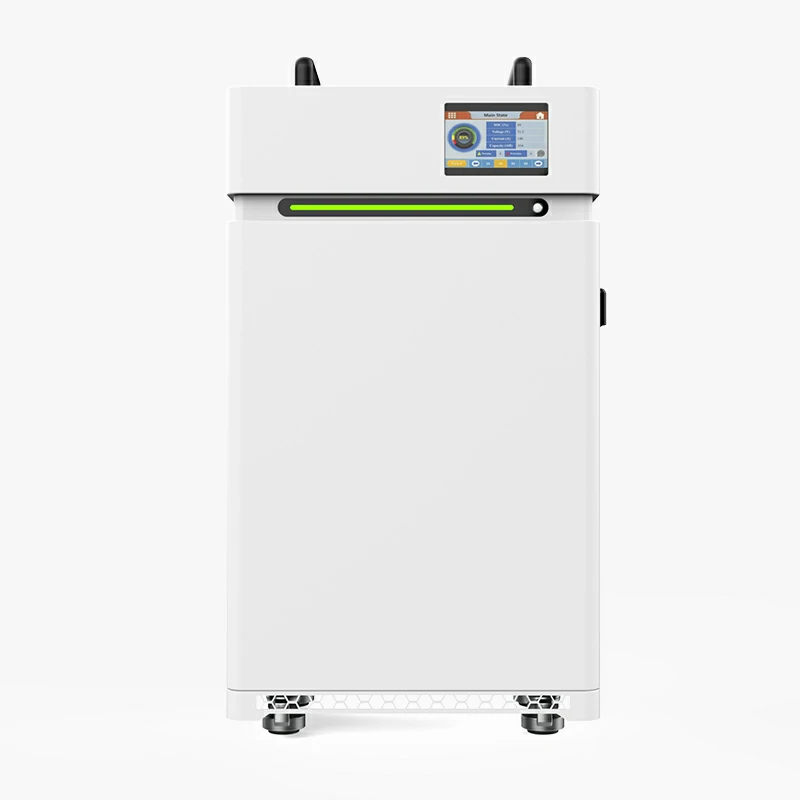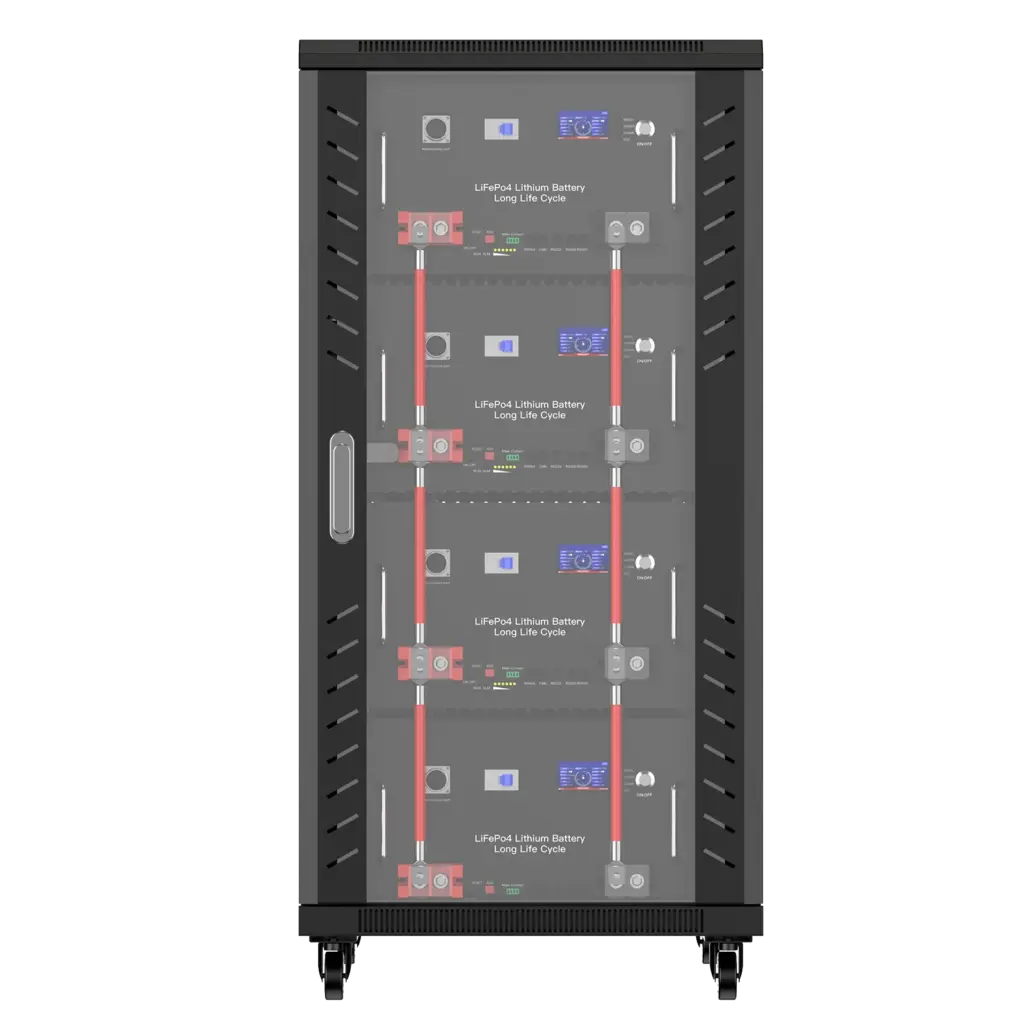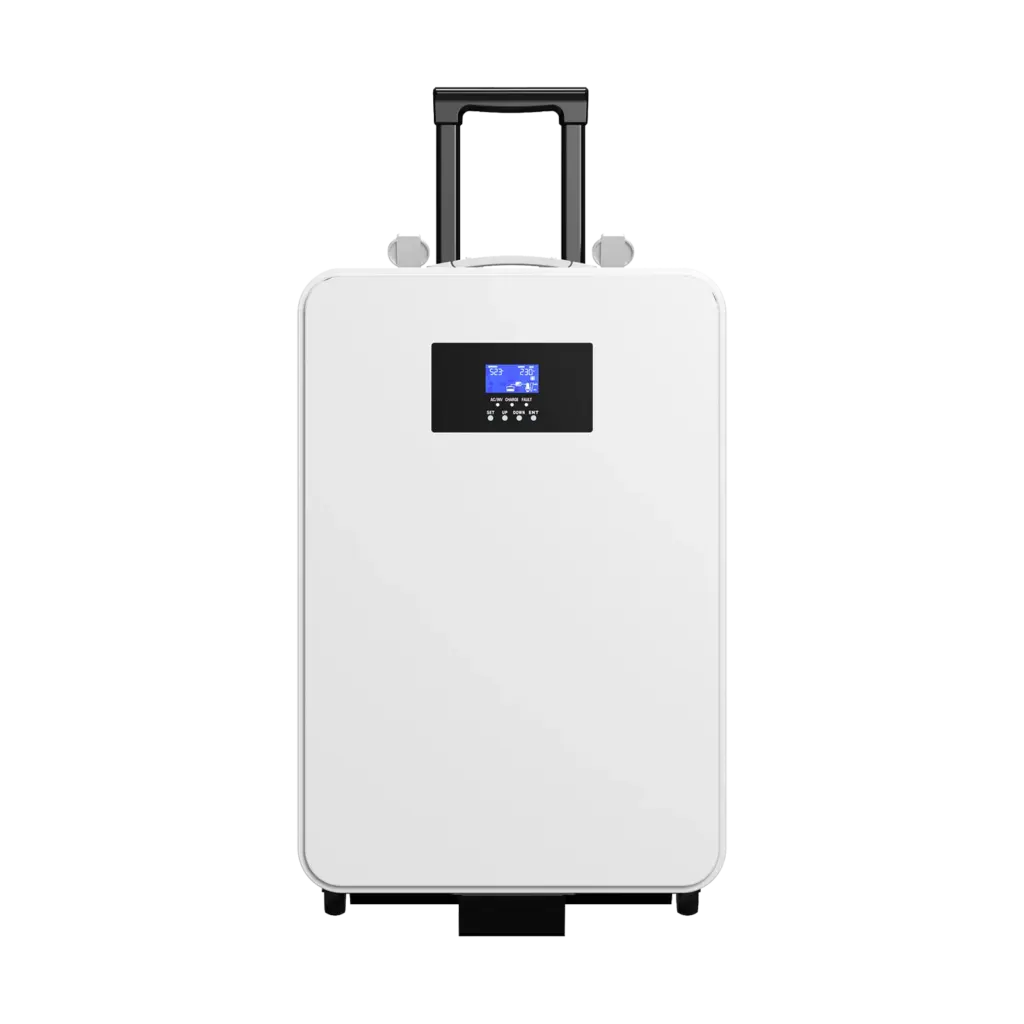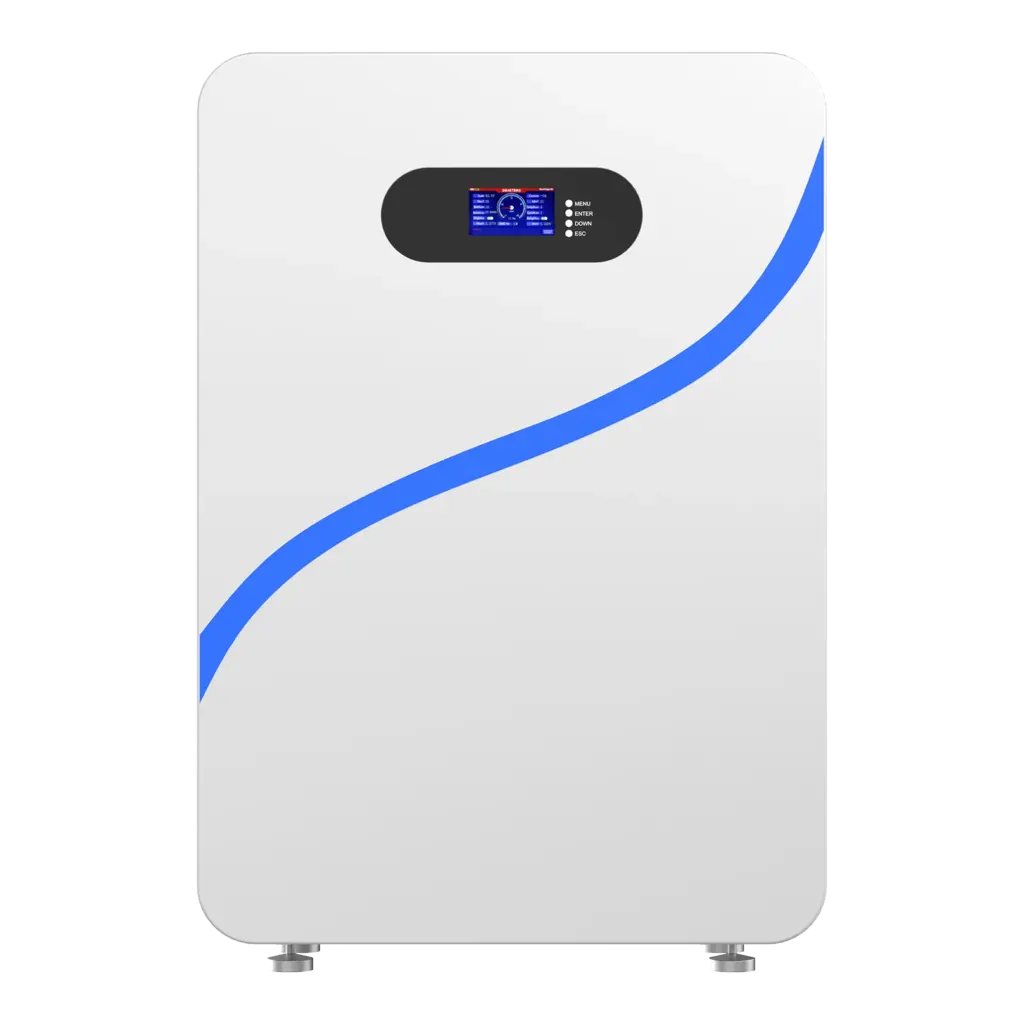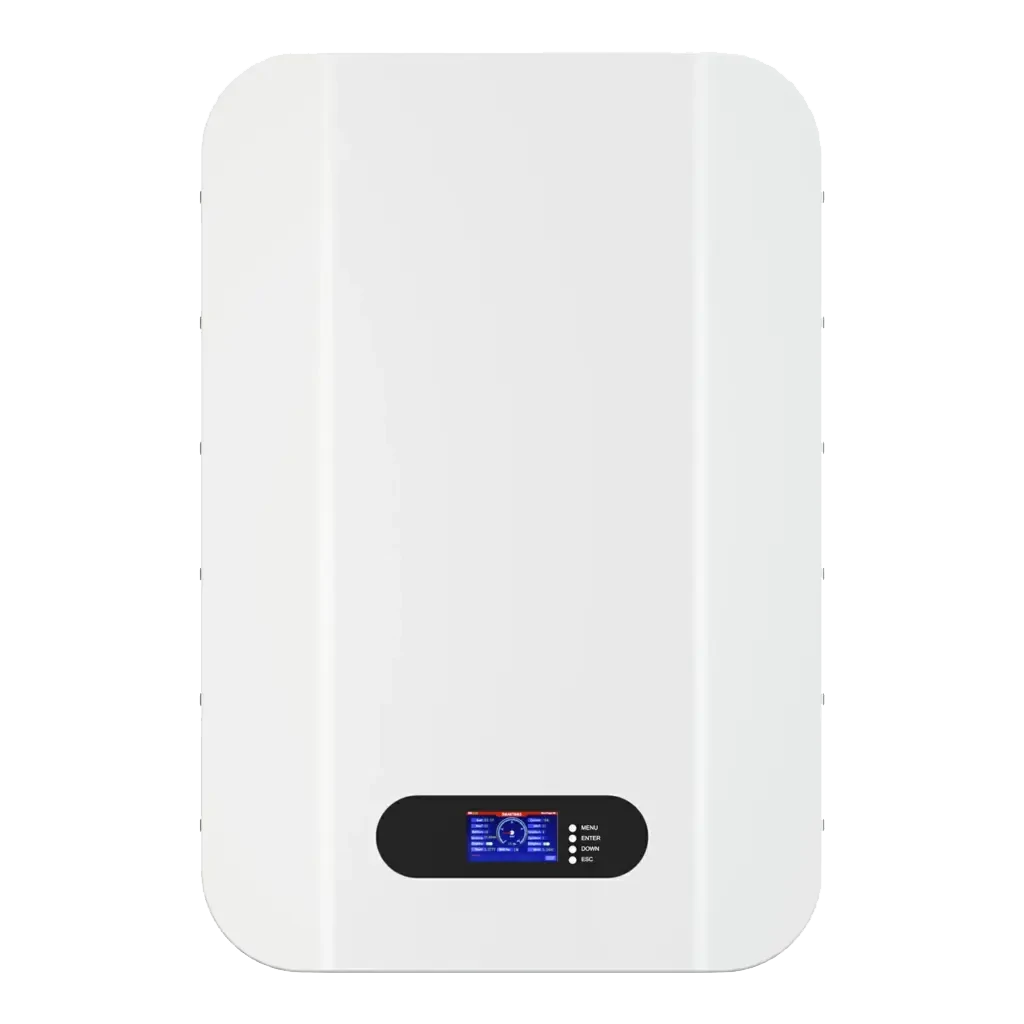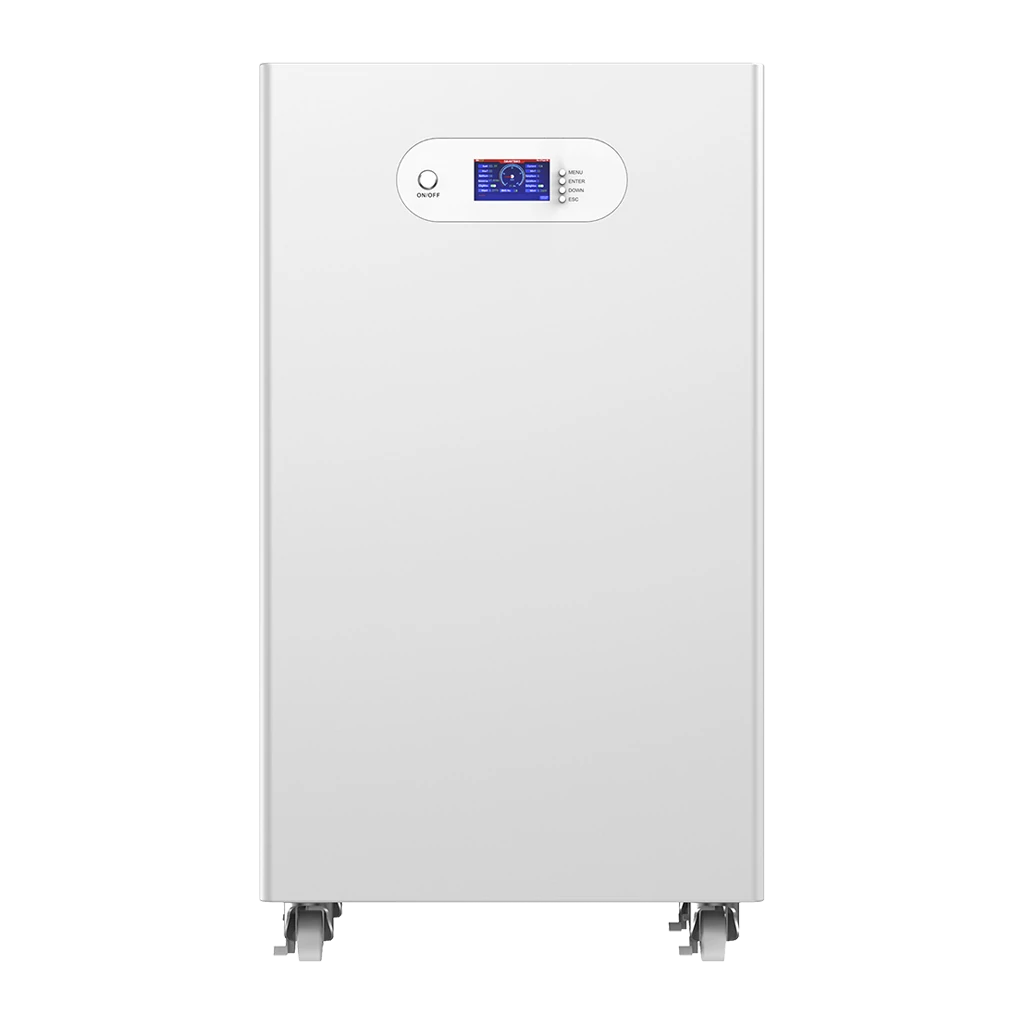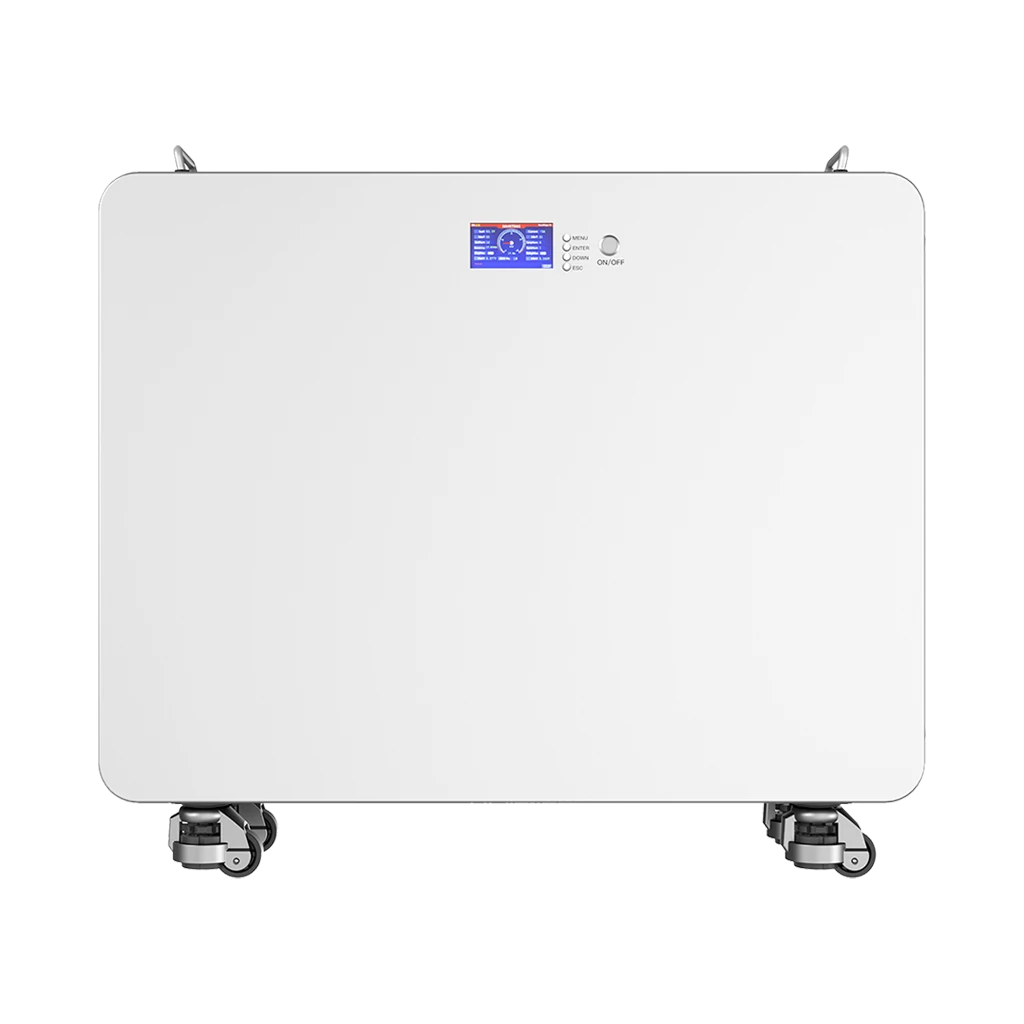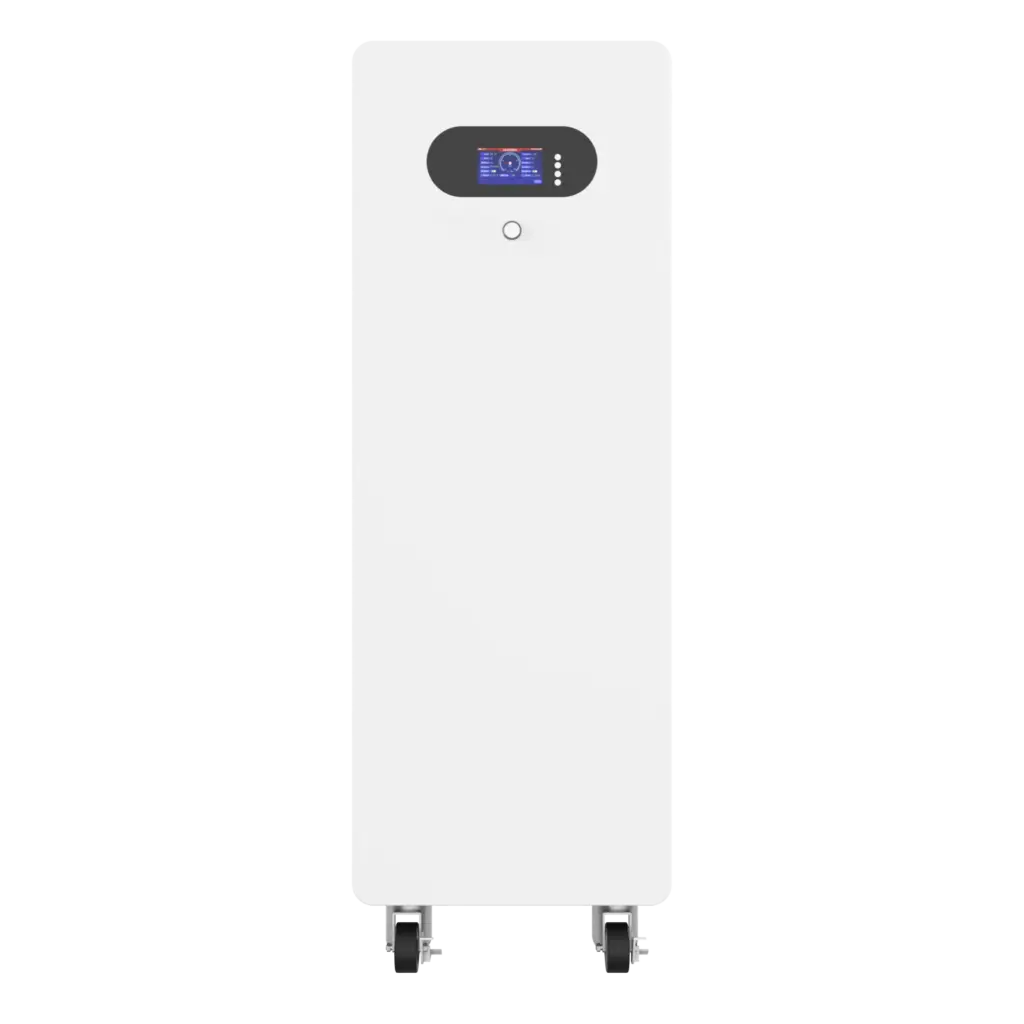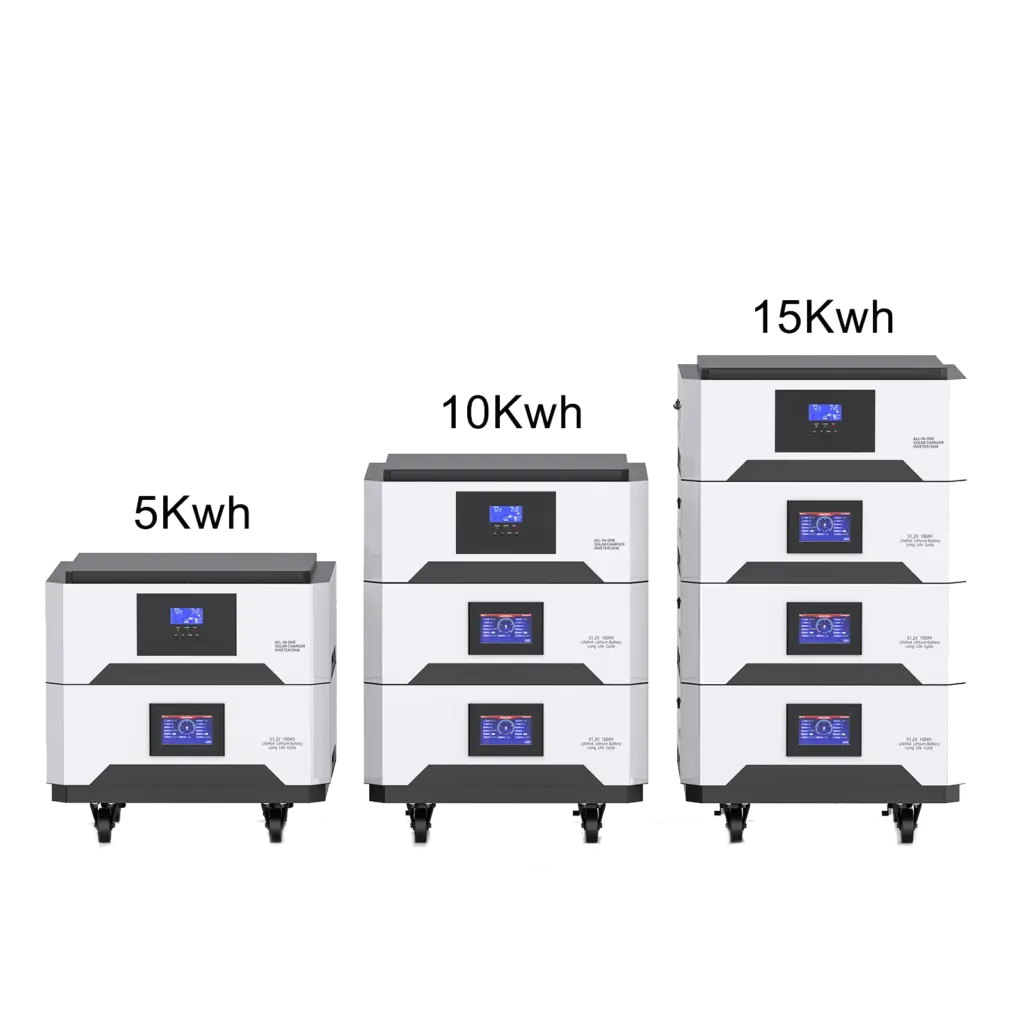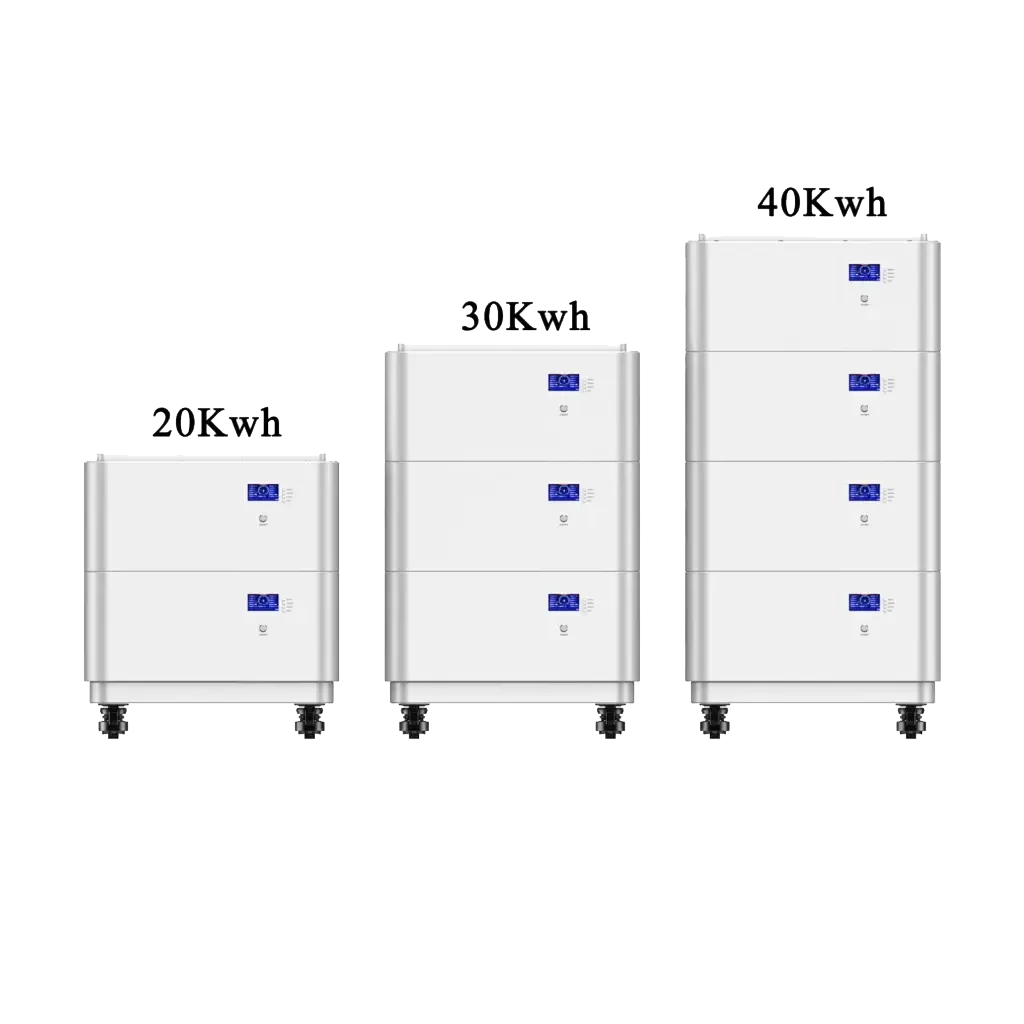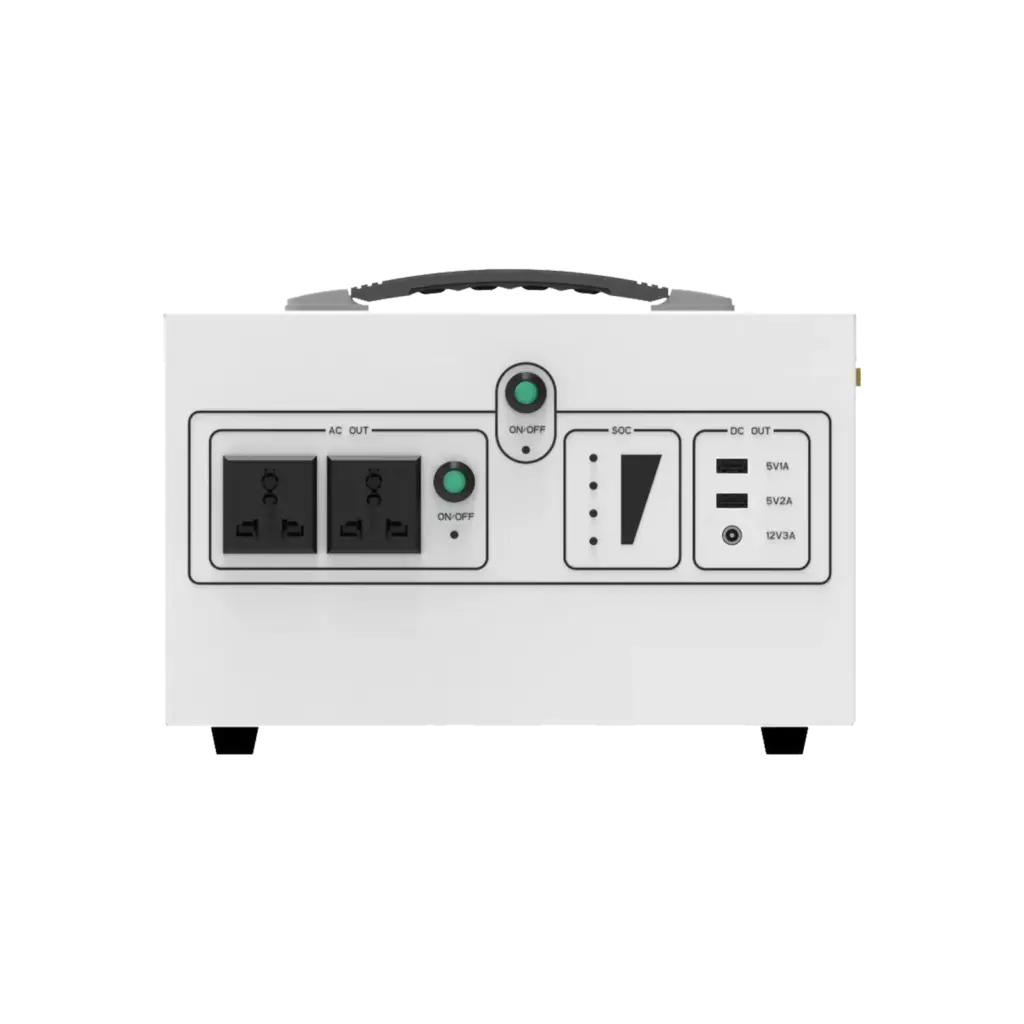

A lithium battery is usually better for rechargeable systems, but the smartest choice is often a high-capacity lithium battery. “Lithium battery” describes the battery chemistry, while “high capacity battery” describes how much energy the battery can store. For solar storage, backup power, RVs, marine systems, and industrial applications, LiFePO4 lithium batteries often deliver better usable energy, longer cycle life, faster charging, lower weight, and stronger long-term value.
For example, a lead-acid battery, AGM battery, lithium-ion battery, LiFePO4 battery, flow battery, or sodium-ion battery can all be marketed as “high capacity” if the Ah or kWh rating is large enough. The real question is not just which battery has more capacity, but which battery delivers more usable energy over its lifetime.
Quick Comparison: Lithium Battery vs High Capacity Battery
Lithium is better when performance, weight, cycle life, and daily cycling matter; a generic high capacity battery is only better when upfront cost matters more than lifetime value.
| Comparison Point | Lithium Battery | Generic High Capacity Battery | Which Is Better? |
|---|---|---|---|
| Meaning | Battery chemistry | Capacity description | Not the same category |
| Typical measurement | Ah, Wh, kWh | Ah, mAh, Wh, kWh | Depends on voltage and use |
| Usable capacity | Usually higher, especially LiFePO4 | Depends on chemistry | Lithium usually wins |
| Cycle life | Often thousands of cycles | Can be low if lead-acid or alkaline | Lithium usually wins |
| Weight | Lighter for same usable energy | Often heavier if lead-acid | Lithium wins |
| Charging speed | Faster charge acceptance | Often slower | Lithium wins |
| Maintenance | Low maintenance | May need more care | Lithium wins |
| Upfront cost | Higher | Often lower | High capacity battery may win |
| Long-term cost | Often lower per cycle | Can be higher if replaced often | Lithium usually wins |
| Best use | Solar, RV, backup, EV, ESS, power tools | Low-drain or budget use | Application-dependent |
The key takeaway is simple: capacity alone does not decide battery quality. A 200Ah lead-acid battery and a 200Ah lithium battery do not deliver the same practical value if their voltage, usable capacity, cycle life, and discharge limits are different.
Need help choosing the right lithium battery capacity for your solar, backup, or energy storage project? Contact Avepower for a tailored LiFePO4 battery solution based on your load profile, inverter, required runtime, and target market.
Is a Lithium Battery Always Better Than a High Capacity Battery?
Lithium is not always better, choose lithium when you need performance and long life. Choose a cheaper high capacity battery only when low upfront cost matters more than long-term efficiency, weight, and cycle life.
Lithium can be better even with the same Ah rating, because Ah does not show voltage, usable energy, efficiency, discharge limit, or cycle life.
Many buyers compare batteries by Ah. This can be misleading.
A 12V 200Ah battery stores much less energy than a 48V 200Ah battery. The Ah value is the same, but the energy is very different.
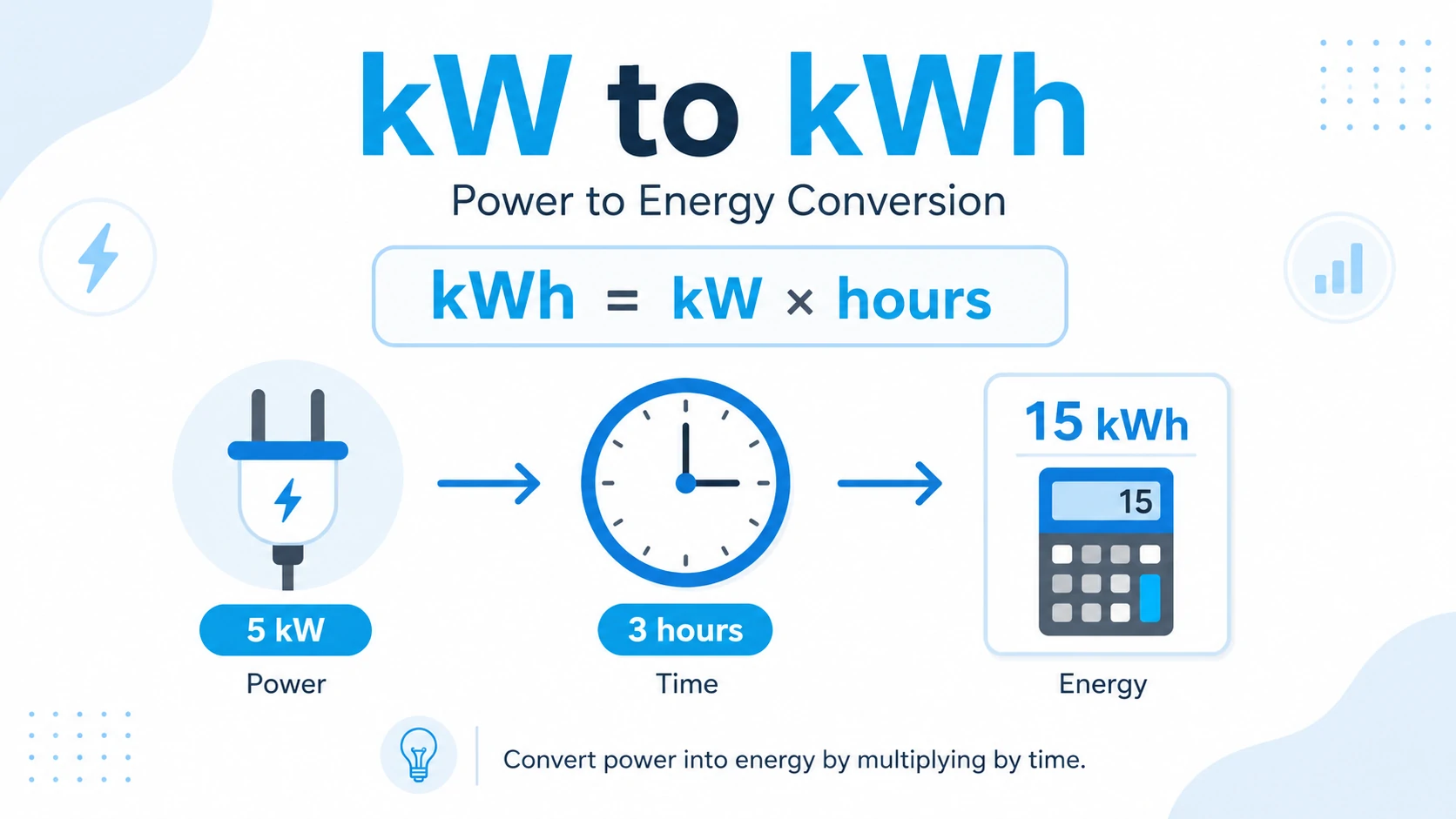
Use this formula:
Battery energy = voltage × amp-hours
Example:
| Battery | Formula | Nominal Energy |
|---|---|---|
| 12V 200Ah battery | 12.8V × 200Ah | 2,560Wh / 2.56kWh |
| 24V 200Ah battery | 25.6V × 200Ah | 5,120Wh / 5.12kWh |
| 48V 200Ah battery | 51.2V × 200Ah | 10,240Wh / 10.24kWh |
This is why buyers should compare Wh or kWh, not only Ah. Avepower’s battery capacity guide also uses this principle when explaining why 24V, 48V, and 51.2V platforms with similar Ah ratings can provide very different energy storage sizes.
Which Battery Gives More Usable Energy?
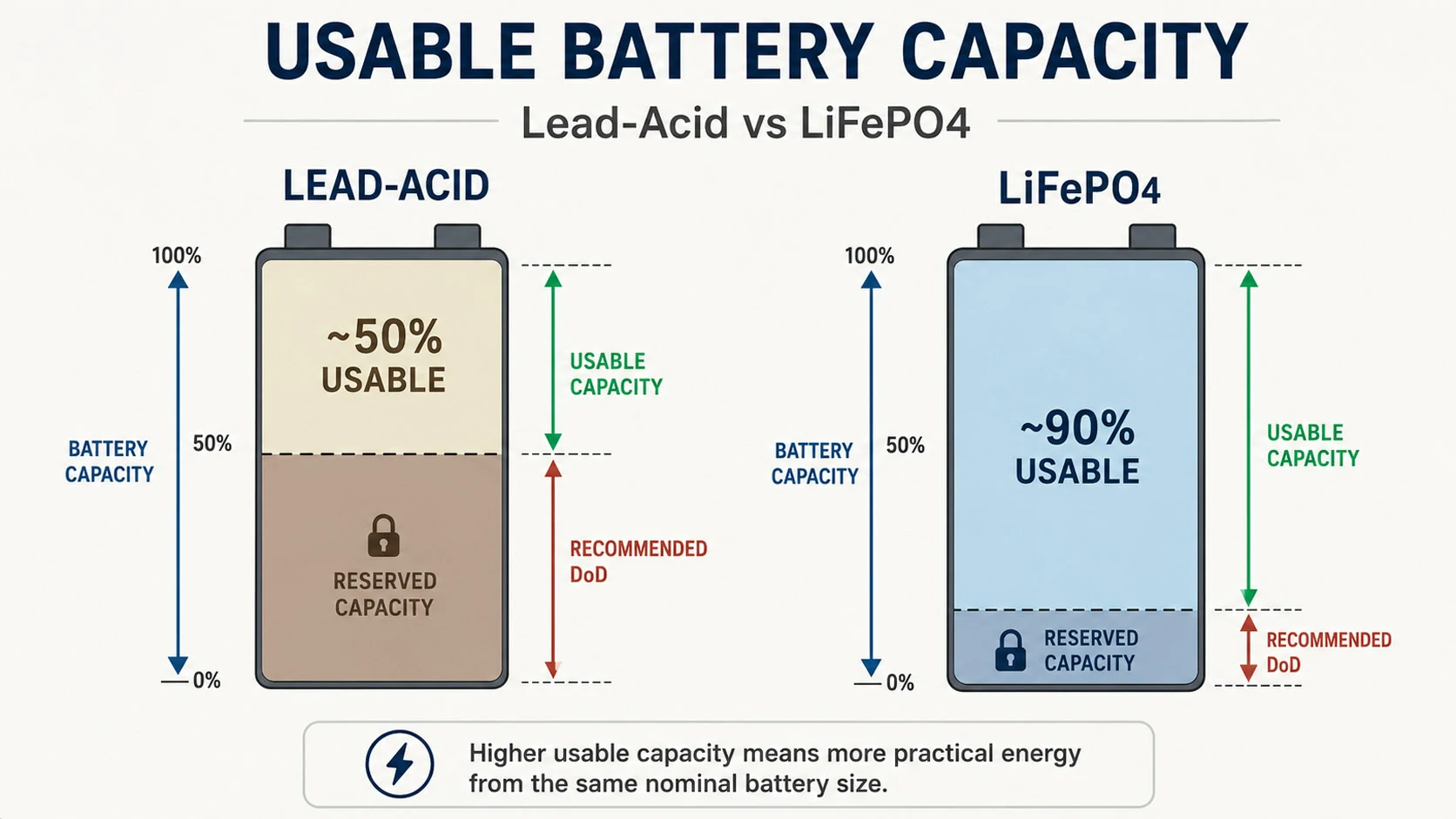
Lithium usually gives more usable energy because LiFePO4 batteries can safely use a larger share of rated capacity than many lead-acid batteries.
Usable energy is more important than nominal energy.
For example, a battery may be advertised as 10kWh, but that does not mean you should always use the full 10kWh. Some chemistries lose lifespan quickly if discharged too deeply. Many lithium systems, especially LiFePO4 battery systems, are designed for deeper cycling and higher usable capacity.
A simplified comparison:
| Battery System | Nominal Capacity | Typical Planned Usable Share | Practical Usable Energy |
|---|---|---|---|
| Lead-acid battery bank | 10kWh | Around 50% for longer life | About 5kWh |
| LiFePO4 battery | 10kWh | Around 80–95% depending on design | About 8–9.5kWh |
This does not mean every lithium battery can always be discharged to 100%. The actual usable capacity depends on the manufacturer’s BMS settings, warranty conditions, temperature, current rate, and installation environment.
For solar energy storage, Avepower’s Lithium Battery Storage guide explains that a complete system usually includes the lithium battery pack, BMS, inverter or hybrid inverter, monitoring system, and protection devices. This system-level design is what turns rated capacity into reliable usable energy.
Which is Better for Solar Storage?
A LiFePO4 lithium battery is usually better because solar batteries need daily cycling, high usable capacity, long service life, inverter communication, BMS protection, and stable performance across many charge and discharge cycles.
Solar batteries are not used like disposable batteries. They may charge during the day and discharge every evening. That means the battery is judged not only by capacity, but by how well it survives repeated cycling.
Which Battery is Safer?
lithium batteries can be very safe when properly designed, but safety depends on chemistry, BMS, manufacturing quality, certification, installation, and correct charging—not the word lithium alone.
Modern LiFePO4 batteries are widely used in solar storage because they provide strong thermal stability compared with some other lithium chemistries. However, any lithium-ion battery must be manufactured, installed, charged, and stored correctly. The Australian Competition & Consumer Commission warns that lithium-ion batteries can be highly flammable if poorly manufactured, damaged, overheated, incorrectly used, or improperly disposed of.
Case Calculation: 16kWh Lithium Battery vs 16kWh Generic High Capacity Battery
In a daily solar backup case, a 16kWh LiFePO4 battery can deliver more useful lifetime energy than a generic 16kWh battery with lower usable depth and shorter cycle life.
Let’s compare two simplified 16kWh systems.
Assumptions
| Item | 16kWh LiFePO4 Battery | 16kWh Generic High Capacity Lead-Acid Battery |
|---|---|---|
| Nominal energy | 16kWh | 16kWh |
| Planned usable depth | 80% | 50% |
| Usable energy per cycle | 12.8kWh | 8kWh |
| Example cycle life | 6,000 cycles | 800 cycles |
| Lifetime usable energy | 76,800kWh | 6,400kWh |
Calculation
LiFePO4 lifetime usable energy:
16kWh × 80% × 6,000 cycles = 76,800kWh
Generic lead-acid lifetime usable energy:
16kWh × 50% × 800 cycles = 6,400kWh
Even if the lithium battery costs more upfront, it may deliver far more usable energy over its lifetime. This is why system buyers should calculate cost per lifetime kWh, not just purchase price.
Avepower’s 48V 300Ah 16kWh LiFePO4 battery is a useful reference for this type of project because it combines 16kWh-class storage, 200A BMS, Bluetooth/WiFi, RS485/RS232/CAN communication, and up to 16 units in parallel for scalable solar and backup applications.
For larger energy needs, Avepower also offers 30kWh vertical LiFePO4 solar batteries and 50kWh solar batteries for homes, villas, farms, and small commercial storage projects.
When Is a High Capacity Battery Enough?
A high capacity battery can be enough when the load is low, the budget is limited, weight does not matter, and the battery will not be cycled deeply every day.
A non-lithium high capacity battery may be acceptable for:
- Low-drain household devices
- Occasional emergency use
- Short-term backup
- Budget-sensitive projects
- Applications where weight is not important
- Systems already designed around lead-acid charging
- Users who do not need deep cycling
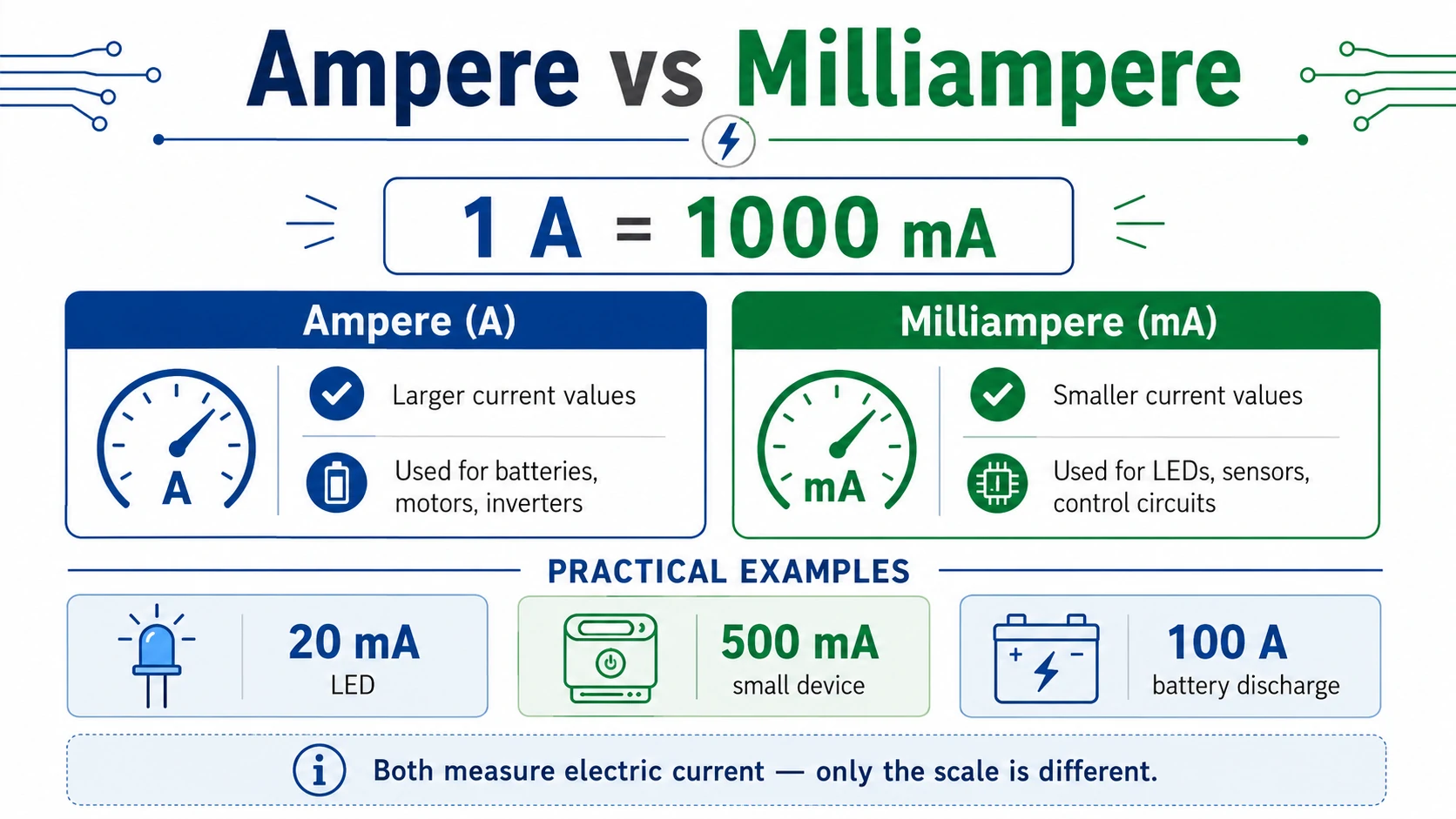
However, the buyer should still check the real energy rating. A high mAh number can look impressive, especially on small batteries, but it may not mean longer runtime if the voltage is different or if the battery cannot support the required discharge current.
When Should You Choose a Lithium Battery?
Choose lithium when you need frequent cycling, lighter weight, faster charging, better usable capacity, long service life, and higher efficiency.
Lithium is usually the better option for:
- Home solar battery storage
- Whole-home or essential-load backup
- RV, marine, camping, and off-grid systems
- Telecom backup and equipment rooms
- Portable energy systems
- EVs, e-bikes, power tools, and robotics
- Commercial energy storage with frequent charge/discharge cycles
Best Avepower Battery Options by Use Case
For Avepower buyers, the best option depends on whether the project needs compact backup, modular expansion, high capacity, or integrated battery-inverter design.
| Use Case | Recommended Avepower Option | Why It Fits |
|---|---|---|
| Small backup and portable energy | 5kWh Portable Battery with Solar Inverter | Integrated battery, inverter, MPPT, wheels, fast deployment |
| Standard home solar storage | 15kWh Vertical LiFePO4 Battery | Practical size for daily solar use and backup |
| Higher home backup capacity | 16kWh Solar Battery | 314Ah cells, 16kWh class, scalable system design |
| Larger homes, villas, farms | 30kWh Solar Battery | Larger single-cabinet capacity for longer backup |
| Large residential or small commercial | 50kWh Solar Battery | High capacity, 300A max current, LiFePO4 platform |
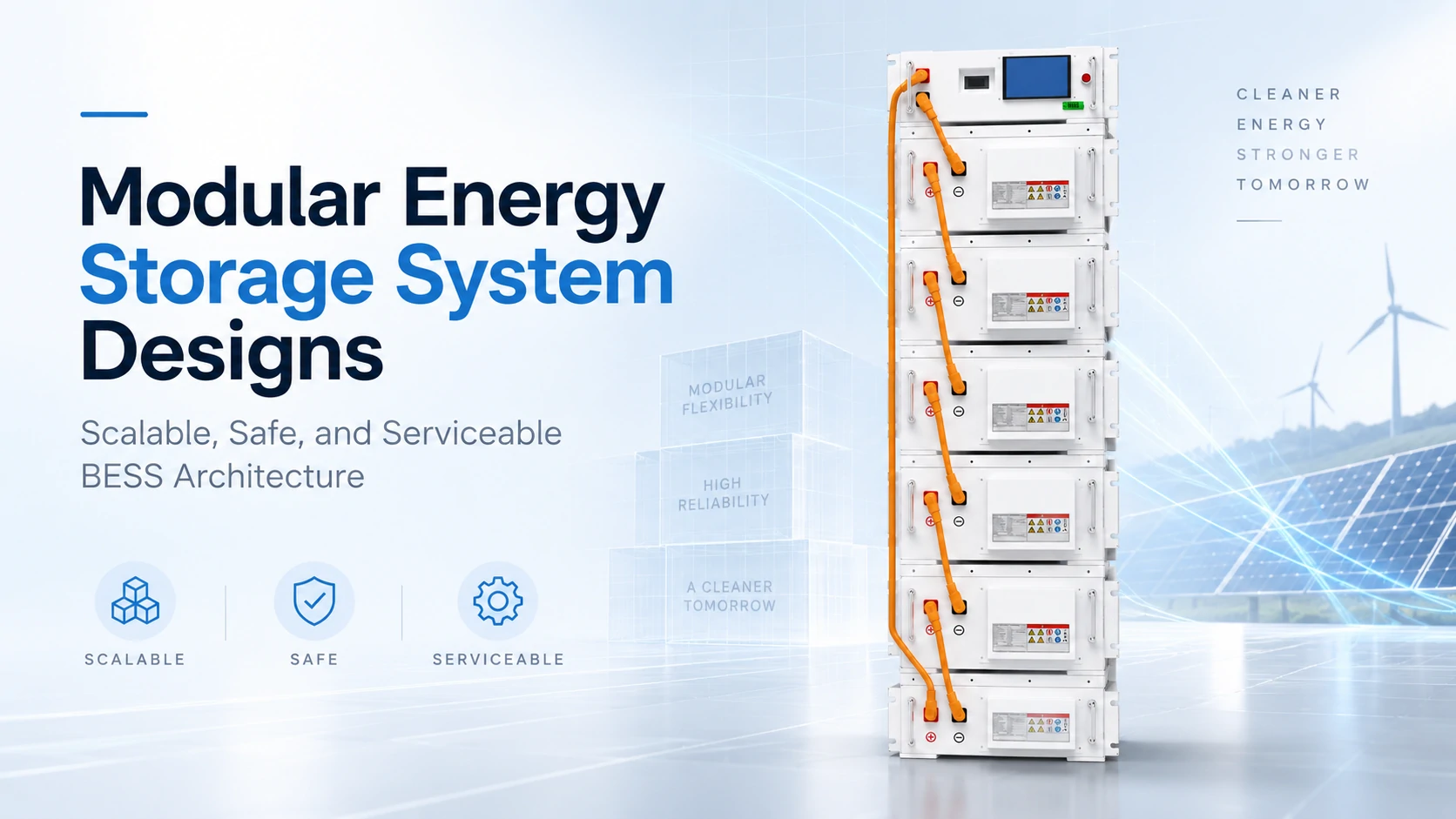
| Scalable modular projects | Stackable LiFePO4 Battery Pack | Start small and expand as energy demand grows |
| Battery plus inverter in one cabinet | All-in-One Battery | Reduces matching complexity and external wiring |
Avepower is most relevant when the buyer is not just looking for a “high capacity battery,” but a complete LiFePO4 energy storage solution with capacity planning, BMS protection, inverter communication, and OEM/ODM customization.
Conclusion: Lithium Battery vs High Capacity Battery — Which Is Better?
A lithium battery is usually better if you need reliable performance, longer life, higher usable capacity, fast charging, and lower lifetime cost. A high capacity battery is only better if your main requirement is low upfront cost and the battery will not be used heavily.
The smartest decision is not to choose by the label alone. Compare chemistry, kWh, usable capacity, cycle life, discharge power, safety features, and system compatibility.
If you are planning a home solar battery, backup power system, or scalable energy storage project, Avepower can help you choose the right LiFePO4 battery size, voltage platform, inverter communication, and system configuration. Explore Avepower’s Home Energy Storage solutions or contact the Avepower team for a project-based battery recommendation.
FAQ
A high capacity battery is better only if you need longer runtime and the battery can safely deliver that usable energy. Capacity alone does not prove better quality, longer life, or higher efficiency.
Lithium batteries cost more upfront because they require advanced cells, BMS protection, manufacturing control, and safety design. However, they often have lower lifetime cost because they last longer and provide more usable energy.
Often yes, but not always directly. You must confirm voltage, charger settings, BMS limits, inverter compatibility, temperature limits, and installation requirements before replacing lead-acid with lithium.