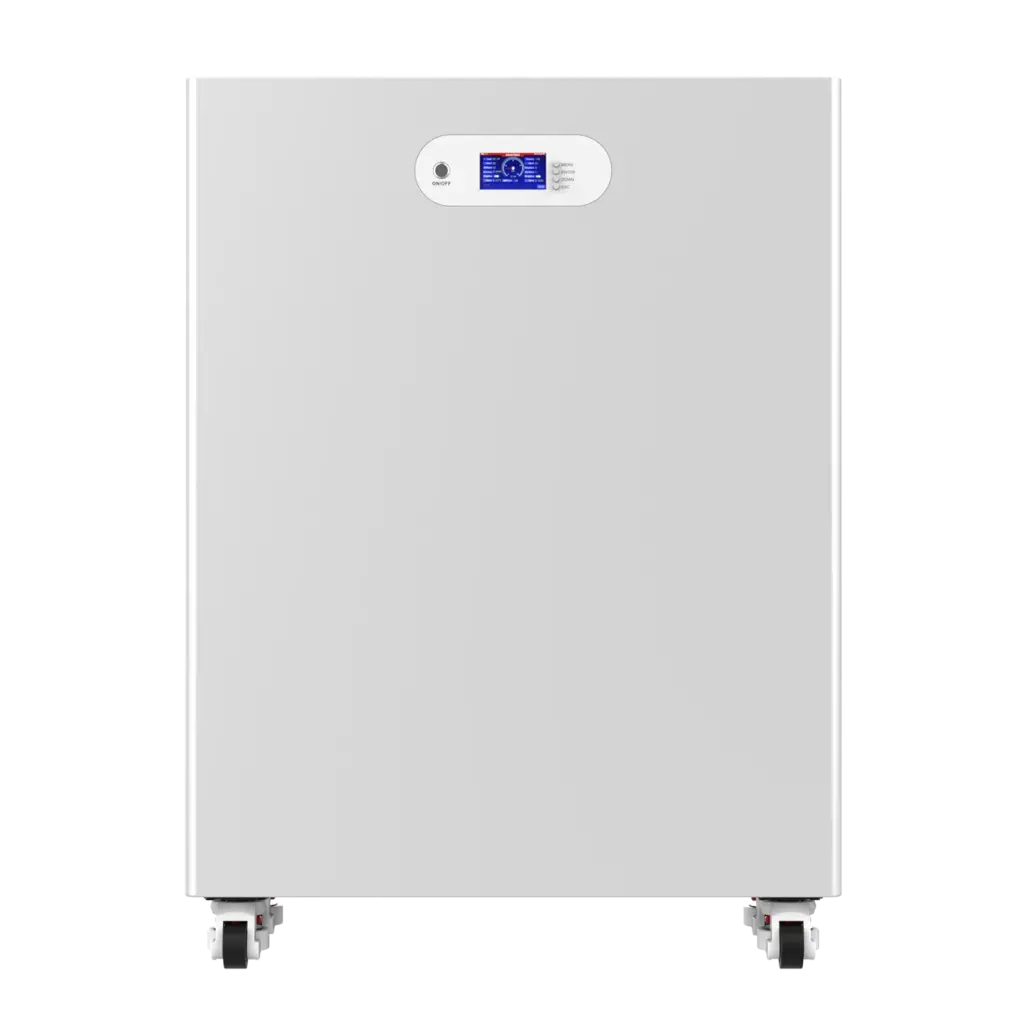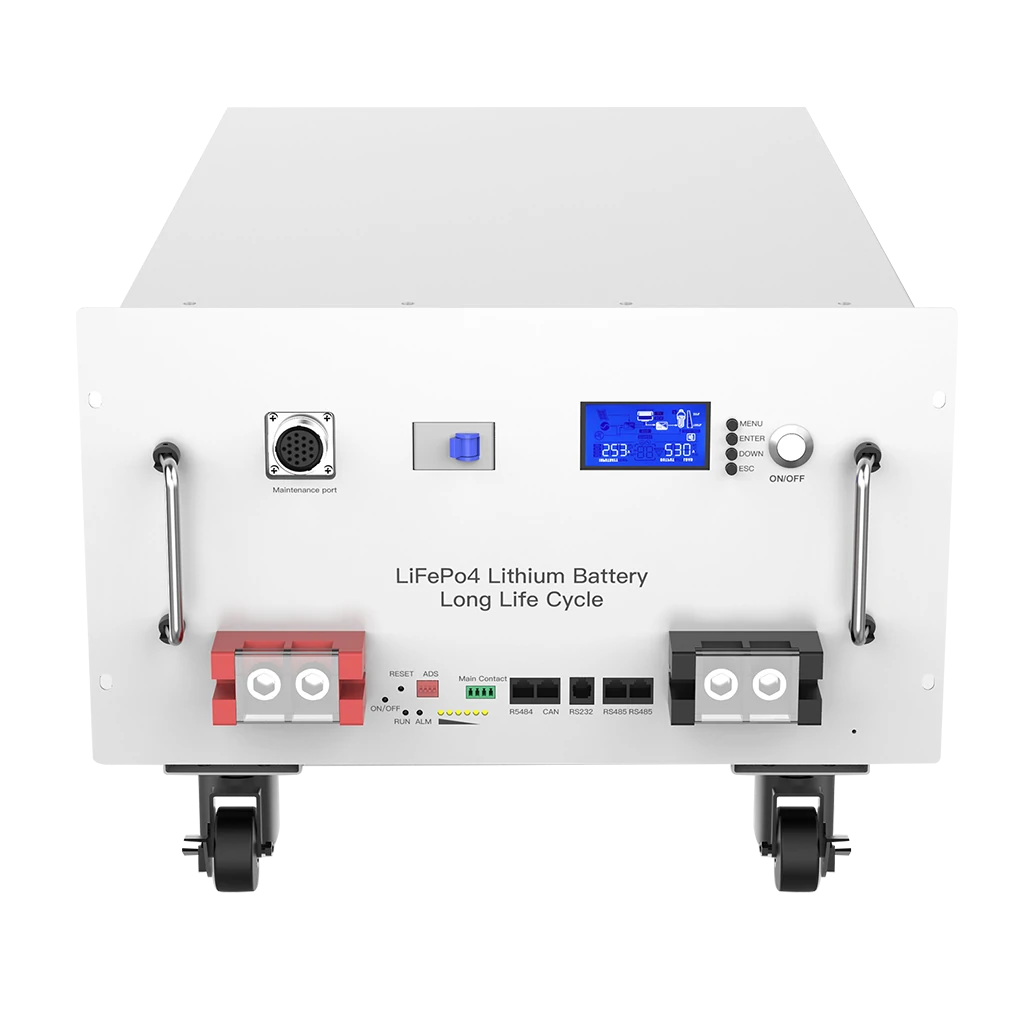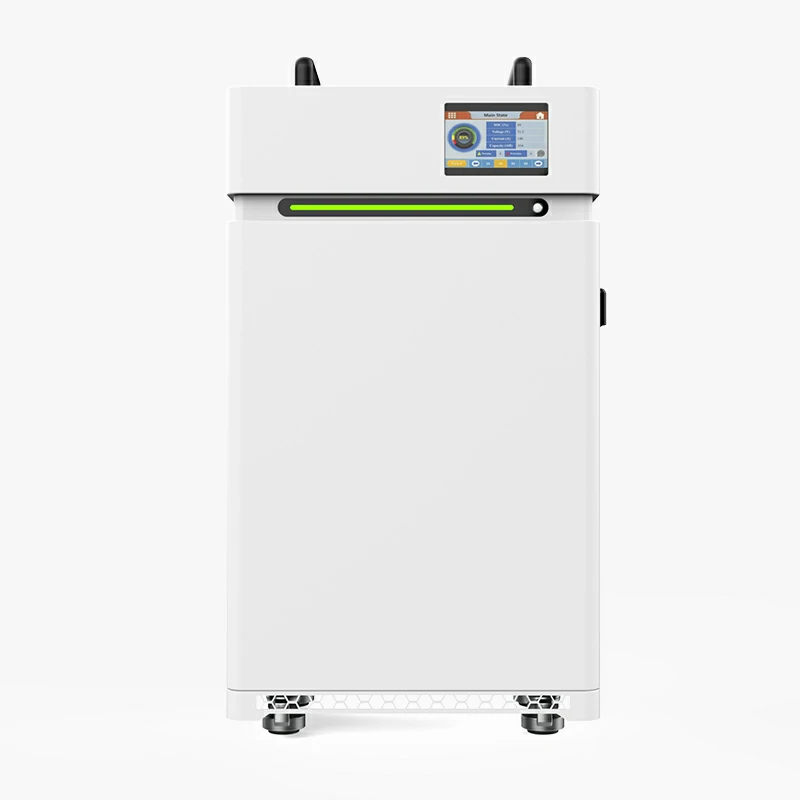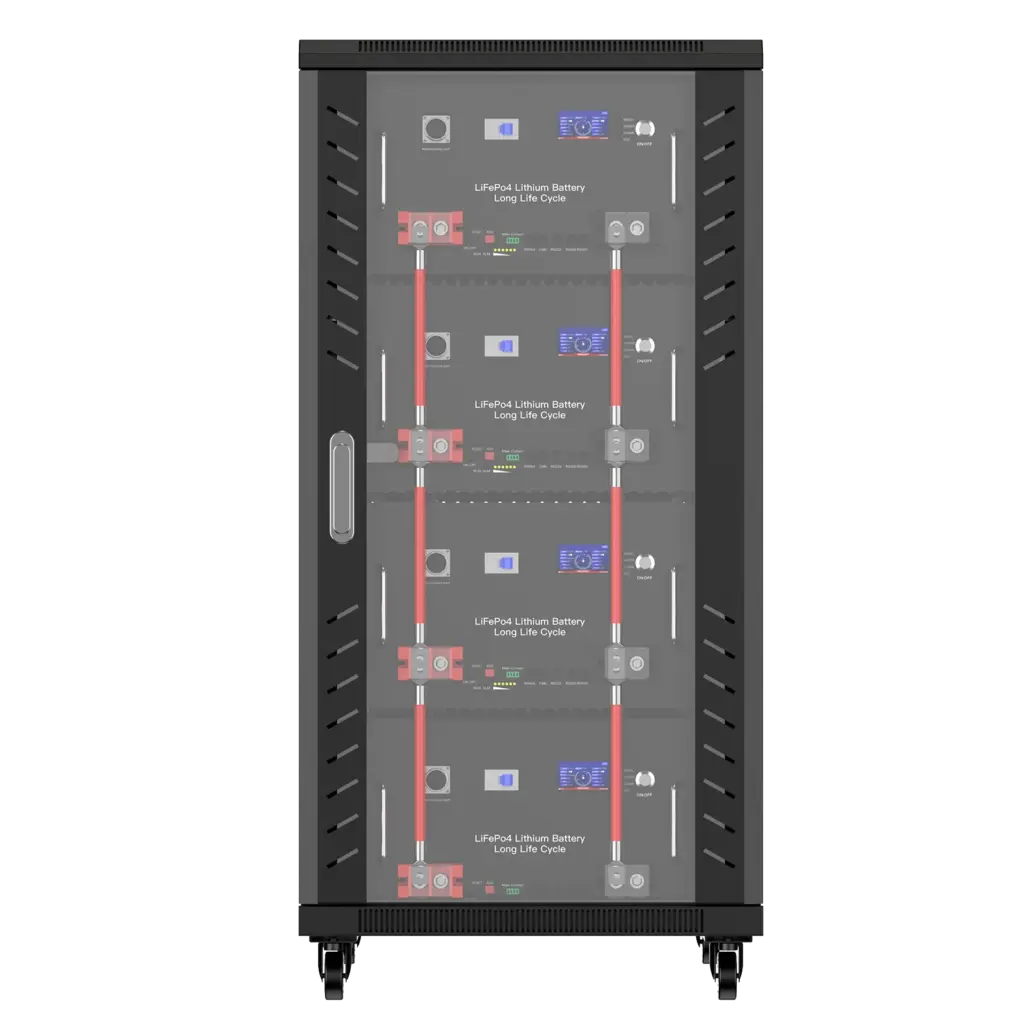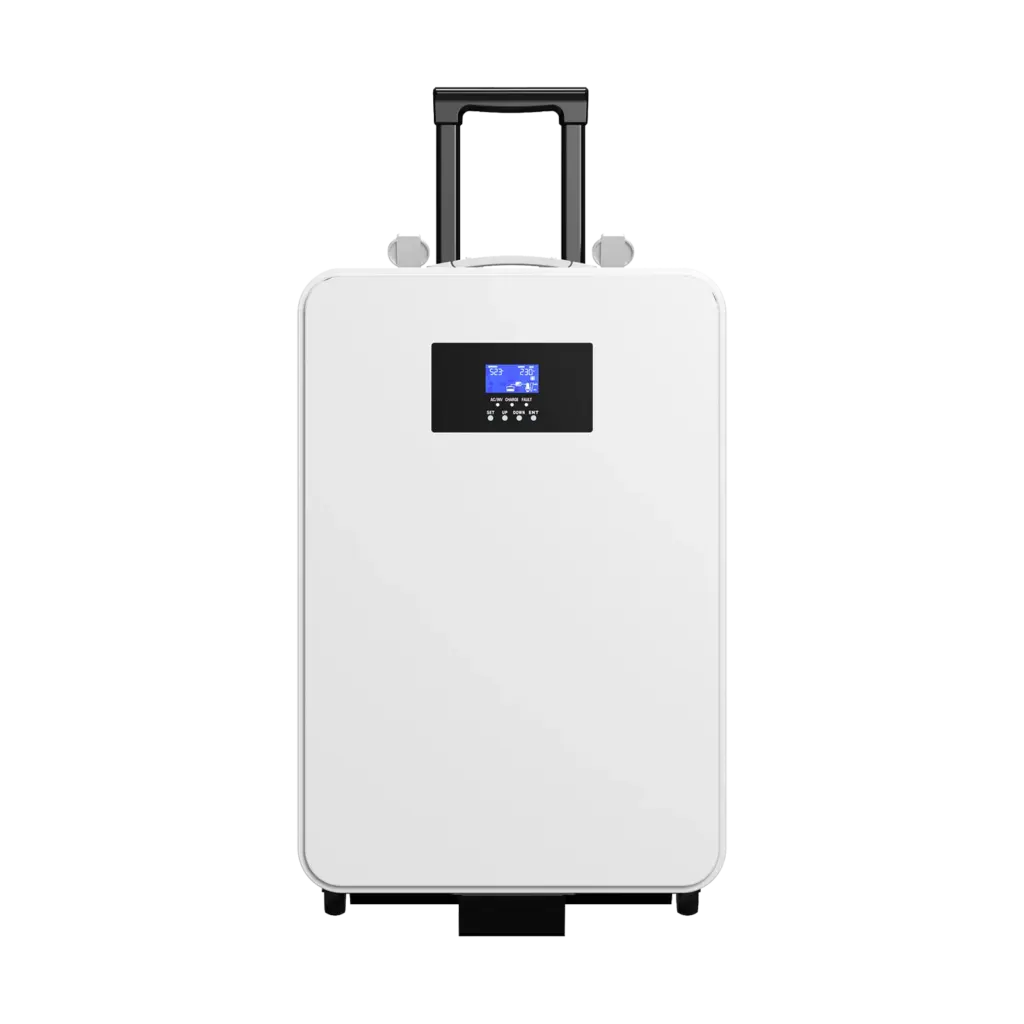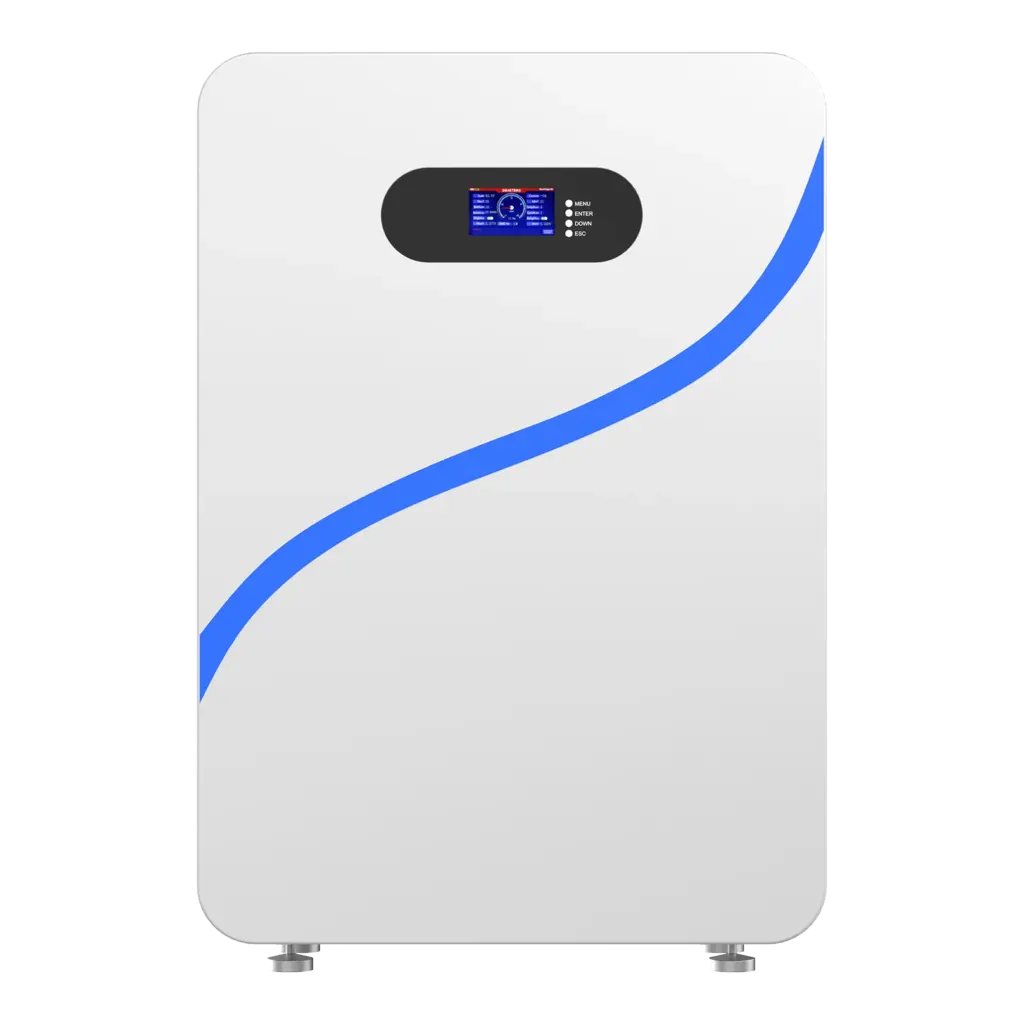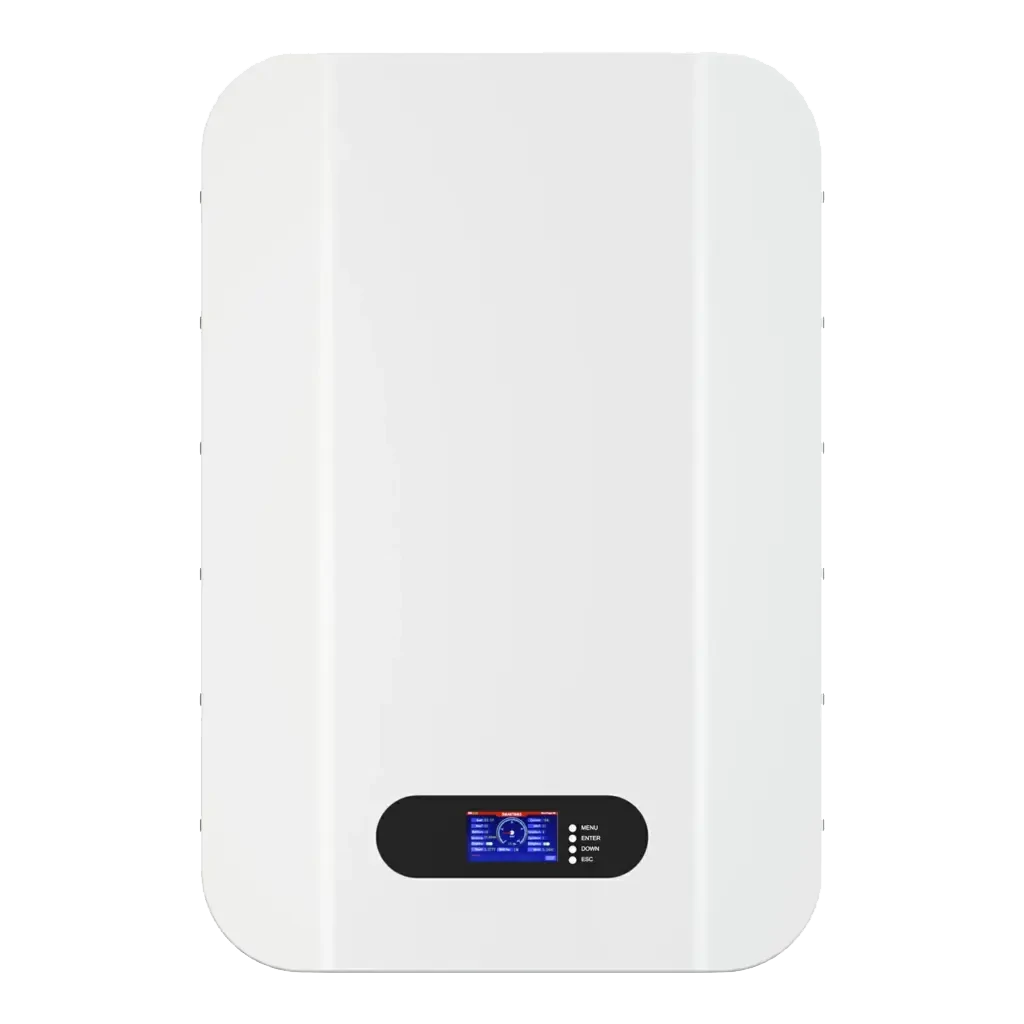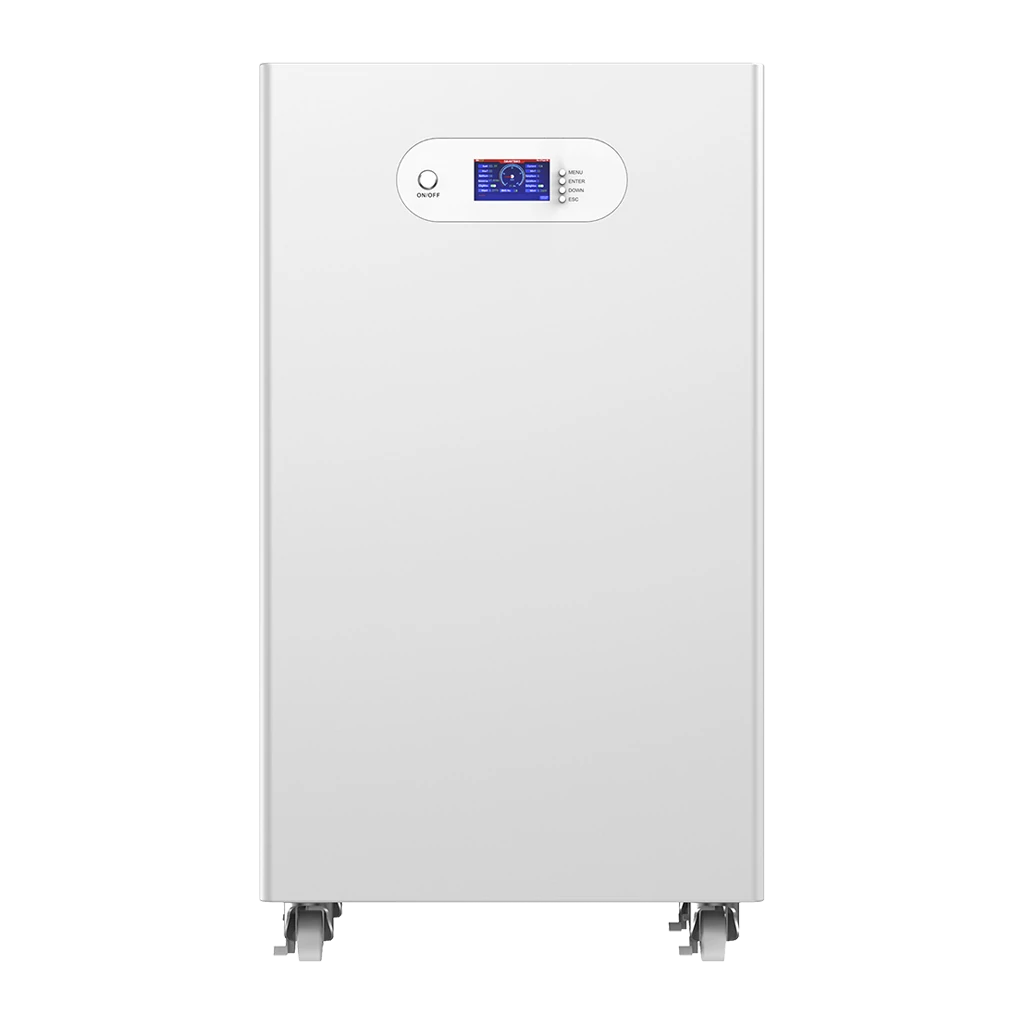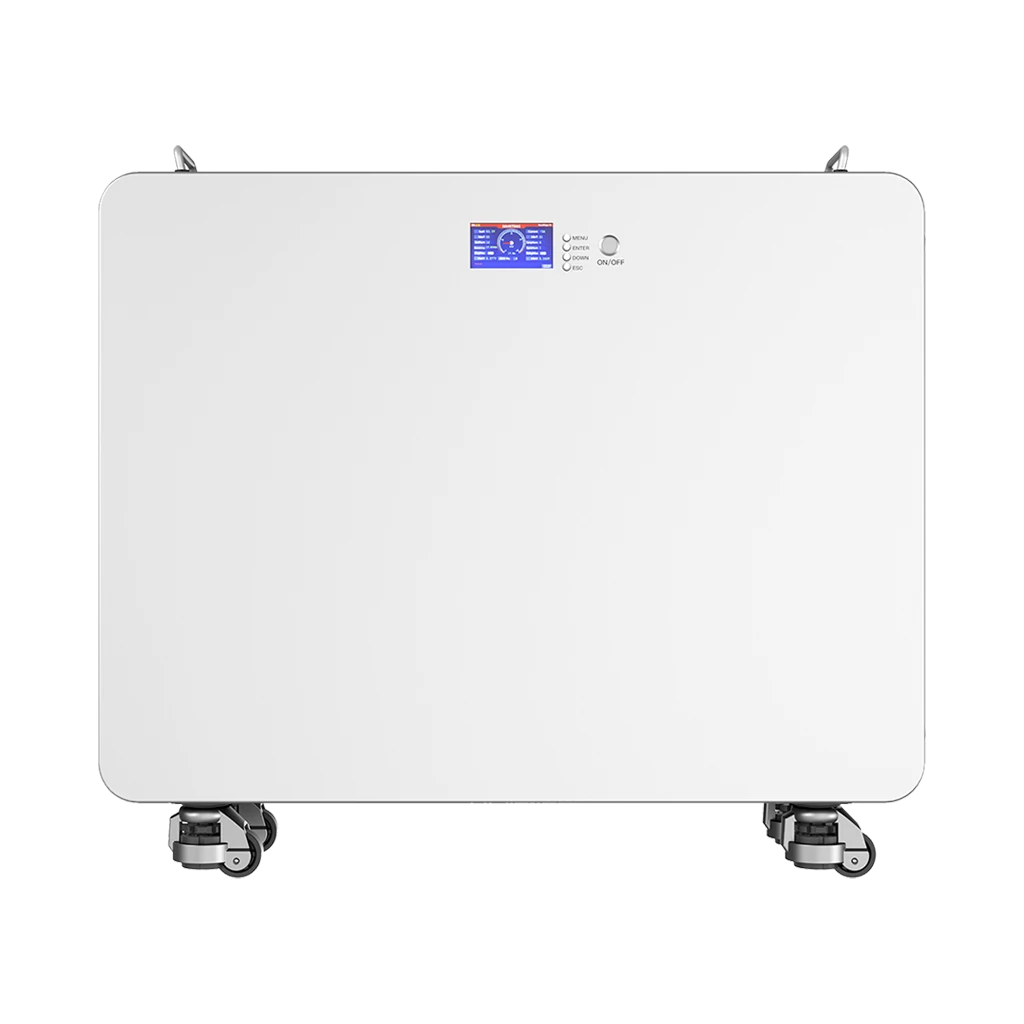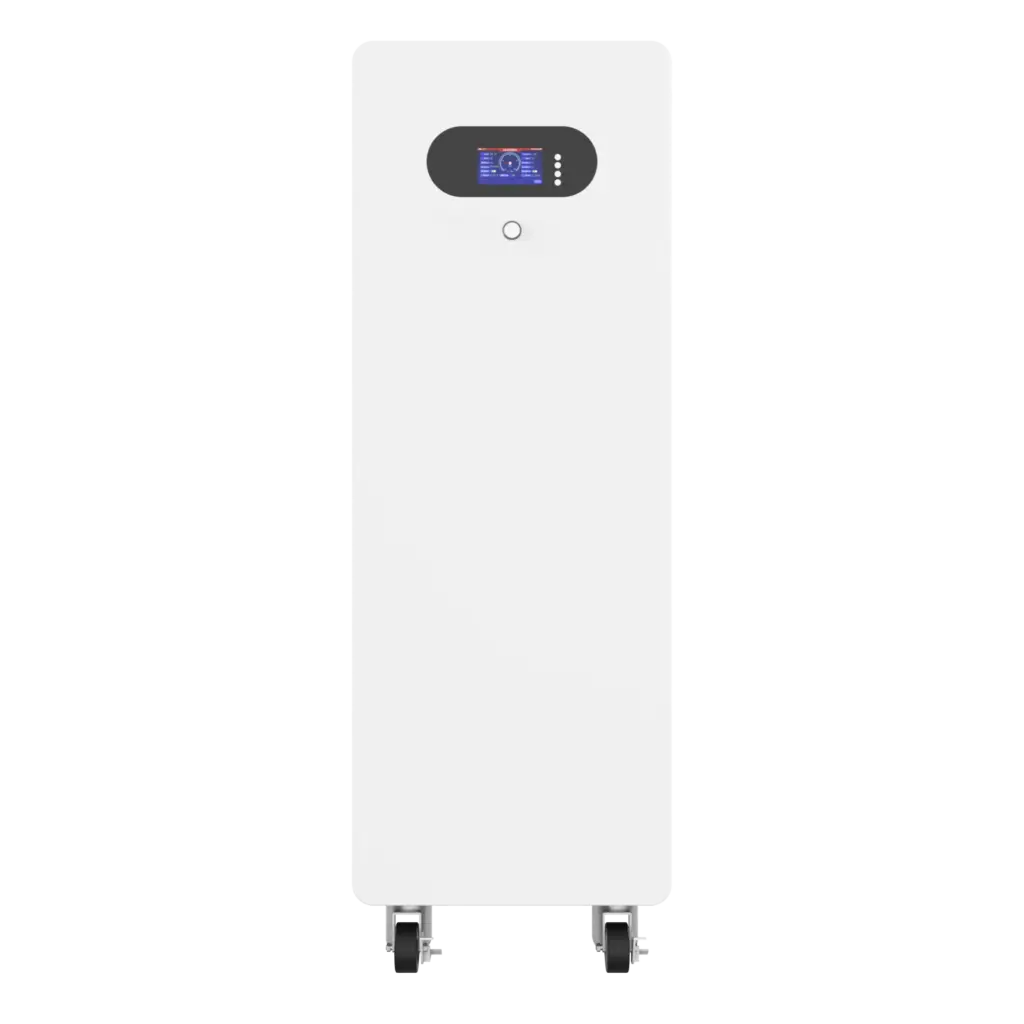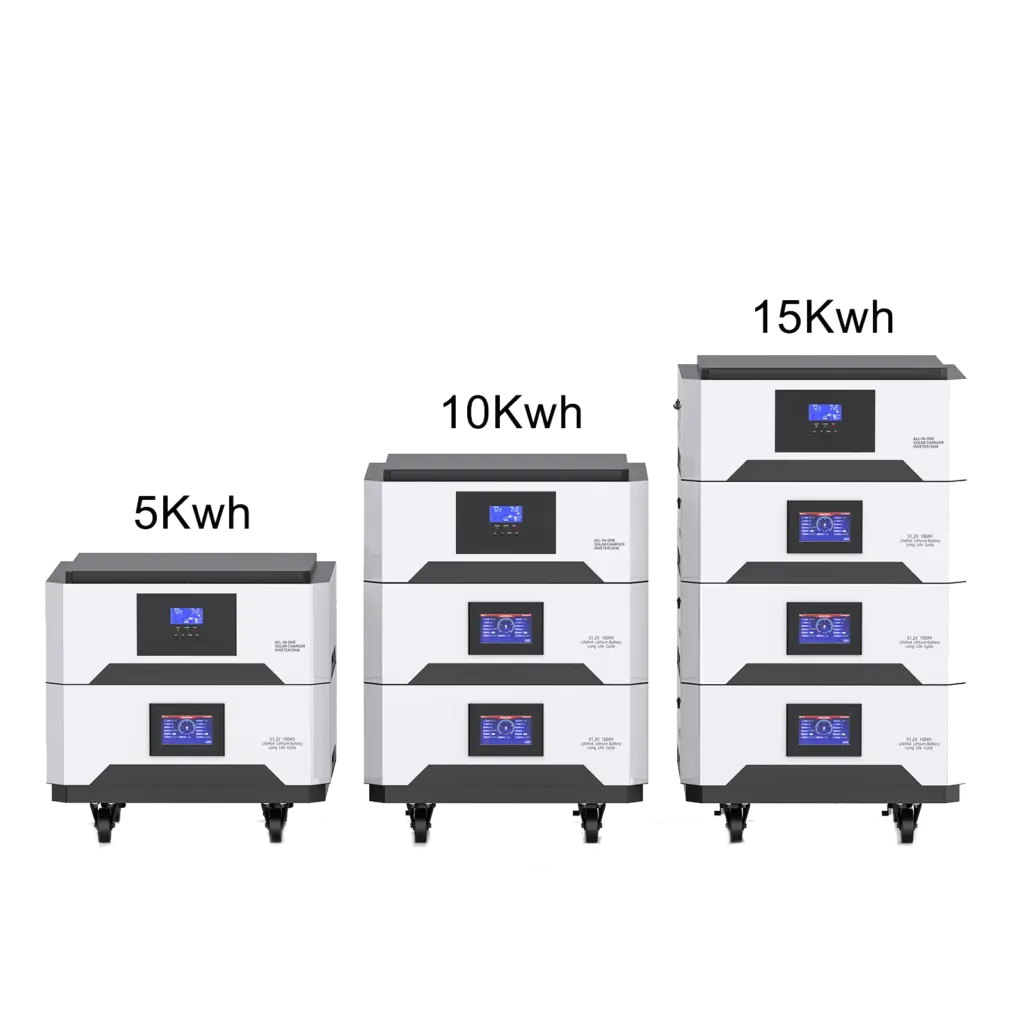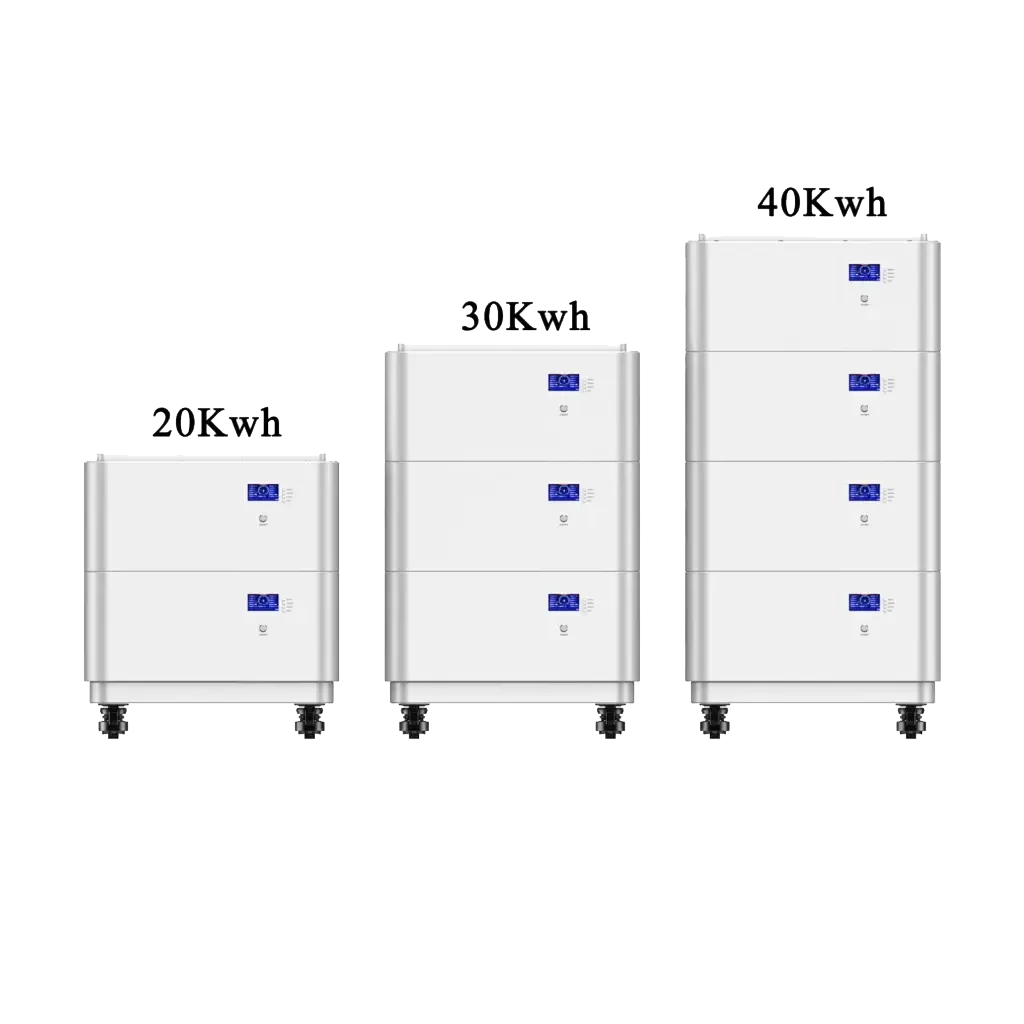

Save Time on Sourcing Get a Matched Residential Energy Storage Solution for Your Projects

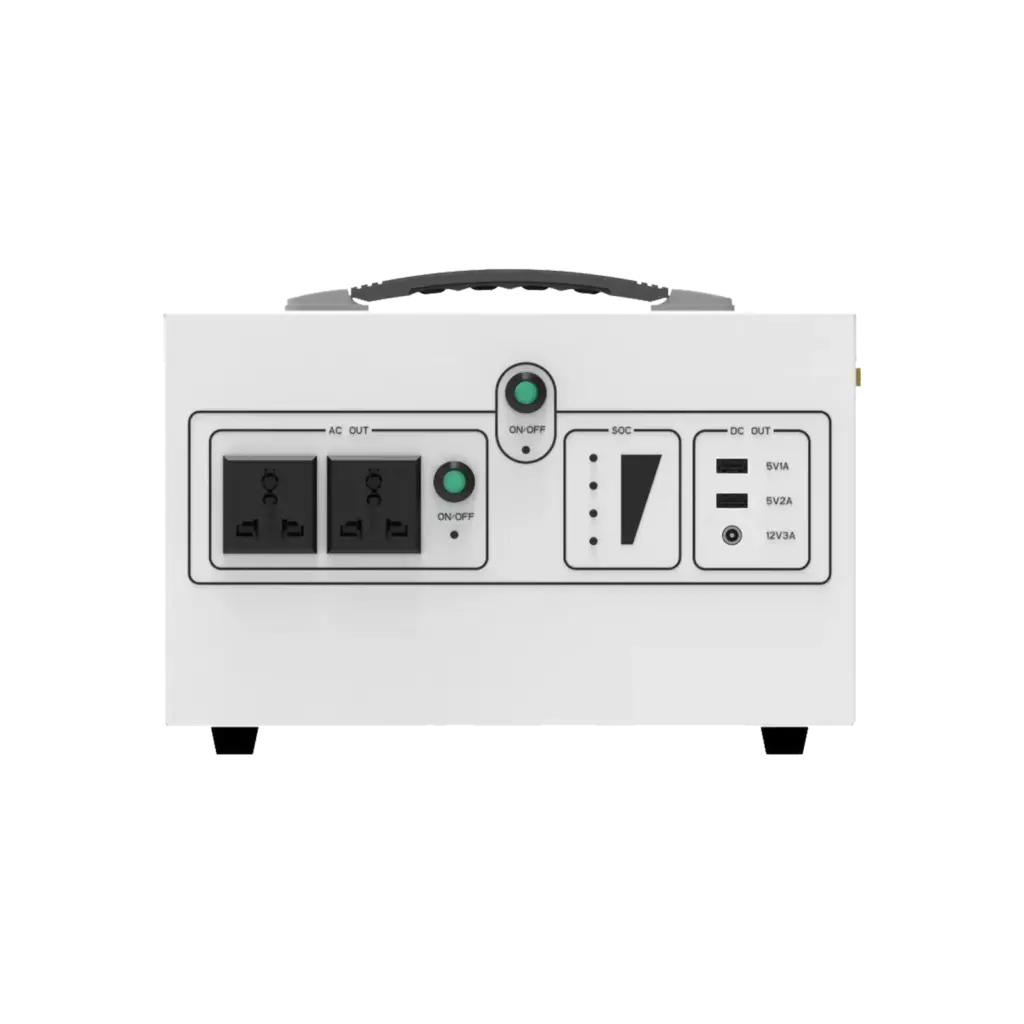
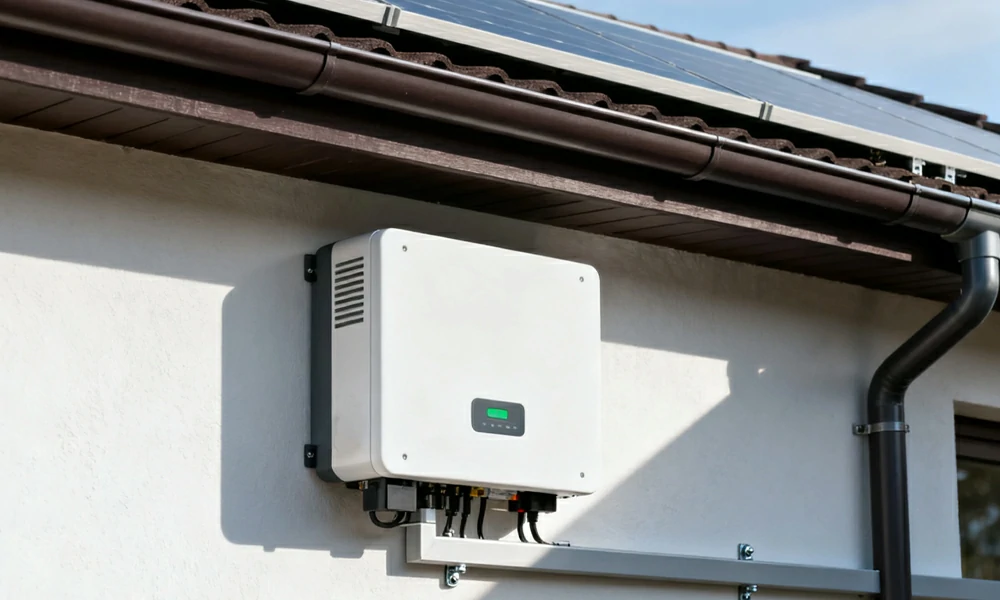
If you are building or sourcing an energy storage system, Avepower can deliver a complete residential solution or add battery storage to your existing solar setup for higher self-consumption and reliable backup power.

Start Your Request

OEM ODM support for appearance, capacity, and branding

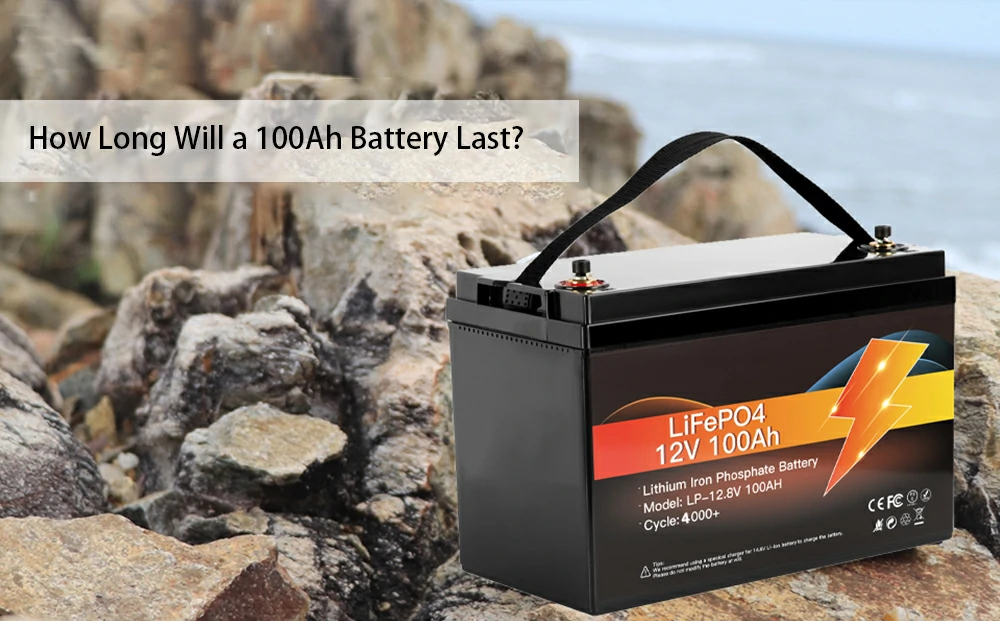
How Long Will a 100Ah Battery Last? A Complete Guide

Ever found yourself stranded with a dead battery, wondering how long your power supply will actually last—whether it’s in your RV, boat, or off-grid cabin? You’re not alone. Reliable answers to this question can save you frustration and money.

In this guide, we’ll break down exactly how long a 100Ah battery lasts in real-world scenarios and explain the factors that truly impact its runtime. You’ll learn simple calculation methods, expert tips for maximizing battery life, and what to expect from different battery technologies—so you’ll never have to guess again.

Whether you’re planning an adventure or managing essential backup power, this article will help you make confident, informed decisions about your energy storage—so you can keep your devices and lifestyle powered up when it matters most.

How Long Will a 100Ah Battery Last? Quick Answer

A single 12 V 100 Ah battery stores about 1,200 watt-hours of energy and will run a device that uses 100 watts for about 12 hours in ideal conditions (1,200 Wh ÷ 100 W = 12 h).

We will use the more accurate method, assuming a 12V 100Ah LiFePO4 battery, a 90% inverter efficiency, and an 80% DoD.

  • Total Usable Energy: 1200 Wh × 0.80 × 0.90 = 864 Wh
Device (Approx. Power Draw)Run Time CalculationEstimated Run Time
Small Refrigerator (50W)864 Wh ÷ 50 W17.2 hours
Laptop (60W)864 Wh ÷ 60 W14.4 hours
RV Lights (15W)864 Wh ÷ 15 W57.6 hours
Coffee Maker (800W)864 Wh ÷ 800 W1.08 hours

As you can see, a 100Ah battery can easily handle smaller devices for a long time, but it will be drained very quickly by high-power appliances.

How Long Can a 100Ah Battery Last in Cold Weather?

A 100Ah battery running a 10A load at -10°C (14°F) can typically provide power for about 5 hours. Under normal temperature conditions, the same battery and load can last approximately 10 hours. Extremely cold temperatures can also increase the risk of battery failure, which is why you might notice difficulties when starting a car in winter.

Cold weather reality check:

Battery capacity drops in the cold because internal resistance rises and electrochemical reactions slow down. As a practical reference, published battery engineering guidance shows capacity can fall dramatically at sub-zero temperatures (for some chemistries, a battery that delivers 100% capacity around room temperature may deliver roughly ~50% at around 0°F/-18°C). Treat winter runtime estimates as a range, and size extra capacity if you expect sustained freezing conditions.

What Does “100Ah” Really Mean?

When you see a battery labeled with “100Ah,” the “Ah” stands for amp-hours. This is a measure of the battery’s energy storage, similar to how a gas tank’s size is measured in gallons. Read this article to learn more about What Is Ah.

Think of it like a fuel tank for electricity. A 100Ah rating means the battery can theoretically supply 100 amps of current for one hour, or a lower current for a longer period. For example, it could provide 10 amps for 10 hours (10A × 10h = 100Ah) or 5 amps for 20 hours (5A × 20h = 100Ah).

The amp-hour rating helps you figure out how long a battery will power a specific device. To calculate the runtime, you just need to know the device’s current draw in amps.

Simple Formula: Battery Runtime (hours) = Battery Capacity (Ah) ÷ Device Current (A)

For example, if you have a 100Ah battery and a device that draws 4 amps, the calculation is straightforward: 100Ah ÷ 4A = 25 hours

This simple calculation gives you a solid starting point for planning your power usage. However, it’s important to remember that this is a theoretical maximum. Real-world conditions can and will affect the actual runtime.

Why Amp-Hours Matter

Knowing the amp-hour rating helps you plan your energy usage. For example, if a device draws 5 amps and you have a 100Ah battery, the runtime calculation is:

  • A 5-amp device on a 100Ah battery will last 20 hours.
  • A 2-amp device on the same battery will last 50 hours.

This means your battery can power the device for roughly 20 hours before it needs a recharge.

Amp-hours also allow you to compare batteries. A battery with a higher Ah rating will last longer under the same load, but actual runtime depends on several factors such as the type of battery and the load characteristics.

Converting Amp-Hours to Watt-Hours

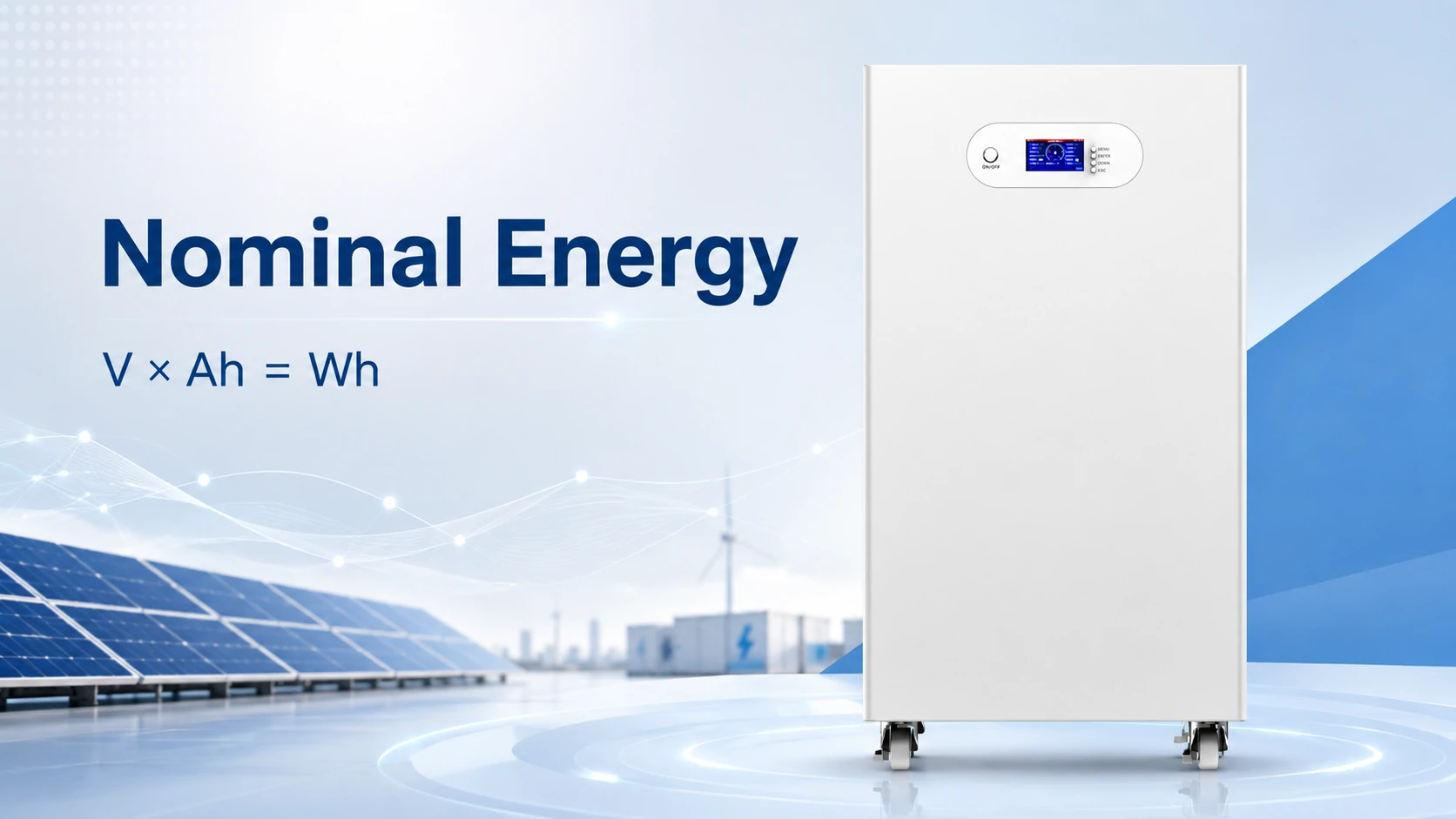
Many appliances list power in watts rather than amps. The battery voltage determines how many watt-hours the battery can store. A typical deep-cycle battery for small systems uses 12 volts. You can calculate watt-hours (Wh) by multiplying amp-hours by voltage. The battery stores:

Watt-hours = Amp-hours × Voltage.

For a 12V 100Ah battery, the battery stores 12 V × 100 Ah = 1,200 Wh. The battery can, in theory, provide 1,200 watts for one hour, 600 watts for two hours, and so on.

Depth of Discharge (DoD) and Usable Energy

The battery manufacturer lists a nominal capacity, but the battery user cannot usually use the full amount without hurting the battery life. The battery chemistry defines the safe depth of discharge:

  • The battery user will usually treat typical lead-acid batteries as safe to 50% DoD. The battery with 100 Ah at 12 V therefore yields 1,200 Wh × 50% = 600 Wh usable energy.
  • The battery user will usually treat LiFePO4 (lithium iron phosphate) batteries as safe to 80%–100% DoD. The battery with 100 Ah at 12 V therefore yields 1,200 Wh × 80% = 960 Wh at 80% DoD, or 1,200 Wh at 100% DoD when the manufacturer supports full discharge.

The battery owner should follow the battery manual. The battery maker determines the recommended DoD for best lifetime.

How to Calculate How Long a 100Ah Battery Will Last

A more accurate way to calculate a 100Ah battery’s run time involves converting amp hours into a more universal unit of energy: watt-hours (Wh). This is a much better measure because it accounts for the battery’s voltage and the power consumption of your devices. Most deep-cycle batteries are 12V, so we’ll use that as our standard.

Battery Runtime Calculator

Enter values and click Calculate.
Steps: Wh = Ah × V → Usable = Wh × DoD → Net = Usable × η → Runtime(h) = Net ÷ Load. (DoD & η as decimals: e.g., 50% = 0.5, 90% = 0.9)

Step 1: Convert Ah to Wh

First, you need to find your battery’s total energy capacity in watt-hours. The formula is simple:

Watt−hours(Wh)=Amp−hours(Ah)×Voltage(V)

For a 12V 100Ah battery, the calculation looks like this: Wh=100Ah×12V=1200Wh

This means your battery can provide 1,200 watts of power for one hour.

Step 2: Account for the “Depth of Discharge”

Not all batteries can be used down to 0% capacity without causing damage. The Depth of Discharge (DoD) is the percentage of the battery’s total capacity that you can safely use. This is a critical factor and it varies significantly by battery type.

  • Lead-acid batteries should typically only be discharged to about 50% DoD. Draining them further will shorten their lifespan.
  • Lithium (LiFePO4) batteries can be discharged to 80% or even 100% DoD without significant damage.

This makes a huge difference in the usable energy.

  • For a lead-acid battery: 1200Wh×50%=600Wh (usable energy)
  • For a lithium battery: 1200Wh×100%=1200Wh (usable energy)

Step 3: Factor in Inverter Efficiency

Most of your devices run on AC power, while your battery provides DC power. An inverter is a device that converts DC to AC, but this process isn’t 100% efficient. The average inverter is about 90-95% efficient, meaning you’ll lose some energy during the conversion.

Let’s assume a 90% inverter efficiency for our calculation.

  • For a lead-acid battery: 600Wh×90%=540Wh (net usable energy)
  • For a lithium battery: 1200Wh×90%=1080Wh (net usable energy)

Step 4: Calculate the Total Run Time

Finally, to get the actual run time, you need to know the total power consumption of all your devices, measured in watts (W).

Let’s say you’re powering a total load of 100 watts (for example, a TV that uses 50W and a laptop that uses 50W). Now you can calculate the run time:

RunTime(hours)=NetUsableEnergy(Wh)÷TotalPowerConsumption(W)

  • For a lead-acid battery: 540Wh÷100W=5.4hours
  • For a lithium battery: 1080Wh÷100W=10.8hours

As you can see, the battery type makes a huge difference. Read this article to learn more about how long a 200Ah lithium battery will last.

how long will 100ah battery last

Types of 100Ah Batteries and Their Differences

Not all 100Ah batteries are created equal. The type of battery you choose will have a big impact on its performance, lifespan, and cost. The three most common types you’ll encounter are lithium-ion, LiFePO4, and lead-acid.

CategoryLithium-ion (100Ah)LiFePO4 (100Ah)Lead-acid (100Ah)
Energy DensityHigh, lightweightHigh, slightly heavierLow, bulky
Cycle Life500–10004000+300–500
Usable Capacity80–90Ah (80–90% DoD)100Ah (~100% DoD)50Ah (50% DoD)
Runtime (5A Load)16–18 hours20 hours10 hours
SafetyRisk of overheating/fireVery safe, stableNeeds ventilation (hydrogen gas)
CostHighHigh, but long lifespanLow
ApplicationsEVs, portable devicesSolar, EVs, backup powerCars, UPS, backup power

1. Lithium-Ion Batteries

Lithium-ion batteries are popular for a reason. They’re lightweight and can store a lot of energy in a small space. This high energy density makes them ideal for things like electric vehicles and portable electronics. A 100Ah lithium-ion battery can be a powerful and compact solution. However, they are generally more expensive and can pose a fire risk if they are damaged or not handled correctly.

2. LiFePO4 Batteries

LiFePO4 batteries are a type of lithium-ion battery that has a big focus on safety and a longer life. They are more stable and don’t overheat as easily, which makes them a safer choice for many applications. They also have a much longer cycle life (the number of times they can be charged and discharged) compared to other batteries. This means a 100Ah LiFePO4 battery can last for thousands of cycles, making it a great long-term investment, especially for solar power systems or RVs.

3. Lead-Acid Batteries

Lead-acid batteries are the oldest and most affordable option. They are heavy and have a lower energy density, meaning they store less power for their size and weight. A major limitation of lead-acid batteries is their Depth of Discharge (DoD). You can only safely use about 50% of their total capacity without causing damage. Discharging them below this level can shorten their lifespan. They also have a shorter cycle life, typically lasting only a few hundred charge-discharge cycles.

How Long Will a 100Ah Battery Last in Specific Scenarios?

Let’s look at some practical examples to see how a 100Ah battery performs in common situations. For these examples, we will assume a 12V LiFePO4 battery with a usable capacity of 100Ah, as they are the most efficient.

Powering an RV

A typical RV setup might use a few different devices:

  • LED Lights: 20 watts (1.67 amps)
  • Small Fridge: 40 watts (3.33 amps)
  • Water Pump: 30 watts (2.5 amps)
  • Phone Charger: 10 watts (0.83 amps)

Let’s calculate the total power consumption: 20W + 40W + 30W + 10W = 100W (total power consumption)

Using the formula from earlier: Runtime (hours) = 1200Wh ÷ 100W = 12 hours

This means you can run all these devices for about 12 hours on a single charge. If you only run them for a few hours each day, a 100Ah battery could last you several days on a single charge.

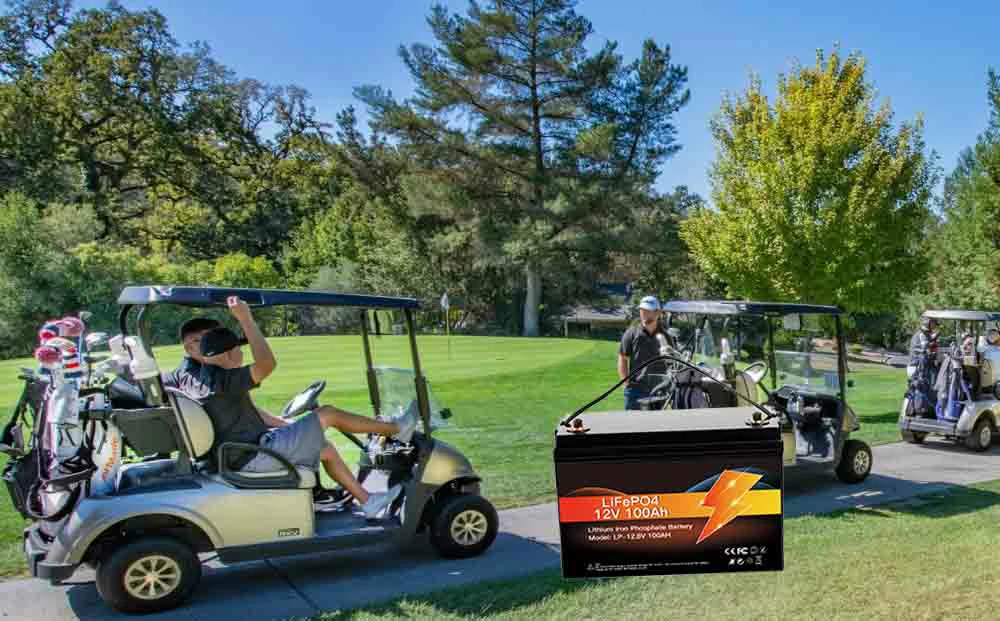
Powering a Golf Cart

The runtime of a 100Ah battery in a golf cart depends heavily on how it’s used. Factors like terrain, speed, and the number of passengers all affect power draw. On average, a golf cart might draw 10 amps per hour.

Runtime (hours) = 100Ah ÷ 10A = 10 hours

This translates to roughly 4 to 8 hours of continuous driving, depending on the terrain. Driving on hilly ground or carrying a heavy load will increase the current draw, shortening the runtime. A 100Ah LiFePO4 golf cart battery can last for many rounds of golf before needing a recharge.

Using Multiple Batteries in Parallel

For applications that need a lot more power or a much longer runtime, you can connect multiple batteries in a parallel configuration. When you connect batteries in parallel, their voltage stays the same, but their amp-hour capacity adds up.

For example, if you connect four 12V 100Ah batteries in parallel, your total capacity becomes: 100Ah + 100Ah + 100Ah + 100Ah = 400Ah

This gives you a huge amount of stored energy: Total Energy (Wh) = 400Ah × 12V = 4800Wh

This setup is great for powering an entire off-grid cabin or a large RV with many appliances. If you use a total of 200 watts of power from this setup, the runtime would be: Runtime (hours) = 4800Wh ÷ 200W = 24 hours

This means you could run your devices continuously for a full day before needing to recharge. Read this article to learn more about How to Charge Two Batteries in Parallel.

how long will a 100ah battery last in a golf cart

How Long Will a 100Ah Battery Last in a Golf Cart?

A 100Ah battery’s run time in a golf cart is not just about the numbers; it’s also about how you use the cart. A 100Ah LiFePO4 battery is an excellent choice for a golf cart because it’s lighter and more efficient than a traditional lead-acid battery.

On average, a 100Ah golf cart battery can last for 4 to 8 hours on a single charge. Here’s what affects that range:

  • Terrain: Driving on flat ground uses less power, which means the battery will last longer, closer to the 8-hour mark. Driving on hilly terrain or bumpy ground forces the motor to work harder, which drains the battery faster, bringing the run time down to the 4-hour range.
  • Load: The number of people in the cart and any extra weight it’s carrying will affect the run time. A heavier load means the motor has to work harder.
  • Speed: Driving at a consistent, moderate speed is more efficient than constantly starting and stopping, or driving at top speed.

Lifespan: The lifespan of a golf cart battery depends on the type. A lead-acid battery will last 3-5 years, while a LiFePO4 battery can last 8-10 years or more.

When to replace a golf cart battery? You know it’s time to replace your golf cart’s battery when you notice a significant drop in run time after a full charge. Other signs include:

  • The battery takes much longer than usual to charge.
  • The battery case is physically swelling or leaking.
  • The cart feels sluggish or has a hard time climbing hills.

To get the most out of your golf cart’s battery, you should always recharge it after each use, avoid driving in very hot or cold temperatures, and use a charger that is specifically made for your battery type. Read this article to learn more about How Long Golf Cart Batteries Last.

How Long Will 4 Parallel 12V 100Ah Lithium Batteries Last?

When you connect multiple batteries in parallel, you increase the total capacity while keeping the voltage the same. For four 12V 100Ah lithium batteries, the total capacity is: 100 Ah per battery × 4 batteries = 400 Ah

The total energy stored in this system is: 400 Ah × 12 V = 4800 Wh

This setup provides a massive amount of power. For example, if you power a 200W load, the calculation would be: 4800 Wh / 200 W = 24 hours

This means your devices could run for a full day straight. This kind of setup is ideal for larger applications like RVs, off-grid cabins, or as a backup power system.

What Factors Affect a Battery’s Run Time?

While the calculations provide a good starting point, several real-world factors can change how long a 100Ah battery will actually last.

The Impact of Temperature

Extreme temperatures, both hot and cold, can severely affect a battery’s performance. When it’s very cold, the chemical reactions inside the battery slow down, reducing its available capacity. In hot weather, the battery can degrade faster, which shortens its overall lifespan. It’s always best to keep your battery in a climate-controlled environment, ideally between 50°F and 77°F (10°C and 25°C), to get the best performance and longest life.

Inverter Efficiency

Most devices run on AC power, while batteries provide DC power. An inverter is used to convert the power, but it’s not 100% efficient. Typically, an inverter will lose about 5-10% of the energy in the conversion process.

To account for this, you should multiply your battery’s available watt-hours by the inverter’s efficiency rating. For example, if your inverter is 90% efficient, a 1200Wh LiFePO4 battery actually provides only 1080Wh of usable power (1200Wh x 0.90 = 1080Wh).

Battery Type and Depth of Discharge (DoD)

Even batteries with the same Ah rating can behave differently depending on their chemistry:

  • Lead-acid batteries can usually be discharged to only 50% of their capacity.
  • Older lithium-ion batteries often allow around 80% DoD.
  • LiFePO4 batteries typically support a full 100% DoD.

This means a 100Ah LiFePO4 battery can last roughly twice as long as a 100Ah lead-acid battery under similar conditions.

Important (Lead-acid only): high loads reduce usable capacity (Peukert effect).
Lead-acid batteries are typically rated at a specific discharge rate (often the 20-hour rate). If you draw much higher current, the effective capacity drops. This behavior is commonly modeled with Peukert’s law, which explains why a “100Ah” lead-acid battery may deliver noticeably less than 100Ah at high discharge currents. For high-power loads, treat runtime estimates as optimistic unless you apply a Peukert adjustment or use the manufacturer’s capacity tables.

Battery Condition

Battery condition plays a critical role in runtime. LiFePO4 batteries can last over 4000 cycles, but their runtime decreases as they age or if they are not properly maintained. Poor maintenance, deep discharges, and extreme conditions can reduce runtime significantly—even to 50% of the original value toward the end of the battery’s life.

Maintaining your battery ensures maximum runtime throughout its lifecycle.

Self-Discharge Rate

Batteries naturally lose charge even when not in use:

  • Lead-acid batteries: ~10-15% per week
  • LiFePO4 batteries: ~1-2% per month

This makes LiFePO4 batteries ideal for long-term storage, as they retain almost all their charge even

Battery Capacity

The battery’s capacity, measured in amp hours (Ah), directly determines how much energy it can store and, consequently, how long it can power your devices. Simply put, the larger the battery capacity, the longer it can run before needing a recharge.

Connected Load

The load connected to the battery, expressed in watts, directly affects runtime. Runtime is inversely proportional to the load:

  • Doubling the load halves the runtime.
  • Cutting the load in half doubles the runtime.

For instance, a 100Ah battery powering a 1000W load will last half as long if the load increases to 2000W. Conversely, reducing the load to 500W would double the runtime.

Discharge Rate (C-Rate)

The discharge rate, often referred to as the C-rate, indicates how quickly a battery is drained relative to its capacity. By convention:

  • 1C means the battery is discharged at a current equal to its capacity (e.g., 100A for a 100Ah battery).
  • 2C doubles the current, halving runtime.
  • 0.5C halves the current, roughly doubling runtime.

Exceeding the recommended discharge rate can significantly shorten runtime. Typically:

  • Lead-acid batteries have low discharge rates (<0.2C)
  • LiFePO4 batteries support higher rates, often 3C–5C

We manufacture and sell LiFePO4 battery products. This guide is written to help you estimate runtime and understand the tradeoffs across battery chemistries. We cite third-party technical references where possible and encourage you to compare specifications (usable capacity, cycle life, warranty terms, discharge limits, and safety protections) across brands before buying.

Get Your 100Ah Battery Today

If you’re choosing a 100Ah battery, compare these specs first: usable energy (DoD), continuous discharge limit (A or C-rate), low-temperature performance, BMS protections, cycle-life test conditions, warranty terms, and charger compatibility.

If you’d like, share your load list (watts), voltage (12/24), and expected temperature range—our team can sanity-check your runtime math and recommend a sizing range for your application.

Ready to upgrade your power system? Contact us today to get started and experience unmatched performance and durability.

avepower lifep04 12v 100ah battery

Power That Lasts

If you want a battery you can just install and forget, go with an Avepower LiFePO4.
You get 4000+ cycles, around 10 years of use, a built-in BMS, and capacity you can expand later as your needs grow—just talk to Avepower for easy sizing advice and a no-pressure quote.

Conclusion

Understanding how long a 100Ah battery will last gives you the power to plan confidently—whether you’re off-grid, on the road, or managing backup energy for your home or business. We’ve explored the impact of battery type, usage habits, and calculation tips so you can make decisions that truly fit your needs.

By applying these insights, you’ll maximize battery life and ensure reliable power wherever and whenever you need it most. If you’re considering upgrading your energy storage or have questions about choosing the right battery solution, our team at Avepower is here to guide you with expert advice and proven options.

Your journey to dependable energy starts with knowledge, and we’re proud to be part of yours. If you’d like tailored recommendations for your next step, feel free to reach out—we’re ready to help power your ambitions.

References:

  • Recommended DoD for Lead-Acid Batteries:
    Trojan Battery clearly states that “50% (or less) discharges are recommended” to extend lead-acid battery lifespan.
  • Capacity Loss at Low Temperatures:
    Battery University notes that battery capacity decreases significantly in low-temperature conditions. For example, a battery that delivers 100% capacity at 27°C (80°F) may provide only about 50% capacity at −18°C (0°F).
  • Peukert Effect Under High Discharge Rates (Lead-Acid):
    Victron Energy provides a clear explanation and formula for the Peukert effect, which describes how lead-acid batteries deliver less usable capacity when discharged at higher currents.
  • Reliable Self-Discharge Rates:
    Battery University reports typical monthly self-discharge rates of 10–15% for lead-acid batteries and 1–2% per month for lithium-ion batteries, which are widely accepted reference values.
  • Inverter Efficiency Ranges:
    Penn State course materials indicate that high-quality pure sine wave inverters typically achieve 90–95% efficiency, while lower-quality inverters generally operate at lower efficiency levels.

FAQ

How long will a 100Ah battery last at 10 amps?

The battery will last about 10 hours in theory (100 Ah ÷ 10 A = 10 hours). Real runtime will be lower after you apply DoD and inverter/wiring losses.

Can you fully discharge a 100Ah LiFePO4 battery?

Many LiFePO4 packs allow deep discharge safely, often up to 80–100% DoD. You should follow the pack maker’s guidance.

How many hours will a 100Ah battery run a 500W device?

Use usable Wh. For LiFePO4 (≈1,140 Wh usable after inverter): 1,140 ÷ 500 ≈ 2.28 hours. For lead-acid (≈570 Wh usable): 570 ÷ 500 ≈ 1.14 hours.

Can I use a 100Ah lead-acid battery to get the same runtime as a 100Ah LiFePO4 battery?

No. The lead-acid battery will typically allow only 50% usable capacity for long life. The LiFePO4 battery will often allow 80–100% DoD. The LiFePO4 battery will therefore give more usable energy for the same Ah rating.

How long will a 12V fridge last on a 100Ah battery?

A 12V fridge can last for 25 to 100 hours on a 100Ah battery. The exact time depends on the fridge’s efficiency and how often it cycles on and off. A fridge typically uses 1-4 amps per hour on average.

How long will a 100Ah battery last with a 500W inverter?

A 500W inverter can power devices up to 500 watts. If you connect a 300W device, it will run for about 3.6 hours. If you use a 500W device, it will last about 2 hours.

Picture of Ryan

Ryan

Ryan is an energy expert with over 10 years of experience in the field of battery energy storage and renewable solutions. He is passionate about developing efficient, safe, and sustainable battery systems. In his spare time, he enjoys adventure and exploring.

Share the Post:

Leave a Comment

Your email address will not be published. Required fields are marked *

Request a Quote

Planning a bulk order battery or custom energy storage solution. Share your project details and our team will.

Request a Quote Now

Describe your needs, and Avepower will provide the solution.

Customization Services

Avepower tailor battery to your exact specifications:

custom battery

Get Battery Quote & Solution

Download Avepower Catalog

Full energy storage specs and details in one PDF. Instant access with your info.