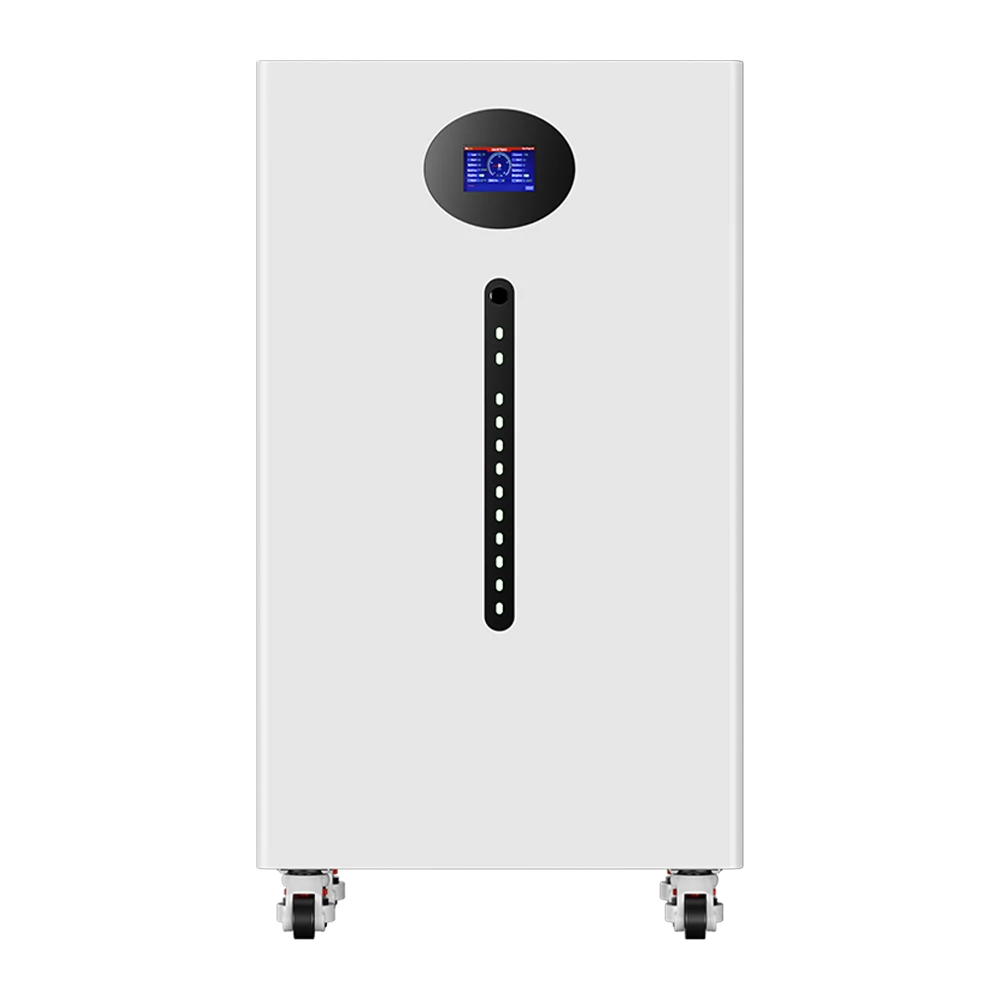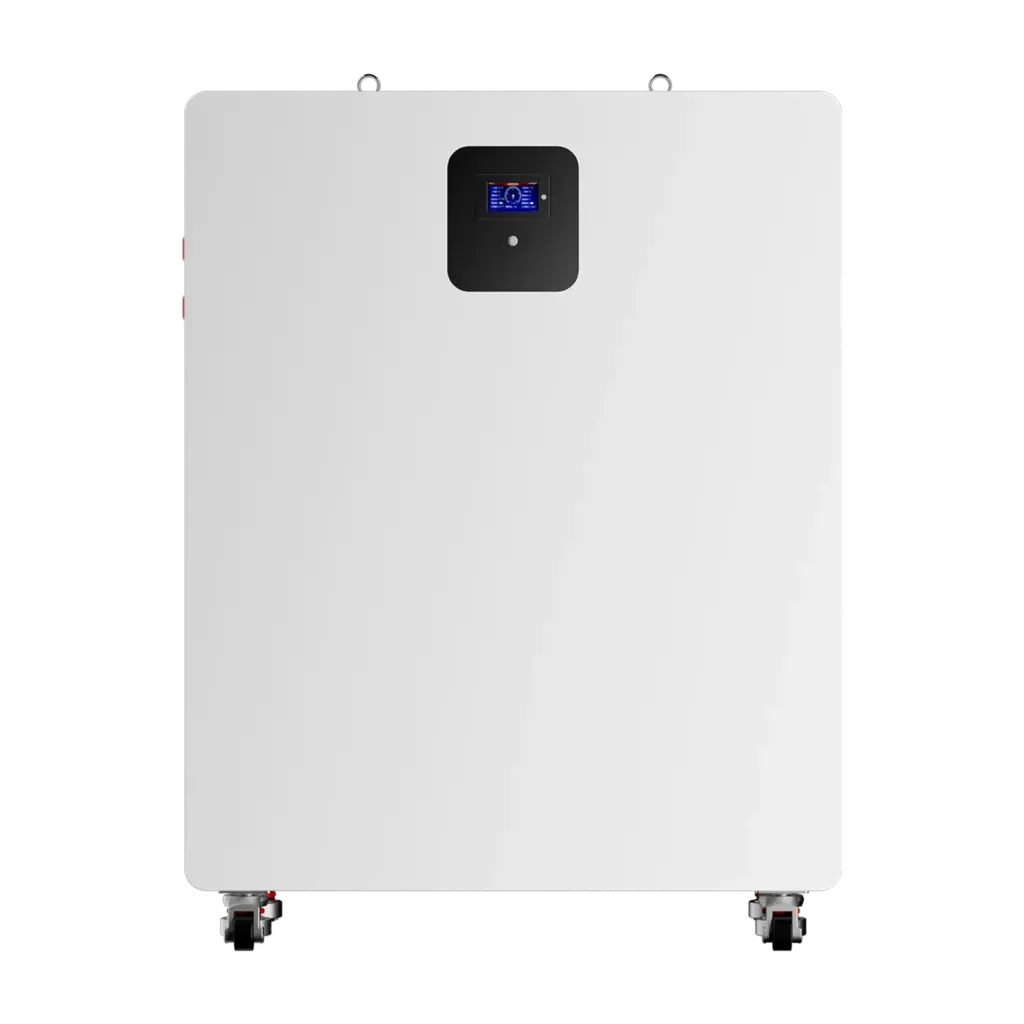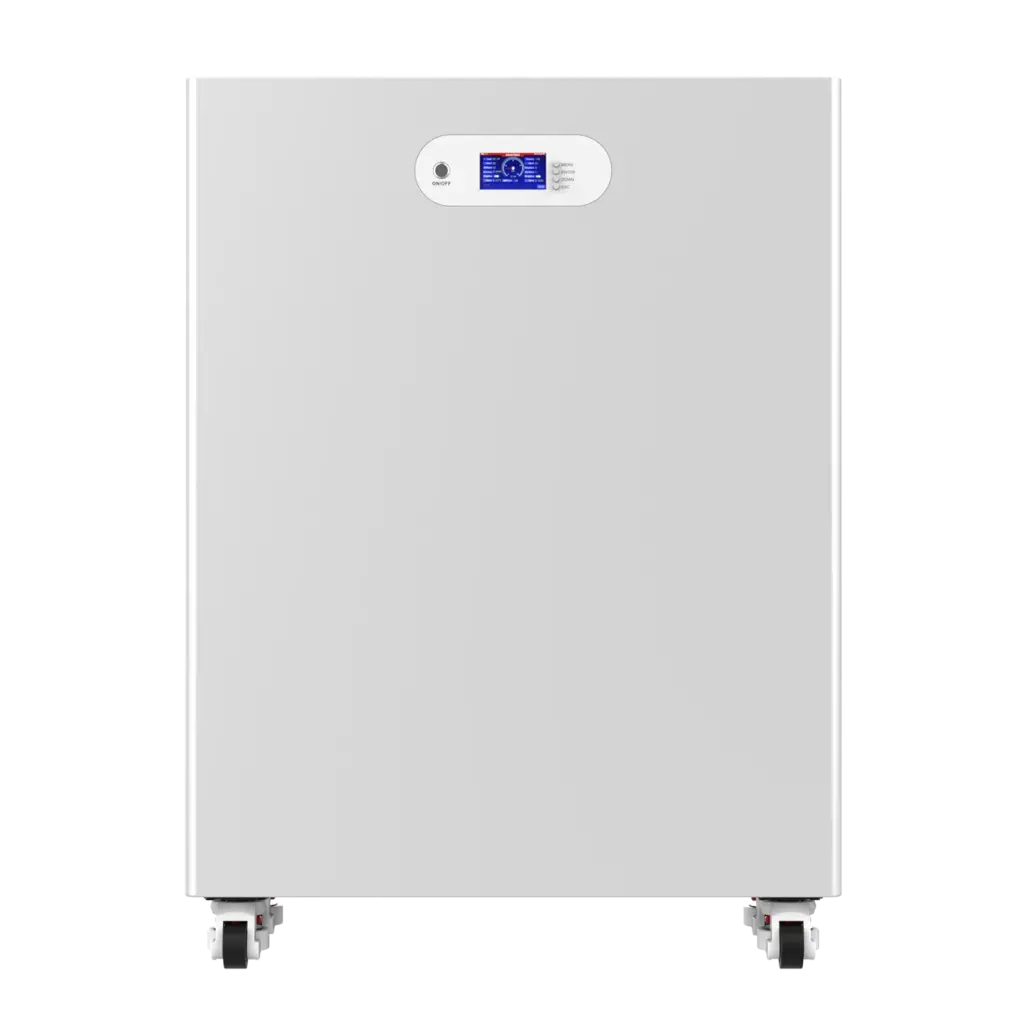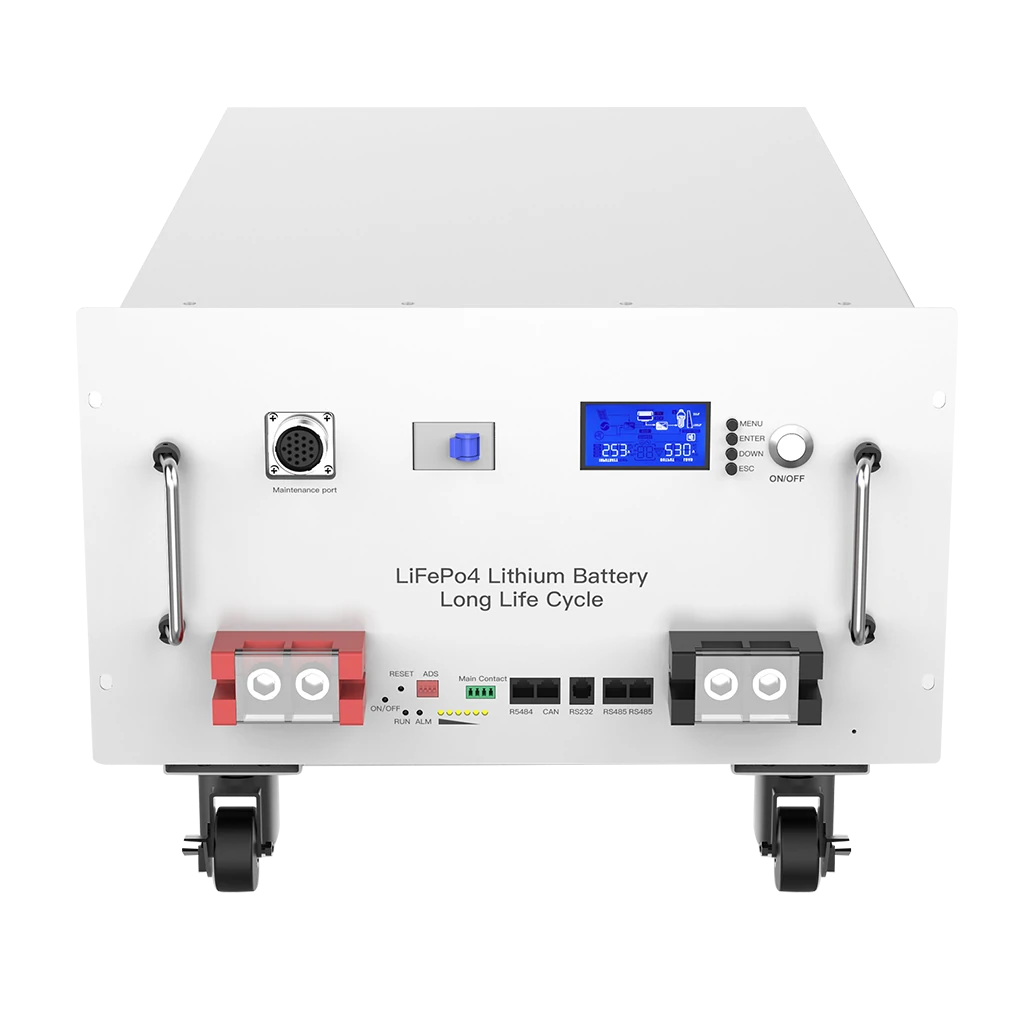

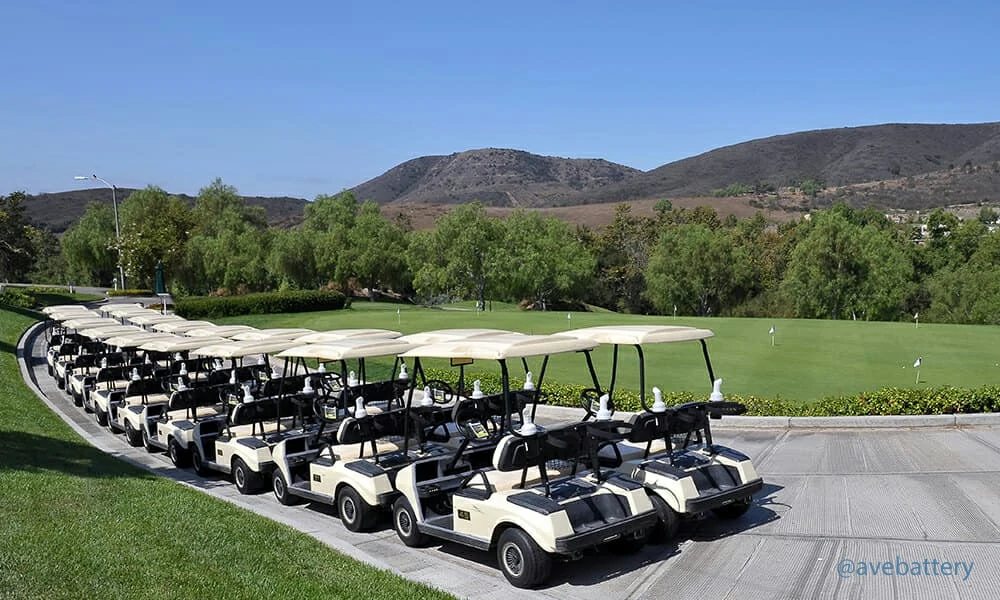
Riding across the course in a golf cart feels effortless. But behind that smooth ride is one important question: how long do golf cart batteries last before they need to be replaced?
The lifespan of golf cart batteries depends on several factors, including the type of battery you use, how often you charge it, and how well you maintain it. Some batteries only last a few years, while others can keep going for a decade or more. Understanding these differences will help you choose the right battery, take better care of it, and avoid unexpected breakdowns.
This guide explores the typical lifespan of golf cart batteries, compares battery types, looks at the factors that influence battery life, and offers practical tips to extend the time before replacement.
Average Lifespan of Golf Cart Batteries
Most golf carts today still use lead-acid batteries, the traditional choice for decades. On average, a standard lead-acid golf cart battery lasts 4 to 6 years if it is maintained properly. However, if the owner neglects maintenance or frequently overcharges or undercharges the battery, the lifespan can drop to 2 to 3 years.
On the other end of the spectrum, lithium batteries for golf carts can last 10 years or more with regular use. A high-quality lithium battery can handle 4,000+ charging cycles, compared with 500 to 1,000 cycles for lead-acid batteries. In practice, this means a lithium battery may last up to four times longer than its lead-acid counterpart.
Of course, the numbers vary depending on how you use your golf cart. A battery that powers a busy fleet of rental carts may wear out faster than one in a privately owned cart that only sees weekend use.
How Long Can a Golf Cart Sit Without Charging?
You should not let a lead-acid golf cart sit for more than a few weeks without checking the charge. You should charge lead-acid batteries every few weeks during long storage. You should expect lithium batteries to hold a charge longer, and you should check them monthly during long storage. You should follow the battery maker’s guidance because storage times vary by battery chemistry and state of charge.
How Manufacturers Measure Battery Life
Battery makers usually measure life in cycles or years. A cycle means one full discharge and recharge, although many users never fully discharge a golf cart battery. You should understand that the same number of cycles will not mean the same years of service for two different owners. A battery that receives shallow daily discharges may reach a high cycle count but still last many years. A battery that is deeply discharged at high temperatures may fail after far fewer cycles.
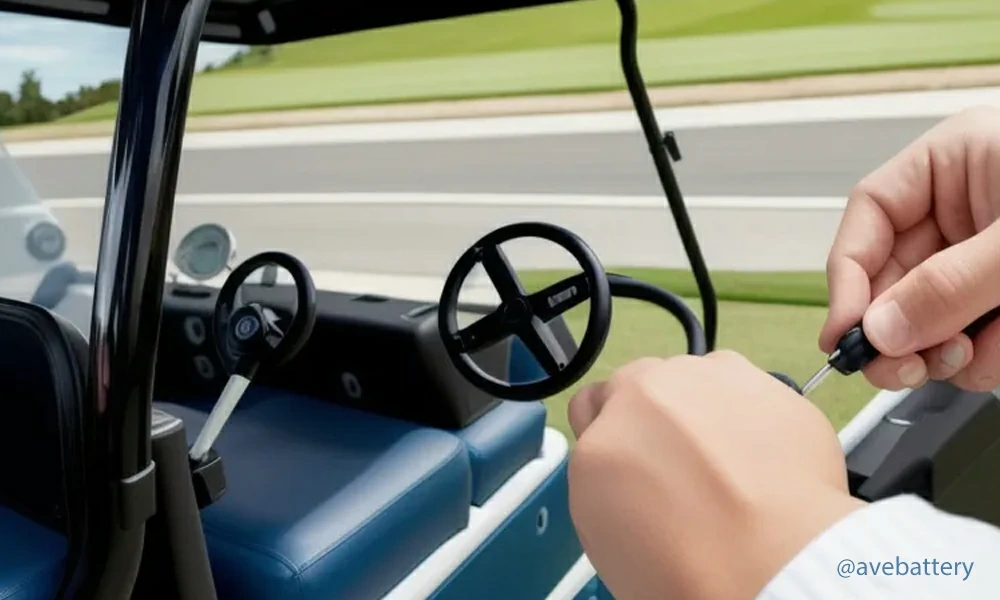
What Affects Golf Cart Battery Life?
The difference in lifespan comes down to a combination of battery chemistry, charging habits, maintenance routines, and power demands.
Battery Chemistry
Lead-acid batteries use liquid electrolytes that require regular watering and cleaning. They degrade faster if over-discharged or left in a low-charge state. Lithium batteries use modern technology with built-in protections like Battery Management Systems (BMS). They resist overcharging, discharge more deeply without harm, and do not need watering or regular terminal cleaning.
Charging Habits
How you charge your battery matters just as much as how often you use it.
- A lead-acid battery that stays undercharged or overcharged will lose capacity faster.
- A lithium battery, by contrast, has built-in management systems that prevent overcharging.
If you forget to unplug a manual charger, your lead-acid pack may suffer permanent damage. Using a smart charger that automatically shuts off can prevent this issue.
Maintenance Practices
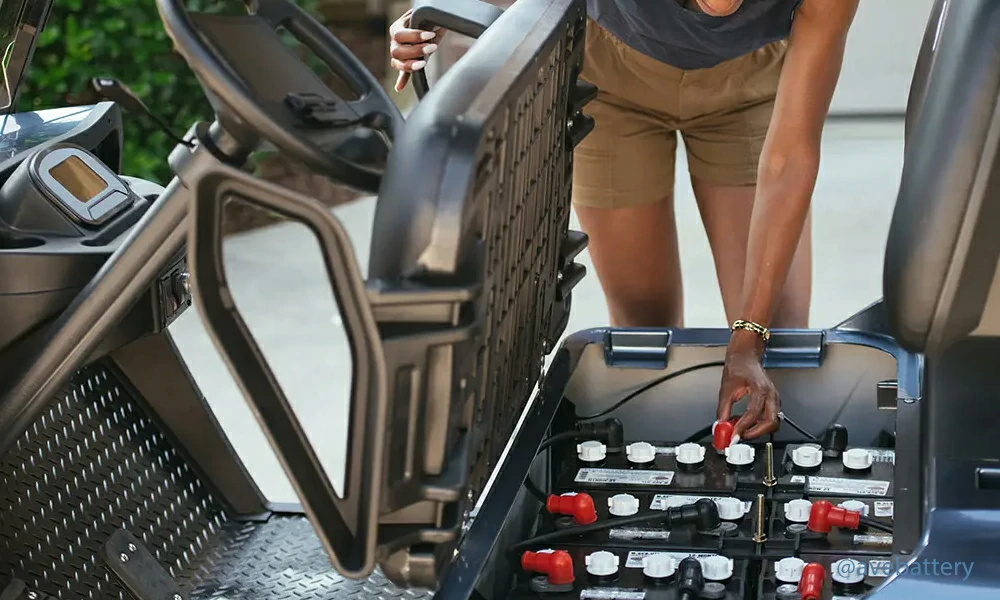
Lead-acid batteries need regular inspections, water top-offs, and terminal cleaning. Lithium batteries require almost no maintenance, making it easier for them to stay healthy over time.
Power Consumption
Some golf carts require more energy than others. Features like upgraded motors, headlights, fog lights, or faster speeds demand additional power. The harder the battery works, the quicker it wears down.
Frequency of Use
Golf carts that are used daily or in fleets (like at golf courses or resorts) often have batteries that last longer than privately owned carts. Why? Because regular use typically comes with regular maintenance. A cart that sits unused for months without charging may actually shorten the battery’s lifespan.
Environmental Conditions
Temperature plays a big role in battery performance. Extreme heat speeds up chemical reactions that degrade cells. Freezing cold reduces the battery’s ability to hold a charge. Storing your cart in a cool, dry place is one of the easiest ways to protect your investment.
How Long Different Types of Golf Cart Batteries Last
Battery Runtime Calculator
Not all golf cart batteries are the same. Here’s how long each major type typically lasts, along with their pros and cons.
| Type | Lifespan | Notes |
|---|---|---|
| LiFePO4 | 8 – 12 yrs | Very stable & safe, 4000+ cycles |
| Lithium-ion | 10+ yrs | Lightweight, higher capacity, fast charging |
| Lead-acid | 2 – 5 yrs | Needs watering, affected by deep discharge |
| AGM | 4 – 7 yrs | Maintenance-free, vibration resistant |
| Gel | 5 – 7 yrs | Performs well in temp extremes, slower charging |
LiFePO4 (Lithium Iron Phosphate)
LiFePO4 batteries have become a preferred option for many golf cart owners. These batteries are stable, safe, and long lived. Owners often see 8 to 12 years of life, and the batteries commonly rate 1,700–3,500 hours of operation or 4,000+ partial cycles, depending on charge depth and conditions.
Read this article to learn about how to charge lithium iron phosphate batteries: How to Charge LiFePO4 Batteries Correctly
Lithium-ion (general)
Lithium-ion batteries cover a wide range of chemistries and quality levels. Owners can expect 10+ years from many lithium golf cart batteries when they receive proper management and use. The battery offers lower weight, higher usable capacity, and faster charging.
Lead-acid (flooded)
Manufacturers and owners have used flooded lead-acid batteries for decades. These batteries usually last 2 to 5 years under normal usage. The battery weight can slow the cart and the owner must check water levels and corrosion. The life shortens when the battery sits discharged for long periods.
AGM (Absorbed Glass Mat)
AGM batteries are a sealed variation of lead-acid that use glass mats to hold the electrolyte. Owners typically see 4 to 7 years of life from properly cared-for AGM batteries. The battery offers better resistance to vibration and lower maintenance than flooded cells.
Gel Batteries
Gel batteries use a gel-like substance to hold electrolytes in place. This design makes them leak-proof and well-suited for extreme temperatures, especially in cold climates. They last longer than traditional lead-acid batteries but take longer to charge, which can be inconvenient for daily use.
Which Battery Is Best for You?
When comparing the two main options, lithium batteries clearly outperform lead-acid. Lead-acid packs may only last 500 to 1,000 cycles, while lithium batteries can easily reach 4,000+ cycles.
That means a lithium battery might last up to four times longer, while also offering faster charging, lighter weight, and less maintenance. Though the upfront cost is higher, most owners save money in the long run by switching to lithium.
When You Should Upgrade to Lithium
You should consider upgrading to lithium if you want longer life, lighter weight, and faster charging. You should also consider lithium when you want less maintenance and better performance on hills or heavy loads. You should check whether your golf cart wiring and controller work with lithium batteries and you should consult a trained technician before switching chemistries.
How Usage Patterns Affect Battery Life
Usage intensity changes how quickly a battery wears out. You should expect a battery to last longer if you run the cart for short trips and recharge after each trip. You should expect faster wear if you run heavy loads, such as frequent hill climbs, high speed, or a lot of accessories (lights, stereo, heaters). Fleet carts that operate many hours each day will show wear faster than a private cart that sees light use.
How to Extend Your Golf Cart Battery Life
Taking care of your golf cart battery doesn’t have to be complicated. A few simple habits can make a huge difference in how long your battery lasts and how well your cart performs.
- Plug it in after every ride: Even if you just went a short distance, charging your battery right after use keeps it healthy and ready for your next round.
- Keep terminals clean: Wipe down battery terminals regularly to prevent corrosion. Inspect cables and connectors, and store the battery somewhere cool and dry when it’s not in use.
- Weekly or monthly routine: For lead-acid batteries, make sure water levels are where they should be. Check belts, suspension, and the charging system to catch wear and tear before it becomes a problem.
- Don’t overfill the battery: For lead-acid types, too much water can touch the caps, causing performance problems or starting issues.
- Call in the pros when needed: If you use your cart a lot, let a technician give it a check now and then. They can spot tricky problems, like loose speed controller cables, before they get expensive to fix.
- Quick daily check: Give your cart a once-over each day. Check the tires, brakes, and battery connections. Look out for any corrosion, leaks, or loose wires so small issues don’t become big headaches.
By following these simple steps and keeping an eye on your battery, you’ll get more years of smooth rides and worry-free golf trips.
Proper Charging Practices for Golf Cart Batteries
Charging is one of the most critical factors in battery longevity. Improper charging can damage even high-quality batteries. For lead-acid batteries, there is no universal method that works perfectly for all models. However, some basic rules can help:
- Avoid overcharging: Leaving a lead-acid battery connected to the charger too long can damage the cells. Overcharging increases heat and reduces battery capacity over time.
- Avoid undercharging: Letting a battery sit in a low charge state can cause sulfation, where lead sulfate crystals form and limit the battery’s ability to hold a charge.
- Regular use: Lead-acid batteries perform better when used and charged regularly rather than sitting idle for months.
For lithium batteries, the process is simpler. These batteries include a Battery Management System (BMS) that prevents overcharging. You only need to avoid discharging them to extremely low levels, such as down to 1Ah or below the manufacturer’s voltage cut-off. Lithium batteries can remain connected to a charger without risk, which makes them very convenient for users who do not want to manage charging times manually.
Read this article to learn how long a battery can last after being charged once: How Long Will a 100Ah Battery Last
Charging Habits That Extend Battery Life
You should charge your battery properly every time to protect its life. You should charge lead-acid batteries fully after heavy use and you should not let them sit discharged. You should avoid overcharging lead-acid batteries and you should use a charger with an automatic shutoff if possible. You should allow lithium batteries to charge with chargers that match the battery chemistry and voltage profile. You should avoid fast charging with a poor-quality charger and you should follow the battery maker’s instructions for charge rates and cutoff voltages.
Golf Cart Battery Charging
Battery Charging Time Calculator
Signs Your Golf Cart Battery Needs to Be Replaced
Even the best-maintained batteries won’t last forever. Here are clear signs that your golf cart battery may be nearing the end of its life:
- Slow charging times – If it takes much longer than before to recharge, the battery is weakening.
- Shorter travel distance – If your cart can’t make it through a normal round of golf without recharging, the battery may be failing.
- Weak acceleration – Struggling to climb small hills or move quickly shows reduced power output.
- Overheating – If the battery gets very hot during or after charging, it may be damaged.
- Visible damage – Cracks, leaks, or bulging in the battery case are major warning signs.
- Failure to start – If the cart doesn’t turn on, the battery may be dead or close to it.
Replacing the battery on time helps avoid unexpected breakdowns and prevents damage to other parts of the cart.
How to Properly Store Golf Cart Batteries
Correct storage can prevent battery damage and extend lifespan. Storage methods vary depending on battery type.
Storing Lead-Acid Batteries
- Fully Charge Before Storage: Charge for 8–10 hours to ensure full capacity.
- Inspect Regularly: Check for dirt or corrosion. Clean terminals with a baking soda and water solution.
- Maintain Charge Levels: Avoid discharging below 80%. Recharge if levels drop too low.
- Store in a Cool, Dry Place: Extreme heat or freezing temperatures can damage cells.
Storing Lithium Batteries
- Ideal Temperature: Keep batteries above freezing, ideally around 28°C.
- Charge Fully and Unplug: Lithium batteries discharge very slowly and can maintain a charge for months.
- Clean and Dry: Ensure no moisture remains on the battery before storage.
- Monthly Check: Recharge if the battery drops to half or below.
For specific models, like Avepower lithium batteries, you can store the cart in “Tow” mode to prevent power drain, keep the charge at around 90%, and cover the cart to protect it from environmental damage.
Power Your Golf Cart with Lithium Batteries Today!
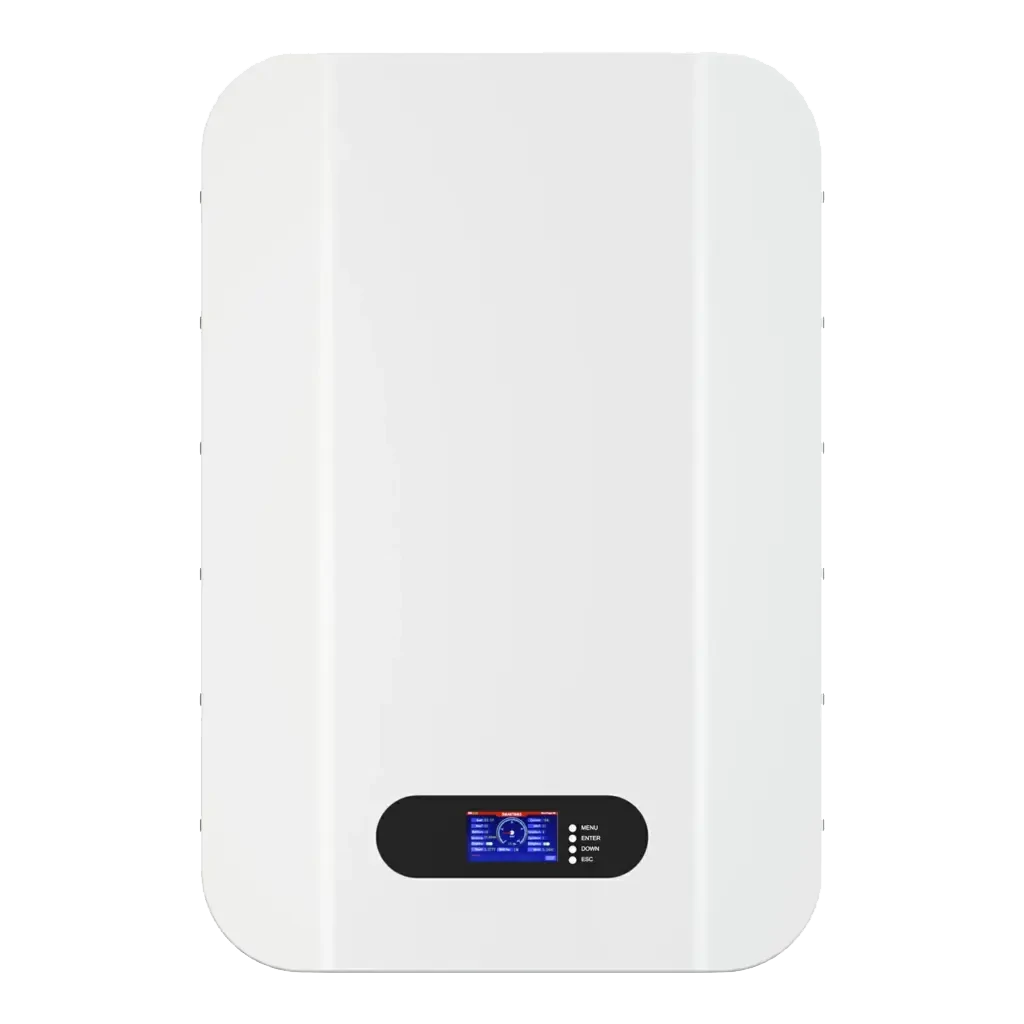
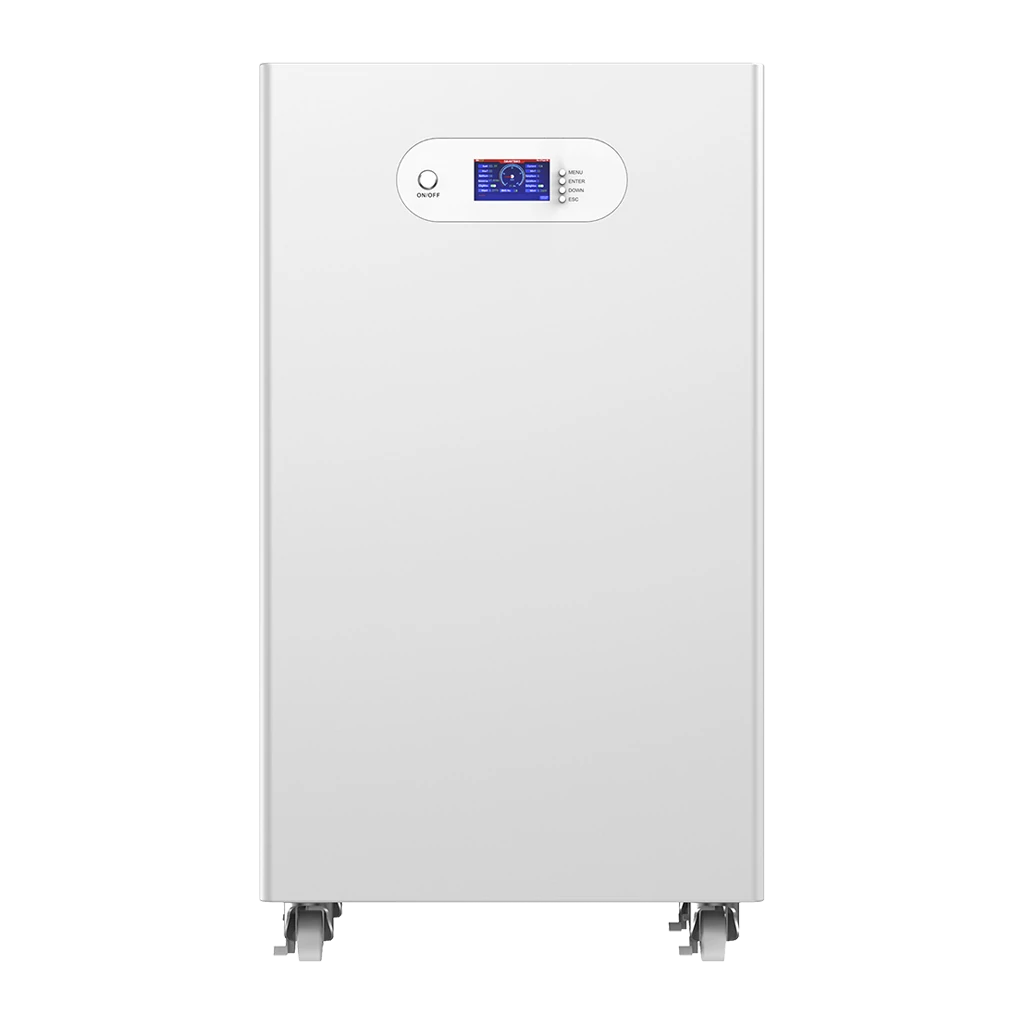
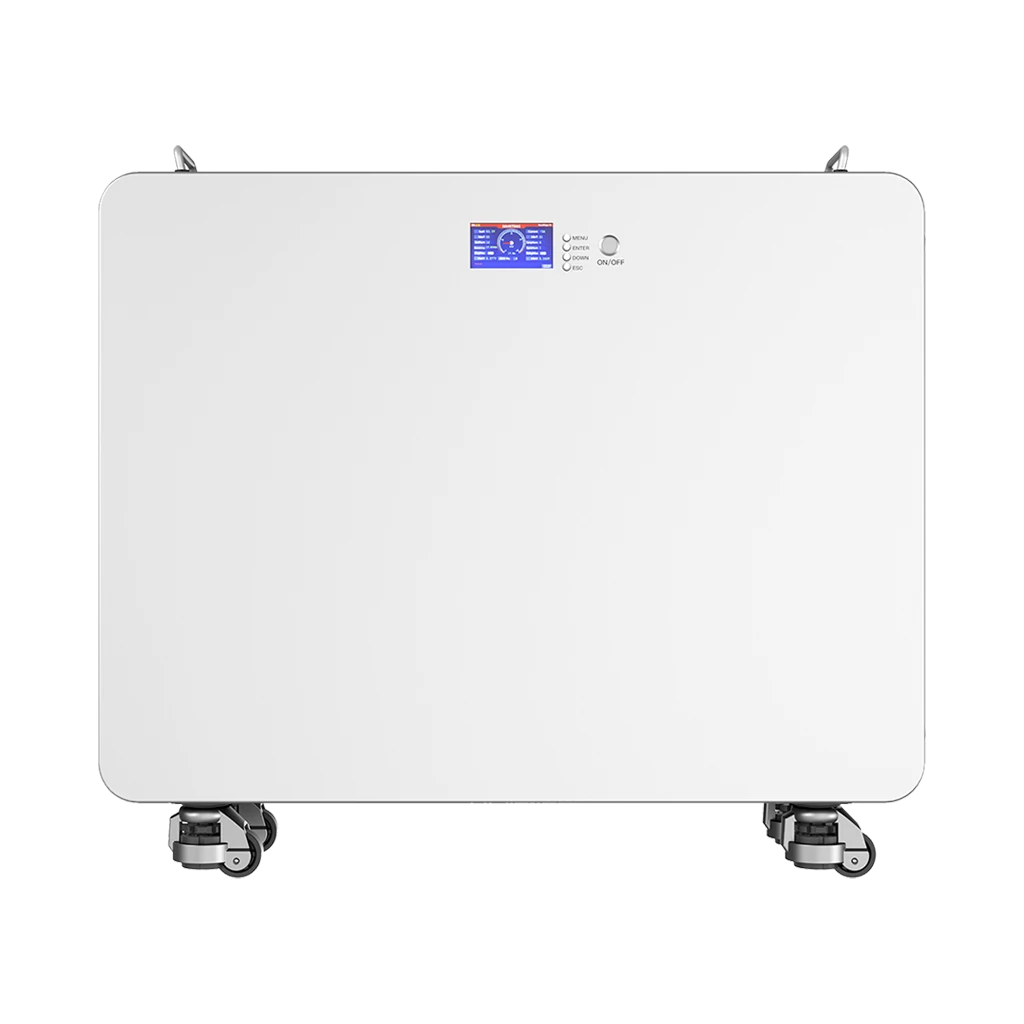
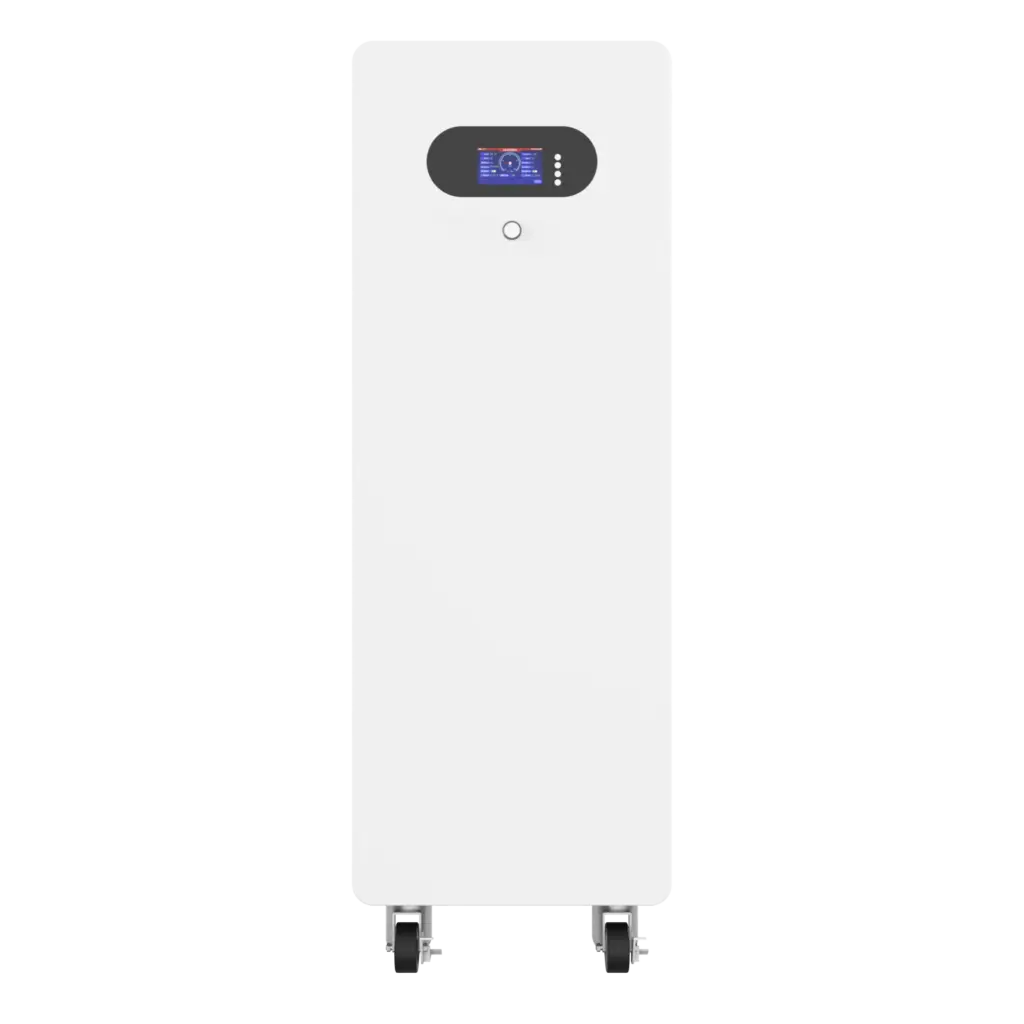
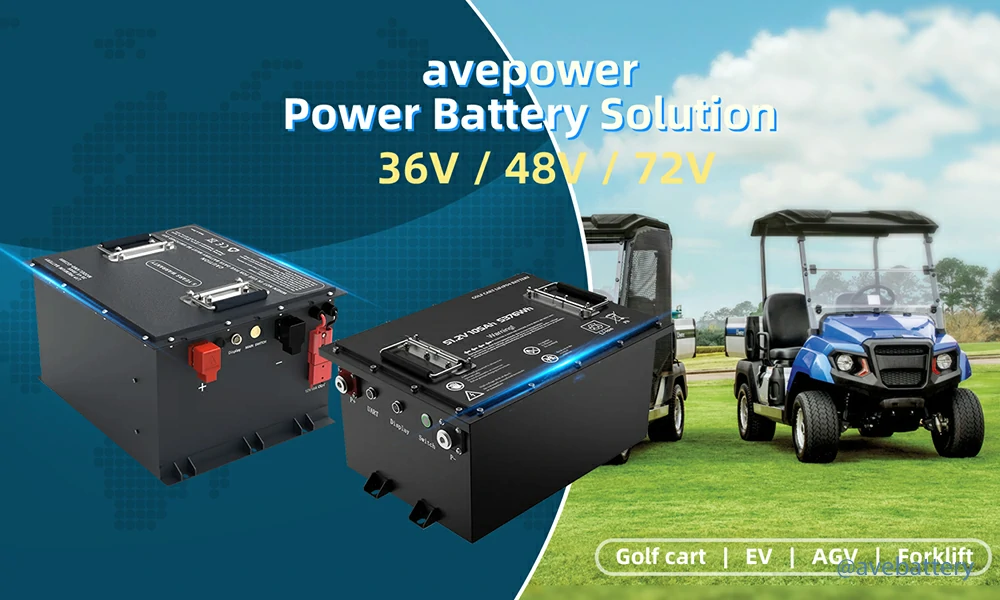
Take your golf cart experience to the next level with Avepower 36V, 48V golf cart batteries, and 72V lithium batteries. These batteries are lightweight, long-lasting, and charge faster than traditional options, giving you more time on the course without worrying about power.
With plug-and-play installation, you can connect them effortlessly, while Bluetooth controls let you monitor remaining power in real-time. Each battery comes equipped with a built-in Battery Management System (BMS) and a Protection Circuit Module (PCM), ensuring safe and optimal performance during both charging and discharging.
Contact us today to get a personalized quote and find the perfect lithium battery for your golf cart.
Conclusion
So, how long do golf cart batteries last?
- Lead-acid: 2–5 years
- AGM: 4–7 years
- Gel: 5–7 years
- Lithium-ion: 10–20 years
- LiFePO4: 8–12 years
Ultimately, the life of your golf cart battery comes down to both the type you choose and how well you take care of it. Regular charging, smart storage, and consistent maintenance can easily add years to your battery’s life.
If you want the longest-lasting option, Avepower lithium golf cart batteries are the clear winner. They may cost more up front, but their durability, speed, and efficiency make them a smart investment for anyone who wants peace of mind on the green—or anywhere else their cart takes them.
FAQ
Yes. Regular charging prevents sulfation in lead-acid batteries and keeps lithium batteries ready for use. Even if you didn’t drive far, topping off the battery ensures it maintains full capacity and provides consistent performance the next time you use your cart.
You should charge your battery after every use. Even short drives benefit from topping it off, and for long-term storage, check and recharge it monthly to keep it healthy.
Overcharging can damage lead-acid batteries and reduce their lifespan. Lithium batteries with a Battery Management System (BMS) are safer and prevent overcharging automatically.
Lithium-ion and LiFePO4 batteries offer the longest lifespan, often lasting 10–20 years, compared to 2–7 years for lead-acid, AGM, or gel batteries.