
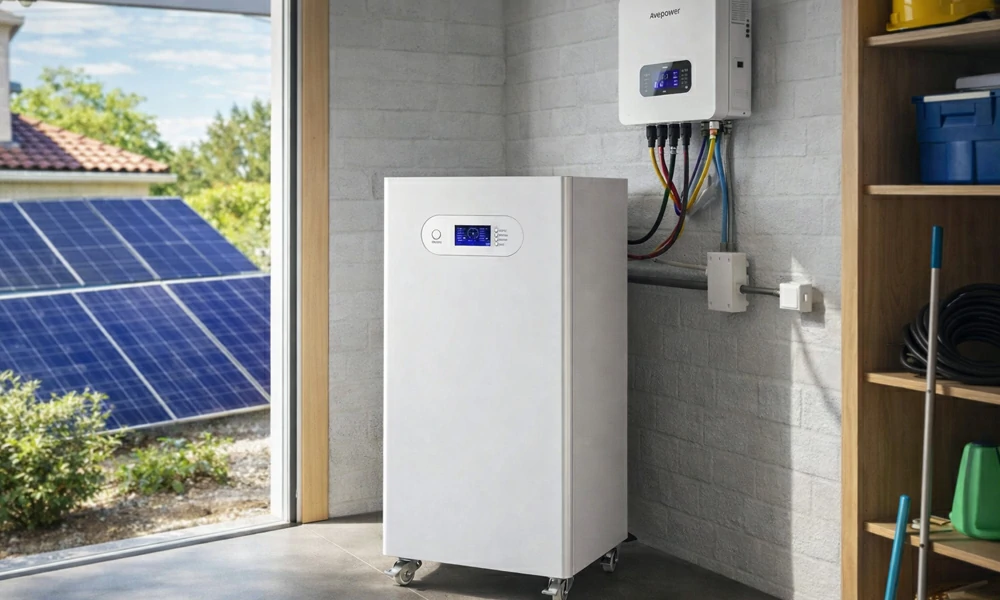
If you are comparing residential solar batteries in 2026, the most useful pricing metric is the installed cost per usable kilowatt-hour (kWh), rather than the battery’s advertised capacity or hardware price alone.
A typical 13.5kWh residential battery installation in the United States costs approximately $15,647 before incentives, equivalent to about $1,159 per kWh. Actual costs vary by location, battery brand, system capacity, and installation requirements.
A complete home battery installation costs considerably more than the battery pack itself. Inverters, electrical equipment, permitting, labor, system configuration, and installer overhead all contribute to the final price.
This updated guide compares 2026 solar battery costs in the United States, Australia, and the United Kingdom, explains the main cost drivers, and reviews current government incentives and ways to reduce the cost per usable kWh.
Why Home Batteries Are More Expensive Than the Pack
Battery pack prices are substantially lower than the cost of a complete residential energy storage installation. According to BloombergNEF’s December 2025 battery price survey, the global average lithium-ion battery pack price reached $108/kWh, while stationary storage battery packs averaged $70/kWh. These are battery pack benchmarks, not complete residential installation prices.
In contrast, EnergySage estimates that equipment accounts for approximately 50–60% of residential energy storage installation costs, with labor, project planning, and other services making up most of the remainder.
Average Solar Battery Cost per kWh in 2026
United States
Residential battery installation prices in the United States vary significantly by state, manufacturer, and system configuration. A typical 13.5kWh home battery installation costs approximately $15,647 before incentives, or around $1,159 per kWh.
Regional price differences remain significant:
| State | Installed Cost per kWh | Typical Battery Size | Total Installed Cost |
|---|---|---|---|
| California | $1,079 | 13.5 kWh | $14,567 |
| Texas | $1,059 | 13.5 kWh | $14,297 |
| New York | $888 | 13.5 kWh | $11,988 |
| Colorado | $1,261 | 10 kWh | $12,610 |
Australia
Australian residential battery prices vary by brand, capacity, installation requirements, and government incentives. The federal Cheaper Home Batteries Program has significantly affected upfront costs, but rebate calculations changed on May 1, 2026, introducing capacity-based tiers.
| Battery Model | Capacity | Installed Cost (AUD) | Cost per kWh (AUD) |
|---|---|---|---|
| iStore | 10 kWh | $10,800 | $1,080 |
| Sungrow SBR | 12.8 kWh | $8,800 | $690 |
| Sungrow SBR | 16 kWh | $10,000 | $620 |
| SigenStor Single-Phase | 13 kWh | $9,300 | $720 |
| Sungrow SBR | 25.6 kWh | $14,000 | $550 |
Australian Federal Battery Rebate in 2026
The Australian Government revised its Cheaper Home Batteries Program on May 1, 2026. The program continues to support eligible batteries with a nominal capacity of 5–100kWh, but small-scale technology certificates (STCs) are available only for the first 50kWh of usable capacity.
From May 1 through December 31, 2026, the base STC factor is 6.8, with different rates applied to each capacity tier:
| Usable Battery Capacity | Applicable STC Factor |
|---|---|
| First 14 kWh | 100% of base factor |
| Above 14–28 kWh | 60% of base factor |
| Above 28–50 kWh | 15% of base factor |
| Above 50 kWh | No additional STCs |
The actual monetary discount depends on the applicable STC factor, certificate value, battery eligibility, and installation date. Consequently, a single flat rebate amount per kWh no longer accurately describes all eligible battery systems.
For current requirements and calculations, refer to the Australian Government’s official STC guidance.
Although larger batteries often achieve lower installed costs per kWh, the tiered rebate structure provides proportionally less support for additional capacity above 14kWh. Buyers should therefore compare total installation costs, usable capacity, and expected energy savings before selecting a system.
United Kingdom
Residential battery installation costs in the United Kingdom vary by capacity, manufacturer, and installation requirements. Updated government statistics provide a more reliable pricing reference than fixed estimates for individual battery sizes.
| Battery Capacity | Median Installed Cost per kWh |
|---|---|
| Under 6 kWh | £1,300/kWh |
| 6–11 kWh | £890/kWh |
| 11 kWh or more | £630/kWh |
UK Policy Impact
Qualifying residential battery storage installations currently benefit from 0% VAT until March 31, 2027. Under the rules in force as of October 2026, the VAT rate for qualifying installations is scheduled to return to the reduced rate of 5% from April 1, 2027.
The relief can apply to eligible standalone battery installations and battery systems installed alongside qualifying energy-saving materials. However, the treatment of battery equipment purchased without qualifying installation services may differ.
Official source: HMRC — VAT on Energy-Saving Materials and Heating Equipment.
The Smart Export Guarantee (SEG) may also provide payments for eligible electricity exported to the grid from qualifying low-carbon generation systems. Payment rates and eligibility vary by supplier, so battery storage alone does not automatically guarantee SEG income.
What Drives Solar Battery Cost?
Understanding cost structure helps explain pricing differences.
1. Battery Size and Fixed Cost Dilution
Larger battery systems generally achieve lower installed costs per kWh because fixed expenses, including inverters, electrical components, and installation labor, are distributed across greater storage capacity.
For example, SolarQuotes’ May 2026 Australian pricing estimates place a 12.8kWh Sungrow SBR system at approximately AUD 690/kWh after the federal discount, compared with AUD 550/kWh for a 25.6kWh configuration.
However, larger batteries require higher upfront investment, and Australia’s revised rebate structure provides proportionally lower incentives for capacity above 14kWh. Battery sizing should therefore reflect actual energy demand, usable capacity, and overall project economics.
2. Battery Chemistry
Battery chemistry affects safety, lifespan, and cost.
For home storage, LFP batteries are generally more cost-efficient, longer-lasting, and slightly safer than nickel-cobalt-manganese (NMC) chemistries. As a result, many 2026 residential systems—especially those targeting high cost-performance ratios—adopt LiFePO4 technology.
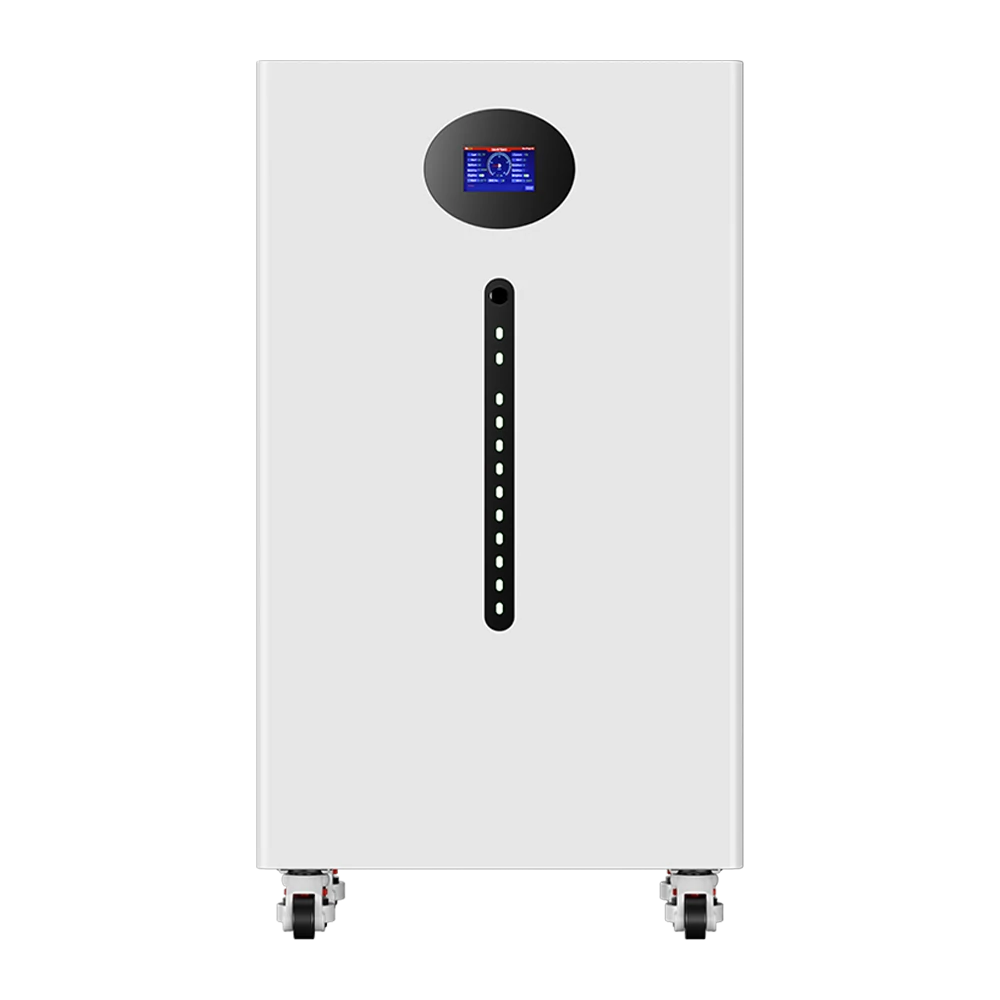
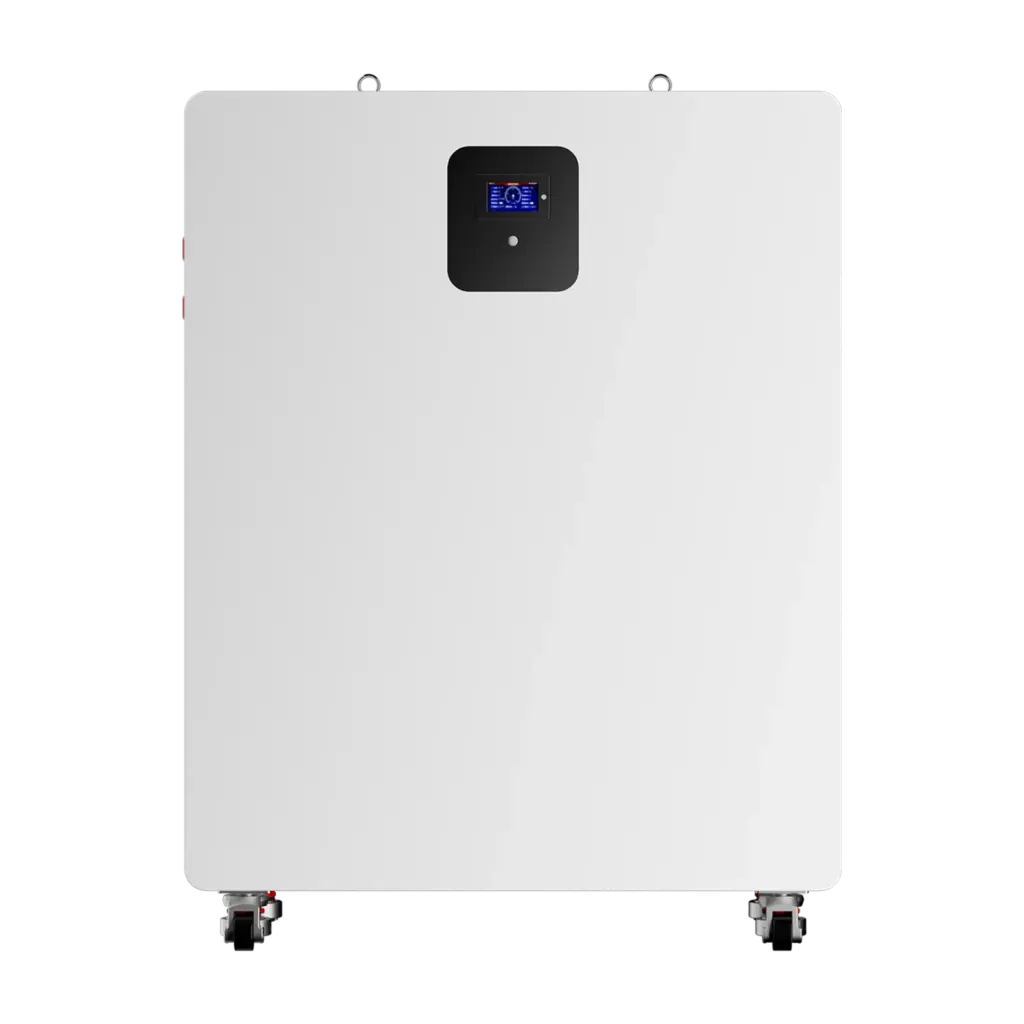
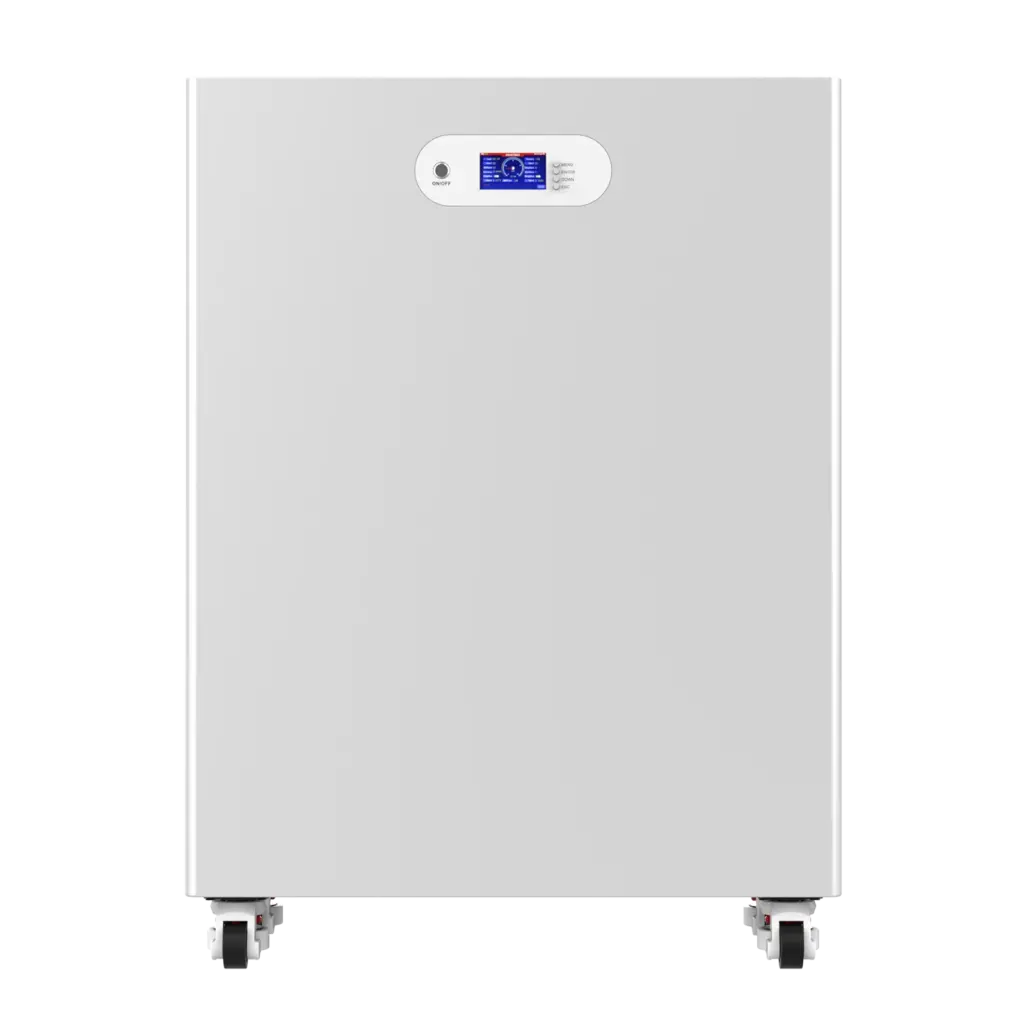
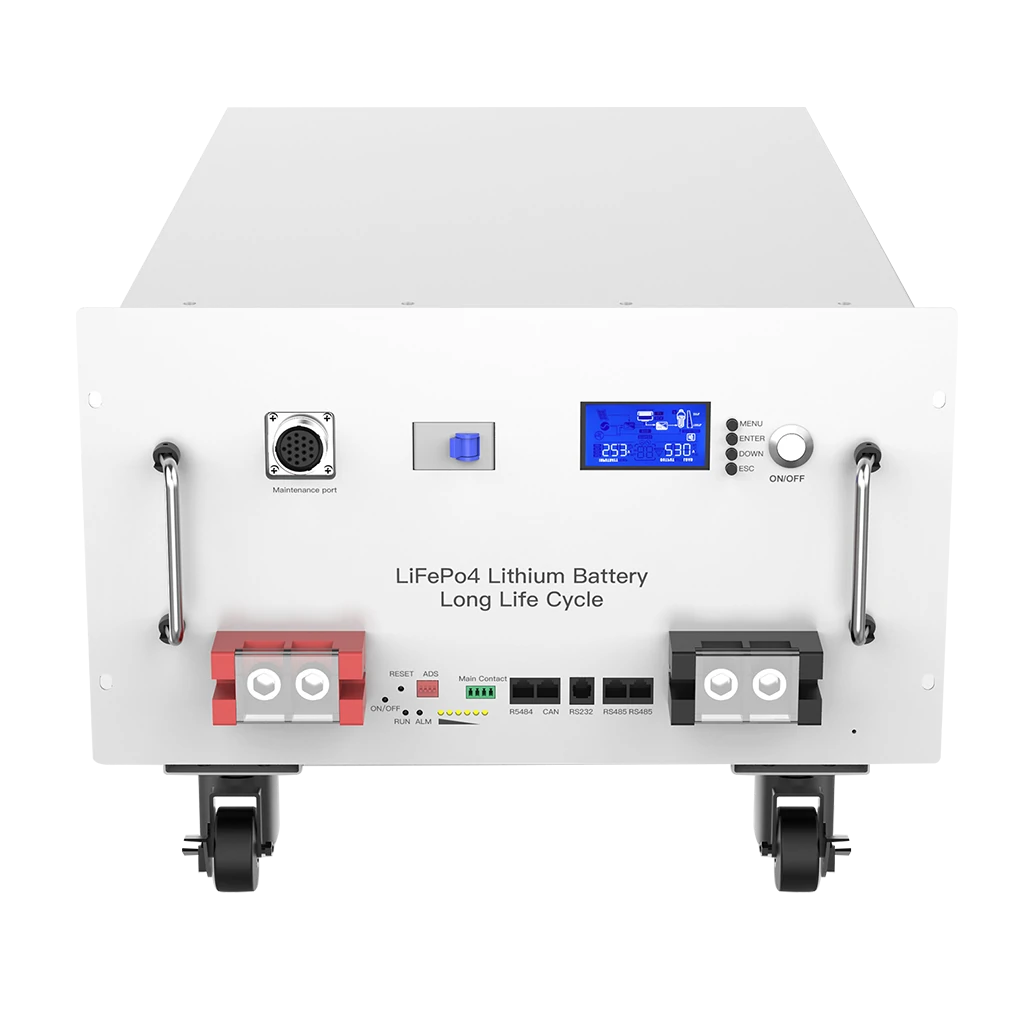
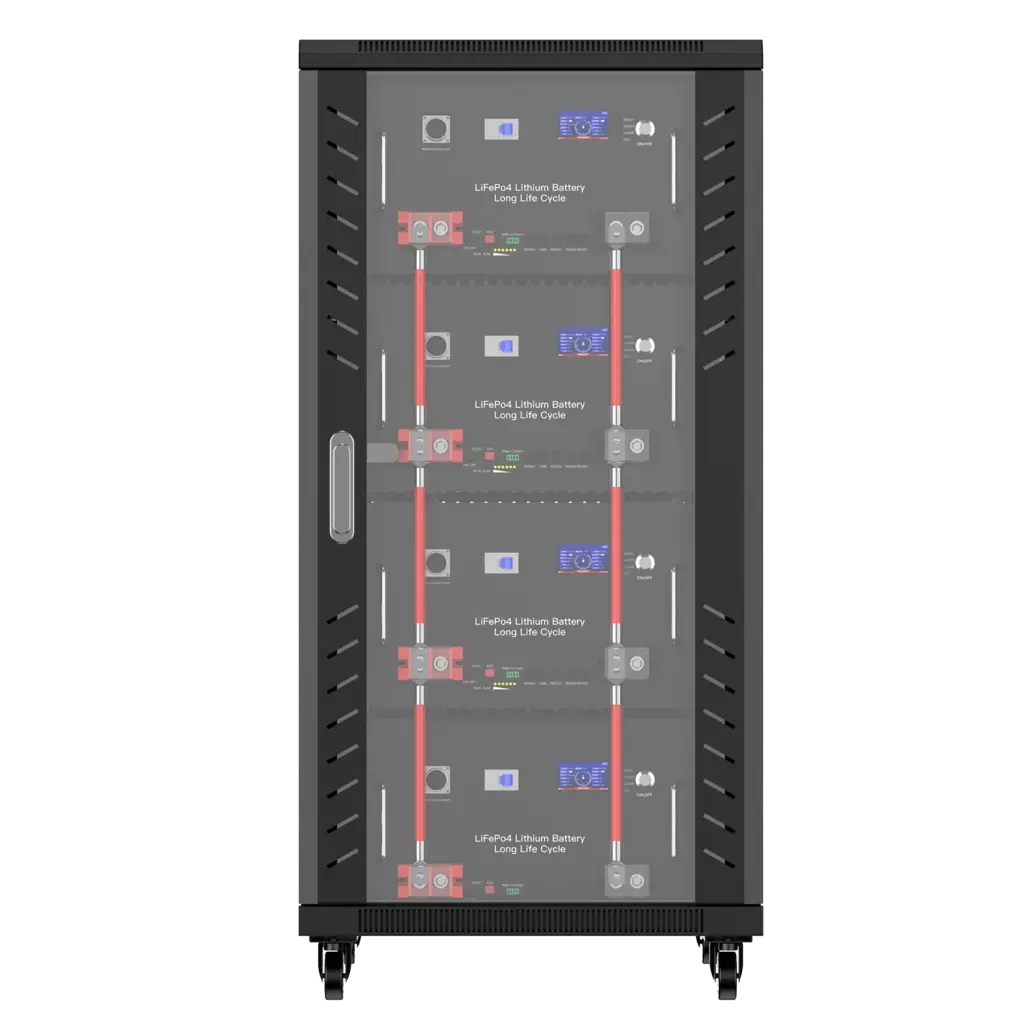
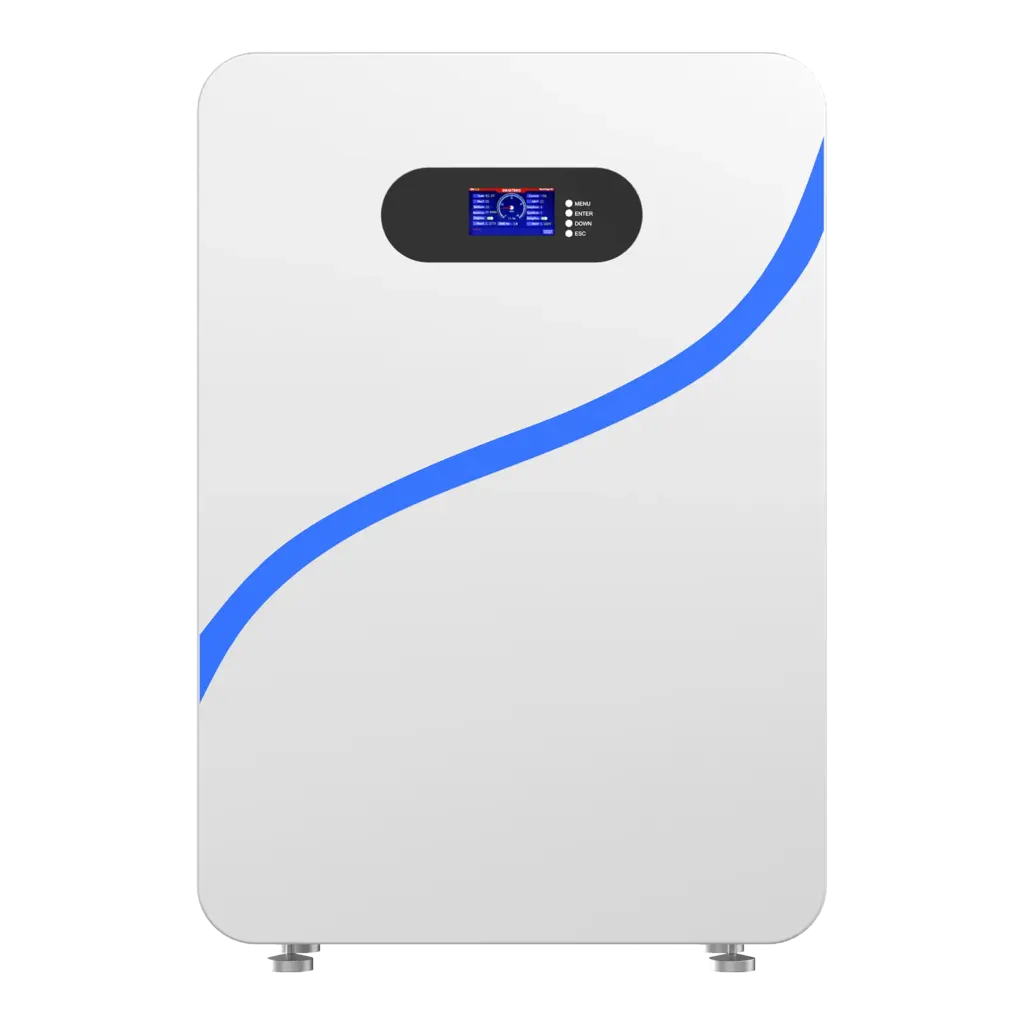
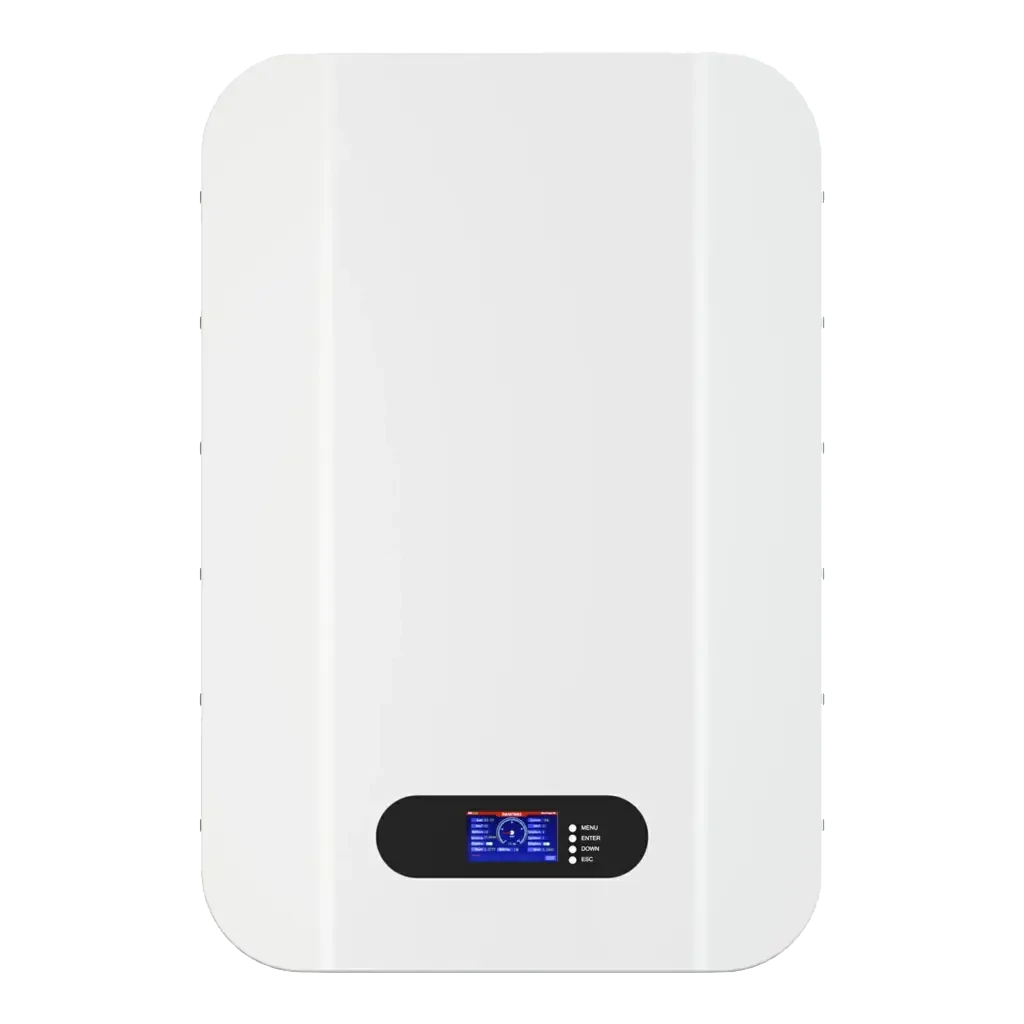
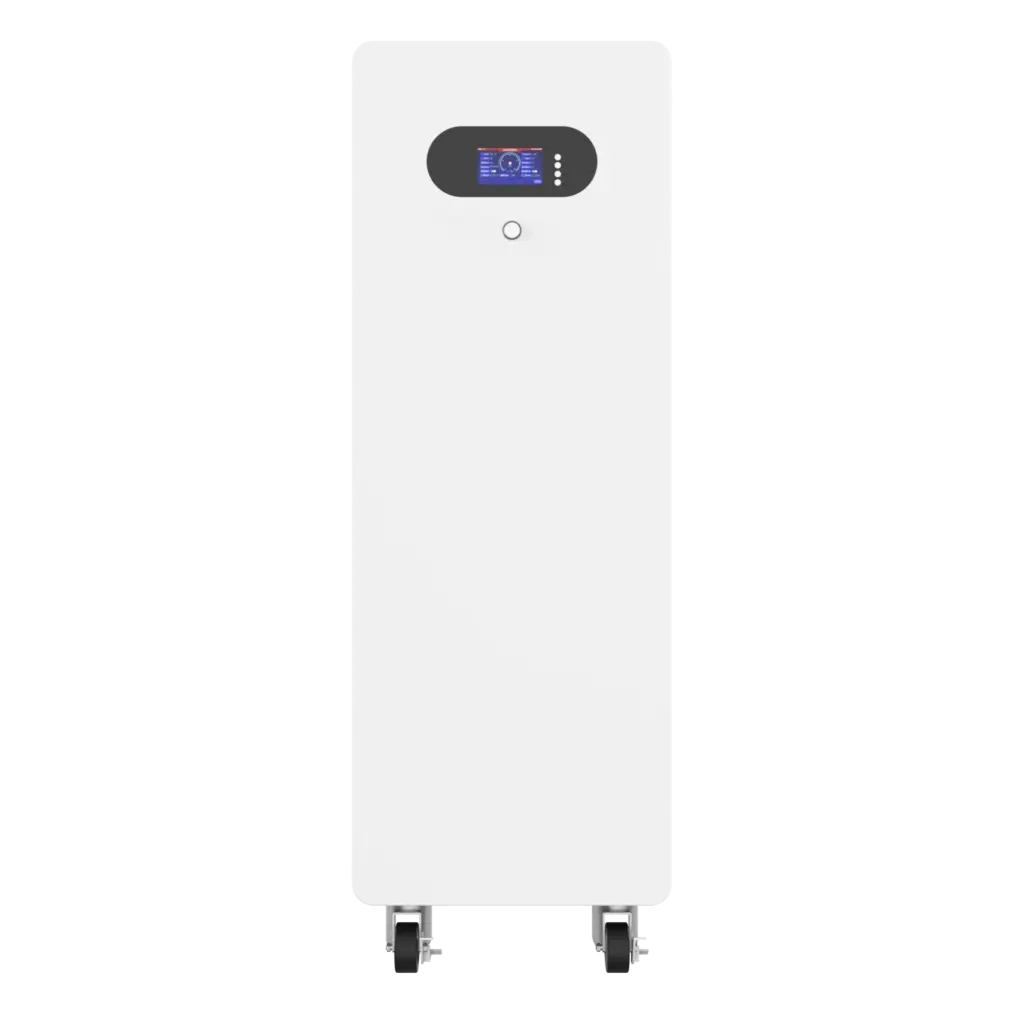
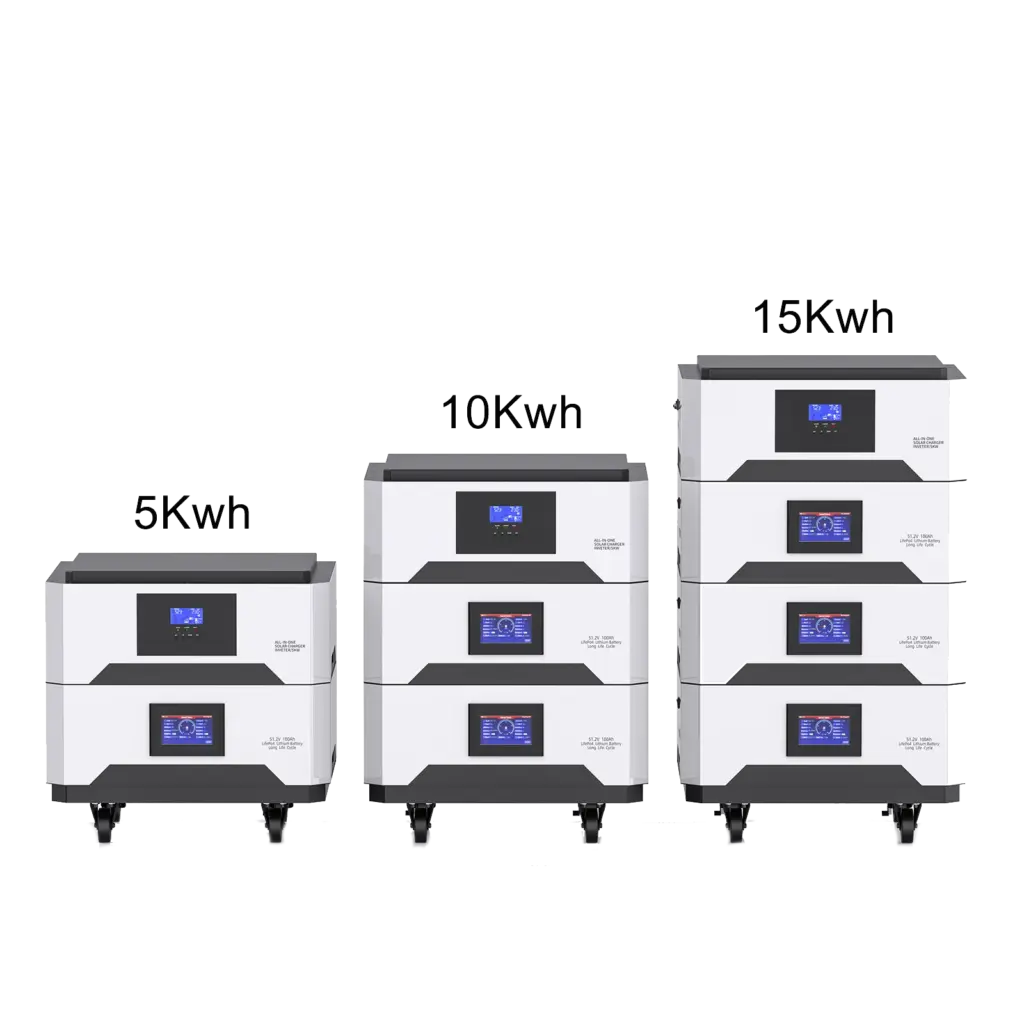
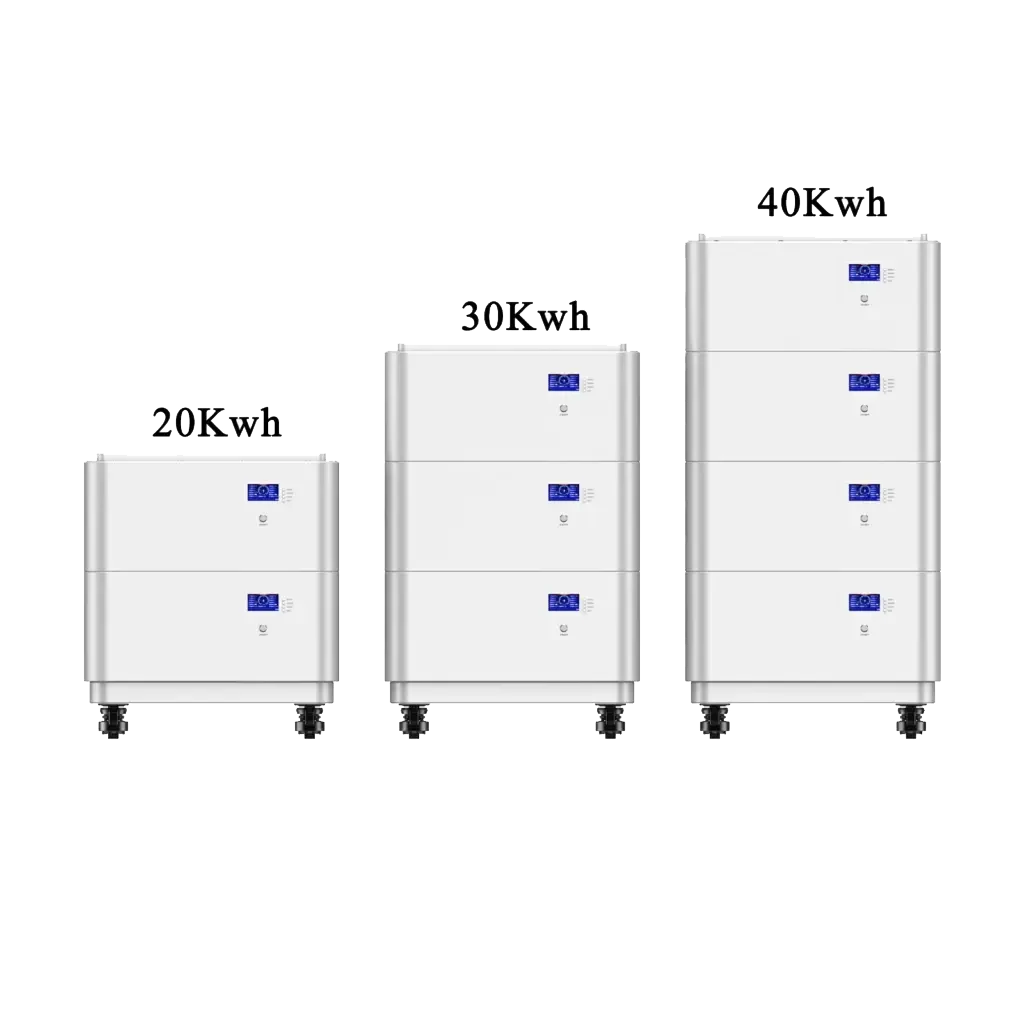
Avepower’s solar batteries are well-aligned with this trend. The expandable residential series starts at 15 kWh and scales up to 30 kWh or 60 kWh, using LiFePO4 cells. They support CAN, RS485, and RS232 communication, along with Bluetooth and Wi-Fi monitoring, and can connect up to 16 units for a maximum 260 kWh capacity. This modular approach allows buyers to avoid high upfront costs while gradually reducing the effective cost per kWh as capacity increases.
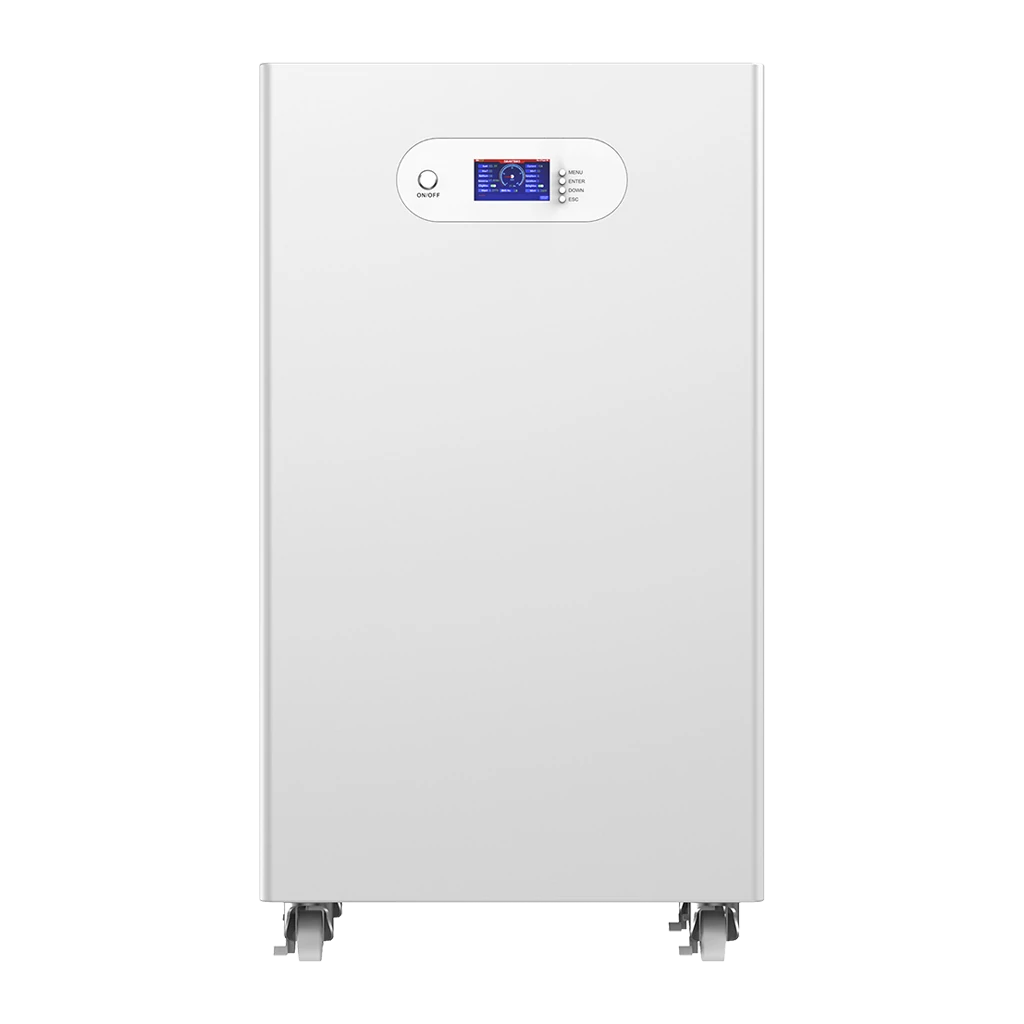
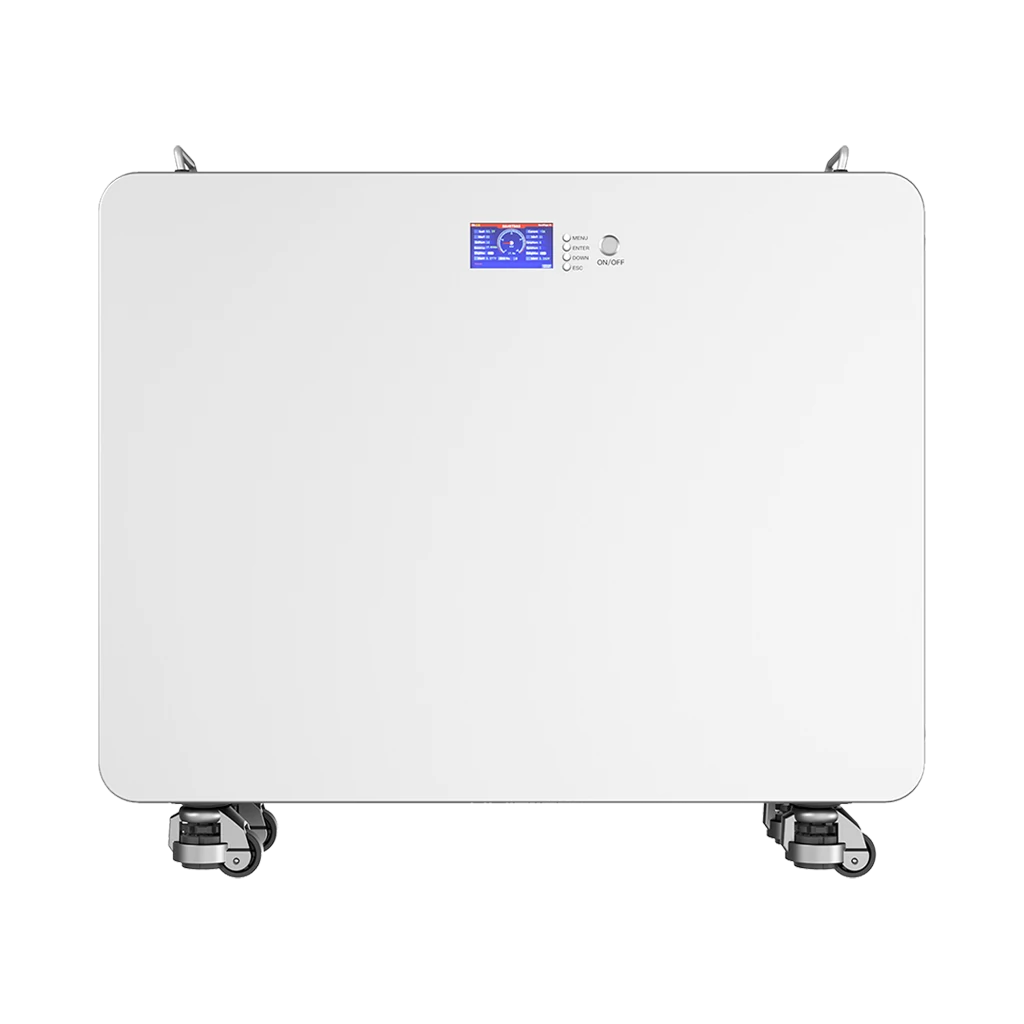
Avepower 15kWh Residential Energy Storage Battery
15kWh Battery – LiFePO4, 8,000+ cycles @ 80% DoD, black/white, 360° wheels for easy mobility, indoor installation. Supports CAN/RS485 communication and full protection. OEM & customization available.
3. Retrofitting vs. New Solar System Installation
Installing a solar PV system and battery storage at the same time can reduce duplicated electrical work and installation expenses. Retrofitting a battery to an existing solar system may require additional wiring, equipment, labor, or inverter modifications.
However, the cost difference depends on the existing system and installation configuration. An AC-coupled battery retrofit may be economical when the existing solar inverter can remain in place, while an integrated solar-plus-storage installation may offer cost efficiencies during initial construction.
Homeowners should compare itemized quotations for both approaches, including equipment, labor, electrical upgrades, and long-term compatibility, rather than assuming a fixed retrofit cost premium.
4. Inverter Type and Power Rating
Some batteries come with built-in inverters, while others require separate units. A standalone inverter can add several thousand dollars to the total system cost, and higher-power inverters are more expensive than lower-power models.
This explains why two batteries with similar energy capacities can have widely different installed prices—the final quote depends on power capability, not just energy capacity.
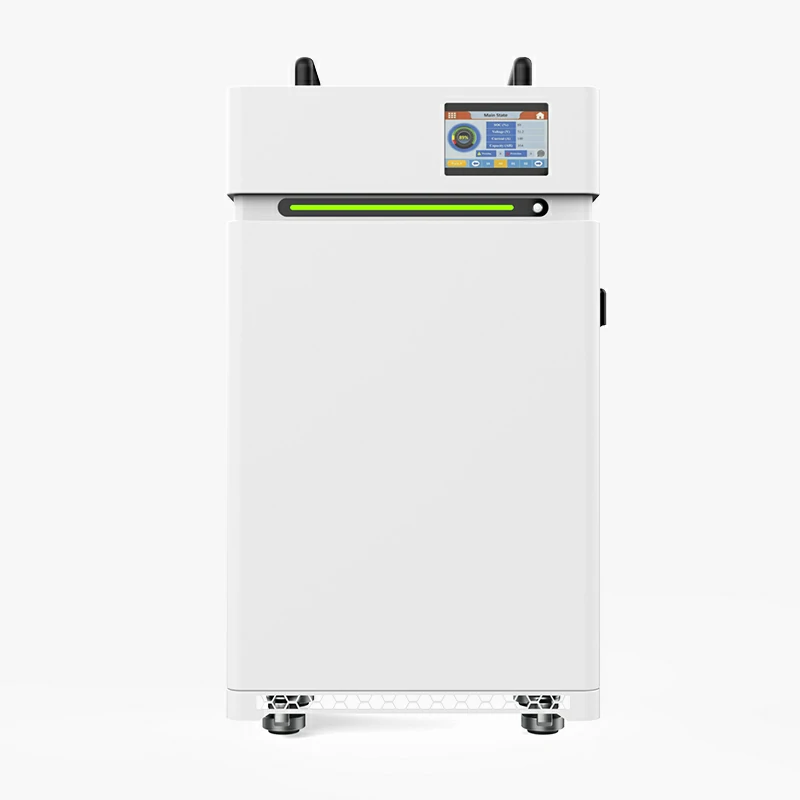
For those seeking an integrated inverter solution, consider Avepower’s 15 kWh home battery with a 6 kW inverter, which combines the battery, inverter, and MPPT into a single unit for simpler installation. The 15 kWh LiFePO4 battery offers long lifespan and high safety, with dual MPPT supporting up to 2 × 7.5 kW solar input.
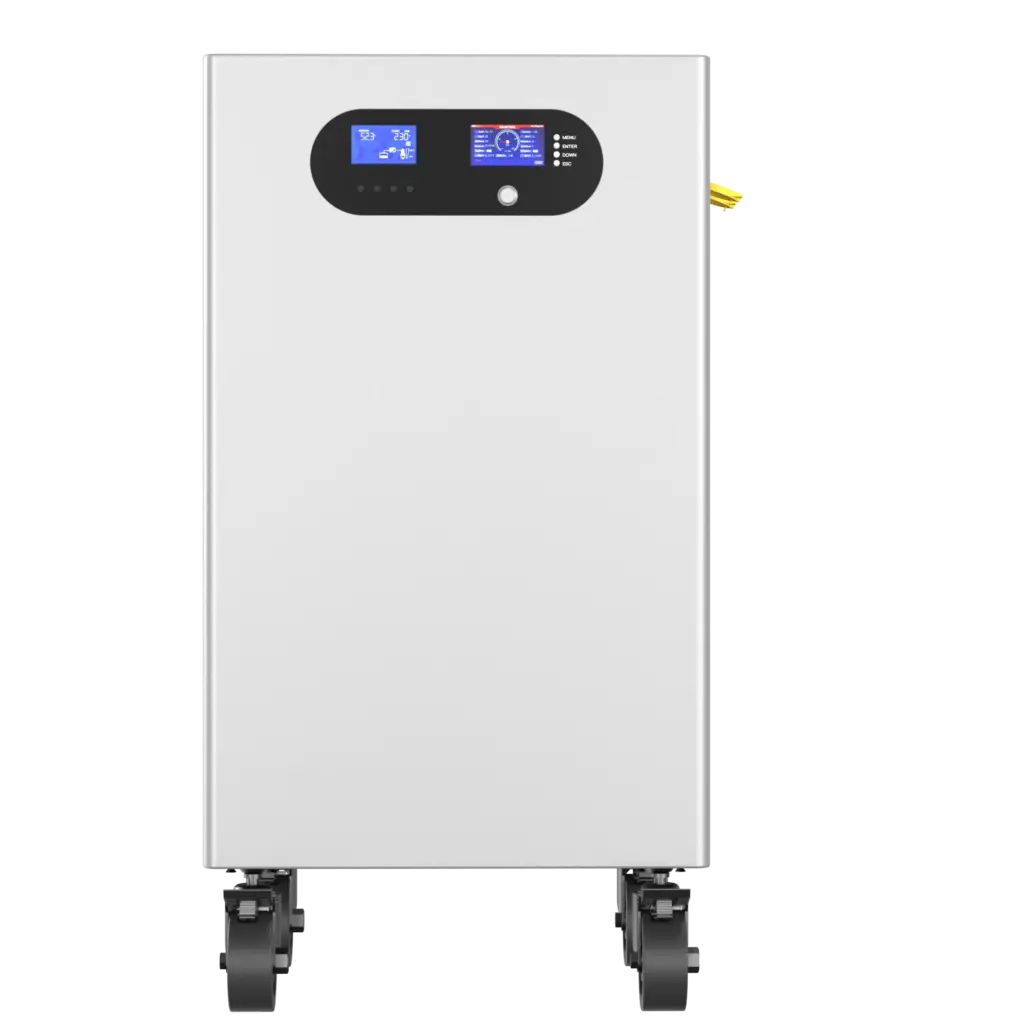
Avepower 15kWh Home Solar Battery with 6kW Inverter
All-in-one solar battery with high-capacity LiFePO4, smart inverter, and MPPT controller. 8,000+ cycles @100% DoD, fully customizable.
5. Incentives and Tax Credits
Government incentives can significantly reduce residential battery installation costs, but eligibility depends on location, installation date, and current regulations. In the United States, federal residential clean energy tax credit rules changed after 2025, making it essential to distinguish expired federal incentives from available state and utility programs.
Under the previous Section 25D Residential Clean Energy Credit, qualifying residential battery storage installations were eligible for a 30% federal tax credit.
However, following changes enacted in July 2025, Section 25D no longer applies to qualifying expenditures treated as made after December 31, 2025.
The Internal Revenue Service (IRS) clarifies that an expenditure is generally considered made when the original installation is completed. Therefore, paying a deposit before the deadline does not preserve eligibility if installation is completed in 2026.
As a result, homeowners installing new battery systems in 2026 should not automatically deduct a 30% federal residential tax credit when calculating net installation costs.
State, local, and utility-specific battery incentives may still be available, depending on eligibility, funding, and program requirements.
How Avepower Enhances Value per kWh
Avepower focuses on maximizing lifetime value—not just upfront cost.
For buyers who don’t want to pay high retail prices for every additional kilowatt-hour of storage, one of the smartest strategies is to adopt a modular LiFePO4 battery platform that can expand according to actual needs.
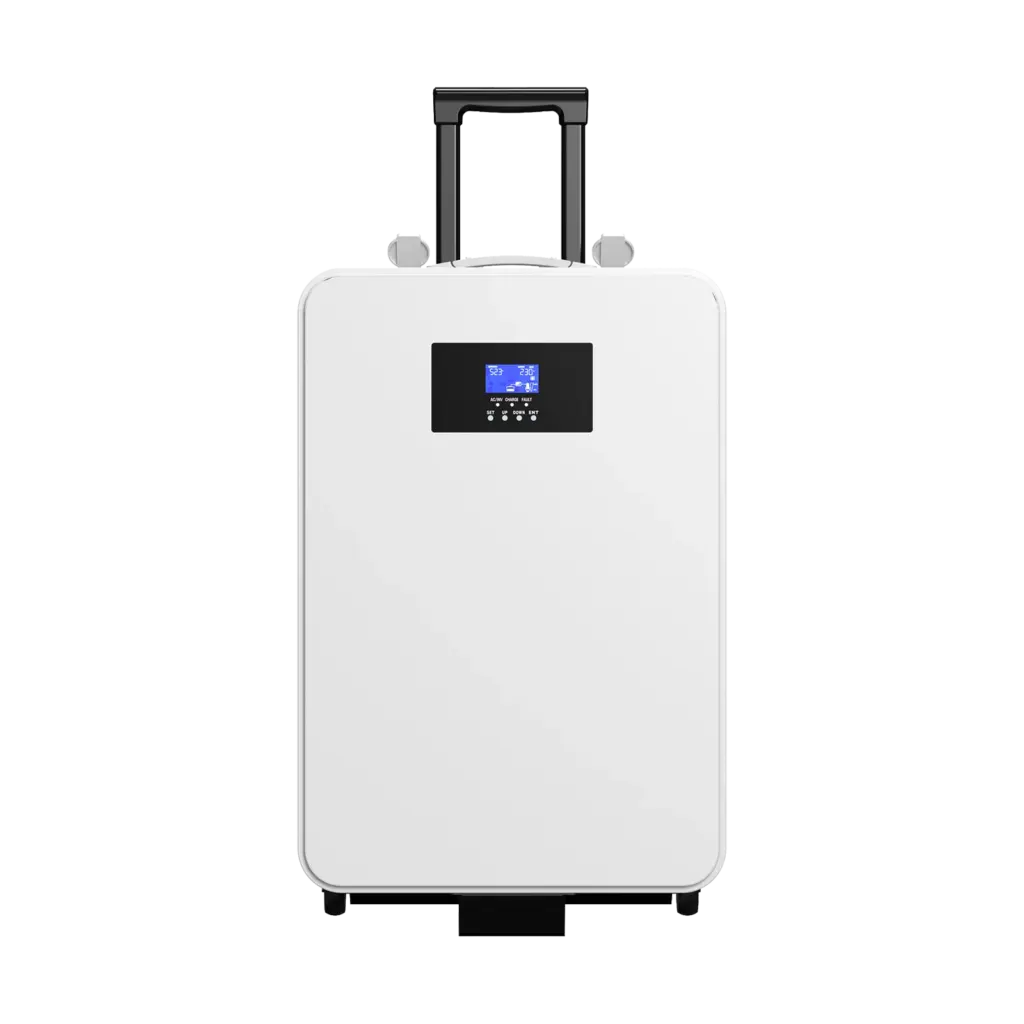
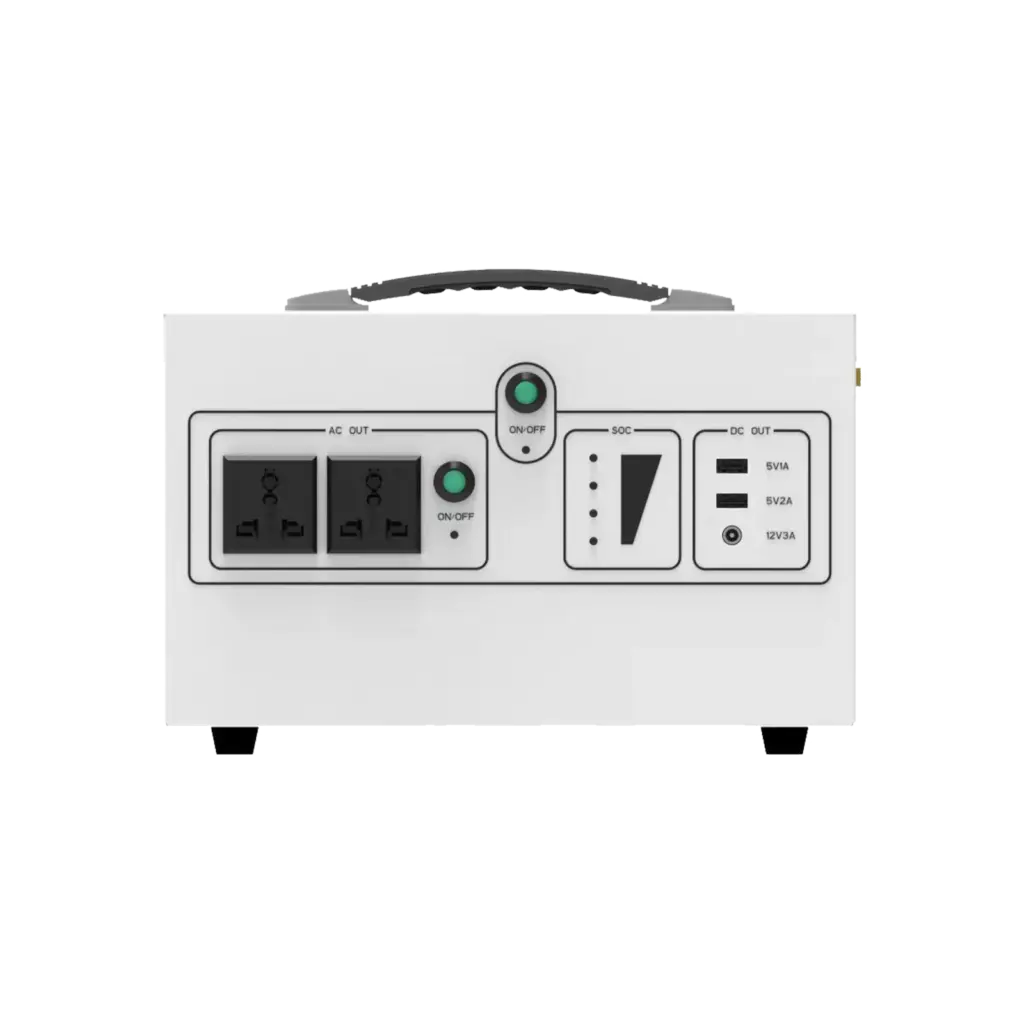
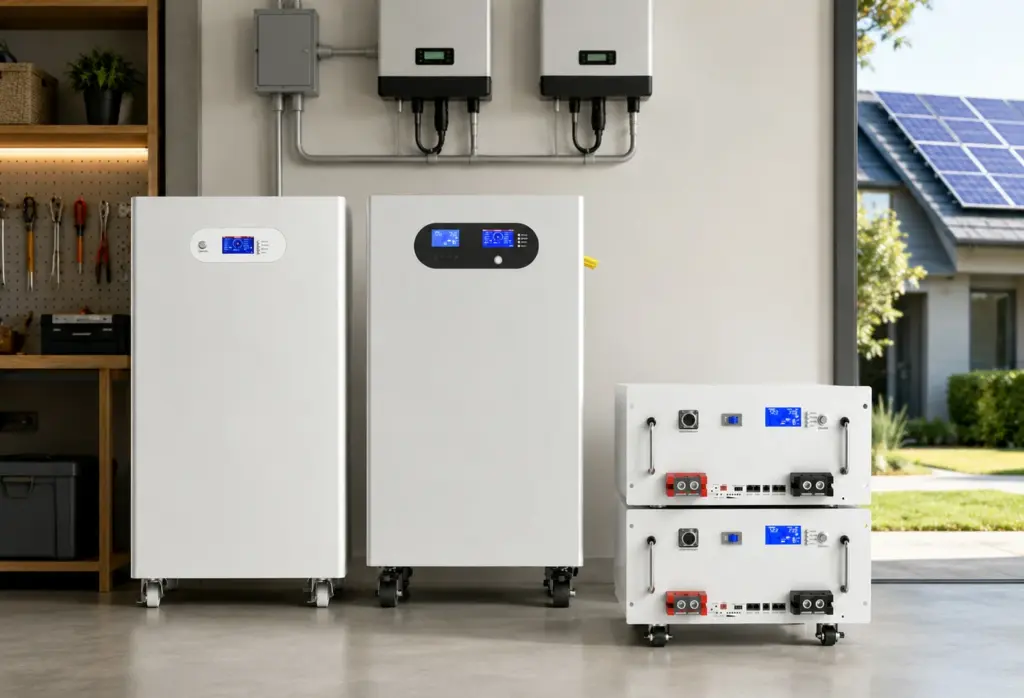
Avepower’s residential energy storage product line offers a variety of form factors—including vertical, rack-mounted, wall-mounted, all-in-one, and stackable systems—with capacities scalable from 5 kWh up to 260 kWh. Properly sizing your system from the start is one of the most effective ways to control the effective cost per kWh: if your system can be expanded later, there’s no need to overspend on day one.
For installers, distributors, and project buyers, factory-direct supply and OEM/ODM options change the overall procurement landscape, providing more flexibility and better pricing per kWh.
Take the next step in cost-effective energy storage—explore Avepower’s modular LiFePO4 solutions today and start scaling your system as your needs grow.
Take Control of Your Energy with Avepower!
Reliable home solar battery solutions with OEM/ODM customization and in-house manufacturing, tailored to the needs of distributors, installers, and energy partners.
Is Buying a Solar Battery Still Worth It in 2026?
A solar battery is worth investing in when it effectively addresses real-world needs better than alternative solutions. In areas with frequent power outages, limited compensation for exported energy, or generous local government incentives, a battery can reduce dependence on the grid and lower electricity bills. However, upfront costs may still be a barrier for some households. The value depends on factors such as your electricity rates, outage risk, solar generation patterns, and whether you prioritize backup power as much as energy savings.
The wrong approach is to focus solely on the lowest sticker price. A smarter strategy is to compare usable kWh capacity, rated power, battery chemistry, warranty period, inverter compatibility, installation method, and expandability. This ensures you select a system that meets both your energy and economic needs.
FAQ
Scalable 10–260 kWh capacities, integrated monitoring, multiple form factors, and modular design reduce long-term cost per kWh and allow gradual system expansion.
Not per kWh. Smaller systems have higher per-kWh costs due to fixed component dilution.