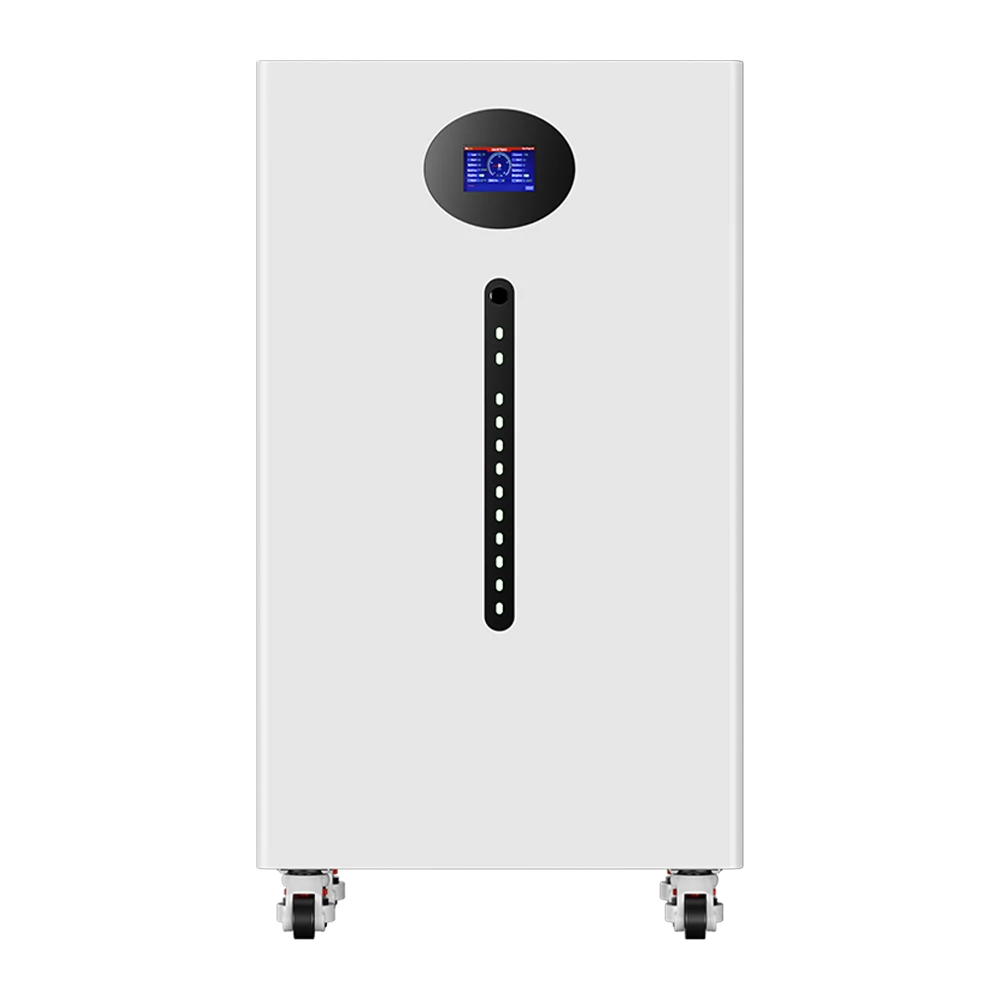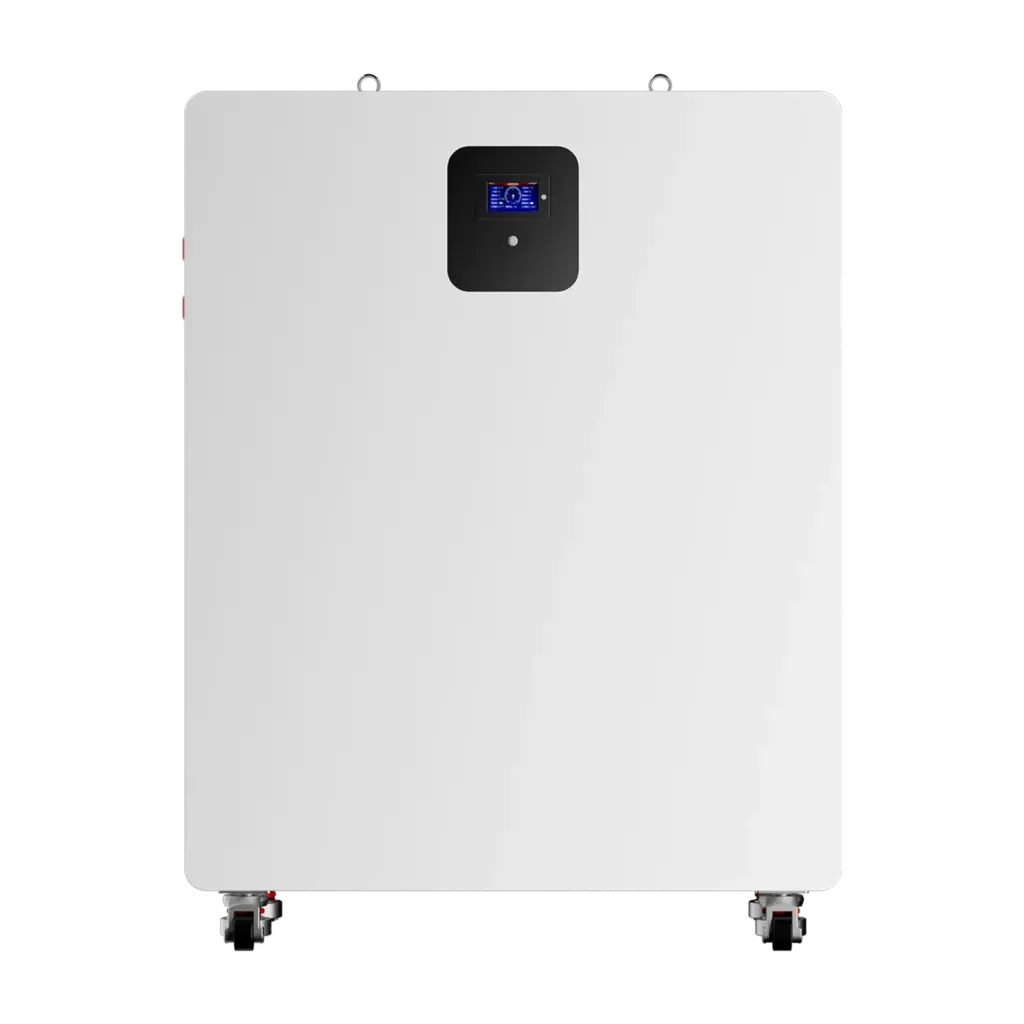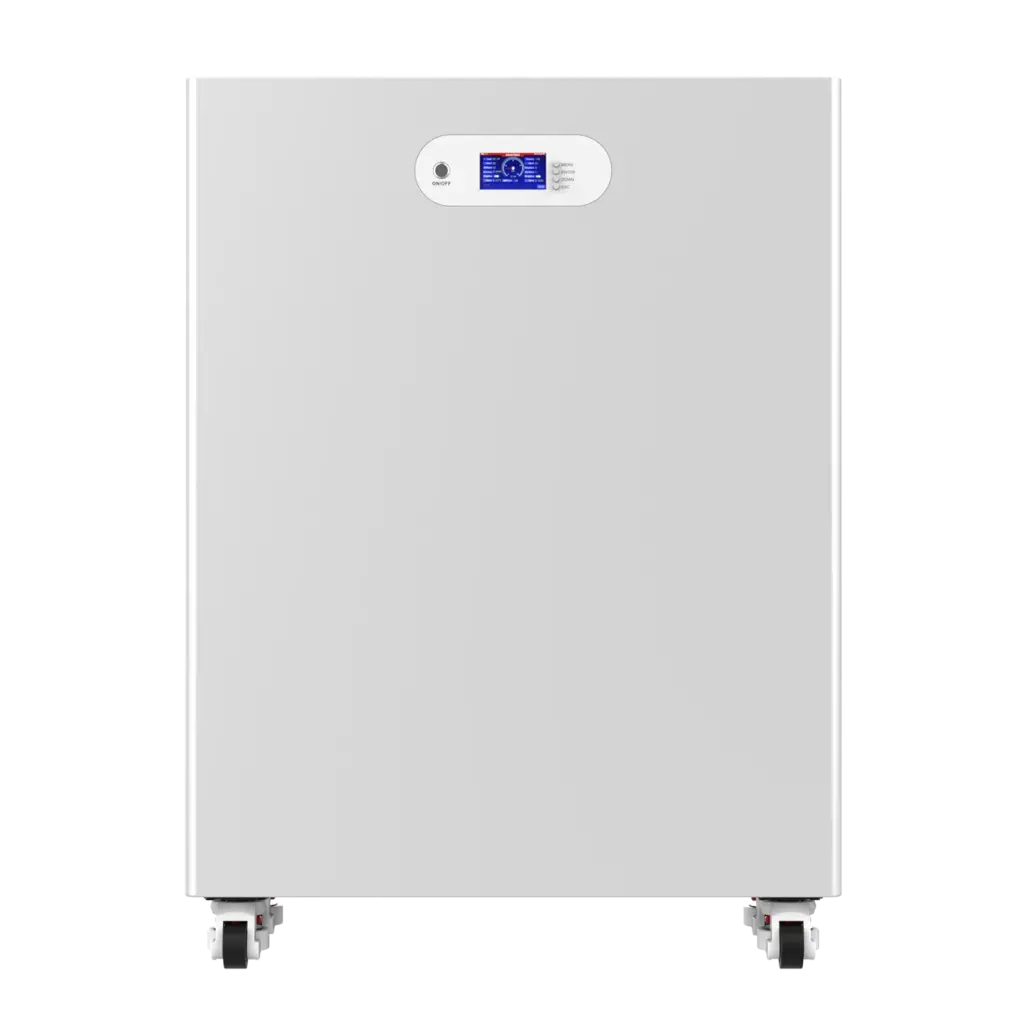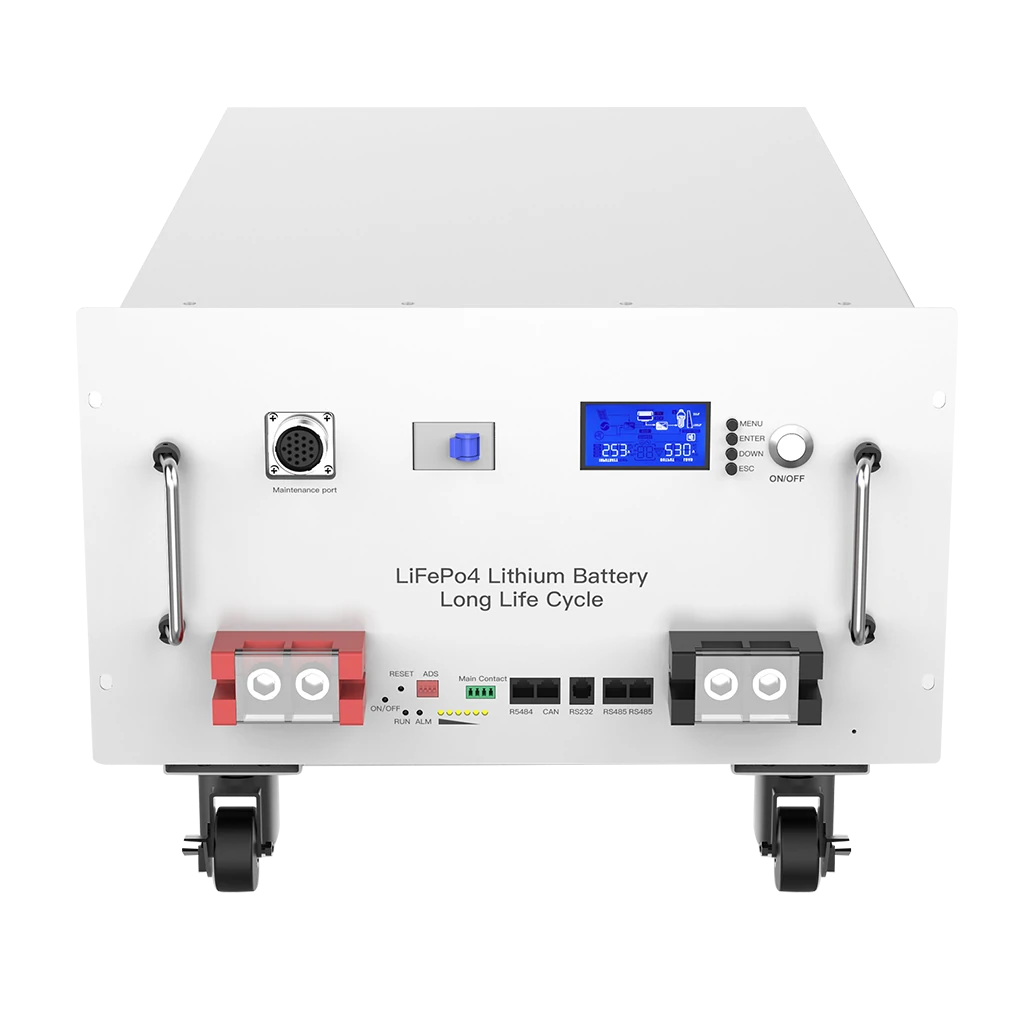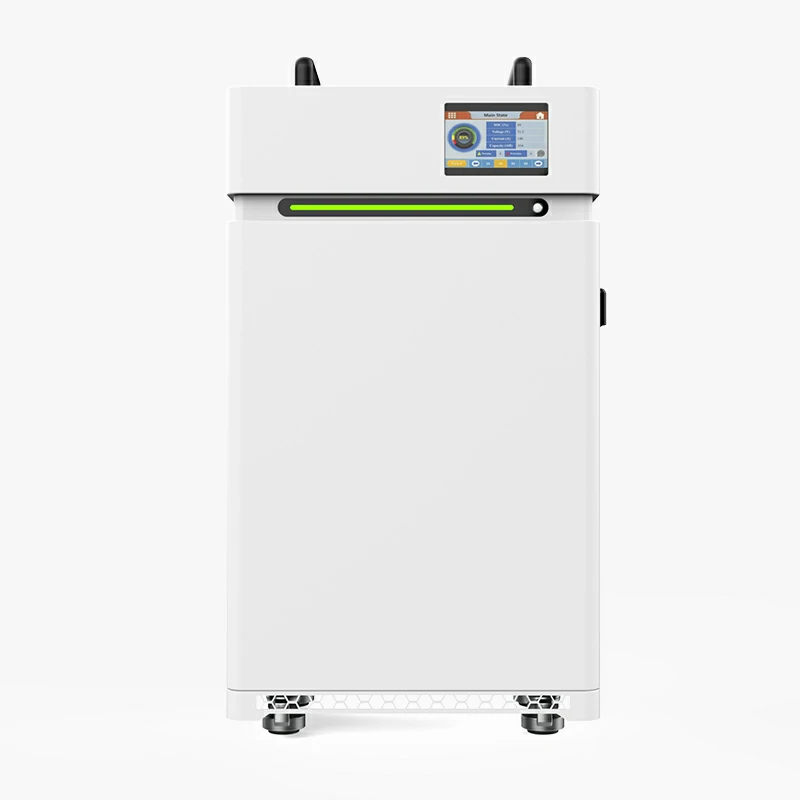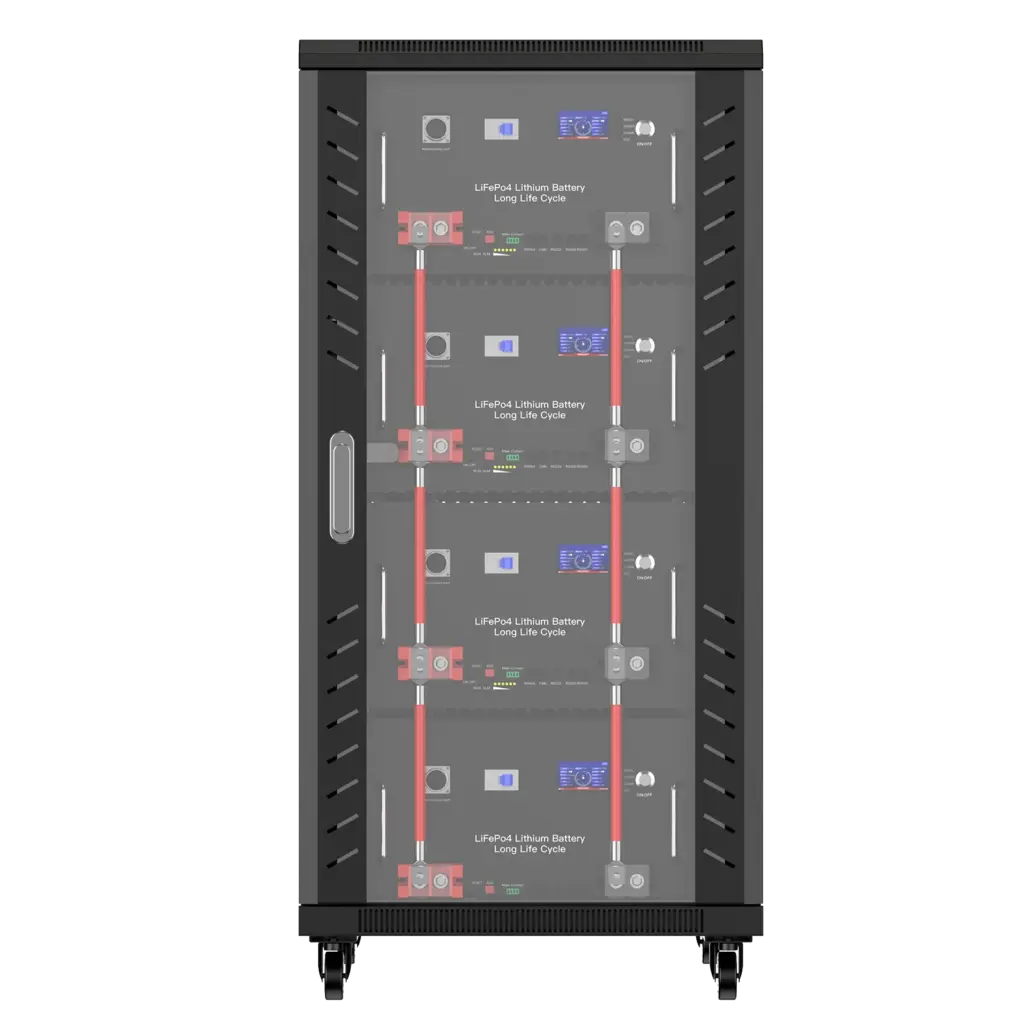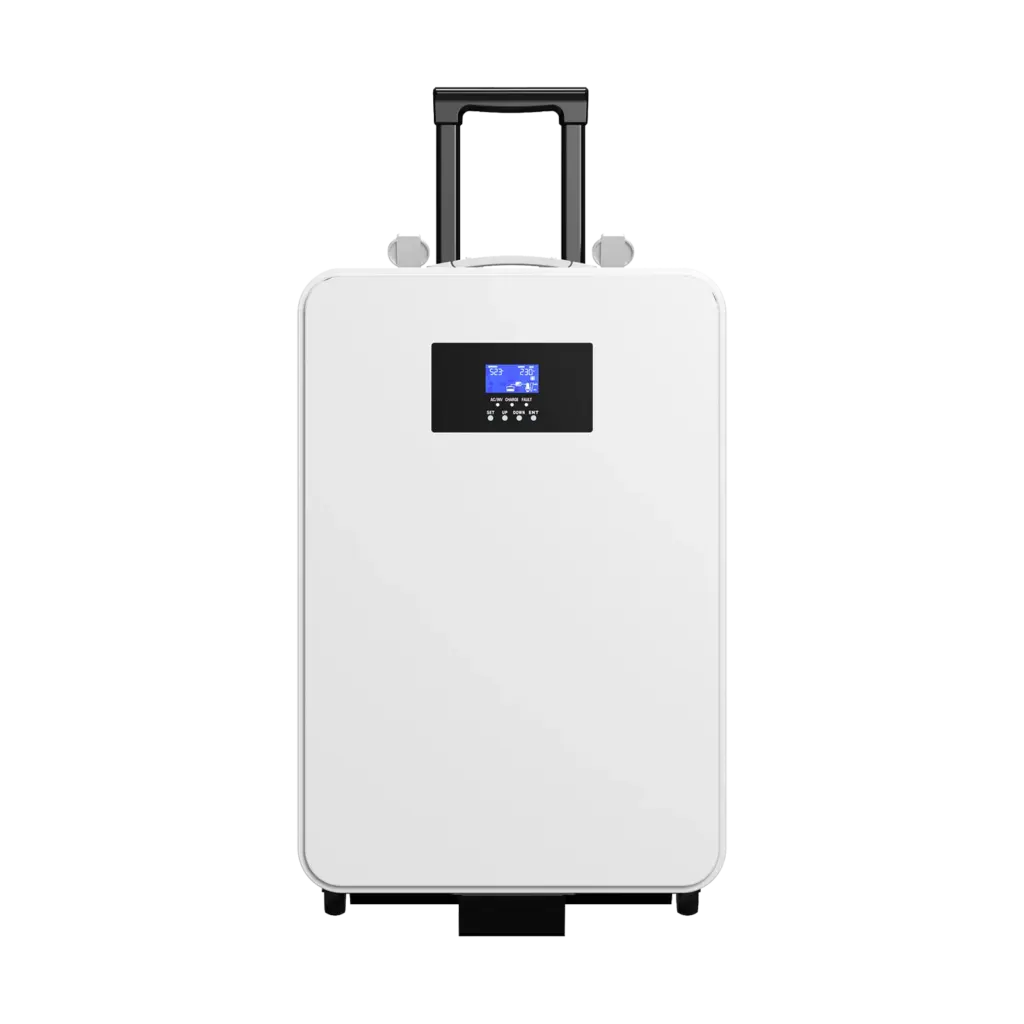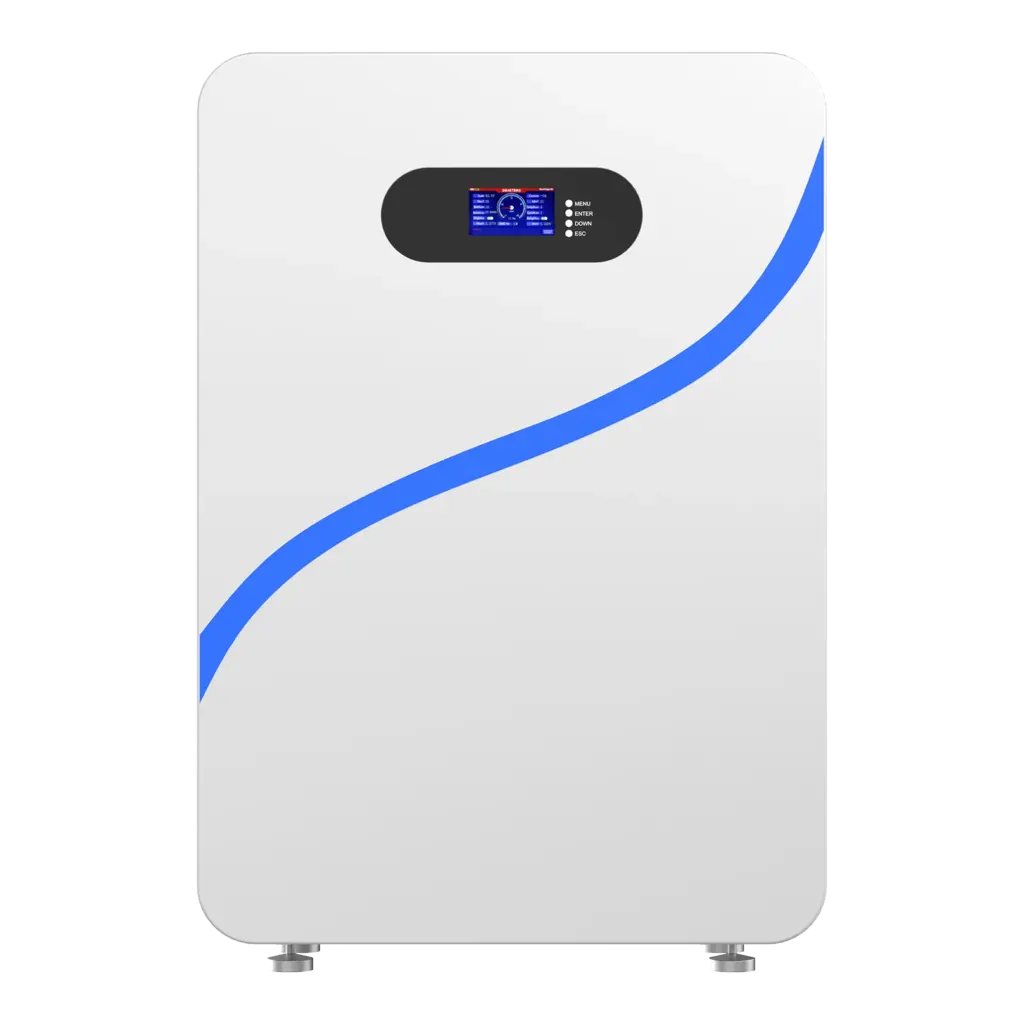


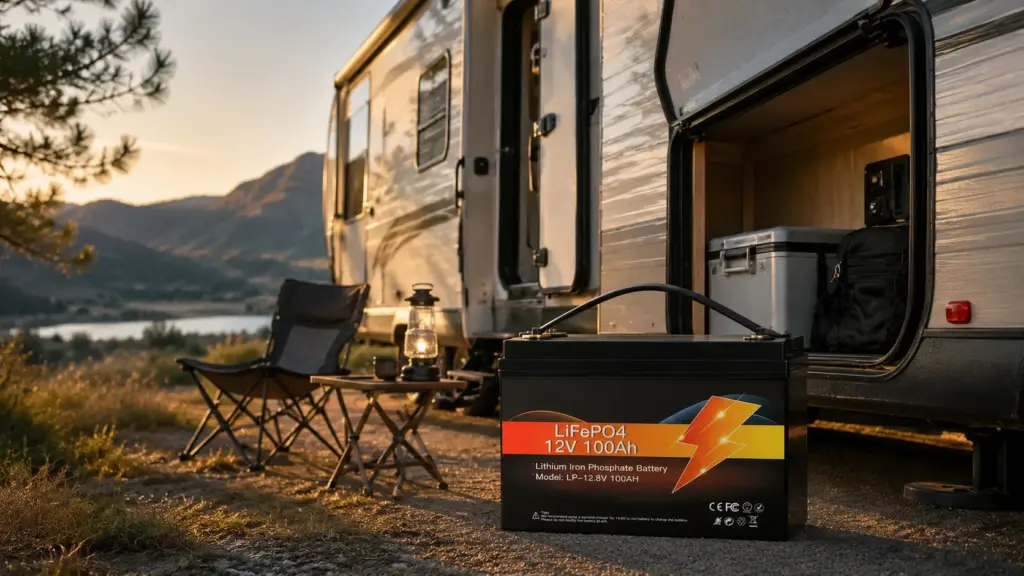
A deep cycle RV battery supplies steady electrical power to your RV’s house loads—such as the refrigerator, lights, water pump, fans, inverter, electronics and off-grid appliances—while you are away from shore power.
For most modern RVs, 100Ah LiFePO4 is a practical starting point for light weekend use, 200Ah suits refrigerators and longer boondocking, while 300–400Ah+ is more appropriate for full-time RVing or heavier inverter loads.
This guide explains how to choose, size, price and install a deep cycle RV battery without oversizing your system or creating charging compatibility problems.
Quick Answer: What Deep Cycle RV Battery Do You Need?
For most RV owners, 100–200Ah of LiFePO4 capacity covers basic-to-moderate use, while 300–400Ah or more is better for extended boondocking, larger inverters and full-time RV travel.
| RV Use | Suggested LiFePO4 Capacity | Typical Application |
|---|---|---|
| Pop-up / teardrop | 100Ah | Lights, pump, phones |
| Camper van | 100–200Ah | Fridge, fan, lights, laptop |
| Travel trailer | 200–300Ah | Fridge + electronics + moderate inverter |
| Class C | 200–300Ah | Multiple appliances and longer stays |
| Large Class A | 300–600Ah+ | Full-time use and larger inverter |
| Fifth wheel | 300–600Ah+ | Heavy appliance use |
| High-power off-grid build | 24V/48V system | A/C, induction, large inverter |
What Is a Deep Cycle RV Battery?
A deep cycle RV battery is designed to repeatedly provide energy over long periods and then recharge, rather than delivering only the short burst of current needed to start an engine.
That makes it the correct battery type for an RV’s house electrical system.
Typical loads include:
- 12V refrigerator
- LED lighting
- Water pump
- Roof fan
- Furnace blower
- USB charging
- Laptop
- Wi-Fi or Starlink
- Television
- CPAP
- Inverter
- Small kitchen appliances
Motorized RVs normally have two different battery functions:
Chassis Battery
Starts the engine.
It is usually a starter battery designed for high cranking current.
House Battery
Powers the living area.
This should normally be a deep cycle battery because it must repeatedly discharge and recharge.
A starter battery may look similar, but repeatedly using it as an RV house battery can shorten its service life.
Main Types of Deep Cycle RV Batteries
The four common RV battery types are flooded lead-acid, AGM, gel and LiFePO4.
| Battery Type | Best For | Main Advantage | Main Limitation |
|---|---|---|---|
| Flooded Lead-Acid | Lowest-cost setups | Low purchase price | Heavy, maintenance |
| AGM | Occasional RV use | Sealed and simple | Heavy, less usable capacity |
| Gel | Specific legacy systems | Sealed | Charging-sensitive |
| LiFePO4 | Frequent/off-grid RV use | High usable capacity, low weight | Higher upfront cost |
Lithium vs AGM Deep Cycle RV Battery
LiFePO4 usually offers better long-term performance for frequent RV use, while AGM remains attractive when initial cost and compatibility with an older electrical system are the priority.
| Feature | 100Ah AGM | 100Ah LiFePO4 |
|---|---|---|
| Nominal voltage | ~12V | 12.8V |
| Nominal energy | ~1.2kWh | ~1.28kWh |
| Typical planning DoD | ~50% | 80–100% depending on manufacturer |
| Practical usable energy | ~0.6kWh | ~1.0–1.28kWh |
| Weight | Higher | Lower |
| Charge acceptance | Slower | Faster |
| Maintenance | Low | Very low |
| BMS | No | Yes |
| Upfront cost | Lower | Usually higher |
| Solar/off-grid use | Good | Excellent |
For a deeper comparison, you can read Avepower’s guide on AGM battery vs lithium.
What Size Deep Cycle Battery Do I Need for My RV?
The correct deep cycle RV battery size is determined by daily energy consumption multiplied by the number of days you want to operate without recharging.
Start by listing every load.
For example:
| Appliance | Power | Daily Use | Daily Energy |
|---|---|---|---|
| 12V fridge | 40W avg. | 12h | 480Wh |
| LED lights | 20W | 4h | 80Wh |
| Roof fan | 30W | 8h | 240Wh |
| Water pump | 60W | 0.3h | 18Wh |
| Laptop | 65W | 3h | 195Wh |
| Wi-Fi/router | 15W | 8h | 120Wh |
| Phone/small loads | — | — | 100Wh |
Daily total ≈ 1,233Wh
Add approximately 15–20% reserve:
1,233 × 1.20 = 1,480Wh/day
You now have a much better basis for choosing the battery.
How to Calculate Deep Cycle RV Battery Capacity
Use:
Required Battery Wh = Daily Energy × Days Off-Grid ÷ Usable DoD ÷ System Efficiency
Assume:
- Daily consumption: 1,500Wh
- Required autonomy: 2 days
- LiFePO4 usable DoD: 80%
- Efficiency: 95%
Calculation:
1,500 × 2 ÷ 0.80 ÷ 0.95
= approximately 3,947Wh
On a 12.8V battery system:
3,947Wh ÷ 12.8V ≈ 308Ah
A roughly 300–400Ah 12V LiFePO4 bank would therefore be a reasonable planning range.
Same Load Using AGM
Assume:
- 3,000Wh required
- AGM usable DoD: 50%
- Efficiency: 90%
Calculation:
3,000 ÷ 0.50 ÷ 0.90
≈ 6,667Wh
At approximately 12V:
6,667 ÷ 12 ≈ 556Ah
The same off-grid requirement may therefore need a much larger lead-acid bank.
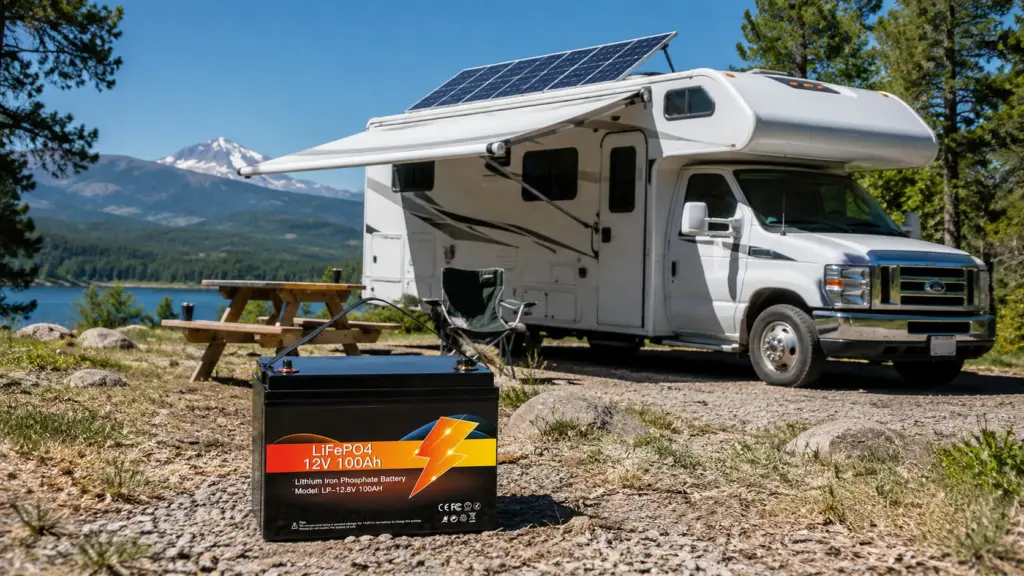
100Ah vs 200Ah vs 300Ah Deep Cycle RV Battery
100Ah Deep Cycle RV Battery
A 12.8V 100Ah LiFePO4 battery stores approximately 1,280Wh.
Best for:
- Weekend camping
- Small camper vans
- Lighting
- Fans
- Water pump
- Efficient refrigerator
- Device charging
It may be enough if you recharge daily from driving or solar.
200Ah Deep Cycle RV Battery
A 12.8V 200Ah battery stores approximately:
12.8 × 200 = 2,560Wh
Best for:
- Refrigerator
- Laptop
- Fans
- Lights
- Water pump
- Longer boondocking
- Moderate inverter use
For many camper vans and travel trailers, 200Ah LiFePO4 represents a useful balance between capacity, weight and cost.
300Ah Deep Cycle RV Battery
A 300Ah battery provides:
12.8 × 300 = 3,840Wh
Best for:
- Extended off-grid travel
- Full-time RVing
- Larger residential refrigerator
- Starlink
- Work-from-RV setups
- Moderate AC loads
400Ah+ RV Battery Bank
A 400Ah lithium bank provides around:
5.12kWh nominal energy at 12.8V
At this point, however, battery capacity is only part of the design.
You should also evaluate:
- Inverter current
- Cable size
- BMS current
- Solar capacity
- Alternator charging
- Whether 24V would be more efficient
Deep Cycle RV Battery Size Chart
| RV Lifestyle | Daily Use | Suggested LiFePO4 |
|---|---|---|
| Basic weekend camper | 400–800Wh | 100Ah |
| Fridge + lights + fan | 800–1,500Wh | 100–200Ah |
| Moderate boondocking | 1.5–2.5kWh | 200–300Ah |
| Full-time RV | 2.5–4kWh | 300–400Ah+ |
| Heavy inverter use | 4kWh+ | 400Ah+ / 24V |
| A/C + induction + heavy AC | 5kWh+ | Consider 24V/48V |
For more sizing logic, Avepower also has a practical guide on how to calculate battery amp hours.
What Are Group 24, Group 27 and Group 31 RV Batteries?
Battery group size mainly describes the physical case dimensions and terminal arrangement—not how much usable energy the battery stores.
Common North American RV sizes include:
| BCI Group | Typical Traditional Capacity | Typical Use |
|---|---|---|
| Group 24 | ~70–85Ah | Smaller campers |
| Group 27 | ~85–105Ah | Travel trailers |
| Group 31 | ~100–125Ah | Larger RV house systems |
| GC2 Pair | ~200–250Ah at 12V | Larger lead-acid banks |
These capacity ranges are commonly associated with traditional batteries. Modern LiFePO4 designs can package more usable energy into the same physical footprint.
For example, current LiFePO4 products are available with 100Ah capacity in Group 24 or Group 31 footprints.
Therefore, always check:
Length × Width × Height
rather than assuming every 100Ah battery will fit your current tray.
12V, 24V or 48V Deep Cycle RV Battery?
12V remains the simplest choice for most RVs, but 24V or 48V becomes increasingly useful as inverter power and daily energy demand increase.
12V
Best for:
- Camper vans
- Travel trailers
- Small Class B
- Direct 12V loads
Advantages:
- Existing RV appliances usually work directly
- Simple
- Widely supported
24V
Useful for:
- Larger inverter
- Higher charging power
- Larger battery banks
For the same power, doubling voltage roughly halves current.
48V
Usually reserved for:
- Large motorhomes
- Advanced off-grid RVs
- Large solar arrays
- High-power inverter systems
- Air conditioning
A 48V RV system should be treated more like a small off-grid energy system than a basic battery replacement.
How Long Will a 100Ah Deep Cycle RV Battery Last?
Runtime depends on the battery’s usable Wh and the actual average RV load.
For a 12.8V 100Ah LiFePO4 battery:
12.8 × 100 = 1,280Wh
At 80% usable DoD:
1,280 × 0.80 = 1,024Wh
Approximate examples:
| Average Load | Approx. Runtime |
|---|---|
| 25W | 41 hours |
| 40W | 26 hours |
| 50W | 20 hours |
| 100W | 10 hours |
| 200W | 5 hours |
| 500W | 2 hours |
Actual results depend on conversion losses, temperature and BMS settings.
A battery running mixed RV loads is better calculated from daily Wh, because appliances such as refrigerators and pumps cycle rather than operating continuously. If your main question is refrigerator runtime, you may also want to read Avepower’s guide: How Long Will a 12V 100Ah Battery Run a 12V RV Fridge
How Much Does a Deep Cycle RV Battery Cost in 2026?
Deep cycle RV battery prices vary considerably by chemistry, brand, BMS features, Bluetooth monitoring, low-temperature protection and warranty.
| Battery | Current Market Position |
|---|---|
| Flooded lead-acid ~100Ah | ~$100–$200 |
| AGM ~100Ah | ~$200–$400+ |
| LiFePO4 ~100Ah | ~$160–$350+ |
| LiFePO4 ~200Ah | ~$300–$700+ |
For example, current 100Ah AGM listings range from roughly $209 to more than $375, while several direct-to-consumer 100Ah LiFePO4 products are listed around $180–$350. Promotions can change these numbers substantially.
Do Not Compare Battery Price Alone
A lithium conversion can also require:
- Converter/charger
- DC-DC charger
- MPPT controller
- Battery monitor
- Larger cables
- Busbars
- Fuses
- Breakers
Additional components can add several hundred dollars or more depending on the existing electrical system.
Therefore calculate:
Complete installed system cost
rather than:
Battery purchase price only.
Advantages of a LiFePO4 Deep Cycle RV Battery
- More Usable Capacity: A larger share of nominal capacity can typically be used.
- Lower Weight: Important when RV payload is limited.
- Faster Charging: Useful when solar hours or driving time are limited.
- Stable Voltage: Appliances receive more consistent voltage through much of the discharge cycle.
- Longer Cycle Life: Particularly valuable for full-time RV and boondocking users.
- Low Maintenance: No watering or routine electrolyte maintenance.
- Integrated Protection: A quality BMS monitors and protects the lithium cells.
Disadvantages of a LiFePO4 RV Battery
- Higher Initial Cost: Battery purchase price can exceed basic lead-acid.
- Existing Charger May Need Upgrading: Older RV converter systems may not have the correct lithium profile.
- Alternator Charging May Need Modification: A DC-DC charger may be required.
- Cold-Temperature Charging Limits: Protection or heating may be necessary.
- BMS Current Can Limit Large Inverters: A high-Ah battery does not automatically mean high power output.
Avepower Deep Cycle RV Battery Options
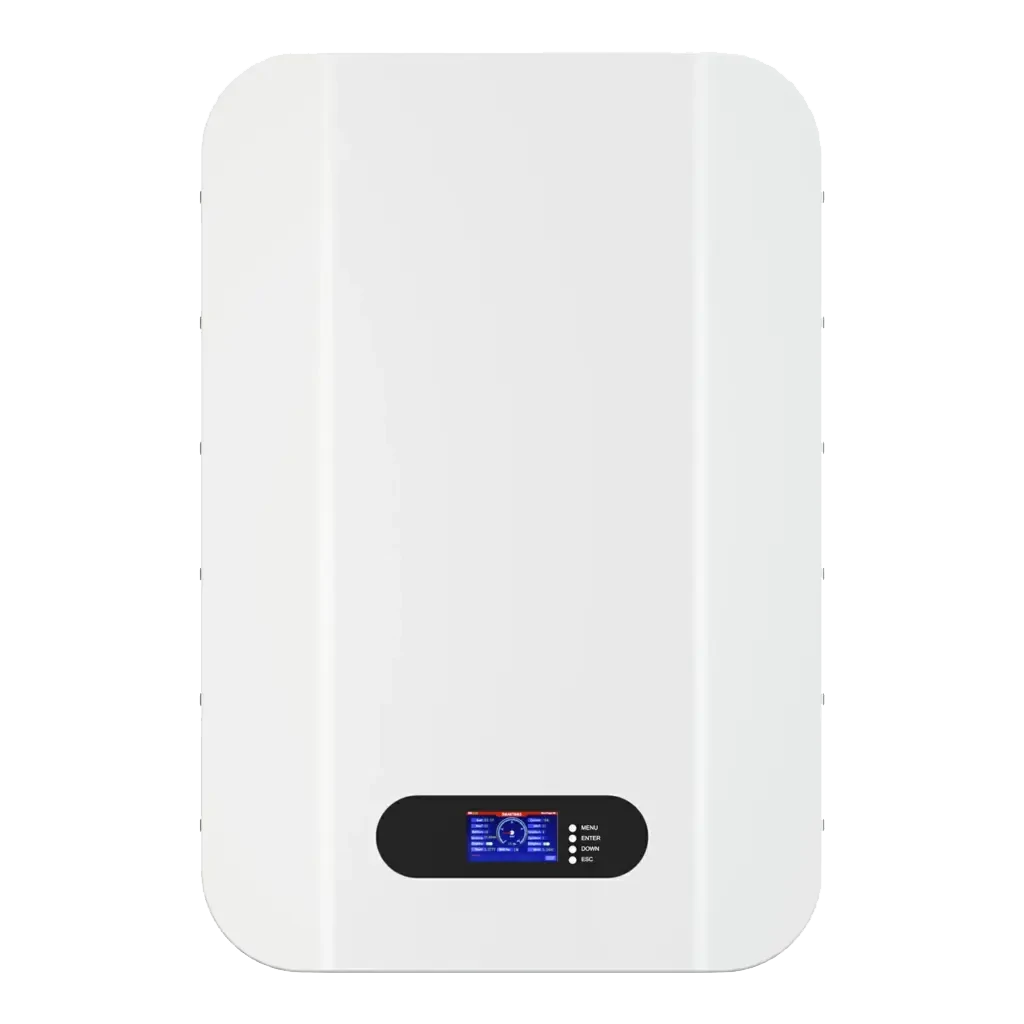
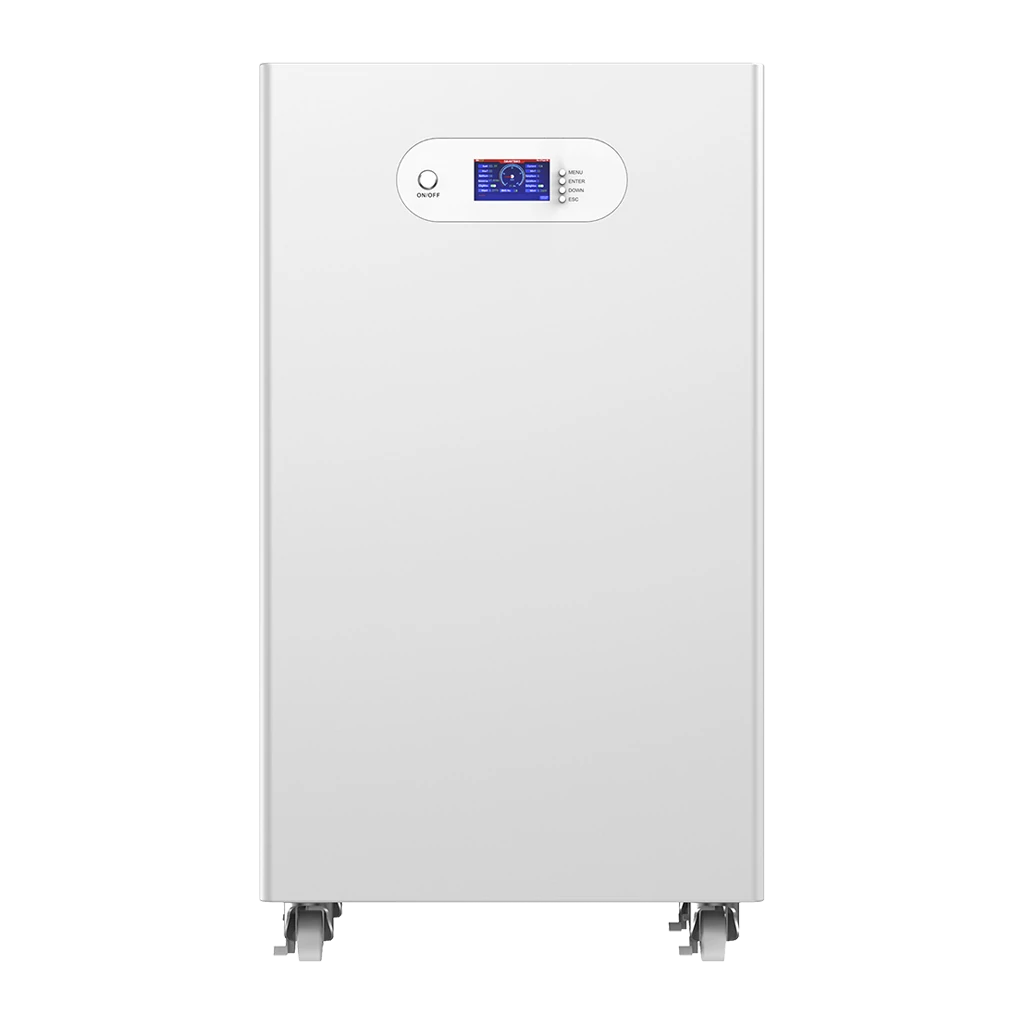
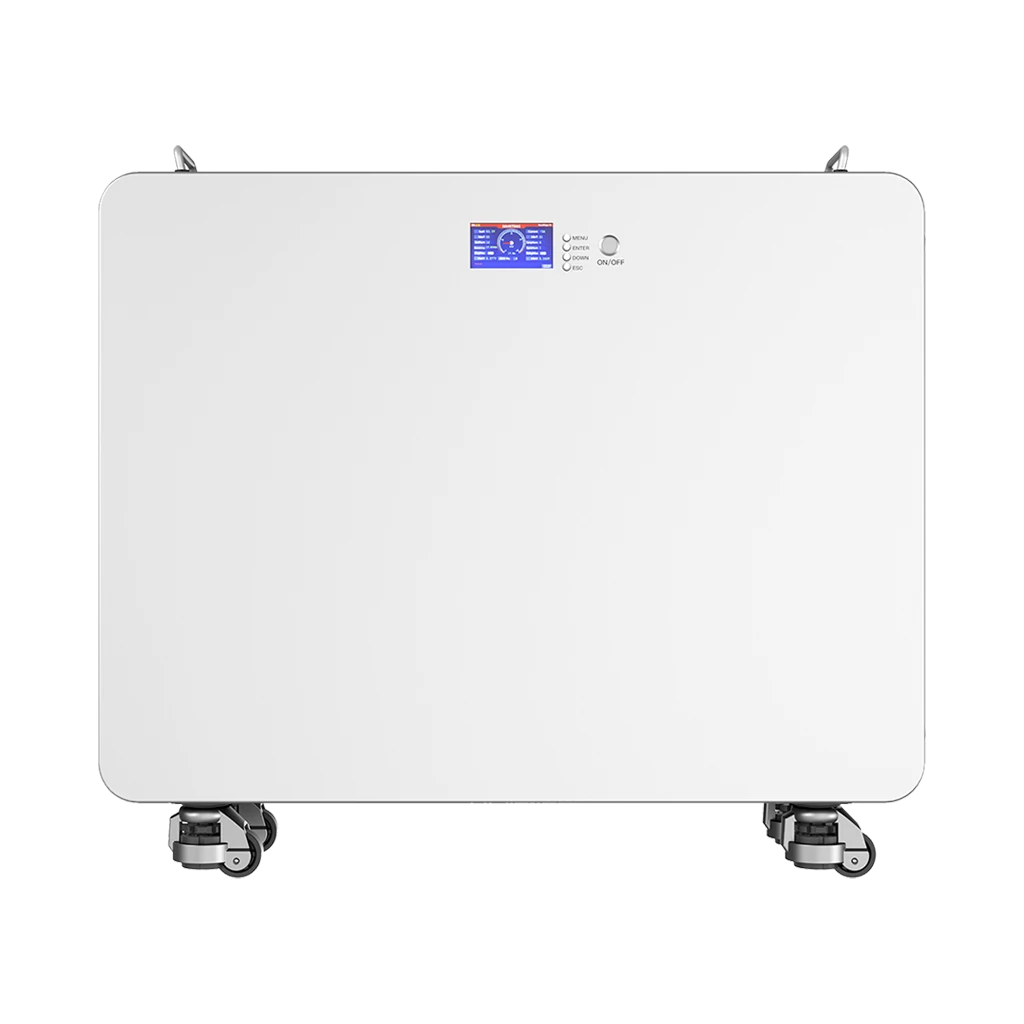
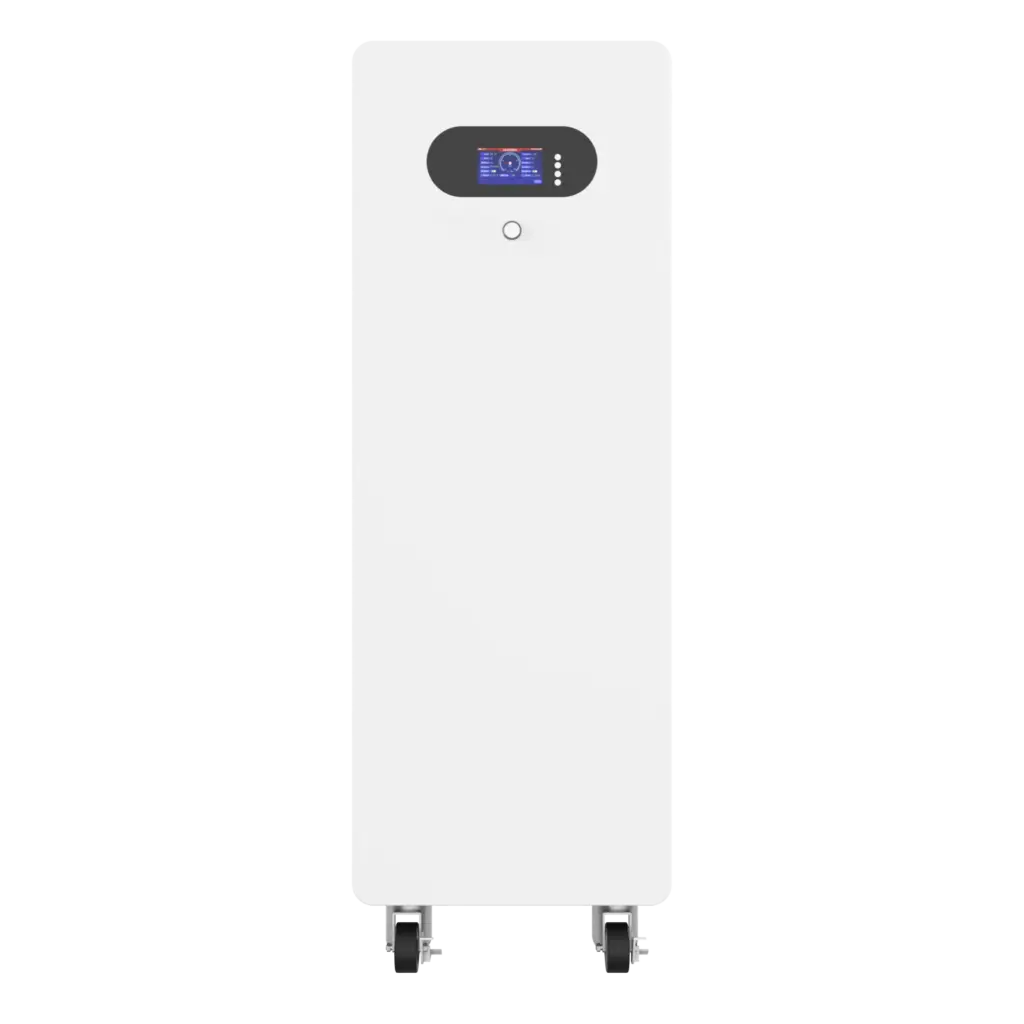
For compact RV and camper applications, Avepower offers 12V LiFePO4 deep cycle battery configurations including 100Ah and higher-capacity options.
A 12.8V 100Ah battery provides:
1.28kWh nominal energy
while a 200Ah configuration provides approximately:
2.56kWh nominal energy
These batteries are more suitable for RV buyers who prioritize:
- LiFePO4 chemistry
- Integrated BMS
- Compact storage
- Solar use
- Off-grid cycling
- Monitoring
- Parallel capacity expansion
For distributors, RV system integrators and OEM customers, battery configuration should be matched to the required capacity, current, dimensions, charging architecture and environmental conditions rather than selecting one standard battery for every vehicle.
Power That Lasts
If you want a battery you can just install and forget, go with an Avepower LiFePO4.
You get 4000+ cycles, around 10 years of use, a built-in BMS, and capacity you can expand later as your needs grow—just talk to Avepower for easy sizing advice and a no-pressure quote.
Conclusion
A deep cycle RV battery is one of the most important parts of an RV power system. It decides how long you can stay away from hookups, how stable your appliances run and how comfortable your trip feels.
AGM batteries still have a place for light use and lower upfront budgets. Flooded lead-acid batteries remain cheap but require more maintenance and ventilation. LiFePO4 batteries have become the strongest choice for many modern RV owners because they offer higher usable capacity, lower weight, faster charging, longer cycle life and better performance with solar.
The best choice is not the biggest battery you can buy. The best choice is the battery that matches your daily energy use, charging sources, available space, inverter needs, climate and travel style.
For RV builders, distributors, installers or frequent off-grid users who need a safer and longer-lasting lithium solution, Avepower provides 12V and 24V LiFePO4 battery options for RV, marine, solar and mobile energy storage systems. You can compare available models through Avepower’s LiFePO4 battery range or contact the Avepower team for project-based sizing support.
FAQ
For frequent camping, solar charging and boondocking, LiFePO4 is usually the strongest overall choice because it provides high usable capacity, lower weight and fast charging. AGM remains practical for occasional RV use and lower upfront budgets.
A 100Ah lithium battery may be sufficient for light RV loads, while 200Ah is more comfortable for a refrigerator and longer off-grid stays. Full-time RV users often need 300–600Ah or more. Calculate the final size from daily Wh consumption.
A 12.8V 100Ah LiFePO4 battery contains approximately 1.28kWh nominal energy. At 80% usable capacity, it provides about 1.02kWh before additional system losses. Runtime therefore depends on the total RV load.
Yes for many light camper setups with LED lights, a water pump, fan, efficient refrigerator and regular recharging. For multi-day boondocking, 200Ah or more usually provides more flexibility.
Many moderate RV setups fall around 100–300Ah of lithium capacity, but the correct number depends on daily consumption and available solar or alternator charging. Full-time off-grid users may require substantially more.
Neither is automatically better. Group size mainly determines the physical battery dimensions. Group 31 traditionally provides more room for capacity, but modern LiFePO4 batteries can provide 100Ah or more in smaller Group 24 footprints. Choose based on fit, usable capacity and electrical specifications.