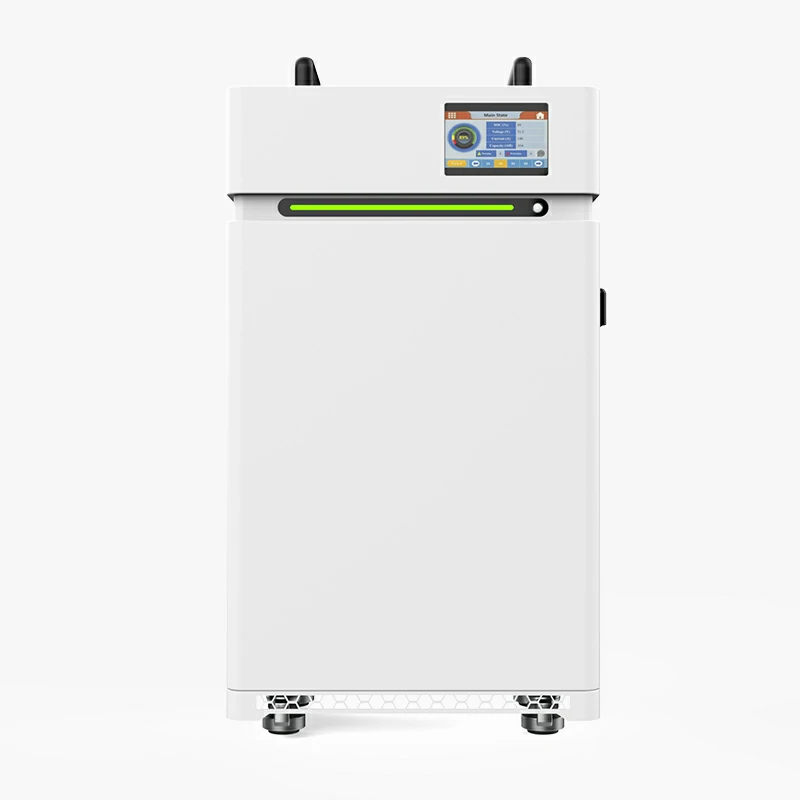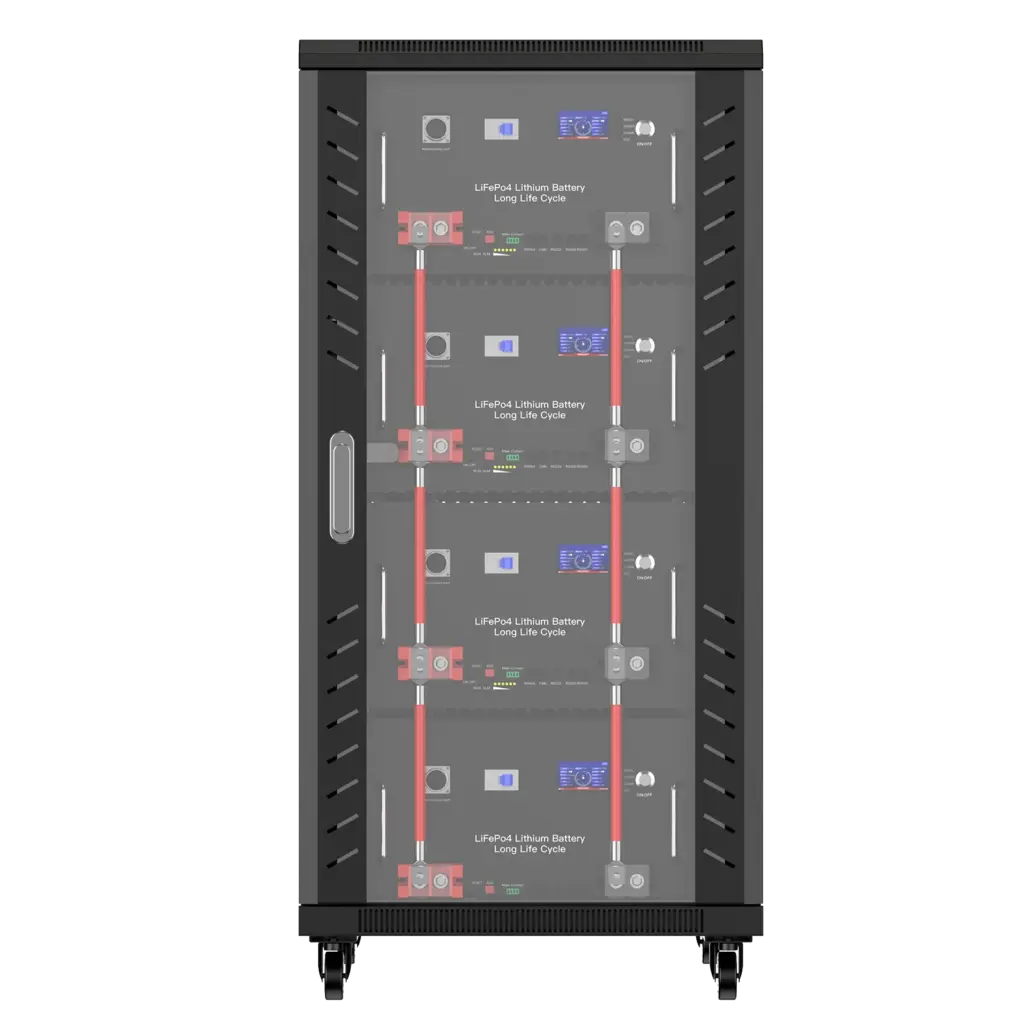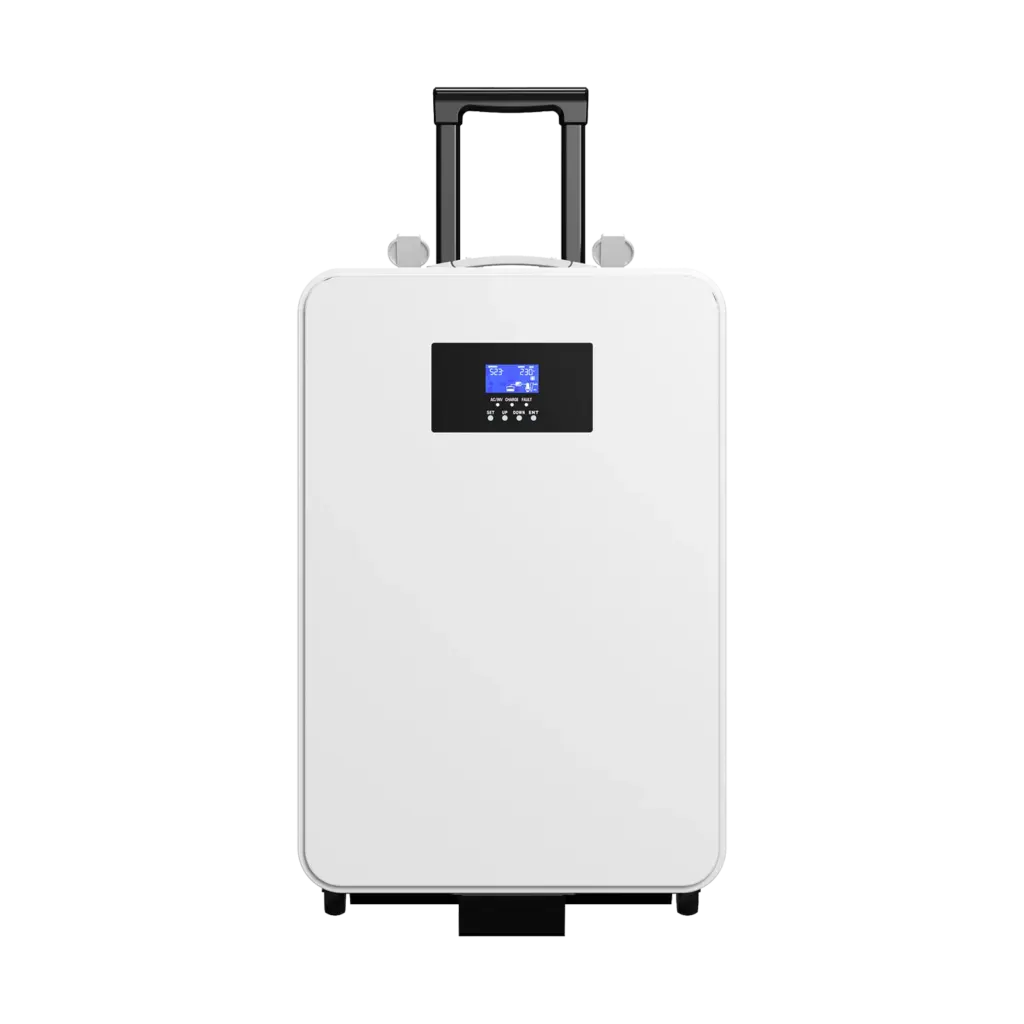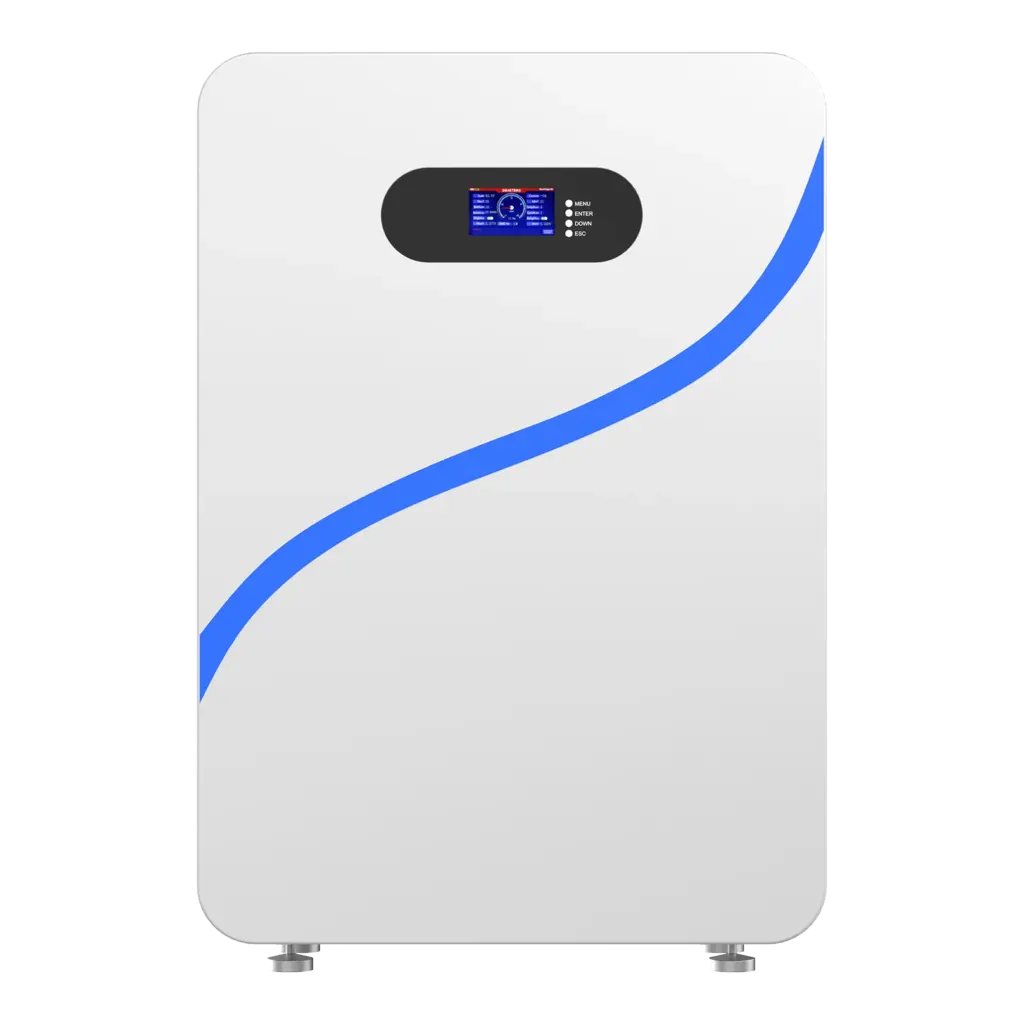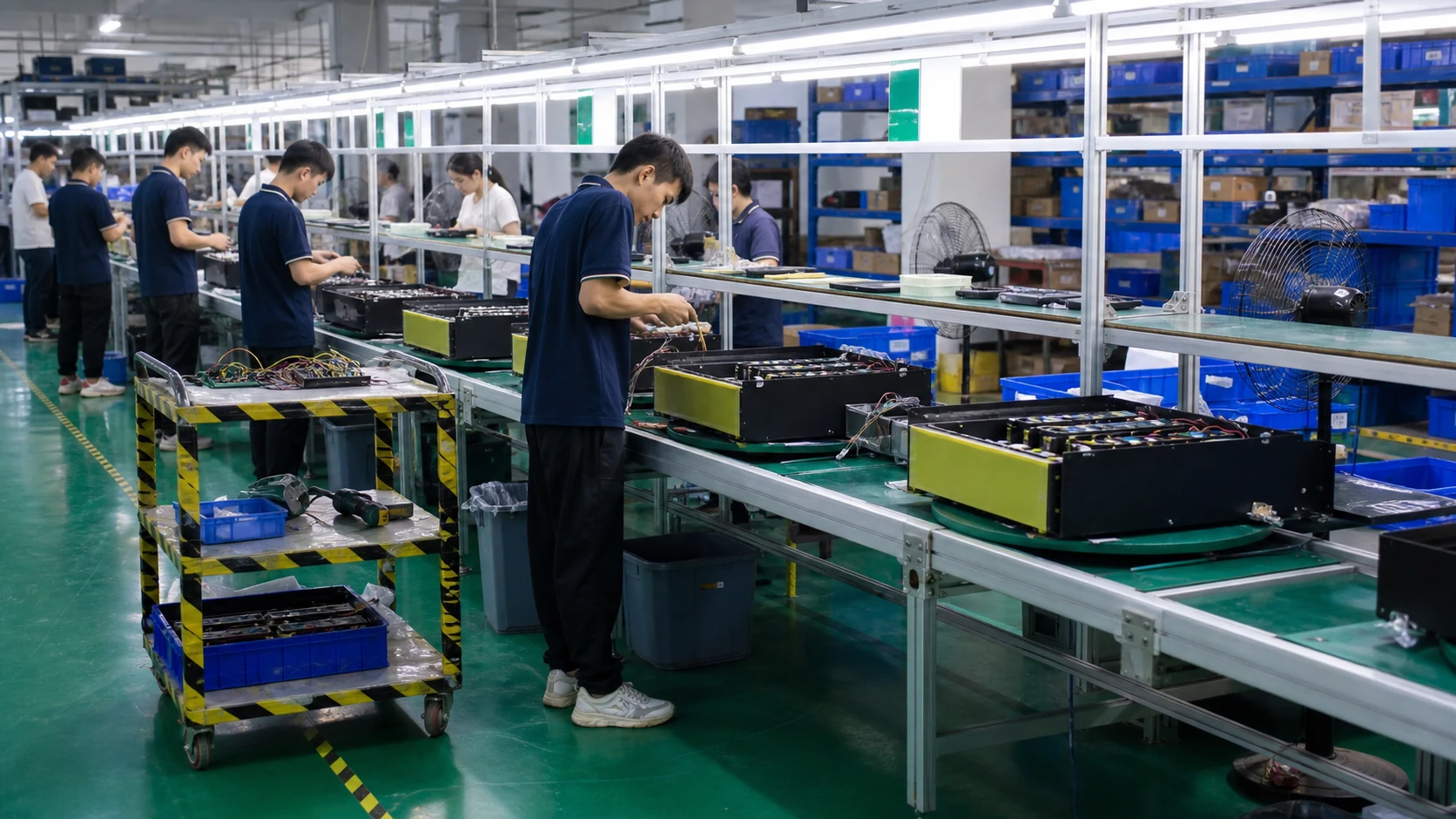

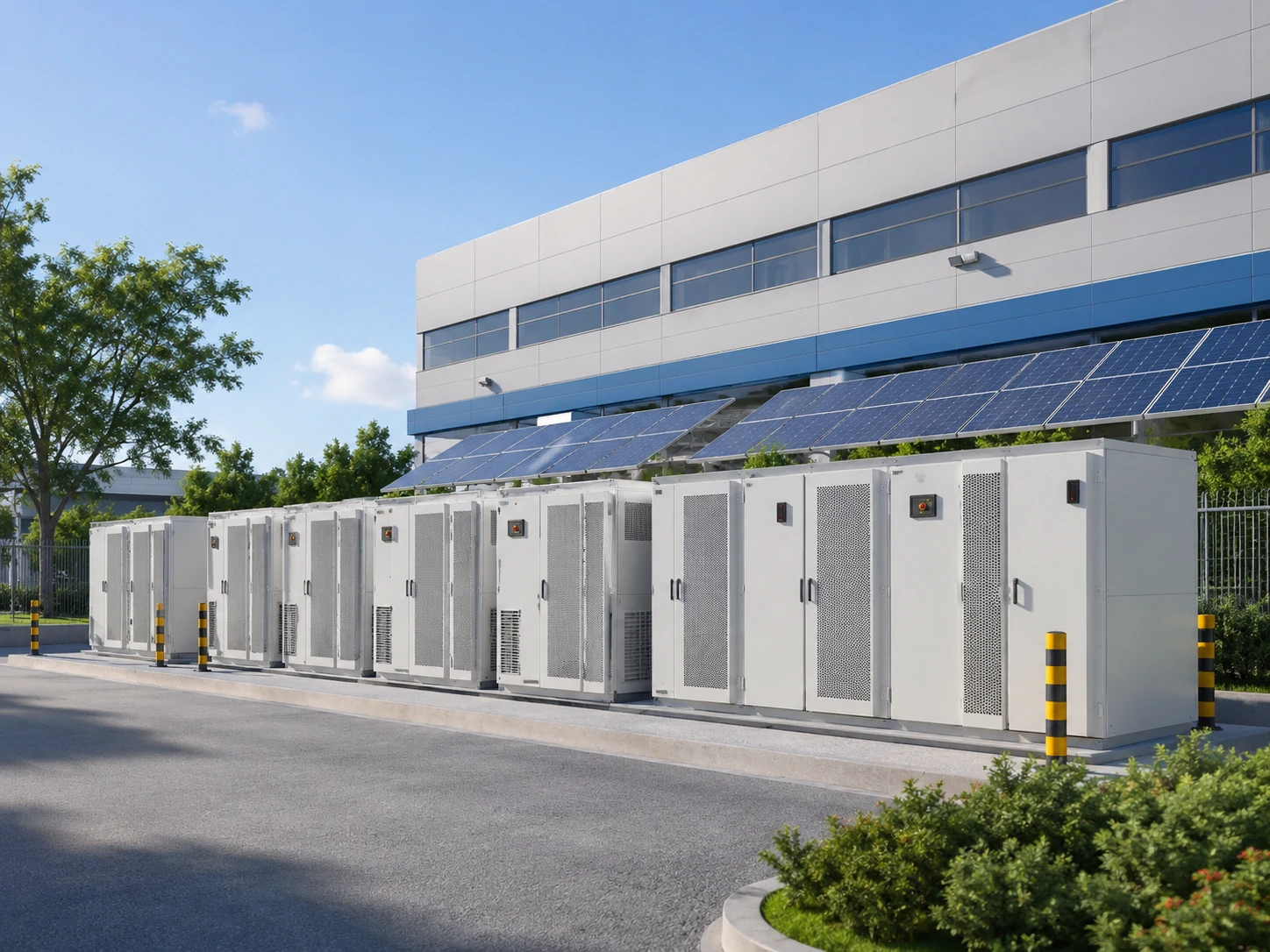
A 200kWh battery stores 200 kilowatt-hours of electrical energy and is typically used for commercial solar storage, peak shaving, backup power, EV charging support, farms, hotels, workshops and other sites that need significantly more capacity than a standard home battery.
For most projects, however, 200kWh alone does not tell you whether the system is suitable. You also need to determine the required kW output, usable battery capacity, backup duration, PCS voltage, solar generation, charge/discharge rate and installation conditions.
As a simple example, a 200kWh battery connected to a 100kW load could theoretically operate for about two hours. After allowing for depth of discharge, conversion losses and reserve capacity, practical runtime will normally be lower.
This guide explains how to size, price and configure a 200kWh battery system around real project requirements.
What Is a 200kWh Battery?
A 200kWh battery is an energy storage system capable of storing approximately 200 kilowatt-hours of electricity. The figure describes energy capacity—not the maximum instantaneous power the battery can deliver.
For example, a 200kWh battery paired with a 100kW PCS is approximately a two-hour storage system at full rated power under ideal conditions.
A 200kWh battery with a 50kW PCS would provide approximately four hours at full power.
A 200kWh battery does not automatically provide 200kW of power.
The battery capacity tells you how much electricity is stored, while the PCS or inverter determines how quickly that electricity can be supplied.
A project may therefore use configurations such as:
| Battery Capacity | PCS Power | Theoretical Duration |
|---|---|---|
| 200kWh | 50kW | 4 hours |
| 200kWh | 100kW | 2 hours |
| 200kWh | 150kW | 1.33 hours |
| 200kWh | 200kW | 1 hour |
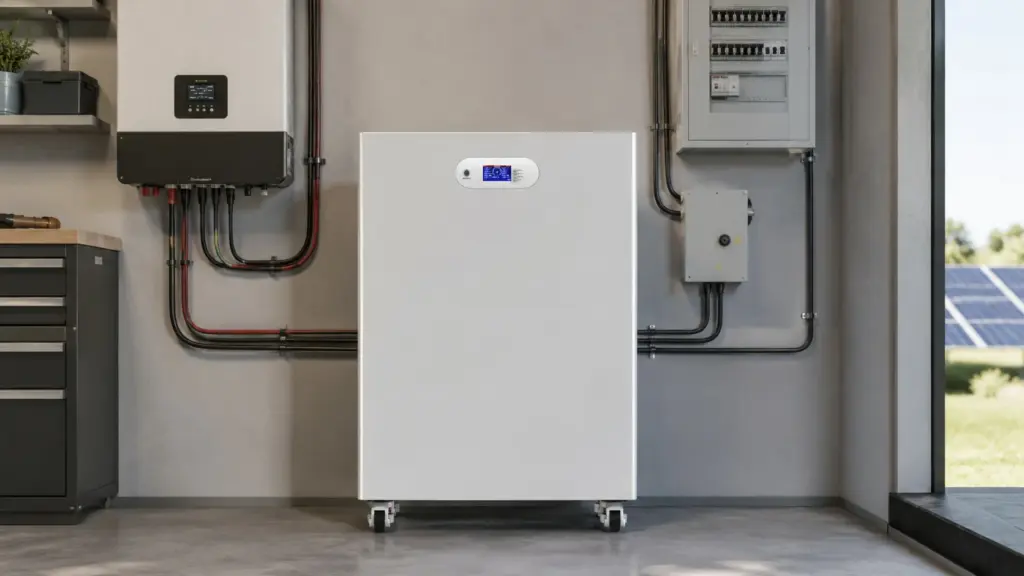
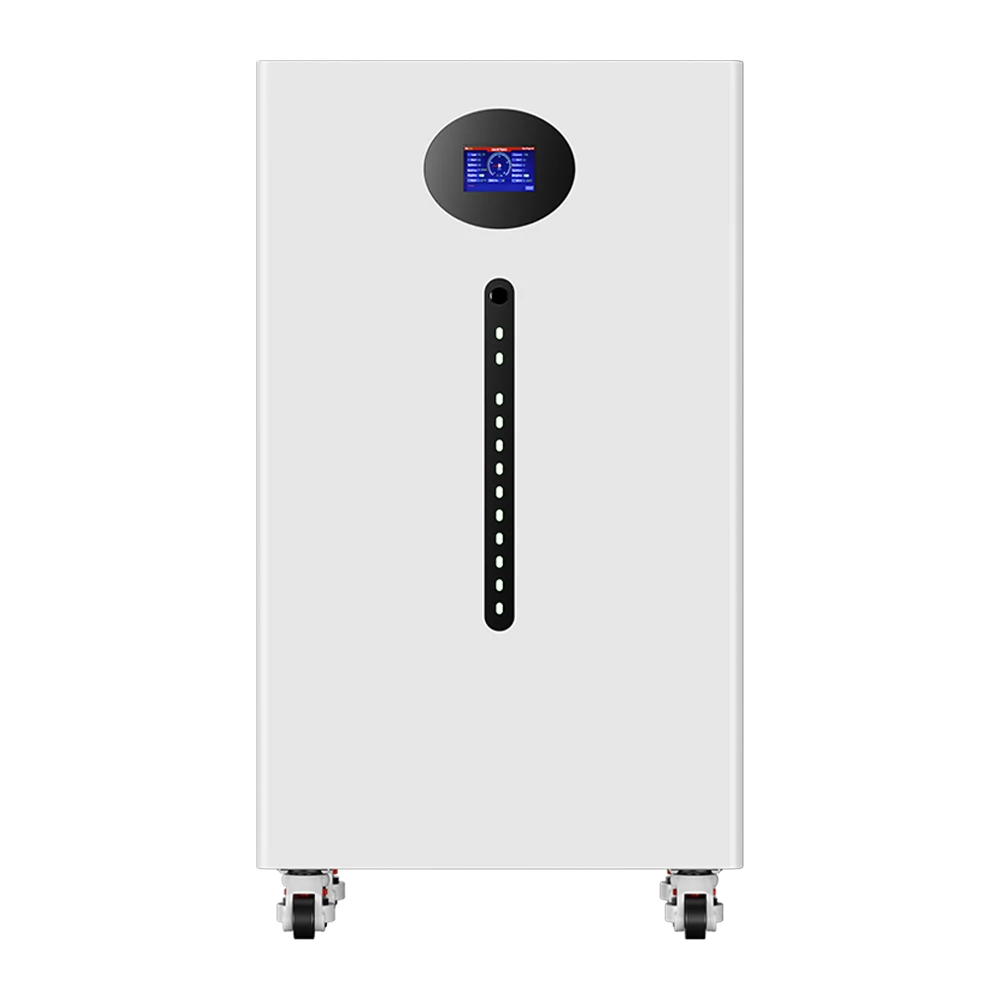
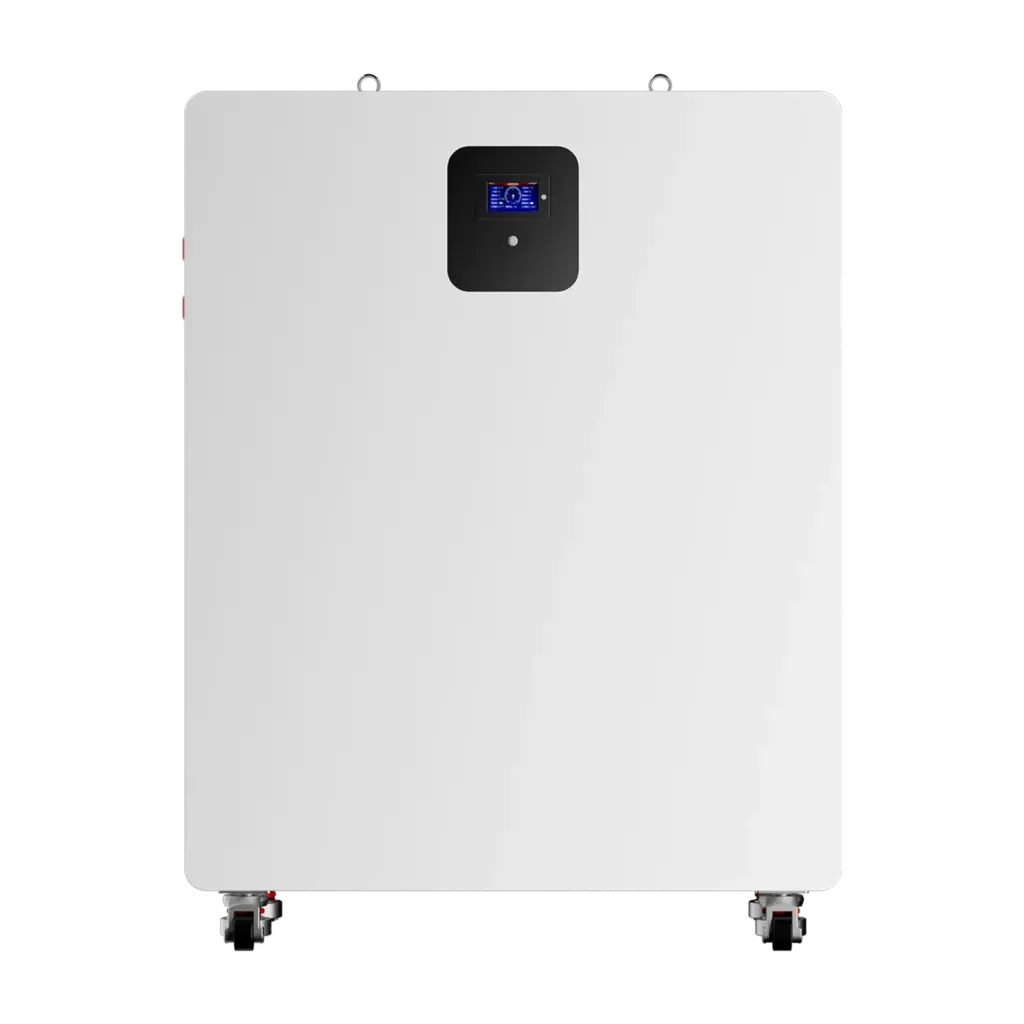
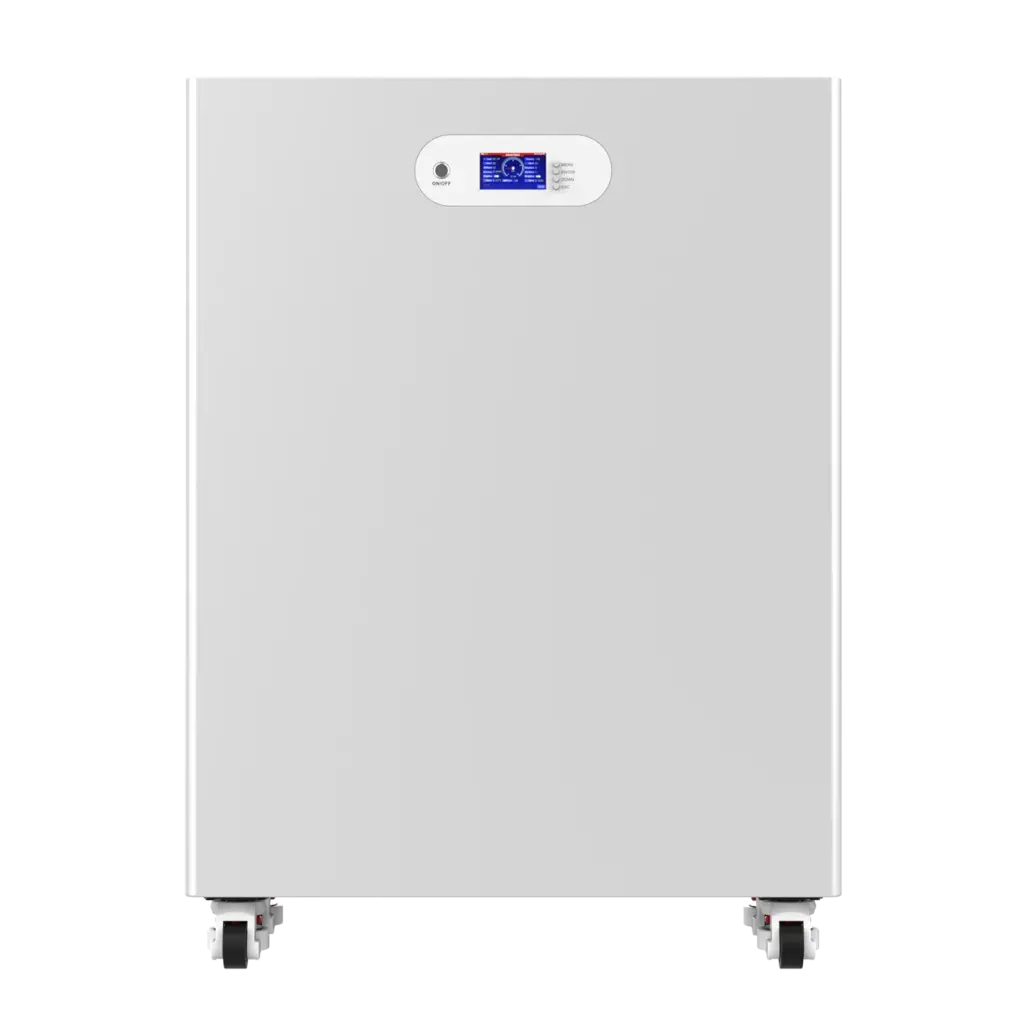
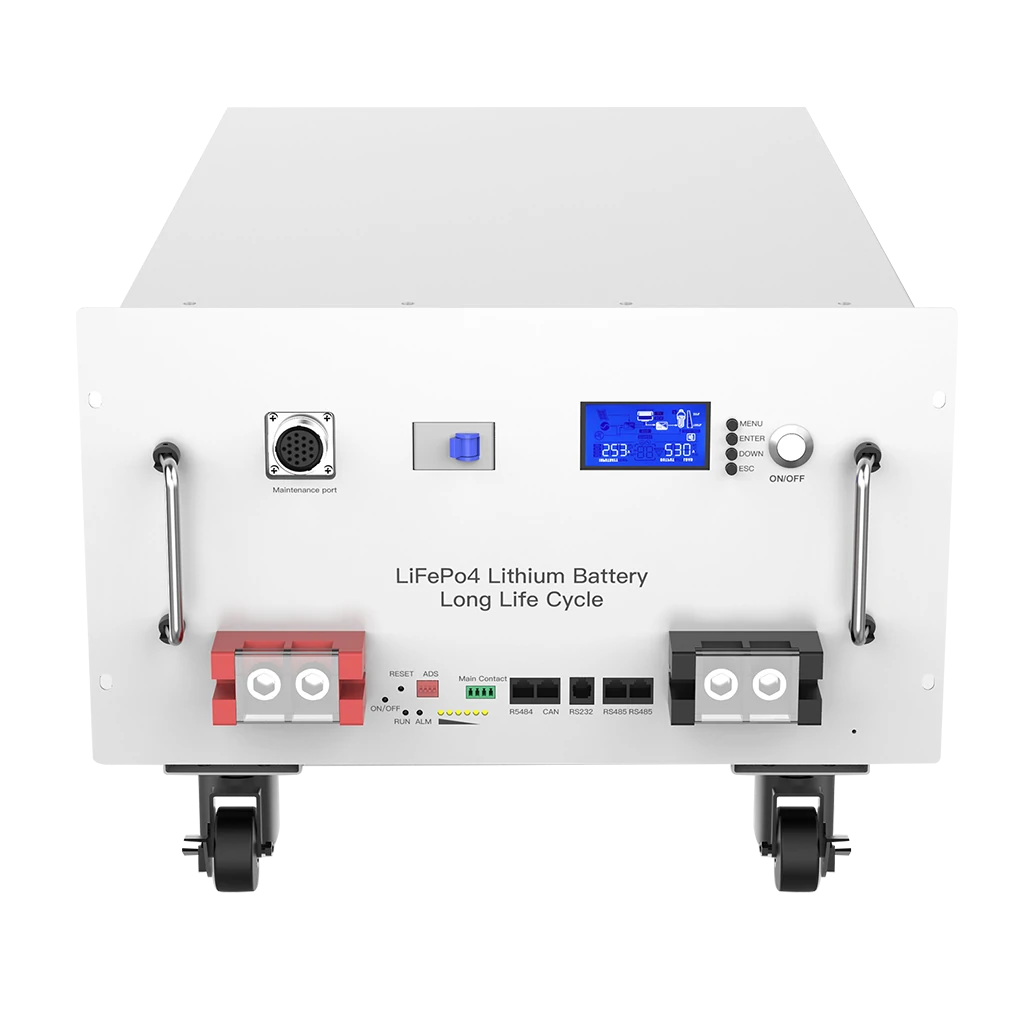
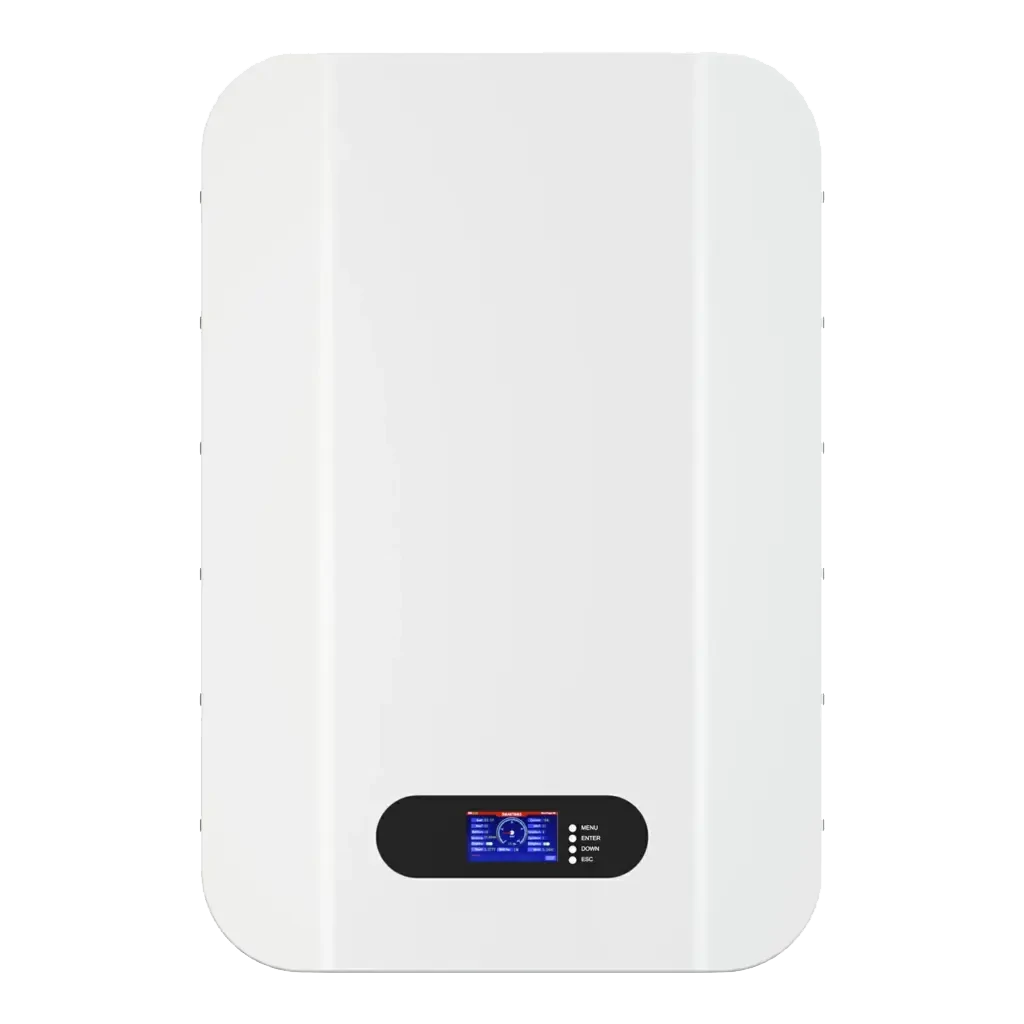
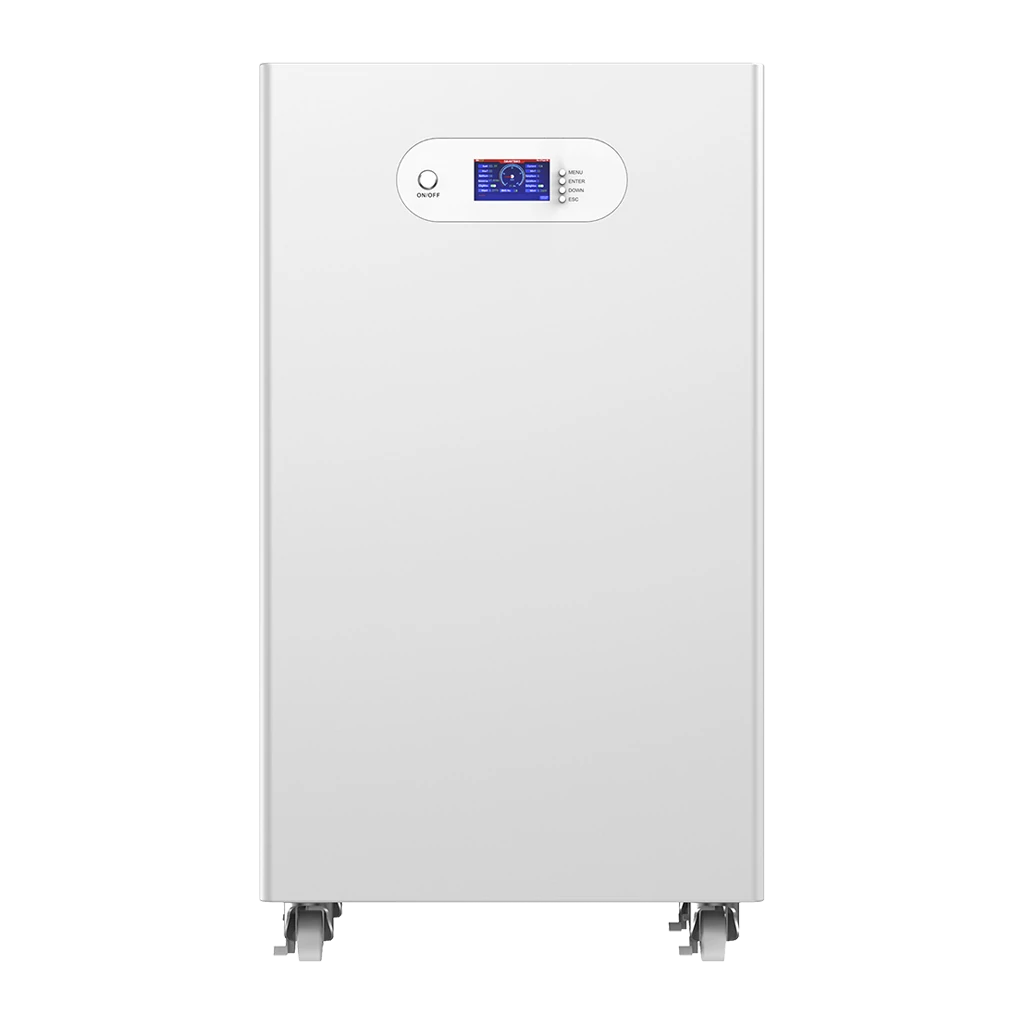
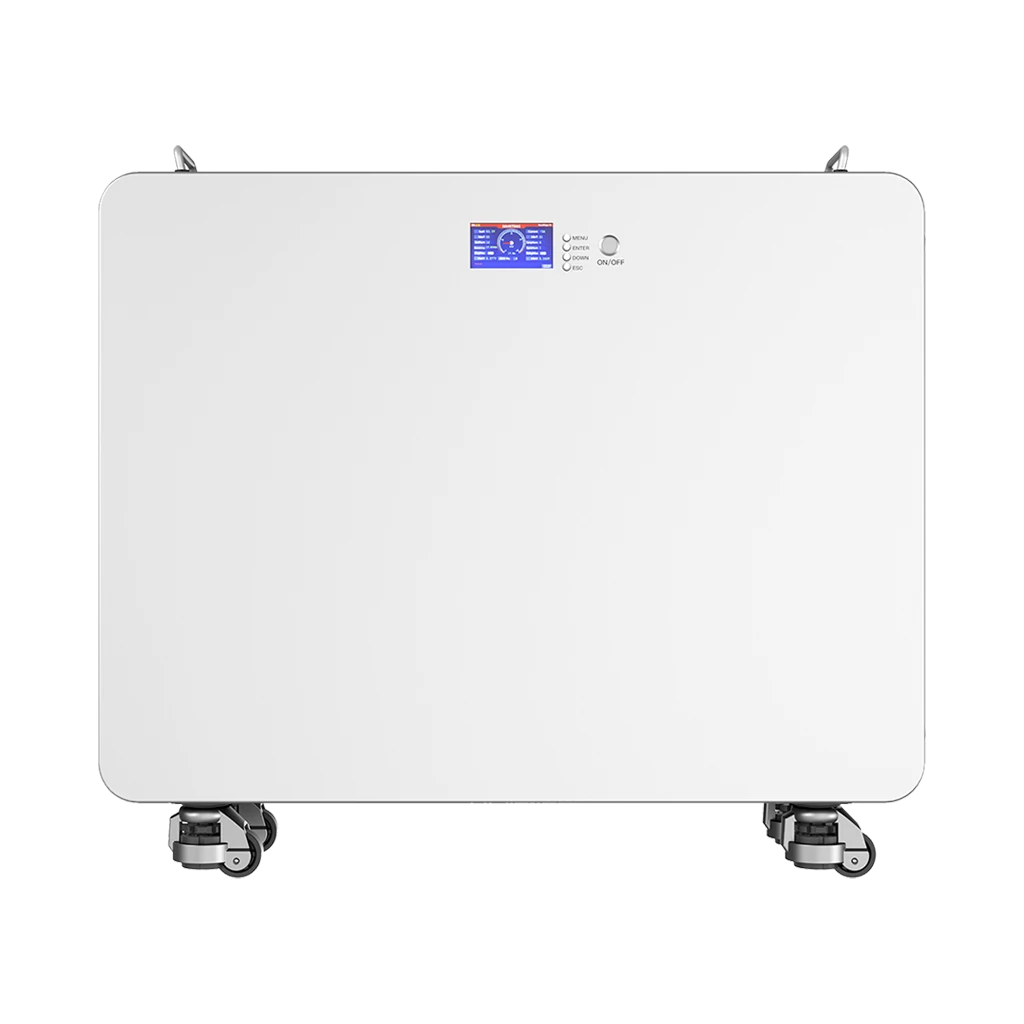
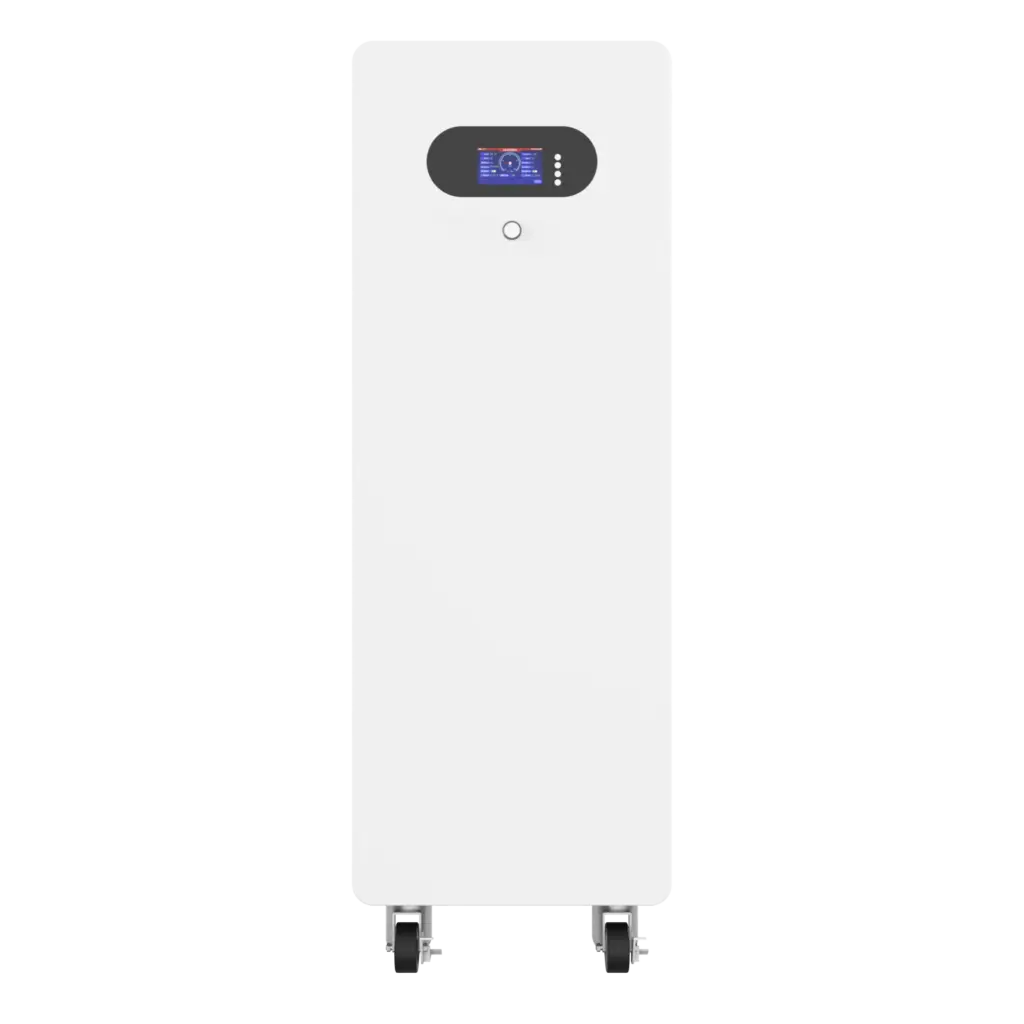
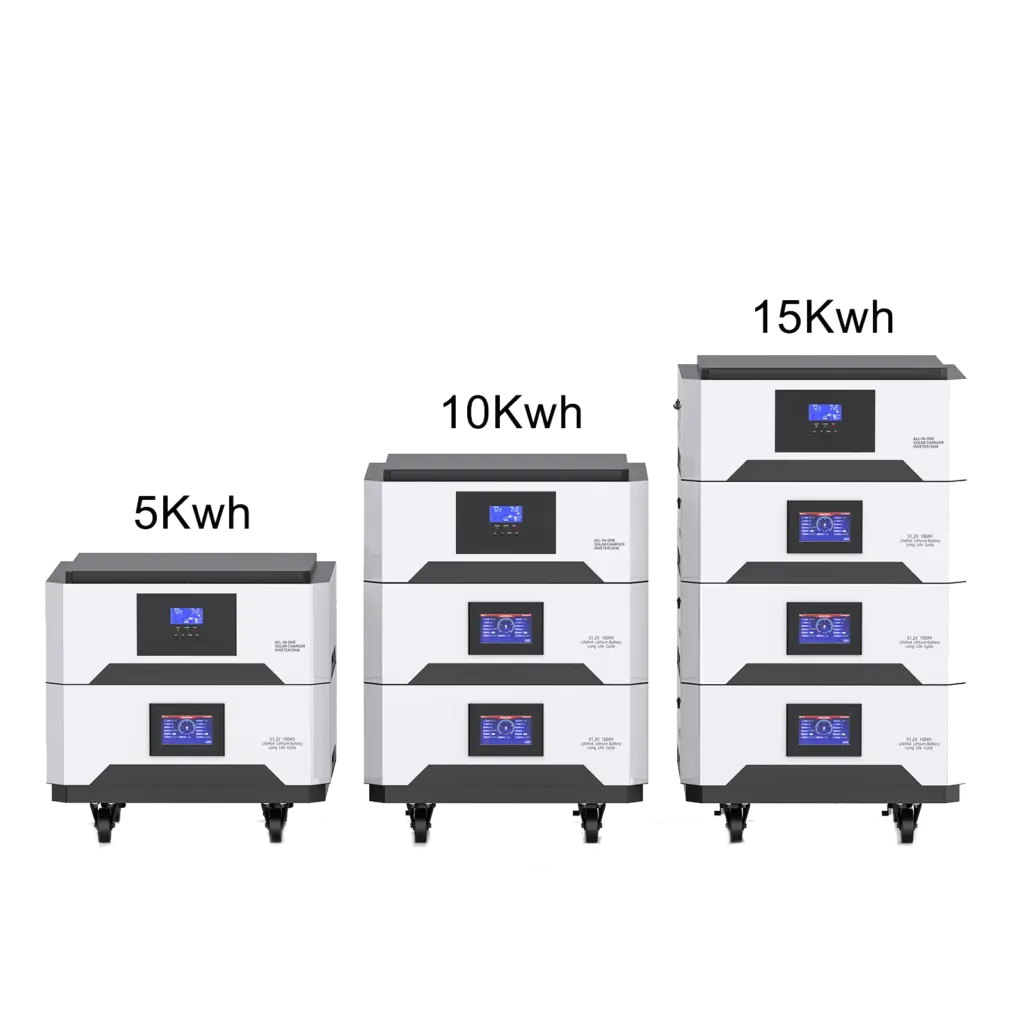
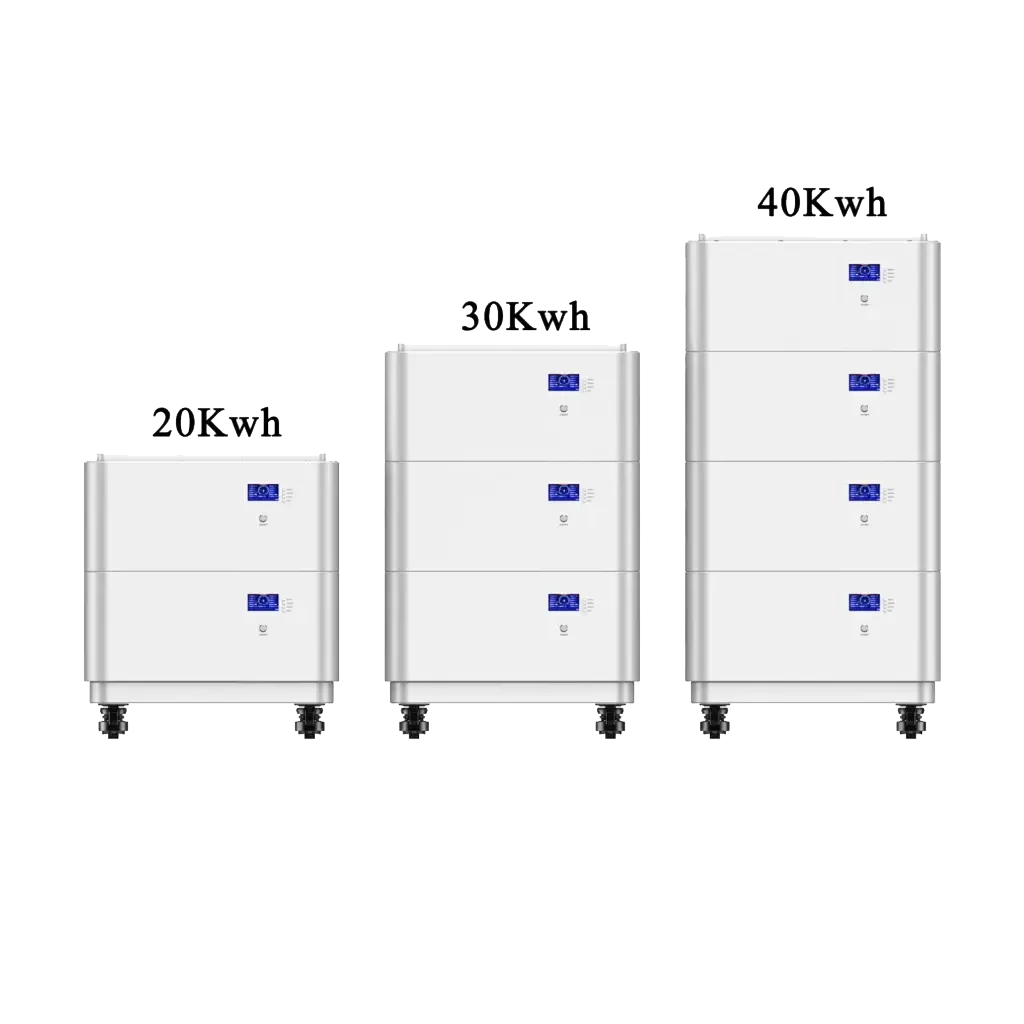
Avepower 7×30kWh Home Battery System
Build a 200kWh-class home energy storage system with 7×30kWh LiFePO4 batteries for solar storage, backup power, EV charging, and large home energy use.
What Can a 200kWh Battery Power?
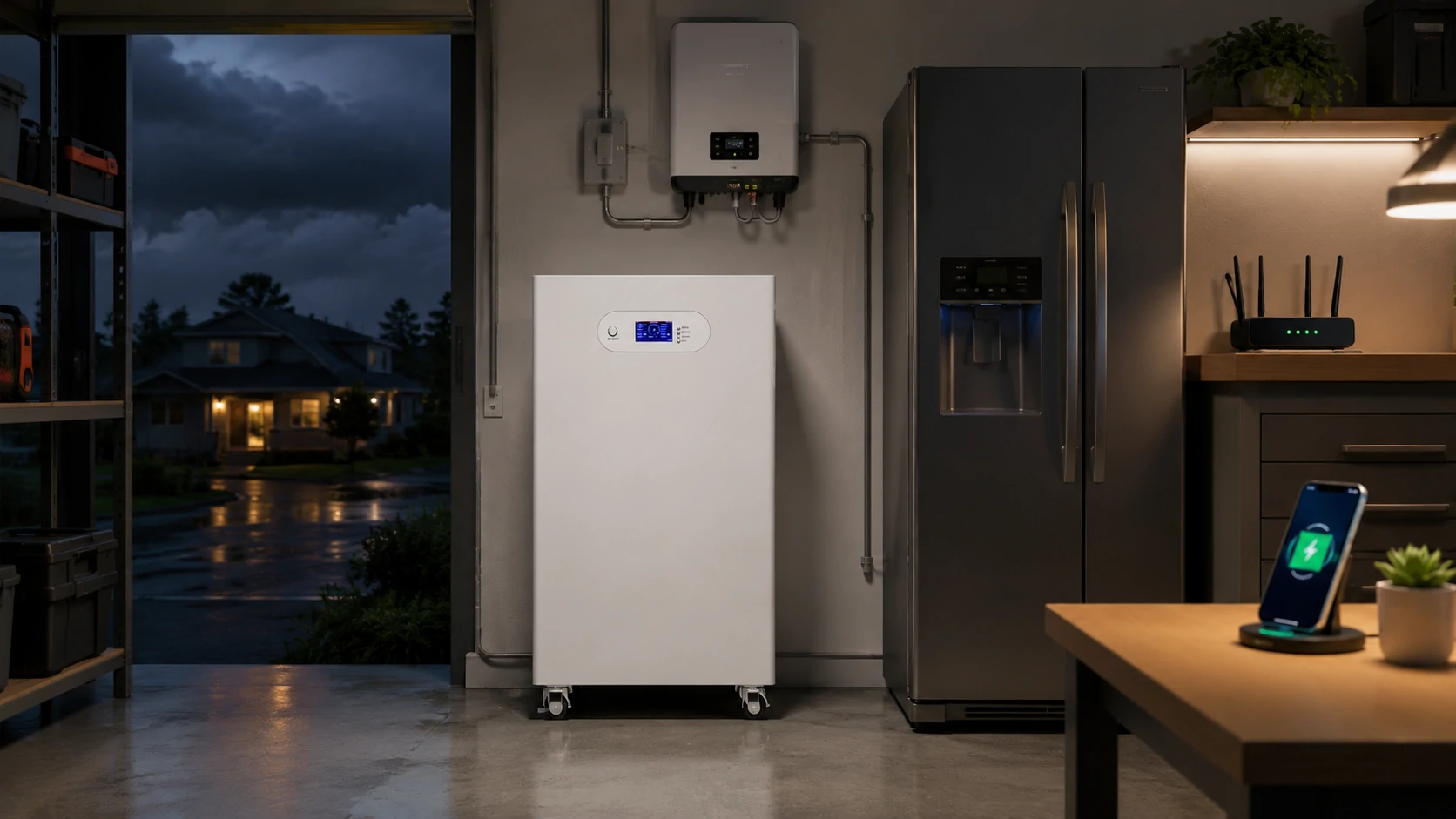
A 200kWh battery can support anything from a large property to a commercial facility, but runtime depends mainly on the site’s average kW load rather than the number of devices connected.
Theoretical runtime is:
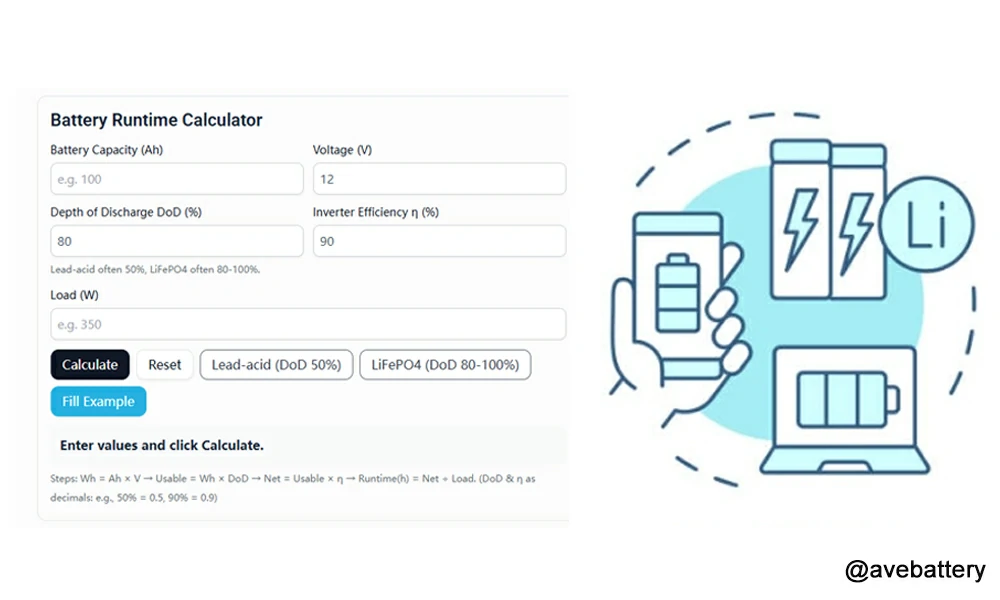
Runtime = Battery Capacity ÷ Average Load
However, using all 200kWh is rarely appropriate in a real installation.
Assume:
- Nominal capacity: 200kWh
- Usable DoD: 90%
- Battery-to-AC efficiency: 92%
Approximate usable AC energy becomes:
200 × 90% × 92% = 165.6kWh
That gives a more useful planning table:
| Average Load | Ideal Runtime | Approx. Practical Runtime |
|---|---|---|
| 10kW | 20 hours | 16.6 hours |
| 20kW | 10 hours | 8.3 hours |
| 40kW | 5 hours | 4.1 hours |
| 50kW | 4 hours | 3.3 hours |
| 75kW | 2.7 hours | 2.2 hours |
| 100kW | 2 hours | 1.7 hours |
*Planning example using 90% DoD and 92% conversion efficiency. Actual system performance depends on equipment and operating conditions.
This is why a 200kWh battery may provide several hours of backup for a hotel or warehouse’s critical loads while providing much shorter runtime if the entire site’s production equipment remains online.
Is a 200kWh Battery the Right Size for Your Project?
A 200kWh battery is most appropriate when the site needs roughly 150–180kWh of usable energy per operating cycle or when commercial loads require approximately one to four hours of energy storage.
Typical applications include:
- Small and medium commercial buildings
- Hotels and resorts
- Warehouses
- Workshops
- Farms and agricultural facilities
- Cold storage
- Schools
- EV charging sites
- Small factories
- Commercial solar installations
- Weak-grid and microgrid projects
- Large villas or multi-building estates
For an average home, 200kWh is usually oversized.
For commercial and industrial projects, however, this capacity sits in a useful middle range between smaller commercial battery banks and larger 500kWh–1MWh+ storage systems.
When 200kWh May Be Too Small
A larger system may be required when:
- Critical loads exceed 100–150kW for several hours
- Whole-site backup is required
- Daily energy shifting exceeds 200kWh
- Large EV charging loads must be buffered
- The site needs several hours of industrial backup
- Future expansion is expected
When 200kWh May Be Too Large
A smaller 50–150kWh system may be more economical if:
- Only IT, lighting and security require backup
- Daily surplus solar production is limited
- Peak demand reduction requires relatively little energy
- The site only needs short-duration backup
The correct size should come from actual load data rather than selecting a battery by capacity alone.
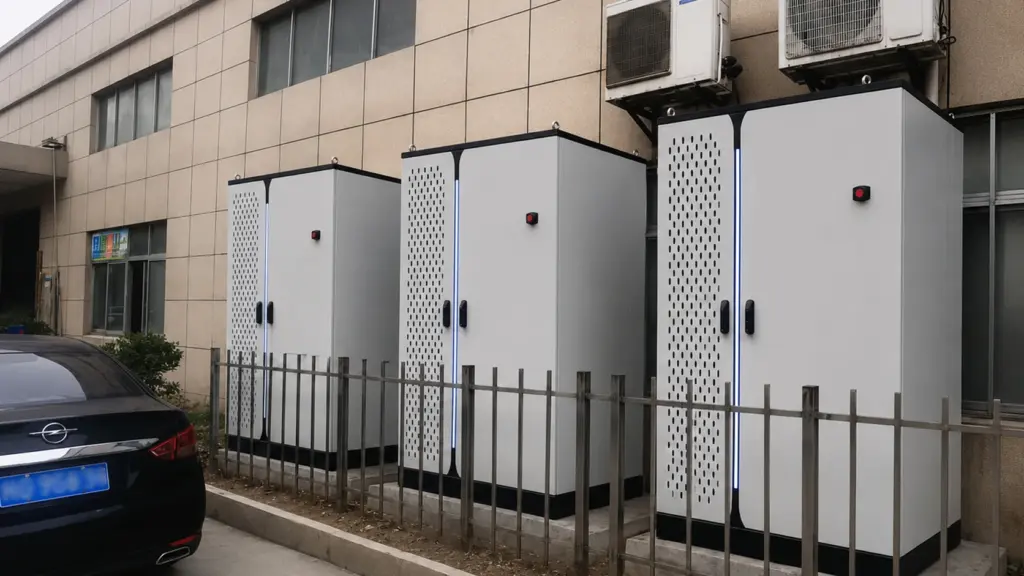
C&I Energy Storage Solution
Avepower C&I battery systems help businesses reduce peak demand, store solar energy, and improve backup power reliability.
How Much Does a 200kWh Battery Cost in 2026?
A 200kWh battery project can vary substantially in price because a battery cabinet and a fully installed battery energy storage system are not the same product.
For early project planning, a complete 200kWh commercial storage project may fall broadly around $60,000–$150,000+, depending on region, voltage architecture, PCS, EMS, cooling system, fire protection, certifications and installation scope.
Battery-only quotations can be significantly lower.
What Is Included in a Complete 200kWh BESS?
Depending on the system architecture, project cost may include:
| Component | Function |
|---|---|
| LFP battery modules | Store electricity |
| BMS | Cell and battery protection |
| PCS | Converts DC and AC power |
| EMS | Controls charging, discharging and operating strategy |
| Thermal management | Controls battery temperature |
| Fire protection | System-level safety |
| Switchgear | Electrical isolation and protection |
| Monitoring system | Local and remote operating visibility |
| Cabinet/enclosure | Environmental protection |
| Cables and connectors | Electrical integration |
| Installation | Mechanical and electrical work |
| Commissioning | Testing and system setup |
| Permitting | Local regulatory requirements |
Main Factors That Change 200kWh Battery Price
The largest cost differences usually come from:
- Battery-only vs all-in-one BESS
- Low-voltage vs high-voltage architecture
- 50kW vs 100kW+ PCS
- Air cooling vs liquid cooling
- Indoor vs outdoor cabinet
- Fire suppression requirements
- Certification requirements
- Grid-connected vs backup-capable configuration
- EMS functionality
- Shipping and installation location
How Much Solar Is Needed for a 200kWh Battery?
A 200kWh battery does not require one fixed solar array size—the PV system should be sized according to the energy that must be replenished each day plus simultaneous site consumption.
A simple early-stage calculation is:
Required PV Power = Energy to Recharge ÷ Peak Sun Hours ÷ System Derating Factor
Assume the battery uses approximately 180kWh per day and the solar system operates at an 80% overall performance factor.
With 5 peak sun hours:
180 ÷ 5 ÷ 0.80 = 45kW PV
With 4 peak sun hours:
180 ÷ 4 ÷ 0.80 = 56.25kW PV
Therefore, approximately 45–60kW of solar may be needed just to replace around 180kWh of battery energy on a good solar day.
But this does not include electricity being consumed by the building while solar is operating.
If a business also consumes 300kWh during daylight hours, the required PV array could be considerably larger.
Final sizing should therefore use:
PV energy for site loads + PV energy for battery charging
rather than battery capacity alone.
What Size Inverter or PCS Does a 200kWh Battery Need?
A 200kWh battery commonly works with a 50–100kW-class PCS when the application requires roughly two to four hours of storage, but the correct PCS size depends on peak load and battery discharge capability.
For example:
50kW PCS + 200kWh Battery
Approximately four-hour energy-to-power ratio.
Suitable for:
- Long-duration load shifting
- Solar self-consumption
- Lower-power commercial backup
100kW PCS + 200kWh Battery
Approximately two-hour energy-to-power ratio.
Suitable for:
- C&I peak shaving
- Commercial backup
- EV charging support
- Faster solar energy shifting
Higher-Power PCS
A higher-power PCS may be appropriate when short-duration high output is required, but battery C-rate, current limits and thermal design must support it.
For reference, Avepower’s 215.04kWh commercial liquid-cooled project uses a 100kW rated PCS, giving it a configuration very close to the common 100kW/200kWh C&I architecture.
Low-Voltage vs High-Voltage 200kWh Battery
A 200kWh battery can technically be built using either multiple low-voltage battery modules or a high-voltage C&I architecture, but high voltage is normally more practical for higher-power commercial projects.
| Low-Voltage Modular | High-Voltage C&I | |
|---|---|---|
| Typical voltage | 48V / 51.2V | Hundreds of volts DC |
| Current at high power | Very high | Lower |
| Main applications | Large residential, farms, light commercial | Commercial and industrial |
| Expansion | Parallel batteries | Battery clusters/cabinets |
| PCS integration | LV inverter | C&I PCS |
| Installation complexity | Lower at small scale | Higher |
| High-power efficiency | Less favorable | More suitable |
For example, seven 30kWh low-voltage batteries can create approximately 210kWh nominal capacity and may suit certain large residential or light-commercial projects.
For factories, hotels, EV charging facilities and larger C&I systems, a high-voltage configuration is generally more appropriate because it reduces DC current and integrates more naturally with commercial PCS equipment.
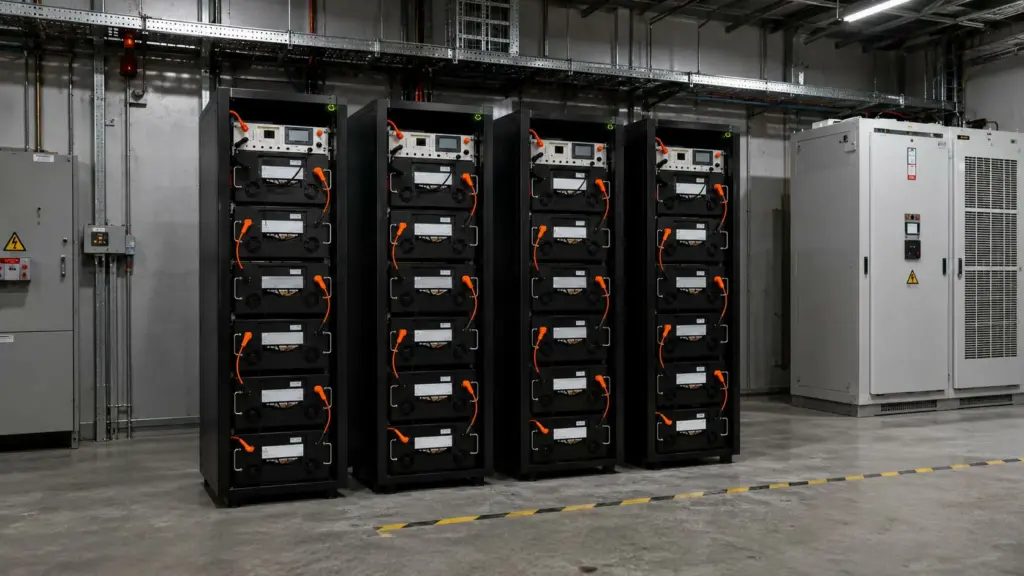
High-Voltage Battery Storage System
Custom high-voltage battery storage systems for commercial, industrial, and project-based energy storage needs.
Air-Cooled vs Liquid-Cooled 200kWh Battery
Thermal management becomes increasingly important as battery capacity and charge/discharge power increase.
Air Cooling
Air cooling may offer:
- Simpler architecture
- Lower initial cost
- Easier maintenance
- Good performance for moderate operating conditions
Liquid Cooling
Liquid cooling may provide:
- Better temperature consistency
- More effective heat removal
- Better support for repeated C&I cycling
- Lower thermal stress
- More compact high-power cabinet designs
The best choice depends on climate, C-rate, duty cycle, cabinet density and project budget.
For continuously cycled commercial applications or warmer environments, liquid cooling may provide important operational advantages.
Advantages and Disadvantages of a 200kWh Battery
A 200kWh battery offers enough capacity to materially affect commercial energy consumption, but it also requires more engineering, safety equipment and capital than smaller storage systems.
Advantages
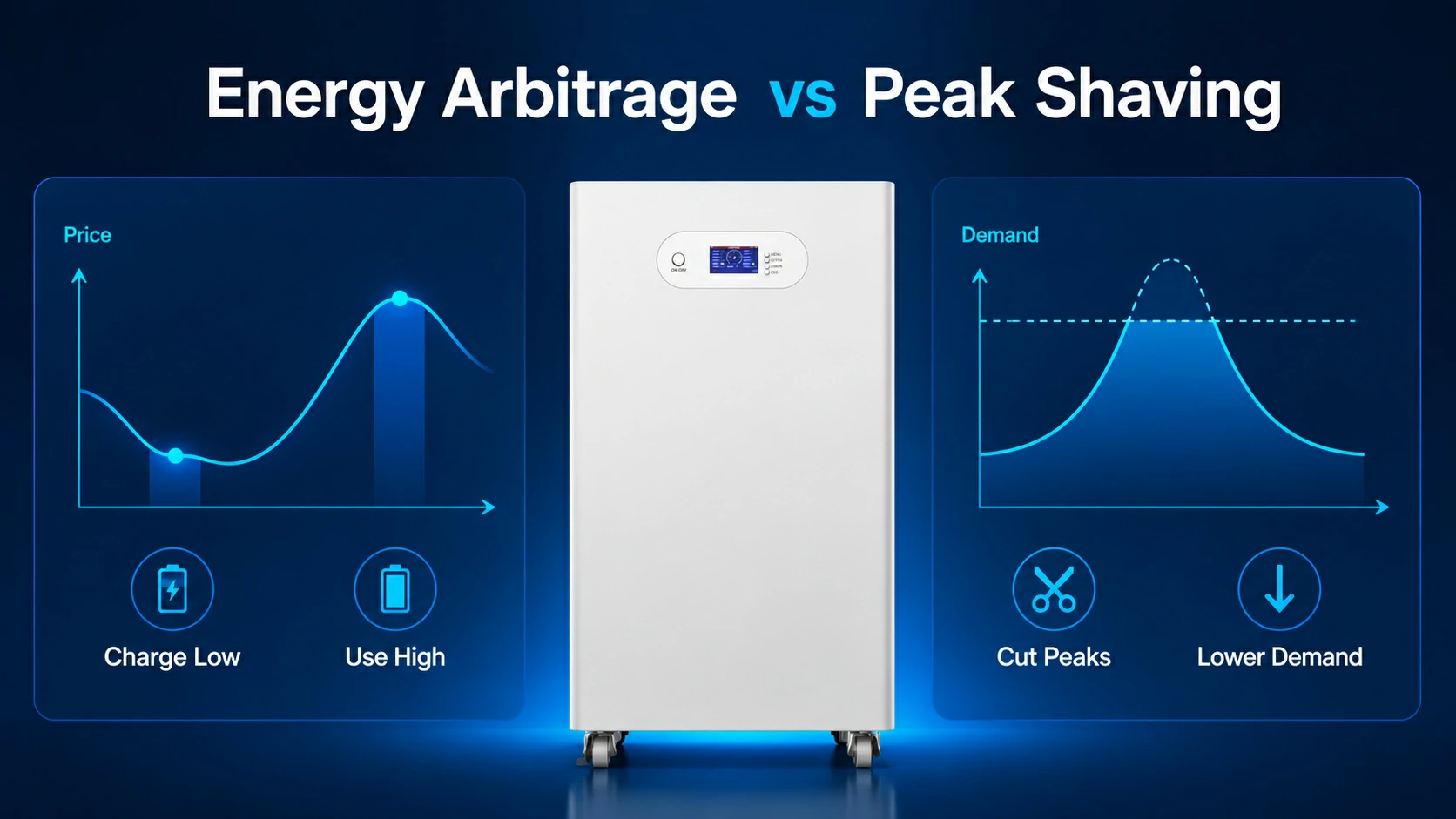
- Peak shaving: The battery can discharge during periods of maximum grid demand and reduce the site’s peak power requirement.
- Solar self-consumption: Surplus daytime solar production can be stored and used later instead of being exported or curtailed.
- Backup power: Critical equipment can continue operating during grid failures when the system is designed for backup operation.
- Time-of-use optimization: The battery can charge when electricity is less expensive and discharge during expensive periods where tariff structures allow.
- EV charging support: Stored energy can reduce short-duration demand spikes created by commercial EV chargers.
- Scalability: Modular C&I systems can often be expanded when site consumption grows.
Disadvantages
- Higher initial investment: The battery, PCS, EMS, protection equipment and installation create substantial project CAPEX.
- Engineering is required: A 200kWh system cannot be correctly selected from capacity alone.
- Space and weight: Commercial cabinets require suitable placement, foundations and service clearances.
- Battery degradation: Usable capacity gradually decreases with cycling and calendar aging.
- Permitting and grid connection: Commercial installations may require additional electrical approvals, fire-safety reviews and utility coordination.
Real 200kWh-Class Battery Project: 215kWh C&I ESS in Germany
A real 215.04kWh Avepower liquid-cooled energy storage project in Germany provides a useful example of how a 200kWh-class battery is configured for commercial use.
The project uses:
| Project Specification | Value |
|---|---|
| Nominal Energy | 215.04kWh |
| Rated Power | 100kW |
| Battery Chemistry | LFP |
| Nominal DC Voltage | 768V |
| Cooling | Liquid cooling |
| Protection Level | IP54 |
| Communication | RS485 / Ethernet / CAN |
| Rated Cycle Life | 8,000 cycles |
| Application | Commercial & Industrial ESS |
The all-in-one cabinet integrates battery packs, BMS, PCS, EMS, thermal management, intelligent power distribution and fire protection.
The system was configured for applications including peak shaving, load shifting, solar-plus-storage, commercial backup and intelligent energy management.
Why This Configuration Matters
The 215kWh + 100kW architecture demonstrates an important sizing principle:
Energy capacity and power must be designed together.
A 215kWh battery paired with a 100kW PCS provides roughly two hours of full-power energy in theoretical terms, while the EMS determines how that energy is actually dispatched according to grid conditions, load demand and operating strategy.
Conclusion
A 200kWh battery is a practical commercial energy storage size for projects that need meaningful solar storage, peak shaving, backup power or approximately one to four hours of medium-power energy shifting.
But capacity is only the starting point.
A correctly designed system must match:
kWh capacity + kW power + DC voltage + PCS + BMS + EMS + solar generation + site load + operating strategy.
For a typical C&I project, a 200–215kWh high-voltage LFP battery combined with approximately 100kW of PCS power can provide a practical two-hour storage architecture, while lower-power configurations can extend discharge duration.
Avepower supports modular low-voltage and customized high-voltage energy storage solutions for installers, distributors, EPC contractors, project developers and OEM/ODM customers.
Planning a 200kWh battery project? Send us your load profile, required backup time, solar capacity, PCS/inverter model and project location. Our engineering team can help determine the right battery, voltage and power configuration.
FAQ
A 200kWh battery is an energy storage system with approximately 200 kilowatt-hours of nominal electrical storage capacity. It is commonly used for commercial solar storage, backup power, peak shaving, EV charging support, farms, hotels, warehouses and small industrial facilities.
A 200kWh battery theoretically supports a 50kW load for four hours or a 100kW load for two hours. Actual runtime is lower after accounting for usable depth of discharge, PCS efficiency, reserve settings, temperature and battery degradation.
A 200kWh battery can support commercial buildings, warehouses, farms, hotels, workshops, EV charging sites or large multi-building properties. What it can power simultaneously depends on the PCS output rating, while how long it operates depends on the average kW load.
A complete 200kWh commercial storage project may broadly cost around $60,000–$150,000+ depending on battery configuration, PCS power, EMS, cooling, fire protection, certifications, shipping, installation and local project requirements. Battery-only pricing can be substantially lower.
The answer depends on solar panel wattage, local peak sun hours and daily battery usage. To replenish approximately 180kWh per day, roughly 45–60kW of PV may be required under about 4–5 peak sun hours and an 80% system performance factor, before accounting for daytime building consumption.
A 50–100kW PCS is a common design range for a 200kWh-class commercial battery where two-to-four-hour energy storage is required. Final sizing must be based on peak load, required backup power, battery C-rate, grid connection and charging requirements.
Yes. A properly designed EMS can coordinate a 200kWh battery with solar PV, the utility grid and a diesel or gas generator. Hybrid operation can reduce generator runtime, improve fuel efficiency and allow the generator to operate closer to an efficient load range.
For most C&I projects, an EMS is highly recommended. It can control charging and discharging according to electricity tariffs, solar production, site loads, peak-demand limits, backup reserve and generator operation while coordinating information between the BMS and PCS.