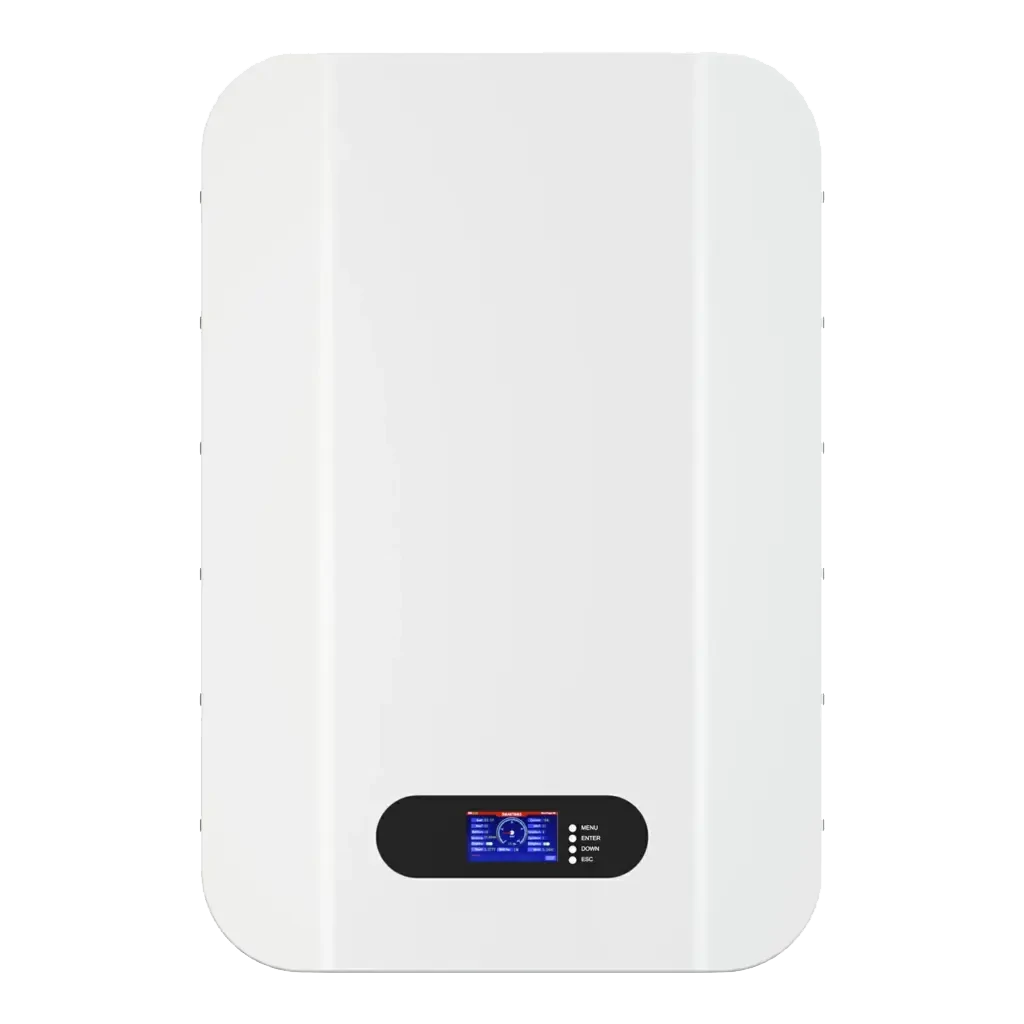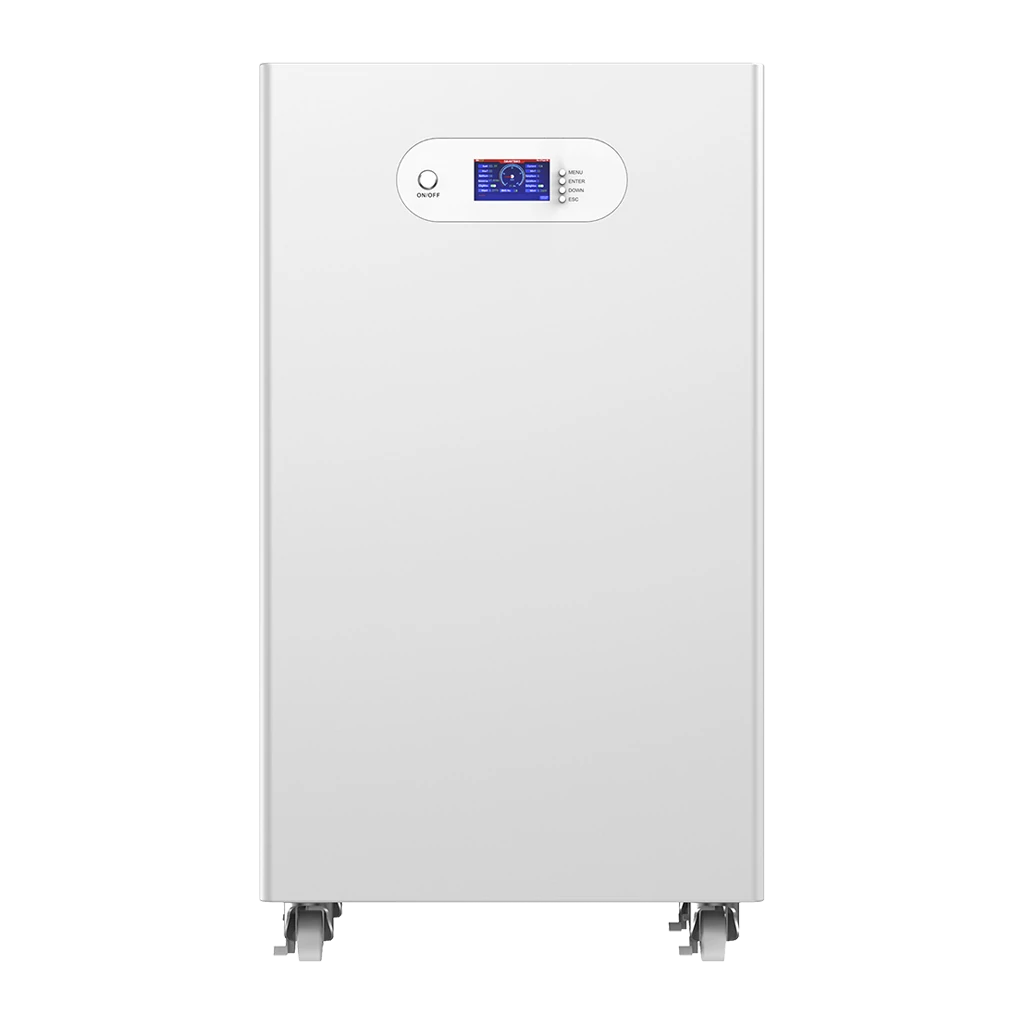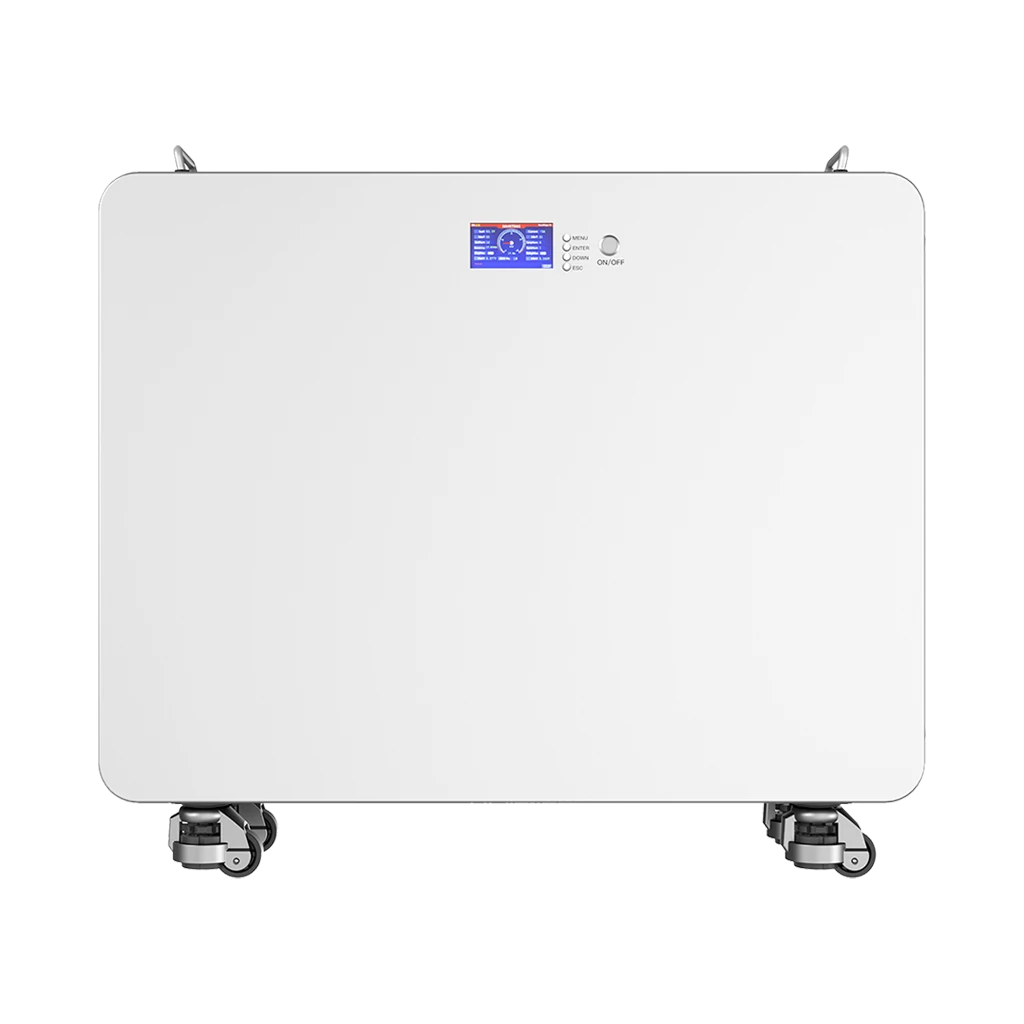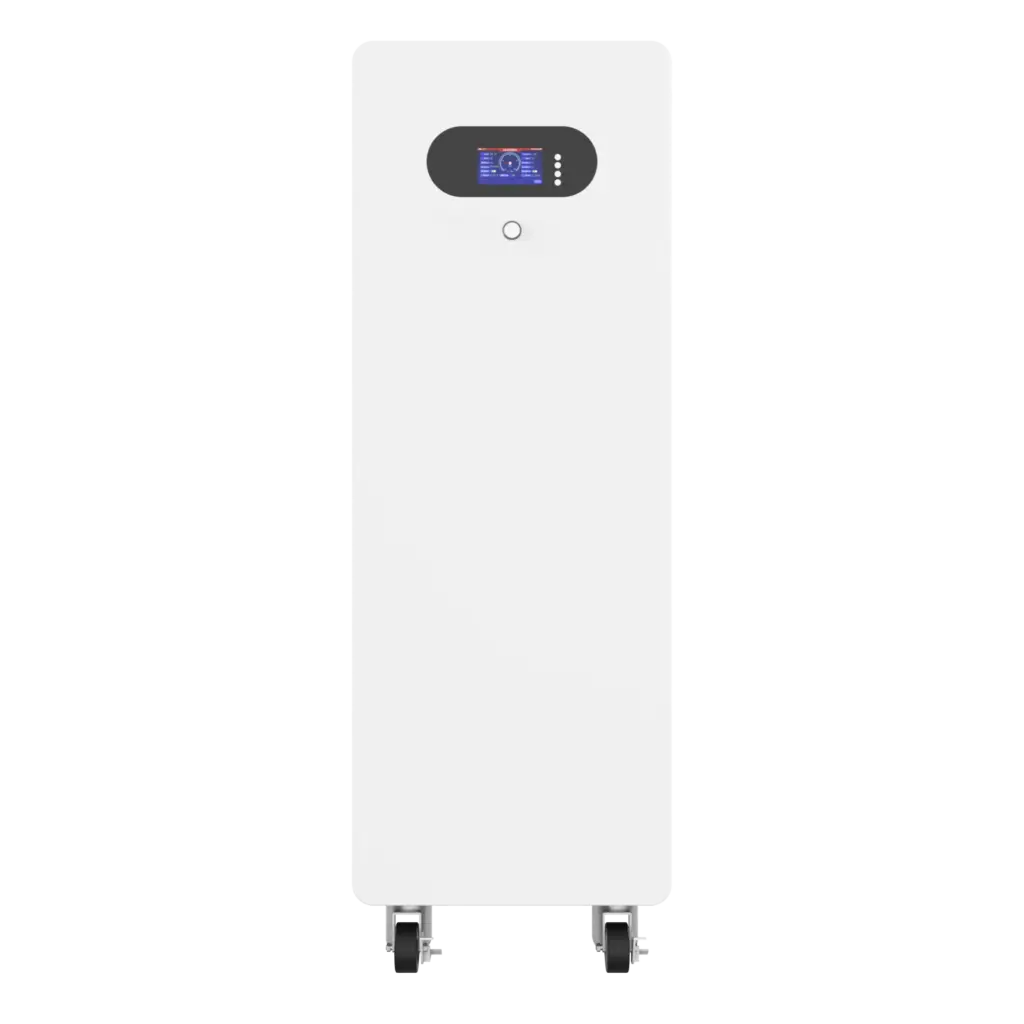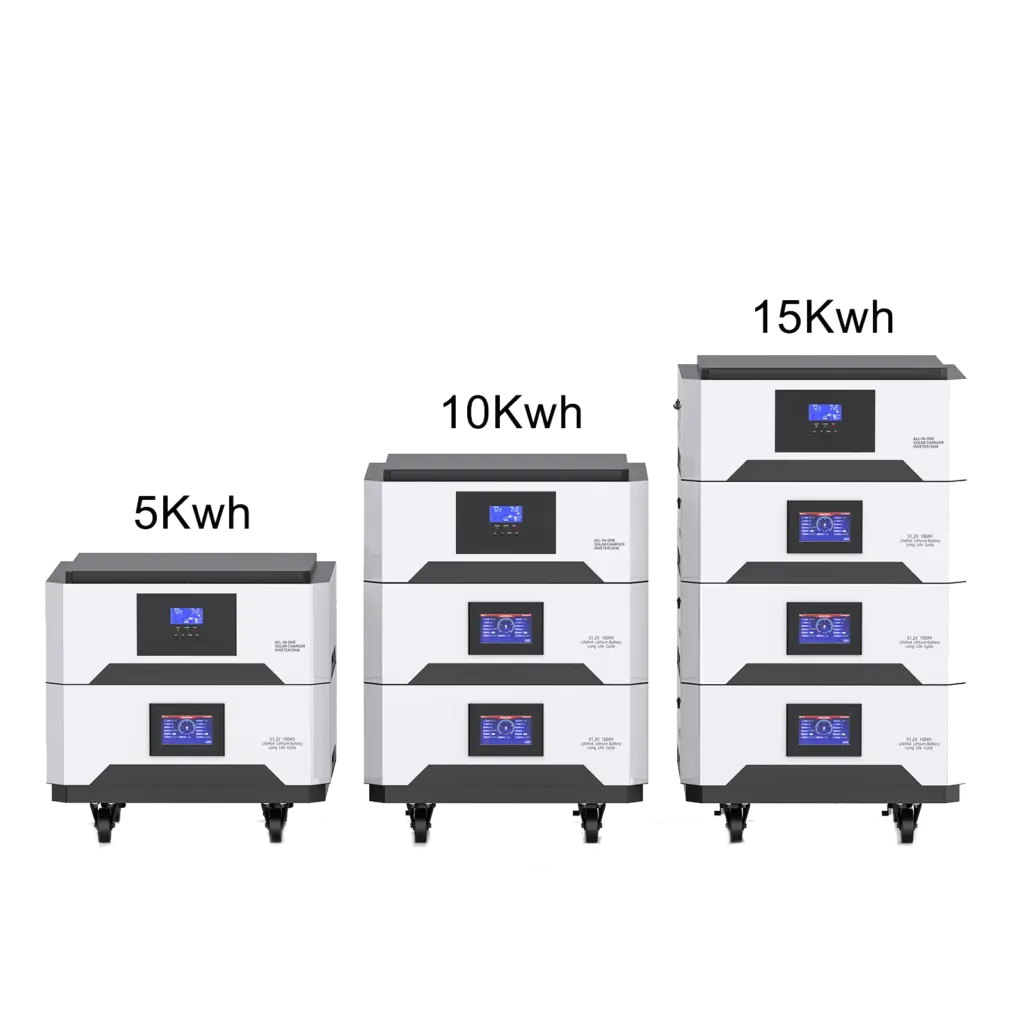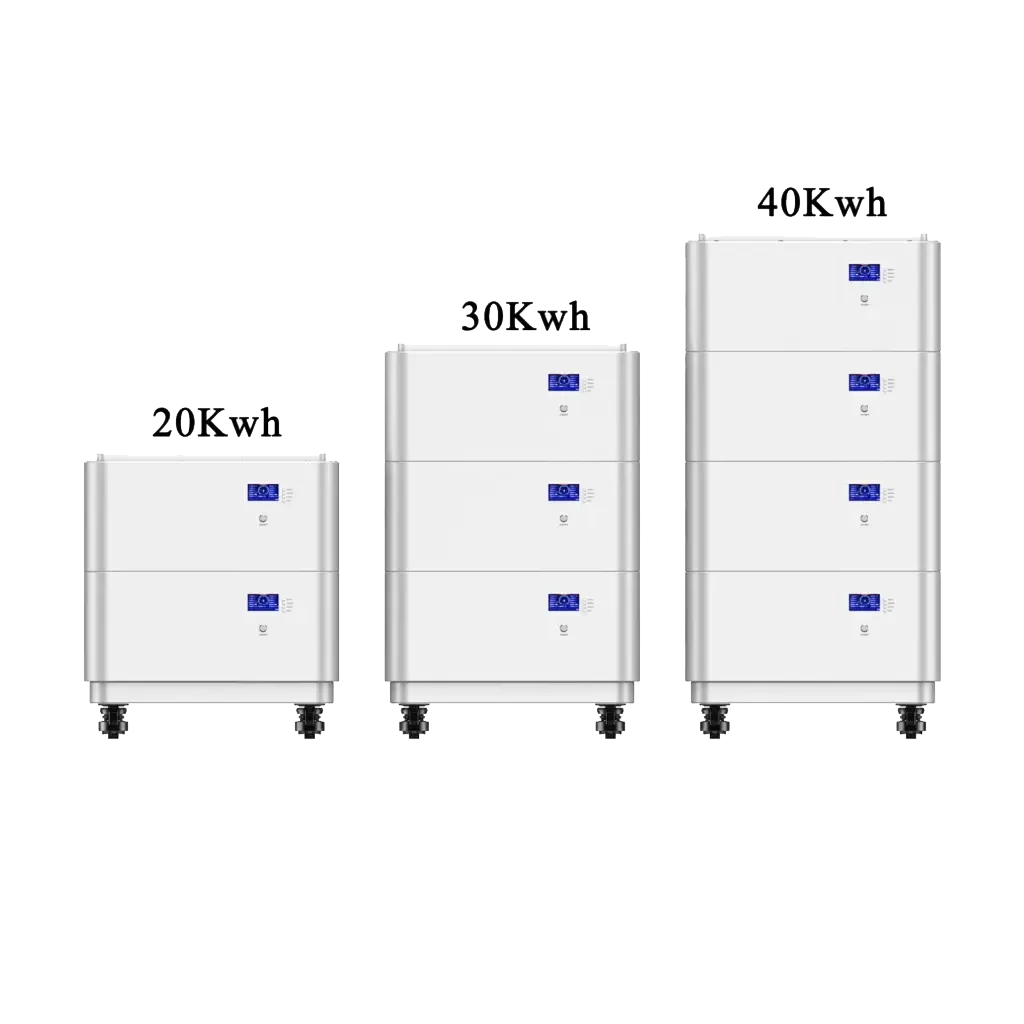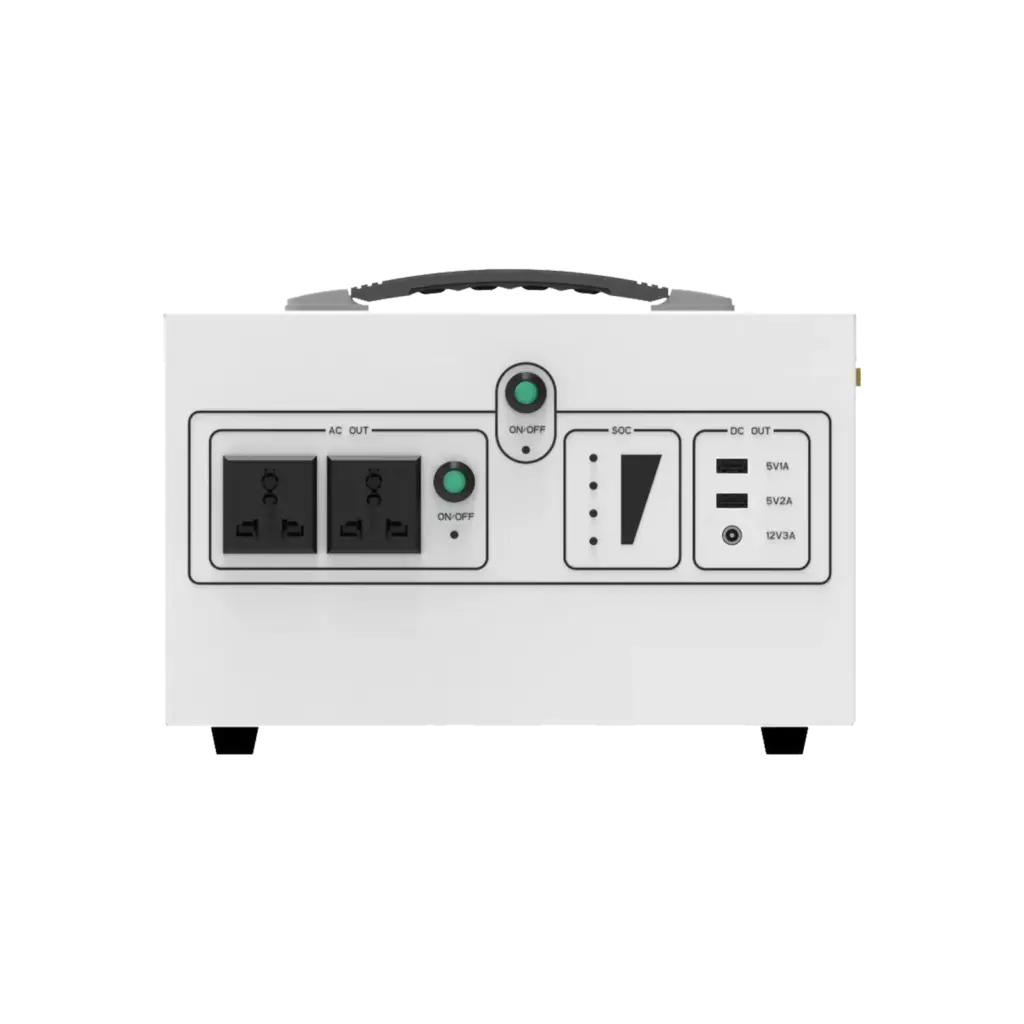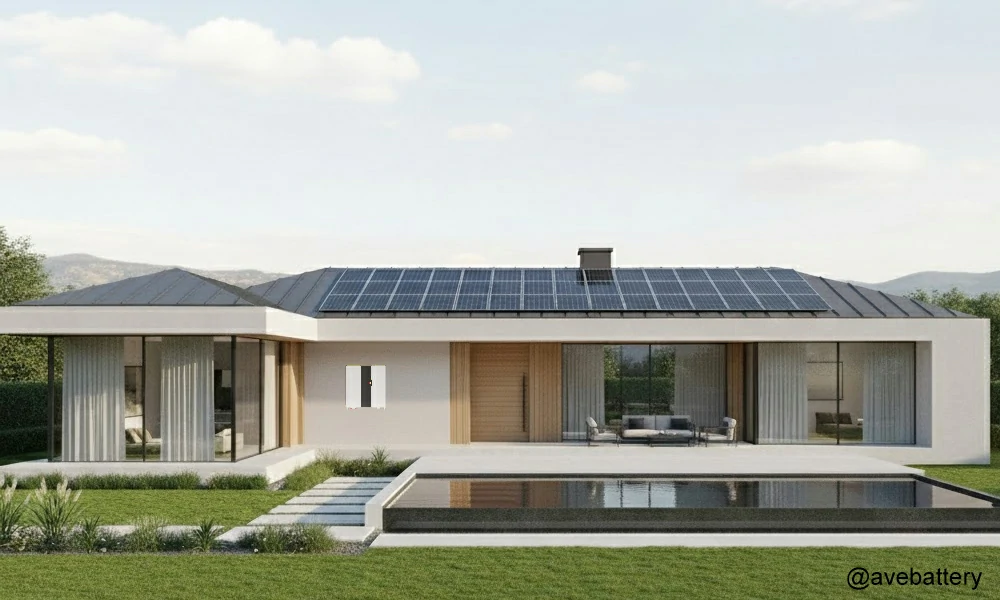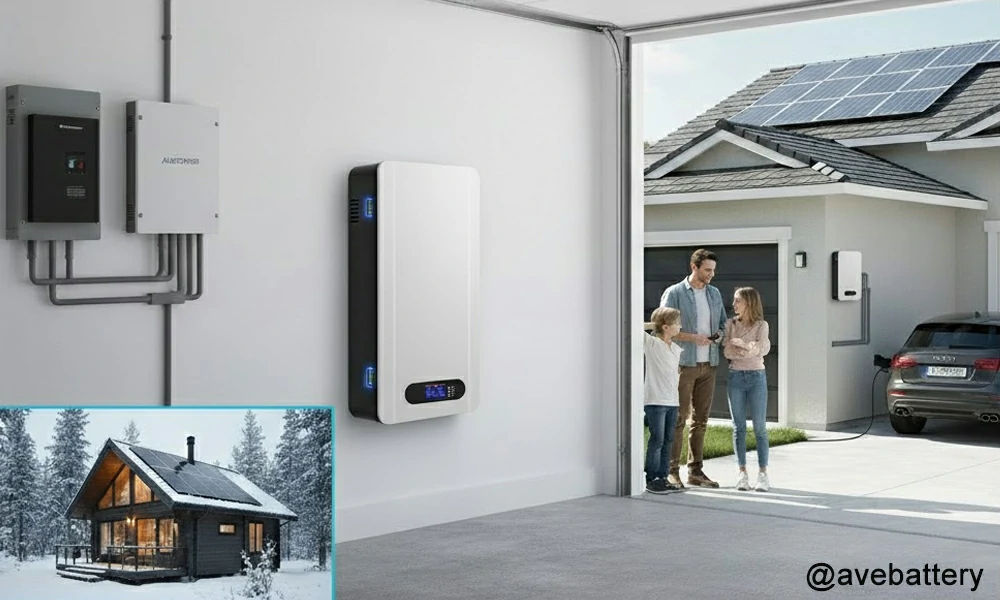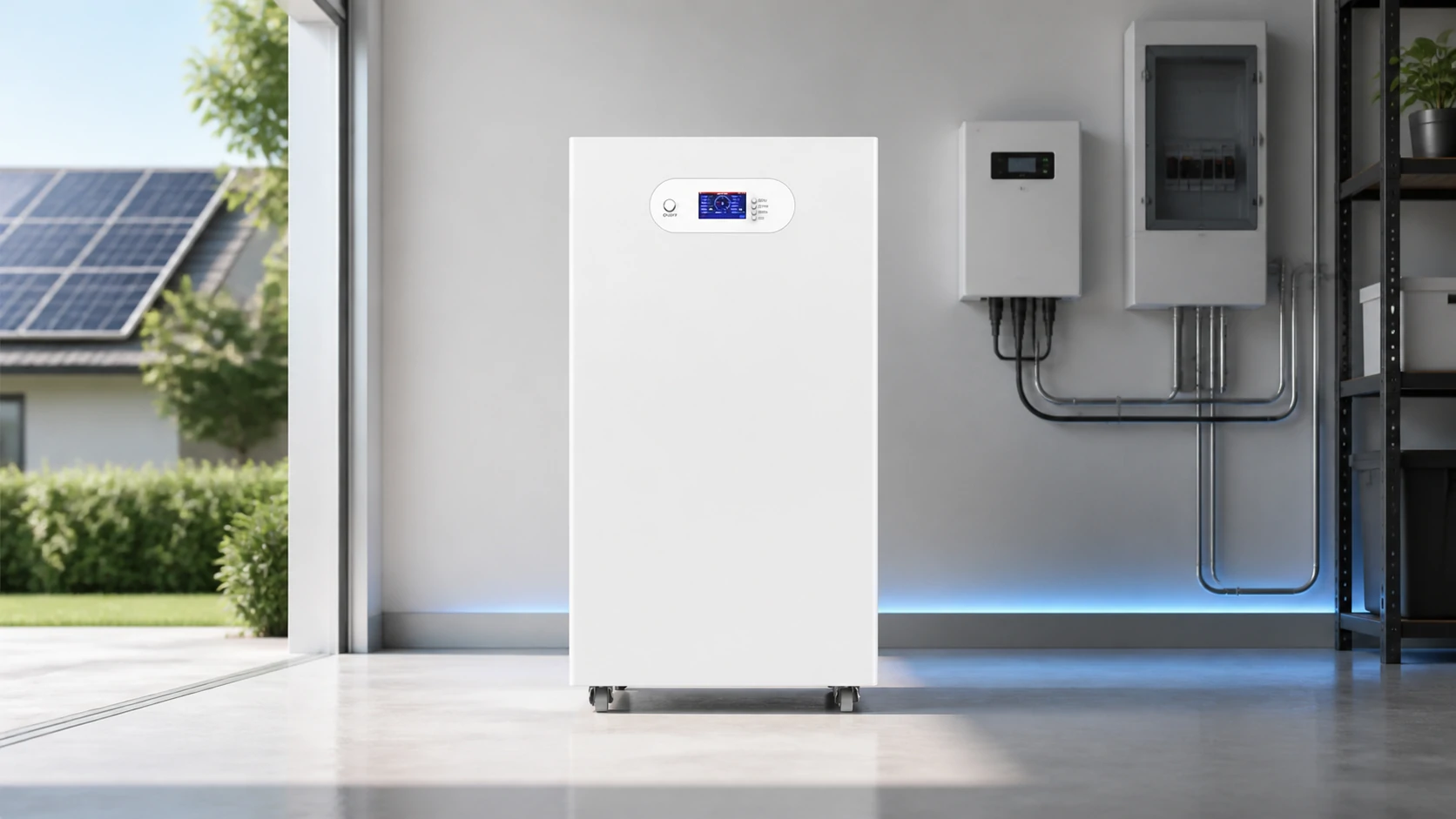

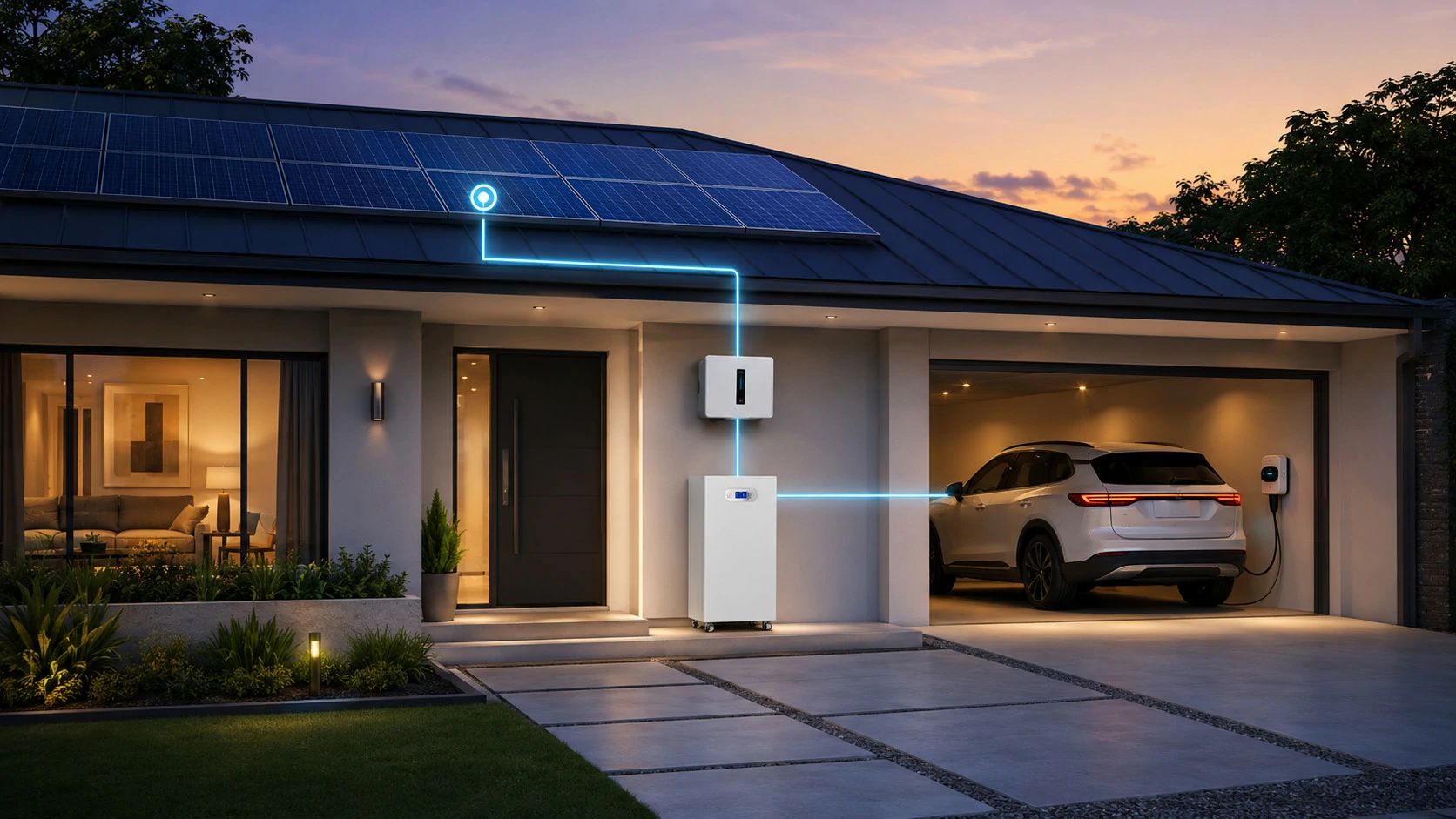
A home solar system with battery storage combines rooftop solar panels, an inverter, a battery, and a monitoring system to generate electricity during the day, store unused solar power, and use it later at night, during peak tariff periods, or during a power outage if backup is configured.
For most homes, a practical system usually includes a 5 kW to 10 kW solar array and a 10 kWh to 20 kWh battery, depending on daily electricity use, evening load, backup needs, roof size, local electricity tariffs, and whether the home has EV charging, pool pumps, electric heating, or air conditioning.
A well-designed solar and battery system can improve solar self-consumption, reduce grid imports, support backup power, and make household energy use more predictable. However, the best result comes from correct sizing, safe installation, compatible inverters, and a battery that matches the home’s real load profile.
What Is a Home Solar System With Battery Storage?
A home solar system with battery storage is a residential energy system that captures sunlight through solar panels, converts it into usable electricity, stores surplus energy in a battery, and supplies that stored power when solar production is low.
A basic system includes:
- Solar panels
- Solar inverter or hybrid inverter
- Battery storage unit
- Battery management system
- Switchboard integration
- Energy monitoring app
- Optional backup circuit or whole-home backup setup
Without a battery, excess solar electricity is usually exported to the grid. With a battery, more of that energy can be kept on-site and used later. According to Energy.gov.au’s battery guide, adding a battery to rooftop solar allows households to store excess energy and use it when the sun is not shining.
How Does a Home Solar System With Battery Storage Work?
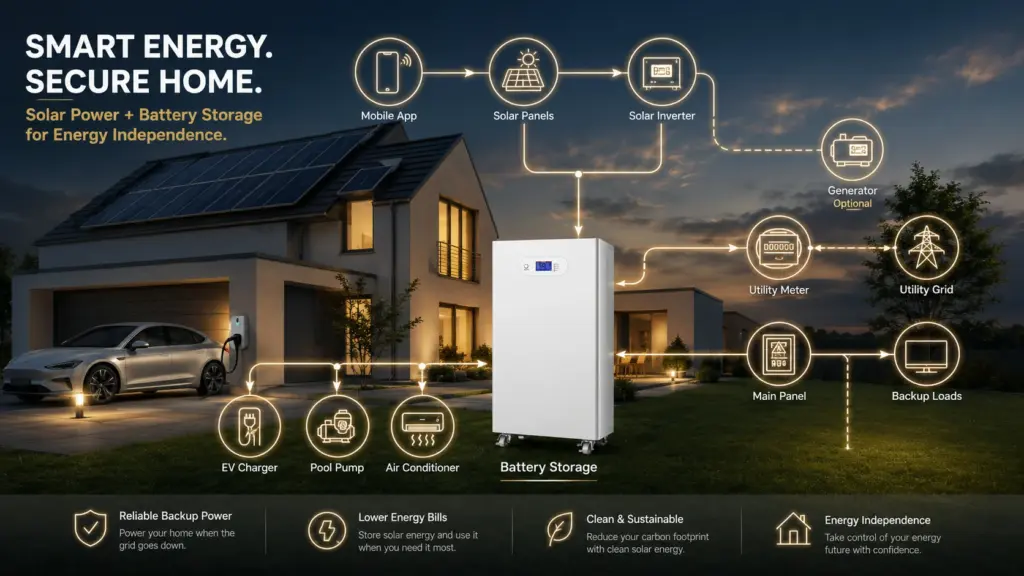
A simple energy flow looks like this:
Solar panels → Inverter → Battery storage → Home loads → Grid
During the day, solar panels generate DC electricity. The inverter converts it into AC electricity that can power household appliances. If the home is using less electricity than the panels are producing, the surplus can charge the battery.
At night, during cloudy weather, or during peak electricity pricing periods, the battery discharges stored energy to power the home. If the battery is empty or household demand is higher than the battery can supply, the home draws electricity from the grid.
Avepower explains the same principle clearly: solar panels generate electricity during the day, while a battery stores unused solar energy for use at night or on cloudy days. Avepower’s guide to how solar battery storage works is a useful external reference for homeowners who want a simple explanation.
What Happens During a Power Outage?
This depends on the system design.
Many grid-connected solar-only systems shut down during a blackout for safety reasons. This is called anti-islanding. A battery can provide backup power, but only if the system is designed and configured for backup.
For most homes, backing up essential circuits is more practical than backing up the whole house. Whole-home backup can require a larger inverter, larger battery capacity, and more complex electrical work.
Main Benefits of a Home Solar System With Battery Storage
1. Use More of Your Own Solar Energy
Solar panels often produce the most electricity during the middle of the day, when many households are not using much power. A battery helps shift that daytime solar generation into the evening.
This improves solar self-consumption and reduces the amount of electricity bought from the grid. For homes with high evening loads, this can be one of the biggest advantages of battery storage.
2. Reduce Electricity Bills
A battery can reduce bills in three main ways:
- Using stored solar instead of buying grid electricity
- Avoiding peak time-of-use tariffs
- Reducing exposure to low feed-in tariffs
The actual savings depend on electricity usage, solar generation, local tariffs, feed-in rates, and how the battery is configured.
3. Improve Backup Power Resilience
For homes in areas with grid outages, storms, or unstable local supply, a battery can support essential appliances during an outage.
Typical essential backup loads may include:
- Refrigerator
- Lights
- WiFi router
- Security system
- Garage door
- Small medical or communication devices
- Selected power outlets
A battery is not automatically a backup system. Backup capability must be designed into the system from the beginning.
4. Support Future Electrification
More homes are shifting toward electric cooking, heat pumps, EV chargers, electric water heating, and smart home energy management. A solar and battery system can help manage these loads more efficiently.
For example, homeowners planning EV charging may need a larger solar array, a higher power inverter, or a scalable battery platform. If future expansion is likely, a modular battery such as a stackable battery system can be more flexible than a fixed-size battery.
5. Participate in a Virtual Power Plant
Some batteries can connect to a Virtual Power Plant, or VPP. A VPP allows many home batteries to act together as a distributed energy resource. The battery may charge, discharge, or export energy based on grid demand.
Energy.gov.au notes that under the Cheaper Home Batteries Program, on-grid battery systems need VPP technical capability, giving consumers the option to participate now or in the future.
Get a Quote for Avepower Solar Batteries
Explore Avepower’s home energy storage solutions or check the Avepower inverter compatibility list to match the right battery configuration with your solar inverter and project requirements.
What Size Battery Do You Need for a Home Solar System?
There is no single correct battery size for every home. The best size depends on household load, solar generation, tariff structure, backup needs, and future expansion.
General Battery Size Guide
| Home Type | Typical Daily Use | Practical Battery Size |
|---|---|---|
| Small home or low evening use | 8–15 kWh/day | 5–10 kWh |
| Average family home | 15–25 kWh/day | 10–15 kWh |
| Large home with high evening load | 25–40 kWh/day | 15–25 kWh |
| Home with EV, pool, heat pump, or high backup need | 35 kWh+/day | 20 kWh+ |
Household batteries typically range from 4 kWh to 14 kWh, while commercial batteries can reach 100 kWh or more. It also notes that usable capacity is usually lower than nominal capacity, and lithium-ion batteries may lose around 10% of stored energy through efficiency losses.
A Practical Sizing Formula
A simple starting point is:
Battery size = evening and overnight electricity use × desired backup hours
For example:
If a home uses around 12 kWh from sunset to sunrise, a 10–15 kWh battery may be suitable. If the same home wants backup for a refrigerator, lighting, WiFi, and selected outlets, a smaller essential-load backup circuit may be enough.
If the home has electric heating, air conditioning, EV charging, or a pool pump, the battery should be sized more carefully.
Solar System Size and Battery Size: How to Match Them
A battery only makes sense if the solar system produces enough excess energy to charge it. If the solar array is too small, the battery may not fill regularly.
Here is a practical matching guide:
| Solar System Size | Suitable Battery Range | Best Fit |
|---|---|---|
| 5 kW solar | 5–10 kWh battery | Small homes, low evening use |
| 6.6 kW solar | 10–13.5 kWh battery | Average homes |
| 8 kW solar | 10–16 kWh battery | Family homes |
| 10 kW solar | 13.5–20 kWh battery | Larger homes, high evening load |
| 13 kW+ solar | 20 kWh+ battery | EV, all-electric homes, larger backup needs |
A 6.6 kW system with a 10 kWh battery can be a common benchmark for household battery modelling, while larger systems may pair with 13.5 kWh or larger batteries.
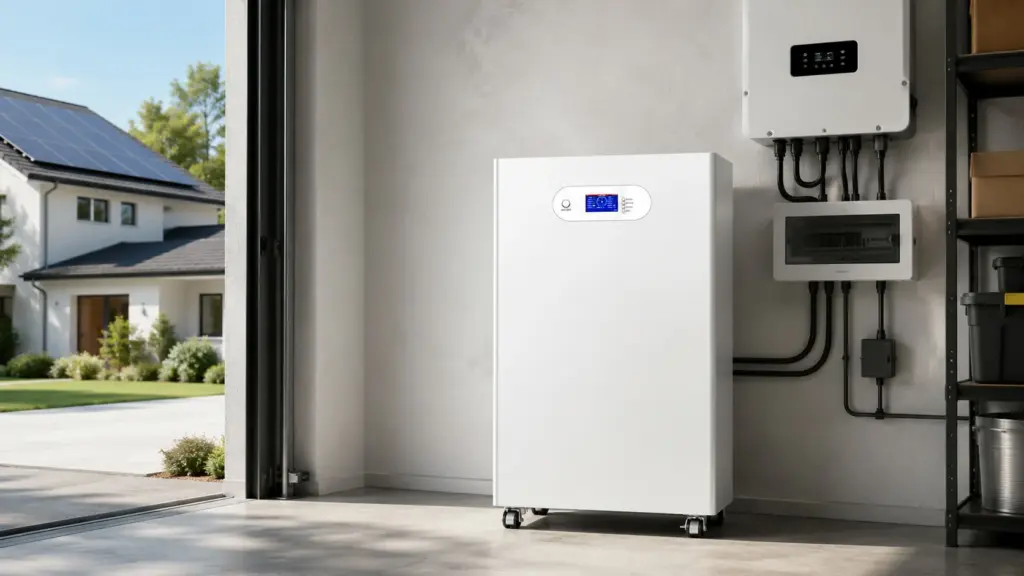
For homes that may expand in stages, Avepower’s residential energy storage solutions include modular formats that can support different installation layouts, from compact wall-mounted systems to stackable and rack-mounted options.
How Much Does a Home Solar System With Battery Storage Cost?
Costs vary by country, state, system size, battery brand, inverter type, installation complexity, backup requirements, and whether the battery is added to an existing system or installed with new solar.
In Australia, SolarCalculator’s 2026 guide estimates typical battery pricing around AUD $800–$1,000 per kWh of storage and lists example battery-plus-solar system costs by system size.
In 2026, Australian buyers also need to consider the Cheaper Home Batteries Program. The Australian Government states that from 1 July 2025, the program provides around a 30% discount on eligible small-scale battery systems connected to new or existing rooftop solar.
However, from 1 May 2026, the program changed. The STC factor for May to December 2026 is 6.8, and support tapers by battery size:
| Battery Capacity Band | STC Factor Application From 1 May 2026 |
|---|---|
| 0 kWh to 14 kWh | 100% |
| More than 14 kWh to 28 kWh | 60% |
| More than 28 kWh to 50 kWh | 15% |
This means oversized batteries may receive proportionally less support than smaller systems. The Clean Energy Regulator also reminds customers that rebates are determined by the installation date, not the contract date.
For homeowners, the practical takeaway is clear: do not choose the largest battery just because a rebate exists. Choose a battery that matches the home’s real energy profile.
Homeowners should always check current rules using the official Cheaper Home Batteries Program, the Clean Energy Regulator solar battery guidance, and the REC Registry STC calculator before signing a contract.
Safety Considerations for Home Solar Batteries
Battery safety should be treated as a system-level issue.
A reliable home solar system with battery storage should consider:
| Safety Area | Why It Matters |
|---|---|
| Battery chemistry | LFP is widely used for stationary storage because of stability and cycle life |
| BMS quality | The BMS protects cells from abnormal operating conditions |
| Certified components | Products should meet relevant local and international standards |
| Installation location | Batteries need suitable space, ventilation, clearance, and protection |
| Electrical protection | Breakers, isolators, fuses, and surge protection reduce fault risk |
| Inverter compatibility | Communication problems can affect charging, discharging, and alarms |
| Monitoring | Data helps detect abnormal temperature, voltage, or performance trends |
| After-sales support | Clear warranty and service response reduce downtime |
For Australian projects, the Clean Energy Council maintains approved lists for solar PV modules, inverters, and lithium-based battery energy storage devices. Installers and buyers can use the Clean Energy Council Products Program as a reference point when checking product compliance requirements.
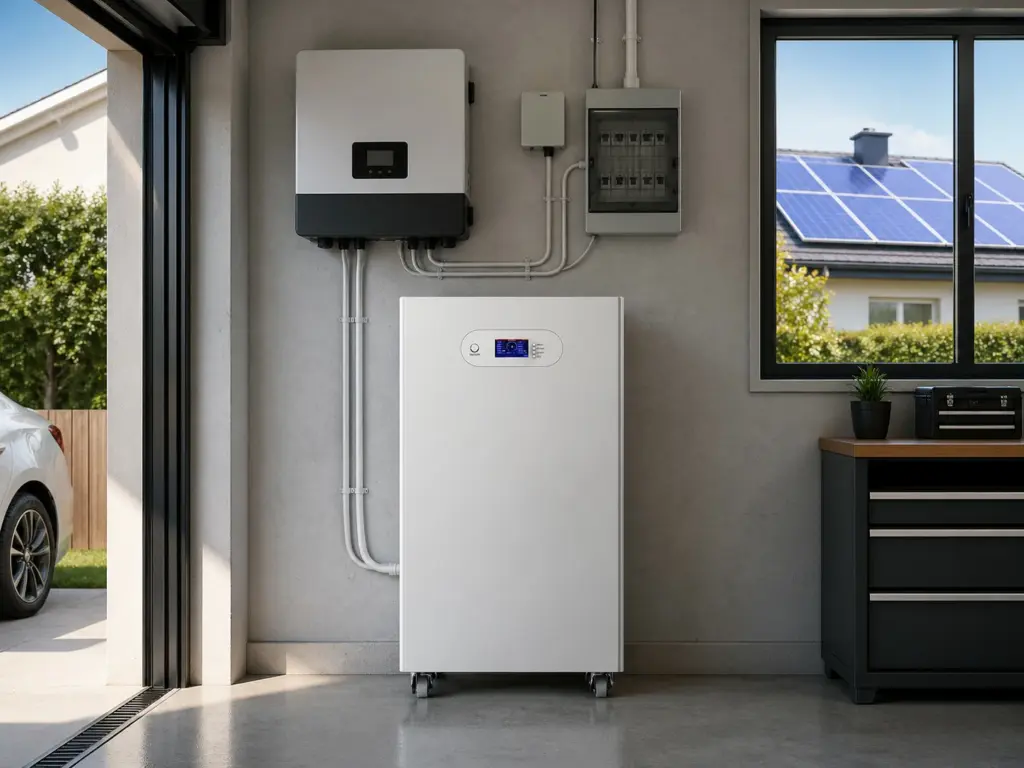
Planning a residential solar battery project or comparing different battery formats for your market? Visit Avepower’s home energy storage system page to explore scalable LiFePO4 battery options, or contact the Avepower team to discuss capacity, inverter compatibility, OEM/ODM customization, and project requirements.
Avepower LiFePO4 Battery Storage Solutions
To discuss a suitable battery configuration for residential or project-based solar storage, contact the Avepower team for technical matching and product information.
Does a Battery Provide Backup Power During a Blackout?
A battery can provide backup power, but only if the system is designed for it.
Many grid-connected solar-only systems shut down during an outage because of anti-islanding safety rules. A battery system must be configured with the right inverter, gateway, wiring, and backup circuits to keep selected loads running safely. The Australian Government explains that some systems allow the battery to supply appliances after the solar inverter shuts down, while islandable solar and battery systems can disconnect from the grid and continue operating with solar charging during sunny conditions.
Practical Example: Sizing a Battery for a Family Home
Let’s say a household uses 22 kWh per day. Solar panels generate 30 kWh on a good day. Daytime household usage is 10 kWh, leaving around 20 kWh of potential surplus before export limits and efficiency losses.
Evening and overnight usage is 12 kWh.
In this case:
- A 5 kWh battery may reduce some peak imports but will not cover the full evening load.
- A 10 kWh battery may cover most evening usage on good solar days.
- A 15 kWh battery may provide more flexibility, but only if the solar system regularly produces enough surplus.
- A battery above 20 kWh may be unnecessary unless the home has EV charging, backup needs, or high off-peak strategy.
This is why a good installer does not ask only, “How big is your solar system?” They should also ask, “When do you use electricity, how much surplus solar do you export, and what do you expect the battery to do?”
Where Avepower Fits Into Home Solar Battery Storage
Avepower is a LiFePO4 battery energy storage manufacturer focused on residential and commercial battery systems for installers, distributors, project developers, and energy storage partners. In the context of a home solar system with battery storage, Avepower is most relevant for buyers who need flexible battery formats, inverter communication support, OEM/ODM options, and scalable product choices rather than a one-size-fits-all retail package.
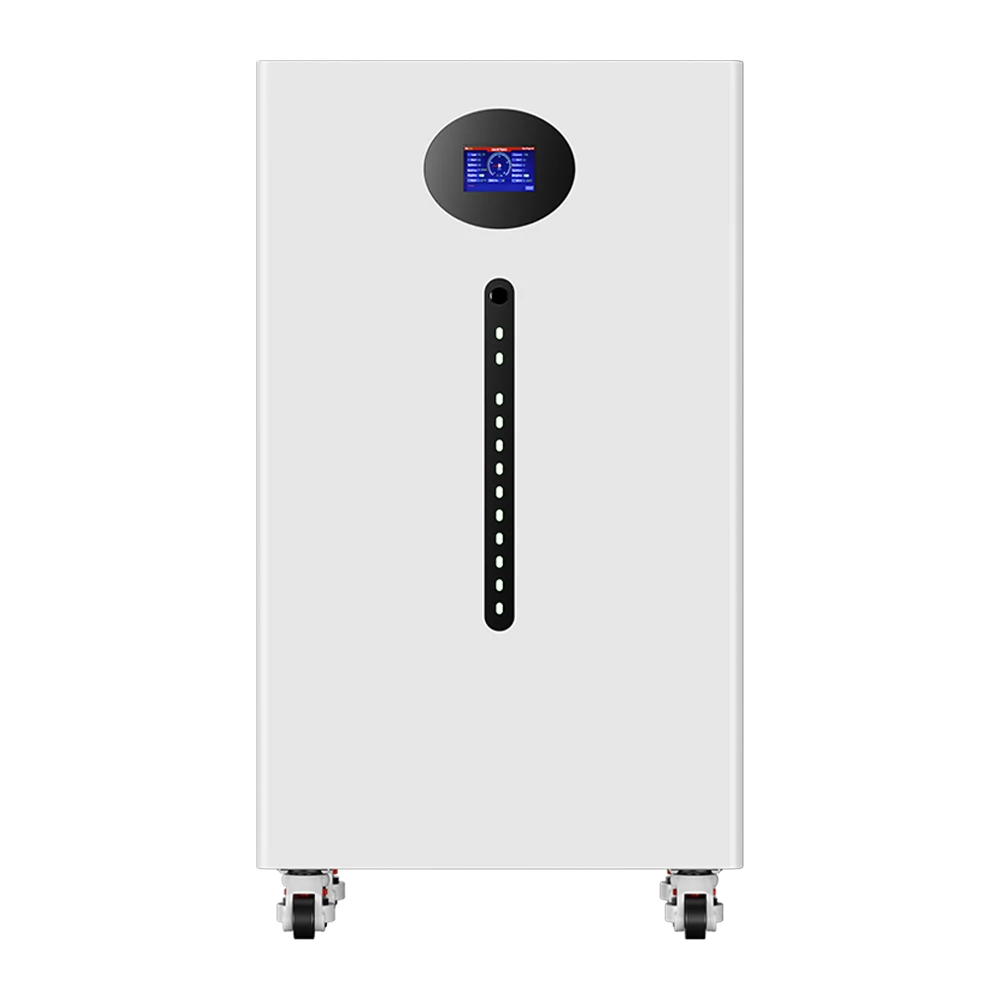
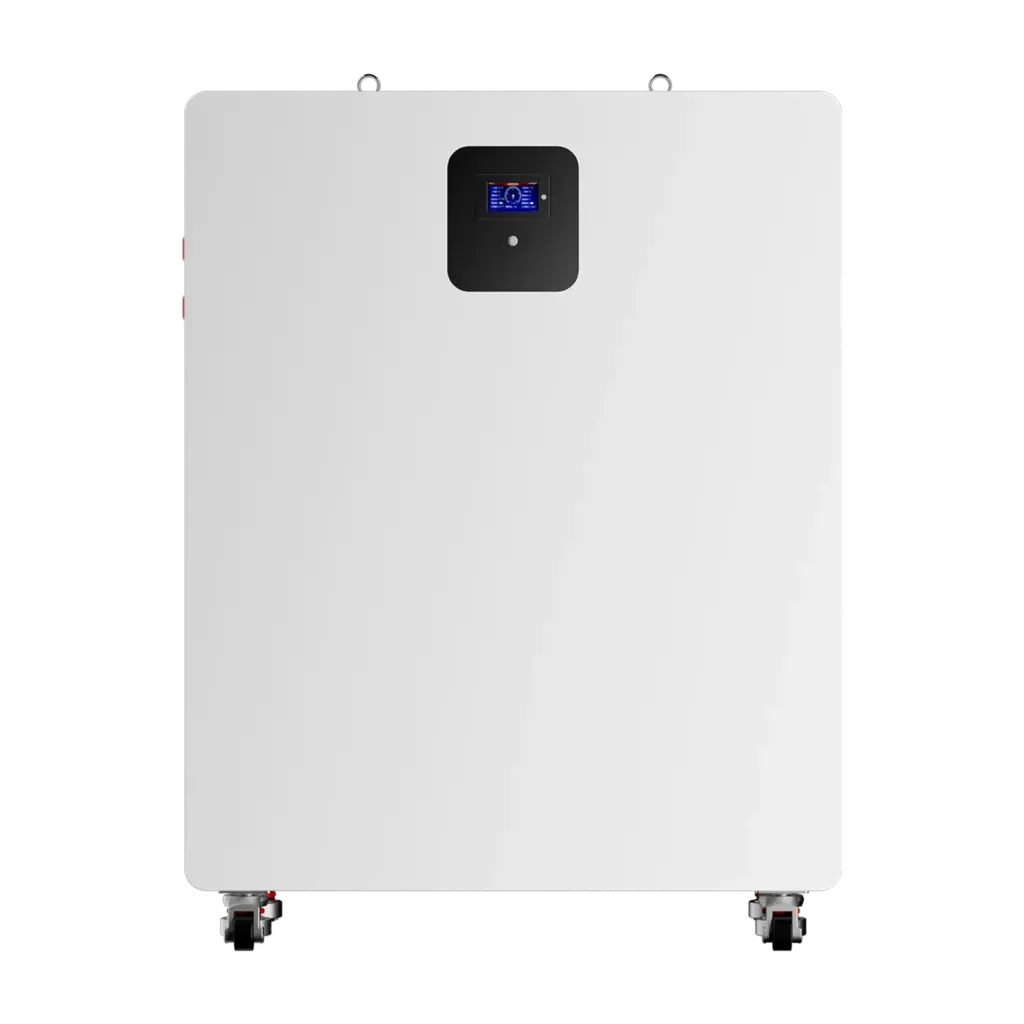
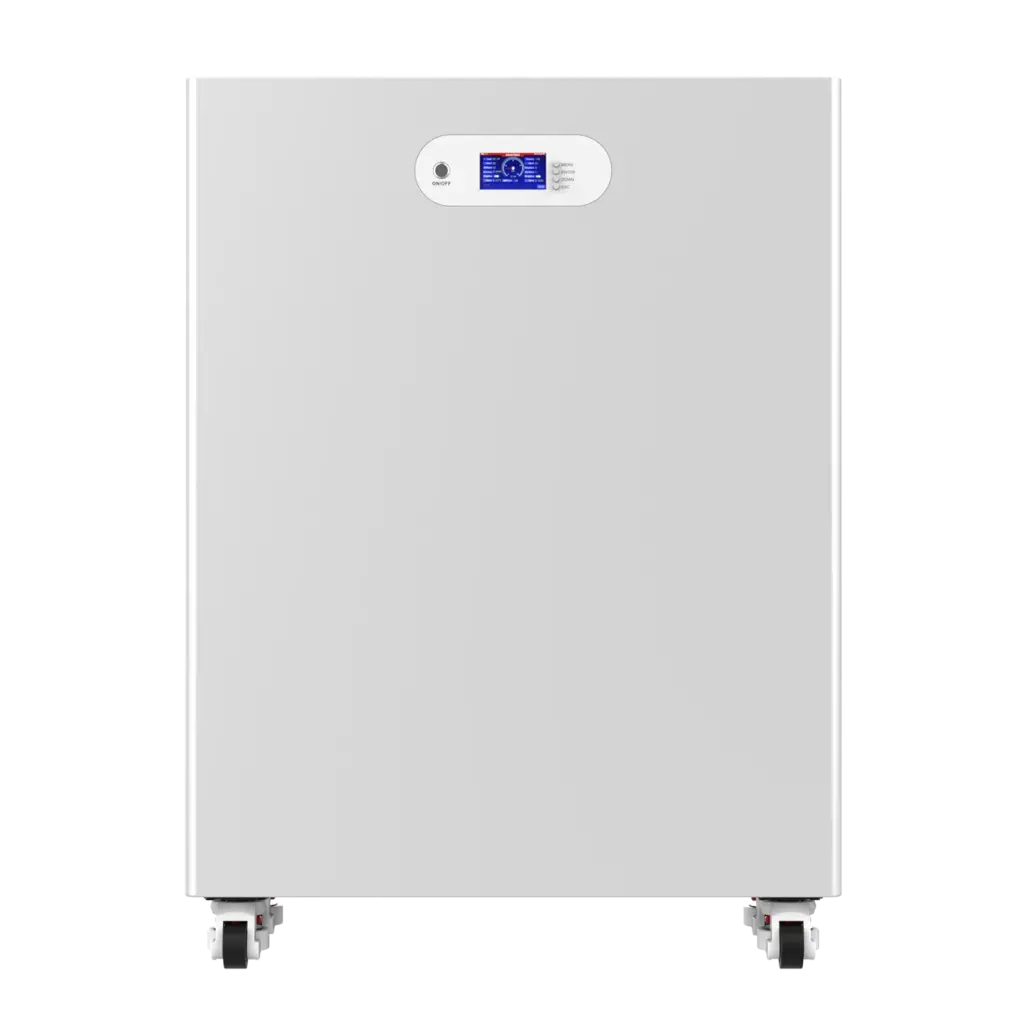
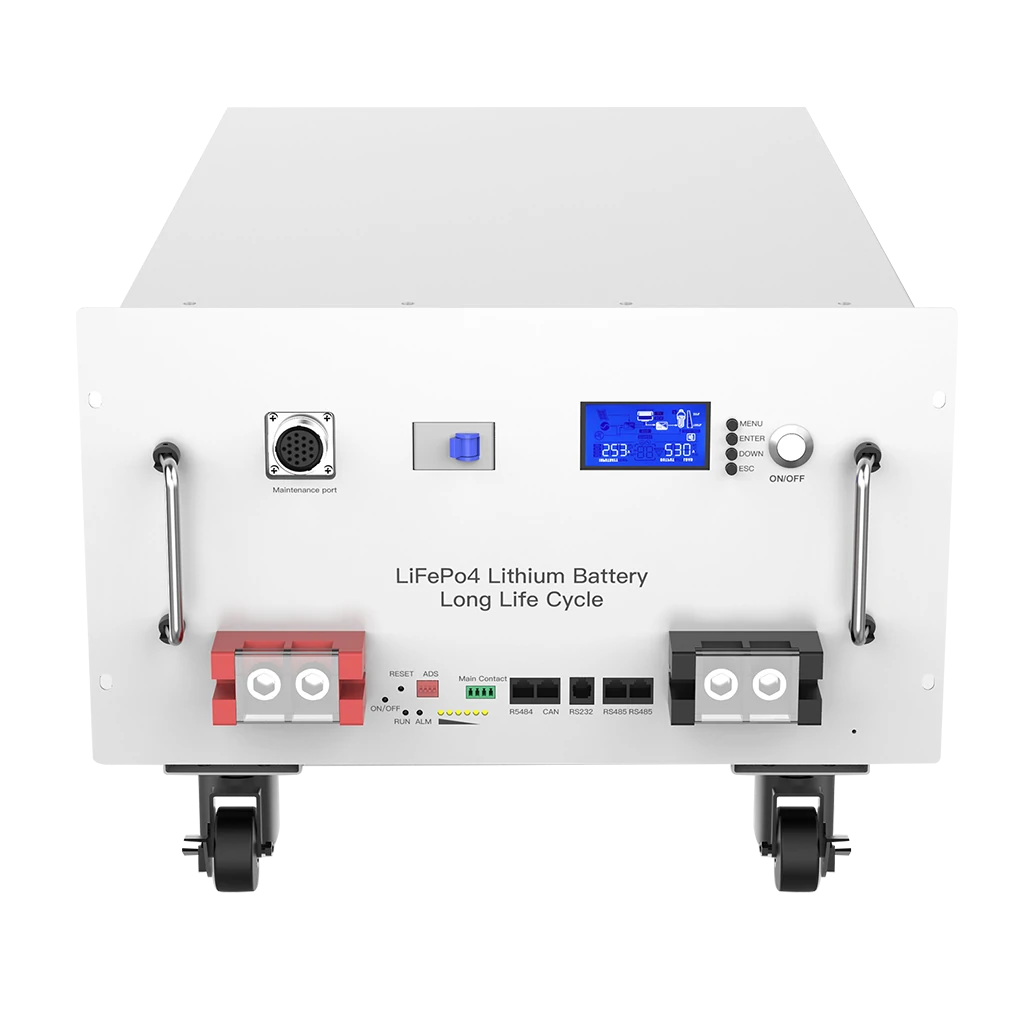
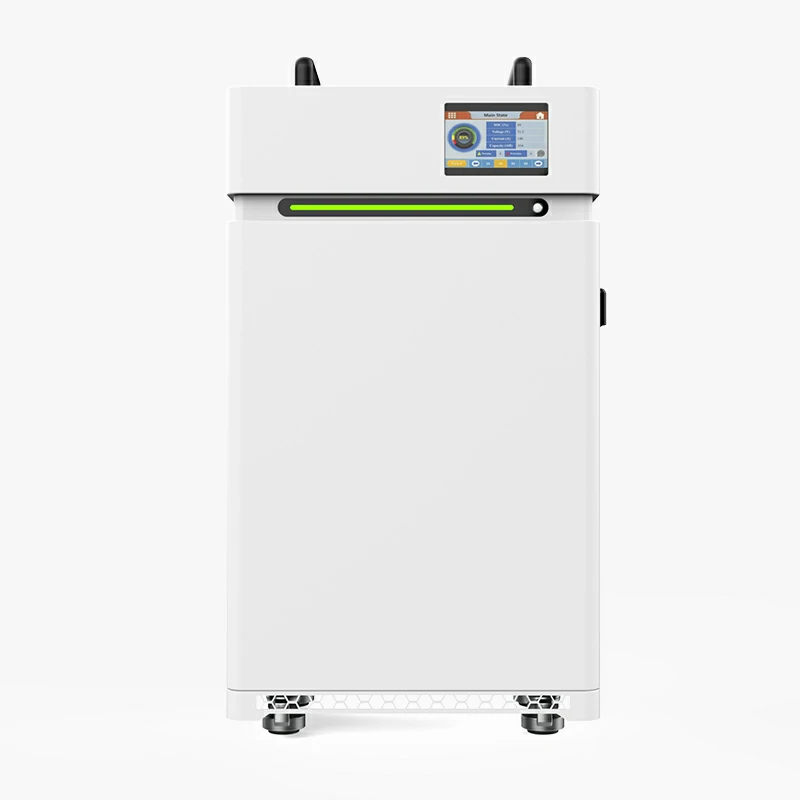
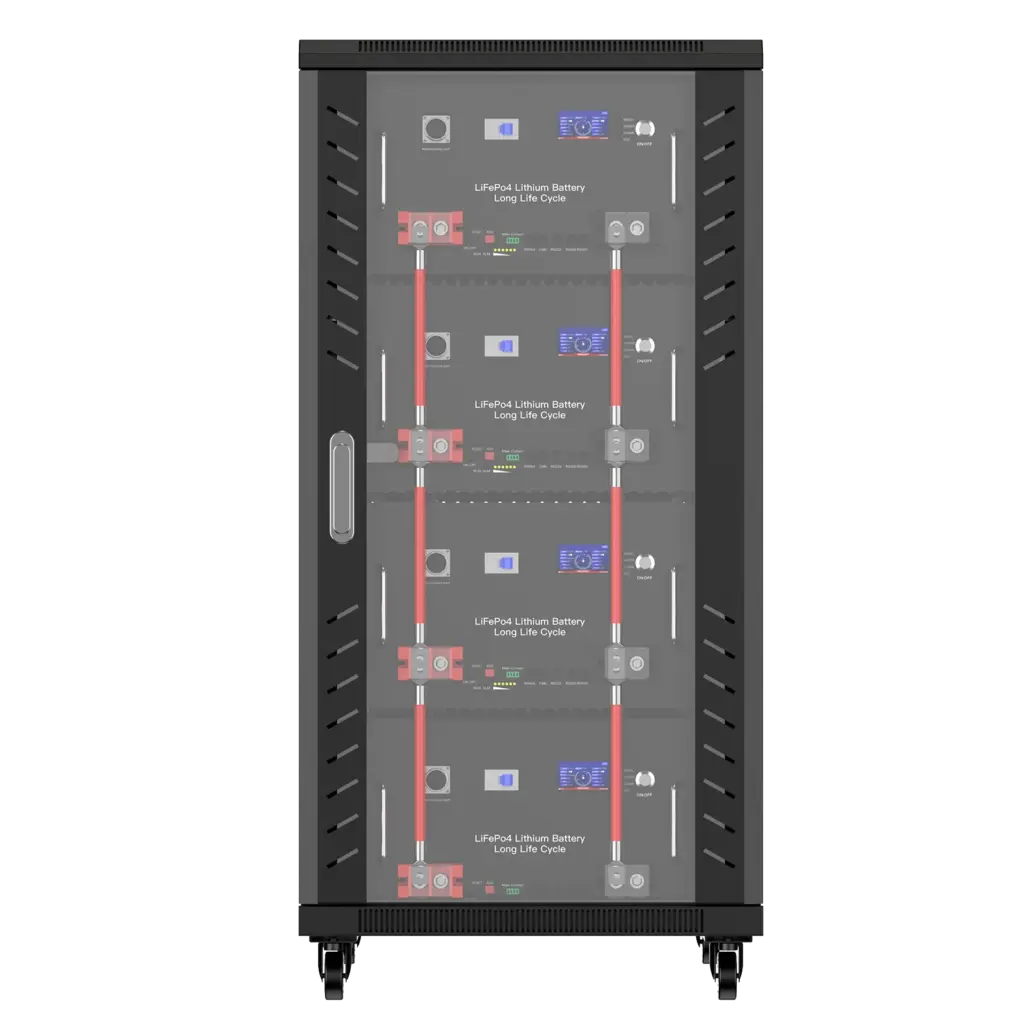
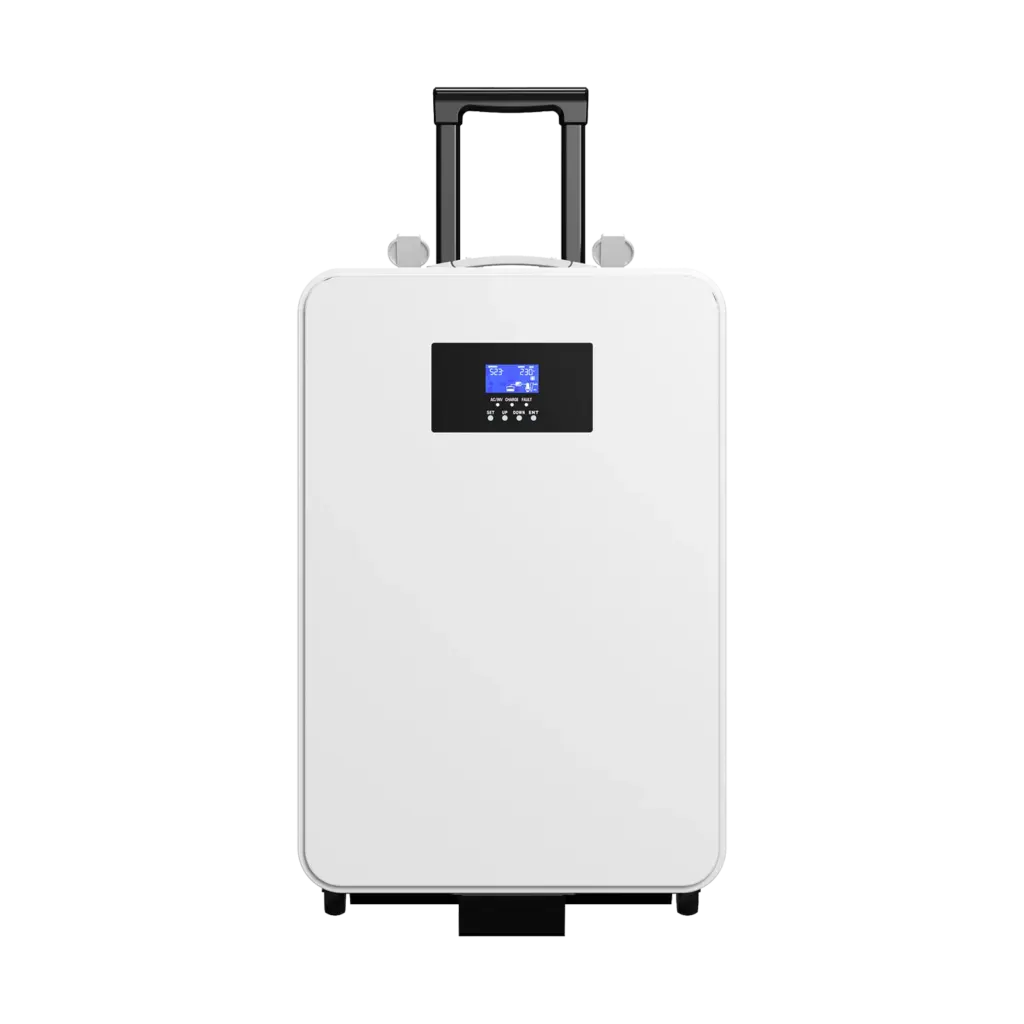
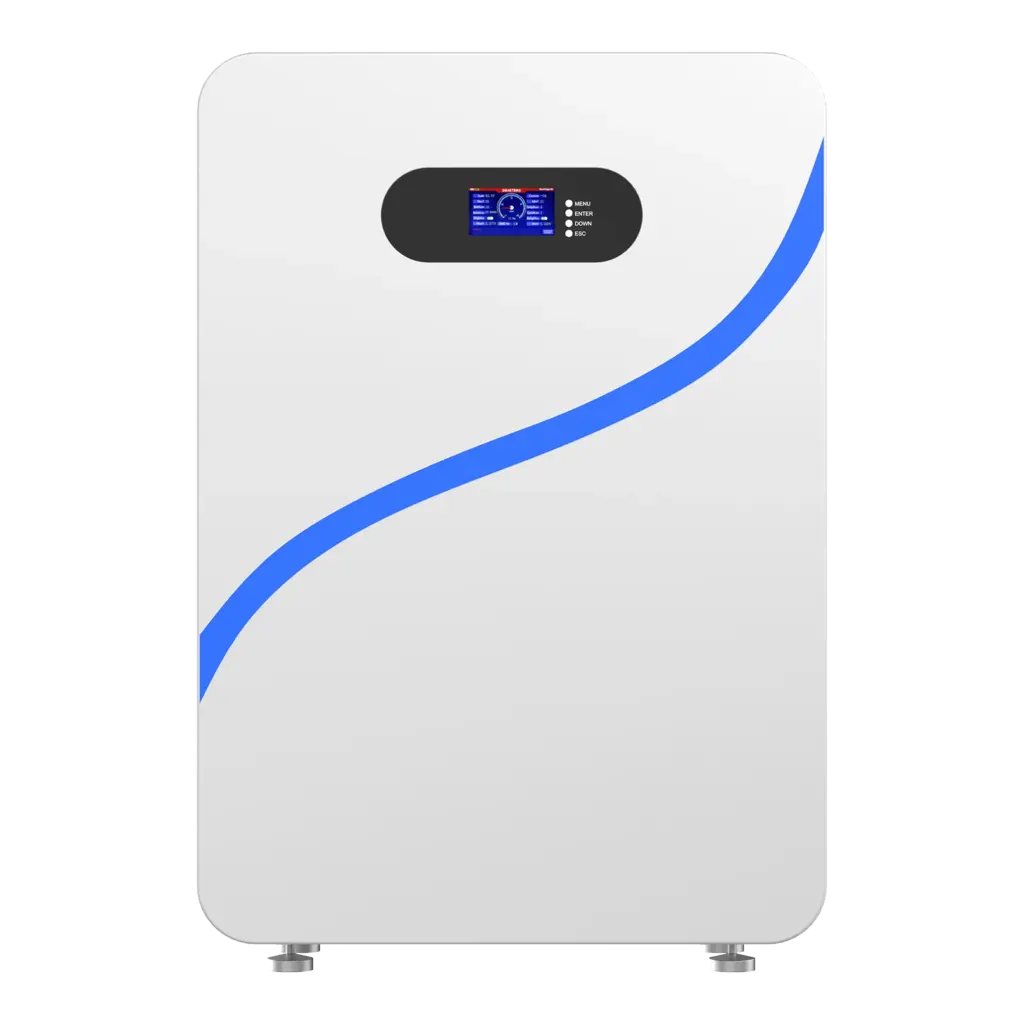
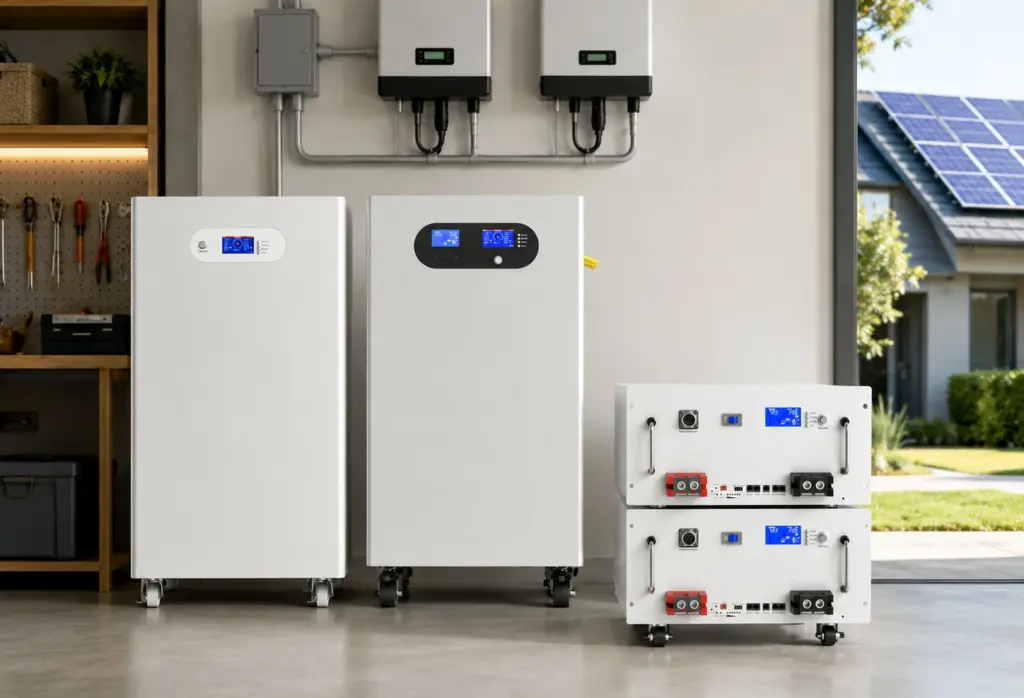
For residential applications, Avepower offers different formats including wall mounted batteries, rack mount batteries, stackable batteries, vertical LiFePO4 batteries, and all in one batteries. These formats help match different installation environments, from compact residential garages to structured equipment rooms and scalable solar-plus-storage systems.
For larger projects, Avepower’s experience can also extend into custom high-voltage and commercial energy storage. A relevant internal example is the Lithuania 522.5 kWh high voltage ESS case study, which shows how battery system architecture, cabinet design, BMS protection, and integration planning become more important as storage capacity increases.
Take Control of Your Energy with Avepower!
Reliable home solar battery solutions with OEM/ODM customization and in-house manufacturing, tailored to the needs of distributors, installers, and energy partners.
Conclusion
A home solar system with battery storage can help households use more of their own solar power, reduce grid imports, improve resilience during outages, and prepare for smarter electricity tariffs or VPP participation. But the best system is not always the largest or most expensive one. It is the system that matches the home’s real energy usage, solar generation, backup needs, inverter compatibility, and long-term budget.
For homeowners, the key is to compare systems by usable capacity, power output, safety certification, warranty, backup capability, and installation quality. For installers and distributors, the key is choosing battery products that are scalable, well protected by BMS design, compatible with common inverter platforms, and supported by reliable manufacturing capability.
FAQ
It is a residential energy system that combines solar panels, an inverter, and a battery to generate solar electricity, store unused energy, and use it later when solar production is low.
A solar battery can be worth it if your home exports surplus solar during the day and buys electricity from the grid in the evening. It is most valuable when sized correctly and matched with suitable tariffs.
A VPP ready battery can communicate with external control systems so it may participate in a Virtual Power Plant. In Australia, on-grid batteries under the Cheaper Home Batteries Program need VPP capability, although joining a VPP is not mandatory.
Choose wall mounted batteries when space is limited and a clean installation is preferred. Choose stackable batteries when you want modular capacity and future expansion flexibility.
Lithium-ion batteries are now the dominant choice for residential storage. LiFePO4 is widely used because of its safety profile, cycle life, and suitability for stationary energy storage.
It can reduce bills by increasing solar self-consumption, reducing grid imports, and helping avoid peak electricity rates. Savings depend on electricity prices, feed-in tariffs, system size, and usage habits.