

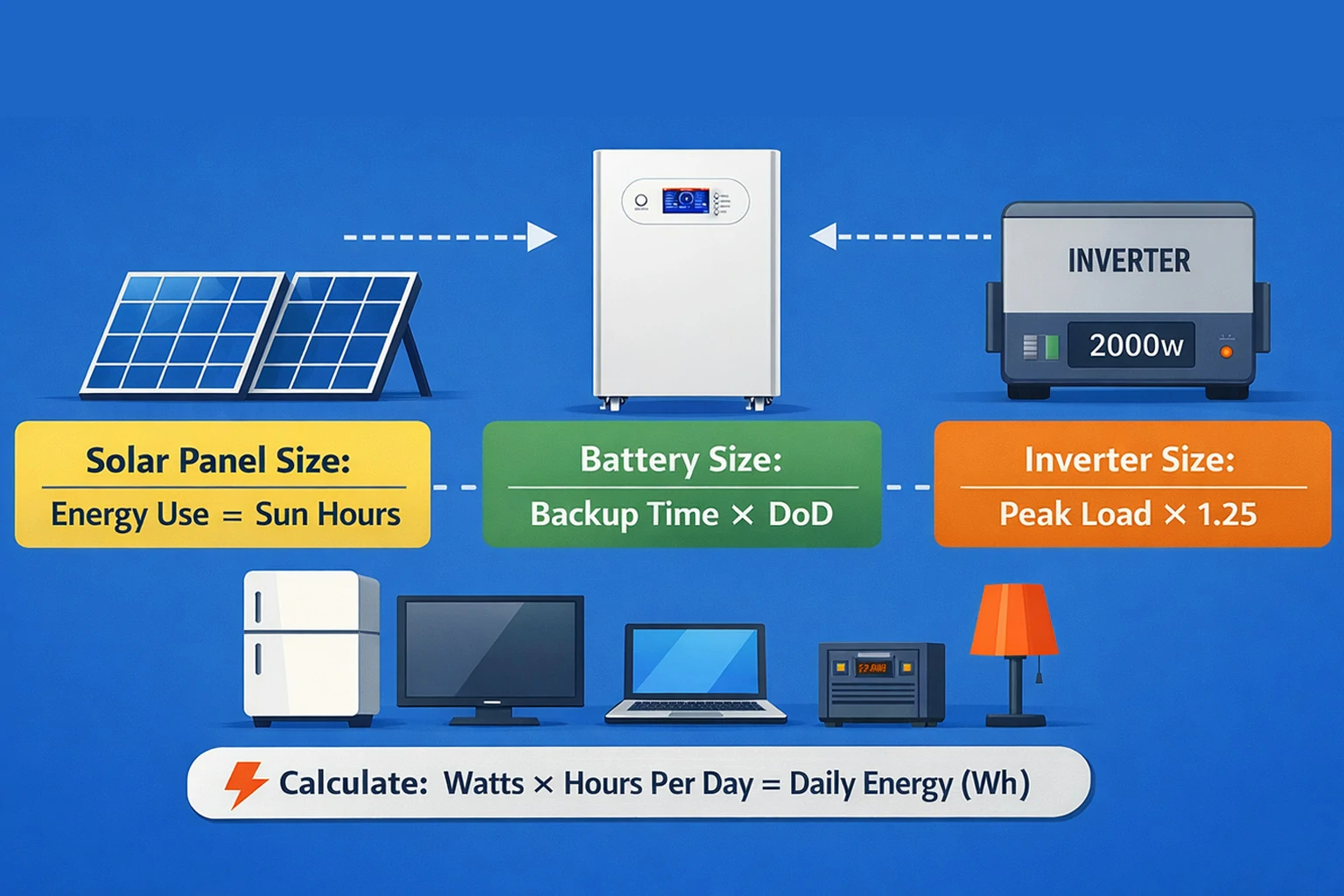
To calculate solar panel, battery, and inverter size, first calculate your daily energy use in Wh, then estimate backup time, battery usable capacity, inverter running and surge load, and finally solar panel wattage based on peak sun hours and system efficiency.
Tell us your appliances, backup hours, installation space, and inverter preference, and Avepower help you match the right battery configuration.
Solar Panel, Battery & Inverter Sizing Calculator
Enter your appliance loads and system assumptions to estimate daily energy use, battery capacity, inverter size, solar array wattage, and panel count.
1. Add Your Electrical Loads
| Appliance | Watts | Qty | Hours/day | Runs at peak? | Daily Wh |
|---|
2. Set Your Sizing Assumptions
3. Estimated Solar System Size
Why Correct Sizing Matters
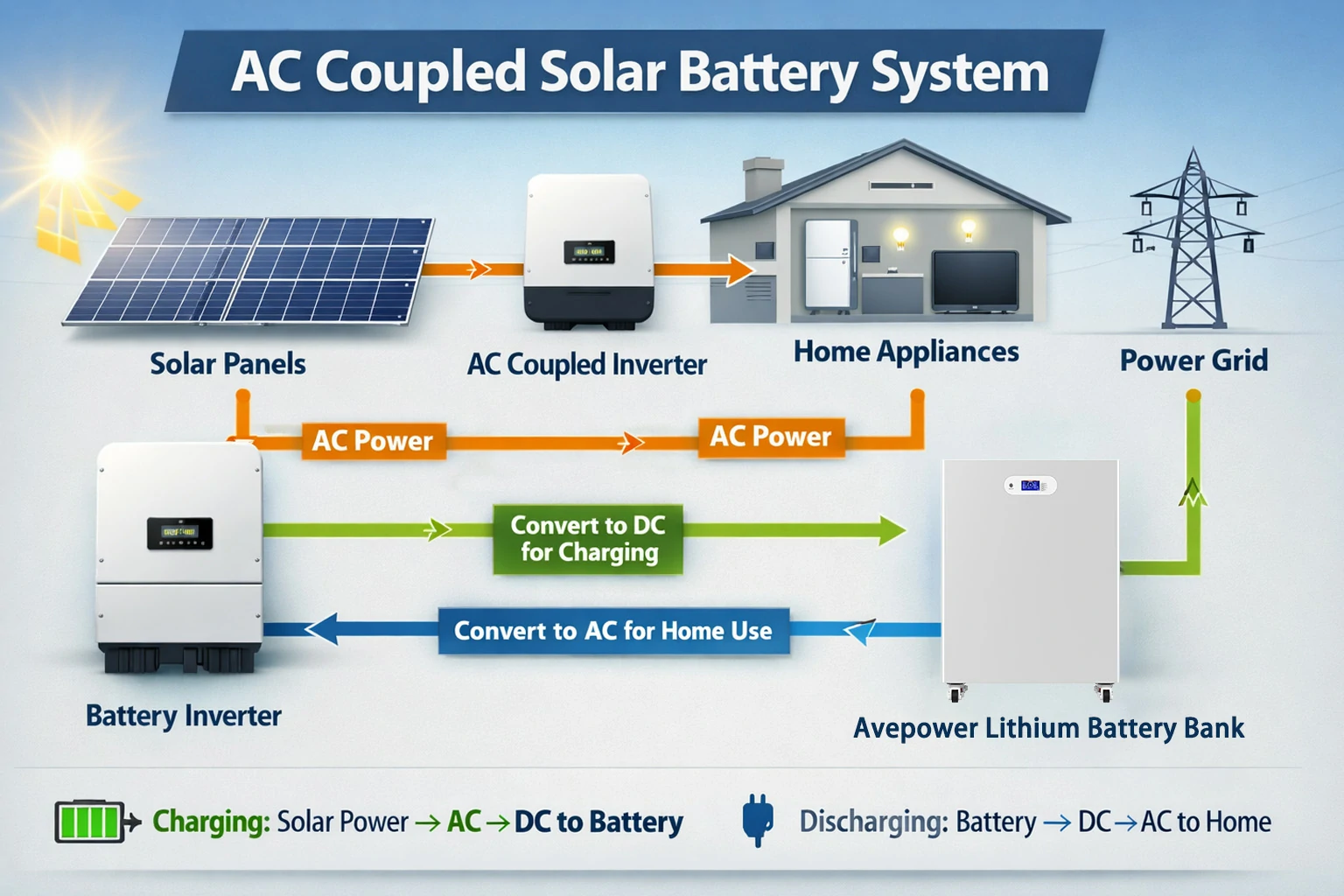
Your panels, battery, and inverter must work together as one system. Solar panels generate electricity during available sun hours. The battery stores electricity for later use. The inverter converts DC electricity into usable AC power for home appliances. If any one part is too small, the entire system can feel unreliable. If any one part is too large, the system can become unnecessarily expensive.
For example, a battery might have enough stored energy for several hours, but the inverter can still trip if a refrigerator or pump needs a high startup surge. Likewise, a solar array may look adequate on paper, but if you do not leave room for real-world losses, the battery may never fully recharge as expected.
The 4 Inputs You Need Before You Start
Before choosing any solar hardware, gather these four numbers:
- Daily energy consumption: This tells you how much energy your system must supply each day.
- Peak simultaneous load: This tells you how large the inverter must be.
- Desired backup time: This tells you how much battery energy you need.
- Average effective sunlight or solar production data: This tells you how much panel wattage is needed to generate enough energy under real conditions.
These four values drive nearly every sizing decision.
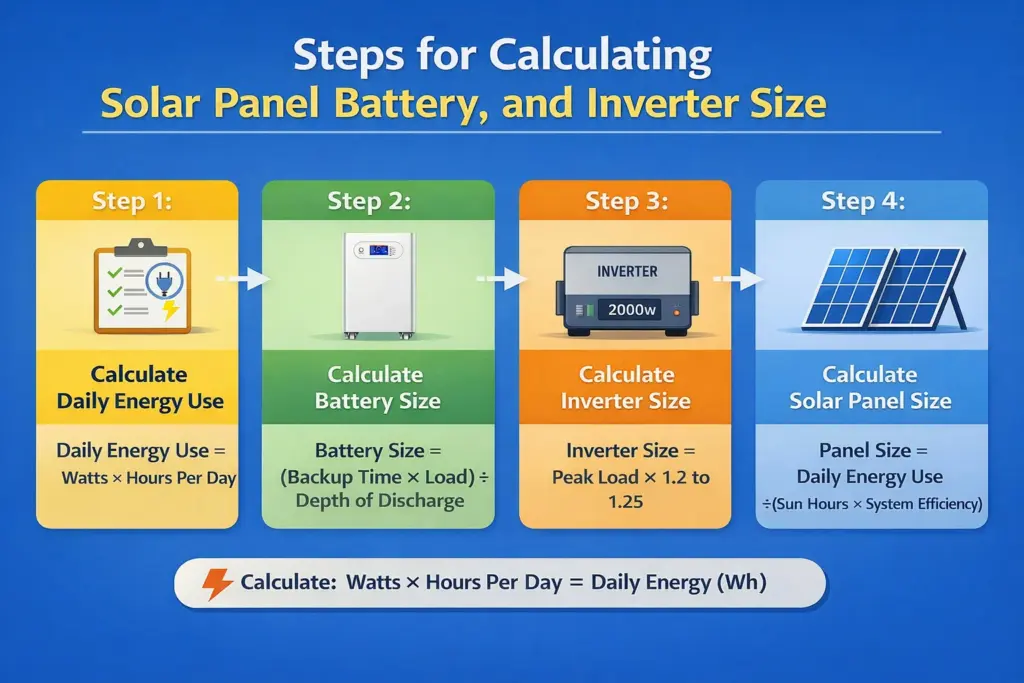
Step 1: Calculate Daily Energy Use
The first step is to calculate your daily electricity demand.
The standard formula is simple:
Daily energy use (Wh) = Appliance wattage × Hours used per day
For example, imagine you want to support these loads:
- Refrigerator: 150 W × 10 h = 1,500 Wh
- TV: 100 W × 4 h = 400 Wh
- Laptop: 60 W × 5 h = 300 Wh
- Lights: 120 W × 5 h = 600 Wh
That gives you a total of 2,800 Wh per day, or 2.8 kWh per day. If you are designing a backup system, include only your critical loads. If you are designing a full off-grid system, include all expected daily loads.
A practical tip: do not size from memory if you can avoid it. Check appliance labels, previous usage data, or measured load values.
Step 2: Calculate Battery Size
Once you know how much energy you use, the next step is to calculate how much energy you want the battery to deliver.
The standard formula is simple:
Required battery energy (Wh) = Load (W) × Backup time (h)
For example, if your critical load is 1,000 W and you want 5 hours of backup:
1,000 × 5 = 5,000 Wh
That means you need 5 kWh of usable battery energy. A battery’s nameplate capacity is not always the same as the energy you can safely draw in real use.
This is where depth of discharge (DoD) becomes important. In practical terms, it tells you how much of the battery can be used before recharging.
A more useful formula is:
Nominal battery capacity = Required usable energy ÷ DoD
If you need 5 kWh usable:
- At 50% DoD, you need about 10 kWh nominal
- At 85% DoD, you need about 5.88 kWh nominal
- At 90% DoD, you need about 5.56 kWh nominal
This is one reason lithium batteries are often easier to size efficiently than older low-DoD systems: more of the installed capacity is actually usable.
If you want to express battery size in amp-hours, use:
Battery capacity (Ah) = Battery energy (Wh) ÷ Battery voltage (V)
For example, if you need 5,560 Wh at 48 V, then:
5,560 ÷ 48 = 115.8 Ah
So a practical buyer would usually move up to a standard configuration above the minimum, not size the battery exactly at the edge.
Step 3: Calculate Inverter Capacity
The inverter power should be determined based on the number of appliances that may run simultaneously, rather than total daily energy consumption. Avepower recommends adding a margin to the calculated running load, typically around 20% to 25%.
Use the following formula:
Recommended inverter capacity = Peak simultaneous load × 1.2 to 1.25
For example, assume the following appliances can run at the same time:
- Refrigerator: 150 W
- Microwave: 1000 W
- TV: 100 W
- Light bulbs: 120 W
Your peak simultaneous load is 1,370 W. Add a 25% safety margin:
1,370 × 1.25 = 1,712.5 W
A practical choice would be at least a 2 kW inverter.
Do not overlook surge power. Refrigerators, water pumps, compressors, and some power tools require more power at startup than during normal operation. If you plan to run electronics or sensitive loads, a pure sine wave inverter is generally the safer choice.
Step 4: Calculate Solar Panel Size
Once you have defined your load, battery, and inverter, you can calculate the required solar power generation.
Basic Formula
Solar array capacity (W) = Daily energy consumption (Wh) ÷ Peak sun hours
If your daily energy consumption is 2,800 Wh and your location receives 5 peak sun hours per day:
2800 ÷ 5 = 560 W
This is the theoretical minimum. However, solar panels do not operate at their rated output all day. Actual output is affected by cloud cover, shading, panel angle, and other factors. It is recommended to add a buffer of about 20% to 25%. You can also assume an effective output of around 80% when calculating panel capacity.
More Practical Formula
Solar array capacity (W) = Daily energy consumption (Wh) ÷ (Peak sun hours × System efficiency)
Using 2,800 Wh/day, 5 peak sun hours, and 80% system efficiency:
2800 ÷ (5 × 0.8) = 700 W
Therefore, a practical system design would use around 700 W to 900 W of solar panels, depending on how much buffer you want.
Why Local Solar Data Matters
PVWatts, developed by National Renewable Energy Laboratory, is an online tool that estimates the energy production and cost of grid-connected PV systems worldwide based on map data or user inputs. It is far more reliable than using a generic assumption like “5 hours of sunlight” for all locations.
Worked Example: Small Home Backup System
Assume you want backup power for:
- Refrigerator: 150 W × 10 h = 1,500 Wh
- Lights: 120 W × 5 h = 600 Wh
- TV: 100 W × 4 h = 400 Wh
- Laptop: 60 W × 5 h = 300 Wh
Total daily energy use = 2,800 Wh
Battery
If you want one full day of backup, start with 2.8 kWh usable energy.
Using lithium at 85% DoD:
2.8 ÷ 0.85 = 3.29 kWh nominal
A practical selection would usually round above that minimum.
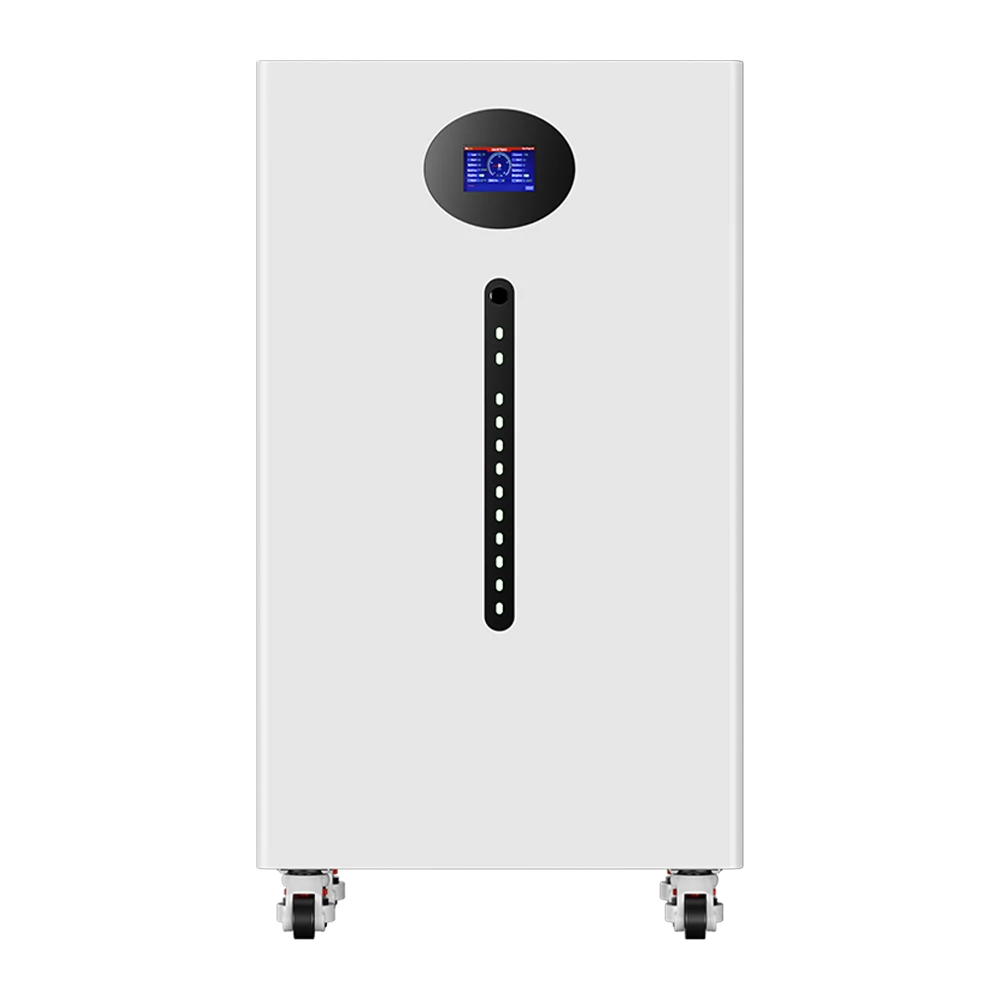
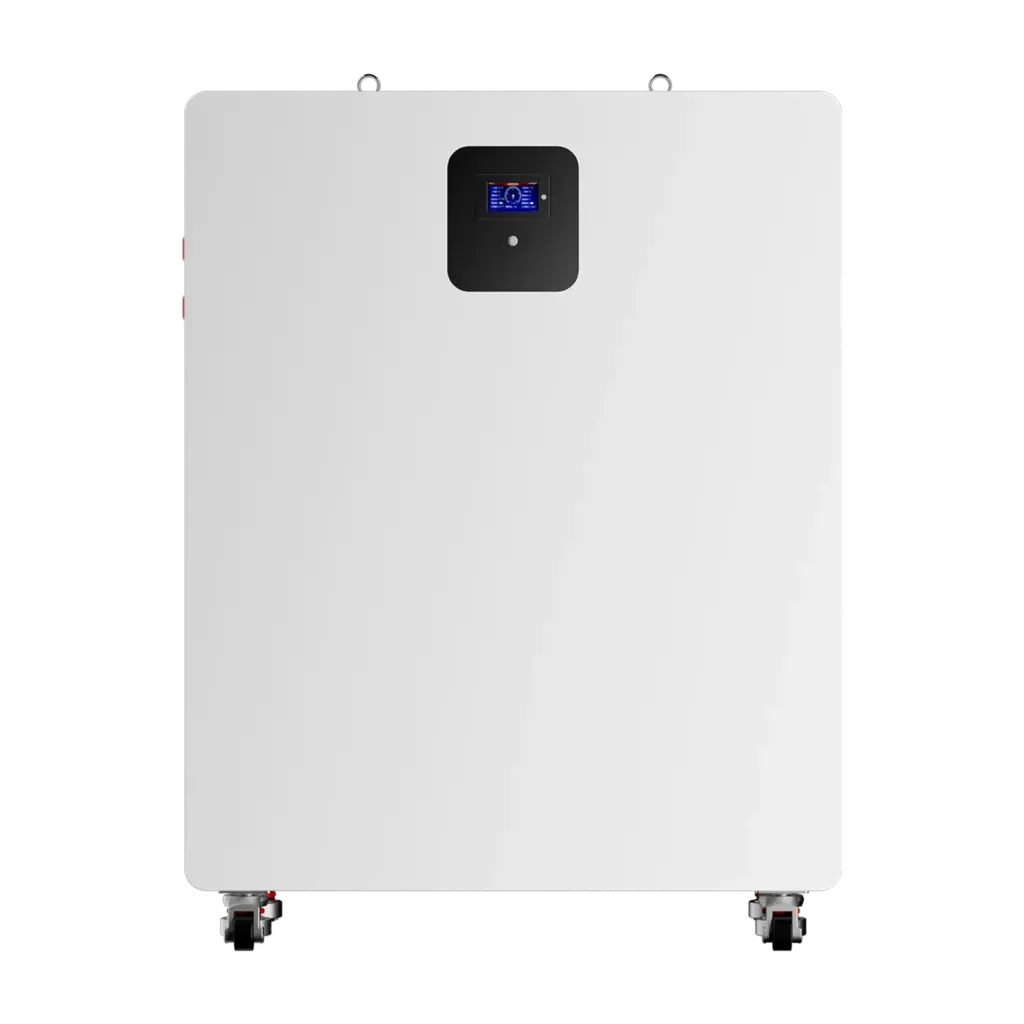
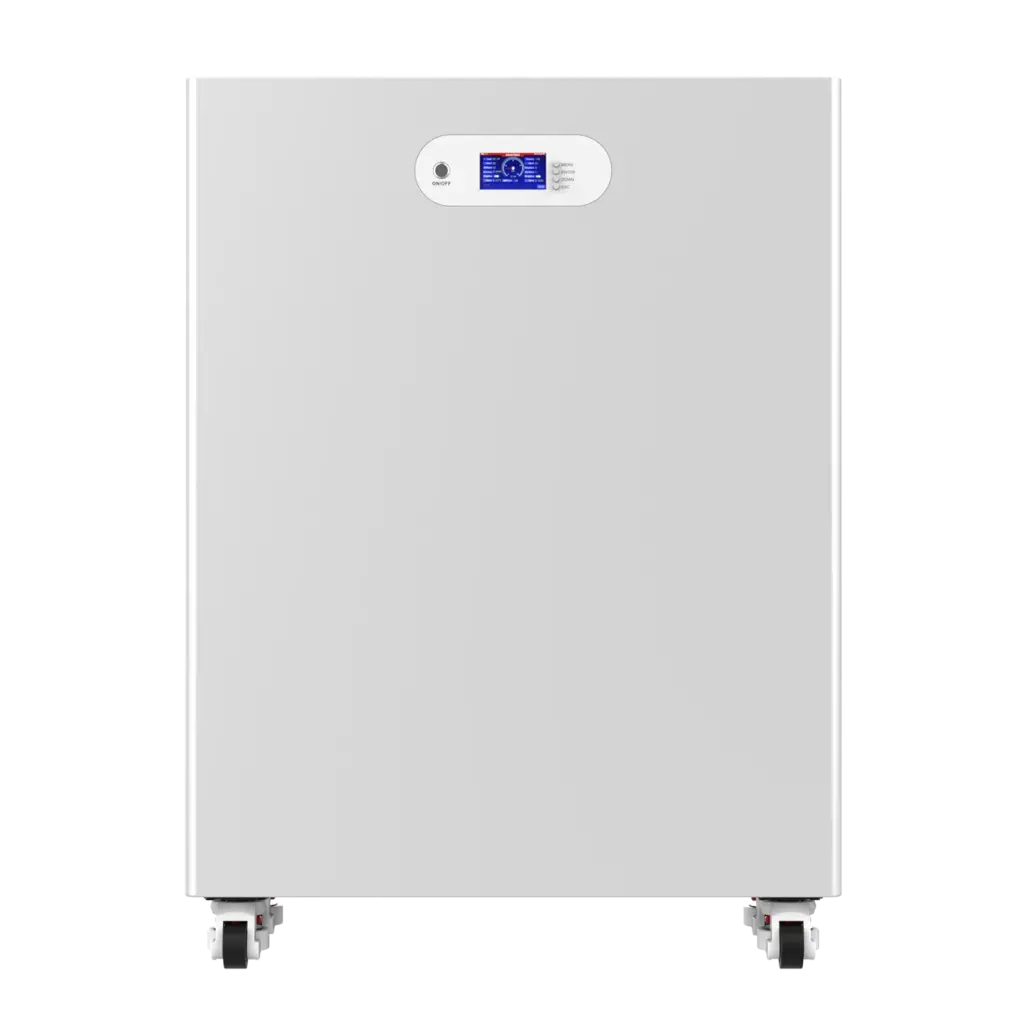
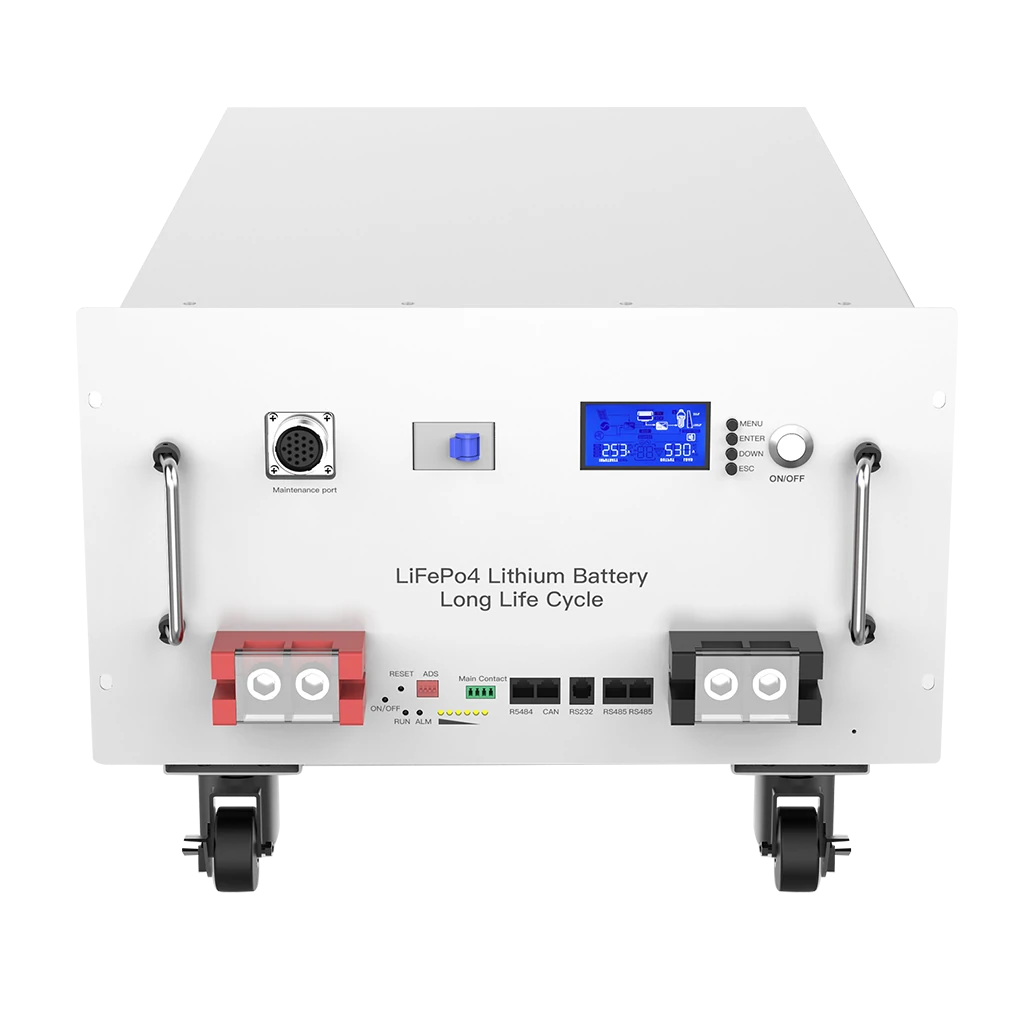
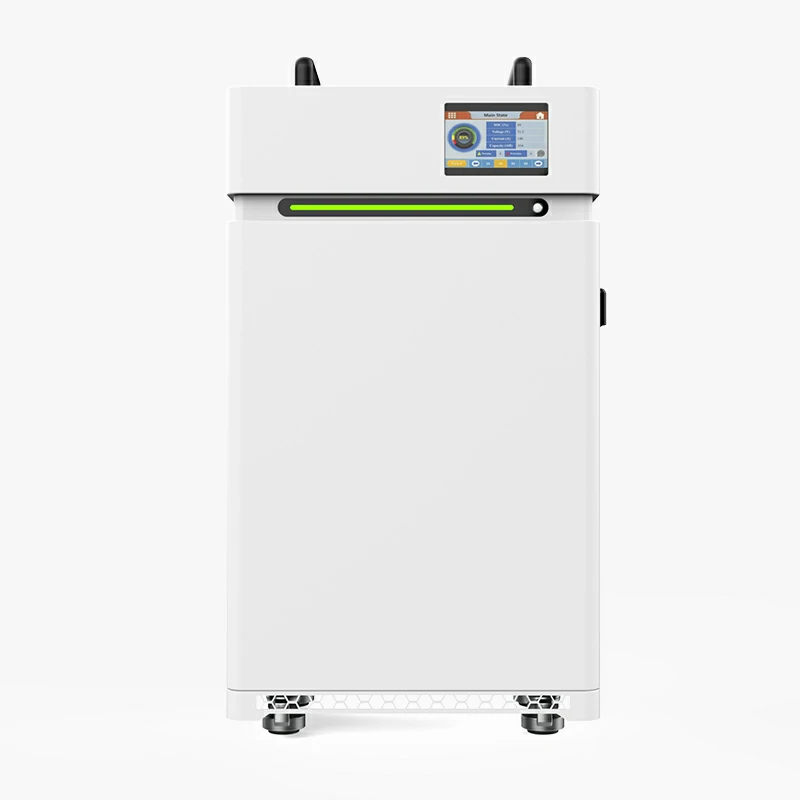
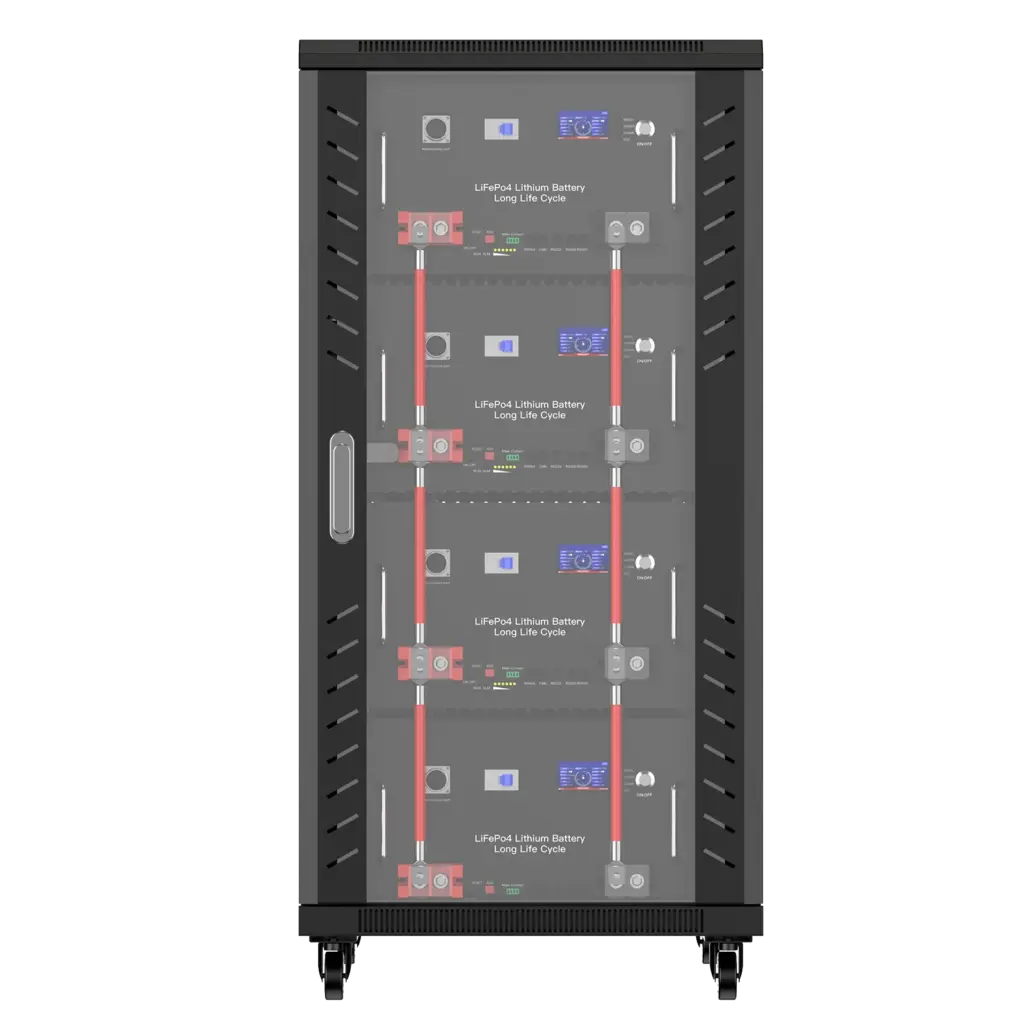
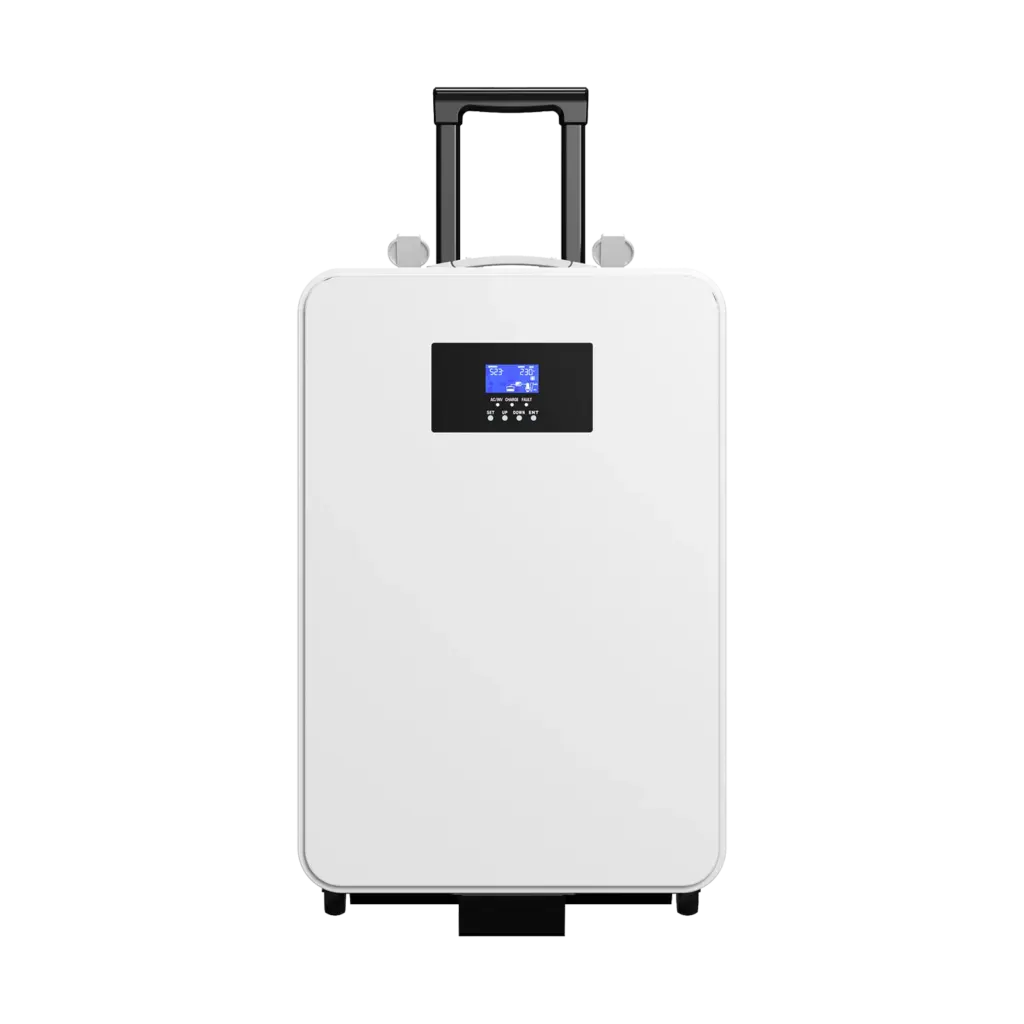
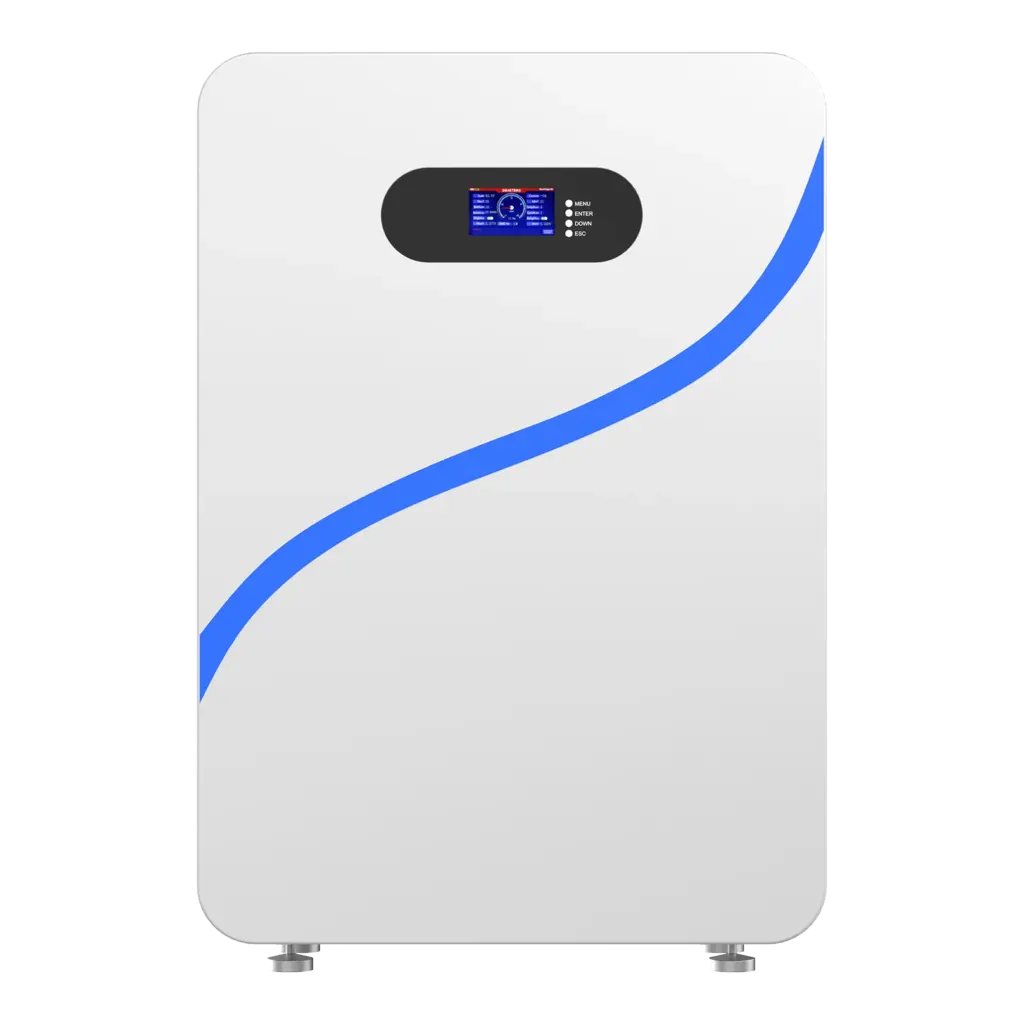
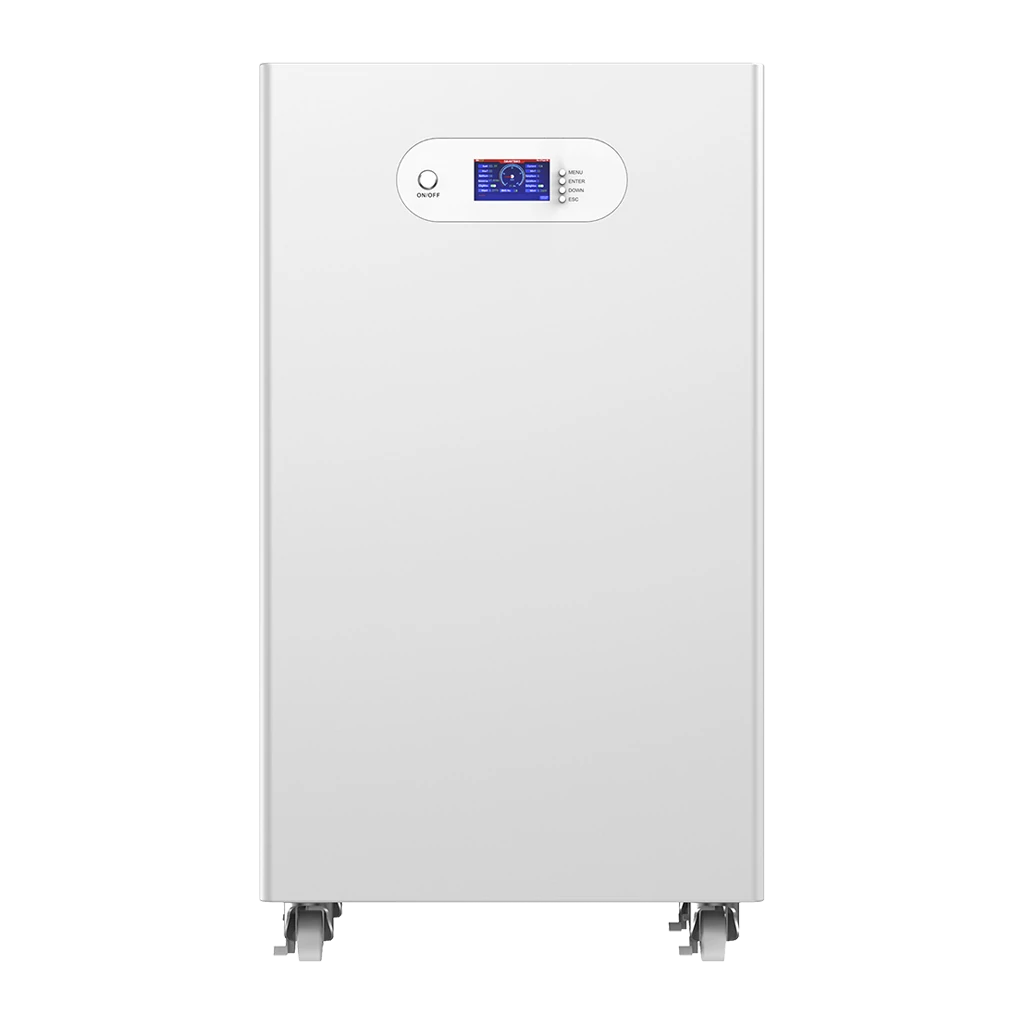
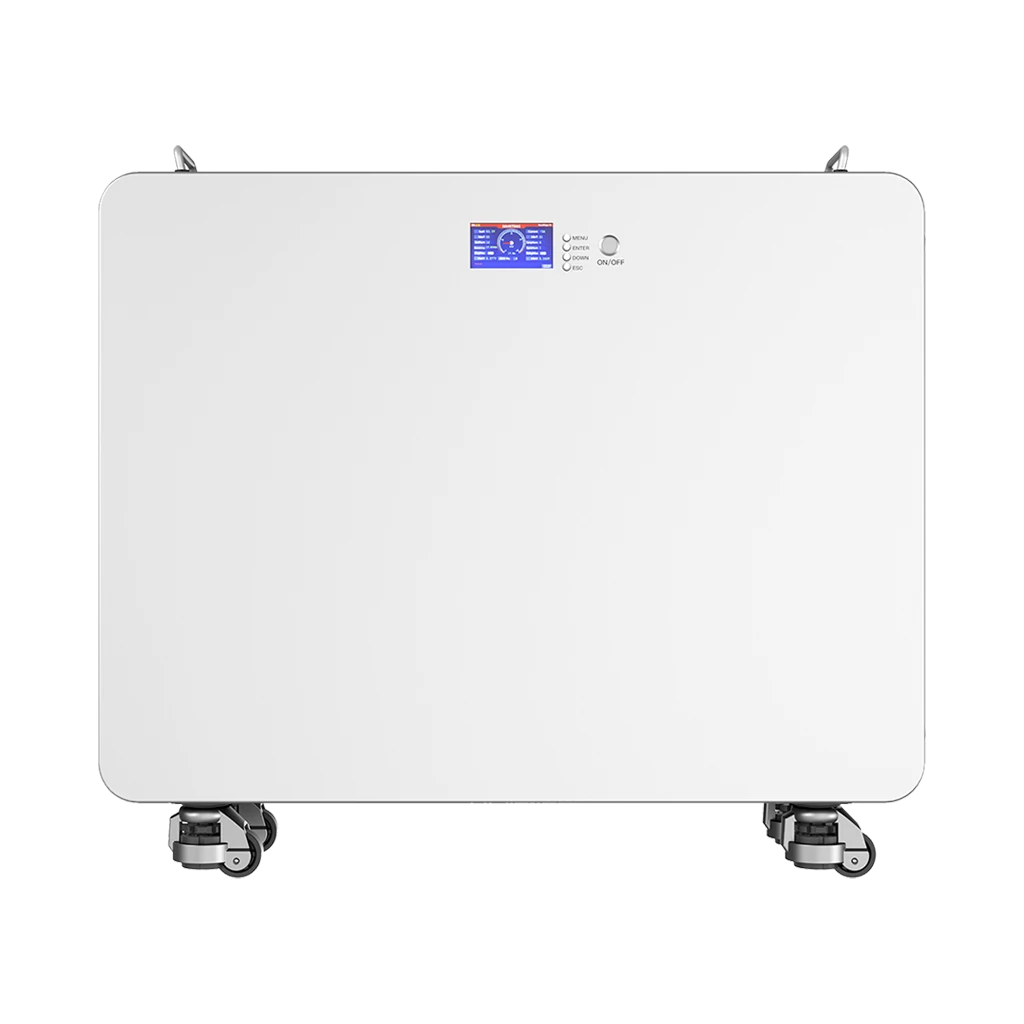
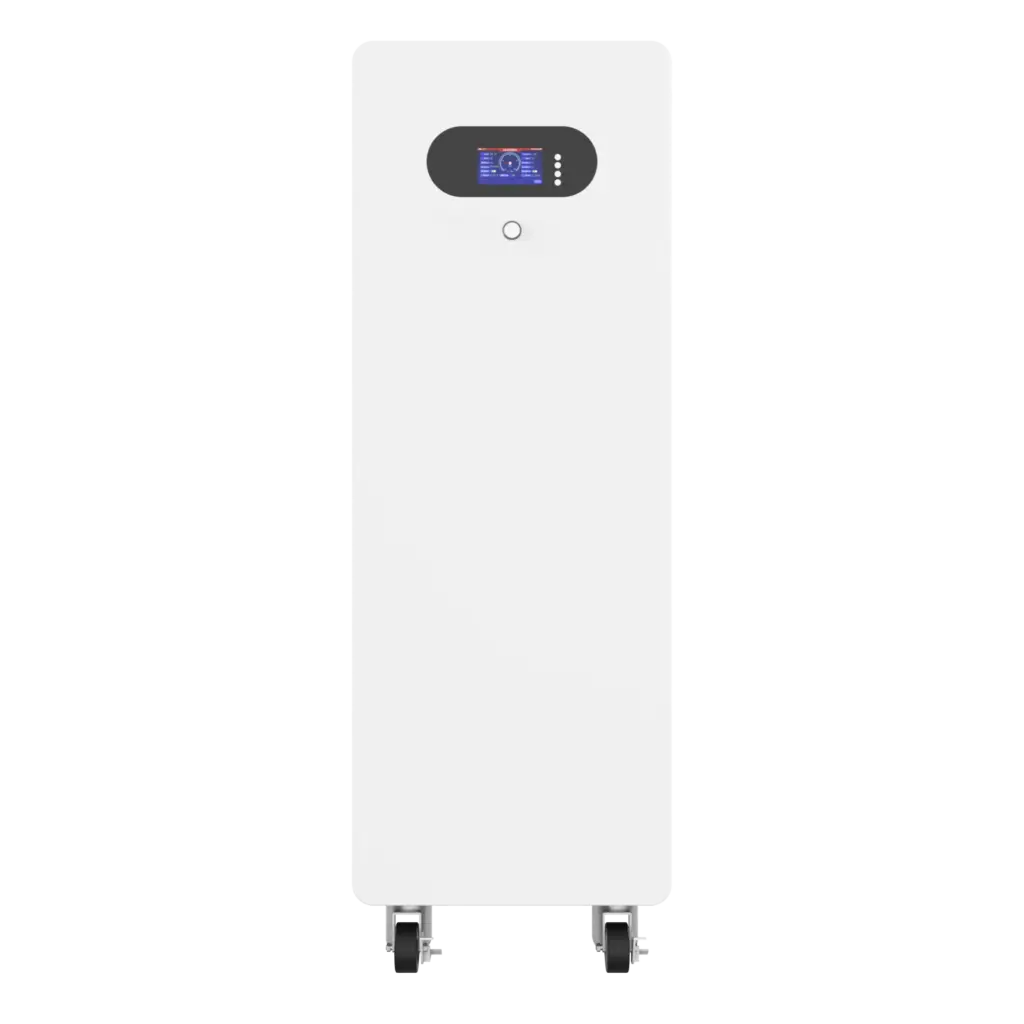
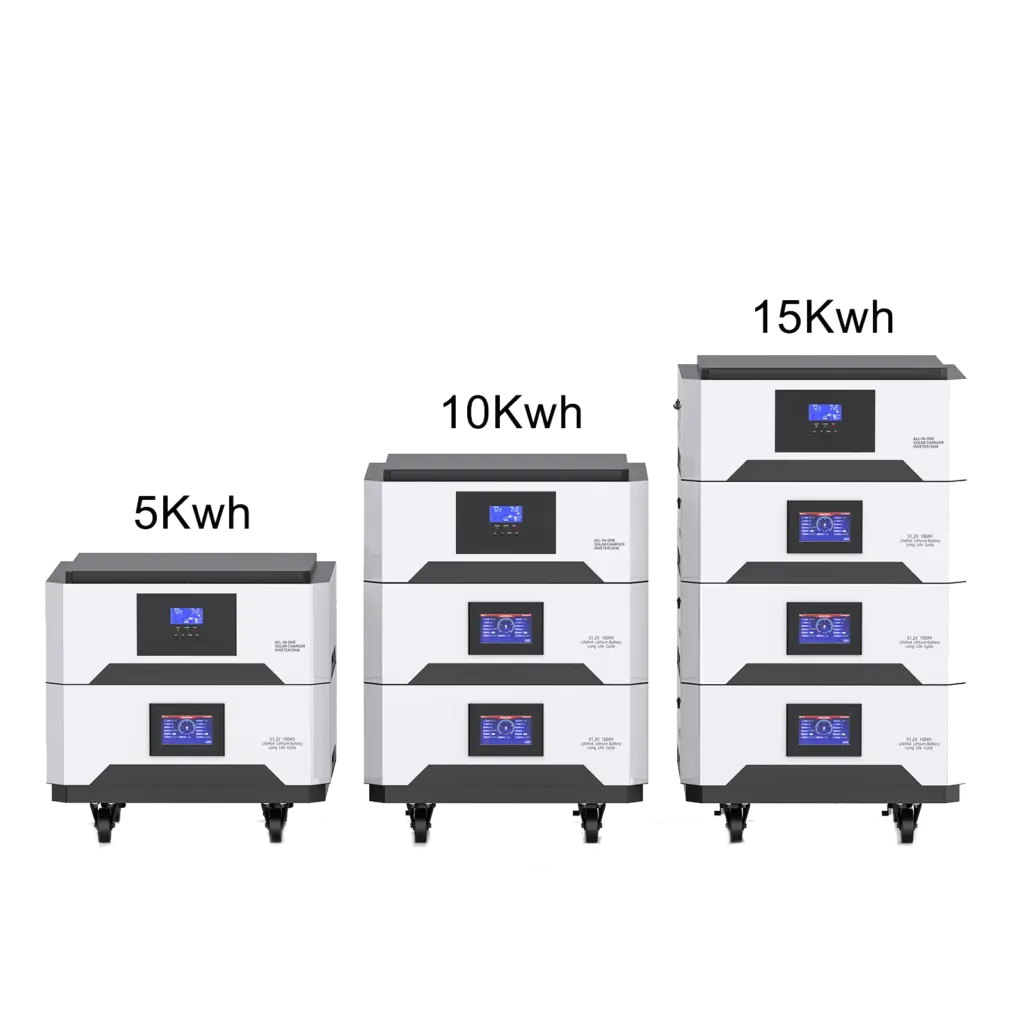
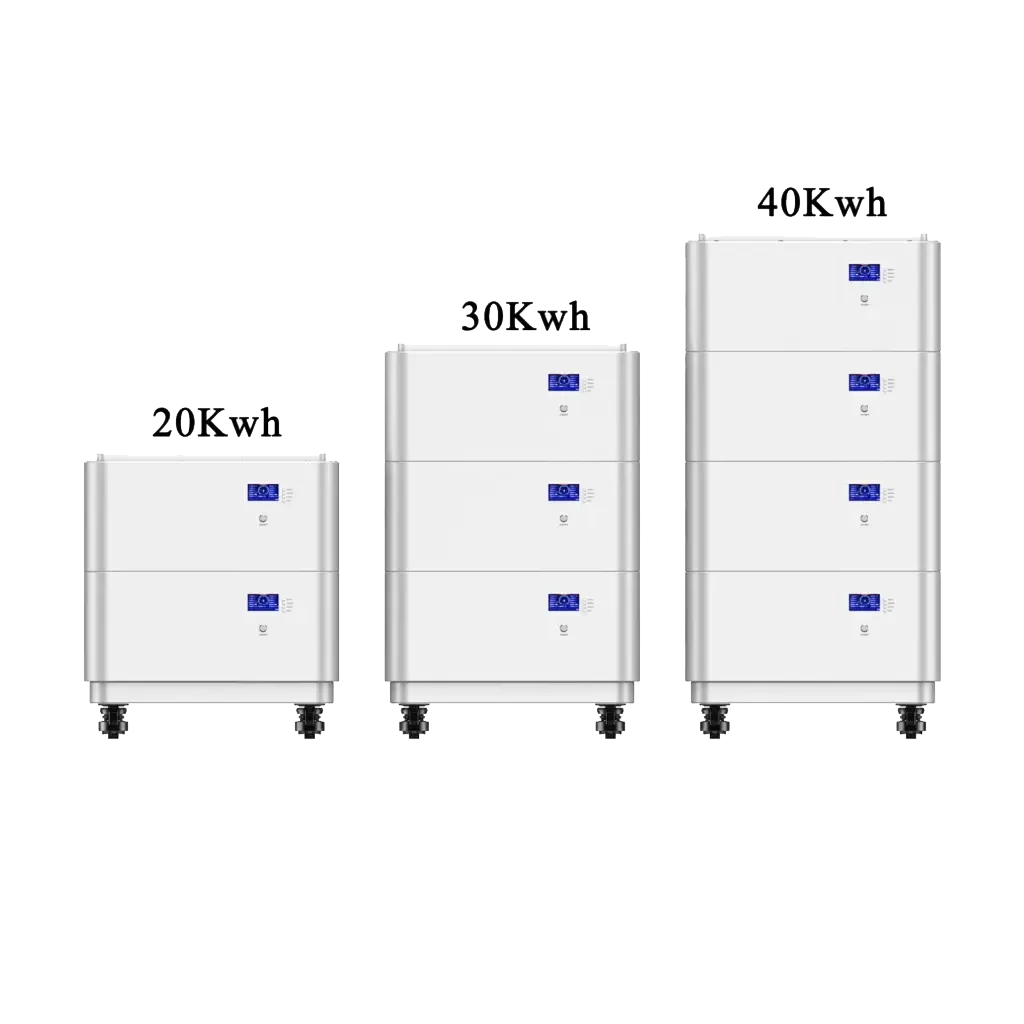
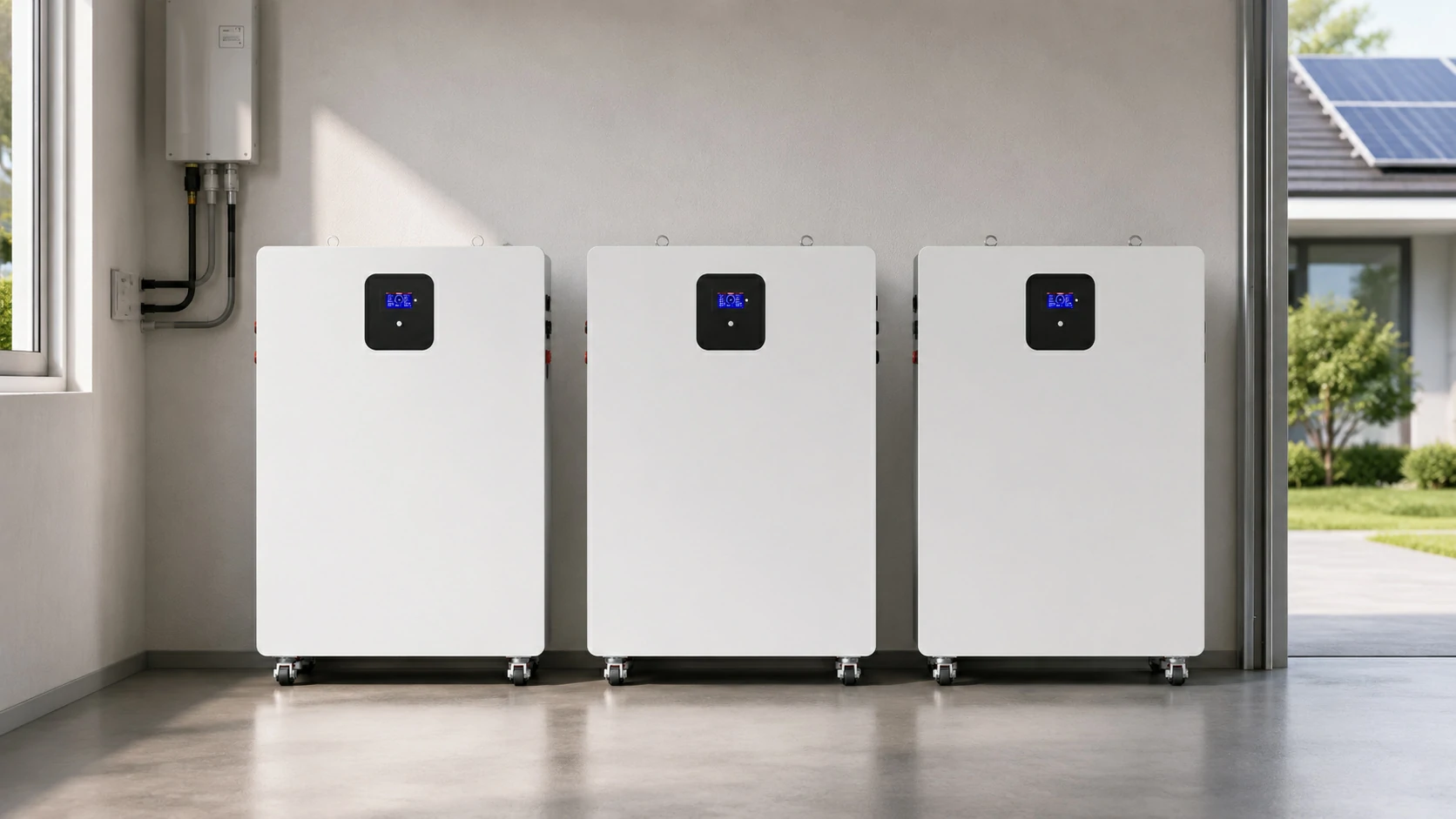
For example, if a project requires flexible household backup sizing rather than a one-size-fits-all battery, a modular LiFePO4 solution can make it easier to align actual backup hours with real load profiles.
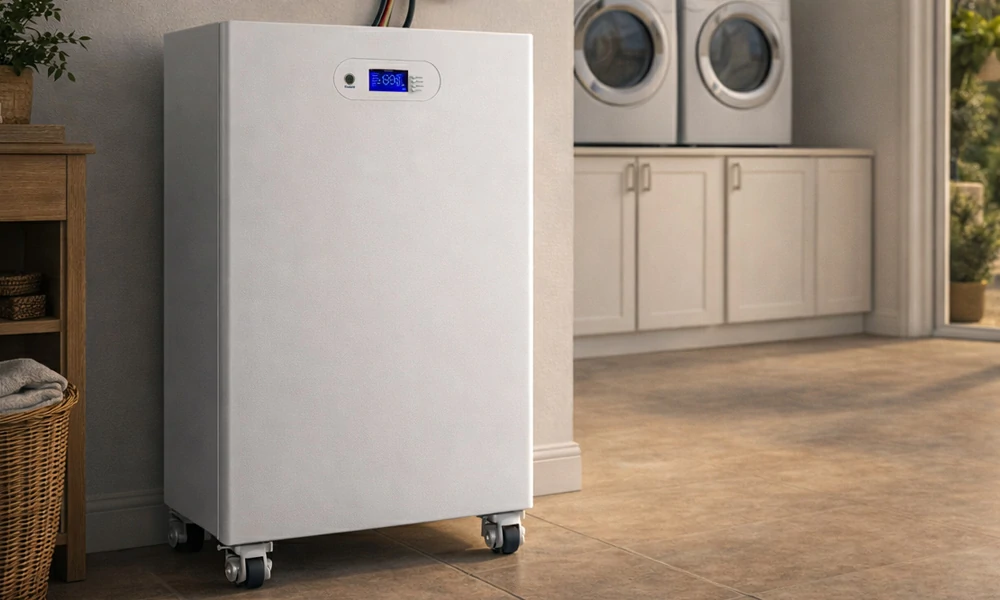
How Avepower Can Support Better System Sizing
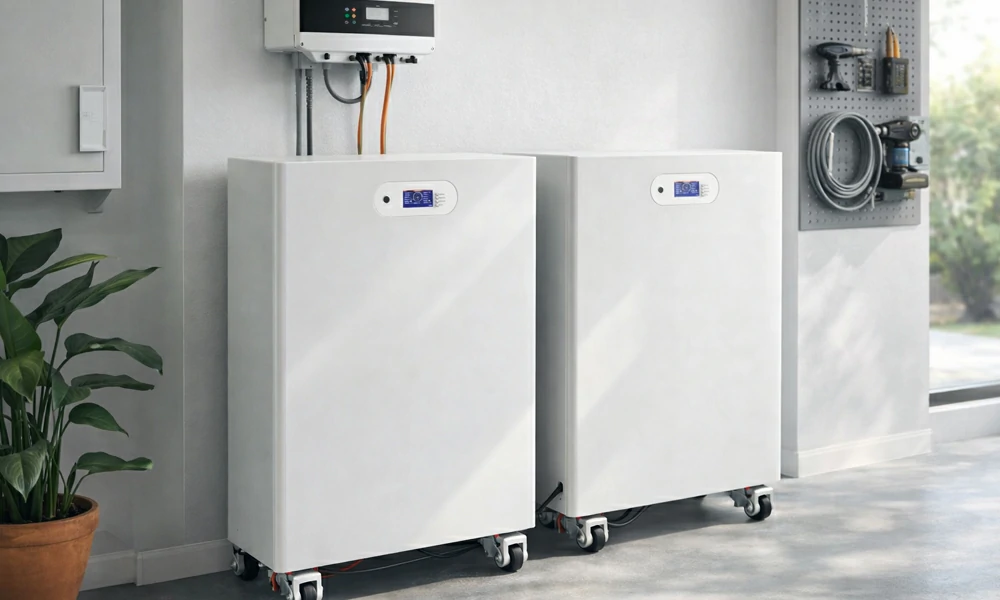
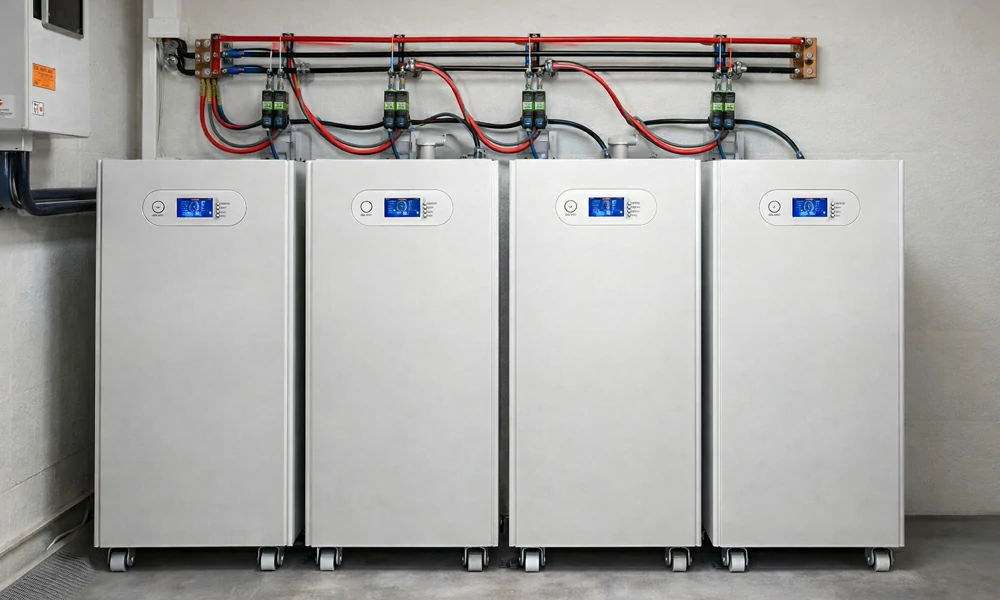
Scalable battery system supporting parallel operation of up to 16 units, with OEM and ODM customization services available.
Inverter
Suppose the maximum simultaneous load is:
- Refrigerator: 150 W
- Lights: 120 W
- TV: 100 W
- Microwave: 1,000 W
Peak load = 1,370 W
Add 25%:
1,370 × 1.25 = 1,712.5 W
Recommended inverter: 2 kW pure sine wave inverter, with suitable surge capacity.
Solar Panels
Using 2,800 Wh/day, 5 peak sun hours, and 80% system efficiency:
2,800 ÷ (5 × 0.8) = 700 W
Recommended array: around 800 W or more if you want more seasonal and weather margin.
Off-Grid vs Backup System Sizing
Not every solar system should be sized the same way.
For Backup Systems
Focus on critical loads such as lighting, internet, refrigeration, and a few outlets. This keeps the system smaller and more affordable.
For Off-Grid Systems
You usually need:
- More battery autonomy
- More solar panel oversizing
- More seasonal margin
- More careful planning around cloudy days
That is why off-grid sizing is typically more conservative than grid-connected backup sizing. The reference articles both emphasize using safety margins and accounting for sunlight variability.
Avoid Common Mistakes
- Confusing watts and watt-hours: Inverter sizing depends on power (watts), while battery sizing depends on energy (watt-hours or kilowatt-hours). Mixing up these two units will lead to errors from the very beginning.
- Ignoring depth of discharge (DoD): A battery’s labeled capacity is not the same as its usable capacity. Analysis by EnergySage comparing lead-acid and lithium-ion batteries shows that usable capacity is critical in energy storage planning.
- Overlooking inverter surge capacity: A system may look fine on paper but fail immediately when a motor starts. Avepower emphasizes that surge requirements must be considered.
- Using unrealistic sunlight assumptions: The U.S. Department of Energy description of PVWatts reminds us to use location-based tools whenever possible to estimate solar generation, rather than copying generic examples from the internet.
- Leaving no margin for error: Real-world inefficiencies are inevitable. A system designed strictly to minimum specifications may only work under ideal conditions.
How to Turn Calculations into Purchasing Decisions
Once your calculations are clear, the key is choosing the right product: battery type, scalability, inverter compatibility, installation, and warranty.
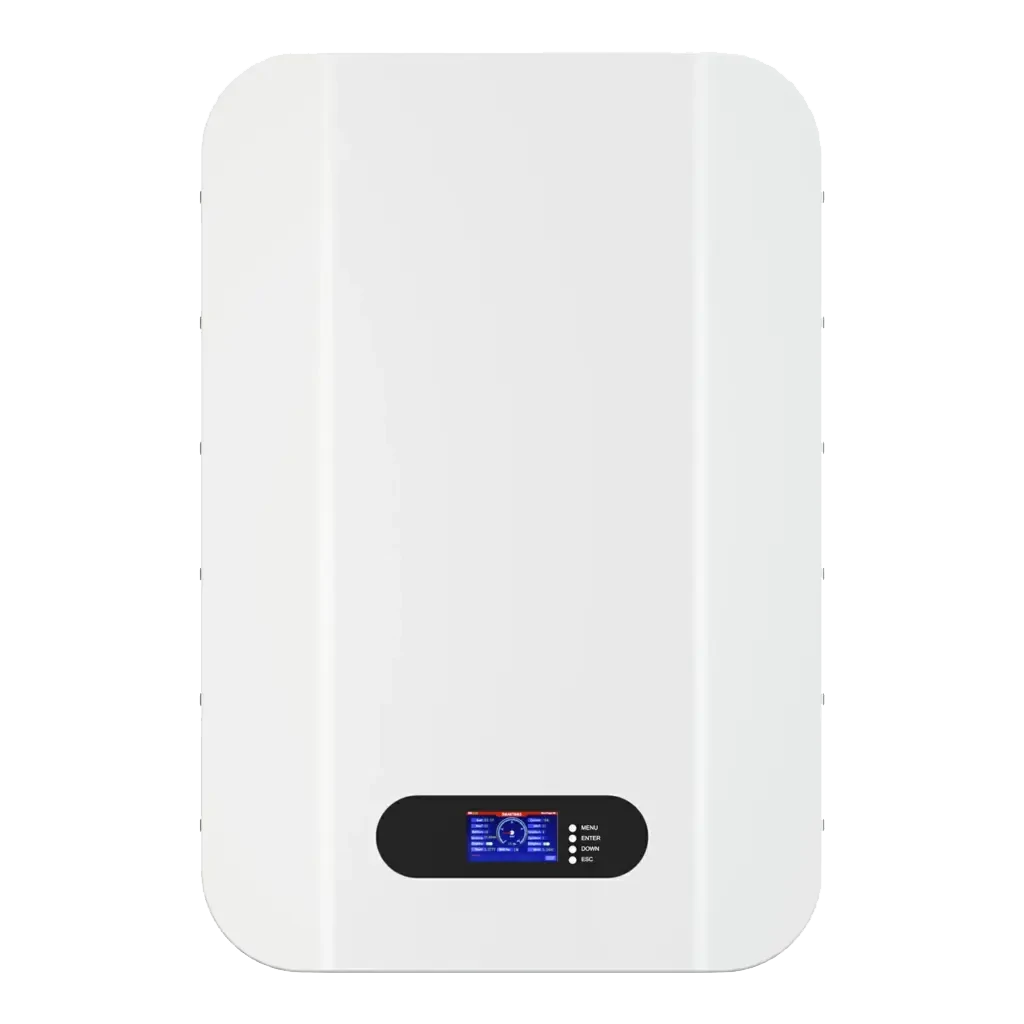
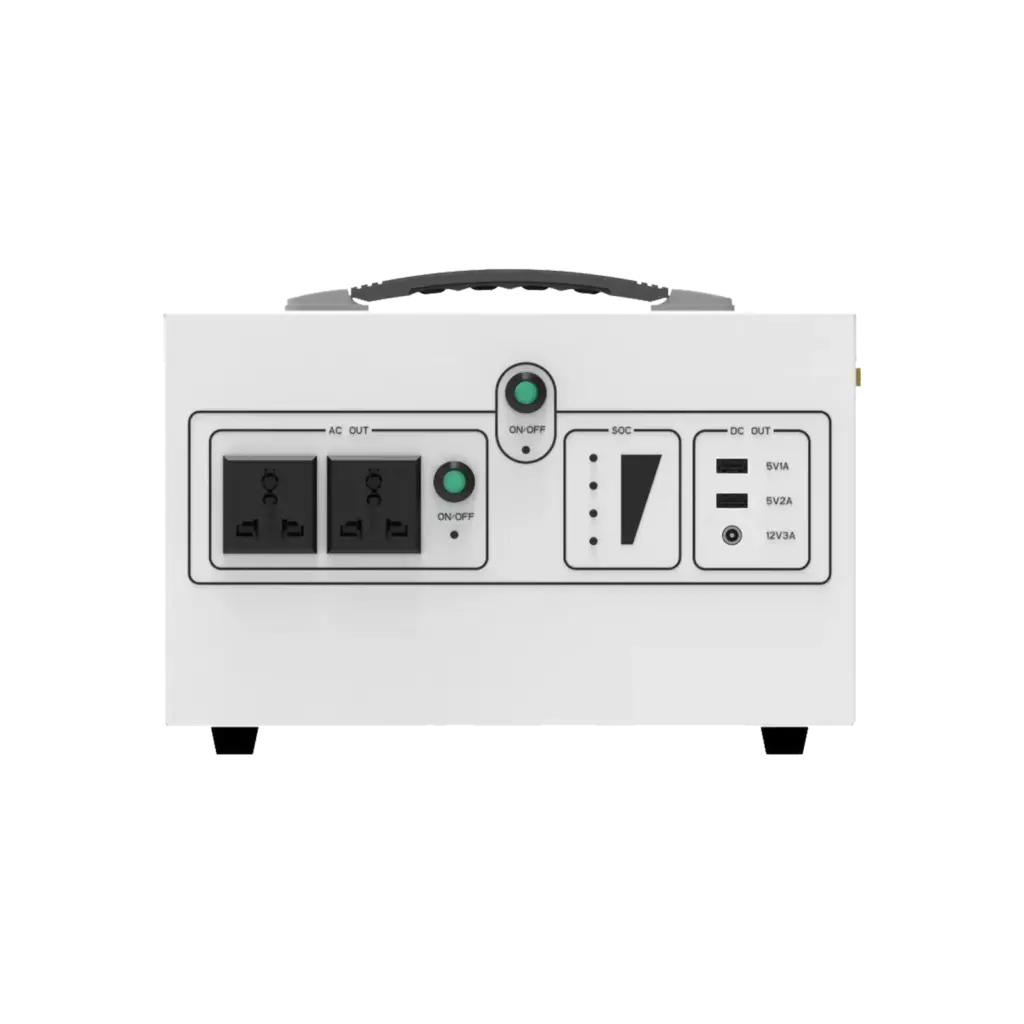
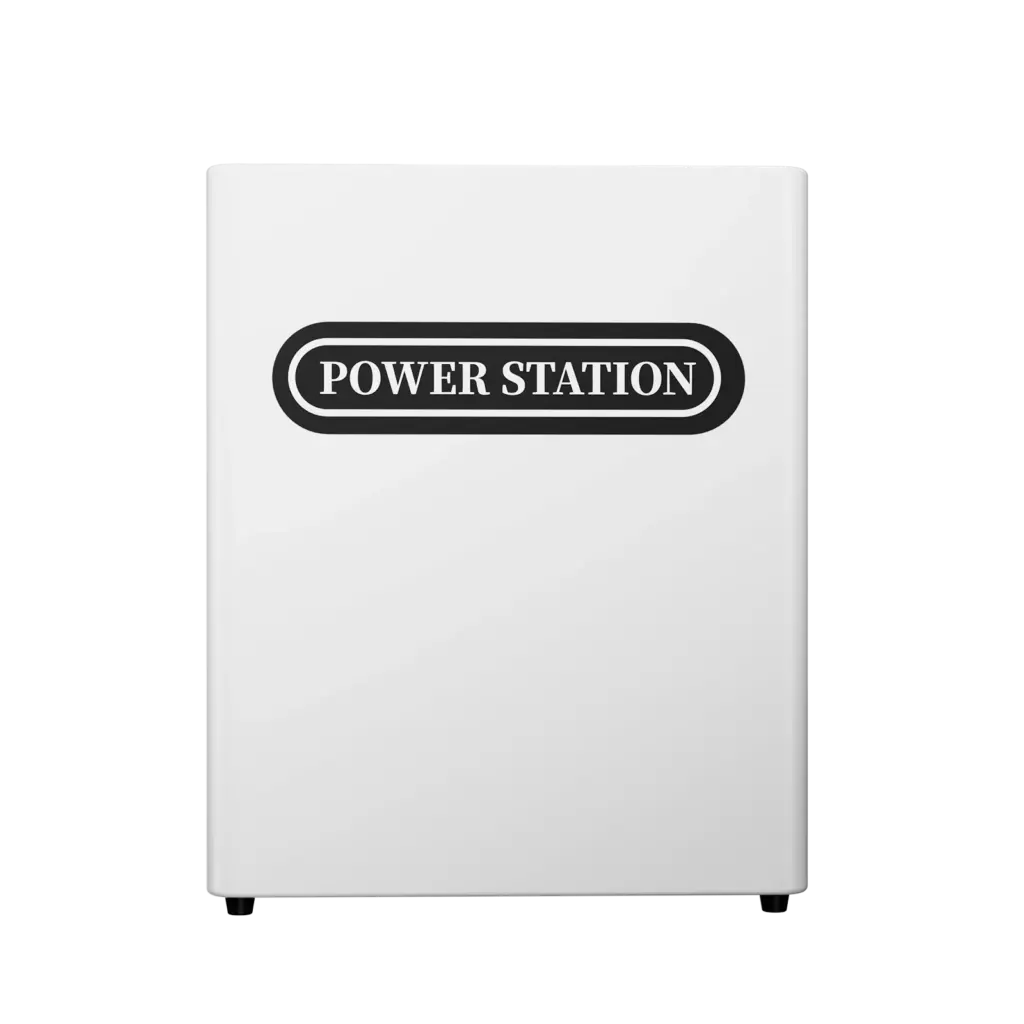
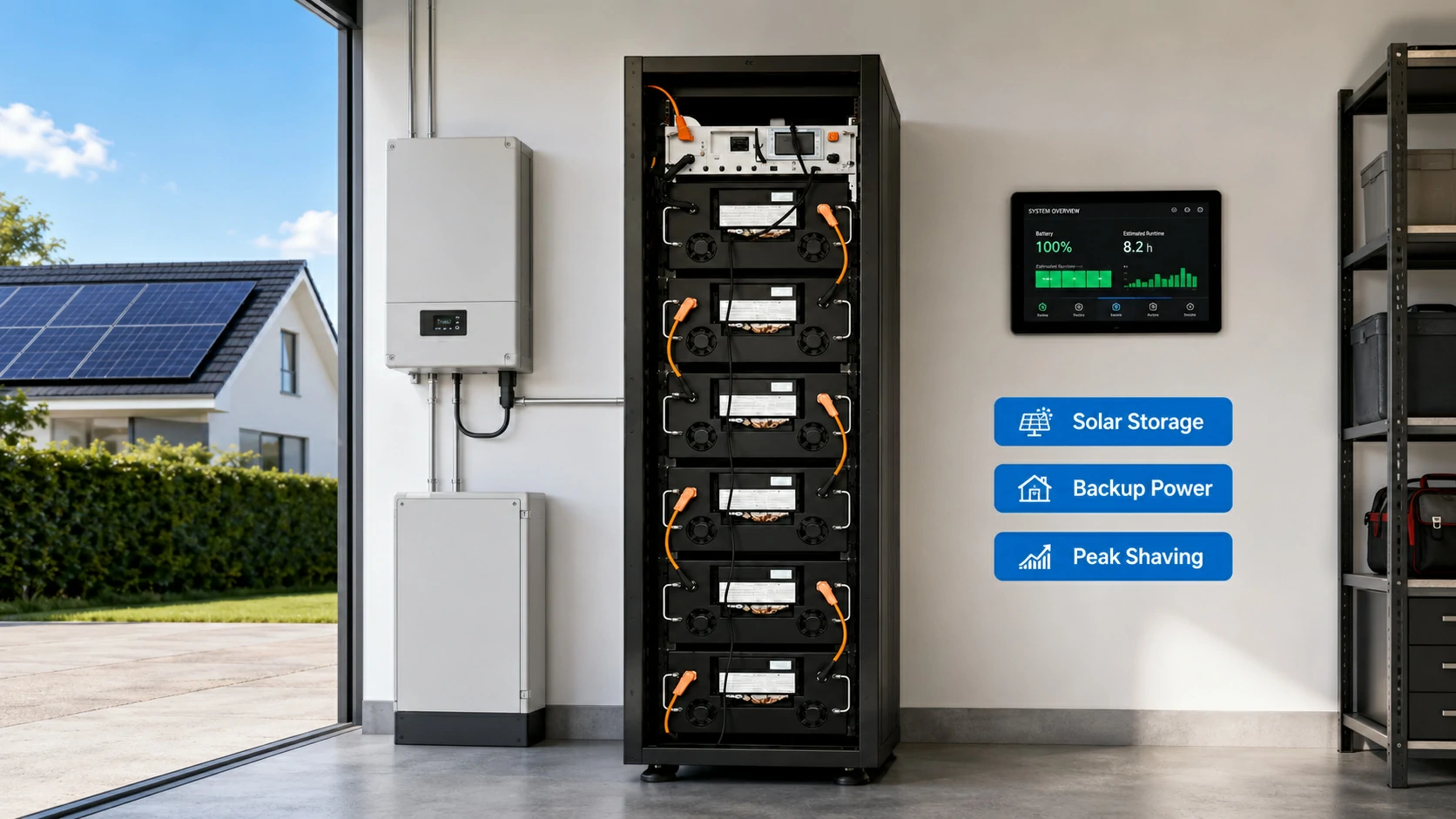
For small backup needs, wall-mounted batteries (5.12–10 kWh) are suitable. For larger or expandable systems, rack-mounted or stackable batteries are a better fit. If you prefer simplicity, an all-in-one system with a built-in inverter is ideal.
Avepower solutions support system expansion, offer OEM/ODM services, and include smart BMS, monitoring, and multiple certifications—though exact specs depend on the model.
Need Help Sizing the Right Solar Battery System?
Send us your project requirements and we can help you match the right home energy storage solution for your applicatio.
Conclusion
If you want to calculate solar panel, battery, and inverter size correctly, follow this order:
- Calculate daily energy use
- Identify peak simultaneous load
- Decide backup time
- Size the battery based on usable energy and DoD
- Size the inverter based on running load and surge needs
- Size the solar array based on daily demand and realistic local solar conditions
That is the clearest and most practical way to design a solar system that works outside of theory.
FAQ
Start with your daily energy use in Wh, then divide by your site’s peak sun hours. For a more realistic estimate, also include system losses, which many practical guides handle by adding margin or using an efficiency factor.
Multiply the load you want to support by the number of backup hours, then divide by the battery’s usable DoD to estimate nominal capacity.
Add up the appliances that may run at the same time, then add about 20% to 25% safety margin. Also check surge requirements for appliances with motors or compressors.
kWh tells you total stored energy, while Ah depends on both current and battery voltage. You can convert between them using: Wh = V × Ah. The reference articles use voltage-based Ah calculations for battery sizing.
PVWatts is highlighted by the U.S. Department of Energy as an NREL tool for estimating PV energy production and cost using site-specific inputs.
One of the most common mistakes is mixing up power and energy, then choosing a battery or inverter that looks large enough on paper but does not actually match the load profile.





3 thoughts on “Solar Panel, Battery & Inverter Sizing Calculator + PDF”
Thank so much for the wonderful time
I really appreciate this article has help me so much
Your submission is exhaustive, informative and highly useful for both educational and practical needs.