
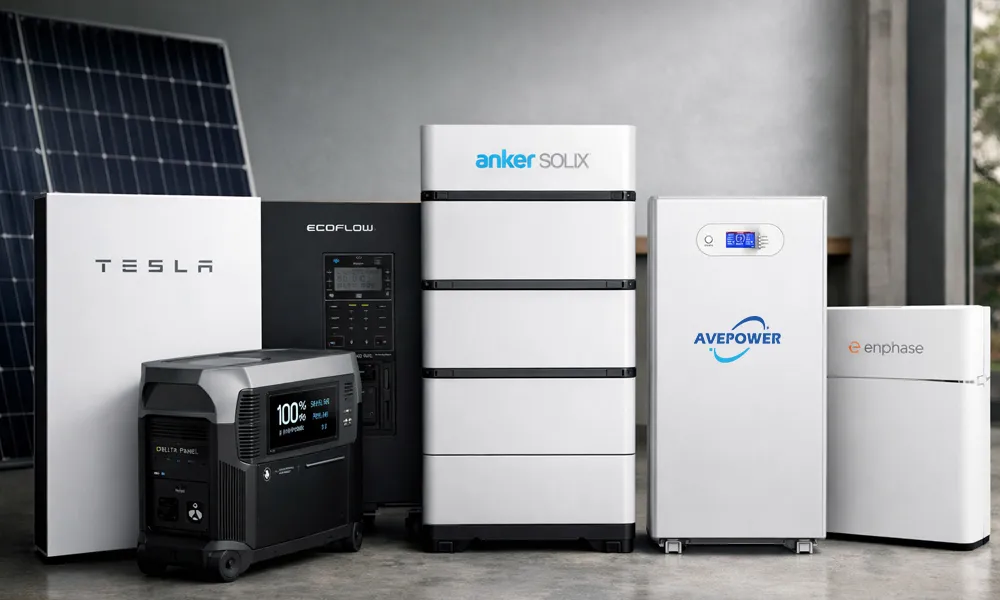
Power outages feel more common in many places, and high power prices feel more painful during peak hours. Many homeowners want a best solar battery backup system for home use that can keep food cold, lights on, and internet running when the grid fails. Many homeowners also want a battery that can store daytime solar power and use it at night to cut bills.
A backup battery does not only help during a blackout. A backup battery also helps when your utility uses time-of-use pricing, because you can shift solar energy into the expensive evening hours. A backup battery can also help when your local grid has short “blink” outages that still reset routers, fridges, and control boards.
Real-World Cost of Solar Battery Backup Systems
Battery pricing changes by region, electrical layout, installer labor rates, and incentive programs. A homeowner still benefits from a simple cost framework.
Base Equipment Cost
A single residential battery unit from major brands often costs about $9,000 to $16,000 before installation in many markets. A higher price often reflects a stronger inverter, higher usable energy, or premium control hardware.
- Single Battery Unit: $9,000 – $16,000 (depends on brand and capacity)
- Cost per kWh: $600 – $900 (larger capacity → higher total price)
- Higher Capacity Systems: Proportionally higher based on storage size
- Premium Brands: Upper price range (higher efficiency & warranty)
Installation Labor Cost
Installation labor often ranges from about $2,000 to $6,000. A complex conduit run, a hard-to-reach panel, wall reinforcement, or panel work can push labor toward the top of that range.
- Standard Install: $2,000 – $4,000 (straightforward installation)
- Complex Install: $4,000 – $6,000 (panel upgrades, difficult layouts, or long conduit runs)
- Additional Work: Varies
- Service panel upgrades
- Wall reinforcement
- Backup subpanel installation
Additional hardware cost
Some homes need a backup sub-panel, a load management device, or a service disconnect upgrade. Those items often add about $500 to $2,000, and the home layout usually drives that cost more than the battery model.
- Backup Load Panel: $500 – $2,000 (powers essential circuits)
- Automatic Transfer Equipment: $500 – $2,000 (seamless outage switching)
- Service Disconnect Upgrades: $500 – $2,000 (electrical code compliance)
- Load Management Devices: $500 – $2,000 (optimizes energy usage)
Incentives and Rebates
Many states and utilities offer rebates, and those programs change often. A homeowner should ask an installer to confirm current local incentives before final pricing. A homeowner in the US should also check whether a federal tax credit applies to energy storage, because that credit can change net cost depending on rules and timing.
Typical Total Cost Range
A typical install with one battery and standard electrical work often lands between about $12,000 and $20,000 after incentives. A home that needs multiple batteries or service upgrades can land higher.
- Single Battery System: $12,000 – $20,000
- Simple installs → lower end
- All-electric homes → higher end
- Multi-Battery System: $20,000 – $40,000+
- Larger storage = higher total cost
Top Best Solar Battery Backup System for Home Use in 2026
Different homes need different “best” choices. This list uses clear categories, simple language, and practical trade-offs.
| System | Best for | Scale | What You Should Watch |
|---|---|---|---|
| Avepower | Modular home ESS for installers and distributors | LFP safety, BMS protection, certifications, customization | Your final design depends on inverter match and install plan |
| Tesla Powerwall 3 | Simple whole-home style backup | Add more units for more kWh | Your budget needs to handle premium pricing |
| EcoFlow DELTA Pro Ultra + Smart Home Panel 2 | Portable + panel backup with fast switch | Can expand to large storage with panel system | Your home needs the right panel plan and space |
| Anker SOLIX X1 | Modular fixed install | 5 kWh to very large banks | Your cost can rise as you add modules |
| Enphase IQ Battery 10T | Smaller home solar setups | Modular via installer design | Your sourcing and fit checks matter |
1. Avepower
Many “best battery” lists focus only on retail brands. Many installers, distributors, and project buyers also care about the manufacturer behind the product, the certifications, and the ability to tailor the system to a project.
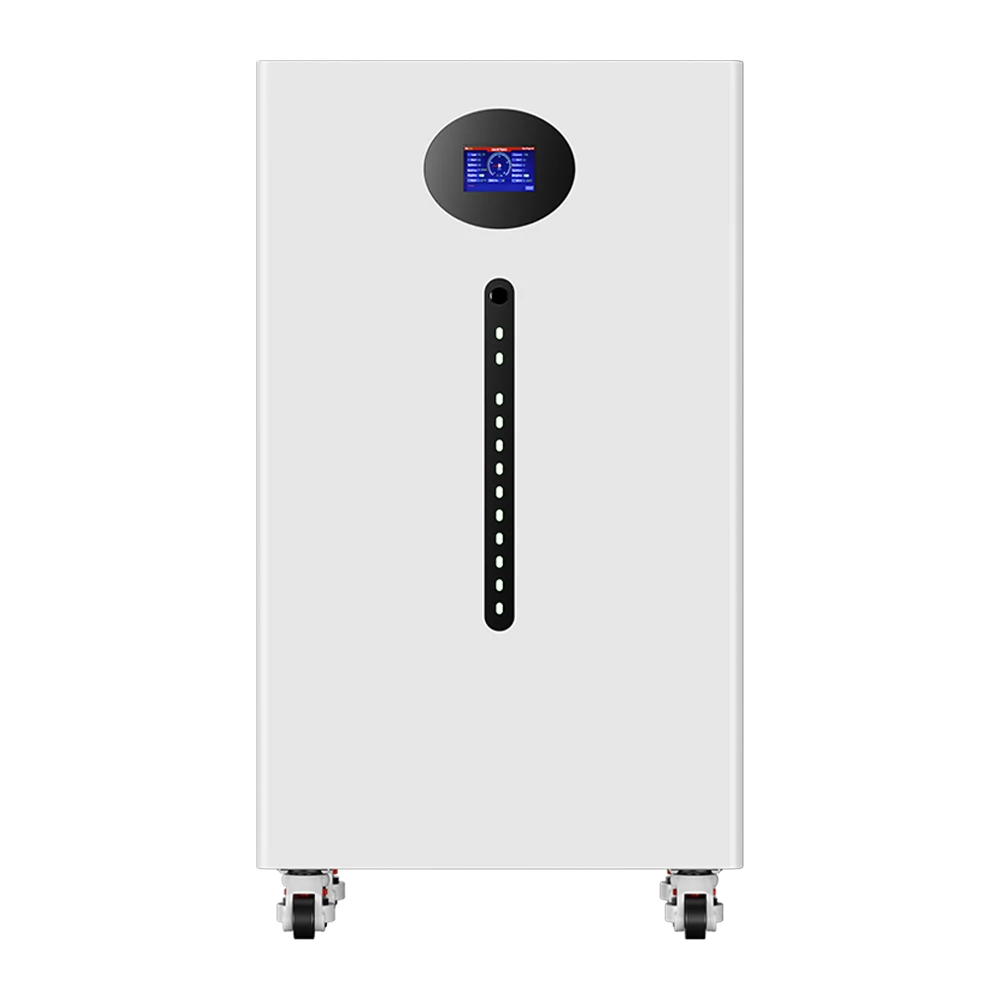
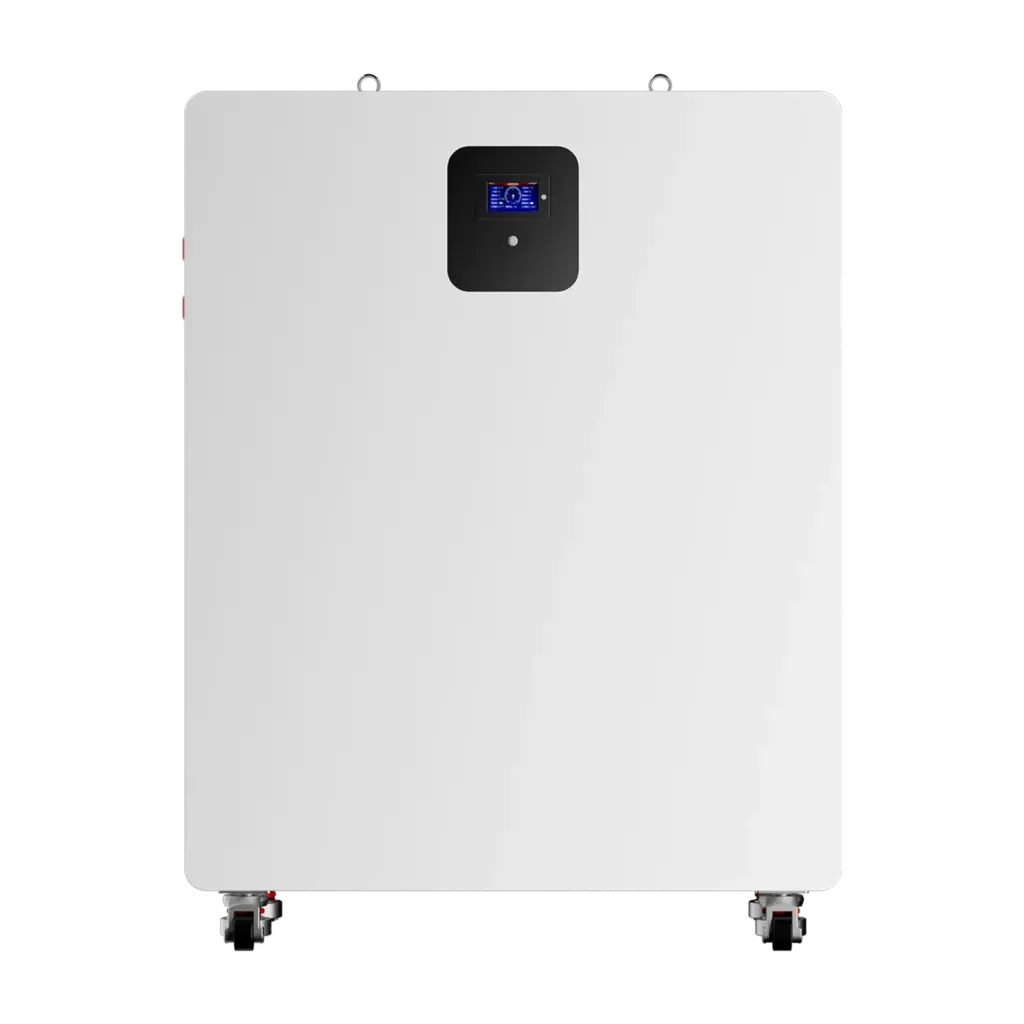
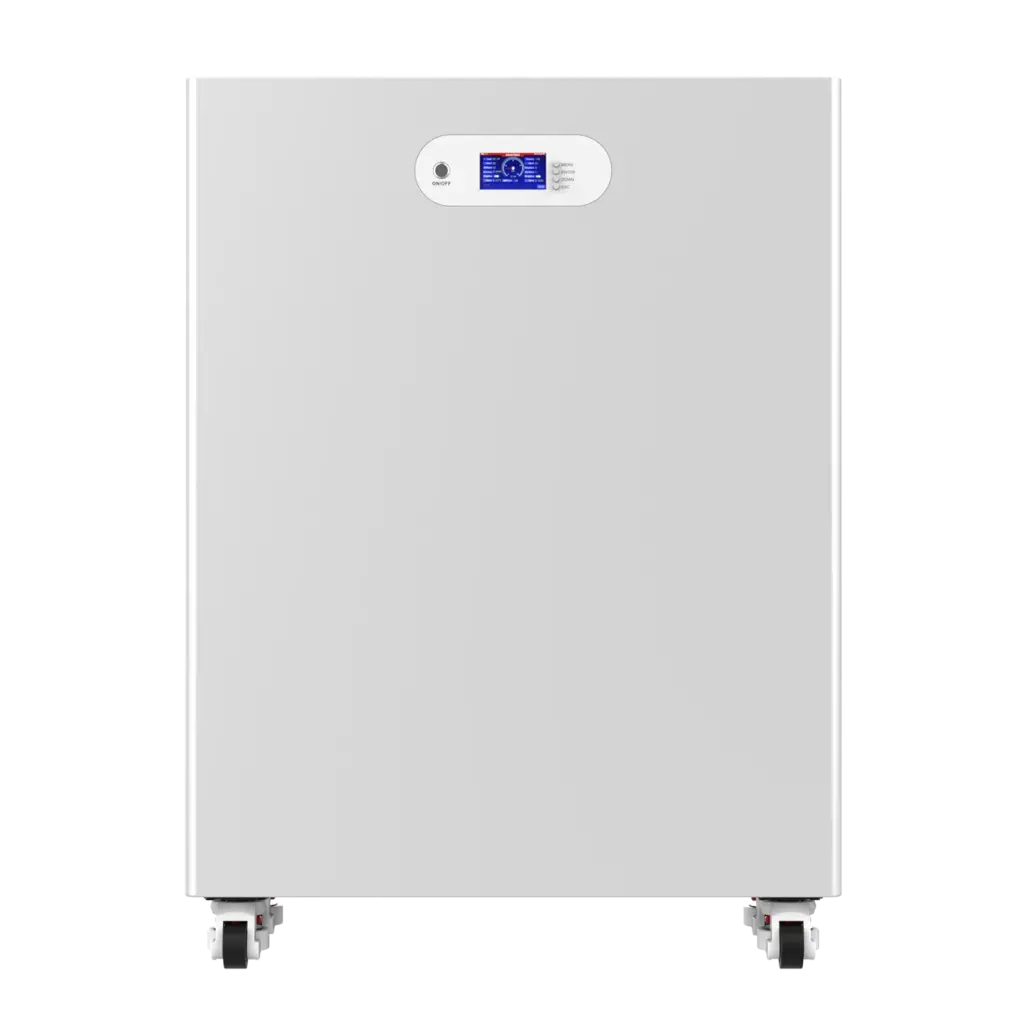
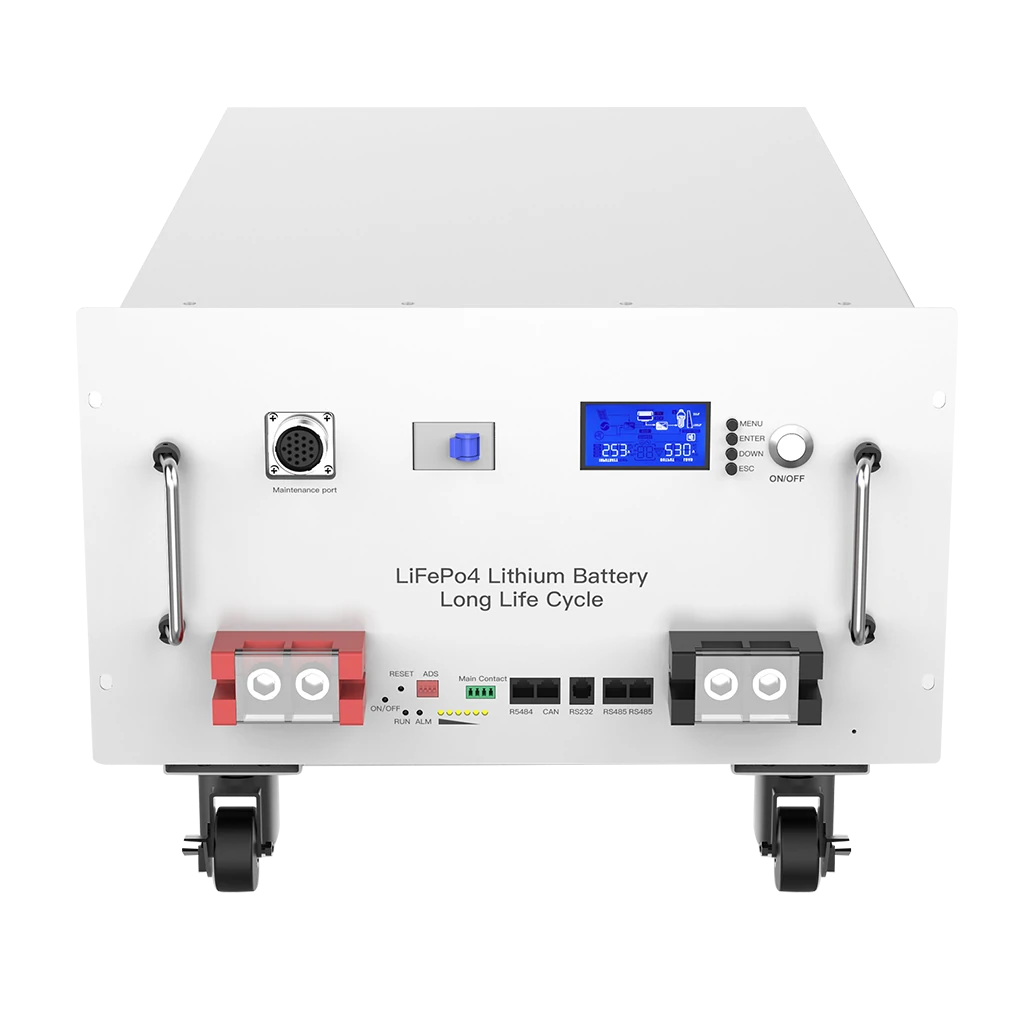
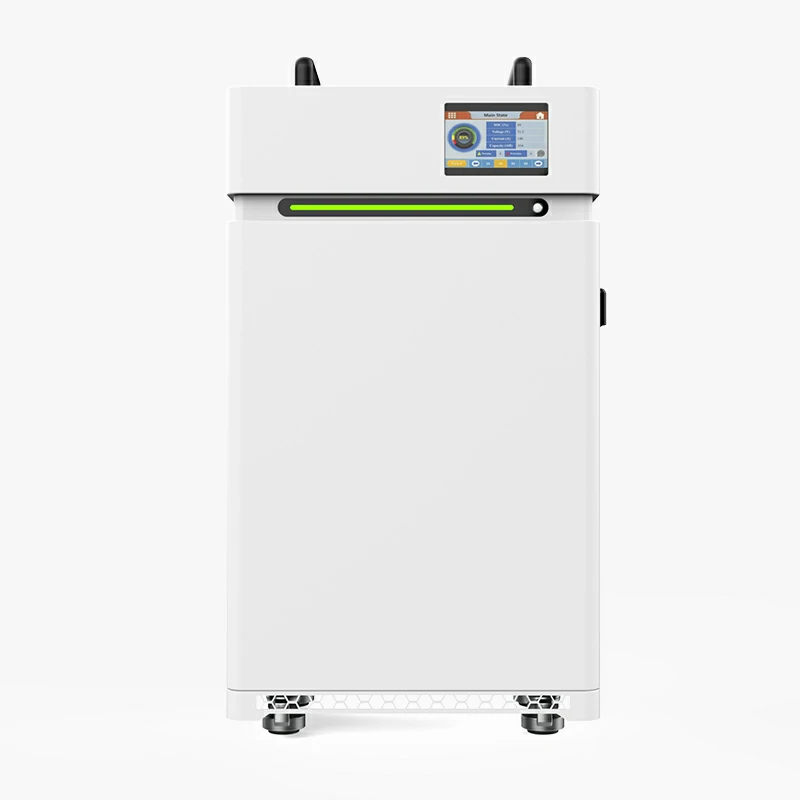
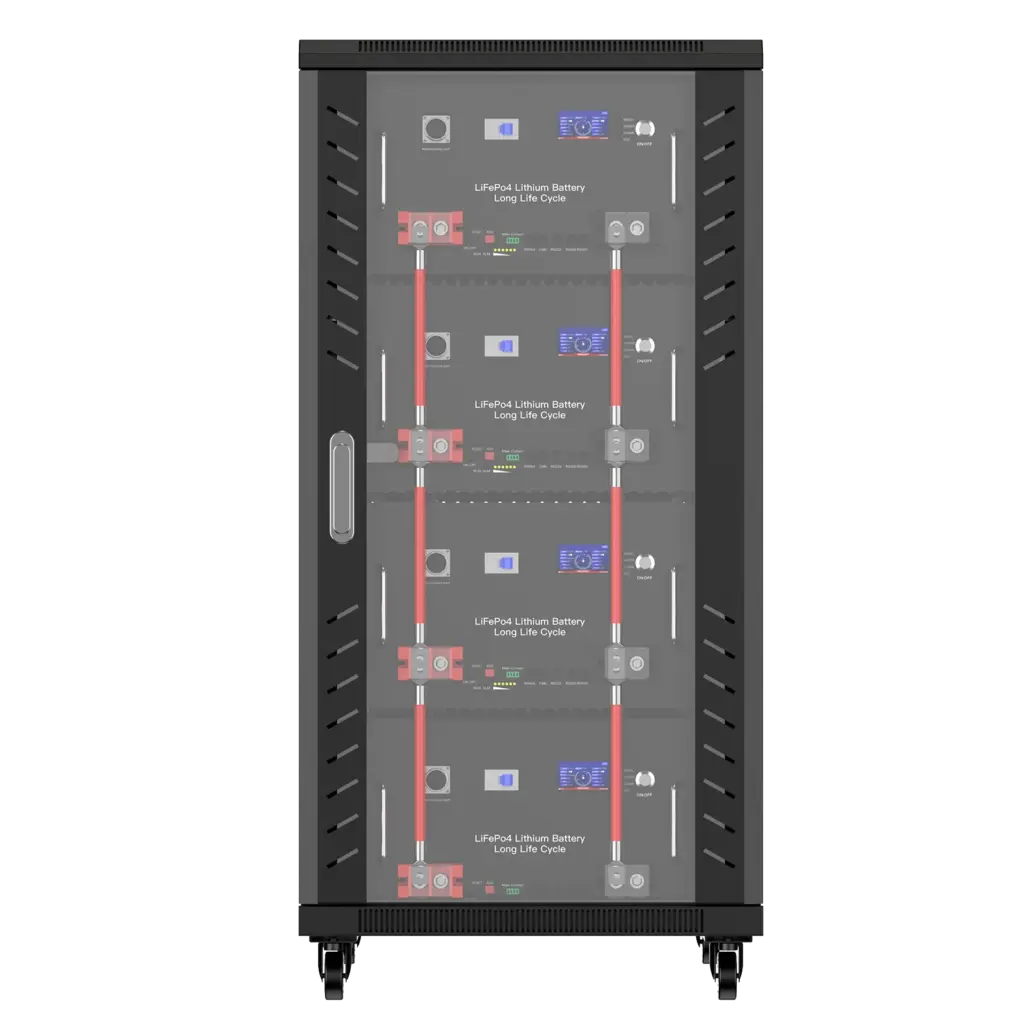
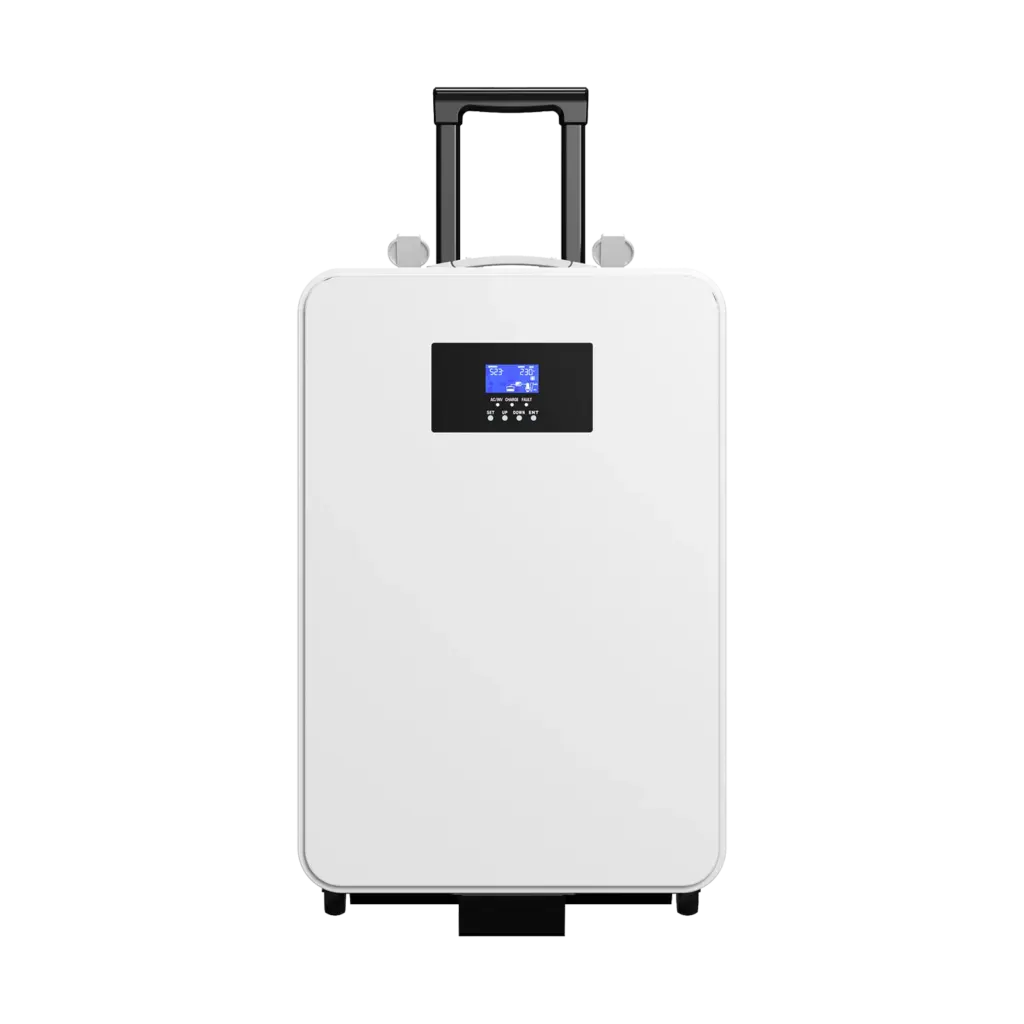
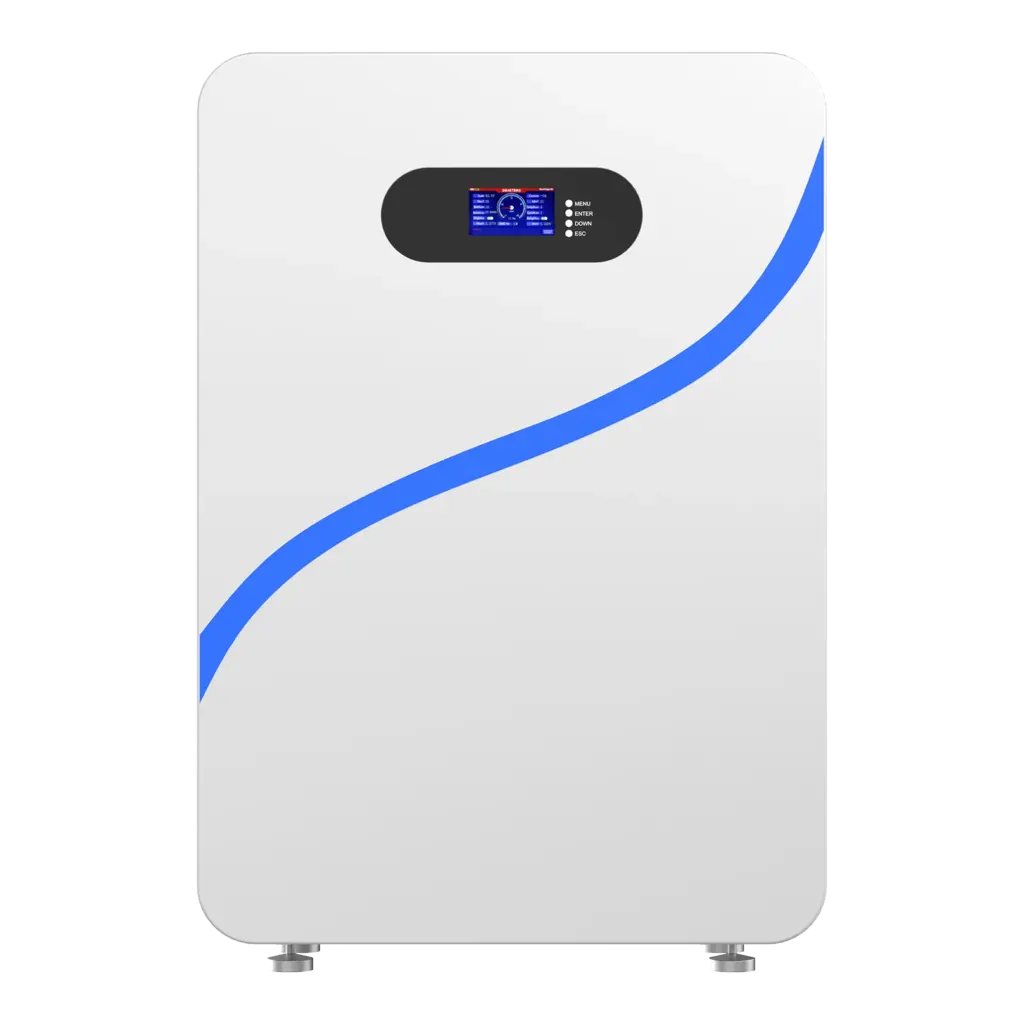
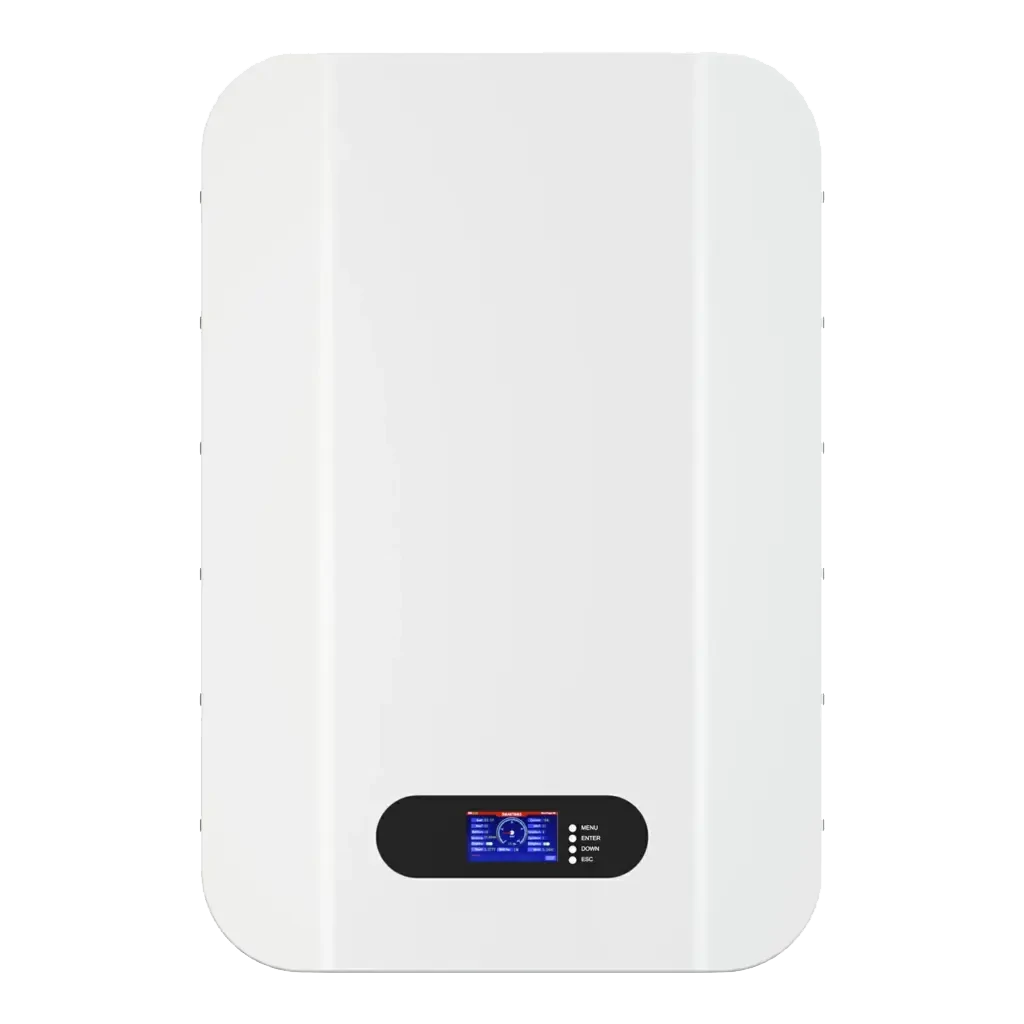
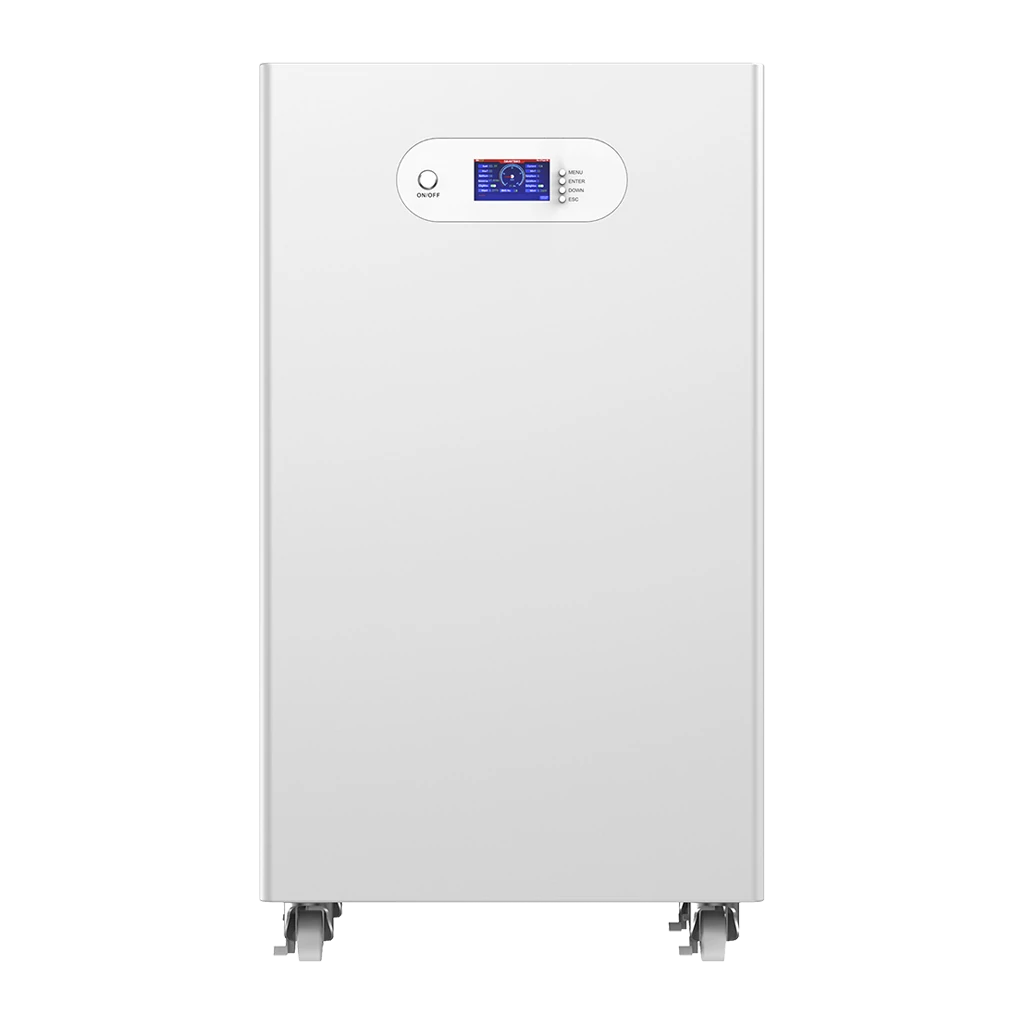
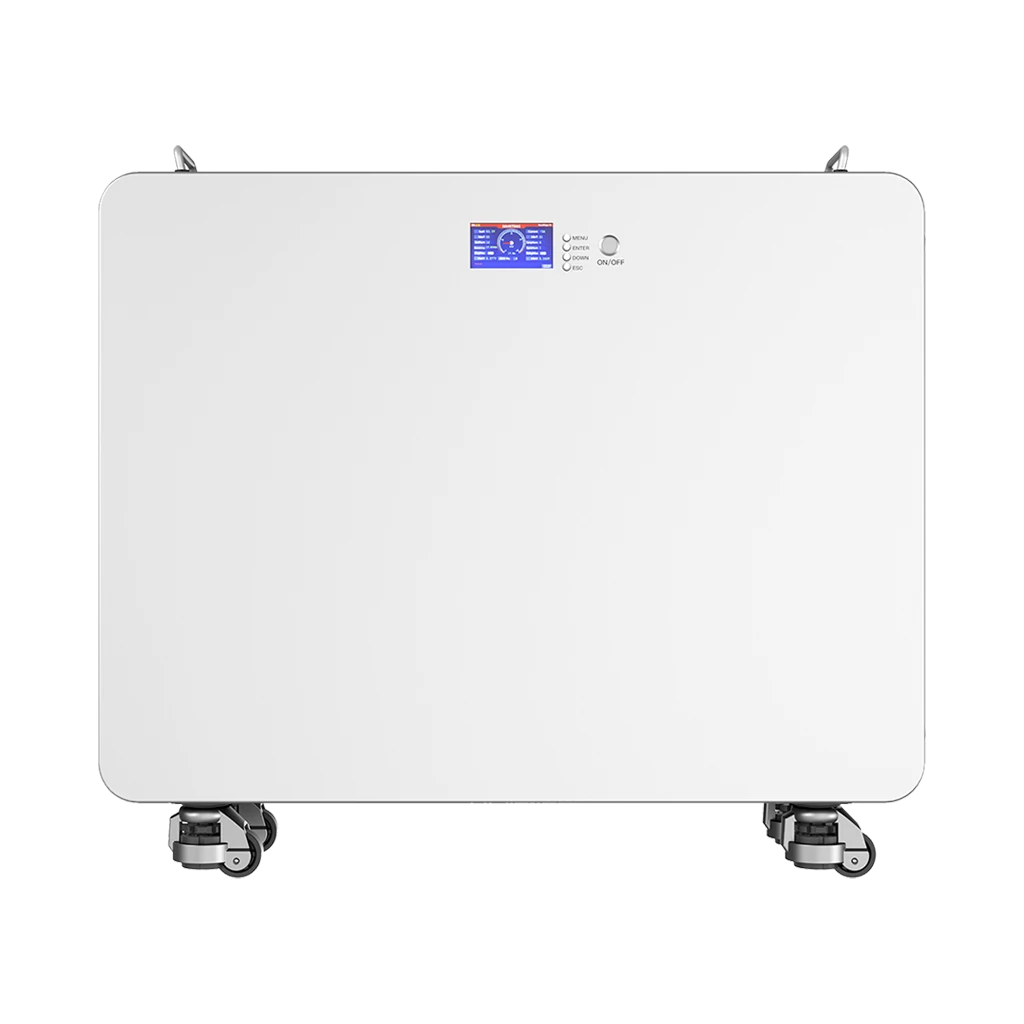
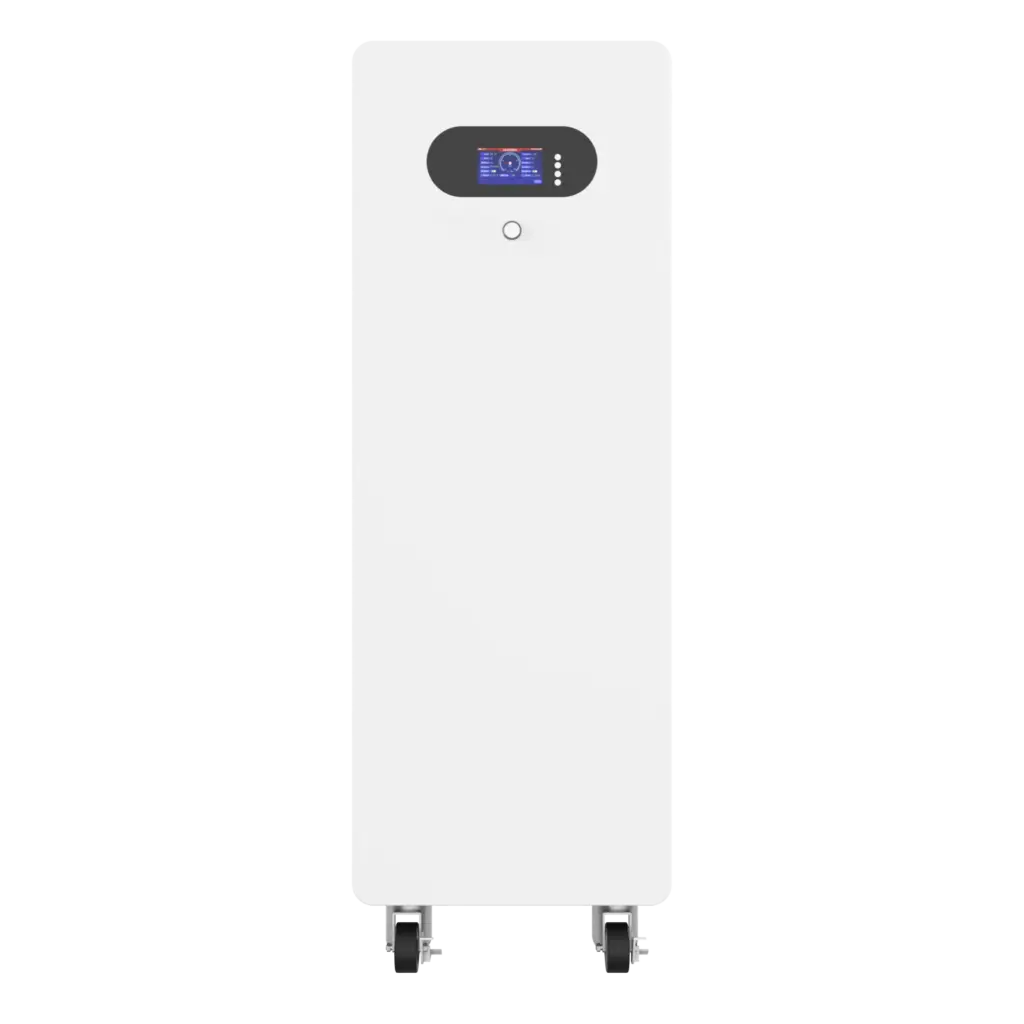
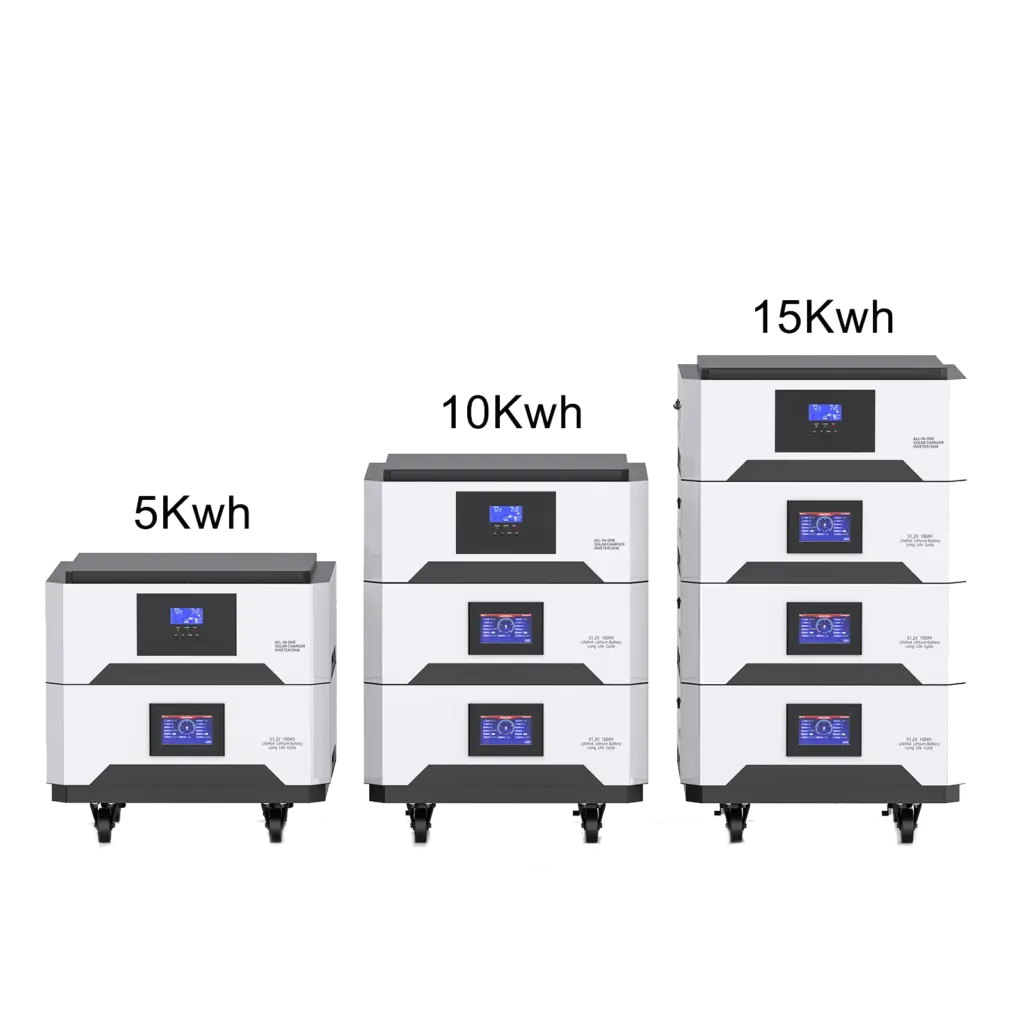
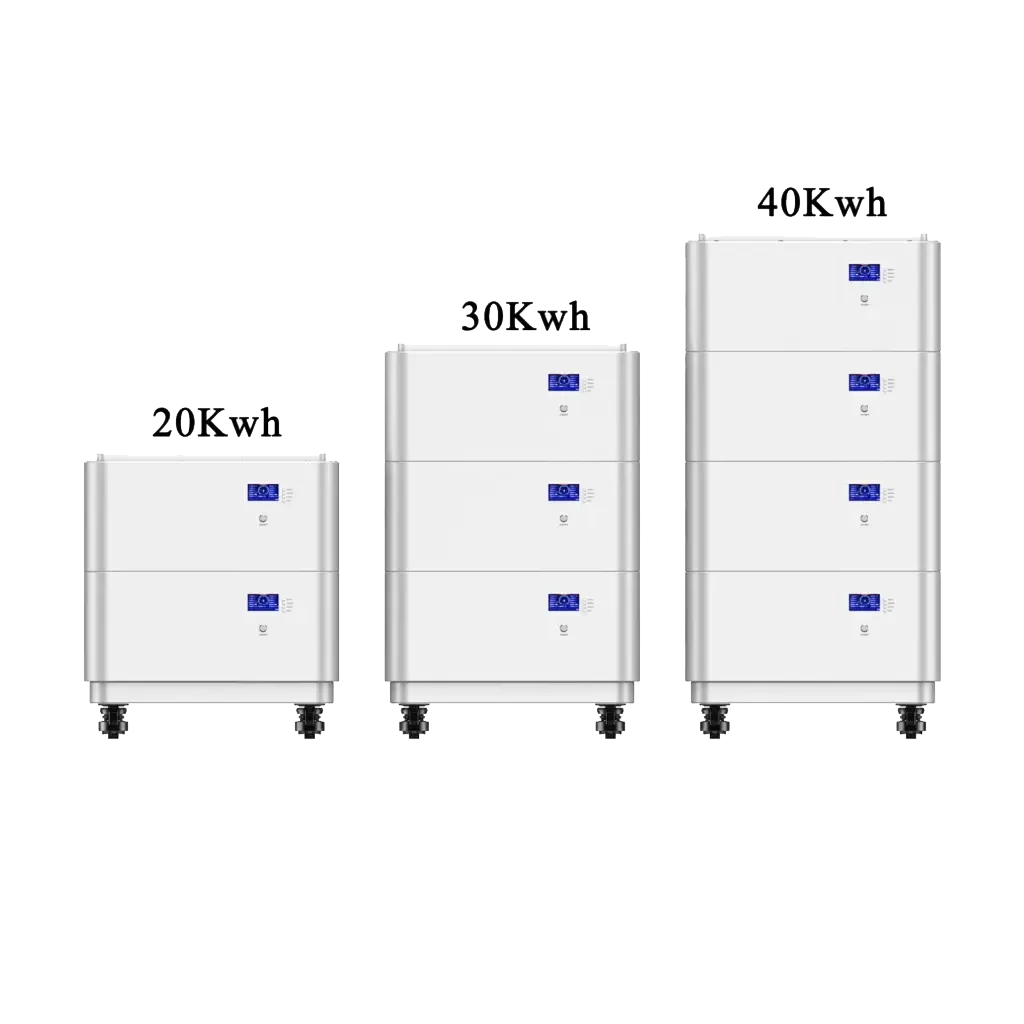
Avepower is a manufacturer option that fits that buyer mindset. Avepower focuses on home energy storage products that use LFP cells. Avepower also supports customization in appearance, capacity, and functions, which can matter when an installer wants a system that fits a local market and inverter mix.
Key specifications
- Usable capacity: 15 kWh, 20 kWh, 30 kWh, 40 kWh (Custom)
- Battery chemistry: LFP
- Scalability: up to 16 units
- Warranty: 10 years
A buyer can consider Avepower when the buyer wants:
- A stackable battery design that can start at a smaller size and grow later.
- A battery that supports common inverter communication needs (many projects use CAN or RS485 depending on the inverter brand).
- A manufacturer-led supply model for installers and distributors who want stable production support.
A buyer should still compare local service coverage, installer support, and warranty terms, because those items decide day-to-day ownership.
2. Tesla Powerwall 3
Key specifications
- Usable capacity: 13.5 kWh
- Continuous power: 11.5 kW
- Battery chemistry: LFP
- Scalability: up to 4 units
- Warranty: 10 years
- Typical cost: ~$680–$700 per kWh
Why many homeowners choose it
Tesla designed the Powerwall 3 to simplify whole-home backup. The unit integrates tightly with solar systems and provides strong continuous output. The built-in monitoring app gives homeowners clear visibility into energy production and consumption.
Many installers prefer the Powerwall because the system handles high surge loads well. Homes with pumps, HVAC equipment, or multiple appliances can often run smoothly on a single unit.
Best fit
- Homes seeking a premium all-in-one solution
- Properties with moderate to high backup loads
- Users who value a polished software ecosystem
Limitations
The main drawback is price. Tesla systems remain among the most expensive residential batteries. Installation availability can also vary by region.
3. EcoFlow Delta Pro Ultra + Smart Home Panel 2
Key specifications
- Starting capacity: 6 kWh (expandable to 90 kWh)
- Battery chemistry: LFP
- Transfer time: ~20 ms
- Protection rating: IP65
- Typical cost: ~ $750 per kWh
Why this system stands out
EcoFlow combines portability with whole-home capability. The Delta Pro Ultra works as both an inverter and battery. When paired with the Smart Home Panel 2, the system can automatically switch during outages.
The modular expansion path allows homeowners to scale from small backup to large capacity storage. The mobile app also provides detailed consumption insights.
Best fit
- Homeowners who want flexible deployment
- Users who value portability for RV or off-grid use
- Homes that may expand storage over time
Limitations
The system becomes expensive at higher capacities. Whole-home functionality requires purchasing the Smart Home Panel separately.
4. Anker Solix X1
Key specifications
- Capacity range: 5 kWh to 180 kWh
- Output range: 3 kW to 36 kW
- Battery chemistry: LFP
- Protection rating: IP65
- Estimated cost: ~ $650 per kWh
Why installers like it
The Solix X1 focuses heavily on modular design. Homeowners can start small and add modules as energy needs grow. The system also performs well across a wide temperature range, which makes it suitable for outdoor installations.
Anker includes features such as Storm Guard mode and an intuitive control interface.
Best fit
- Homes planning phased expansion
- Properties with growing electrical demand
- Users who prefer modular architecture
Limitations
The total system cost can rise quickly with expansion. Purchasing typically requires working through a sales representative.
5. Enphase IQ Battery 10T
Key specifications
- Usable capacity: ~10.5 kWh
- Peak output: 5.76 kVA
- Battery chemistry: LFP
- Warranty: up to 15 years
- Typical cost: ~ $800 per kWh
Why many microinverter homes choose it
Enphase designed the IQ Battery line to integrate smoothly with Enphase microinverter systems. The passive cooling design eliminates fans and reduces noise. Remote firmware updates also keep the system current.
Best fit
- Homes already using Enphase microinverters
- Small to mid-size households
- Owners who prioritize quiet operation
Limitations
Sourcing and sizing can be more complex. Some homeowners report fitment challenges depending on installation space.
Rising Alternative: Avepower Home Battery Systems
While major consumer brands receive most public attention, many professional installers are increasingly evaluating Avepower as a competitive manufacturer.
Avepower focuses on modular LiFePO4 energy storage systems designed for residential and commercial use. The company brings more than ten years of battery R&D experience and operates a large-scale production facility with international certifications including CE, UL, RoHS, and ISO9001.
Why Avepower is Gaining Traction
1. Flexible Modular Architecture
Avepower stackable batteries typically support:
- 15 kWh to 260 kWh residential scaling
- Parallel expansion for larger homes
- CAN / RS485 / RS232 communication
- Compatibility with major hybrid inverters
This flexibility helps installers match systems precisely to household demand.
2. Long Cycle Life and Safety
The company uses LiFePO4 chemistry with:
- 8,000+ cycle life
- Advanced BMS protection
- Stable thermal performance
- High safety profile for indoor installation
Many installers prefer LFP chemistry because it reduces thermal risk compared with older lithium chemistries.
3. Strong B2B Value Proposition
Avepower systems often provide:
- Competitive cost per kWh
- Customizable capacity and appearance
- OEM/ODM support
- Scalable residential and C&I solutions
For distributors and EPC companies, these advantages can significantly improve project economics.
4. Broad Inverter Compatibility
Avepower batteries integrate with many mainstream inverter brands. This compatibility reduces system redesign costs when upgrading existing solar installations.
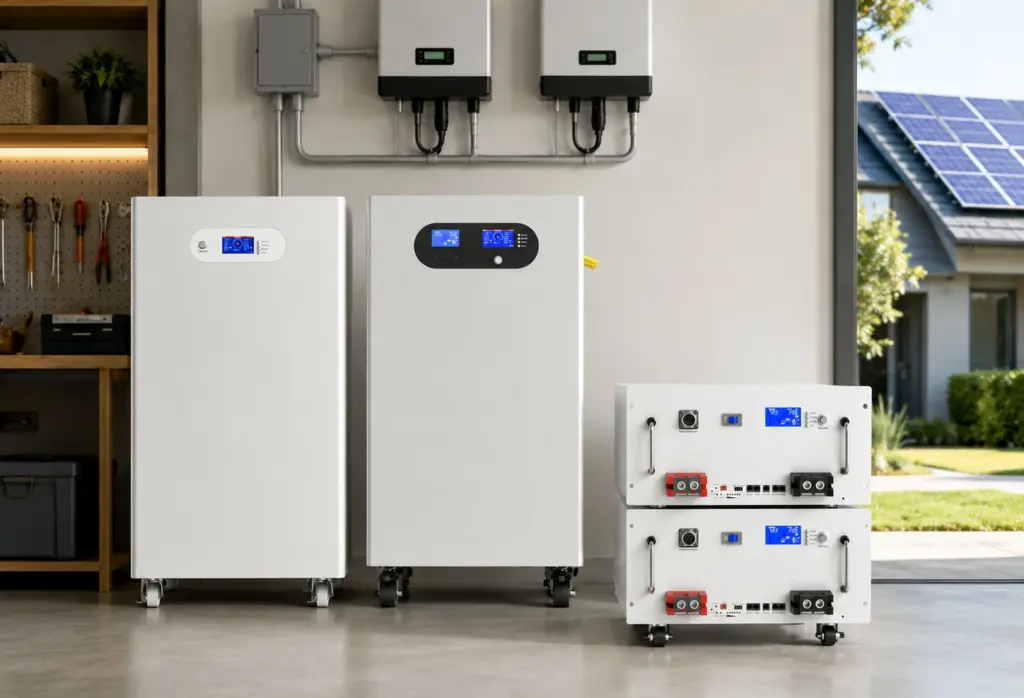
Take Control of Your Energy with Avepower!
Reliable home solar battery solutions with OEM/ODM customization and in-house manufacturing, tailored to the needs of distributors, installers, and energy partners.
FAQ
A typical home often benefits most from a system that balances usable capacity (around 10–15 kWh), strong continuous output (around 5–10 kW), and reliable surge handling for motor loads. A homeowner should choose the “best” system based on critical loads, outage frequency, and the home’s service panel limits.
A homeowner usually needs 10–13 kWh to cover essential circuits overnight, while whole-home backup commonly starts around 20 kWh and can go higher for all-electric homes. A homeowner should size storage based on desired backup hours and expected load during outages.
Installers and distributors often choose manufacturers like Avepower when they want modular capacity options, custom, and international certifications such as CE, UL, RoHS, and ISO9001.
Installation costs rise when the home needs panel upgrades, long conduit runs, wall reinforcement, load management devices, or a backup subpanel. A homeowner can often reduce cost by placing the battery closer to the service panel and confirming wiring pathways early.