
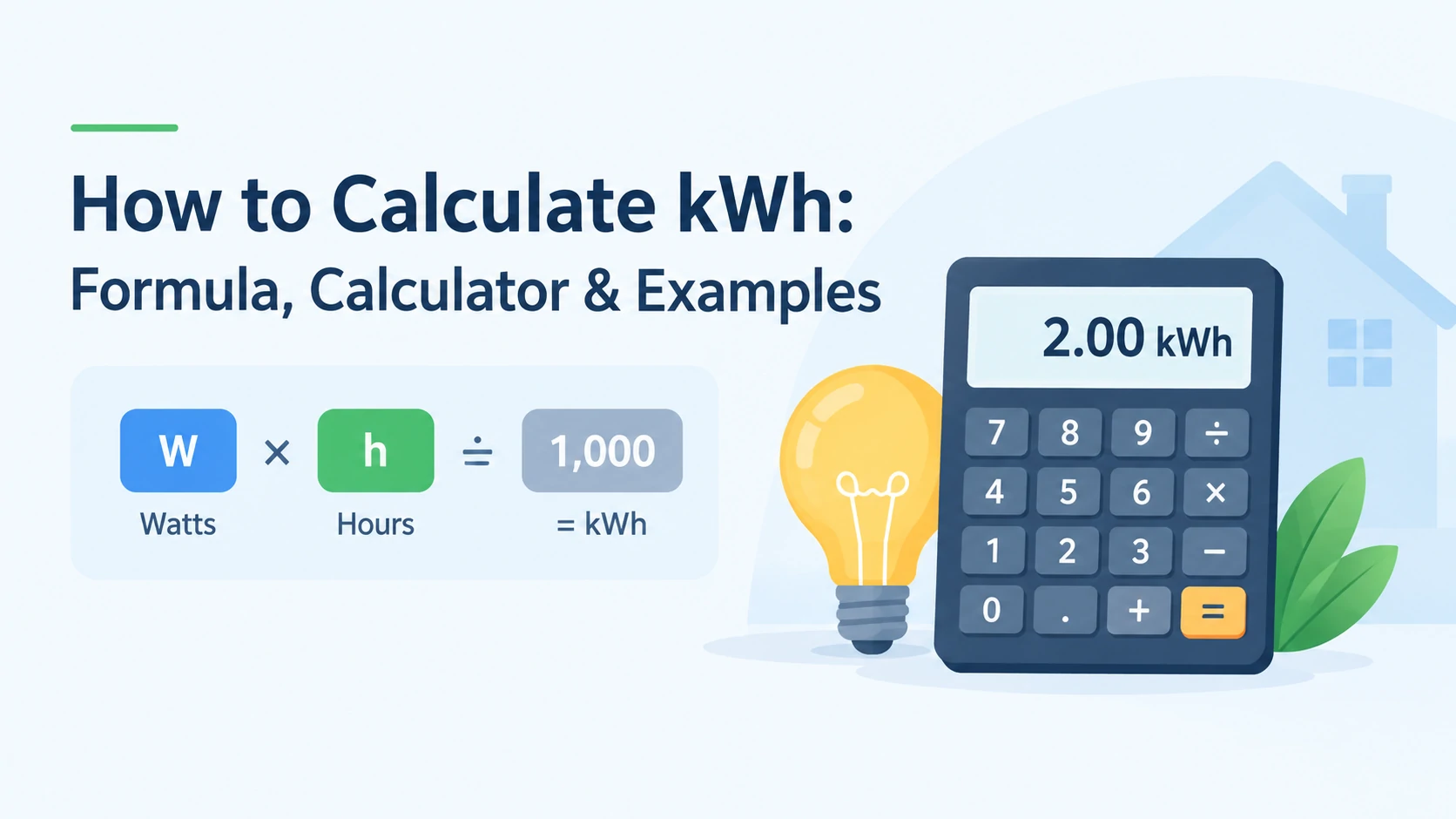
To calculate kilowatt-hours (kWh), multiply power in watts by the number of hours used, then divide by 1,000:
kWh = (Watts × Hours) ÷ 1,000
Example:
1,000W × 2 hours ÷ 1,000 = 2 kWh
If the appliance uses 2 kWh per day:
2 kWh × 30 days = 60 kWh per month
Using the calculator below, you can quickly estimate your household’s energy consumption in kilowatt-hours (kWh). For the most accurate results, be sure to adjust the usage of each appliance based on your actual daily habits.
kWh Calculator
Enter the power in watts and the number of hours used to calculate energy consumption in kilowatt-hours.
Energy Use
2.00 kWh
1,000W × 2h ÷ 1,000 = 2.00 kWh
| Appliance | Power | Time | Energy |
|---|---|---|---|
| 100W light | 100W | 10h | 1 kWh |
| 1,000W appliance | 1,000W | 2h | 2 kWh |
| 1,500W heater | 1,500W | 4h | 6 kWh |
What Is a Kilowatt-Hour (kWh)?
You see kilowatt-hour (kWh) on your electricity bill each month. A kilowatt-hour means using 1,000 watts for one hour. If you use a 1,000-watt microwave for one hour, you use one kWh. This unit helps you know how much electricity your home uses. When you learn about kWh, you can start to watch and control household energy consumption.
- One kilowatt-hour (1 kWh) is the energy used by a 1,000-watt appliance for one hour.
- If you use a 100-watt light bulb for ten hours, you use one kWh.
Power (kW) vs. Energy (kWh)
You might wonder how power and energy are different. Power is measured in kilowatts (kW). It shows how quickly you use electricity right now. For example, a window air conditioner uses about 1 to 1.5 kW when running. Energy is measured in kilowatt-hours (kWh). It tells you the total electricity you use over time. If you run a 1.5-kW space heater for four hours, you use 6 kWh. You can find your energy use with a simple formula:
Multiply the power (kW) by the hours used to get energy (kWh).
Example: 2 kW times 3 hours equals 6 kWh.
Why kWh Matters for Your Home
Watching kWh helps you see how your home uses energy. You can find which appliances use the most energy. This helps you make smart choices to save money and lower bills. When you know your kWh use, you can find ways to use energy better. You also help the environment by wasting less.
Calculate Home kWh Usage
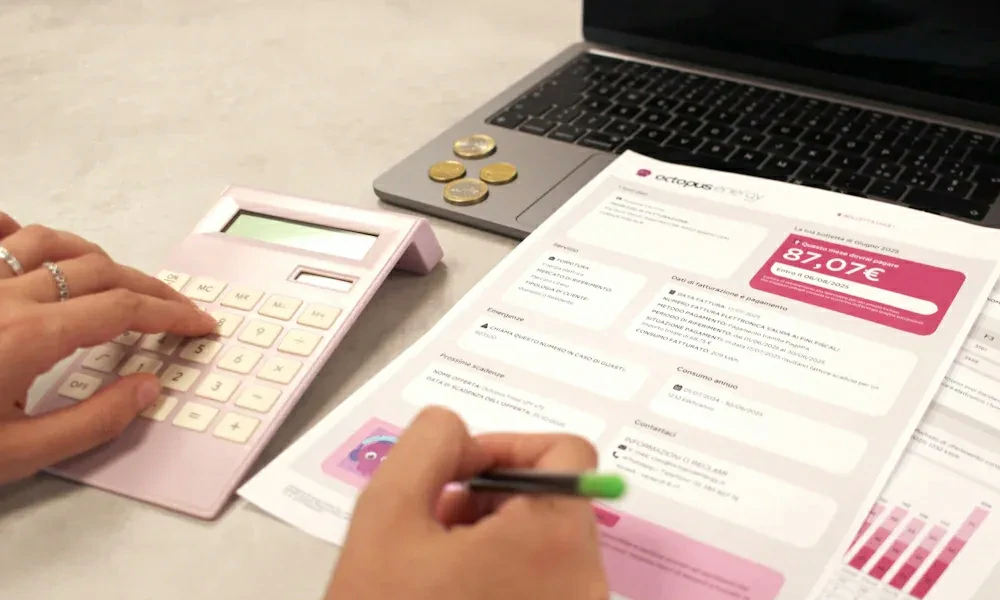
Find Appliance Wattage
You need to know how many watts each appliance uses. You can check the nameplate on the appliance. The wattage is printed there. If you cannot find the label, use a chart to guess the wattage. Appliances with motors, like refrigerators, may use more power when starting. Air conditioners also use extra power at first.
Convert Watts to Kilowatts
You need to change watts to kilowatts to find energy use in kilowatt-hours.
- Watts to Kilowatts: W / 1,000 = kW
- Kilowatts to Watts: kW x 1,000 = W
- Kilowatt-Hours Calculation: (W x hours) / 1,000 = kWh
If your appliance uses 1,500 watts, divide by 1,000. You get 1.5 kilowatts.
Estimate Usage Hours
You need to know how long you use each appliance every day. Here are the steps to estimate usage hours:
- Find the wattage of the appliance.
- Multiply the wattage by the hours you use it each day. This gives you watt-hours per day.
- Divide the watt-hours by 1,000 to get kilowatt-hours per day.
- Multiply daily kilowatt-hours by 30 to get monthly use.
- Multiply monthly kilowatt-hours by your electricity rate to find monthly cost.
Tracking usage hours helps you see where your energy goes.
kWh Formula Explained
You can use a simple formula to find energy use for any device:
- Write down all major appliances and their power ratings.
- Guess how many hours each appliance runs each day.
- Multiply the power rating (in kW) by the daily usage hours. This gives you daily energy use in kWh.
- Add up the daily kWh for all appliances to get your total daily energy use.
- Compare your results with your electricity bill to check if they match.
The basic formula is: kWh = (Wattage x Hours Used) / 1,000
Always check the units. Use hours, not minutes. Change watts to kilowatts before multiplying.
Example Calculations
Let’s look at an example for a refrigerator and a washing machine:
- Find the appliance’s wattage.
- Refrigerator: 200 watts
- Washing Machine: 500 watts
- Guess daily usage time.
- Refrigerator: 24 hours
- Washing Machine: 1 hour
- Calculate daily energy use.
- Refrigerator: 200 watts × 24 hours = 4,800 watt-hours = 4.8 kWh
- Washing Machine: 500 watts × 1 hour = 500 watt-hours = 0.5 kWh
- Estimate monthly use.
- Refrigerator: 4.8 kWh × 30 days = 144 kWh
- Washing Machine: 0.5 kWh × 30 days = 15 kWh
Here is a table with sample appliances, wattages, and kWh calculations:
| Appliance | Wattage (W) | Daily Usage (hrs) | Daily kWh | Monthly kWh |
|---|---|---|---|---|
| Refrigerator | 200 | 24 | 4.8 | 144 |
| Washing Machine | 500 | 1 | 0.5 | 15 |
| Microwave | 1,000 | 0.5 | 0.5 | 15 |
| Laptop | 60 | 8 | 0.48 | 14.4 |
| TV | 120 | 4 | 0.48 | 14.4 |
Always check the units. Use hours, not minutes. Divide watts by 1,000 to get kilowatts. Double-check your math to avoid mistakes.
Calculating kWh for each appliance helps you see how much energy you use. You can find which devices use the most energy and look for ways to save.
Appliance Usage Analysis
Identify High-Energy Devices
You can save money by finding out which devices use the most power. Many homes have appliances that use a lot of electricity every month. Some of the biggest energy users in your home are:
- Refrigerator (110 kWh/month)
- Clothes iron (120 kWh/month)
- Coffee maker (90 kWh/month)
- Hair dryer (120 kWh/month)
- Toaster oven (100 kWh/month)
- Vacuum cleaner (100 kWh/month)
- Dehumidifier (160 kWh/month)
- Dishwasher (150 kWh/month)
- Incandescent light bulbs (50 kWh/month)
Start with these devices if you want to use less energy at home.
Running vs. Starting Wattage
Some appliances need more power when they first turn on. This is called starting wattage. After a few seconds, they use less power. This is called running wattage. The table below shows the difference:
| Feature | Starting Watts | Running Watts |
|---|---|---|
| Definition | Extra power needed to start a device | Continuous power to keep it running |
| Duration | Lasts only a few seconds | Lasts as long as the device is on |
| Intensity | Higher than running watts | Lower and steady |
Air conditioners and refrigerators often need high starting wattage. Remember this when you check how much energy you use.
Using Usage Monitors
Plug-in usage monitors can help you measure how much energy your appliances use. These tools are simple to use. Plug the monitor into the wall. Then plug your appliance into the monitor. The monitor will show you how much power the appliance uses.
Some popular monitors are:
- Sense Energy Monitor: This tool uses machine learning to find out which appliances are running. It checks your energy use many times each second.
- Emporia Energy Gen 3 Vue: This monitor lets you see changes in energy use when you turn things on and off.
Usage monitors give you good numbers for your energy use. You can use this information to make smart choices.
Appliance Power and kWh Table
Here is a table with common wattages for household appliances. You can use this table to guess how much energy your devices use.
| Appliance | Wattage Range (Watts) |
|---|---|
| TV | 50–400 |
| Electric oven | 2,000–5,000 |
| Clothes dryer | 1,800–5,000 |
Check your appliances with this table to see which ones use the most power.
Avoid Common Calculation Mistakes
Small mistakes can make your energy math wrong.
kW vs. kWh Confusion
Many people mix up kilowatts (kW) and kilowatt-hours (kWh). Kilowatts show how fast you use energy. Kilowatt-hours show the total energy you use over time. Mixing these up can make your numbers way off. If you use kWh as kW, you might guess too low. If you use kW as kWh, you might guess too high. This mistake happens when you read your bill or look at interval data.
Always check if you are looking at power (kW) or energy (kWh) before you do your math.
Some common mix-ups are:
- Mixing up kW and kWh. This gives wrong totals.
- Using kWh numbers as kW, or the other way.
- Not reading interval data right, which can make errors bigger.
Time Unit Errors
You need to look closely at time units on your meter or bill. Sometimes, data comes in half-hour or 15-minute blocks. If you do not read the time stamps right, you might count energy twice or miss some. A reading at midnight could mean energy before or after that time. Some meters put missed data in one block, which can look strange. Always check how your meter shows time to avoid mistakes.
Conversion Mistakes
You can make mistakes when you change watts to kilowatts or add up usage. Here are some common errors:
- Mixing up watts and kilowatts. Remember, 1 kilowatt is 1,000 watts.
- Forgetting to multiply by hours the appliance runs.
- Not adding up all devices in your home.
- Using the power label, which may not show real use.
- Not checking the units on your bill.
Note: Many appliances do not use the same power all the time. Try to use average numbers when you can.
Error Fixes Table
| Mistake Type | What Happens | How to Fix It |
|---|---|---|
| kW vs. kWh Confusion | Wrong totals, guess too high or low | Double-check units before you start |
| Time Unit Errors | Count twice or miss some usage | Read time stamps carefully |
| Conversion Mistakes | Wrong math, wrong totals | Use the right formulas and units |
| Ignoring Variability | Real use is higher or lower | Use average or measured values |
If you watch for these mistakes, your energy math will be right every time.
Reduce Household Energy Consumption
You can save the most energy by looking at big appliances. Start with heating, cooling, and kitchen devices. The table below shows ways to save and how much you can save:
| Strategy | Impact on Energy Consumption |
|---|---|
| Energy Audits | 5-30% savings on energy bill |
| Efficient Heating/Cooling | 10-40% savings with new models |
| Weatherization | 10% savings on energy costs |
| Efficient Water Heating | $30-$40 savings annually |
| Energy Efficient Lighting | 50-75% reduction in lighting costs |
| Smart Power Strips | $42 savings annually |
Try these ideas first to lower your energy use quickly.
Upgrade to Efficient Appliances
Buying energy-efficient appliances helps you save money over time. Look for ENERGY STAR labels when shopping. These products use less power and last longer. Here are some examples:
| Appliance Type | Energy Savings |
|---|---|
| Refrigerators and freezers | 15% more efficient than standard models |
| Dehumidifiers | 15% less energy, saving about $175 over life |
| Room air cleaners/purifiers | 40% more efficient, saving about $25 per year |
| Dishwashers | 10% more efficient, saving up to $35 per year |
| Clothes washers | Cuts energy costs by about a third |
Use Smart Technology
Smart home devices help you watch and control your energy use. Programmable thermostats and smart plugs can lower bills and make life easier. Benefits include saving money, with smart thermostats saving up to $180 each year. You can lower your carbon footprint by up to 27%. Your home will be more comfortable and worth more. Smart tech also helps keep the power grid steady.
Adjust Thermostat and Water Heater
You can save energy by changing your thermostat and water heater settings. Lower your water heater’s thermostat by 20 degrees to cut energy use by up to 10%. Set your hot water tank to 120°F to save 6-10% on your utility bill. Each 10°F drop in water heater temperature can save up to 5% on your bill. Lower settings also make your home safer and help your equipment last longer.
Simple Behavioral Changes
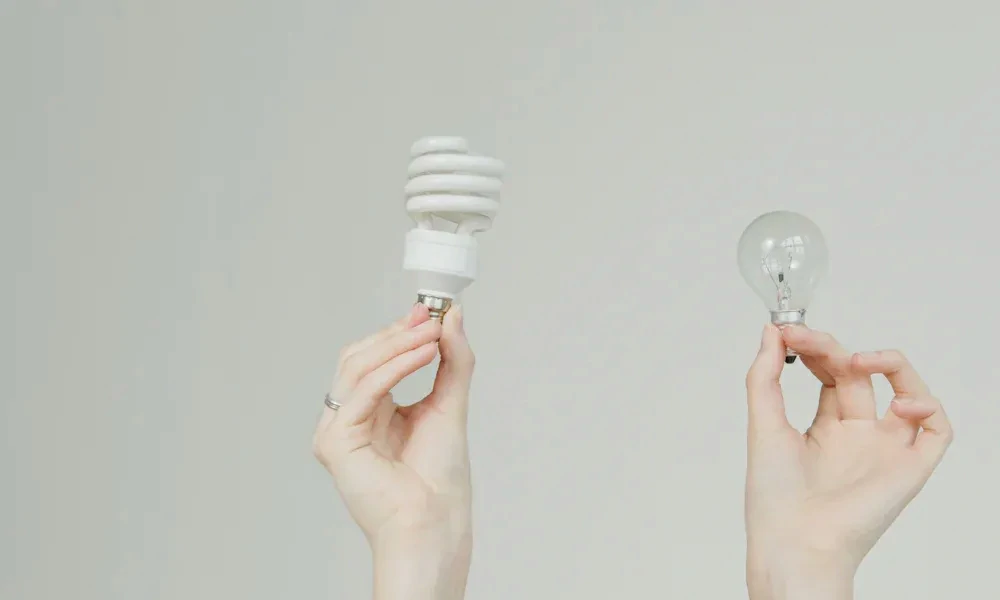
Small changes in your daily habits can help a lot. Turn off lights and unplug devices when not in use. Use LED bulbs instead of old light bulbs. Wash clothes in cold water. Close curtains at night to keep heat in or out. Share energy-saving tips with your family.
Giving clear information and small rewards can help everyone in your home use less energy.
Improve Insulation
Good insulation keeps your home warmer in winter and cooler in summer. It slows down heat transfer and keeps indoor temperatures steady. You will feel fewer drafts and cold spots. Better insulation means your heating and cooling systems work less. This lowers your bills and makes your home quieter and more comfortable.
Renewable Energy and Storage Solutions
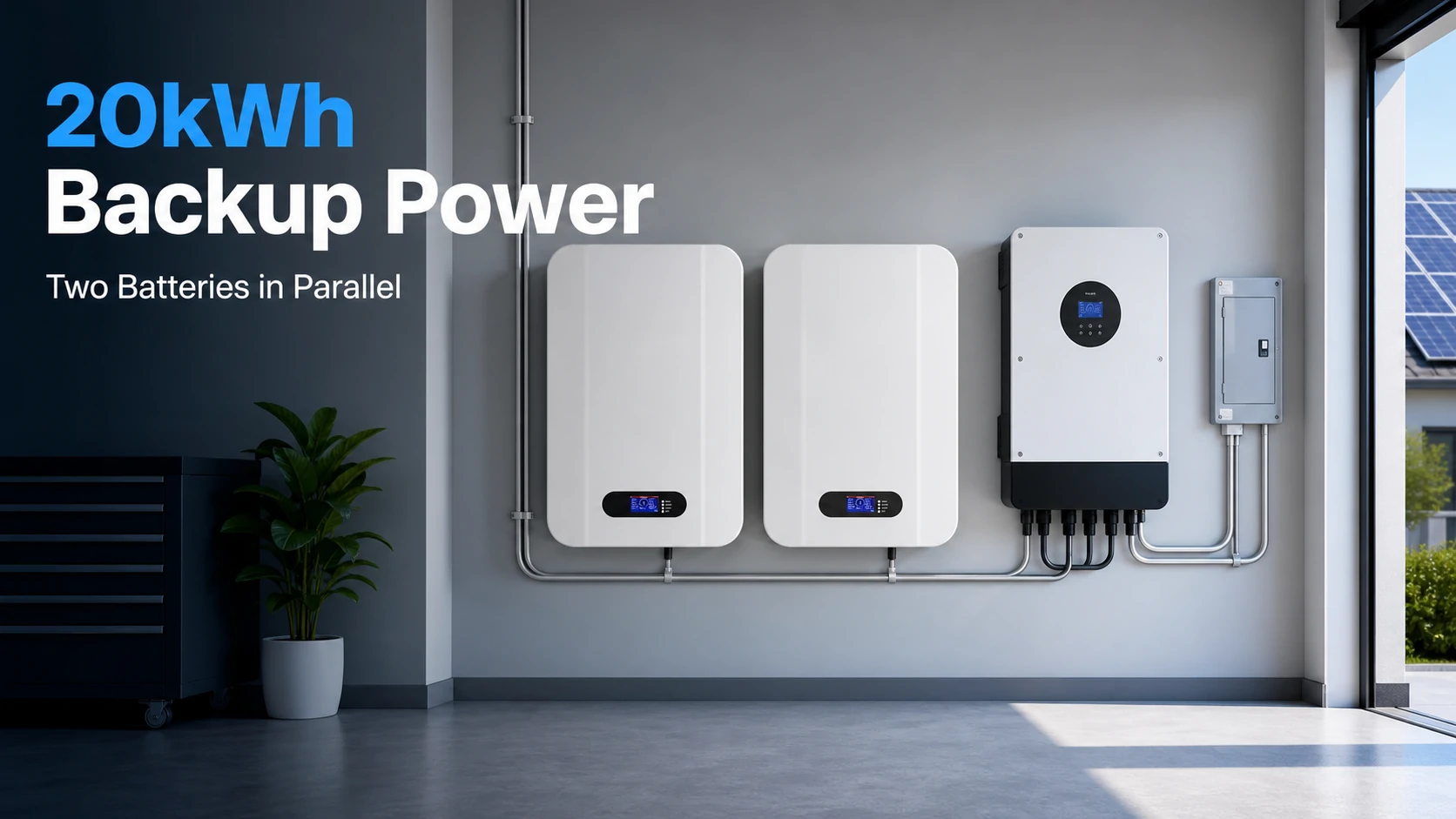
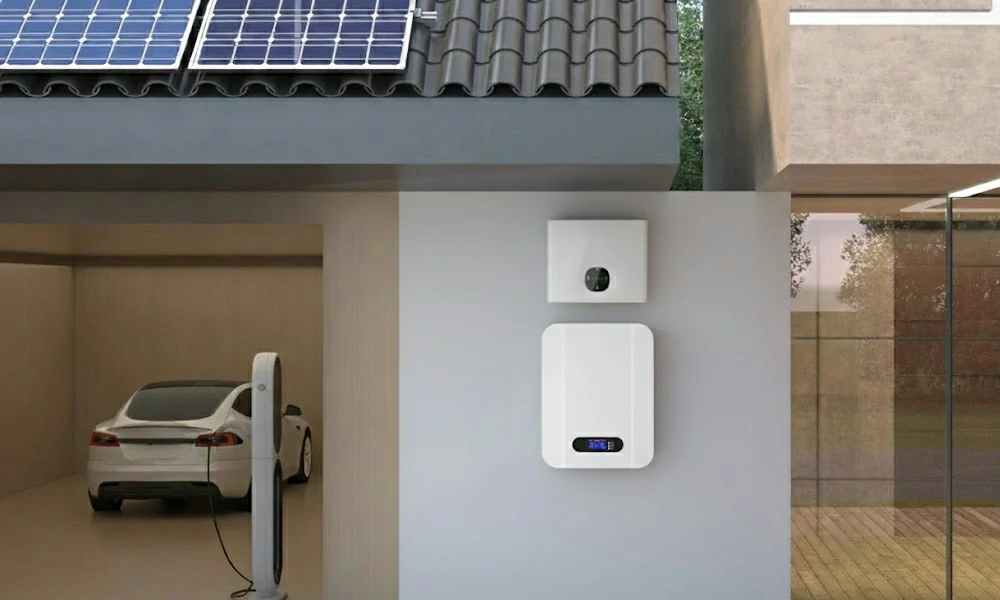
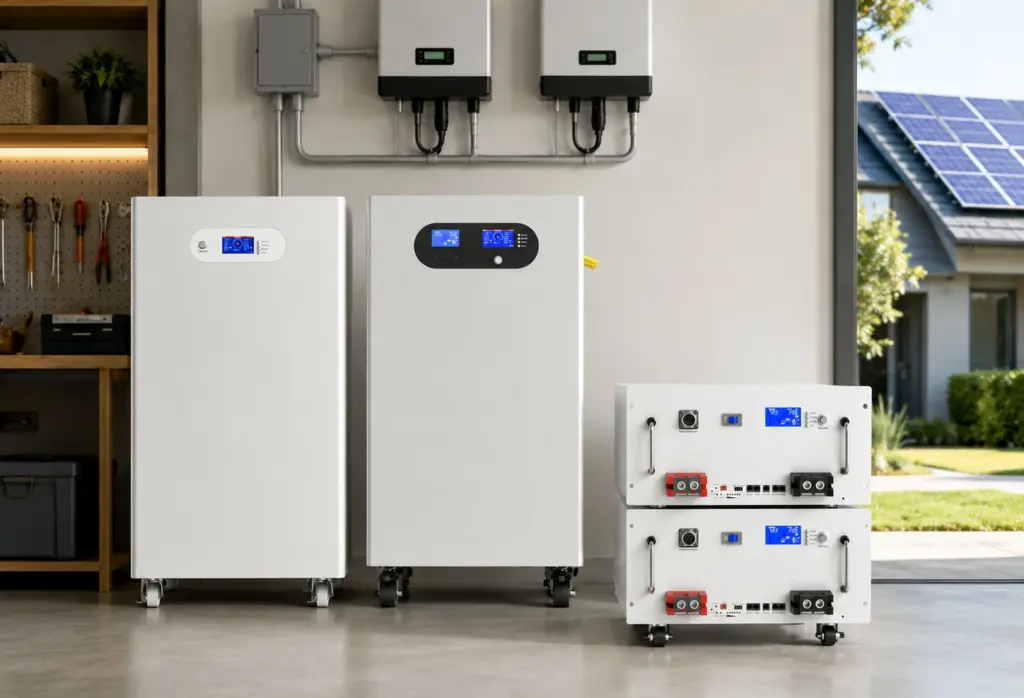
Adding solar panels and home batteries can lower your electric bills and make your home worth more. You can store extra solar energy for use at night or during outages. This reduces your carbon footprint and helps the environment. Home batteries also help your community by lowering demand during busy hours.
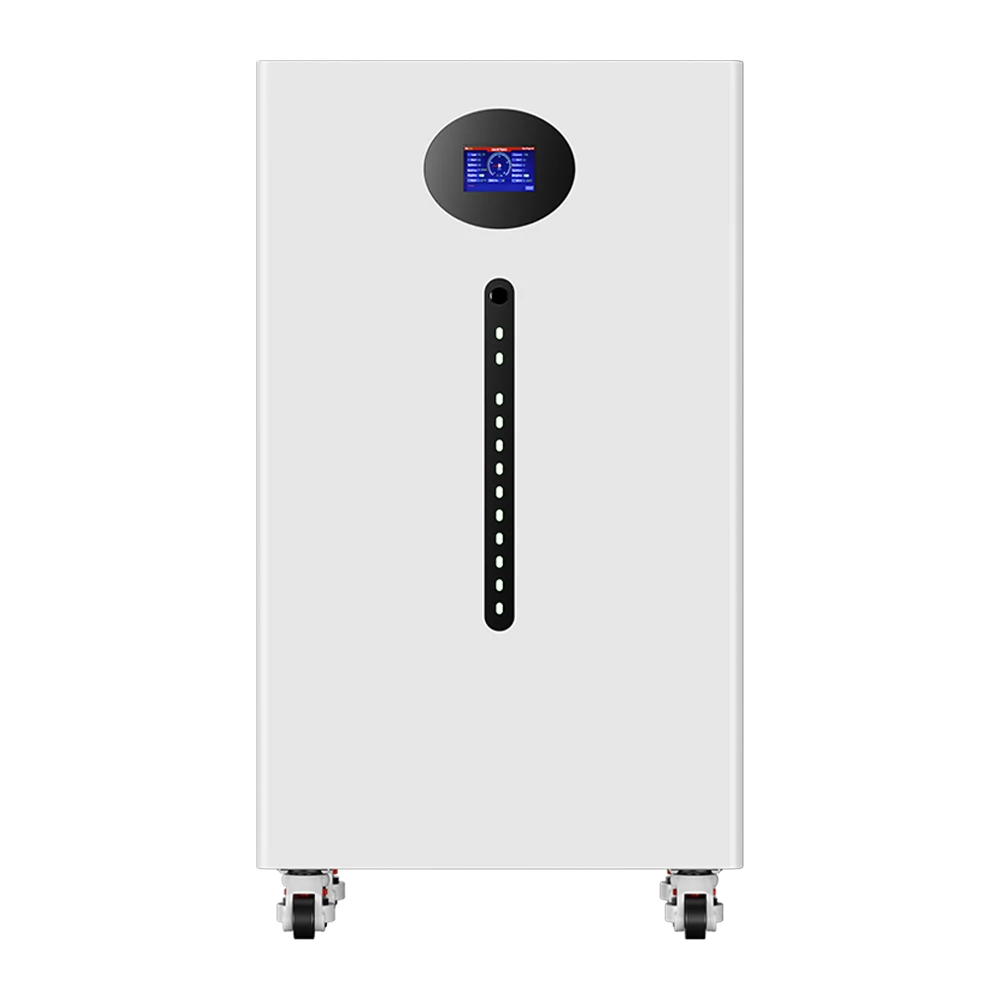
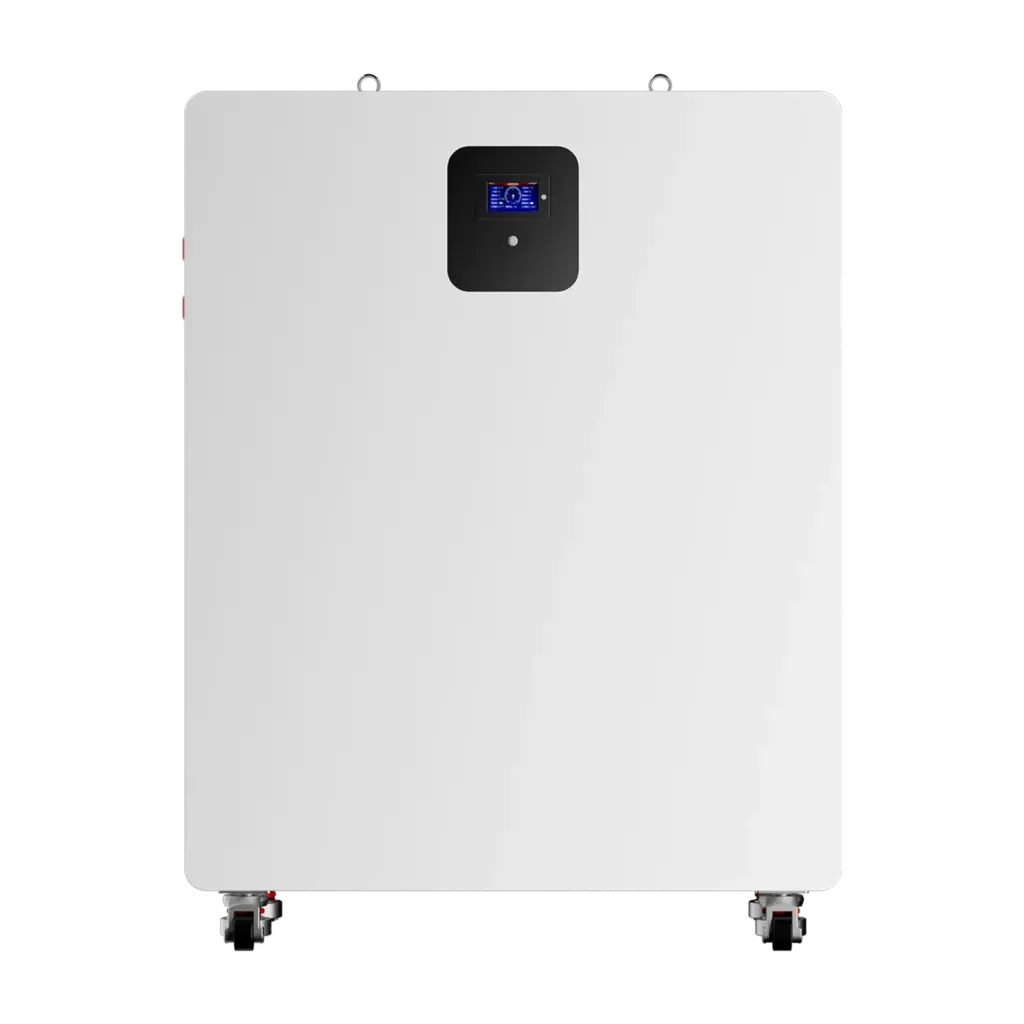
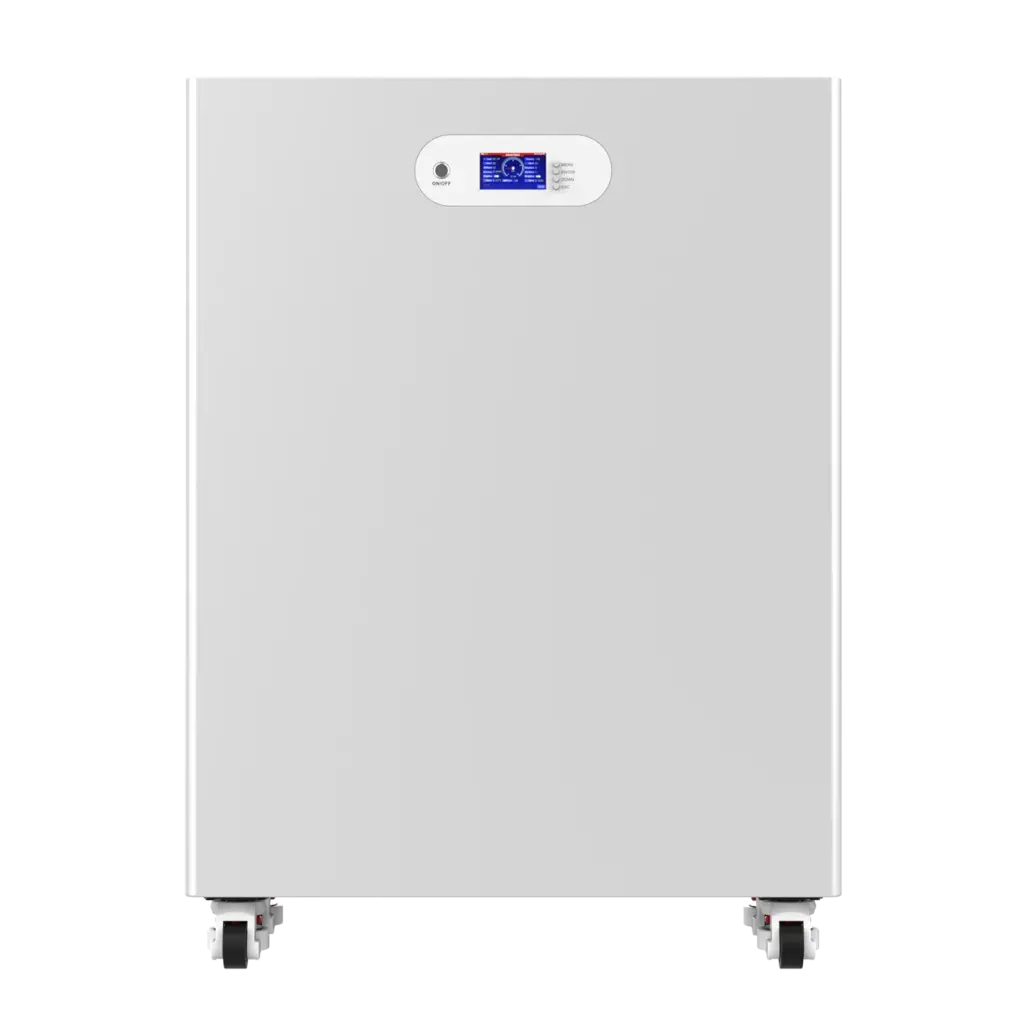
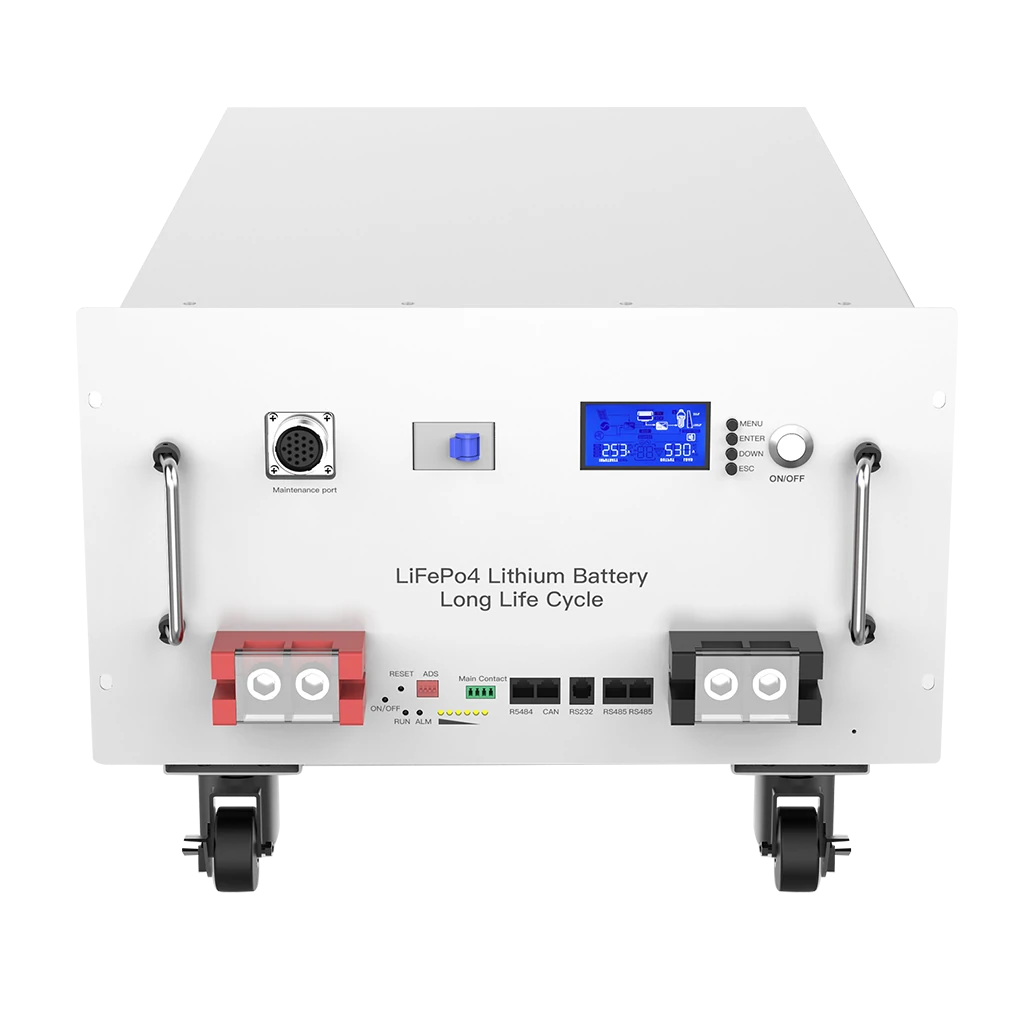
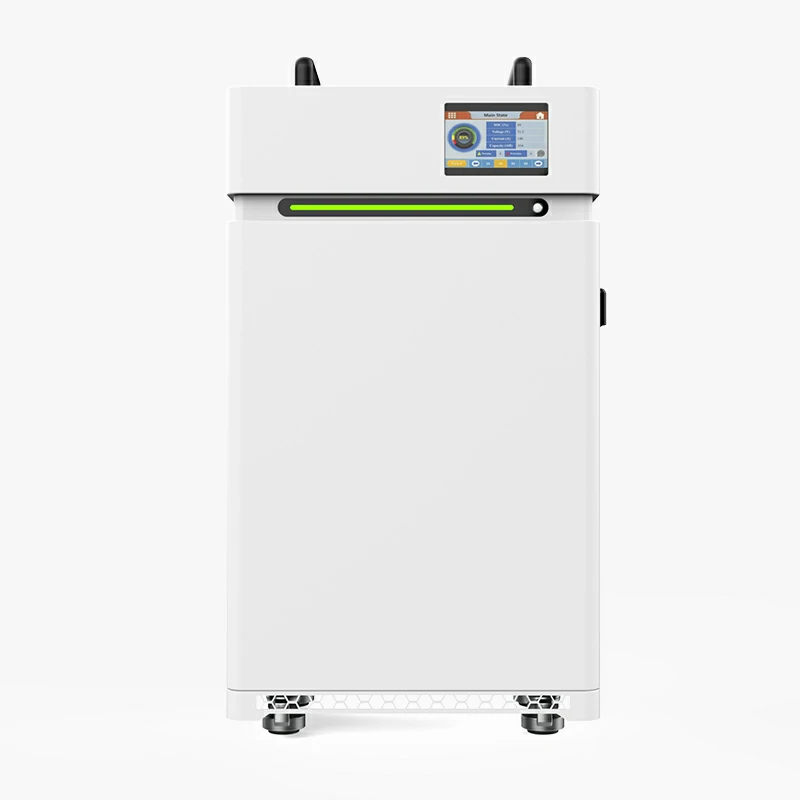
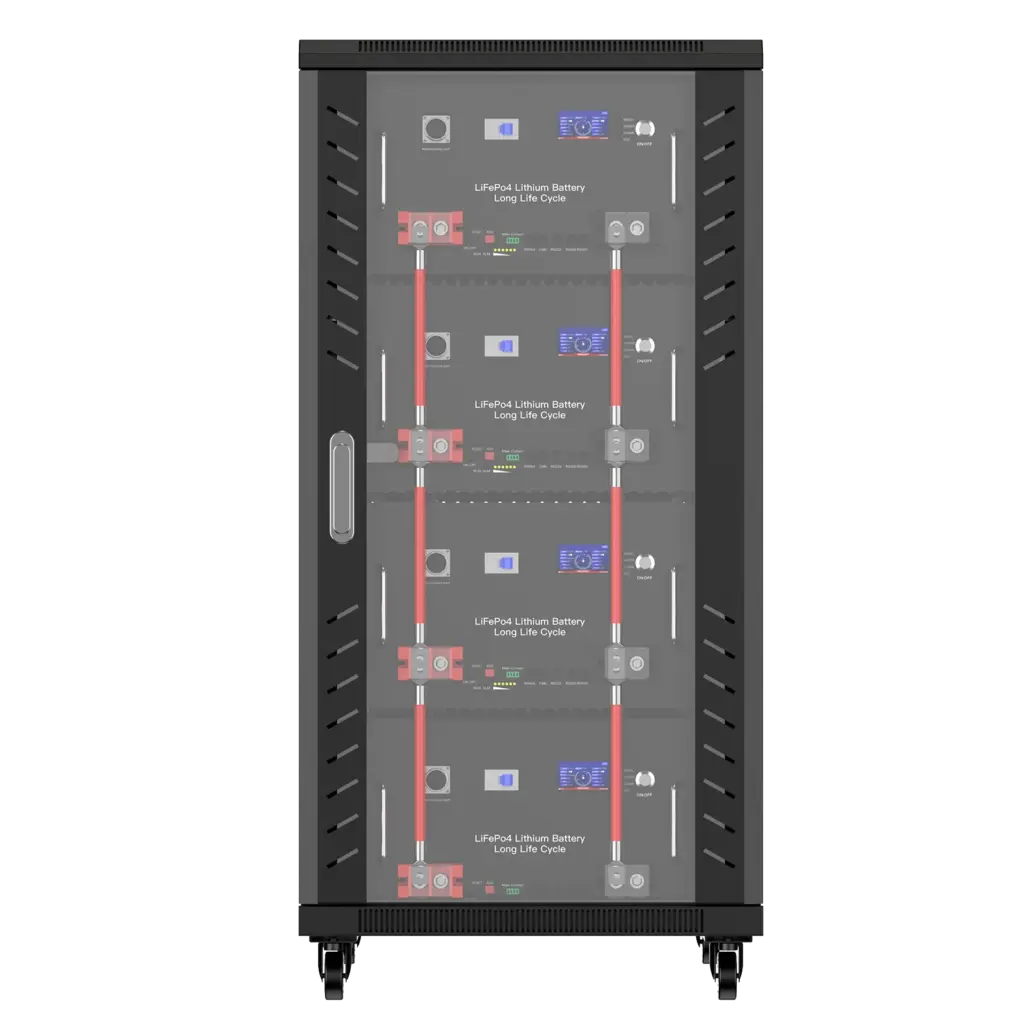
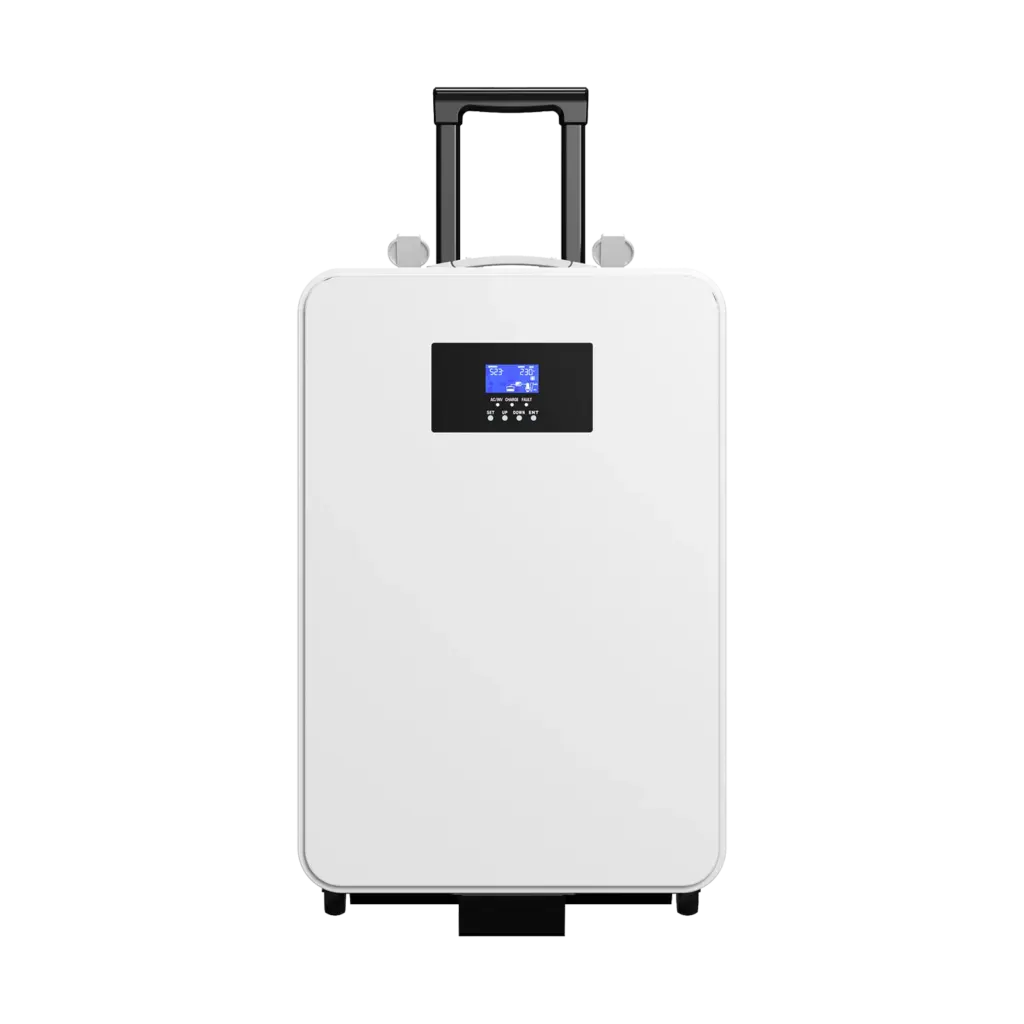
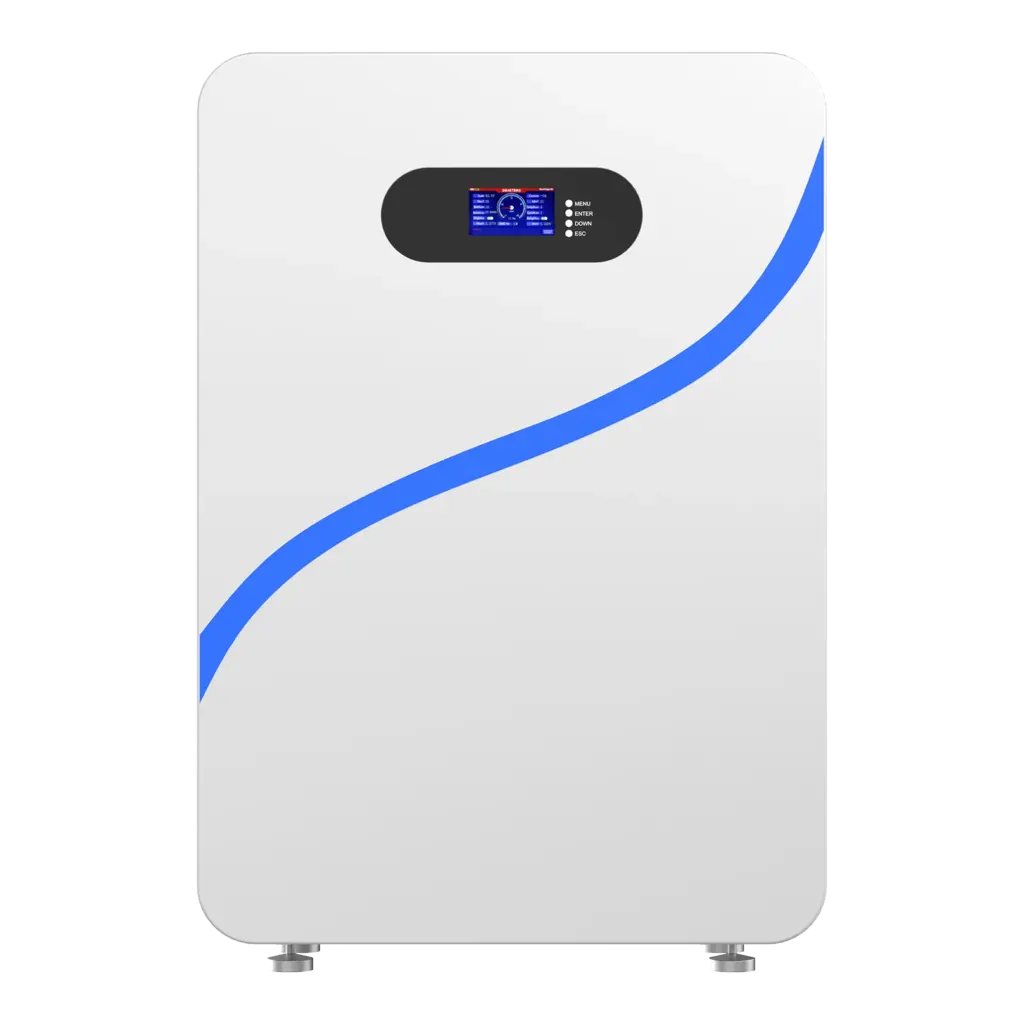
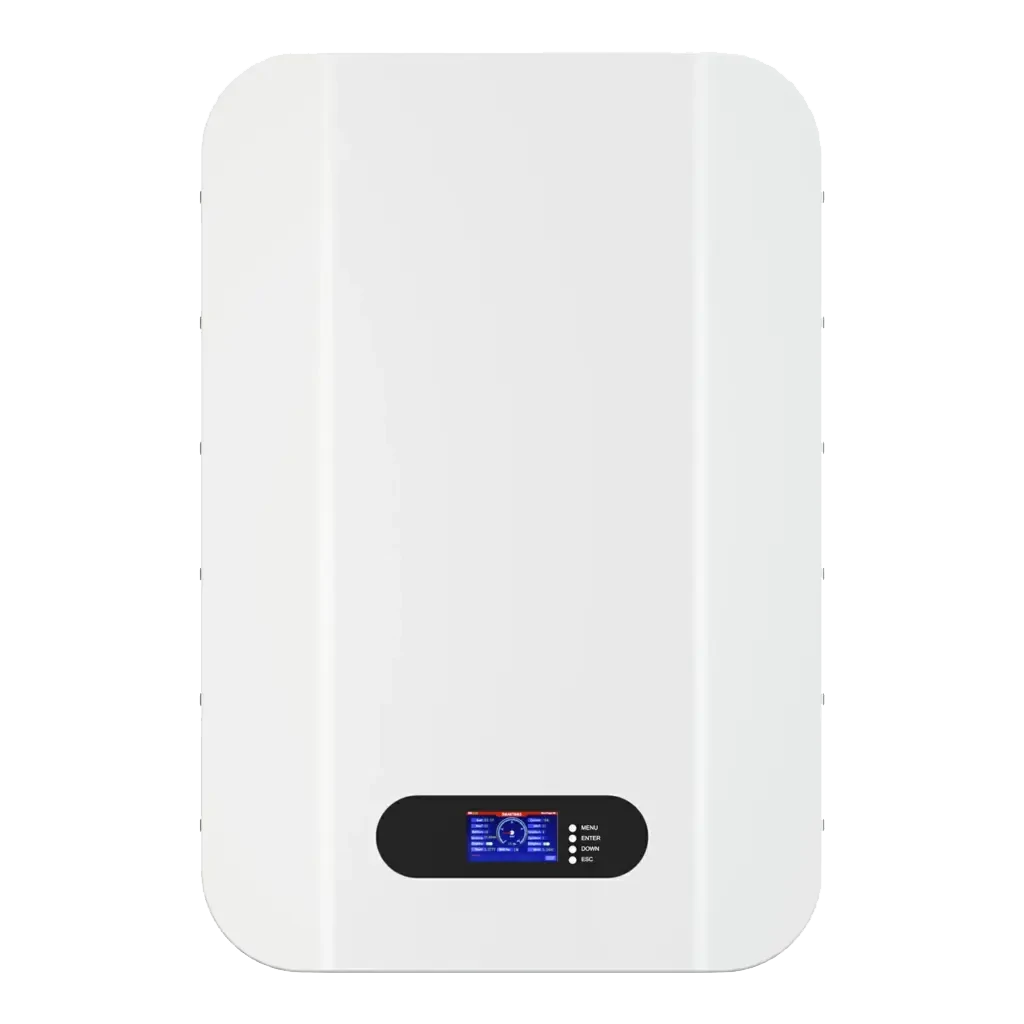
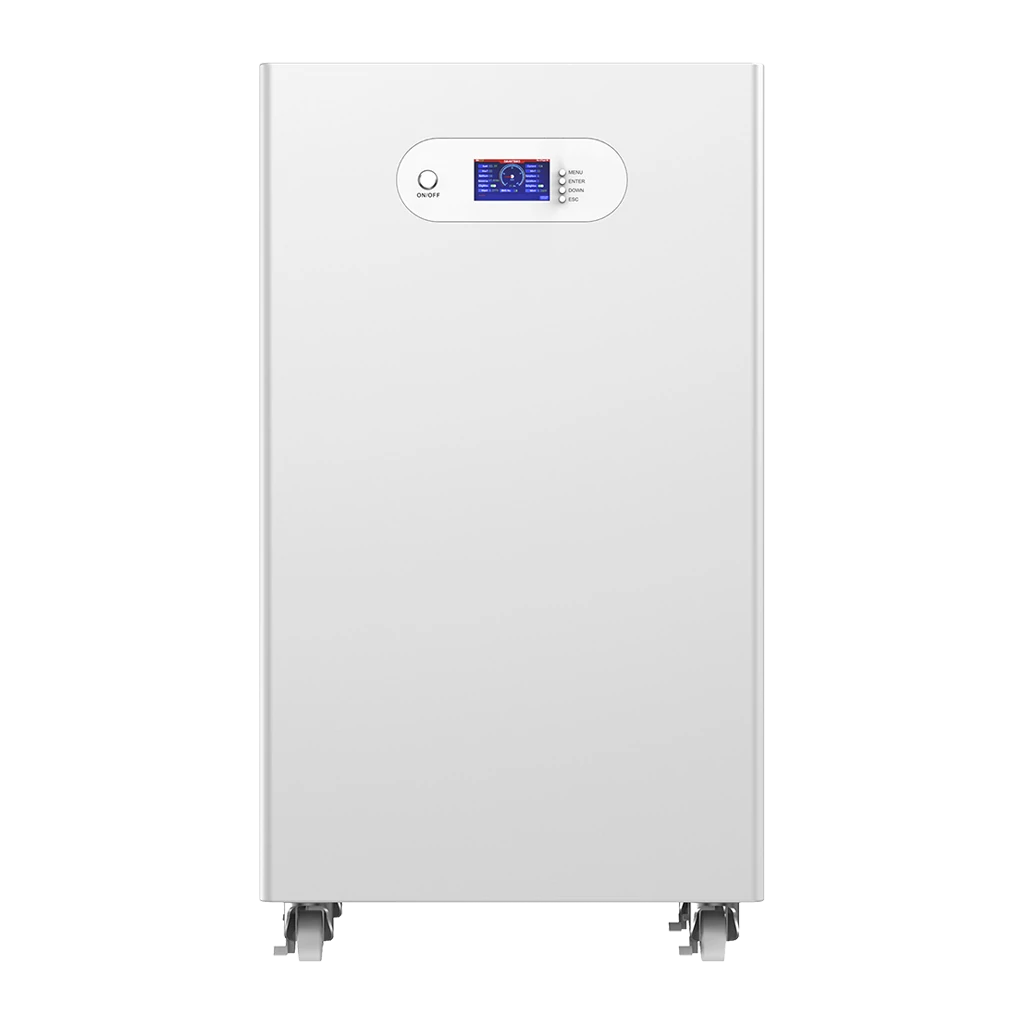
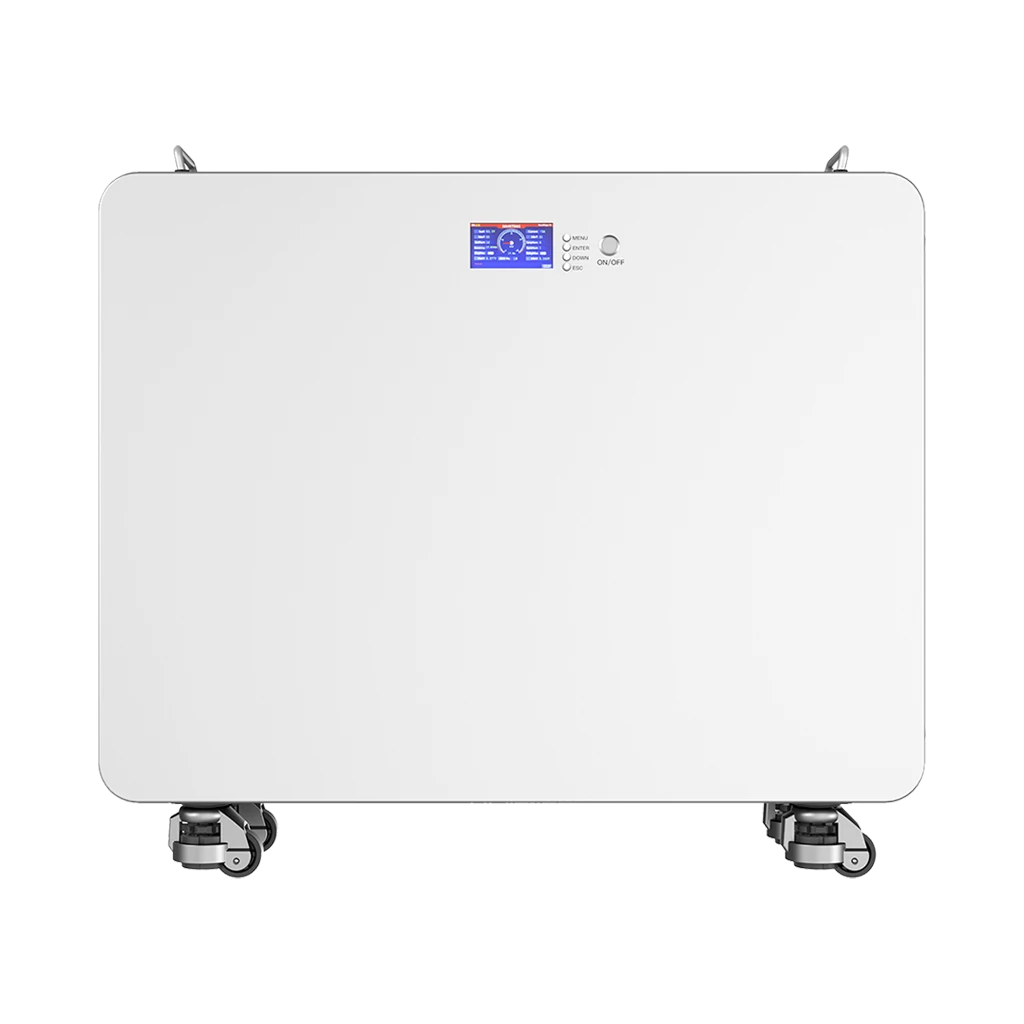
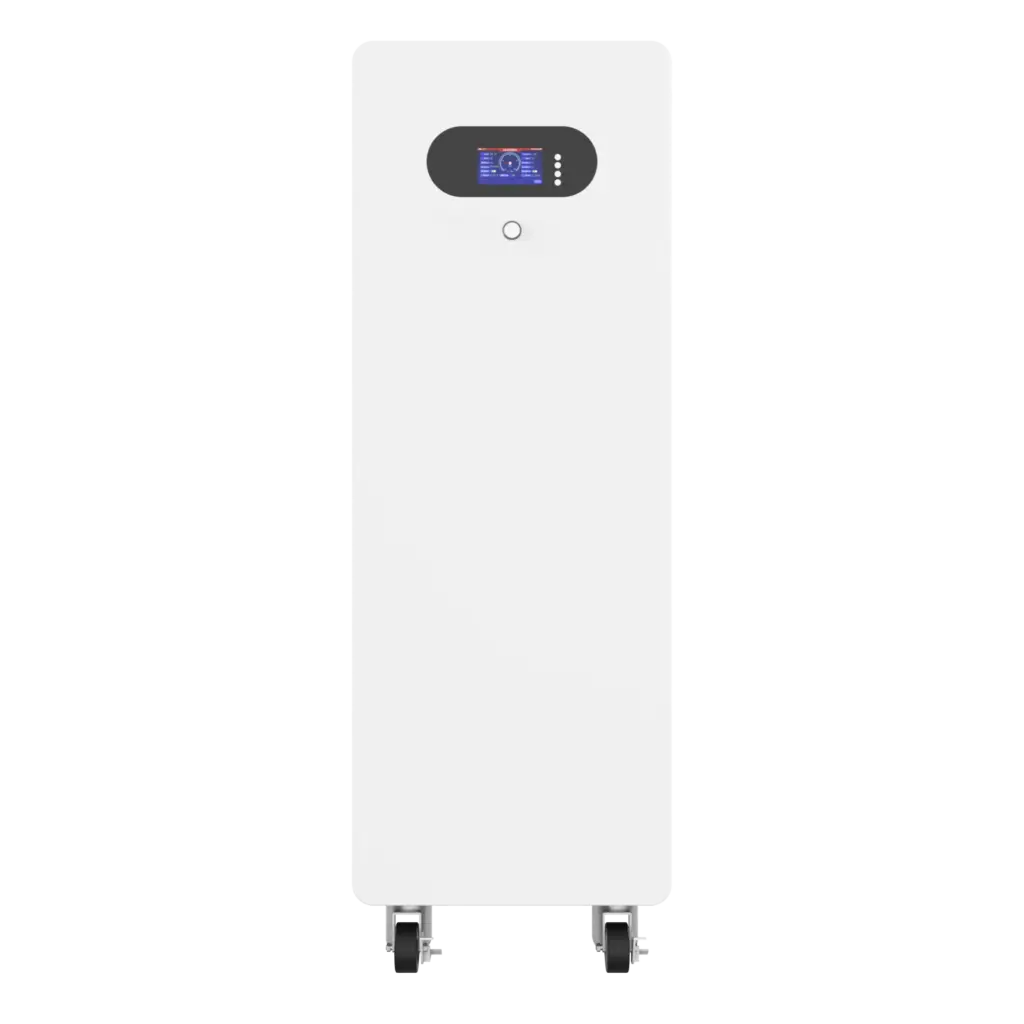
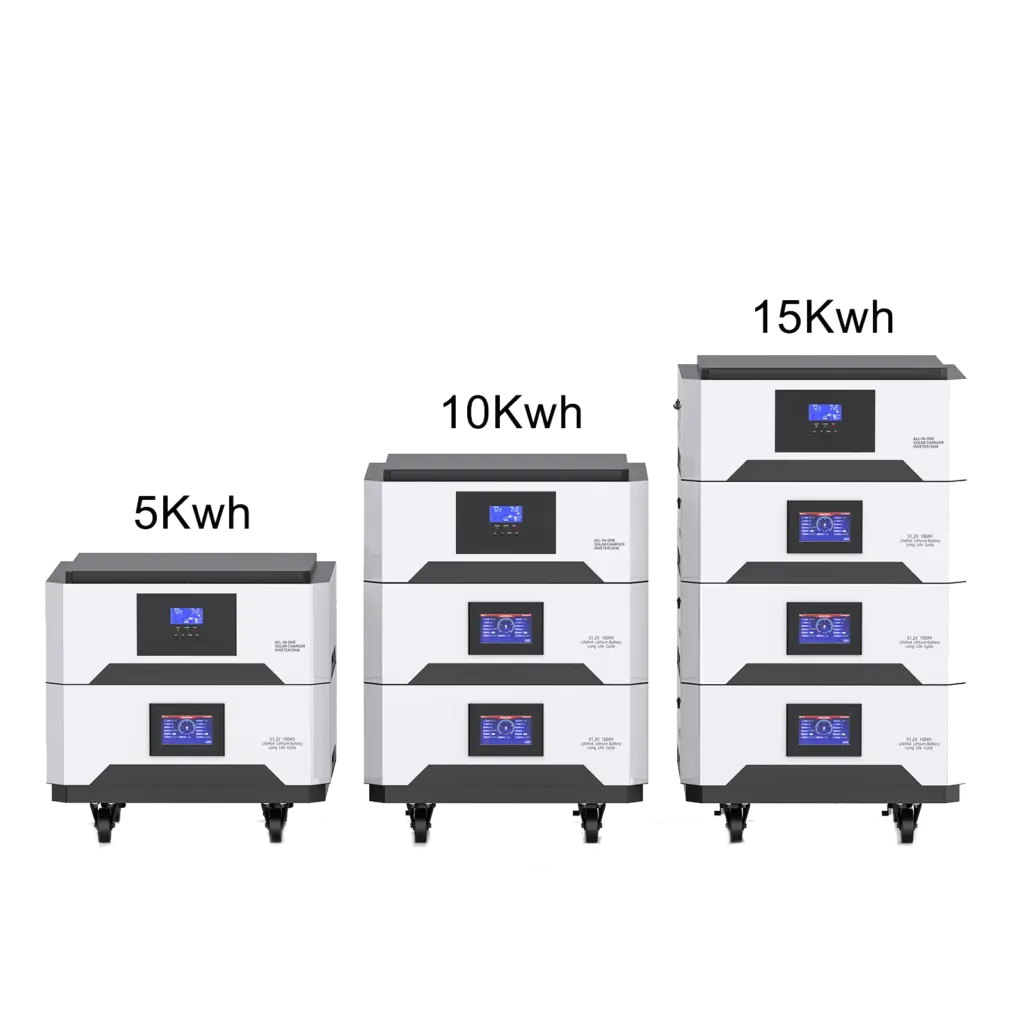
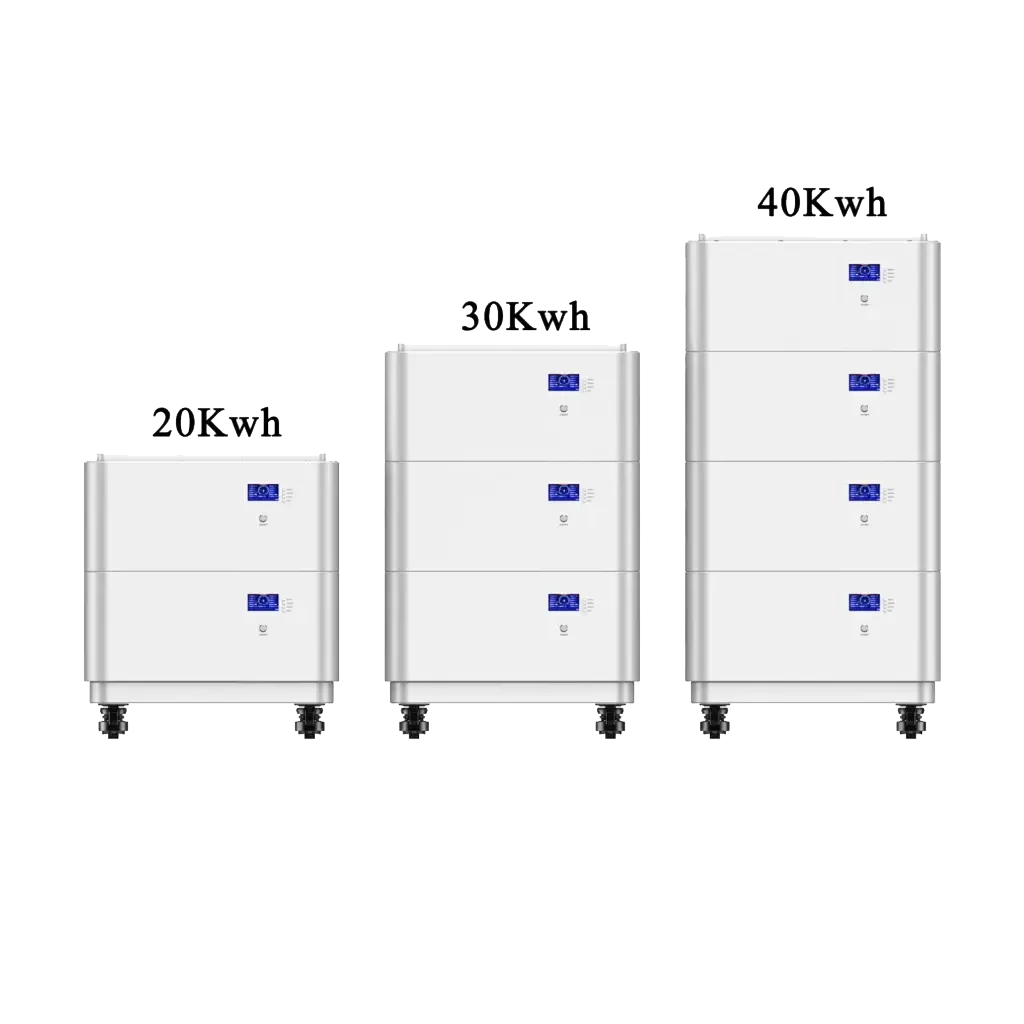
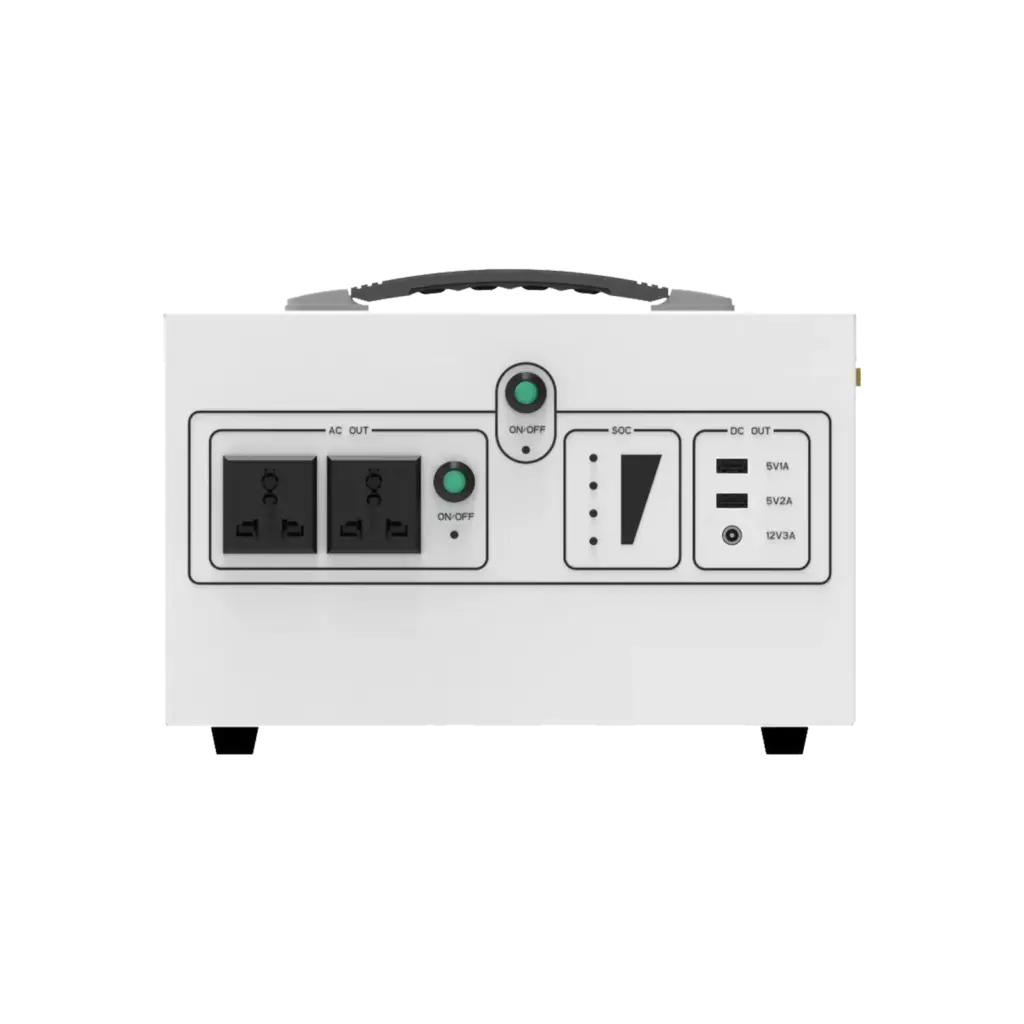
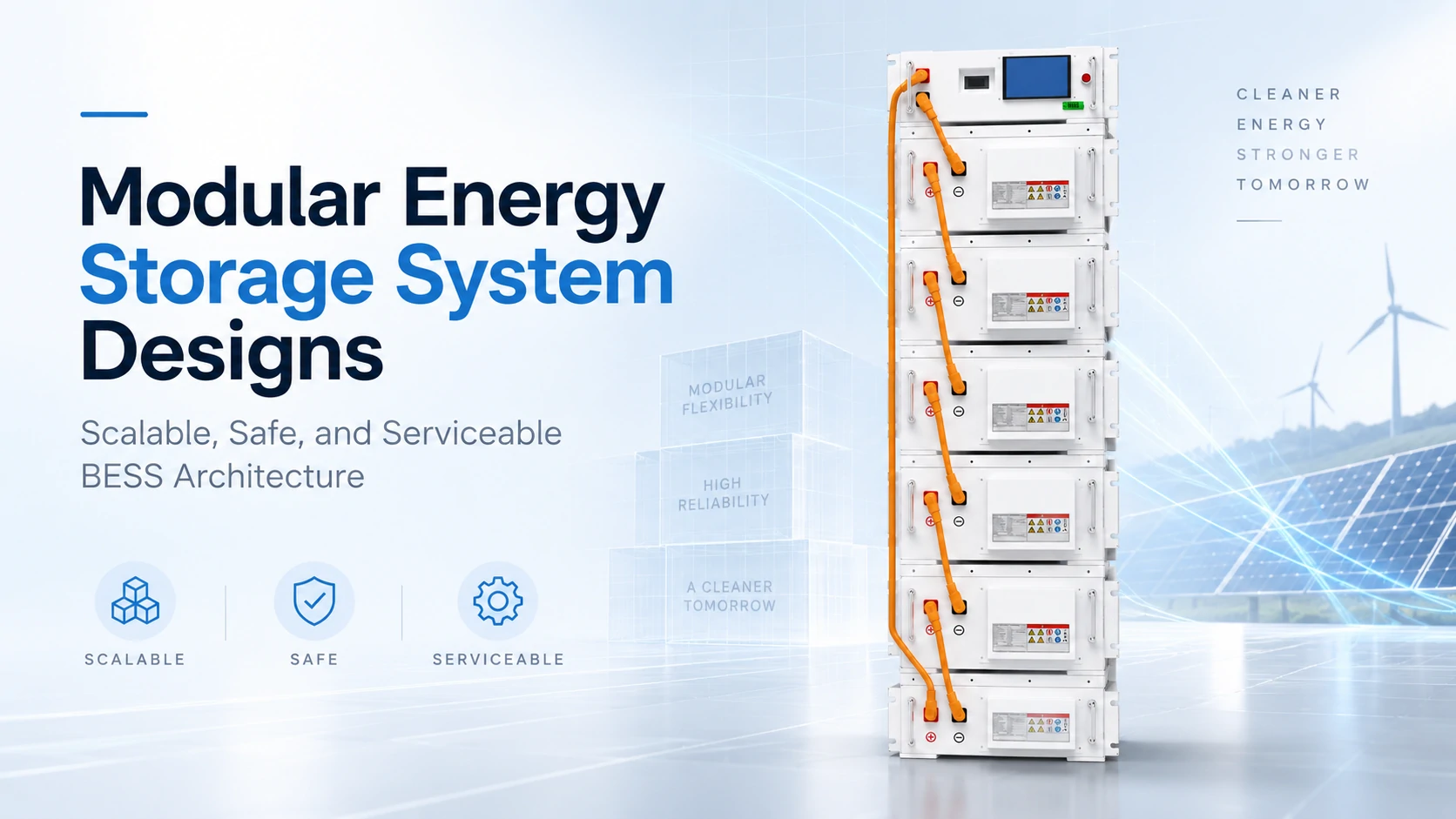
The Avepower Home Energy Storage Battery gives you a smart way to manage your energy. It works with solar systems and comes in different sizes to fit your needs. The battery lasts over ten years and lets you track your energy use with a phone app. Safety is important, with built-in protections and certifications like CB, FCC and CE. Avepower also offers 24/7 support and easy installation options.
Choosing renewable energy storage solutions like Avepower helps you save money, stay ready for outages, and support a cleaner future.
Take Control of Your Energy with Avepower!
Reliable home solar battery solutions with OEM/ODM customization and in-house manufacturing, tailored to the needs of distributors, installers, and energy partners.
Appliance Power and kWh Table
You can use this table to see how much energy common appliances use. This helps you compare devices and find ways to save power at home.
| Appliance | Average Power (Watts) | Daily Use (Hours) | Daily kWh | Monthly kWh |
|---|---|---|---|---|
| Refrigerator | 200 | 24 | 4.8 | 144 |
| Clothes Dryer | 3,000 | 1 | 3.0 | 90 |
| Microwave | 1,000 | 0.5 | 0.5 | 15 |
| Laptop | 60 | 8 | 0.48 | 14.4 |
| TV | 120 | 4 | 0.48 | 14.4 |
| Dishwasher | 1,500 | 1 | 1.5 | 45 |
| Air Conditioner | 2,000 | 6 | 12.0 | 360 |
| LED Light Bulb | 10 | 5 | 0.05 | 1.5 |
You can lower your energy bill by using high-power appliances for fewer hours or switching to more efficient models.
Conversion Cheat Sheet
You may need to change between different energy units when you read your bill or use calculators. This cheat sheet gives you the most common conversion factors and formulas for home energy use.
| Source Unit | Destination Unit | Conversion Factor/Formula |
|---|---|---|
| Watts (W) | Kilowatts (kW) | 1 kW = 1,000 W |
| Kilowatts (kW) | Watts (W) | 1 W = 0.001 kW |
| Watt-hours (Wh) | Kilowatt-hours (kWh) | 1 kWh = 1,000 Wh |
| Kilowatt-hours (kWh) | BTU | 1 kWh = 3,412 BTU |
| BTU | Joules | 1 BTU = 1,055 Joules |
| Quad | Exajoules | 1 Quad = 1.055 Exajoules |
Note: To find kWh, use this formula: kWh = (Watts × Hours Used) ÷ 1,000
These tables help you check your math and understand your energy use. You can use them whenever you want to compare appliances or convert units.
You have learned how to figure out your home’s kWh. You can see which things use the most energy. Check your energy use often to find ways to save. Small changes can help you save a lot of money. Try doing one thing today, like using LED bulbs or unplugging things you are not using. You can also think about energy storage, like the Avepower Home Energy Storage Battery, to make your home more reliable and better for the planet.
Remember: Every step you take helps lower your bills and supports a cleaner environment.
FAQ
You can check the label on your appliance. Most labels show the wattage. If you cannot find it, you can search for the model online or use a plug-in usage monitor.
A kilowatt (kW) measures power. A kilowatt-hour (kWh) measures energy used over time. You use kW to see how fast something uses energy. You use kWh to see how much energy you use.
Your energy bill shows kWh because it measures the total energy you use. This helps you see how much electricity you use each month. You pay for the number of kWh you use.
Yes, you can. Turn off lights when you leave a room. Unplug devices you do not use. Use LED bulbs. Wash clothes in cold water. Small changes can help you save money.
Avepower stores extra solar energy for use at night or during outages. You use less electricity from the grid. This lowers your bill and gives you backup power when you need it.