
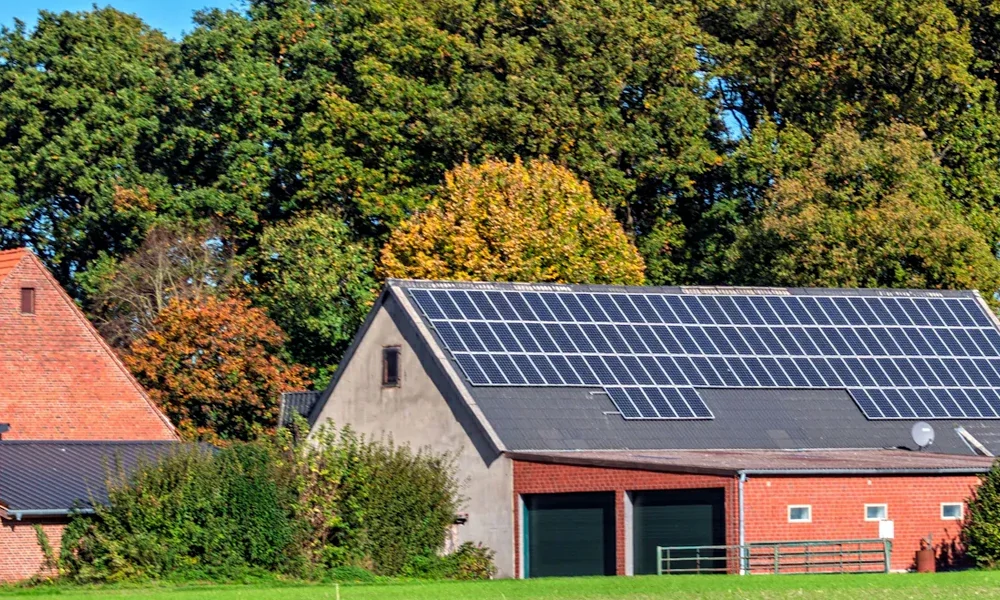
How many solar panels do I need for a house? Most homes require about 25 panels to meet their electricity needs.
- Homes in the U.S. consume approximately 30 kWh of electricity each day.
- A single 400-watt solar panel generates about 1.2 kWh per day.
- To determine how many solar panels you need, divide your daily usage by the output of one panel.
Several factors can influence how many solar panels you need:
| Factor | Description |
|---|---|
| Average Electricity Usage | If your electricity consumption is higher, you will need more solar panels. |
| Location | Areas with more sunlight require fewer solar panels. |
| Panel Wattage | Higher wattage panels produce more energy, meaning you will need fewer solar panels for the same output. |
Key Takeaways
Most homes need 15 to 25 solar panels for power. You can figure out how many panels you need. Divide your daily energy use by what one panel makes. Think about where you live, panel wattage, and roof space. These things help you know how many panels you need.
Use this formula for a good guess: Number of Panels = (Daily kWh Usage) / (Panel Wattage × Peak Sun Hours × System Efficiency). Look for local deals and tax credits. These can help you save money on your solar setup.
How Many Solar Panels Do I Need? Quick Estimate & Formula
Average Panel Count for Homes
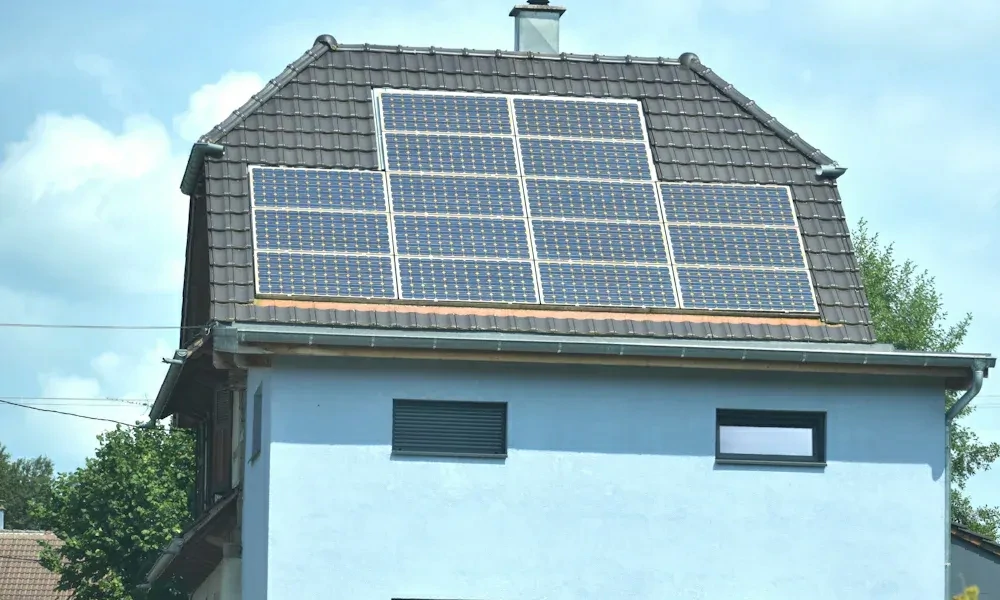
You may ask, how many solar panels do I need for a house? Most homes in America use between 15 and 25 solar panels for their electricity. This number matches the usual daily energy use of about 30 kWh. The exact number depends on where you live, how much sun your roof gets, and the wattage of your solar panels.
Different places need different numbers of solar panels. Homes in the Midwest get less sun, so they may need up to 28 solar panels. In the Southwest, where it is sunny, you might only need 20 solar panels. Cloudy places like the Northeast often need more solar panels or ones that work better.
| Region | Peak Sun Hours | Average Panel Count |
|---|---|---|
| Midwest | 4–5 | 28 |
| Southwest | 6–7 | 20 |
| Northeast | Cloudy | Slightly larger |
| Southeast | Strong sunlight | Requires storage |
| Pacific Northwest | Overcast | Higher-efficiency |
Calculation Formula Explained
To figure out how many solar panels you need, you can use a simple formula. This formula helps you guess the number of solar panels based on your energy use and sunlight.
Tip: Always check your real electricity bills and local sun hours for the best answer.
Here is the basic formula:
Number of Panels = (Daily Electricity Use in kWh) / (Panel Wattage × Peak Sun Hours × System Efficiency)
Let’s look at an example:
- Daily electricity use: 30 kWh
- Average peak sun hours: 6.25 hours
- Panel wattage: 400W (0.4 kW)
- System efficiency: 75% (to account for losses)
First, find the system size you need:
- 30 kWh / 6.25 hours = 4.8 kW
Next, adjust for efficiency:
- 400W × 0.75 = 300W (0.3 kW) per panel
Now, divide the system size by the adjusted panel output:
- 4.8 kW / 0.3 kW = 16 panels
So, you would need about 16 solar panels in this example.
The main things in this formula are your energy use, the power of each solar panel, how much sun your home gets, and system efficiency. If you use more electricity or live where it is cloudy, you will need more solar panels. If you pick high-wattage solar panels or live in a sunny place, you will need fewer.
Example Estimates by Home Size
How many solar panels do you need for different home sizes? The answer changes with your house size and how much energy you use.
| Home Size (sq ft) | Annual Energy Consumption (kWh) | Number of Solar Panels Needed |
|---|---|---|
| 1,000 | 8,280 | 19 |
| 2,500 | 13,572 | 31 |
For a 2,500 sq ft home using about 11,000 kWh per year, you would need around 20 solar panels. Smaller homes with less energy use need fewer solar panels. Bigger homes or homes with lots of electric things may need more.
Usage, Size, and Panels Needed
This table shows how your house size and energy use change the number of solar panels you need:
| Average Home Size (sq ft) | Annual Energy Usage (kWh) | Number of Solar Panels Needed |
|---|---|---|
| 1,000 | 8,280 | 19 |
| 2,500 | 11,000 | 20 |
| 2,500 | 13,572 | 31 |
Common Mistakes to Avoid
When you ask, how many solar panels do I need, try not to make these mistakes:
- Only looking at summer use and forgetting about winter.
- Not thinking about future changes, like getting an electric car.
- Guessing your system will be more efficient than it really is.
- Not thinking about shade from trees or buildings.
- Mixing up units, like watts and kilowatts.
- Using daylight hours instead of peak sun hours.
If you use the formula and check your real energy use, you can find out how many solar panels you need for your home.
Step-by-Step: Calculate Your Solar Needs
Check Your Electricity Usage
First, collect your utility bills from the last year. Add up all the kilowatt-hours (kWh) you used. Divide this number by 12 to get your average monthly use. Then, divide that by 30 to find your daily average. If you live off-grid, a power meter can help you see how much energy you use each day. It can also help you find things that use extra energy. Doing this helps you know how much energy your house needs.
Tip: Make a chart to see if you use more energy in summer or winter. The season can change how many solar panels you need.
Find Your Peak Sun Hours
Now, find out how many peak sun hours your area gets. You can use tools like the PVWatts Calculator for this. Peak sun hours tell you how much strong sunlight your solar panels get each day. This number helps you guess how much energy your system can make.
- Knowing your local peak sun hours makes your solar math better.
- This info helps you see if solar panels are right for your house.
Choose Panel Wattage & Efficiency
Pick solar panels by looking at their wattage and efficiency. Most people pick panels between 450 and 550 watts. High-wattage panels are good if your roof is small. Panels with higher efficiency make more electricity in the same space. This means you need fewer solar panels for the same amount of power.
| Panel Efficiency | Total Panels Needed | Energy Output |
|---|---|---|
| High Efficiency | Fewer | More Electricity |
| Low Efficiency | More | Less Electricity |
Calculate System Size & Panel Count
Use this formula:
Number of Panels = (Daily kWh Usage) / (Panel Wattage × Peak Sun Hours × System Efficiency)
For example, if you use 30 kWh each day, get 6 peak sun hours, and use 500W panels at 80% efficiency, you will need about 13 solar panels.
Assess Roof Space & Shading
Look at your roof to see if you have enough space without shade. Most homes need at least 200 to 300 square feet. Watch out for things like chimneys, vents, or trees that block sunlight. Roofs that face south are best, but southeast or southwest can also work well.
Set Energy Goals
Decide if you want to cover all your energy needs or just some. If you want to cover more, you will need more solar panels. Think about how long the panels last, their warranty, cost, and local rules. New things like bifacial panels can help your system work even better.
Factors That Affect Solar Panel Count
Many things decide how many solar panels you need for your house. Knowing these things helps you pick the right system for your needs.
Energy Consumption & Appliances
How much electricity you use is very important. If you use more energy, you will need more solar panels. Big appliances like ovens, air conditioners, and pool pumps use a lot of power. If you want to get an electric car or more appliances later, your energy use will go up. It is smart to plan for these changes now. This way, you will not need to add more solar panels later.
- Using big appliances means you need more solar panels.
- Planning for new things, like electric cars, helps you get the right system.
Location & Sunlight
Where you live changes how much sunlight your solar panels get. If you live in a sunny place, you need fewer solar panels. If your area is cloudy or gets less sun, you will need more solar panels. Always check how much sun your area gets before you decide.
Panel Type & Efficiency
There are different kinds of solar panels. Some are better at making electricity from sunlight. If you pick high-wattage solar panels, you will need fewer of them. If your solar panels are not as efficient, you may need more space and more solar panels.
Roof Space & Suitability
The size and shape of your roof matter. A big, flat roof gives you more room for solar panels. If your roof has lots of angles, vents, or shade from trees, you may need to change your plan. Always measure your roof before you choose how many solar panels you want.
| Factor | Description |
|---|---|
| Annual Electricity Usage | The total kWh your home uses each year. This changes how many solar panels you need. |
| Geographic Location | Sunlight changes by where you live. This affects how many solar panels you need. |
| Solar Panel Wattage | The power from each solar panel decides how many you need. |
| Available Roof Space | The space on your roof limits how many solar panels you can put up. |
System Type: Grid, Off-Grid, Hybrid
The kind of solar system you pick also matters. If you want to be off-grid, you will need more solar panels and batteries. Grid-tied systems use fewer solar panels because you can use power from the grid. Hybrid systems use both and give you more choices. Think about how much energy you want from your own system and how much from the grid.
Tip: Always think about how much energy you use now and in the future. This helps you get the right number of solar panels and saves you money later.
Costs, Incentives, and Storage Solutions
Solar System Costs
When you start a solar project, you need to know the price. In the United States, a home solar system usually costs $15,000 to $40,000. The price changes based on where you live. Local labor, permit fees, and how many solar companies are nearby can change the cost. Some places have higher electricity prices, so solar can save you more money. The final price also depends on your system size and the type of panels you pick.
Tip: Always ask for quotes from different installers. This helps you find the best price for your home.
Incentives & Tax Credits
Many states have programs to help you save money on solar. You can get tax credits, rebates, or money for extra energy you send to the grid.
| State | Incentive Name | Value |
|---|---|---|
| New Jersey | Successor Solar Incentive Program | Earn and sell SREC-IIs worth $85/MWh for 15 years |
| Ohio | Net metering | Compensation for extra solar sent to grid (varies by utility) |
| Texas | Property tax exemption | No property tax on solar system value |
| Florida | Net metering | Retail rate compensation for extra solar |
| Illinois | Illinois Shines Program | One REC for every 1,000 kWh for 15 years |
| Maryland | Residential Clean Energy Rebate | Up to $1,000 rebate (may increase to $5,000) |
| Massachusetts | Solar tax credit | 15% of project cost, up to $1,000 |
| Minnesota | Net metering | Retail rate compensation for extra solar |
| New York | NY State Tax credit | 25% of solar cost, up to $5,000 |
Energy Storage Options
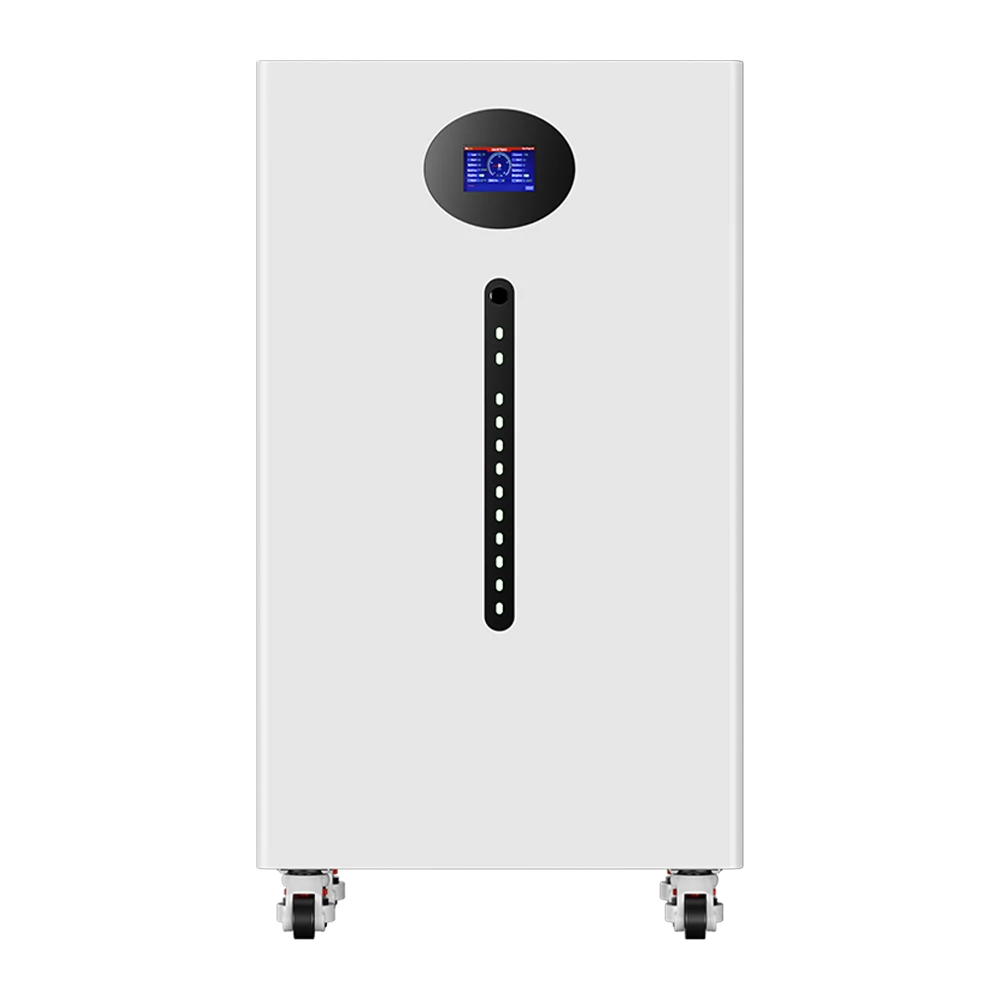
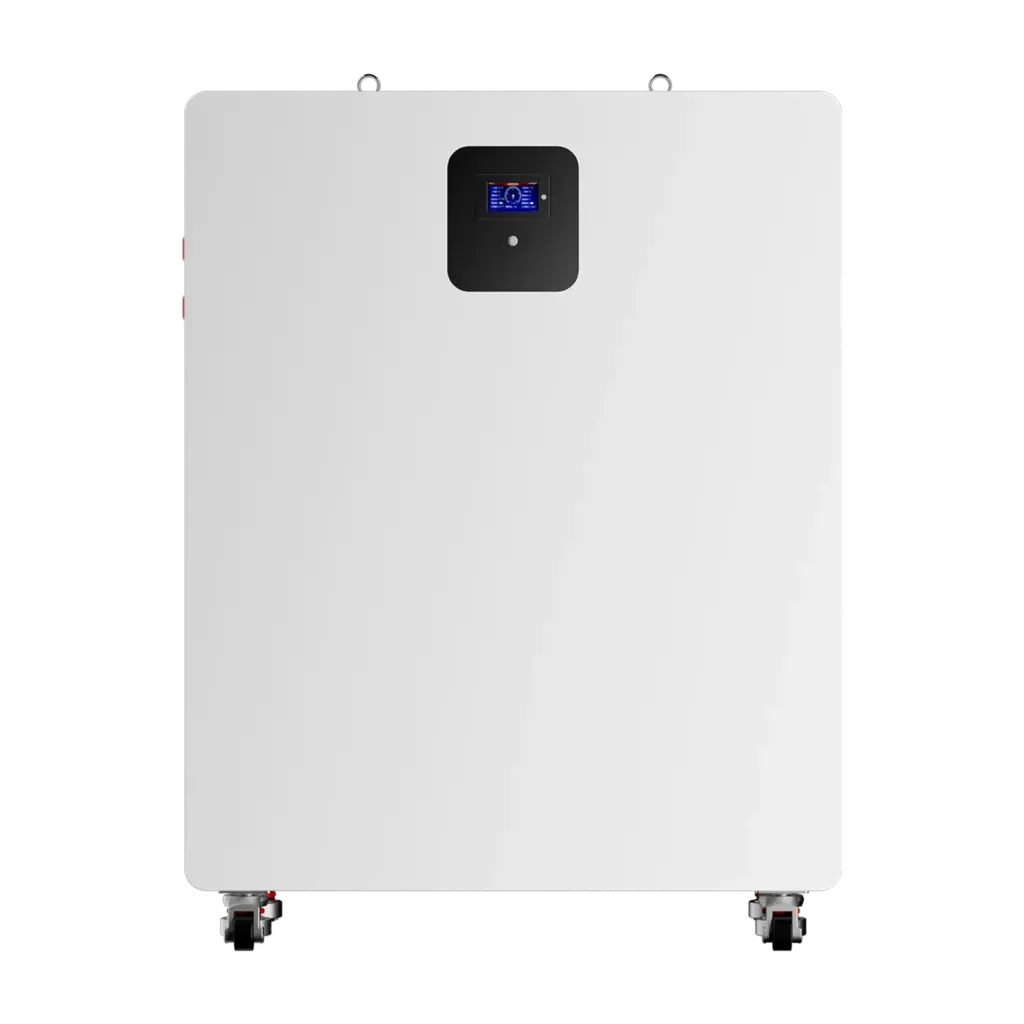
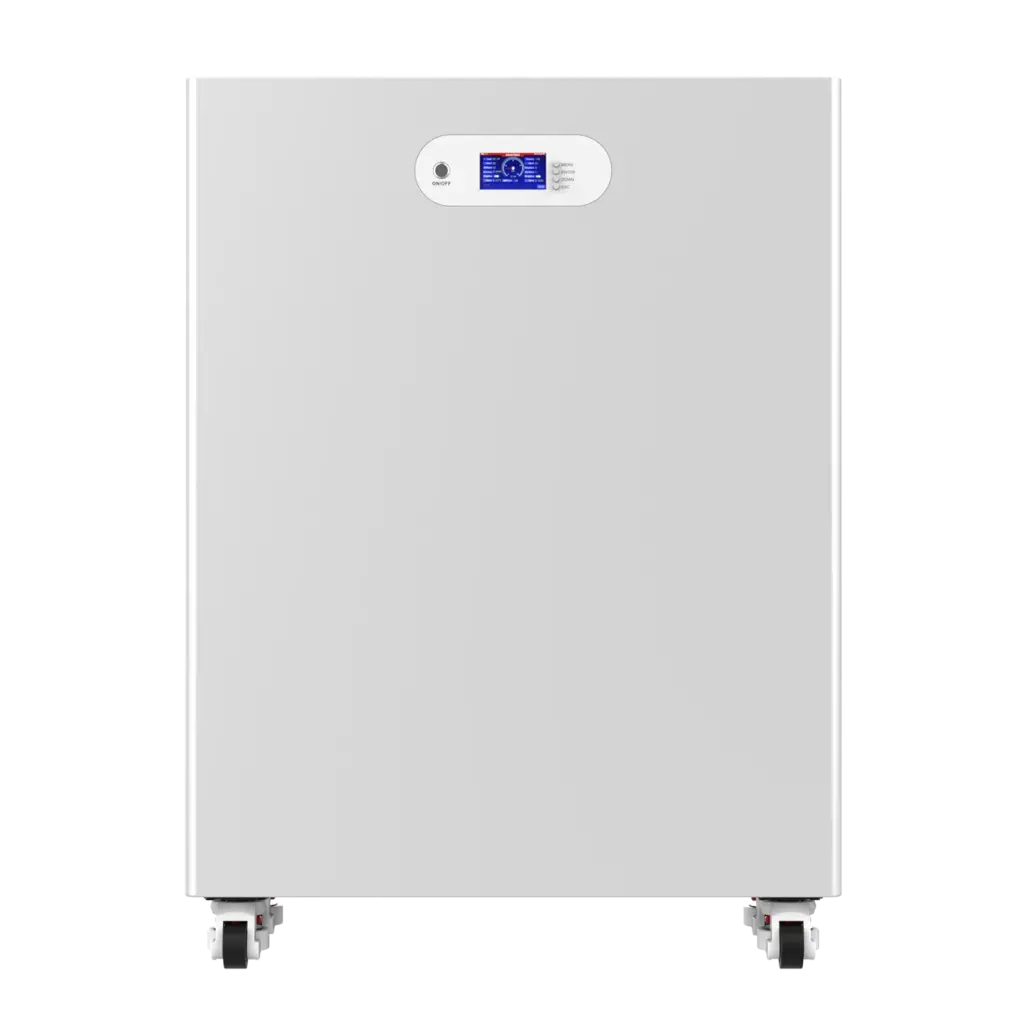
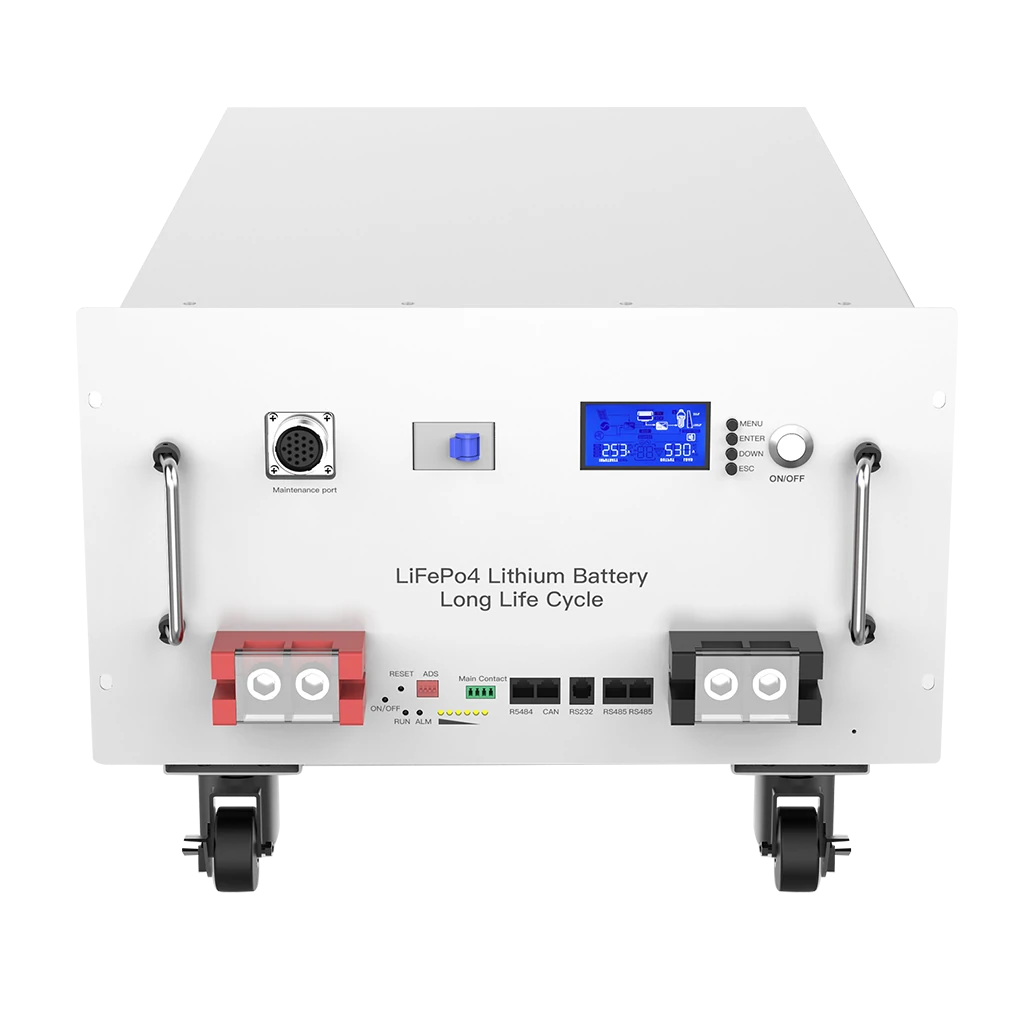
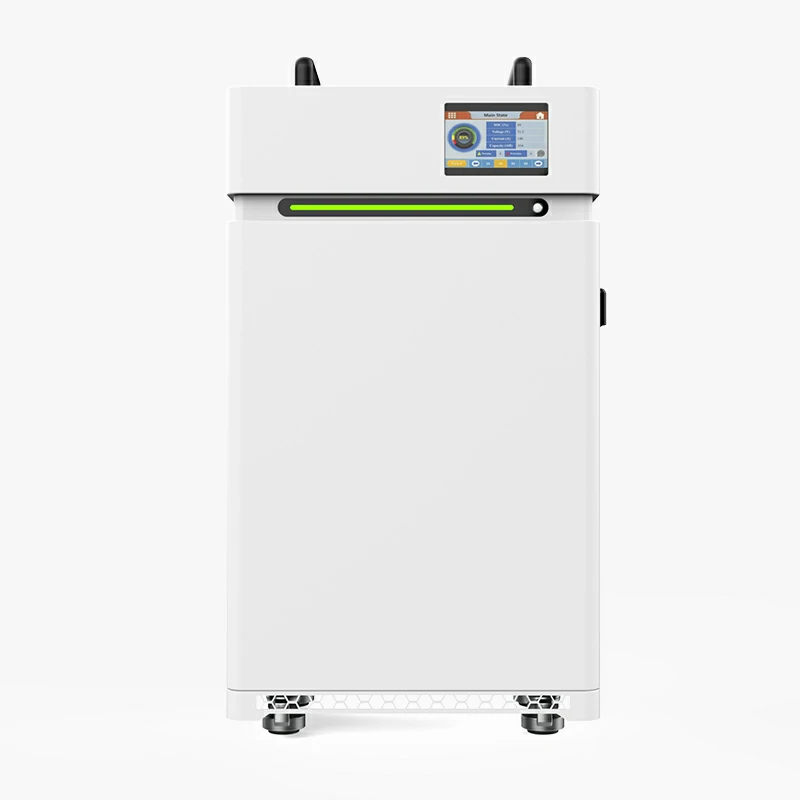
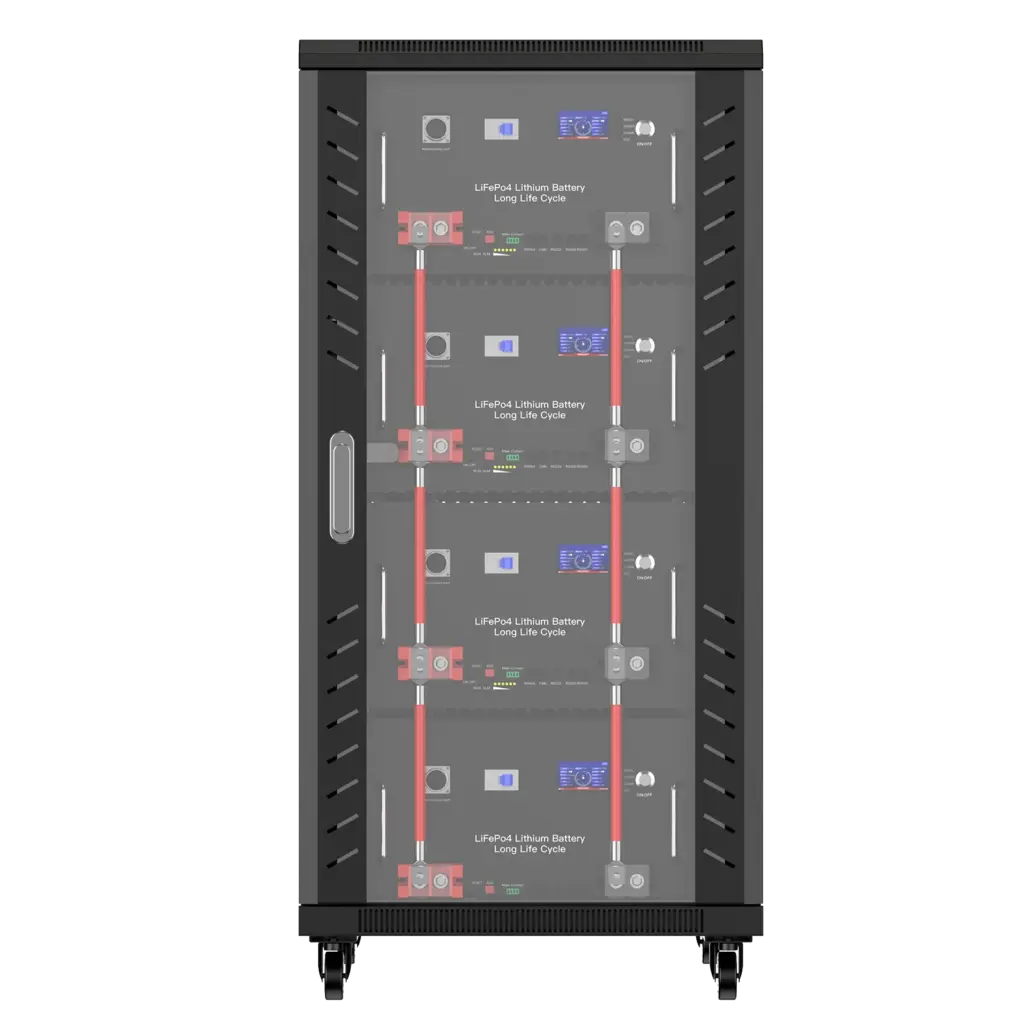
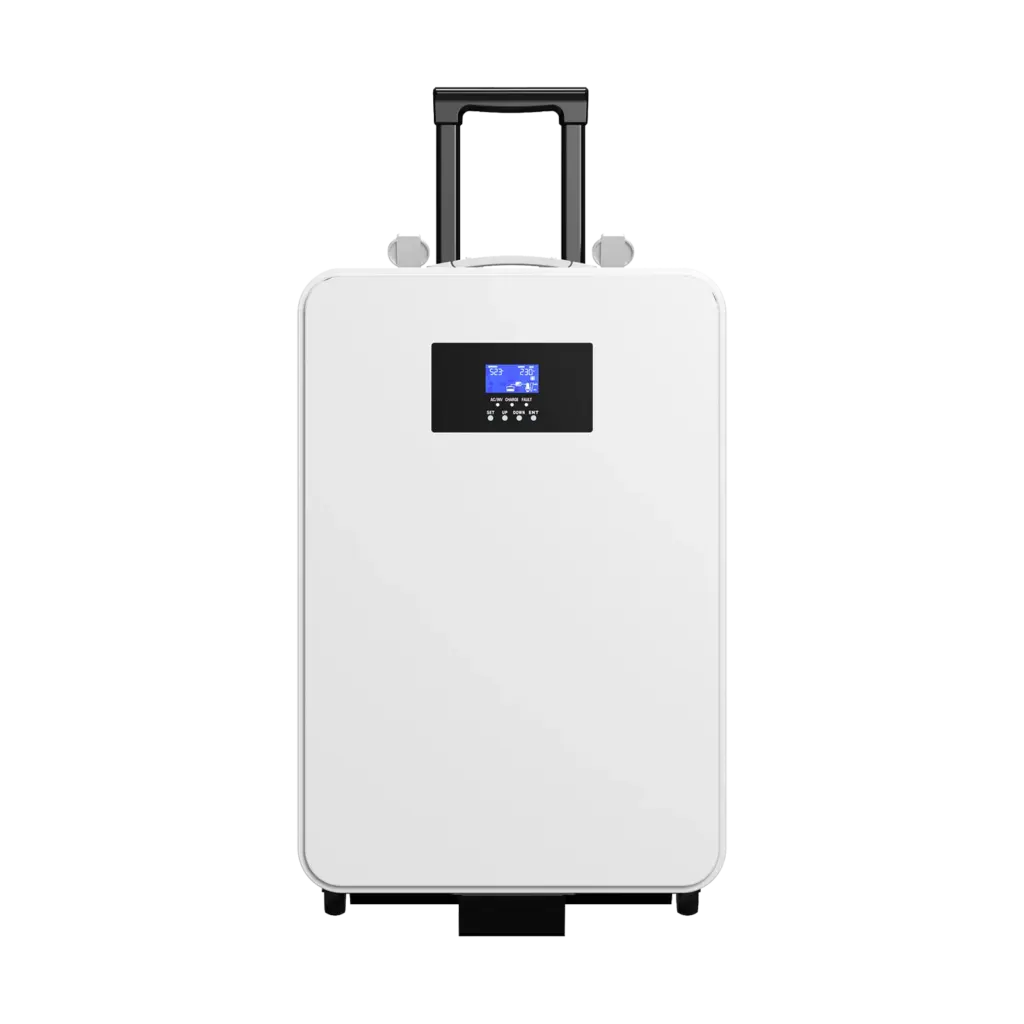
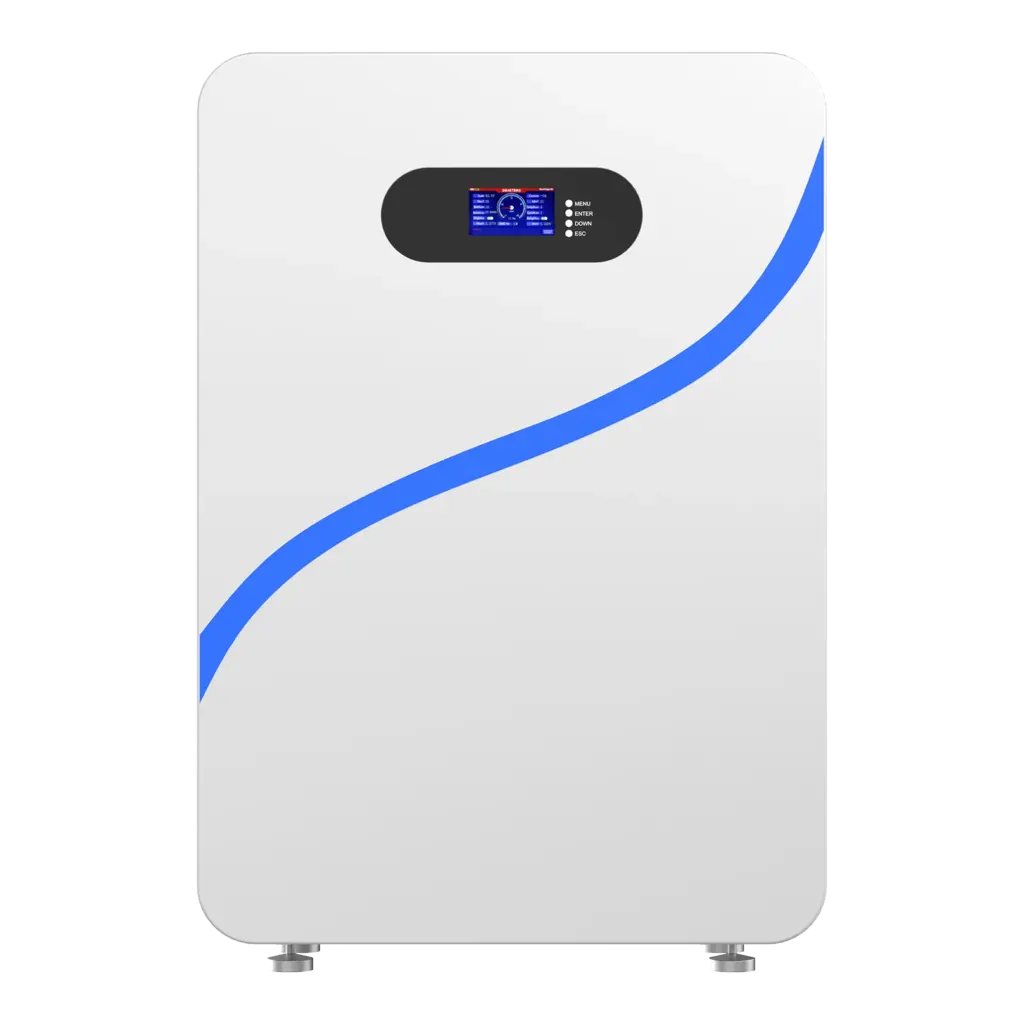
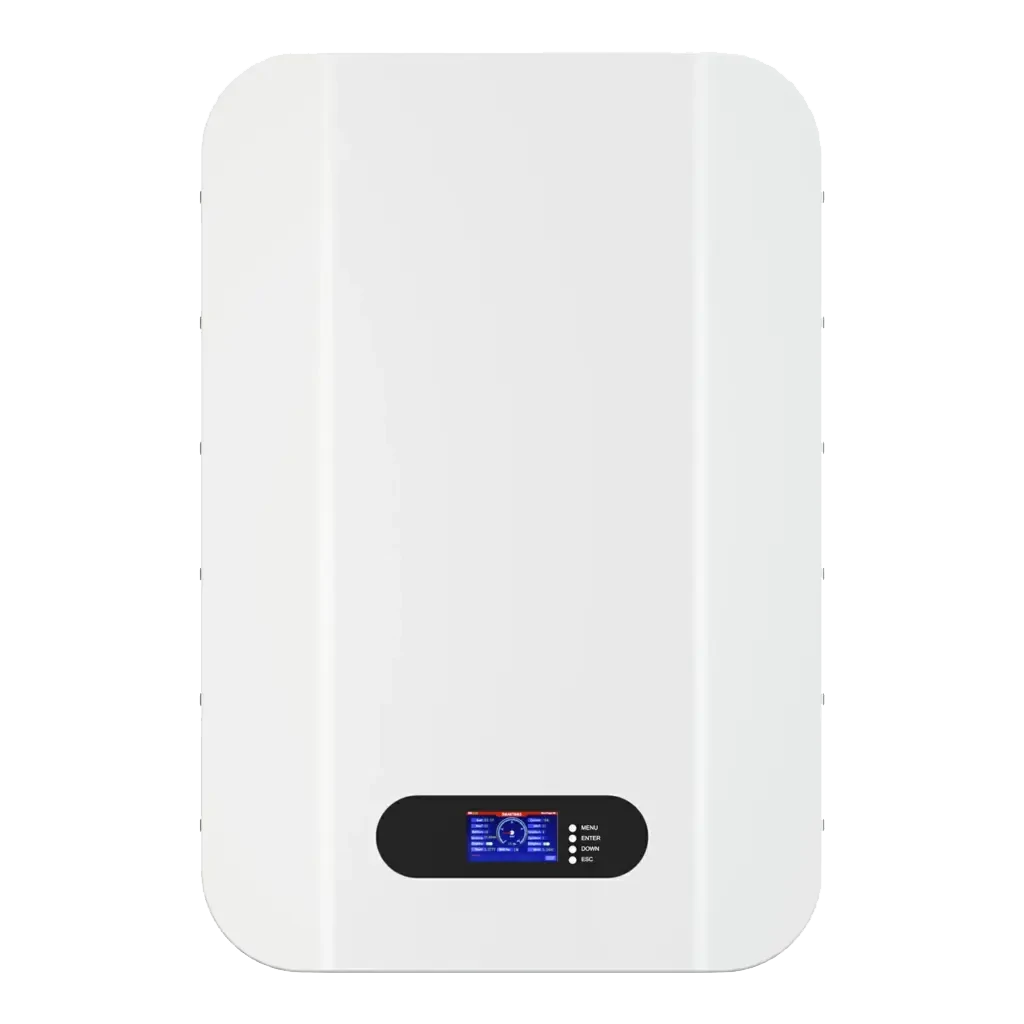
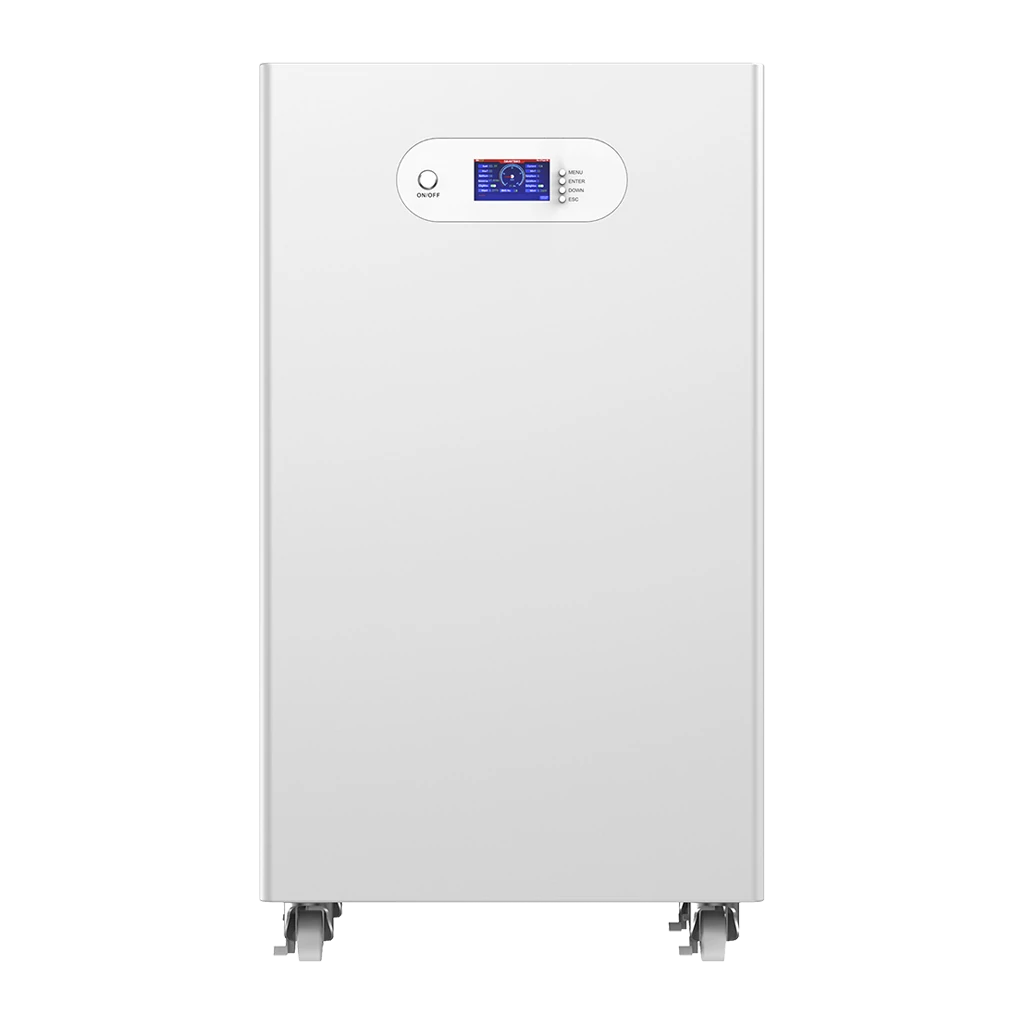
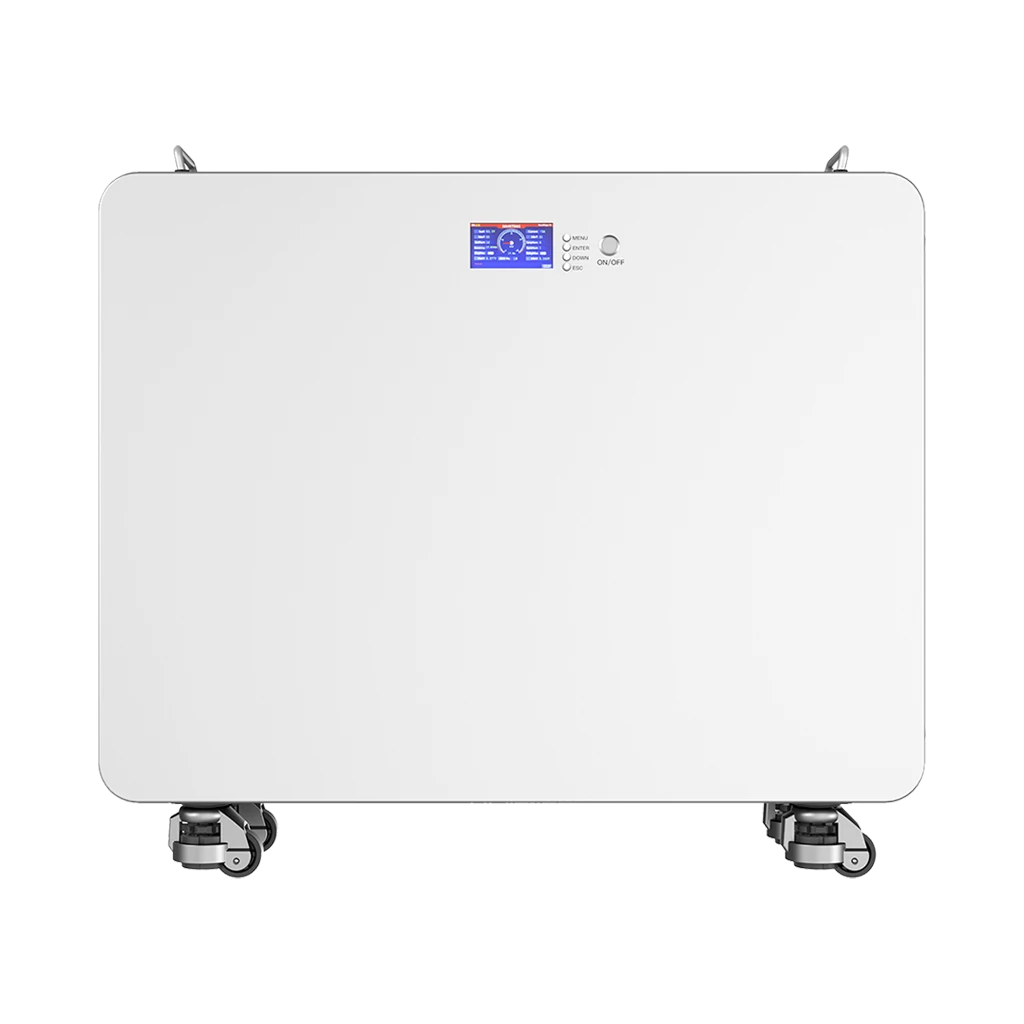
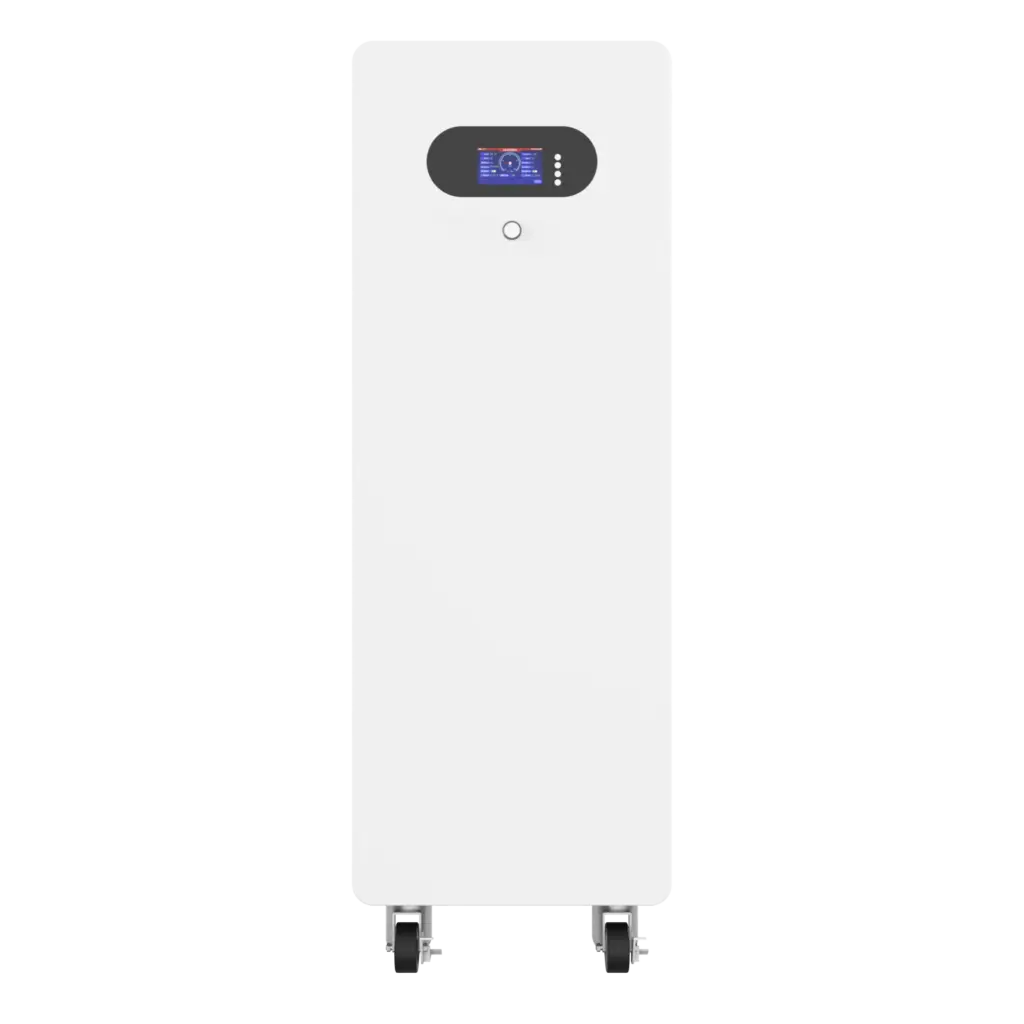
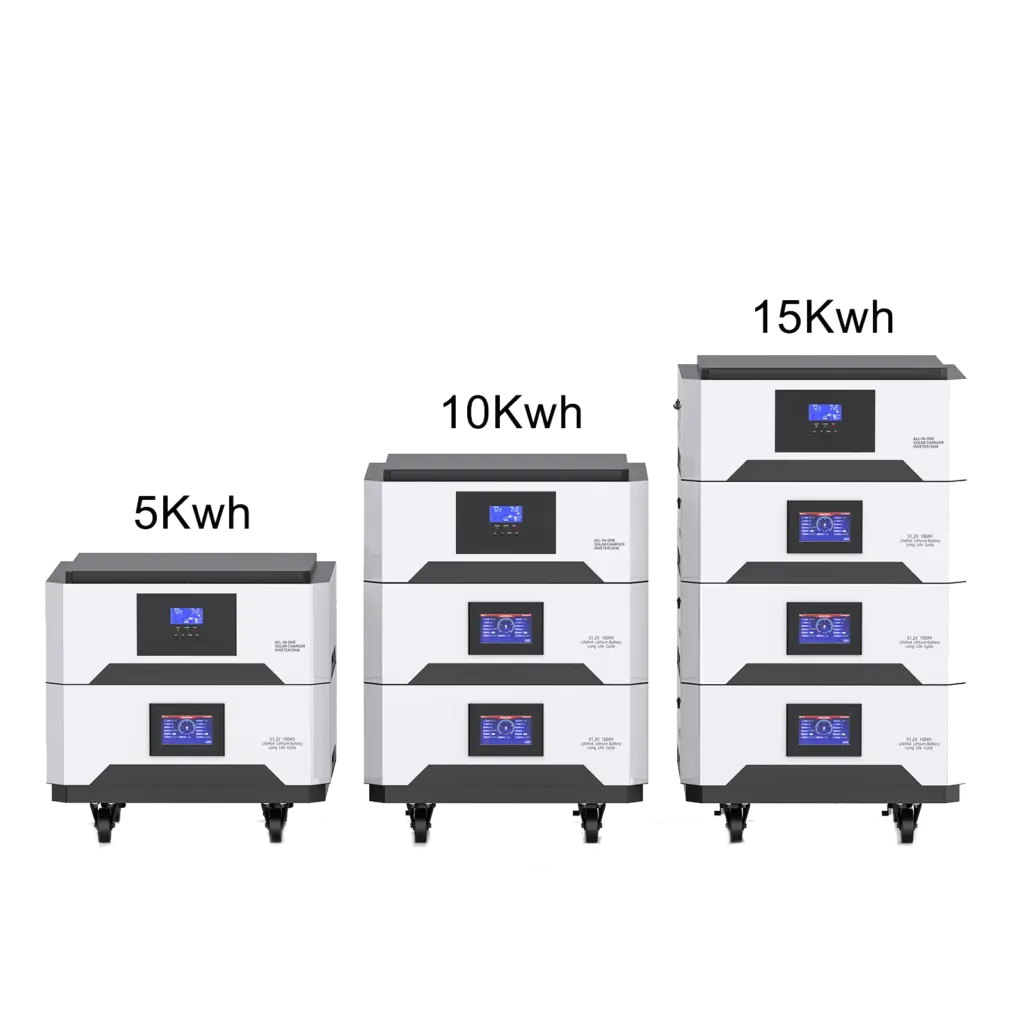
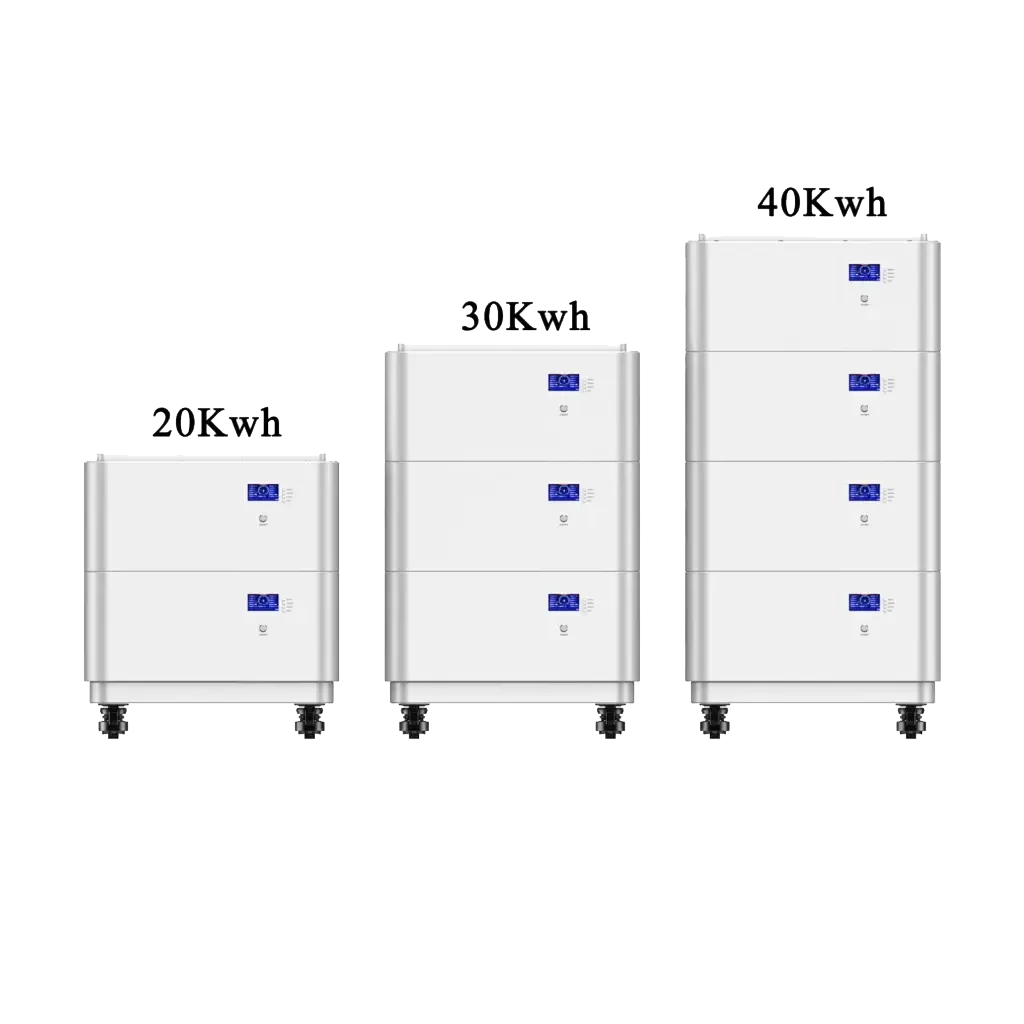
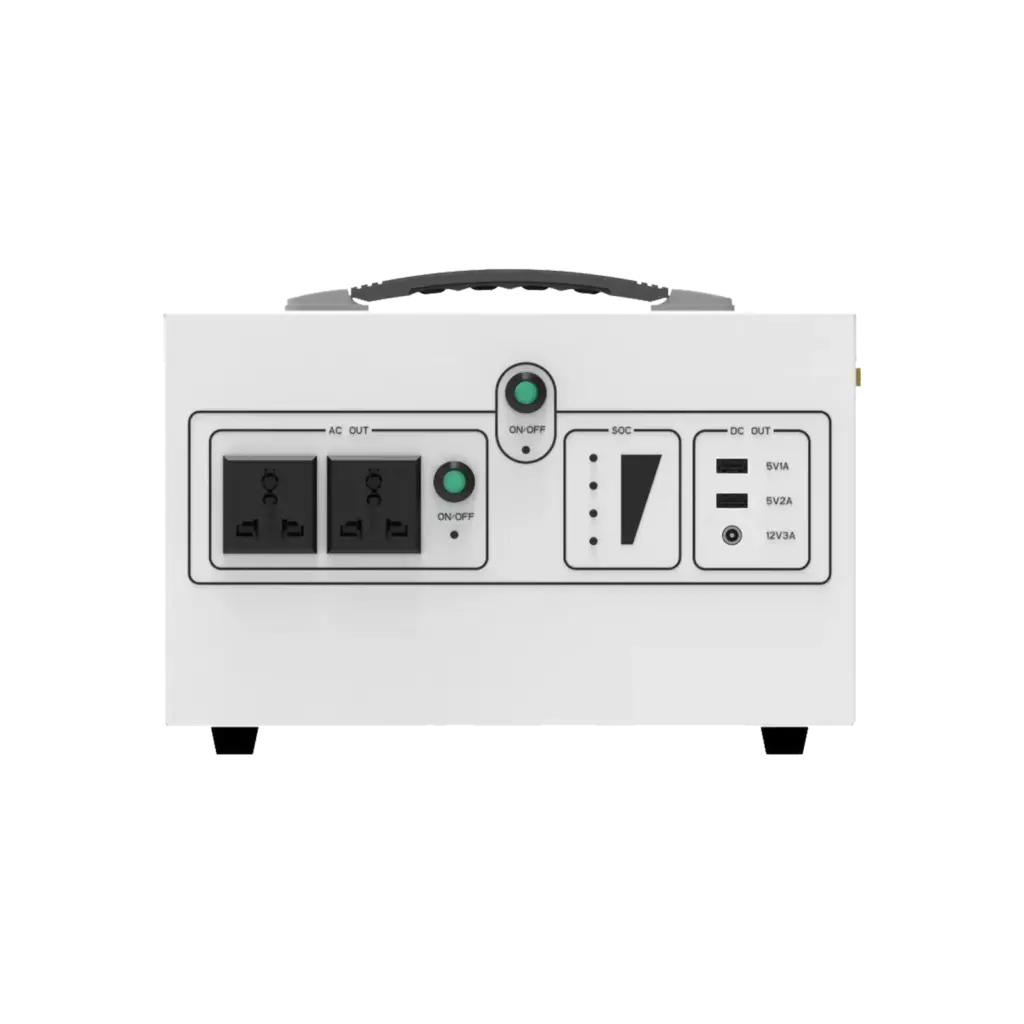
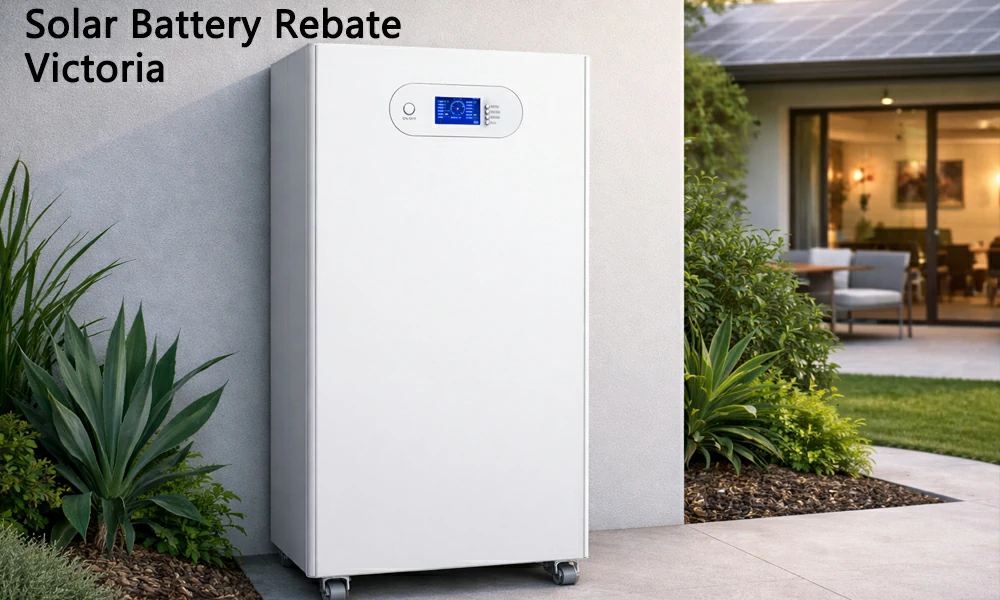
Adding a battery to your solar system lets you save energy for later. The Avepower solar backup battery uses strong LiFePO4 cells and lasts over 8,000 cycles. You can make it bigger, from 5kWh up to 260kWh. Its smart design uses CAN/RS485/RS232 communication, so your home has power day and night—even if the power goes out. This makes it a good choice for backup or off-grid homes.
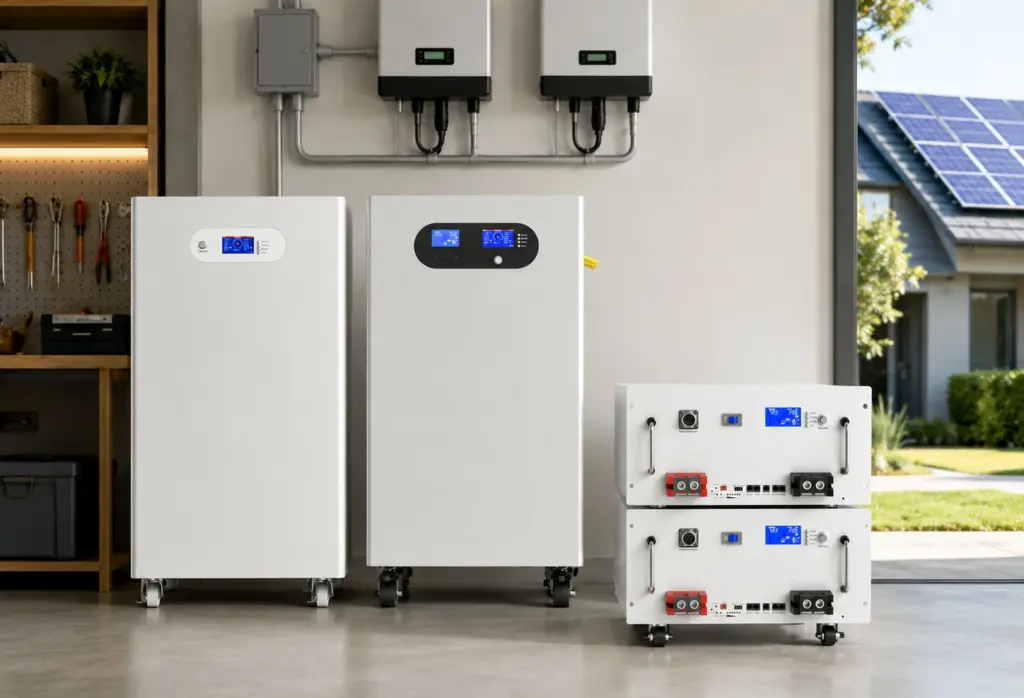
Take Control of Your Energy with Avepower!
Reliable home solar battery solutions with OEM/ODM customization and in-house manufacturing, tailored to the needs of distributors, installers, and energy partners.
Net Metering & Utility Rules
Net metering lets you get credits for extra solar power you send to the grid. Some states pay you the full retail price, but others pay less. Always check your local utility rules before you get solar. This helps you know how much you can save.
Optimizing Your Solar Setup
To get the most from your solar system:
- Use energy during the day when your panels make the most power.
- Keep your panels clean and away from shade.
- Make your system big enough for future needs, like electric cars.
- Try community solar if your roof is not a good fit.
Note: Community solar lets you buy a share in a bigger solar project. You get credits on your bill, even if you cannot put panels on your home.
You can estimate how many solar panels you need by following a few simple steps. Check your energy use, find your sun hours, and use the formula to get a good number. Always think about your roof, your location, and your future needs. Review your results and talk to a solar expert for the best advice. Solar power gives you lower bills, more energy freedom, and helps the planet. For extra backup, look into the Avepower solar backup battery. If your roof is not right for solar, try community solar.
FAQ
Most solar panels last 25 to 30 years. You may see a small drop in power over time. Good maintenance helps your panels work well for many years.
Solar panels alone do not work during a blackout. You need a backup battery, like the Avepower solar backup battery, to keep your lights on when the grid goes down.
You can still use solar panels. Panels facing east or west make a bit less power. You may need more panels to meet your energy needs.
Yes, solar panels still make electricity on cloudy days. They produce less power than on sunny days, but you still get energy.
Check your roof for shade, size, and direction. A solar installer can help you decide if your roof is a good fit for solar panels.