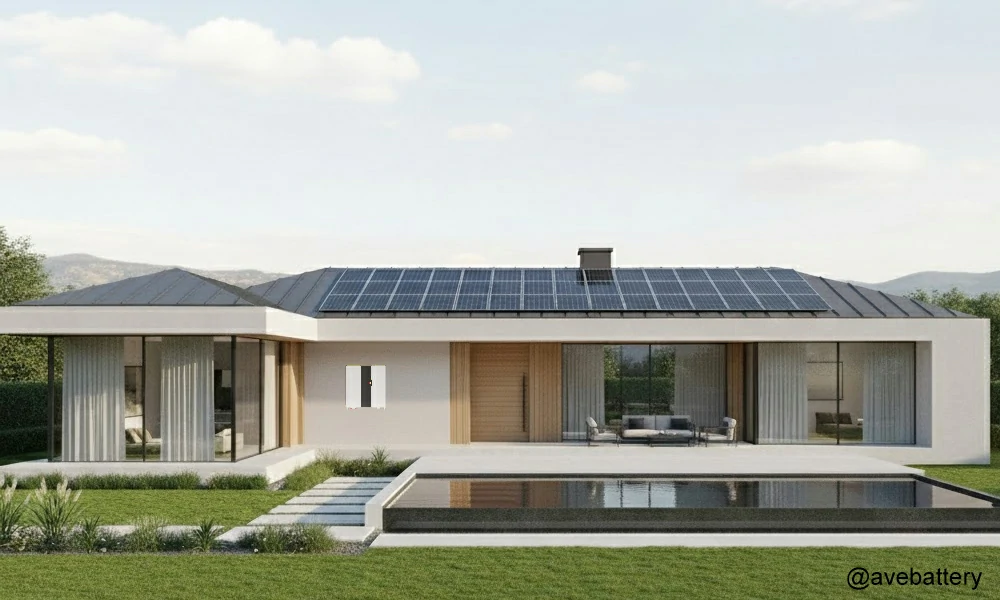
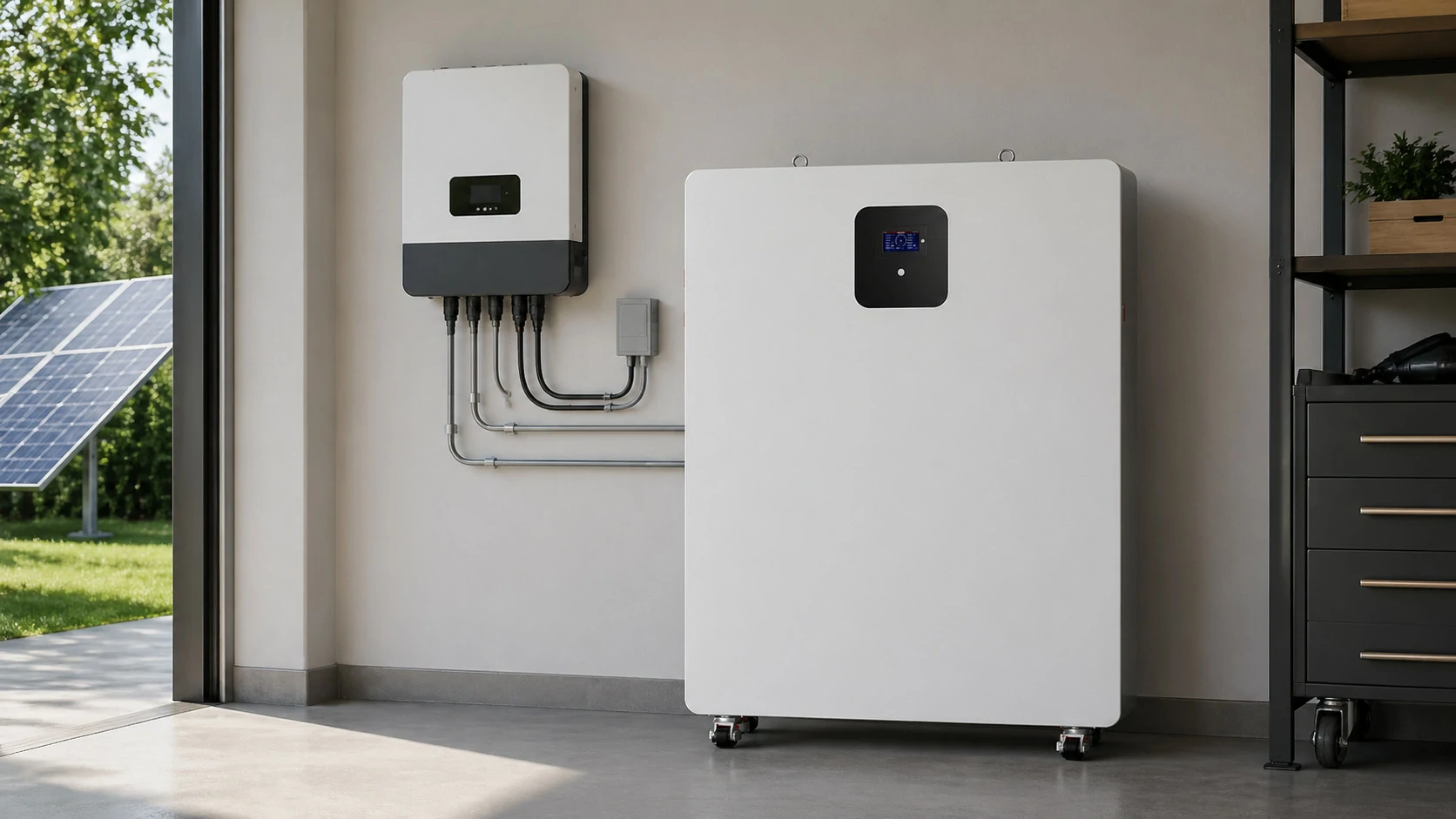
Solar power has become one of the most practical ways to reduce electricity costs and use cleaner energy. But solar panels have one limitation: they only generate electricity when sunlight is available. A solar plus storage system solves this problem by adding battery storage to a solar PV system, allowing users to store excess solar energy and use it later.
This guide explains what solar plus storage systems are, how they work, what components they include, how to size a system, and how homes, businesses, installers, and project developers can choose the right battery storage solution.
What Are Solar Plus Storage Systems?
Solar plus storage systems are solar photovoltaic systems paired with a battery energy storage system. The battery is usually charged by solar panels, although some systems can also charge from the grid when electricity prices are low or when backup preparation is needed.
A standard solar-only system sends solar electricity directly to home loads, business loads, or the grid. A solar plus storage system gives users more control over when that electricity is used. Instead of exporting all unused solar energy during the day, the system can store part of it and discharge it when energy demand is higher.
How Do Solar Plus Storage Systems Work?
A solar plus storage system works through five basic steps.
First, solar panels convert sunlight into DC electricity. Second, the inverter converts electricity into a usable form for home or business loads. Third, any excess solar electricity charges the battery. Fourth, the battery stores that electricity until it is needed. Fifth, the system discharges stored power when solar production is low, electricity prices are high, or the grid is unavailable.
A simple energy flow looks like this:
Solar panels → Inverter → Battery storage → Home or business loads → Grid connection
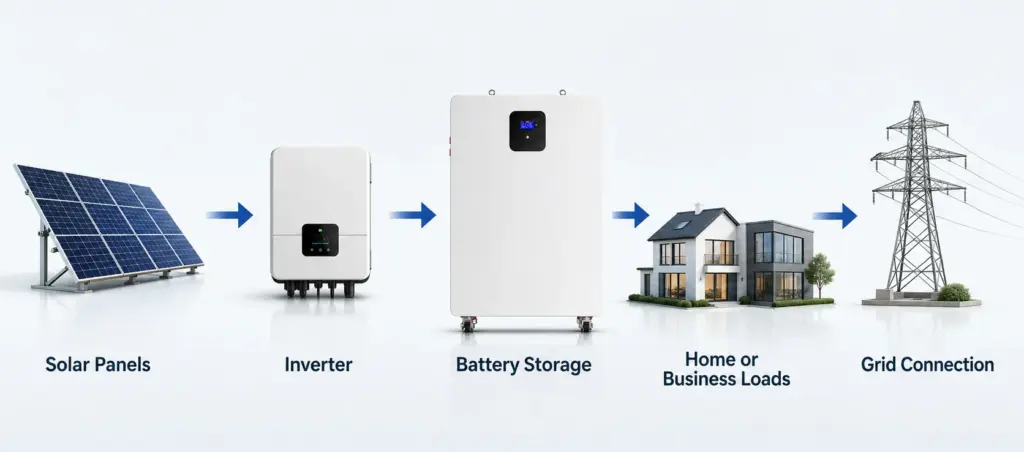
The inverter and energy management system decide how power flows. The system may prioritize self-consumption, backup power, time-of-use savings, peak shaving, or grid export depending on the user’s settings and the local electricity market.
For residential users, the most common goal is to store daytime solar power and use it at night. For commercial users, the system may also reduce demand charges by discharging during short periods of high power consumption.
Solar Plus Storage vs Solar Only
A solar-only system can reduce electricity bills, but it has limits. It produces power only when sunlight is available. Without storage, excess solar energy may be exported to the grid instead of being used later.
Solar plus storage gives users more control.
| Feature | Solar Only | Solar Plus Storage |
|---|---|---|
| Daytime solar use | Yes | Yes |
| Nighttime solar use | No | Yes |
| Backup power | Usually no | Yes, if designed for backup |
| Peak price management | Limited | Stronger |
| Self-consumption | Lower | Higher |
| Energy independence | Moderate | Higher |
| System cost | Lower upfront | Higher upfront, more functionality |
For homeowners, the main value is usually backup power, lower grid dependence, and better use of solar energy. For businesses, the value often includes peak shaving, demand charge reduction, resilience, and sustainability reporting.
Solar Plus Storage for Installers and Distributors
Installers and distributors need systems that are easy to specify, install, monitor, and support. A good solar battery product should offer stable communication, clear wiring, inverter compatibility, reliable BMS protection, and technical documentation.
Avepower supports B2B partners with LiFePO4 battery solutions for residential and commercial energy storage projects. The company provides OEM/ODM customization for appearance, capacity, communication protocols, branding, and functional requirements. This is useful for installers, distributors, EPC companies, and energy storage partners that need flexible battery solutions for different markets.
Main Types of Solar Plus Storage Systems
Grid-Tied Solar Plus Storage Systems
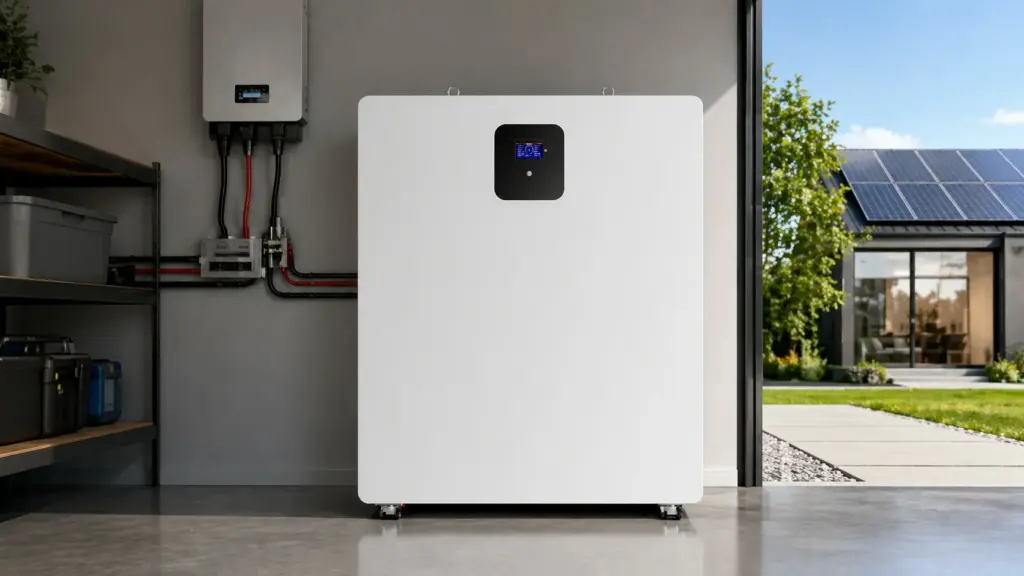
A grid-tied solar plus storage system connects solar panels, battery storage, and the utility grid. The system can use solar energy during the day, store excess electricity, discharge at night, and still draw power from the grid when needed.
This is the most common choice for homes and businesses that want lower bills and backup flexibility without going fully off-grid.
Off-Grid Solar Plus Storage Systems
An off-grid system does not rely on the utility grid. It must be designed to support all required loads through solar panels, batteries, and often a backup generator.
Off-grid systems need careful sizing because there is no grid to cover energy shortages. The battery bank must be large enough to support night loads, cloudy weather, and seasonal changes.
Hybrid Solar Plus Storage Systems
A hybrid system can combine solar, battery storage, grid power, and sometimes generator input. Hybrid systems are popular because they offer flexible energy management. They can support self-consumption, backup, peak shaving, and multiple power sources.
AC-Coupled vs DC-Coupled Solar Plus Storage
One of the most important design choices is whether the battery is connected on the AC side or DC side of the system.
| System Type | Best For | Main Advantage | Main Limitation |
|---|---|---|---|
| AC-coupled | Existing solar retrofit | Easier to add to installed PV systems | More conversion steps |
| DC-coupled | New solar plus battery systems | Higher system integration and efficiency | Requires suitable hybrid inverter design |
| Hybrid | Homes and businesses needing flexibility | Supports multiple operating modes | Needs careful engineering |
In an AC-coupled system, the battery inverter works alongside the existing solar inverter, which makes it practical for retrofit projects. In a DC-coupled system, solar and battery storage share a DC-side architecture, often through a hybrid inverter. AC-coupled systems are common for retrofits because they preserve the original solar interconnection, while DC-coupled systems can offer higher round-trip efficiency. For more information, please read “AC vs DC Coupling: Key Differences in Solar Energy Systems.”
Why LiFePO4 Batteries Are Popular for Solar Plus Storage
LiFePO4, also called LFP, is one of the most widely used chemistries for stationary battery storage. It is popular because it offers strong safety, long cycle life, good thermal stability, and lower total cost over long-term use.
Compared with some NMC battery systems, LiFePO4 batteries generally have lower energy density but stronger safety characteristics and longer service life. This makes them well suited for home energy storage, commercial energy storage, and solar plus battery systems where durability and safety matter more than ultra-compact size.
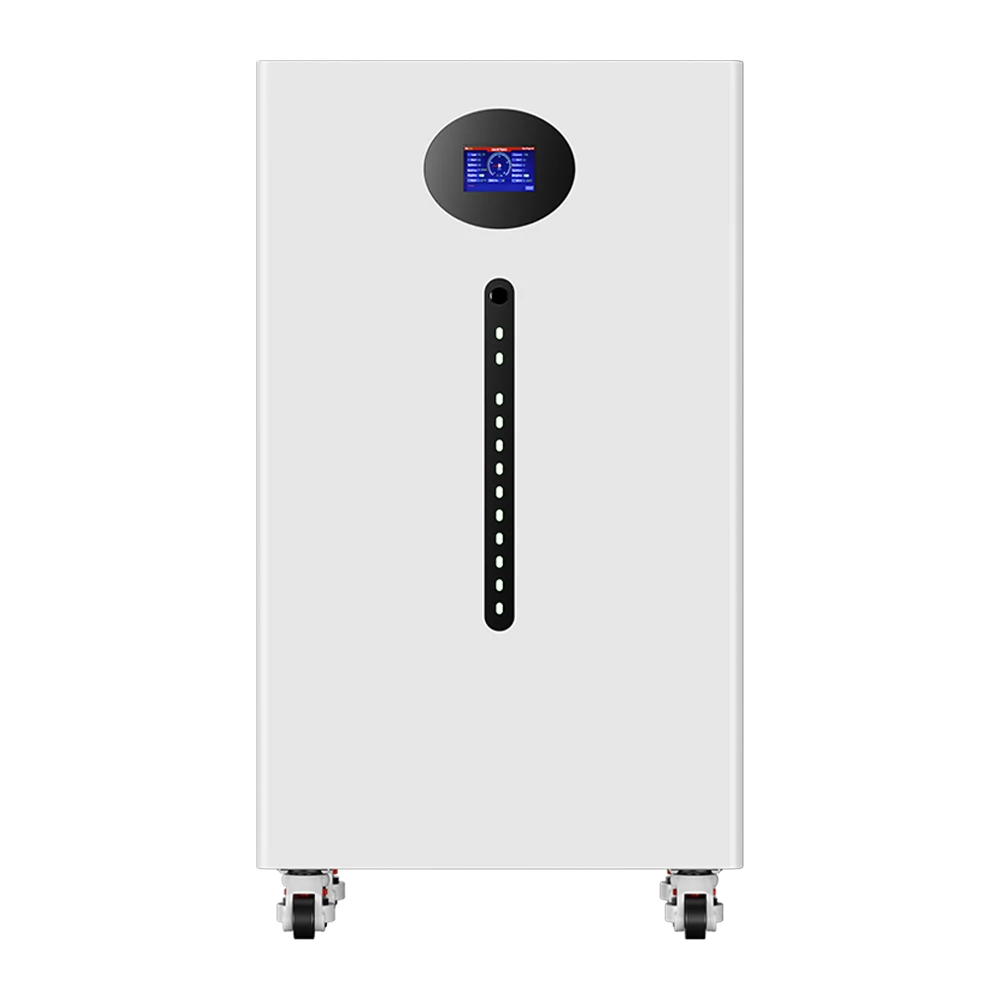
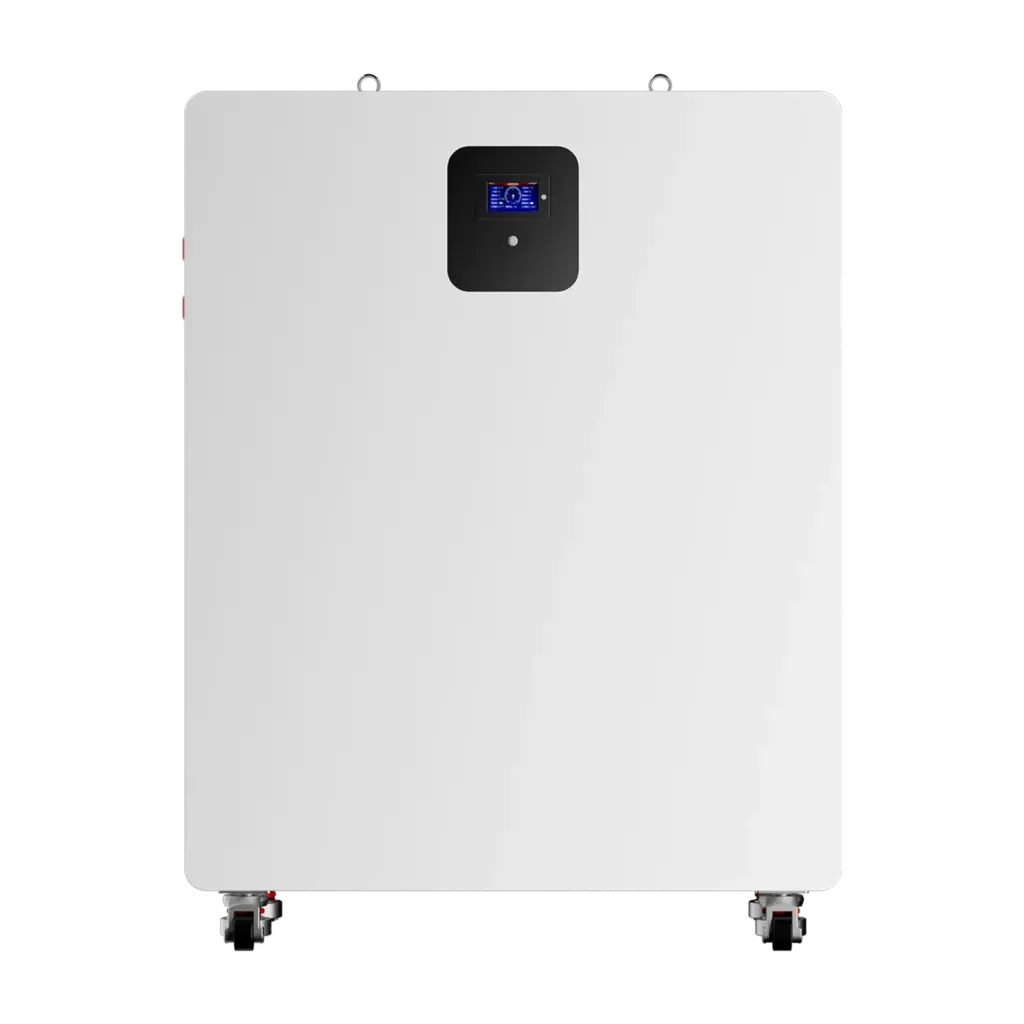
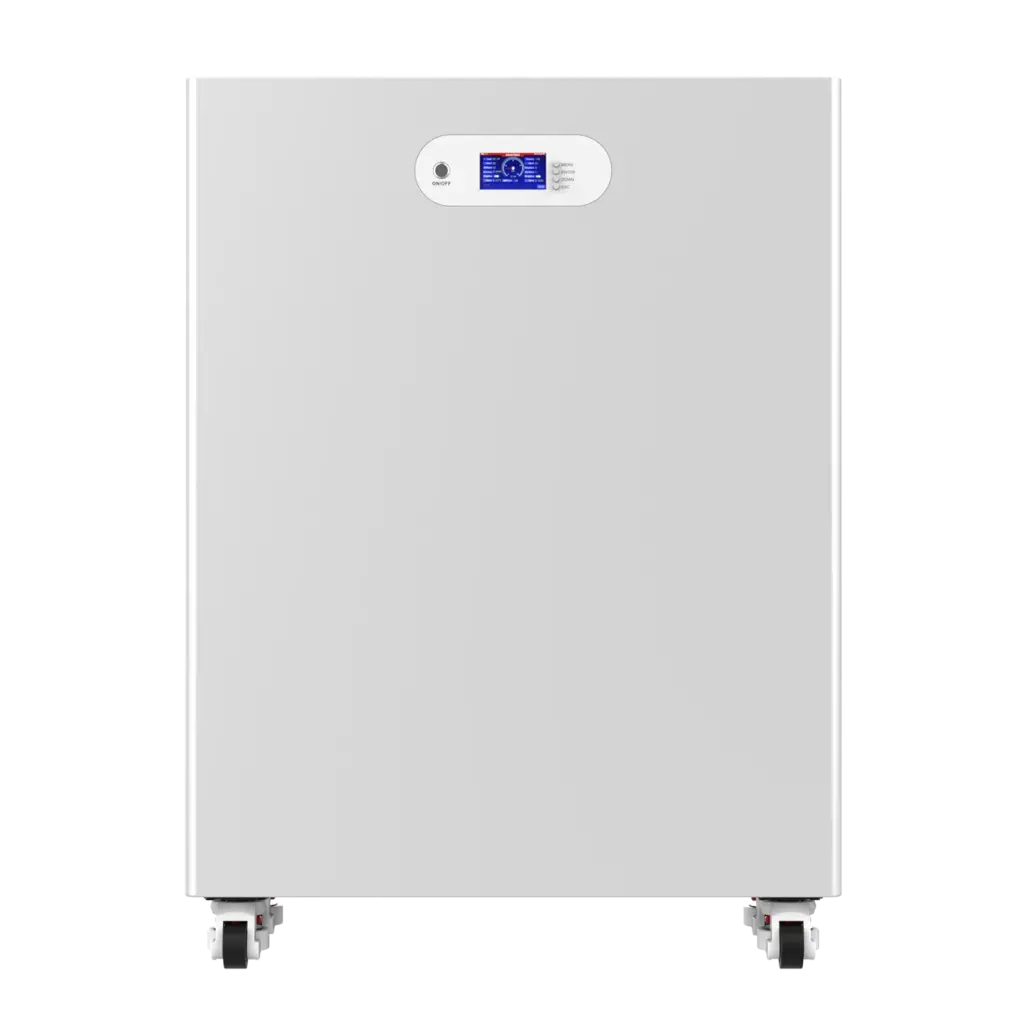
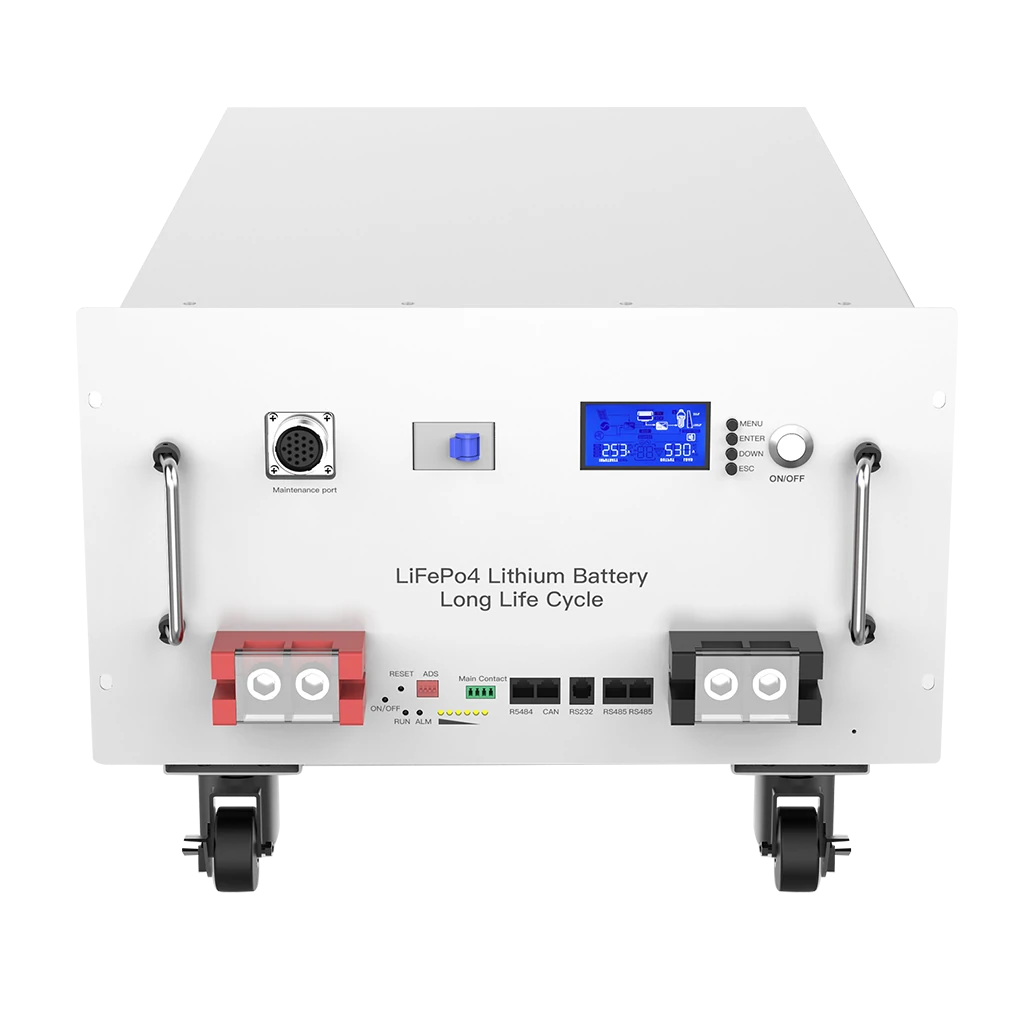
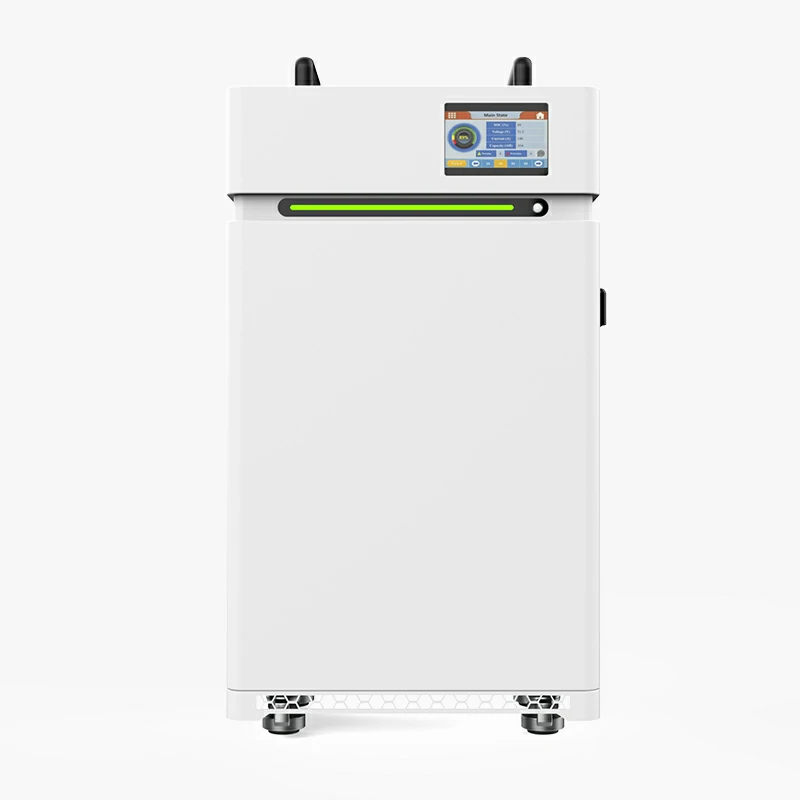
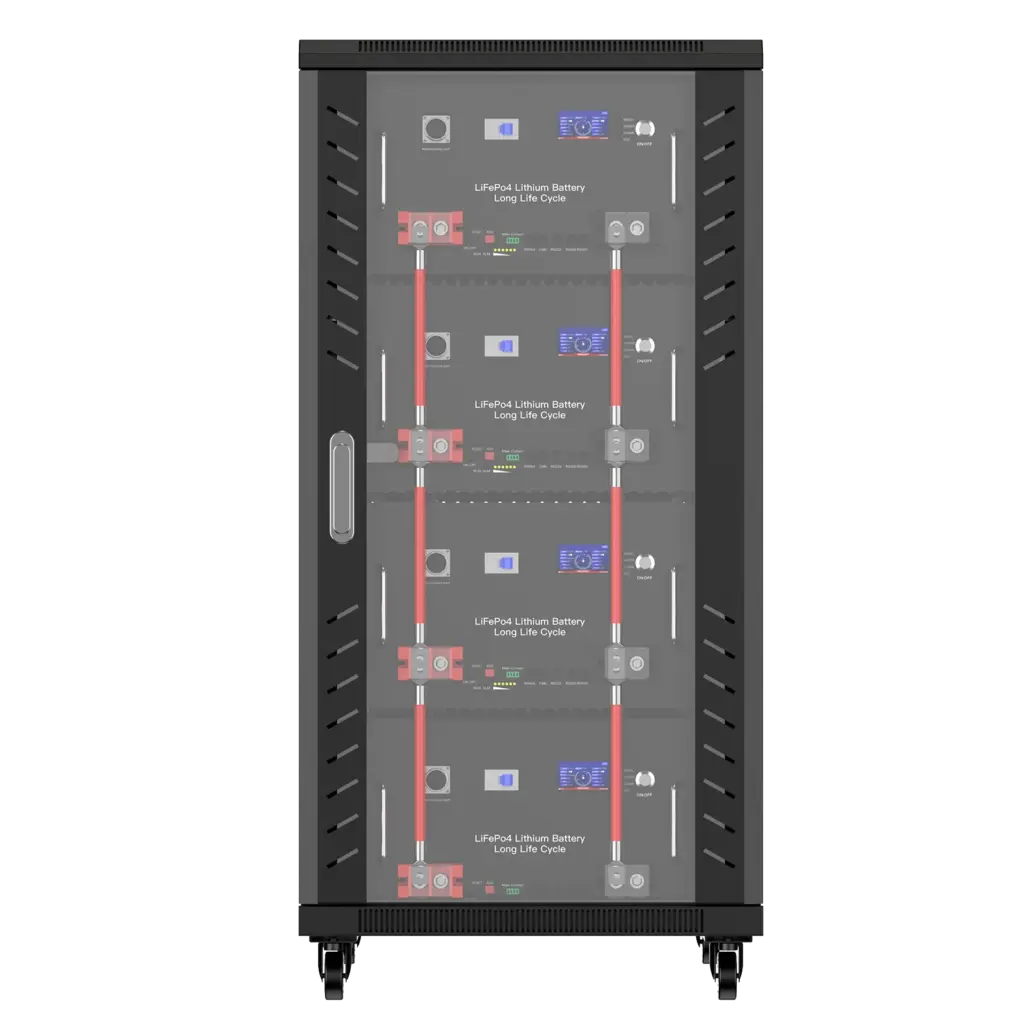
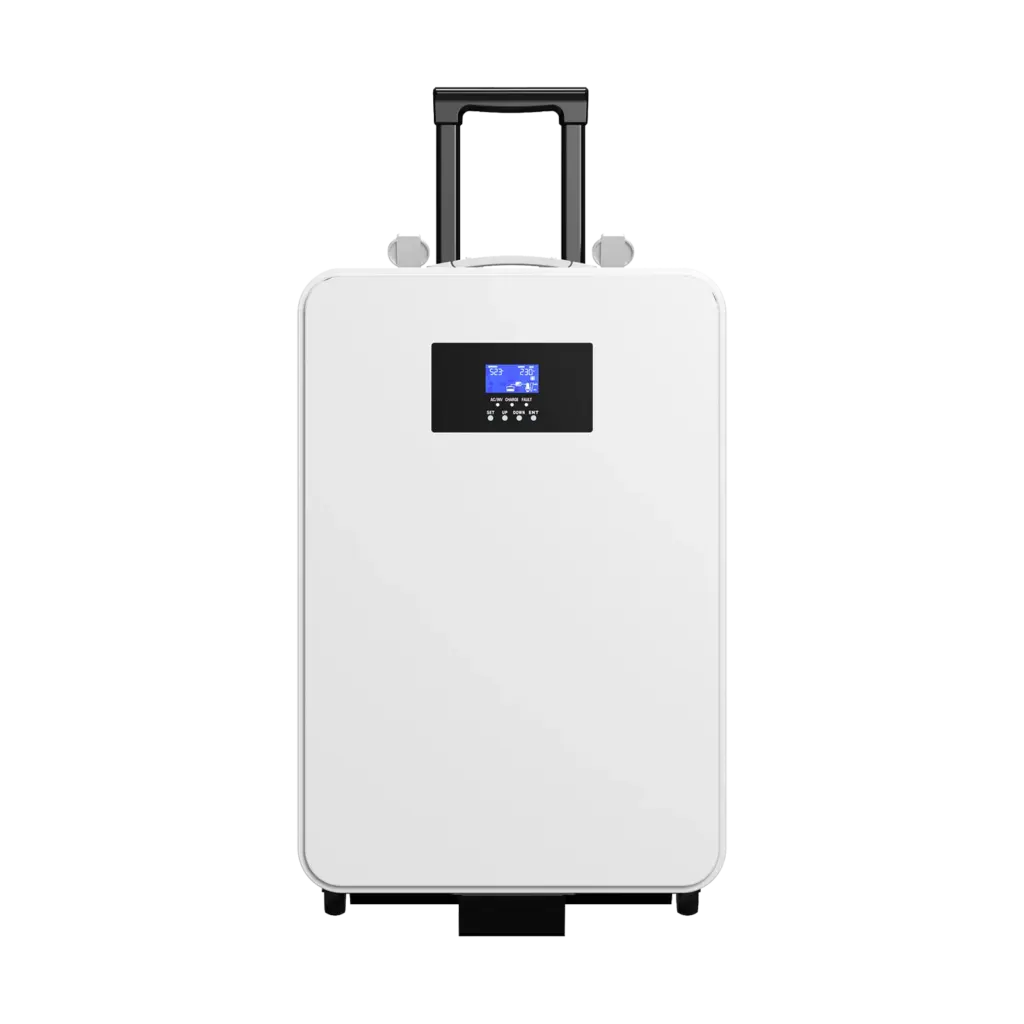
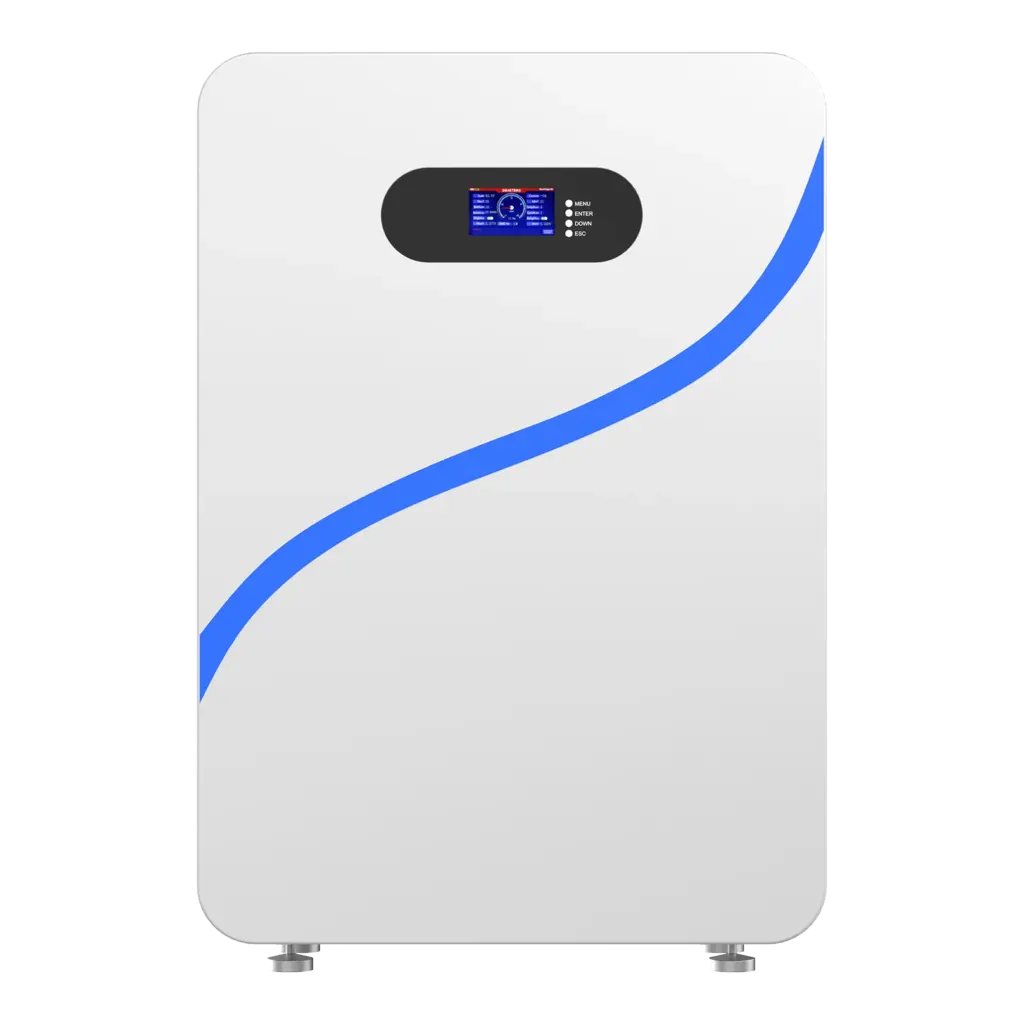
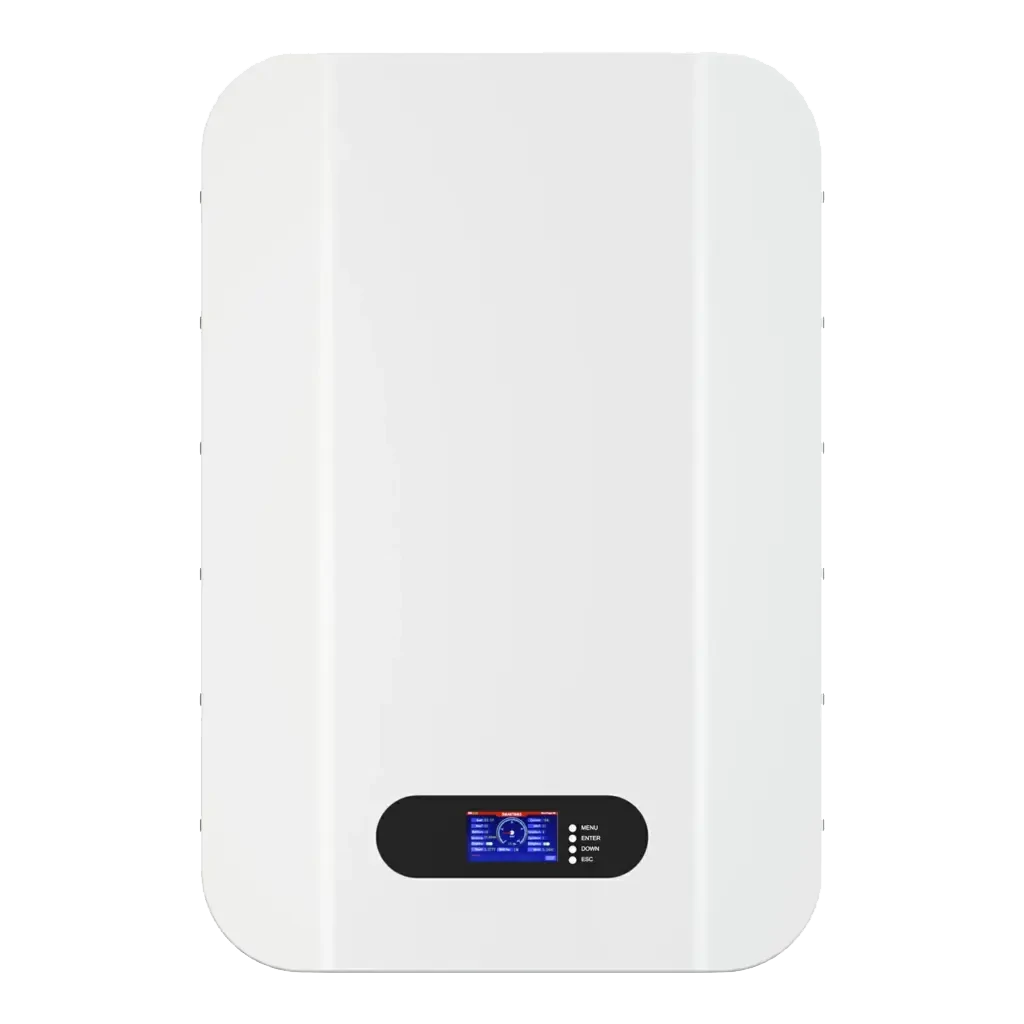
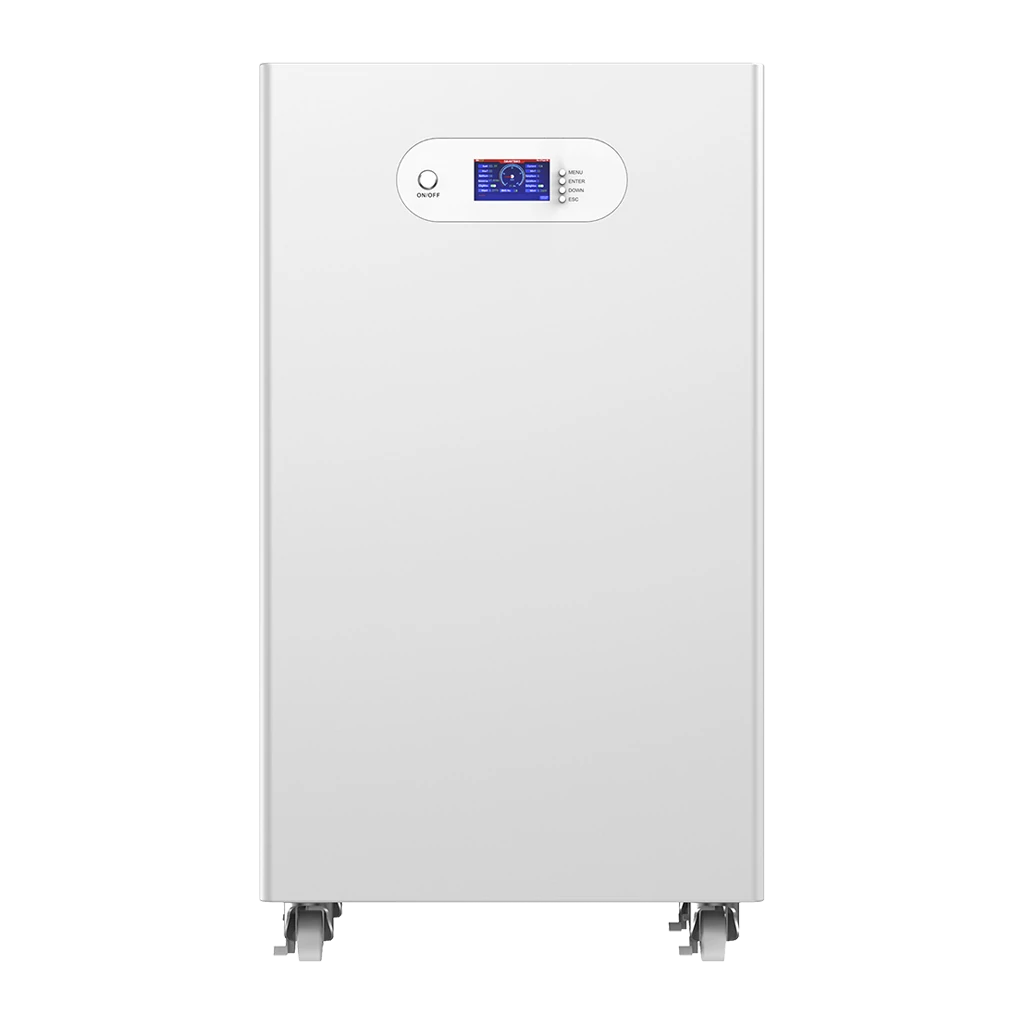
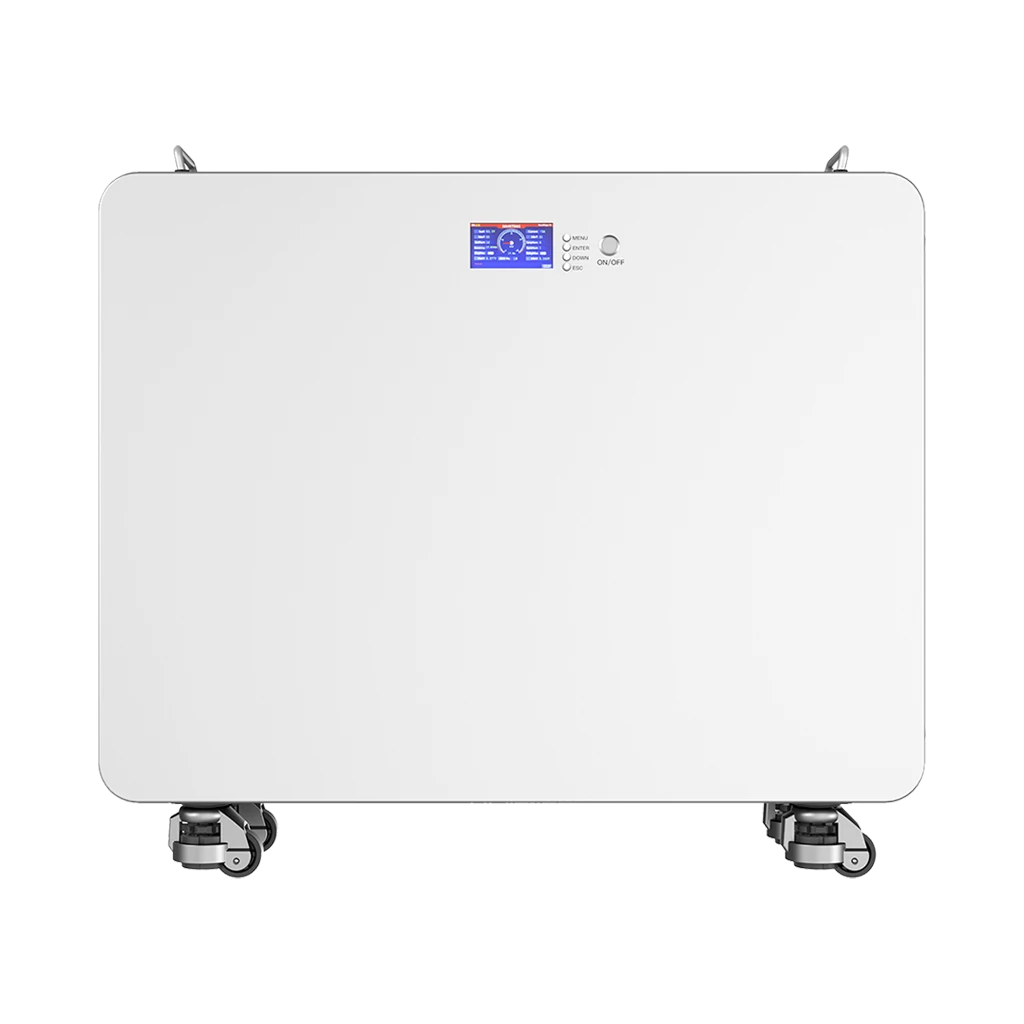
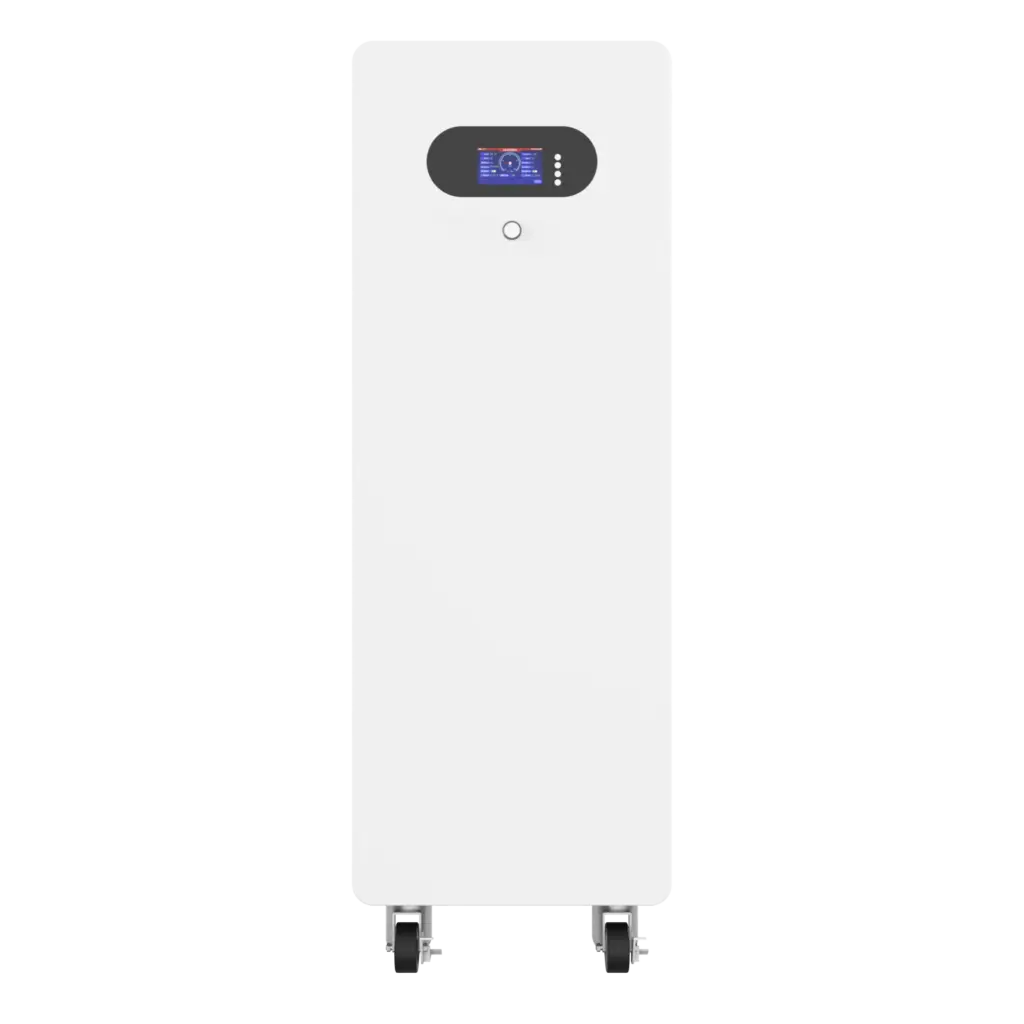
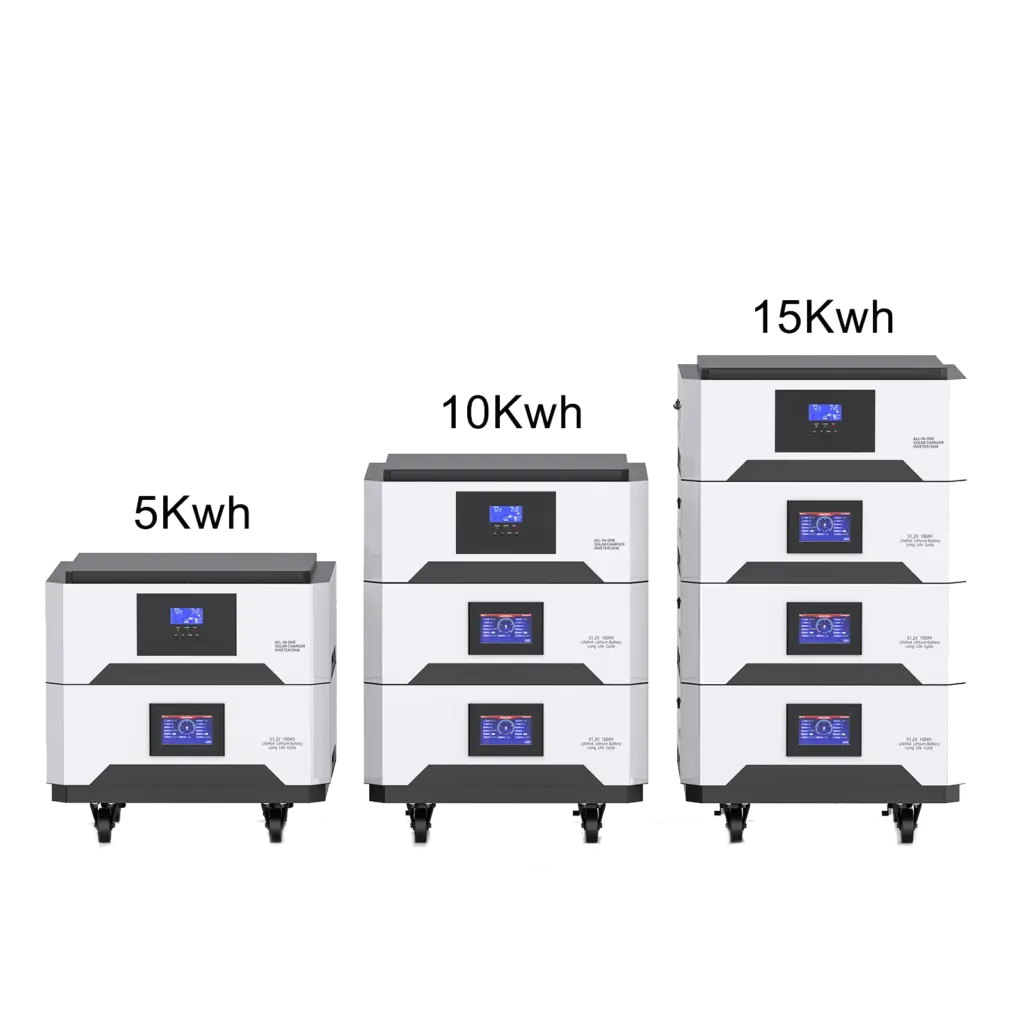
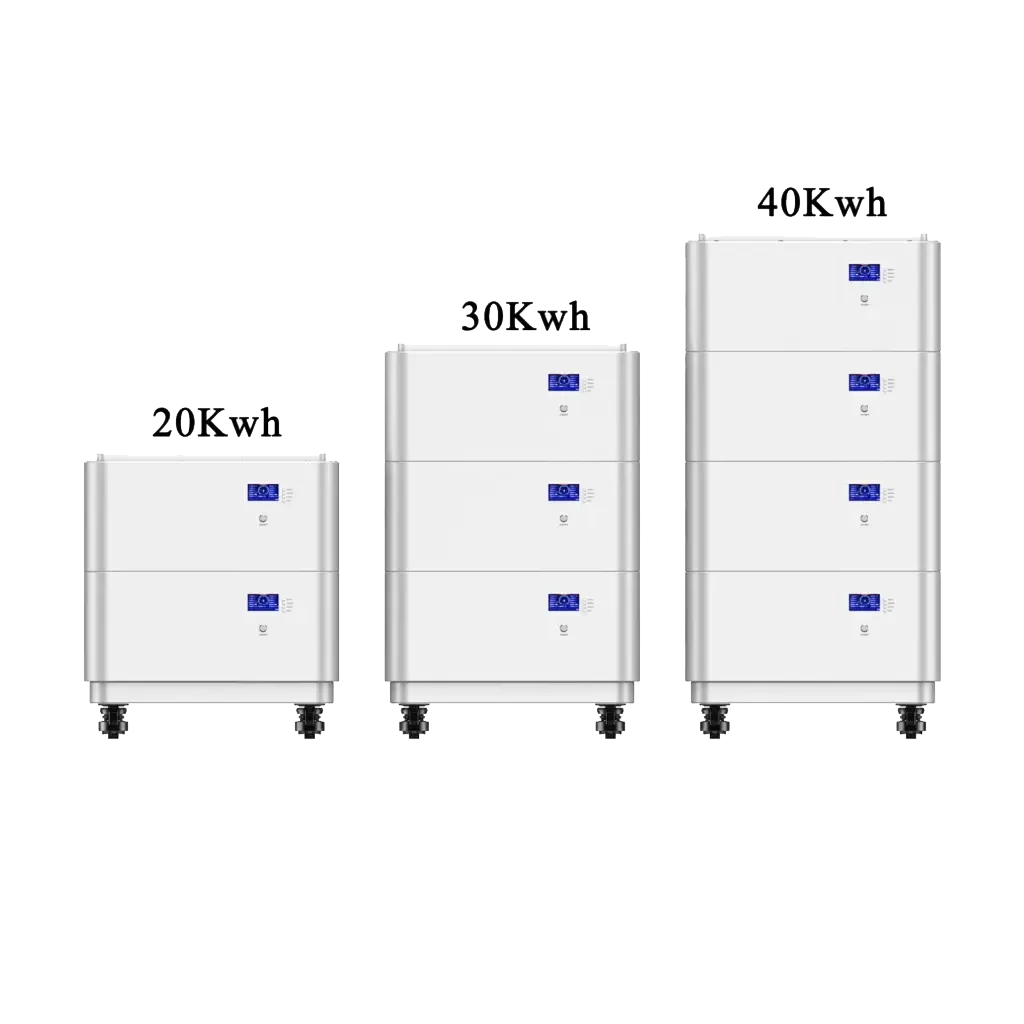
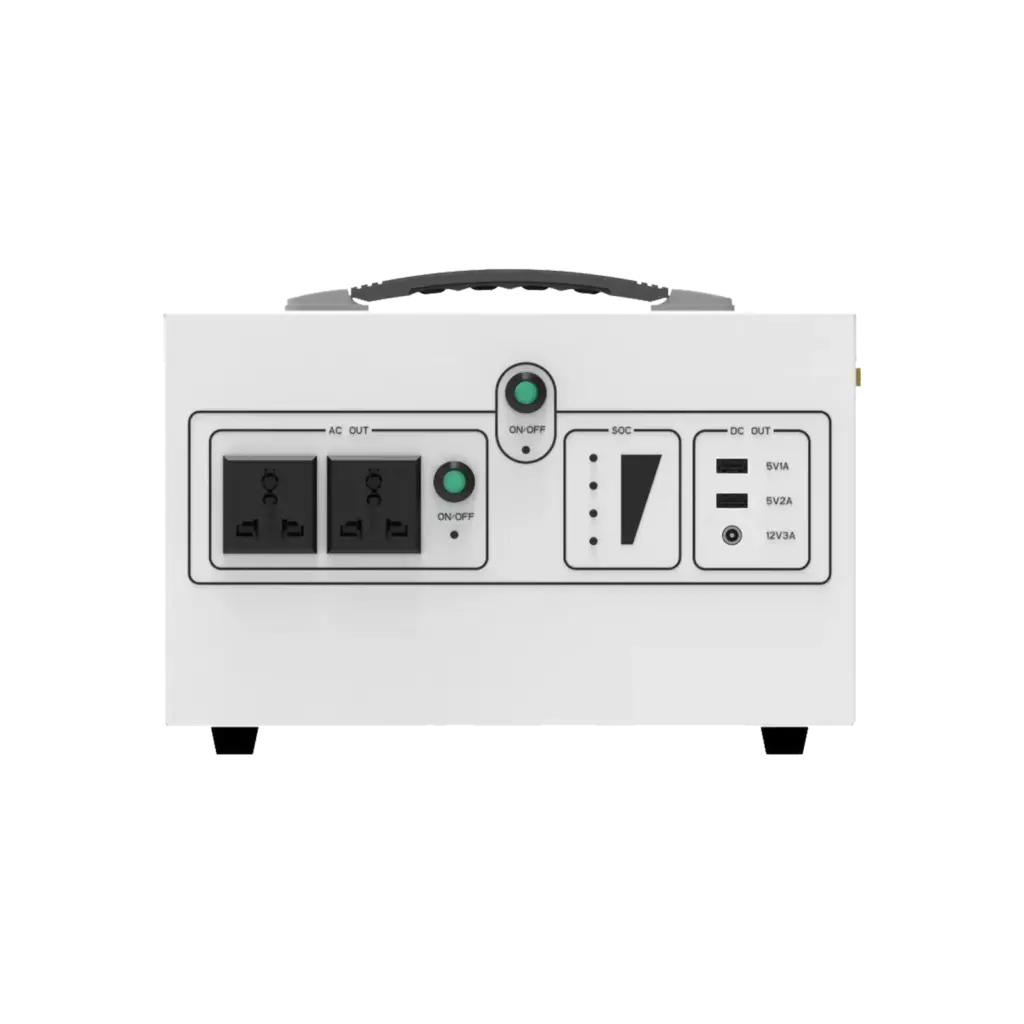
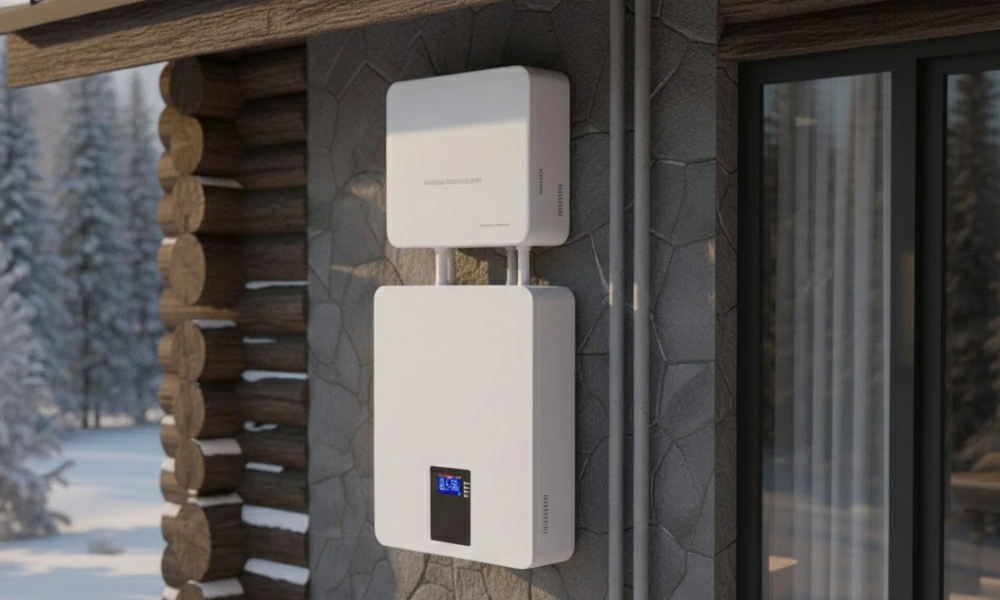
Avepower focuses on LiFePO4 battery storage solutions for residential and commercial solar applications. Its product options include wall-mounted batteries, rack-mount batteries, vertical batteries, stackable systems, all-in-one batteries, and customized high-voltage energy storage solutions.
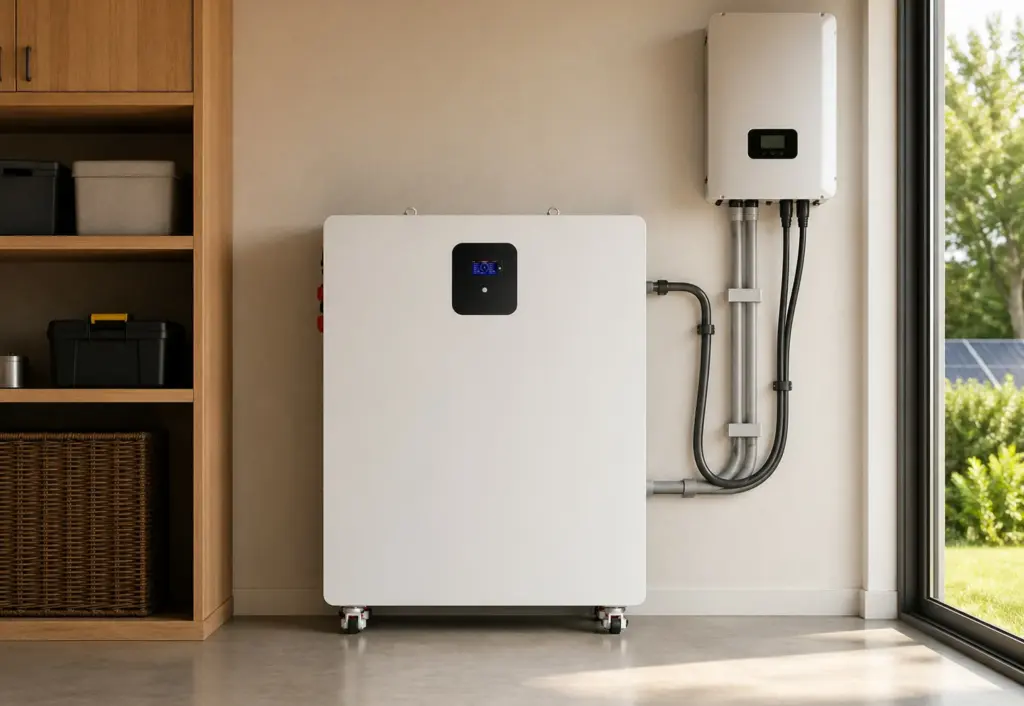
Build a Reliable Solar Plus Storage System with Avepower
Looking for a reliable solar plus storage battery solution for your next project? Contact Avepower to discuss battery capacity, inverter compatibility, customization options, and B2B project support.
Cost Trends for Solar Plus Storage Systems
Solar plus storage costs depend on battery capacity, inverter type, installation labor, permitting, fire safety requirements, monitoring, shipping, and system design.
Battery costs have fallen significantly over the past several years, but prices can still vary by region, chemistry, certification, application, and supply chain conditions. The IEA reported that the global lithium-ion battery market exceeded USD 150 billion in 2025, while average battery prices declined by 8% in 2025 and BESS prices fell to one-third of 2020 levels.
NREL’s 2025 utility-scale battery storage cost update shows a wide range of possible future cost outcomes. For 4-hour lithium-ion systems, the report projects 2035 storage costs of $147/kWh, $243/kWh, and $339/kWh under low, mid, and high scenarios.
For buyers, this means system cost should not be judged only by the lowest battery price. A reliable solar plus storage system must also consider safety design, compatibility, engineering support, warranty, monitoring, and long-term service.
Solar Plus Storage for Homes
Residential solar plus storage systems help homeowners use more of their own solar energy. They are especially useful in areas with time-of-use electricity pricing, low feed-in tariffs, frequent outages, or high evening electricity use.
Common residential goals include:
- Using stored solar power at night
- Reducing grid imports
- Backing up essential loads
- Protecting against power outages
- Preparing for future EV charging
- Increasing energy independence
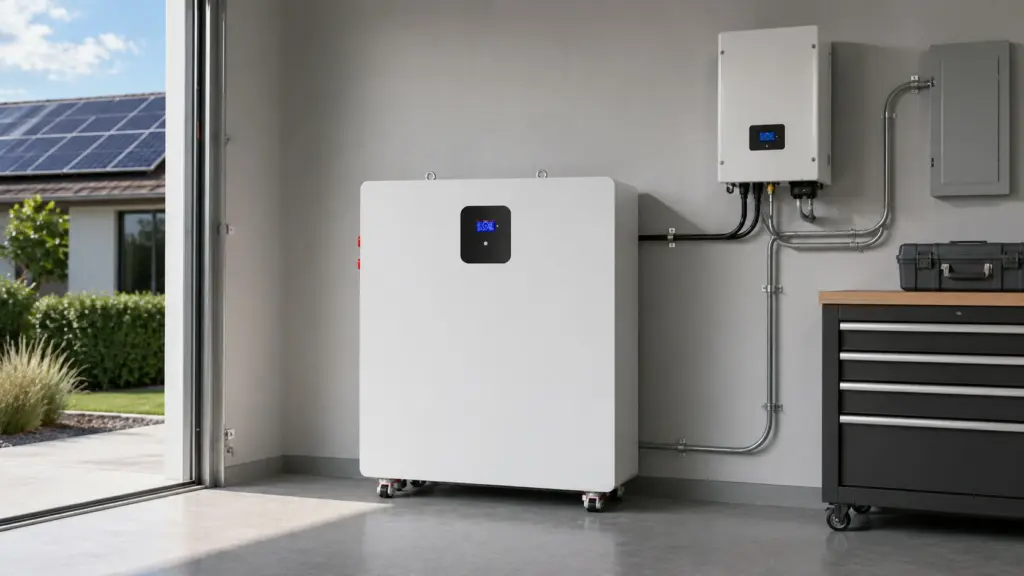
For residential projects, Avepower offers several battery formats, including wall-mounted batteries, rack-mounted batteries, vertical LiFePO4 batteries, stackable batteries, and all-in-one battery systems. These options allow installers and homeowners to select a system based on available space, capacity needs, installation method, and inverter compatibility.
Solar Plus Storage for Businesses
Commercial solar plus storage systems are often designed around energy cost control and operational continuity. A business may use solar power during the day, store excess generation, and discharge the battery during expensive peak periods.
Typical business applications include:
- Peak shaving
- Demand charge reduction
- Backup for critical operations
- Load shifting
- Solar self-consumption
- Sustainability reporting
- EV charging support
- Microgrid design
A commercial site must consider load profile, demand charges, operating hours, equipment startup power, fire safety, electrical room layout, and maintenance access.
Utility-Scale PV Plus Battery Systems
Utility-scale systems combine large solar farms with grid-scale battery storage. These projects may provide energy shifting, grid services, capacity support, ancillary services, and renewable integration.
NREL describes a representative utility-scale PV-plus-battery system using a DC-coupled design with a large PV array, 4-hour lithium-ion battery storage, and a shared bidirectional inverter.
Utility-scale designs are usually optimized around project revenue, grid interconnection, capacity value, curtailment reduction, and long-term operating strategy.
How Much Battery Storage Do You Need?
There is no single correct battery size for every solar plus storage system. The right size depends on energy usage, solar system size, backup goals, local electricity rates, available installation space, and budget.
As a general guide:
| Application | Typical Battery Capacity Range | Main Purpose |
|---|---|---|
| Small essential backup | 5–10 kWh | Lights, WiFi, refrigerator, basic loads |
| Standard home storage | 10–20 kWh | Evening use, self-consumption, partial backup |
| Large home or off-grid use | 20–50 kWh | Longer backup and higher daily energy demand |
| Small commercial system | 30–100 kWh | Peak shaving, backup, solar self-consumption |
| C&I energy storage | 100 kWh–1 MWh+ | Demand management, resilience, energy cost control |
Residential solar plus storage systems commonly around 5–20 kWh, commercial systems from about 30 kWh to 1 MWh, and utility-scale storage from 1 MWh and above.
For accurate sizing, users should review:
- Daily electricity consumption
- Peak load demand
- Solar PV system size
- Backup load list
- Desired backup duration
- Local solar production conditions
- Whether the system is grid-tied or off-grid
A home that only needs emergency backup may need much less storage than a home trying to run air conditioning, heating, EV charging, or off-grid loads. For more information, please read “Home Solar Battery Size Calculator (Free Calculator)”.
LFP Batteries vs NMC Batteries for Solar Plus Storage
Most modern solar plus storage systems use lithium-ion batteries, but not all lithium batteries are the same. Two common chemistries are LFP and NMC.
LFP Batteries
LFP stands for lithium iron phosphate. It is widely used in stationary energy storage because it offers strong safety, long cycle life, good thermal stability, and reliable performance for frequent charge and discharge cycles.
NMC Batteries
NMC stands for nickel manganese cobalt. It has higher energy density, which can be useful when space is limited, but it may have different thermal and cycle-life characteristics compared with LFP.
For stationary solar battery systems, LFP has become a leading choice. IEA reported that LFP batteries now account for around 90% of battery storage deployments globally.
For homeowners, installers, and project developers, this means LFP is often a strong option when the priority is safety, long-term operation, and daily cycling.
How Avepower Supports Solar Plus Storage Projects
Avepower provides LiFePO4 battery energy storage solutions for residential, commercial, and customized solar plus storage applications. For advanced projects, Avepower provides customized high-voltage energy storage systems with flexible system architecture, battery management, communication support, and project-based configuration.
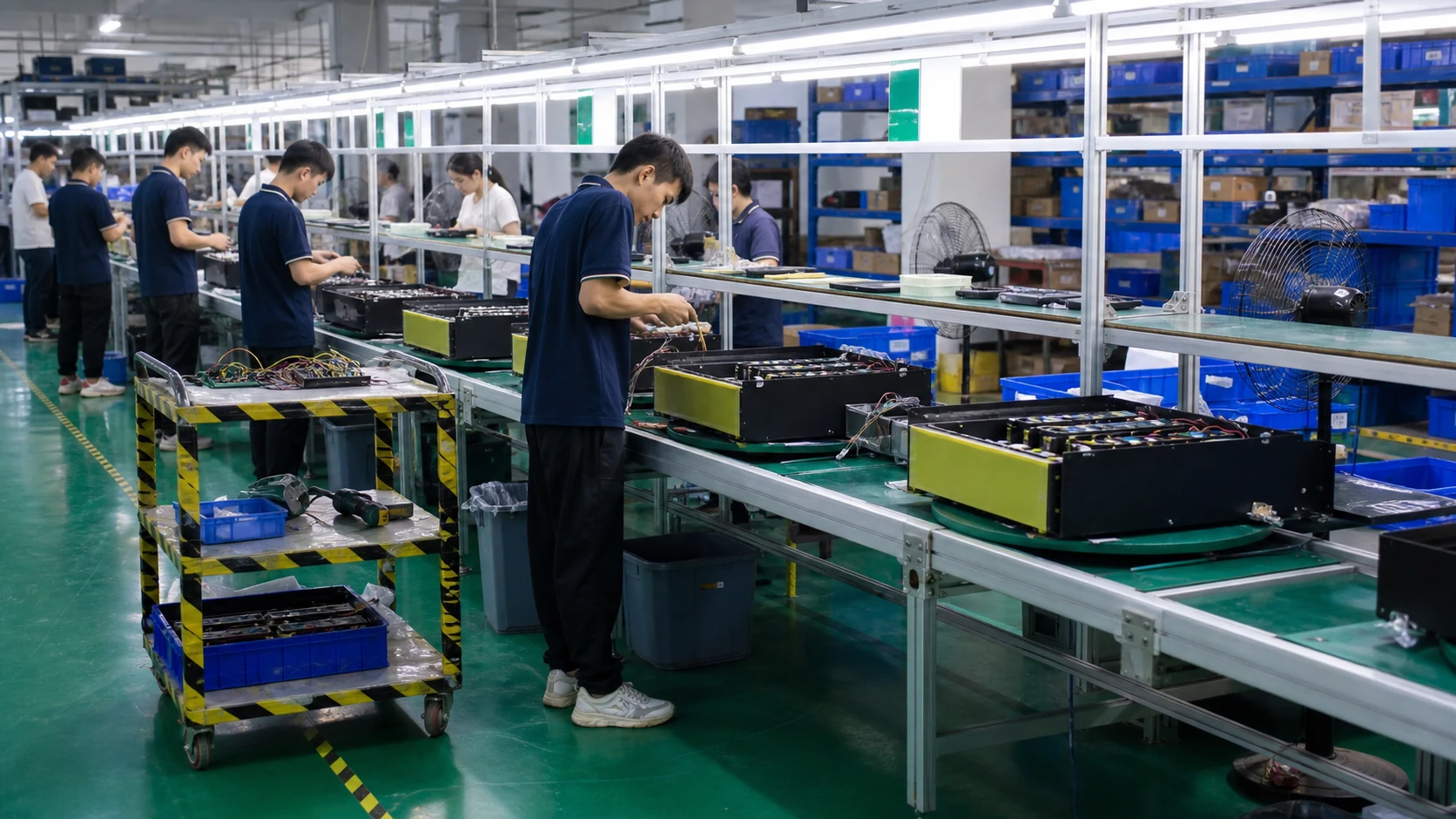
Avepower solar battery solutions are built around LiFePO4 chemistry, intelligent BMS protection, inverter communication support, and international certification requirements such as CE, UL, RoHS, UN38.3, and ISO 9001 manufacturing management. With 10 years of battery R&D, design, and production experience, Avepower supports OEM and ODM customization for appearance, capacity, function, branding, and project-specific requirements.
Request Solar Plus Storage Projects Solution
Contact Avepower to get product specifications, inverter compatibility guidance, and customized battery storage solutions for your next solar project.
Conclusion
Solar plus storage systems are becoming a core part of modern energy design. They help homeowners use more of their own solar power, give businesses better control over energy costs, and support broader renewable energy adoption.
The value of solar storage is not only in the battery itself. It comes from the full system design: solar panels, inverter architecture, battery chemistry, BMS protection, energy management, installation quality, and long-term support.
For homeowners, the right system can provide evening power and backup security. For businesses, it can support peak shaving and resilience. For installers and distributors, it creates a higher-value solution than solar alone.
FAQ
A solar plus storage system combines solar panels with battery storage. The solar panels generate electricity, and the battery stores excess energy for later use at night, during peak-rate periods, or during outages when backup is properly designed.
They can be worth it when electricity rates are high, backup power is important, net metering credits are limited, or the user wants to consume more of their own solar energy. The value depends on local rates, system cost, battery size, and energy usage patterns.
Many lithium solar batteries are designed for long service life, often around 10 years or more depending on chemistry, cycle life, usage, temperature, and warranty terms.
Avepower provides LiFePO4 battery systems with intelligent BMS protection, multiple product formats, inverter communication support, OEM/ODM customization, and manufacturing capability for residential, commercial, and customized solar energy storage projects.
Businesses use solar plus storage for demand charge reduction, peak shaving, backup power, improved energy resilience, lower electricity costs, and sustainability goals.
Avepower provides LiFePO4 battery storage systems, including wall-mounted batteries, rack-mount batteries, vertical batteries, stackable batteries, all-in-one batteries, and customized high-voltage energy storage systems for residential and commercial solar applications.