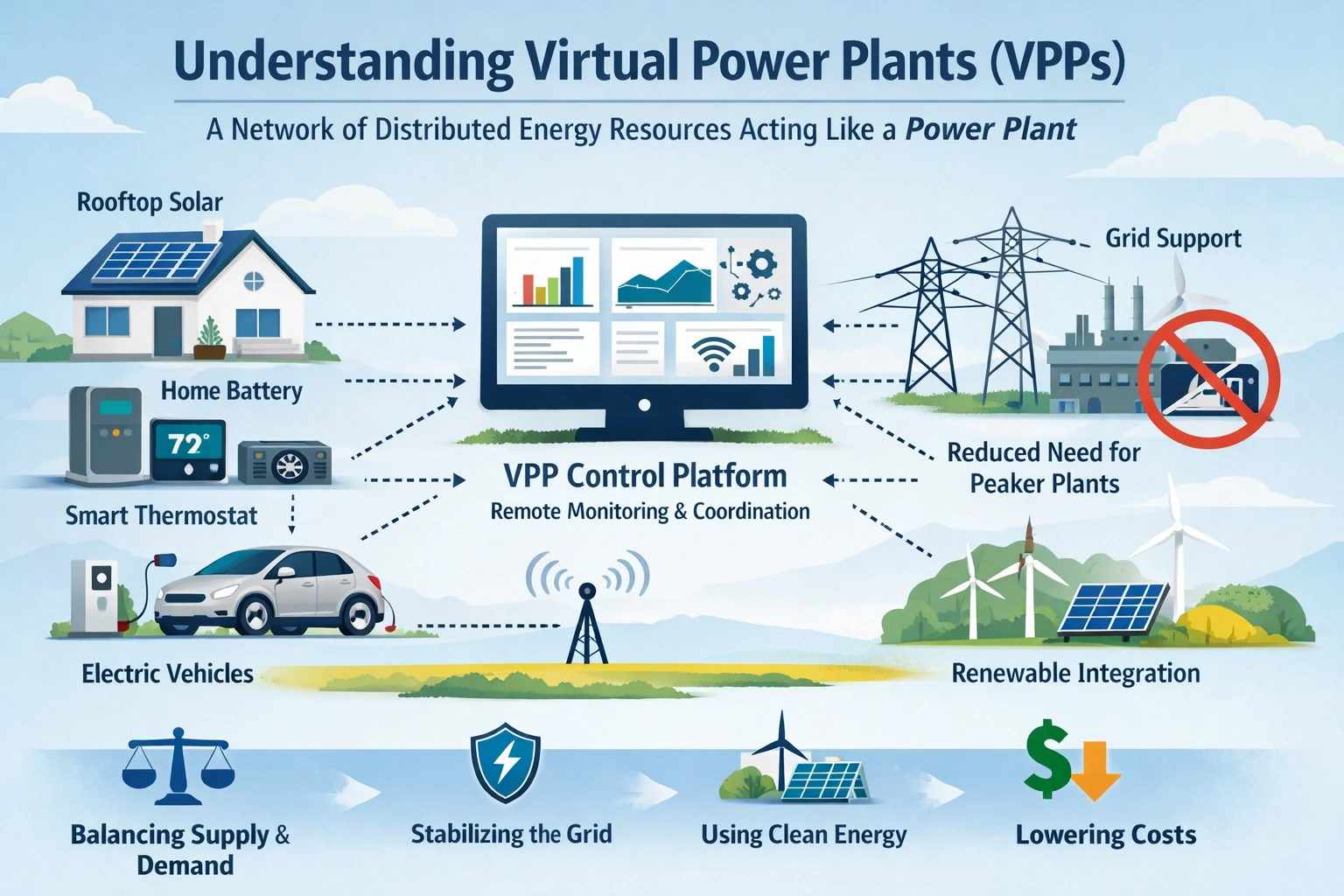
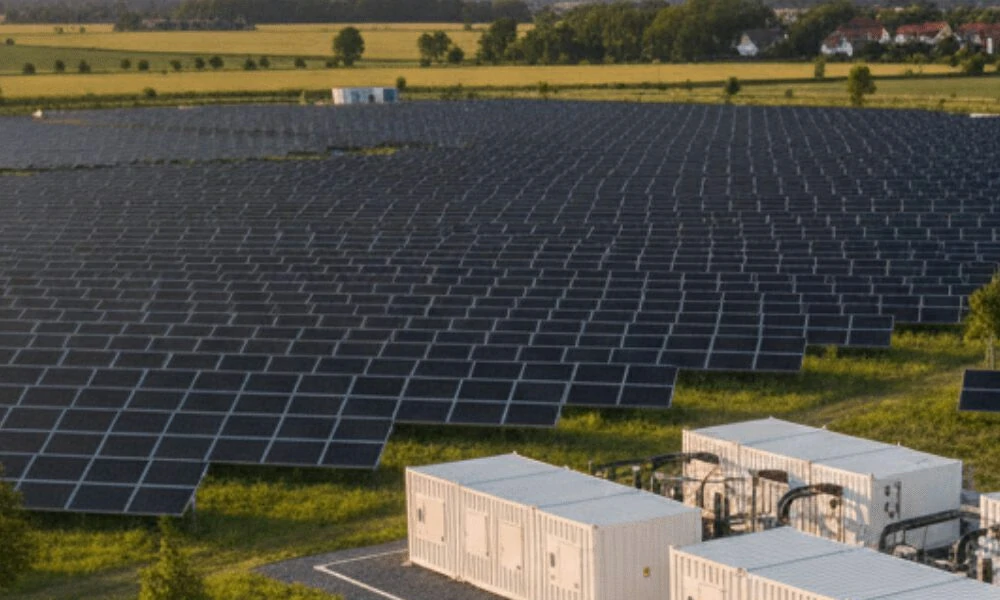
Utility-scale solar and energy storage projects are no longer a niche segment of the power industry—they are becoming one of the primary sources of new capacity additions to the U.S. grid. In 2025, the United States added 43 GW of new solar capacity, accounting for 54% of all newly installed generation capacity that year. At the same time, energy storage is growing rapidly: in 2025, battery energy storage systems represented 25% of newly added storage capacity, while by 2024 the cumulative utility-scale battery storage capacity in the U.S. had already surpassed 26 GW. Looking ahead, if planned projects proceed as scheduled, 2026 alone is expected to see an additional 43.4 GW of utility-scale solar capacity installed.
The grid requires not just more clean energy, but energy that can be delivered at the right time, in the right place, and with sufficient flexibility to ensure reliability. Today, the most competitive projects increasingly focus on utility-scale solar paired with energy storage. These projects combine low-cost daytime solar generation with dispatchable battery capacity to address evening peak demand, relieve congestion, support ramping needs, and optimize pricing.
What Are Utility-Scale Solar and Energy Storage Projects?
In the United States, the U.S. Energy Information Administration defines utility-scale generation as electricity produced by power plants with at least 1 megawatt of generating capacity. In solar, that usually means large, front-of-meter projects that send electricity directly into the bulk power system rather than primarily serving one building or one site. By the end of 2024, the U.S. had 121.2 GWac of utility-scale PV installed, representing about 69% of total installed PV capacity nationwide.
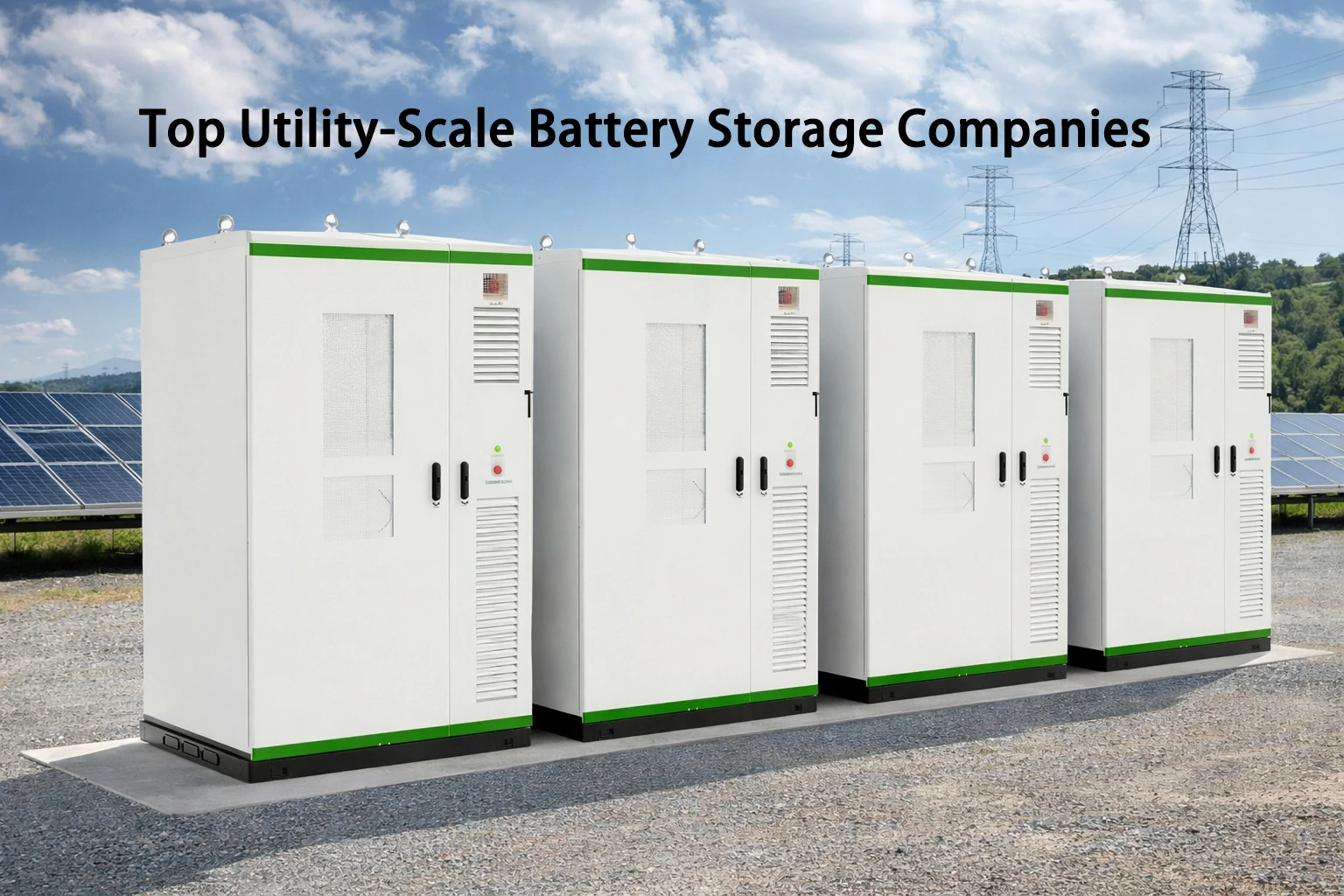
When battery storage is added to these projects, the result is a front-of-meter solar-plus-storage plant. The battery may charge from the solar array, from the grid, or from both, depending on the project design and market rules. The purpose is not only to store surplus electricity. It is also to provide operational value: shifting energy into higher-value hours, reducing curtailment, supporting capacity needs, and helping the grid respond faster to changing conditions.
Why This Category is Different from Rooftop Solar
The difference is not just size. Utility-scale solar and energy storage projects are developed around wholesale power economics, transmission access, interconnection studies, permitting, financing, and long-term offtake structures such as power purchase agreements. Residential and commercial systems, by contrast, are typically designed to offset on-site consumption and reduce a customer’s retail electricity bill.
How Utility-Scale Solar Works
At its core, utility-scale solar uses the same photovoltaic (PV) technology as rooftop systems. Solar panels convert sunlight into direct current (DC), which is then transformed into alternating current (AC) to power homes and businesses. What sets utility-scale solar apart is its scale. These projects often deploy thousands or even millions of panels, achieving economies of scale that significantly reduce the cost per watt of electricity produced.
Some of the largest solar farms in the U.S. demonstrate this scale. For example, the Solar Star project in California spans 3,200 acres and uses 1.7 million solar panels to produce energy on a utility-scale level. Additionally, many solar farms incorporate tracking systems that allow panels to follow the sun’s path across the sky, maximizing energy output throughout the day.
Benefits of Utility-Scale Solar
Utility-scale solar delivers substantial advantages for communities, the energy grid, and the broader environment:
1. Diversified Energy Portfolio
Expanding the share of solar energy reduces dependence on imported fuels and strengthens the resilience and security of energy infrastructure. A diversified energy mix helps communities better withstand supply disruptions and supports national energy independence.
2. Environmental and Health Benefits
Solar power generates electricity without emitting carbon dioxide or other pollutants. Large-scale adoption of renewable energy can significantly reduce air pollution–related health risks, including respiratory issues and premature deaths caused by poor air quality.
3. Cost-Effective Power
According to the International Renewable Energy Agency (IRENA), solar has become one of the most affordable energy sources globally. When paired with energy storage systems, utility-scale solar ensures reliable electricity availability during peak demand periods or at night, helping lower electricity costs for consumers.
4. Job Creation
The solar industry supports over 279,000 jobs in the United States, spanning project development, installation, and ongoing maintenance. These opportunities contribute to local economies and foster a skilled workforce in the renewable energy sector.
Challenges of Utility-Scale Solar
While utility-scale solar offers significant benefits, it also faces several challenges that must be addressed for successful deployment:
1. Land Requirements
Large solar farms often require hundreds of acres of land. Without careful planning, solar projects can impact ecosystems or compete with agricultural use. Ideal sites include deserts, underutilized land, or areas near highways to minimize environmental and social impacts.
2. Intermittency
Solar panels generate electricity only when sunlight is available, producing less power on cloudy days or during storms and none at night. To maintain a continuous supply, battery storage or backup systems are necessary.
3. Curtailment Risks
When solar production exceeds local demand or grid capacity, some electricity may be wasted—a phenomenon known as curtailment. Curtailment can reduce the economic value of solar energy, particularly during periods of low demand.
4. Grid Integration
Connecting a utility-scale solar project to the grid requires technical approvals, permits, and interconnection studies. These processes can delay project timelines by several months or even years before operations begin.
5. Price Volatility
In regions with abundant solar generation, daytime electricity prices may drop sharply or even turn negative. This can affect project profitability unless paired with energy storage systems that allow energy to be dispatched during higher-priced periods.
The Role of Energy Storage in Utility-Scale Solar
Solar power generation is inherently dependent on sunlight, making it variable throughout the day and across seasons. This intermittency presents a major challenge for large-scale solar projects. Energy storage systems play a critical role in addressing this issue by capturing excess electricity and delivering it when it is most needed.
Why Energy Storage Matters
Without integrated storage, utility-scale solar farms face several operational limitations. Electricity generation stops entirely at night and can drop significantly during cloudy weather or extreme conditions. In addition, excess energy produced during periods of low demand is often curtailed or wasted due to grid constraints.
Energy storage systems—particularly Battery Energy Storage Systems (BESS)—help overcome these challenges by enabling energy shifting. They store surplus electricity generated during peak sunlight hours and release it during periods of higher demand, improving overall system efficiency and reliability.
Key Benefits of Storage Integration
Improved Grid Stability
Energy storage helps maintain a balance between electricity supply and demand. By responding quickly to fluctuations, storage systems reduce grid stress and support a more stable and resilient power network.
Reduced Curtailment
Instead of discarding excess solar generation, operators can store surplus electricity and use it later. This maximizes the value of solar assets and improves overall system efficiency.
Peak Shaving
Stored energy can be dispatched during peak demand periods when electricity prices are highest. This not only reduces strain on the grid but also increases revenue potential for project owners.
Backup Power
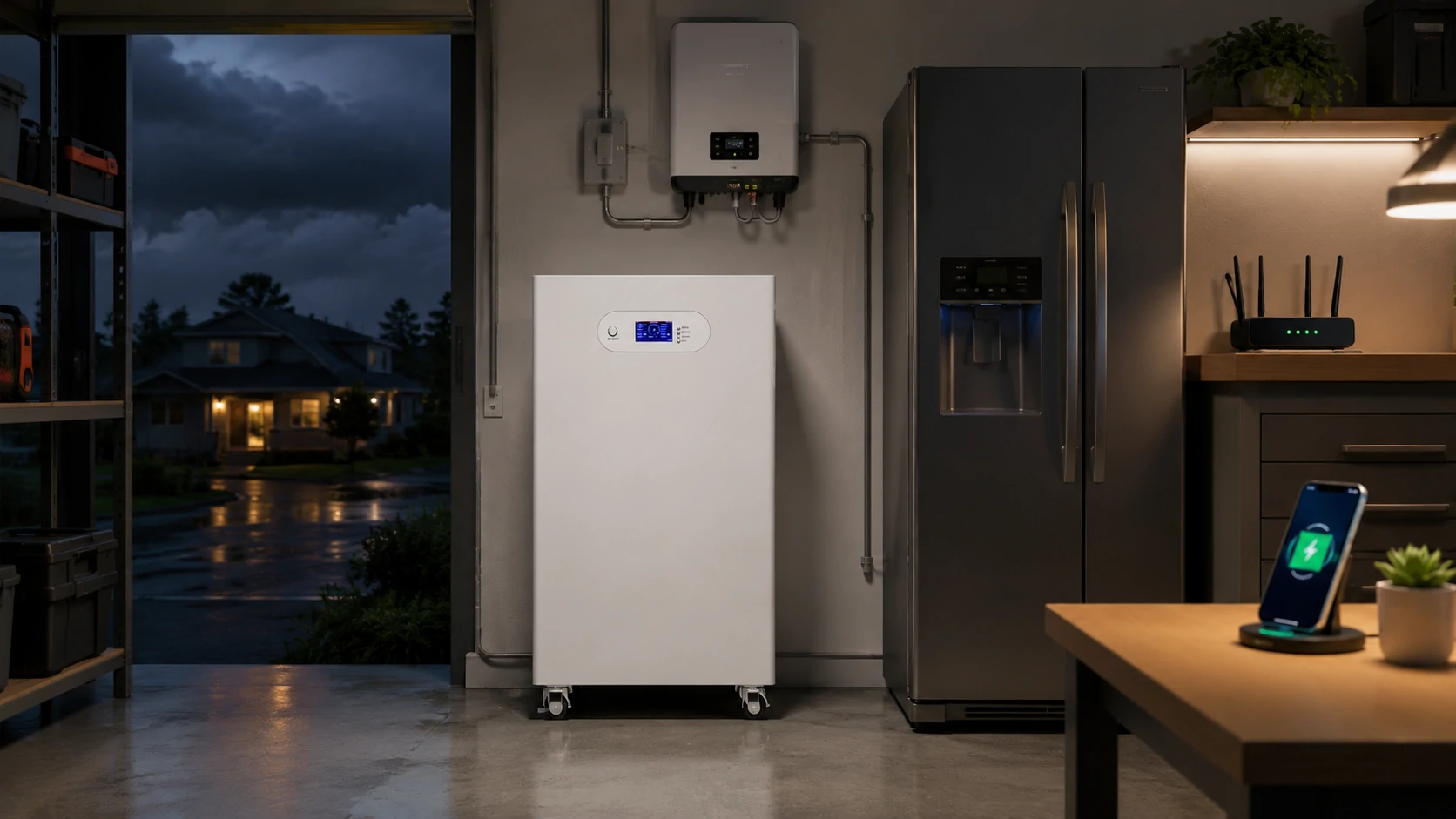
Energy storage provides a reliable source of electricity during outages, emergencies, or grid disruptions, enhancing energy security for utilities and end users.
Avepower has developed utility-scale solar projects globally. Our systems maximize energy use by installing high-efficiency panels over farmland or livestock areas while integrating energy storage. This approach not only increases electricity generation but also reduces the impact on land and supports flexible energy management.
Contact Avepower to explore solutions that fit your home or business.
Utility-Scale Solar vs Distributed Generation
Utility-scale solar differs from distributed generation (DG), such as rooftop solar, in several ways.
| Feature | Utility-Scale Solar | Distributed Solar |
|---|---|---|
| Typical scale | 1 MW and above, often far larger in practice | Usually below 1 MW |
| Grid position | Front-of-meter | Behind-the-meter or local distribution-connected |
| Main purpose | Sell power to the grid, utilities, or wholesale buyers | Offset on-site electricity use |
| Common location | Ground-mounted solar farms | Rooftops, carports, small ground-mount systems |
| Storage role | Grid services, arbitrage, firming, curtailment management | Backup, self-consumption, bill savings |
Main Types of Utility-Scale Solar Projects
| Project Type | Core Strength | Main Limitation | Best Use Case |
|---|---|---|---|
| PV-only | Lowest-cost daytime renewable energy | Limited dispatch flexibility | Bulk clean energy production |
| CSP with thermal storage | Dispatchable solar using heat storage | Higher capital cost | Niche high-DNI regions and industrial applications |
| PV + Battery Storage | Balances cost and flexibility | Adds storage capex and control complexity | Modern grids with peak pricing, curtailment, and flexibility needs |
1. Utility-Scale Solar PV
Solar photovoltaic power plants are the dominant form of utility-scale solar today. They use large arrays of PV modules to convert sunlight into electricity, which is then inverted and delivered to the grid. The technology is fundamentally similar to rooftop solar, but the project scale, land use, electrical design, and operational strategy are very different.
Many of these projects use single-axis trackers that allow panels to follow the sun and improve energy yield. DOE data also shows that hybridization is becoming increasingly common: in 2023, about 26% of utility-scale PV capacity and 45% of battery capacity were hybrid PV-plus-storage projects.
2. Concentrating Solar Power (CSP)
CSP is a different technology family. Instead of directly converting sunlight into electricity, it uses mirrors to focus solar energy onto a receiver, creating heat that can be used immediately or stored for later to generate electricity. DOE notes that CSP can be dispatchable because the thermal energy can be stored and used when needed.
CSP remains relevant in certain high-irradiance markets and industrial heat applications, but in most modern power markets, PV has become the dominant utility-scale solar technology because of its lower cost, simpler deployment, and rapidly improving storage pairing economics.
3. Solar-Plus-Storage Projects
This is where the market is heading fastest. A solar-plus-storage project combines PV generation with a battery energy storage system, either physically co-located or commercially integrated. The solar array charges the battery directly or indirectly, and the battery later discharges electricity when prices are higher or grid support is needed.
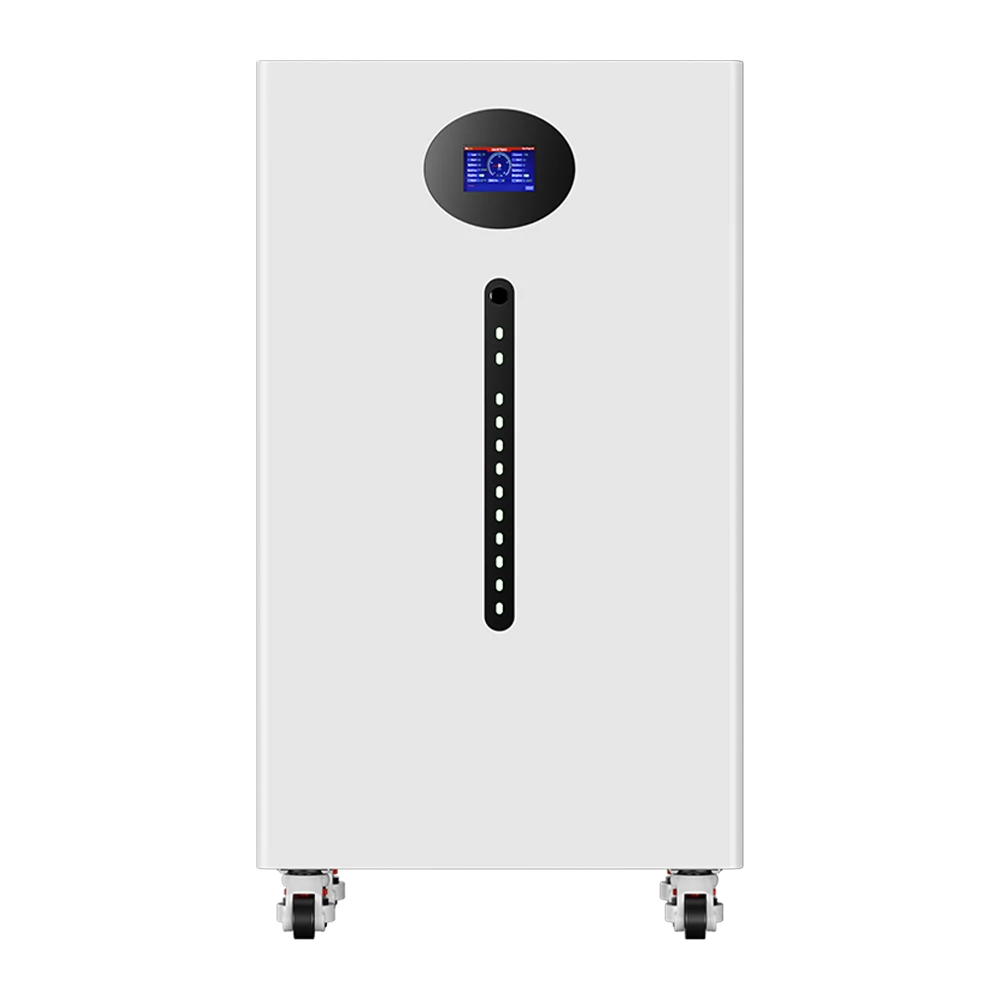
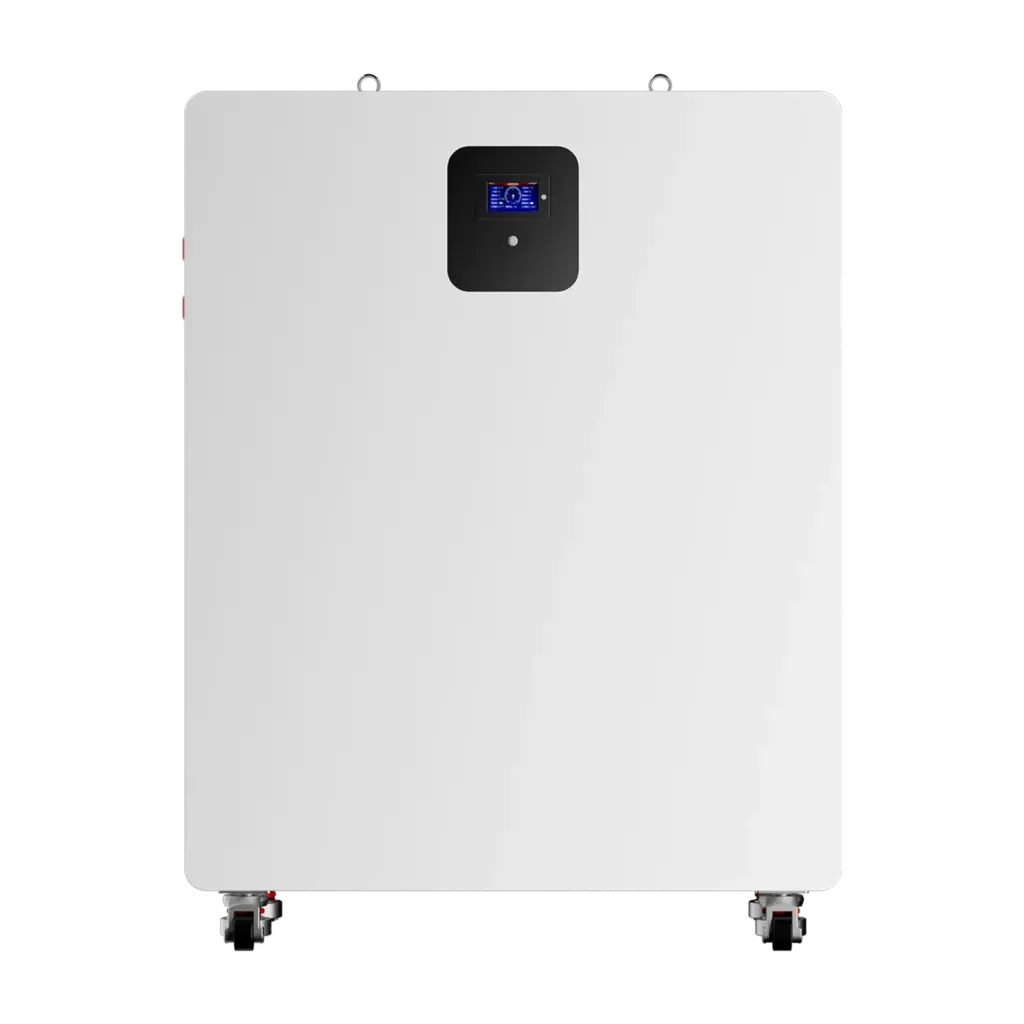
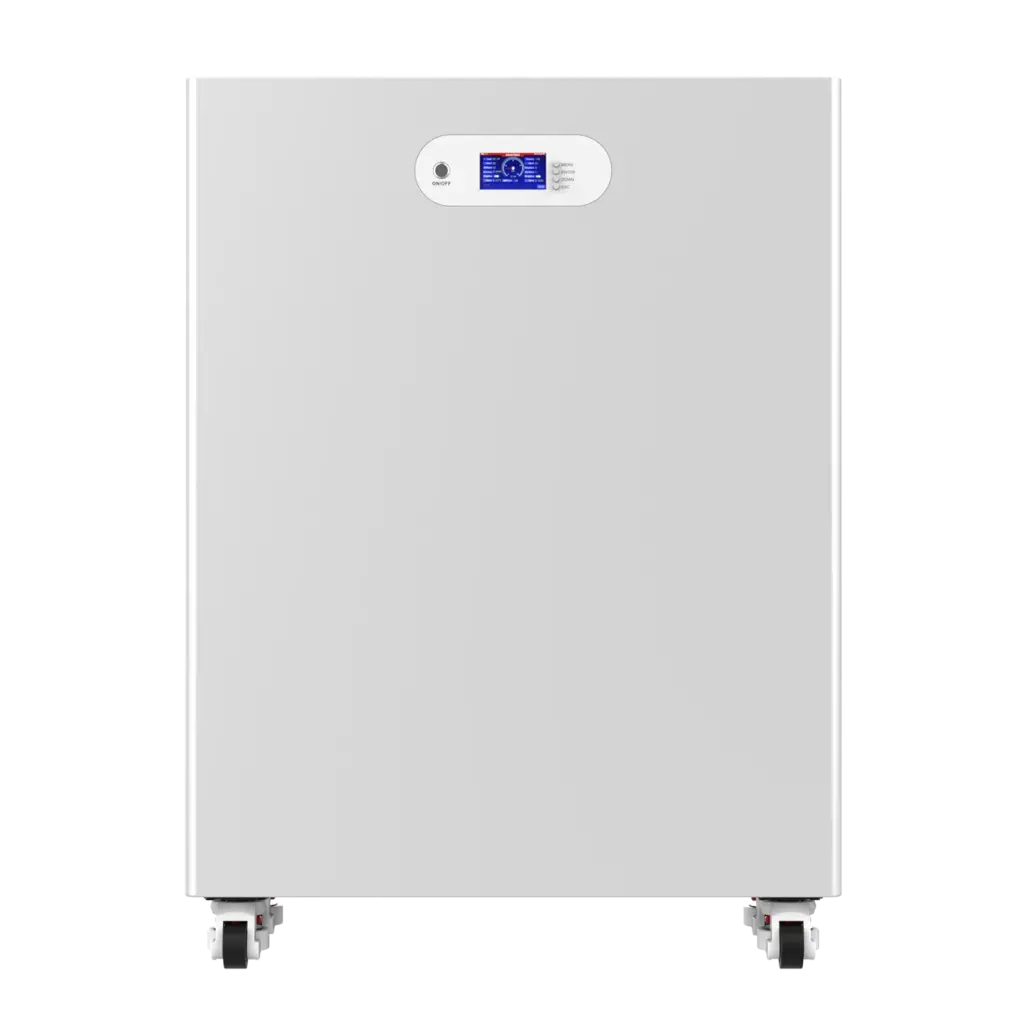
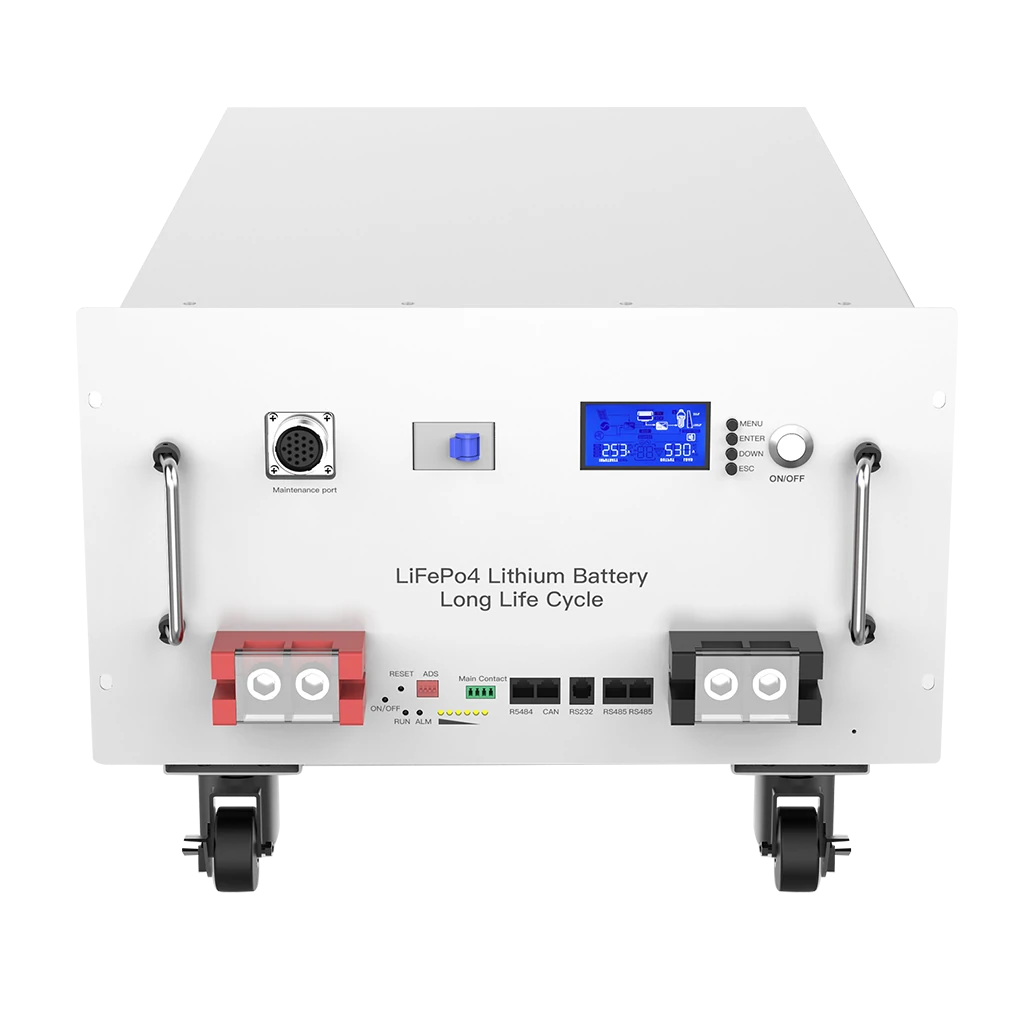
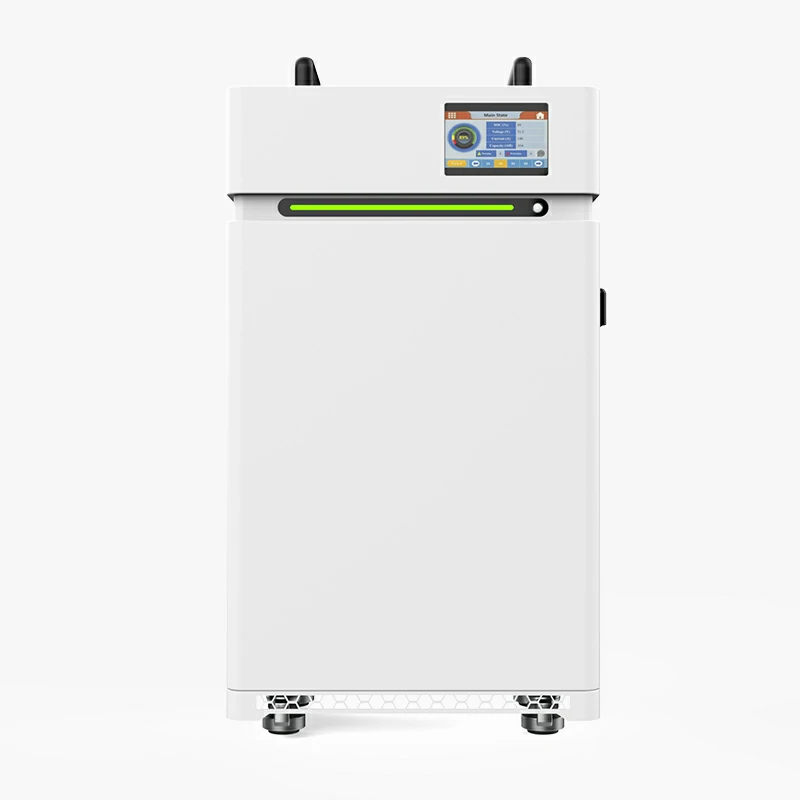
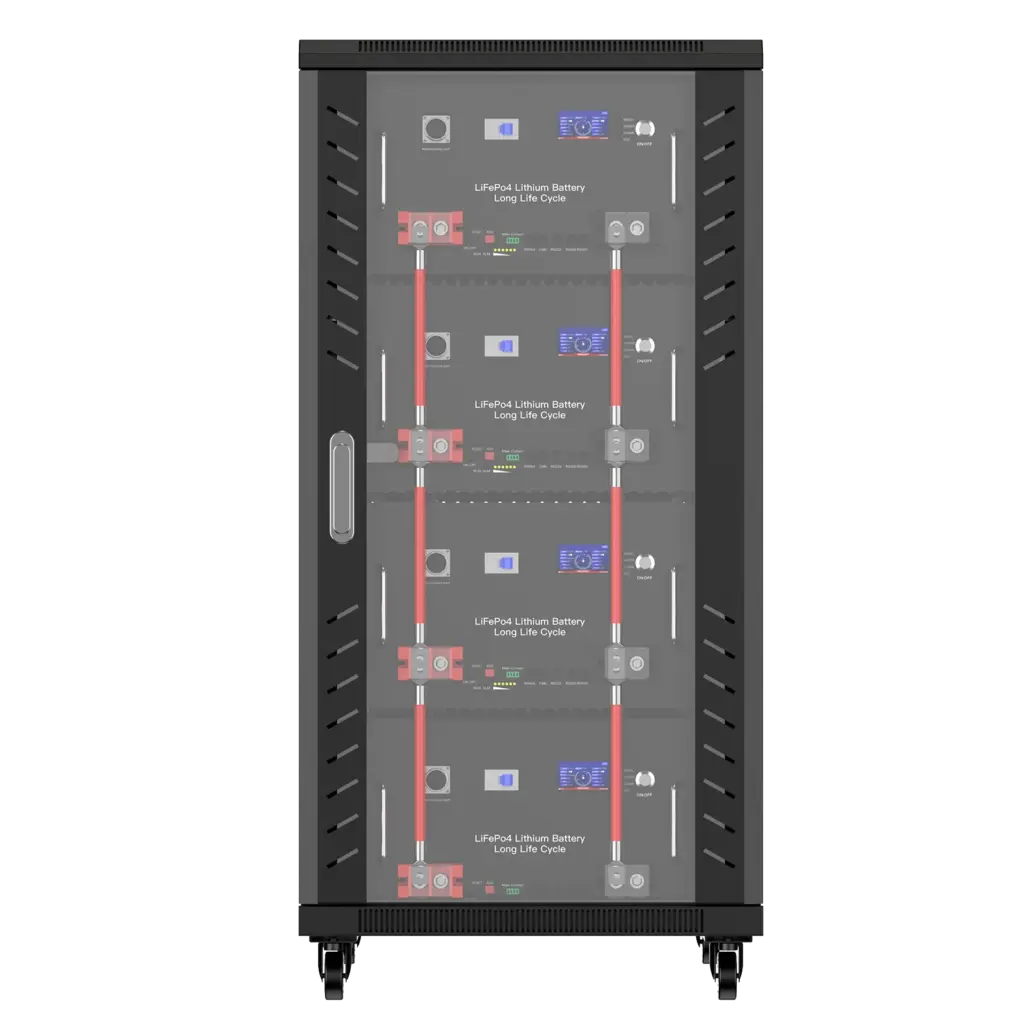
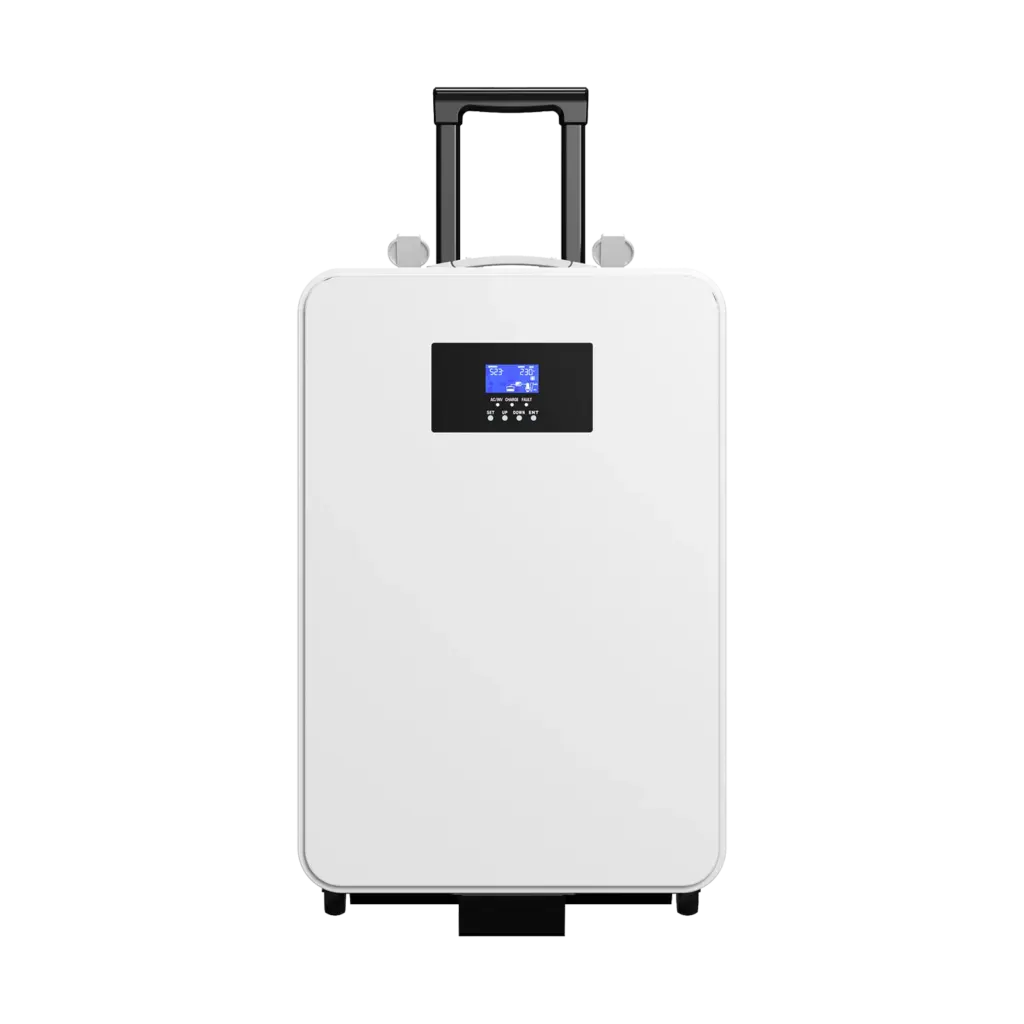
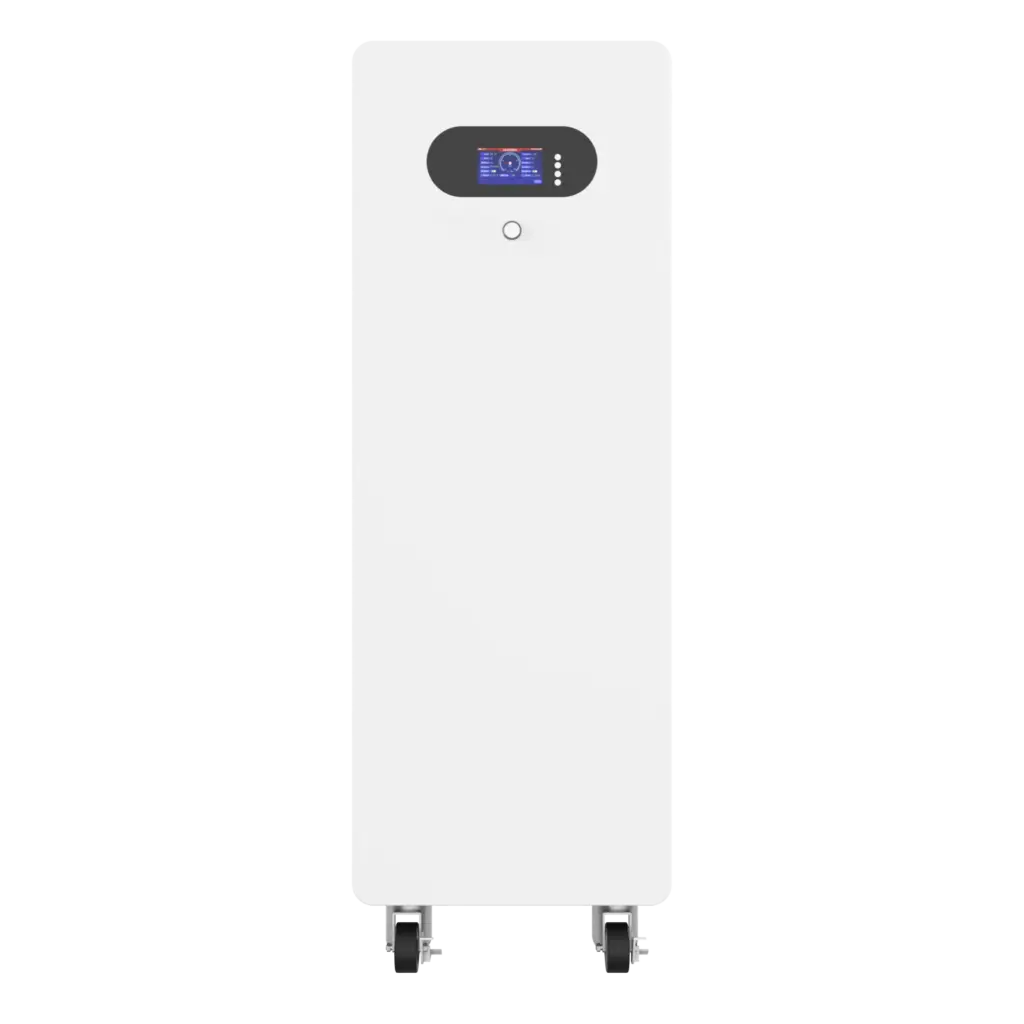
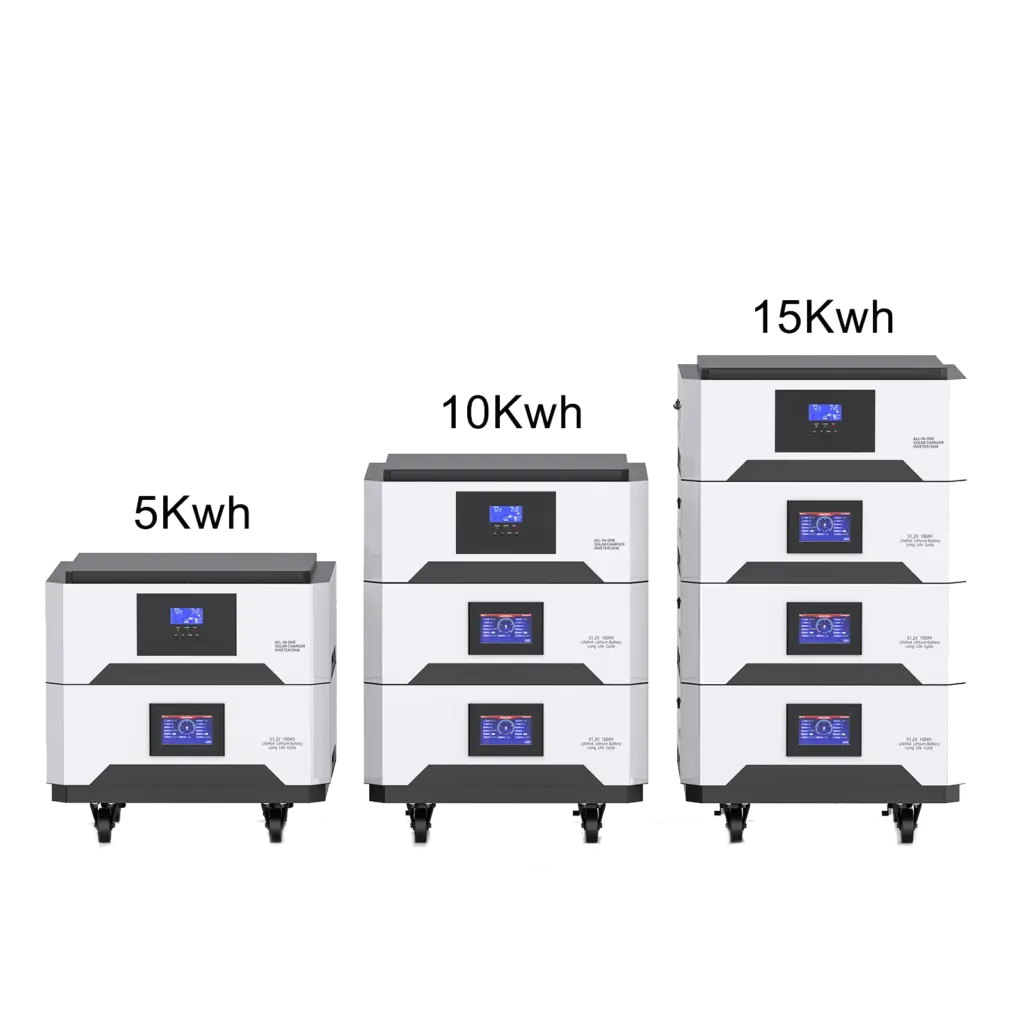
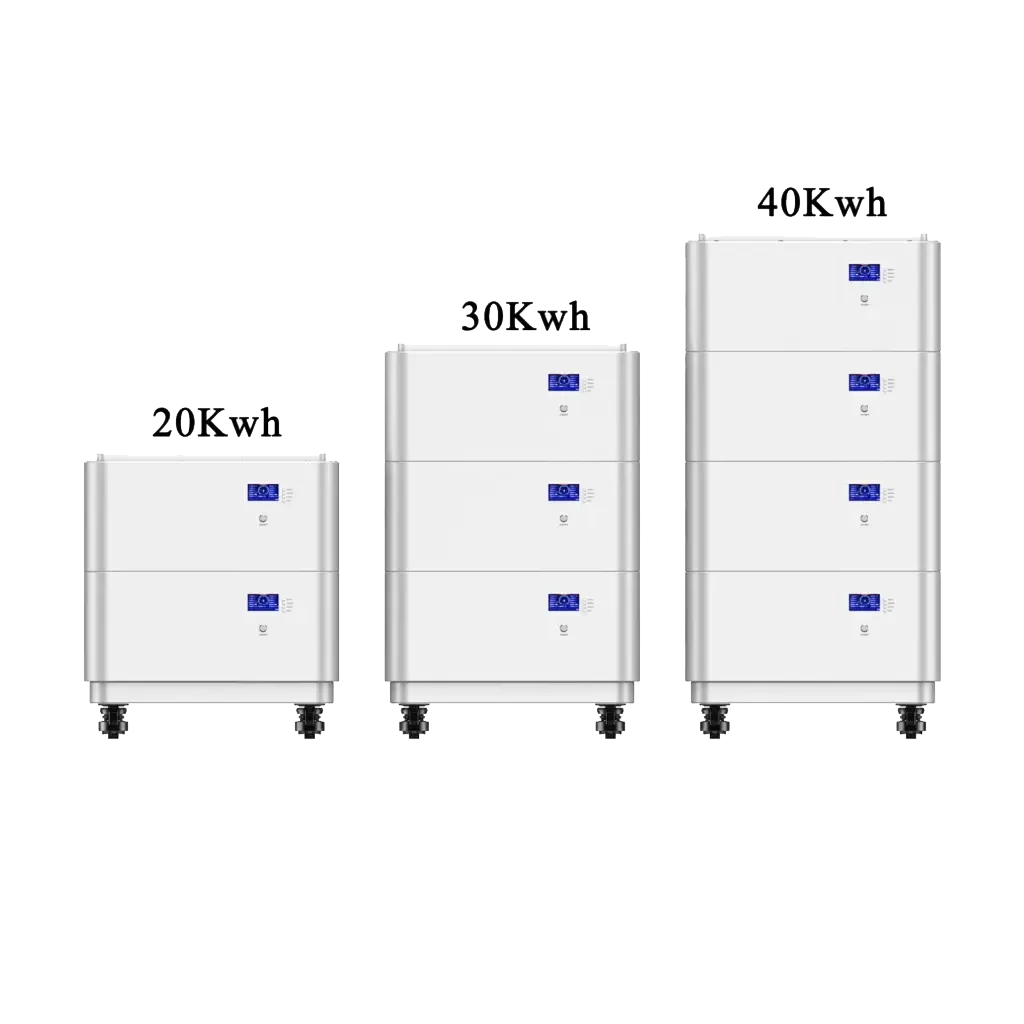
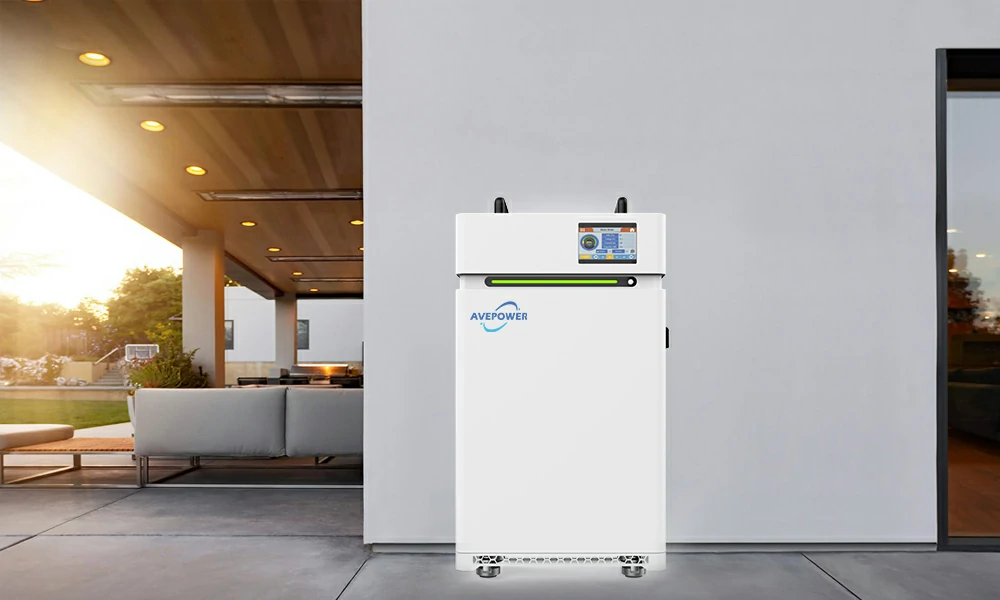
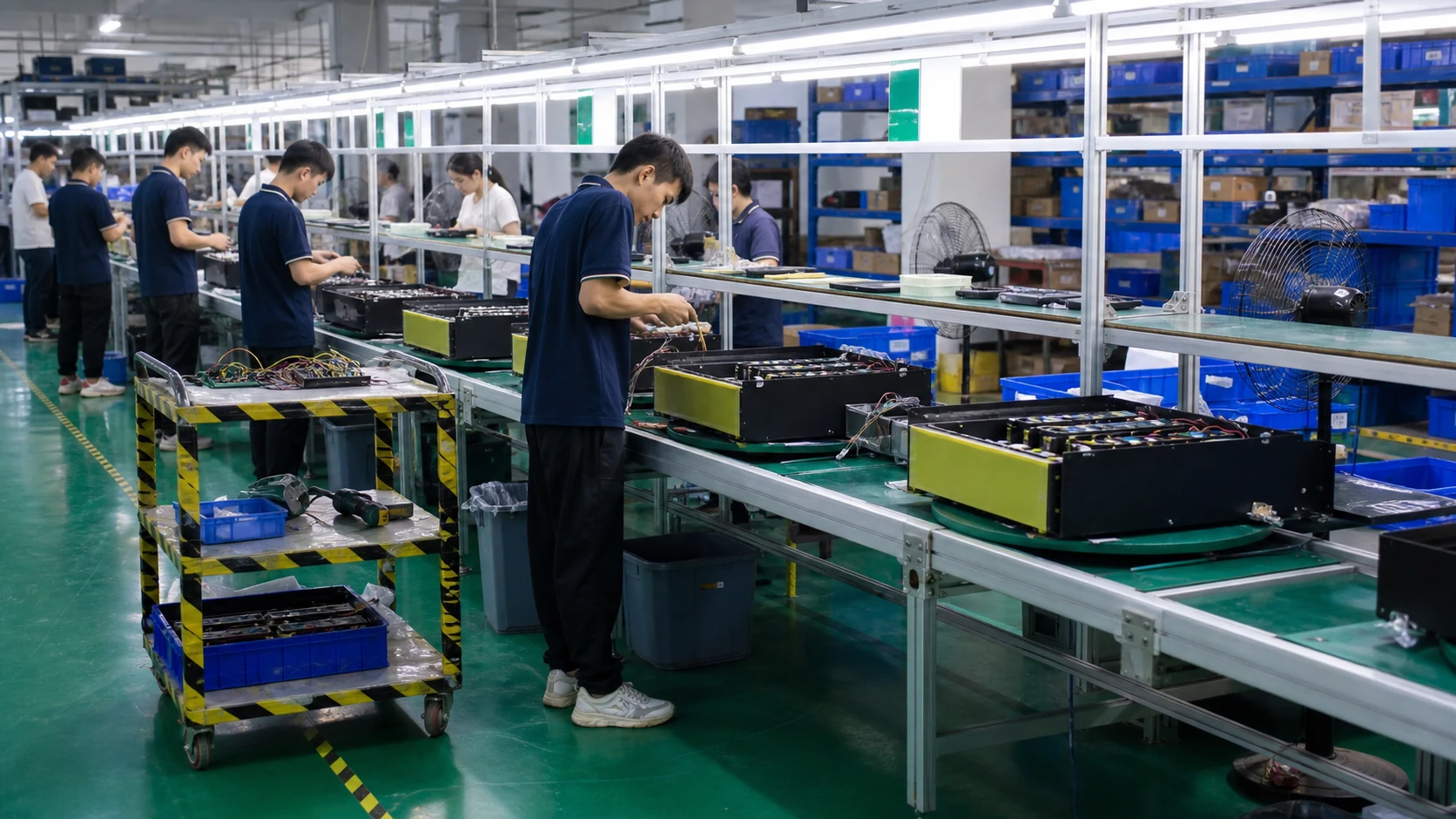
Avepower focuses on lithium solar battery energy storage solutions and can support integrators, distributors, and project developers with modular LFP battery systems, customized ESS configurations, and OEM/ODM cooperation for different project requirements. In practical terms, that means developers are not only choosing a battery product. They are choosing a partner that can help align storage design with the broader commercial and technical requirements of a utility-scale or large commercial energy project.
The Future of Utility-Scale Solar and Energy Storage Projects
The future of utility-scale solar is not just bigger solar farms. The future is better integrated power assets.
The next generation of projects will likely include:
- More co-located storage
- Smarter energy management software
- Stronger grid support functionality
- Better use of hybrid project design
- More flexible dispatch participation
- Greater focus on lifecycle performance
As grids add more renewable generation, the value of flexibility will rise. Storage will therefore become more important, not less. Developers who understand this shift early will be better positioned to build projects that remain competitive over the long term.
This trend also creates opportunity for battery solution providers. Companies that can deliver safe, scalable, and customizable storage systems will play a larger role in the energy transition. Avepower is well placed in this direction because the market increasingly needs battery partners that combine manufacturing strength, customization ability, and project-oriented thinking.
Build Reliable Utility Scale Solar and Storage Projects with Avepower
Utility scale solar projects need more than strong generation capacity. They also need safe, flexible, and high-performance energy storage. Avepower provides advanced battery energy storage solutions for developers, EPCs, utilities, and large commercial partners. From custom system design to global project support, our team helps you build solar and storage projects that deliver long-term value and stronger grid performance.
Talk to Avepower about your next utility scale solar and energy storage project.
FAQ
A utility scale solar project is a large solar power plant that sends electricity directly to the public grid. These projects are much larger than rooftop systems and usually serve utilities, large businesses, or wholesale electricity markets.
Utility scale solar supplies electricity to the wider grid, while distributed solar usually serves a home, office, or factory directly. Utility scale systems are larger and are built to deliver power at grid level.
Battery storage helps save extra solar electricity produced during the day and release it later when demand is higher. This improves the value of solar power and helps support grid stability.
The solar plant generates electricity when the sun shines. The battery system stores part of that electricity and sends it out later when solar output drops or when electricity prices are higher.
Utilities, project developers, independent power producers, infrastructure investors, governments, and large commercial energy buyers all invest in these projects.
Solar plus storage projects are becoming more popular because they give owners more control over power delivery, improve project economics, and help grids manage higher levels of renewable energy.