

Power is the heartbeat of an RV. Every light, pump, fan, fridge, or phone charger depends on your battery bank doing its job. That’s why so many RV owners end up asking the same question: should I run two 6-volt deep-cycle batteries in series, or should I just stick with one 12-volt battery?
The real question is not “which is stronger,” but “which matches your power habit.”
- If you camp off-grid a lot, and you use heavy loads (microwave, inverter, long nights, no hookups), 2× 6V deep-cycle lead-acid in series often gives you more usable cycles and better durability than a single 12V lead-acid battery.
- If you travel on weekends, like simple wiring, and don’t want to think about maintenance, 1× 12V battery is easier.
- If you want the longest life, lowest weight, and almost no maintenance, a 12V LiFePO4 (lithium) battery is the smart modern choice.
Keep reading as we compare runtime, lifespan, weight, and cost to reveal why this setup might be the best choice for your RV—not just what others say is “better.”
Why 6V and 12V Both Exist in RVs
Every RV needs 12 volts for its DC system. Lights, water pump, control boards, fans, and many inverters all expect 12V. A 6V battery cannot power that system alone. That is why people connect two 6V batteries in series to make 12V.
So we usually see two setups:
- Two 6V deep-cycle batteries in series → 12V system
- One (or more) 12V batteries in parallel → 12V system
Both roads lead to 12V. The difference is in how they get there, what they weigh, how long they last, and how they behave when you discharge them a lot.
What a 6V RV Battery Really Is
A 6-volt battery that people use in RVs is usually a true deep-cycle battery. It is often the same type used in golf carts and small solar systems. A 6V deep-cycle battery usually has:
- Thicker plates
- A design that accepts deeper discharges
- A focus on steady power over time, not short bursts
- A typical capacity around 200–250Ah at 6V
When you connect two 6V 200Ah batteries in series, the voltage adds and the capacity stays the same:
- 6V + 6V = 12V
- 200Ah stays 200Ah
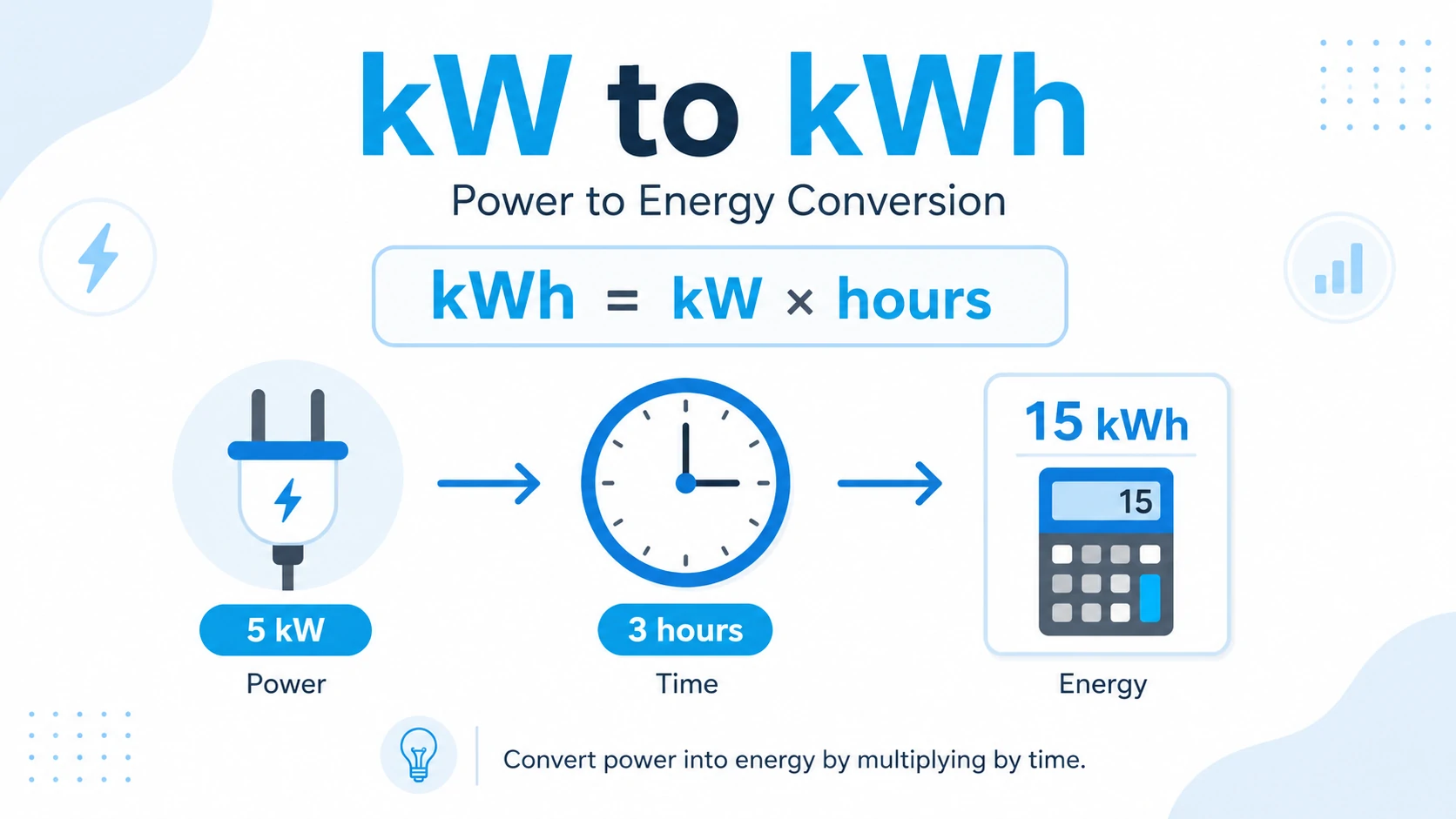
- Energy = 12V × 200Ah = 2400Wh
So this 2×6V setup is roughly equal, in energy, to a 12V 200Ah battery.
This is where some RV owners get confused. They think “two batteries” means “double the amp hours”. That is true only when you connect in parallel. When you wire in series, you raise voltage, not amp-hours.
Related articles: Batteries in Series vs Parallel: Which Setup Fits Your Needs
What a 12V RV Battery Really Is
A 12V battery is the most common option. You see it in cars, trailers, motorhomes, and small campers. But not all 12V batteries are the same. We must separate them:
- 12V starting battery – for engines. High current, low depth of discharge. Not the best for RV house loads.
- 12V deep-cycle lead-acid battery – for house loads. Better for lights, pumps, fridges, and inverters.
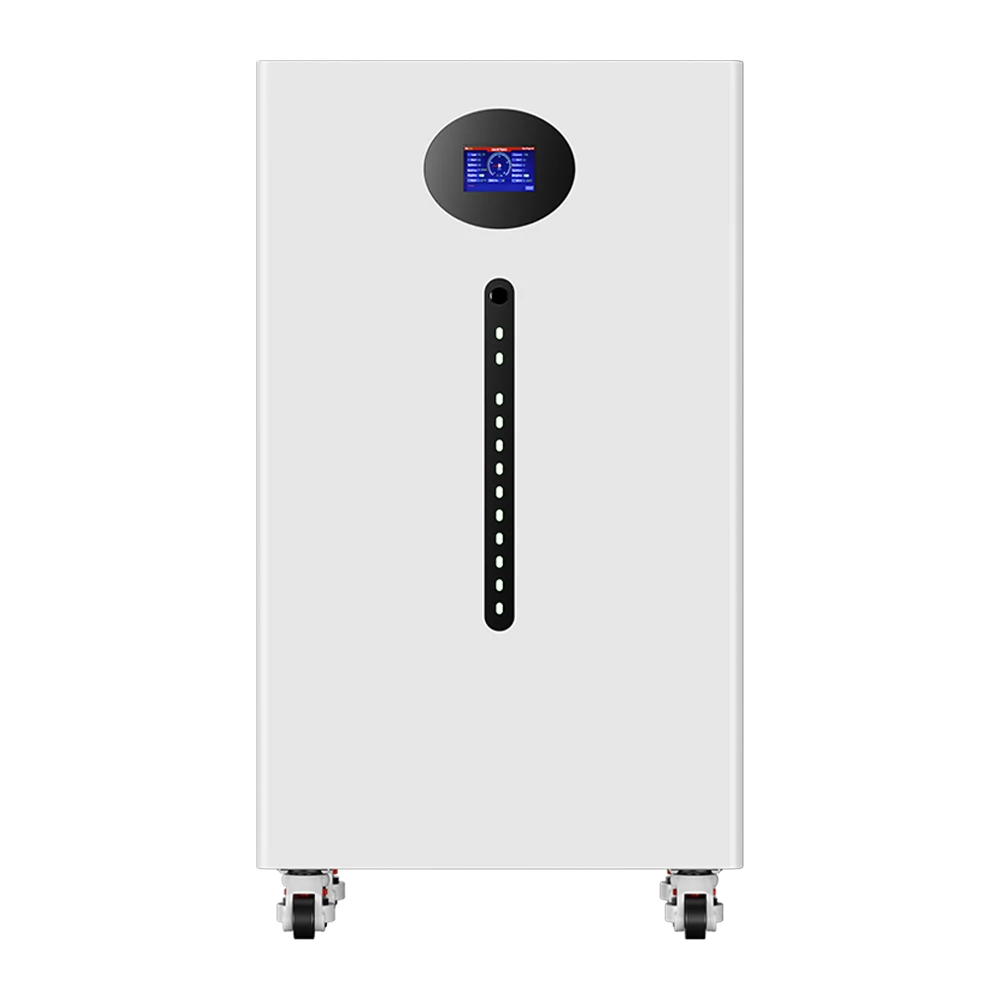
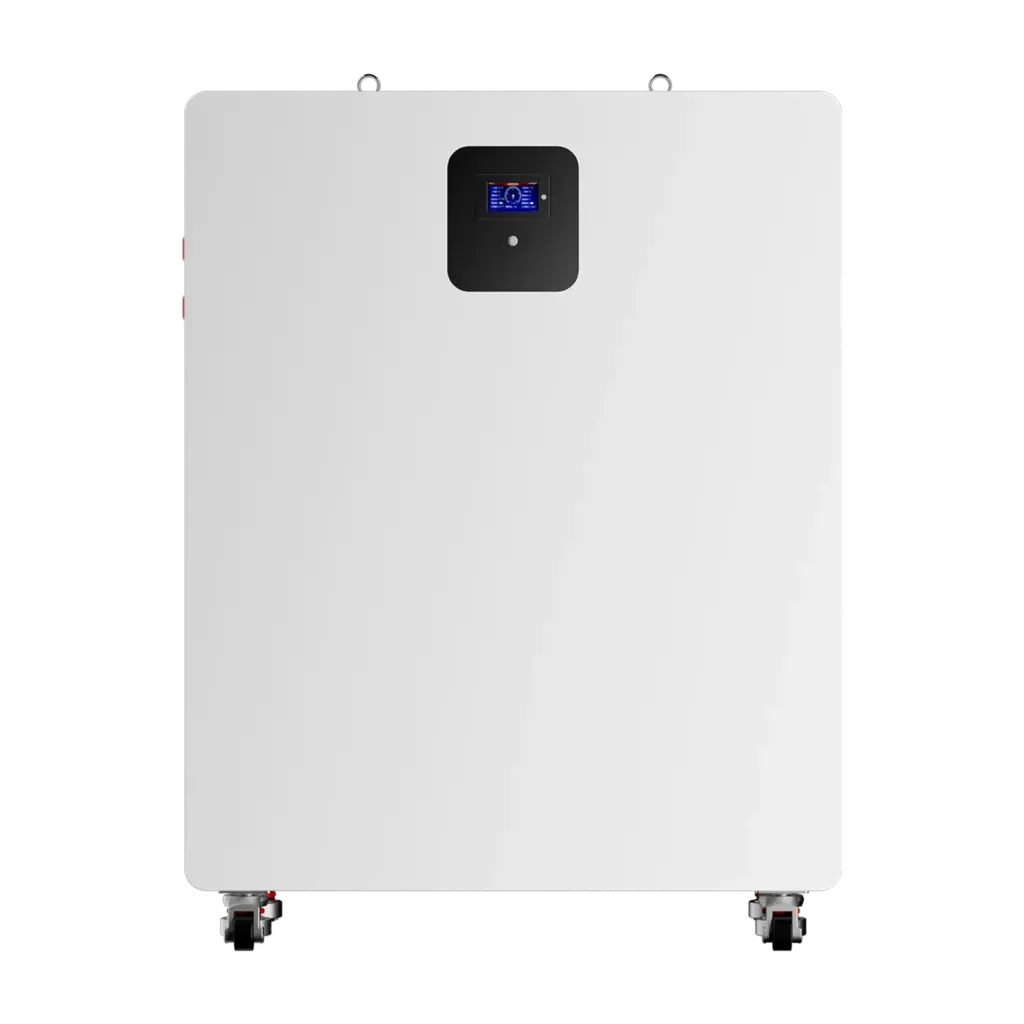
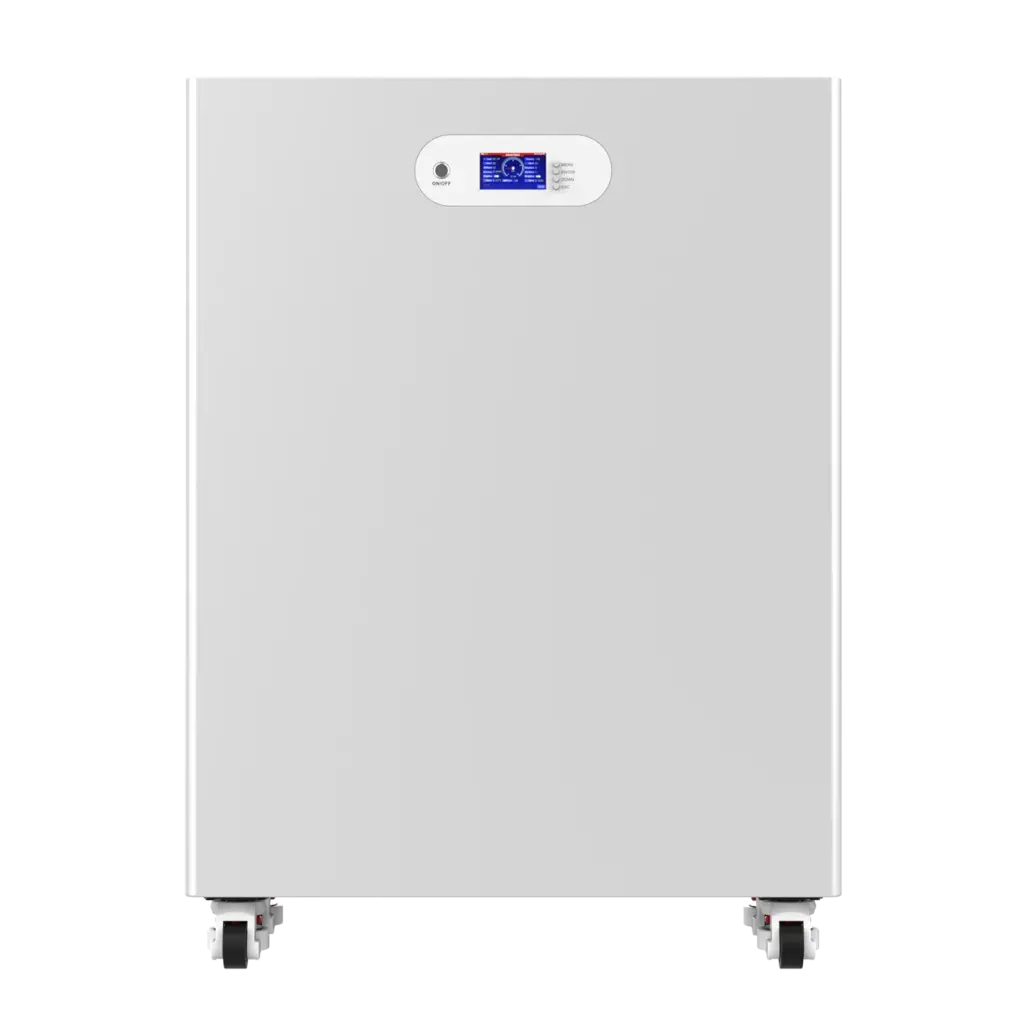
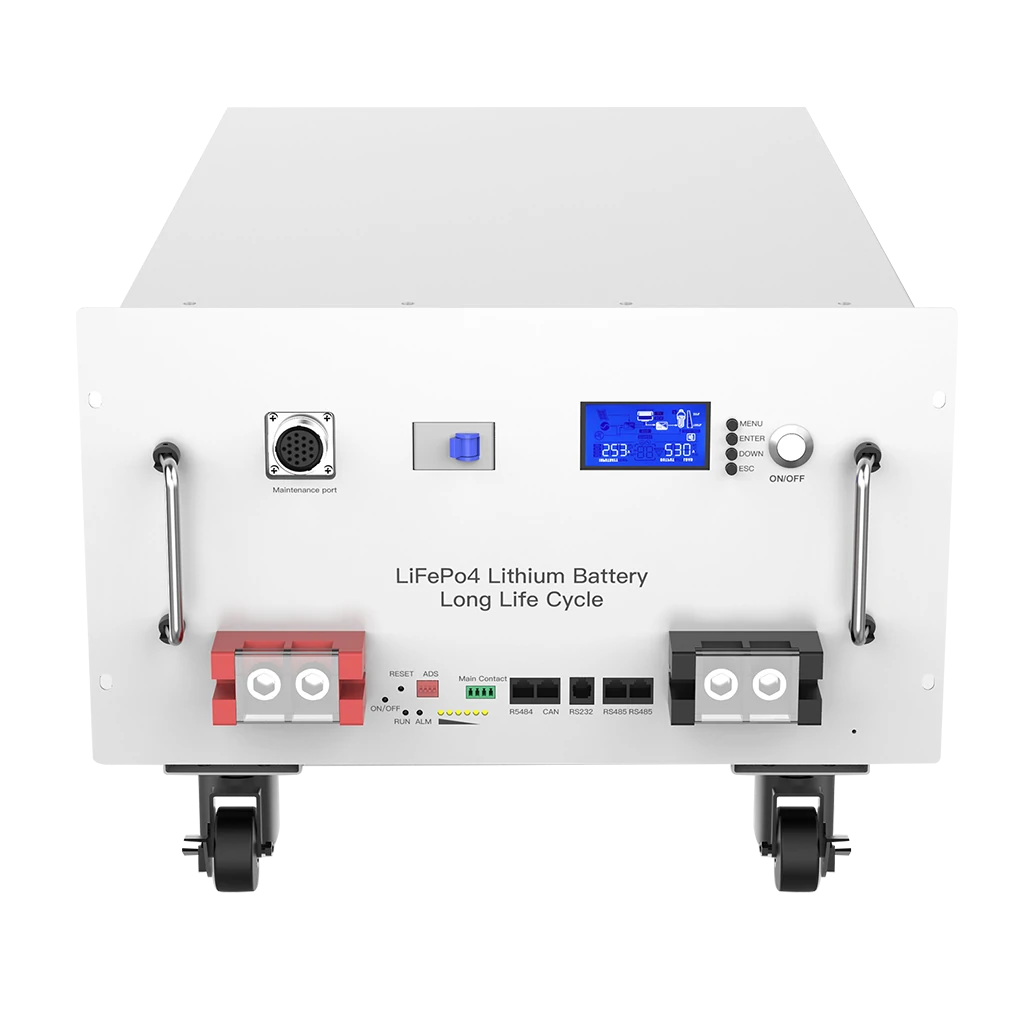
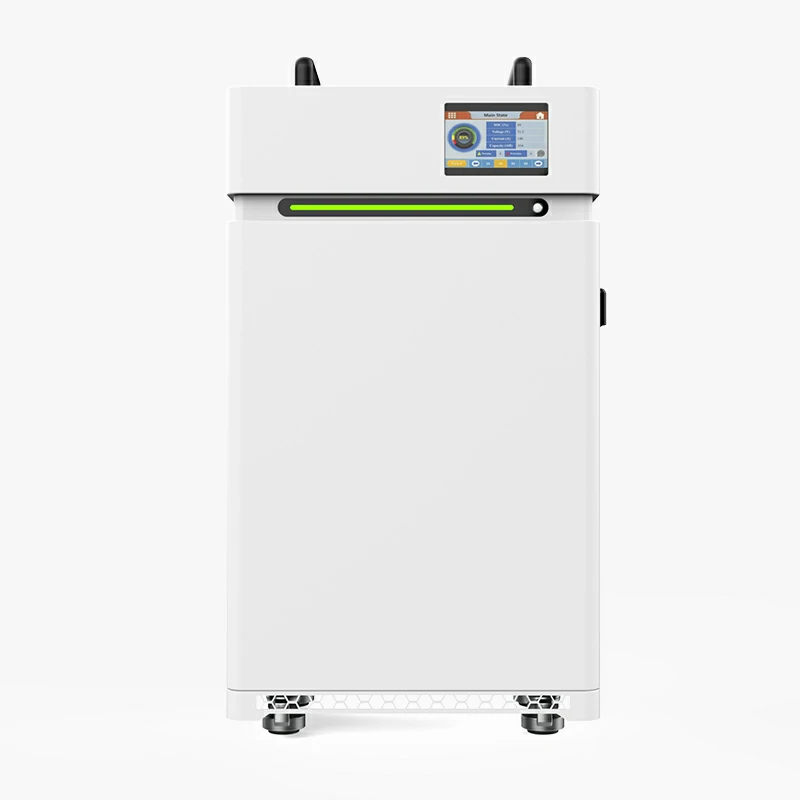
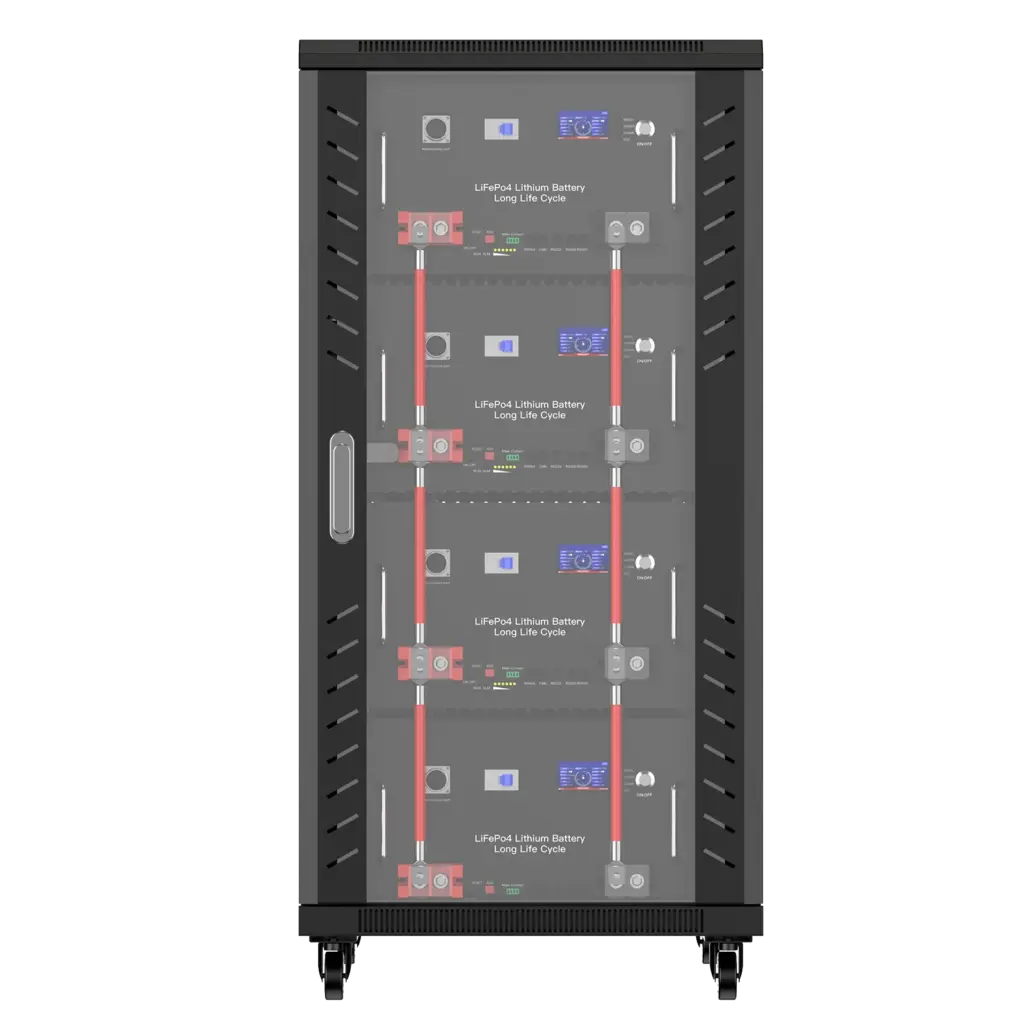
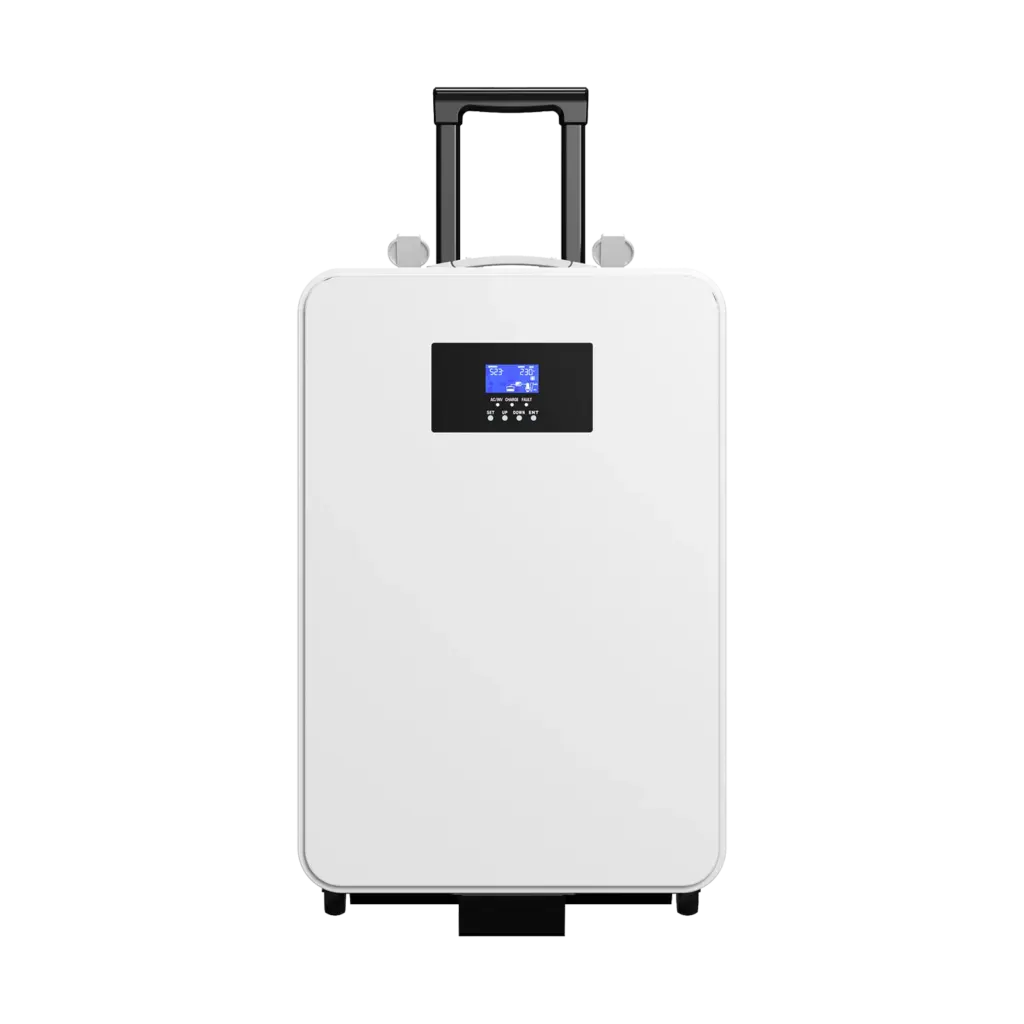
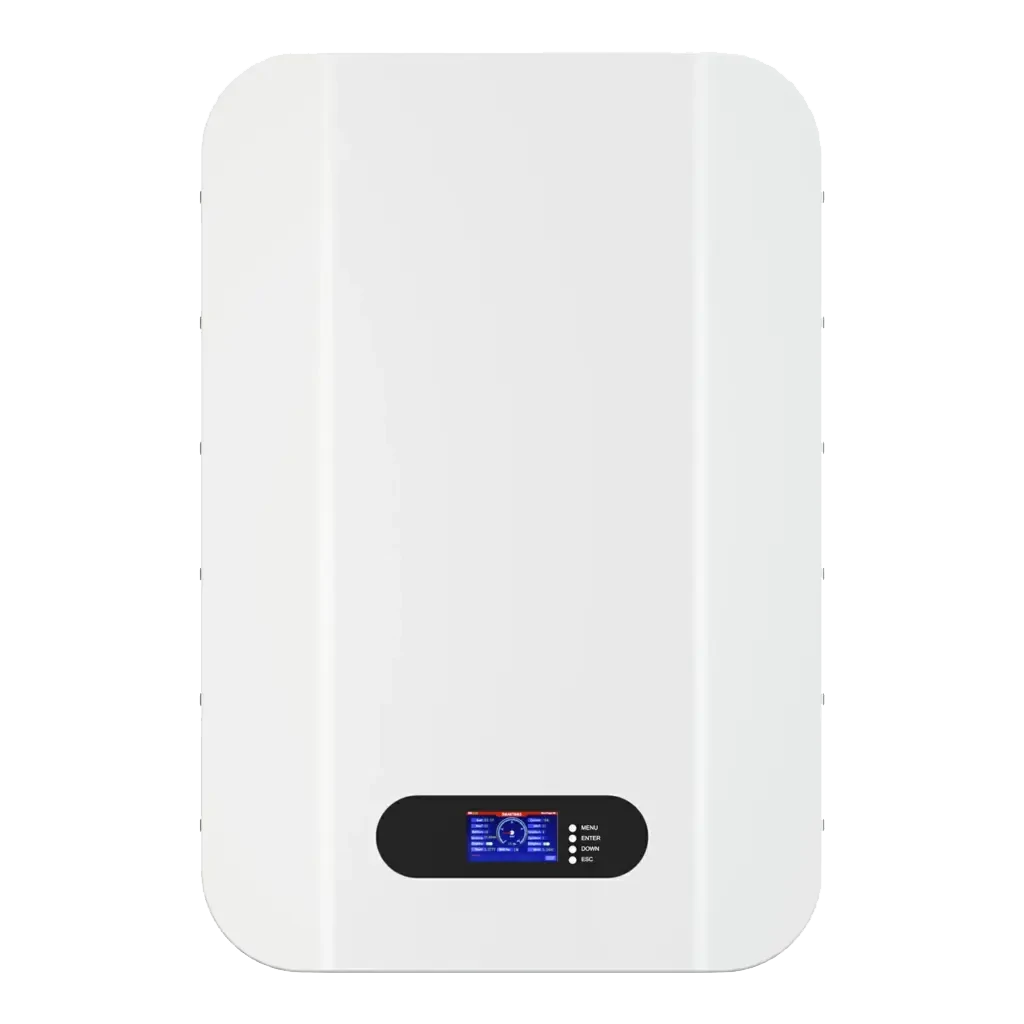
- 12V lithium (LiFePO4) battery – for people who want light weight, high usable capacity, and long cycle life.
For a fair comparison with the 6V pair, we should compare 2× 6V deep-cycle vs 1× 12V deep-cycle or 1× 12V lithium.
A common 12V deep-cycle lead-acid battery is 100Ah. That gives:
- 12V × 100Ah = 1200Wh
That is half the energy of the 2×6V 200Ah series example above (2400Wh). So when people say, “two 6V batteries last longer,” sometimes they are just comparing bigger energy vs smaller energy. The 2×6V bank has more watt-hours, so of course it runs longer.
A common 12 volt battery you see in RV shops is around 100Ah. Some go to 200Ah but get heavy. A 12V LiFePO4 battery is often 100–300Ah and is much lighter than lead-acid.
Key Differences: 2× 6V Battery vs 1× 12V Batteries
This is the part most RV owners care about.
Weight and Space
Two 6V batteries are not only heavier, they are also bulkier. A typical 6V golf-cart battery can weigh 40–60 lb (18–27 kg). Two of them can easily hit 80–120 lb (36–54 kg).
A standard 12V flooded deep cycle might be 60–75 lb, sometimes less.
A 12V LiFePO4 (100Ah) is usually 20–30 lb. That is a big drop.
So if you install two 6V batteries, you get good deep-cycle performance, but you also add more weight and need more space. Some RV battery trays were designed for a single Group 27 or Group 31 battery. Two tall 6V batteries may not fit without modification.
If you have a small travel trailer or a pop-up camper, a single 12V battery is usually more realistic.
If you have a fifth wheel, Class A, or you boondock a lot, two 6V batteries or even a 12V lithium bank will make more sense.
Voltage and Usable Capacity
- Two 6V 200Ah lead-acid batteries in series give 12V 200Ah.
- One 12V lead-acid battery can be 12V 100Ah, 12V 150Ah, 12V 200Ah, or even 12V 300Ah depending on the size.
So, if you compare 2×6V 200Ah with 1×12V 100Ah, the 6V setup clearly stores more energy. But if you compare 2×6V 200Ah with 1×12V 200Ah, the stored energy is about the same.
The real difference comes from how deep you can discharge the battery:
- Most lead-acid batteries (both 6V and 12V) should not be discharged below 50% often. If you do, you shorten the life.
- Most LiFePO4 12V batteries can be discharged to 80–90% without big damage.
So a 200Ah lead-acid bank gives you about 100Ah of safe usable energy. A 200Ah lithium bank gives you 160–180Ah of usable energy.
Charging Time
Charging speed matters a lot when you camp off-grid, because the sun is not always strong and the generator is noisy. A good RV battery setup should not only store energy well, it should also take energy fast.
- 2 × 6V lead-acid: Larger bank, but slower charge acceptance. Often needs several hours or overnight, especially after 80%.
- 1 × 12V lead-acid: Same chemistry, slightly faster because capacity is usually smaller. Still “fast first, slow later.”
- 12V LiFePO4: Takes higher current, charges much faster, good for solar and short generator runs.
Speed order: 12V lithium > 1 × 12V lead-acid > 2 × 6V lead-acid.
Battery Charging Time Calculator
Lifespan and Durability
This is where 6V deep-cycle batteries built for golf carts often win over many budget 12V lead-acid batteries.
- 6V deep-cycle lead-acid: about 3–6 years with good care
- 12V deep-cycle lead-acid: about 2–5 years
- 12V LiFePO4 (lithium): up to 8–10 years or 4,000–6,000 cycles (with BMS)
The reason is simple. Many 6V batteries have thicker plates and are meant to be discharged to 50% or even 60% many times. Many cheap 12V “RV/marine” batteries are actually hybrid starting batteries. They do not like to be run down every night.
So if you camp off-grid often and you want lead-acid, the 2× 6V route is a smart move.
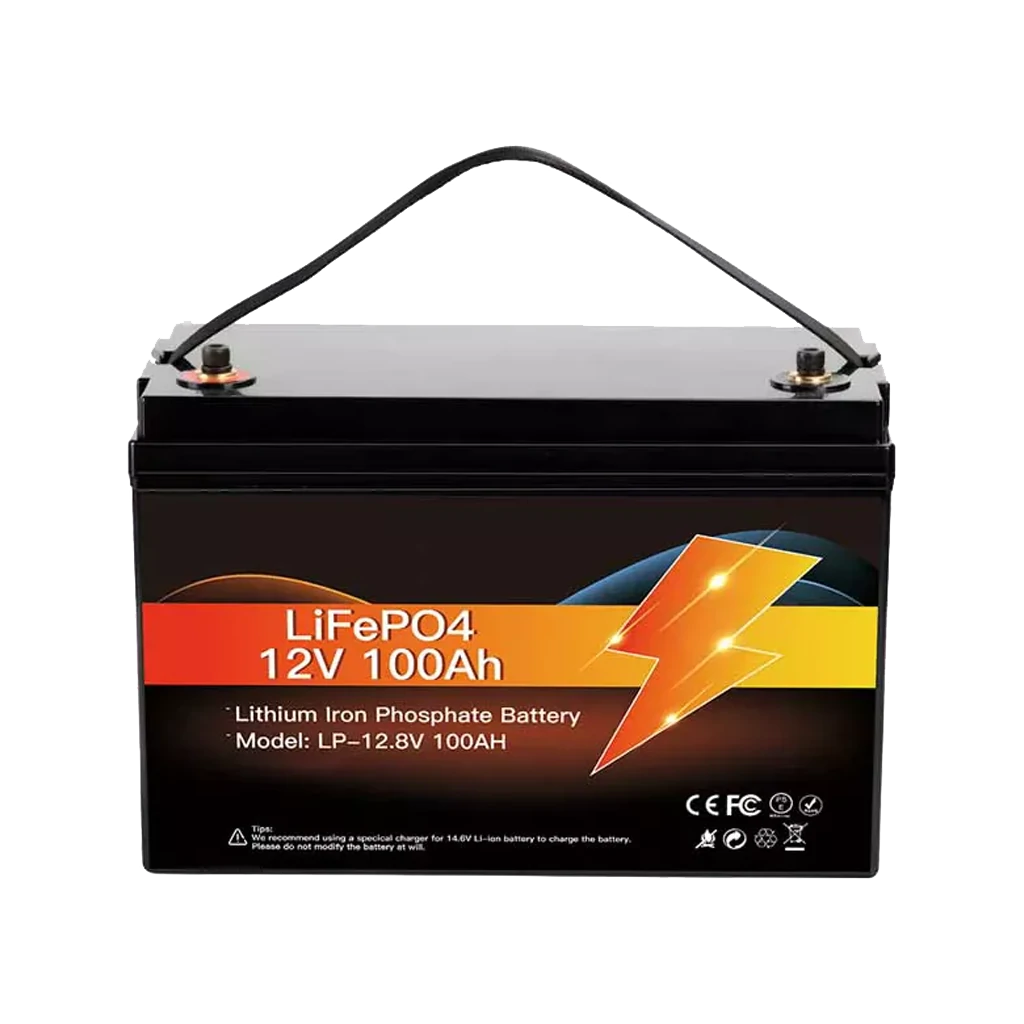
If you want the longest life and the lightest weight, then a 12V LiFePO4 battery with a smart BMS (like what brands such as Avepower provide) is the top option because it gives you deep discharge, stable voltage, and low maintenance.
Cost
| Battery Type | Purchase Price | Maintenance | Lifespan | Key Advantages | Best For |
|---|---|---|---|---|---|
| Two 6V Lead-Acid Batteries | $200–$400 (pair) | Requires water checks, cleaning posts, full charging | 4–5 years (with maintenance) | Good deep-cycle performance; reasonable yearly cost if maintained | Regular RV users who maintain batteries |
| One 12V Deep-Cycle Lead-Acid | $100–$300 | Moderate | Shorter than 6V pair | Low upfront cost; simple setup | Casual campers, occasional use |
| One 12V Lithium (LiFePO4) | $400–$1000+ | Almost none | 10+ years | Lightweight, long life, better usable capacity, built-in BMS, Bluetooth, low-temp protection | Frequent boondockers, heavy users |
Maintenance
Most 6V deep-cycle batteries people buy for RVs are flooded lead-acid. That means:
- You have to check water level.
- You have to keep the top clean.
- You should vent the compartment.
- You should make sure the two batteries are the same age and type.
A basic 12V flooded battery needs almost the same thing, but the wiring is simpler and there is only one case to look after. So, in daily use, 1×12V is a bit easier to live with.
If you go to AGM 12V or lithium 12V, the care time drops even more. That is why many modern RV owners slowly move to lithium after they get tired of adding water and cleaning posts.
So… Which One Lasts Longer?
Two good 6V deep-cycle batteries in series often outlast one average 12V lead-acid battery when both are used for RV house loads.
Why?
- The 6V pair is usually true deep cycle.
- The 6V pair is used at 12V and higher capacity, so you may not discharge it as deeply every day.
- The 6V pair handles deep discharge cycles better.
But…
A quality 12V LiFePO4 battery will outlast both, while also being lighter and giving you more usable energy per cycle.
- 12V lithium (LiFePO4) – longest life, most usable energy
- 2× 6V deep-cycle lead-acid in series – solid lifespan if maintained
- 1× 12V lead-acid deep-cycle – OK for light RV use
When 2× 6V Batteries Are the Better Choice
Choose two 6V batteries wired in series if:
- You camp off-grid and discharge the batteries every day
- You run an inverter, microwave, CPAP, or bigger loads
- You want a durable lead-acid setup but do not want to pay for lithium yet
- Your battery compartment can hold two tall batteries
- You like the idea of replacing just one battery in a pair (ideally both together, but some owners do it this way)
- You want a battery bank that has proven performance in golf carts and solar cabins
This setup is very popular with boondockers because it handles real usage better than many “12V RV/marine” batteries that sit in shops.
When 1× 12V Battery Is the Better Choice
Choose a single 12V battery if:
- You have a small trailer, teardrop, or pop-up
- You mostly use LED lights, water pump, USB charging, fan
- You travel on weekends and plug into shore power often
- You have limited compartment space
- You want simple wiring
- You want something you can buy at almost any auto shop if it fails
If you pick a 12V lithium instead of a lead-acid one, you get even more benefits:
- Lighter weight (good for towables)
- More usable capacity (you can use 80–90% of rated Ah)
- Faster charging
- Built-in BMS protection
- Longer life
This is why a lot of modern RVers move straight to 12V LiFePO4 and skip the 6V vs 12V lead-acid debate entirely.
How Good Are Lithium Batteries for RVs?
It’s a smart choice — many RV owners today are looking for a battery they can install once and hardly ever worry about again. A quality 12V LiFePO4 (lithium iron phosphate) battery offers:
- Lightweight design – ideal for travel trailers and campers.
- Long cycle life – lasts 2–4× longer than lead-acid batteries.
- Stable voltage – your lights won’t dim early.
- Built-in BMS – protects against overcharge, over-discharge, and low-temperature damage.
- Low maintenance – almost zero upkeep required.
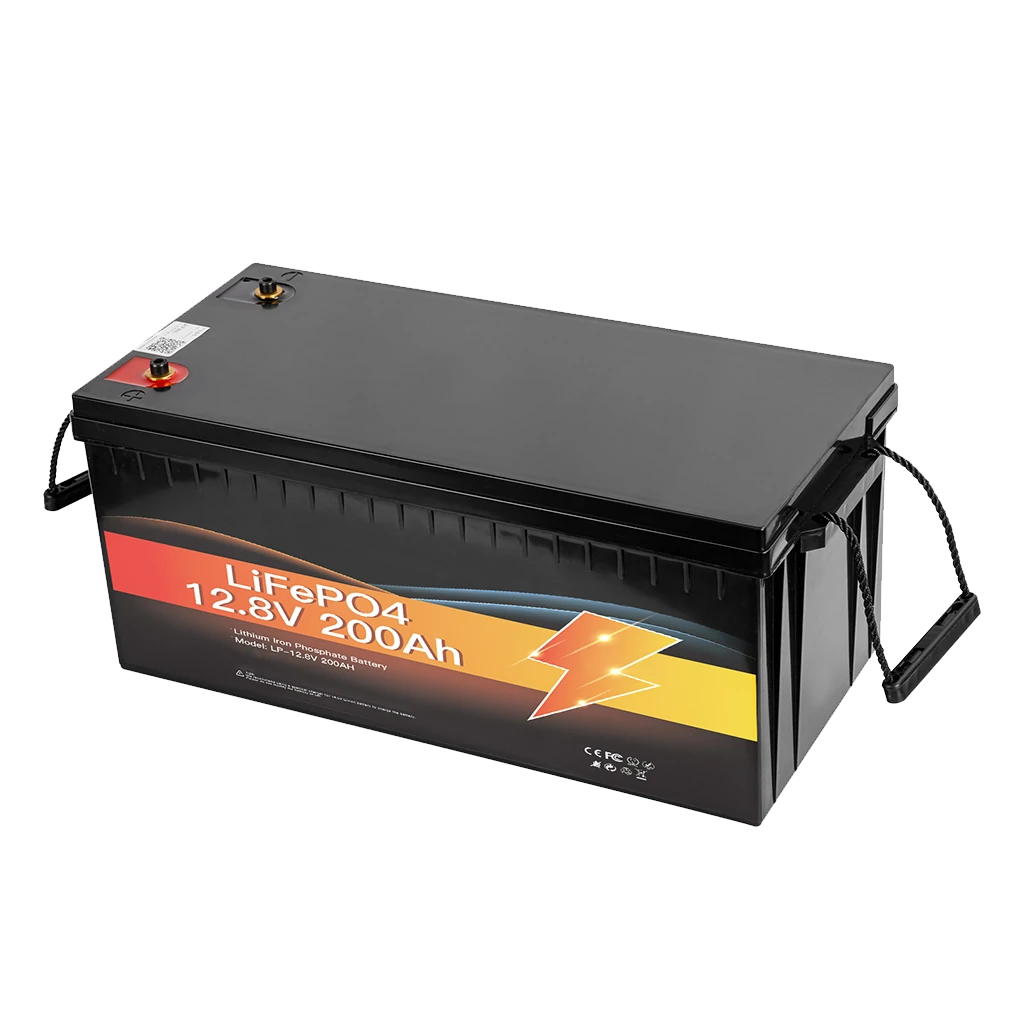
That’s why lithium-focused energy brands like Avepower are gaining attention among RV and off-grid users. Our lithium batteries deliver 4000+ life cycles, include an advanced Battery Management System (BMS), and are perfectly suited for modern DC fridges, inverters, and solar controllers.
Two 6V batteries are a solid deep-cycle option. A single 12V battery is simple. But a 12V lithium battery is the most future-ready choice for RV owners who want long-term reliability and modern performance.
What About the Extra Costs of Going Lithium?
An RV owner who moves from lead-acid to lithium may need to:
- upgrade the converter/charger to a lithium profile,
- check the solar charge controller,
- check if the alternator charging is safe for lithium,
- maybe add a DC-DC charger.
These upgrades can add USD 150–600 depending on the RV. But once the system is set, the owner gets a battery that can last 5–10 years with very little care. For full-time RVers, this is usually the smarter spend.
How to Wire Two 6V Batteries in Series for 12V RV Use
Many RV owners are afraid of this part, but the process is simple if the owner moves slowly and uses safe tools.
- Put the two 6V batteries next to each other.
- Connect + of battery 1 to – of battery 2.
- Use the remaining – on battery 1 and the remaining + on battery 2 as the 12V output to the RV.
- Make sure both batteries are the same model, same age, same capacity.
- Tighten all connections and protect them from corrosion.
If the owner wires the batteries like this, the RV will see a normal 12V supply. The RV will not know that the bank is made from two 6V batteries.

How to Choose the Right Setup for Your RV
Step 1: Define Your Power Use
Every owner should list fridge, lights, water pump, fans, laptop, TV, CPAP, heater. Every owner should write the watts and the hours. Every owner should convert watt-hours to amp-hours by dividing by 12. This step shows how many amp-hours the RV really needs per day.
Step 2: Check Your Space and Weight
If the battery bay is small or inside the RV, then a single 12V battery or a 12V lithium battery is easier. If the RV has a big front storage, then two 6V batteries are okay.
Step 3: Check Your Charging System
If the RV has an old converter that only does 13.4V float, then a 6V lead-acid pair or a 12V lead-acid battery is fine. If the owner wants lithium, the owner should consider a charger that can do 14.4–14.6V bulk for LiFePO4.
Step 4: Decide How Much Maintenance You Want
If the owner does not want to open battery caps, lithium wins. If the owner is okay with adding water, 6V flooded is fine.
Step 5: Think in Years, Not Days
If the owner camps 3–4 weekends per year, the owner can just buy a 12V deep-cycle and keep it simple. If the owner camps 80–200 nights per year, the owner should either run 2×6V deep-cycle or 1×12V lithium to reduce replacements.
Conclusion
The question “2 × 6V or 1 × 12V for RV?” does not have one answer for everyone. A pair of 6V deep-cycle batteries gives you a tough, long-lasting 12V bank that handles deep discharges very well. A single 12V deep-cycle battery gives you a cheaper, cleaner, and easier system for light RV use. A modern 12V LiFePO4 battery goes even further by giving you high usable capacity, low weight, long life, and built-in protection.
So the right choice is not the one with the biggest number of batteries. The right choice is the one that matches how often you camp, how much power you draw, how much space you have, and how much maintenance you want to do. If you keep those four points in mind, you will pick a battery setup that really lasts longer for your RV trips.
FAQ
It depends on use. Two 6V deep-cycle batteries usually give better deep-cycle durability and are good for boondocking. One 12V battery is cheaper and simpler for light RV use.
Yes. If you connect two 6V batteries in series (positive to negative), the voltage adds up to 12V, but the amp-hours stay the same.
With proper charging and maintenance, a pair of good 6V deep-cycle batteries can last about 3–6 years in RV use.
For most 12V RV systems, parallel is used to increase capacity while keeping 12V.