


Choosing the right 12 Volt (12V) battery is essential for ensuring reliable power whether you are on the road, on the water, or running specialized equipment. These batteries act as the heart of countless electrical systems, providing dependable energy storage.
If you’re specifically asking “which 12V battery lasts the longest,” the answer in most modern off-grid, RV, and marine use cases is a lithium LiFePO4 battery, because it can safely use more of its capacity and deliver thousands of cycles without the plate damage that limits lead-acid batteries.
What Is a 12-Volt Battery?
A 12V battery is essentially a reliable energy warehouse; it stores electrical energy using direct current (DC). Unlike alternating current (AC), which constantly shifts its voltage, DC provides a stable, one-directional flow of electrons. This stability makes it ideal for running sensitive electronics and motors.
It is important to understand that a 12V battery does not create energy; it only stores power for later use. Inside the battery, a chemical reaction occurs, forcing electrons to move from one terminal to the other. This flow of electrons is the power that runs your lights, appliances, or vehicle starter. This inherent reliability makes 12V batteries the go-to choice for a wide array of devices and installations.
Multiple 12V batteries can be connected in series or parallel to create higher voltage systems or increase capacity. For example, connecting two 12V batteries in series creates a 24V battery system, while connecting them in parallel maintains a 12V output but doubles the capacity. This is why you often see people ask whether two 12V 100Ah batteries are better than one 12V 200Ah battery — in many cases both work, but the wiring method changes flexibility and maintenance.
What are 12V Batteries Used For?
The applications for 12V batteries are incredibly diverse, stretching across recreational, commercial, and even industrial sectors.
- Recreational Vehicles (RVs) and Campers: They power lighting, household appliances, water pumps, and other necessary electronics.
- Boats and Marine Applications: They serve as the power source for navigation systems, bilge pumps, fish finders, and onboard lighting. For more information, please refer to the 12V marine battery.
- Golf Carts and Other Small Electric Vehicles: They are the primary source of propulsion and accessory power.
- Material Handling Equipment: They power devices like lift gates, sweepers, and smaller forklifts.
- Backup Power: They often form part of uninterruptible power supply (UPS) systems to provide temporary power during outages.
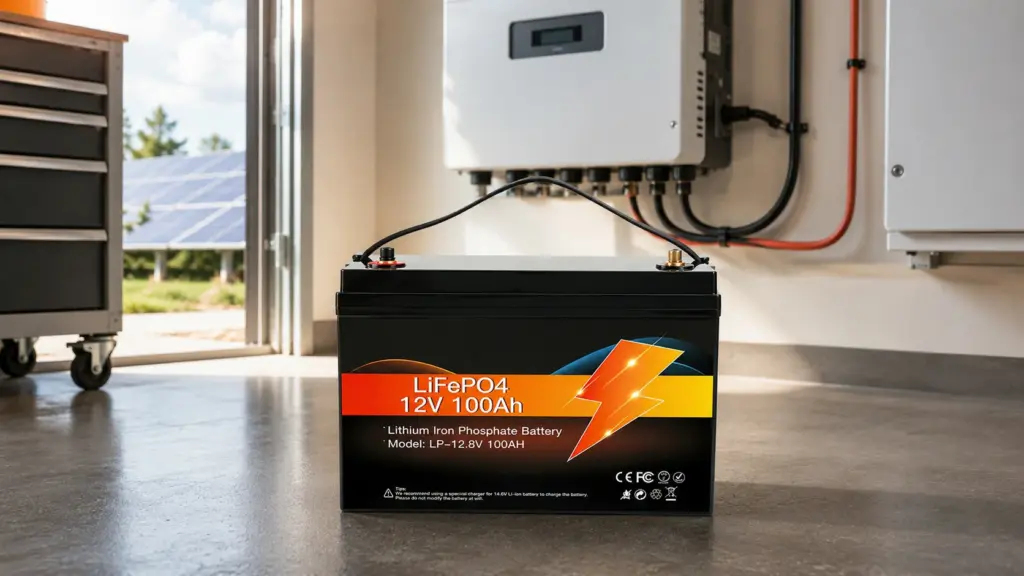
Looking for a Longer-Lasting 12V Battery?
Not all 12V batteries are built for the same job. If you need reliable power for RVs, boats, solar storage, off-grid systems or backup applications, Avepower 12V LiFePO4 batteries offer a lighter, longer-life and lower-maintenance alternative to traditional lead-acid batteries.
Why Not Just Any 12V Battery Will Work
It’s a common mistake to assume all 12-volt batteries are the same. In reality, the market offers a confusing variety of types. The key difference lies in what the battery is designed to do: deliver a massive, quick burst of power or deliver steady, sustained power over many hours.
1. Starting Batteries (SLI)
Starting, Lighting, and Ignition (SLI) batteries are optimized to deliver a high burst of current for a very short duration. Their primary job is to crank an engine, which requires a massive initial jolt of energy. They have thinner, more numerous lead plates to maximize surface area and allow for that quick energy release. You should never deeply discharge a starting battery, as doing so significantly damages it and shortens its lifespan.
2. Deep Cycle Batteries
Deep cycle batteries are built for endurance. They are designed to be repeatedly discharged down to 50% or more of their capacity and then recharged. They have thicker, more robust lead plates that can withstand the stress of continuous energy draw. These batteries are the standard choice for house power in RVs, boats, and solar storage applications where they must deliver steady power over long periods.
Choosing the wrong type can lead to premature battery failure, wasted money, and power outages when you need the energy most. All the battery types discussed in the following section are considered Deep Cycle, as this is the standard for continuous, reliable 12V energy storage outside of engine starting.
Different Types of 12V Batteries
At the highest level, most 12V batteries people buy today fall into two families: (1) lead-acid (flooded, AGM, gel), which are older, proven, and cheaper, and (2) lithium-ion — especially LiFePO4 — which are newer, lighter, and last much longer.
I. Lead-Acid Batteries (The Traditional Choice)
Lead-acid batteries have been around for over a century and are still very common due to their low initial cost. They come in two main categories: Flooded and Sealed (VRLA).
Flooded Lead-Acid Batteries (FLA)

Flooded Lead-Acid (FLA) batteries are the most traditional and widely used type of battery. Inside their durable plastic case, the lead plates are completely submerged in a liquid mixture of sulfuric acid and water, known as the electrolyte. This design allows the chemical reactions necessary to generate power to occur efficiently.
A key feature of FLA batteries is that they must maintain a specific water level to function properly. As a result, regular maintenance is essential. Users need to periodically check the electrolyte and add distilled water when necessary to ensure optimal performance and longevity.
In terms of lifespan and cost, FLA batteries typically last between 2 to 5 years, depending on usage frequency and maintenance. They are generally an affordable option, making them popular for many automotive, marine, and recreational applications.
| Pros | Cons |
|---|---|
| They are generally the cheapest upfront option. | Require regular checks (every 3–6 months) and water topping. |
| They can still produce high current bursts, making them suitable for dual-purpose (starting/light cycling) use. | Will leak water and acid if installed on their side, posing a corrosion and safety risk. |
| You can easily find replacements at most auto parts stores. | They typically last only 2 to 5 years under optimal conditions. |
Sealed Valve-Regulated Lead-Acid Batteries (VRLA)
VRLA batteries were designed to eliminate the maintenance required by flooded batteries. As the name suggests, they are fully sealed and maintenance-free.
During operation, chemical reactions produce hydrogen gas, which normally recombines into water. If charging or discharging occurs too quickly, pressure can build up. A regulator valve safely releases excess pressure, but frequent activation can gradually reduce the battery’s capacity.
VRLA batteries include two main sub-types: AGM and Gel.
Absorbed Glass Mat (AGM) Batteries
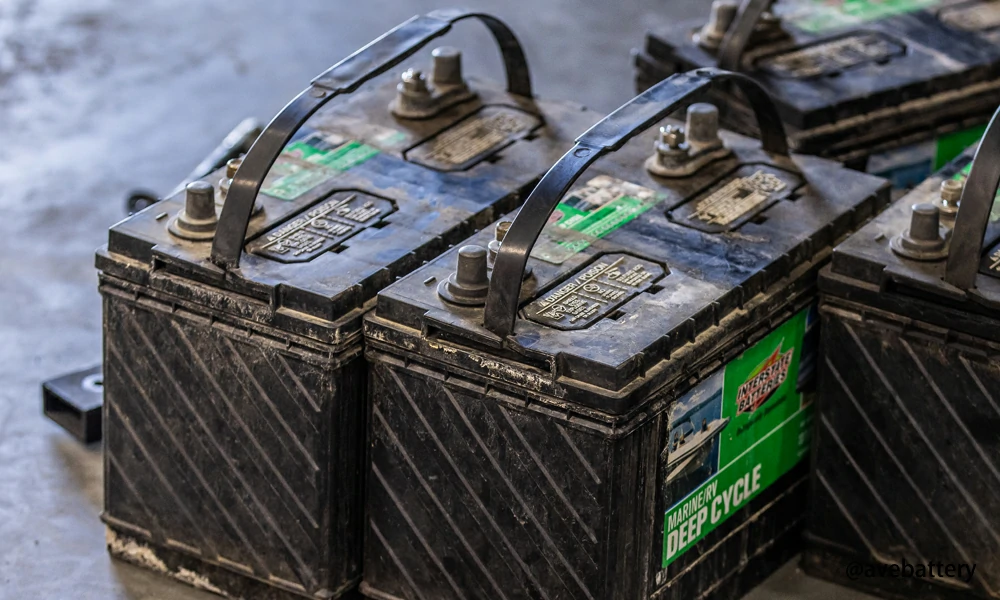
AGM batteries are a type of VRLA battery, with lead plates separated by fiberglass mats fully soaked in electrolyte. This design keeps the liquid in place and improves charge and discharge efficiency.
A key feature is their strong resistance to vibration and shock, making them durable in rough conditions.
AGM batteries typically last 4–7 years, offering a reliable, maintenance-free option.
| Pros | Cons |
|---|---|
| No need for water checks, making them hassle-free once installed. | Can be damaged if charged at high voltage, requiring a properly configured charger. |
| Perform reliably on rough roads and in marine environments. | Significantly more expensive than flooded batteries of comparable capacity. |
| Retain efficiency better than flooded batteries in low temperatures. | Require full charges between uses to maintain maximum longevity. |
Gel Batteries
Gel batteries are a type of VRLA battery that use a thick, gel-like electrolyte to suspend the lead plates, rather than a liquid solution. This design prevents leaks and allows the battery to be installed in multiple orientations, unlike traditional flooded batteries.
A key advantage of gel batteries is their ability to operate safely in high-temperature environments. The gel electrolyte is more stable under heat, reducing the risk of damage or reduced performance. This makes gel batteries suitable for applications where temperature extremes are a concern, such as off-grid solar systems or high-temperature engine starting.
In terms of lifespan and cost, gel batteries generally last between 2 and 5 years, depending on usage and charging practices.
| Pros | Cons |
|---|---|
| Excellent high-temperature performance, ideal for installations in hot climates. | Requires very slow charging, needs a specialized charge controller and slower charge cycles to prevent gel damage or bubbling. |
| Deep discharge tolerance, can handle deeper discharges than AGM batteries without immediate harm. | Lower current output, struggles to deliver high current quickly, making them less suitable for applications requiring short bursts of power. |
| Spill-proof and flexible installation, can be positioned in almost any orientation without risk of leakage. | Higher system cost, specialized charge controllers often increase the total cost of the battery system. |
2. Lithium-Ion Batteries (LiFePO4)
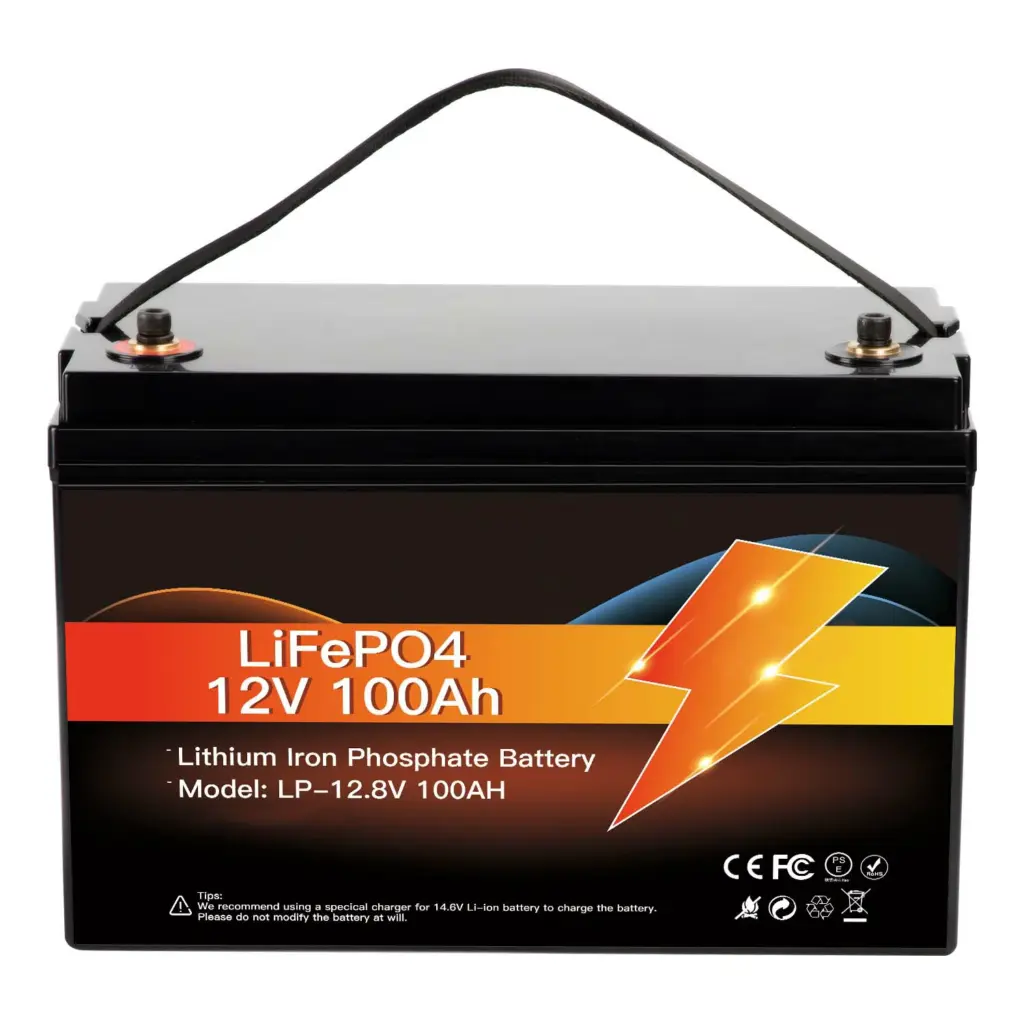
Lithium-ion batteries represent the newest generation of power storage, often compared to swapping an old, heavy CRT television for a sleek, modern flatscreen. They are a game-changer for many applications due to their exceptional performance metrics. While “Lithium-ion” covers many chemistries, the most popular and safest type for 12V deep cycle use is Lithium Iron Phosphate (LiFePO4).
Lithium batteries also deliver more usable watt-hours from the same rated capacity than lead-acid or AGM batteries, which is why they’re so popular for trolling motors, RVs, overlanding rigs, and other 12V systems that need to run longer between charges.
| Pros | Cons |
|---|---|
| High energy density and lightweight, weighing up to 70% less than a lead-acid battery of the same capacity, significantly reducing vehicle weight. | Highest upfront cost, requiring a much larger initial investment than any lead-acid option. |
| Longest lifespan, often achieving 4,000 to 5,000 cycles (up to 10 years of use). | Temperature limitations during charging, requiring a Battery Management System (BMS) to prevent charging below freezing (though heating pads can help). |
| Maintenance-free and stable voltage, providing consistent power throughout the discharge cycle for optimal performance of lights and appliances. | — |
| High charge efficiency, recharging faster and utilizing nearly all the energy put into the battery. | — |
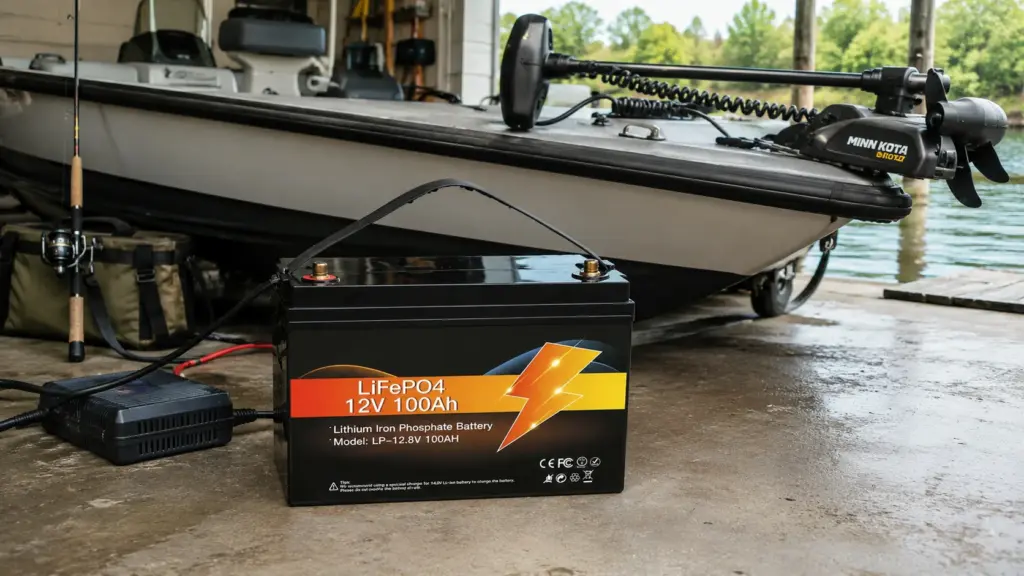
Choose the Right 12V Battery for Your Application
Whether you are replacing an old lead-acid battery or building a new power system, Avepower can help you match the right 12V lithium battery based on capacity, discharge current, installation space and usage scenario.
How to Choose the Best 12V Battery for Your Needs
Selecting the best 12V battery involves carefully weighing the pros and cons against your specific needs, budget, and intended application.
| Decision Factor | Flooded Lead-Acid | AGM Batteries | Gel Batteries | Lithium LiFePO4 |
| Initial Cost | Lowest | Medium | Medium-High | Highest |
| Usable Capacity (DOD) | 50% max | 50% max | 50% max | 80%–90% |
| Weight | Heaviest | Heavy | Heavy | Lightest |
| Maintenance | High (water check) | None | None | None |
| Charging Speed | Slow | Medium | Very Slow | Very Fast |
| Extreme Heat | Poor | Fair | Good | Excellent |
| Lifespan (Cycles) | Shortest | Short | Short | Longest |
| Best For | Budget buyers, high ventilation | High vibration, moderate use | High-temp or low-current uses | Full-time use, long-term savings |
- Lowest Upfront Cost: If you have a tight budget and don’t mind performing regular maintenance, the Flooded Lead-Acid (FLA) battery is the cheapest initial option. However, be aware that the long-term costs of replacing them more frequently will be higher.
- Best Long-Term Value: If you are willing to invest more upfront for long-term savings and reliability, the Lithium-ion (LiFePO4) battery is the clear winner. Its long lifespan (up to 10 years or more) and high usable capacity make its cost-per-cycle the lowest of all types.
- Low-Maintenance Options: For users seeking a hassle-free experience, both Sealed Lead-Acid (AGM and Gel) and Lithium-ion batteries are excellent choices as they require no water checks.
- Ultimate Convenience: Lithium-ion batteries offer the lowest maintenance, as they handle deep discharges well, charge quickly, and require no special charging care beyond what a standard quality charger provides.
- High Heat: If you frequently operate in extremely hot environments, Gel batteries are a surprisingly good option, as they tolerate high temperatures better than other lead-acid types.
- Extreme Temperatures (Hot or Cold): For the best performance across all extremes, Lithium-ion is the preferred choice, particularly models with internal heating that can handle charging in freezing conditions. Other lead-acid batteries can be negatively affected by both extreme heat and cold.
- Engine Starting: Flooded Lead-Acid batteries are still the most cost-effective and powerful option for the specific task of turning over a car or boat engine.
- Deep Cycle/House Power (RVs, Off-Grid): For running house appliances, the decision is between:
- AGM: A solid middle-ground for a sealed battery that handles moderate deep cycling.
- Gel: Good for high heat, but complex charging requirements are a drawback.
- Lithium-ion: The best overall choice due to its much higher usable capacity, stable voltage, light weight, and long life.
2 × 100Ah vs 1 × 200Ah: If you need more flexibility (for example, placing batteries in two lockers, or replacing one later), two 12V 100Ah batteries in parallel make sense. If you need high current to feed an inverter, a single 12V 200Ah battery is often more efficient and simpler to manage because there’s only one BMS and one set of connections.
Challenges Faced by Lead-Acid Batteries
All lead-acid battery types (Flooded, AGM, and Gel) share several fundamental challenges that you must manage to ensure longevity.
You must strictly follow usage and charging requirements to avoid shortening their operational life. Monitoring the discharge and charge levels is absolutely crucial because both deep discharge (below 50%) and partial charging will cause permanent damage (sulfation) to the lead plates.
Lead-acid batteries also require longer charging times compared to lithium, often needing a specific “absorption” charge cycle to top them off completely. These limitations make lead-acid batteries less suitable for applications that demand frequent, deep cycling, such as off-grid solar energy systems.
If a 12V battery goes “totally dead,” it can sometimes be recovered with the right charger or a technician, but success depends on how long it stayed at very low voltage. Lead-acid batteries left flat for days or weeks often suffer irreversible sulfation, while lithium batteries with a BMS that has shut down usually need a proper 12V LiFePO4 charger to wake them up.
Read this article to learn how to charge a LiFePO4 battery.
The Role of the Battery Management System (BMS)
Lithium LiFePO4 batteries overcome many of these limitations thanks to their built-in Battery Management System (BMS). The BMS acts as the brain and security guard of the battery, actively protecting it from critical failures.
The professional BMS board prevents overcharging, over-discharging, over-current, and short circuits. This self-protection feature means that the lithium battery can automatically manage itself through extreme conditions that would instantly destroy a lead-acid battery.
How to Check a 12V Battery with a Voltmeter
You can easily check the state of charge of a 12V battery using a voltmeter or a multimeter set to measure DC voltage. This method works for both lead-acid and LiFePO4 batteries.
Step 1: Prepare the Battery
Before testing, turn off all connected devices and disconnect any chargers. This ensures an accurate reading of the battery’s actual voltage.
Step 2: Connect the Voltmeter
Attach the voltmeter’s positive (red) lead to the battery’s positive terminal and the negative (black) lead to the negative terminal. Make sure the connections are secure.
Step 3: Read the Voltage
The reading on the voltmeter indicates the battery’s current charge level. Compare it with typical voltage values to understand its state of charge:
| State of Charge | Lead-Acid Voltage (Approx.) | LiFePO4 Voltage (Approx.) |
|---|---|---|
| 100% Fully Charged | 12.7V or higher | 13.4V – 13.6V |
| 75% Charged | 12.4V | 13.3V |
| 50% Charged (Low) | 12.2V | 13.2V |
| 25% Charged (Very Low) | 12.0V | 13.0V |
| Empty | 11.9V or lower | 12.8V or lower |
Important Note: For lead-acid batteries, never allow the voltage to drop below 12.2V (around 50% charge), as this can cause permanent damage and shorten the battery’s lifespan. LiFePO4 batteries are more tolerant but still benefit from avoiding deep discharge.
Regular voltage checks help you monitor battery health and ensure reliable performance for all your 12V systems.

Ready to Upgrade Your 12V Power System?
Avepower provides 12V LiFePO4 battery solutions for RV, marine, solar, backup power and OEM projects. Contact us to get product specifications, pricing and customization options for your next battery project.
How Much Does a 12 Volt Battery Cost?
Compare the most common 12V battery types, their typical lifespan, maintenance needs, and estimated costs. Find the best battery for your RV, boat, or off-grid system at a glance.
| Battery Type | Typical Lifespan | Approximate Cost (USD) | Maintenance Required |
|---|---|---|---|
| Flooded Lead-Acid | 2–5 years | $100 | Yes, water levels need checking every 3–6 months |
| Sealed VRLA | 2–8 years | $200–$300 | No |
| AGM | 4–7 years | $200 | No |
| Gel | 2–5 years | $100–$900 | No, but requires slower charging cycles |
| Lithium-Ion | 8–15 years | $500–$1,500+ | Virtually none |
| LiFePO4 | 10+ years / 4,000+ cycles | $600–$1,200 | Minimal |
What Should a 12V Battery Read When Fully Charged?
The voltage reading of a fully charged 12V battery depends on the battery chemistry and the specific moment you check it (right after charging, or after resting).
| Battery Type | Fully Charged OCV (Approximate) | Fully Discharged (Do Not Go Below) |
|---|---|---|
| Flooded / AGM | 12.6V to 12.8V | 10.5V (Dangerous) |
| Gel | 12.8V to 12.9V | 11.5V (Dangerous) |
| LiFePO4 | 13.4V to 13.6V | 10.0V (BMS Cutoff) |
For example, a fully charged AGM battery should read close to 12.7 volts, while a LiFePO4 battery will sit higher, around 13.4 volts. If a lead-acid battery reads 12.0V, you should know it is only about 50% charged—the deepest you should ever discharge it.
How Long Does a 12V Battery Last?
Lifespan is determined by the battery’s chemistry and care. Lead-acid batteries (FLA, AGM, Gel) typically last 3 to 8 years, but they are highly vulnerable to heat and repeated deep discharges. In contrast, Lithium Iron Phosphate (LiFePO4) batteries are engineered for extreme longevity, often lasting 10 to 15 years or more, because they handle thousands of deep charge cycles without damage. So if the question is “which 12V battery lasts the longest,” a quality LiFePO4 pack from a reputable supplier will normally outlast flooded, AGM, and gel options by several thousand cycles.
Runtime (How Long You Get Power)
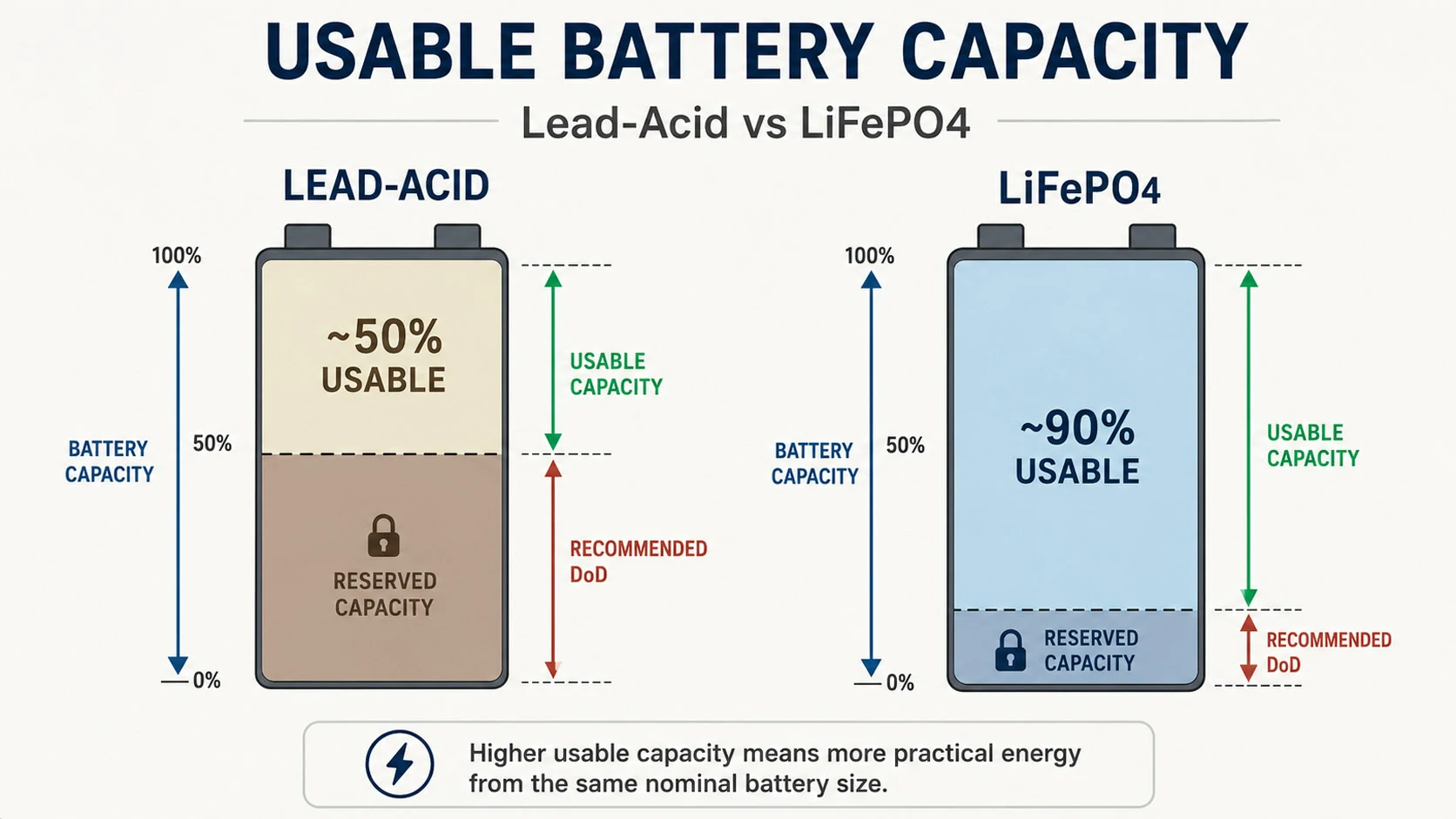
Runtime is how long a battery can power your devices, calculated by dividing the battery’s usable capacity (Ah) by the current draw of your devices (Amps). The key factor here is the depth of discharge (DoD). Lead-acid batteries (AGM/Gel) can only be safely discharged to about 50%. This means a 100Ah lead-acid battery provides just 50Ah of usable power, resulting in a runtime of only 5 hours with a 10A load.
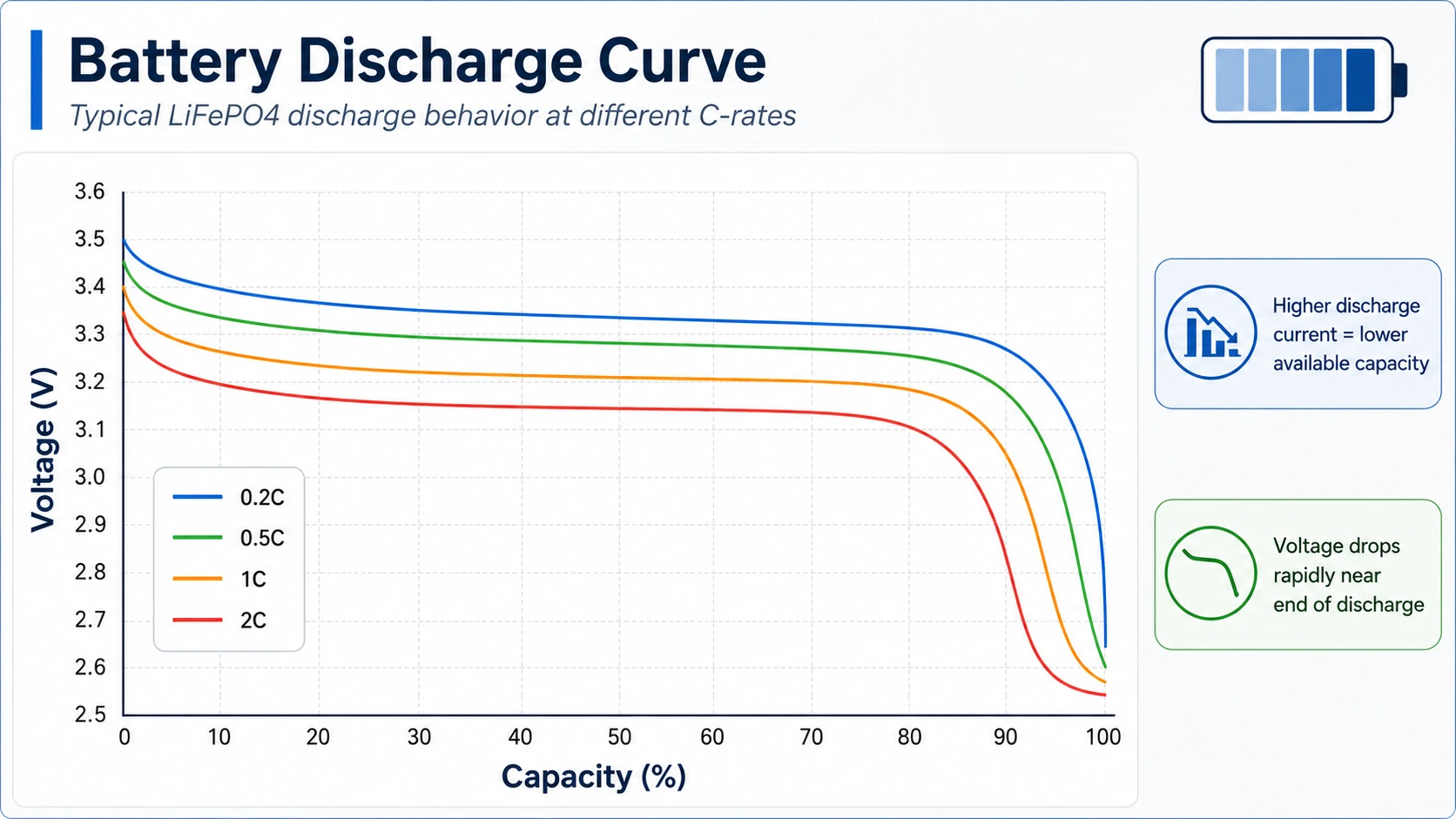
In contrast, LiFePO4 batteries can safely use 85% to 90% of their stored energy. A 100Ah LiFePO4 battery delivers about 85Ah of usable power, translating to roughly 8.5 hours of runtime with the same 10A load. This difference in usable capacity is why lithium batteries provide significantly more power per Amp-hour rating.
For example, if you run a 200W load (about 16–17A at 12V) from a 12V 100Ah battery, you can expect around 5 hours from a lead-acid battery (because you can only use about half of it) and closer to 6 hours from a 12V 100Ah LiFePO4 battery thanks to its higher usable capacity and better efficiency.
If you power a 1,000W inverter from a 12V 100Ah battery, the math is 12V × 100Ah = 1,200Wh. In a perfect world that’s about 1.2 hours, but in real use inverter losses and voltage drop mean you should expect a bit less than that — which is why bigger banks (200Ah+ or 24V systems) are recommended for sustained 1,000W loads.
Read this article to learn how long a 100Ah battery will last.
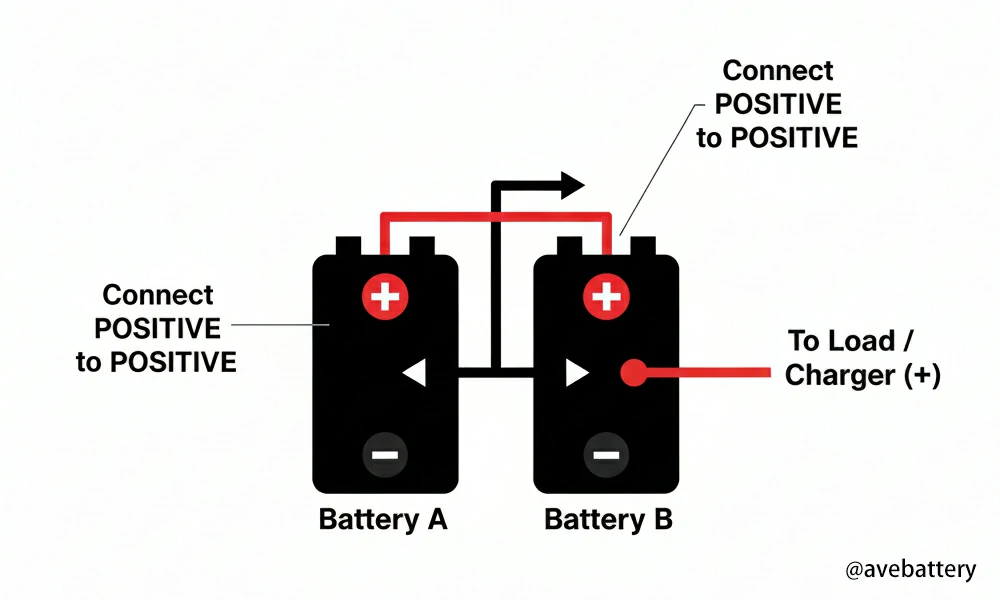
How to Connect Two 12V Batteries in Parallel
Connecting batteries in parallel increases the amp-hour (Ah) capacity while keeping the system voltage at 12V. This is ideal for increasing the time you can run a 12V system.
- Safety First: Ensure both batteries are of the same type, voltage, age, and capacity, and are fully charged to the same voltage before connecting them.
- Connect Positive to Positive: Run a high-quality battery cable from the positive (+) terminal of the first battery to the positive (+) terminal of the second battery.
- Connect Negative to Negative: Run another high-quality cable from the negative (−) terminal of the first battery to the negative (−) terminal of the second battery.
- Connect to System: To draw power, connect your load (or the charger) to the positive terminal of the first battery and the negative terminal of the second battery. This ensures both batteries are cycled evenly, maximizing the system’s life.
Remember: choosing between 2 × 100Ah in parallel and 1 × 200Ah isn’t just about capacity — parallel banks give you redundancy, while a single large battery is simpler and often handles high loads better.
Read this article to learn more detailed information: How to Connect Batteries in Parallel
Best Choice: Avepower 12V LiFePO4 Batteries
Why choose a LiFePO4 (Lithium Iron Phosphate) battery? LiFePO4 combines the advantages of lithium-ion technology with enhanced safety and durability. It offers top-tier protection features, giving you peace of mind. These batteries resist overheating, are extremely durable, and can handle thousands of charge cycles, making them a reliable and long-lasting power source that won’t drain prematurely.
Key Features of LiFePO4 Batteries:
- Advanced BMS (Battery Management System): Protects against overcharge, over-discharge, overcurrent, and short circuits.
- Automotive-Grade Construction: High energy density with maximum safety.
- Long Lifespan: Over 4,000 cycles, lasting up to 10 years.
- Enhanced Safety: Built to X4 protection standards for consistent, reliable performance.
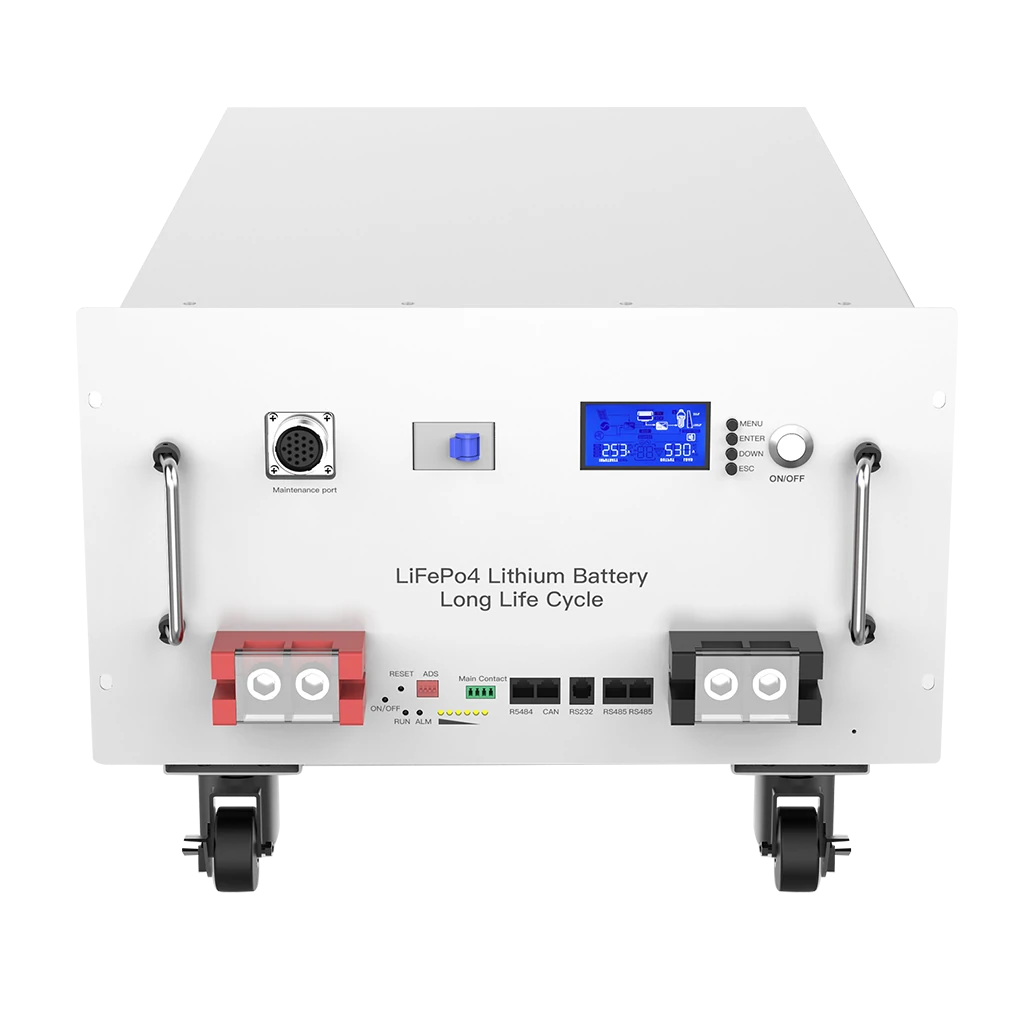
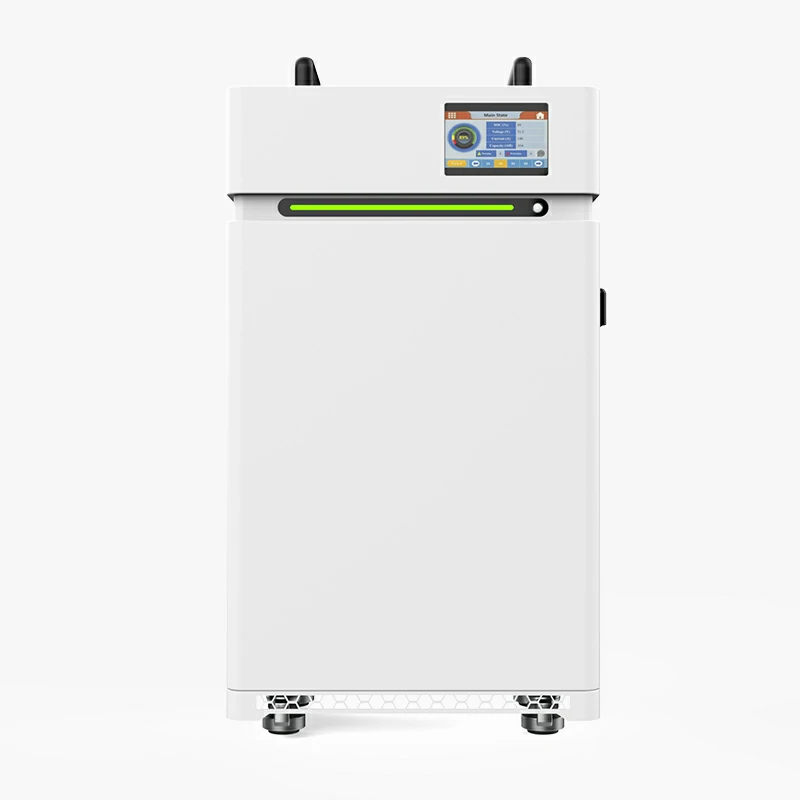
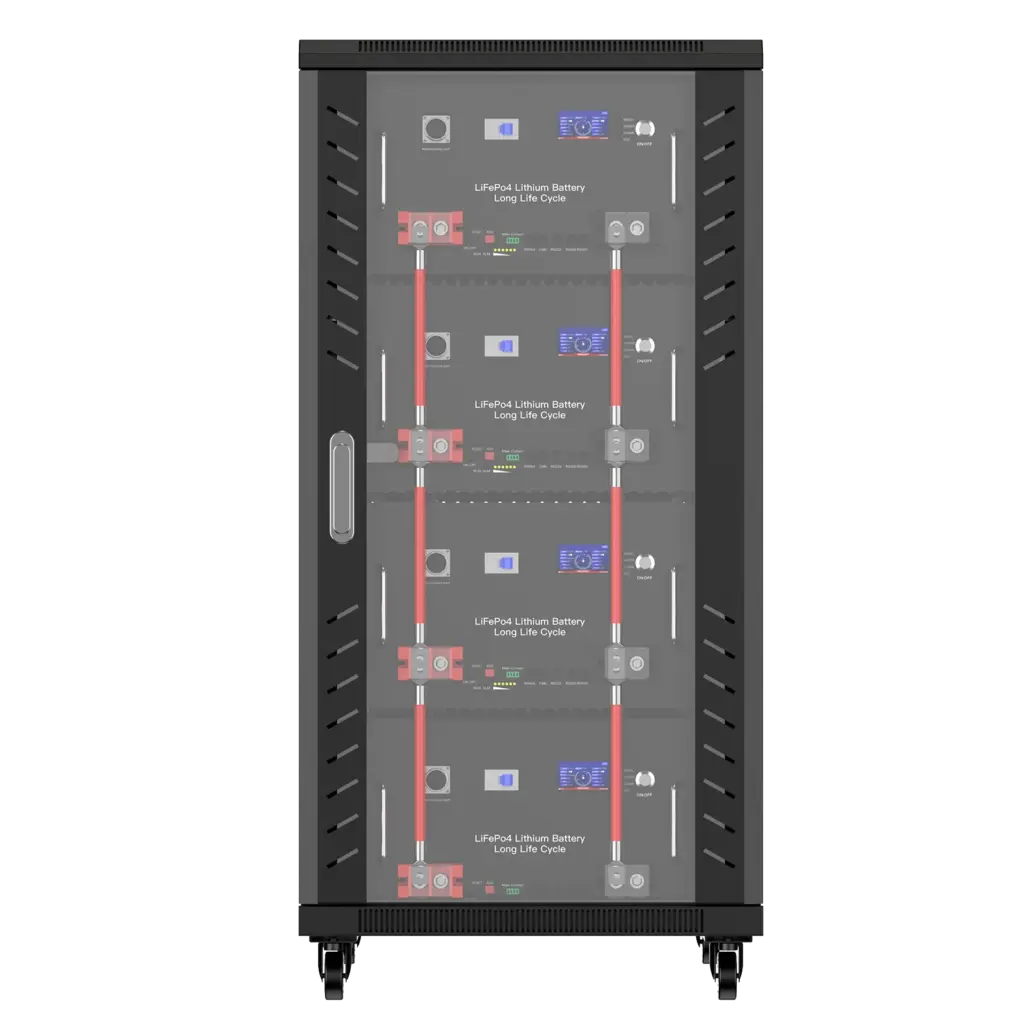
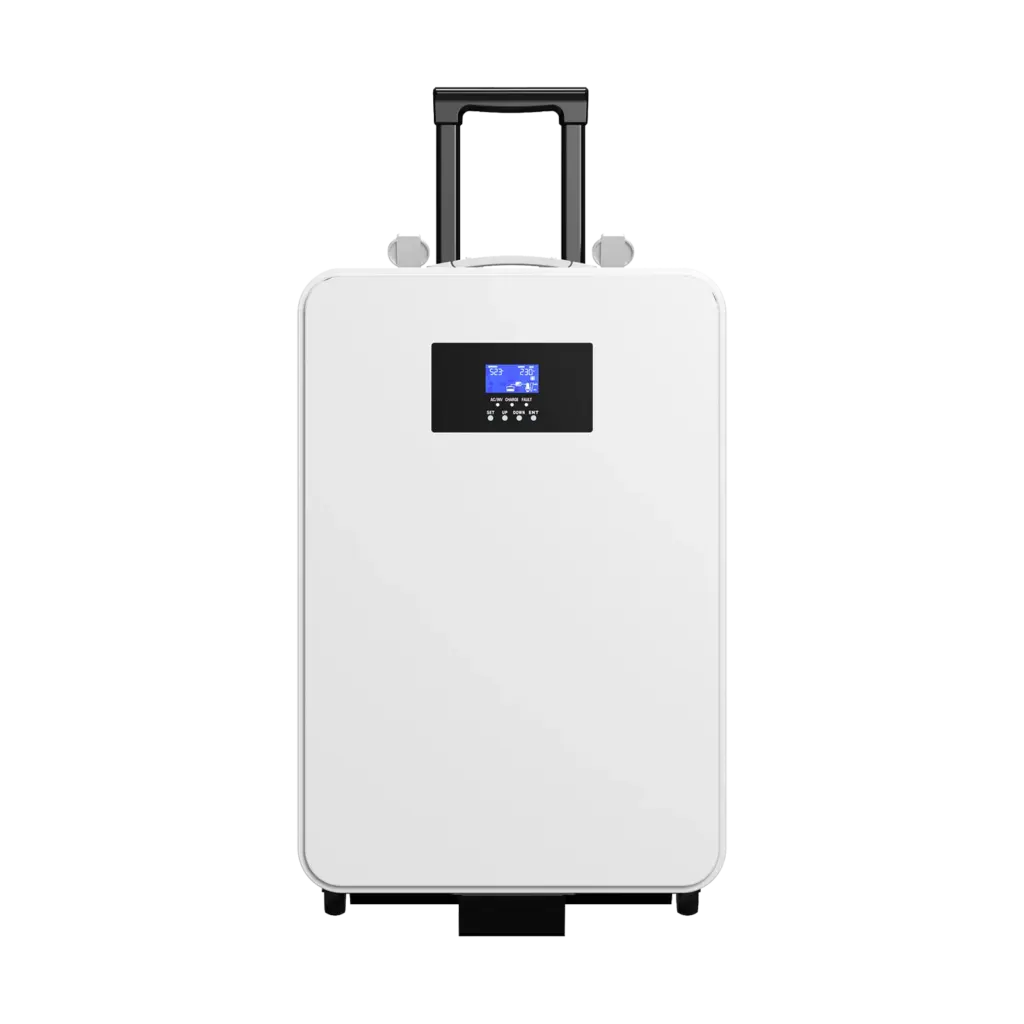
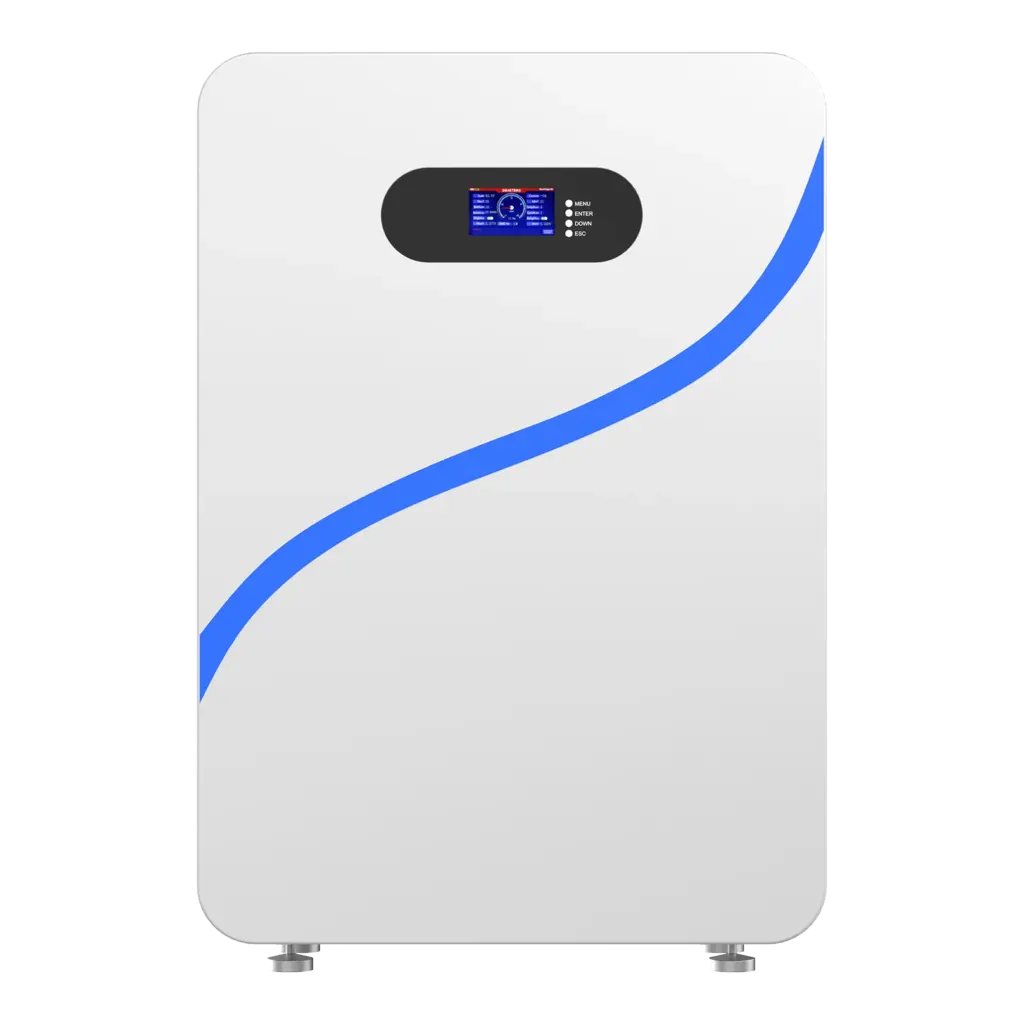
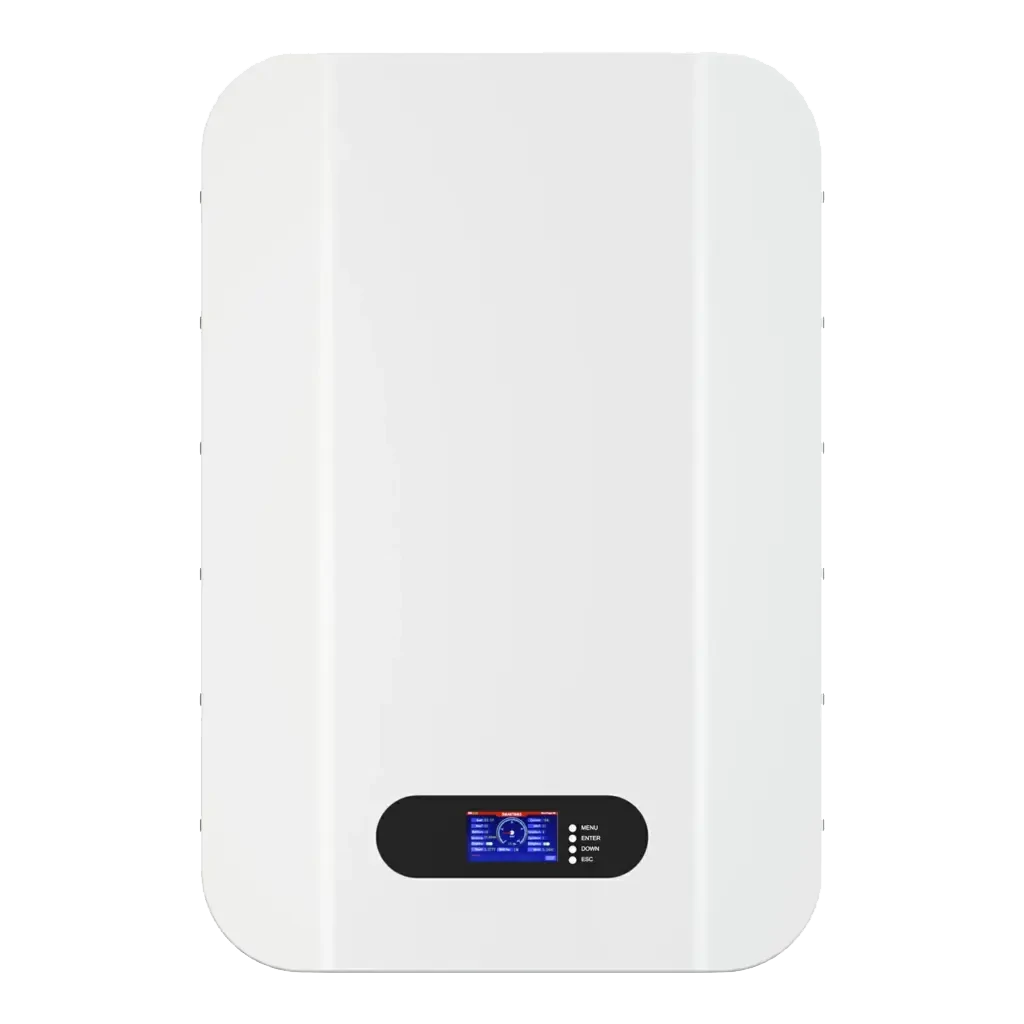
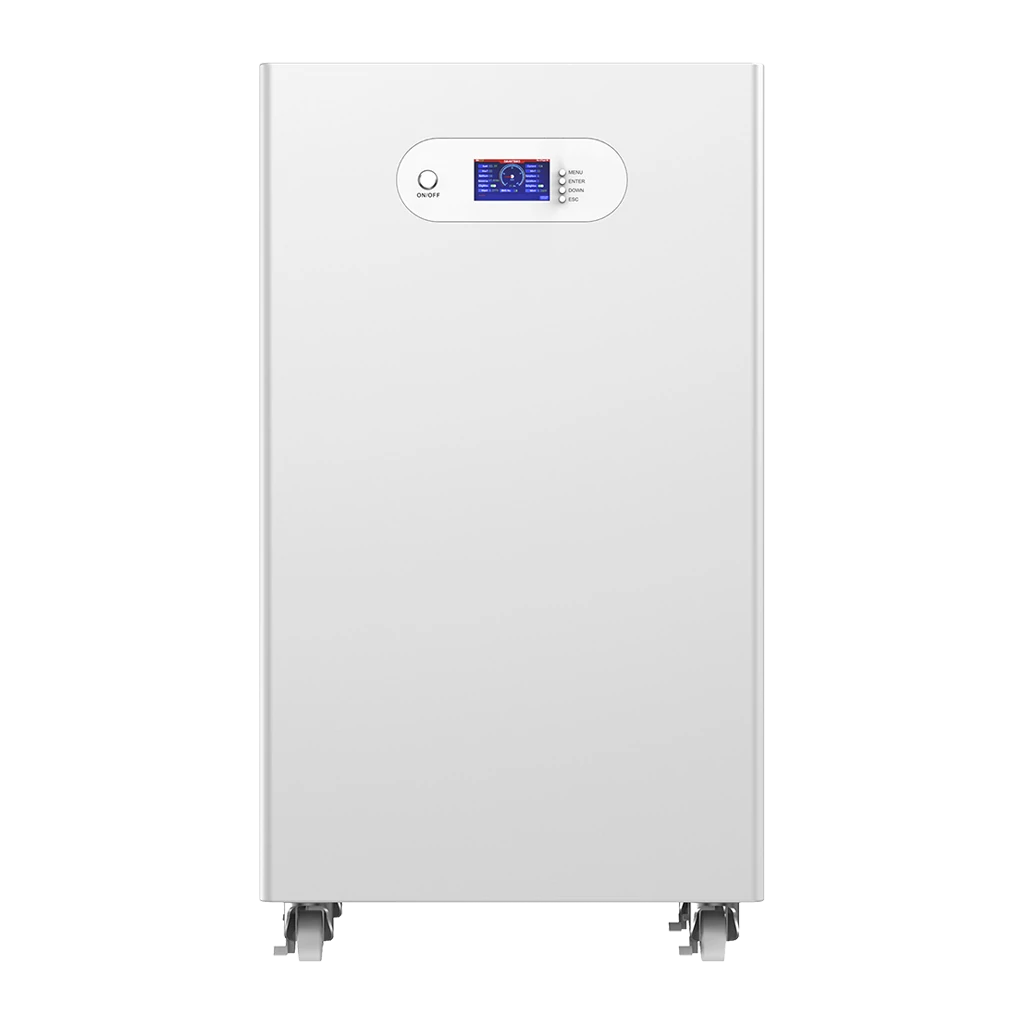
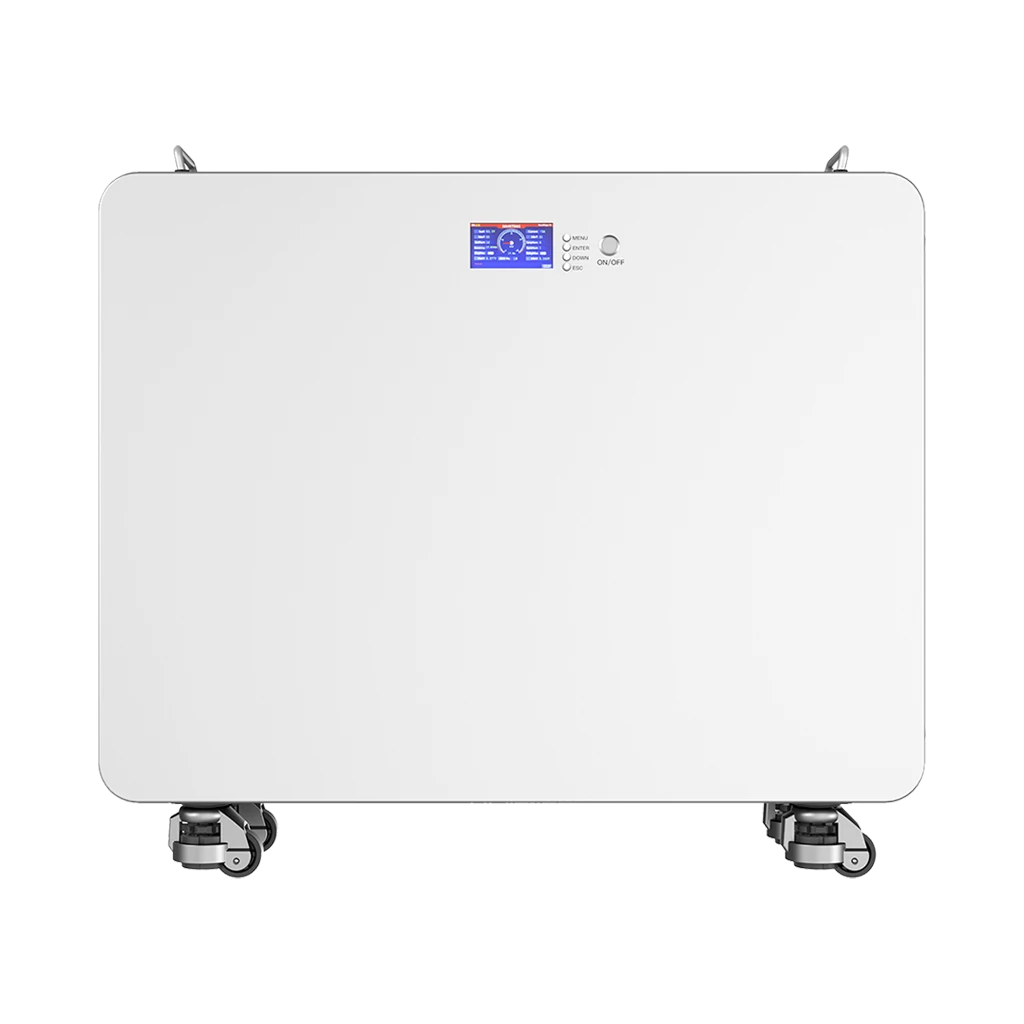
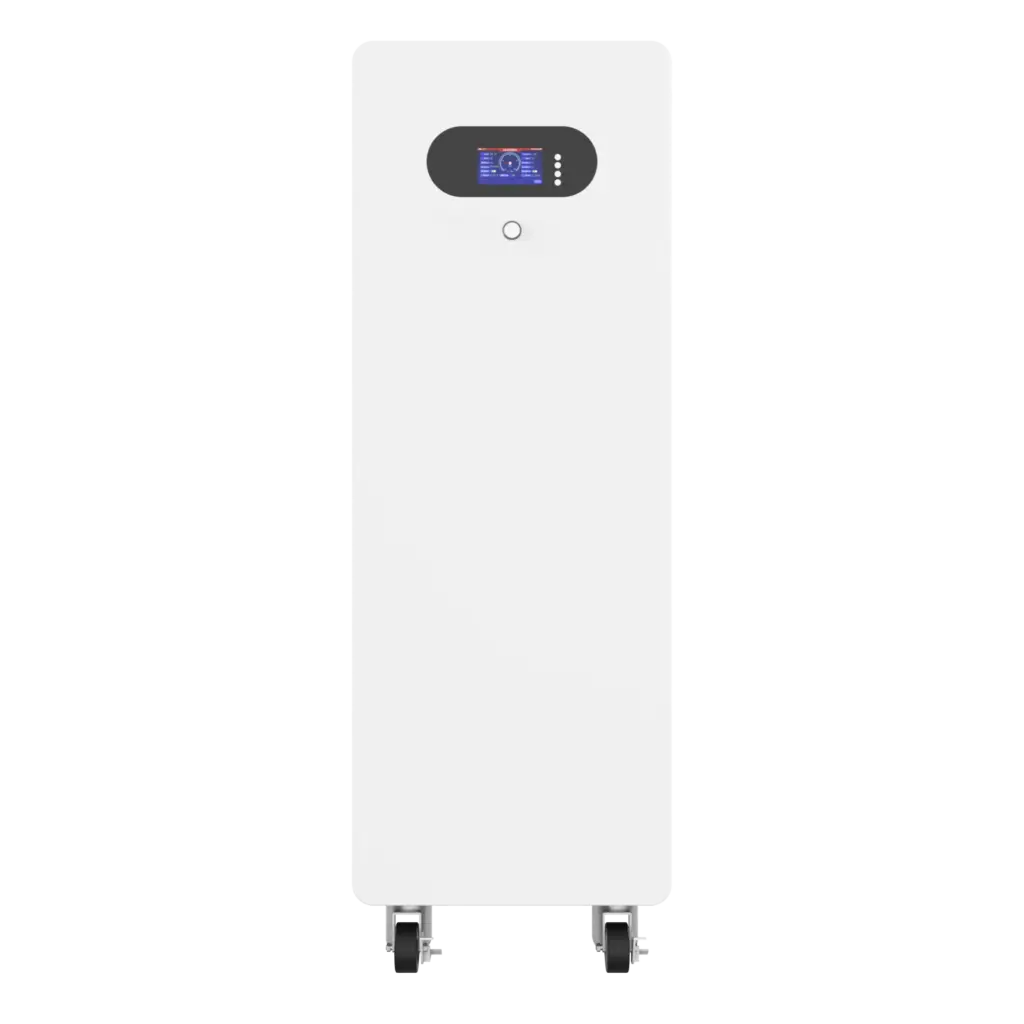
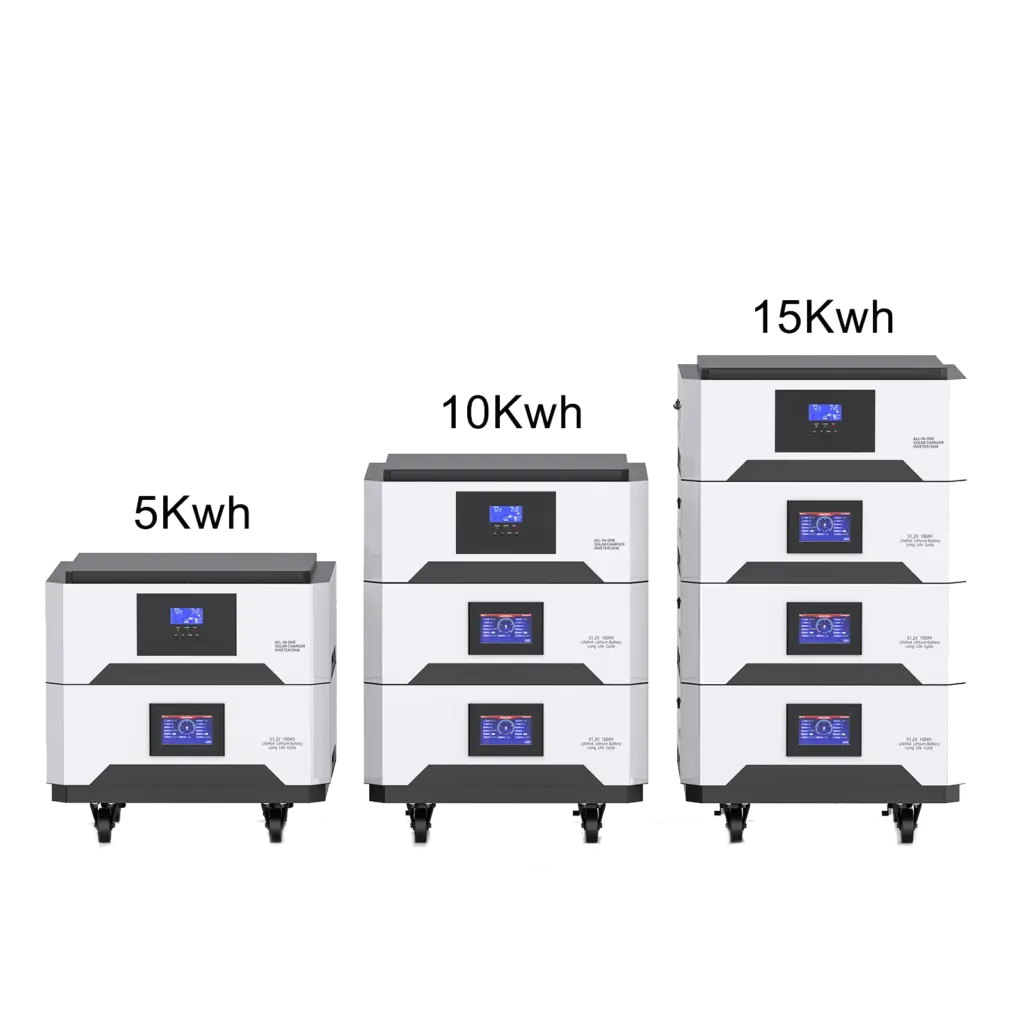
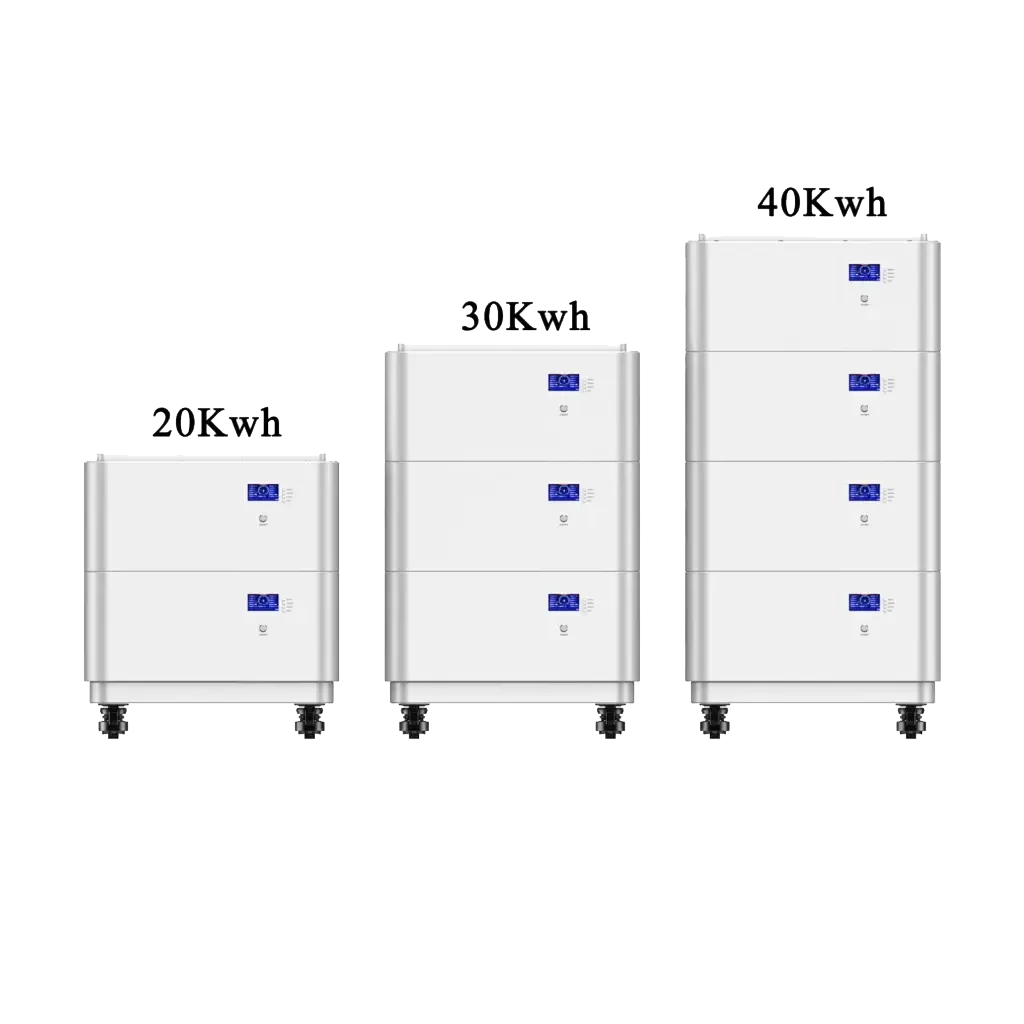
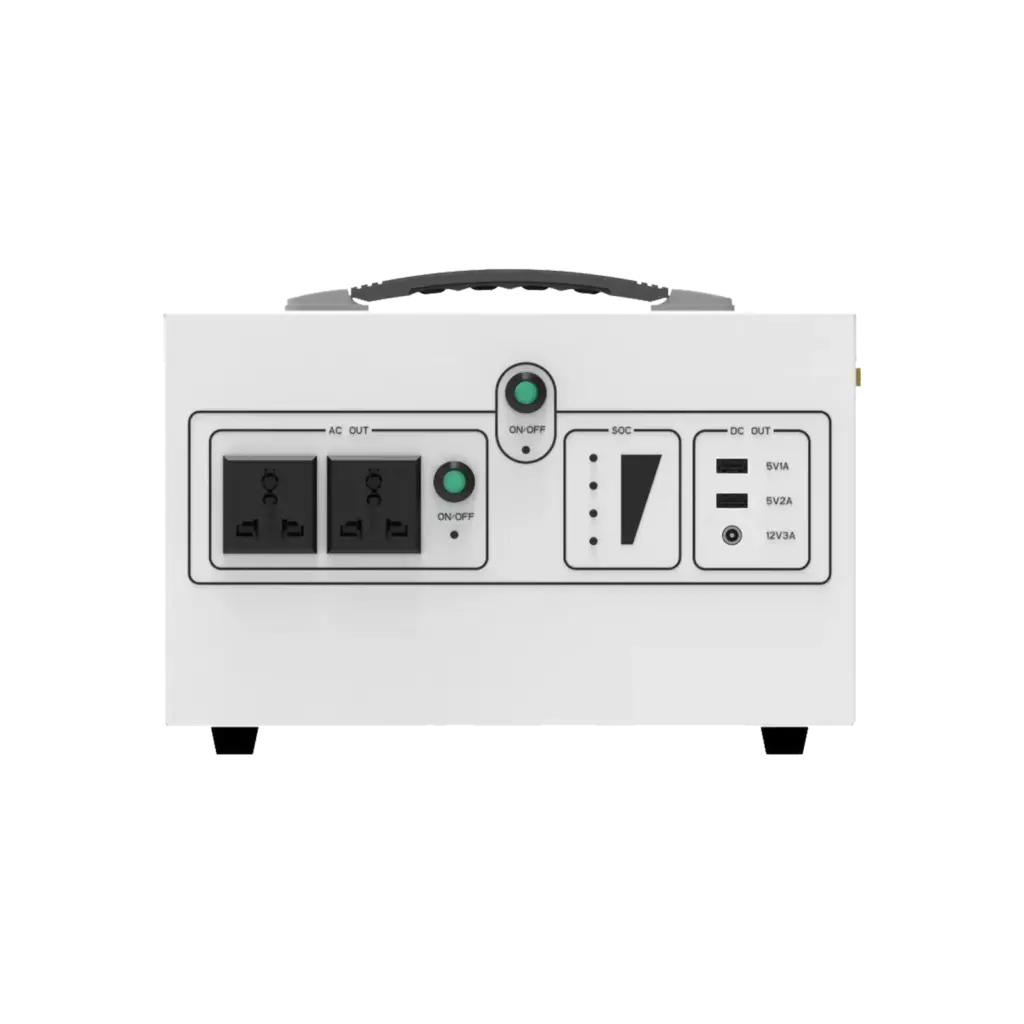
Avepower 12V LiFePO4 Battery Models:
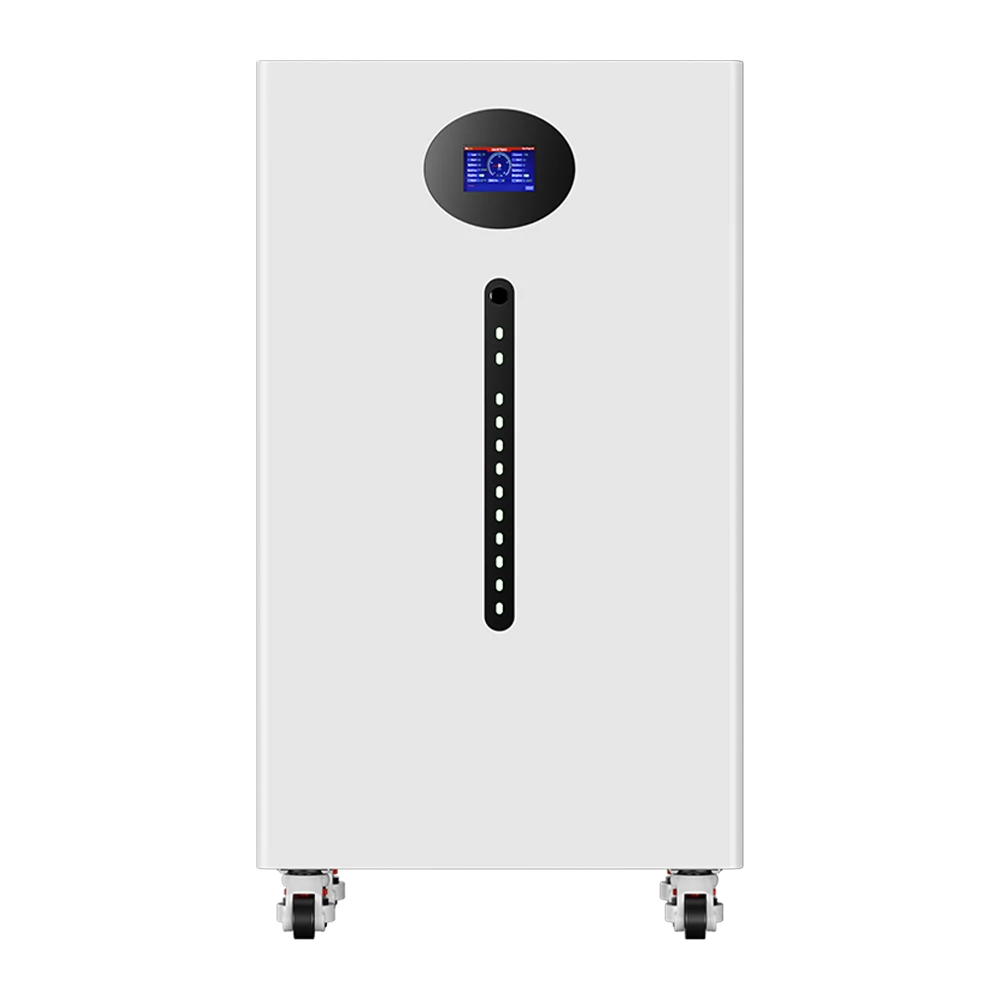
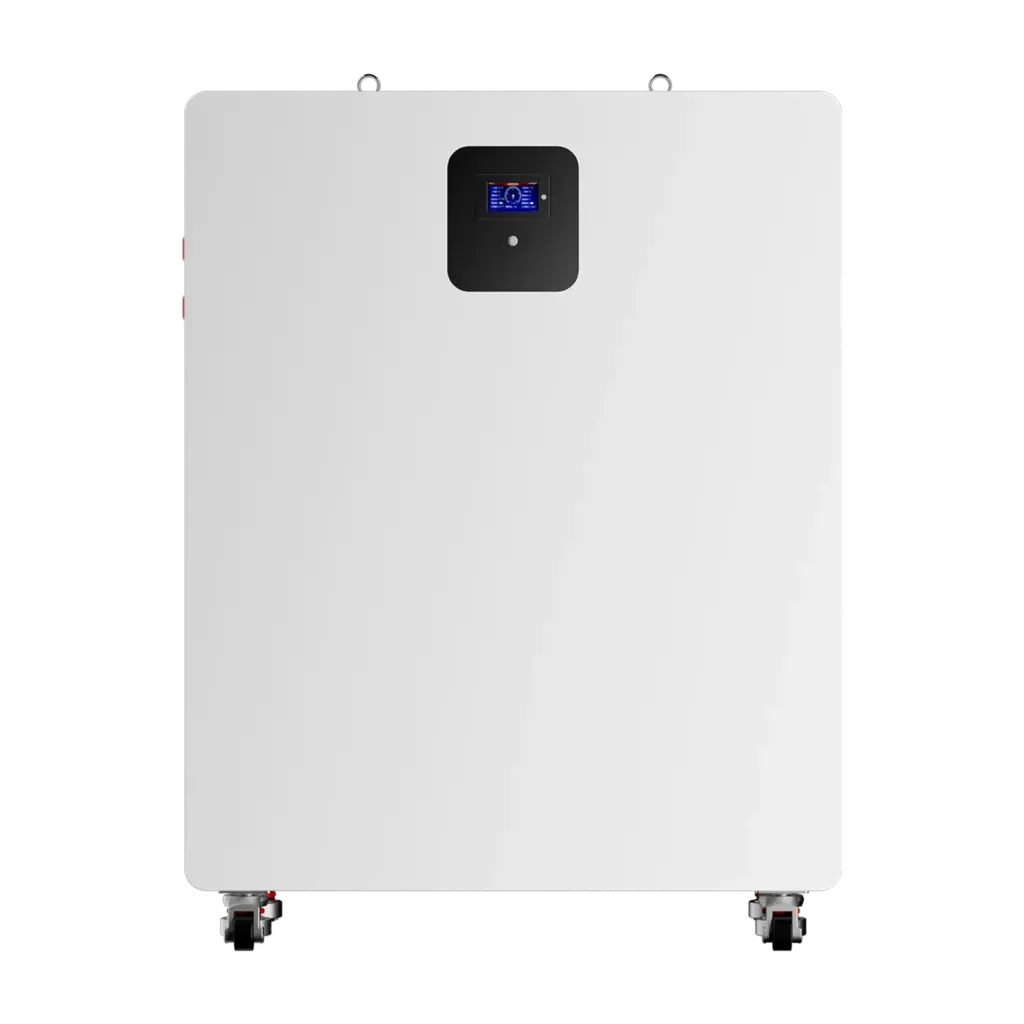
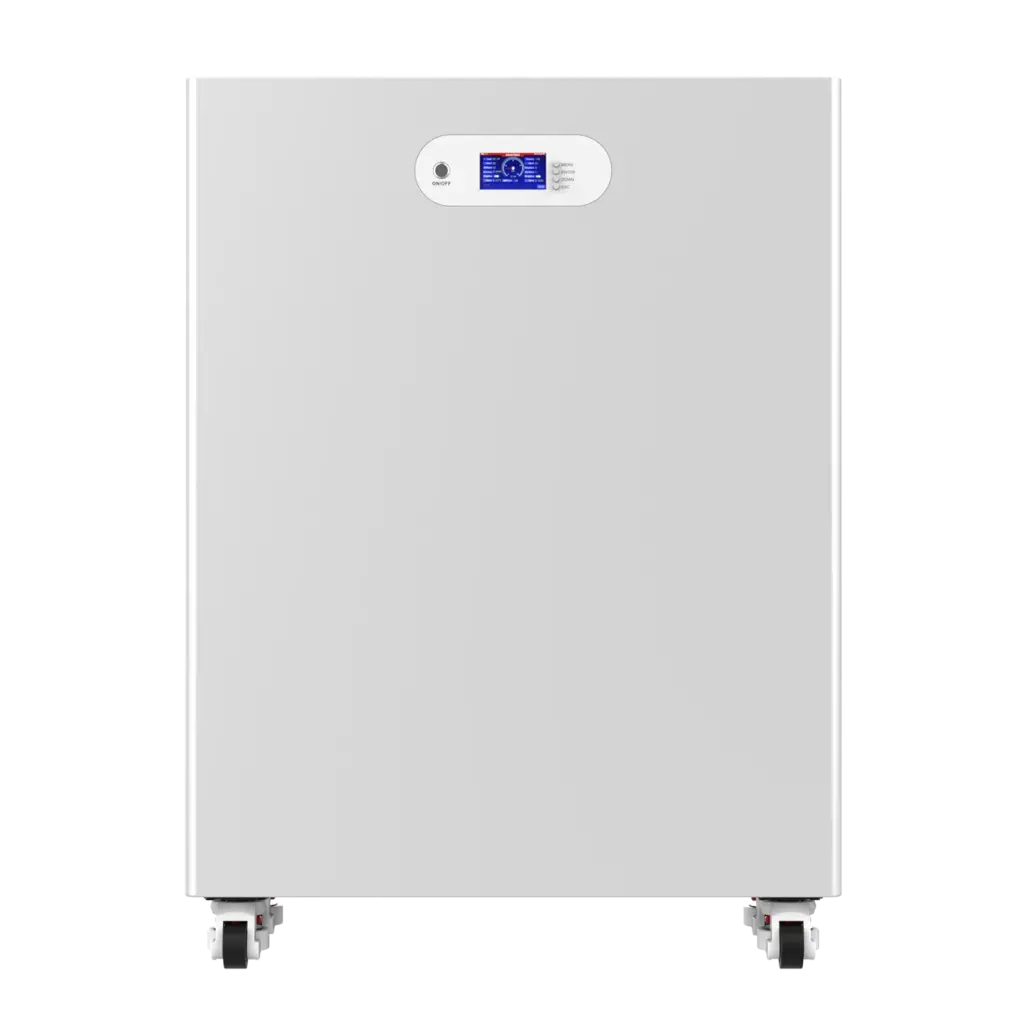
Avepower’s LiFePO4 batteries maintain a stable voltage range of 14.2V–14.6V, ensuring more than 80% usable capacity for consistent and dependable power output. Weighing only 12 kg—about one-third of a comparable lead-acid battery—they are lightweight, highly portable, and designed to withstand shocks, delivering long-lasting, reliable performance even in demanding environments.
If you’re ready to upgrade to a safer, longer-lasting 12V battery, contact us now for a quote and find the perfect LiFePO4 solution for your needs.

Power That Lasts
If you want a battery you can just install and forget, go with an Avepower LiFePO4.
You get 4000+ cycles, around 10 years of use, a built-in BMS, and capacity you can expand later as your needs grow—just talk to Avepower for easy sizing advice and a no-pressure quote.
Conclusion
Choosing the right 12V battery involves understanding the types, applications, and limitations of each option. While traditional lead-acid batteries may appeal to those on a tight budget, lithium-ion and LiFePO4 batteries offer superior performance, longevity, and minimal maintenance.
In practical terms: lithium lasts the longest, AGM is a good sealed lead-acid choice, and flooded is best only when the lowest upfront price matters.
For long-term reliability, safety, and efficiency, Avepower’s 12V LiFePO4 batteries stand out as a top choice for RVs, boats, golf carts, and commercial equipment. They provide lightweight, portable, and vibration-resistant power solutions with consistent output, making them ideal for a wide range of 12V applications.
FAQ
The amp rating depends on the battery’s capacity. For example, a 12V 100Ah battery can theoretically provide 100 amps for 1 hour or 1 amp for 100 hours.
A 12V battery’s amps vary by size. Small batteries may provide a few amps, while large deep-cycle or LiFePO4 batteries can deliver hundreds of amps briefly.
Runtime depends on load. For example, a 12V 100Ah battery can run a 10A device for about 10 hours. Lifespan is 2–10 years depending on battery type.
Keep it charged, avoid deep discharges, monitor voltage, use correct chargers, and store in moderate temperatures. Lead-acid may require water top-ups.





1 thought on “12 Volt Battery Guide: Types, Uses, and How to Choose the Best One”
Hi, I ma looking for a 12Volt batteries charged by solar panels on the roof of our holiday hut, which does not need regular maintenance, can withstand cold -12C and + 20C, is housed inside the hut, but not heated. Its cost matter, so does how long it will last.
Thank you for your help. The text above is helpful.
Regards
Hana