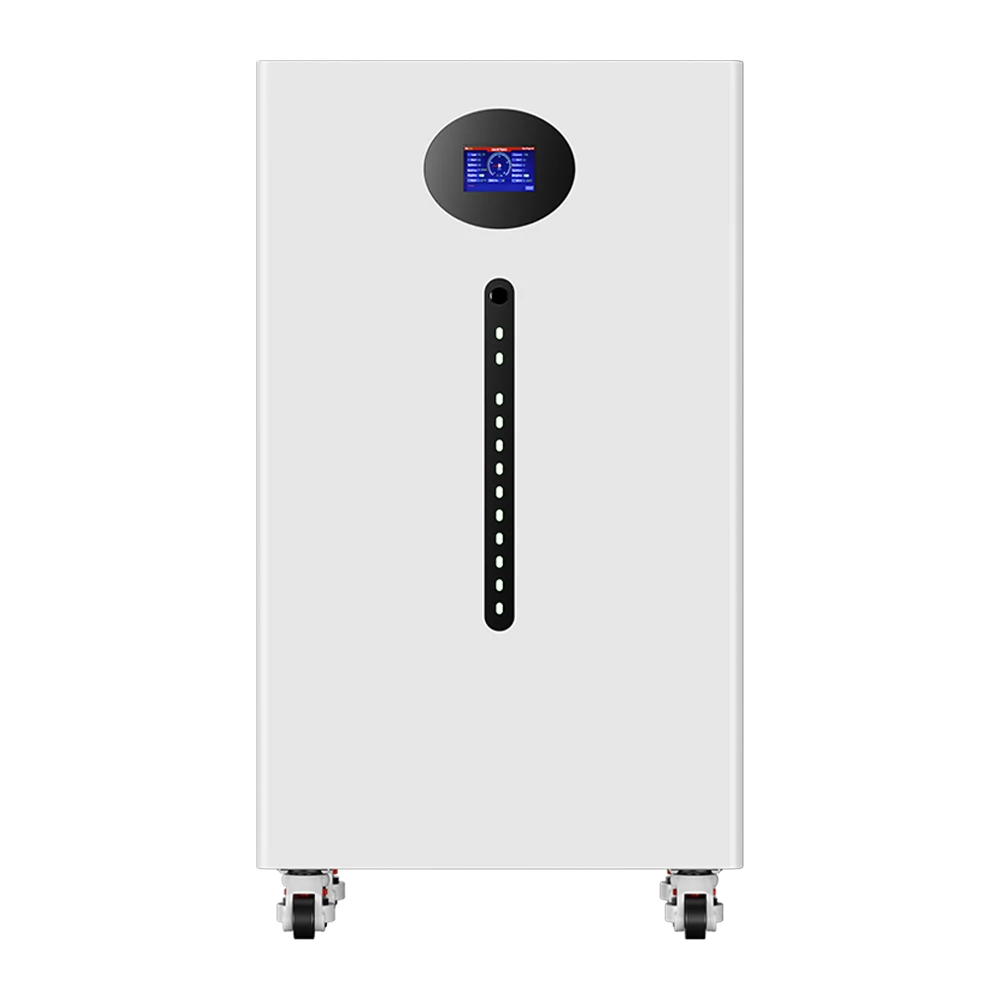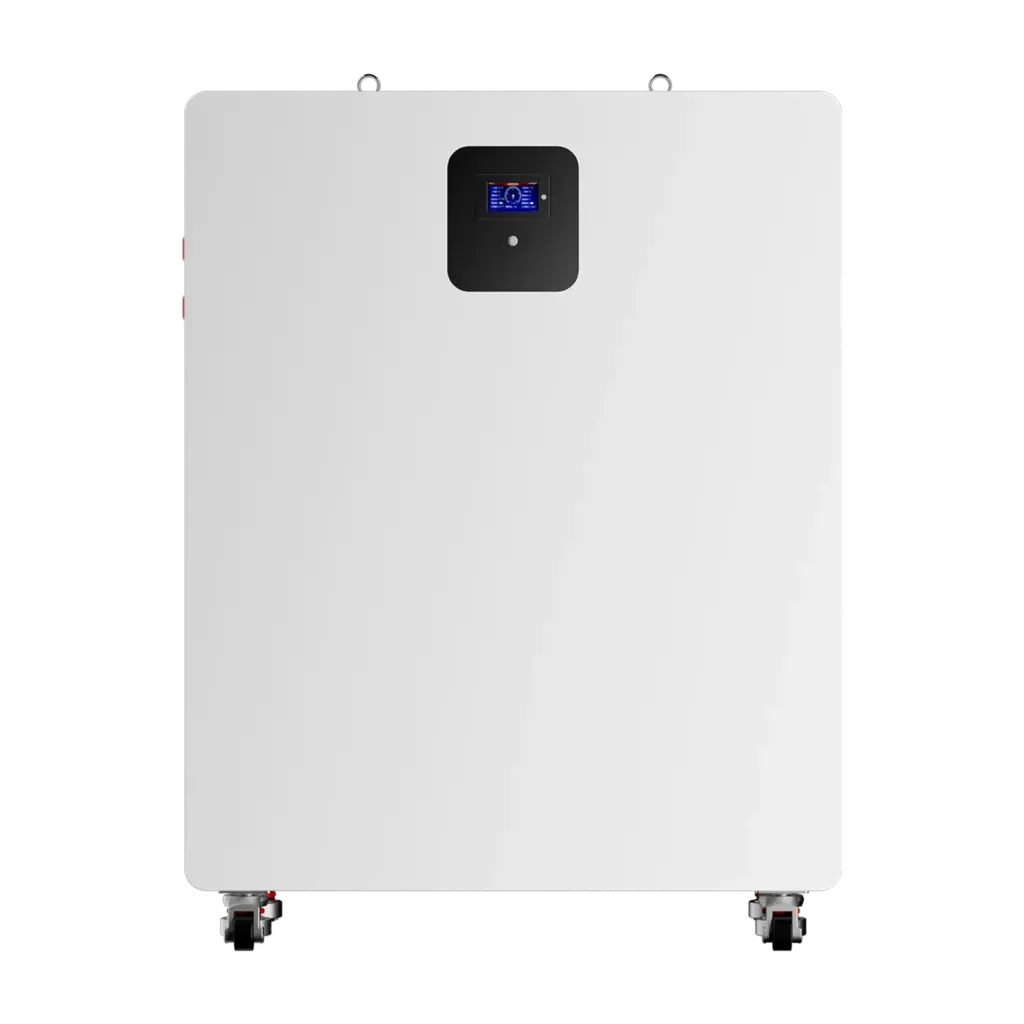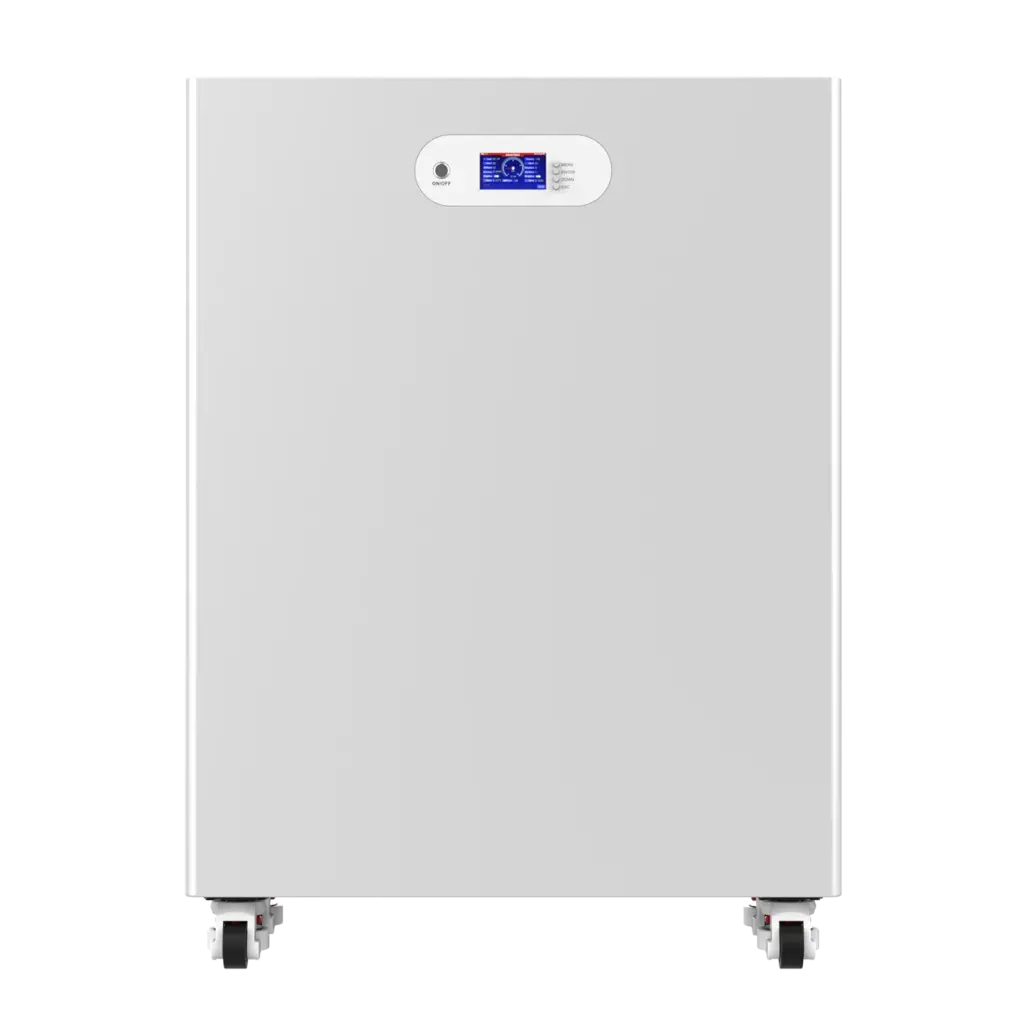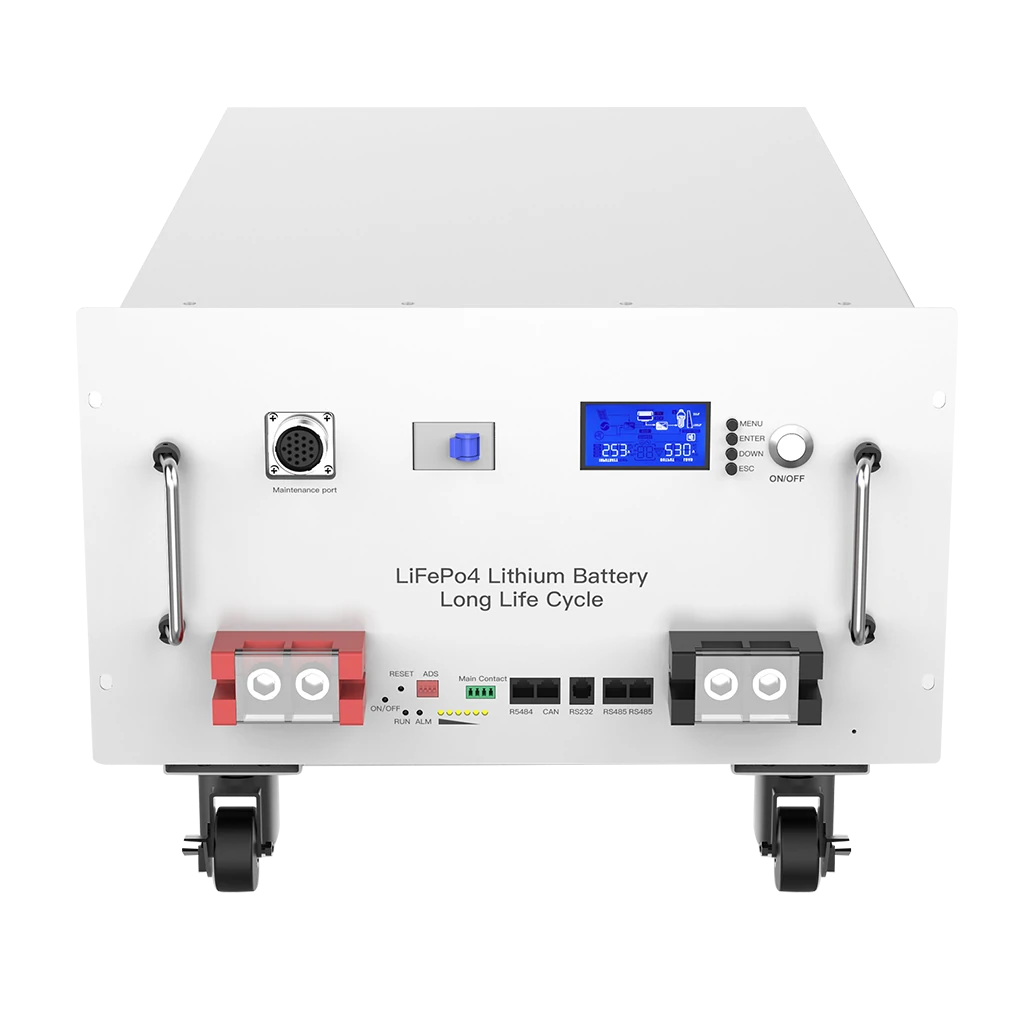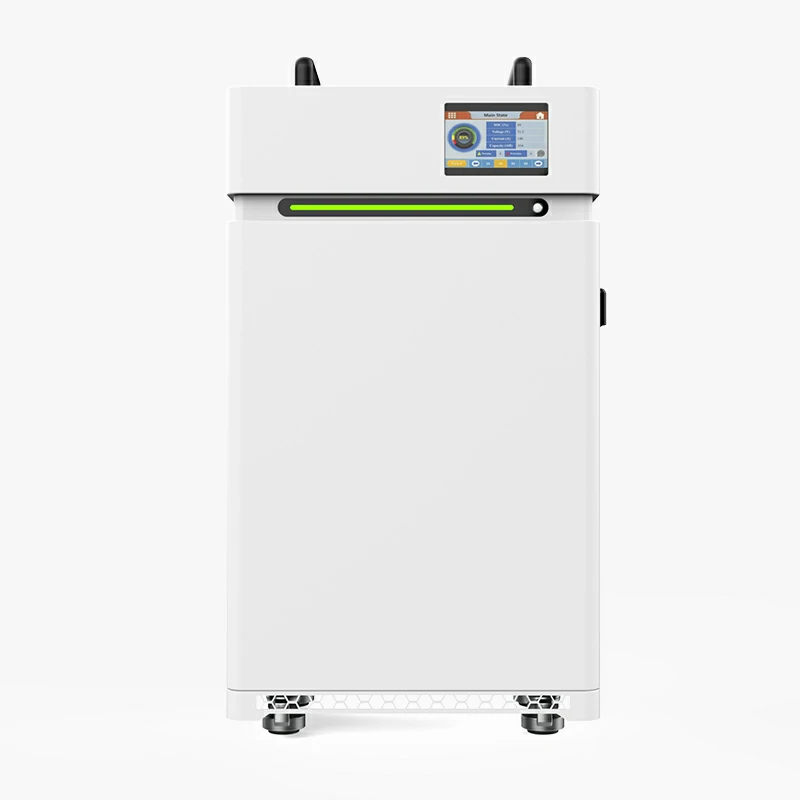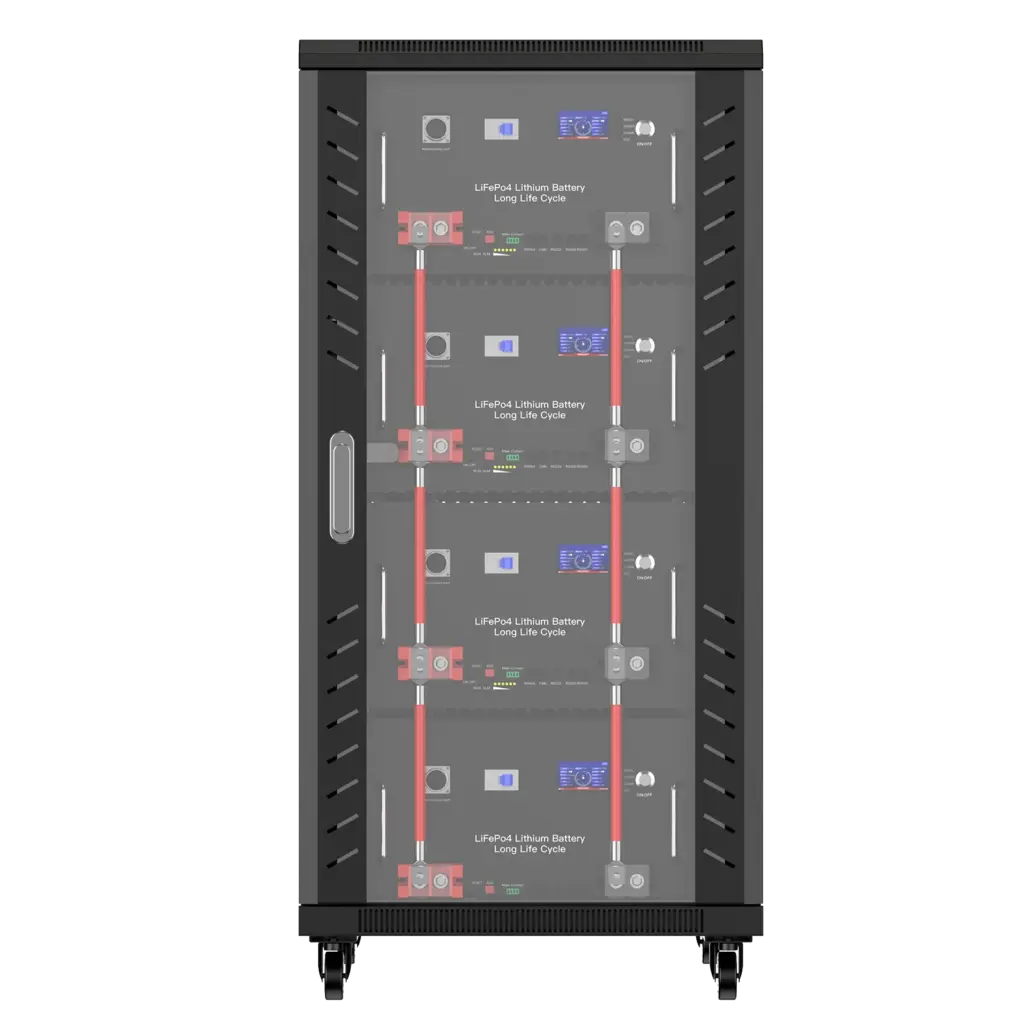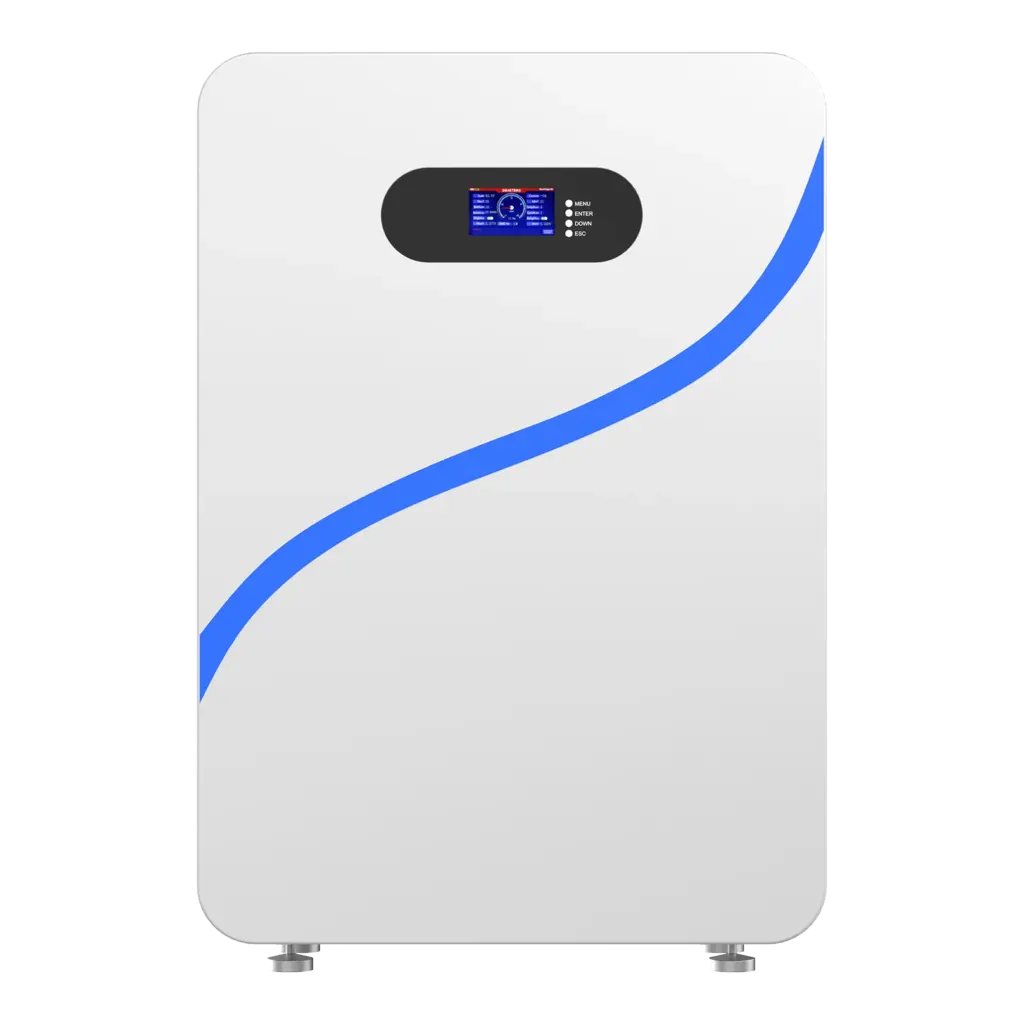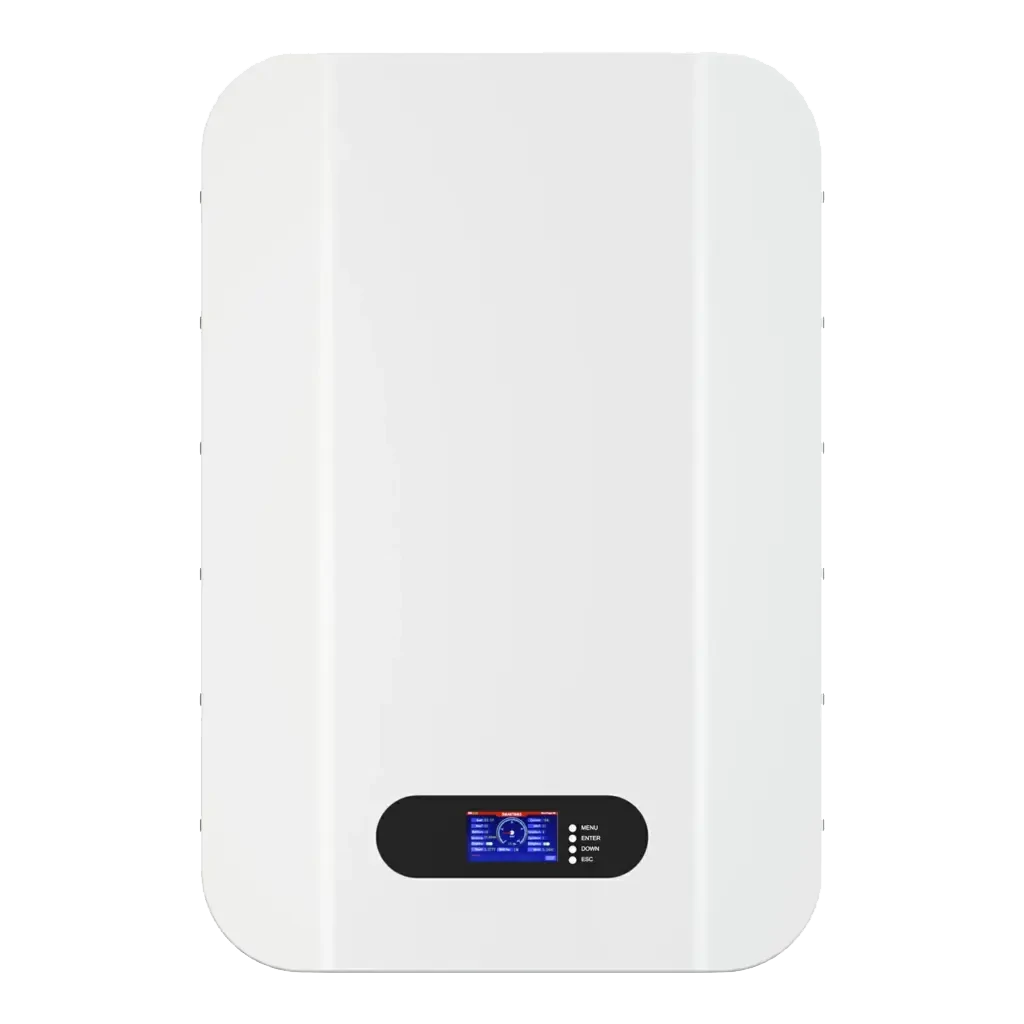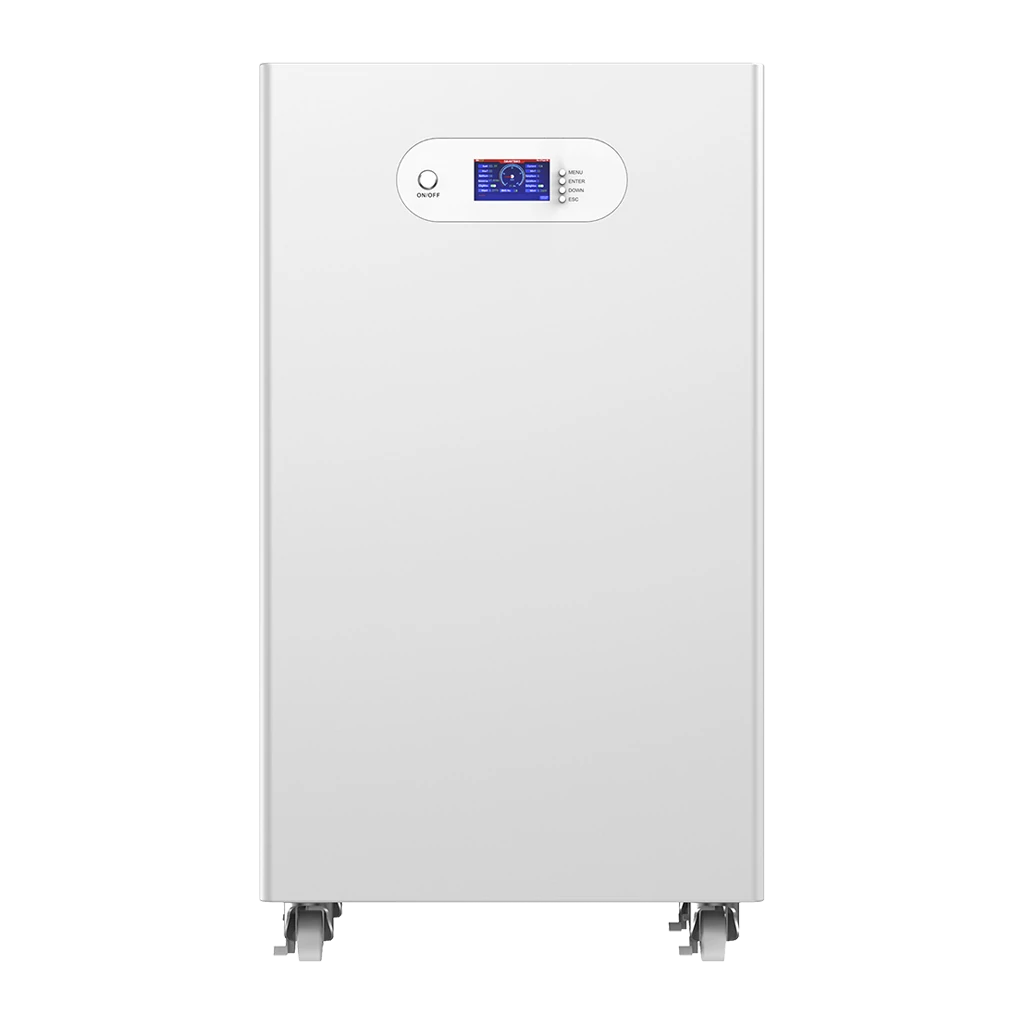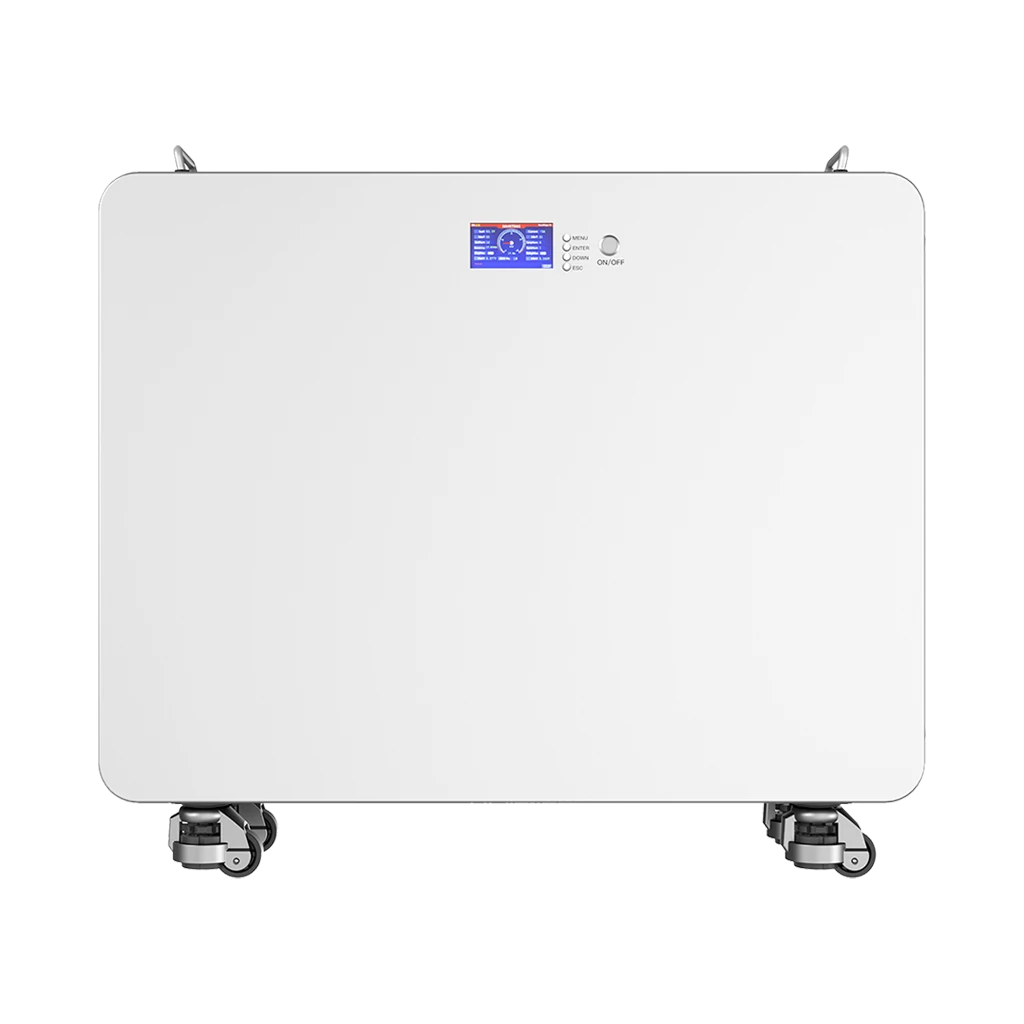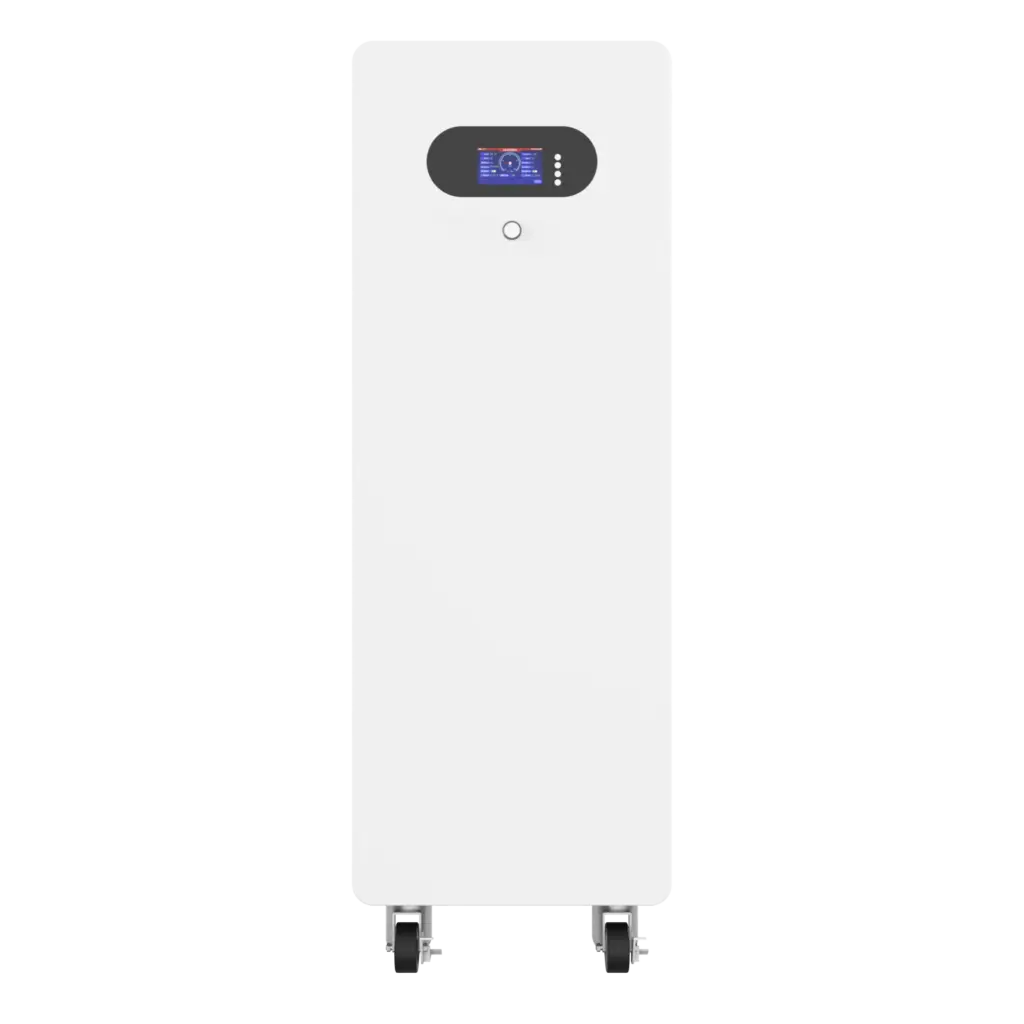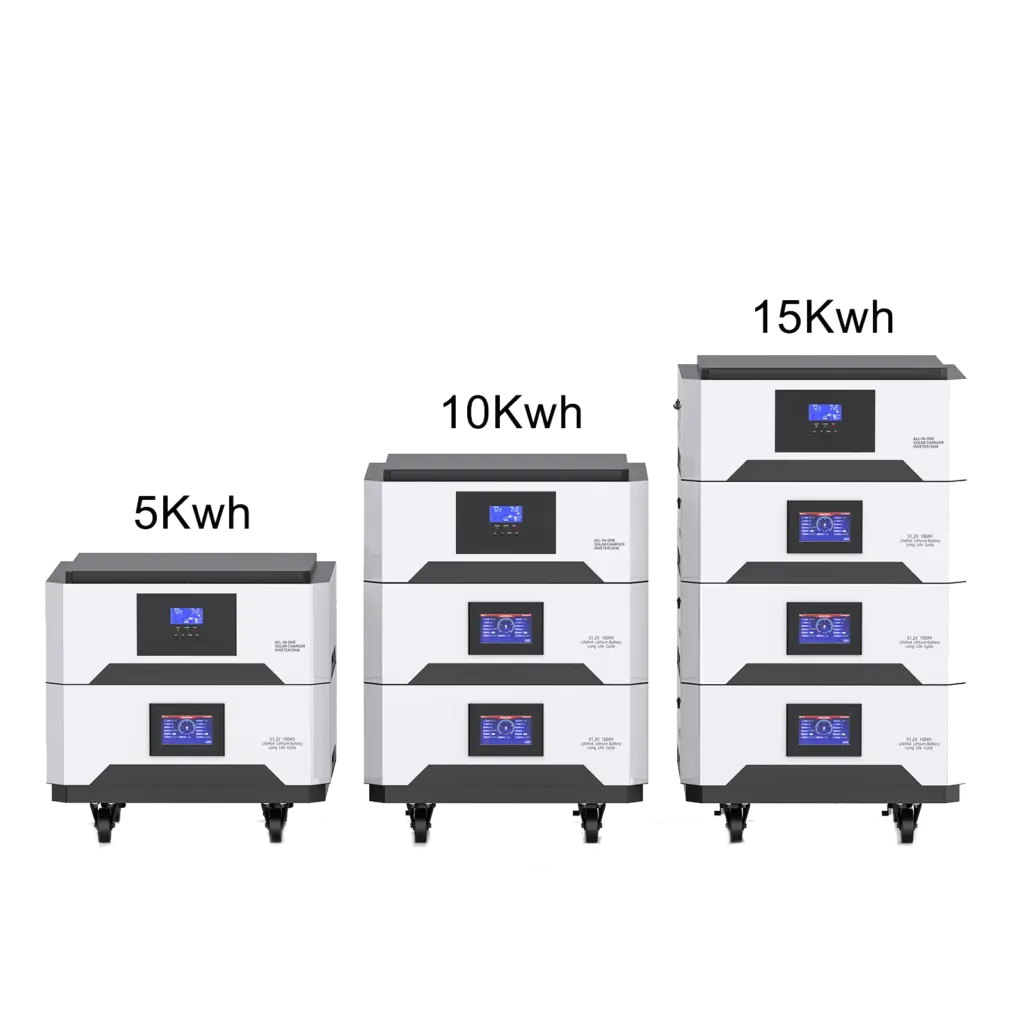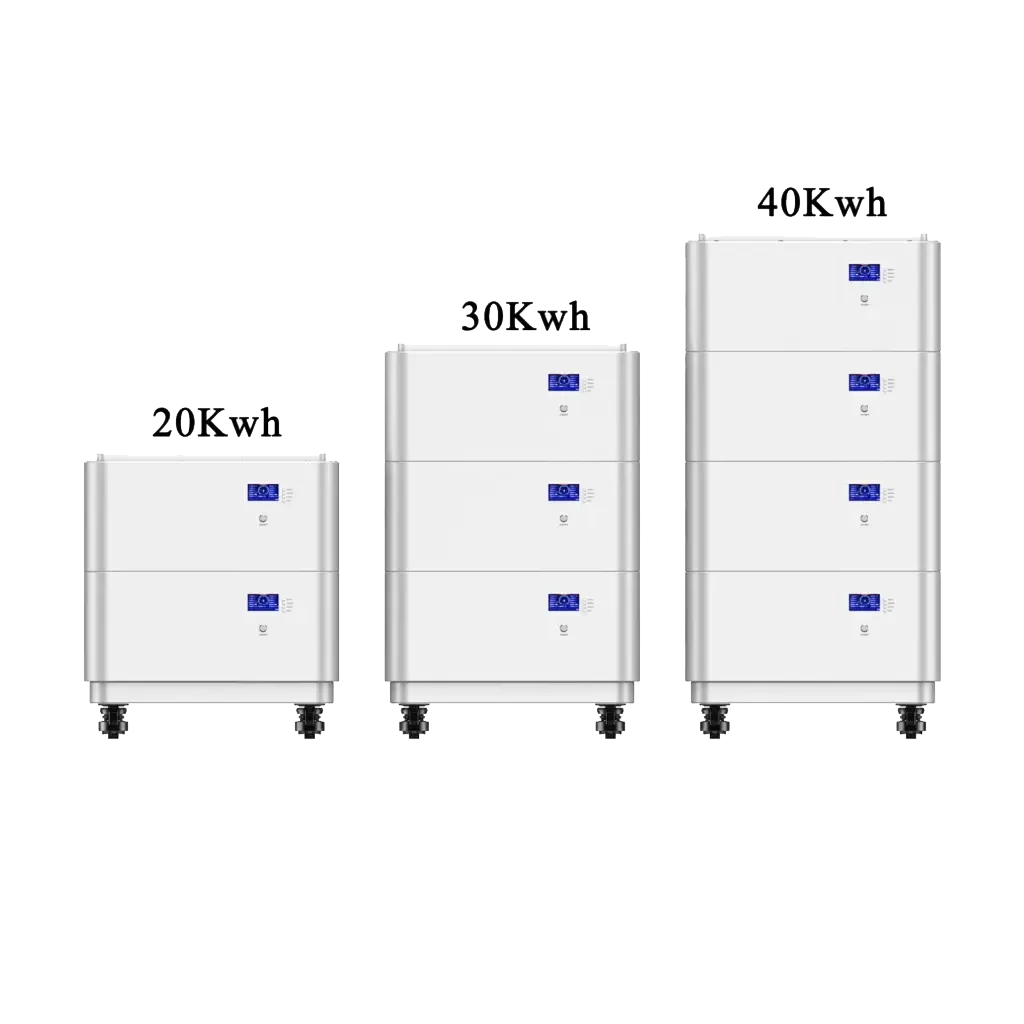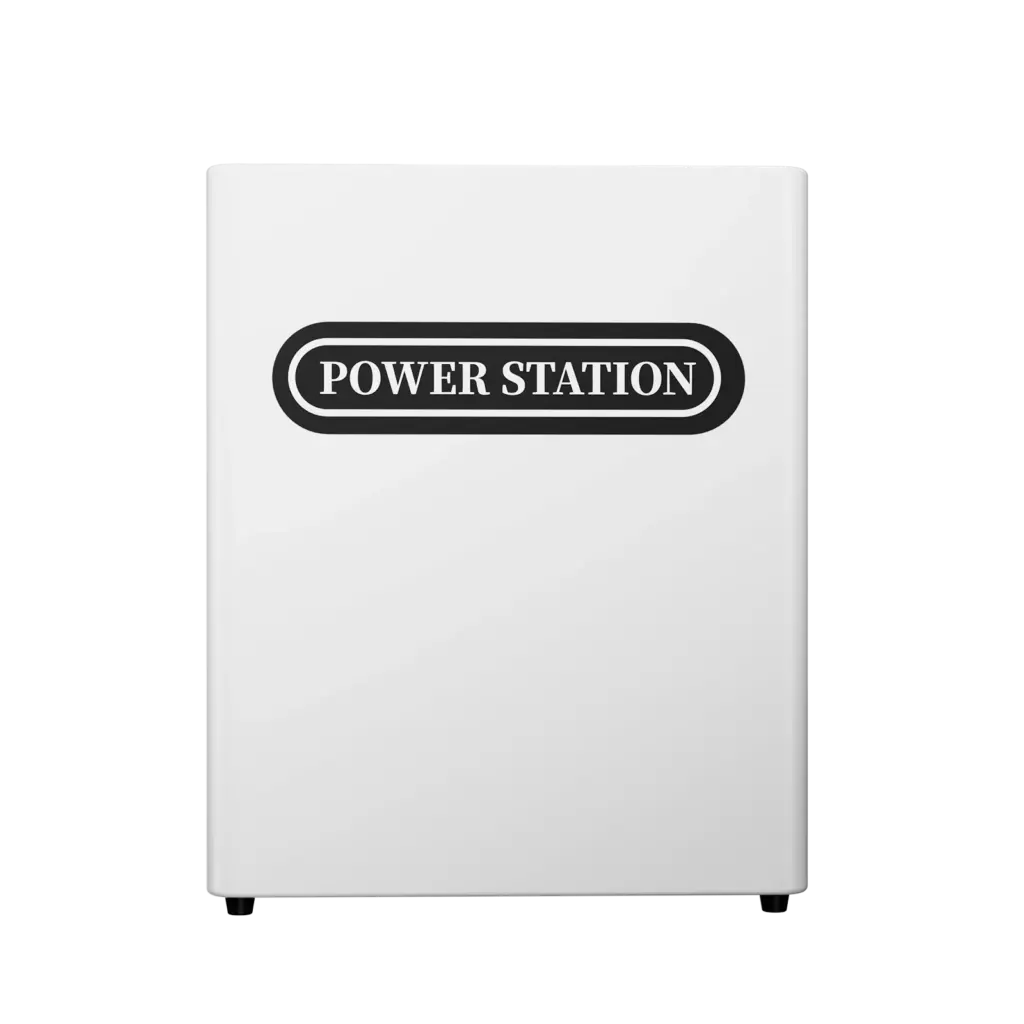

A solar inverter with battery is a solar energy system that converts DC electricity from solar panels into usable AC power while also storing excess energy in a battery for later use. In most modern homes, this usually means either a hybrid inverter connected to a battery, an AC-coupled battery inverter added to an existing solar system, or an all-in-one battery system that integrates the inverter, battery and solar charge control into one cabinet.
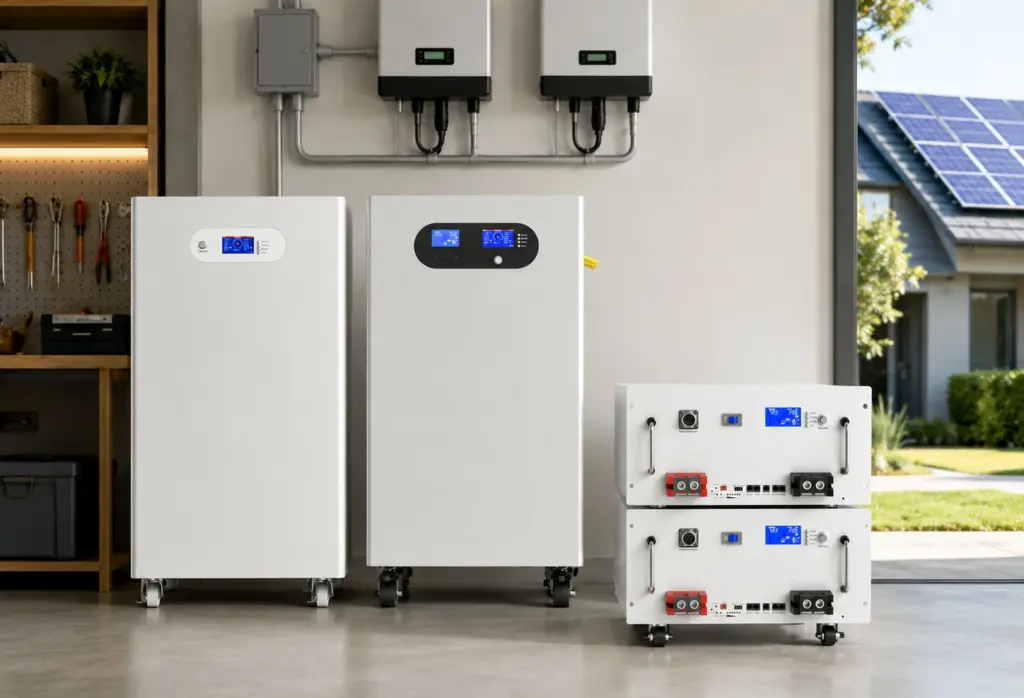
For homeowners, installers and distributors comparing battery-ready systems, solutions such as Avepower’s all-in-one battery with inverter and stackable solar batteries are designed to support solar storage, backup power and scalable capacity without making the system unnecessarily complex.
What Is a Solar Inverter With Battery?
A solar inverter with battery is not just one product. It is a system design that allows solar panels, an inverter, a battery and home loads to work together.
Solar panels generate DC electricity. Most homes and businesses use AC electricity. A solar inverter converts DC power into AC power. When a battery is added, the system also needs to decide when to charge the battery, when to discharge it, when to use solar power directly, when to import from the grid and, in some systems, when to provide backup power during a blackout.
A complete solar inverter with battery system may include:
- Solar panels
- Hybrid inverter or battery inverter
- LiFePO4 or lithium battery storage
- Battery management system
- Backup gateway or transfer switch
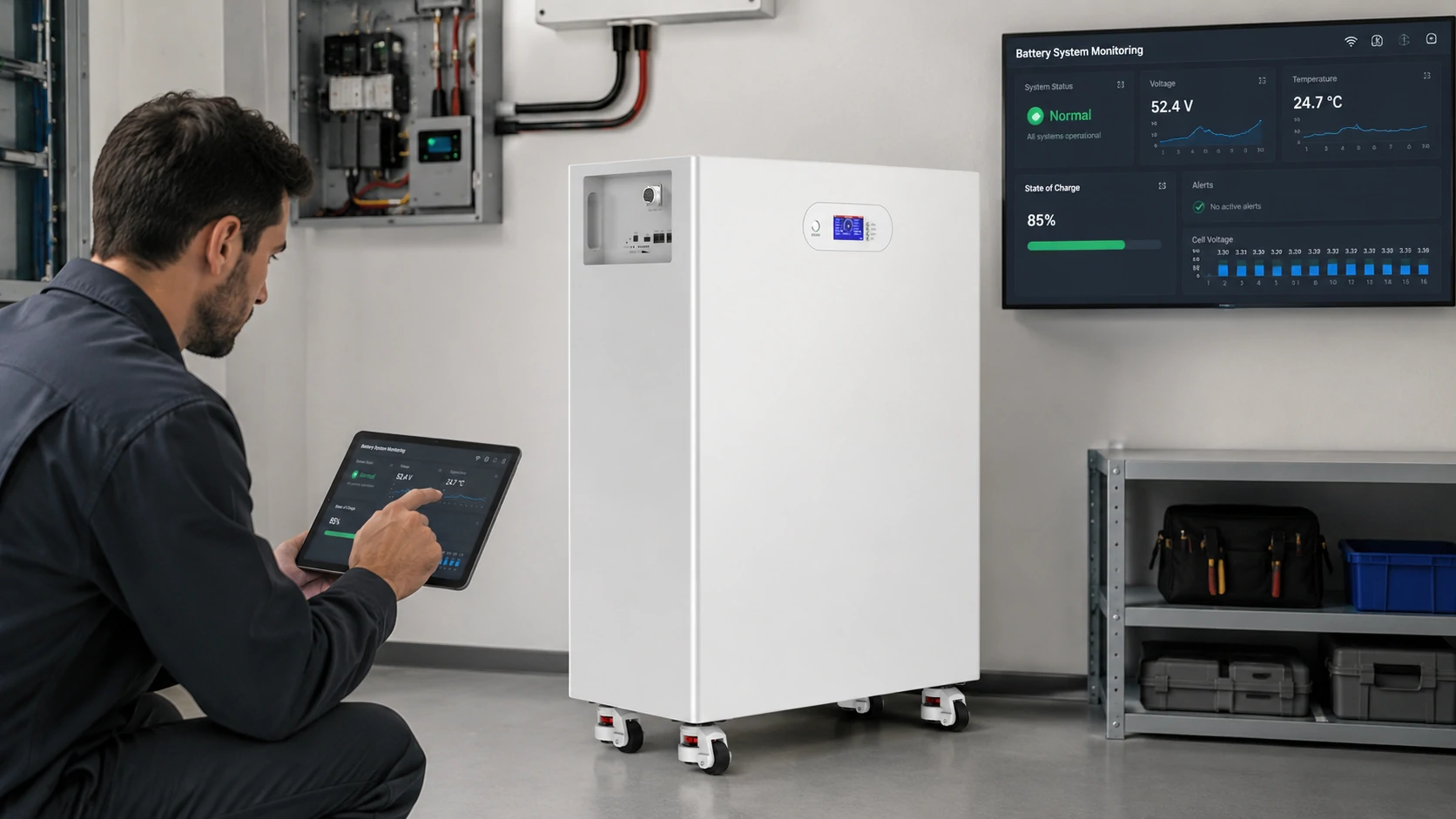
- Energy monitoring app
- Grid connection or generator input
- Critical load panel or whole-home backup wiring
How Does a Solar Inverter With Battery Work?
A solar inverter with battery works by managing electricity flow between solar panels, home appliances, the battery and the grid.
During the day, solar panels produce DC electricity. The inverter converts this power into AC electricity for immediate use. If solar production is higher than household demand, the extra energy can charge the battery instead of being exported to the grid.
In the evening, when solar panels stop producing power, the battery discharges through the inverter to supply appliances. If the battery runs low, the system can draw electricity from the grid or another backup source, depending on how it is configured.
During a grid outage, only systems designed with backup capability can keep selected circuits or the whole home powered.
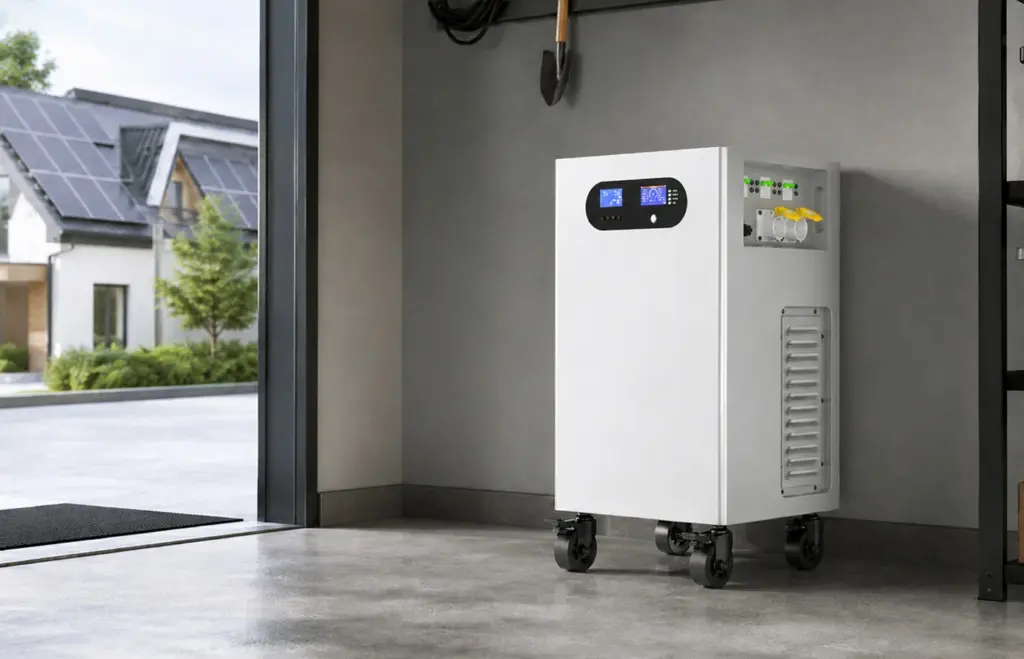
Build a Safer, Smarter Solar Battery System
Looking for a reliable battery solution for residential storage, backup power or distributor projects? Avepower provides LiFePO4 battery systems with scalable capacity, and customization options for different market needs.
Why Pair a Solar Inverter With Battery Storage?
The main benefit of pairing a solar inverter with battery storage is better control over when and how solar energy is used.
Without a battery, unused solar electricity is usually exported to the grid. With a battery, more of that solar power can be stored and used later. Households with solar PV alone may use around 25% of the energy they generate, while households with a solar battery may use around 50% to 60%.
Common reasons to install a solar inverter with battery include:
- Using more of your own solar energy
- Reducing evening grid imports
- Protecting essential loads during outages
- Managing time-of-use electricity rates
- Supporting off-grid or weak-grid locations
- Preparing for EV charging or future electrification
- Reducing diesel generator runtime in remote sites
For installers and energy storage partners, the inverter-battery match also affects commissioning time, after-sales issues, system reliability and customer satisfaction.
Main Types of Solar Inverter With Battery Systems
1. Hybrid Inverter With Battery
A hybrid inverter combines solar inverter and battery inverter functions in one unit. It manages solar generation, battery charging, battery discharge and grid interaction.
This is often the best option for new solar-plus-storage installations because the system can be designed as one integrated architecture from the start.
Best for:
- New solar and battery installations
- Homes that want battery backup
- Projects needing cleaner wiring
- Installers who want simpler system design
- Customers planning future capacity expansion
A hybrid inverter should be checked carefully for battery voltage range, supported battery communication protocol, MPPT input range, backup output rating and grid compliance.
2. AC-Coupled Battery Inverter System
An AC-coupled system is often used when a home already has solar panels and a grid-tied inverter. Instead of replacing the existing inverter, a separate battery inverter is added on the AC side.
This can be useful for retrofits because it avoids redesigning the entire solar array. However, the system may involve more conversion steps, which can slightly reduce efficiency compared with some DC-coupled designs.
Best for:
- Existing solar systems
- Retrofitting battery storage
- Homes where the existing solar inverter is still working well
- Installations where replacing the inverter is not cost-effective
3. DC-Coupled Hybrid System
A DC-coupled system allows solar power to charge the battery before being converted into AC electricity. In many designs, the solar array and battery share a hybrid inverter.
This can reduce conversion losses and make sense for new solar-plus-storage systems. However, DC-coupled systems need careful design because PV size, battery capacity and inverter rating are tightly connected.
Best for:
- New installations
- Higher solar self-consumption
- Systems designed around battery storage from day one
- Installations where efficiency and neat system architecture matter
4. All-in-One Solar Battery With Inverter
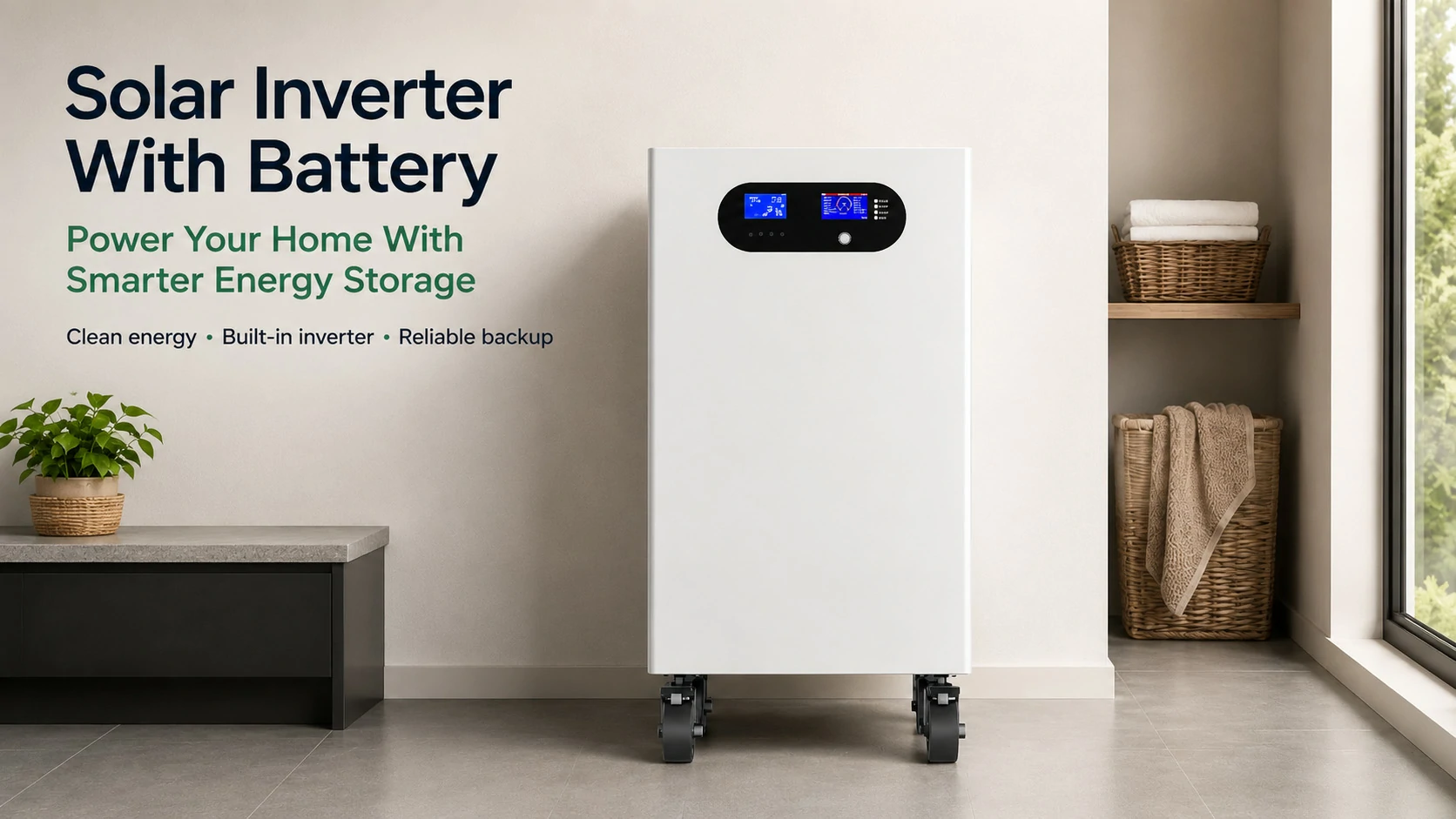
An all-in-one system integrates the battery, inverter and often MPPT solar charger into one cabinet. This design reduces wiring complexity and can make installation cleaner.
For example, Avepower’s 15kWh home solar battery with 6kW inverter combines a LiFePO4 battery pack, inverter and dual MPPT solar charger in one compact cabinet. Avepower lists features such as 15kWh battery capacity, 6kW inverter output, dual MPPT solar input, BMS protection and fast backup transfer time.
Best for:
- Homes wanting a tidy integrated system
- Villas and small commercial loads
- Installers who want faster deployment
- Distributors needing a standardized product line
- Backup projects where space and wiring simplicity matter
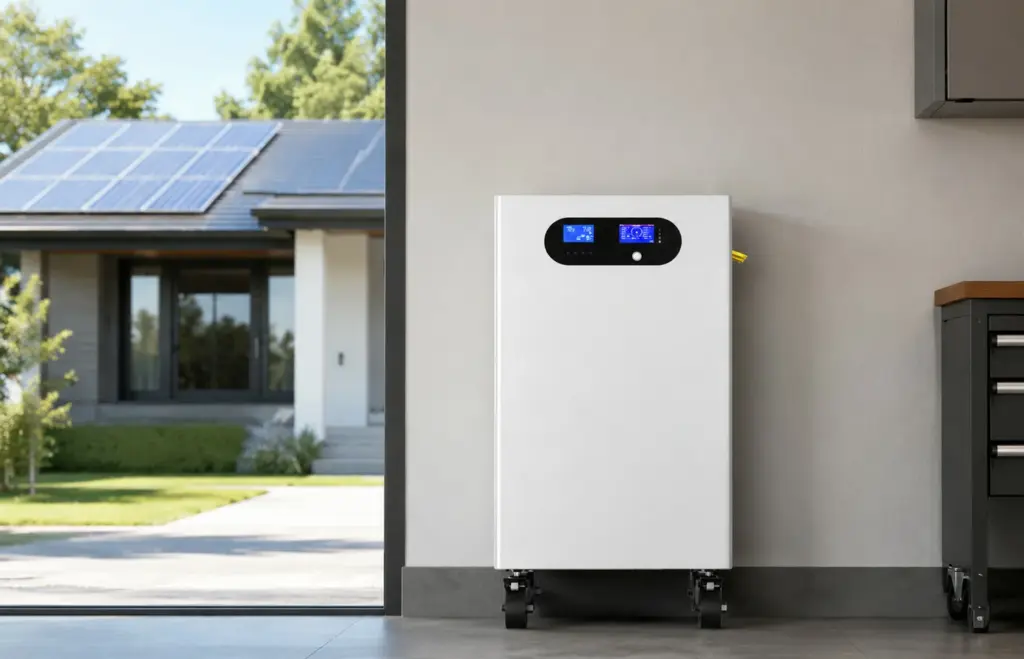
Avepower Solar Energy Storage Solutions
Avepower provides LiFePO4-based home energy storage and all-in-one inverter battery solutions for residential and small commercial projects.
5. Off-Grid Inverter With Battery
An off-grid inverter is designed for systems that do not rely on the utility grid. It must support solar input, battery storage and load output continuously.
Off-grid systems need more conservative sizing than grid-connected systems because the battery and inverter must carry the load when solar generation is low.
Best for:
- Cabins
- Farms
- Remote homes
- Telecom sites
- Weak-grid areas
- Projects using generator backup
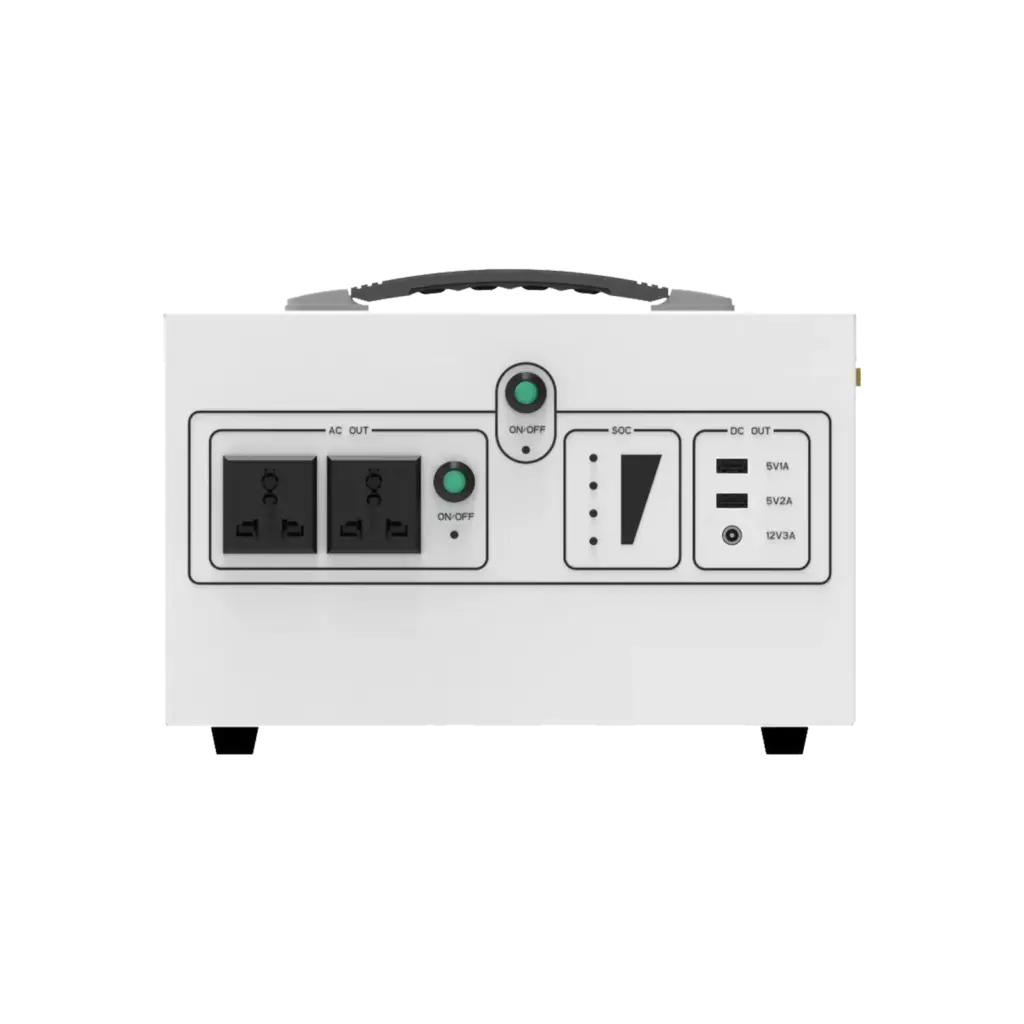
6. Portable Solar Inverter Battery System
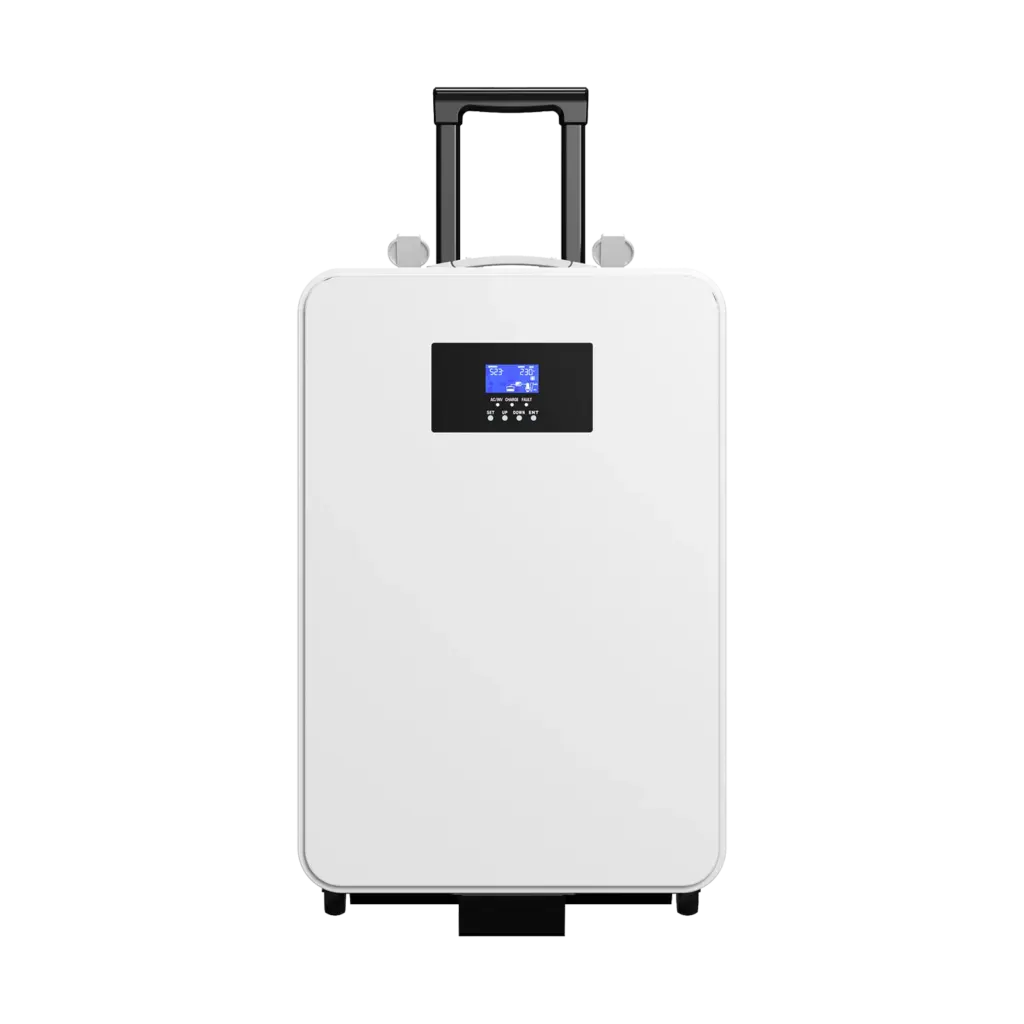
A portable solar inverter battery system combines a smaller battery, inverter, and solar charging function in a moveable cabinet or portable enclosure. It is not usually a full replacement for a whole-home energy storage system, but it can support emergency backup, mobile work sites, outdoor use, or temporary power needs.
Avepower’s 5kWh lithium battery with solar inverter is an example of a compact all-in-one power solution designed for home backup, mobile operations, and flexible charging from solar or AC sources.
Best for:
- Emergency backup
- Outdoor work
- Temporary power needs
- Small essential loads
- Mobile or semi-mobile use cases
Solar Inverter With Battery vs Normal Solar Inverter
A normal solar inverter only converts solar DC power into AC power for home use or grid export. It usually does not manage battery charging and discharging unless it is battery-ready or paired with a battery inverter.
A solar inverter with battery capability can manage storage. A hybrid inverter goes further by controlling solar, battery, grid and sometimes generator input in one system.
| Feature | Normal Solar Inverter | Solar Inverter With Battery |
|---|---|---|
| Converts DC to AC | Yes | Yes |
| Stores excess solar power | No | Yes |
| Supports battery charging | Usually no | Yes |
| Can reduce evening grid use | Limited | Yes |
| Can provide outage backup | Usually no | Only if designed for backup |
| Suitable for off-grid use | No | Some models |
| Needs battery communication | No | Yes |
| Future expansion | Limited | Depends on system design |
The key difference is control. A normal solar inverter helps you use solar power when it is being generated. A solar inverter with battery helps you use solar power when you actually need it.
What Size Battery Do You Need With a Solar Inverter?
Sizing a solar inverter with battery requires two different calculations:
- Inverter size, measured in kW
- Battery capacity, measured in kWh
These two numbers are often confused.
Inverter Size: How Much Power Can Run at Once?
The inverter rating tells you how much power can be supplied at the same time. For example, a 6kW inverter can support more simultaneous loads than a 3kW inverter.
To estimate inverter size:
Add the running watts of appliances that may operate at the same time, then allow extra capacity for surge loads.
Example essential backup loads:
| Appliance | Approx. Running Power |
|---|---|
| Refrigerator | 150–300W |
| WiFi router | 10–30W |
| LED lights | 50–200W |
| Laptop | 50–100W |
| TV | 80–200W |
| Small pump | 300–800W |
For essential loads, a 3kW–5kW inverter may be enough in many homes. For larger loads such as air conditioning, induction cooking, well pumps, or whole-home backup, a higher inverter rating may be required. Avepower provides an inverter compatibility list to help installers and project partners check supported inverter brands, communication methods, and protocol matching.
Battery Size: How Long Can It Run?
Battery capacity tells you how much energy can be stored.
A basic sizing formula is:
Battery size = daily backup energy use × backup days ÷ usable depth of discharge ÷ system efficiency
Example:
If essential loads use 5kWh per day and you want one day of backup, a 6kWh–7kWh battery may be more realistic than a 5kWh battery after allowing for usable capacity and conversion losses.
General guidance:
| Use Case | Typical Battery Range | Typical Inverter Range |
|---|---|---|
| Small emergency backup | 3–5kWh | 2–3kW |
| Essential home backup | 5–10kWh | 3–5kW |
| Daily solar self-consumption | 10–15kWh | 5–8kW |
| Larger home or villa | 15–30kWh | 6–12kW |
| Small commercial backup | 30kWh+ | Project-specific |
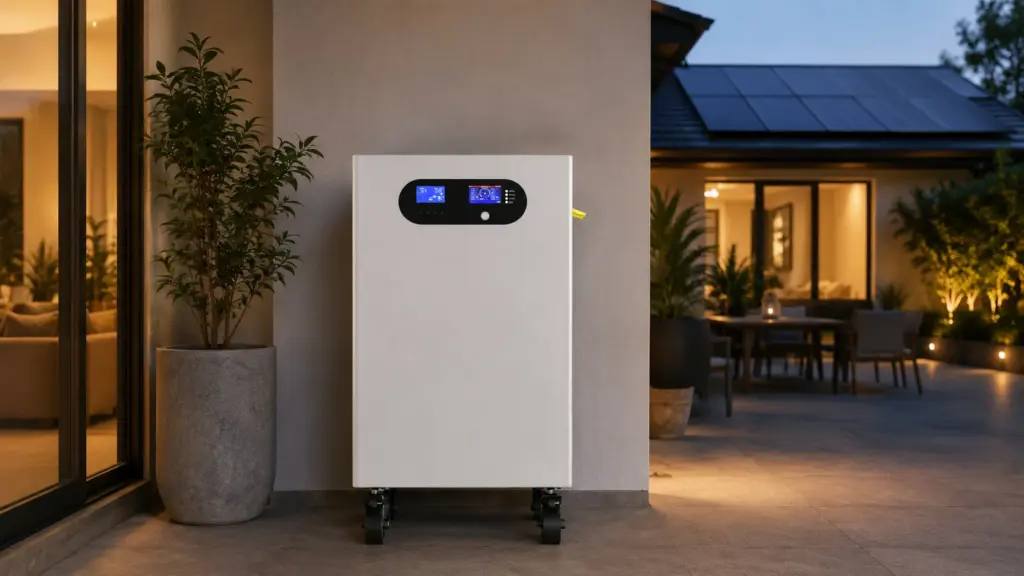
Can a Solar Inverter With Battery Power a House During an Outage?
Yes, but only if the system is designed for backup.
A battery alone does not guarantee blackout protection. The inverter must support backup operation, the wiring must isolate the home from the grid, and the loads must be matched to the inverter’s backup rating.
Backup systems usually require:
- Hybrid or multimode inverter
- Battery with compatible BMS communication
- Backup output or emergency power supply port
- Automatic transfer switch or backup gateway
- Anti-islanding protection
- Essential load panel or whole-home backup design
- Professional installation according to local electrical rules
If backup is a priority, buyers should confirm the actual backup output rating, not just the inverter’s grid-tied rating.
How Long Can a Battery Run With a Solar Inverter?
Runtime depends on usable battery capacity and load size.
A simple formula is:
Battery runtime = usable battery capacity ÷ average load
Example:
- Battery capacity: 15kWh
- Usable capacity after efficiency and reserve: about 13.5kWh
- Average backup load: 1.5kW
- Estimated runtime: 9 hours
If the load is only 500W, the same battery may support essential devices much longer. If the load includes air conditioning, pumps or cooking equipment, runtime will drop quickly.
The inverter also matters. If the inverter cannot support a large surge load, the system may shut down even when the battery still has energy. Avepower’s home energy storage batteries use Grade A LiFePO4 cells, inverter-compatible system design and customization options for different project requirements.
Solar Inverter With Battery for Installers and Distributors
For installers and distributors, the best system is not always the one with the highest advertised capacity. It is the one that reduces project risk.
A strong B2B solar inverter with battery solution should offer:
- Stable inverter communication
- Clear installation documentation
- Repeatable product configuration
- Reliable BMS protection
- Certification support
- Flexible capacity range
- Bulk supply capability
- Custom labeling or branding options
- After-sales technical support
Avepower’s all-in-one home battery energy storage system is positioned for solar storage, backup power and scalable capacity, while supporting bulk purchasing and customization options for project partners.
This makes integrated battery-inverter systems useful for distributors who want a cleaner product portfolio and installers who want fewer wiring variables on site.
Take Control of Your Energy with Avepower!
Reliable home solar battery solutions with OEM/ODM customization and in-house manufacturing, tailored to the needs of distributors, installers, and energy partners.
Conclusion
When choosing a solar inverter with battery, focus on system design rather than individual product labels.
For new solar-plus-storage projects, a hybrid inverter or all-in-one system is often the cleanest choice. For existing solar systems, an AC-coupled battery inverter may be easier. For backup-heavy or off-grid projects, the inverter rating, battery reserve, surge capacity and installation design become even more important.
Avepower provides LiFePO4 battery storage solutions for residential, commercial and customized energy projects, including all-in-one battery with inverter, stackable solar battery systems and scalable residential energy storage solutions. For installers, distributors, EPCs and OEM/ODM partners, the most valuable system is one that combines safe battery chemistry, reliable BMS protection, inverter compatibility and flexible project sizing.
FAQ
A solar inverter with battery is a solar energy system that converts solar power into usable AC electricity and stores excess energy in a battery for later use.
A hybrid inverter is one common type of solar inverter with battery capability. It manages solar panels, battery storage, home loads and grid connection in one device.
The inverter should match your peak load, not just battery capacity. A 5kW to 8kW inverter is common for many homes, while larger systems may require 10kW or more.
Battery communication allows the inverter to read battery status, charge limits, temperature and protection signals. This improves safety and system reliability.
Installers should check load profile, backup requirements, inverter rating, battery capacity, BMS communication, certifications, installation location, wiring design and future expansion needs.