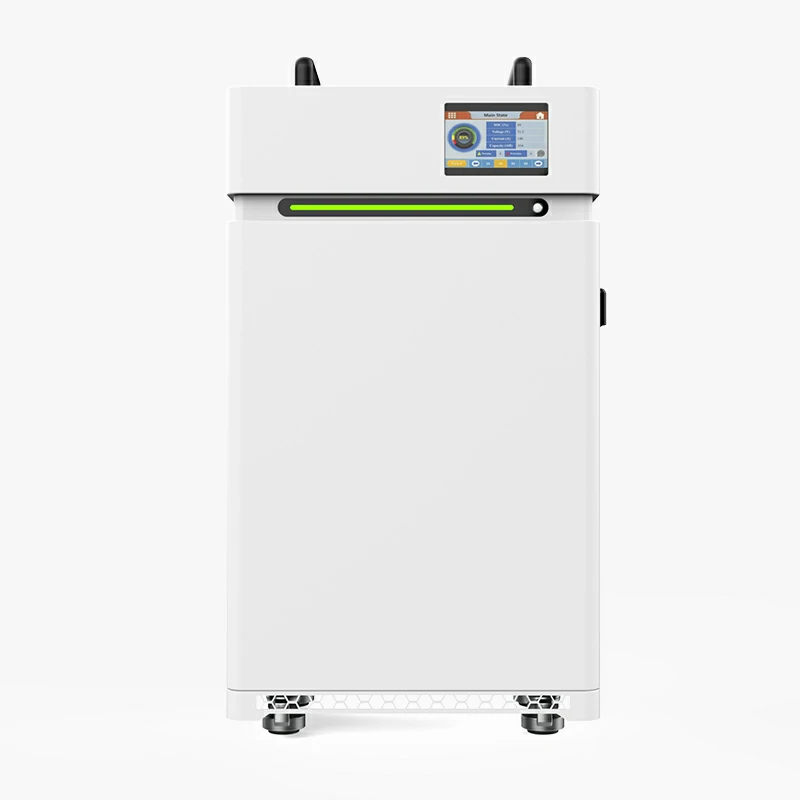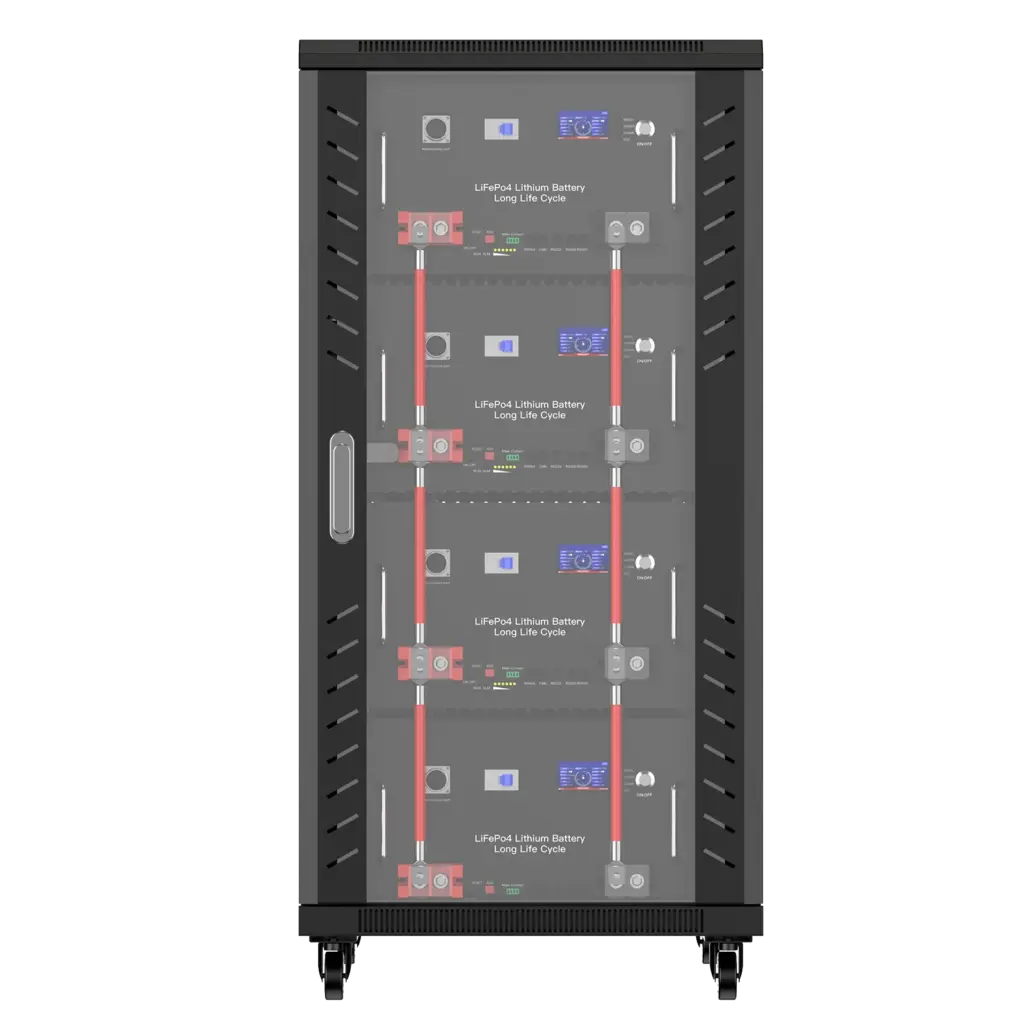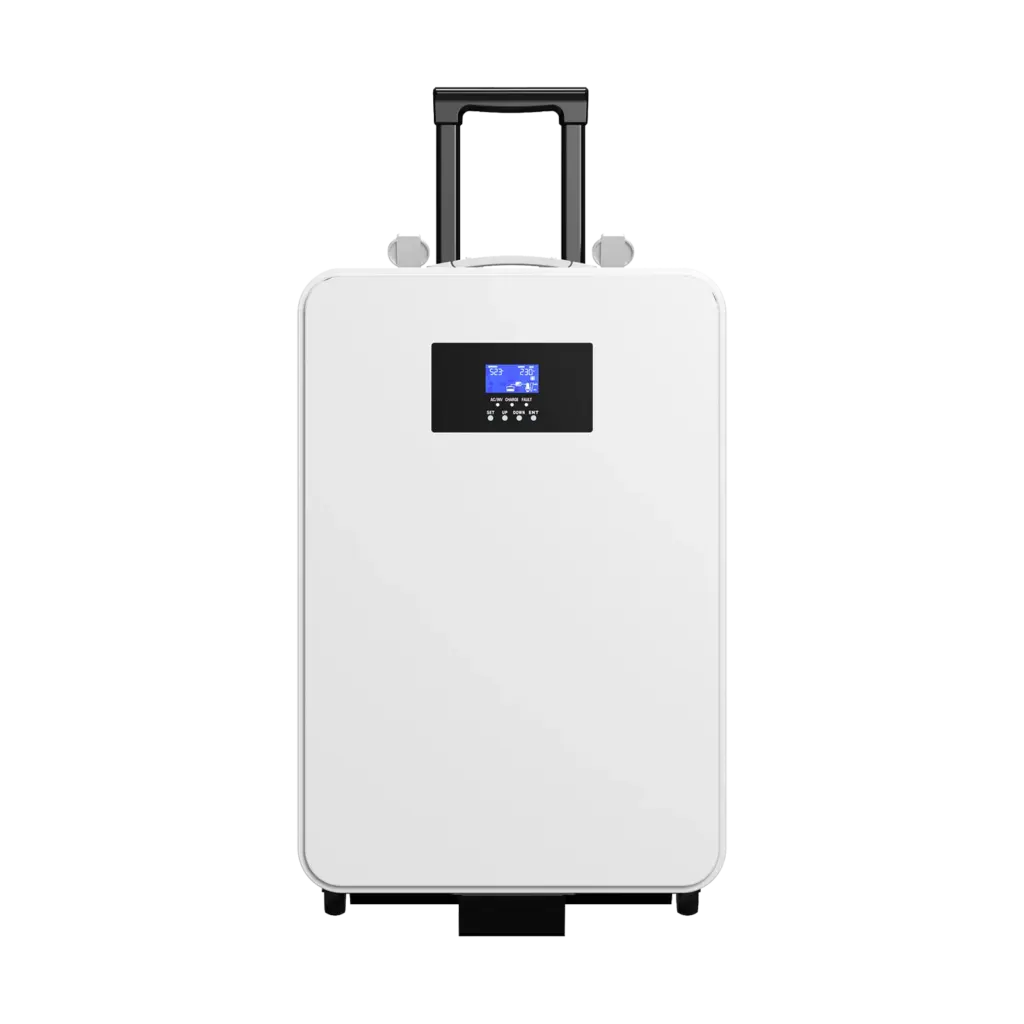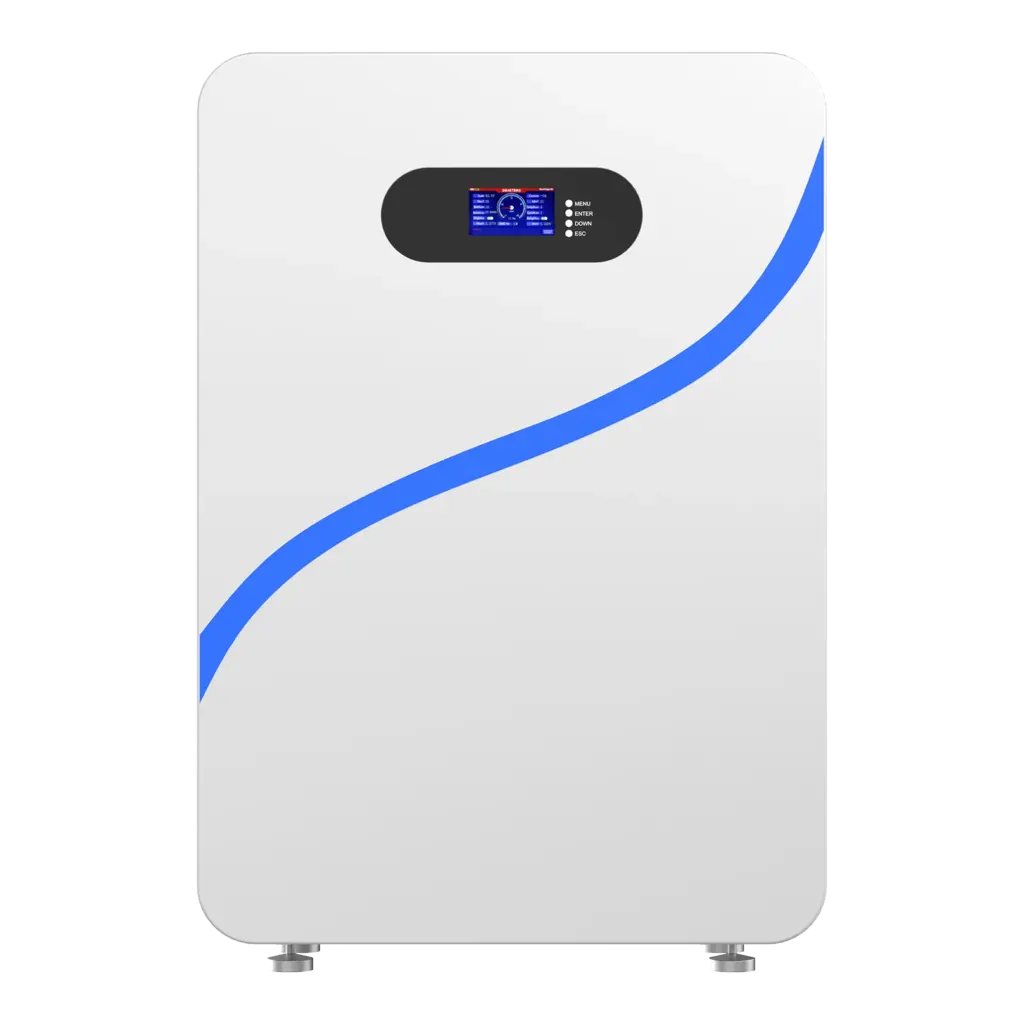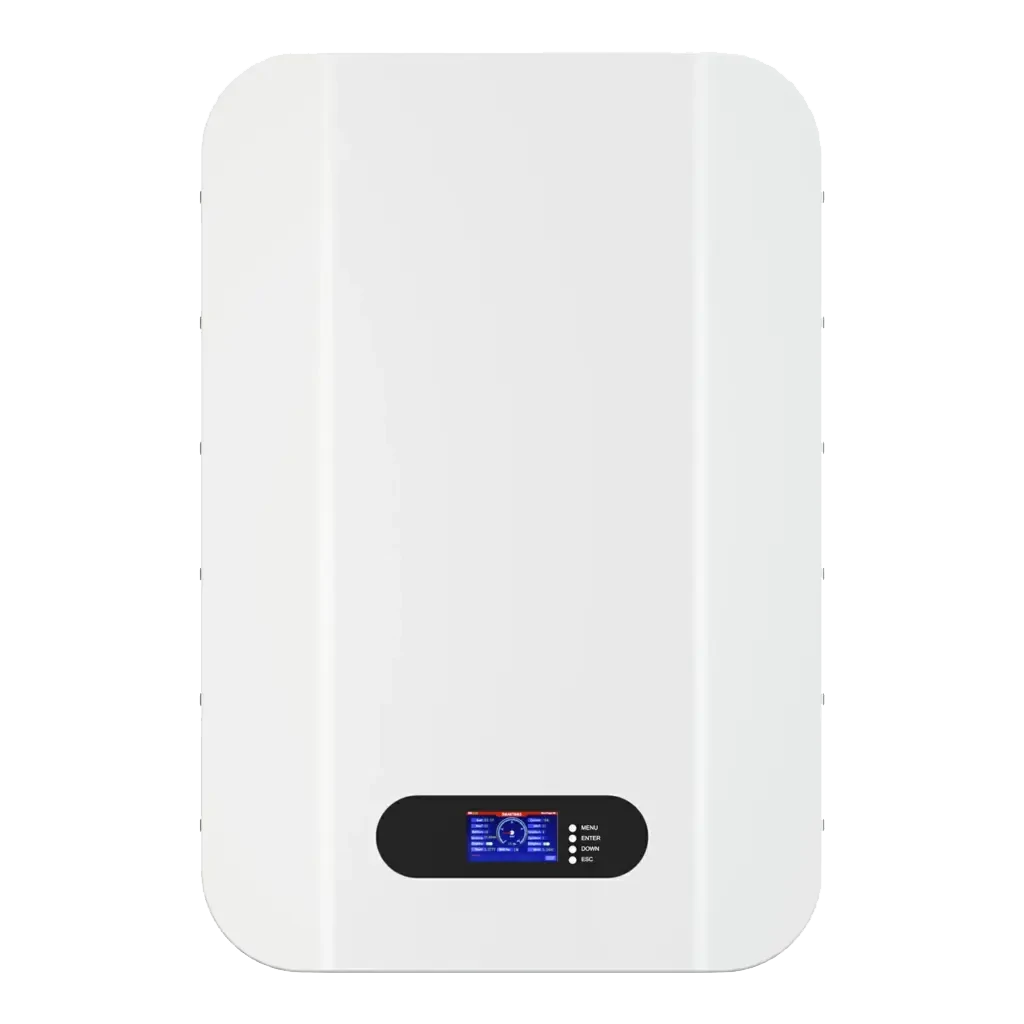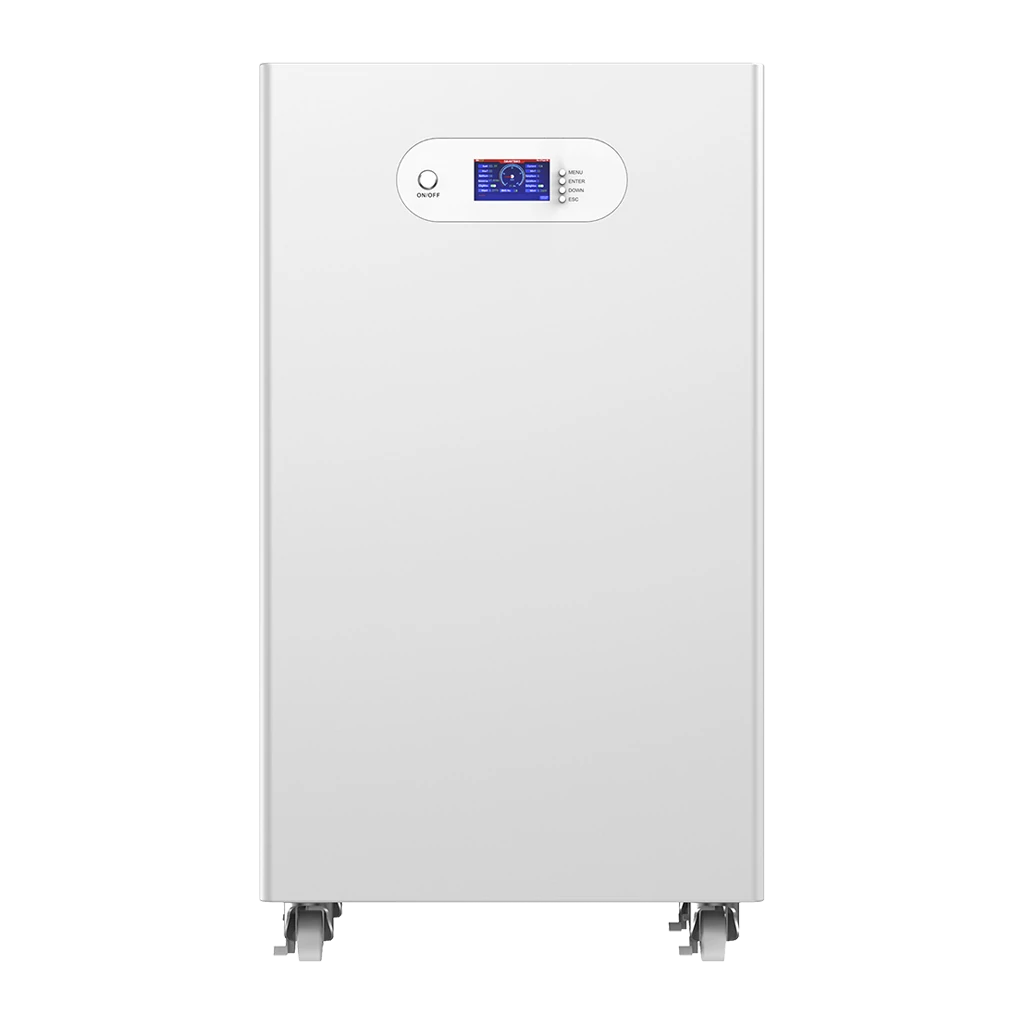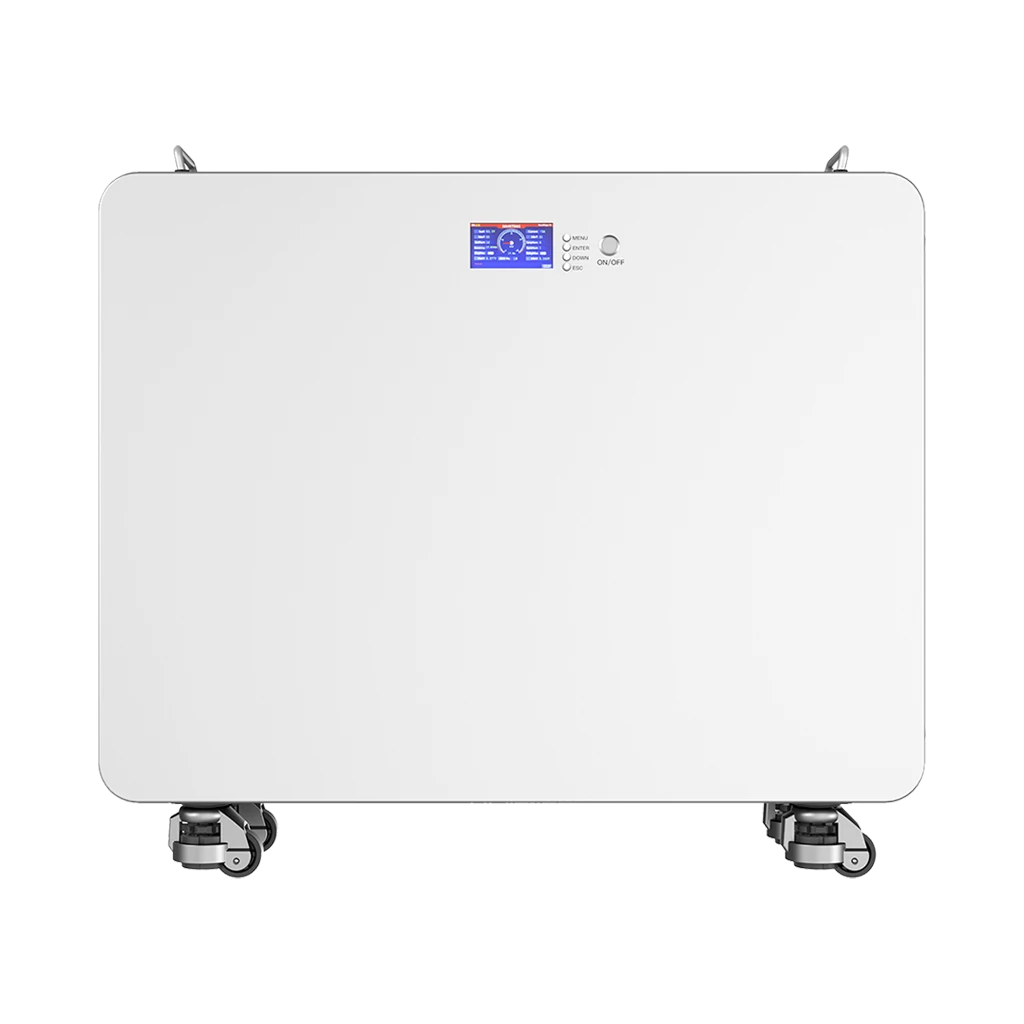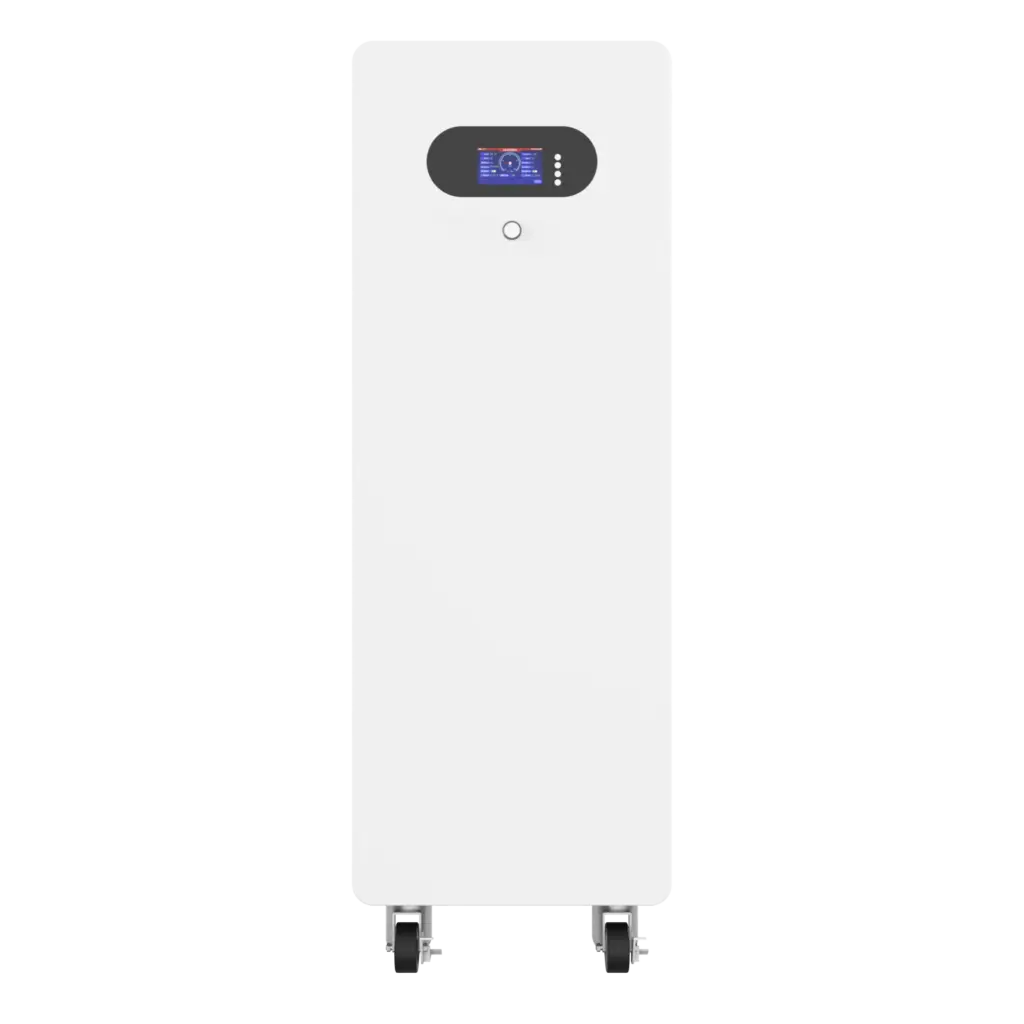

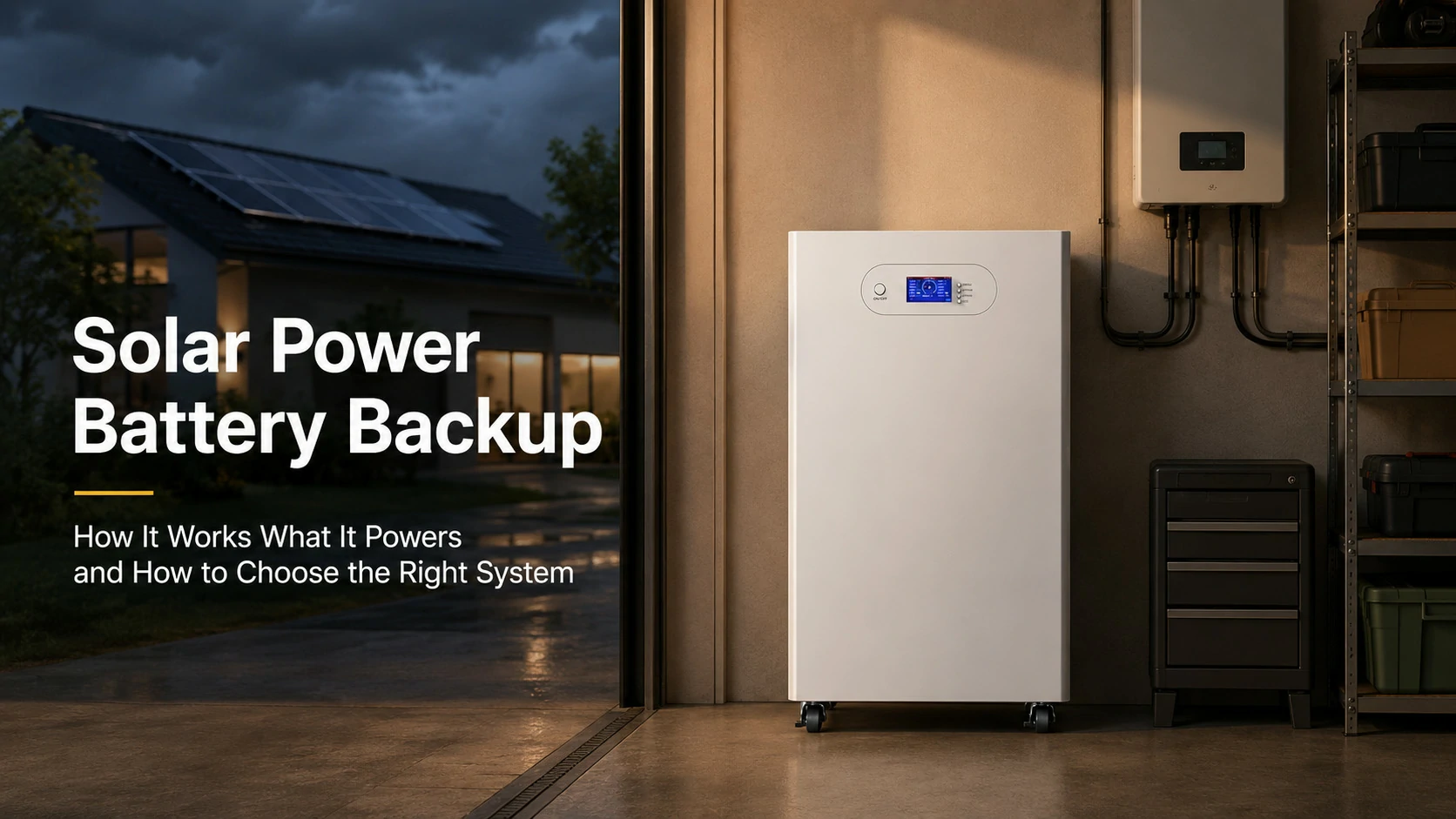
A solar power battery backup system stores excess electricity from your solar panels and uses it later when your home needs power, especially at night, during peak-rate periods, or during a grid outage. However, not every solar battery automatically provides backup power. To keep your home running during a blackout, the system must be designed with backup capability, a compatible hybrid or multimode inverter, safe islanding protection, and either selected essential circuits or whole-home backup wiring.
For most homes, the smartest setup is not always the largest battery. It is a properly designed system that matches your real backup needs: fridge, lights, Wi-Fi, security, garage door, medical devices where applicable, or larger loads such as air conditioning and pumps.
Why Backup Power Is Different from Normal Battery Storage
Owning a solar PV and battery system does not necessarily mean you will have access to that stored power during a grid outage. Standard solar systems are designed to shut down during outages for safety reasons, especially to prevent electricity from feeding into the grid while technicians may be working on power lines.
In practical terms, there are three different situations:
| System Type | Can Store Solar Energy? | Can Provide Backup During Outage? | Typical Use |
|---|---|---|---|
| Solar panels only | No | Usually no | Daytime bill reduction |
| Solar + battery without backup setup | Yes | Usually no | Self-consumption and peak-rate savings |
| Solar + battery backup system | Yes | Yes, if correctly designed | Outage protection and energy independence |
So, when searching for solar power battery backup, the key question is not only “Which battery should I buy?” It is “Will this battery, inverter, wiring design, and backup configuration actually support my home during an outage?”
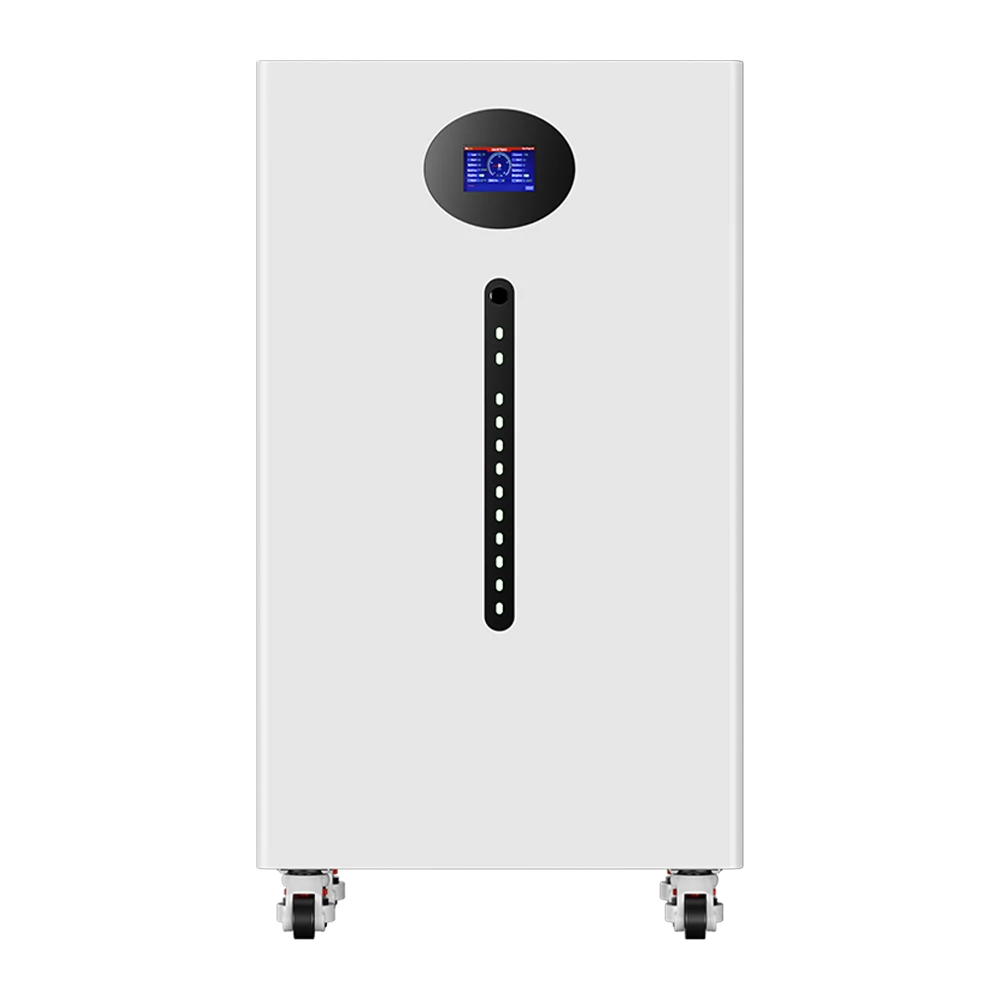
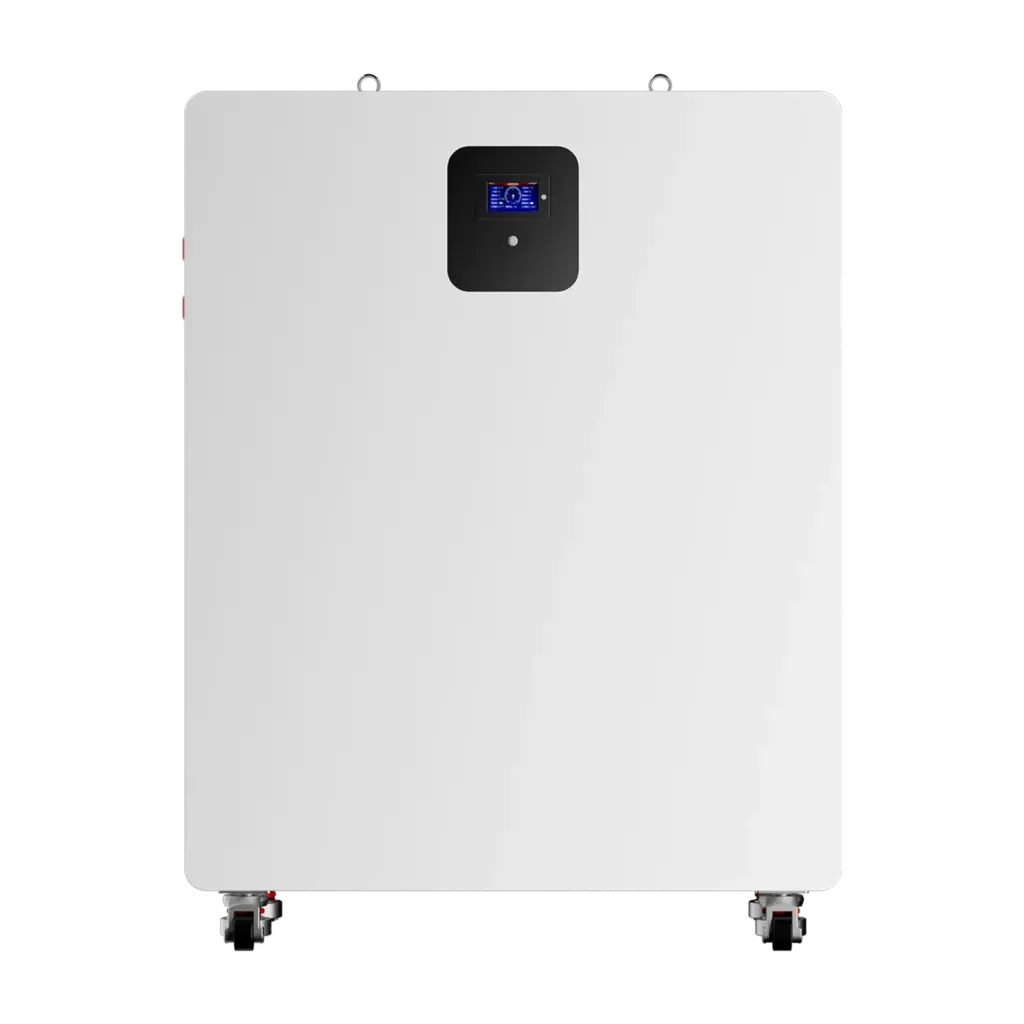
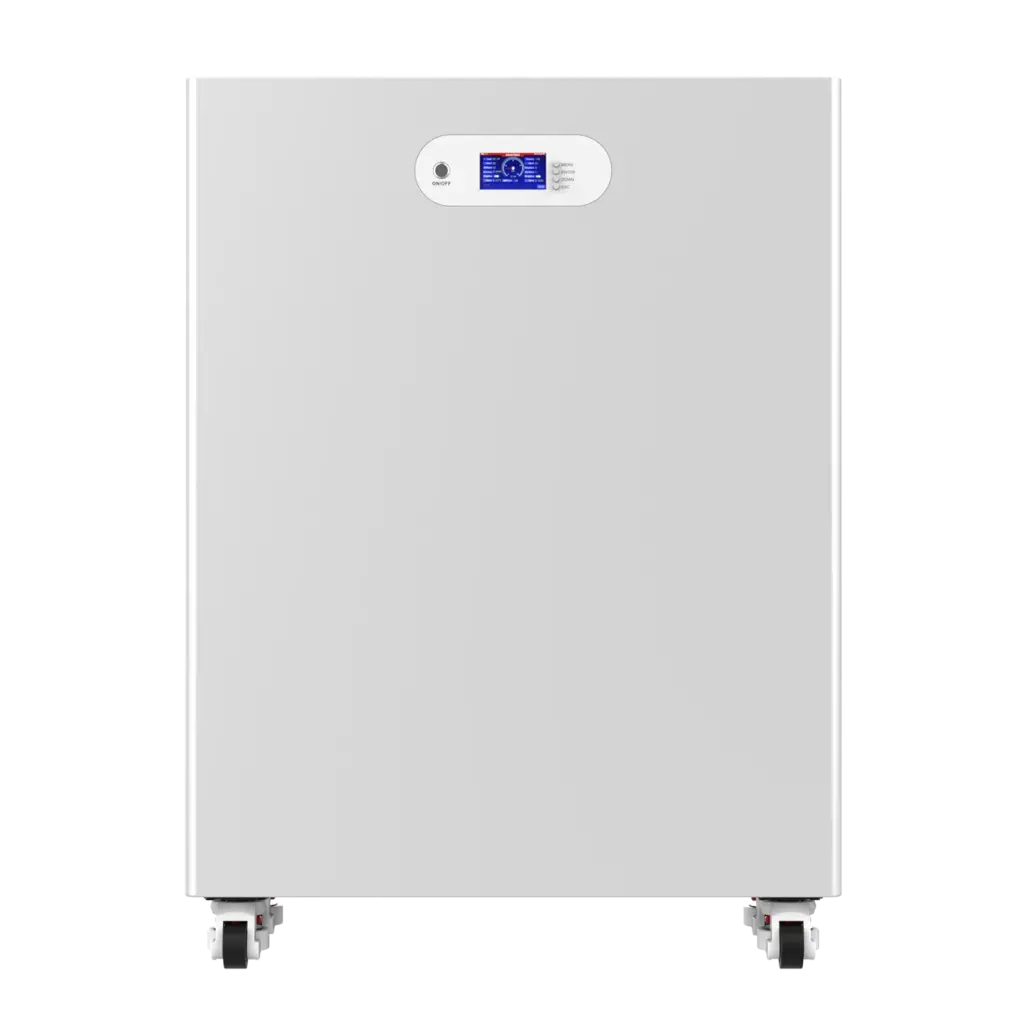
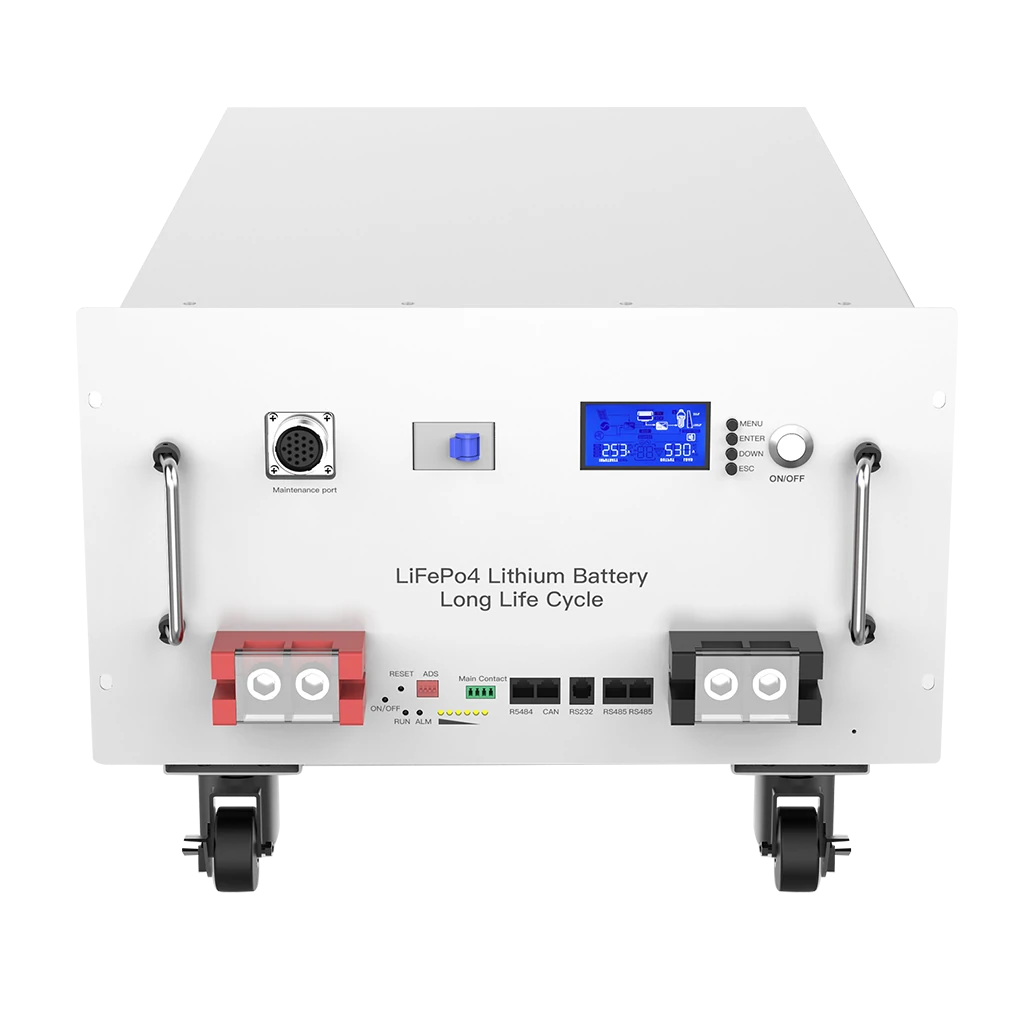
For homeowners and installers comparing battery options, Avepower’s home energy storage battery system page is a useful internal reference because it includes wall-mounted, rack-mounted, vertical, stackable, all-in-one, and high-voltage battery options for different project sizes.
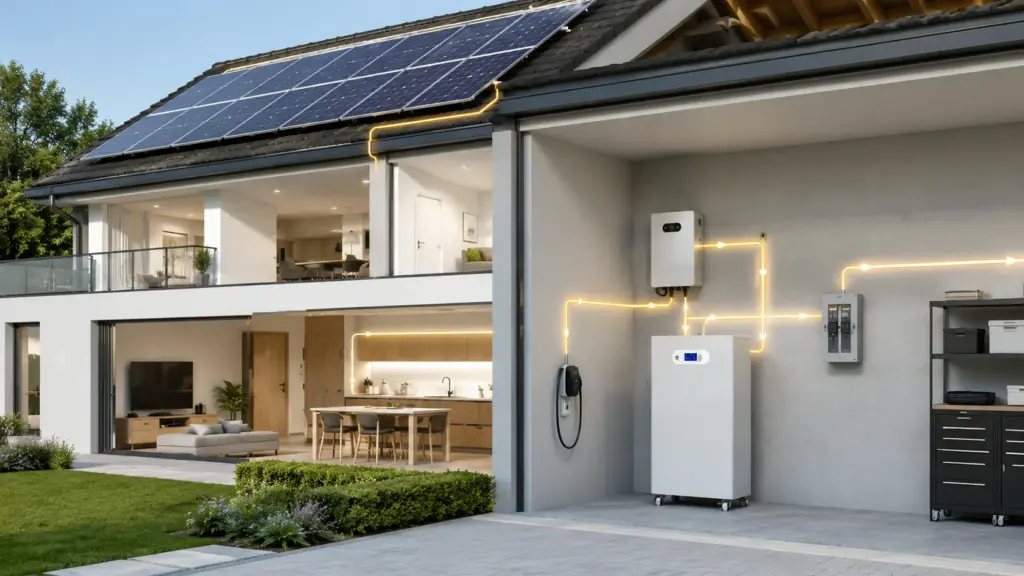
Need a Solar Power Battery Backup Solution for Your Market or Project?
Contact the Avepower team to discuss battery capacity, inverter compatibility, backup requirements, and OEM/ODM customization.
How Does a Solar Power Battery Backup System Work?
A solar power battery backup system works differently during normal grid operation and during a blackout.
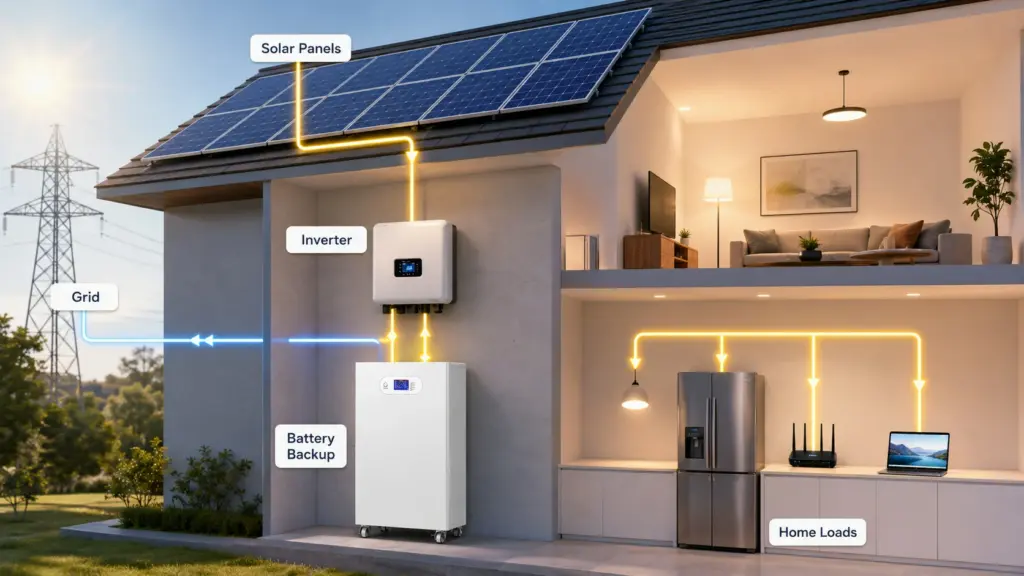
During Normal Operation
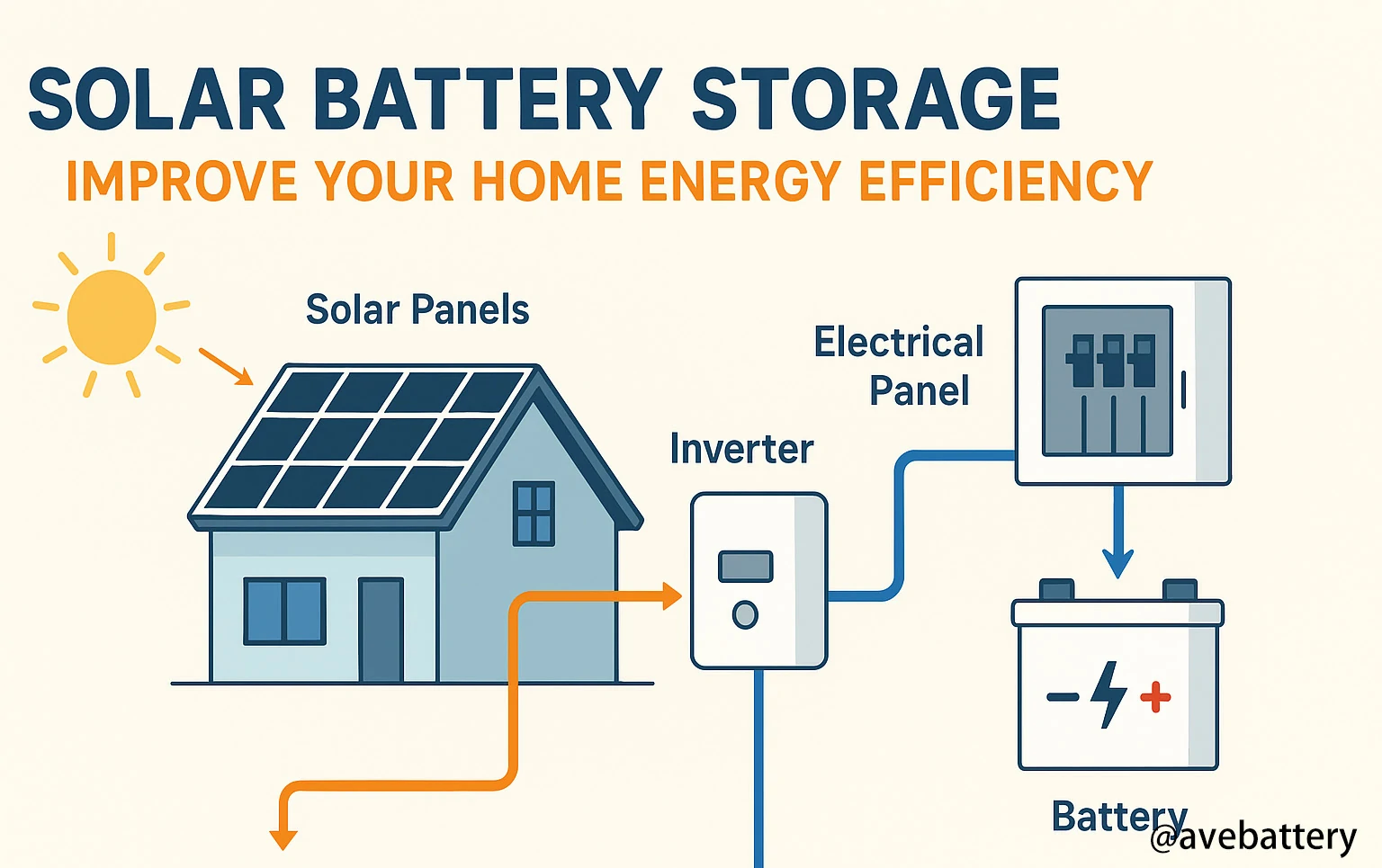
During the day, solar panels produce DC electricity. The inverter converts it into AC electricity that household appliances can use. Your home normally uses solar power first. If production is higher than demand, the extra energy can charge the battery instead of being fully exported to the grid.
AGL’s explanation of solar battery storage describes this flow clearly: solar energy is first used by household appliances, then excess energy is directed to the battery, and stored energy can later power the home when solar generation falls.
During a Power Outage
When the grid fails, a backup-capable system must safely disconnect from the grid. This is often called islanding. The home becomes a small independent power system, isolated from external power lines.
A backup-capable setup may then supply:
- Essential loads only
- Selected circuits
- One phase in a three-phase home
- The whole home, if the inverter and battery are sized for it
Partial Backup vs Whole-Home Backup
Not every household needs whole-home backup. In fact, partial backup is often more practical, more affordable, and more reliable during long outages.
| Backup Type | Best For | Advantages | Limitations |
|---|---|---|---|
| Partial backup | Essential appliances | Longer runtime, lower cost, less overload risk | Not all circuits work during outage |
| Whole-home backup | Larger homes, premium systems, rural sites | More convenience, broader coverage | Higher cost, larger battery/inverter needed |
| Commercial backup | Shops, farms, clinics, telecom, offices | Supports business continuity | Requires load study and project design |
Partial Backup
Partial backup powers only essential circuits. These might include:
- Refrigerator
- Lights
- Wi-Fi router
- Security system
- Garage door
- Selected power outlets
- Water pump
- Medical equipment, only with specialist advice
Battery backup often applies to selected appliances rather than the entire house, and a critical loads panel can help keep the most important devices running longer.
Partial backup is usually the better choice when the goal is resilience rather than comfort. It avoids draining the battery too quickly and reduces the chance of overloading the inverter.
Avepower’s 15kWh home battery with 6kW inverter gives a practical example: a 15 kWh system powering a 3 kW average load can support around 4–5 hours of continuous use, while essential-load backup can last longer.
Whole-Home Backup
Whole-home backup is designed to power most or all household loads during an outage. It may be suitable for larger homes, rural properties, premium residential systems, or sites with frequent and extended blackouts.
However, whole-home backup needs careful design. Large loads such as ducted air conditioning, electric ovens, pool pumps, EV chargers, and electric hot water systems can drain a battery quickly or exceed inverter output limits.
For larger residential projects, Avepower’s residential battery energy storage solutions page is a relevant internal resource because it focuses on backup power, solar energy storage, and scalable home battery configurations.
Build a Safer, Smarter Solar Backup System
Need a solar power battery backup solution for residential projects? Contact the Avepower team to discuss capacity, OEM/ODM customization, and project requirements.
What Can a Solar Power Battery Backup Run?
A solar power battery backup can run different loads depending on three things: usable battery capacity in kWh, inverter power output in kW, and which circuits are connected to the backup panel.
A small backup setup may support:
- Refrigerator or freezer
- LED lighting
- Internet modem and router
- Laptop and phone charging
- Garage door motor
- A few low-power outlets
A larger backup setup may also support:
- TV and entertainment equipment
- Washing machine
- Small kitchen appliances
- Water pump
- Selected air conditioning loads
- Home office equipment
However, high-power appliances can drain a battery quickly or overload the inverter. Electric ovens, large ducted air conditioners, pool pumps, electric heaters, and EV chargers may require much larger system design.
For practical backup planning, it is better to divide household loads into three groups:
| Load Type | Examples | Backup Priority |
|---|---|---|
| Essential loads | Fridge, lights, WiFi, medical equipment, security | High |
| Useful loads | TV, computer, washing machine, selected outlets | Medium |
| Heavy loads | EV charger, oven, large air conditioning, electric heating | Usually not ideal for standard backup |
If your goal is essential backup, a 5–10 kWh battery may be enough for short outages if loads are controlled. If your goal is longer backup or more household circuits, 10–20 kWh or more may be more realistic.
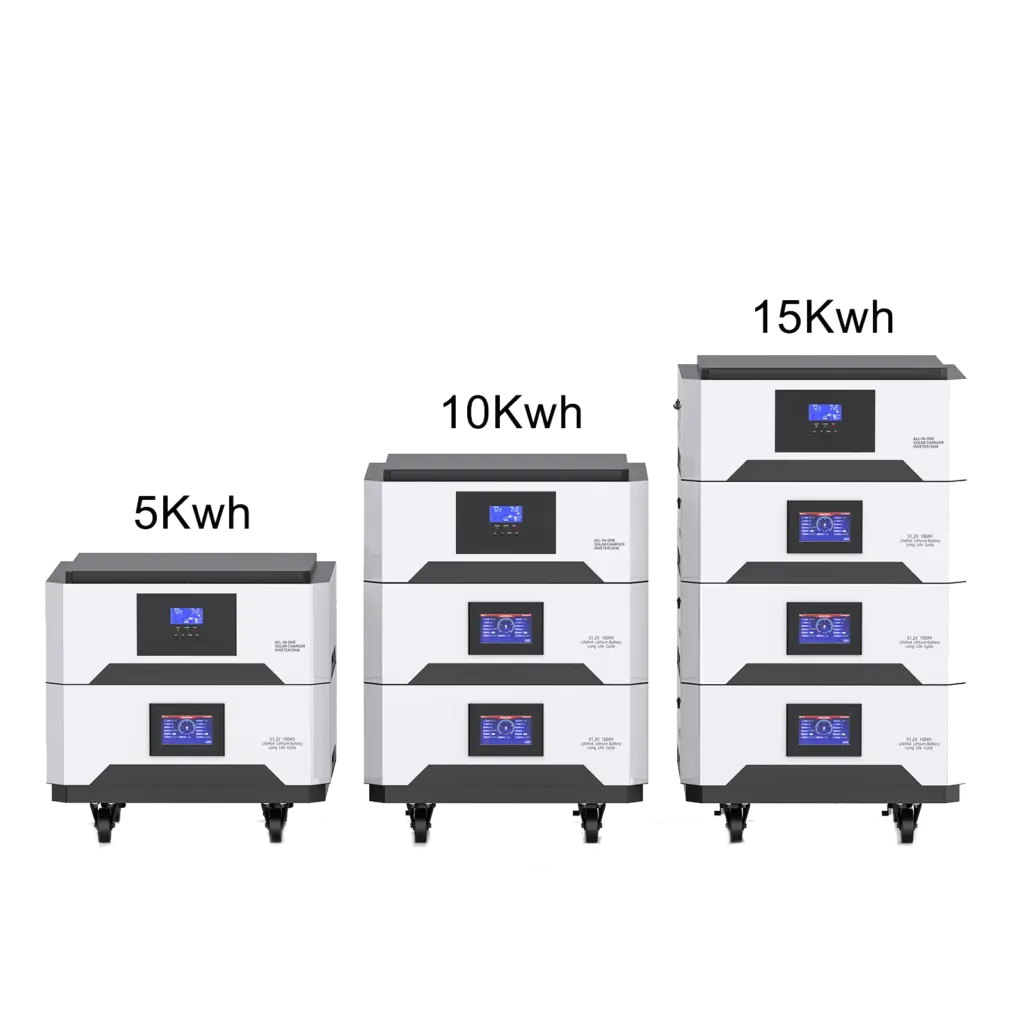
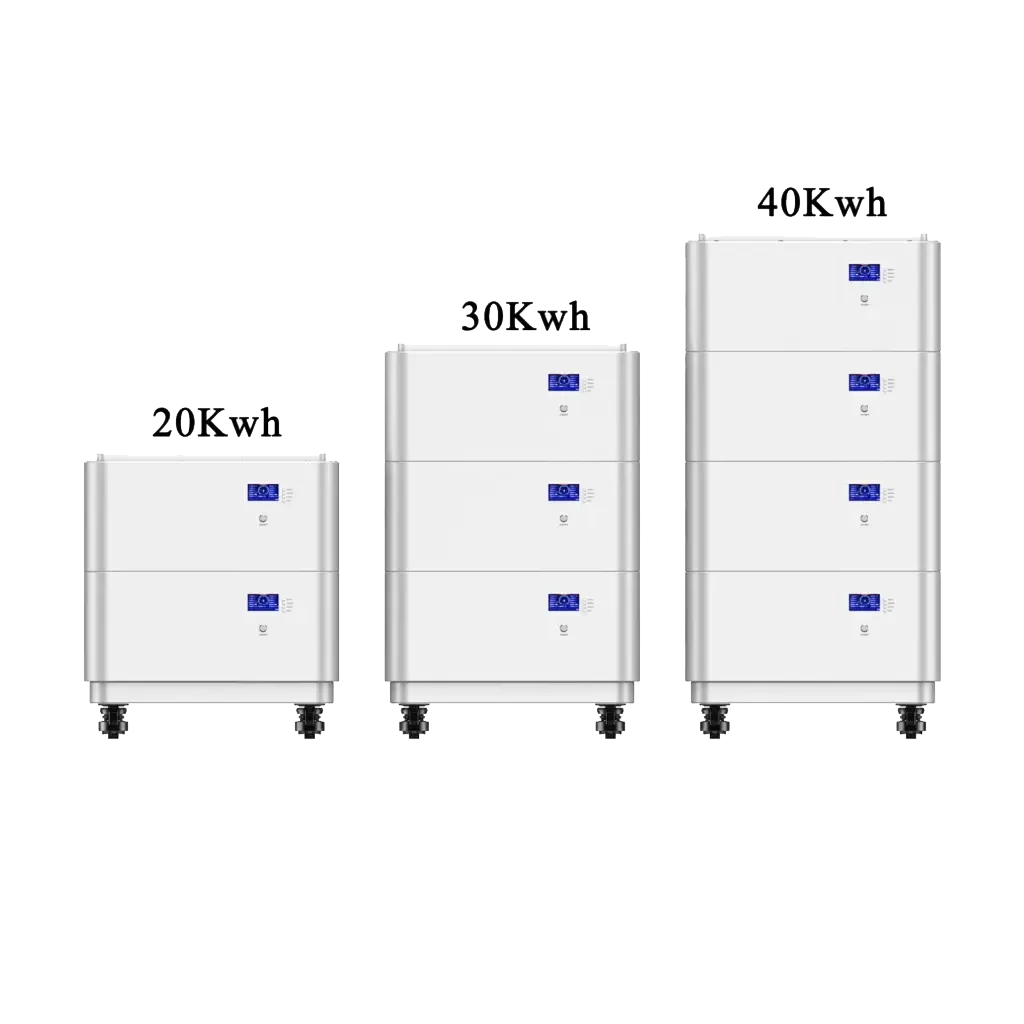
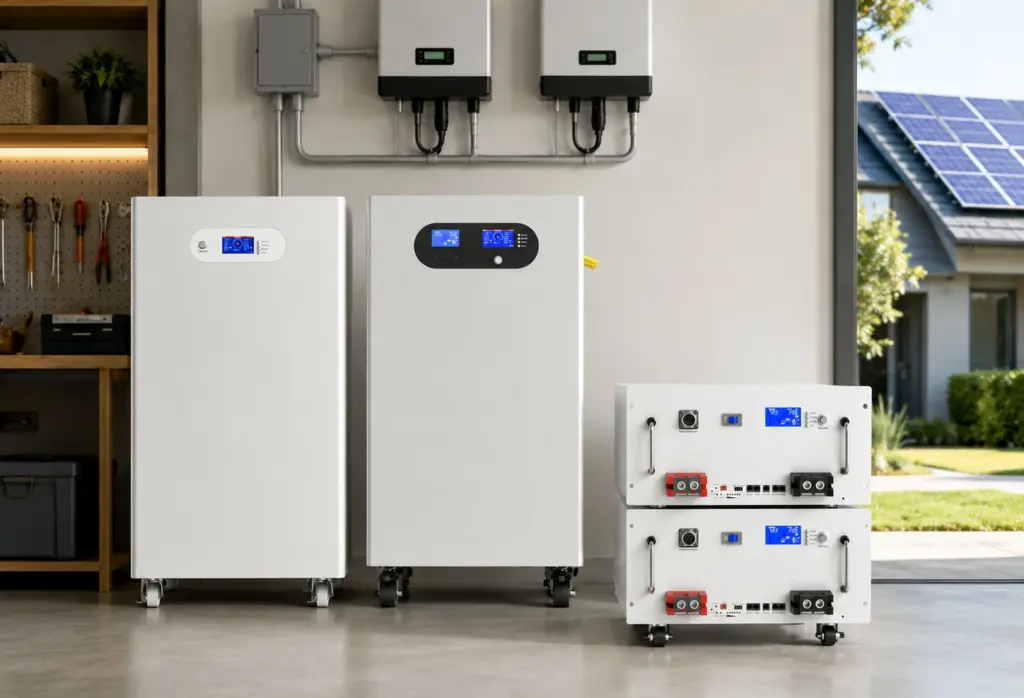
For larger homes, modular systems such as Avepower stackable solar batteries can start from 5 kWh, 10 kWh, or 15 kWh and expand as household needs grow. Avepower lists LiFePO4 chemistry, BMS monitoring, CAN/RS485/RS232 communication, Bluetooth/WiFi monitoring, inverter compatibility with Fronius, GoodWe, and Deye, and expansion up to 16 parallel units.
For shops, clinics, warehouses, restaurants, telecom rooms, and offices, backup design should start with a load profile. Critical loads may include refrigeration, POS systems, routers, lighting, access control, and safety systems.
For larger energy storage needs, Avepower also provides commercial and industrial energy storage solutions for backup power, solar self-consumption, peak shaving, and long-term energy cost control.
How to Size a Solar Power Battery Backup System
Battery sizing should start with the loads you want to run, not just the size of your solar panel system.
Use this basic formula:
Backup energy needed = appliance power × hours of use
For example:
| Appliance | Approx. Power | Runtime | Energy Needed |
|---|---|---|---|
| Fridge | 150 W average | 12 hours | 1.8 kWh |
| LED lights | 80 W | 6 hours | 0.48 kWh |
| WiFi router | 15 W | 12 hours | 0.18 kWh |
| Laptop | 60 W | 5 hours | 0.3 kWh |
| Small TV | 100 W | 4 hours | 0.4 kWh |
In this example, the essential backup load is roughly 3.16 kWh before allowing for inverter losses, battery reserve, and extra household use. A 5 kWh battery may cover a short outage, while a 10 kWh battery gives more comfort and reserve. For extended outages, cloudy days, or heavier loads, larger capacity is needed.
When sizing a battery, check these specifications:
| Specification | Why It Matters |
|---|---|
| Usable capacity | How much stored energy you can actually use |
| Continuous output | How many appliances can run at the same time |
| Peak output | Whether the system can start motors or surge loads |
| Backup reserve | How much capacity is kept for outages |
| Solar recharge during outage | Whether PV can keep charging the battery when grid is down |
| Battery chemistry | Affects safety, cycle life, temperature tolerance, and lifespan |
| Inverter compatibility | Determines whether the battery communicates properly with the system |
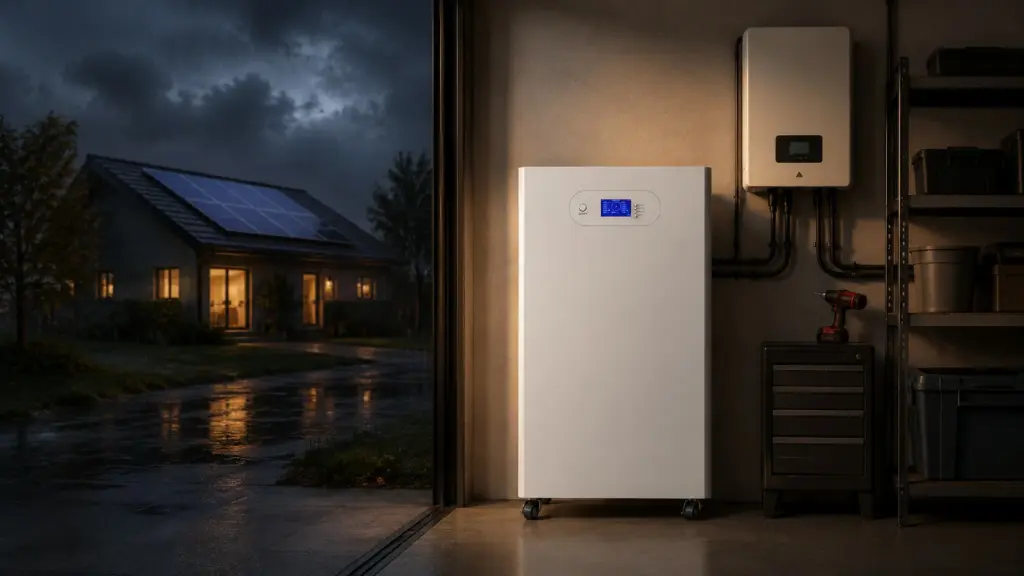
Can Solar Panels Recharge the Battery During a Blackout?
Sometimes yes, but not always.
Some systems can continue using solar panels to recharge the battery during an outage. Other systems may stop solar generation when the grid fails, even if a battery is installed. If the battery is full and the grid is down, excess solar energy may have nowhere to go, so some systems shut down to protect equipment.
If blackout resilience is a major goal, ask your installer these questions before buying:
- Will the solar panels keep charging the battery during a grid outage?
- Which circuits will remain powered?
- What is the maximum continuous backup output?
- What happens if the battery is full at midday during an outage?
- What happens if the battery reaches its minimum reserve?
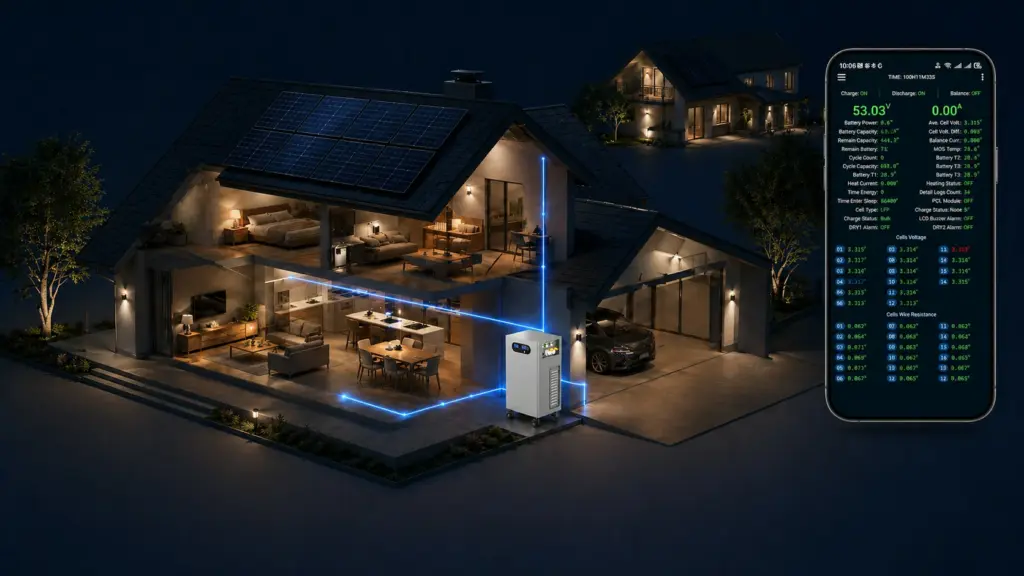
- Can I set a backup reserve in the monitoring app?
- Does the system support automatic switchover?
- Is the battery compatible with my inverter model?
For Avepower battery users, inverter compatibility is a key design step. The Avepower Inverter Compatibility List is a useful internal page to link when explaining why communication protocols, inverter matching, and system design matter.
Solar Power Battery Backup Cost: What Affects the Price?
The cost of solar power battery backup depends on battery capacity, inverter type, electrical work, backup circuit design, installation complexity, monitoring equipment, and local compliance requirements.
Backup functionality can add around AU$1,500–AU$3,500 depending on the level of backup required. This is separate from the battery itself and depends heavily on system configuration.
In Australia, the policy environment has also changed. The Cheaper Home Batteries Program expanded support for eligible batteries, and from 1 May 2026 the STC factor was adjusted to decline more frequently and taper by system size. The program continues to support battery installations up to 100 kWh, with capacity tiers applying different STC factor levels from 0–14 kWh, above 14–28 kWh, and above 28–50 kWh.
The battery system and inverter must be accredited by the Clean Energy Council and listed on the relevant approved product list at the time of installation. On-grid systems also need VPP technical capability, although participation in a VPP is not required under the program.
Safety and Compliance: What to Check Before Installing
A solar power battery backup system is not a plug-and-play appliance. It is part of your home’s electrical infrastructure, so safety and compliance are essential.
Before installation, check:
- Battery chemistry and safety design
- Built-in BMS protection
- Inverter compatibility
- Certified components
- Approved installer qualifications
- Ventilation and installation location
- Fire separation requirements where applicable
- Backup circuit design
- Warranty and after-sales support
- Monitoring and remote diagnostics
The Avepower advises consumers to ensure the battery is accredited by the Clean Energy Council and the installer is accredited by Solar Accreditation Australia for the Cheaper Home Batteries Program. Avepower provides certification support covering documents such as CE, UL, RoHS, UN38.3, and ISO 9001 for project approval, distributor qualification, and market entry.
Solar Power Battery Backup and VPPs: Are They the Same?
No. A Virtual Power Plant, or VPP, connects many home batteries together so they can help support the grid. Backup power is about keeping your home running during an outage. These two functions can overlap, but they are not the same.
For homeowners, the question is control. If you join a VPP, check how much battery reserve you can keep for outages, whether the provider can discharge your battery, and how backup priority is handled.
Matching Backup Design to Real Use
For installers, distributors, OEM/ODM partners, and project developers, solar power battery backup is not just a product feature. It is a system design problem.
Avepower focuses on LiFePO4 battery energy storage systems for residential and commercial applications. If you are planning a solar backup project for residential, installer, wholesale, or OEM/ODM applications, Avepower can support system selection, inverter compatibility, battery customization, certification documentation, and scalable LiFePO4 battery storage solutions.
For home backup projects, scalable systems such as 5kWh, 10kWh and 15kWh stackable solar batteries can support staged capacity expansion, while integrated all-in-one systems can simplify installation for solar-plus-storage projects.
Take Control of Your Energy with Avepower!
Reliable home solar battery solutions with OEM/ODM customization and in-house manufacturing, tailored to the needs of distributors, installers, and energy partners.
Conclusion
A solar power battery backup system can turn rooftop solar into a more reliable, flexible, and resilient energy solution. But the battery alone is not enough. True backup requires the right battery, inverter, switchboard design, protection equipment, installation quality, and load planning.
For many homes, essential-load backup offers the best balance between cost and reliability. For larger homes, rural properties, and small businesses, scalable or whole-site backup may be more suitable. The best result comes from matching battery capacity, inverter power, backup circuits, and solar recharge capability to real energy needs.
FAQ
Solar power battery backup is a solar energy storage system that can supply electricity when the grid is unavailable. It stores solar energy in a battery and uses it later for essential loads or whole-home backup, depending on system design.
No. A battery must be installed with backup-capable equipment, such as a hybrid or multimode inverter, proper isolation protection, and suitable backup wiring.
Common backup loads include lights, fridge, freezer, Wi-Fi, security systems, phone charging, and selected outlets. Heavy loads such as ovens, EV chargers, and large air conditioners are often excluded.
Ask whether it provides backup, which circuits are supported, whether solar charging works during outages, what the inverter output is, what the surge rating is, and whether the battery is compatible with your solar inverter.
A critical loads panel is a separate electrical panel that connects only the most important circuits to backup power. It helps the battery last longer and reduces the risk of inverter overload.
Solar battery storage means storing excess solar energy for later use. Solar battery backup means the system can provide power during a grid outage.