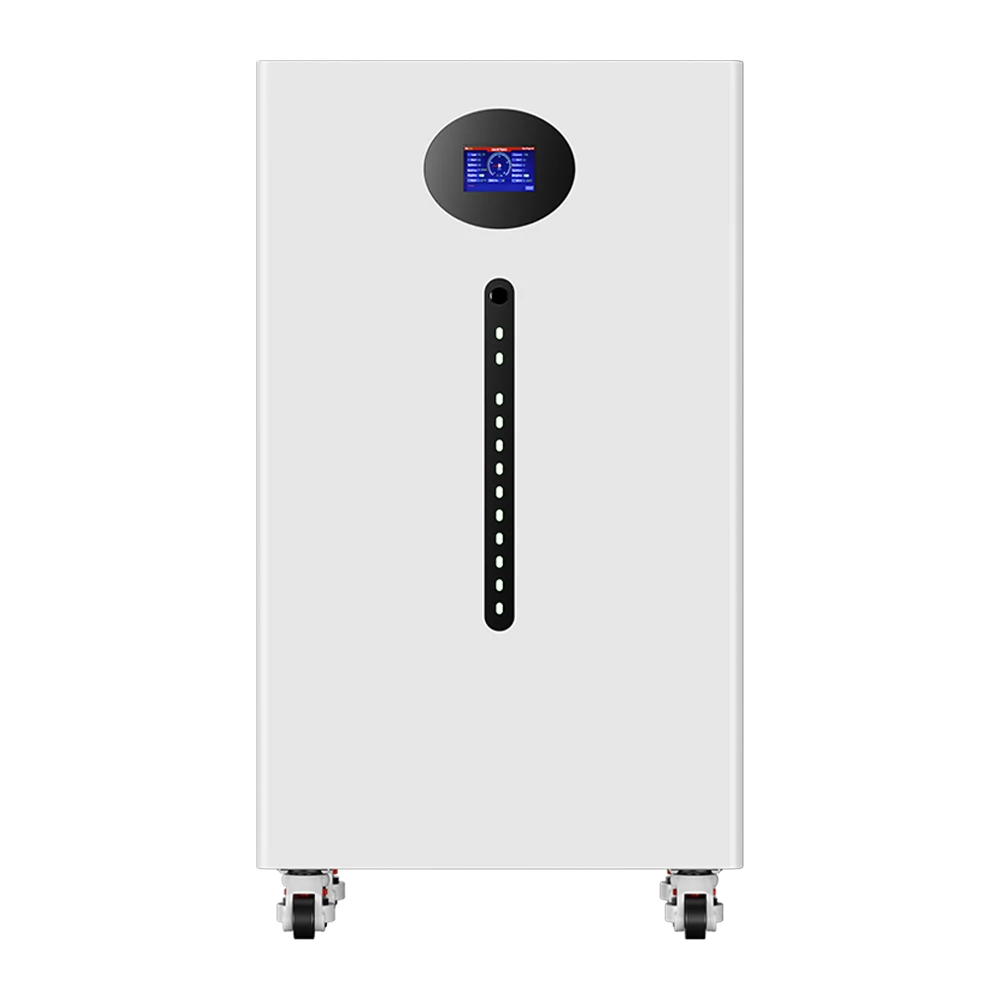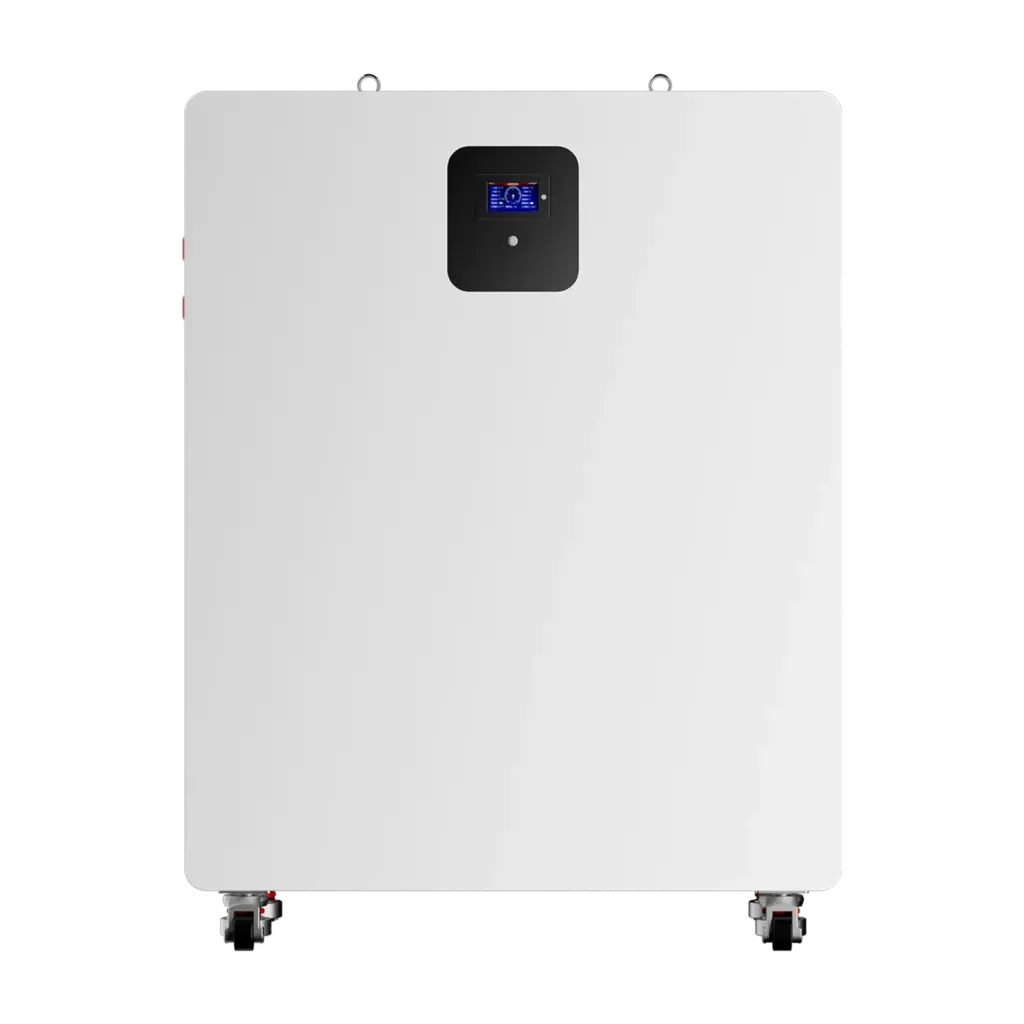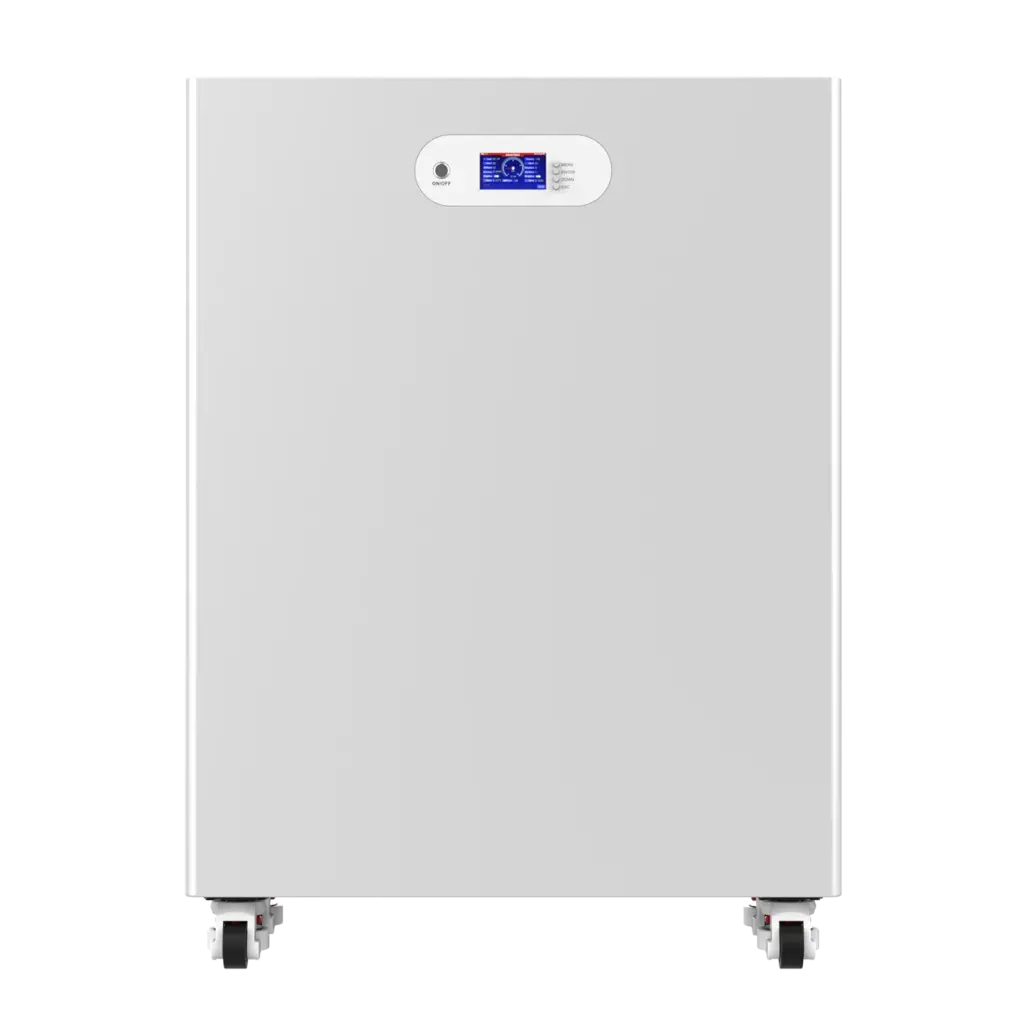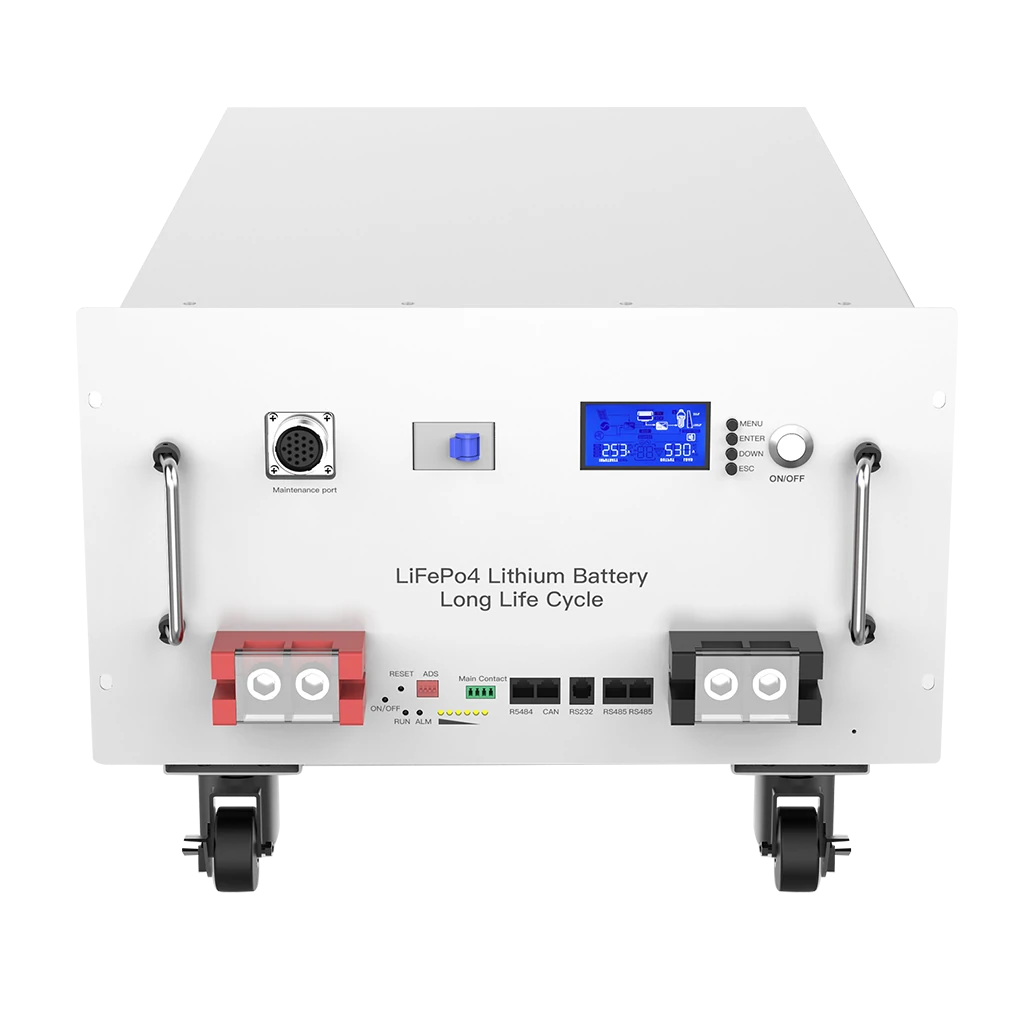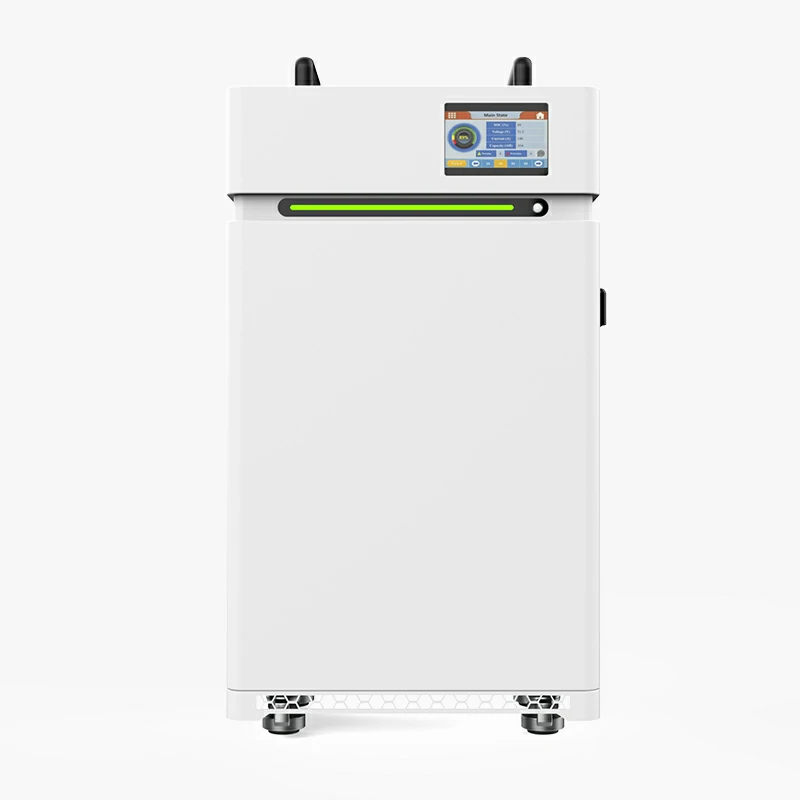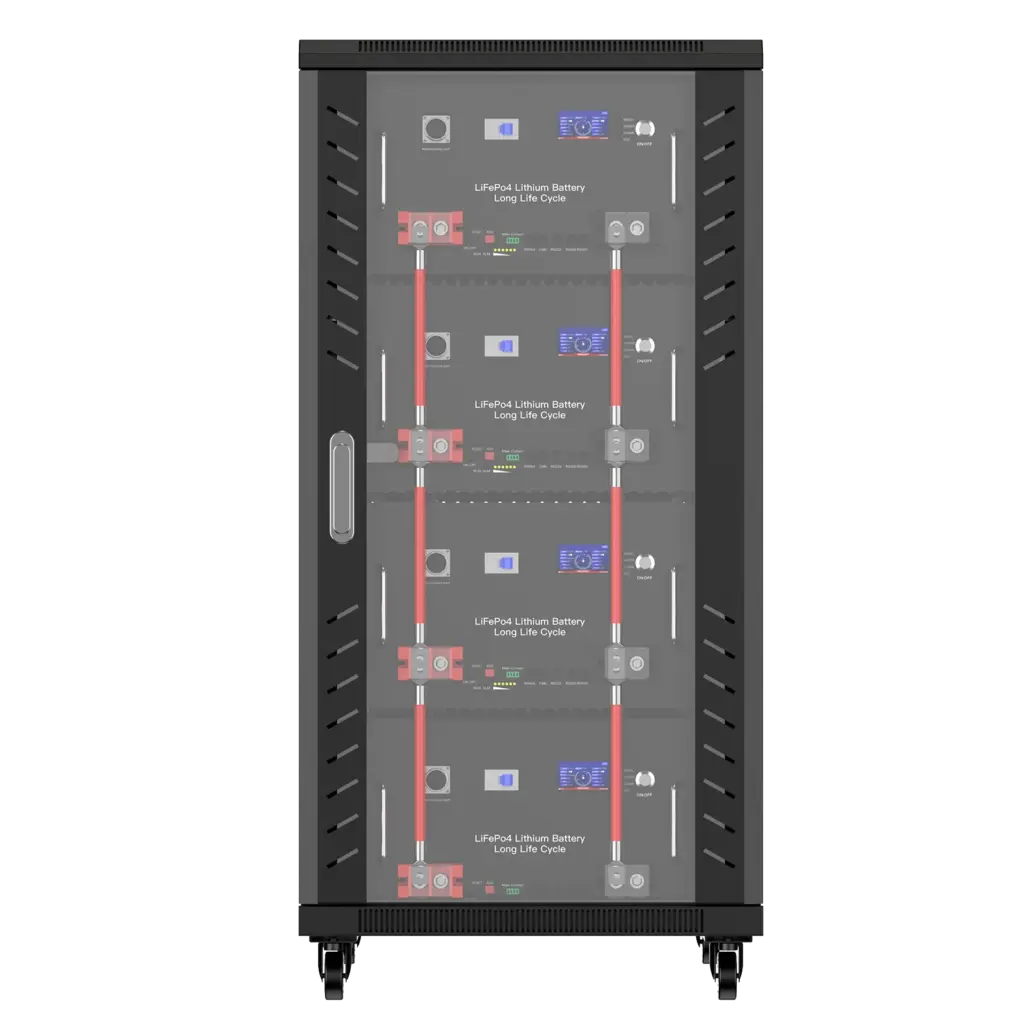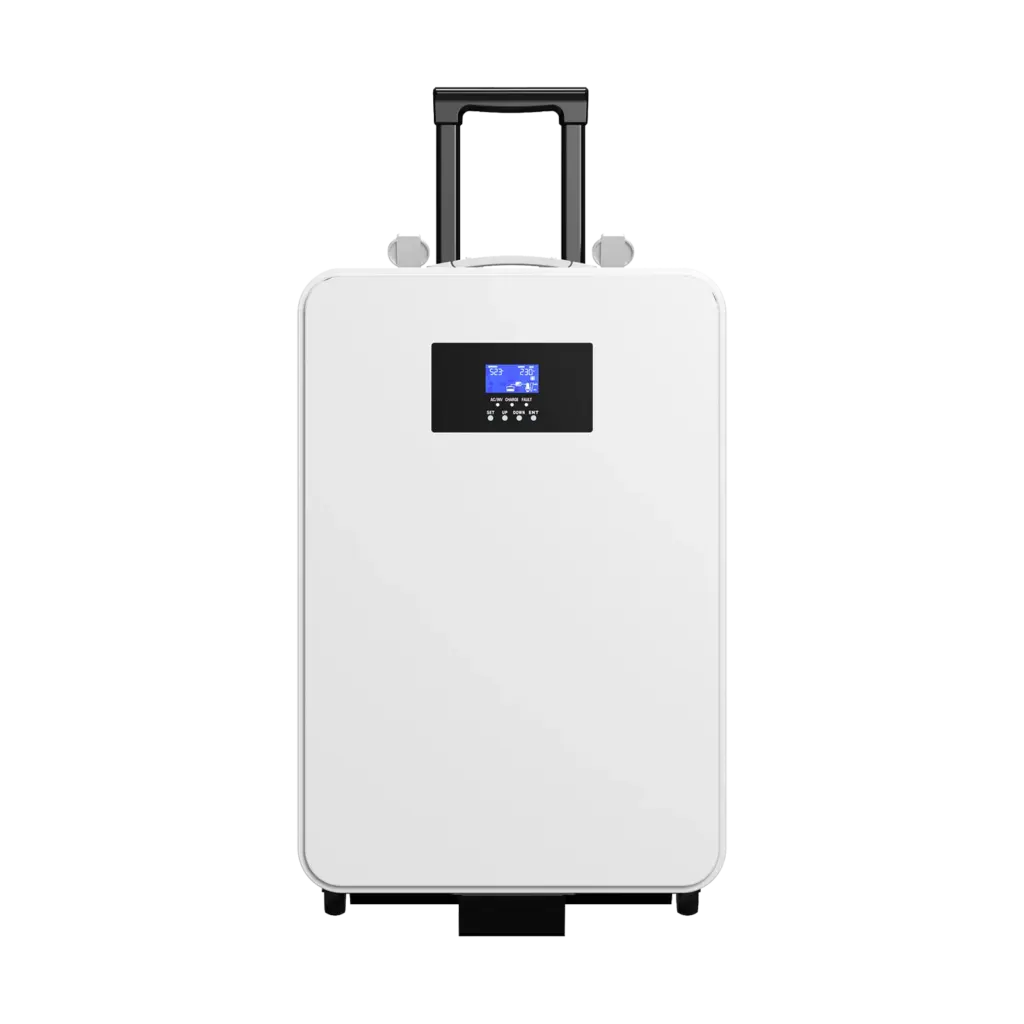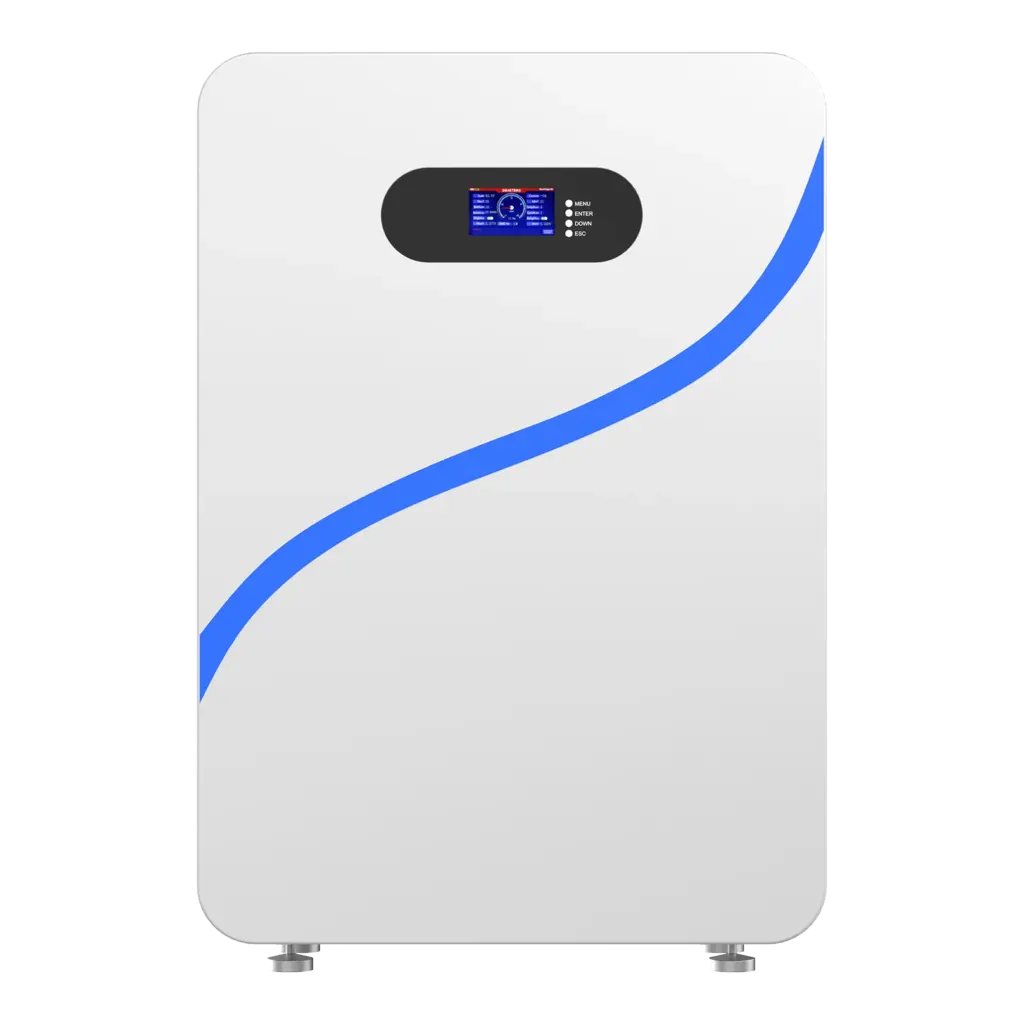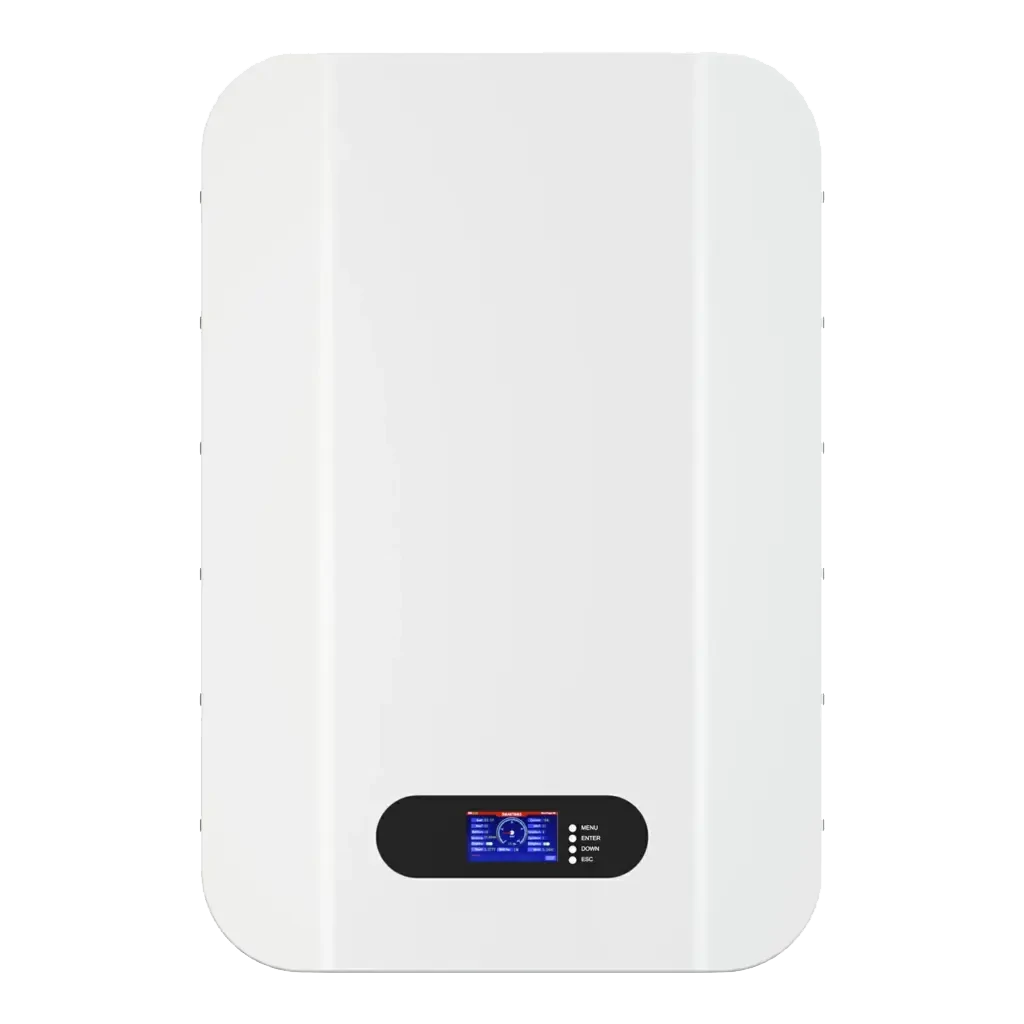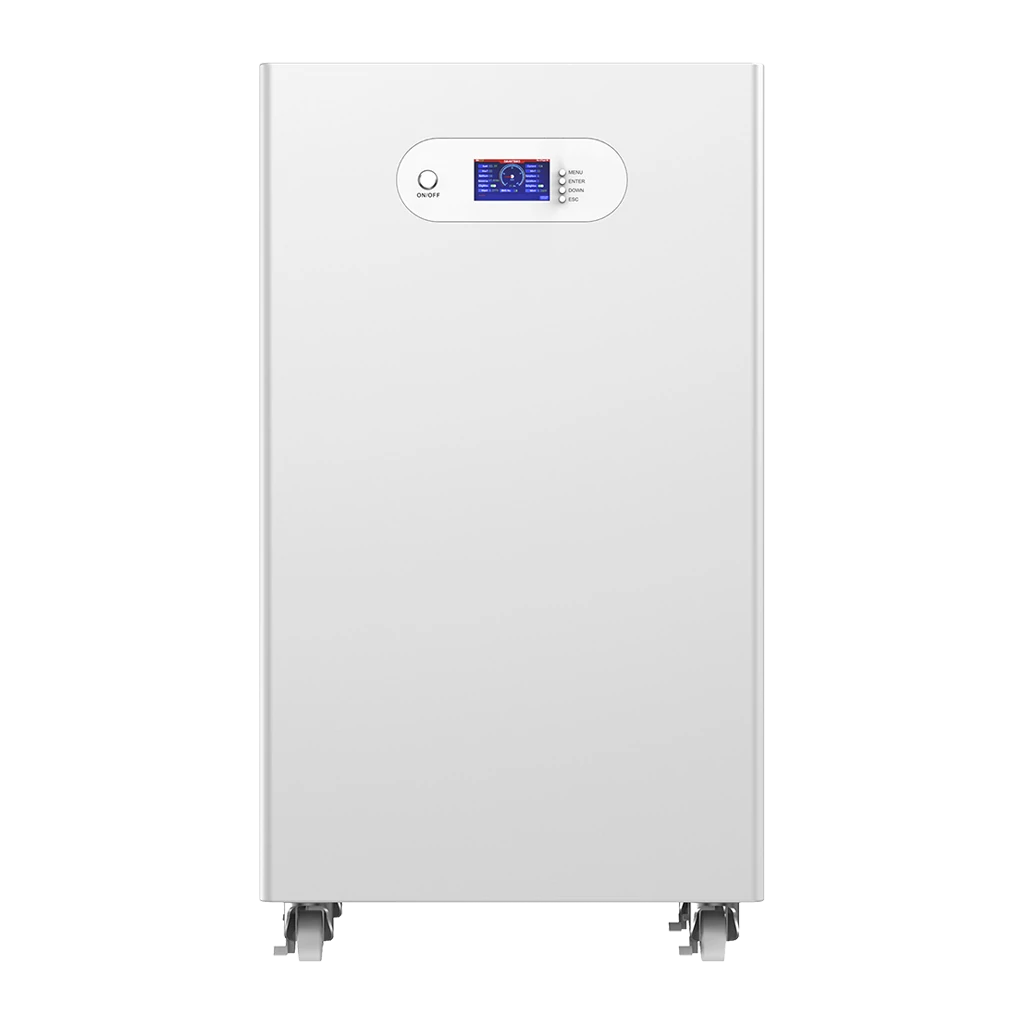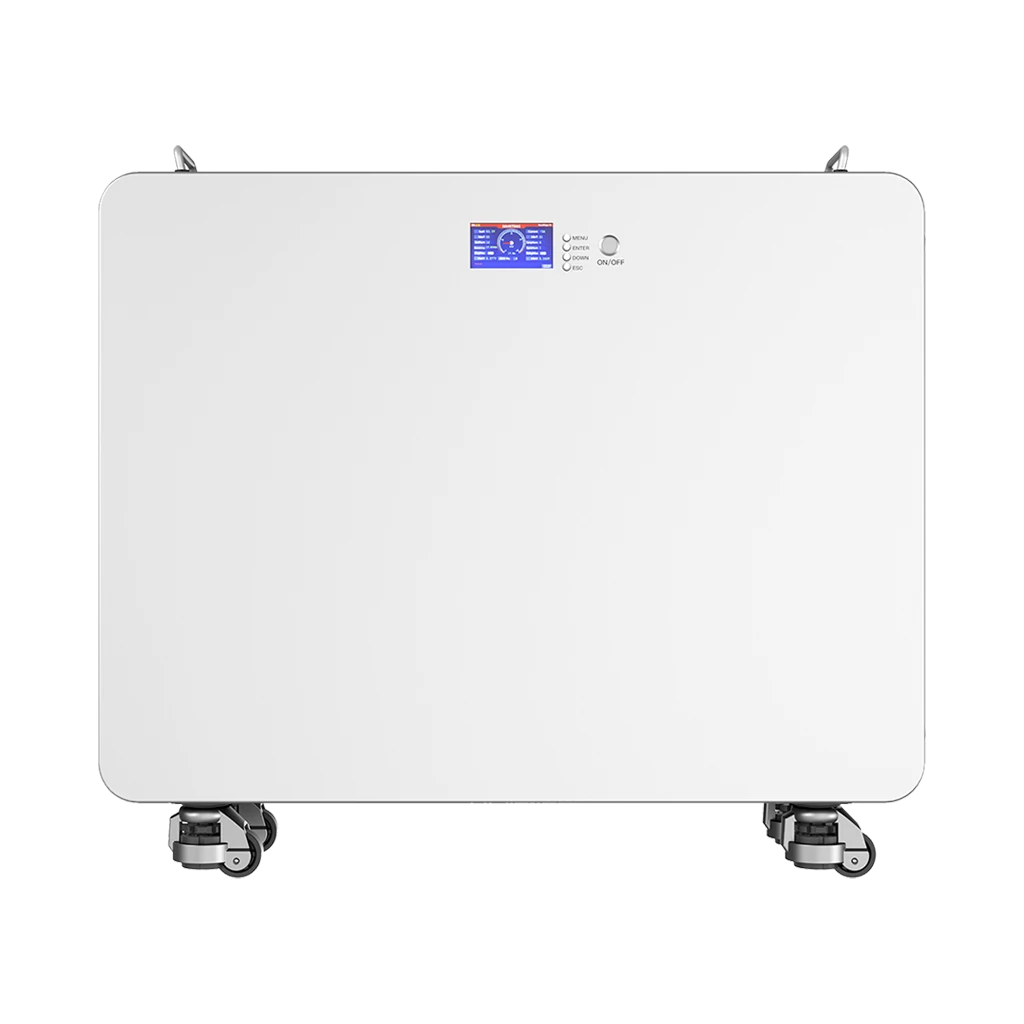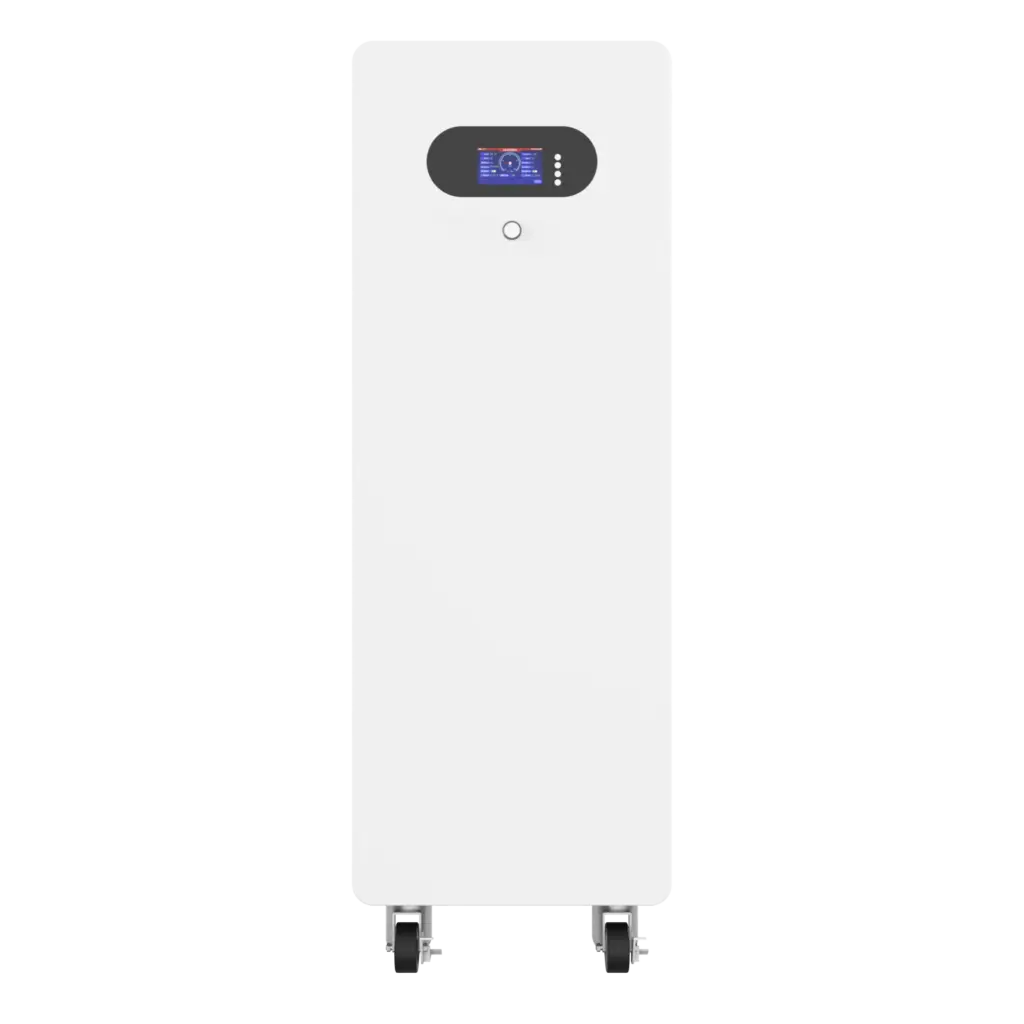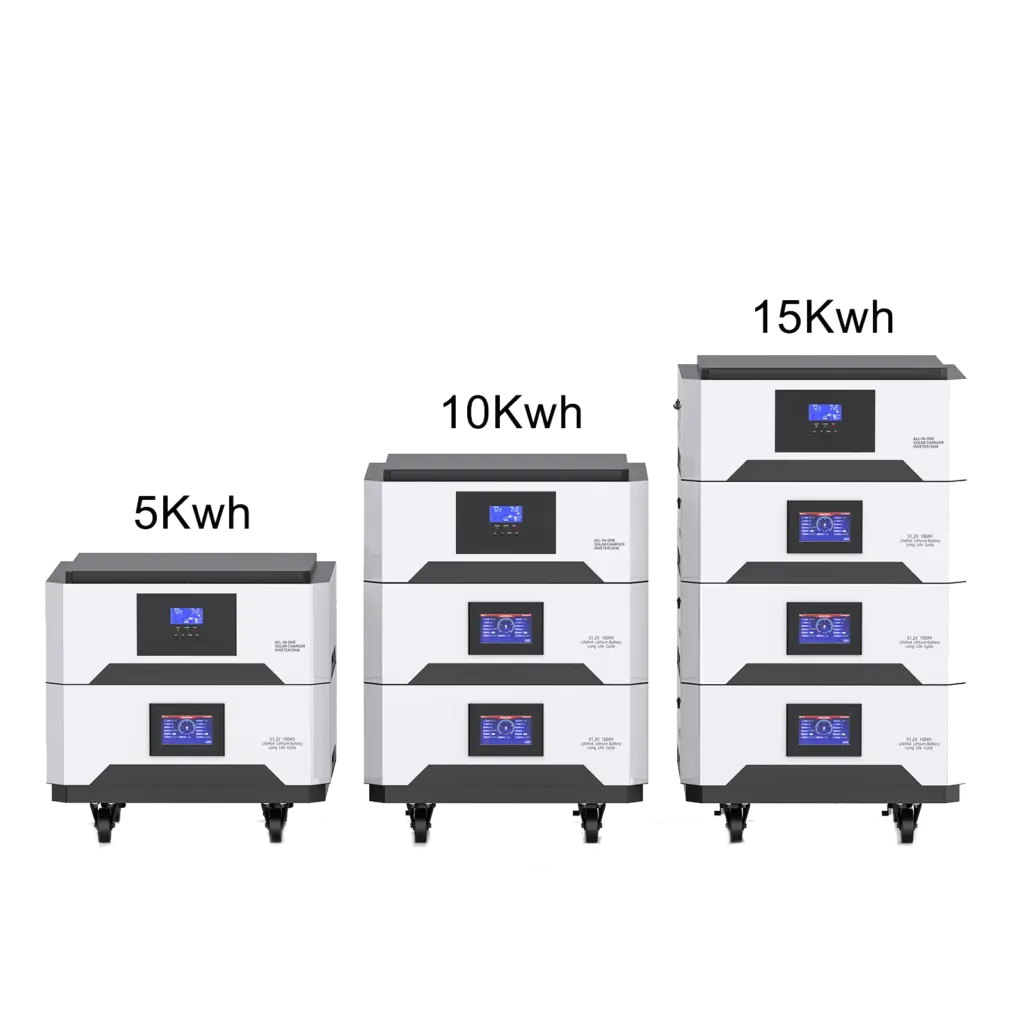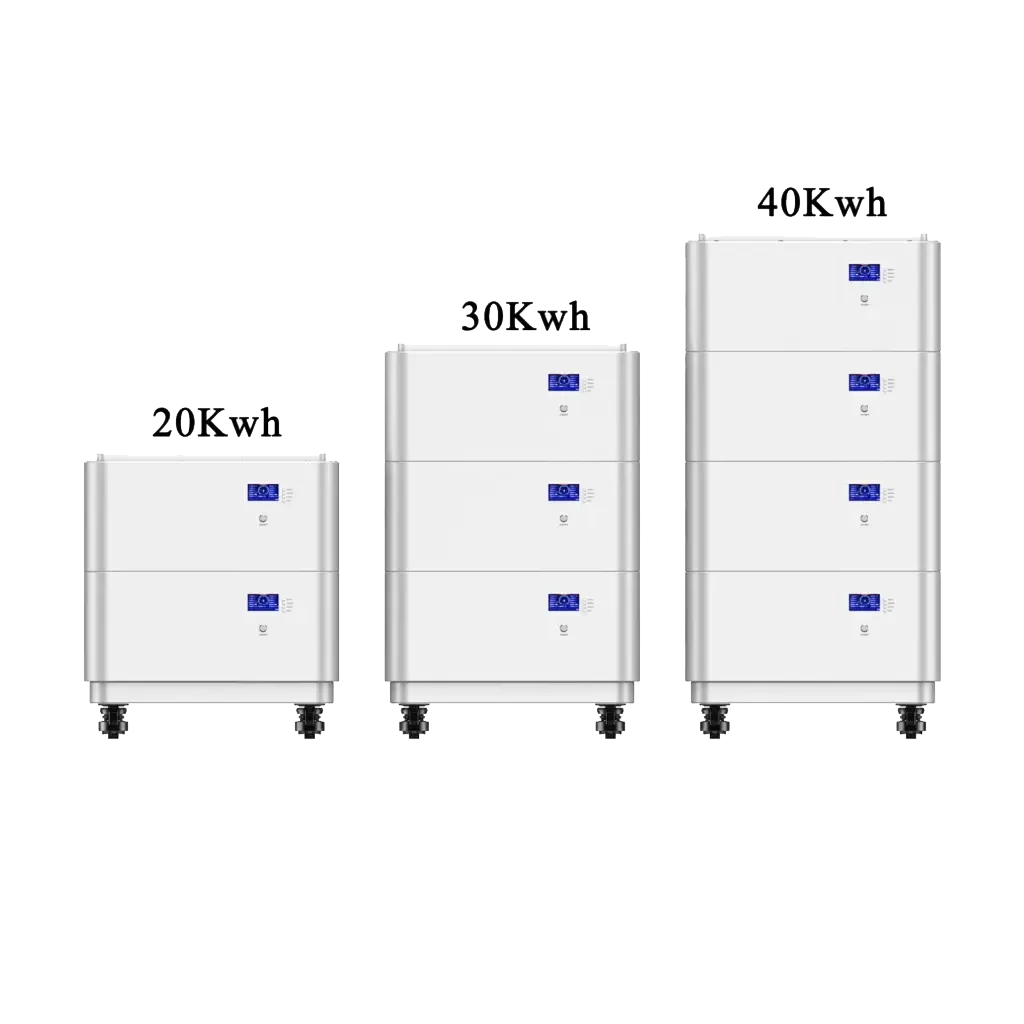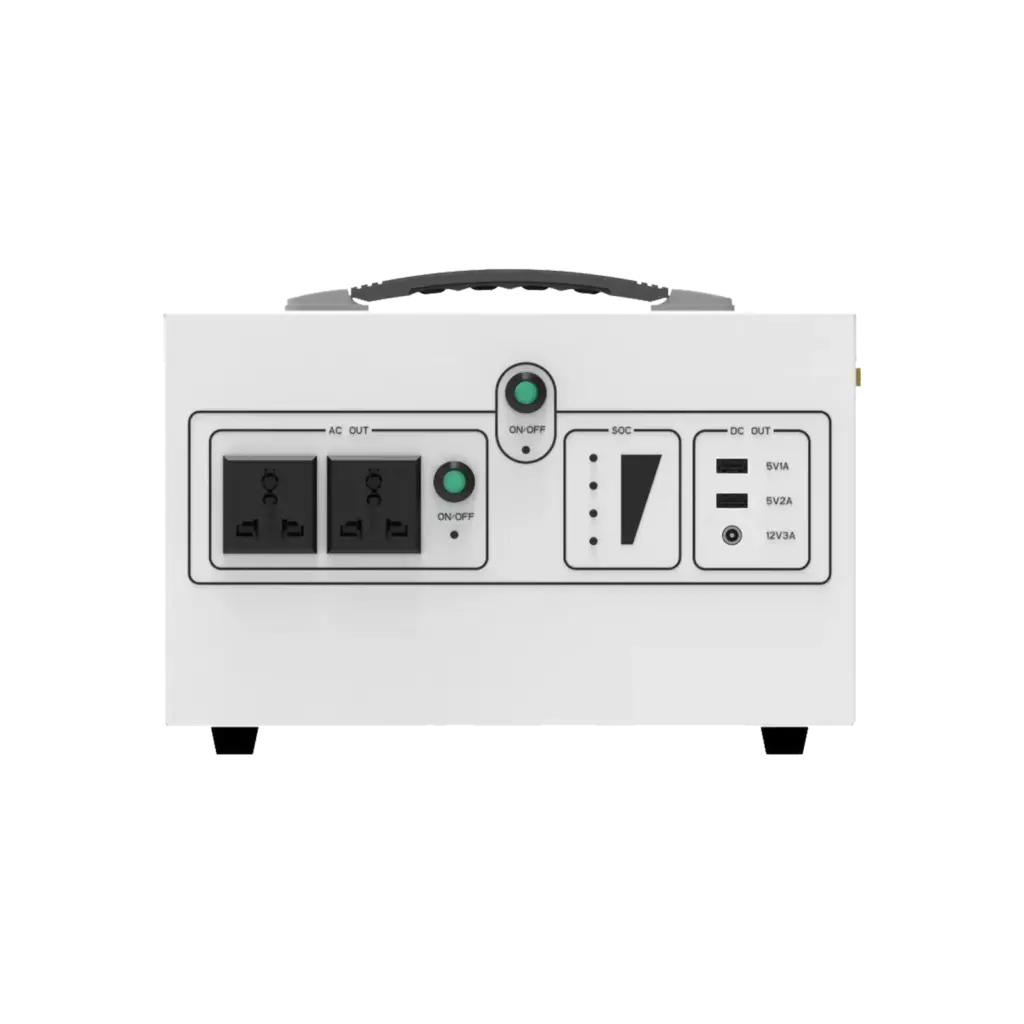

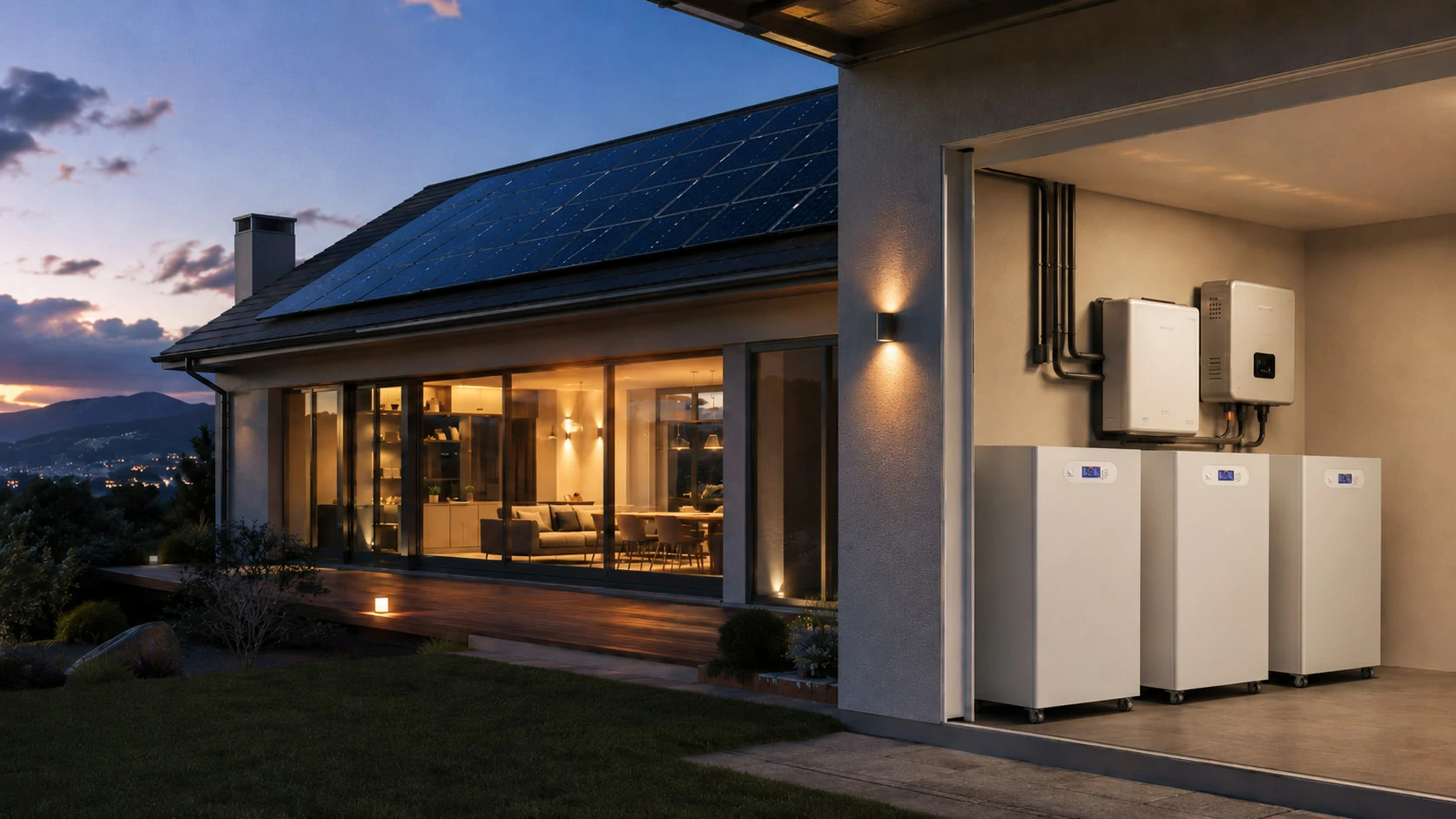
Lithium solar batteries are rechargeable energy storage batteries designed to store electricity from solar panels, the grid, or both. In a solar system, they capture surplus daytime generation and make it available later, usually in the evening, during peak electricity pricing, or during a power outage if the system is configured for backup.
For most modern residential and commercial solar projects, lithium solar batteries are preferred over traditional lead-acid batteries because they are more compact, more efficient, longer lasting, and easier to maintain. The most common chemistry for solar energy storage today is LiFePO4, also called lithium iron phosphate or LFP, because it offers strong thermal stability, long cycle life, and good suitability for frequent daily charging and discharging.
A well-designed lithium solar battery system is not just a “battery box.” It should include a reliable battery management system, compatible inverter communication, correct installation, safe operating temperature control, and enough usable capacity to match the user’s real load profile.
What Are Lithium Solar Batteries?
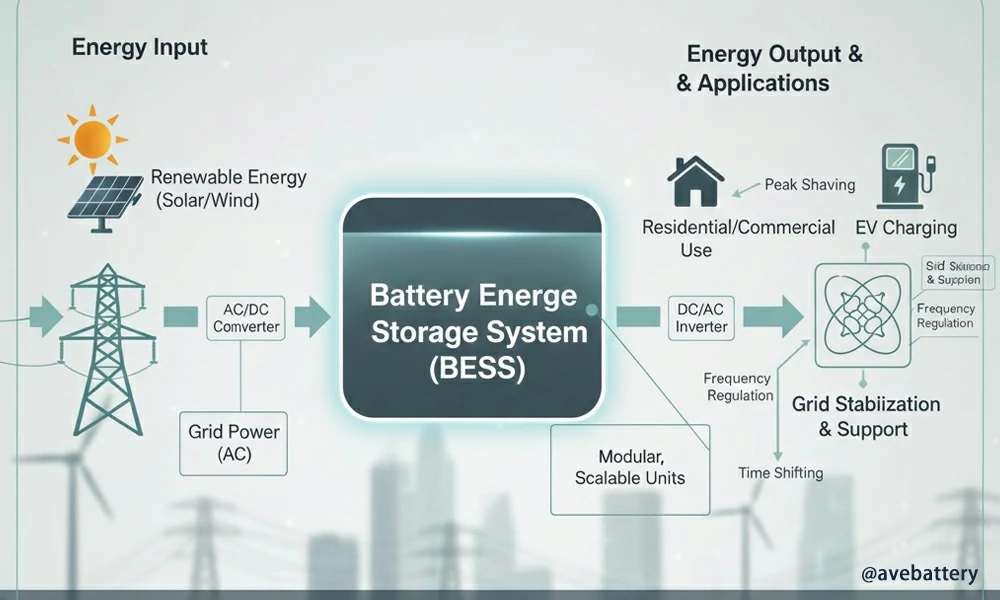
Lithium solar batteries are rechargeable battery storage systems used with solar panels. During the day, your photovoltaic system generates electricity. Your home or business uses part of that electricity immediately, and any surplus solar energy can be stored in the battery instead of being exported to the grid. Later, the battery discharges that stored energy when solar output is low or electricity prices are higher.
How Lithium Solar Batteries Work with Solar Panels
During the day, solar panels generate DC electricity. Depending on the system design, the electricity may be converted by an inverter for immediate use, stored in a battery, or exported to the grid. When solar output drops, the battery discharges stored energy to support household or business loads.
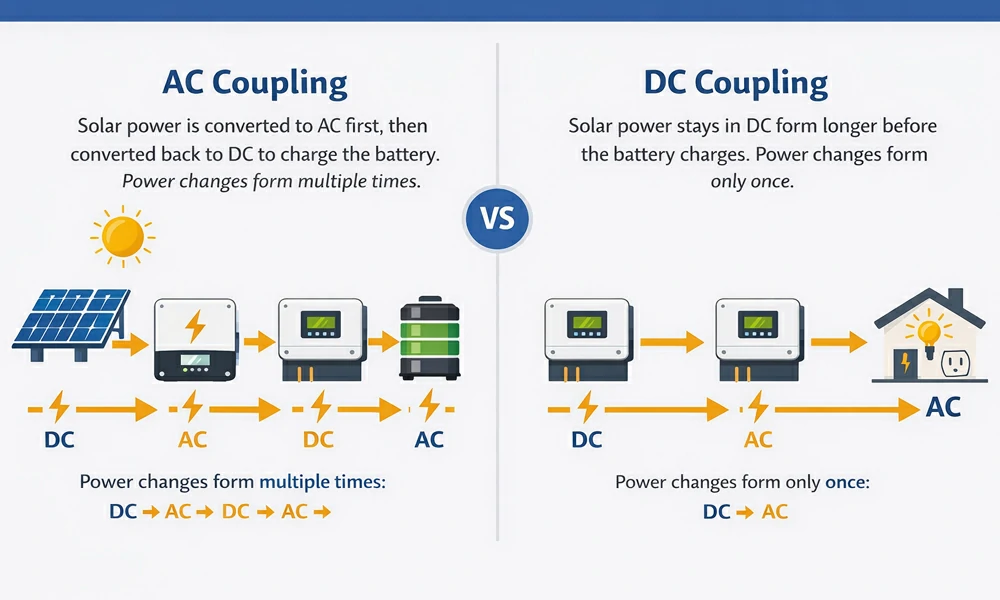
There are two common ways to connect lithium solar batteries:
DC-Coupled Battery Systems
In a DC-coupled system, the battery is connected on the DC side of the solar system, usually through a hybrid inverter. This design is common for new solar-plus-storage installations because the solar panels, battery, and inverter are planned together.
DC coupling can be efficient and tidy, but it requires careful inverter-battery compatibility. The battery voltage, BMS communication protocol, and inverter settings must match.
AC-Coupled Battery Systems
In an AC-coupled system, the battery has its own battery inverter or is added to an existing solar system on the AC side. This is common for retrofit projects where a home or business already has solar installed.
AC coupling can be flexible for upgrades, but the system design must account for backup circuits, export limits, charging behavior, and inverter coordination.
If you are comparing system architectures, Avepower’s inverter compatibility guidance can help installers and project buyers understand why CAN, RS485, BMS protocol matching, and inverter communication are not small details. They directly affect whether the system charges, discharges, protects itself, and reports data correctly.
Main Types of Lithium Solar Batteries
Not all lithium solar batteries are the same. The two most discussed chemistries are LiFePO4 and NMC.
LiFePO4 Solar Batteries
LiFePO4, or LFP, is widely used in stationary solar energy storage because it is known for strong cycle life, good safety characteristics, and stable performance. It is commonly used in home batteries, rack-mounted batteries, stackable storage systems, and commercial battery cabinets.
For daily solar charging and discharging, LiFePO4 is often the preferred choice because solar batteries are not occasional-use products. A normal system may cycle almost every day for years.
NMC Lithium Batteries
NMC stands for nickel manganese cobalt. This chemistry is widely used in electric vehicles and some energy storage products because of its higher energy density. It can store more energy in a smaller space, but for stationary solar storage, space is often less important than safety, cycle life, thermal stability, and cost per usable kWh.
Lead-Acid Batteries
Lead-acid batteries are still used in some off-grid or budget systems. Their upfront cost can be lower, but they are heavier, bulkier, less tolerant of deep cycling, and usually require more attention over their operating life.
For modern residential and commercial storage, lithium solar batteries have become the mainstream choice because users usually want higher usable capacity, lower maintenance, better monitoring, and longer service life.
Flow Batteries and Emerging Chemistries
Flow batteries, sodium-ion batteries, and other long-duration storage technologies are developing quickly, especially for grid and large commercial applications. However, for most home and small business solar projects in 2026, lithium solar batteries remain the most practical and available choice.
Why Lithium Solar Batteries Have Replaced Lead-Acid in Most New Solar Storage Systems
Lead-acid batteries were once common in off-grid solar and backup systems. They are still used in some low-cost or occasional-use applications, but for daily solar energy storage, lithium batteries have become the stronger choice in most cases.
The reason is not only that lithium batteries are newer. It is because they solve several practical problems that lead-acid batteries struggle with.
| Comparison Point | Lithium Solar Batteries | Lead-Acid Batteries |
|---|---|---|
| Usable capacity | Higher usable depth of discharge | Usually lower usable capacity |
| Maintenance | Very low maintenance | May require more checks and care |
| Size and weight | More compact and lighter | Larger and heavier |
| Cycle life | Better for daily cycling | Shorter cycle life under deep cycling |
| Efficiency | Higher round-trip efficiency | Lower efficiency |
| Upfront cost | Higher | Lower |
| Long-term value | Often stronger for daily use | May need earlier replacement |
The key point is usable energy. A 10 kWh battery nameplate does not always mean 10 kWh of practical daily energy. A lithium battery with 90% usable depth of discharge may provide about 9 kWh of usable energy. A lead-acid system may need to be much larger to deliver the same usable daily output without shortening battery life.
Are Lithium Solar Batteries Safe?
Modern lithium solar batteries can be very safe when the product is well designed, correctly certified, installed by qualified professionals, and used within its rated limits.
Safety depends on several layers:
- Cell chemistry
- Cell quality
- Battery management system
- Mechanical enclosure
- Thermal design
- Electrical protection
- Inverter communication
- Installation location
- Compliance with local standards
LiFePO4 is widely used in stationary storage partly because of its thermal stability. However, chemistry alone is not enough. A poor-quality battery with weak BMS protection is still a risk. A serious supplier should be able to provide documentation for certifications, technical datasheets, installation manuals, communication protocols, warranty terms, and after-sales support.
Need Help Choosing the Right Lithium Solar Battery?
If you need help matching battery capacity, inverter compatibility, communication protocol, or OEM/ODM requirements, our team can support your project from selection to delivery.
Lithium Solar Batteries for Installers and Distributors
Installers and distributors usually judge batteries differently from end users. They need products that are easy to install, easy to explain, and easy to support.
Important selection points include:
- Stable LiFePO4 cell chemistry
- Clear installation manuals
- Inverter compatibility documentation
- CAN and RS485 communication support
- Parallel expansion options
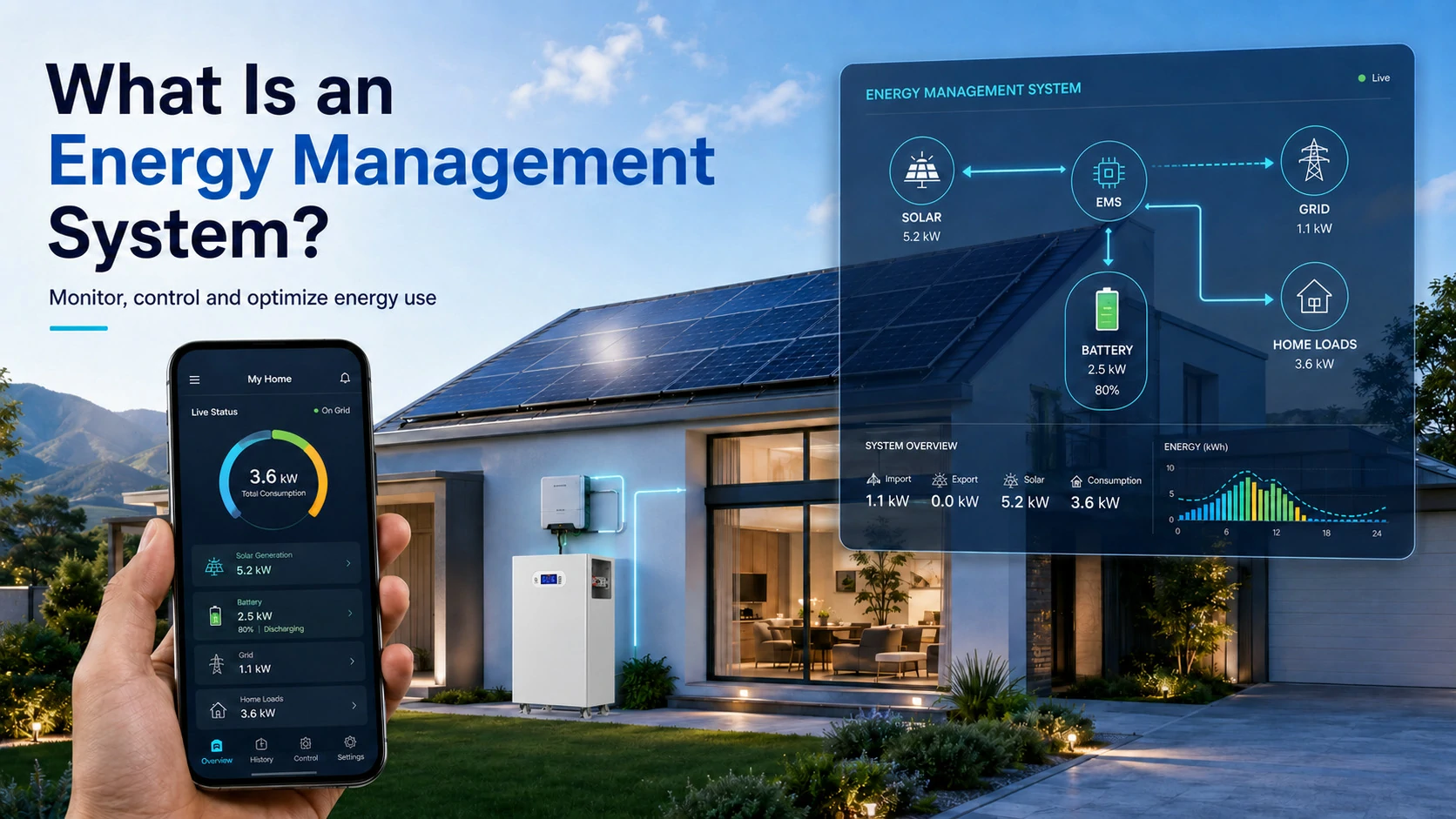
- App, WiFi, or EMS monitoring
- Product certification support
- Warranty clarity
- Spare parts and after-sales response
- OEM or ODM customization options
Avepower supports installers, wholesalers, distributors, and energy storage partners with product selection, communication matching, packaging options, labeling support, and project-based customization. Buyers can learn more from the Avepower installer program and wholesale battery solutions.
Lithium Solar Batteries for Commercial and Industrial Energy Storage
Commercial and industrial users often need more than backup power. They may want to reduce demand charges, shift solar energy to expensive tariff periods, stabilize site energy use, or improve power resilience for critical operations.
C&I lithium solar battery projects usually require deeper technical planning. Engineers must review:
- Load profile
- Peak demand
- Solar generation curve
- Inverter or PCS sizing
- Battery voltage architecture
- Fire safety design
- Communication protocol
- EMS control logic
- Grid connection requirements
- Maintenance access
- Expansion planning
For larger projects, high-voltage battery systems can reduce current, improve system efficiency, and support cleaner architecture. Avepower’s commercial and industrial energy storage solutions are designed for buyers who need scalable capacity, engineering support, and project-based configuration.
Avepower’s Lithuania 522.5 kWh high-voltage ESS case also shows how a larger battery project can move from cell selection to integrated cabinet-level delivery. You can review the project here: Lithuania 522.5 kWh High-Voltage ESS Case Study.
Where Should Lithium Solar Batteries Be Installed?
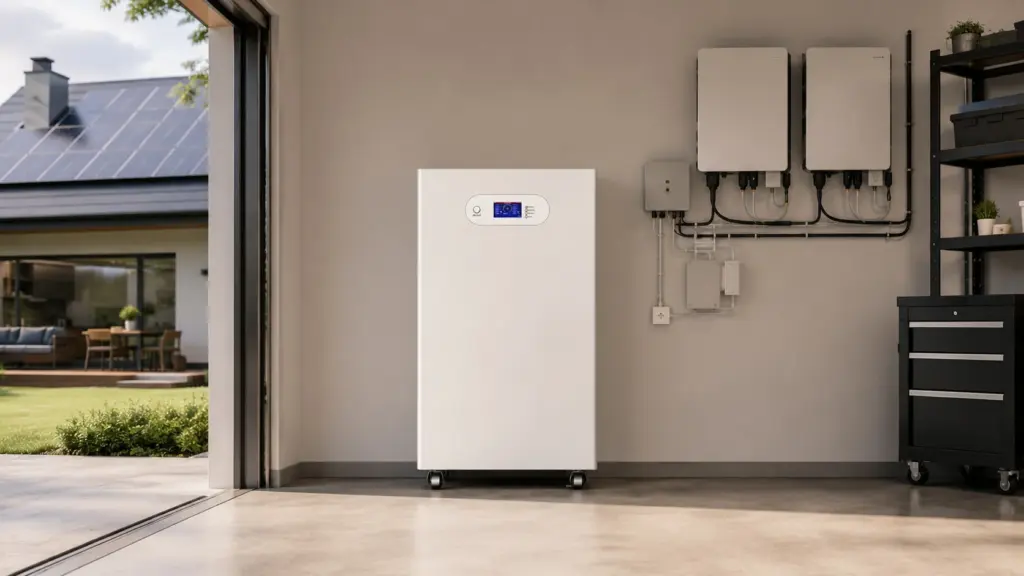
The best installation location depends on the product design, IP rating, operating temperature range, local rules, and the building layout.
Common locations include:
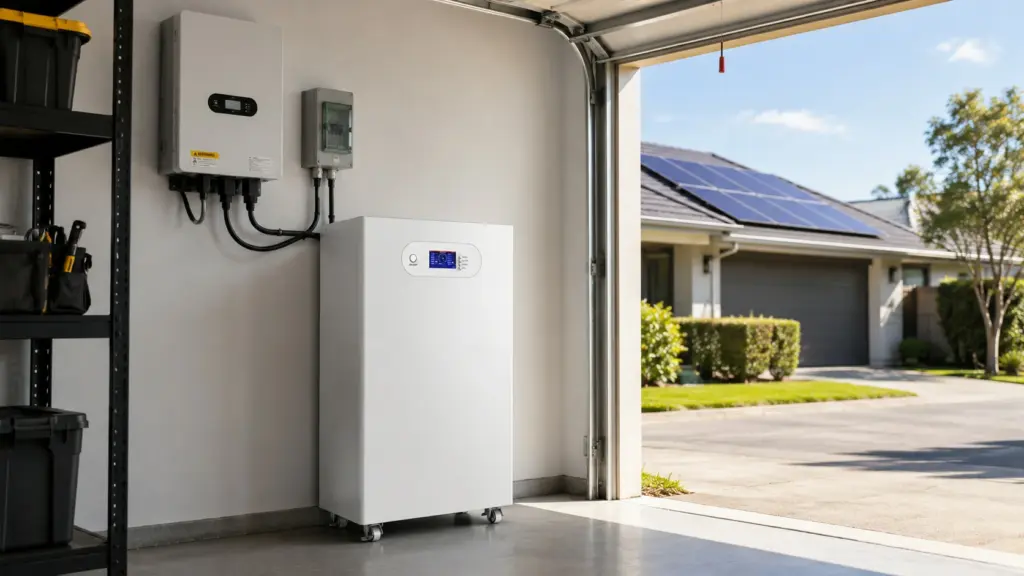
- Garage walls
- Utility rooms
- External walls with suitable protection
- Equipment rooms
- Dedicated battery cabinets
- Commercial plant rooms
- Solar inverter areas
Avoid locations exposed to direct heat, standing water, poor ventilation, mechanical impact, or restricted access. High temperature is one of the main enemies of battery life. Even a high-quality battery can degrade faster if it operates for long periods outside its recommended temperature range.
For outdoor installations, buyers should check the enclosure rating, weather protection, clearance requirements, and local electrical rules. For indoor installations, they should consider ventilation, access, fire separation, and whether the space is allowed under local standards.
Installers should always follow the manufacturer’s installation manual and the applicable electrical code.
Common Lithium Solar Battery Size Examples
The right battery size varies by region and usage pattern, but these examples can help buyers think clearly.
| Use Case | Typical Battery Size | Practical Purpose |
|---|---|---|
| Small backup system | 5–8 kWh | Lights, fridge, WiFi, basic loads |
| Average solar home | 10–15 kWh | Evening solar use and essential backup |
| Larger home | 20–30 kWh | More overnight coverage and higher loads |
| Off-grid home | 20–60 kWh+ | Multi-day autonomy and deeper backup |
| Small commercial site | 30–100 kWh+ | Peak shaving, load shifting, backup support |
| C&I project | 100 kWh to MWh scale | Demand management, PV smoothing, resilience |
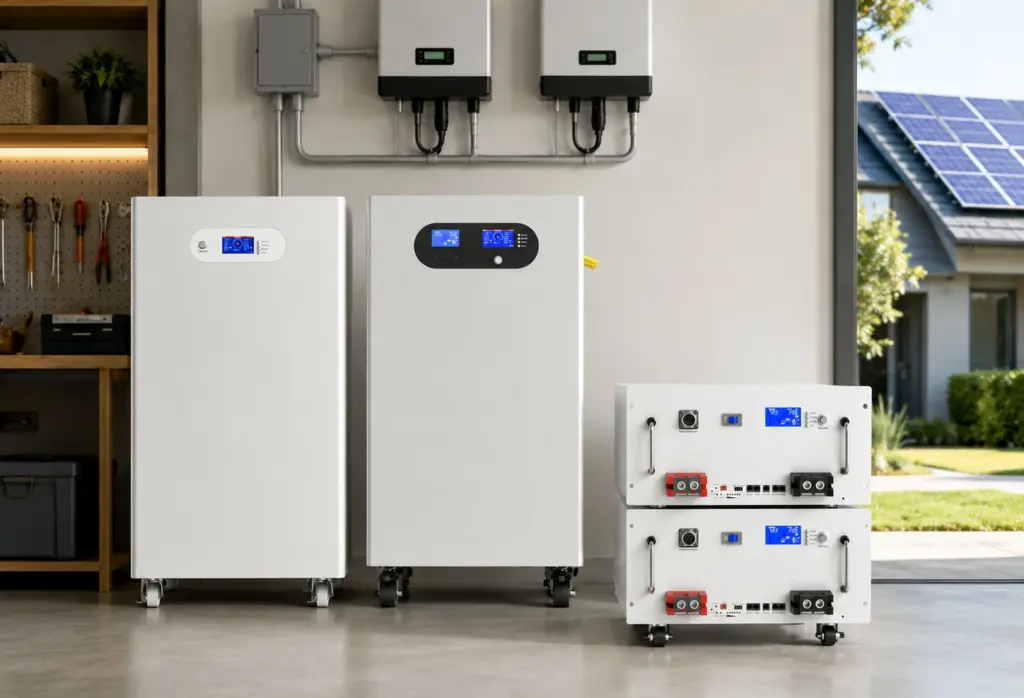
If the project needs structured equipment-room installation, Avepower’s rack mounted batteries can help installers build cleaner and more serviceable systems. For higher-capacity sites, Avepower’s custom high voltage battery storage systems can support more advanced project architecture.
What Will Lithium Battery Prices Be in 2026?
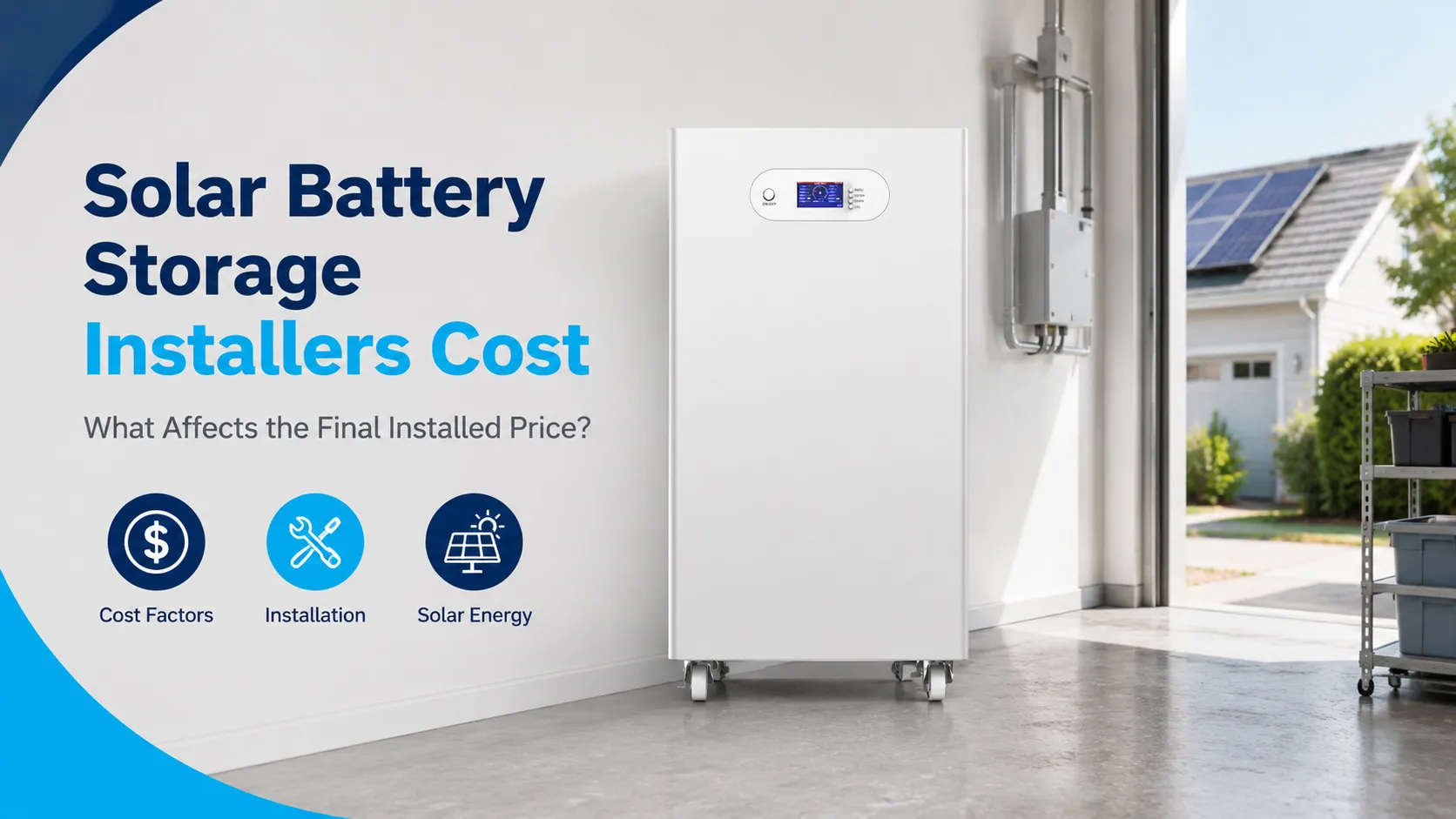
Lithium solar battery costs vary widely by country, brand, chemistry, capacity, inverter requirements, backup function, installation complexity, and incentives.
A simple battery-only addition may cost much less than a full solar-plus-storage system with backup circuits, switchgear, electrical upgrades, and smart energy management. In many markets, the battery hardware is only one part of the final installed price.
Cost factors include:
- Freight and import costs
- Battery capacity
- Usable capacity
- Inverter or hybrid inverter requirements
- Backup gateway or transfer equipment
- Installation labor
- Electrical panel upgrades
- Monitoring and communication hardware
- Certification and grid connection requirements
- Warranty and after-sales support
Battery savings also depend heavily on electricity pricing. If the grid electricity rate is $0.35/kWh and the feed-in tariff is $0.03/kWh, then each kilowatt-hour stored in the battery is effectively worth about $0.32/kWh, because the homeowner avoids buying grid electricity but also gives up the feed-in tariff payment.
If users are already receiving a feed-in tariff, a battery does not save the full retail electricity rate. The real value of battery storage is usually:
Avoided retail electricity cost − Lost feed-in tariff revenue
Avepower recommends evaluating battery systems based on usable capacity, cycle life, warranty coverage, inverter compatibility, and long-term energy savings instead of focusing only on the upfront purchase price.
LiFePO4 vs NMC: Which Lithium Battery Is Better for Solar?
Both LiFePO4 and NMC are lithium-ion battery chemistries, but they are not the same.
| Factor | LiFePO4 / LFP | NMC |
|---|---|---|
| Safety stability | Very strong | Good with proper thermal management |
| Cycle life | Usually strong for stationary storage | Varies by design |
| Energy density | Lower than NMC | Higher than LFP |
| Common application | Solar storage, home ESS, commercial ESS | EVs, compact battery systems |
| Best fit | Daily cycling and long service life | Space-sensitive applications |
For solar storage, LiFePO4 is usually the more practical chemistry because a home battery does not need to be as lightweight as an EV battery. It needs stable daily operation, long cycle life, safe thermal behavior, and reliable BMS control.
This is why many modern residential storage systems, including Avepower’s stackable solar batteries and all in one battery solutions, are built around LiFePO4 chemistry for daily solar energy use.
How to Choose the Right Lithium Solar Battery Supplier
The supplier matters as much as the battery cell chemistry.
A reliable supplier should provide:
- Clear technical datasheets
- Stable LiFePO4 cell sourcing
- BMS protection details
- Inverter compatibility support
- Certifications and test reports
- Installation documentation
- Warranty policy
- OEM/ODM customization
- Packaging and shipping support
- After-sales communication
- Product roadmap for installers and distributors
For B2B buyers, the cheapest quote is rarely the best quote. A battery that saves a few dollars upfront but causes compatibility problems, warranty disputes, or installation delays can cost much more later.
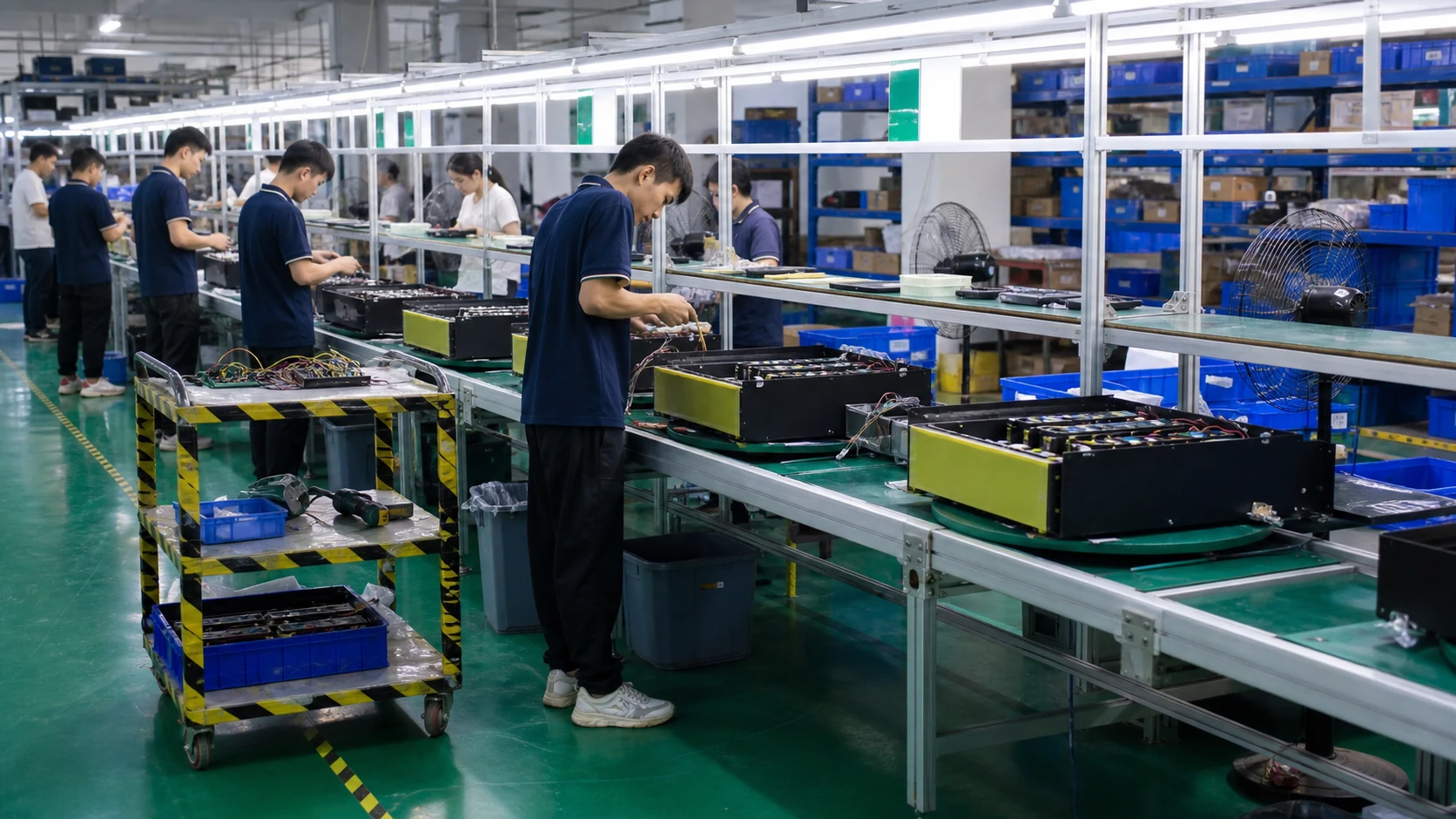
As a LiFePO4 energy storage manufacturer, Avepower supports residential energy storage solutions, OEM/ODM customization, BMS communication matching, and multiple product formats for installers, distributors, and energy storage project partners.
If you are sourcing LiFePO4 batteries for residential, installer-led, or customized energy storage projects, you can explore Avepower’s broader home energy storage or review real project references in the case studies section.
Take Control of Your Energy with Avepower!
Reliable home solar battery solutions with OEM/ODM customization and in-house manufacturing, tailored to the needs of distributors, installers, and energy partners.
Conclusion
Lithium solar batteries are now one of the most practical ways to increase solar self-consumption, reduce grid dependence, and improve energy resilience. But the right battery is not always the biggest or cheapest one.
A good system should match the user’s solar generation, evening load, inverter design, backup requirements, installation location, and long-term energy plan. LiFePO4 chemistry, intelligent BMS protection, inverter communication, certification, and manufacturer support should all be part of the decision.
FAQ
Lithium solar batteries are rechargeable batteries used to store electricity from solar panels. They allow users to save excess daytime solar power and use it later when solar production is low or electricity prices are higher.
Not always. LiFePO4 is one type of lithium battery chemistry. Many modern solar batteries use LiFePO4 because it is stable, long-lasting, and well suited for daily energy storage.
Many lithium solar batteries are designed for around 10 years or more, depending on cell quality, cycle life, depth of discharge, operating temperature, and warranty terms. Actual lifespan depends heavily on system design and usage conditions.
Check the chemistry, usable capacity, power output, cycle life, warranty, BMS protection, inverter compatibility, certifications, installation requirements, monitoring features, and manufacturer support.
They need very little routine maintenance compared with lead-acid batteries. However, users should still monitor system performance, keep the area clear, follow the manual, and schedule checks if required.
Usable capacity is the amount of stored energy you can actually use. It is often lower than the nominal capacity because batteries keep a reserve to protect lifespan and safety.