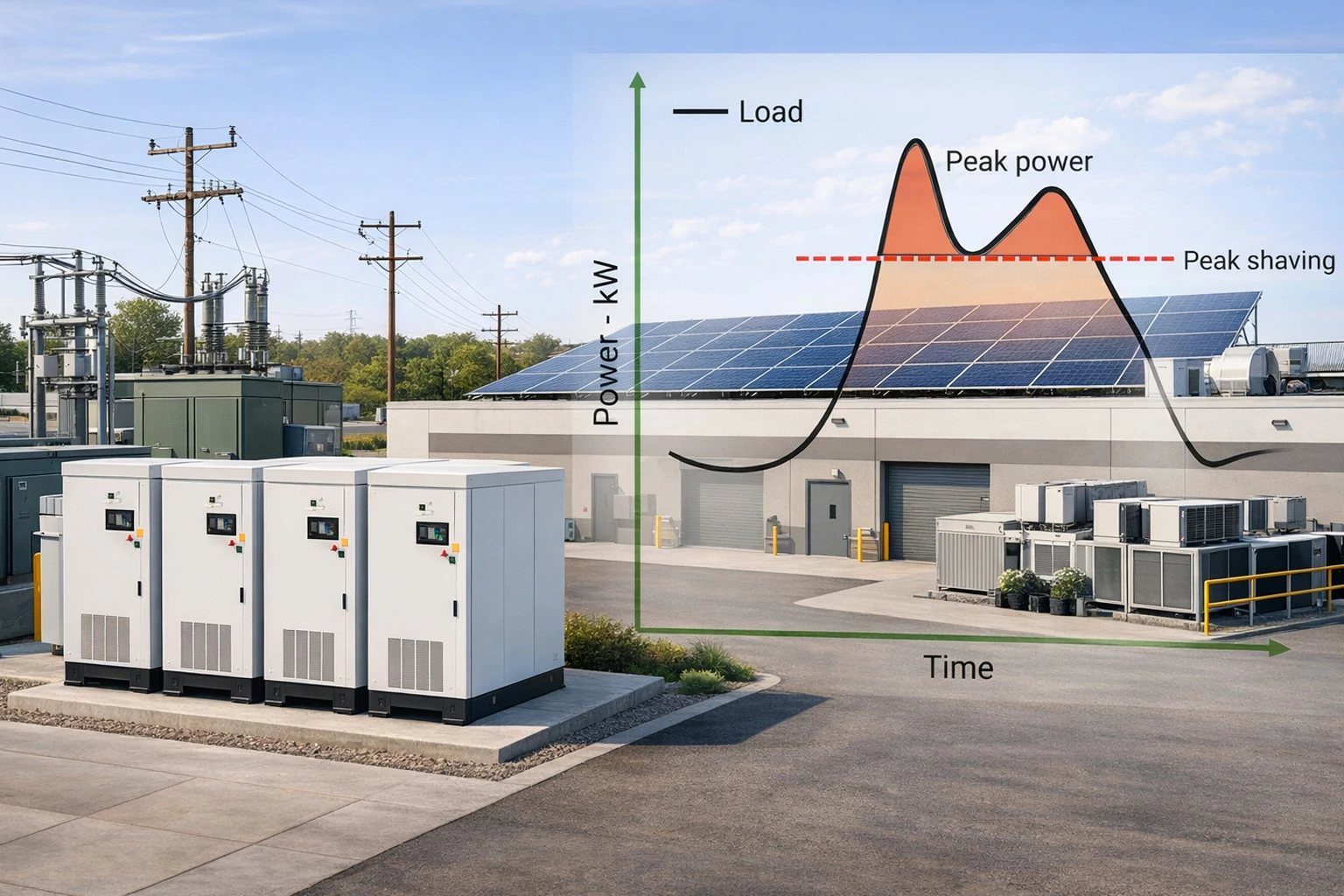
If your electricity bill seems higher than your total energy use alone would suggest, peak demand may be the reason. Many commercial and industrial electricity tariffs do not charge only for the total energy you consume. They also charge for the highest level of power your site draws during the billing period, often measured over a short interval such as 15 minutes. That means one brief spike in electricity demand can raise your bill significantly.
Peak shaving is one of the most practical ways to address that problem. In simple terms, peak shaving means reducing or smoothing short periods of unusually high electricity demand so your facility stays below a target power threshold. Instead of letting your load spike all at once, you manage energy more intelligently through storage, onsite generation, load control, or a combination of all three.
Quick Answer: What Is Peak Shaving?
Peak shaving is the practice of lowering electricity demand during short periods of peak usage so that a facility stays below a defined power threshold. Businesses do this to reduce demand charges, make energy costs more predictable, and improve the use of existing grid capacity.
Depending on the site, peak shaving can be achieved through battery storage, solar-plus-storage, load control, on-site generation, or a hybrid of several methods.
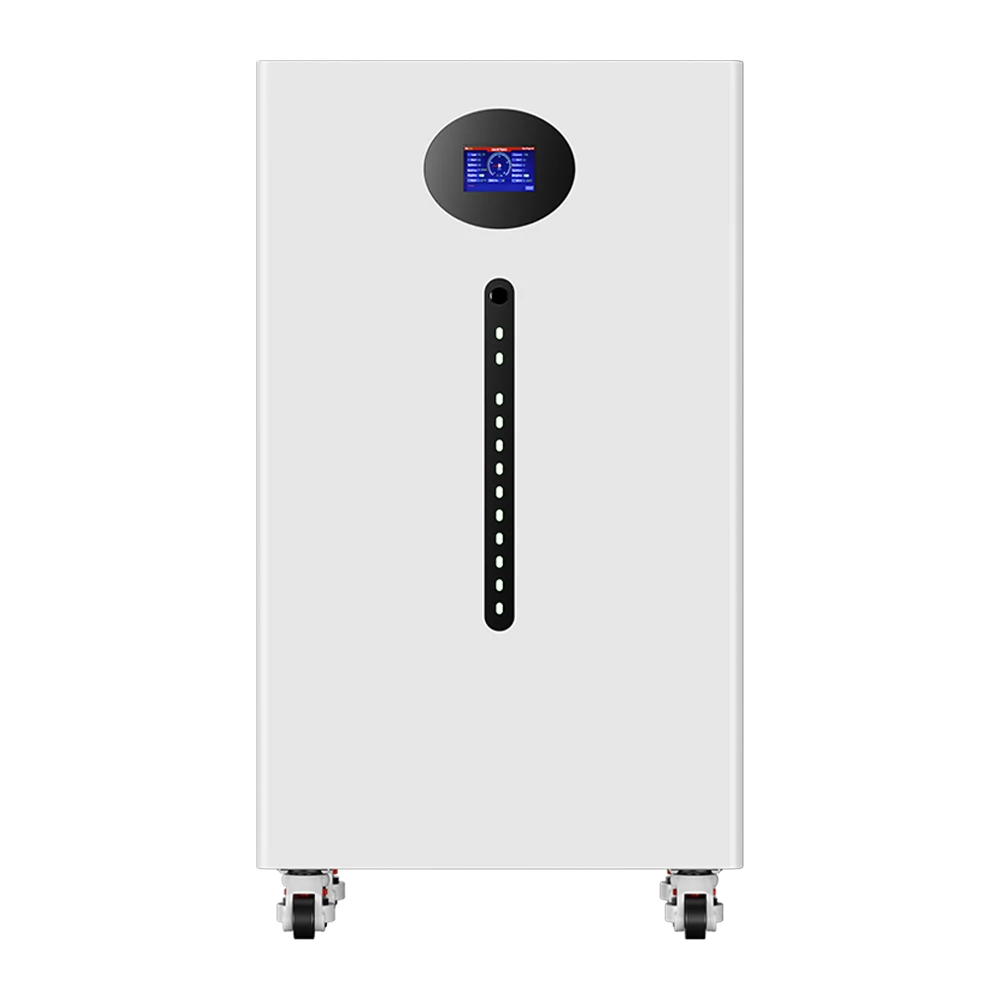
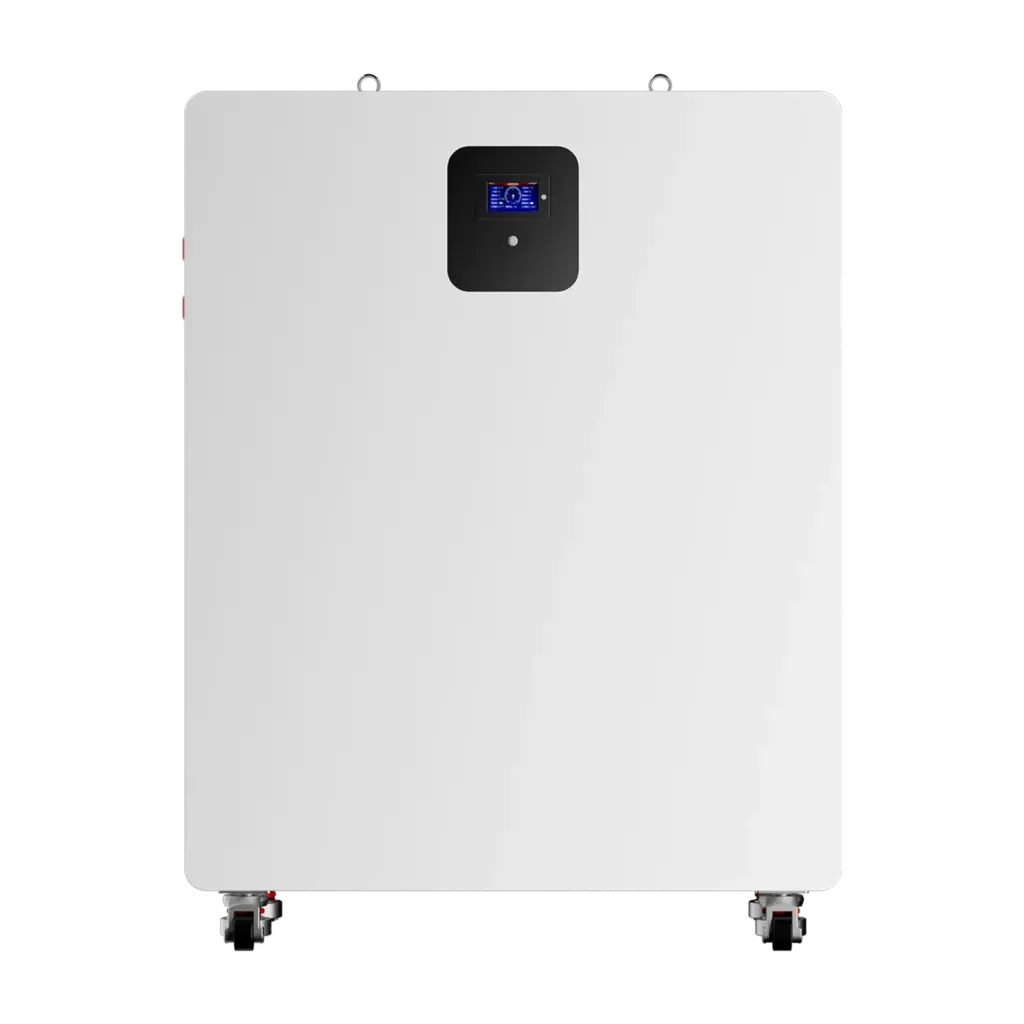
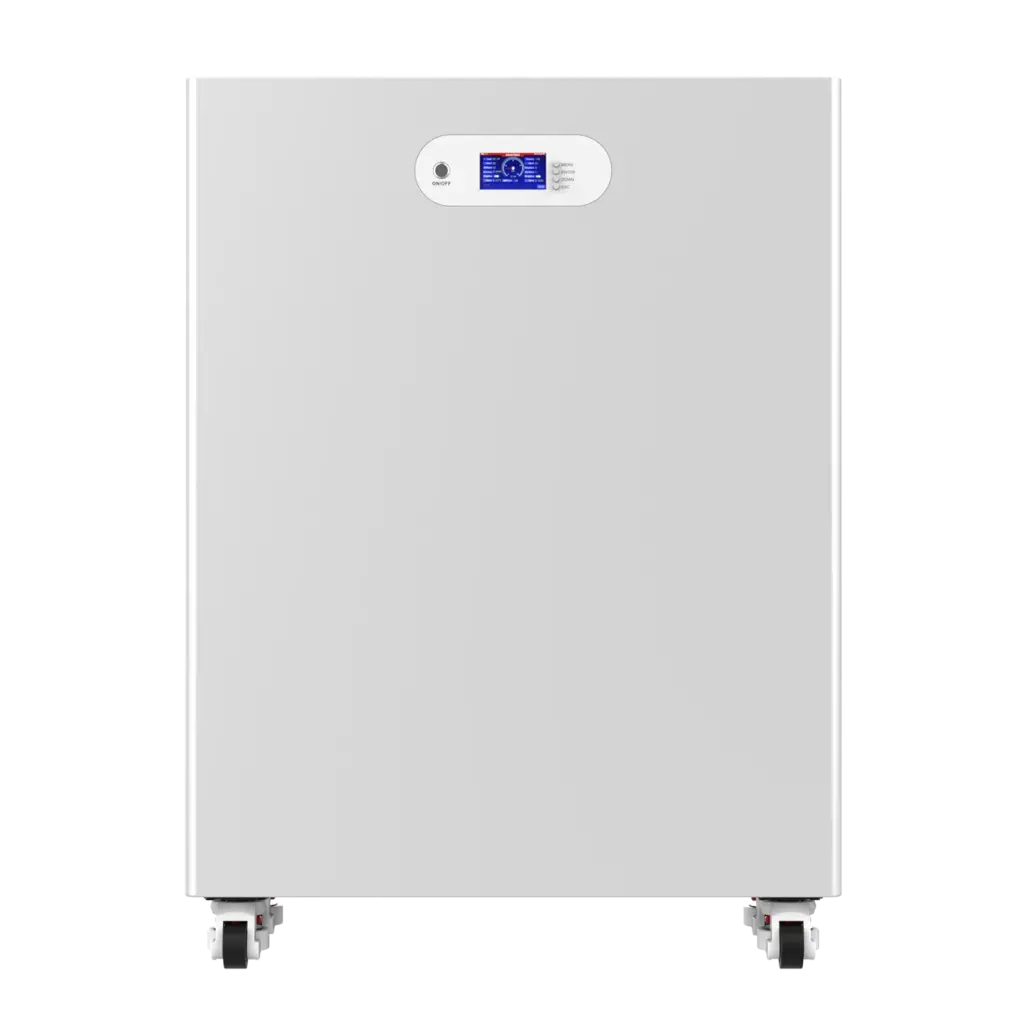
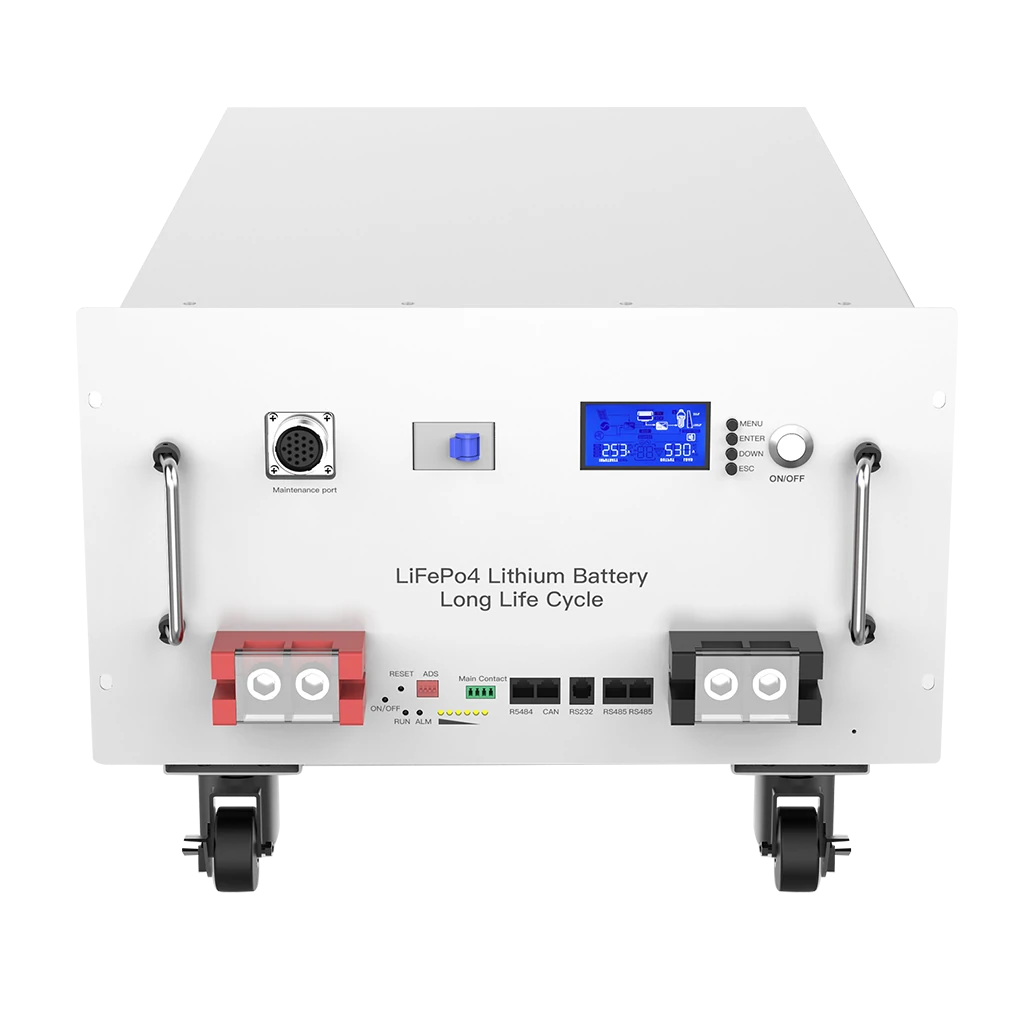
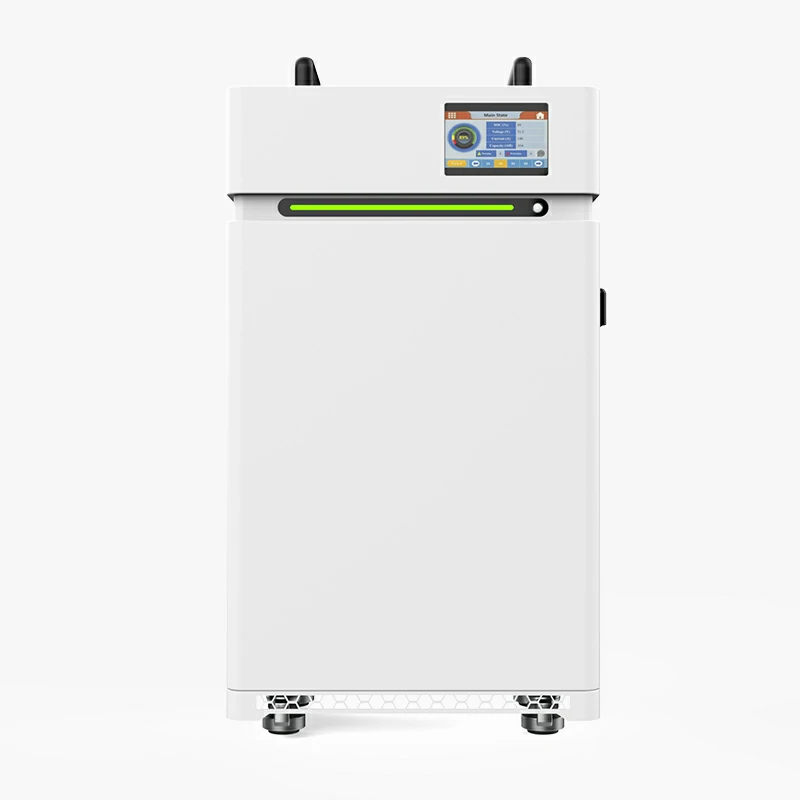
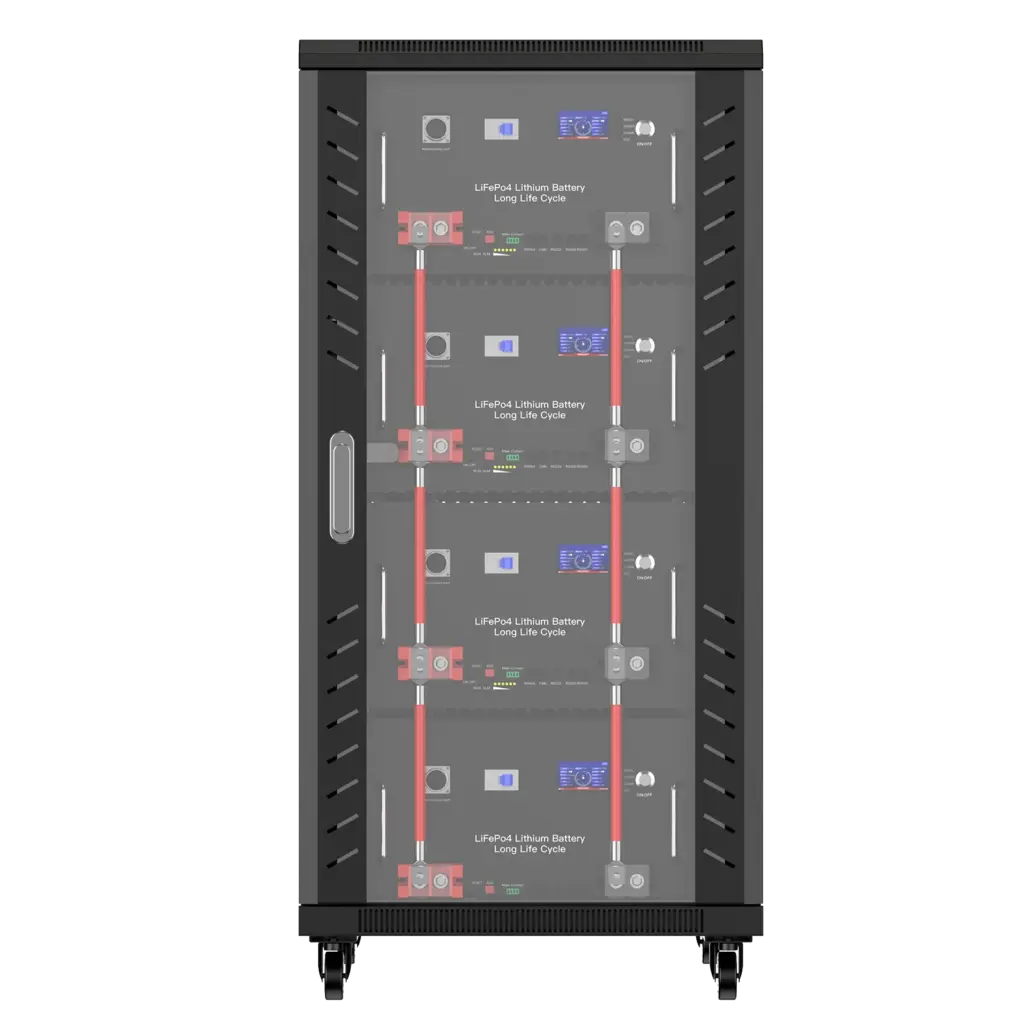
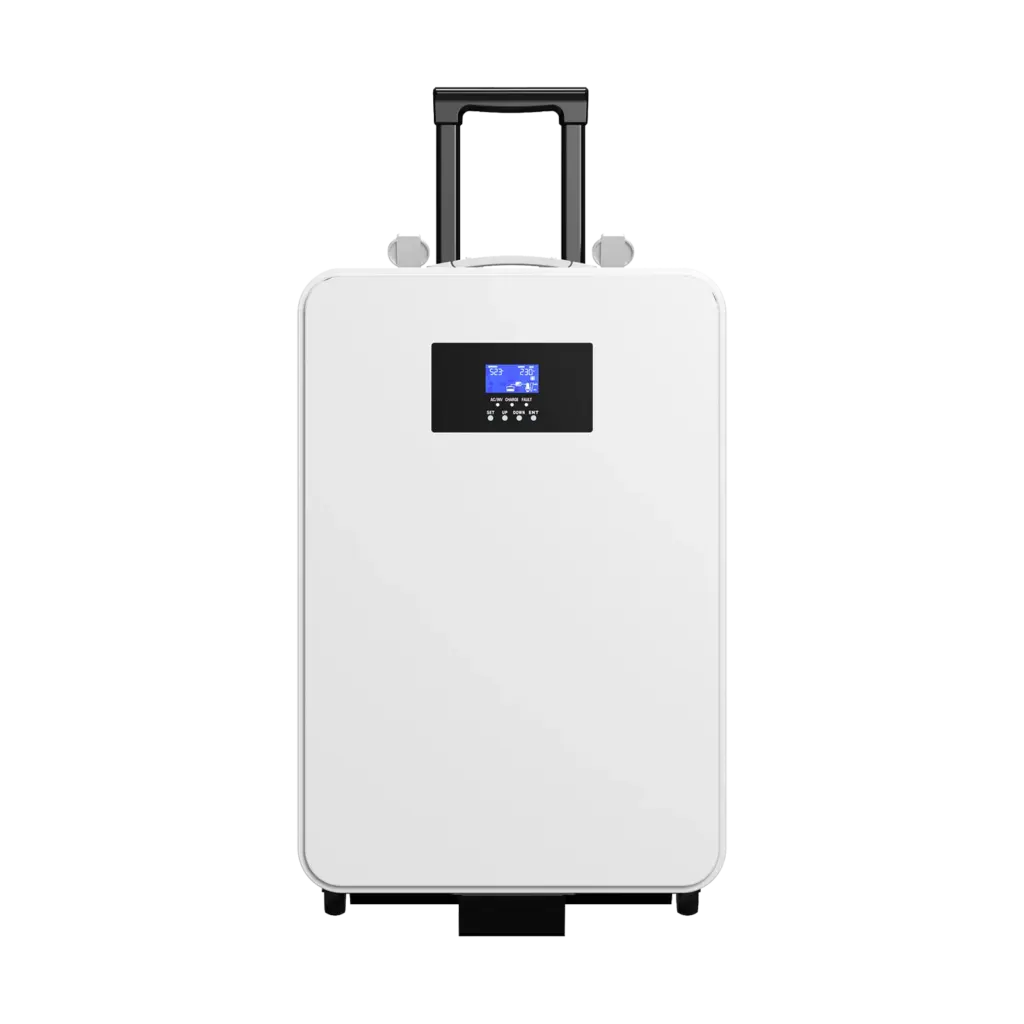
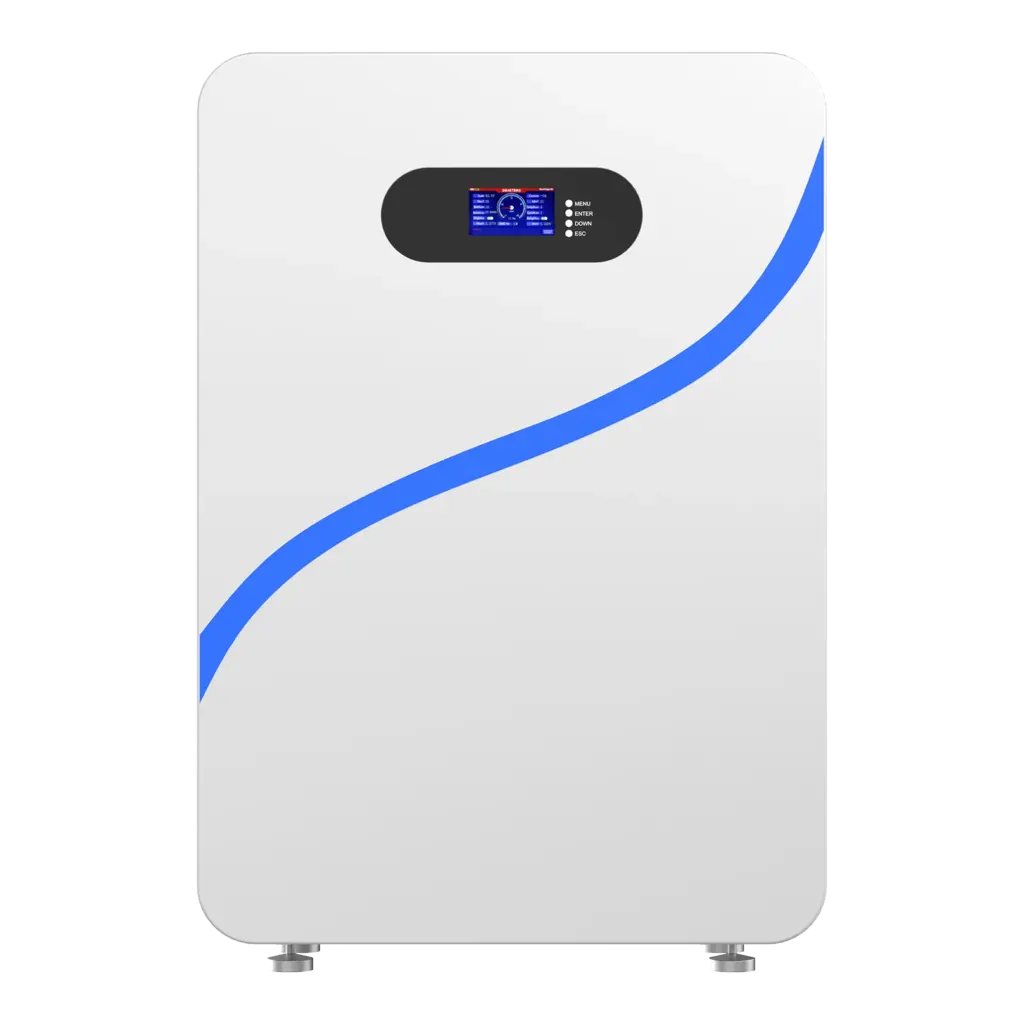
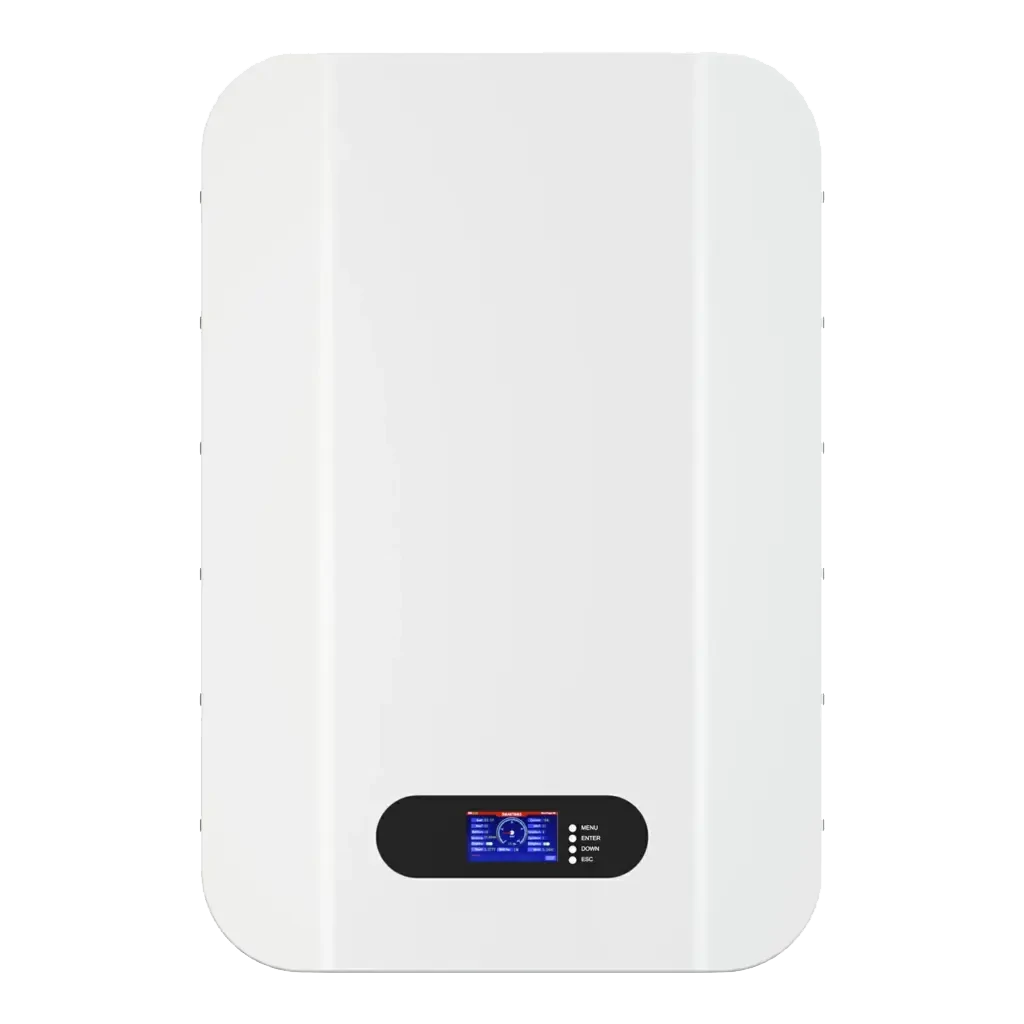
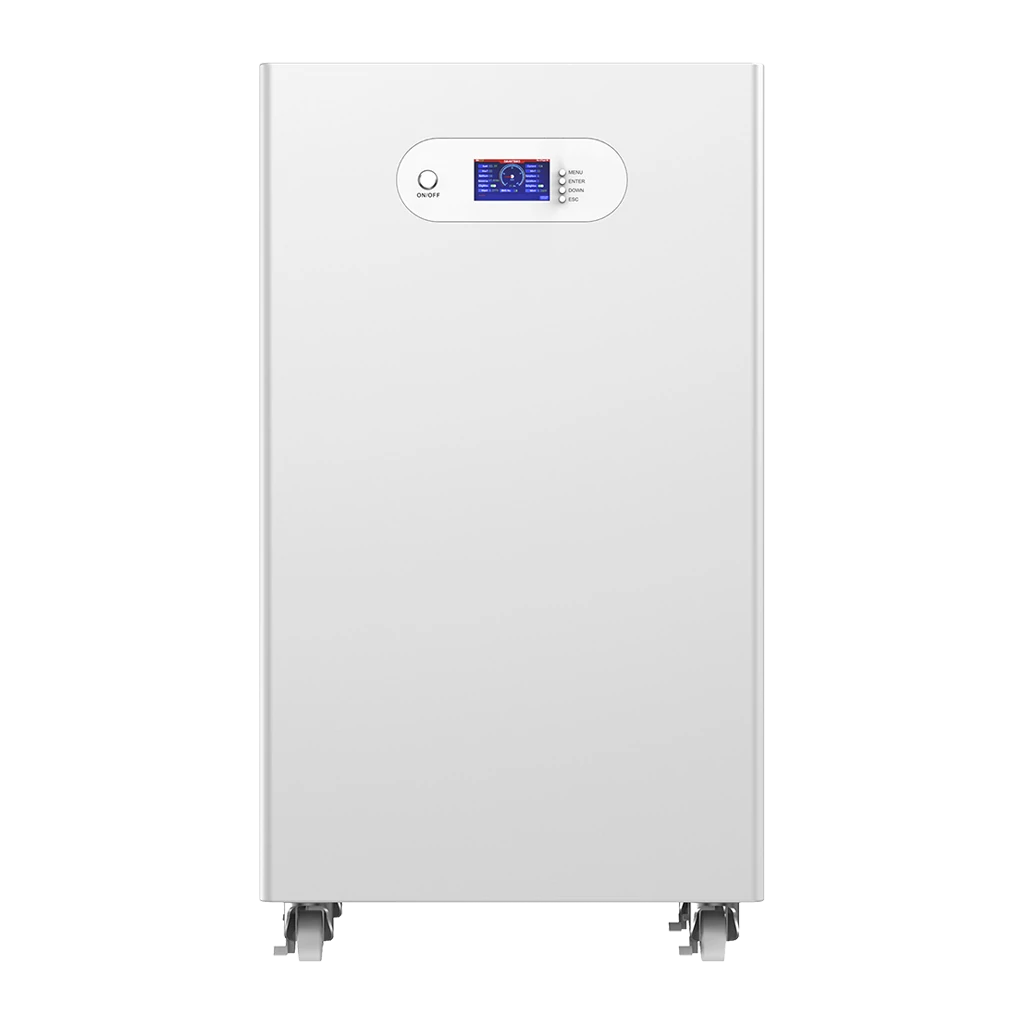
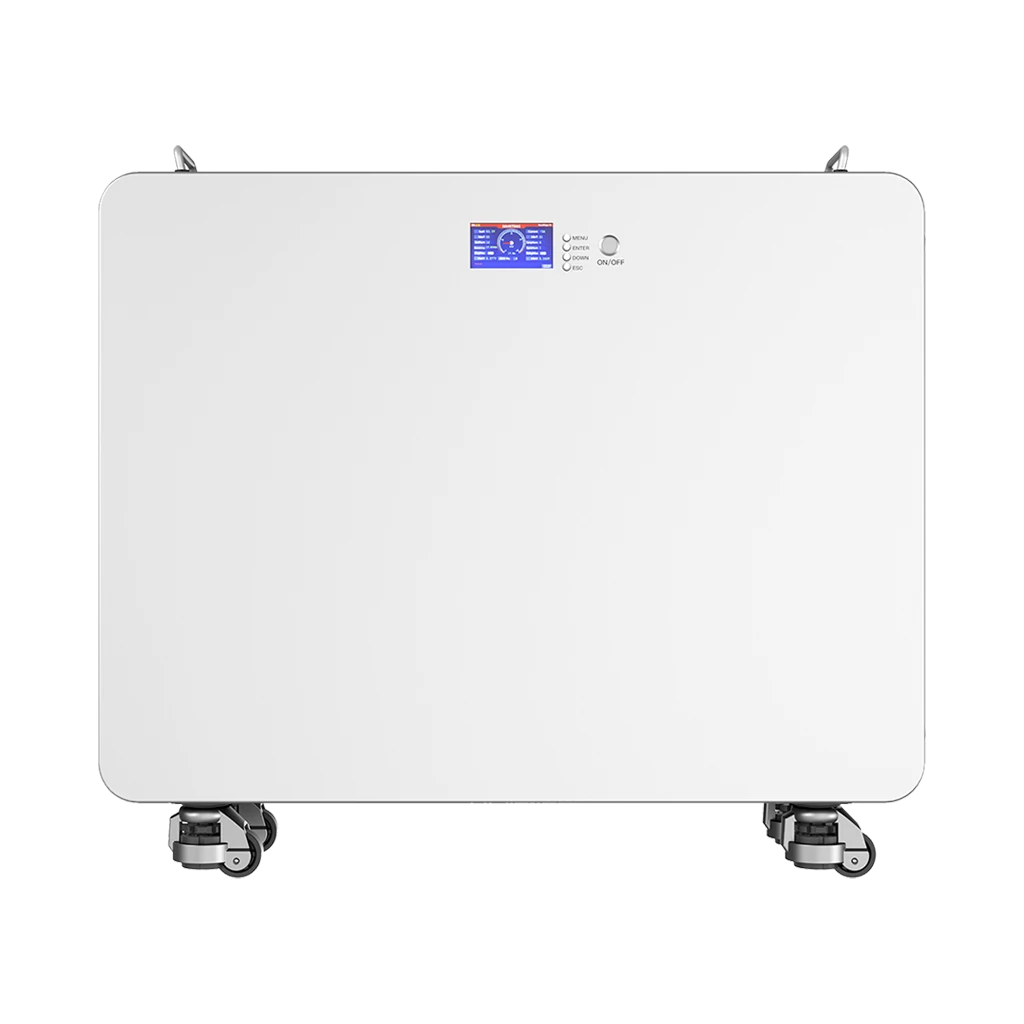
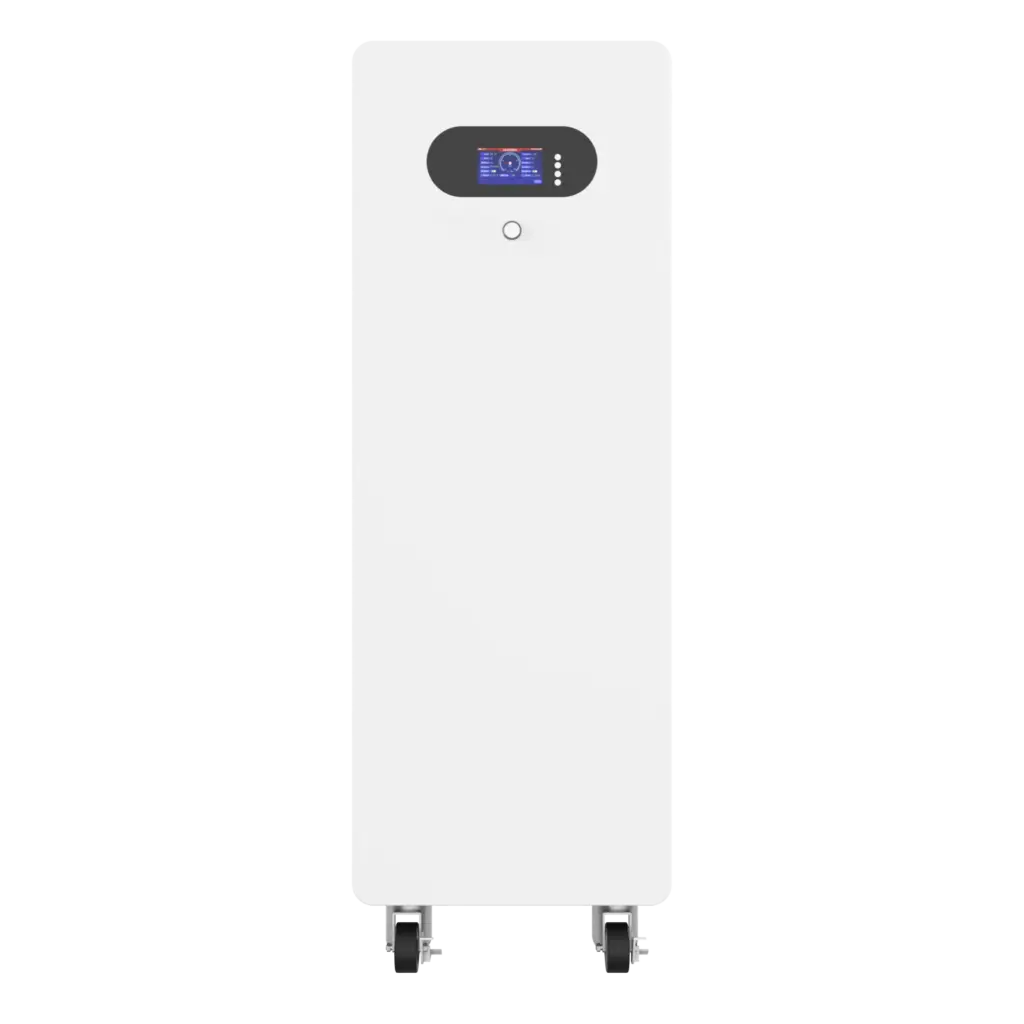
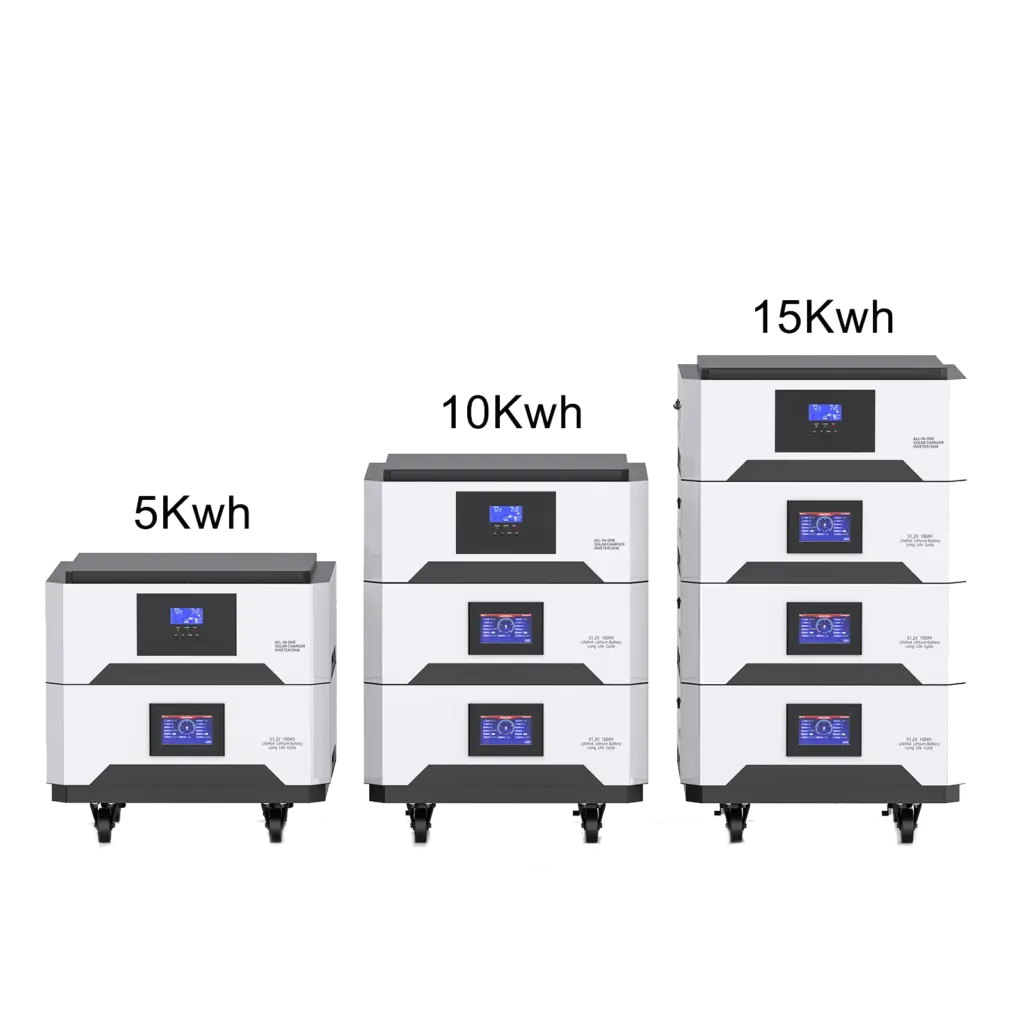
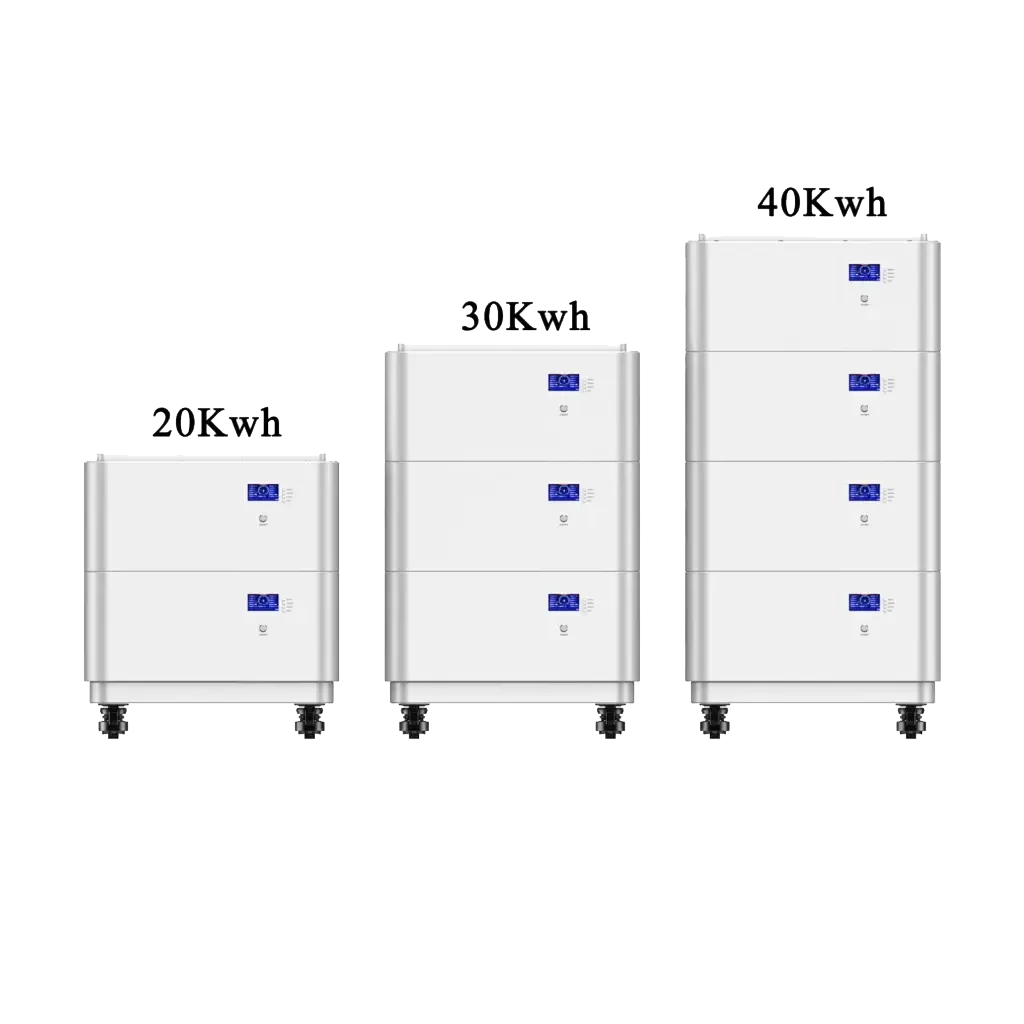
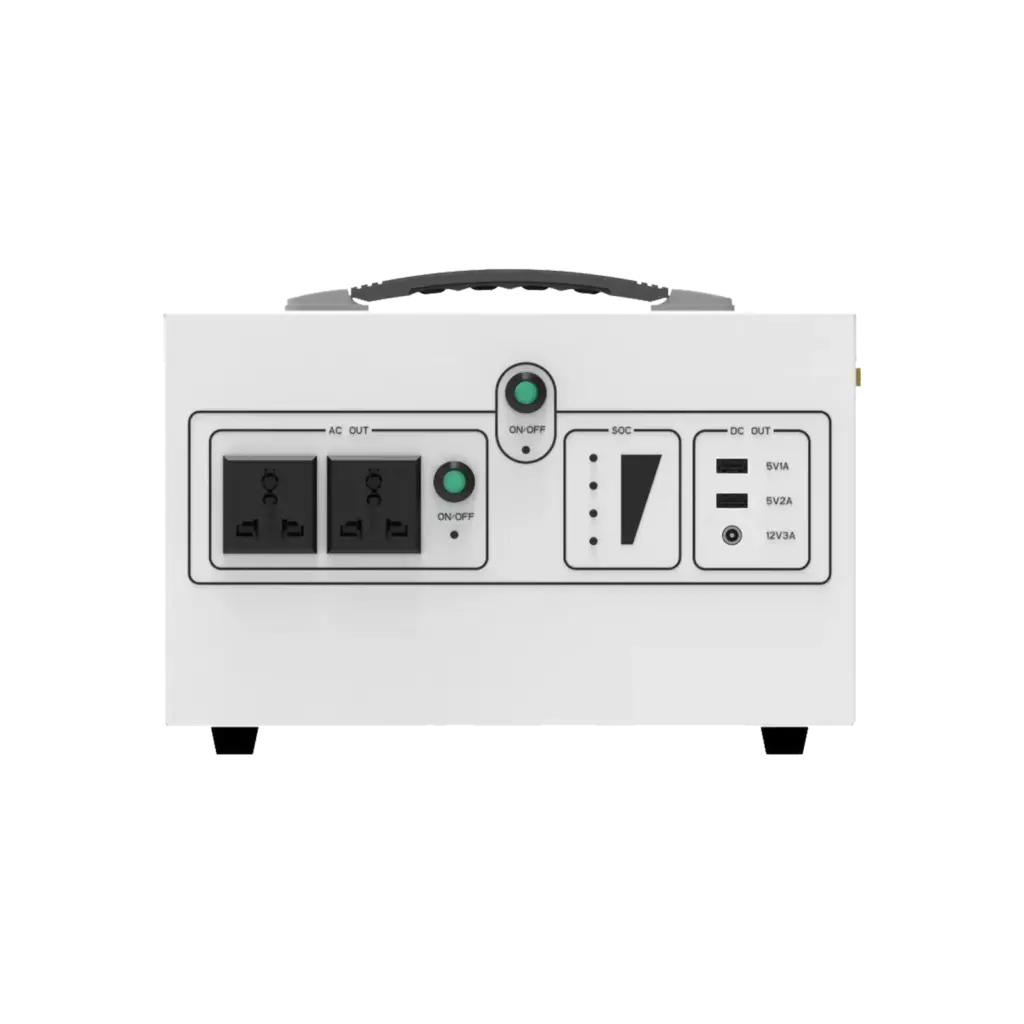
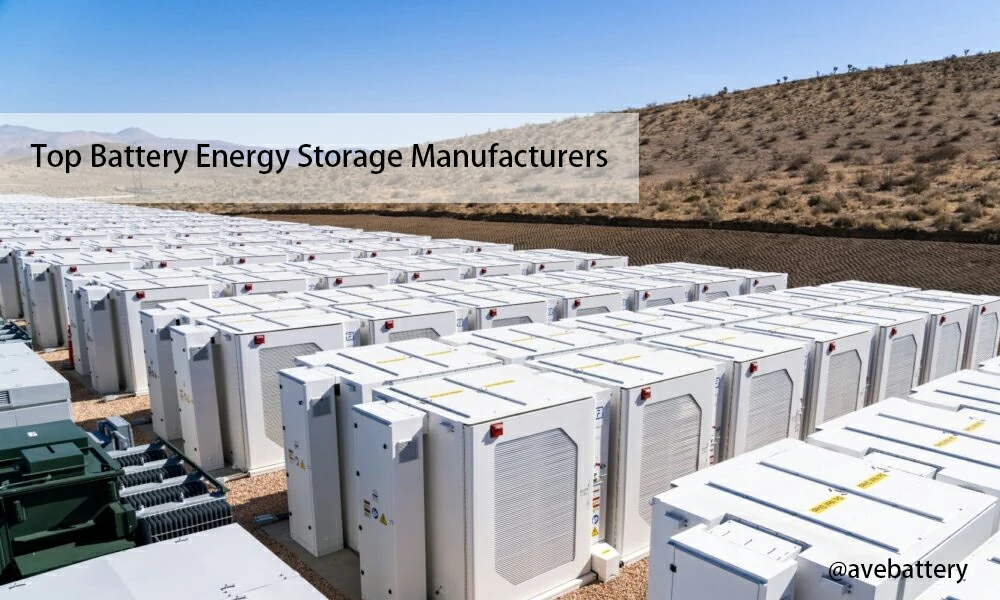
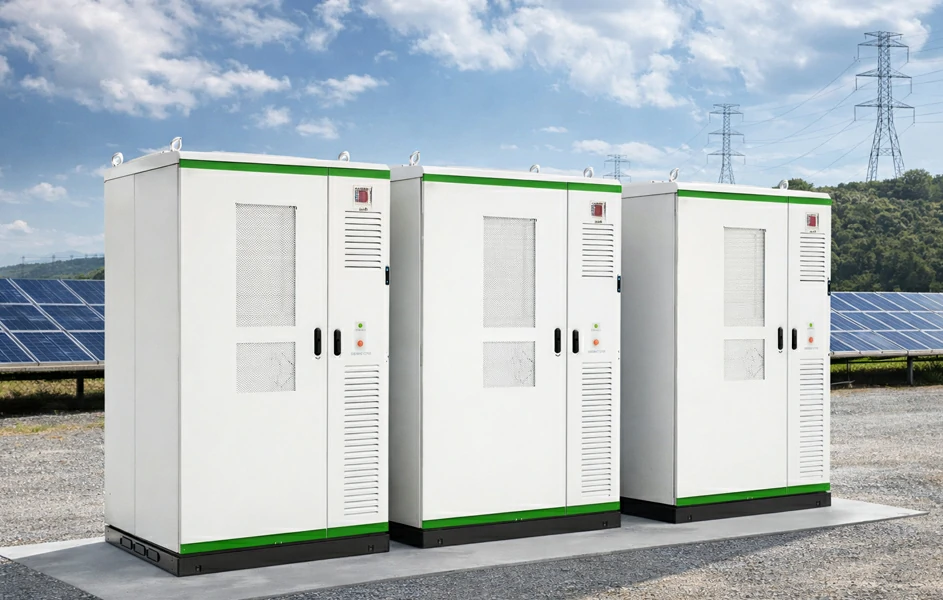
For businesses trying to reduce demand charges, peak shaving is often most effective when battery storage is paired with smart control logic and, where available, solar generation. Avepower’s commercial and industrial battery energy storage solutions can support this kind of strategy by helping commercial and industrial sites reduce short-term grid demand, improve energy flexibility, and build a more stable load profile for daily operations.
How Peak Shaving Works
Most peak shaving systems follow the same basic logic.
First, the operator sets a target demand limit. Then the site’s energy usage is monitored in real time. When consumption approaches that limit, the system takes action to keep grid import below the threshold.
That action can happen in two main ways:
1. Demand-side Management
This means reducing or temporarily controlling selected loads. For example, a site might delay a non-critical process, reduce charging power, or stagger equipment startup so that everything does not switch on at once.
2. Supply-side Support
This means adding local power so less electricity is drawn from the grid during the peak. Common methods include battery storage, rooftop solar combined with storage, or an on-site generator.
Many modern systems combine both approaches. They monitor the power flow at the grid connection point and use automation to keep site demand within a preferred range.
Peak Shaving With Batteries and Solar
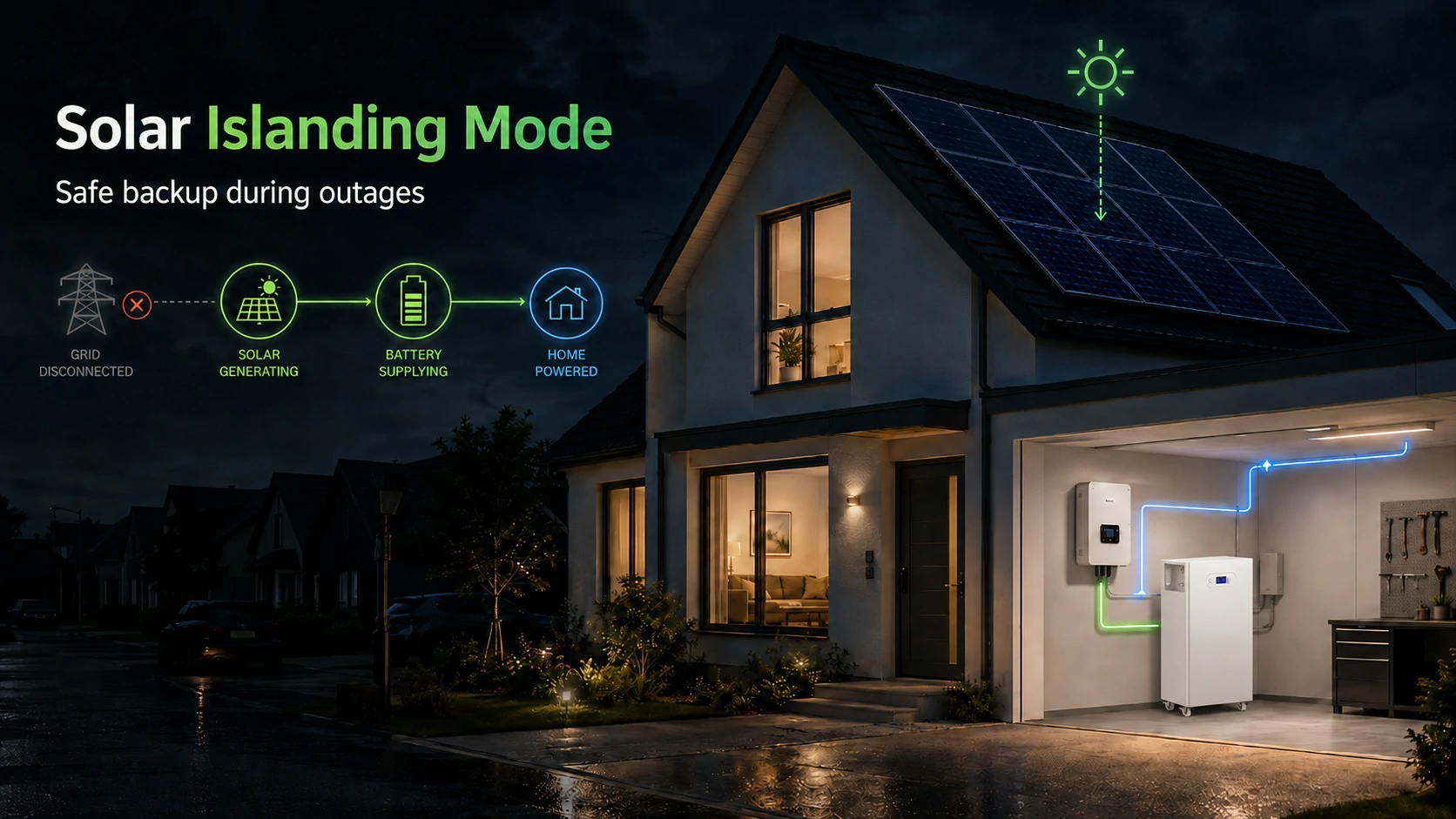
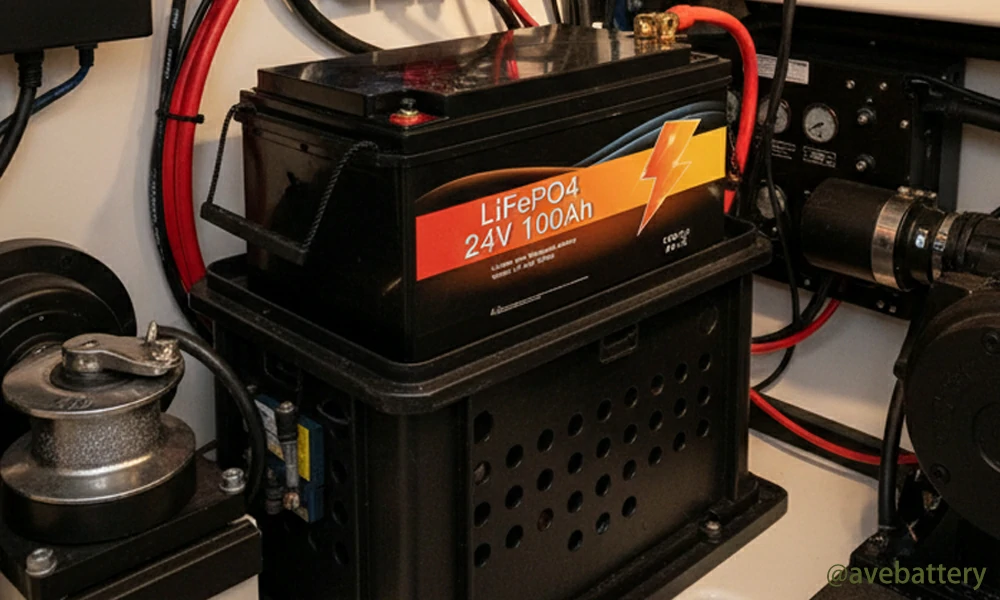
Battery energy storage is one of the most effective tools for peak shaving because it can respond quickly and precisely. A battery can charge when electricity is cheaper, when solar generation is abundant, or when the site is under lower load. Then it can discharge during peak moments so the facility draws less power from the grid.
If your site faces high demand charges or short-duration power spikes, a properly designed battery energy storage system can do more than store electricity. It can help you control demand, smooth your load profile, and make your solar investment more useful. For businesses evaluating peak shaving, an integrated solar + battery + EMS approach is often more effective than relying on a single component alone.
Looking for a peak shaving solution for your project?
Explore Avepower battery energy storage solutions to reduce peak demand, improve energy flexibility, and build a more cost-efficient power system for your facility.
What Causes Demand Peaks?
Demand peaks usually happen when multiple high-load systems operate simultaneously or when equipment starts up suddenly. Common examples include heavy machinery, HVAC systems, pumps, boilers, refrigeration systems, industrial production lines, and EV charging infrastructure. These loads may be normal for the site, but when they overlap, they can create a short demand spike that is much higher than the normal operating level.
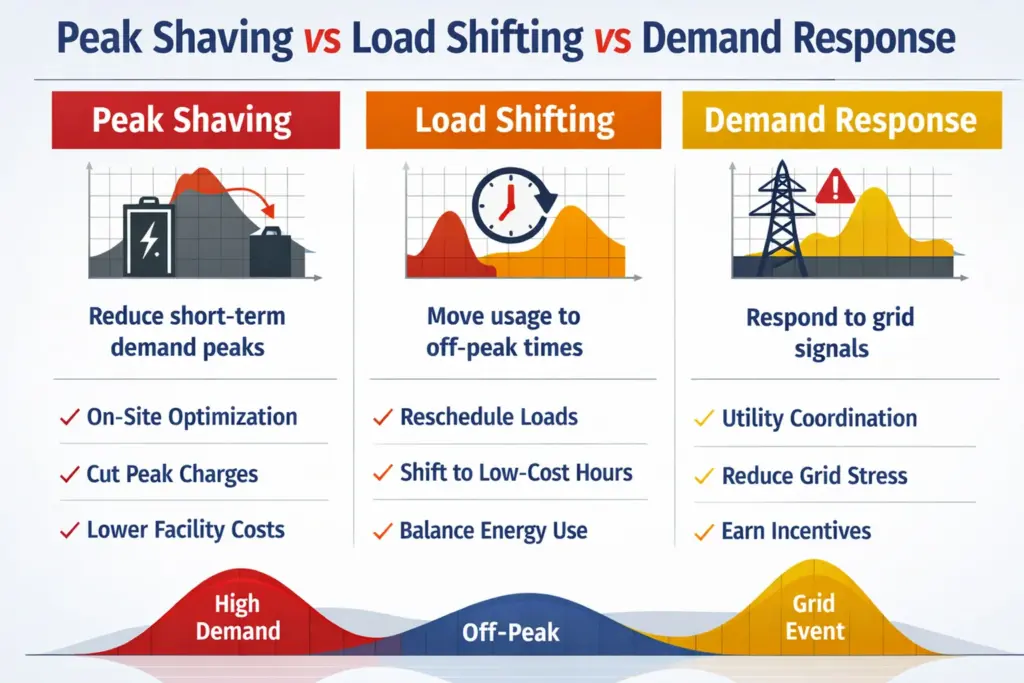
Peak Shaving vs Load Shifting vs Demand Response
- Peak Shaving = Reduce peak demand
- Load Shifting = Change timing of usage
- Demand Response = Respond to grid signals
| Aspect | Peak Shaving | Load Shifting | Demand Response |
|---|---|---|---|
| What it does | Reduces peak demand | Moves usage to off-peak time | Adjusts usage on grid signal |
| Goal | Cut demand charges | Lower energy costs | Support grid + earn incentives |
| Trigger | Internal (site) | Internal (site) | External (utility/grid) |
| Example | Battery discharges at peak | Run equipment at night | Reduce load during DR event |
A Practical Example of Peak Shaving
Imagine a facility that usually runs at 500 kW, but each afternoon it briefly jumps to 700 kW when cooling, process equipment, and charging loads overlap. If the tariff includes demand charges based on the highest short-interval average demand, that 700 kW event may influence a large part of the monthly bill.
Now imagine the site has a battery or local control system that can supply or reduce 200 kW during that short window. The grid then sees only 500 kW instead of 700 kW. The site continues operating, but the expensive peak is removed. That is the essence of peak shaving: operations stay productive while the demand spike is flattened.
gridX also provides a useful EV charging example. In its sample case, a site with six 150 kW DC chargers could reach a peak of 900 kW if all chargers run at once. By temporarily limiting each charger to 100 kW, the peak could be reduced to 600 kW, cutting the modeled demand charge significantly while still delivering strong charging performance.
The Most Common Peak Shaving Nethods
- Batteries = most precise and flexible
- Solar + storage = best for long-term savings
- Load control = lowest cost if flexibility exists
- Generators = backup option with trade-offs
| Method | How It Works | Key Advantage | Best Use Case |
|---|---|---|---|
| Battery Energy Storage | Charges at low demand, discharges during peaks | Fast response, precise control | Short, sharp demand spikes |
| Solar + Battery | Stores excess solar, releases during peak demand | Maximizes solar + reduces peak charges | Commercial & industrial sites |
| Load Control | Adjusts or delays flexible loads | Low cost, no extra hardware | Sites with flexible operations |
| On-site Generators | Supplies power during peak periods | Immediate backup power | Facilities with existing generators |
A Practical Peak Shaving Approach for Commercial and Industrial Sites
In real projects, peak shaving is rarely solved by one component alone. A more practical approach is to combine battery storage, solar generation where available, and smart load coordination. Avepower’s energy storage solutions can fit into this kind of strategy by helping sites discharge stored power during short peak periods, reduce dependence on grid import at critical moments, and support a more stable power profile across the day.
This is especially relevant for facilities with EV charging loads, production equipment, refrigeration systems, HVAC-heavy buildings, or other operations where short demand spikes can trigger high monthly demand charges. With the right battery sizing and control strategy, businesses can move from reacting to expensive peaks to actively managing them. For many sites, that makes peak shaving not only an energy optimization method, but also a practical way to improve operating economics.
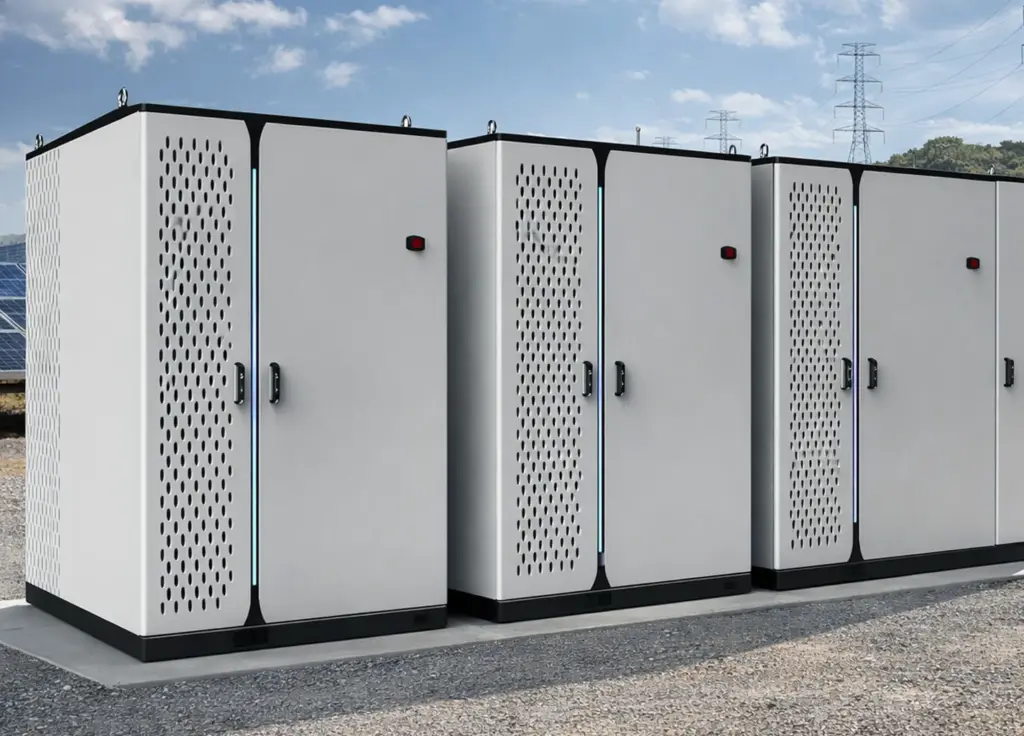
Looking for a Peak Shaving Solution for Your Project?
Explore Avepower energy storage solutions for commercial and industrial applications, and find a more efficient way to reduce peak demand and improve power flexibility.
Who Should Consider Peak Shaving?
Peak shaving is especially relevant if your business has:
- high demand charges on utility bills
- short but costly power spikes
- constrained grid connection capacity
- EV charging loads
- solar generation that is not being fully optimized
- plans to install a battery energy storage system
This makes peak shaving particularly useful for factories, warehouses, logistics hubs, office campuses, charging depots, cold storage facilities, and other power-intensive sites.
What are the Benefits of Peak Dhaving?
The biggest benefit is lower electricity cost. By reducing the highest demand level during the billing cycle, businesses can often lower demand charges and improve budget predictability.
Peak shaving can also help with:
- making better use of an existing grid connection
- reducing the urgency of a grid upgrade in some situations
- supporting operational continuity during short demand spikes
- improving the value of solar and storage assets already installed on site
How to Evaluate Whether Peak Shaving Is Worth It
The first step is to analyze your load profile. You need to understand when peaks occur, how high they are, how long they last, and what causes them. Accurate historical data is essential, since the value of peak shaving depends on real demand patterns rather than assumptions.
The second step is to review your electricity tariff. If your bill includes demand charges or penalties based on peak usage, peak shaving can deliver clear cost savings. If your tariff is mainly energy-based, the benefits may be more limited and rely more on shifting usage instead.
The third step is to choose the right solution. Some sites can reduce peaks through load control, while others may require battery storage, solar-plus-storage, or a hybrid approach. The best option depends on your operational flexibility, peak characteristics, cost considerations, and long-term energy goals.
Looking for a Peak Shaving Solution?
If your site is facing demand charges, power spikes, or limited grid capacity, a properly designed battery energy storage system can do more than store electricity. It can help reduce peak demand, improve solar utilization, and support a more flexible energy strategy for commercial and industrial operations.
Avepower offers battery energy storage solutions for businesses looking to build smarter solar-plus-storage systems, improve power control, and support peak shaving applications. Whether you are an installer, project developer, distributor, or commercial energy user, the right system design starts with understanding your load profile, peak demand pattern, and application goals.
Take Control of Your Energy Costs
Optimize your electricity usage and reduce peak charges today. Talk to Avepower about a peak shaving solution tailored to your project.
Conclusion
Peak shaving is not just about using less electricity. It is about using electricity more strategically.
When your facility reduces short demand spikes, you may lower demand charges, protect your budget from unpredictable peaks, improve use of your grid connection, and get more value from solar or battery assets. That is why peak shaving has become an important strategy in modern commercial and industrial energy management.
FAQ
Peak shaving means reducing electricity usage during the moments when demand is highest, so a site avoids expensive power spikes and lowers demand-related costs.
No. Peak shaving focuses on lowering short-term demand peaks, while total electricity consumption refers to the total amount of energy used over time. A site can keep similar total consumption but still lower its bill by cutting peak demand.
Many utilities bill commercial and industrial customers partly based on their highest short-interval demand. A brief spike can therefore increase demand charges even if the total monthly energy use is not unusually high.
The most common options are battery storage, solar plus battery storage, load control, and on-site generators. Some sites use only one method, while others combine several.
Sometimes, but not always. Solar can reduce daytime grid import, but if the peak happens when solar output is low or variable, solar alone may not be enough. A battery makes peak shaving much more controllable.
Peak shaving reduces a spike when it happens. Load shifting moves electricity use to another time, usually when prices or grid demand are lower.
Demand response usually supports grid needs through incentives or price signals, while peak shaving is usually a site-level strategy used to lower a facility’s own costs and demand.
Facilities with high demand charges, EV charging loads, industrial equipment, HVAC-heavy buildings, refrigeration, or limited grid connection capacity are often strong candidates.
Start by reviewing interval load data and your utility tariff. If your bill includes demand or capacity charges and your site has short, repeated spikes, peak shaving is usually worth evaluating.
A battery is often the most effective option, but peak shaving can also be done with load control, on-site generation, or hybrid systems. The best approach depends on your load profile and business objective.
Some sources use the terms closely, but they are not always identical in practice. Peak shaving usually refers to reducing demand strategically to avoid cost spikes, while load shedding can also refer more broadly to deliberately reducing loads when needed.