
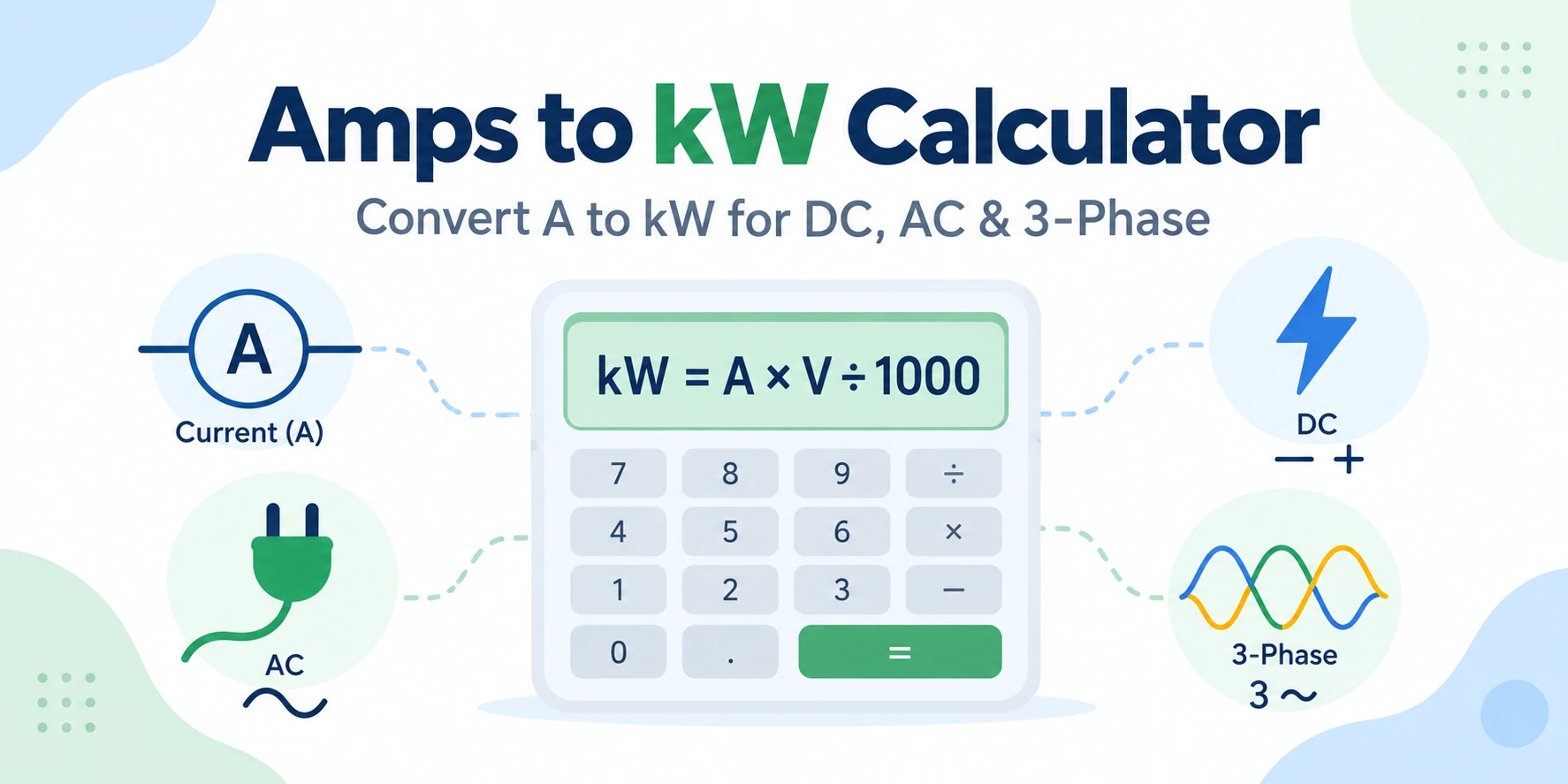
To convert amps to kilowatts (kW), you need the current in amperes and the operating voltage. For DC, use kW = Amps × Volts ÷ 1,000. For AC, also account for power factor and whether the supply is single-phase or three-phase. For example, 100A at 51.2V DC equals 5.12kW at that instant; 20A at 230V single-phase AC and a 0.90 power factor equals 4.14kW.
Use the Amps to kW Calculator below to calculate electrical power from your input values.
Results are calculated from your inputs, not directly measured. For AC, enter the actual power factor. Three-phase calculations assume balanced loads and RMS voltage.
What Is the Formula to Convert Amps to kW?
The correct amps-to-kW formula changes with the electrical system: DC uses voltage multiplied by current, while AC uses voltage, RMS current, and total power factor. Balanced three-phase power also requires a factor of √3 when using line-to-line voltage, or a factor of 3 when using line-to-neutral voltage. Divide watts by 1,000 to obtain kW.
| Electrical System | Amps to kW Formula | Voltage Input |
|---|---|---|
| DC | kW = A × V / 1,000 | DC operating voltage |
| Single-phase AC | kW = A × V × PF / 1,000 | RMS voltage |
| Balanced three-phase AC | kW = √3 × A × V × PF / 1,000 | Line-to-line RMS voltage |
| Balanced three-phase AC | kW = 3 × A × V × PF / 1,000 | Line-to-neutral RMS voltage |
Where:
- A: Current in amperes
- V: Voltage in volts
- PF: Total power factor
- √3: Approximately 1.73205
The balanced three-phase formulas use line current, not the internal branch current of a delta-connected load.
For the related power conversion, see Avepower’s Volts to Watts Calculator.
How Many kW Are 10, 20, 50, or 100 Amps?
DC Amps to kW Conversion Chart
| Current | 12V DC | 24V DC | 48V DC | 51.2V DC |
|---|---|---|---|---|
| 10A | 0.12kW | 0.24kW | 0.48kW | 0.512kW |
| 20A | 0.24kW | 0.48kW | 0.96kW | 1.024kW |
| 50A | 0.60kW | 1.20kW | 2.40kW | 2.56kW |
| 100A | 1.20kW | 2.40kW | 4.80kW | 5.12kW |
| 200A | 2.40kW | 4.80kW | 9.60kW | 10.24kW |
Common AC Examples
| Circuit | Current | Voltage | Assumed PF | Real power |
|---|---|---|---|---|
| Single-phase | 10A | 120V | 1.00 | 1.20kW |
| Single-phase | 20A | 230V | 0.90 | 4.14kW |
| Single-phase | 30A | 240V | 1.00 | 7.20kW |
| Three-phase, balanced | 20A | 400V line-to-line | 0.90 | 12.47kW |
| Three-phase, balanced | 30A | 480V line-to-line | 0.85 | 21.20kW |
Interpretation: At 100A, a 12V DC supply has a calculated 1.2kW, while a 51.2V supply has 5.12kW. The difference is voltage, not a change in the current value. For AC, multiplying by PF converts apparent power into real power.
How Do You Convert DC Amps to kW for a Battery?
For DC systems, multiply the battery’s terminal voltage by its instantaneous current and divide by 1,000. This estimates electrical power flowing at that operating point, which is useful when screening battery discharge current and inverter input requirements. However, battery voltage varies under load, and a maximum BMS current rating is not necessarily the actual current being delivered.
Example — 100A at 51.2V:
100 A × 51.2 V ÷ 1,000 = 5.12 kW DC
Example — 100A at 48V:
100 A × 48 V ÷ 1,000 = 4.80 kW DC
Read Avepower’s battery discharge current guide for BMS limits and current-related system design considerations.
How Do You Convert Single-Phase AC Amps to kW?
For single-phase AC, multiply RMS voltage by RMS current and the load’s total power factor, then divide by 1,000. This calculates real electrical input power when the measurements represent the same circuit and operating interval. If the supplied current is only a breaker rating, the answer is a hypothetical capacity calculation rather than actual electricity consumption.
Example — 20A at 230V, PF = 0.90:
20 × 230 × 0.90 ÷ 1,000 = 4.14 kW
Example — 15A at 120V, PF = 1.00:
15 × 120 × 1.00 ÷ 1,000 = 1.80 kW
How Do You Calculate Three-Phase Amps to kW?
For a balanced three-phase system, multiply line current by line-to-line RMS voltage, √3, and total power factor, then divide by 1,000. Use the alternative three-times-voltage formula only when the voltage value is line-to-neutral. These formulas describe balanced total three-phase power and do not reveal an overloaded individual phase in an unbalanced installation.
Example — 20A, 400V line-to-line, PF = 0.90:
√3 × 20 × 400 × 0.90 ÷ 1,000 = 12.47 kW
Example — 20A, 230V line-to-neutral, PF = 0.90:
3 × 20 × 230 × 0.90 ÷ 1,000 = 12.42 kW
How Does Power Factor Affect the kW Calculated from Amps?
At a fixed RMS voltage and current, a lower total power factor produces fewer real kilowatts even though apparent power in kVA stays the same. This distinction is important for motor loads, nonlinear equipment, generators, and power conversion systems. It is not an extra conversion loss: power factor and efficiency describe different relationships.
For 20A at 230V single-phase, apparent power is 4.60kVA under every assumption below:
| Total power factor | Real power | Apparent power |
|---|---|---|
| 1.00 | 4.60kW | 4.60kVA |
| 0.95 | 4.37kW | 4.60kVA |
| 0.90 | 4.14kW | 4.60kVA |
| 0.80 | 3.68kW | 4.60kVA |
For apparent power calculations, see the Avepower amps to kVA calculator.
What Is the Difference Between kW, kVA, kWh, and Ah?
Kilowatts describe the rate of real electrical energy transfer, while kilowatt-hours describe an amount of energy; kVA describes apparent AC power and amp-hours describe electric charge.
| Unit | What it measures | Practical question |
|---|---|---|
| A (amps) | Electric current | How much current is flowing? |
| kW | Real electrical power | How much real power is being transferred now? |
| kVA | Apparent AC power | What RMS voltage-current demand must the AC equipment carry? |
| kWh | Electrical energy | How much energy is stored or consumed over time? |
| Ah | Electric charge capacity | How much charge can a battery deliver under specified conditions? |
For constant real load power, the simplest energy estimate is Energy (kWh) = Power (kW) × Time (hours), before accounting for conversion losses and usable capacity. A 2kW load running for three hours uses 6kWh of energy.
Use the Avepower Ah to kWh calculator when working from battery charge capacity.
What Errors Should You Avoid When Converting Amps to kW?
The most common mistakes are calculating kW from amps without voltage, omitting AC power factor, selecting the wrong three-phase voltage, or treating rated current as measured consumption.
- No voltage: 20A alone has no unique kW equivalent.
- Wrong circuit type: DC and balanced three-phase AC do not use identical formulas.
- Wrong voltage reference: Do not use a line-to-line value with the line-to-neutral formula.
- Missing PF: Using PF = 1 can overstate AC real power when actual PF is lower.
- Motor output versus input: A motor’s mechanical output rating needs efficiency information to estimate electrical input.
- Battery rated current versus actual current: A BMS maximum is a limit, not a continuously observed discharge value.
- Mixing DC and AC quantities: Apply actual inverter efficiency when moving from DC power to estimated AC power.
- Confusing kW and kWh: A power calculation alone does not establish battery operating hours.
- Unsafe extrapolation: Do not use a simple kW result as the sole basis for cable or breaker sizing.
For inverter losses and battery-side current, consult Avepower’s DC to AC calculator.
Need Help Matching Battery Current to Your Energy Storage Project?
Amps-to-kW calculations are most valuable when combined with a real load profile and equipment specifications. For home backup and commercial storage, compare DC battery current, inverter output kW/kVA, usable energy in kWh, operating voltage range, efficiency, and communication compatibility before selecting a system.
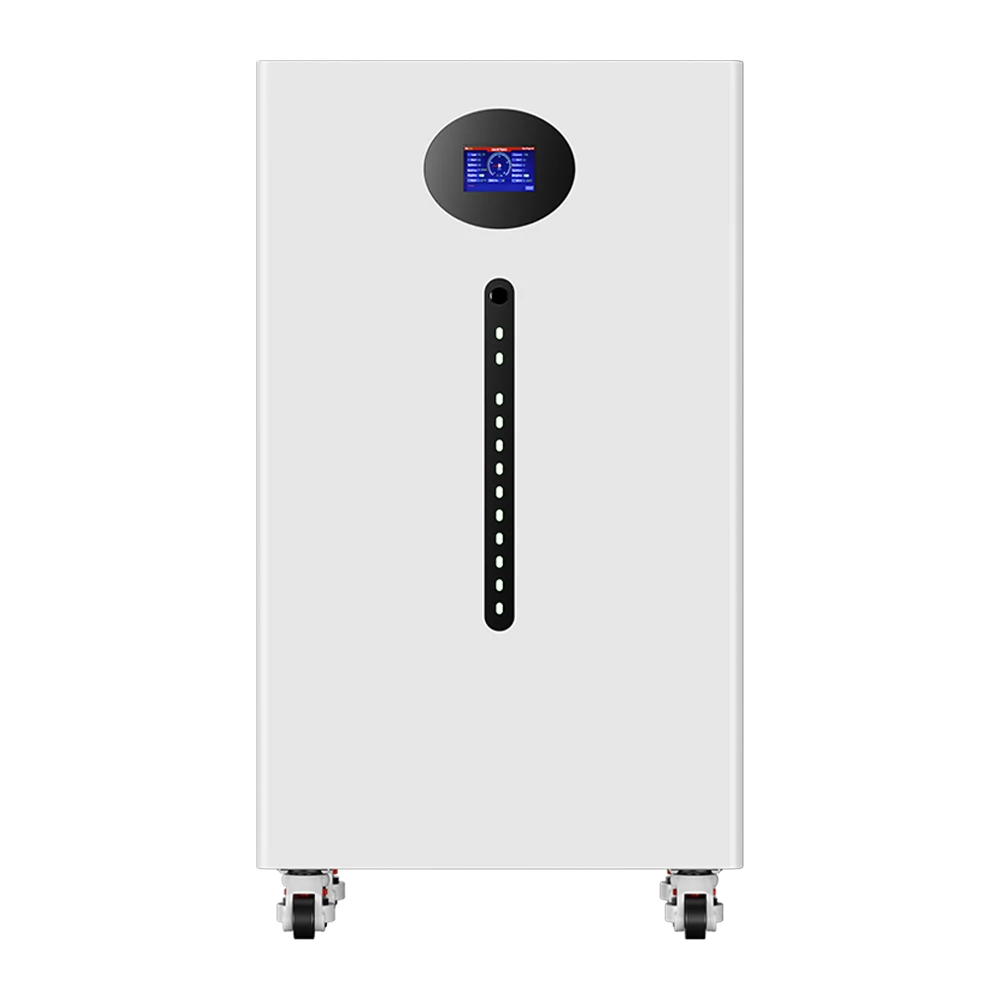
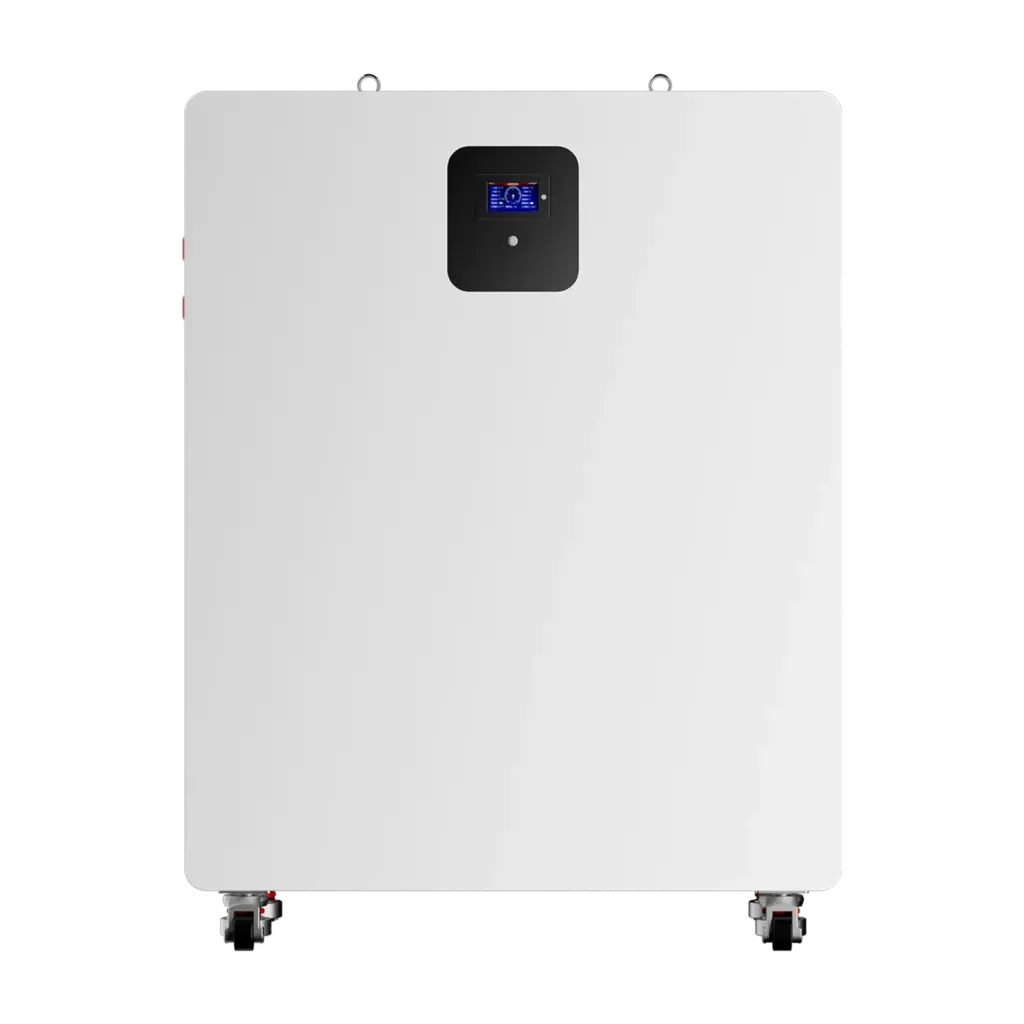
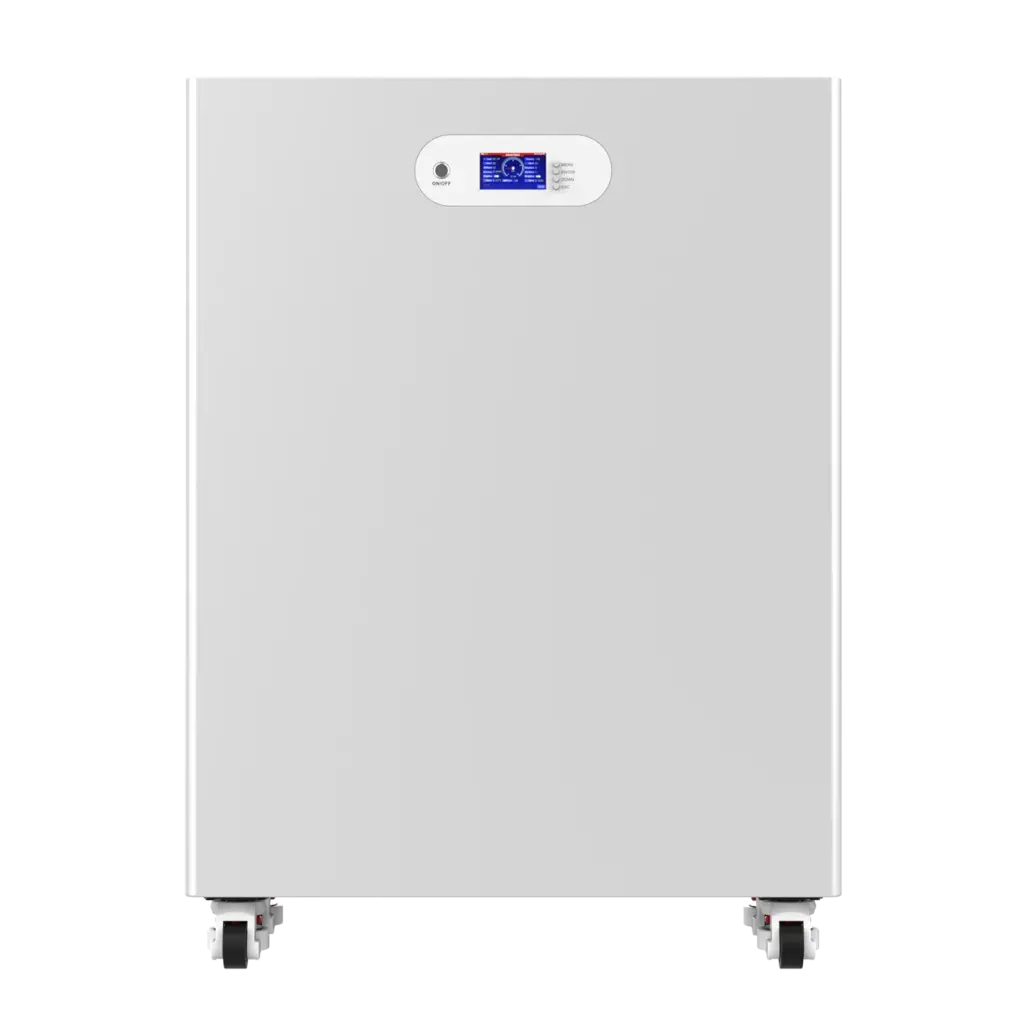
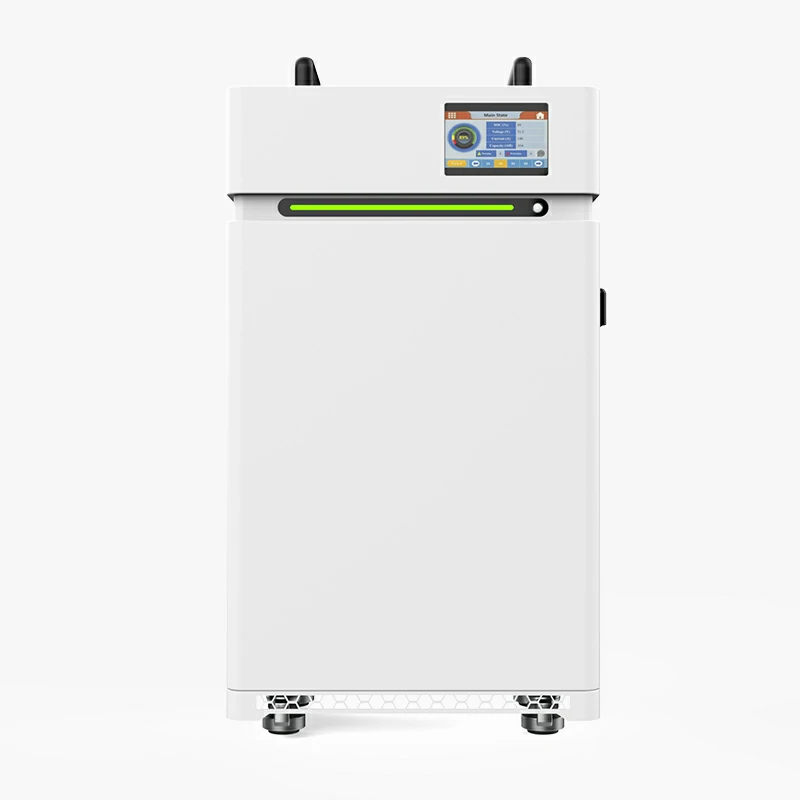
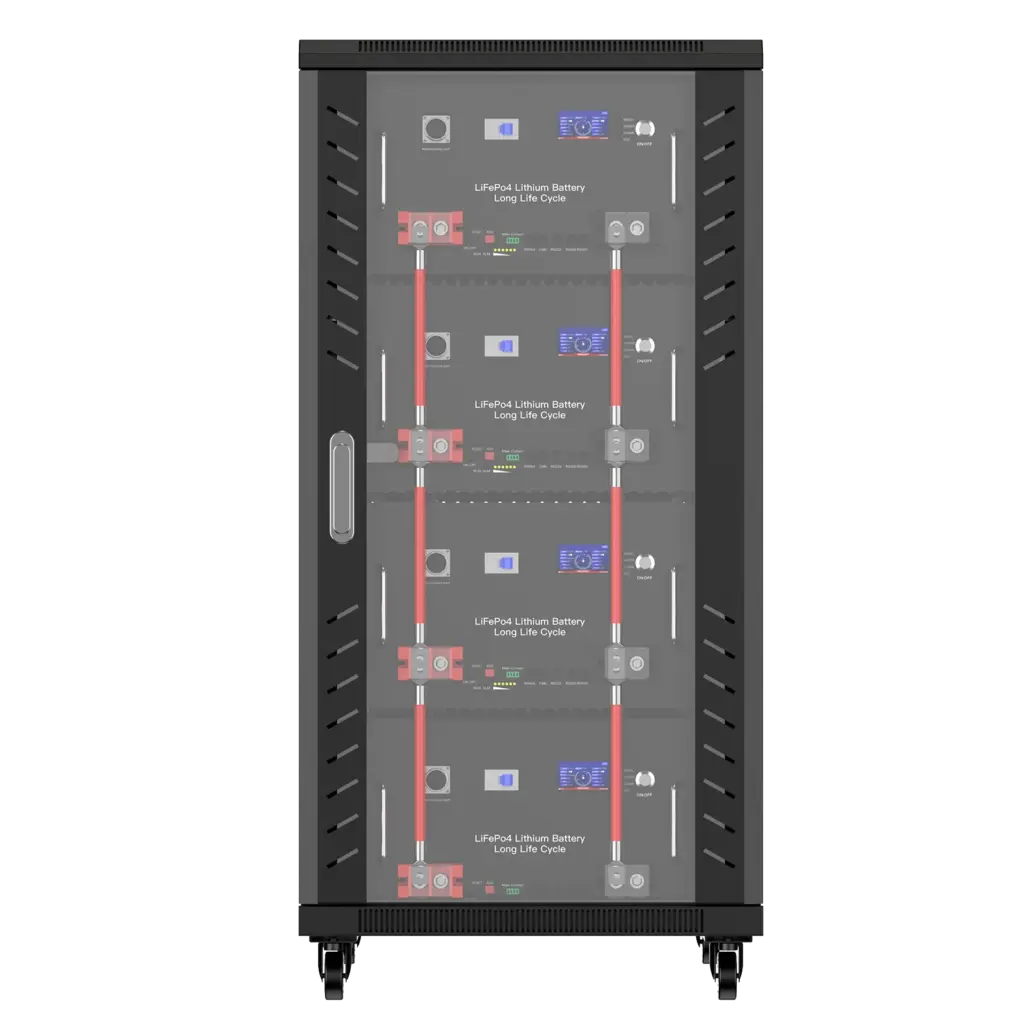
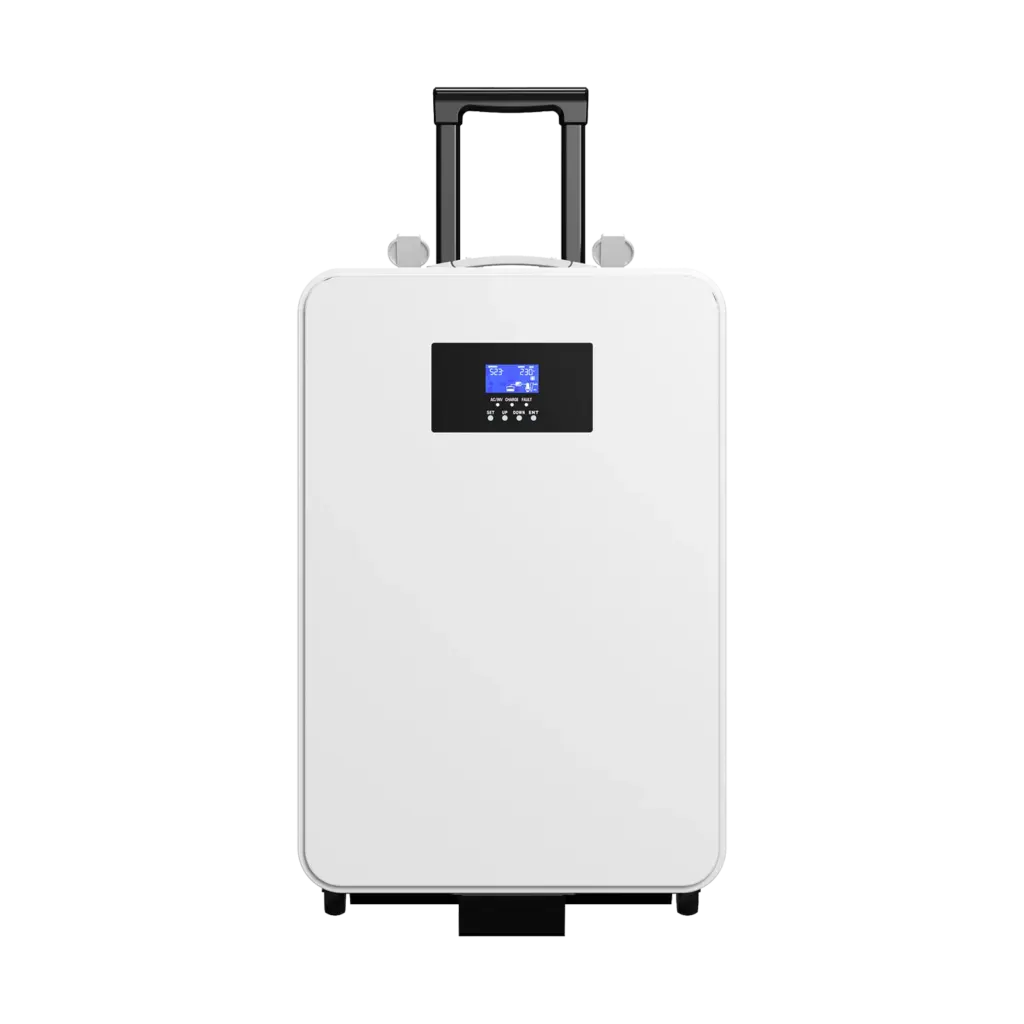
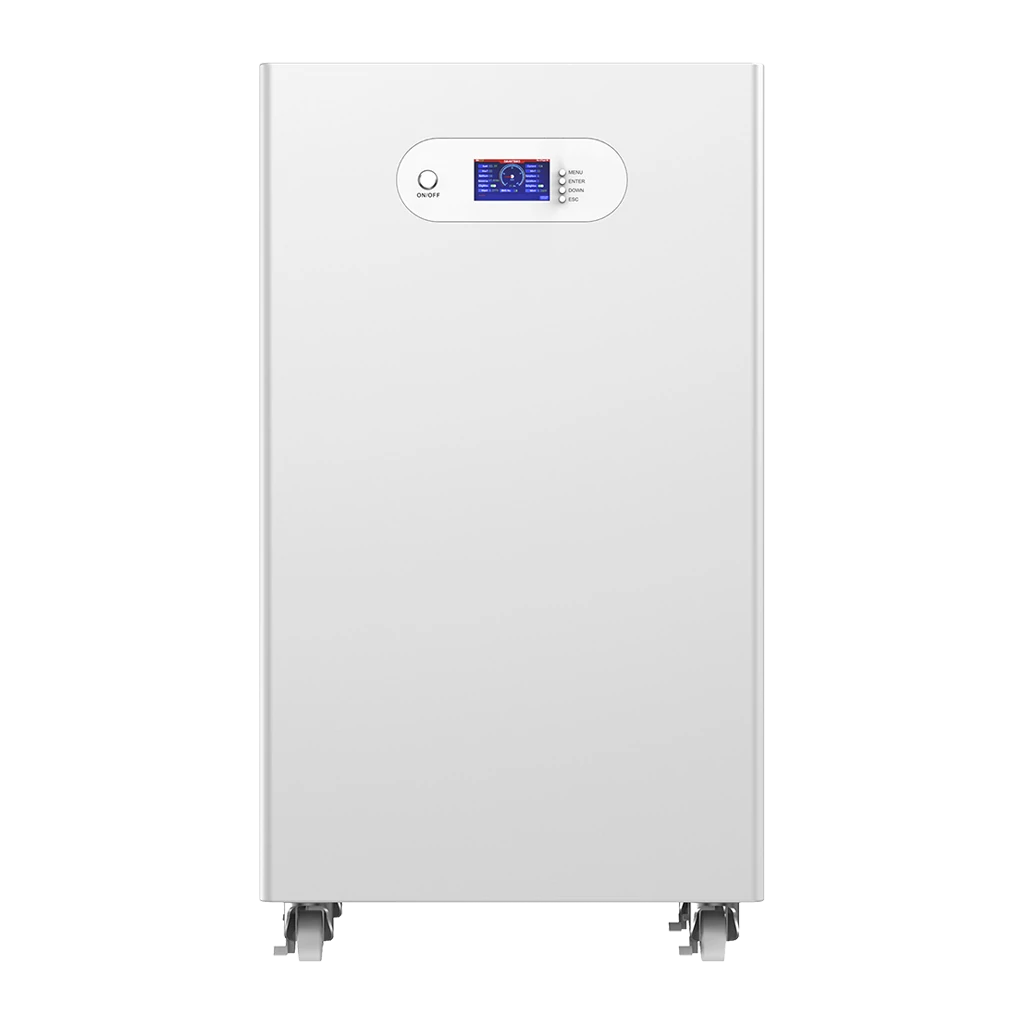
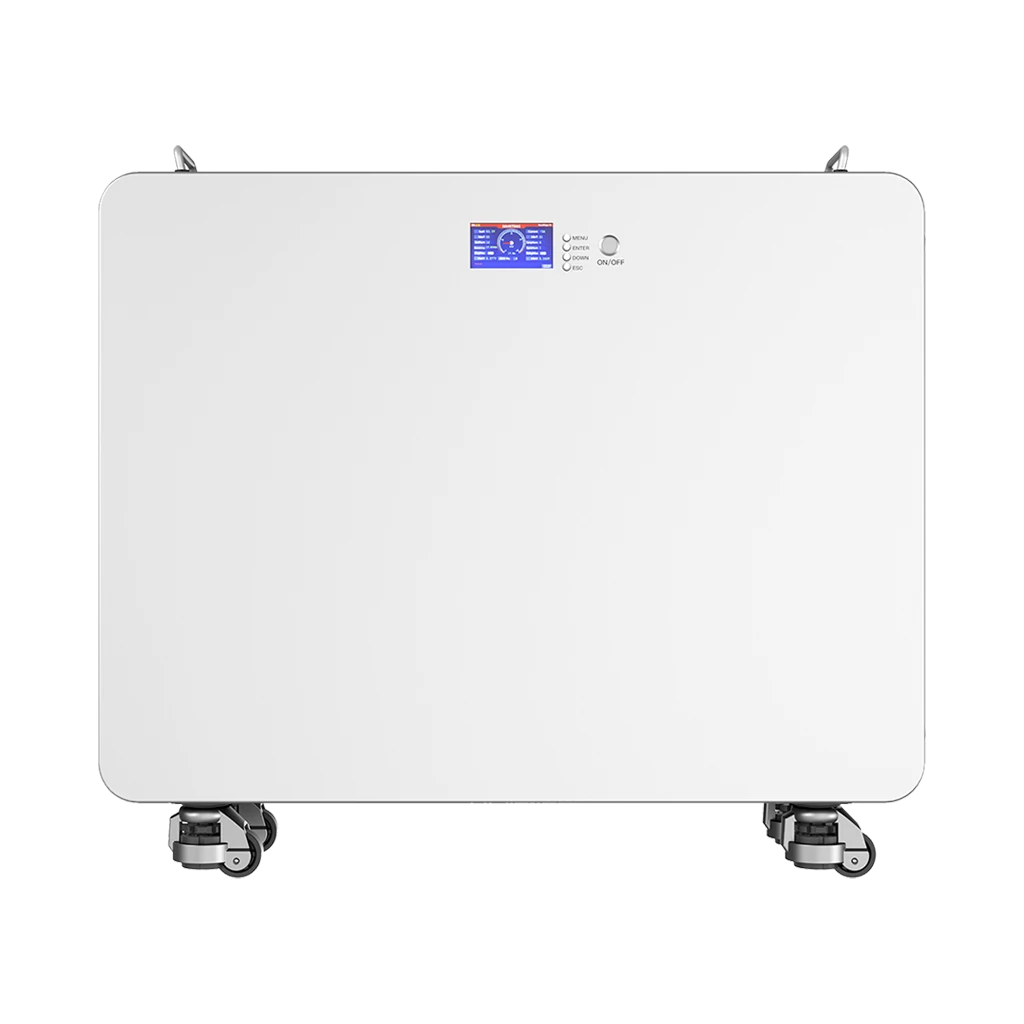
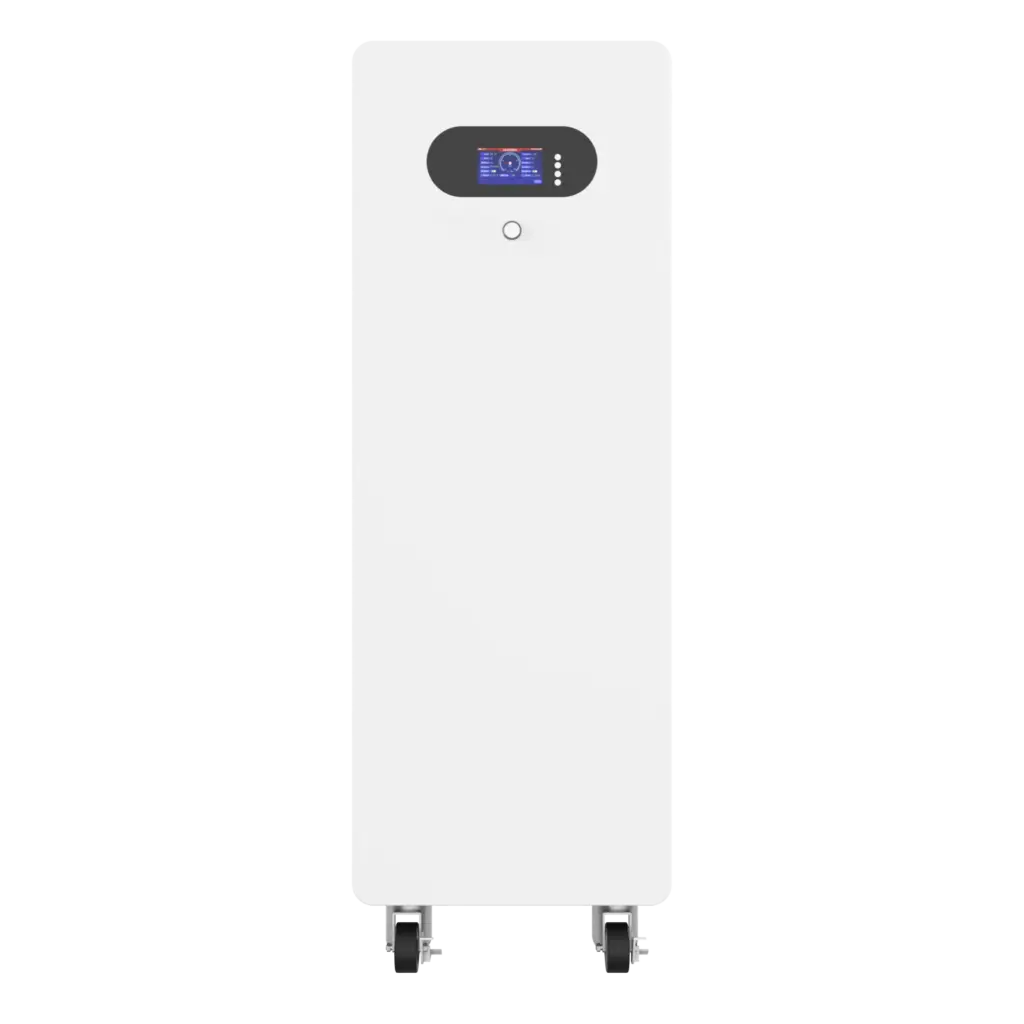
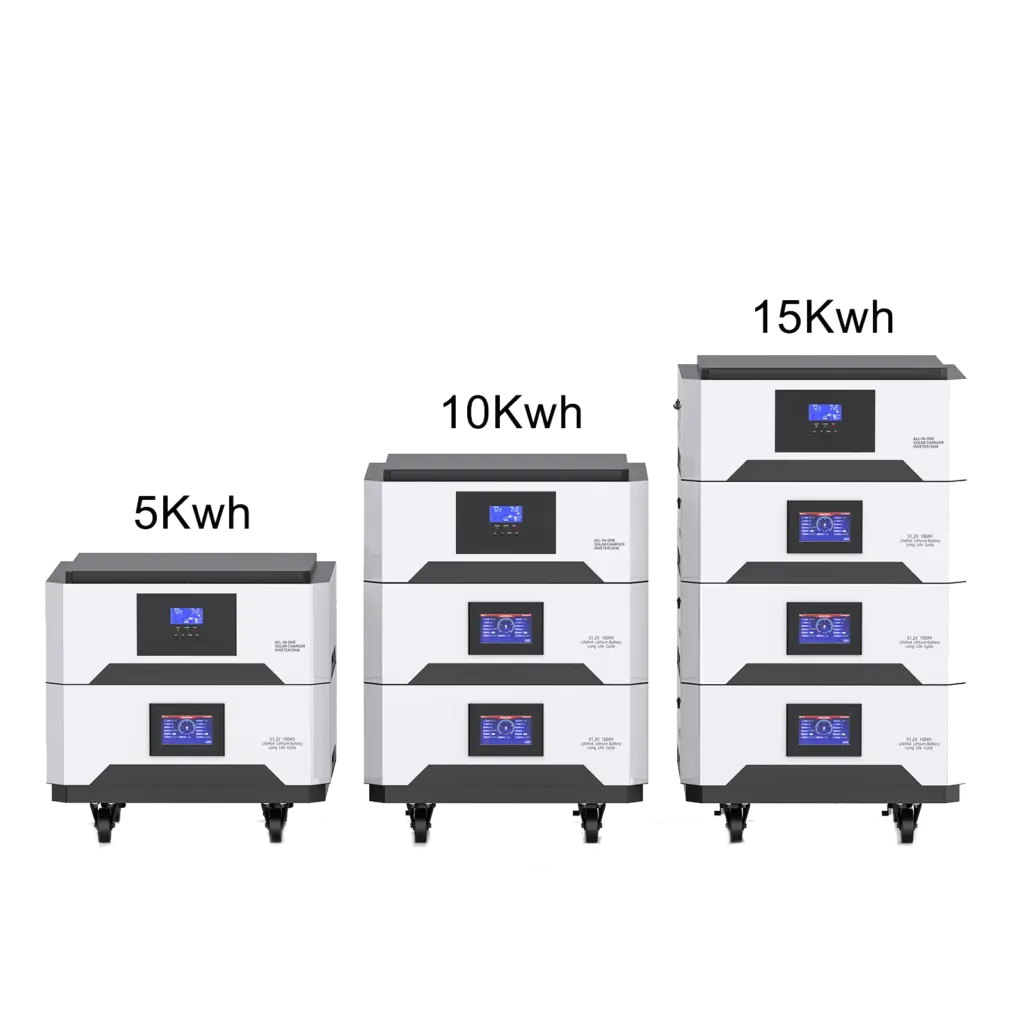
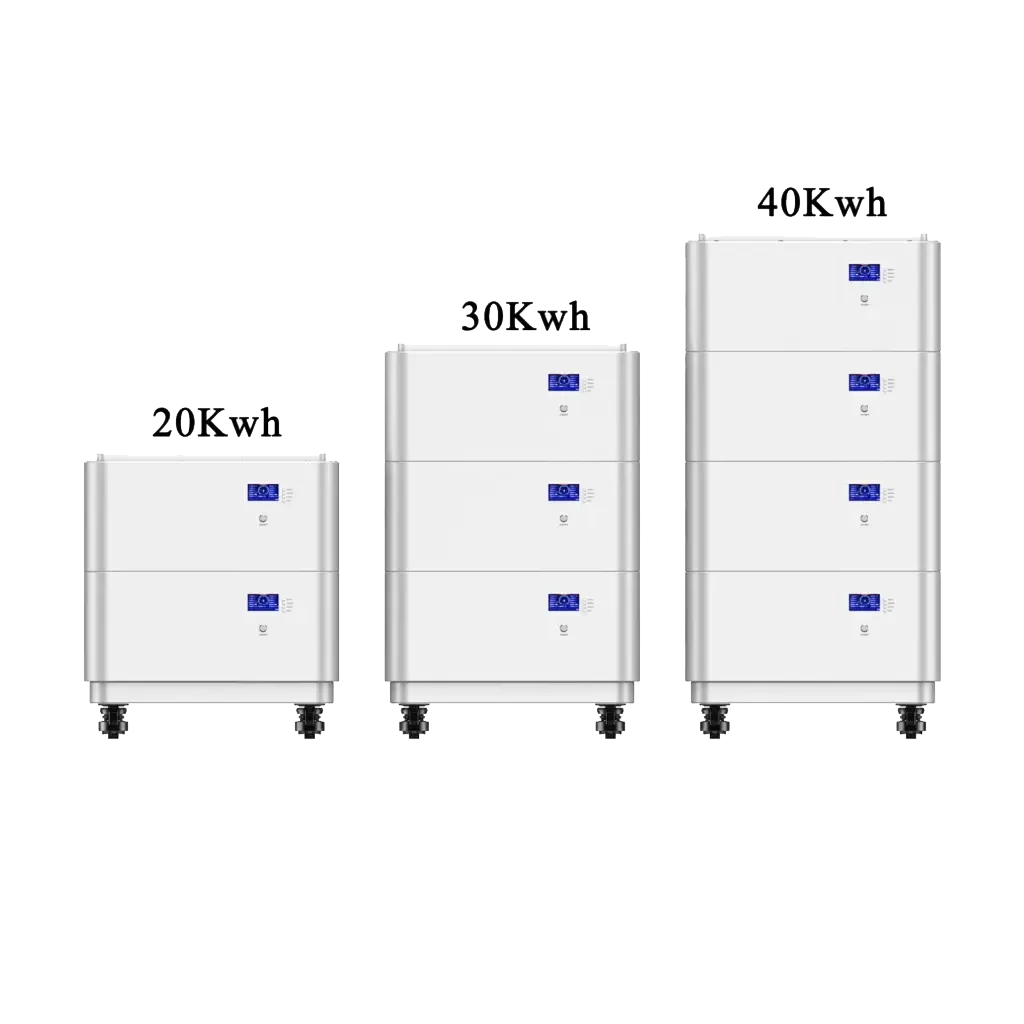
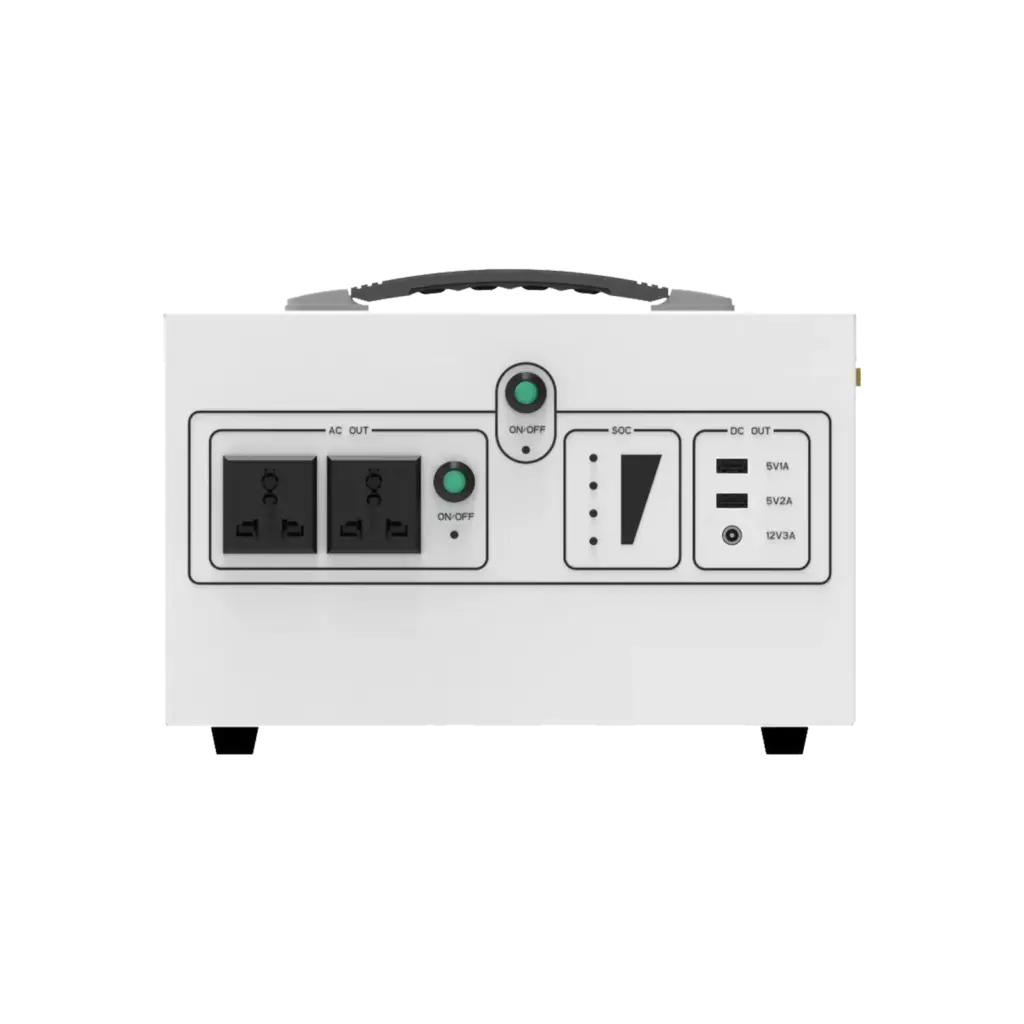
Avepower provides LiFePO4 battery and energy-storage solutions for installers, distributors, and project developers. Explore the 51.2V wall-mounted battery specifications, review project case studies, and check certification information for documents relevant to your specific model and target market.
Contact Avepower with your system voltage, inverter make and model, required continuous kW, target kWh, country, and operating conditions to discuss a suitable storage configuration.
FAQ
At 230V single-phase AC and PF = 1, 1A = 0.23kW. At 12V DC, 1A = 0.012kW. Voltage determines the difference.
At 230V single-phase AC with PF = 1, 10A = 2.3kW. At 12V DC, 10A = 0.12kW.
At 240V single-phase AC and PF = 1, 20A = 4.8kW. At 230V and PF = 0.90, the same current equals 4.14kW.
For single-phase AC at PF = 1, 30 × 240 ÷ 1,000 = 7.2kW. At PF = 0.80, real power is 5.76kW.
At 51.2V DC, 100A = 5.12kW. At 400V balanced three-phase AC and PF = 1, 100A ≈ 69.28kW. They are different electrical systems.
For balanced three-phase power, use kW = √3 × line voltage × line current × PF ÷ 1,000. Use line-to-line RMS voltage in this formula.