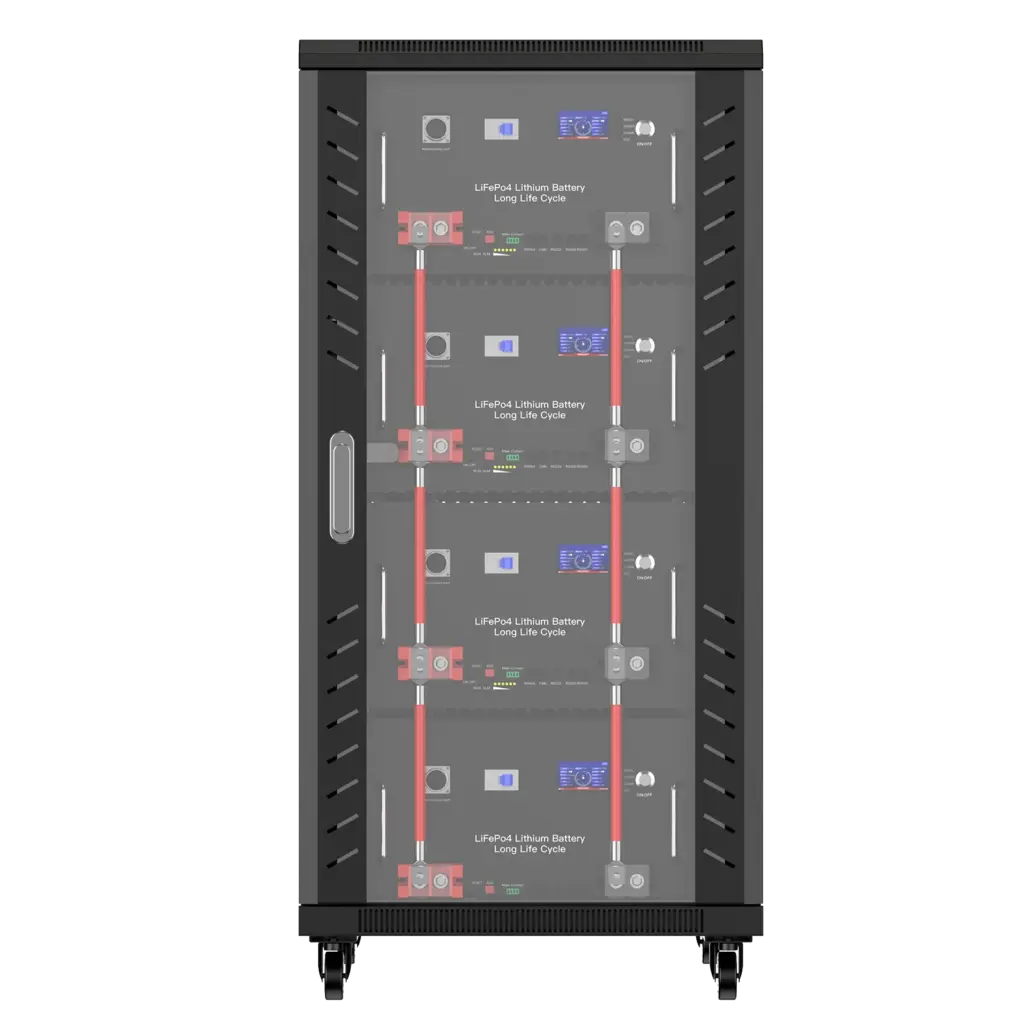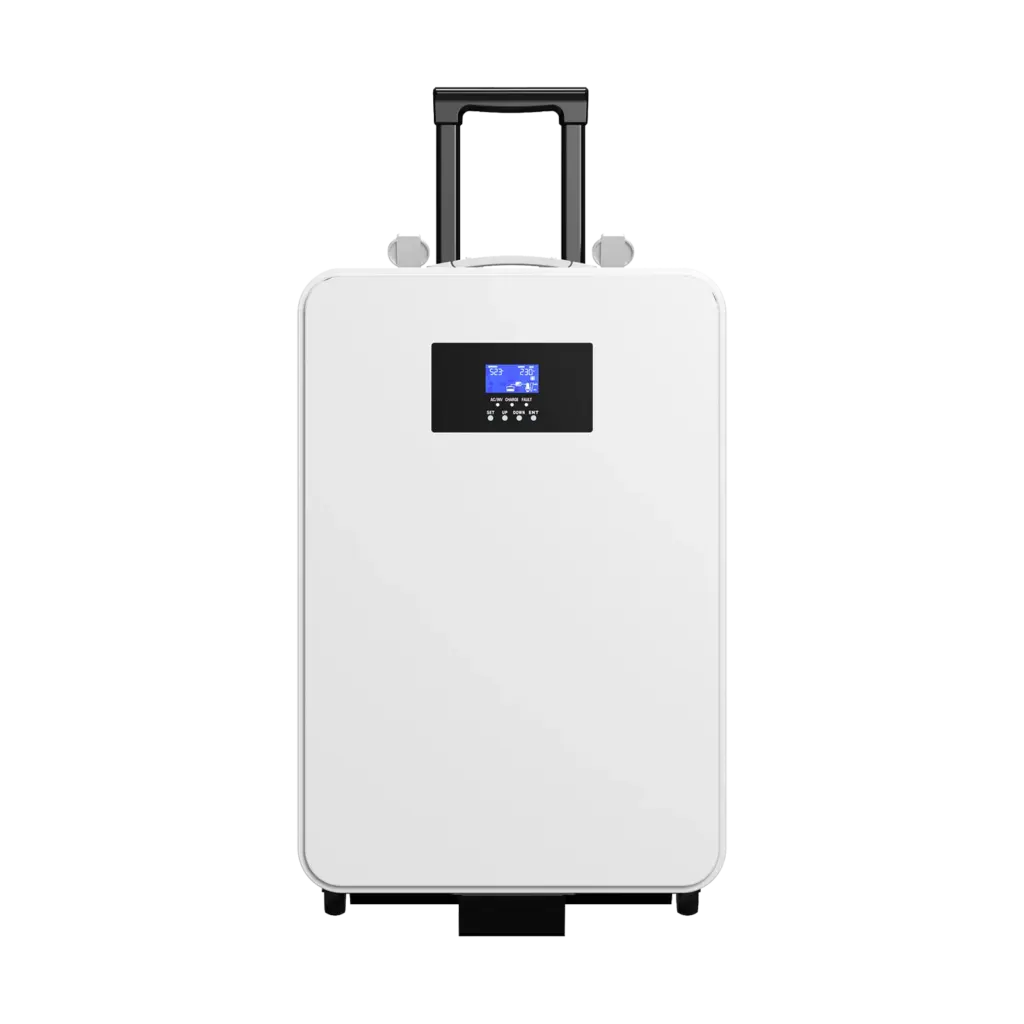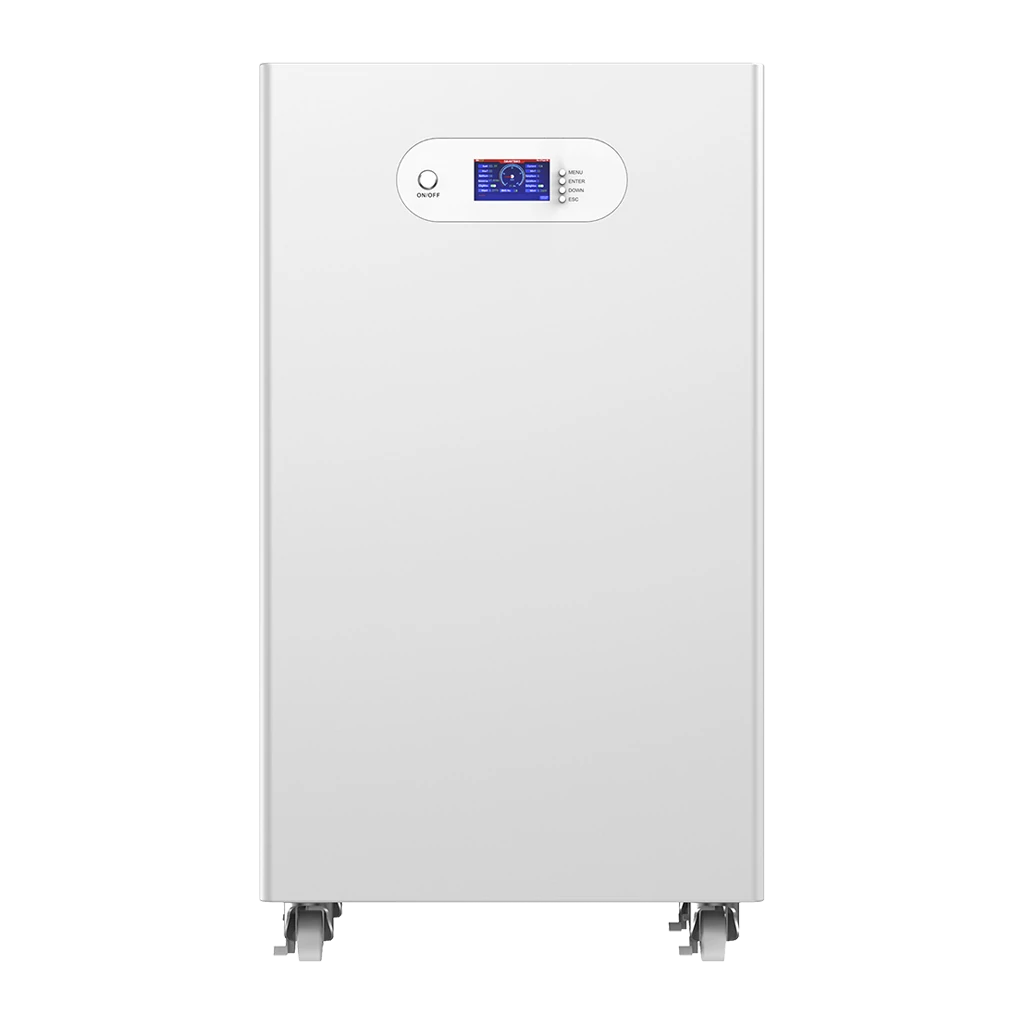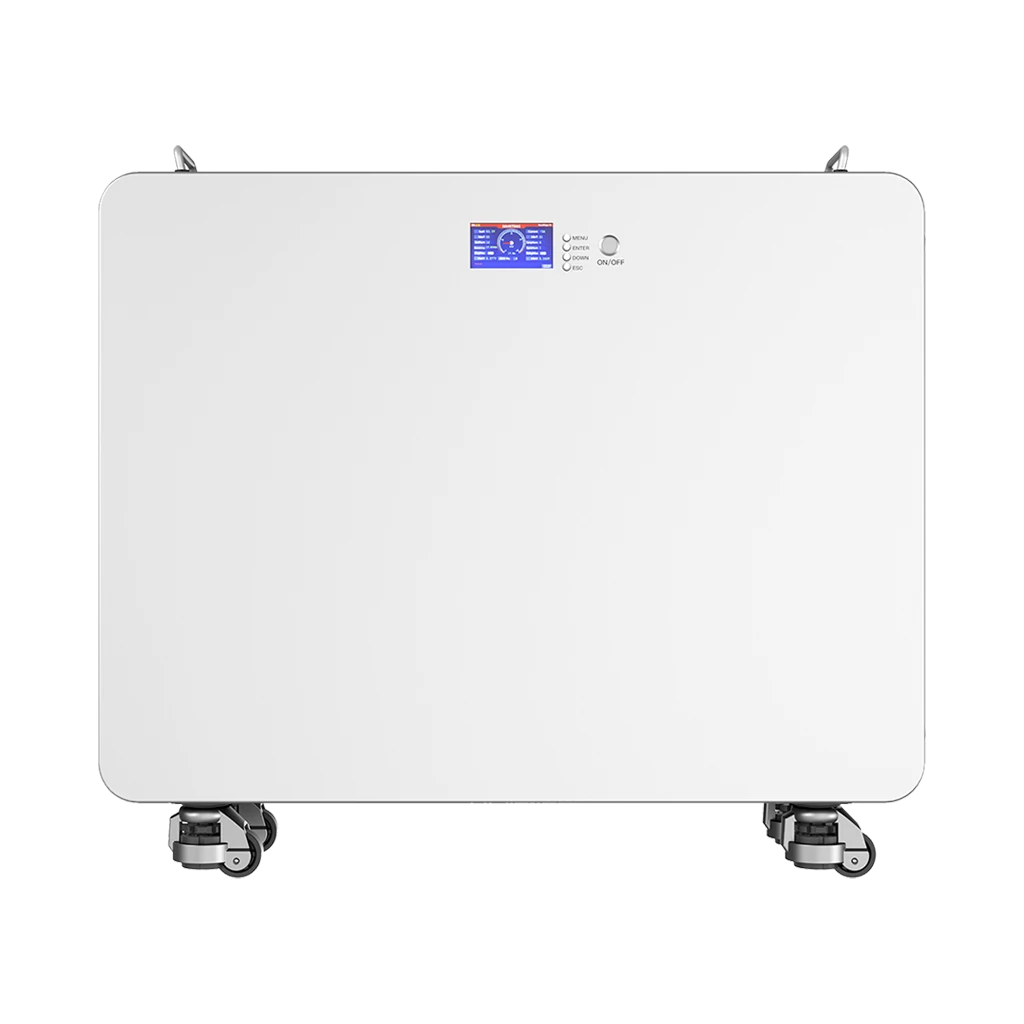

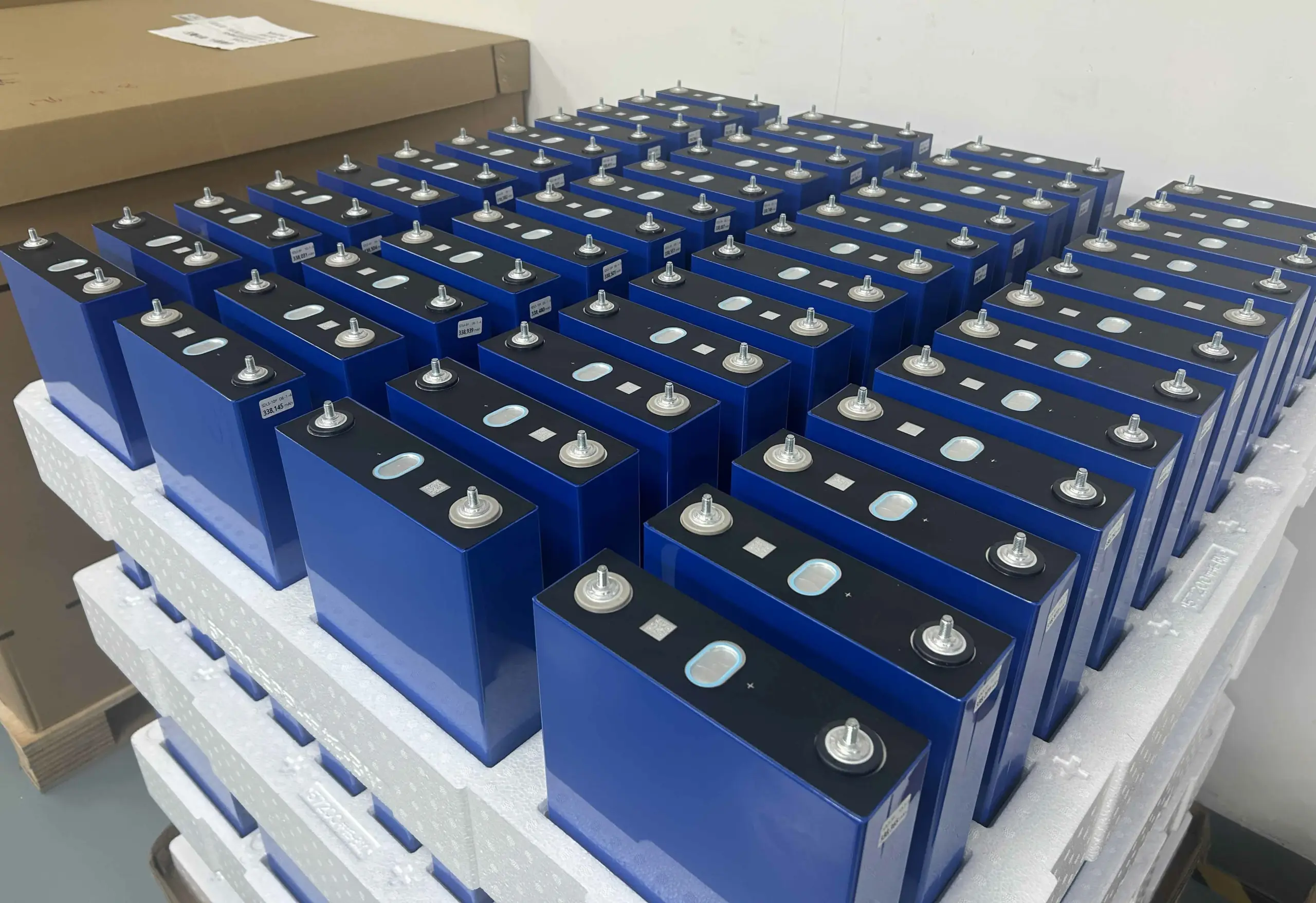
The main difference between a cell and a battery is that a cell is a single electrochemical unit, while a battery is a complete power source containing one or more cells. A cell converts chemical energy into electrical energy, while a battery provides the electrical connections and components needed to deliver that energy to a device or system.
For example, a standard 1.5V AA battery typically contains one cell, whereas a 12V lead-acid car battery contains six cells connected in series.
Cell vs. Battery Comparison Table
| Feature | Cell | Battery |
|---|---|---|
| Definition | Single electrochemical unit | Complete power source containing one or more cells |
| Structure | Electrodes, electrolyte, separator and enclosure | Cell(s), electrical connections and application-specific components |
| Number of cells | Exactly one | One or more |
| Voltage | Determined mainly by cell chemistry | Determined by chemistry and cell configuration |
| Capacity | Individual cell capacity | Depends on constituent cells and arrangement |
| Size | Varies by cell design | May be similar to one cell or much larger |
| Rechargeability | Primary or rechargeable | Primary or rechargeable |
| Protection | May have individual protection features | May include fuses, BMS and other protection devices |
| Examples | Individual 3.2V LiFePO4 cell | 12.8V LiFePO4 battery pack |
| Applications | Electronics, research, battery manufacturing | Consumer devices, vehicles, solar storage and industrial systems |
What Is an Electrochemical Cell, and How Does It Work?
An electrochemical cell is the smallest functional unit that converts chemical energy into electrical energy through electrochemical reactions. It contains two electrodes and an electrolyte that supports ion movement. During discharge, chemical reactions produce a flow of electrons through an external circuit, allowing the cell to supply electrical power to connected equipment.
Main Components of a Battery Cell
| Component | Function |
|---|---|
| Negative electrode (anode during discharge) | Releases electrons through oxidation |
| Positive electrode (cathode during discharge) | Accepts electrons through reduction |
| Electrolyte | Enables ion transport between electrodes |
| Separator | Prevents direct electrical contact while allowing ionic movement |
| Cell enclosure | Contains and protects the internal materials |
| Terminals | Provide external electrical connections |
During discharge, electrons move through the external circuit while ions move internally through the electrolyte.
In a rechargeable lithium-ion cell, the process is reversed during charging by applying electrical energy.
What Are the Main Types of Electrochemical Cells?
Electrochemical battery cells are commonly divided into two categories.
Primary cells are designed for single-use applications and cannot normally be recharged. Examples include standard alkaline AA cells and some lithium coin cells.
Secondary cells are rechargeable because their electrochemical reactions can be reversed under controlled conditions. Examples include lithium-ion, LiFePO4, nickel-metal hydride and lead-acid cells.
Both primary and secondary cells can form complete batteries.
What Is a Battery, and Can a Battery Contain Only One Cell?
A battery is an electrical power source containing one or more electrochemical cells assembled for practical use. Depending on the application, it may include terminals, an enclosure, interconnections, monitoring electronics and protective components. Although multi-cell assemblies are common, a single cell can also constitute a complete battery when appropriately packaged for use.
Consider these everyday examples:
| Device or Battery Type | Typical Cell Configuration |
|---|---|
| AA alkaline battery | One 1.5V cell |
| Coin-cell battery | One electrochemical cell |
| 9V alkaline battery | Commonly six 1.5V cells in series |
| 12V lead-acid car battery | Six lead-acid cells in series |
| 12.8V LiFePO4 battery | Four 3.2V cells in series |
| 51.2V LiFePO4 battery | Sixteen 3.2V cells in series |
The number of cells determines how a battery can be configured, but it does not independently establish battery quality.
A battery with fewer high-capacity cells may store more energy than a battery containing many smaller cells.
What Is the Difference Between a Battery Cell, Module, and Pack?
A battery cell, module and pack represent different levels of integration within an energy-storage system. A cell is the basic electrochemical component, a module groups multiple cells into an assembly, and a battery pack provides a more complete electrical and mechanical system. Modern designs may omit the traditional module stage entirely.
Battery Cell vs. Module vs. Pack
| Component | What It Contains | Primary Function |
|---|---|---|
| Battery cell | Electrodes, electrolyte, separator and enclosure | Store and release electrochemical energy |
| Battery module | Grouped cells, interconnections and structural components | Organize cells into a manageable assembly |
| Battery pack | Cells or modules, electrical connections, protection and enclosure | Deliver usable power to equipment |
| Battery energy storage system (BESS) | Battery assemblies, power conversion, controls and supporting equipment | Store and deliver energy at system level |
What Does a Battery Module Do?
A battery module organizes multiple cells into a defined electrical and mechanical structure.
Depending on the design, it may include:
- Cell interconnections
- Mechanical supports
- Voltage and temperature sensors
- Monitoring circuits
- Thermal management interfaces
Modules can simplify manufacturing, maintenance and replacement in larger battery systems.
What Does a Battery Pack Add?
A battery pack integrates the required cells or modules into a configuration suitable for its intended equipment.
Rechargeable lithium battery packs commonly include a battery management system (BMS), which monitors voltage, current and temperature and controls charging or discharging when operating limits are reached.
A battery module is not always necessary. Some modern cell-to-pack designs connect cells directly into the complete pack structure.
For more information about battery monitoring and system-level safety, see Avepower’s battery safety technology.
How Many Cells Are Needed to Make a 12V, 24V, or 48V Battery?
The number of cells required for a battery depends on the chemistry’s nominal cell voltage and the target battery voltage. LiFePO4 cells typically have a nominal voltage of approximately 3.2V, while lead-acid cells are approximately 2V. Different chemistries therefore require different series counts to achieve similar battery voltage classes.
Common Battery Cell Voltage Comparison
| Battery Chemistry | Typical Nominal Cell Voltage | Example |
|---|---|---|
| Alkaline | 1.5V | AA battery |
| Nickel-metal hydride (NiMH) | 1.2V | Rechargeable AA battery |
| Lead-acid | 2.0V | Automotive starter battery |
| LiFePO4 (LFP) | 3.2V | Solar storage battery |
| Common NMC/NCA lithium-ion | Approximately 3.6–3.7V | Portable electronics and EV cells |
Values are typical nominal ratings, not fixed voltages throughout charging and discharging.
LiFePO4 Battery Voltage by Cell Count
| Battery Class | Typical Series Configuration | Nominal Voltage |
|---|---|---|
| Single cell | 1S | 3.2V |
| 12V class | 4S | 12.8V |
| 24V class | 8S | 25.6V |
| 48V class | 15S | 48.0V |
| 48V class | 16S | 51.2V |
A 16S LiFePO4 battery is often described as a 48V-class battery, even though its nominal voltage is 51.2V.
This terminology matters when selecting an inverter, charger or battery management system.
For charging and voltage reference information, see the LiFePO4 Cell Voltage Chart.
Should You Buy Individual Battery Cells or a Complete Battery Pack?
Individual battery cells are generally more suitable for manufacturers and qualified engineers developing battery assemblies. Complete battery packs are usually more appropriate for equipment integrators, installers and end users who need defined voltage, capacity, monitoring and protection features. The correct choice depends on engineering capability, certification responsibilities and application requirements.
Cell vs. Battery Pack: Practical Selection Guide
| Buyer or Application | Typical Preferred Option | Main Reason |
|---|---|---|
| Battery manufacturer | Individual cells | Custom engineering and assembly |
| Battery research laboratory | Individual cells | Electrochemical testing |
| Electronics OEM | Cells or custom battery pack | Product-specific integration |
| RV and marine users | Complete battery pack | Practical installation and protection |
| Home solar installer | Complete LiFePO4 battery | BMS and inverter integration |
| Commercial ESS developer | Engineered battery system | Scalable architecture and system control |
Avepower supports battery system configuration and OEM/ODM development for installers, distributors and project buyers. More information about its manufacturing background is available on the About Avepower page.
How Can Avepower Help You Choose the Right Battery Solution?
Choosing a battery requires understanding how individual cells translate into usable voltage, capacity, power and system-level performance. The most suitable solution is not necessarily the one with the most cells or highest advertised capacity, but the one designed for the intended electrical, safety and operating requirements.
Avepower develops LiFePO4 battery and energy-storage solutions for residential, commercial and industrial applications, including configurable battery capacity, voltage, monitoring interfaces and OEM/ODM requirements.
Whether you are selecting a 12.8V battery for an RV or planning a high-voltage commercial energy-storage project, clear cell specifications and verified system-level documentation are essential to making an informed decision.
Contact Avepower for a customized battery solution to discuss your required voltage, capacity, application, inverter compatibility and technical documentation.
Take Control of Your Energy with Avepower!
Reliable home solar battery solutions with OEM/ODM customization and in-house manufacturing, tailored to the needs of distributors, installers, and energy partners.
FAQ
Not exactly. A cell is one electrochemical unit, while a battery is a usable power source containing one or more cells. A single-cell device may also be called a battery.
Yes. A common AA alkaline battery typically contains one electrochemical cell. A battery does not always require multiple cells.
A cell is the basic electrochemical unit. A battery is the complete unit used to supply electrical energy, potentially containing additional cells, connections and protective components.
It depends on chemistry. A typical 12V lead-acid battery contains six cells, while a 12.8V LiFePO4 battery generally contains four series-connected 3.2V cells or cell groups.
No. Primary batteries are non-rechargeable, while secondary batteries are designed to be recharged using an appropriate charging process.
A battery cell is an individual electrochemical unit. A battery pack integrates one or more cells with the components needed for its intended application.
No. A module is typically an intermediate group of cells. A pack is a more complete assembly intended to supply electrical power. Some pack designs omit modules.