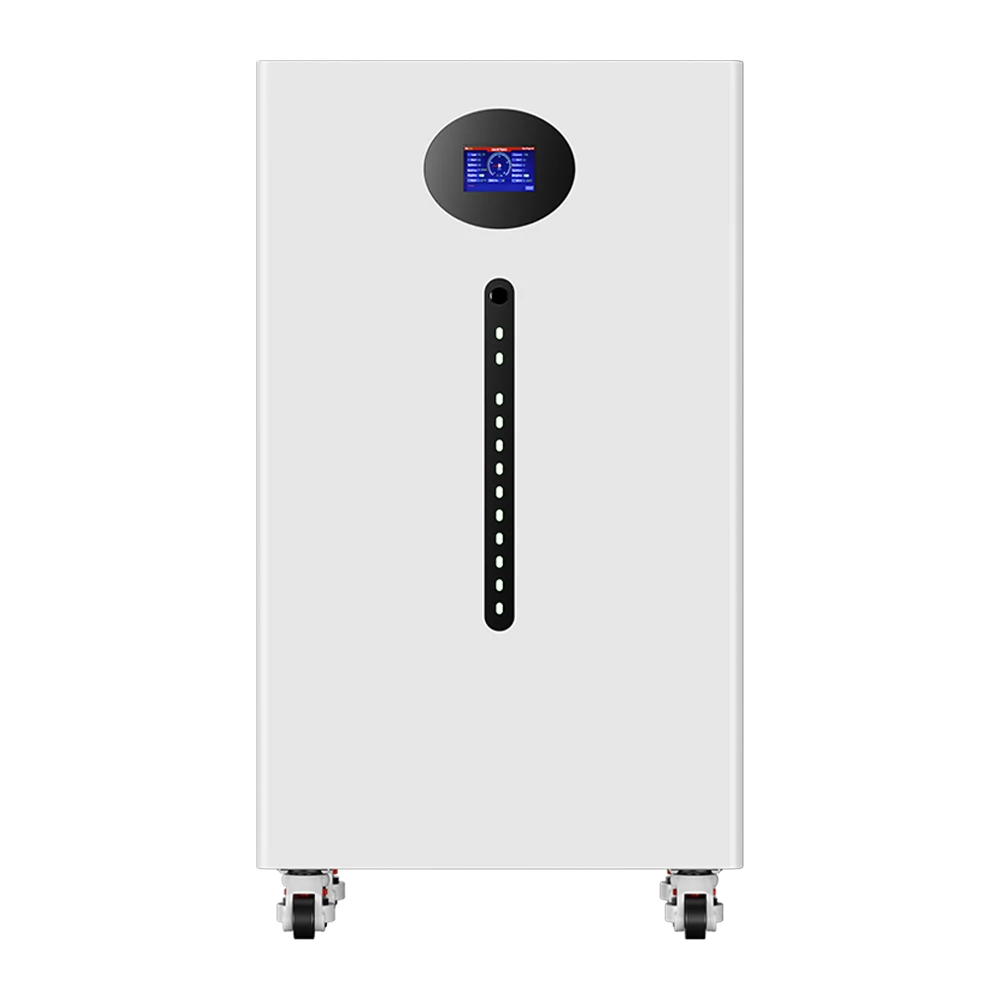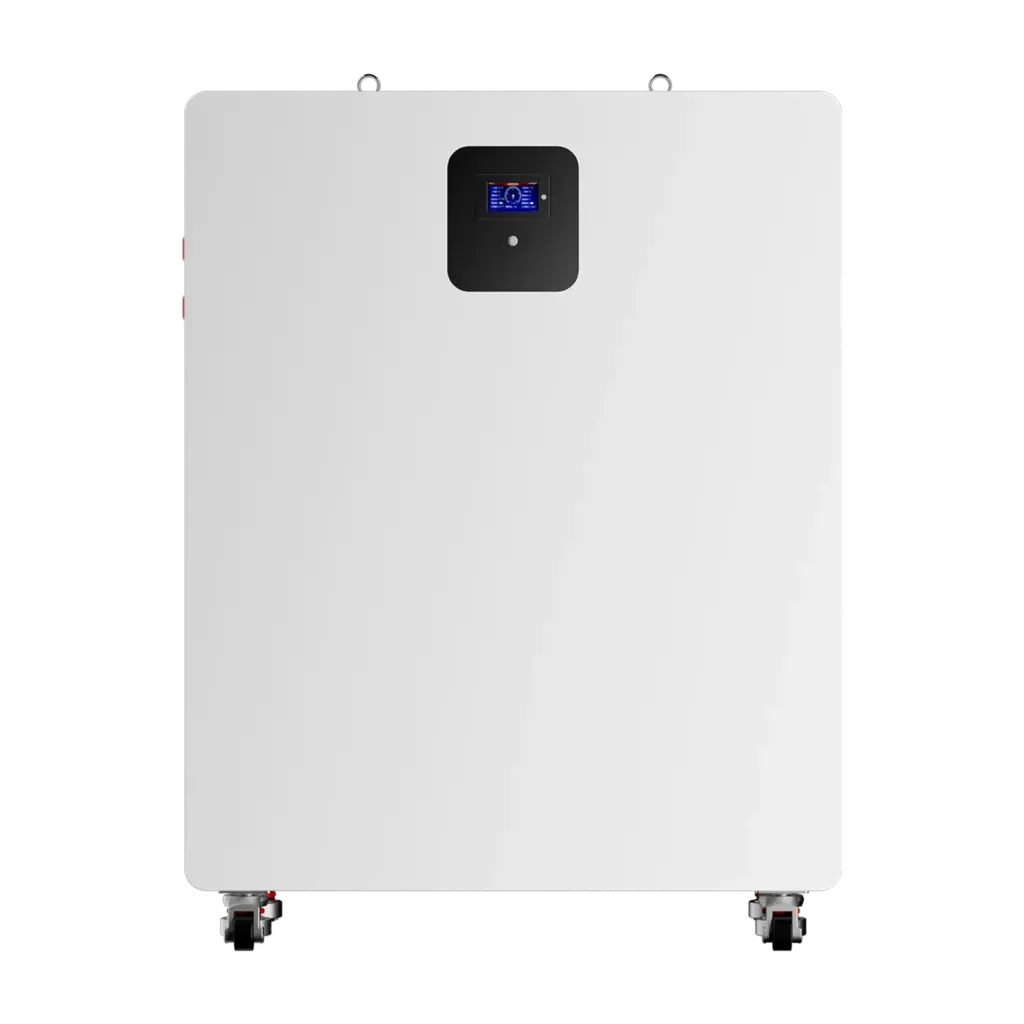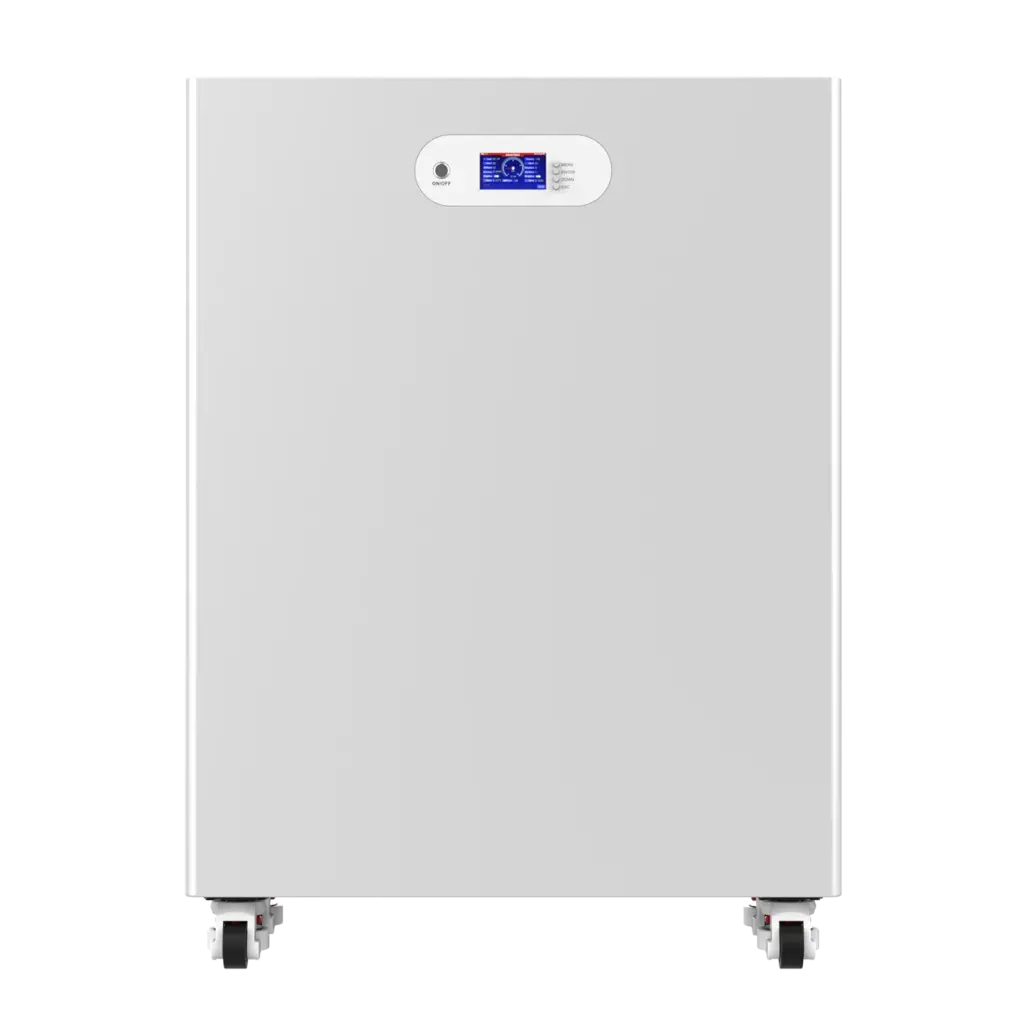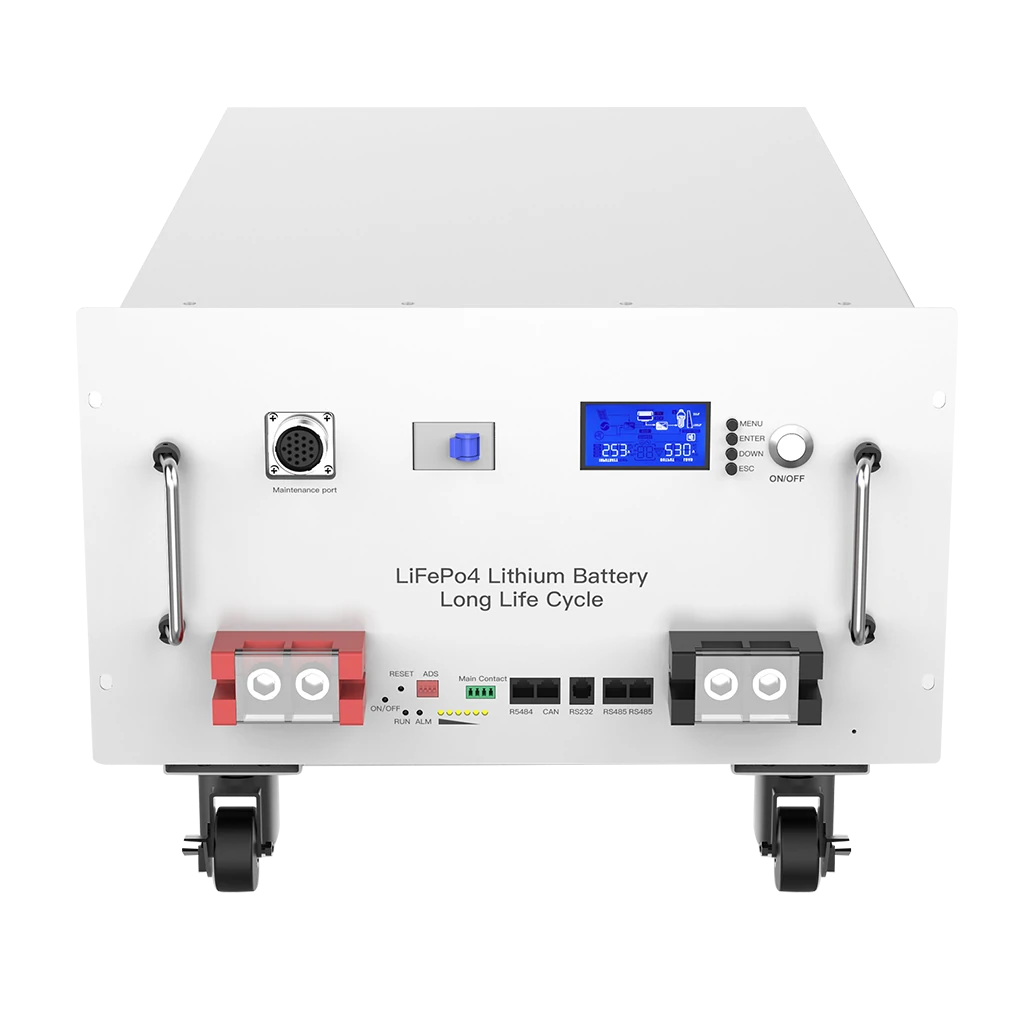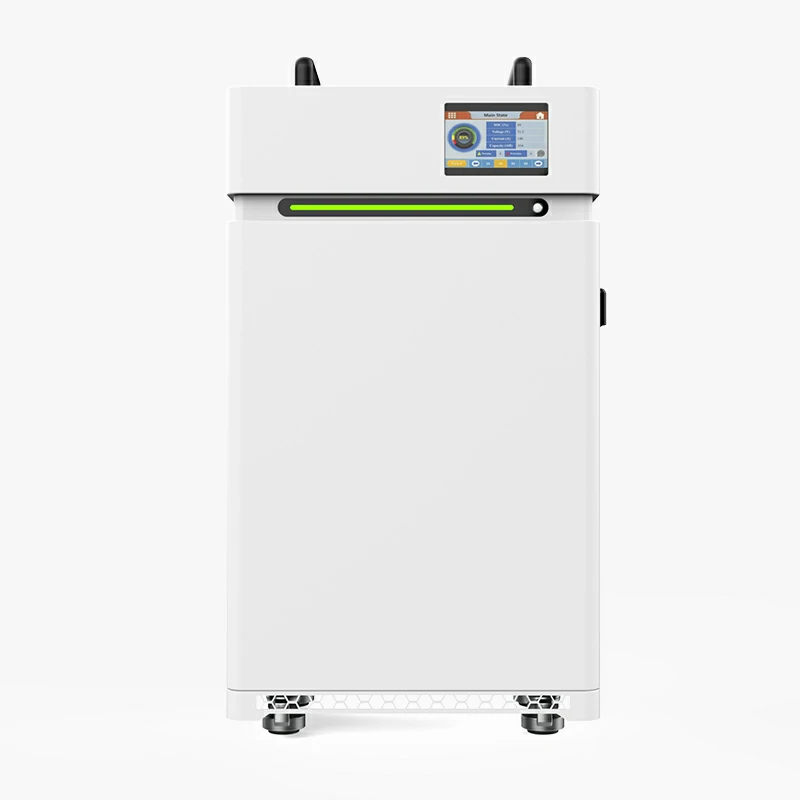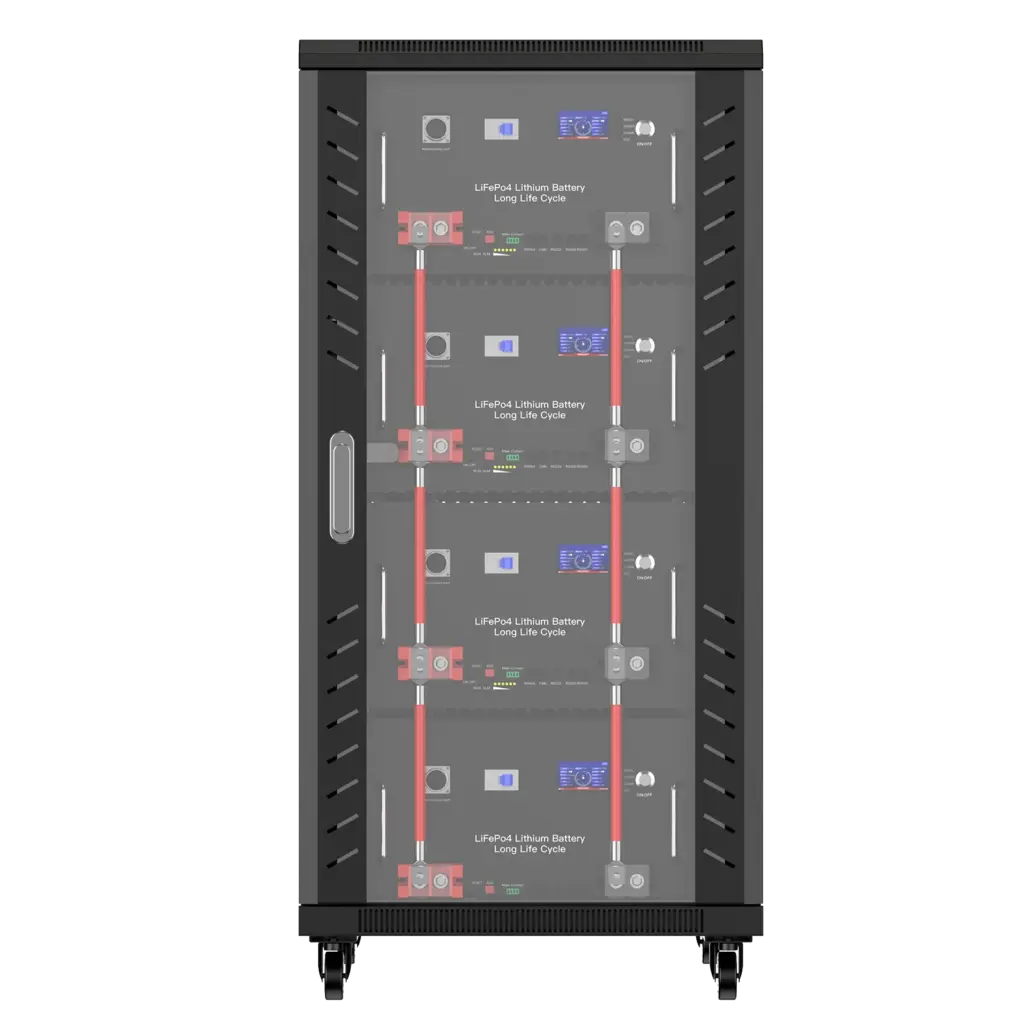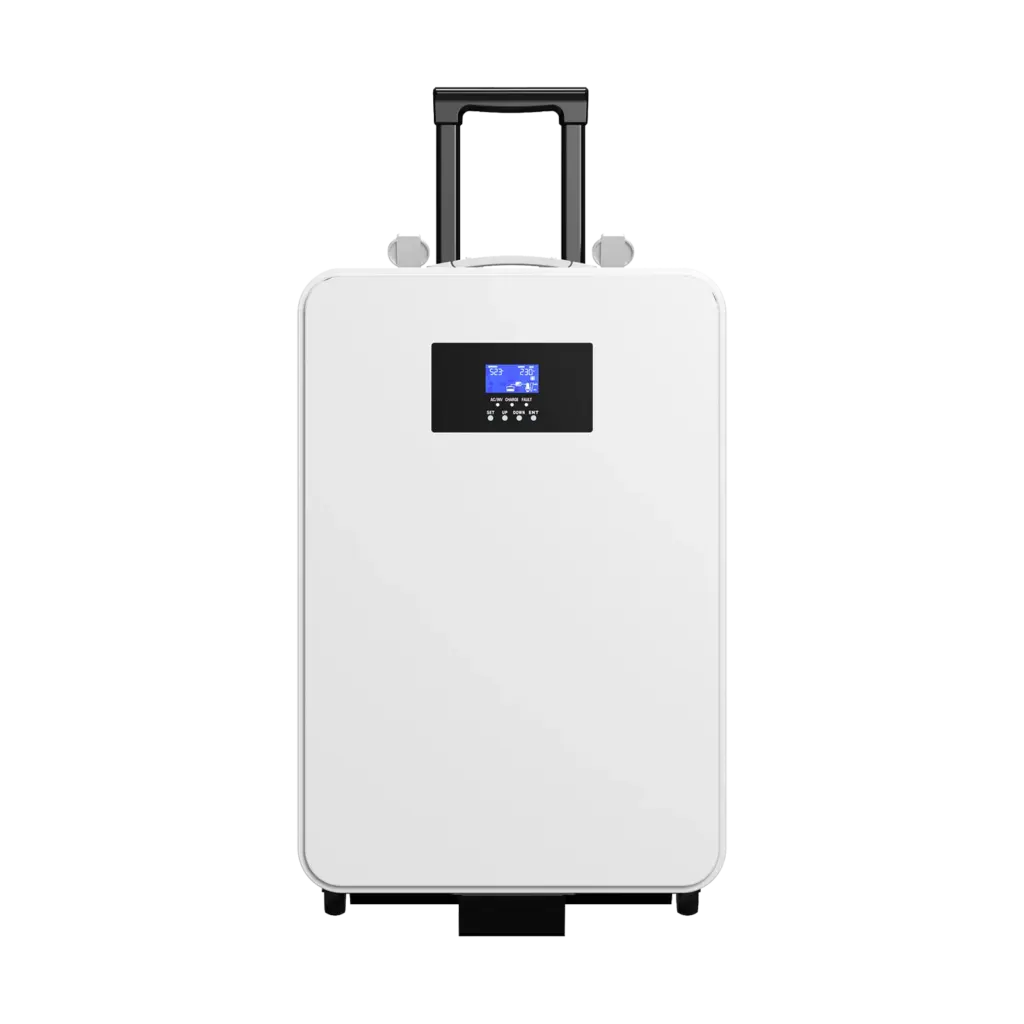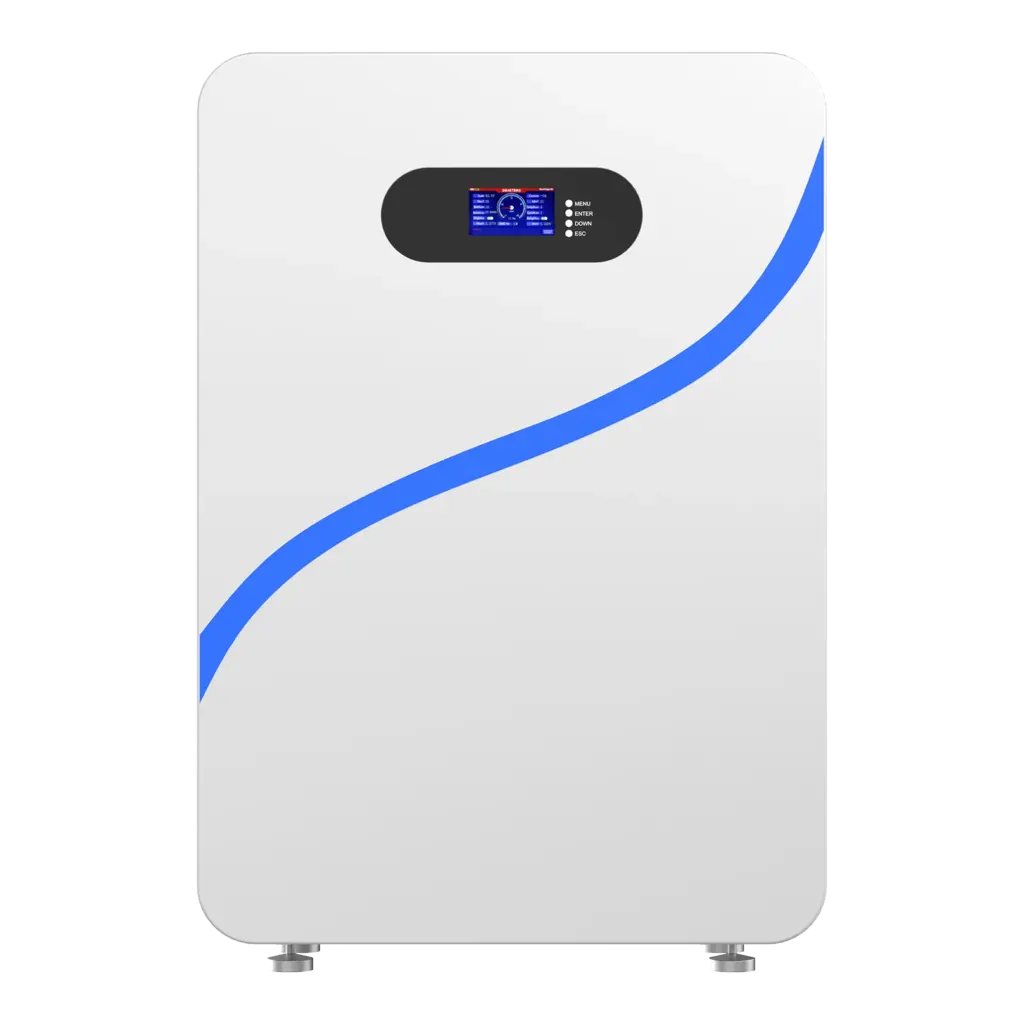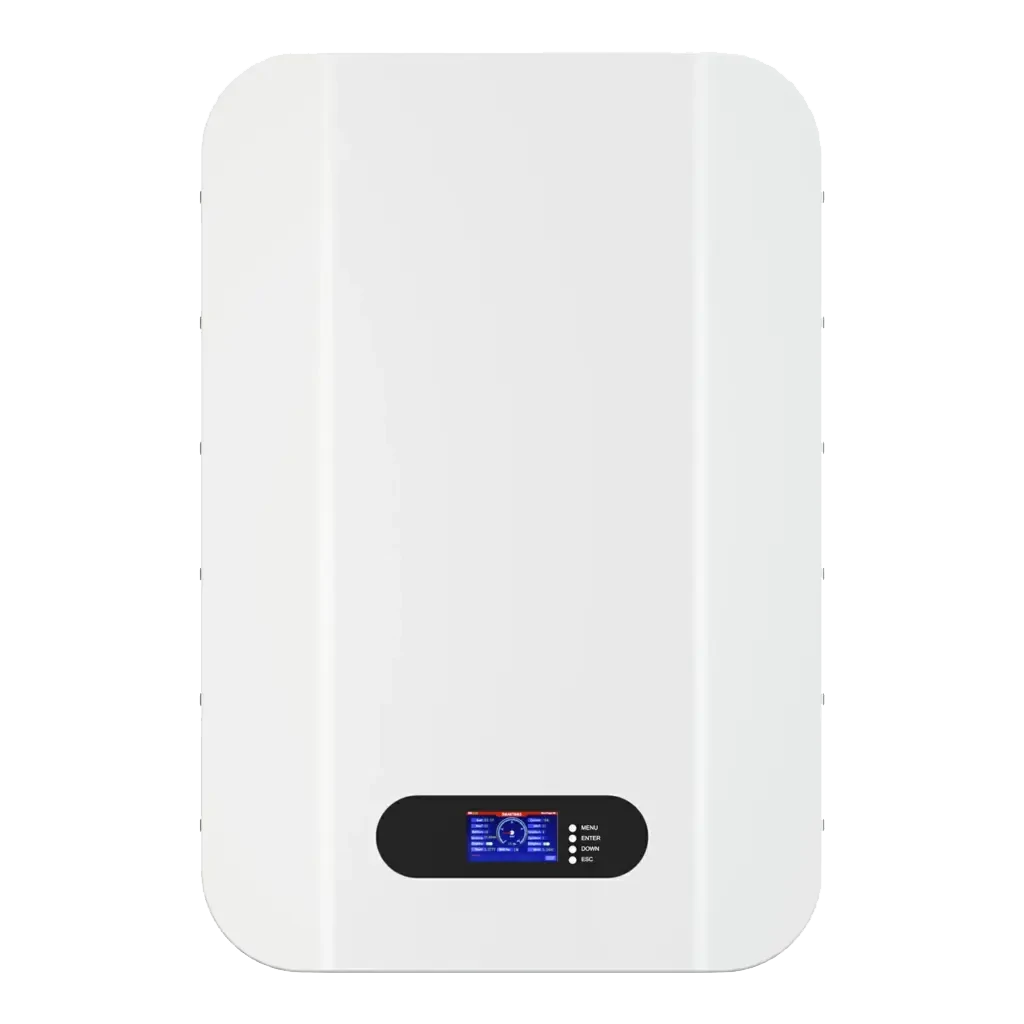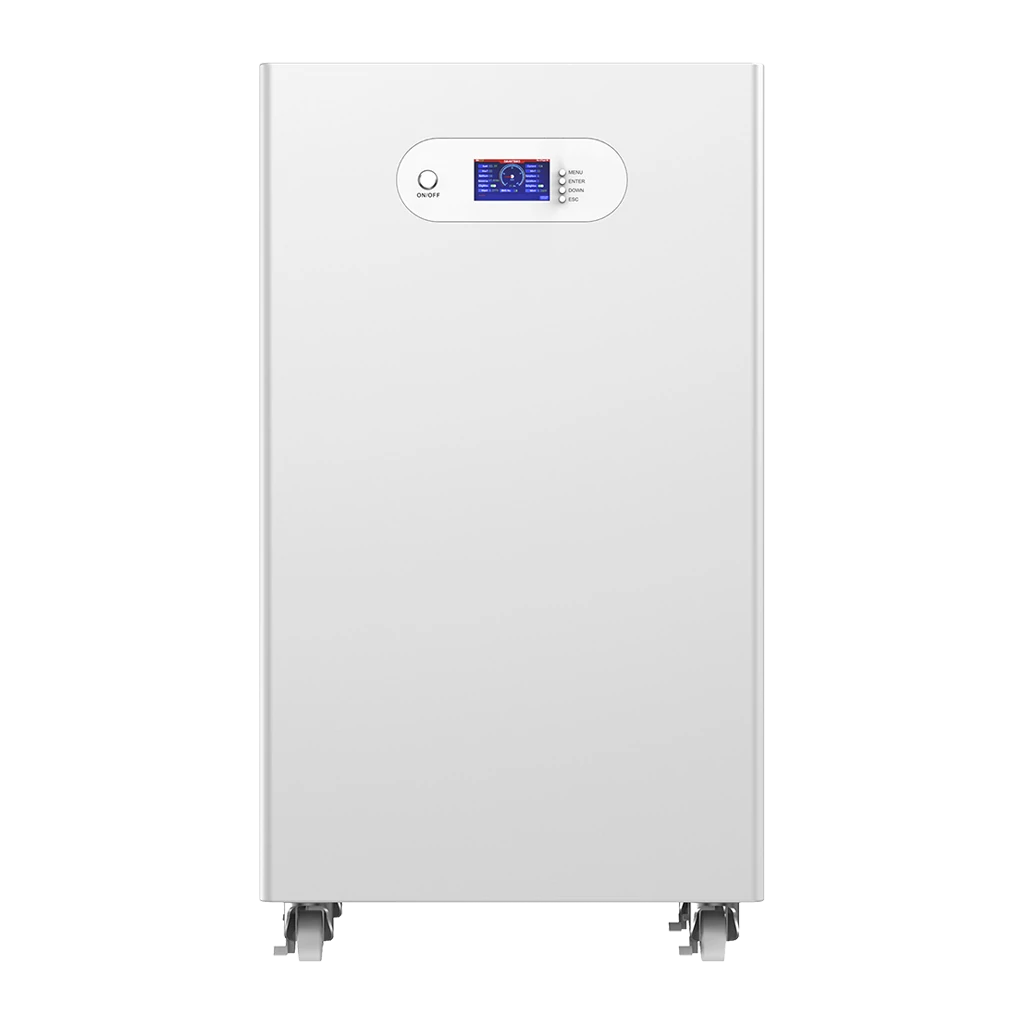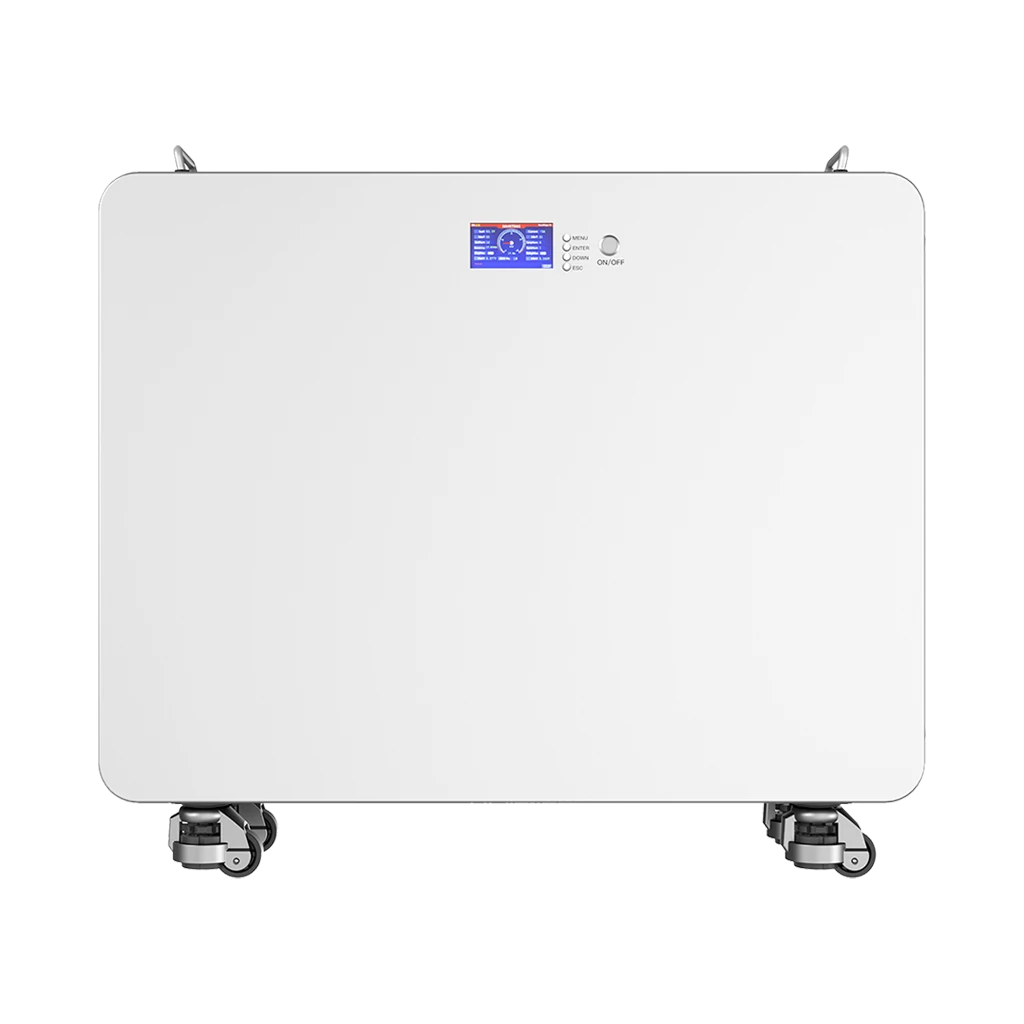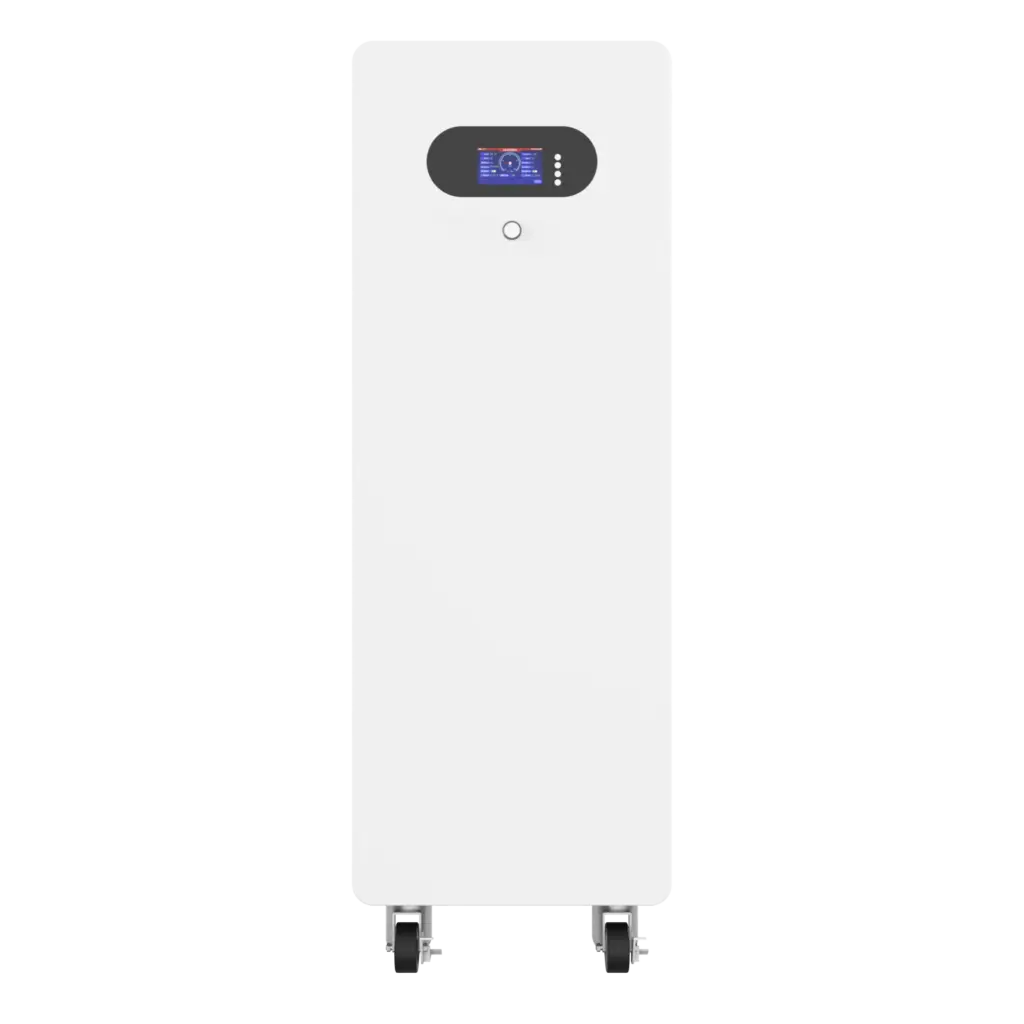

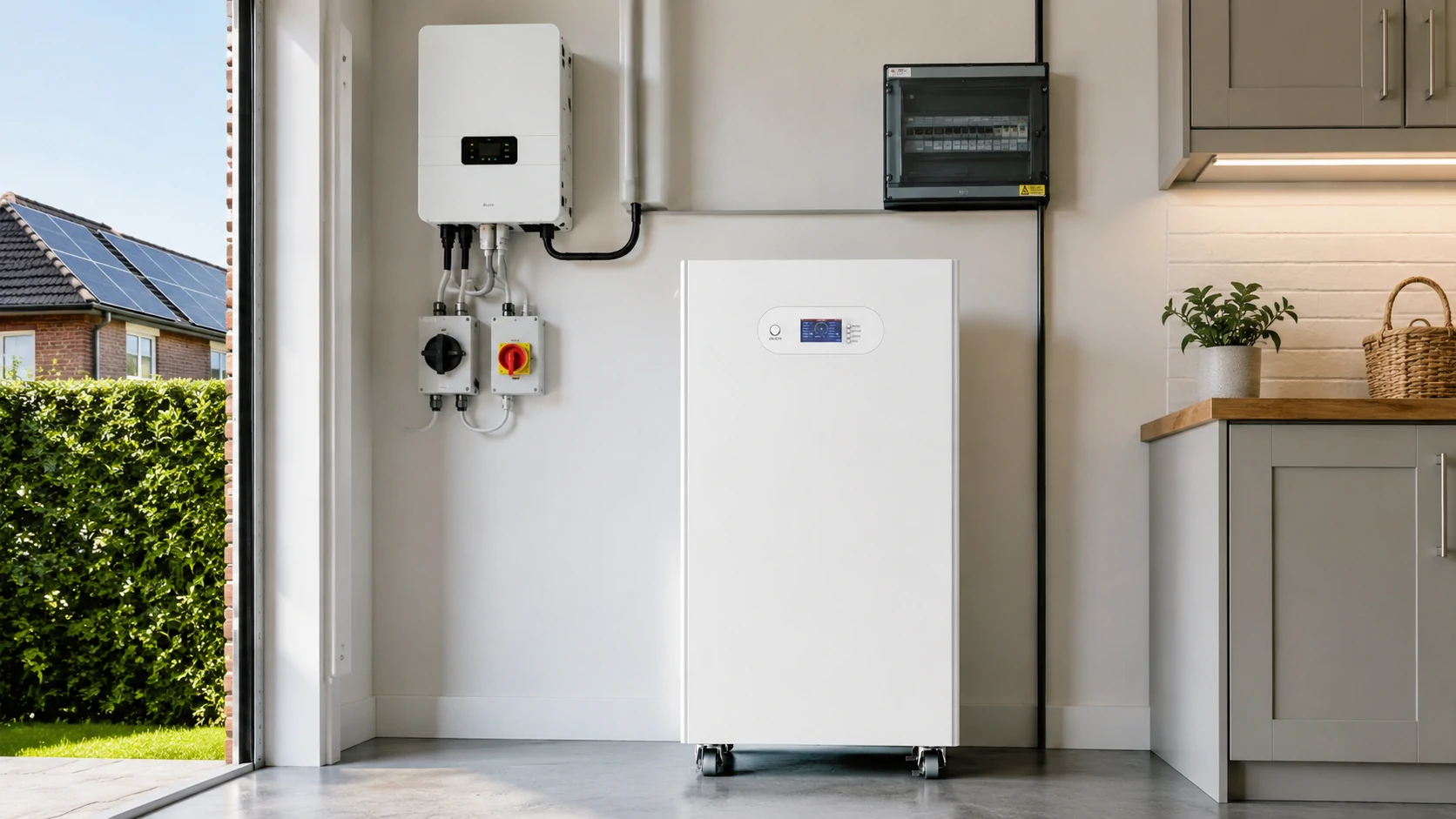
A home battery can work with solar panels, but it does not always need them. Many homeowners now install battery-only systems to charge from the grid when electricity is cheaper and discharge during expensive periods. For solar homes, the main benefit is simple: use more of your own solar power instead of exporting it at a lower rate and buying electricity back later at a higher rate.
This guide explains how home battery systems work in the UK, how much they cost, what size you may need, what to check before installation, and how installers, distributors, and project buyers can choose a reliable system.
What Is a Home Battery System?
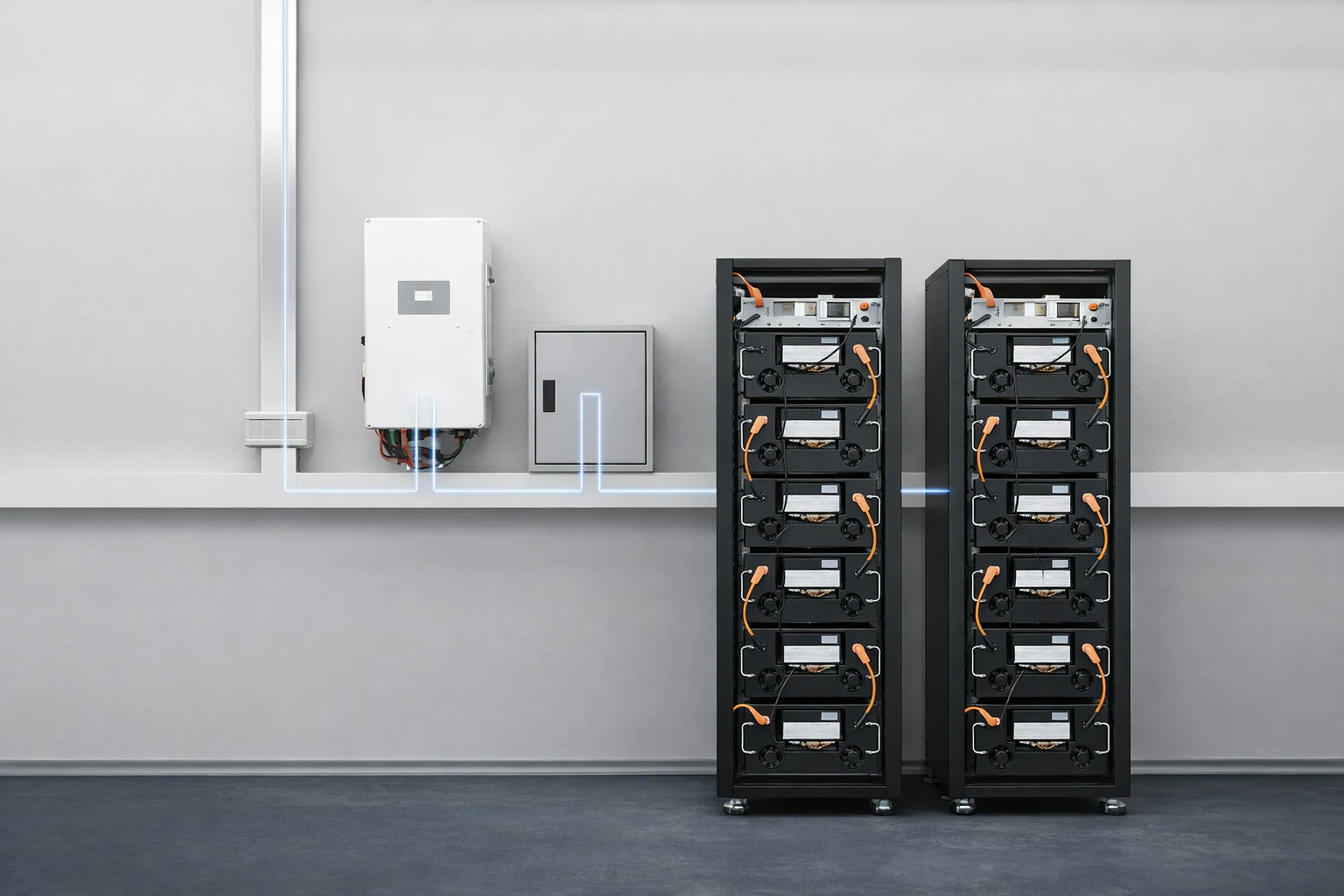
A home battery system is an energy storage setup that stores electricity for later use. It normally includes:
- Battery modules
- Battery management system, or BMS
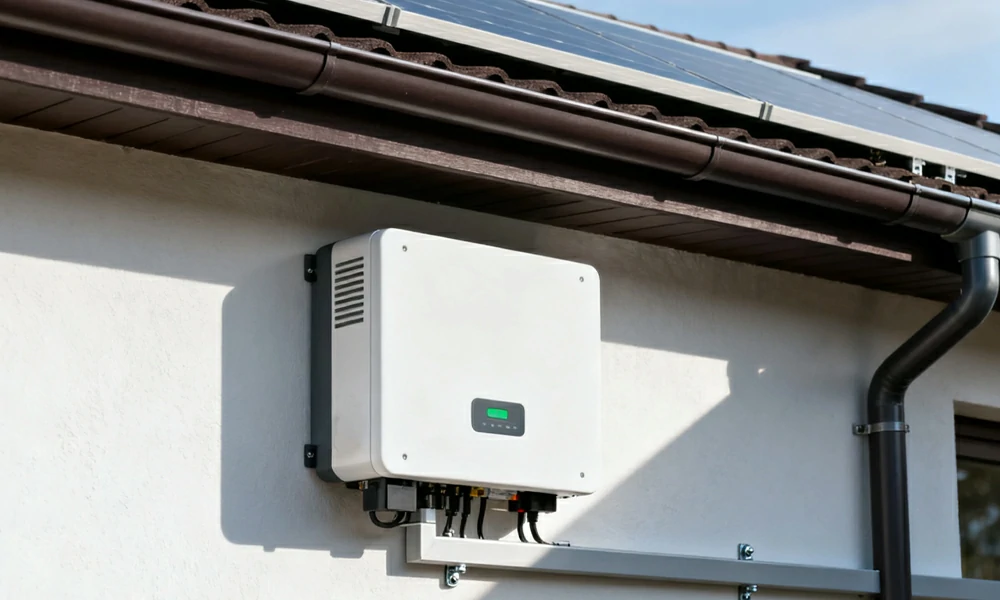
- Hybrid inverter or battery inverter
- Monitoring system
- Safety protection and isolation equipment
- Optional backup circuit or backup gateway
- Solar PV connection, if used with rooftop solar
In a solar home, your panels produce DC electricity during the day. The system either uses that energy directly in the home, stores the surplus in the battery, or exports unused energy to the grid. At night or during peak electricity periods, the battery discharges to power your appliances.
In a battery-only home, the system charges from the grid during low-cost tariff windows and discharges when grid electricity is more expensive. This is useful for households on time-of-use tariffs, especially where daily electricity demand is high.
For installers and energy storage partners looking for scalable products, Avepower provides solar batteries UK solutions designed for residential retrofit projects, installer-led installations, and storage partners serving the UK market.
Planning a UK Home Battery Project?
Whether you are comparing battery-only installation, solar battery storage, or a scalable system for future energy use, Avepower can help you choose the right LiFePO4 battery capacity, configuration, and inverter-compatible solution for UK residential projects.
Why UK Homes Are Installing Battery Systems
UK homeowners usually consider a home battery system for five practical reasons.
1. Store Solar Energy for Night Use
Solar panels often generate the most electricity around midday, while many homes use more power in the morning and evening. A battery helps shift that daytime generation into the evening.
2. Use Cheaper Off-Peak Electricity
Some UK energy suppliers offer smart time-of-use tariffs. With the right inverter and energy management settings, a battery can charge when electricity is cheaper and discharge later.
This is especially useful for homes with:
- EV chargers
- Heat pumps
- Electric cooking
- High evening consumption
- No solar panels but access to smart tariffs
3. Reduce Grid Dependence
A battery does not make every home fully off-grid, but it can reduce daily grid imports. For many homes, the goal is not complete independence; it is better energy control.
A well-sized home energy storage battery system can help homes store solar power, avoid peak utility rates, and keep essential appliances running when properly configured.
4. Improve Backup Power Resilience
Some battery systems can support backup power during outages, but not all batteries provide automatic whole-home backup. You need to check:
- Whether the inverter supports backup output
- Whether a backup gateway or EPS circuit is required
- Which circuits will be backed up
- Battery power rating in kW
- Battery capacity in kWh
- Whether the system can operate safely in islanding mode
For most UK homes, essential-load backup is more practical than full-house backup. Typical backed-up loads include lighting, fridge, WiFi, router, phone charging, security system, and some sockets.
5. Benefit from 0% VAT and Export Tariffs
From 1 February 2024, qualifying electrical storage battery installations in residential accommodation can be included under energy-saving materials rules. This can apply to standalone grid-charged batteries, batteries retrofitted to existing qualifying energy-saving materials, or batteries installed with solar or other qualifying generation.
If you also generate renewable electricity, the Smart Export Guarantee allows eligible small-scale generators in Great Britain to receive payments for electricity exported to the grid. Export rates vary by supplier, so homeowners should compare tariff terms before making financial assumptions.
Home Battery System UK Cost: What Should You Expect?
The cost of a home battery system in the UK depends on capacity, inverter type, installation complexity, backup requirements, brand, warranty, and whether the battery is installed with solar panels or as a retrofit.
Home battery storage can range from around £1,500 to £10,000, with a 5kWh system around £4,600. In the wider UK market, installed prices vary because some systems include an inverter, some require extra electrical work, and some include backup hardware.
| Battery Size | Typical Use Case | Indicative Installed Cost Range | Best For |
|---|---|---|---|
| 3kWh–5kWh | Light evening use, small homes, basic solar storage | £3,000–£5,500 | Flats, small homes, lower daily usage |
| 5kWh–10kWh | Most average UK homes | £4,500–£8,000 | Solar self-consumption and tariff shifting |
| 10kWh–15kWh | Larger homes, EV or heat pump planning | £7,000–£11,000+ | Higher electricity demand |
| 15kWh–30kWh | Whole-home backup or larger residential projects | Custom quote | Villas, large homes, project-based installs |
Planning a UK home battery storage project? Contact Avepower to discuss your required capacity, inverter brand, backup needs, and OEM/ODM options. Our team can help you choose a reliable LiFePO4 battery system for residential solar storage, retrofit battery-only installations, and installer-led energy storage projects.
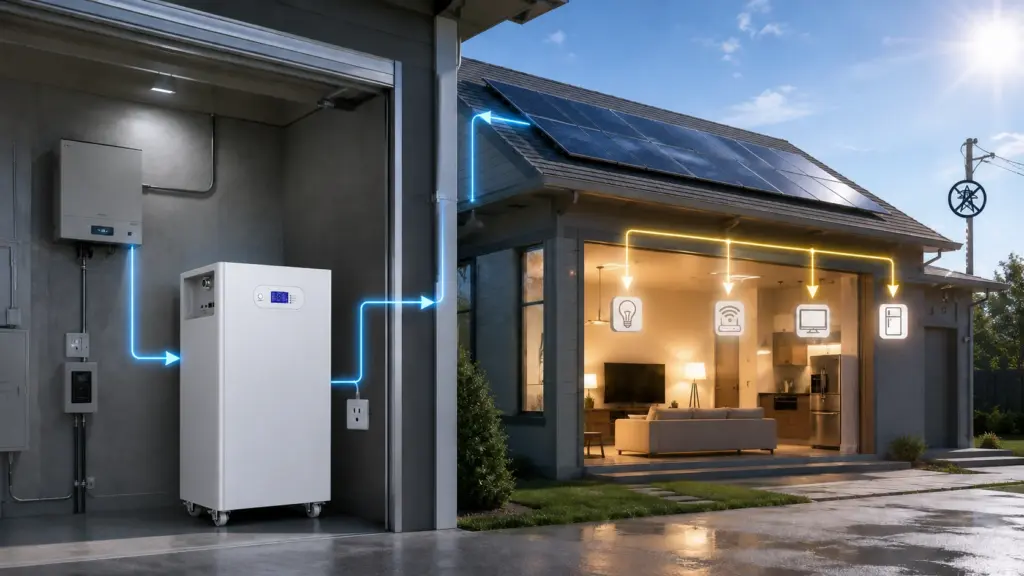
Source UK-Ready Home Battery Systems from Avepower
Avepower provides solar LiFePO4 battery systems for residential energy storage projects. If you are an installer, distributor, wholesaler, or OEM brand, contact Avepower for factory-direct support, scalable supply, and customized battery solutions.
Solar Battery vs Battery-Only Installation
A home battery system can be installed in two main ways: with solar panels or without solar panels.
Solar + Battery System
This is usually the best option if you already have suitable roof space or an existing PV system. The battery stores excess solar electricity during the day and supplies it later.
Best for:
- Homes with existing solar panels
- New solar PV installations
- Households that export a lot of daytime solar energy
- Users who want lower grid imports
- Installations aiming for long-term energy savings
Battery-Only System
A battery-only system charges from the grid. It works best when paired with a smart tariff that offers cheaper off-peak electricity.
Best for:
- Homes without suitable roof space
- Flats or urban properties where solar is difficult
- Households with high evening demand
- EV or heat pump users
- Users focused on tariff arbitrage rather than solar self-consumption
Battery-only systems can make sense, but they depend heavily on the price gap between cheap and peak electricity. If that gap narrows, savings may reduce.
What Size Home Battery Do You Need in the UK?
The right size depends on your electricity use, solar generation, export amount, tariff, and backup goals. Do not choose a battery only because it is popular. Choose it based on your load profile.
Simple Sizing Method
Use this practical process:
- Check your average daily electricity consumption in kWh.
- Check when you use most electricity: daytime, evening, or overnight.
- If you have solar, check how many kWh you export on a typical day.
- Decide whether the battery is for savings, backup, or both.
- Leave room for future loads such as an EV charger or heat pump.
- Match battery capacity with inverter power rating.
Typical UK Home Battery Sizing Guide
| Home Type | Daily Electricity Use | Suggested Battery Size | Notes |
|---|---|---|---|
| Small flat or low-use home | 4–7kWh/day | 3–5kWh | Good for evening essentials |
| Average 2–3 bedroom home | 7–12kWh/day | 5–10kWh | Common UK choice |
| Larger family home | 12–20kWh/day | 10–15kWh | Better for high evening demand |
| Home with EV or heat pump | 15–30kWh+/day | 15–30kWh | Requires careful load planning |
| Backup-focused home | Depends on circuits | 10kWh+ | Power rating matters as much as capacity |
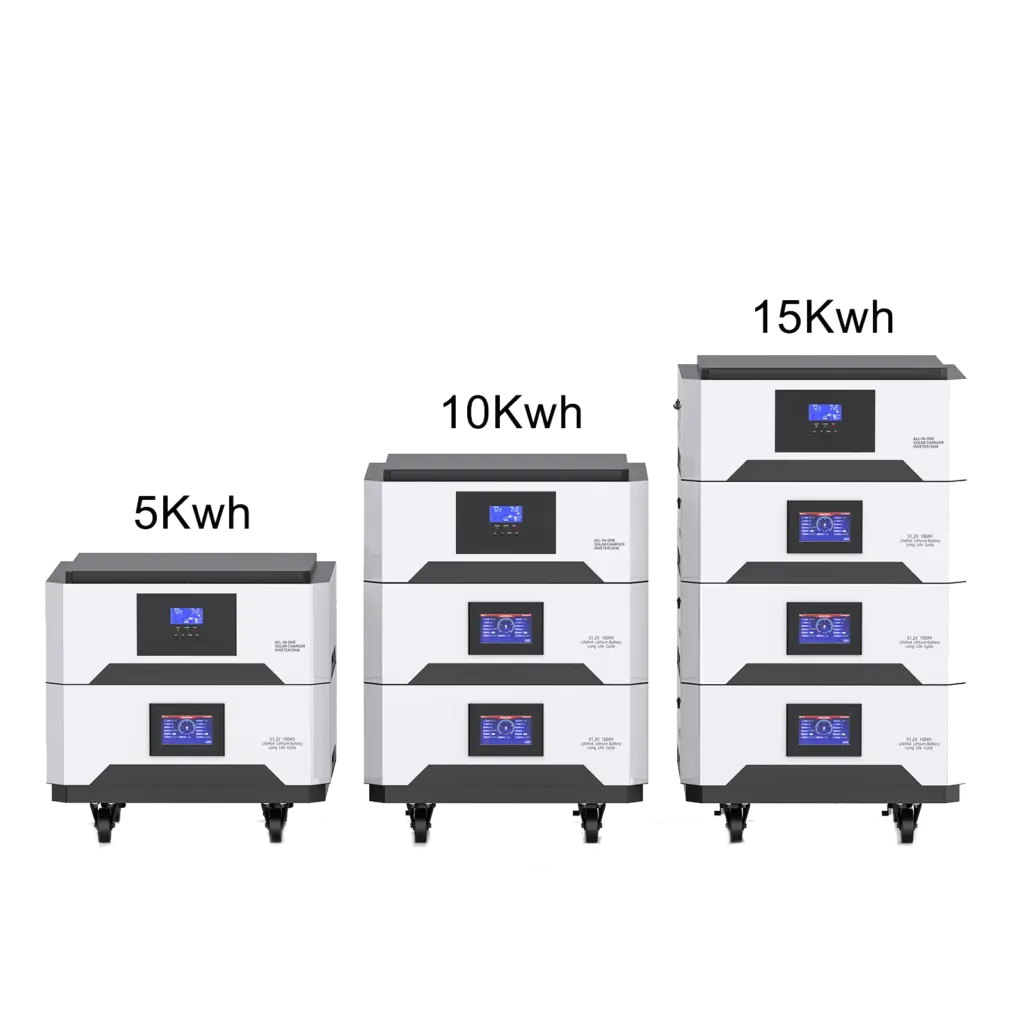
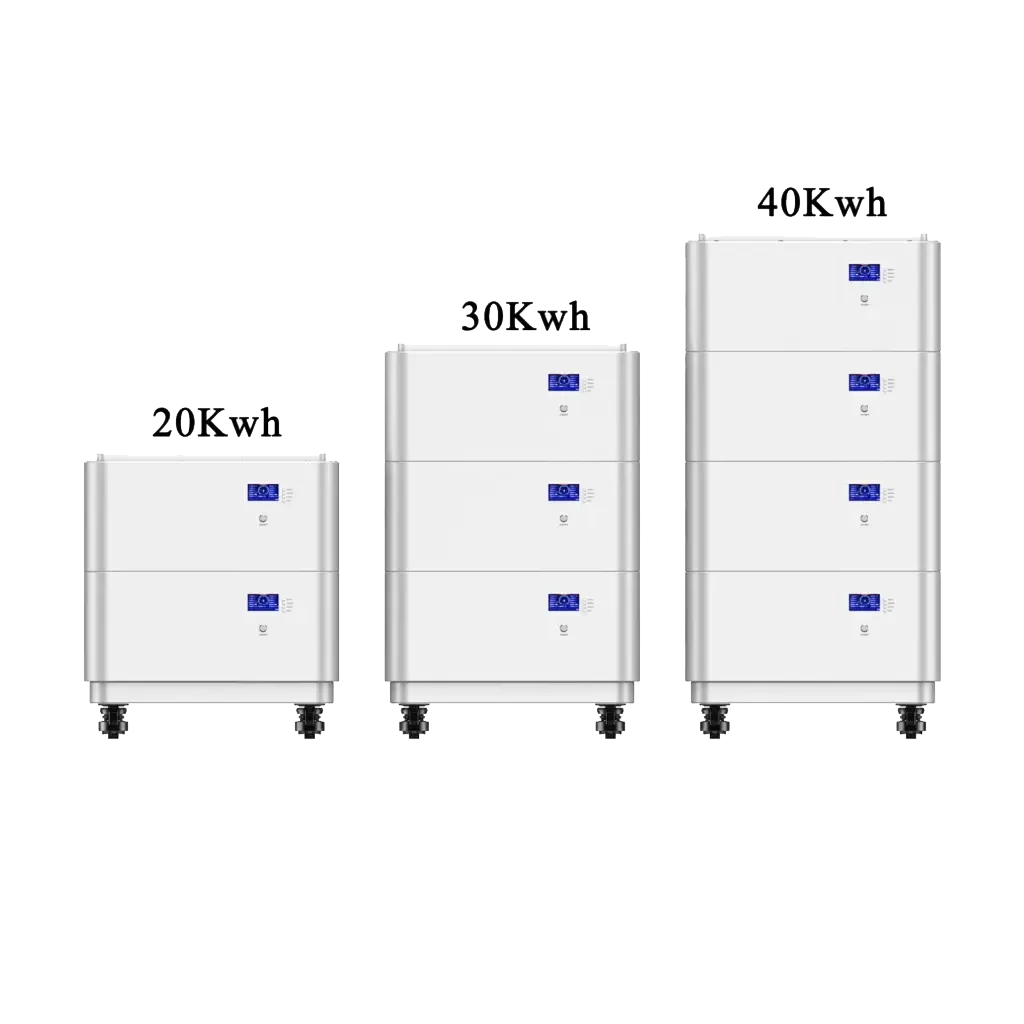
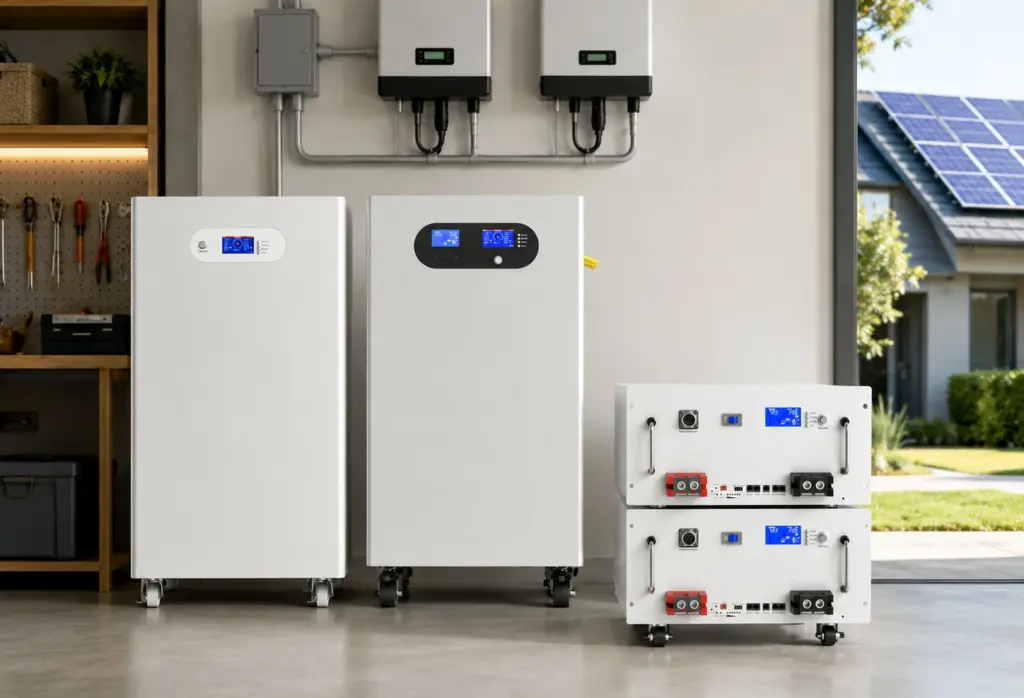
For modular installations, wall-mounted LiFePO4 batteries can suit compact homes and garages, while a stackable battery system is useful when installers need flexible capacity options such as 5kWh, 10kWh, 15kWh, 20kWh or larger configurations.
All-in-One Battery System
An all-in-one solar battery integrates the battery, inverter, MPPT solar charging, and control system in one cabinet. This can reduce installation complexity for suitable projects, especially where a compact floor-standing system is preferred.
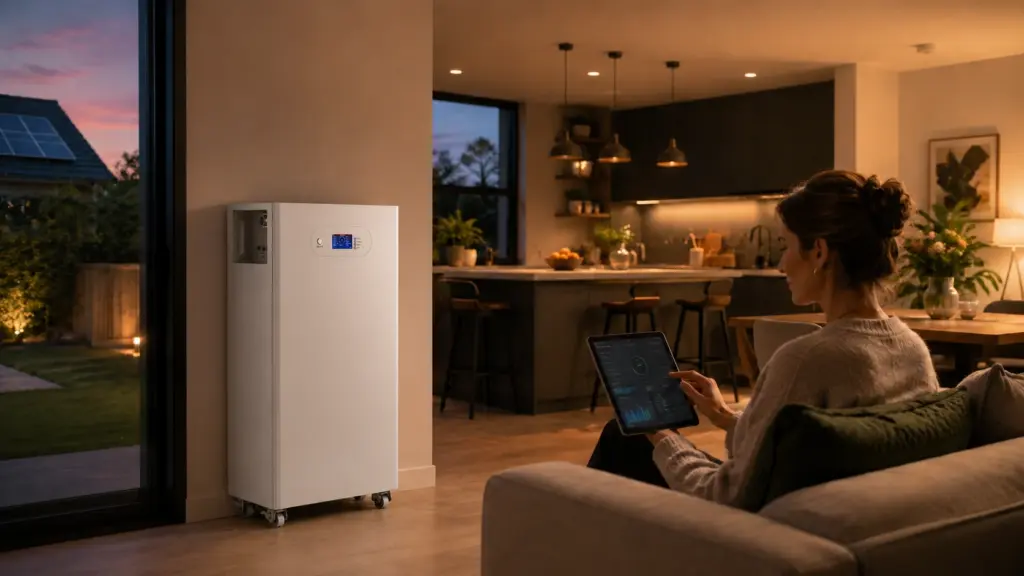
Backup Power: Can a Home Battery Run Your House During a Power Cut?
Yes, but only if the battery system and inverter are designed and installed for backup operation. Many standard solar battery systems do not automatically power the home during a blackout unless they include backup wiring and islanding protection.
There are three common backup levels.
| Backup Level | What It Powers | Typical Requirement |
|---|---|---|
| No backup | Savings only, no blackout support | Standard grid-tied setup |
| Essential-load backup | Fridge, lights, WiFi, sockets | EPS/backup circuit |
| Whole-home backup | Most or all household circuits | Larger inverter, gateway, careful load design |
A 5kWh battery may run essential loads for several hours, but it will not run heavy loads for long. Appliances such as electric showers, ovens, immersion heaters, EV chargers, and heat pumps require high power and can drain batteries quickly.
For reliable backup design, installers should calculate both:
- Energy capacity: how many kWh the battery stores
- Power output: how many kW the battery/inverter can deliver at once
UK Installation and Compliance: What to Check
Home battery installation is not a DIY project. It involves grid connection, electrical safety, inverter settings, battery communication, protection devices, and commissioning.
Before installation, check the following.
1. Use a Qualified Installer
A battery installer should understand UK electrical rules, battery storage design, inverter setup, isolation, metering, and handover documentation. The MCS Battery Installation Standard MIS 3012 outlines requirements for the design and installation of electrical energy storage systems.
2. Confirm DNO Requirements
Battery systems connected to the grid may require DNO notification or approval under G98 or G99 depending on the total AC output. In many domestic cases, your installer should handle this process.
MCS MIS 3012 references G98 for installations up to and including 16A per phase and G99 for systems exceeding 16A per phase, with G100 relevant where export is limited.
3. Check Inverter Compatibility
Lithium batteries and inverters must communicate correctly. Poor matching can cause charging limits, SOC errors, shutdowns, or warranty issues.
Avepower provides an inverter compatibility list to help installers and distributors check supported inverter brands, communication methods, and protocol mapping for CAN, RS485, and RS232 systems.
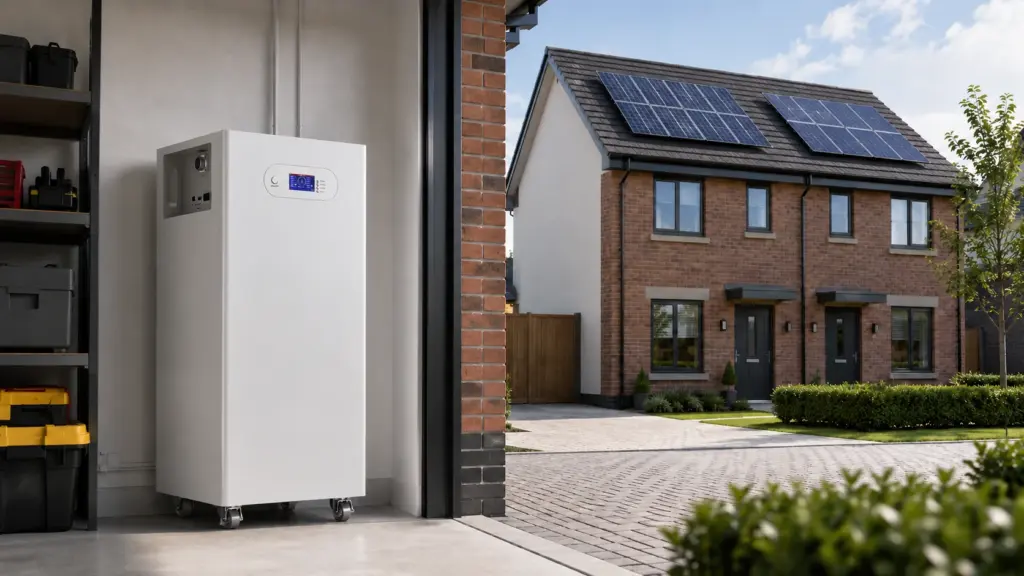
4. Choose a Safe Installation Location
Common locations include garages, utility rooms, plant rooms, and protected indoor areas. The site should allow:
- Adequate ventilation
- Safe wall or floor mounting
- Service access
- Protection from water exposure
- Correct cable routes
- Compliance with manufacturer temperature limits
- Clear isolation and emergency access
5. Ask for Documentation
A professional installation should provide:
- System design and capacity details
- Inverter and battery manuals
- Warranty documents
- Commissioning record
- DNO notification or approval where required
- User operation guidance
- Emergency shutdown instructions
How Much Can a UK Home Battery Save?
Savings depend on your usage pattern, electricity tariff, solar export, battery size, installation cost, and how intelligently the system is controlled.
A battery may save money in three ways:
- Storing solar energy instead of buying electricity later
- Charging from cheap off-peak electricity and discharging during peak periods
- Exporting surplus electricity under a suitable SEG tariff
For example, if a battery stores 8kWh of usable off-peak electricity and the price difference between off-peak and peak electricity is 15p per kWh, the gross saving per full cycle is about £1.20 before efficiency losses and battery degradation. If this happens 250 times per year, that is around £300 in annual gross value. Actual results vary because tariffs change, batteries are not always fully cycled, and not all stored energy is used at the most valuable time.
A solar home may achieve stronger savings if the battery captures energy that would otherwise be exported at a lower rate and uses it later instead of buying electricity at a higher retail rate.
Best Home & Solar Batteries Manufacturer in UK
Below are some of the most relevant battery manufacturers and energy storage brands for the UK residential solar storage market.
| Rank | Manufacturer / Brand | Best For | Key Strength | Buyer Type |
|---|---|---|---|---|
| 1 | Tesla Energy | Premium home battery systems | Strong brand, smart controls, backup capability | Homeowners, premium projects |
| 2 | Avepower | Wholesale home battery supply | LiFePO4, OEM/ODM, scalable systems, factory-direct support | Installers, distributors, OEM/ODM buyers |
| 3 | Duracell Energy / Puredrive | UK-supported solar batteries | UK design, testing, distribution and customer support | Homeowners, UK installers |
| 4 | myenergi | Smart home energy ecosystem | Works well with EV charging and energy management | EV owners, smart energy homes |
| 5 | Powervault | UK home storage | Integrated domestic battery storage | UK homeowners |
| 6 | sonnen | Premium European storage | Intelligent battery system and PV integration | Premium residential users |
| 7 | Fox ESS | Value and scalability | Battery + inverter product range | Installers, cost-conscious homeowners |
| 8 | Sigenergy | All-in-one energy ecosystem | Battery, inverter, EV charging and gateway integration | Modern smart homes |
| 9 | Enphase | AC-coupled solar storage | Microinverter-based modular battery system | Retrofit solar homes |
| 10 | GivEnergy | Existing UK installations | Recognised UK storage brand, but requires current support checks | Existing users, cautious buyers |
Avepower Home Battery Systems for UK Installers and Energy Storage Partners
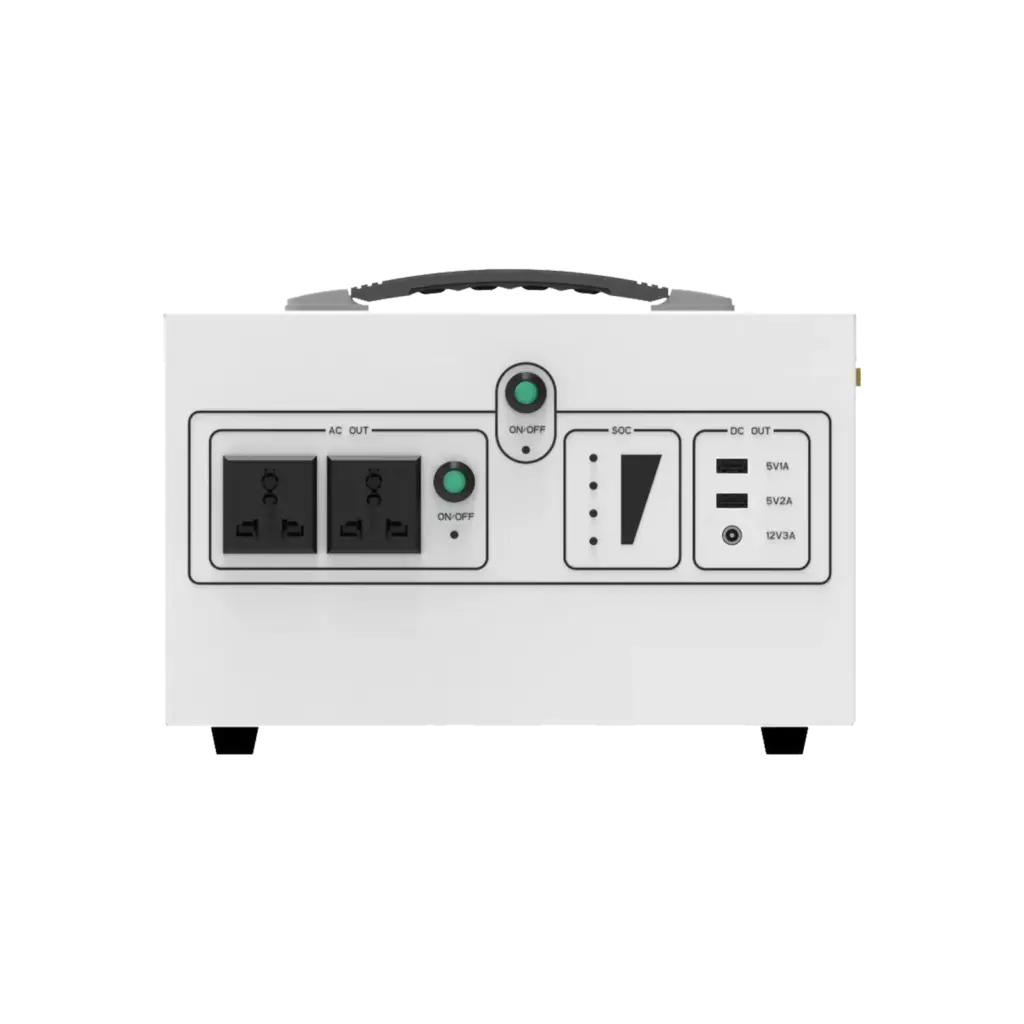
Avepower offers LiFePO4 home battery systems for residential solar storage, backup power, retrofit projects, and small energy storage applications. The product range includes wall-mounted batteries, rack-mounted batteries, stackable batteries, vertical batteries, and all-in-one battery systems.
For UK-focused installers, distributors, and project buyers, Avepower can support battery selection, inverter compatibility checks, OEM/ODM branding, scalable capacity design, and project-based supply. If you need custom capacity, enclosure, label, communication protocol, or market-specific configuration, Avepower also provides OEM/ODM battery customization.
Installers working on residential or small commercial storage projects can also review Avepower’s installer battery solutions for compatibility support, documentation, and product selection guidance.
Take Control of Your Energy with Avepower!
Reliable home solar battery solutions with OEM/ODM customization and in-house manufacturing, tailored to the needs of distributors, installers, and energy partners.
Conclusion
A home battery system in the UK can reduce electricity bills, improve solar self-consumption, support smart tariff savings, and provide backup power when designed correctly. The best system is not simply the cheapest battery; it is the one that matches your household load, inverter setup, tariff strategy, backup requirements, and future energy plans.
Need UK-ready home battery systems for installation projects? Contact Avepower for inverter compatibility and wholesale pricing.
FAQ
The best home battery system depends on your home’s electricity use, solar setup, tariff, backup needs, and budget. For many homes, a 5kWh to 10kWh LiFePO4 system is a practical starting point. Larger homes or EV/heat pump users may need 10kWh to 20kWh or more.
A typical UK home battery system can cost from a few thousand pounds to £10,000 or more depending on battery size, inverter type, backup function, and installation complexity. A 5kWh system is often used as a mid-range benchmark, while larger 10kWh to 15kWh systems cost more.
Many 3-bedroom UK homes start with a 5kWh to 10kWh battery. If the home has high evening use, an EV, heat pump, or backup requirements, a larger system may be needed.
For many average homes, 10kWh is a strong size because it can cover evening demand and store more solar or off-peak electricity. However, the right size depends on your actual energy use.
Qualifying residential electrical storage battery installations can fall under the UK energy-saving materials VAT rules from 1 February 2024. Always confirm the latest tax treatment with your installer or tax adviser before purchase.
Many grid-connected battery systems require DNO notification or approval. Your installer should determine whether G98, G99, or export limitation requirements apply.
A battery is often more attractive with solar panels because it stores excess daytime generation for evening use. It can also work with smart tariffs and SEG export, improving the overall value of a solar PV system.