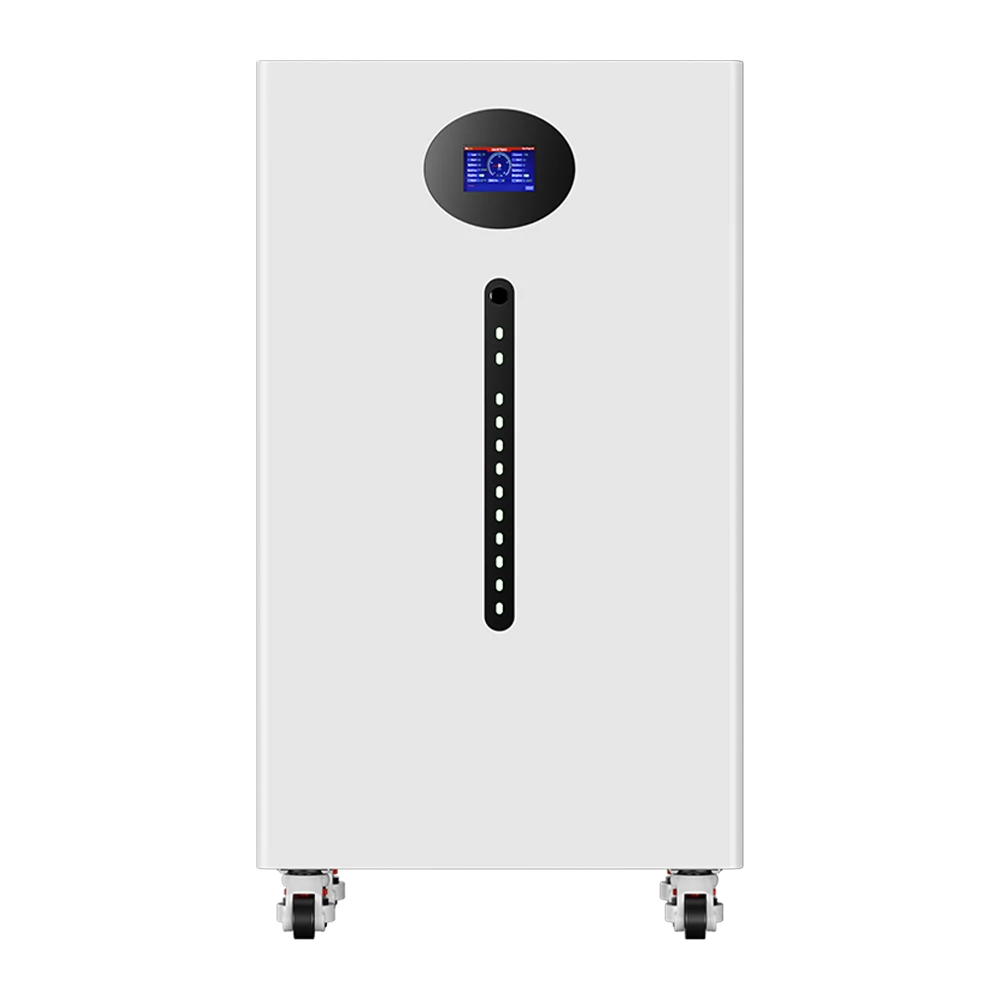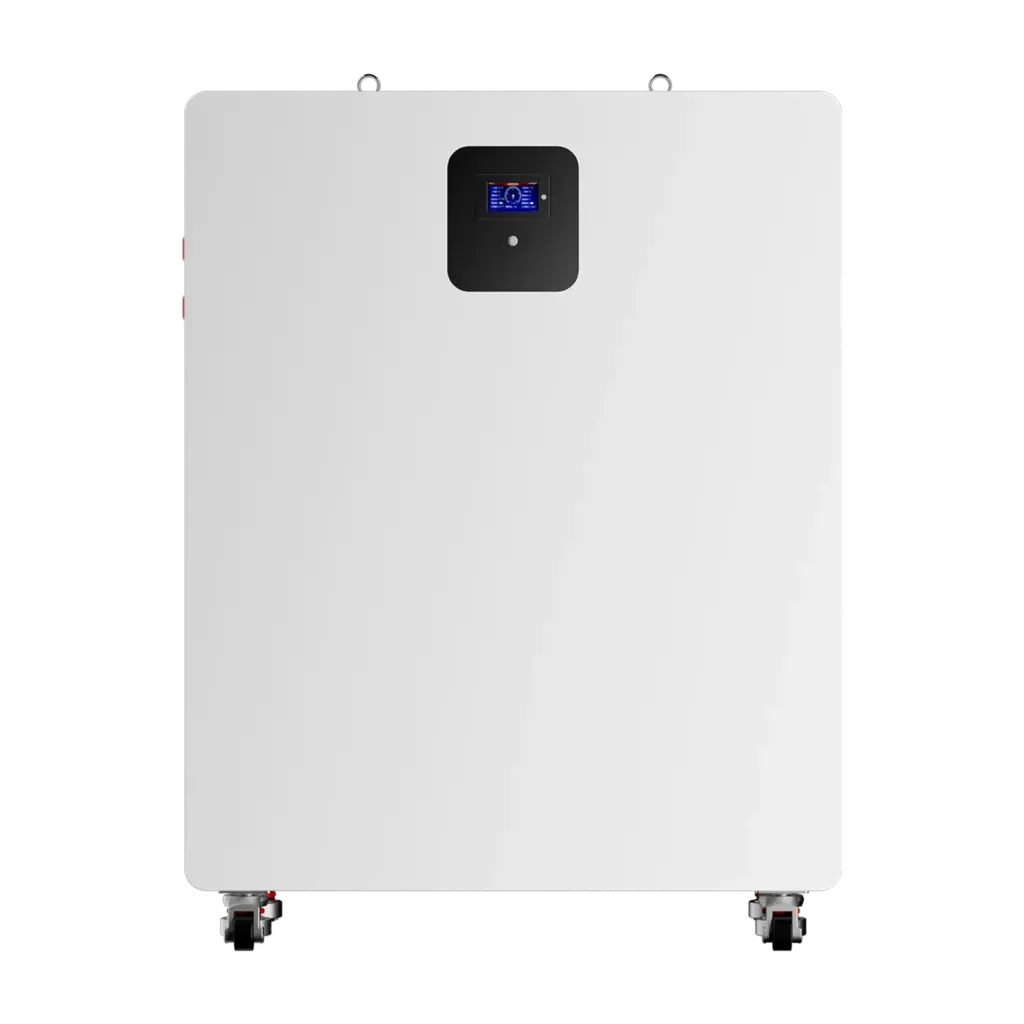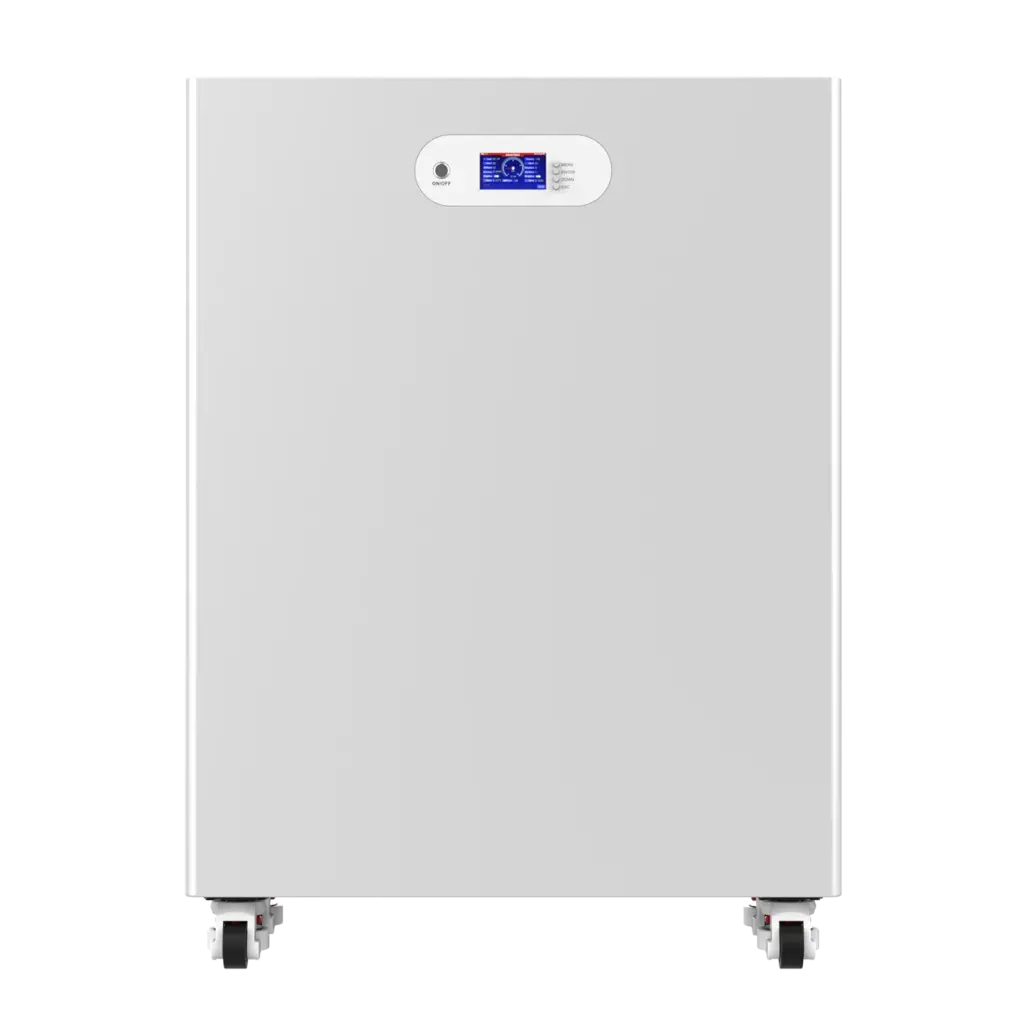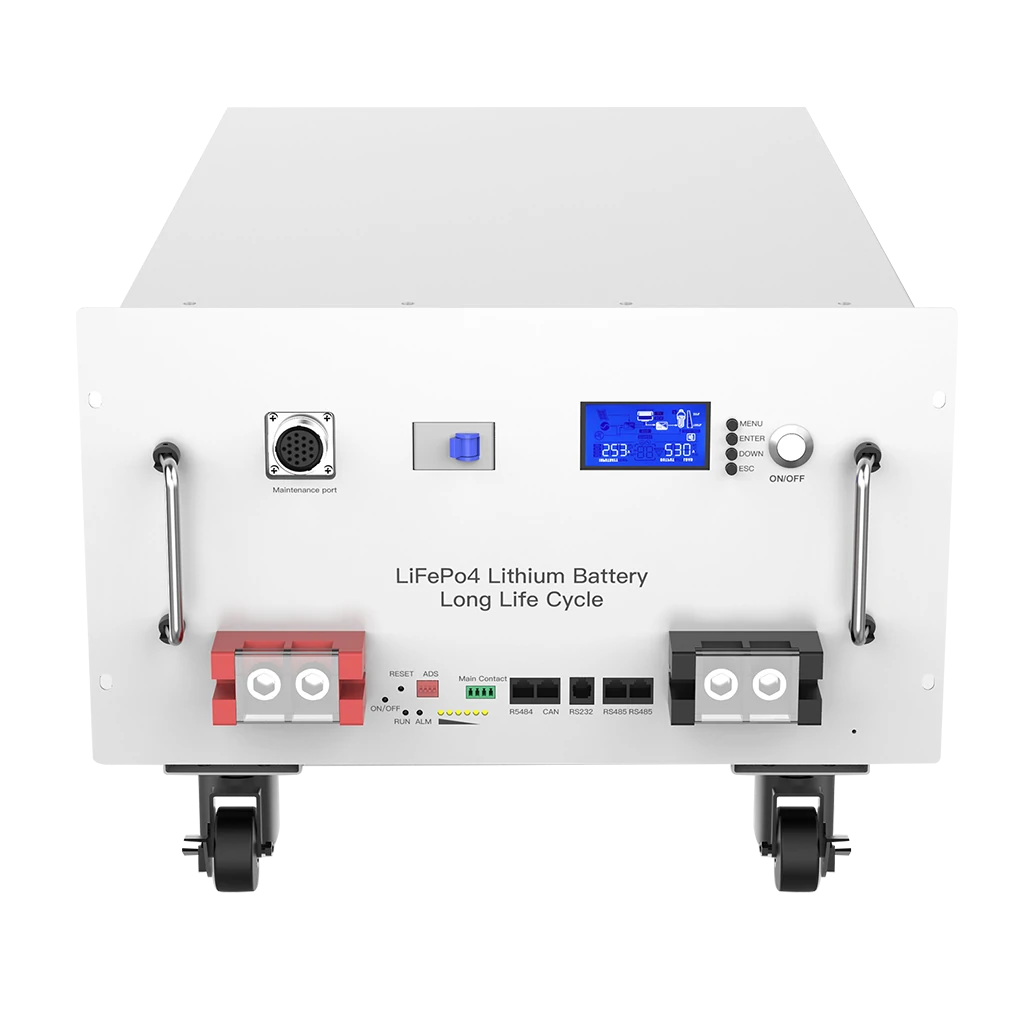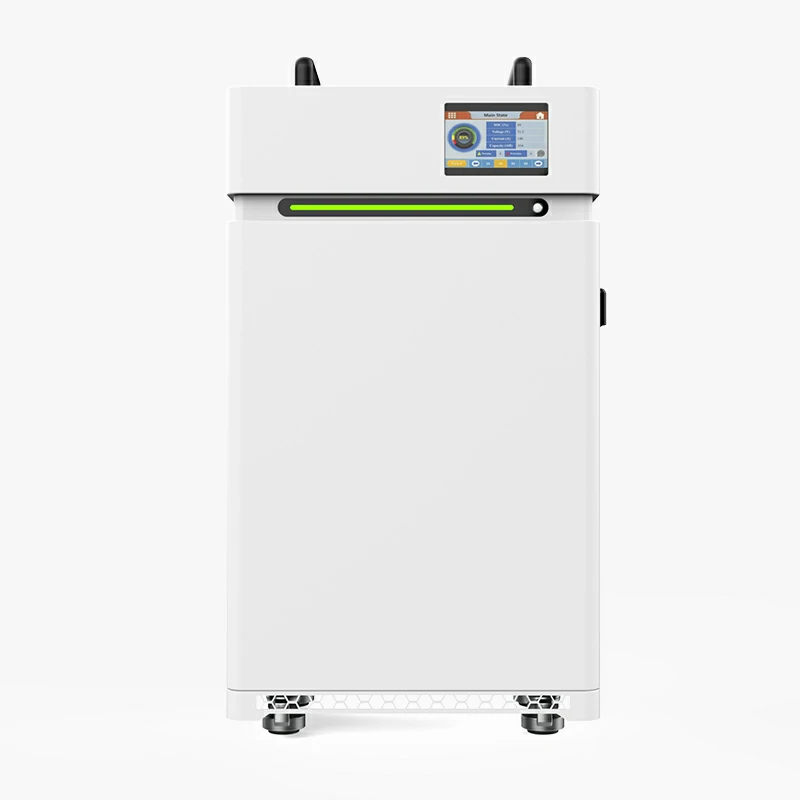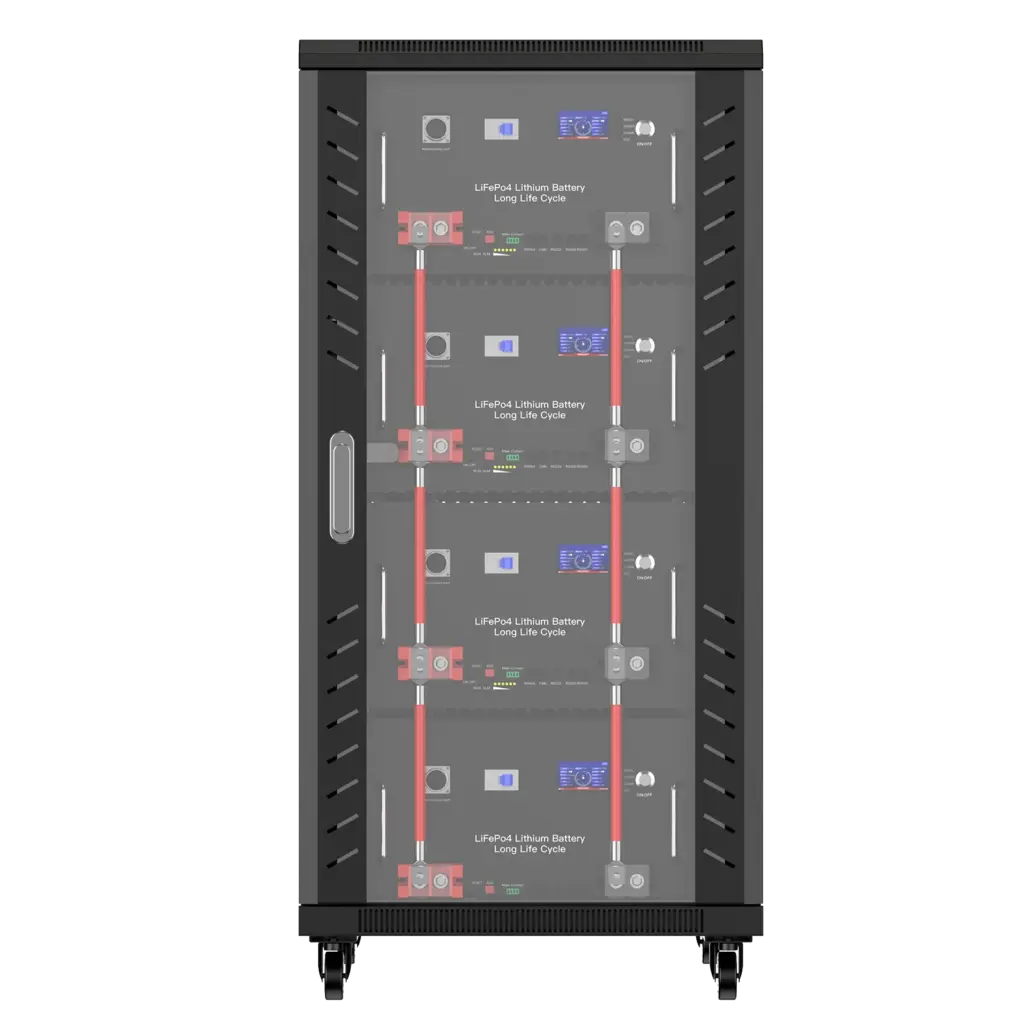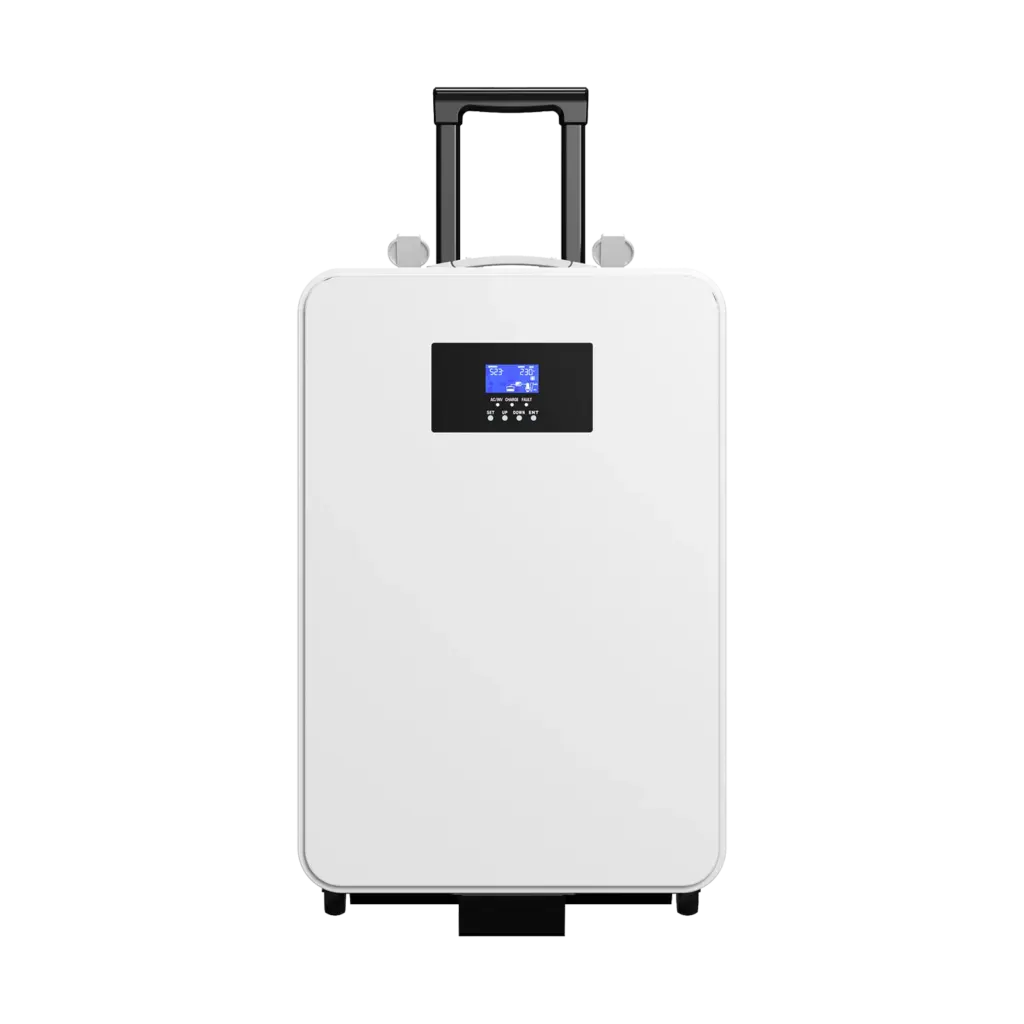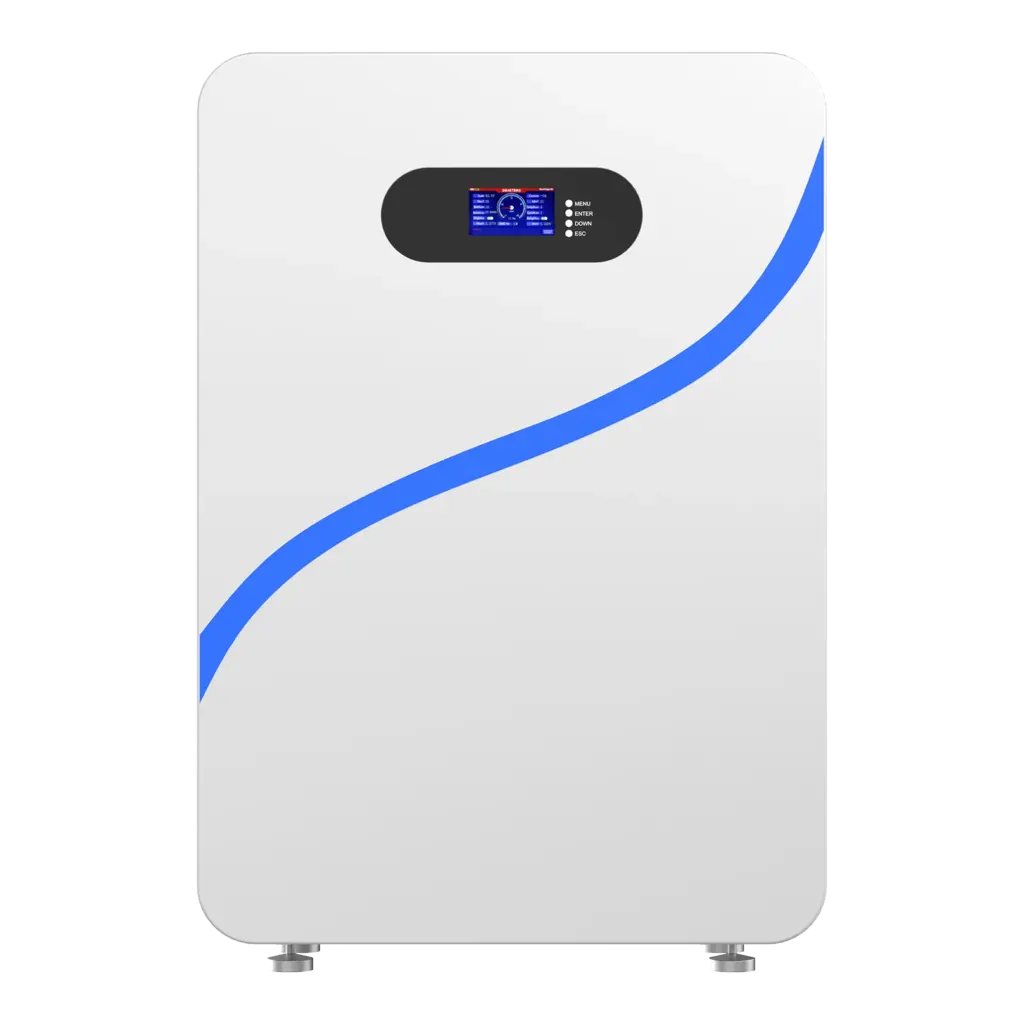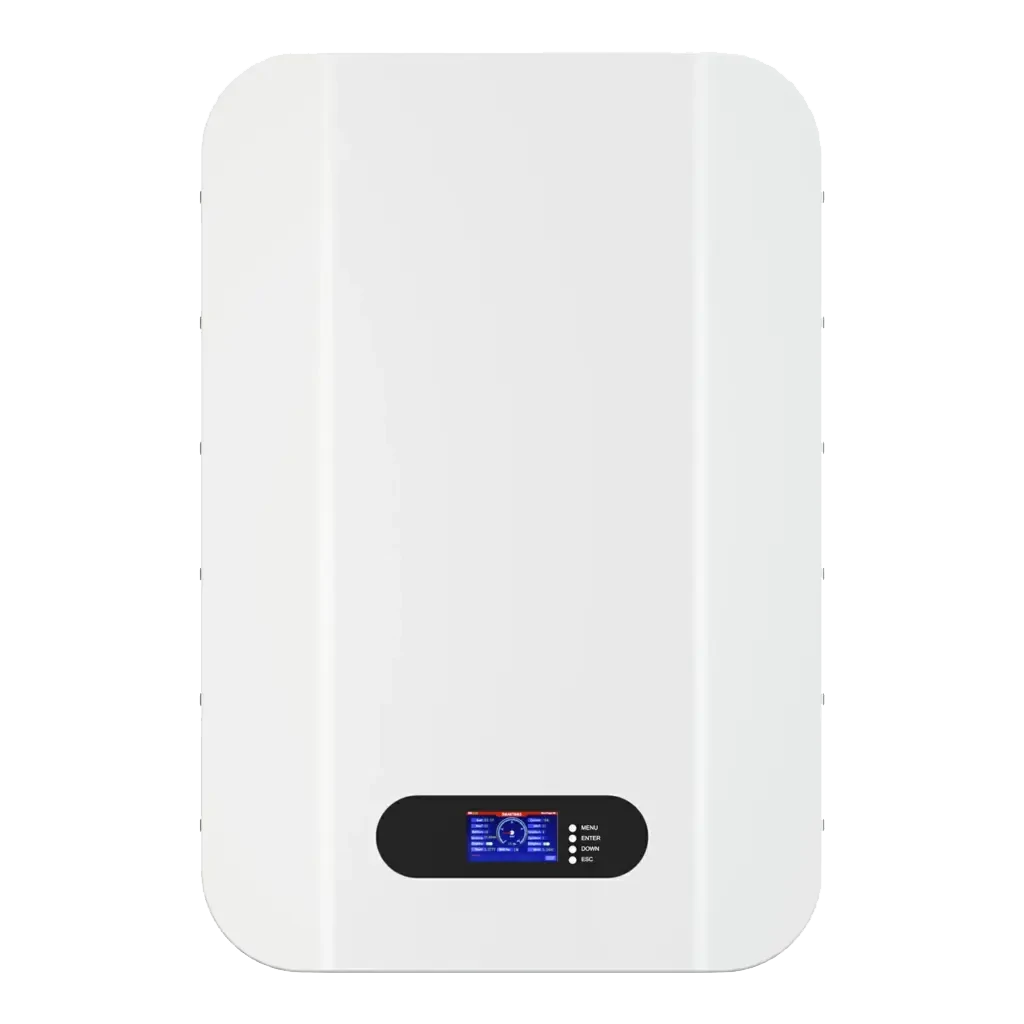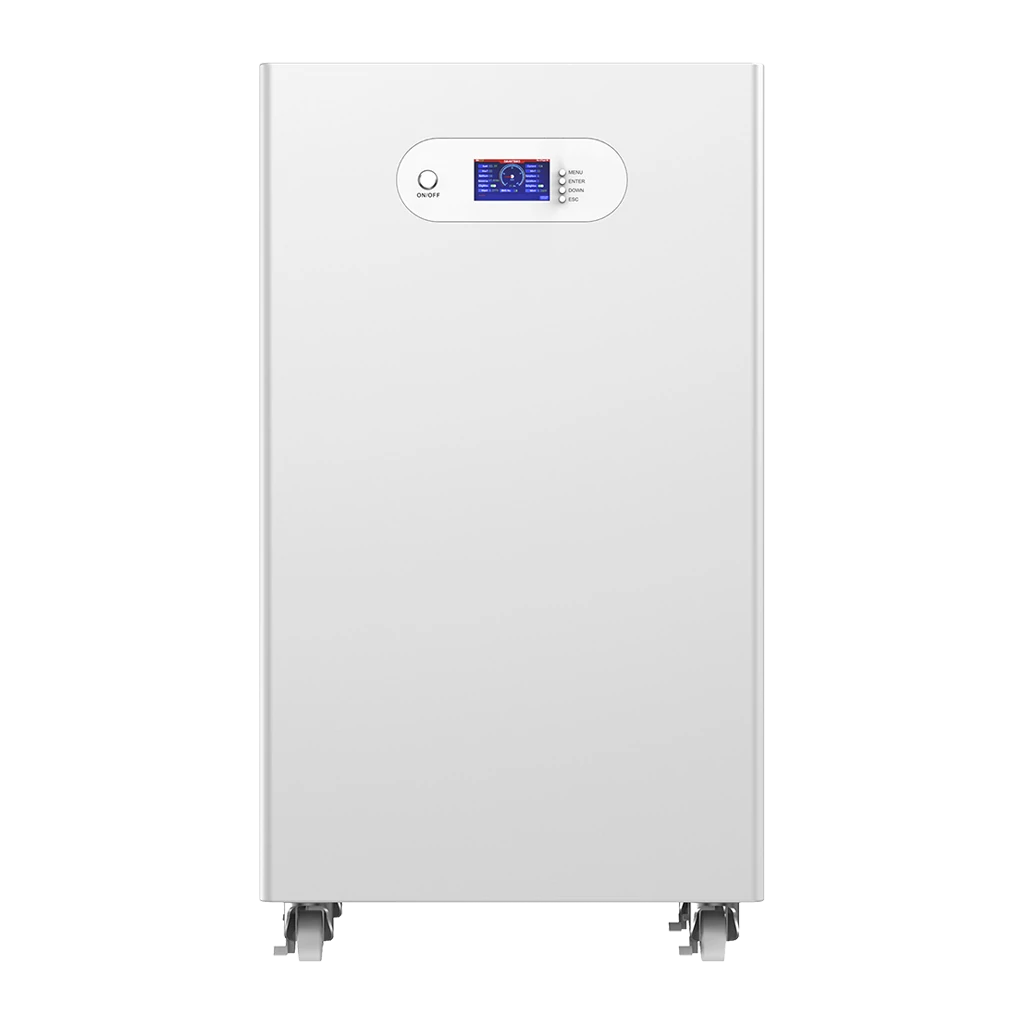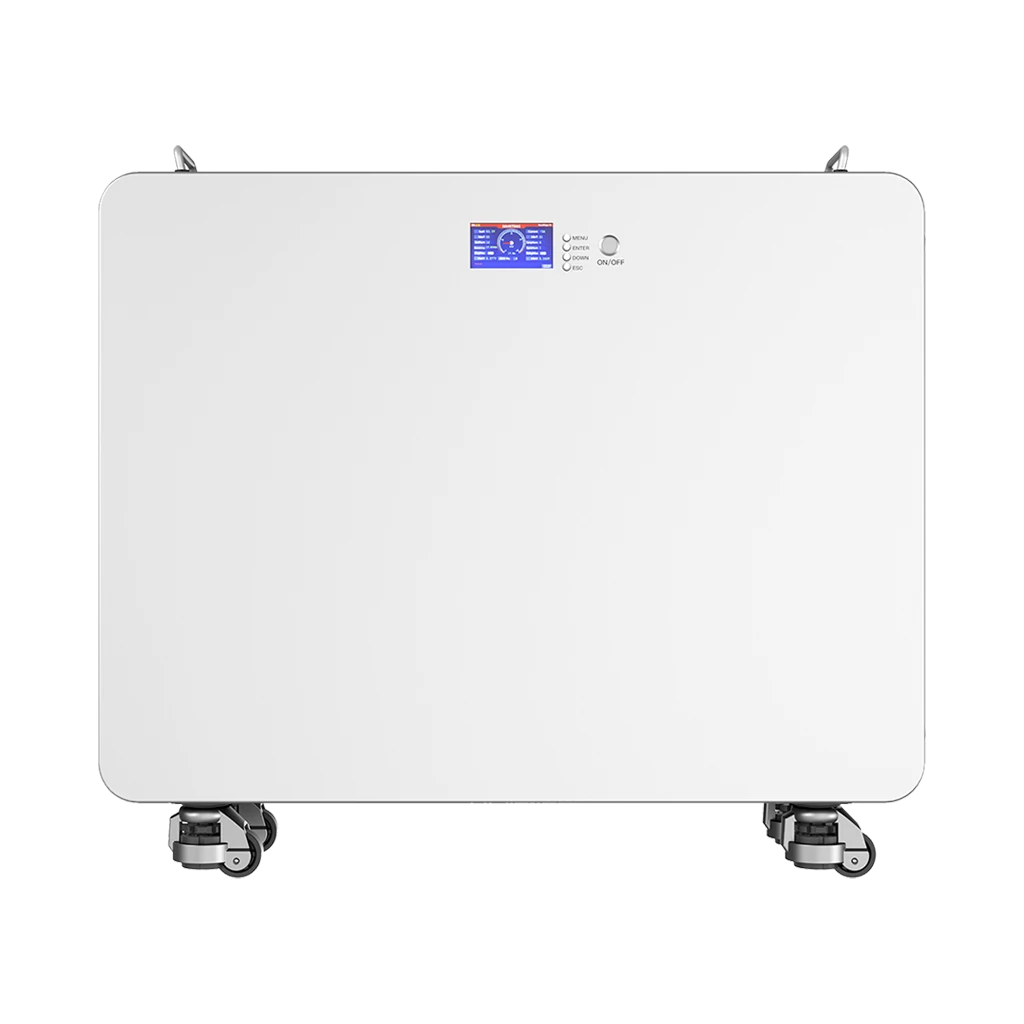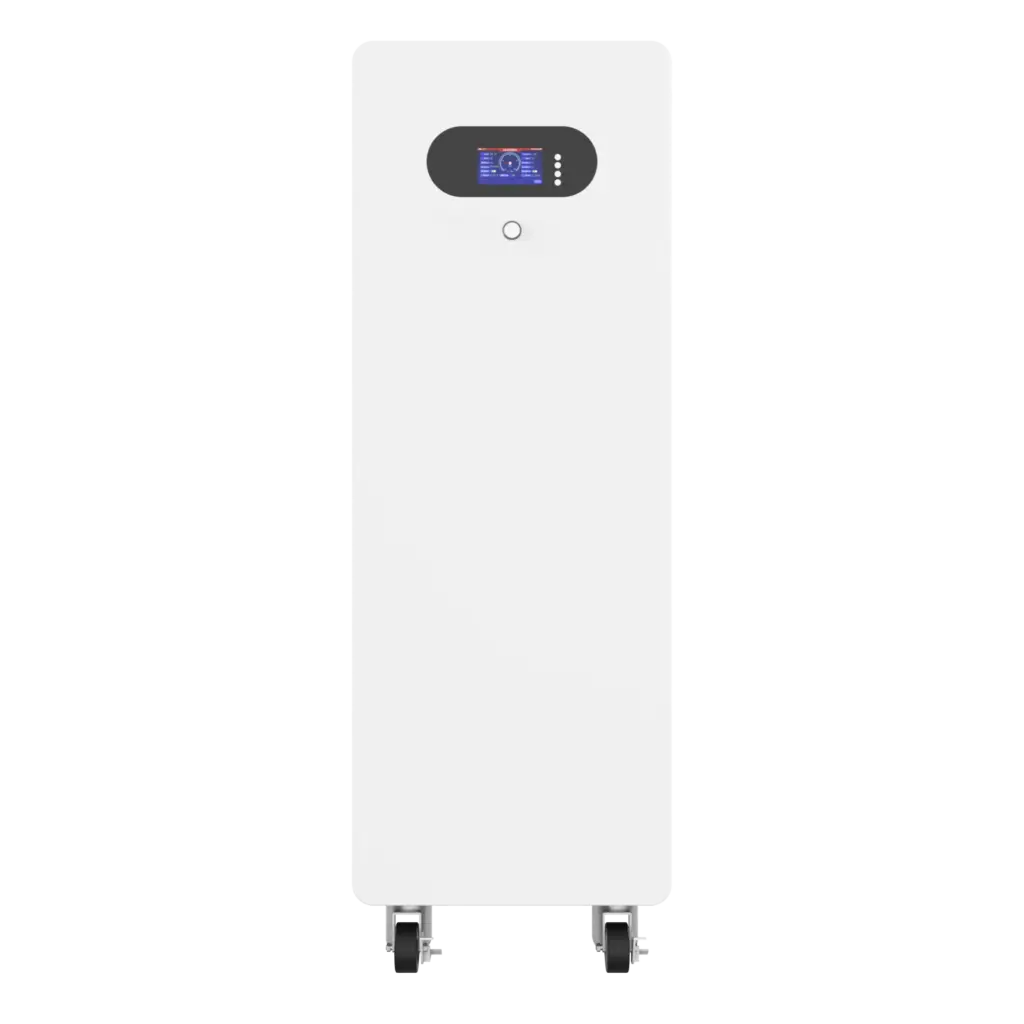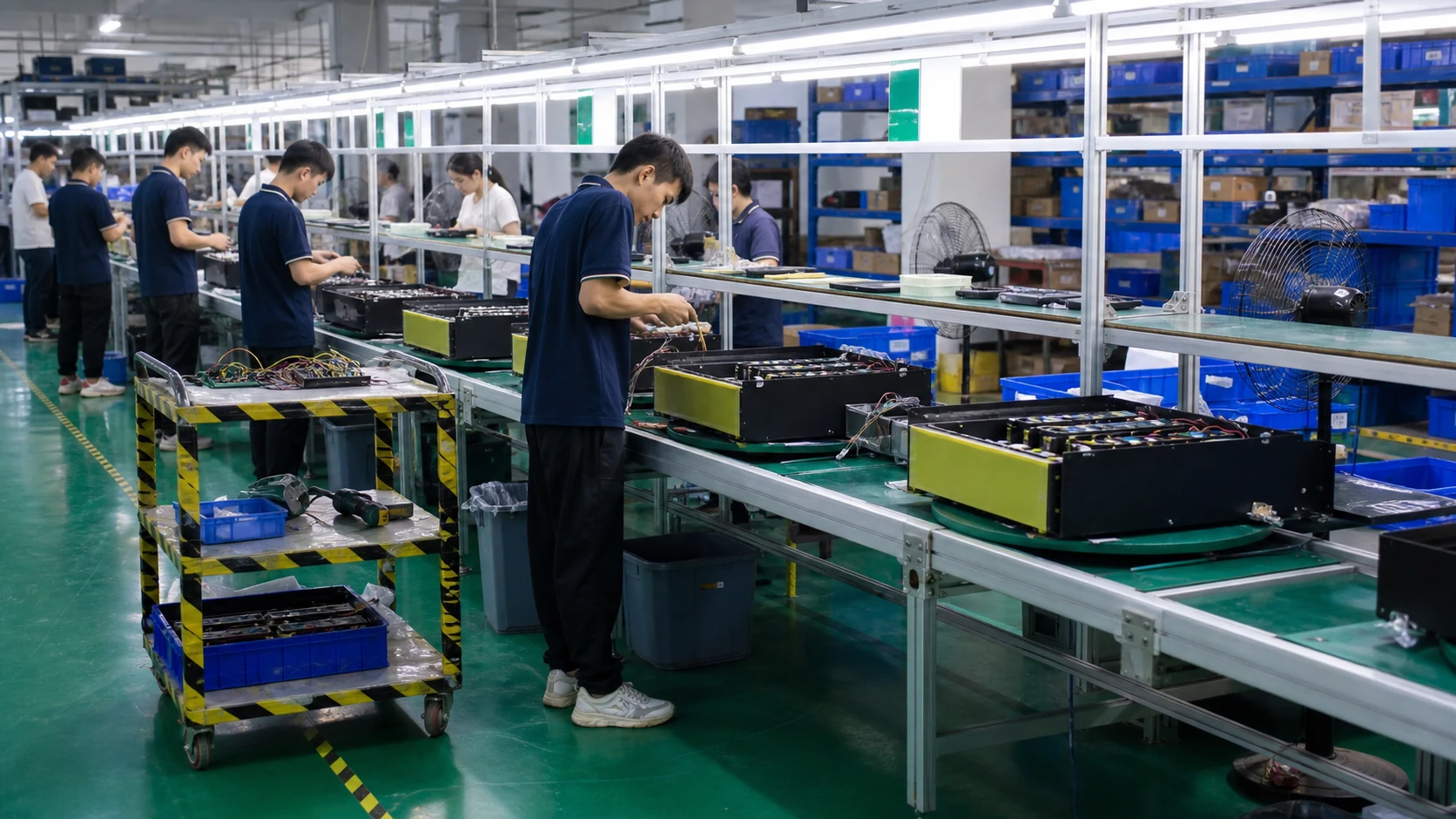

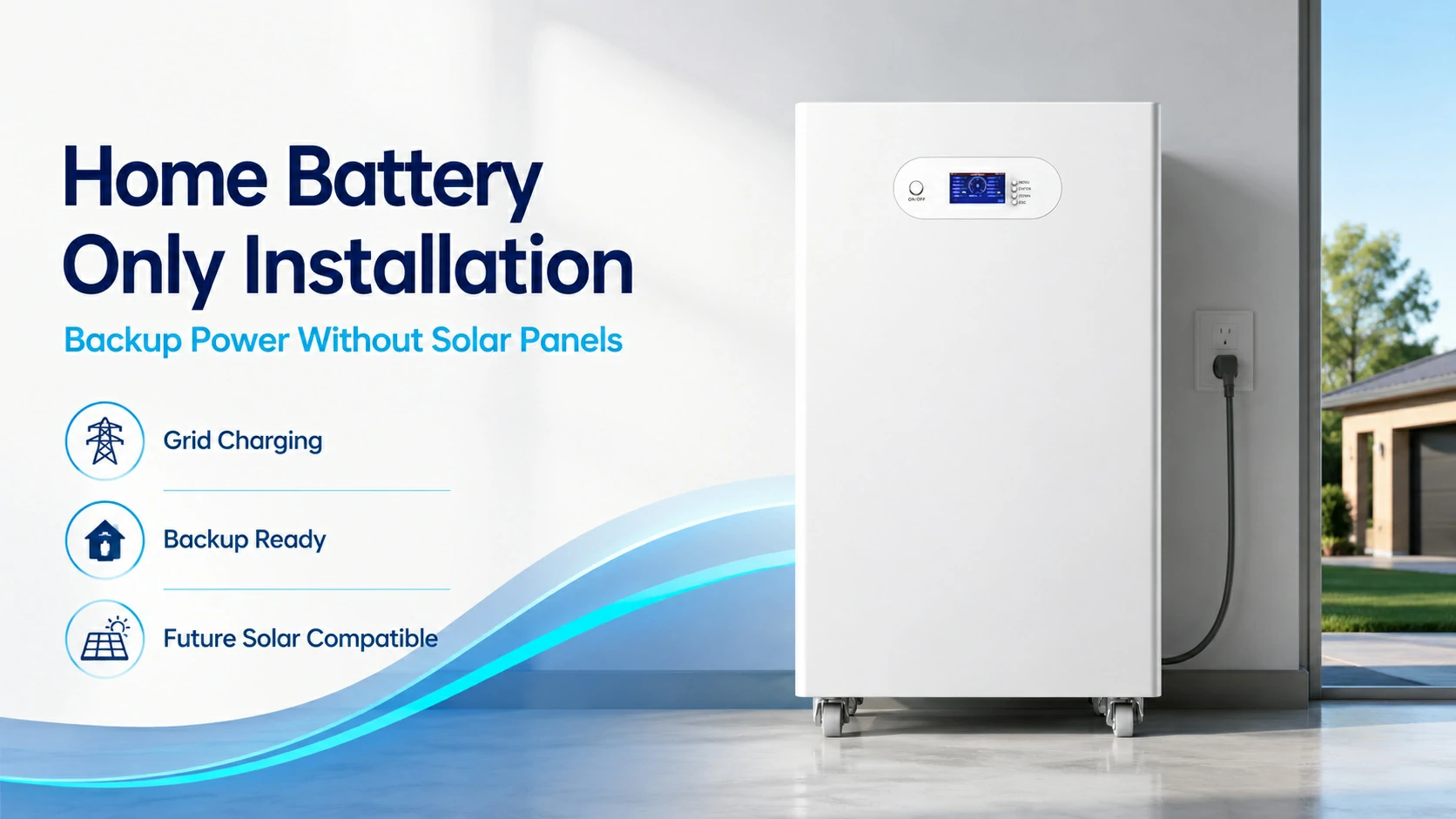
Home battery only installation means installing a residential battery storage system without installing solar panels at the same time. Instead of storing solar energy from your own roof, the battery is charged from the grid, usually during cheaper off-peak electricity periods. The stored energy can then be used during peak-rate hours, evening demand, grid outages, or periods when the home needs backup power.
For project buyers, distributors, and installers looking for scalable battery products, Avepower provides home energy storage solutions designed for residential storage, backup power, inverter communication, and future solar integration.
Can You Install a Home Battery Without Solar Panels?
Yes, you can install a home battery without solar panels. A modern home battery can store electricity from the grid and discharge it when needed. The key requirement is that the system must be designed, installed, and configured correctly by a qualified professional.
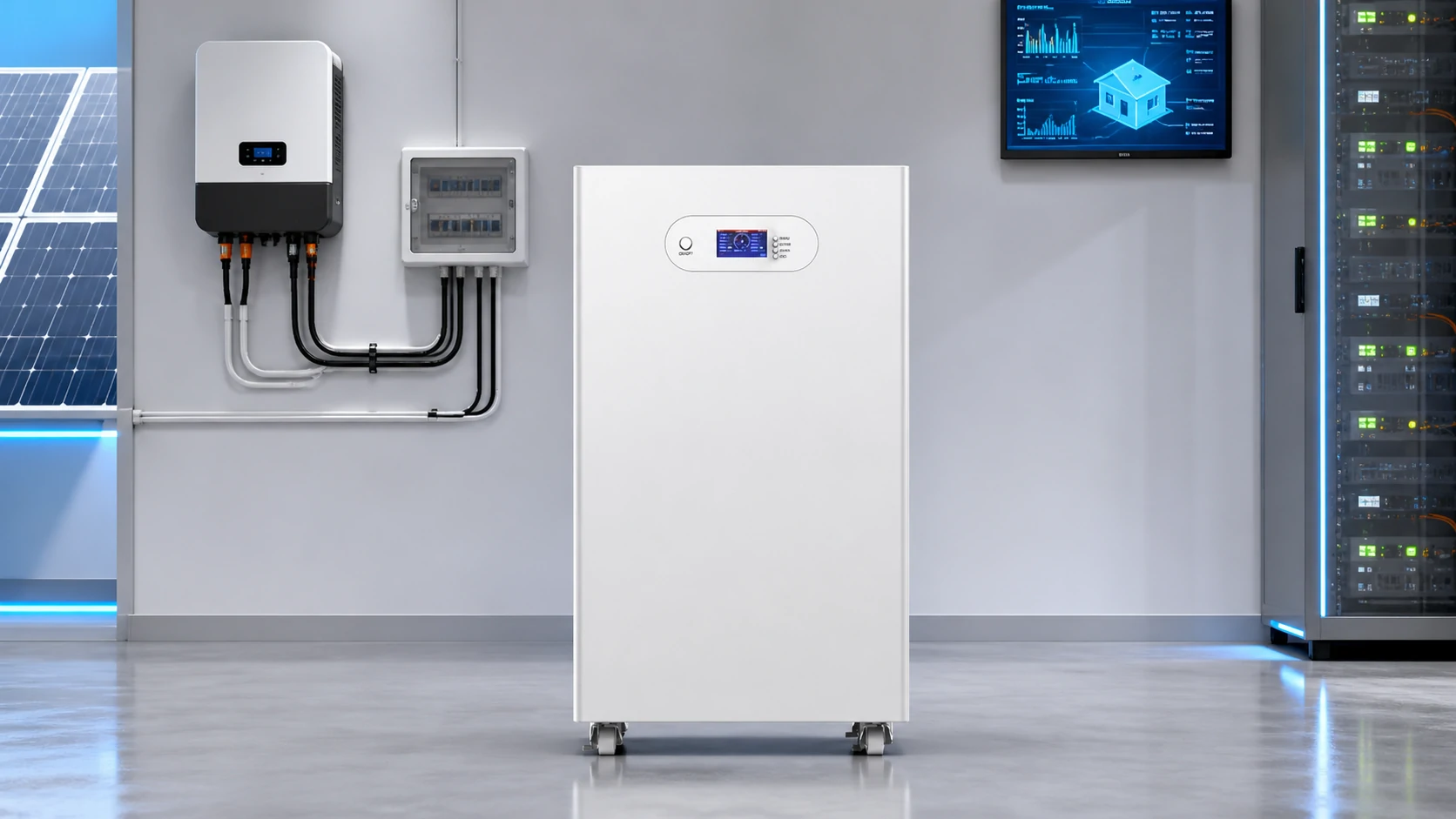
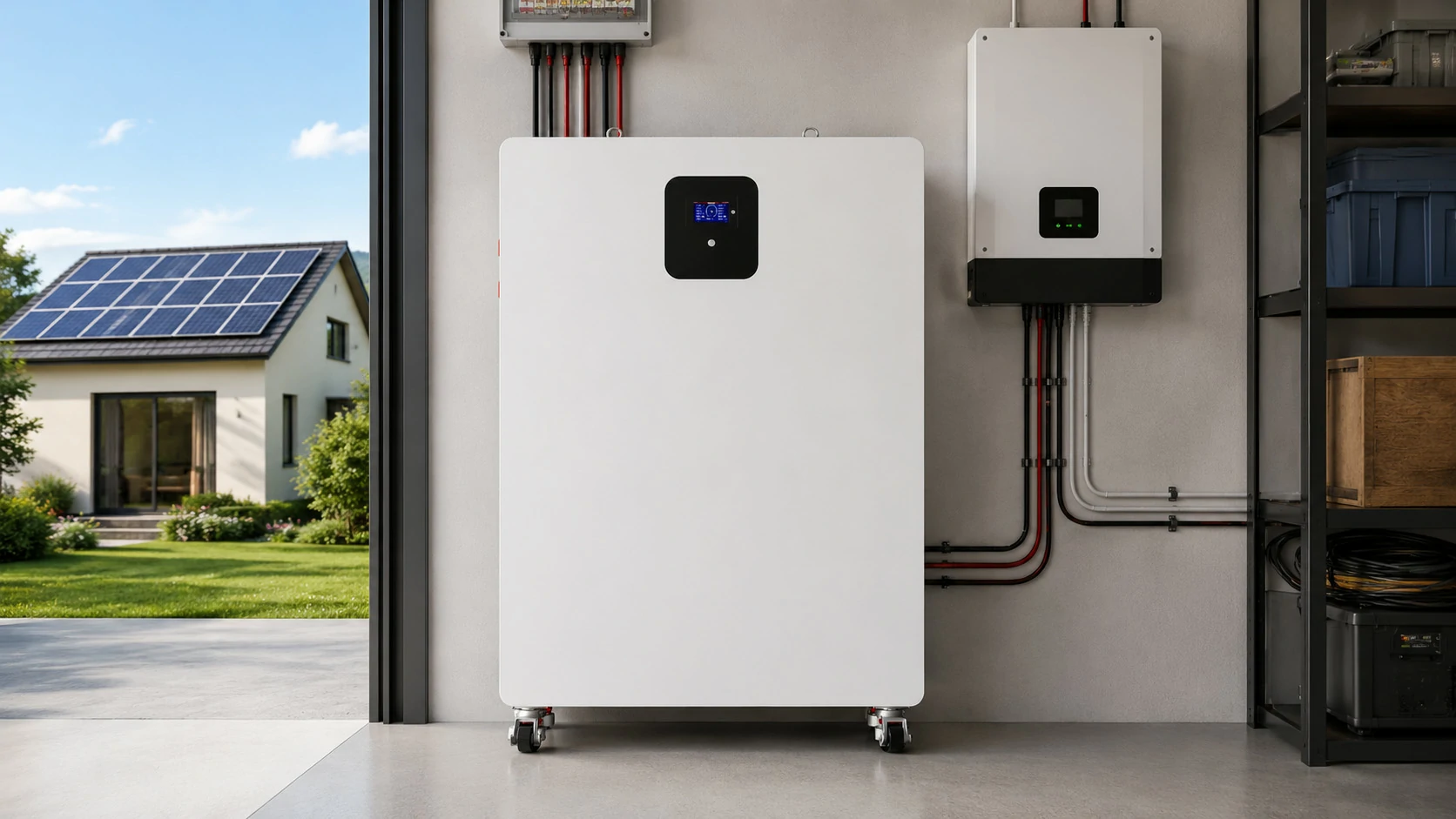
A typical battery-only installation includes:
- A home battery unit
- A compatible inverter or battery inverter
- A battery management system
- Grid connection equipment
- Switchboard integration
- Backup circuit or whole-home backup configuration
- Monitoring app or energy management system
- Safety protection devices
- Professional installation and commissioning
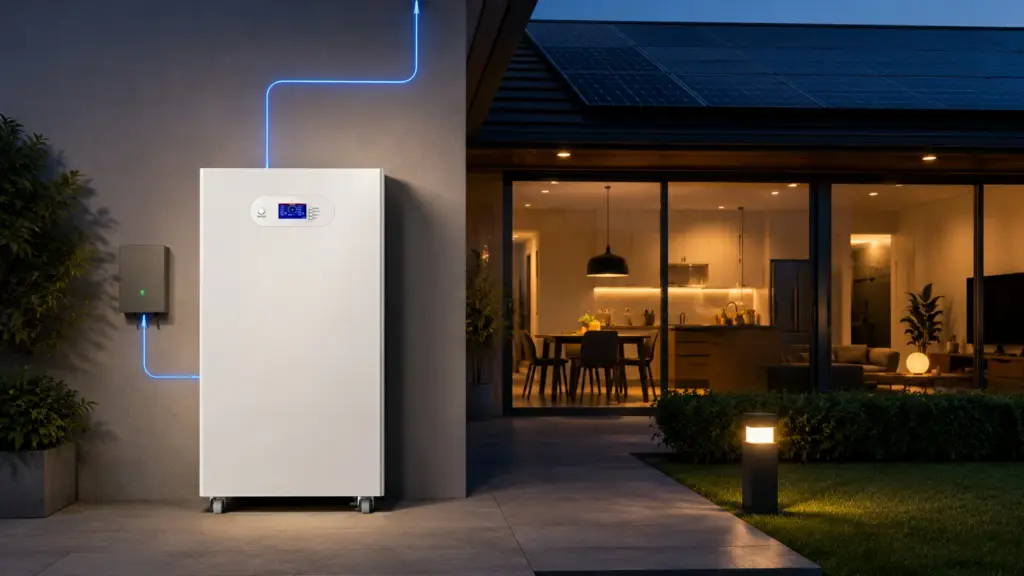
In a home battery-only setup, the battery charges from the utility grid instead of solar panels. If your electricity plan has time-of-use pricing, the system can be programmed to charge when electricity is cheaper and discharge when electricity is more expensive.
For example, the battery may charge overnight when demand is lower, then power selected home loads during the evening peak. If the system includes backup capability, it can also help keep essential appliances running during a power outage.
Planning a Battery-Only Installation Project?
Need a home battery solution that can charge from the grid and support backup power without solar panels? Avepower provides LiFePO4 home battery systems for installers, distributors and residential energy storage projects.
How Does a Battery-Only System Work?
A home battery-only home energy storage system works in four main steps.
First, the battery charges from the grid. This usually happens during off-peak hours or when the electricity tariff is lower.
Second, the battery stores that electricity as usable energy. Most modern home batteries use lithium-ion chemistry, especially LiFePO4, because it offers long cycle life, stable performance, and strong safety characteristics.
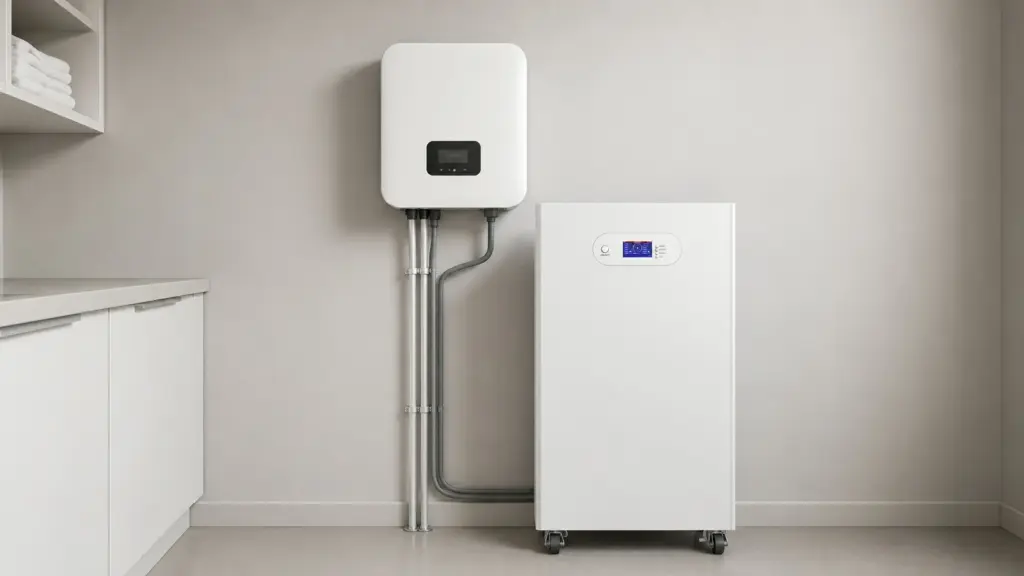
Third, the inverter converts battery energy into usable household AC power. Some systems use AC-coupled batteries, while others use hybrid inverter configurations.
Fourth, the battery discharges when the home needs power. This may happen during peak electricity pricing, evening household demand, or a grid outage.
A well-configured battery-only system can usually operate in different modes:
- Backup mode: stores energy for outages
- Time-of-use mode: charges during cheap-rate periods and discharges during expensive-rate periods
- Self-consumption preparation mode: useful if solar will be added later
- Load management mode: prioritizes essential circuits during outages
- Remote monitoring mode: lets users check battery status and energy flow through an app
Why Install a Home Battery Without Solar?
There are several reasons why homeowners choose home battery-only installation.
1. Your Roof Is Not Suitable for Solar
Some homes are not ideal for rooftop solar. Common issues include poor roof orientation, heavy shading, small roof area, complex roof design, structural limitations, apartment restrictions, or heritage building rules.
In these cases, a standalone battery may still offer energy resilience and tariff management without requiring solar panels.
2. You Want Backup Power First
Many homeowners are more concerned about outages than solar savings. If the local grid is unreliable, a battery-only system can provide backup power for essential loads such as lighting, Wi-Fi, refrigeration, medical devices, security systems, garage doors, and selected outlets.
For backup-focused projects, it is important to decide whether the battery will support only essential circuits or the whole home. Whole-home backup usually requires a larger battery, higher inverter power, and more careful load management.
Avepower’s guide to battery backup for home power outages explains how capacity, load selection, and runtime affect backup performance.
3. You Have Time-of-Use Electricity Pricing
If your electricity provider offers cheaper off-peak rates and more expensive peak rates, a battery-only system can shift grid energy from cheaper periods to more expensive periods.
This is often called energy arbitrage or load shifting. It does not always guarantee a fast payback, but it can reduce peak-rate exposure when the tariff difference is large enough.
Before installing a battery only for tariff savings, check:
- Off-peak price
- Peak price
- Daily supply charges
- Battery round-trip efficiency
- Battery usable capacity
- Expected cycling per day
- Installation cost
- Battery warranty conditions
- Future electricity price changes
4. You Plan to Add Solar Later
A home battery-only installation can be a phased approach. Some homeowners install the battery first for backup and tariff savings, then add solar panels later when budget, roof work, or local approvals are ready.
If future solar is likely, choose a battery and inverter setup that can integrate with solar later. Ask the installer whether the system is AC-coupled, hybrid-inverter compatible, or expandable.
For planning future system size, you can use a solar battery size calculator to estimate how much storage may be needed based on daily energy use, evening loads, and backup requirements.
5. You Are an Installer or Distributor Building Flexible Storage Packages
For B2B buyers, solar battery installation can create a practical product category for retrofit homes, rental properties, backup-focused customers, and future solar-ready projects.
Installers can offer battery-only systems as an entry-level energy storage solution, while distributors can stock modular LiFePO4 batteries that work for both grid-charged backup and later solar integration.
Avepower supports B2B customers with residential battery energy storage systems for installers, distributors, wholesalers, and OEM/ODM energy storage projects.
Home Battery-Only vs Solar-Plus-Battery: Which Is Better?
A home battery-only system and a solar-plus-battery system solve different problems.
A home battery-only system is best when the user wants backup power, peak-rate reduction, or future solar readiness but cannot install solar today.
A solar-plus-battery system is usually better for long-term energy independence because the battery can recharge from solar energy. This is especially useful during extended outages or in markets with high electricity prices and good solar conditions.
Here is a simple comparison:
| Feature | Battery Only | Solar + Battery |
|---|---|---|
| Charges from grid | Yes | Yes, depending on system design |
| Charges from solar | No | Yes |
| Backup power | Yes | Yes |
| Multi-day outage support | Limited without grid or generator | Better if solar can recharge battery |
| Electricity bill savings | Depends on tariff difference | Often stronger with solar self-consumption |
| Upfront cost | Lower than solar + battery | Higher |
| Roof required | No | Yes |
| Future expansion | Possible if compatible | Already integrated |
Source Home Batteries Directly from a Manufacturer
Avepower supports installers, wholesalers, distributors and OEM/ODM customers with customizable LiFePO4 home battery storage systems, inverter compatibility support, documentation and long-term supply cooperation.
Home Battery Only Installation Cost Factors
The cost of a home battery-only installation varies by country, battery size, inverter type, backup requirements, electrical panel condition, labor cost, certification needs, and whether additional wiring is required.
Main cost factors include:
Battery Capacity
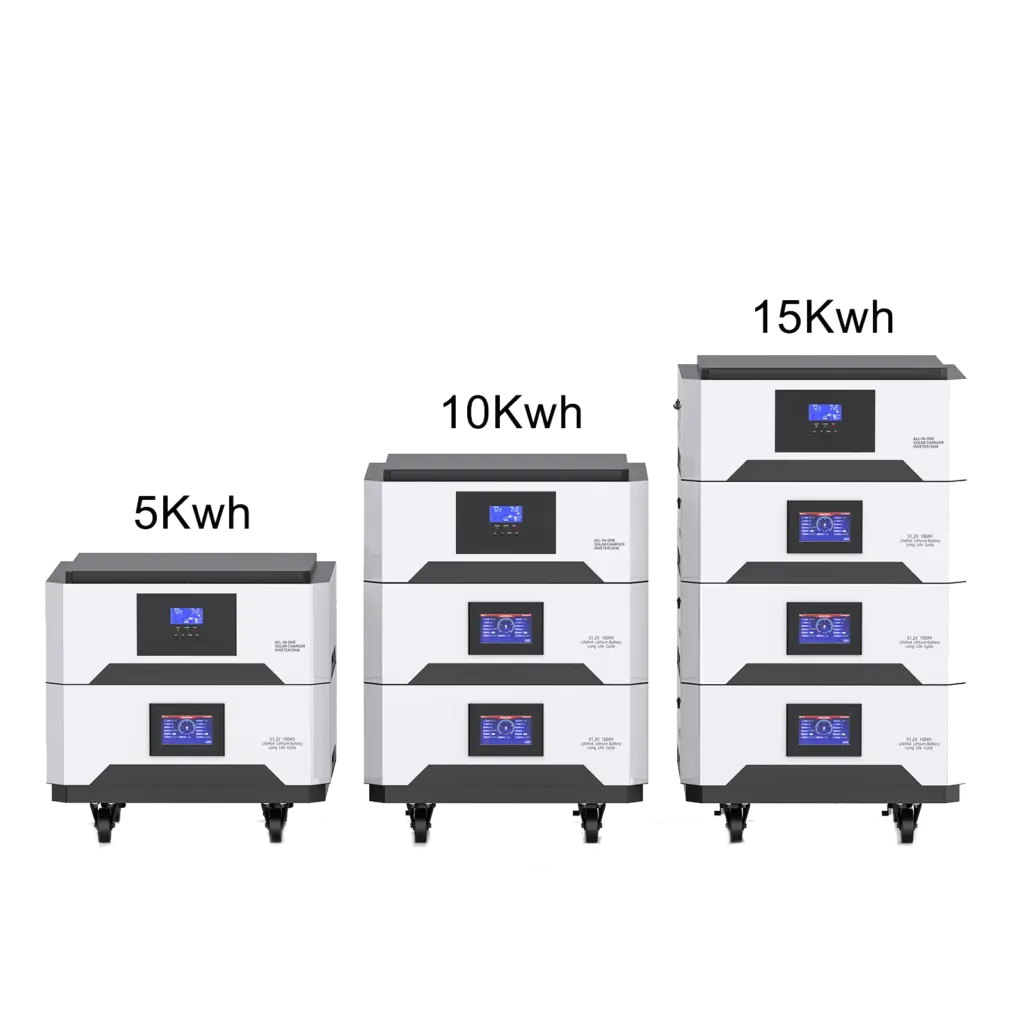
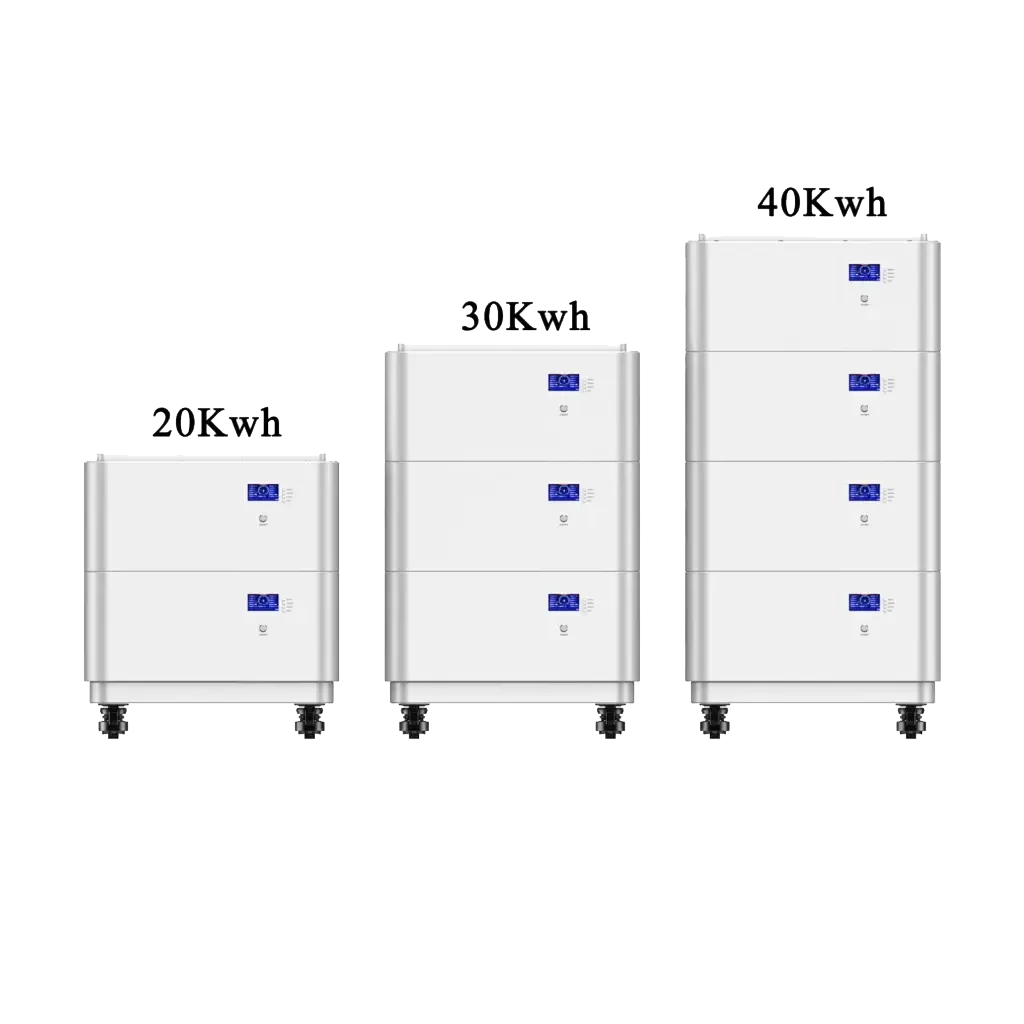
Capacity is measured in kilowatt-hours, or kWh. A 5 kWh battery may support small essential loads for a limited time. A 10 kWh battery is a common residential size for backup and evening energy use. Larger systems, such as 15 kWh, 20 kWh, or more, may be suitable for homes with higher consumption, heat pumps, EV charging support, or longer backup requirements.
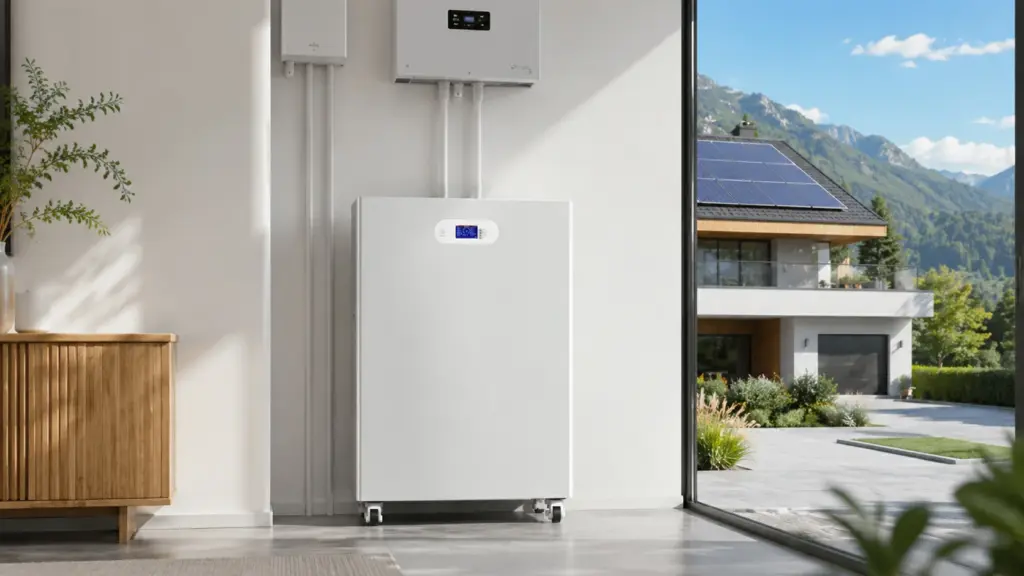
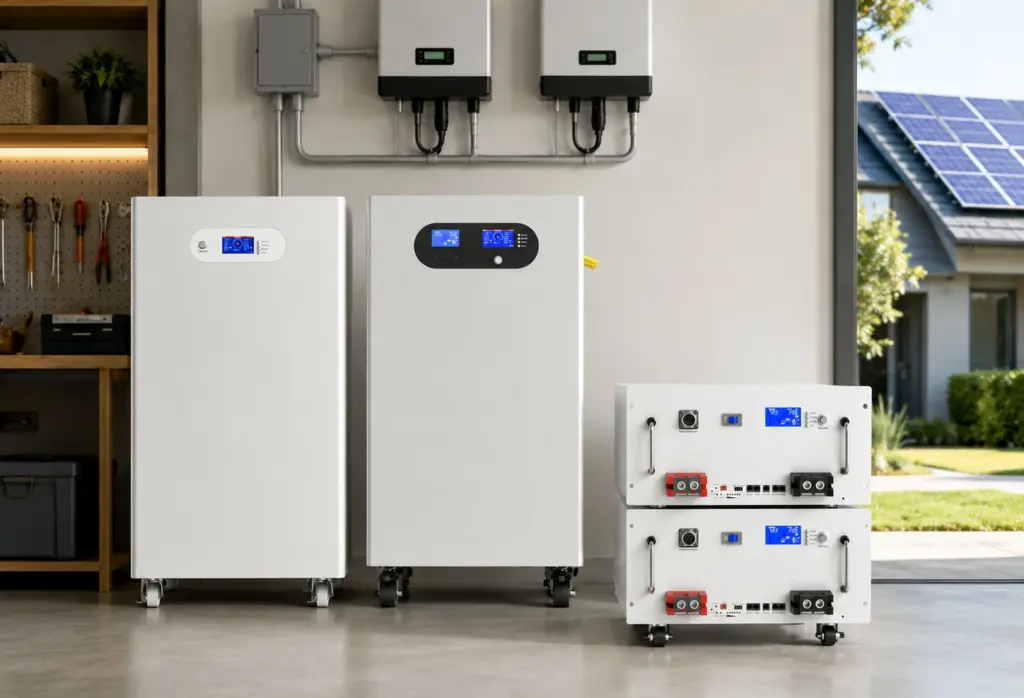
Avepower offers multiple residential storage formats, including wall-mounted, rack-mounted, vertical, and stackable battery systems. For example, a 10kWh wall mounted home battery may fit residential backup and storage applications where clean installation and space saving are important.
Inverter and Electrical Work
A home battery-only system needs power conversion equipment. Some batteries are DC-coupled and require a compatible inverter. Some integrated systems include power conversion equipment. For AC-coupled systems, the battery connects to the home electrical system on the AC side.
Electrical work may include circuit protection, backup load wiring, switchboard upgrades, metering changes, communications setup, and grid approval.
Backup Load Design
Backing up an entire home is more expensive than backing up essential loads only. If the battery is designed to power critical circuits, the installer may create a dedicated backup load panel. This helps avoid overloading the battery during an outage.
Monitoring and Smart Control
App monitoring and smart control can improve system performance. A battery used for time-of-use optimization should support scheduled charging and discharging. For distributor and installer projects, Bluetooth, Wi-Fi, CAN, RS485, or RS232 communication support may be important for system integration.
Certification and Local Compliance
Battery storage systems must meet local electrical safety, grid connection, installation, and product approval requirements. In Australia, for example, installers often check Clean Energy Council product lists and applicable battery safety requirements. You can review the Clean Energy Council’s information on approved batteries and energy storage devices.
How Much Battery Capacity Do You Need?
Battery size should be based on your actual energy use, not just the size of your house.
A small home that only needs backup for lights, Wi-Fi, refrigerator, and a few outlets may need much less capacity than a large home with air conditioning, electric heating, EV charging, or whole-home backup requirements.
A basic sizing process includes:
- List the appliances you want to power.
- Check each appliance’s power rating.
- Estimate how many hours each appliance must run.
- Calculate the total required energy.
- Add safety margin for inverter losses and usable battery capacity.
- Confirm whether the battery can provide enough continuous and surge power.
For example, if essential loads require 5 kWh of usable energy during an outage, a 5 kWh nominal battery may not be enough because not all stored energy may be usable. Depth of discharge, inverter efficiency, temperature, and battery protection settings all affect real-world runtime.
Common home battery sizes include:
- 5 kWh: basic backup for small essential loads
- 10 kWh: stronger evening use and essential backup
- 15 kWh: more practical for larger homes or longer backup
- 20 kWh and above: suitable for higher loads, longer outages, or staged expansion
For many residential and small project applications, LiFePO4 battery systems are preferred because they offer long cycle life and stable performance. You can learn more in this guide to LiFePO4 battery life.
What Equipment Is Needed for Battery-Only Installation?
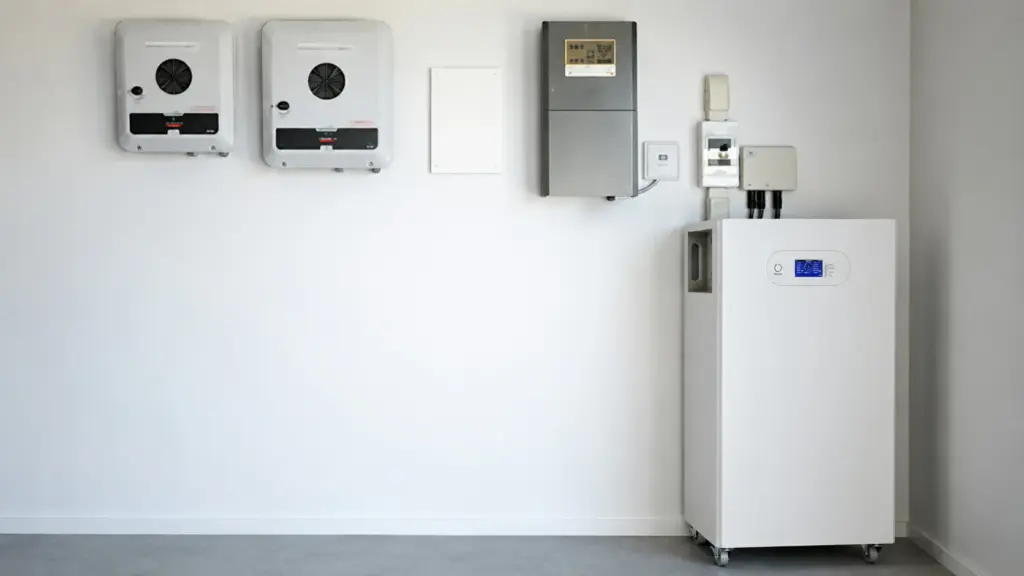
A complete home battery-only system may include more than just the battery. Depending on the design, it may require:
- Battery module or battery cabinet
- Battery inverter or hybrid inverter
- Battery management system
- Breakers and protection devices
- Backup gateway or transfer switch
- Current sensors or smart meter
- Communication cables
- Monitoring app
- Wall-mounted or floor-mounted installation accessories
- Switchboard upgrade if needed
- Backup load panel if only essential loads are backed up
The power conversion system is especially important because it controls how energy flows between the grid, battery, inverter, and home loads. For a deeper explanation, read Avepower’s guide to power conversion system for energy storage.
AC-Coupled or Hybrid Inverter: Which Is Better?
For home battery-only installation, many systems use AC coupling because the battery connects to the home’s AC electrical system through a battery inverter. This can be practical for retrofit projects and homes without solar panels.
A hybrid inverter may be better if the homeowner plans to add solar later. It can often manage solar input, battery charging, and grid interaction in one system.
However, the best choice depends on local standards, inverter compatibility, backup requirements, and whether the future solar system will be installed at the same time or later.
Safety and Installation Requirements
A home battery is a high-energy electrical system. It should be installed by qualified professionals according to local electrical codes, manufacturer instructions, and battery safety standards.
Battery installation rules vary by country and region. In Australia, battery systems must meet relevant safety requirements, and buyers can check product eligibility through the Clean Energy Council approved battery list. In New Zealand, the Electrical Workers Registration Board has noted that AS/NZS 5139 applies to battery energy storage system installations under relevant electrical safety regulations. In the United States, homeowners should check local permitting, utility interconnection rules, and tax credit requirements through official sources such as the IRS Residential Clean Energy Credit.
Do not treat a DIY battery project as equivalent to a certified, grid-connected home battery installation. Small DIY battery projects may be educational, but permanent home battery systems connected to a switchboard require professional design, protection, compliance, and commissioning.
Key safety checks include:
- Correct battery location
- Fire safety clearance
- Weather protection if installed outdoors
- Proper ventilation where required
- Compatible inverter and BMS communication
- Overcurrent protection
- Isolation switches
- Correct cable sizing
- Secure mounting
- Clear emergency shutdown procedure
- Installer documentation and warranty records
Can a Battery-Only System Provide Whole-Home Backup?
There are two common backup designs:
Essential Load Backup
This powers only selected circuits, such as lights, refrigerator, internet, security, garage door, and a few outlets. It is usually more affordable and extends battery runtime.
Whole-Home Backup
This attempts to support most or all household circuits. It requires a larger battery, higher inverter output, load control, and careful planning. Large appliances may need to be limited or automatically managed during outages.
For most homes, essential load backup is more practical unless the customer specifically wants whole-home resilience and is willing to invest in a larger system.
Can You Add Solar Panels Later?
Yes, many home battery-only systems can be designed for future solar integration. This is one of the strongest reasons to choose a high-quality, expandable battery system from the beginning.
If you plan to add solar later, confirm:
- Whether the inverter supports solar input or future AC coupling
- Whether the battery can accept solar charging
- Whether the system allows parallel battery expansion
- Whether the monitoring platform can manage solar and battery data
- Whether future solar installation will require a new inverter
- Whether local incentives require solar and battery to be installed together
Incentives and Rebates: Check Before You Buy
Battery incentives vary by country, state, and program. Some programs support standalone batteries, while others only support batteries connected to solar panels.
For example, the United States Residential Clean Energy Credit has included qualified battery storage technology with a minimum capacity requirement. In Australia, some solar battery incentive rules may require solar PV connection and may not cover batteries that only store grid electricity. Always confirm current rules before quoting or purchasing a system.
Pros and Cons of Home Battery Only Installation
Pros
- Can provide backup power during outages
- Does not require rooftop solar panels
- Can use cheaper off-peak grid electricity
- Helps reduce peak-rate electricity use
- Can be installed before solar panels
- Suitable for shaded roofs, apartments, and difficult buildings
- Can support EV, heat pump, and evening load management
- Provides a future-ready energy storage platform
- Useful for installers offering retrofit battery packages
Cons
- Does not generate electricity
- Still depends on the grid for charging
- Savings may be lower than solar plus battery
- Backup time is limited by battery capacity
- Incentives may be more limited in some regions
- Requires professional installation
- May need switchboard upgrades
- Whole-home backup can be expensive
- Incorrect sizing can lead to poor customer satisfaction
Battery-Only Installation for Installers and B2B Buyers
For installers, wholesalers, distributors, and OEM customers, battery-only installation can be positioned as a flexible residential storage solution. It is especially useful for markets where homeowners want backup power but may not be ready for solar panels.
A good B2B battery-only product should support:
- Stable LiFePO4 chemistry
- Reliable BMS protection
- Inverter communication
- Grid charging capability
- Backup power configuration
- Modular capacity expansion
- Wall-mounted or floor-standing installation
- Clear technical documentation
- App monitoring options
- OEM/ODM customization
- Certification support
- Long-term supply stability
Avepower manufactures LiFePO4 battery systems for home energy storage, solar storage, backup power, and small energy storage projects. For distributors, installers, and project customers, Avepower can support battery appearance customization, capacity customization, BMS configuration, inverter communication matching, packaging, documentation, and OEM/ODM cooperation.
If you need a battery platform for home battery only installation, solar-ready backup power, or residential energy storage projects, Avepower’s home energy storage battery systems can be matched to different project requirements.
Take Control of Your Energy with Avepower!
Reliable home solar battery solutions with OEM/ODM customization and in-house manufacturing, tailored to the needs of distributors, installers, and energy partners.
Conclusion
Home battery only installation is a practical solution for homes that want backup power, peak-rate savings, and future energy flexibility without installing solar panels immediately. It is especially useful for properties with shaded roofs, limited roof space, rental or apartment restrictions, high evening electricity use, or future plans to add solar.
If you are planning a battery-only installation project, start with your load profile, backup goal, inverter requirement, and future solar plan. A well-matched battery system can help homeowners use electricity more intelligently today while keeping the door open for a more independent energy future.
FAQ
Yes. Many home batteries can charge from the electrical grid and provide stored electricity later. This is called a battery-only or standalone battery setup.
It can charge during off-peak hours when electricity is cheaper and discharge during peak hours when electricity is more expensive. Savings depend on your tariff, usage pattern, battery efficiency, and installation cost.
It can, but only if the battery capacity and inverter output are large enough. Many homes choose essential-load backup instead of whole-house backup to extend runtime and reduce cost.
For essential backup, 5–10 kWh may be enough for light loads. For higher evening use, heat pumps, or longer backup, 10–20 kWh or more may be needed. A professional installer should calculate both energy capacity and power output.
Yes, in many cases. But you must choose a battery and inverter architecture that supports future solar integration. Always confirm compatibility before purchase.
Yes, when the system uses certified equipment and is installed by qualified professionals according to local electrical rules and manufacturer instructions.
LiFePO4 is widely used for home energy storage because it offers long cycle life, good thermal stability, and strong suitability for stationary battery systems.
A battery is quiet, automatic, low-maintenance, and suitable for indoor or garage-based backup where permitted. A generator may run longer if fuel is available, but it creates noise, emissions, and maintenance requirements. Some homes use both for extended outage resilience.