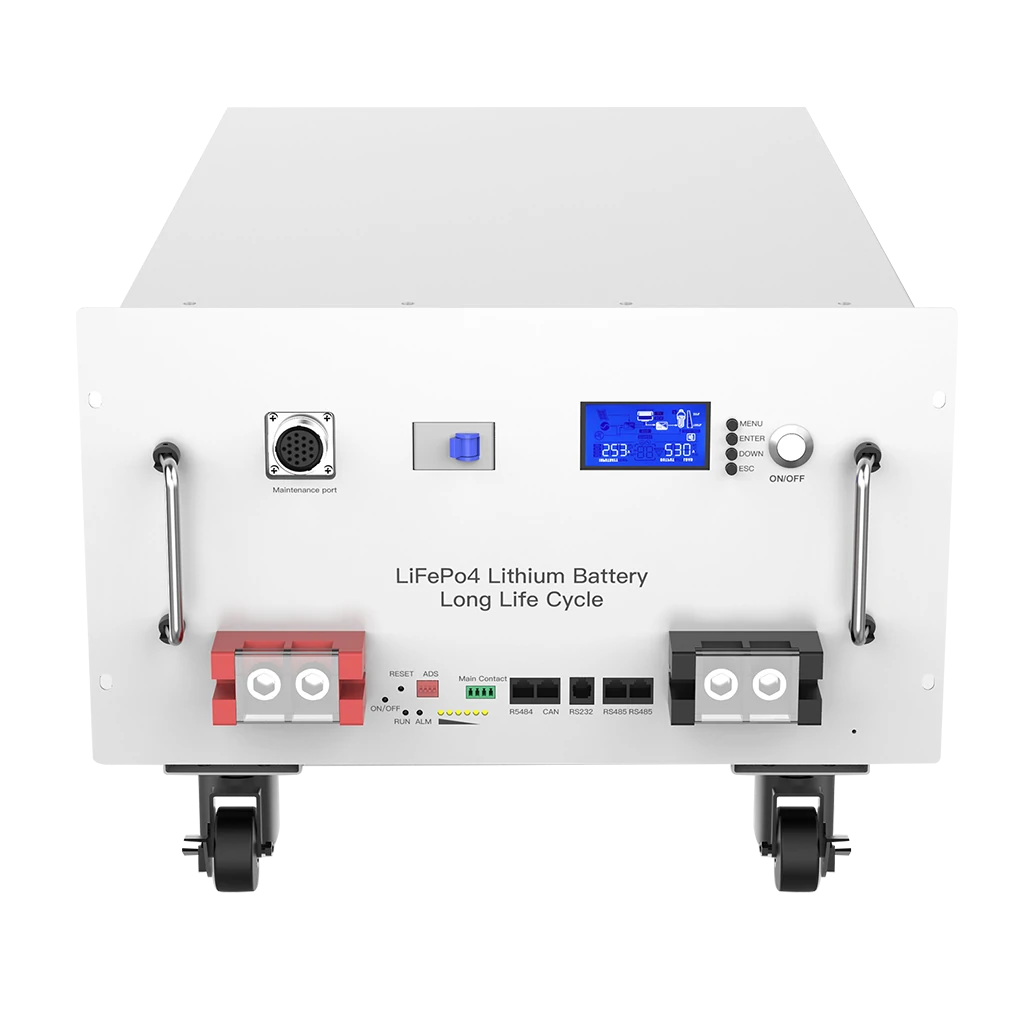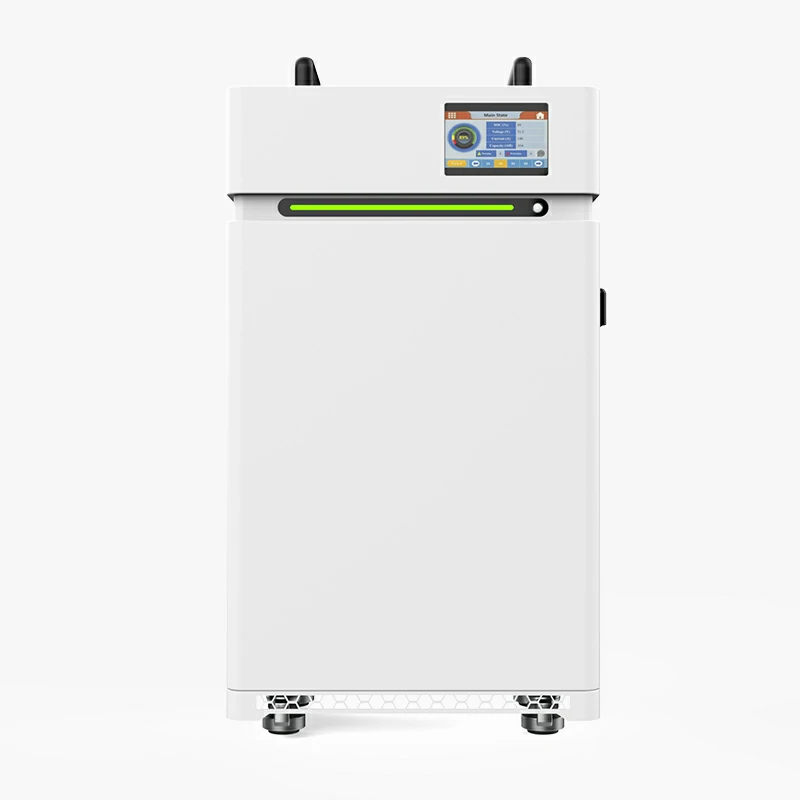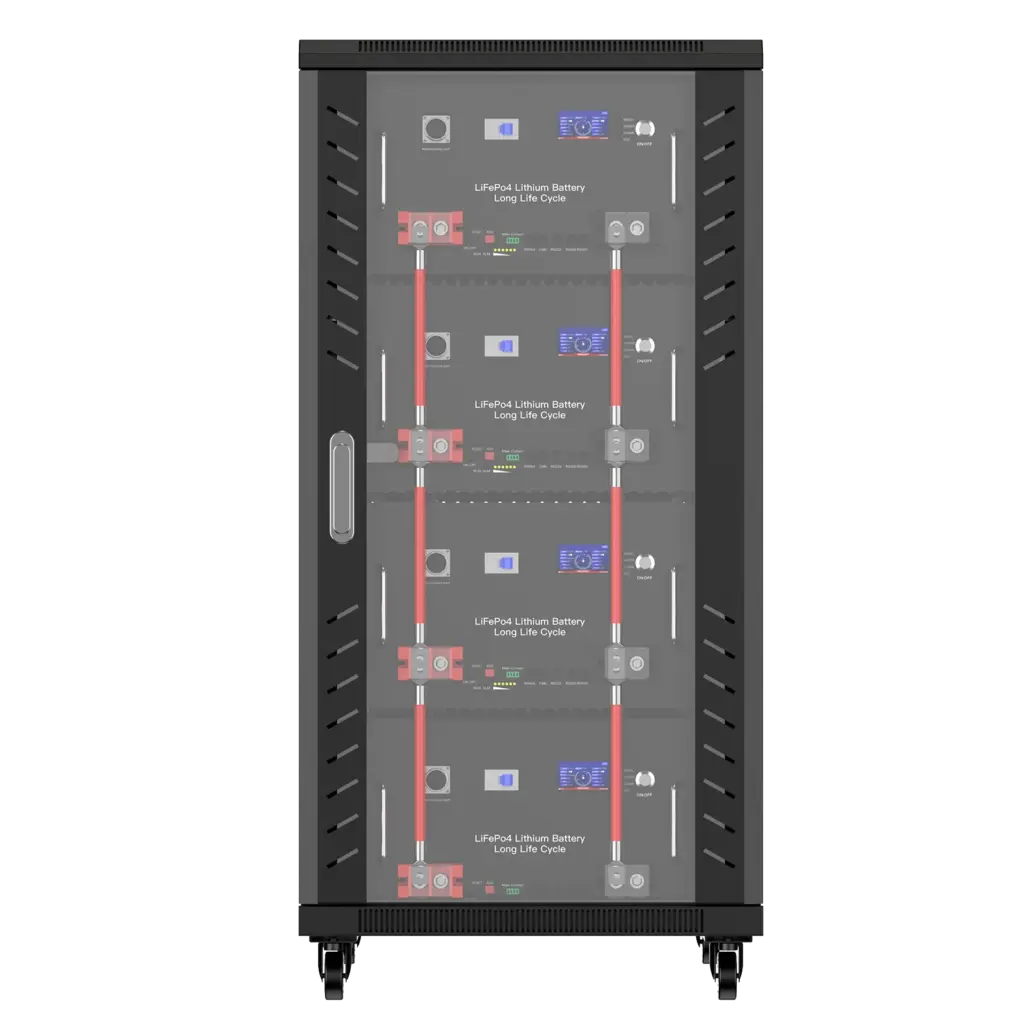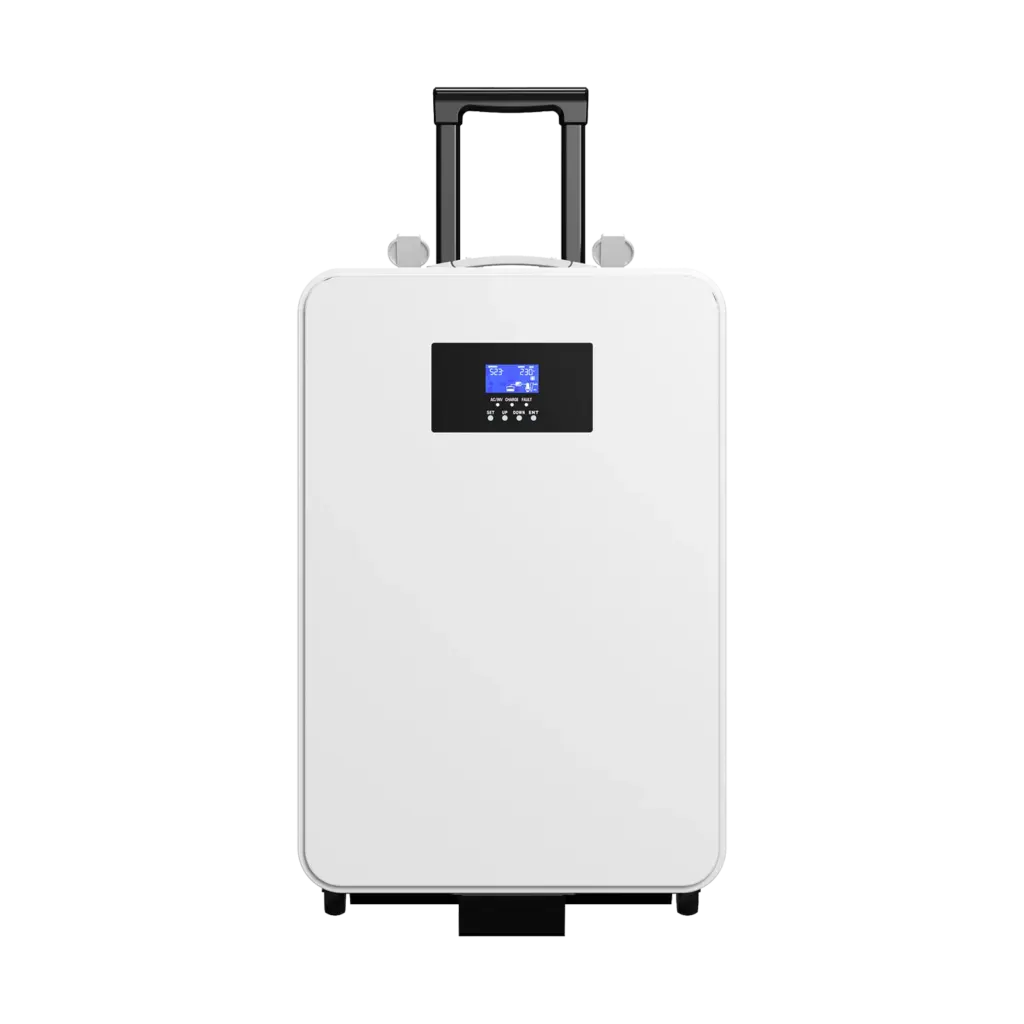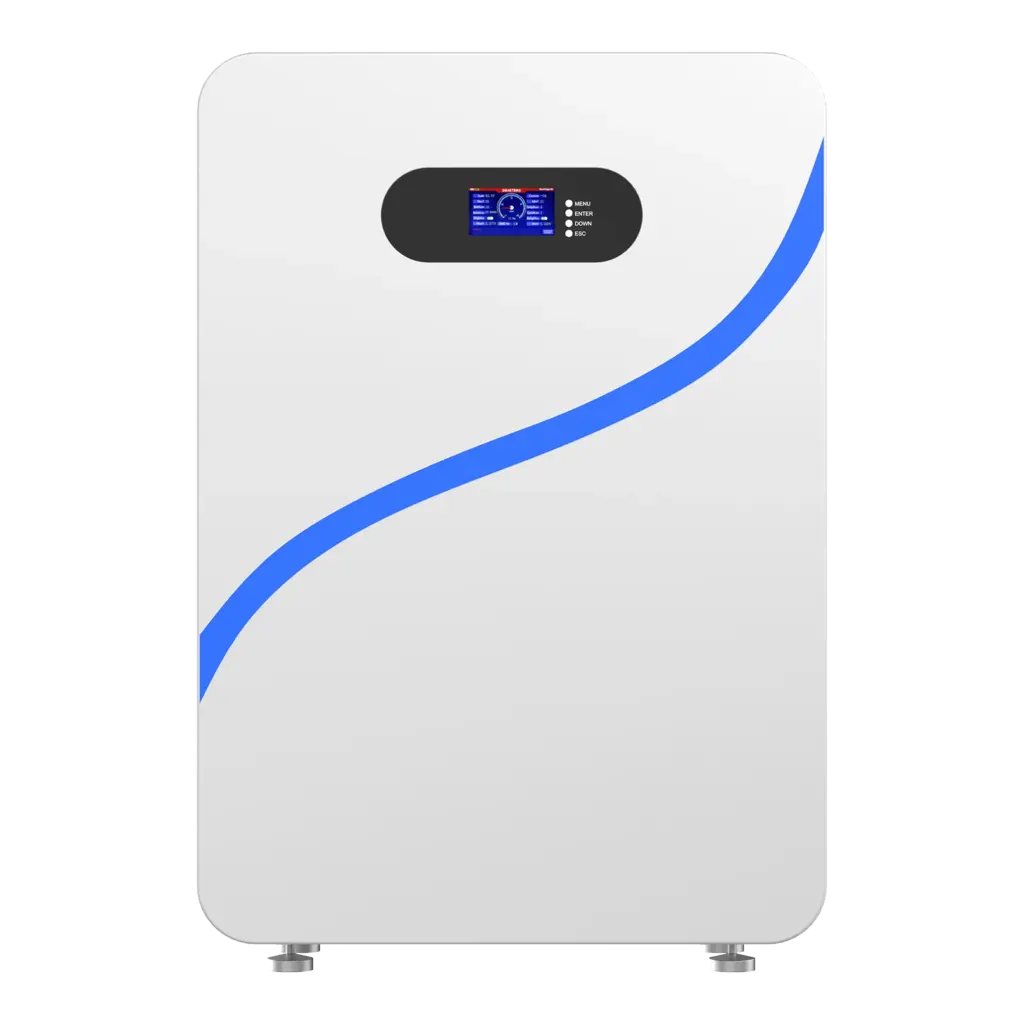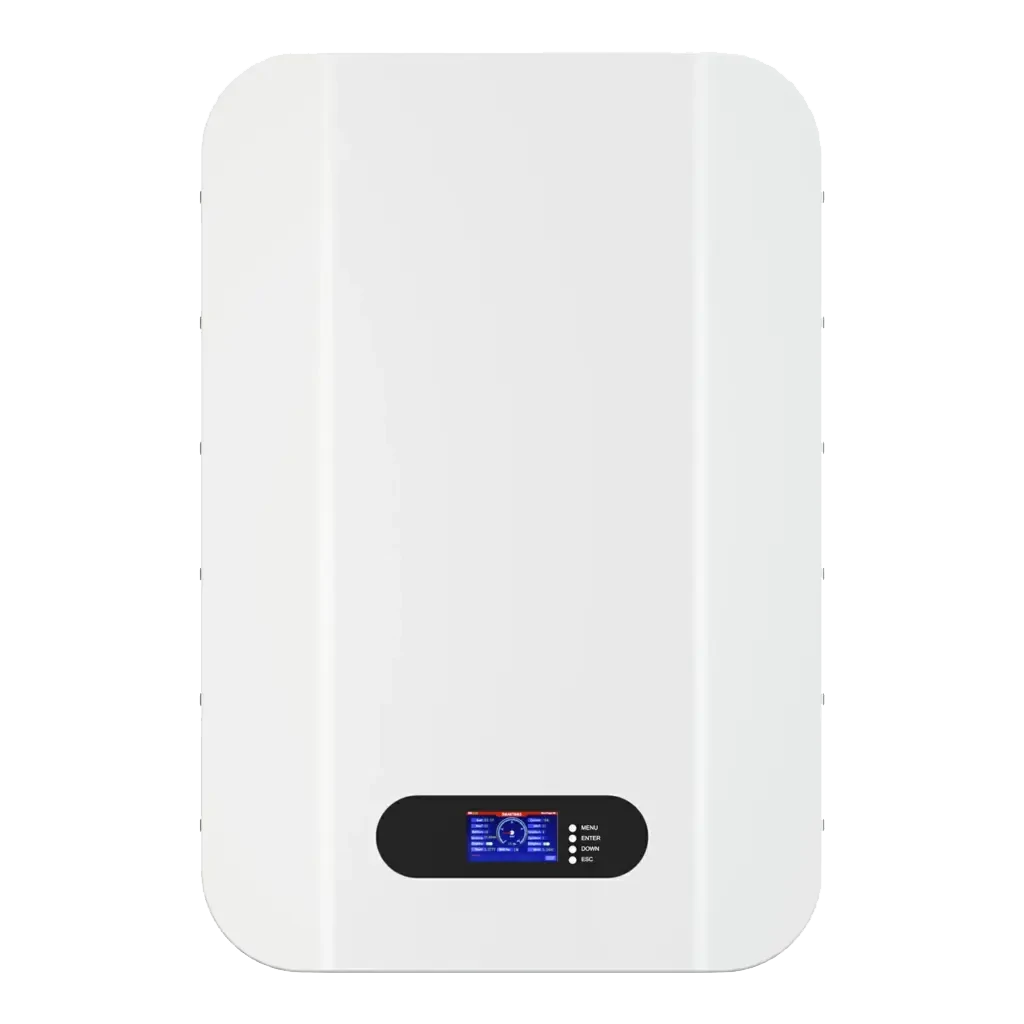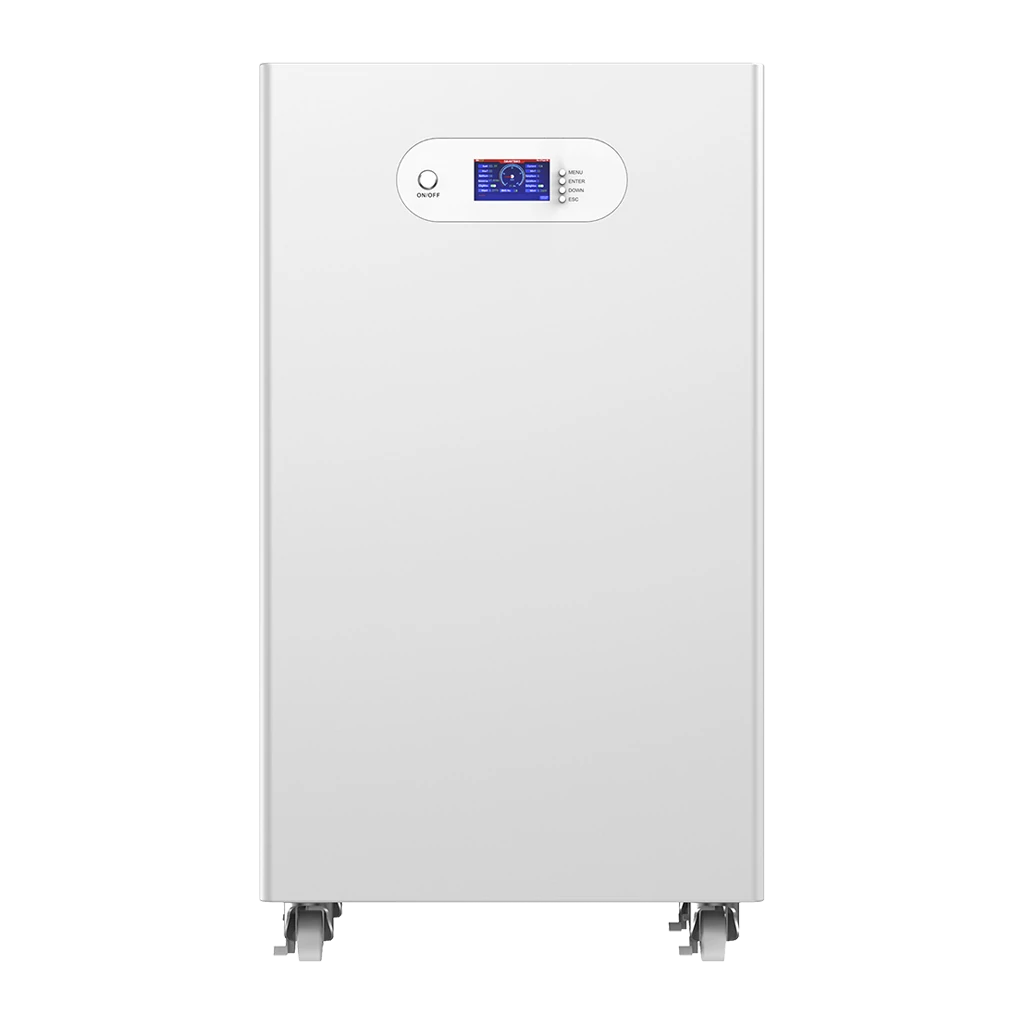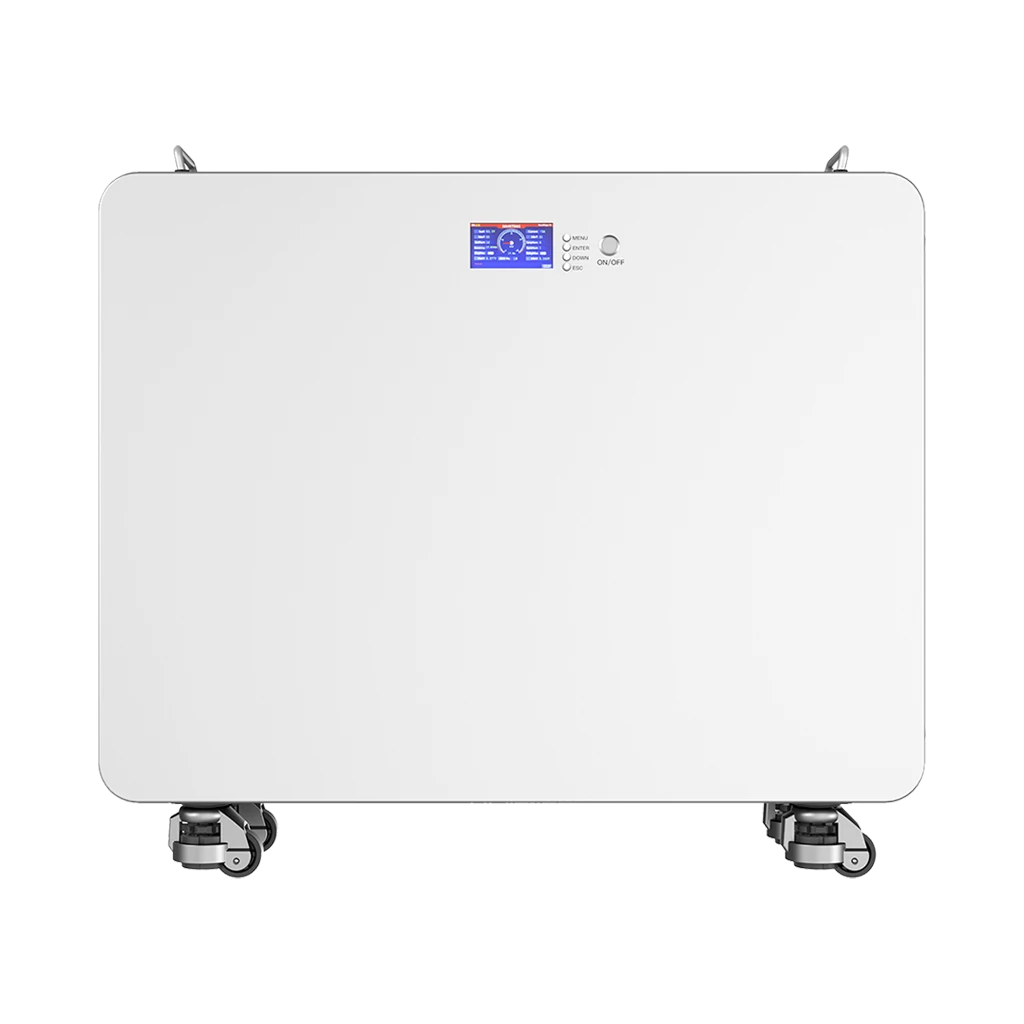
The main difference between an inverter and a converter is the direction and type of electrical conversion. An inverter converts DC power into AC power, while a converter is a broader power electronics device that changes electricity from one form, voltage, or current type to another. While a converter is often used to charge batteries, step voltage up or down, or convert AC power into DC power.
For example, a solar battery stores electricity as DC, but most home appliances run on AC. That is why a solar or battery system needs an inverter. In a more complete energy storage system, converters may also be used inside chargers, MPPT controllers, DC-DC modules, and power supplies.
Inverter vs Converter: Simple Comparison Table
An inverter changes DC into AC. A converter changes electrical power from one form or voltage level to another, often AC to DC or DC to DC.
- Inverter: battery DC → appliance AC
- Converter: shore power AC → battery DC
| Comparison Point | Inverter | Converter |
|---|---|---|
| Main function | Converts DC to AC | Converts AC to DC, DC to DC, AC to AC, or voltage levels |
| Common direction | Battery or solar DC → household AC | AC → DC, DC → DC, AC → AC, or bidirectional conversion |
| Typical input | Battery DC, solar DC, DC bus | AC grid, DC source, battery, adapter input |
| Typical output | AC power for appliances or grid | DC charging output, adjusted DC voltage, or regulated power |
| Common use | Solar systems, battery backup, RV power, off-grid systems | Battery charging, power supplies, voltage regulation, electronics |
| Example | 48V battery to 120V or 230V AC | 120V/230V AC to 12V DC charger |
| Needed for home appliances? | Yes, when power source is DC | Not usually, unless charging or voltage conversion is required |
| Used with batteries? | Yes, to discharge battery power as AC | Yes, often to charge batteries or regulate DC voltage |
| Solar role | Converts solar/battery DC into AC | May regulate DC input, charge batteries, or adjust voltage |
What Is an Inverter?
An inverter is an electrical device that converts direct current DC into alternating current AC.
This matters because batteries, solar panels, and many low-voltage energy sources produce or store electricity as DC. However, homes, offices, grid systems, and most household appliances use AC power. The inverter acts as the bridge between stored DC energy and usable AC electricity.
Common Inverter Applications Include:
- Solar PV systems
- Home battery backup systems
- RV and camper electrical systems
- Off-grid cabins
- Portable power stations
- UPS systems
- Commercial and industrial battery storage
- Hybrid solar-plus-storage systems
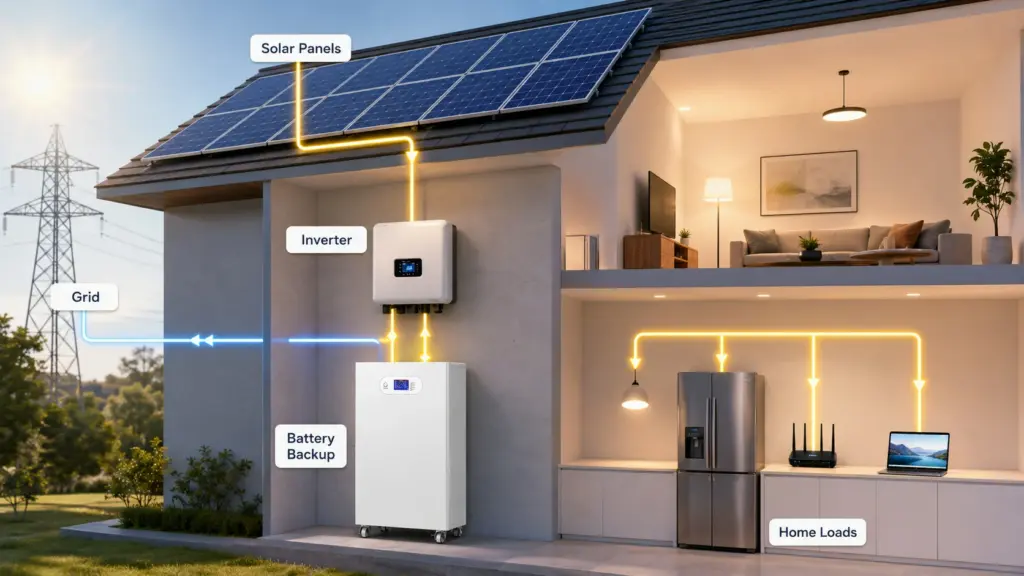
For example, in a solar-plus-storage system, solar panels generate DC electricity during the day. The inverter converts that DC electricity into AC power for home use. When paired with a battery, the inverter can also discharge stored energy later to power appliances at night or during an outage.
For battery storage projects, inverter matching is especially important. Avepower provides an inverter compatibility list covering brands and communication protocols such as CAN and RS485, helping installers confirm wiring, protocol mapping, and system settings before installation.
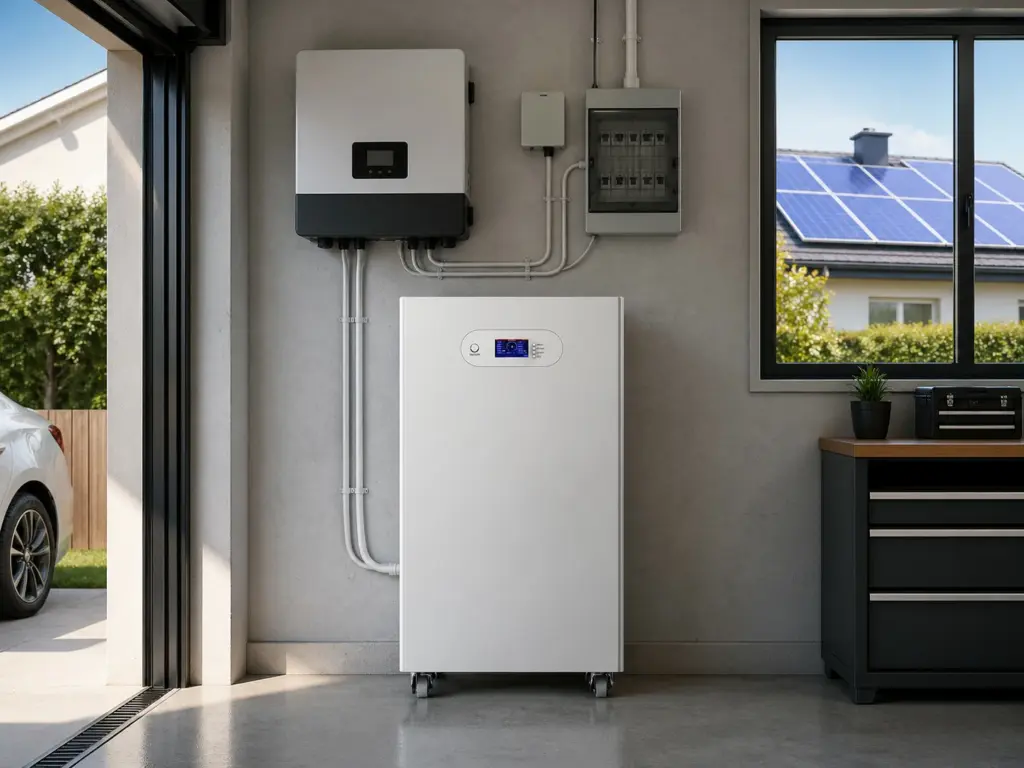
Need a Compatible Battery System for Your Inverter?
Avepower provides LiFePO4 home and commercial battery storage solutions designed for solar self-consumption, backup power, off-grid systems, and OEM/ODM projects.
What Is a Converter?
A converter is a broader term. It refers to a device that changes electrical power from one form, voltage level, or current type to another. A converter may perform:
- AC to DC conversion
- DC to DC conversion
- AC to AC voltage conversion
- DC voltage step-up or step-down
- Battery charging conversion
- Power supply conversion
A simple example is a laptop charger. The wall outlet provides AC power, but the laptop battery needs DC power. The charger works as an AC-to-DC converter. Another example is a DC-DC converter inside a solar system that adjusts voltage between solar panels, batteries, and control electronics.
Common Converter Applications Include:
- Battery chargers
- Laptop and phone adapters
- RV shore-power charging systems
- DC-DC converters for vehicles
- MPPT charge controllers
- LED drivers
- Industrial power supplies
- AC-DC rectifiers
- Voltage step-up or step-down modules
So, while an inverter is a type of power conversion device, the term “converter” covers a wider range of electrical conversion functions.
Why People Confuse Inverters and Converters
The confusion happens because both devices are part of power conversion. They also often appear in the same system.
For example, in an RV:
- The converter may take shore power AC and convert it into DC to charge the 12V battery.
- The inverter may take battery DC and convert it into AC to run a microwave, TV, laptop charger, or coffee maker.
In a home solar battery system:
- Solar panels produce DC.
- Batteries store DC.
- The inverter converts DC into AC for the home.
- Internal converters or charge controllers may regulate DC voltage and charging behavior.
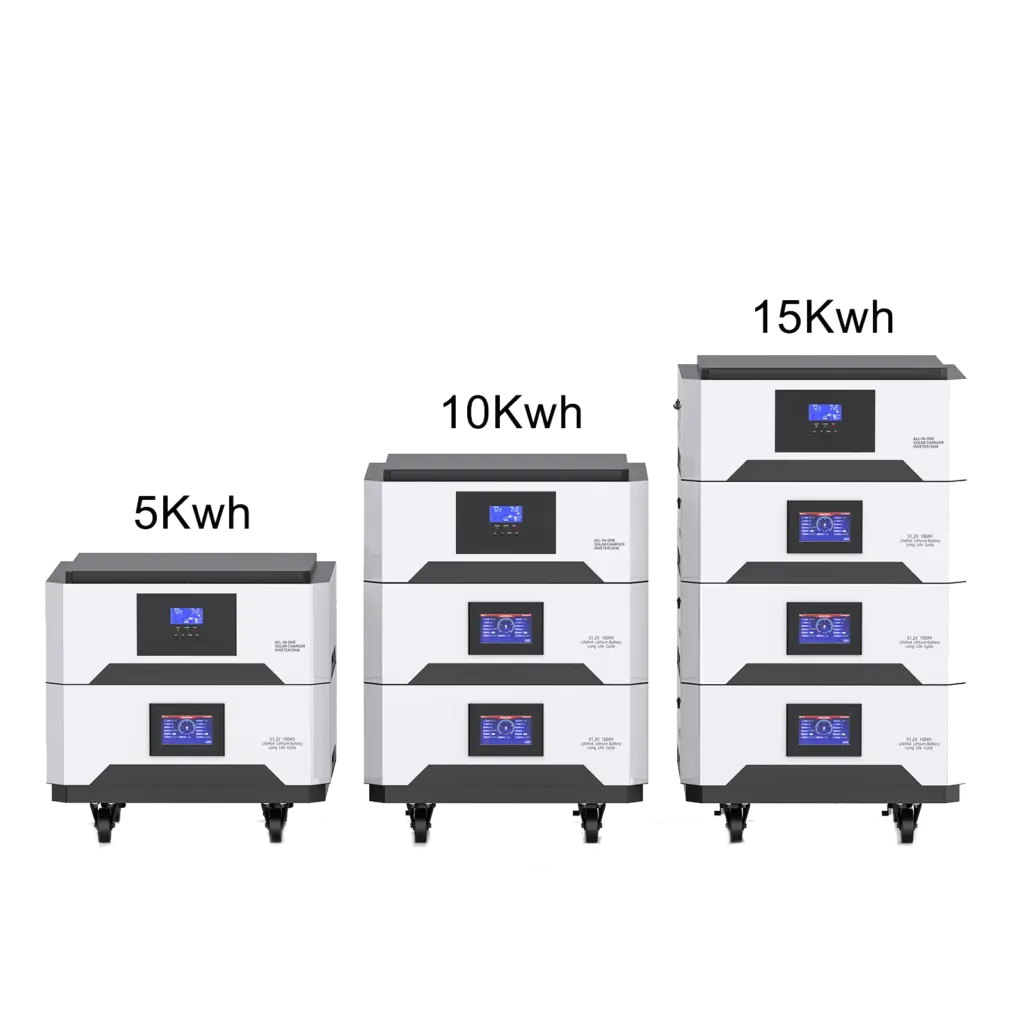
In modern systems, the functions may be combined into one device. A hybrid inverter, inverter-charger, or all-in-one energy storage system may contain inverter, charger, MPPT, monitoring, and protection functions in one integrated unit.
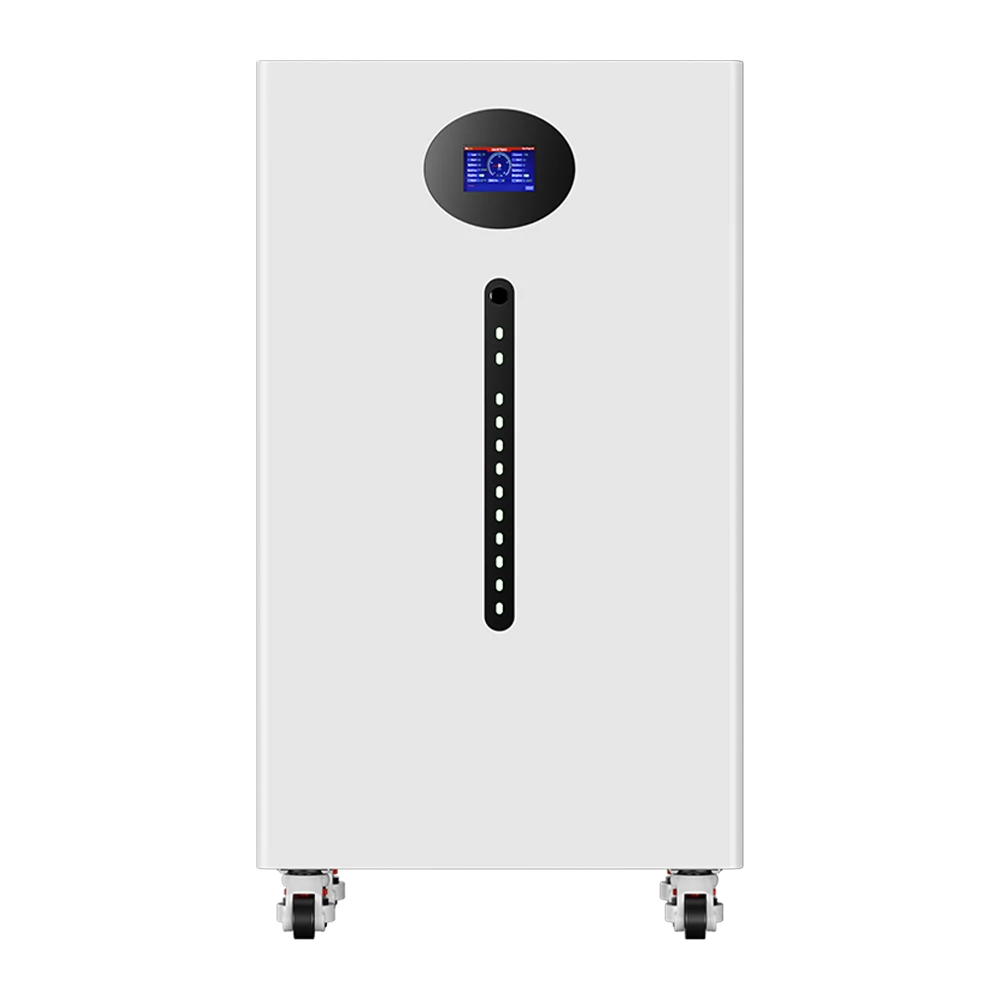
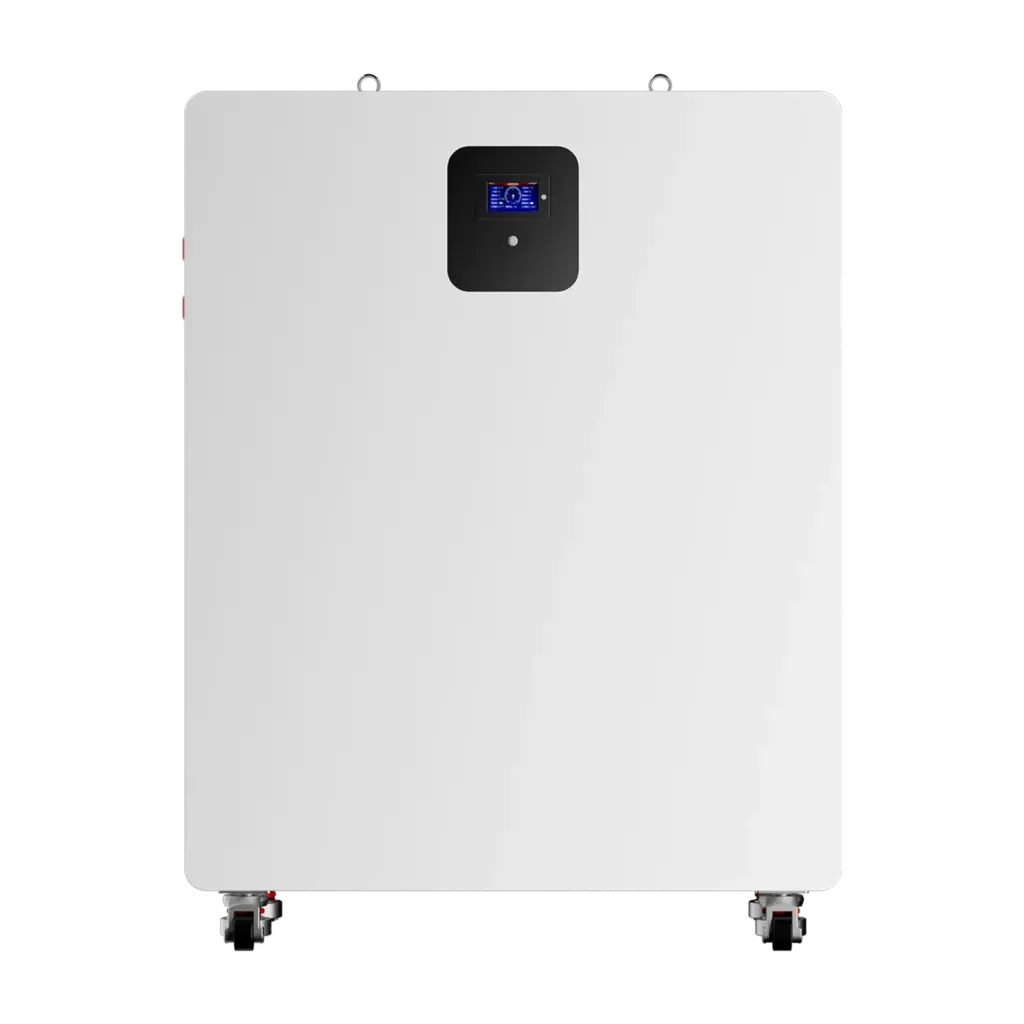
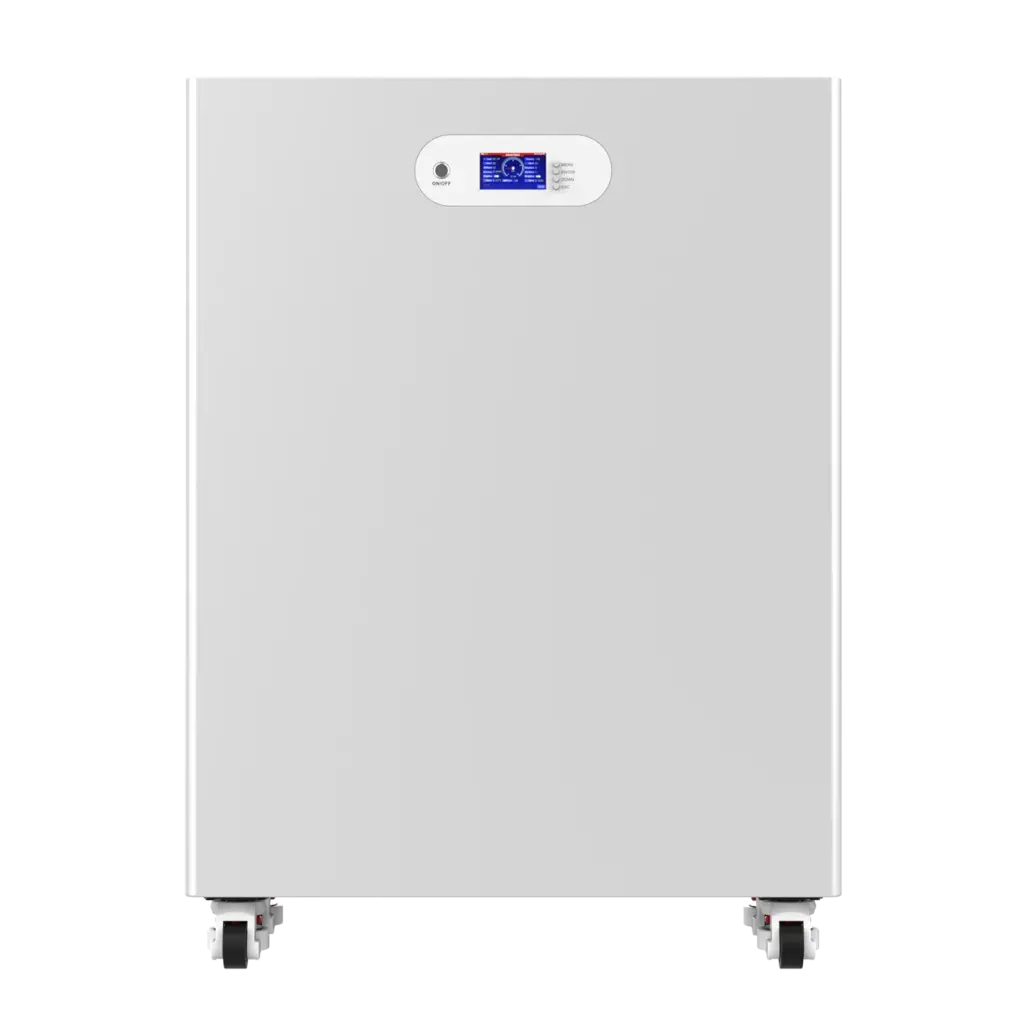
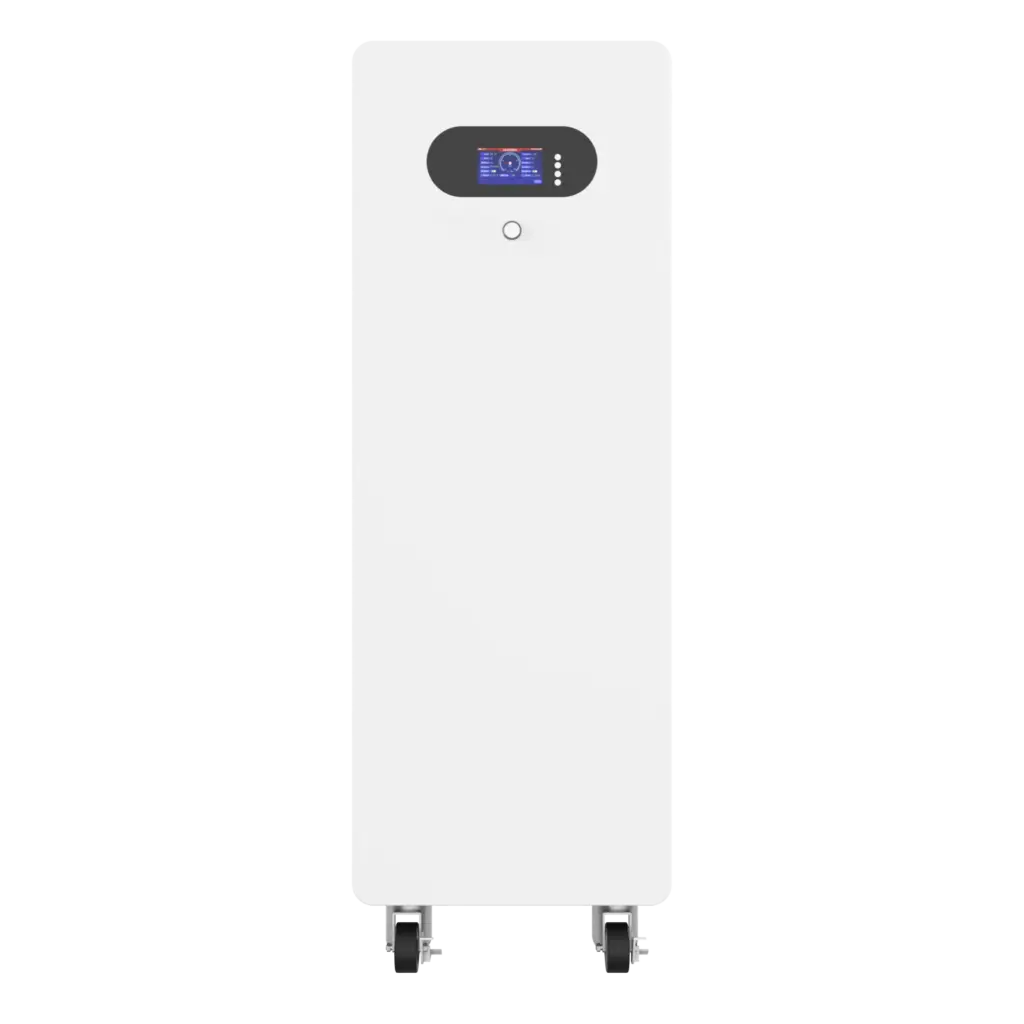
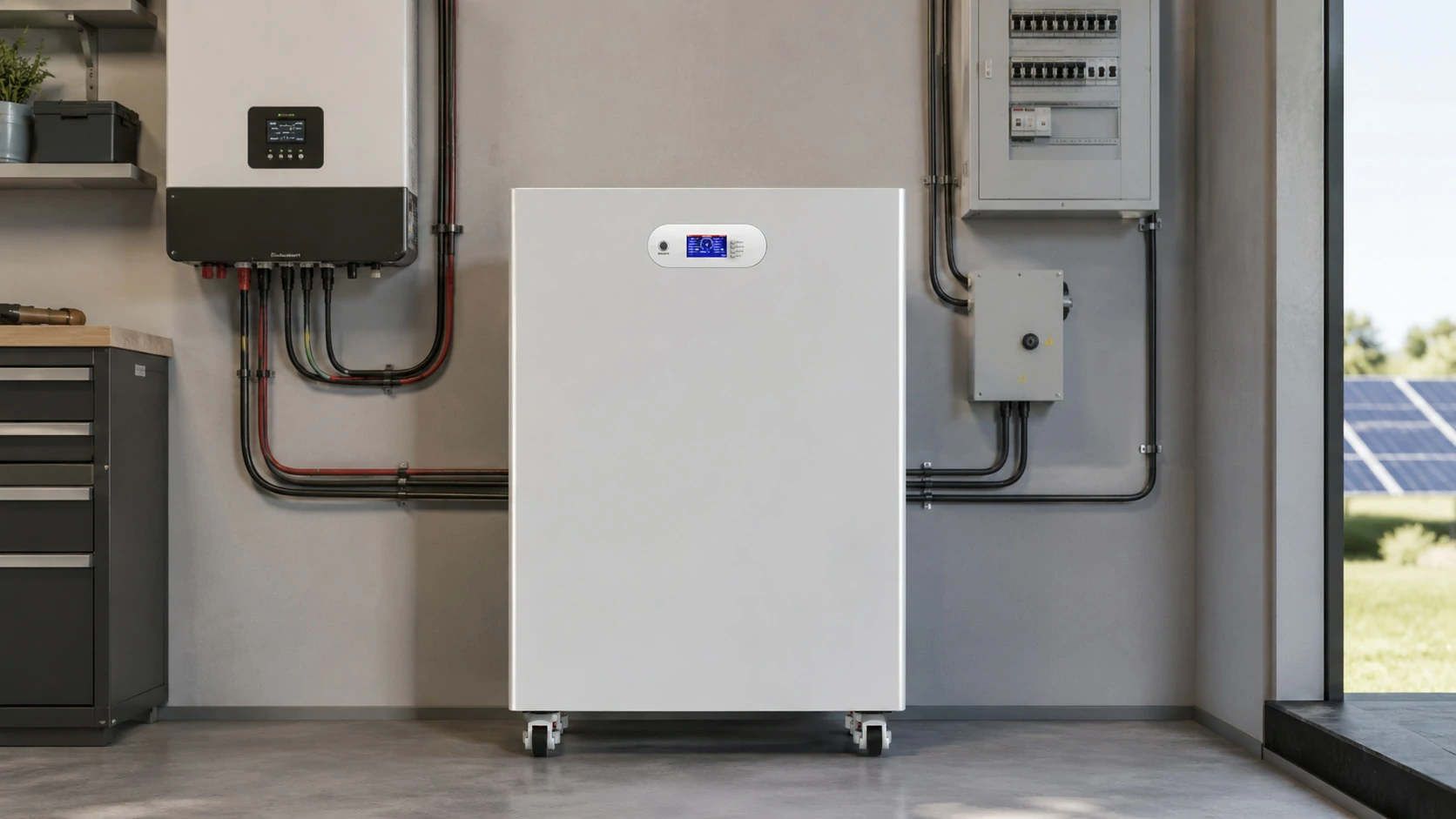
Avepower’s all-in-one battery with inverter is an example of this integrated approach, combining LiFePO4 battery storage with built-in inverter functionality for DC-to-AC conversion, remote monitoring, and scalable residential storage applications.
How an Inverter Works
An inverter takes DC electricity from a battery, solar panel, or DC bus and electronically switches it to create an AC waveform.
At a basic level, the process includes:
- DC input from a battery, PV array, or DC source
- Electronic switching using semiconductors
- Waveform creation to simulate or produce AC power
- Filtering and control to make output stable
- AC output for appliances, loads, or grid connection
Filters and electronics can help produce a clean sine-wave voltage that is suitable for grid or equipment use.
Pure Sine Wave vs Modified Sine Wave Inverter
For modern energy storage, a pure sine wave inverter is usually preferred. It provides cleaner AC output and is safer for sensitive loads such as:
- Computers
- Refrigerators
- Pumps
- Medical equipment
- Variable-speed motors
- Communication devices
- Smart home electronics
A modified sine wave inverter may be cheaper, but it can cause noise, heat, reduced efficiency, or compatibility problems with some appliances.
How a Converter Works
A converter changes power to match what a device or system needs. The method depends on the type of converter.
AC-to-DC Converter
This is commonly used in chargers and power adapters. It takes AC power from a wall outlet, rectifies it into DC, and regulates the output voltage. Examples include phone chargers, laptop adapters, EV chargers, and battery chargers.
DC-to-DC Converter
This type changes one DC voltage to another. It can step voltage down, step voltage up, or regulate unstable DC input into a stable DC output. In solar systems, DC-DC conversion is often used in MPPT charge controllers, battery management circuits, and low-voltage auxiliary systems.
AC-to-AC Converter
This converter changes AC voltage or frequency. It may be used in industrial power control, variable-speed drives, and some specialized electrical systems.
Bidirectional Converter
A bidirectional converter can move power in both directions. In battery storage, it may allow the battery to charge from AC power and discharge back as usable AC through power electronics.
Main Types of Inverters
1. Pure Sine Wave Inverter
A pure sine wave inverter produces clean AC output similar to utility grid electricity. It is usually the preferred choice for sensitive electronics, refrigerators, motors, pumps, medical equipment, and modern home backup systems.
2. Modified Sine Wave Inverter
A modified sine wave inverter is usually cheaper but less suitable for sensitive or motor-driven loads. Some appliances may run hotter, noisier, or less efficiently on modified sine wave output.
3. Grid-Tied Solar Inverter
A grid-tied inverter converts solar DC power into AC and synchronizes with the utility grid. It is commonly used in rooftop solar systems without backup storage.
4. Off-Grid Inverter
An off-grid inverter creates AC power independently from the grid. It is used in cabins, remote homes, telecom sites, farms, islands, and weak-grid areas.
5. Hybrid Inverter
A hybrid inverter manages solar panels, batteries, home loads, and the grid in one system. It is one of the most important inverter types for modern solar-plus-storage projects.
6. Microinverter
A microinverter is installed at the individual solar panel level. It converts DC to AC at each module, which can improve panel-level monitoring and performance in shaded or complex roof conditions.
Build a Safer Solar Battery System With the Right Inverter Match
Looking for a reliable battery solution for home backup, solar self-consumption, or distributor energy storage projects? Avepower provides scalable LiFePO4 battery systems with inverter compatibility support, BMS protection, and OEM/ODM customization.
Inverter vs Converter in Solar Power Systems
Solar systems are one of the easiest ways to understand the difference.
Solar panels generate DC electricity. If that electricity is used in a home or exported to the grid, it must be converted into AC. That is the inverter’s job.
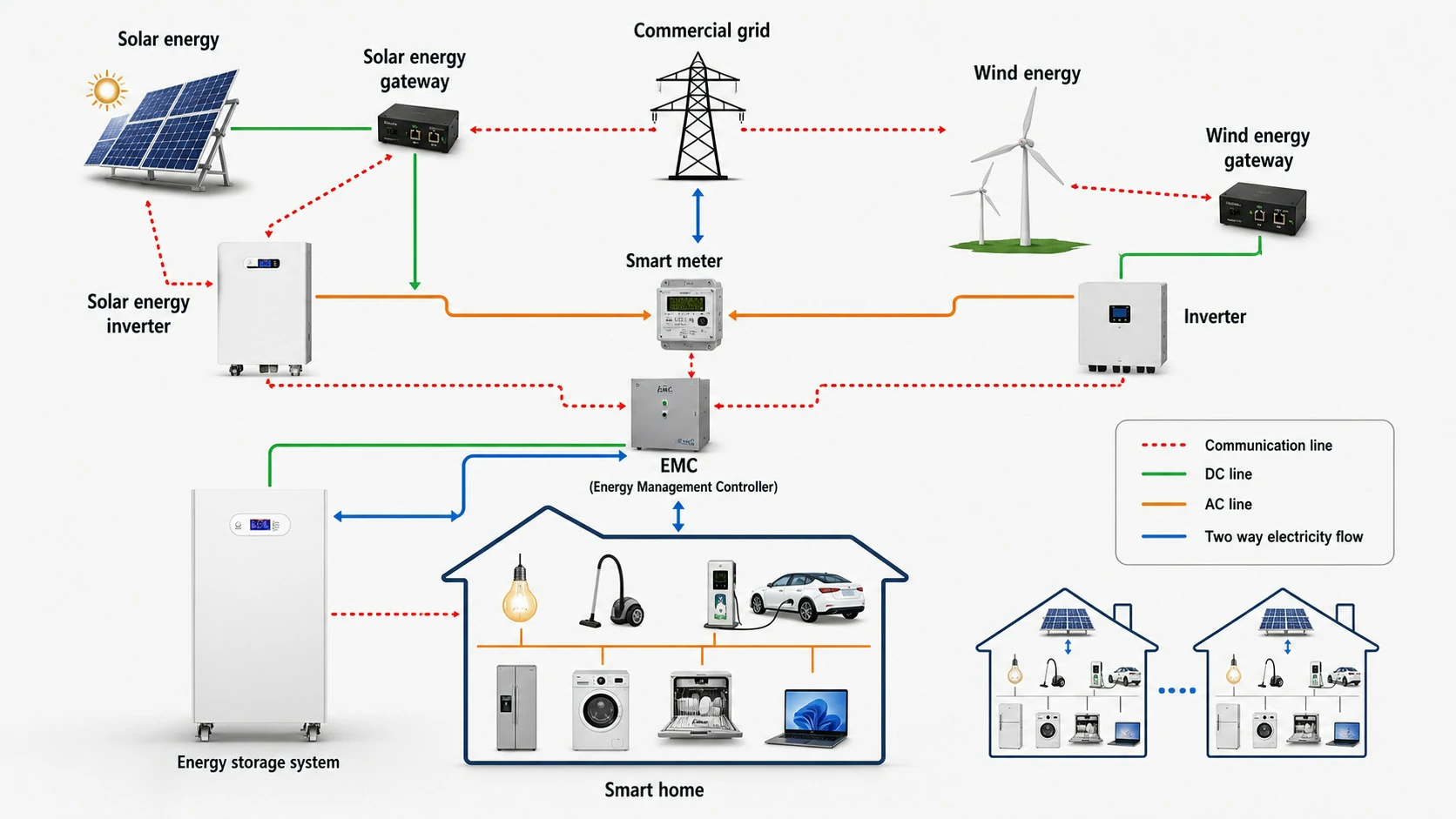
A simple solar battery energy path looks like this:
Solar panels DC → charge controller or hybrid inverter → battery DC storage → inverter DC-to-AC conversion → home loads or grid
In this structure:
- The inverter converts DC to AC.
- The converter or charge-control stage manages charging, voltage regulation, or DC-to-DC conversion.
- The battery management system BMS protects the battery from unsafe voltage, current, and temperature conditions.
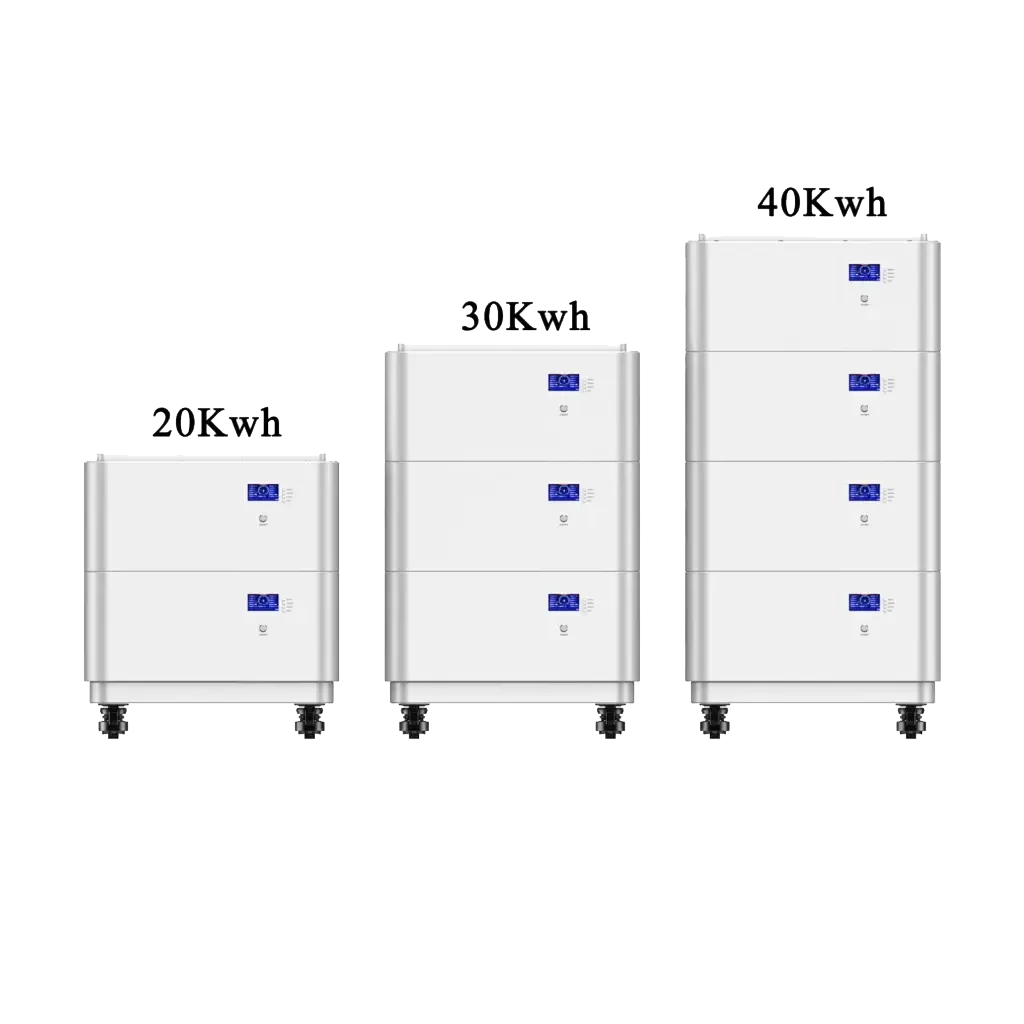
For residential and light commercial systems, a vertical LiFePO4 battery paired with a compatible hybrid inverter can support solar self-consumption, backup power, and off-grid applications.
Inverter vs Converter in an RV or Camper
A typical RV may include:
- 12V DC battery bank
- 12V lights and fans
- 120V AC outlets
- Shore power input
- Solar panels
- Battery charger
- Inverter
- Converter or power center
When the RV is plugged into shore power, the converter changes AC power into DC power to charge the battery and run DC loads. When the RV is off-grid, the inverter changes battery DC into AC power for outlets and appliances.
So, for RV users:
- Want to charge the battery from campground power? Use a converter or charger.
- Want to run a microwave, laptop charger, or AC appliance from battery power? Use an inverter.
- Want a smoother system? Use an inverter-charger or integrated power center.
Inverter vs Converter in Home Backup Power
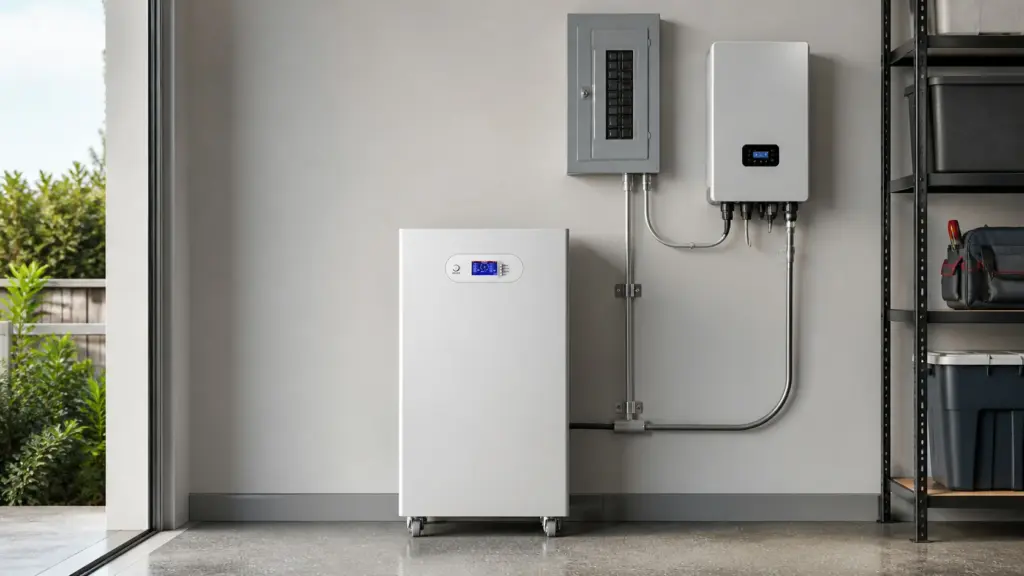
A home backup system usually needs an inverter because your appliances require AC power. If the system uses batteries, the stored energy is DC. The inverter converts that stored DC electricity into AC electricity for essential loads or whole-home backup.
A converter may also be present if the system can recharge the battery from the grid, generator, or other AC source. In an all-in-one home battery system, the user may not see the converter as a separate device because it is integrated into the internal power electronics.
For home backup, the most important inverter-related factors are:
- Continuous output power
- Surge power for motors and compressors
- Backup switching capability
- Battery voltage compatibility
- Communication protocol
- Grid or off-grid operating mode
- Safety certification
- Cooling design
- Monitoring and fault protection
A 10 kWh battery with an undersized inverter may store enough energy but fail to start high-surge loads. A large inverter with a small battery may provide high power briefly but have limited runtime. This is why battery capacity in kWh and inverter power in kW must be sized together.
Do You Need an Inverter, a Converter, or Both?
The answer depends on your power source and the devices you want to run.
| Situation | What You Usually Need | Why |
|---|---|---|
| Battery powering home appliances | Inverter | Battery DC must become AC |
| Solar panels powering a house | Solar inverter | Solar DC must become AC |
| Wall outlet charging a battery | Converter or charger | AC must become DC |
| RV connected to shore power | Converter charger | Shore AC charges DC battery |
| RV battery powering AC appliances | Inverter | Battery DC powers AC loads |
| 48V battery powering 12V DC devices | DC-DC converter | Voltage must step down |
| Off-grid solar cabin | Both | Solar/battery charging plus AC appliance power |
| Home solar battery backup | Hybrid inverter or inverter-charger | Manages battery, solar, grid, and loads |
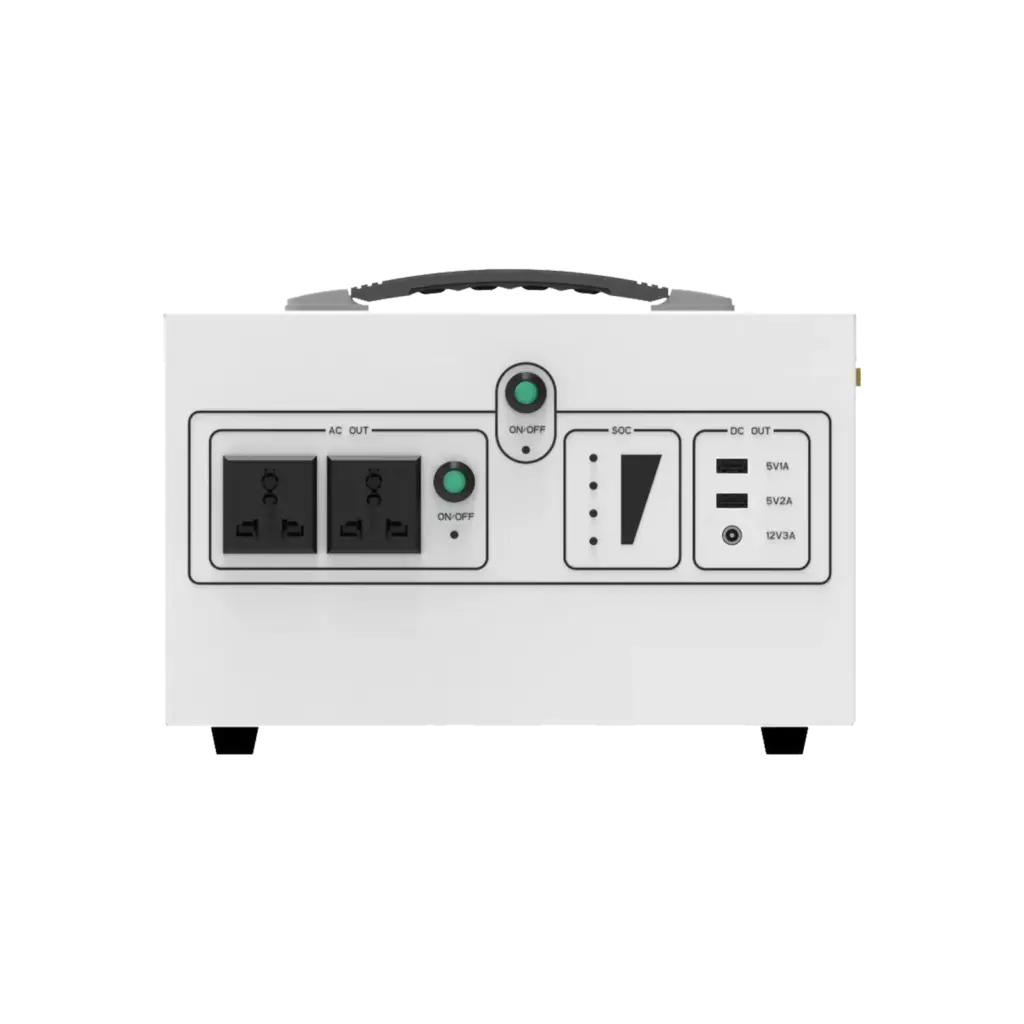
| Portable power station | Both inside one unit | Charging and AC output are integrated |
For most solar battery storage systems, the practical answer is: you need an inverter, and you may also need converter functions depending on the system design.
Inverter vs Converter: Which Is More Important?
Neither is universally “more important.” They solve different problems.
An inverter is more important when your goal is to use battery or solar DC power for AC appliances.
A converter is more important when your goal is to charge batteries, power DC electronics, or change voltage levels.
In solar and energy storage, they often work together. A high-quality system is not just a battery plus an inverter; it is a coordinated electrical architecture with battery chemistry, BMS protection, inverter control, conversion efficiency, wiring, protection devices, monitoring, and installation standards all working together.
Final Verdict: Inverter vs Converter
The difference between inverter and converter comes down to power direction and purpose.
An inverter converts DC power into AC power, making solar panels, batteries, and off-grid systems usable for normal household or business loads.
A converter changes electrical power from one type or voltage level to another, often AC to DC for charging or DC to DC for voltage regulation.
For a simple phone charger, a converter is enough. For a battery powering home appliances, an inverter is essential. For a complete solar battery storage system, you often need both functions, either as separate components or integrated into a hybrid inverter, inverter-charger, or all-in-one battery system.
For installers, distributors, and project buyers, the safest approach is to select the battery and inverter together. Check voltage range, power rating, battery chemistry, BMS communication, certification, and expansion needs before purchasing.
Avepower supports residential energy storage projects with LiFePO4 battery systems, inverter compatibility guidance, scalable battery options, and OEM/ODM customization. If you are designing a solar storage, backup power, or distributor battery program, Avepower can help match the right battery platform with compatible inverter brands and project requirements.
FAQ
No. An inverter converts DC to AC. A converter is a broader device that changes electrical power from one form or voltage level to another. In technical terms, an inverter can be considered a type of converter, but in practical usage, they are not the same.
Most solar systems need an inverter because solar panels produce DC and homes use AC. Converter functions may also be used inside charge controllers, hybrid inverters, battery chargers, and DC-DC modules.
In broad power electronics terminology, yes, DC-to-AC conversion is a type of conversion. However, the specific device used for DC-to-AC conversion is normally called an inverter.
An inverter-only device cannot charge a battery. An inverter-charger or hybrid inverter can convert AC to DC for charging and DC to AC for powering loads.
An inverter-charger combines two functions. It converts battery DC to AC for loads, and it can also convert AC from grid or generator power into DC to charge the battery.
A hybrid inverter manages solar, battery, grid, and load power in one system. It is commonly used in solar-plus-storage installations.