
A car battery is a small part with a big job. The battery helps your car start, powers lights and electronics, and keeps many safety systems alive. Because the battery works every day, many drivers ask the same question: how long does a car battery last?
Most car batteries last 3 to 5 years, but the real answer depends on how you drive, where you live, how you look after the battery, and how much power your car uses.
Avepower is a lithium battery manufacturer focused on deep-cycle and energy-storage batteries rather than standard starting batteries. However, the core principles of proper maintenance, charging, and good usage habits apply to both.
Average Car Battery Lifespan
A normal car battery usually lasts between 3 and 5 years. After 3 years, you should test the battery at least once a year.
| Driving And Climate Situation | Typical Lifespan (Years) |
|---|---|
| Mild climate, mixed city and highway driving | 4–5 years |
| Very hot climate with lots of sun and high temperatures | 2–4 years |
| Very cold climate with long winters | 3–4 years |
| Many short trips, heavy city traffic | 2–4 years |
| Long highway trips most of the time | 4–5 years |
| Many added accessories (sound systems, fridges, etc.) | 2–4 years |
Why Most Car Batteries Last 3–5 Years
A car battery has one main job. The battery must provide a strong burst of power to start the engine, and it must power the electrical systems when the engine is off. Because of this heavy work, the battery slowly wears out.
Most standard lead-acid starter batteries last between 3 and 5 years because:
- The internals of the battery slowly break down each time you start the car.
- Heat speeds up the chemical reactions inside the battery, which also speeds up wear.
- Deep discharges (when the battery goes very low) damage the plates inside.
- Vibration and poor mounting slowly weaken the internal structure.
Even if you drive gently and keep the battery clean, the chemical material inside the battery will age. So you should see any battery older than five years as a possible risk.
How Climate Changes The Average Lifespan
Climate has a strong effect on battery life.
- In hot regions (for example parts of South Africa, Australia, or the southern United States), high heat speeds up both charge and wear. The battery may feel strong at first, but the plates inside will often break down faster.
- In cold regions (for example Canada or northern Europe), the battery must work harder to turn a cold, thick engine oil. Cold also lowers the amount of energy the battery can deliver at once.
Because of these effects, drivers in very hot or very cold areas often need new batteries closer to the 3-year mark, while drivers in mild coastal climates may reach 5 years or a bit more.
How Long Can A Car Battery Last Without Driving
If you park your car and do not drive it at all, the battery does not last forever. All modern cars have a small “standby” load from alarm systems, keyless entry, and control units.
- In most cases, a healthy battery can sit for 2 to 4 weeks before it drops so low that the car may not start.
- If the battery is older, weak, or already partly discharged, it may fail much sooner.
You can protect the battery during long breaks by:
- Driving the car at least once a week for 20–30 minutes.
- Using a smart trickle charger or battery maintainer.
- Disconnecting the negative terminal if the car will stand for many weeks and you cannot use a charger.
People who store their car in a garage, or who keep a 4×4 or caravan for trips, often use maintainers or lithium storage batteries. Avepower, for example, provides lithium batteries for solar and off-grid systems, which many owners pair with chargers and inverters to keep all batteries topped up while vehicles or camper trailers wait for the next trip.
What Voltage Should A Car Battery Have?
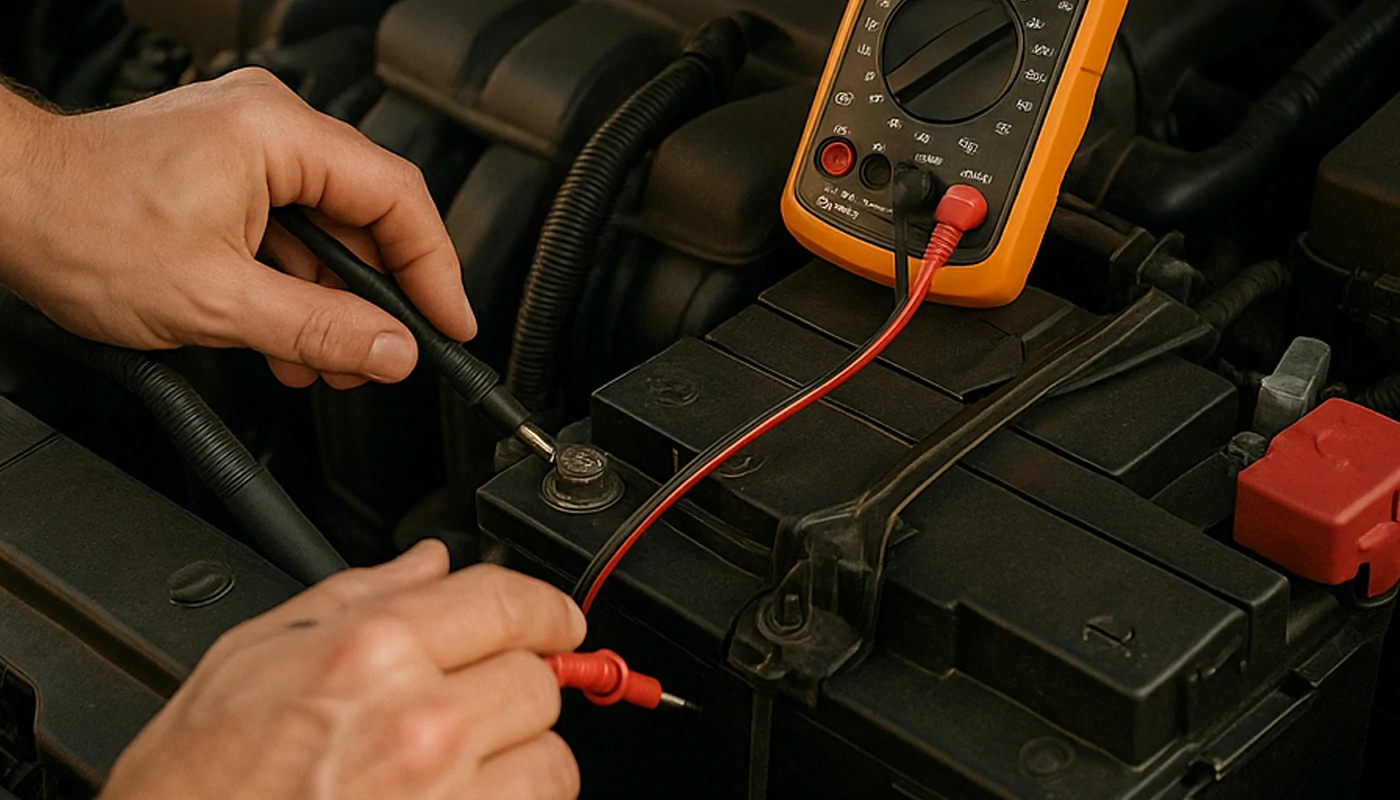
A simple way to check your battery health is to measure its voltage. Voltage is the “pressure” that pushes electrical current.
When the car has been parked for several hours and the engine is off, a normal 12-volt car battery should show around 12.6 volts if it is fully charged. When the engine is running, the alternator should raise the system voltage to about 13.7–14.7 volts.
| Voltage Reading (Engine Off, Rested) | What The Reading Usually Means |
|---|---|
| 12.6–12.8 V | The battery is fully charged and in good condition. |
| 12.4 V | The battery is around 75% charged. |
| 12.2 V | The battery is around 50% charged and needs a charge. |
| 12.0 V | The battery is almost flat and may not start the car. |
| Below 11.8 V | The battery is deeply discharged and may be damaged. |
You should try to test the battery after the car has rested, ideally overnight. If you test right after a drive, the reading can be higher because the surface charge is still present.
How Long Does It Take To Charge A Car Battery?
The time you need to charge a 12-volt car battery depends on:
- The size of the battery.
- The depth of discharge (how empty it is).
- The charger’s current (amps).
The table below gives a simple guide for a typical car battery around 50–70 amp-hours that is partly discharged:
| Charger Type And Setting | Approximate Charge Time | Simple Comment |
|---|---|---|
| Fast charger at 15–20 A | 30–60 minutes | The battery charges quickly but warms up more. |
| Standard automatic charger at 8–10 A | 2–4 hours | The most common and balanced option for many drivers. |
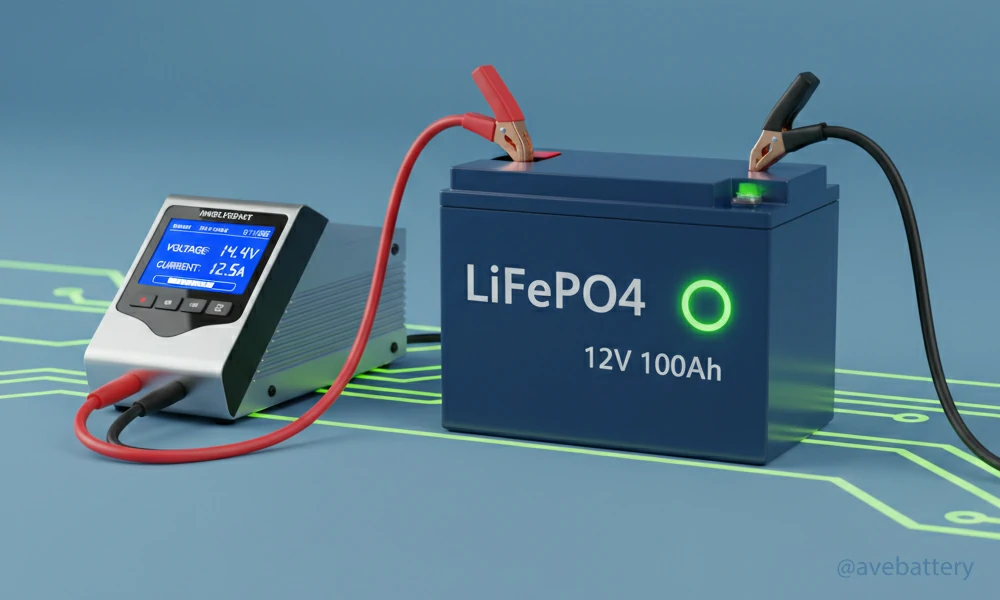
| Slow charger or maintainer at 2–4 A | 8–12 hours or overnight | The gentlest option, good for long-term care. |
If the battery is very flat or very old, it can take longer and may not reach full health again. A slow and steady charge is usually better than pushing the battery very hard with a fast mode.
Related resources: how long does it take to charge a car battery
Can A Completely Dead Car Battery Be Recharged?
Many “dead” batteries are simply discharged, not destroyed. In these cases, you can often recharge them with an appropriate charger.
However, there are two important limits:
- Time Spent Flat
If a battery stays completely flat for a long time, a hard layer of lead sulfate can form inside. This process is called sulfation. A heavily sulfated battery often cannot recover full capacity, even after charging. - Age And Previous Use
If the battery is already old (for example, more than 4–5 years) or if it has been fully drained many times, its internal materials may be damaged. A recharge may bring it back briefly, but it may not hold charge for long.
You can try to recharge a flat but fairly new battery once or twice. However, if you keep having problems or if the battery is at the end of its expected life, replacement is usually the more reliable and safer option.
Related resources: how to charge a car battery
Signs That Your Car Battery Needs To Be Replaced
You rarely get a clear message that says “change battery now”. Instead, you get small hints. If you watch these signs, you can replace the battery before it fails at a bad moment.
Common warning signs include:
- Slow engine crank: The engine turns slowly when you start, or it takes longer than usual to fire.
- Dim lights: Headlights and dashboard lights look weaker, especially when you idle.
- Electrical problems: Power windows move slowly, the radio restarts, or the air conditioner fan changes speed without reason.
- Battery warning light: The battery or charging light stays on or comes on again after you start driving.
- Corroded terminals: You often see white or blue build-up around the battery posts.
- Swollen or cracked case: The sides of the battery bulge, or the case looks misshapen, often from heat or freezing.
- Age: The battery is older than 3–5 years.
Simple Headlight Test At Home
You can quickly check the battery at night with your headlights.
- You park the car facing a wall, garage door, or window.
- You switch on the headlights and watch the reflection.
- You turn the key to start the engine while you watch the lights.
If the lights dim a lot or go almost dark when you start the car, the battery may not have enough power. This test cannot give you a firm number, but it often warns you that it is time for a proper test and maybe a new battery.
Most standard road cars still use lead-acid starter batteries. However, more drivers now use lithium batteries in other parts of their life, such as:
- Home solar and backup systems
- Camping, 4×4, and caravan setups
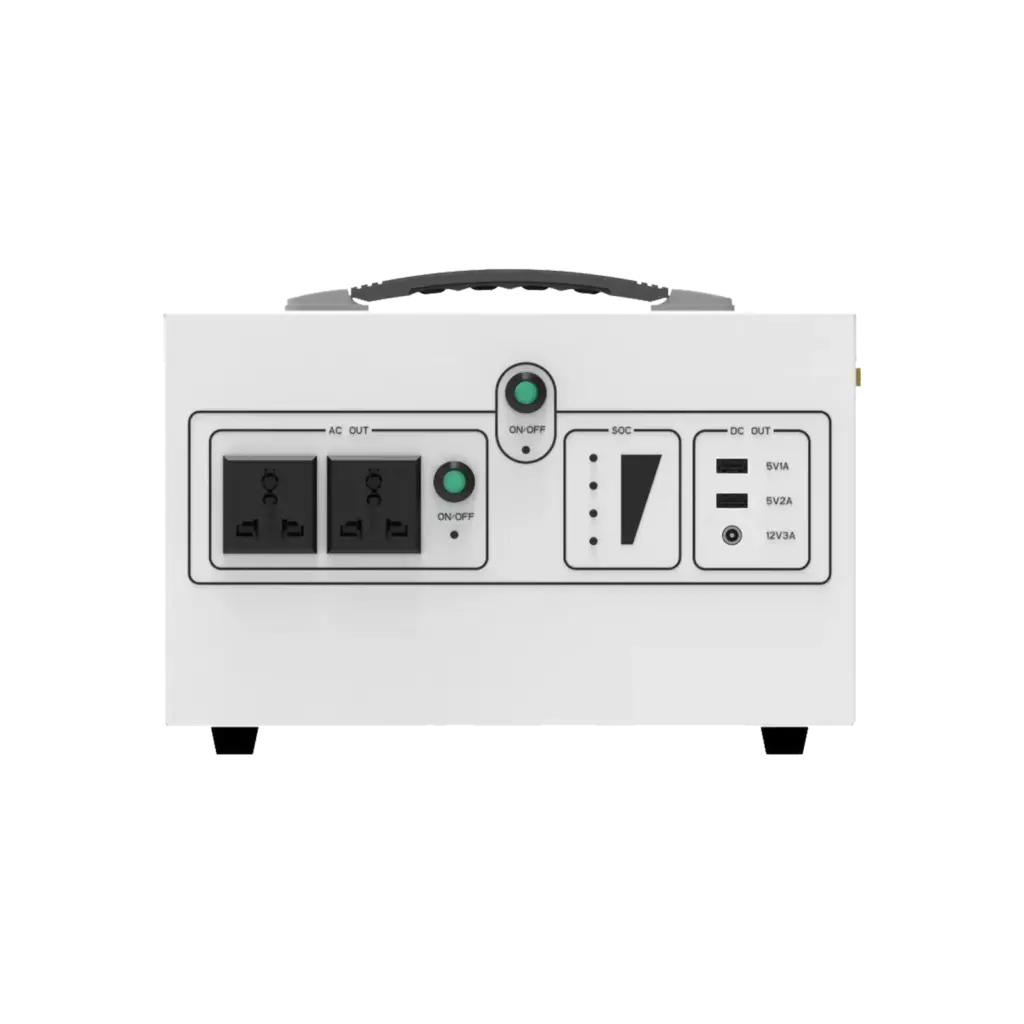
- Portable power stations for work sites or travel
Lithium batteries offer:
- Longer cycle life
- Higher usable capacity for the same size
- Lower weight
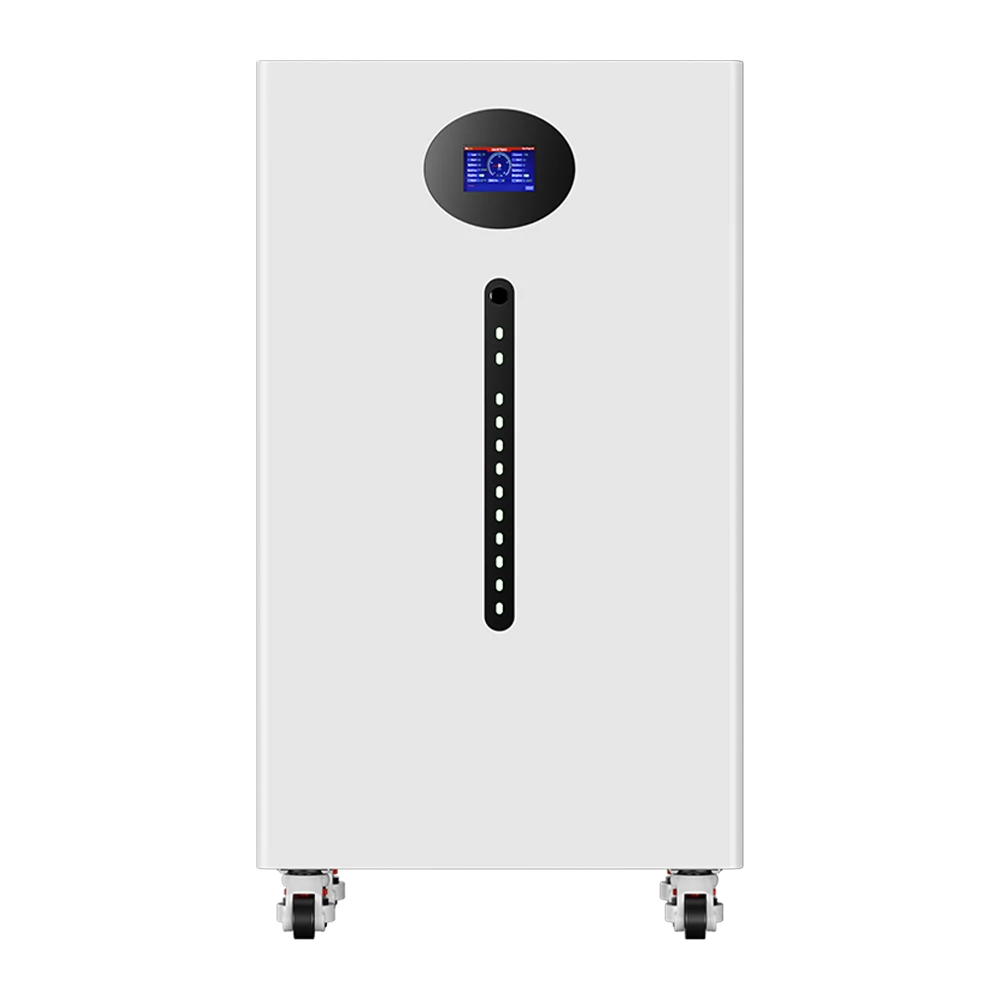
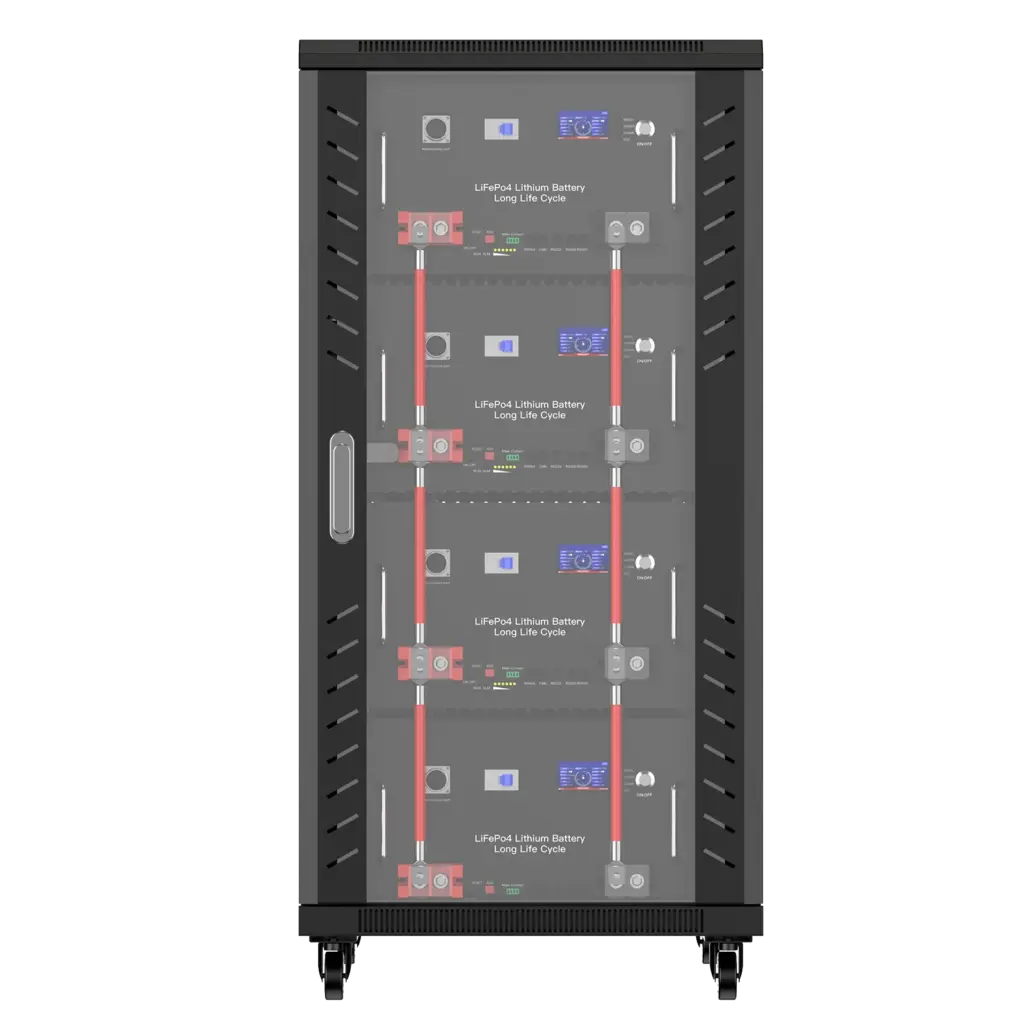
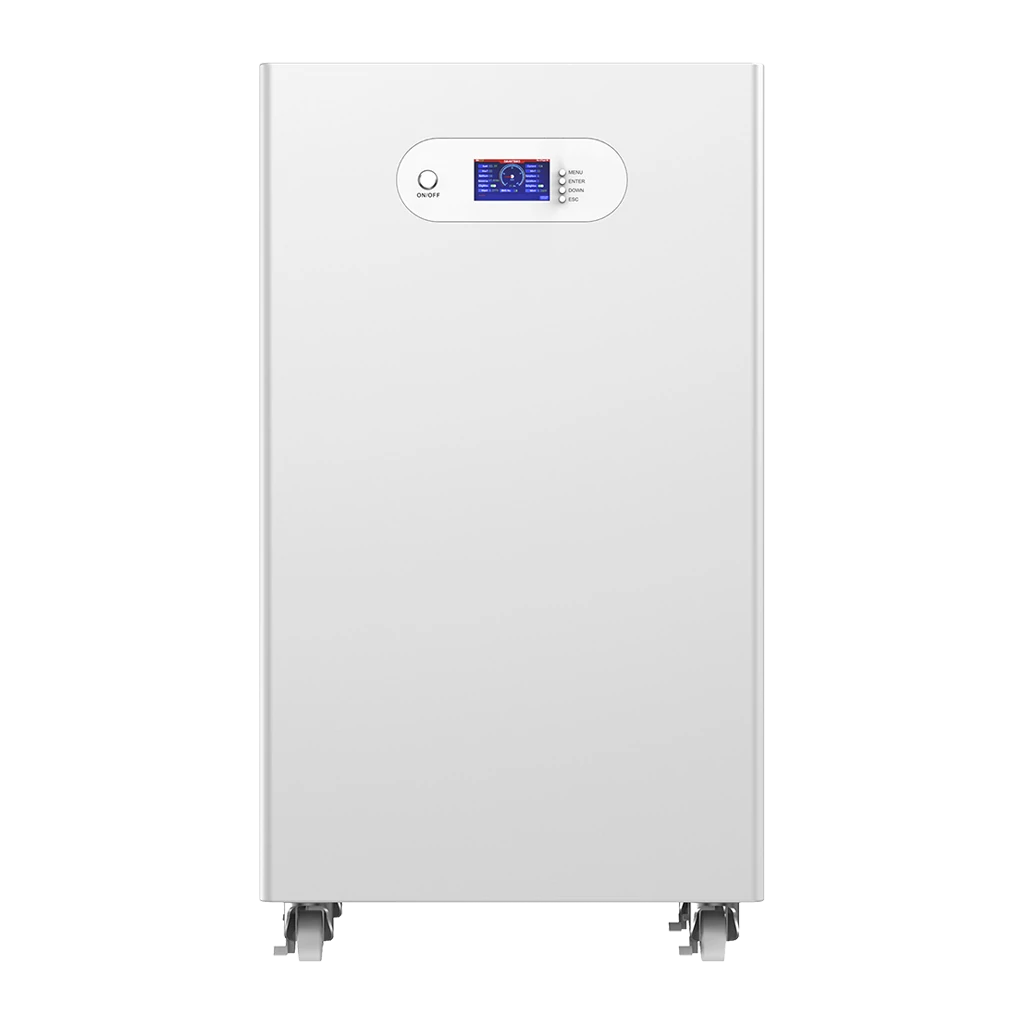
Avepower focuses on lithium battery solutions for energy storage and off-grid use. The company designs and builds lithium packs with strong safety systems, high quality cells, and smart control units.
While you may still use a traditional lead-acid battery to start your car, you can use lithium batteries to:
- Run fridges, lights, and tools during load shedding or power cuts
- Power camping gear without draining your starter battery
- Store solar power at home so you rely less on the grid
If you already pay attention to the life of your car battery, you will find that the same good habits—correct sizing, regular checks, and good charging—will also help you get the best from any lithium system you choose in the future.
Practical Tips to Extend Your Car Battery Life
While you can’t stop a car battery from aging, you can slow the process with good habits that help it last closer to the upper end of the typical 3–5 year lifespan.
Regularly Check Terminals and Cables
Inspect your battery terminals every few months. If you notice white or blue deposits, clean them carefully using a baking soda and water solution with a suitable brush—always disconnect the battery first, following your car’s manual instructions. Also, ensure the clamps are tight and the battery is securely fastened in its tray.
Keep Your Battery Fully Charged
A battery that frequently runs under-charged will wear out faster. If you mainly drive short trips, take a longer drive occasionally so the alternator can properly recharge the battery. For vehicles stored long-term, use a battery maintainer to keep the charge healthy.
Limit Short Trips or Combine Errands
Plan trips so the engine runs for at least 20 to 30 minutes at a time. One longer trip is better for battery longevity than several short trips, especially in heavy traffic where the battery may not get fully recharged.
Reduce Accessory Use When the Engine Is Off
Turn off accessories like the radio, phone chargers, and interior lights when the engine isn’t running. Avoid extended “accessory” mode (ignition on, engine off). For long accessory use, consider a separate auxiliary battery or portable power system instead of relying on the starter battery.
Protect Your Battery from Extreme Temperatures
Extreme heat or cold damages battery life. Keep any battery covers or insulating sleeves on your battery, and avoid parking in full sun for long periods. In cold climates, consider battery blankets or heaters designed for your vehicle.
Car Batteries, Power Outages, And Load Shedding
In some countries and regions, frequent power cuts or load shedding are part of everyday life. Many drivers rely on their cars not only for transport but also as a way to charge phones and small devices.
It is important to understand that a car battery is designed for short, strong bursts of power to start the engine, not for long, deep discharges to run household devices. If you often use your car as a power source during outages, you may shorten the battery’s life quickly.
A more robust approach is to use a dedicated energy storage system:
- A portable power station or
- A home or small-business lithium battery system
Avepower, for example, focuses on lithium battery solutions for home and small business energy storage. While your car battery handles starting the car, an Avepower-type system can handle tasks like:
- Keeping your fridge and lights running
- Powering your Wi-Fi router and work devices
- Supporting basic loads during scheduled load shedding
A strong auxiliary lithium system allows you to keep fridges, lights, and devices running without abusing your starter battery, which helps it last longer.

Take Control of Your Energy with Avepower!
Reliable home solar battery solutions with OEM/ODM customization and in-house manufacturing, tailored to the needs of distributors, installers, and energy partners.
When Should You Replace Your Car Battery
To sum up, you should think about replacement when:
- The battery is 3–5 years old and shows early warning signs.
- The car cranks slowly or needs frequent jump starts.
- The voltage drops quickly even after a full charge.
- The case is swollen or cracked, or there is constant corrosion.
You can:
- Test the battery at home with a multimeter.
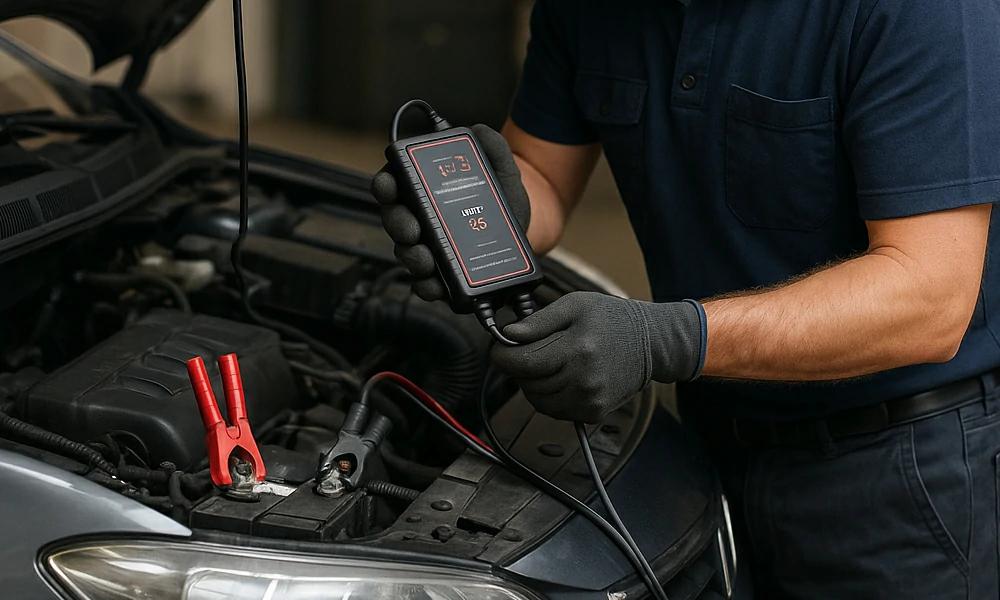
- Ask a trusted workshop to do a proper load test.
- Replace the battery before it leaves you stuck at the side of the road.
As you plan your car battery replacement, you can also look at your wider power needs. If you need more reliable power for your home, your camping trips, or your work, you can explore lithium energy storage from makers like Avepower. A solid battery plan—both under the bonnet and at home—gives you more comfort and less worry in daily life.
FAQ
Most standard 12 V lead-acid car batteries last about 3 to 5 years under normal driving and climate conditions. This range is based on many guides and service providers that see thousands of batteries fail in real life.
If you understand these factors, you can change a few habits and keep your battery in the healthier end of the 3–5 year window.
A few car batteries do reach 8–10 years, but this is rare and usually happens in perfect conditions. Most sources still describe 3–5 years as the realistic expectation for a normal lead-acid starter battery in mixed real-world use.
When you park a car and do not drive it, the battery still has to power alarms, memory settings, locks, and other small systems. Many guides say a parked car battery can last roughly 2–4 weeks before it becomes too weak to start the engine, especially on newer cars with more electronics.
When the engine is off and the battery has rested for a few hours, a healthy, fully charged lead-acid car battery usually reads around 12.6 V (some charts say roughly 12.6–12.8 V).
When the engine is running, the alternator should raise the voltage to about 13.7–14.7 V, which shows the charging system is working.
You can use your car to charge a phone or run a small device for a short time, but a standard car starter battery is not designed for regular deep discharge the way a home battery is. Frequent heavy use during outages can shorten its life and leave you unable to start your car when you really need it.