

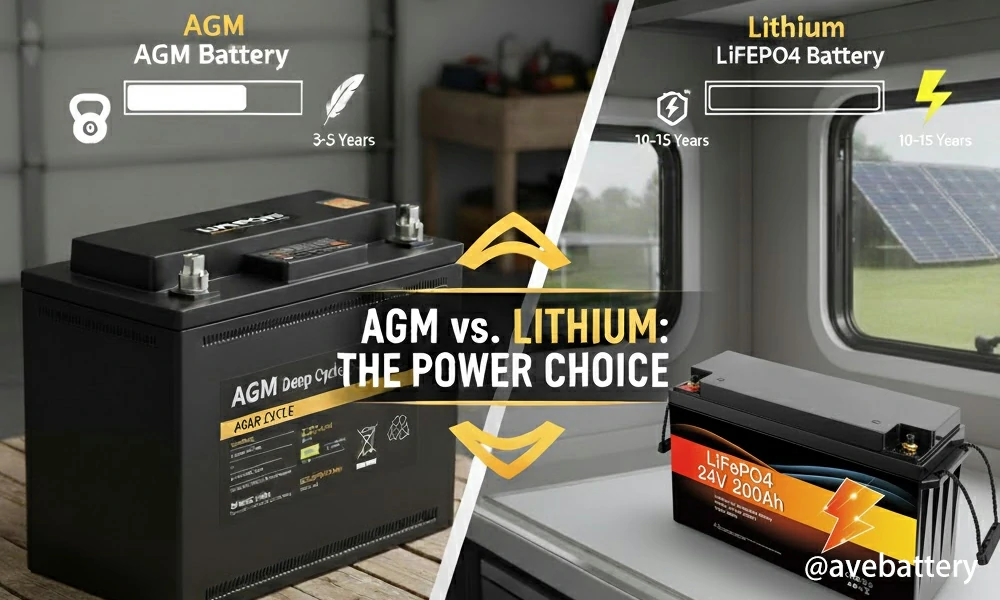
If you own a solar energy system for your home or cabin, operate a boat with an electric trolling motor, or travel in a recreational vehicle (RV), you certainly need a reliable deep cycle battery. For many years, Absorbed Glass Mat (AGM) batteries have been the industry standard. However, Lithium Iron Phosphate (LiFePO4) batteries have recently emerged as a powerful contender. People are often asking which one is truly better for their specific needs.
We will explain the fundamental differences between AGM batteries and LiFePO4 batteries, helping you determine which battery technology can provide the best value and performance for your off-grid exploration or energy storage needs.
The Short Answer
If you want the lowest upfront price and you use existing lead-acid charging gear, an AGM battery will meet basic needs. If you want the best overall performance, the longest service life, the most usable energy, and the lowest lifetime cost, a lithium iron phosphate (LiFePO4) battery will beat AGM in most deep-cycle uses.
Fast Comparison: AGM vs. Lithium at a Glance
| Aspect | AGM (Sealed Lead-Acid) | Lithium (LiFePO4) |
|---|---|---|
| Depth of Discharge (usable capacity) | About 50% | Up to 100% |
| Cycle Life | ~300–500 cycles at ~50% DoD | ~4,000–10,000+ cycles |
| Weight | Heavy (≈ 60–70 lb) | Light (≈ 25–35 lb) |
| Energy Density | Low | Much higher for the same footprint |
| Charge Efficiency | ~70–80% | ~95–98% |
| Charge Speed | Slow to moderate | Fast with a compatible charger |
| Voltage Curve | Voltage declines steadily as you discharge | Voltage stays flat until near empty |
| Maintenance | Low maintenance, no watering | No maintenance, built-in protections via BMS |
| Charger Compatibility | Works with most legacy alternators and lead-acid chargers | Works best with LiFePO4 profile or DC-DC charger |
| Cold Weather Behavior | Acceptable discharge; can charge in cold better than LFP | Safe discharge when cold; charging below 32°F (0°C) needs a strategy |
| Safety | Stable chemistry; acid present; can vent hydrogen if abused | Very stable LFP chemistry; no acid; no venting in normal operation |
| Initial Cost | Lower | Higher |
| Lifetime Cost | Higher due to replacements | Lower due to long life and high usable capacity |
| Best Fit | Budget builds, legacy systems, engine starting | High-demand deep-cycle solar, RV, marine house banks |
Let’s look at each one closely.
What is an AGM Battery?
AGM is an acronym that stands for Absorbent Glass Mat. It represents a specific type of sealed lead-acid deep-cycle battery. In an AGM battery, the sulfuric acid electrolyte is securely held and absorbed into a fine, specialized fiberglass mat that is pressed between the lead plates. This sealed design is a major improvement over older lead-acid types because it makes the battery spill-proof, highly resistant to vibration, and essentially maintenance-free—you do not need to add water.
Pros of AGM
- Many stock alternators and chargers can charge AGM out of the box.
- The purchase price per battery is lower than LiFePO4.
- AGM can accept a charge below freezing.
- The glass mat resists damage from shocks and bumps.
- The sealed case prevents liquid leaks in normal use.
Cons of AGM
- The user should plan to use only about 50% of the rated capacity to protect life.
- The typical cycle life falls in the low hundreds.
- A comparable AGM weighs roughly 2–3× as much as LiFePO4.
- The charge and discharge efficiency is lower, which wastes more energy.
- The voltage drops as the state of charge falls, which can cause inverters to trip earlier.
Uses of AGM
- RVs and camper vans with basic 12V lights, pumps, and electronics.
- Boats that use the same alternator to start an engine and power accessories.
- Budget solar backup systems that need a lower upfront investment.
- Utility equipment such as floor scrubbers and small forklifts where weight is less critical.
What is a Lithium Battery?
When people talk about lithium deep cycle batteries, they are generally referring to Lithium Iron Phosphate (LiFePO4 or LFP). This is the safest and most stable lithium chemistry available for large-scale energy storage applications like solar and RVs.
Instead of heavy lead and acid, these batteries use lithium ions that move between a graphite anode and a cathode made of lithium iron phosphate. This process allows for high energy storage in a compact, lightweight package.
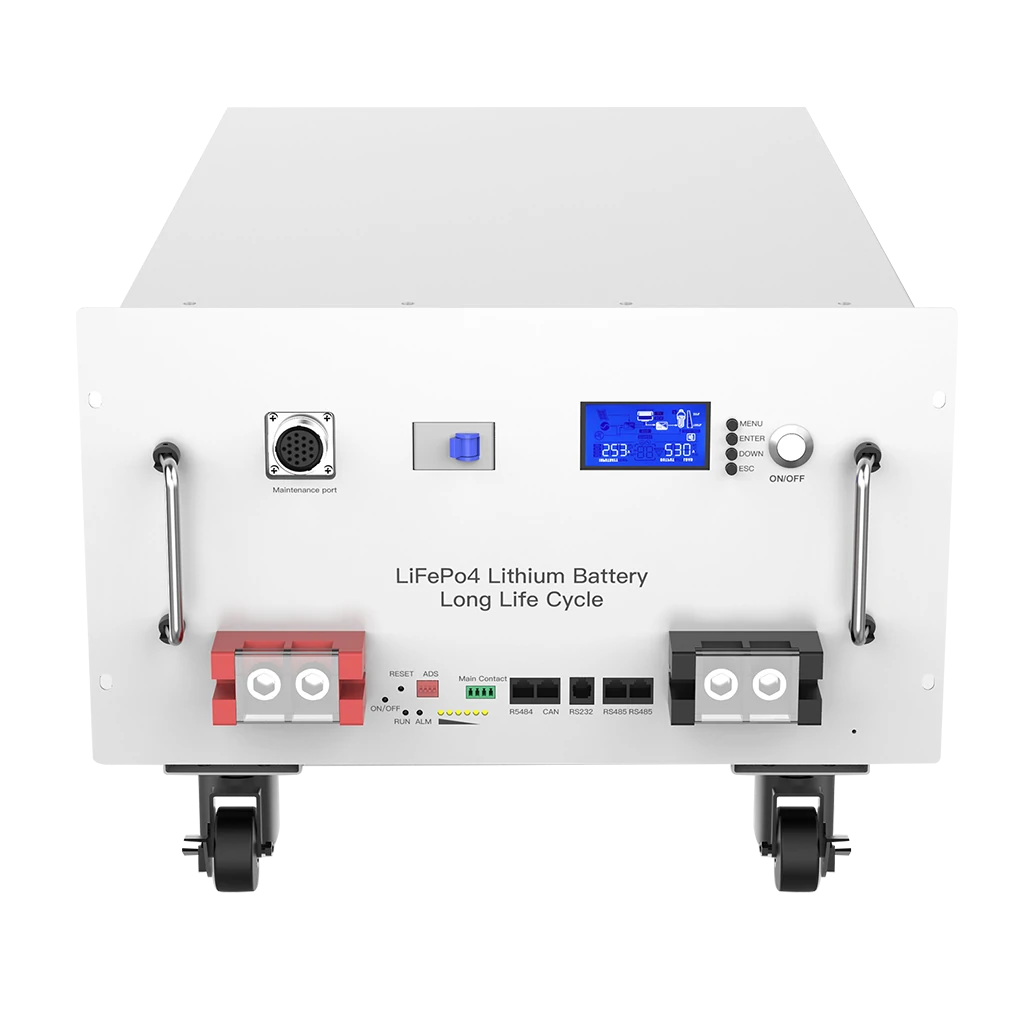
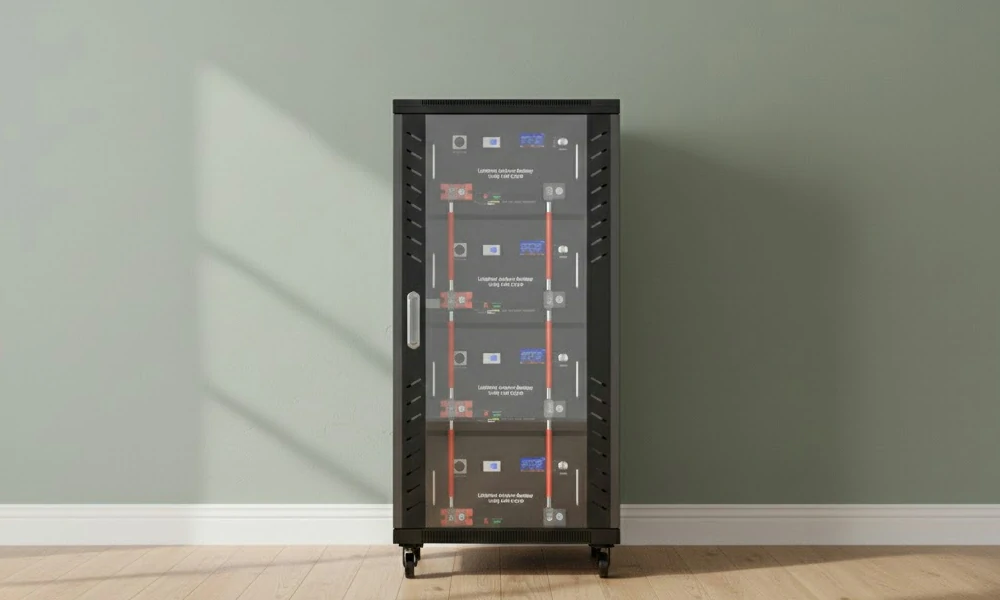
The most significant difference is the built-in Battery Management System (BMS) that every quality LiFePO4 battery includes. This smart circuit board acts as the battery’s brain. It constantly monitors temperature, voltage, and current to protect the battery from common problems like overcharging, over-discharging, and short circuits.
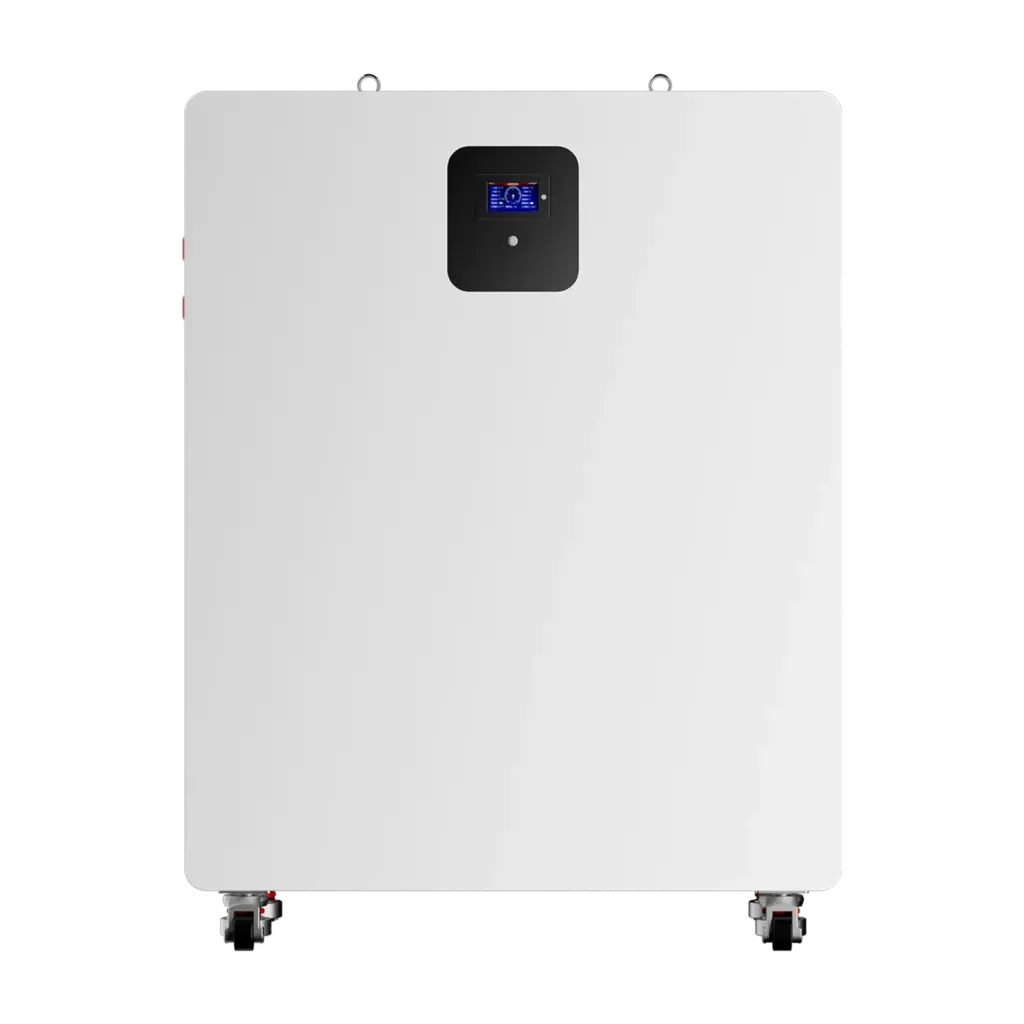
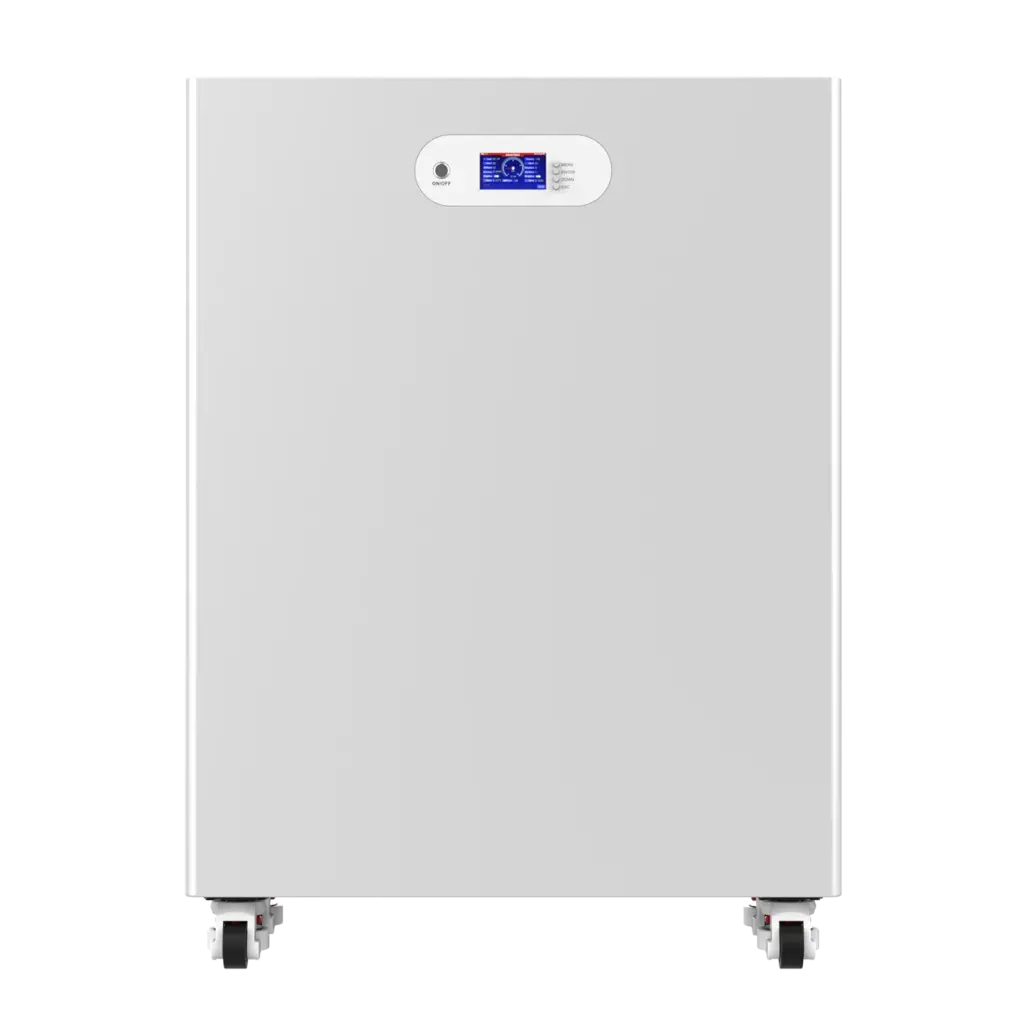
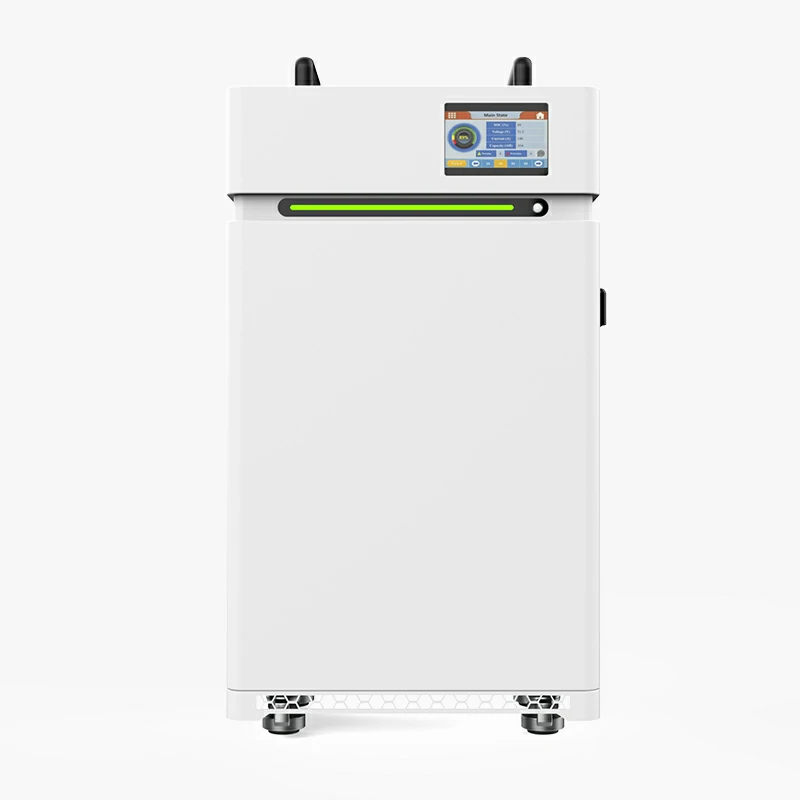
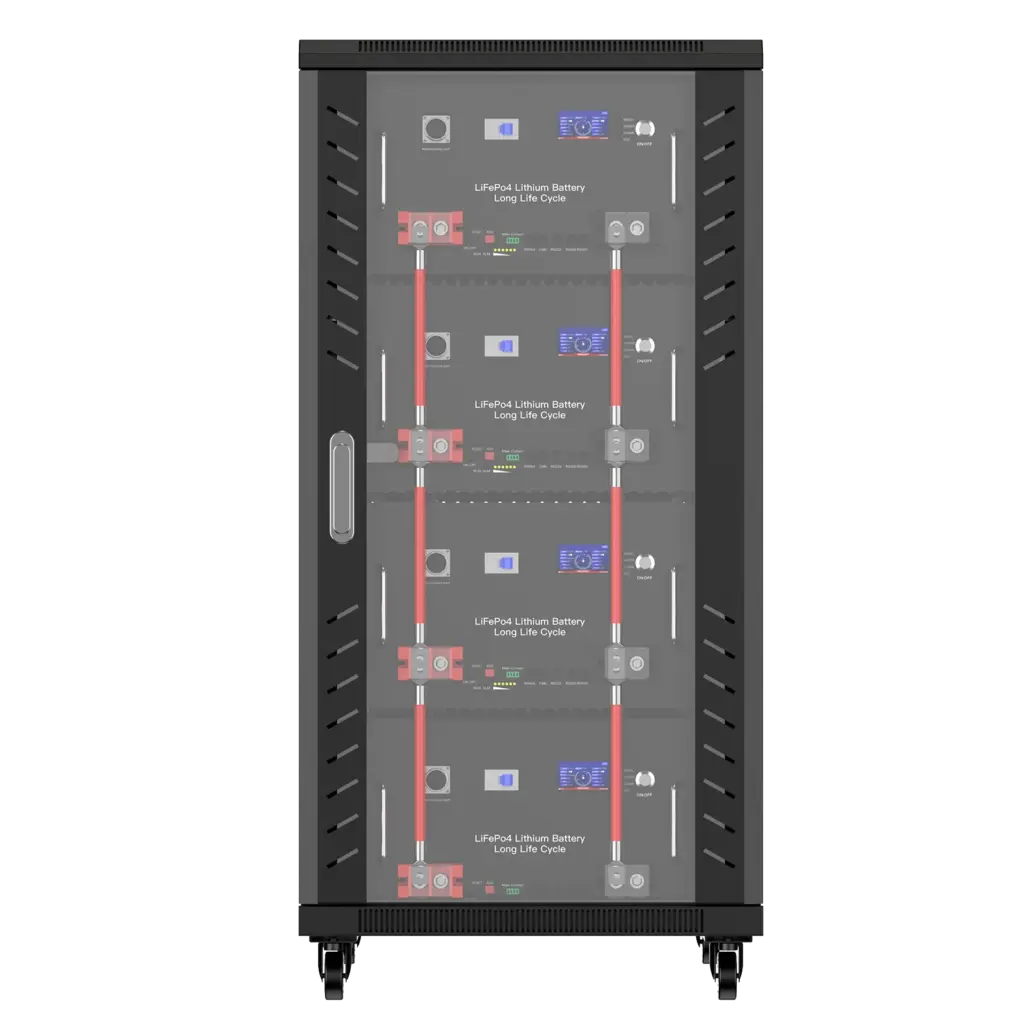
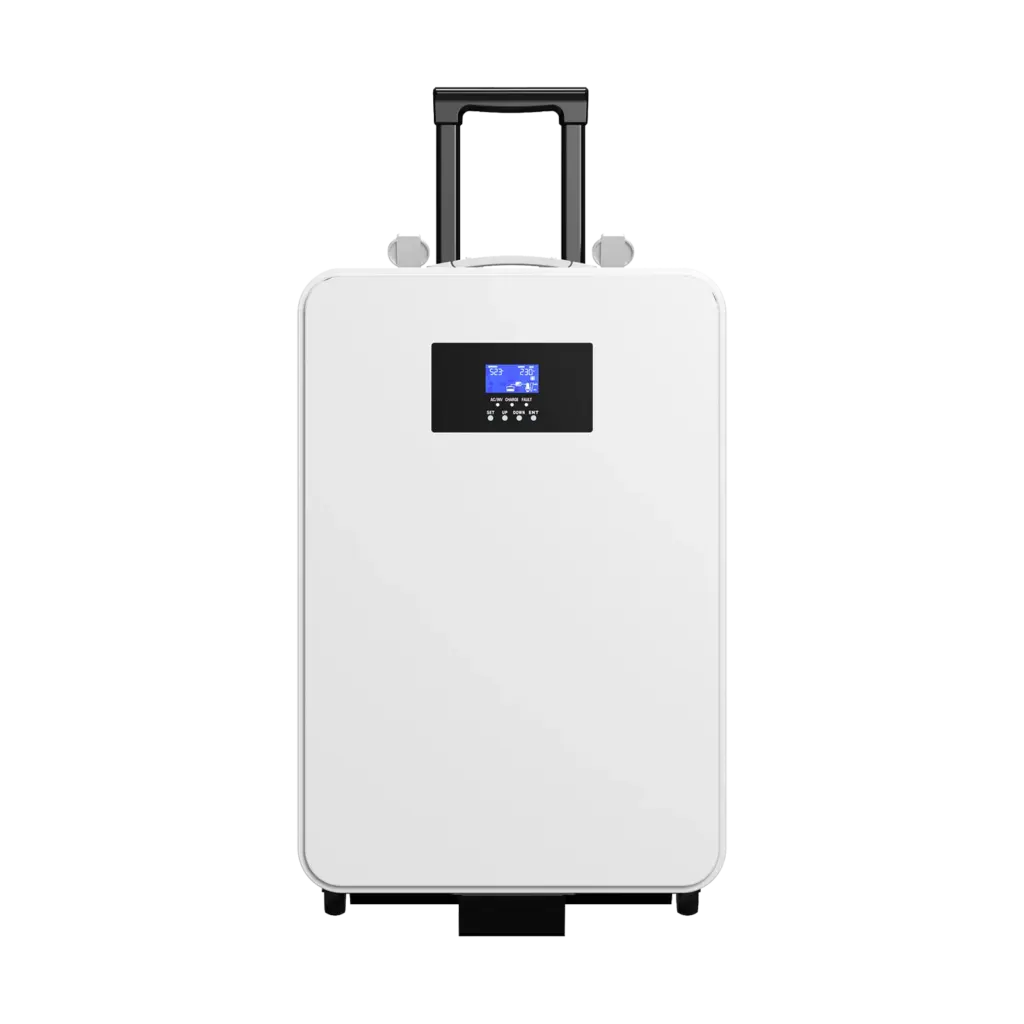
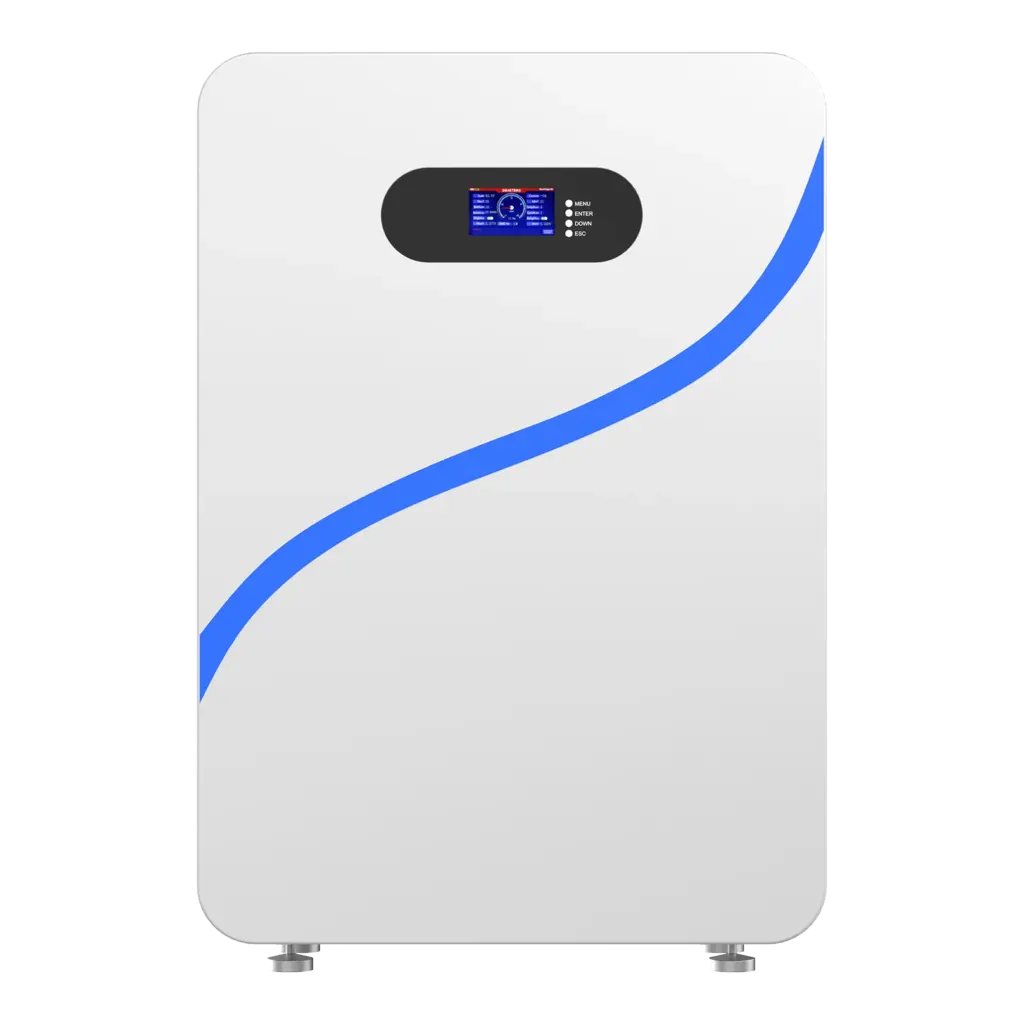
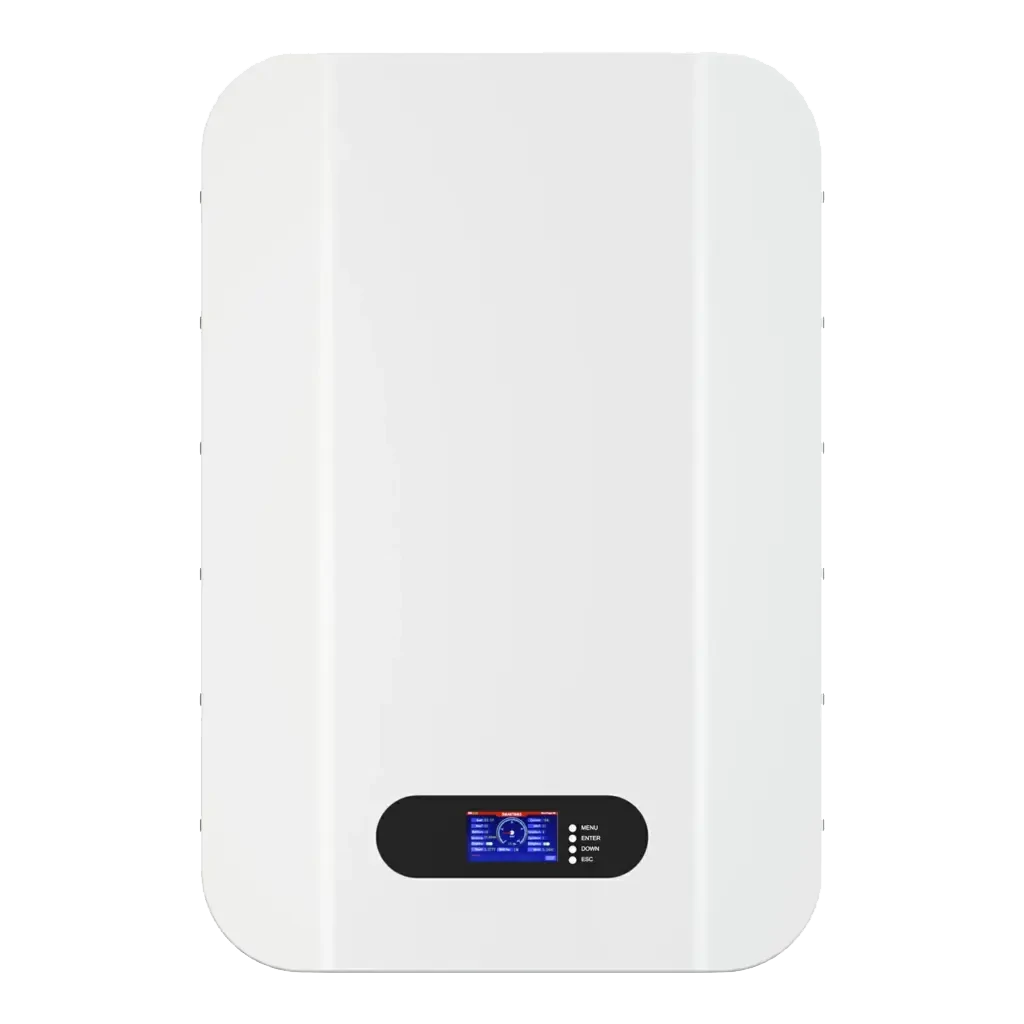
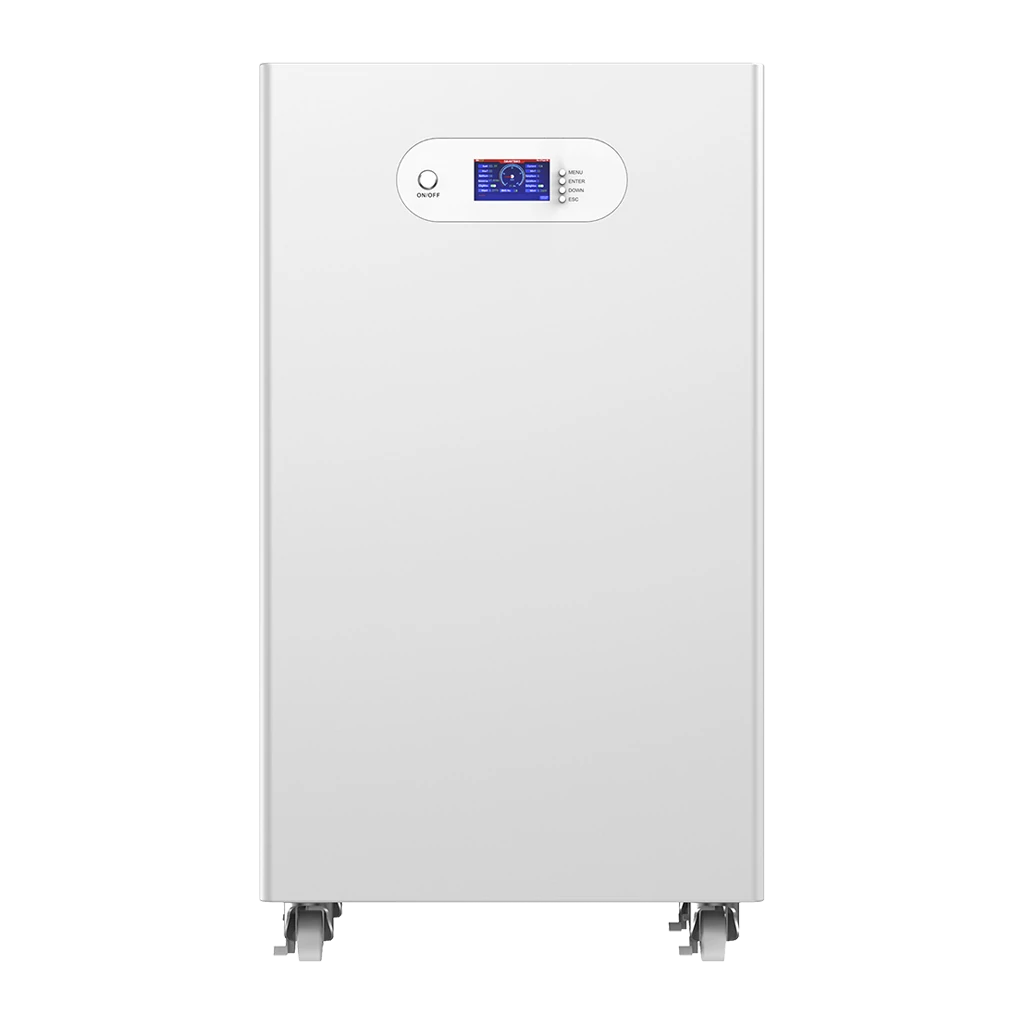
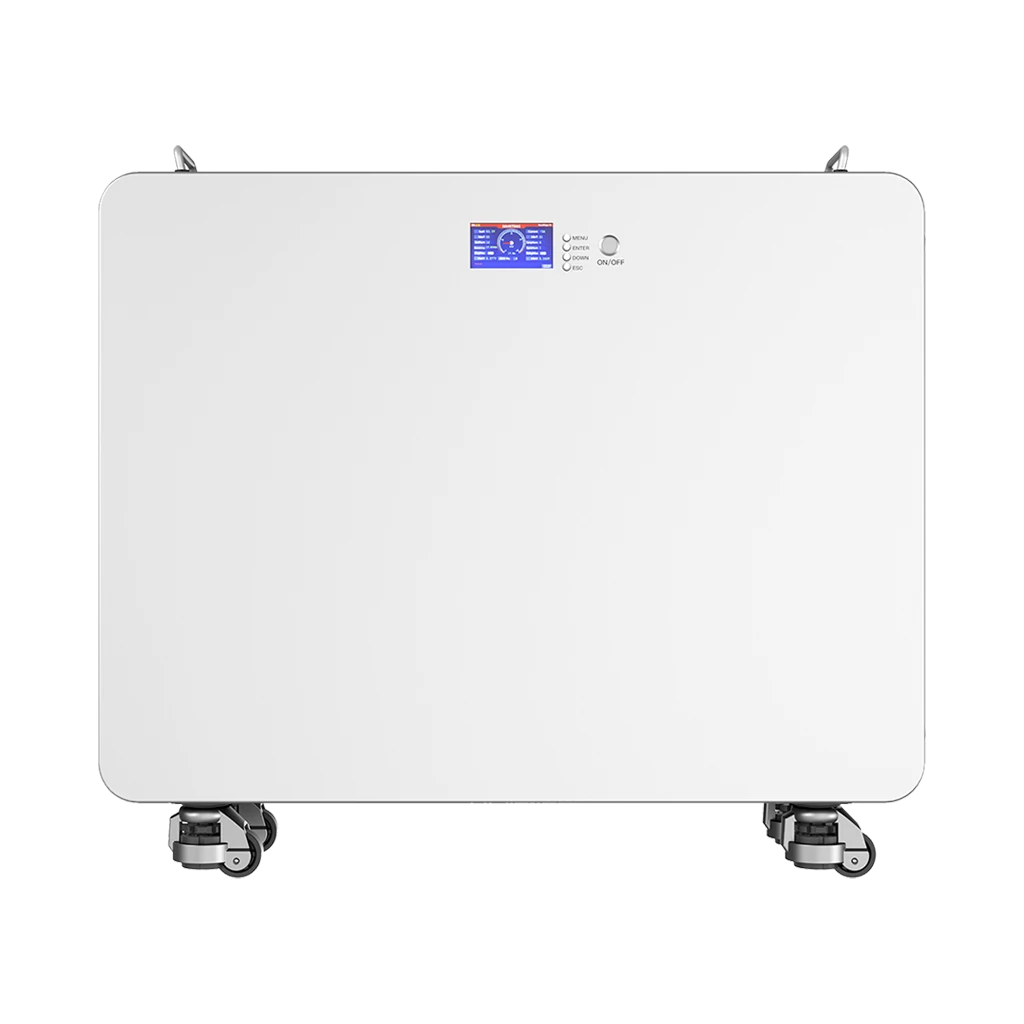
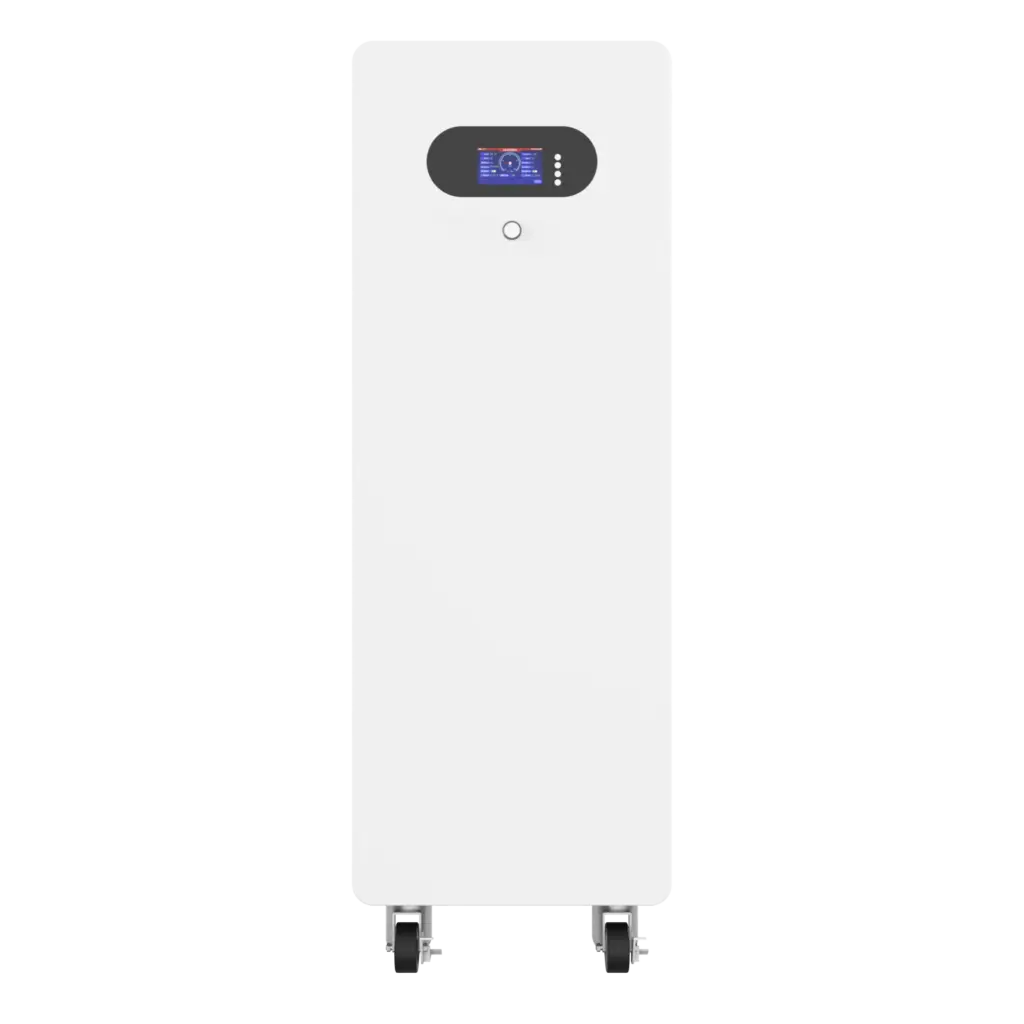
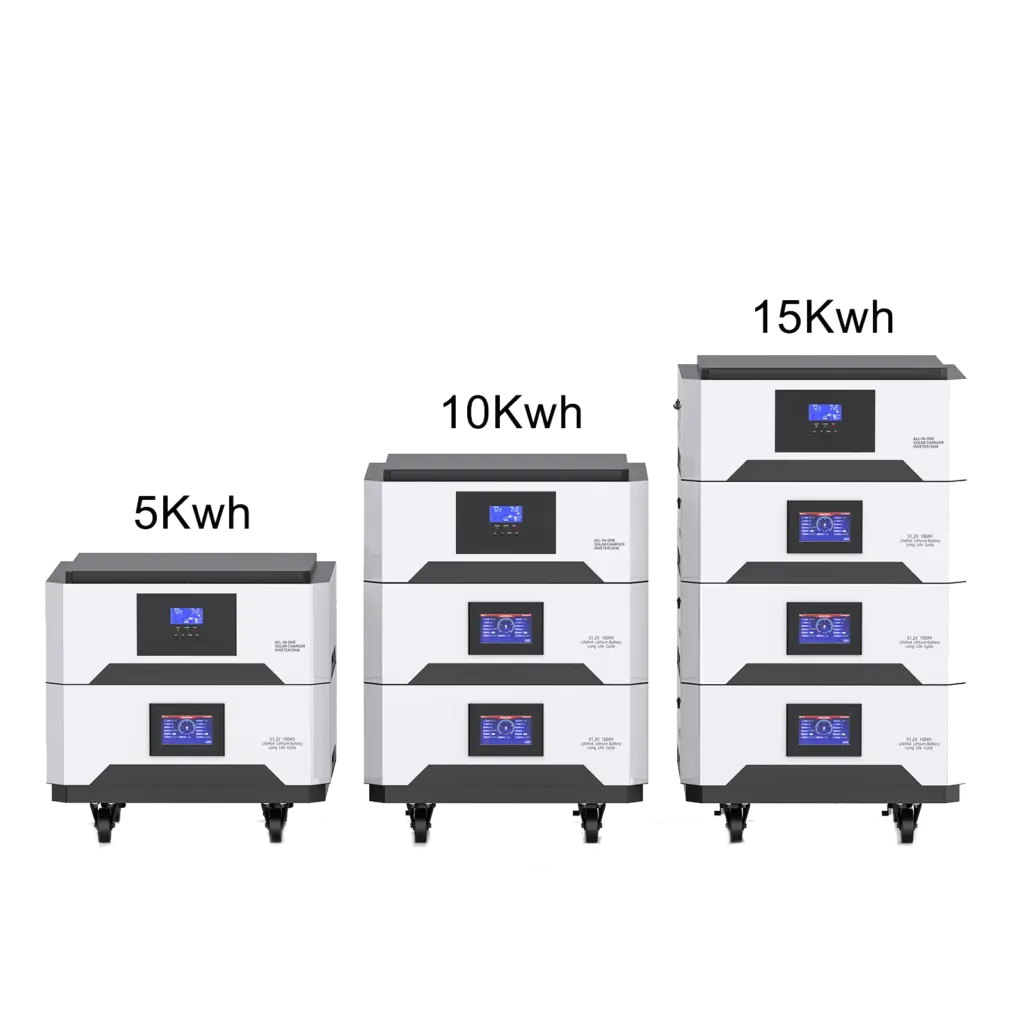
For example, Avepower’s LiFePO4 batteries. Designed to safely discharge up to 100%, they deliver more than 4,000 charge cycles while maintaining over 80% of their original capacity—even after years of consistent use.
Pros of Lithium
- Many LFP packs safely provide up to 100% DoD.
- A well-managed pack often provides thousands of cycles.
- The weight savings can improve fuel economy and handling.
- The round-trip efficiency is high, and the pack accepts current quickly when the charger supports it.
- The pack holds voltage until near empty, which keeps inverters and 12V appliances happy.
- The pack does not need watering or equalization.
- The LFP chemistry is very stable, and the BMS adds further protection.
Cons of Lithium
- The purchase price is higher than AGM.
- The pack should not charge below 32°F (0°C) unless a system includes heating or a special low-temperature feature.
- The best results require an LFP-specific profile or a DC-DC charger from an alternator.
Uses of Lithium
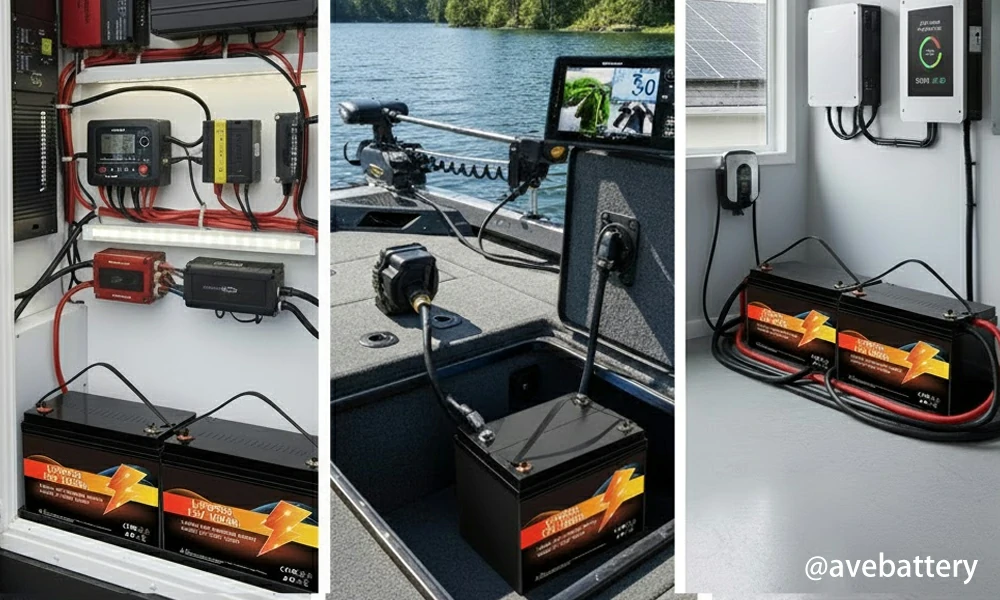
- Residential solar storage that must cycle daily and hold voltage under heavy loads.
- RV house banks that run inverters, fridges, induction cooktops, and air conditioners.
- Boats that drive trolling motors, sonar, and house loads all day.
- Golf carts, mobility devices, and off-grid cabins that need long life and fast charging.
Differences Between AGM Battery vs Lithium
When comparing the two technologies head-to-head, the differences in performance and value become very clear.
1. Depth of Discharge (DoD) and Longevity
An AGM battery needs shallow cycles to live longer. Most users who want a solid lifespan keep AGM depth of discharge around 50%. A 100Ah AGM therefore yields about 50Ah of daily usable energy. A lithium battery can often deliver close to its full rating without serious wear, so a 100Ah LFP can give you up to 80–100Ah of usable energy depending on settings. This higher usable capacity per battery means you can install fewer LFP batteries to meet the same daily kWh target.
| Aspect | AGM Battery | Lithium Battery (LiFePO4) |
| Recommended Safe Discharge | approx 50% | Up to 100% |
| Typical Charge Cycle Life | 300 – 500 cycles | 4,000 – 10,000 cycles |
| Expected Lifespan | 3 – 5 years of regular use | 10 – 15 years of use |
Cycle life scales with depth of discharge. AGM commonly provides a few 300 – 500 cycles at 50% DoD. LFP commonly provides 4,000 – 10,000 of cycles at 80% DoD. The long cycle life of LFP lowers your cost per kWh delivered over the life of the system.
If you cycle every day, lithium usually beats AGM by a wide margin.
2. Cost
AGM batteries are undoubtedly cheaper to buy right now. A 100 Ah AGM battery might cost you around $400. A comparable 100 Ah LiFePO4 battery will typically cost about $700.
However, when estimating the actual cost, the available capacity and the service life (number of cycles) must be taken into account. To equal the expected 15-year lifespan of a single LiFePO4 battery, you might have to purchase and replace AGM batteries three to five times. When you add up the purchase price of four AGM replacements plus the cost of your initial purchase, the total money spent far exceeds the one-time cost of the lithium battery.
| Aspect | AGM Battery (2 x 100 Ah for 100 Ah Usable) | LiFePO4 Battery (1 x 100 Ah for 100 Ah Usable) |
| Initial Battery Cost | 2 times $400 = $800 | 1 times $700 = $700 |
| Usable Ah | 100 Ah (50% DoD) | 100 Ah (100% DoD) |
| Lifespan (Cycles) | 500 cycles (Requires 6 sets for 3,000 cycles) | 3,000 cycles (Requires 1 set) |
| Total Battery Cost for 3,000 Cycles | 6 times $800 = $4,800 | 1 times $700 = $700 |
| Total Cost of Ownership Savings | N/A | Saves $4,100 |
That is why many people say lithium has a lower total cost of ownership even though the sticker price is higher.
3. Charging Speed and Efficiency
Lithium batteries charge much more efficiently and faster than AGM batteries.
| Aspect | AGM Battery | Lithium Battery (LiFePO4) |
| Charging Efficiency | 70% – 80% | 95% – 98% |
| Charging Speed | Full charge may take 6 – 8 hours | Can charge up to 3 times faster |
Lithium’s near-perfect efficiency means less energy is wasted as heat during charging. This is particularly valuable in a solar setup, where maximizing the capture of sunlight is critical. Shorter charge times also mean less generator runtime, which saves fuel and reduces noise.
4. Weight, Size, and Energy Density
Energy density refers to the amount of energy the battery stores relative to its weight.
Switching four heavy AGM batteries for four lightweight LiFePO4 batteries in a typical RV setup could result in a weight reduction of approximately 150 pounds. This is a significant factor for tire wear, safety, and fuel economy.
Lithium (LiFePO4) Battery they are incredibly light. A 12v 100 Ah LiFePO4 battery often weighs only 25 to 35 pounds. This makes them up to 60% lighter than an AGM battery with the same usable capacity.
5. Charging & Compatibility Differences
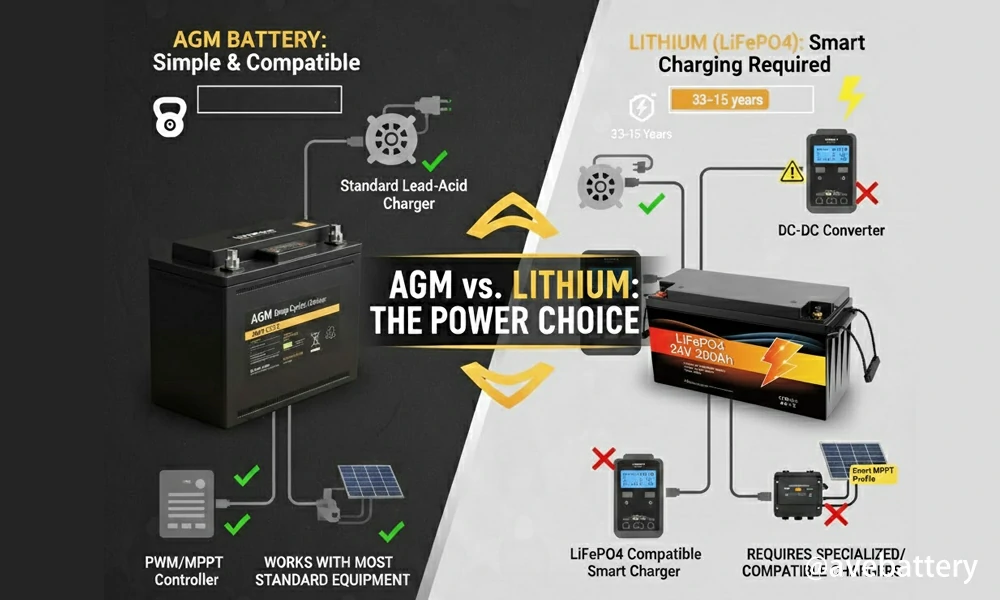
Your alternator can charge an AGM battery without special hardware in many cases. Your alternator can technically push current into a LiFePO4 pack, but a modern system works best with a DC-DC charger that limits current and follows a LiFePO4 voltage profile. A DC-DC charger protects the alternator from running flat-out for long periods and ensures the battery receives the correct bulk and absorption voltages.
| Feature | AGM Battery | Lithium Battery (LiFePO4) |
|---|---|---|
| Engine Alternator | Works with most alternators | May need DC-DC converter |
| Solar Controller | Standard PWM/MPPT works | Needs LiFePO4 profile |
| Shore Charger | Standard lead-acid charger works | Requires LiFePO4-compatible charger |
| Cold Charging | Works well | Limited below 32°F without heating |
The Avepower LiFePO4 battery comes with a built-in Battery Management System (BMS) that ensures safe charging and optimizes compatible charging profiles for maximum performance.
Conclusion: Which Battery is Right for Your Solar System?
There is no single “best battery” for everyone. You need to consider your power demands, your existing charging equipment, any weight limitations, and your budget.
Your power system has a job to do every day. An AGM battery will give you a familiar, low-cost, low-friction path that plays well with older gear and cold starts. A LiFePO₄ battery will give you deep cycles, long life, fast charges, light weight, and stable voltage that make modern off-grid living easier.
FAQ
You should confirm that the charger can run a lithium profile. If the charger cannot, you should replace it or insert a DC-DC charger in between. A correct profile protects your investment and gives you full performance.
Both chemistries are safe when you install them correctly and when you use the right chargers and fuses. A LiFePO₄ pack includes a BMS that enforces limits and avoids over-temperature events. An AGM battery can vent gas if severely overcharged, and a flooded lead-acid battery can spill acid, which an AGM design avoids.
You should store LiFePO₄ at a partial state of charge if the storage term is long. You should top up periodically based on the maker’s guidance because self-discharge is low but not zero.
Yes for deep-cycle use. A LiFePO4 battery gives you far more usable capacity, many more cycles, faster charging, steadier voltage, and much lower weight. An AGM battery only wins if you need the lowest upfront cost or plug-and-play compatibility with older alternators and chargers.
The charge may be incorrect and can shorten battery life or trip the BMS. It is safe only if you can disable equalize/desulfation, set proper LiFePO₄ voltages (bulk/absorption, minimal or no float), and avoid charging below 32°F/0°C.
AGM batteries are heavier, provide only about 50% usable capacity, charge slower with lower efficiency, sag in voltage under load, suffer sulfation if left partially charged, and deliver far fewer deep-cycle cycles—leading to a higher lifetime cost in daily-use systems.






1 thought on “AGM Battery vs Lithium: Which Is Best for Your Solar System?”
Very helpful advice easy to understand, i feel much happier now with the knowledge i have gained to buya Lipo batteries for my mobility scooters, I’ve been a rc hobby enthusiast for over 25 years now, and have seen the difference brushless motors and lipo lithium polymer batteries make. Thanks for the very helpful advice.