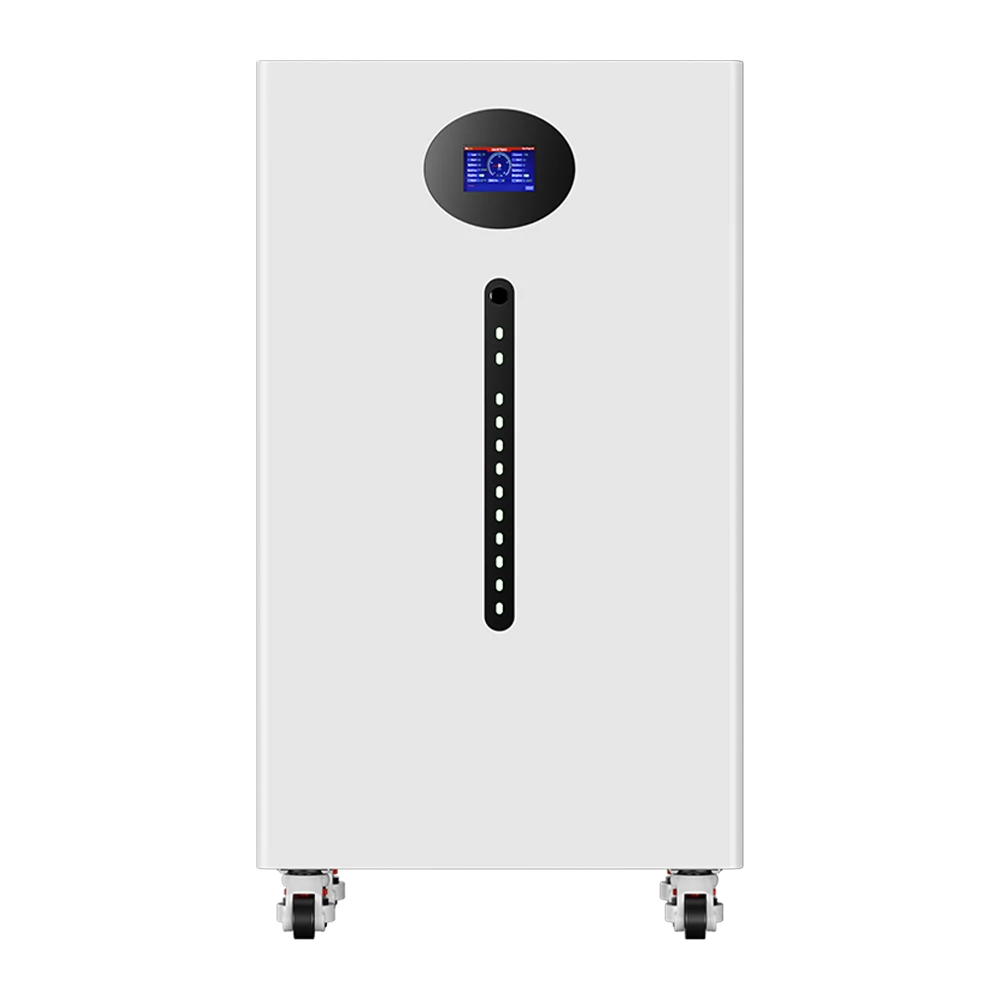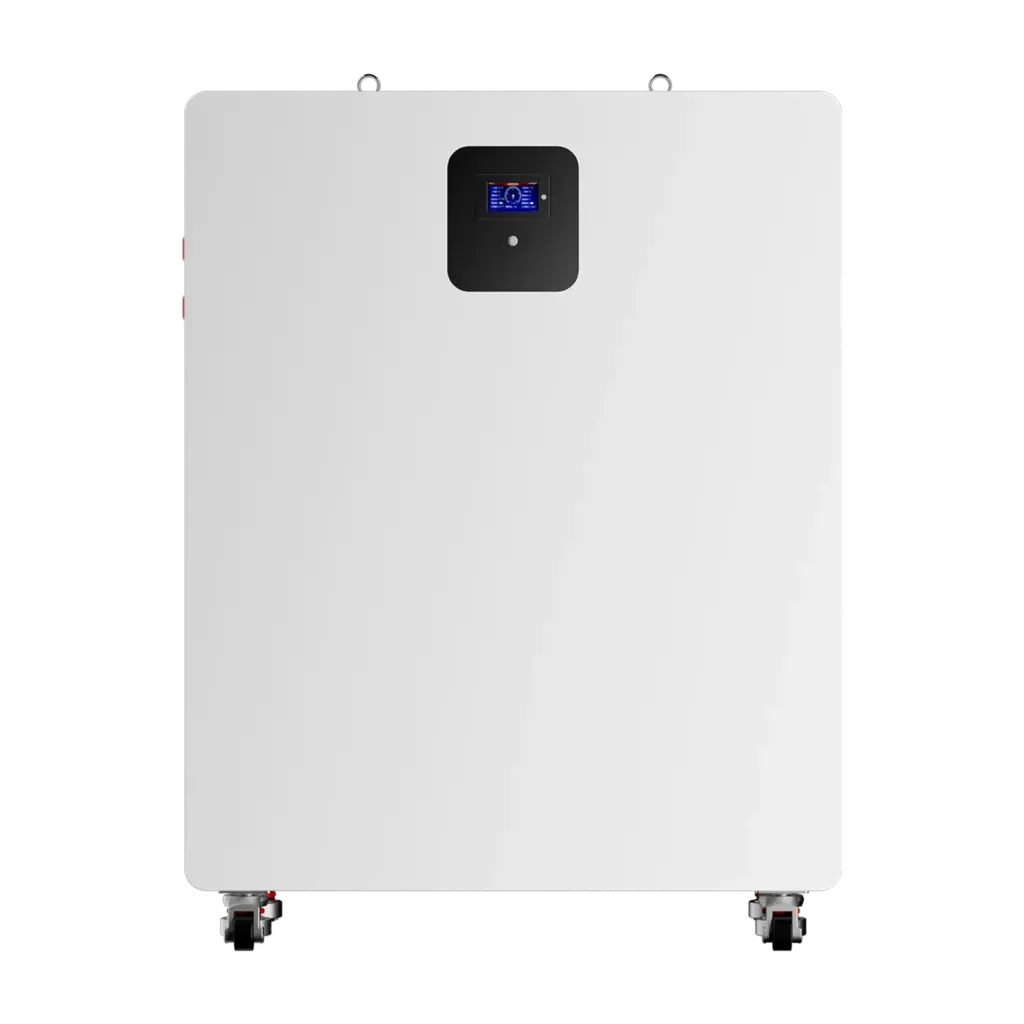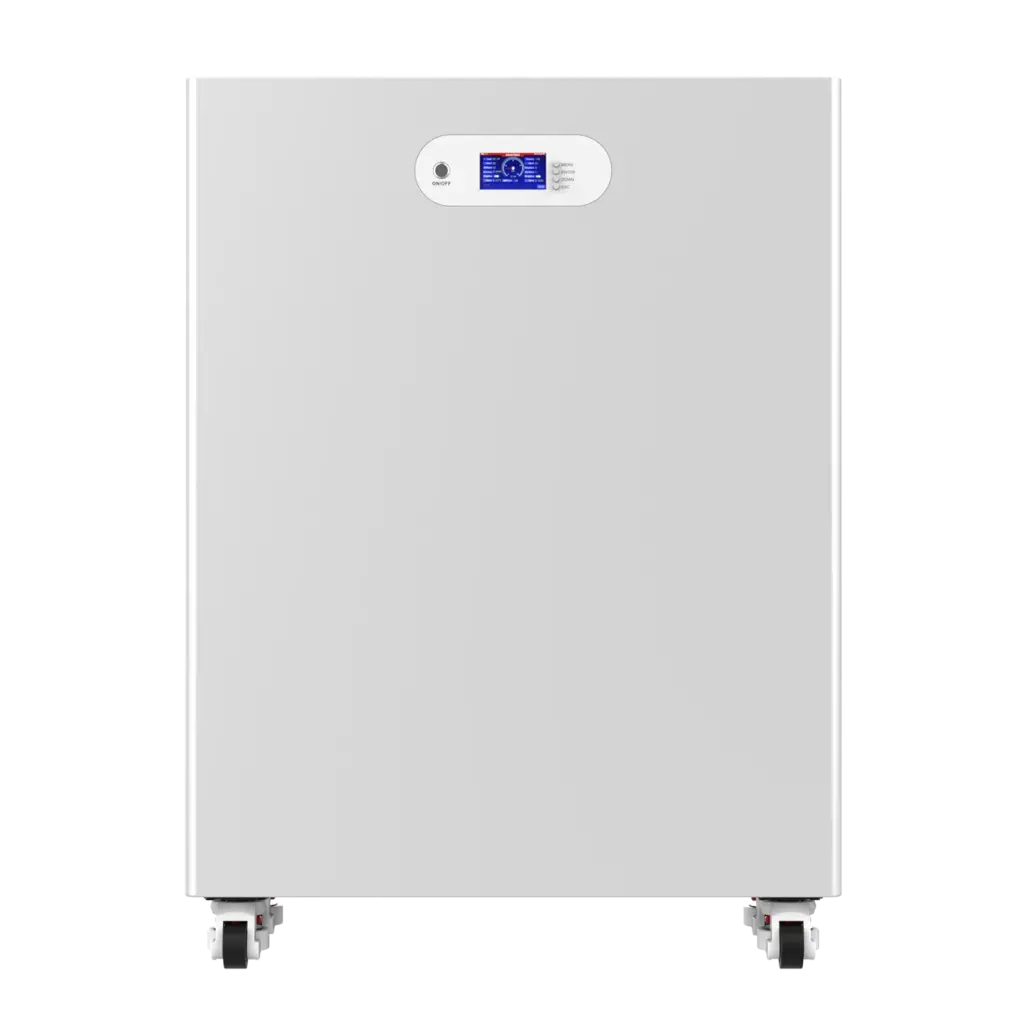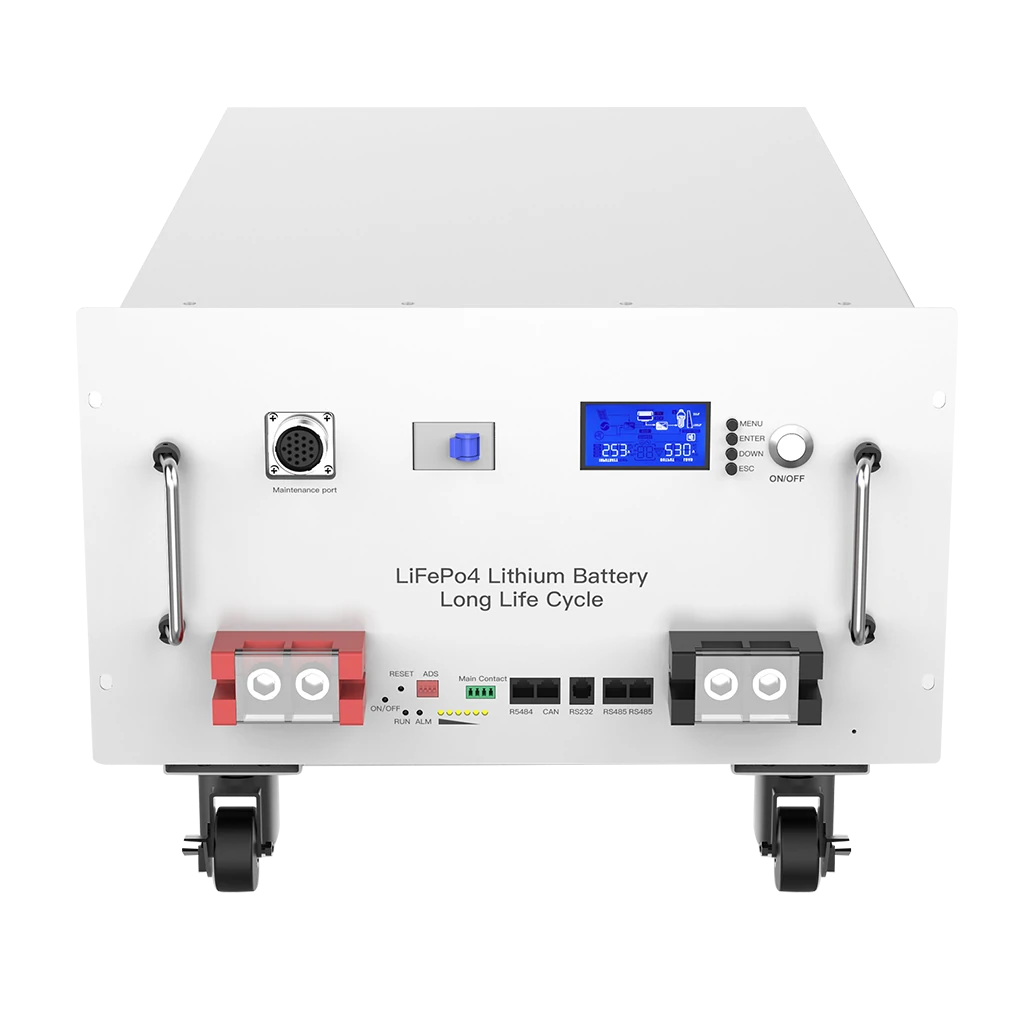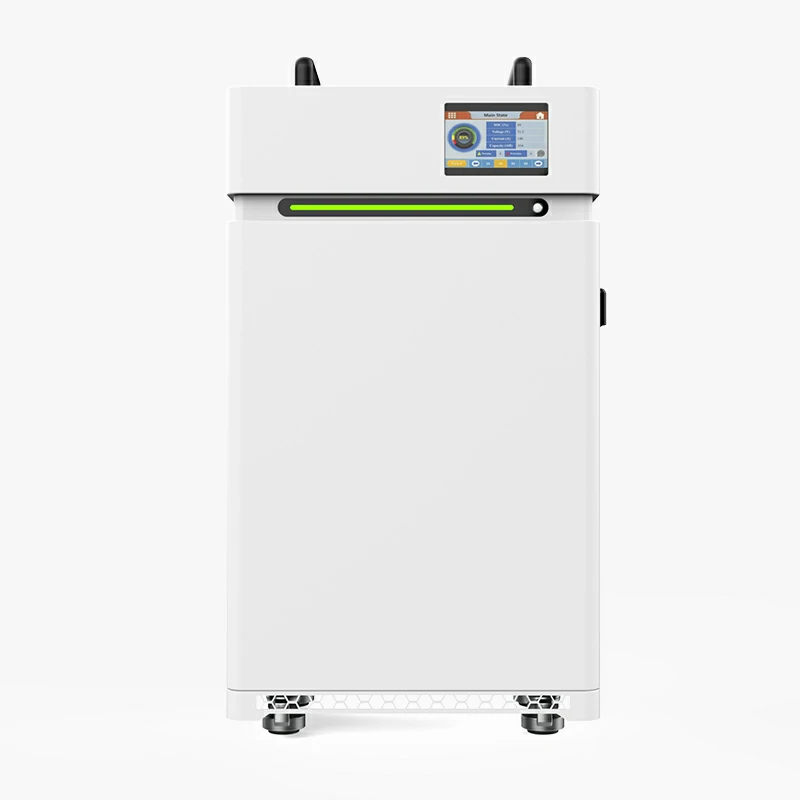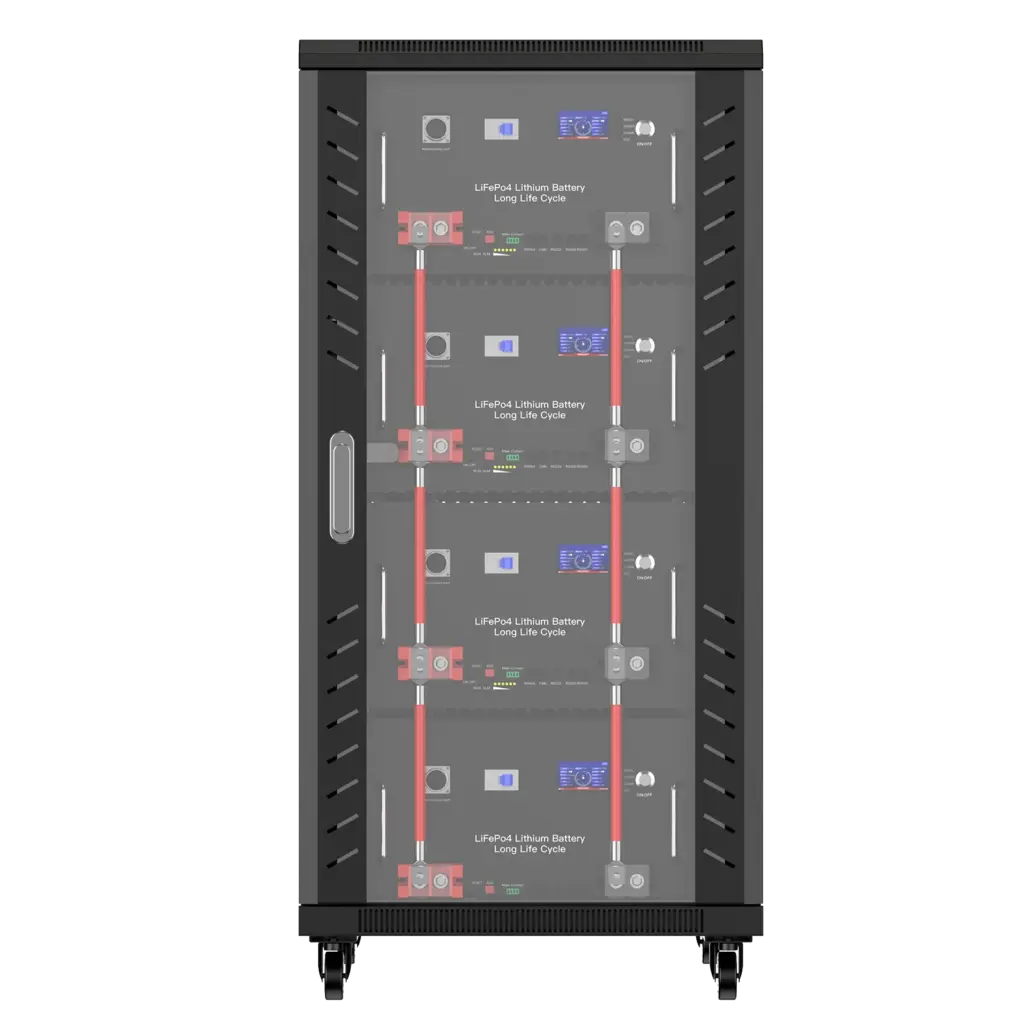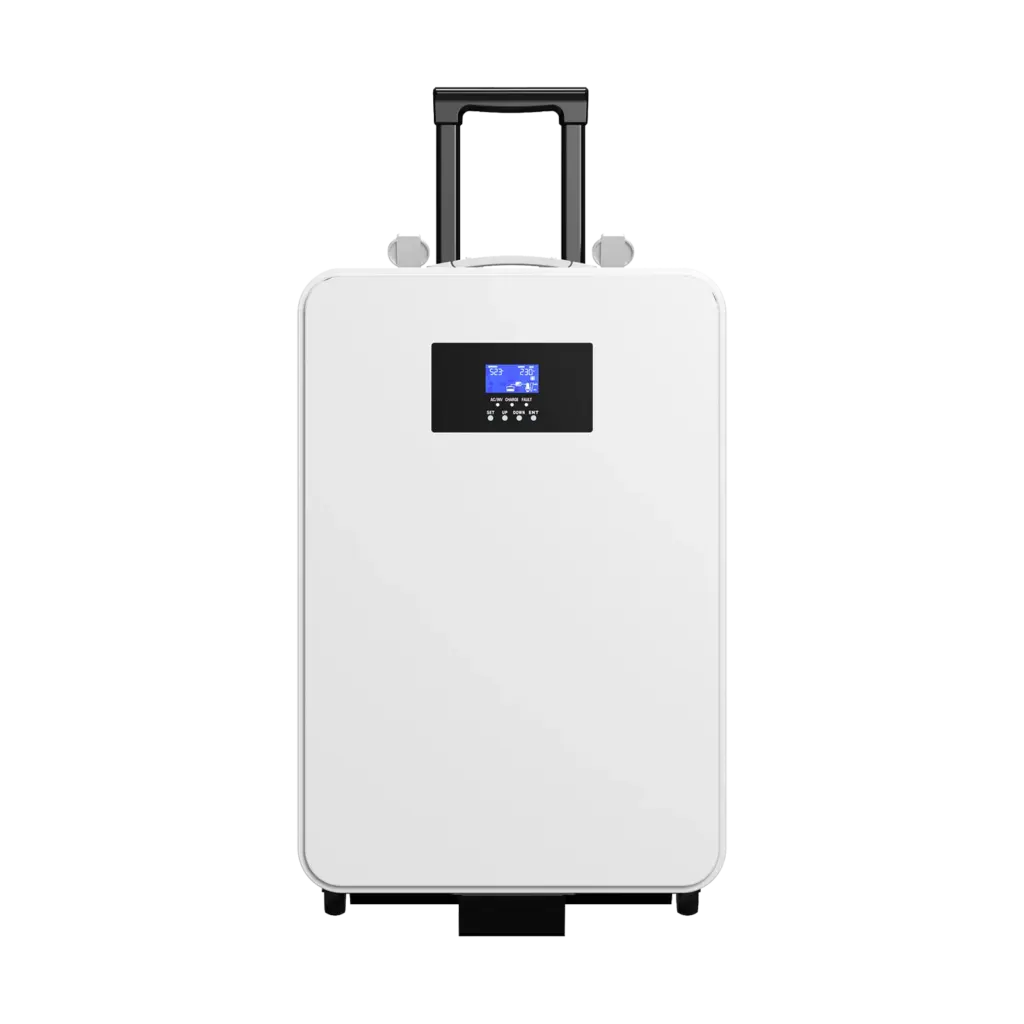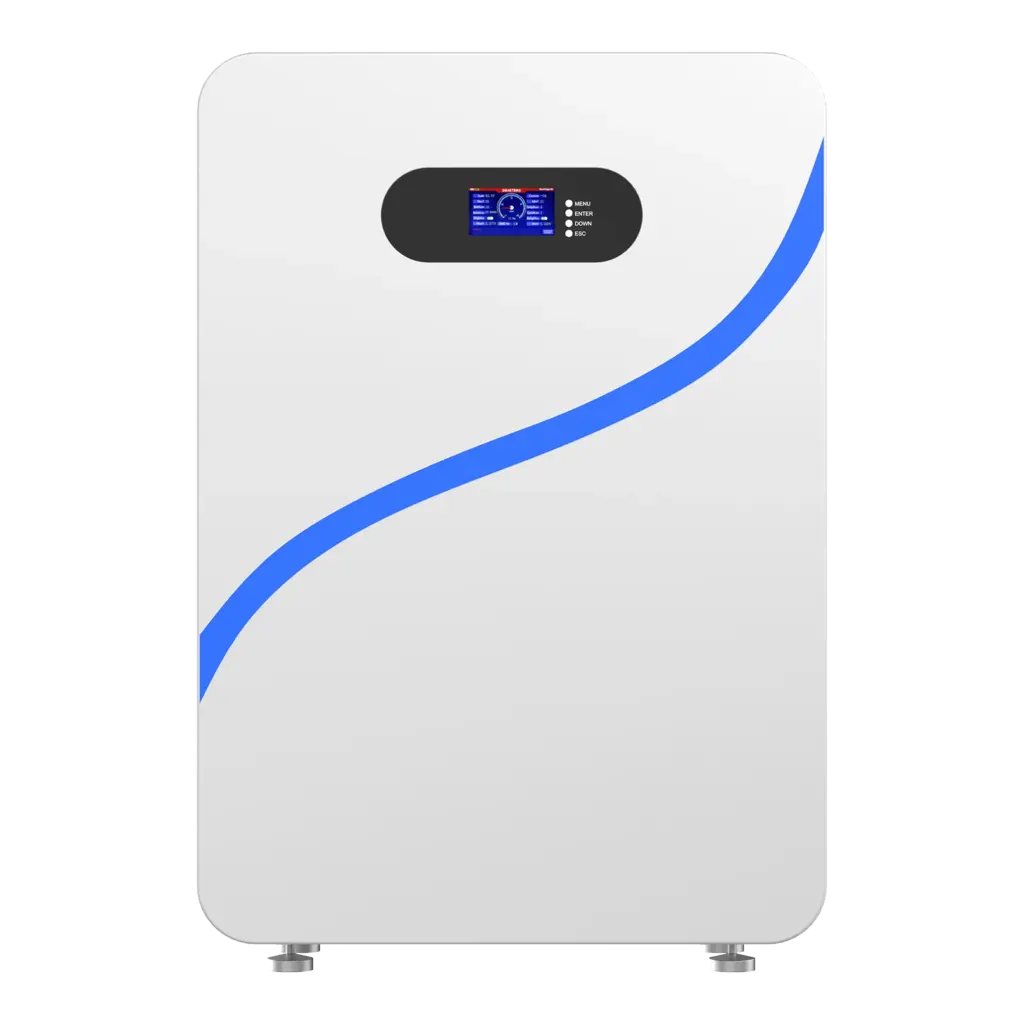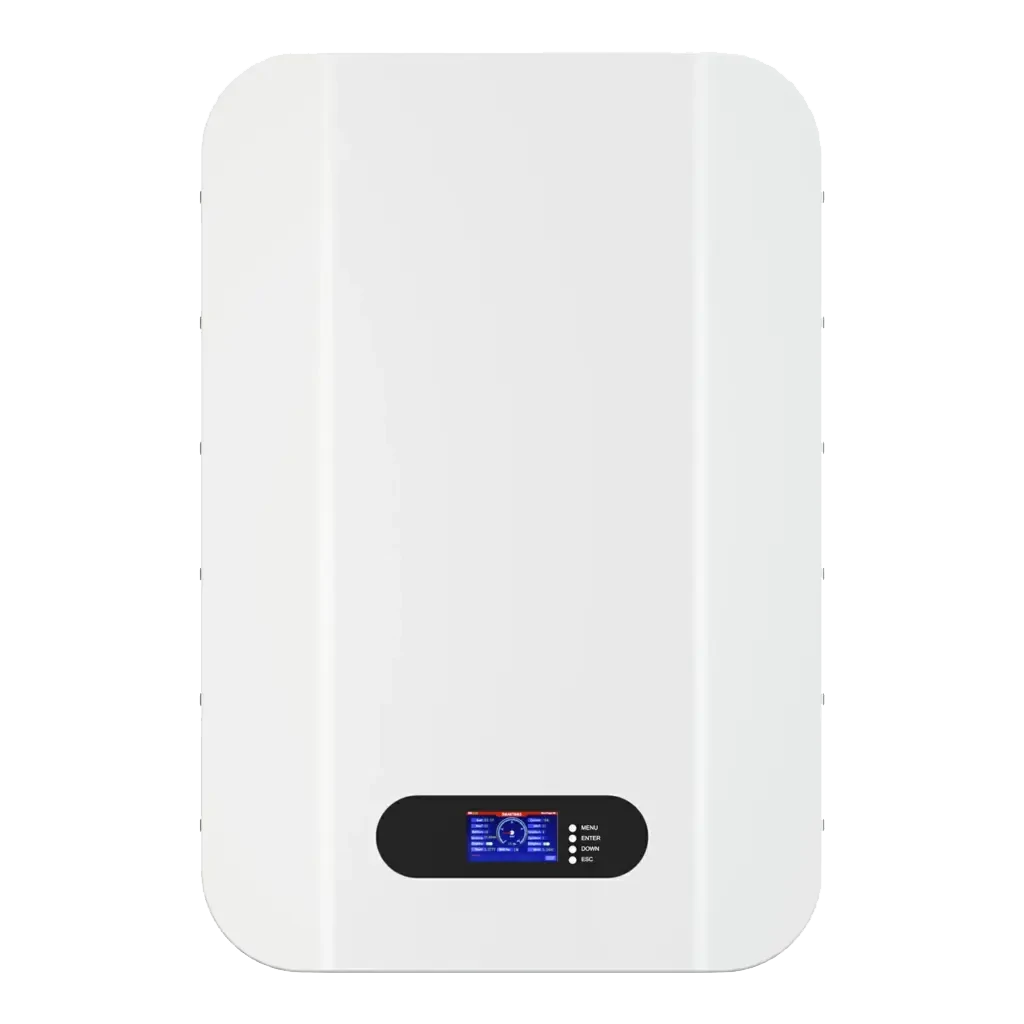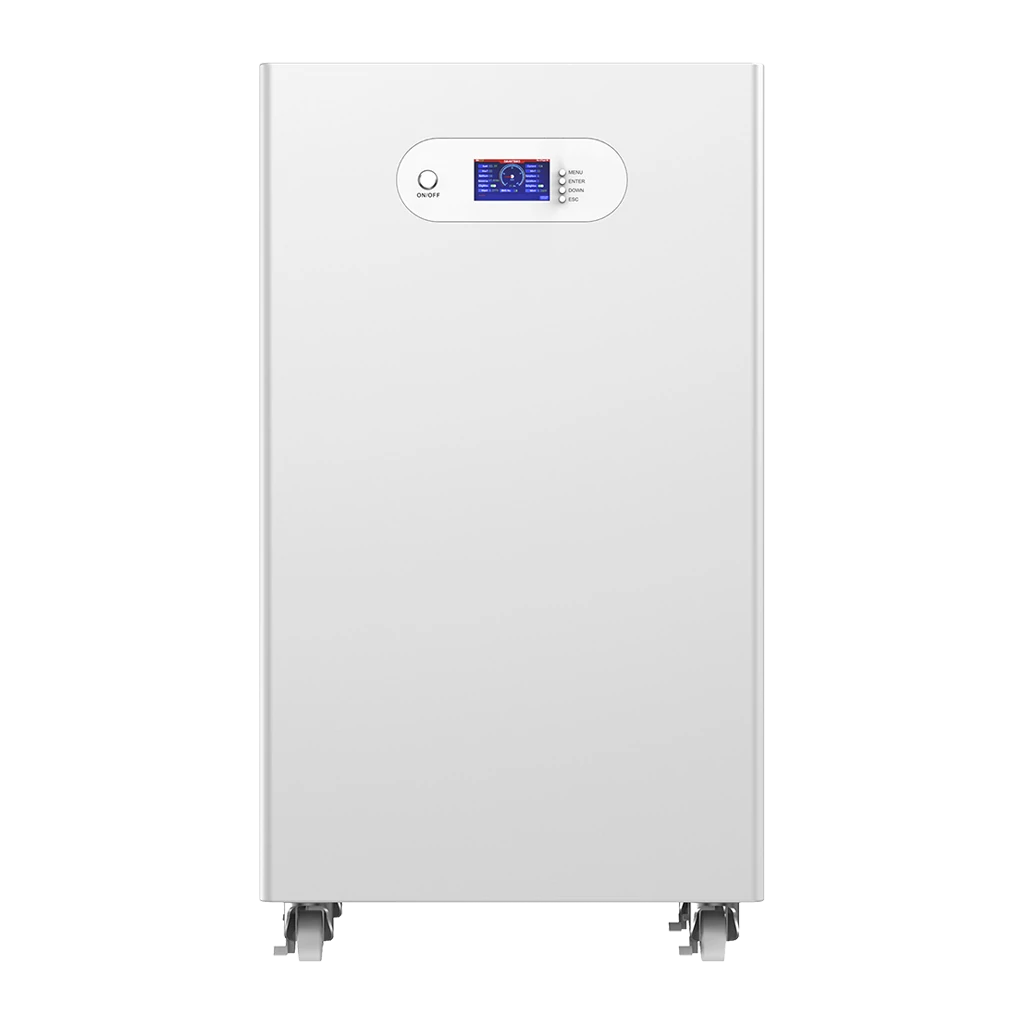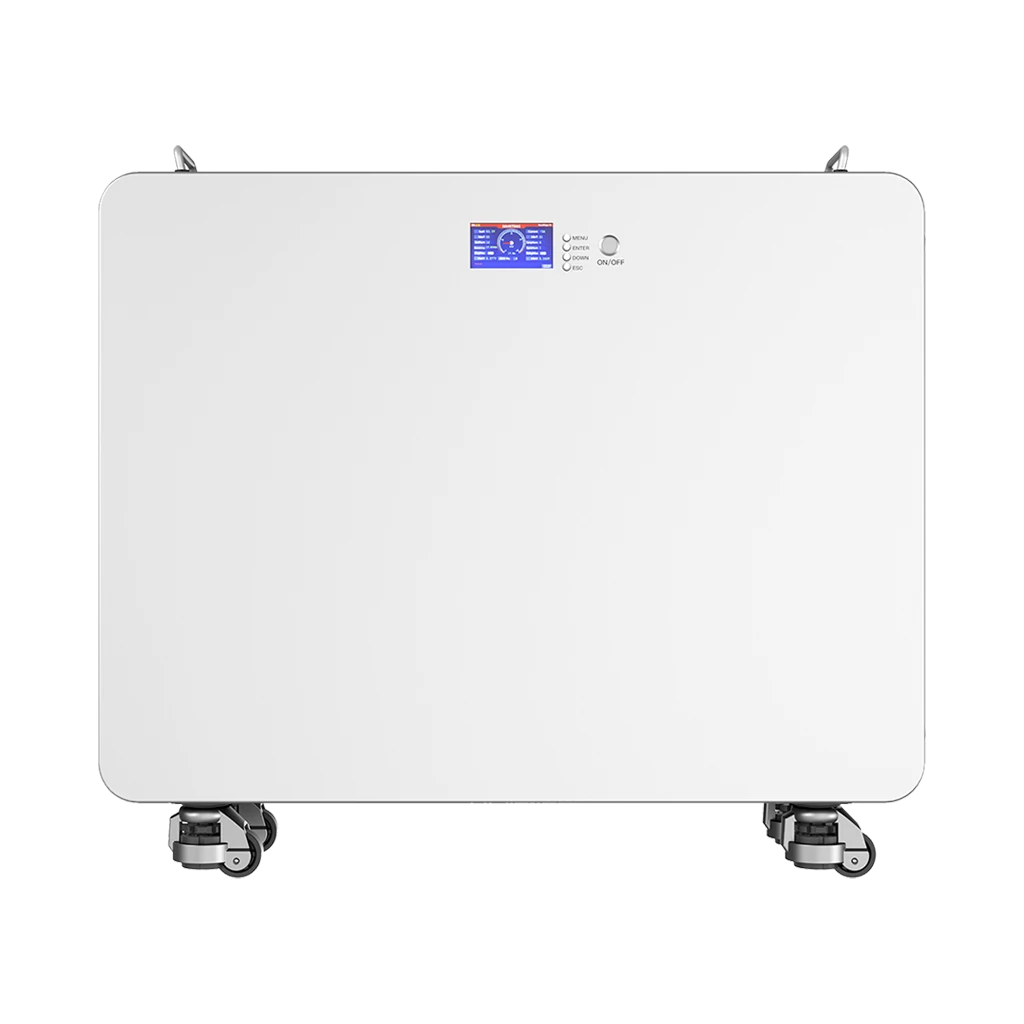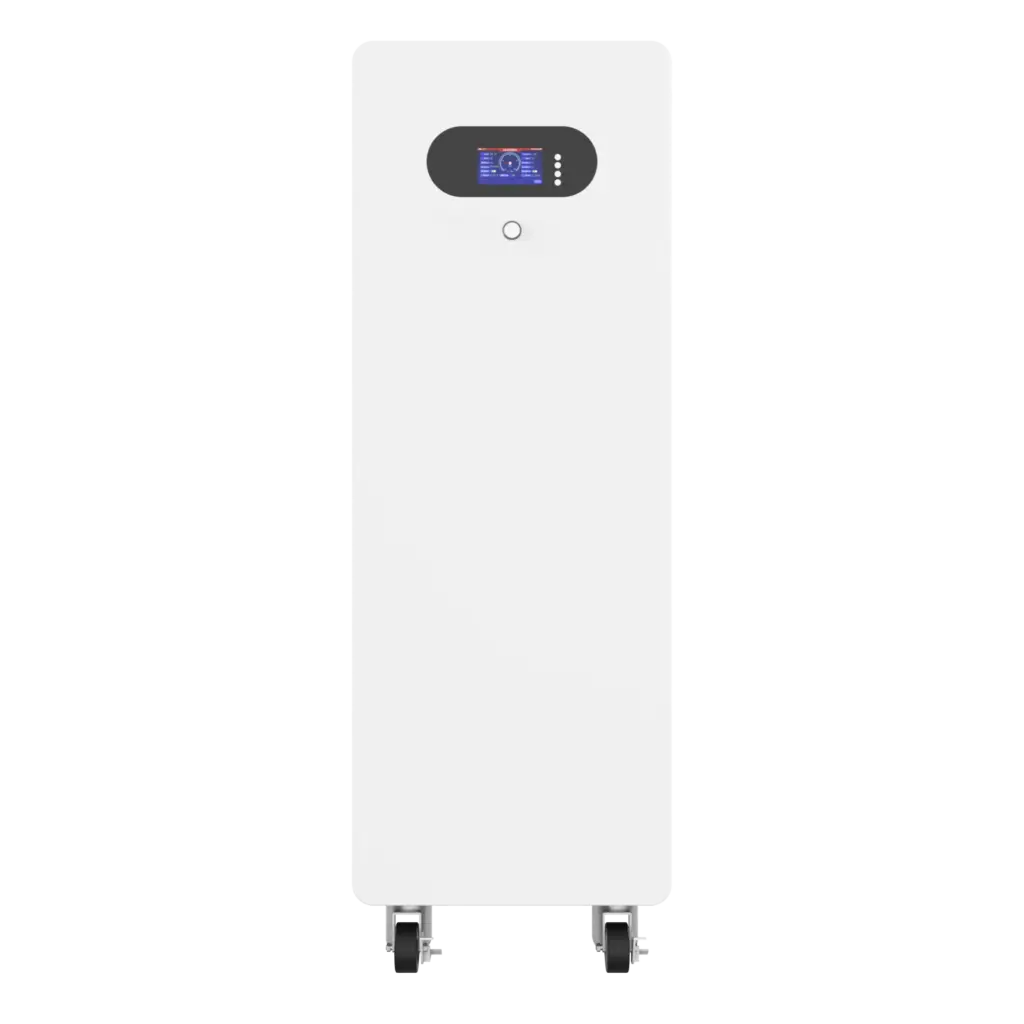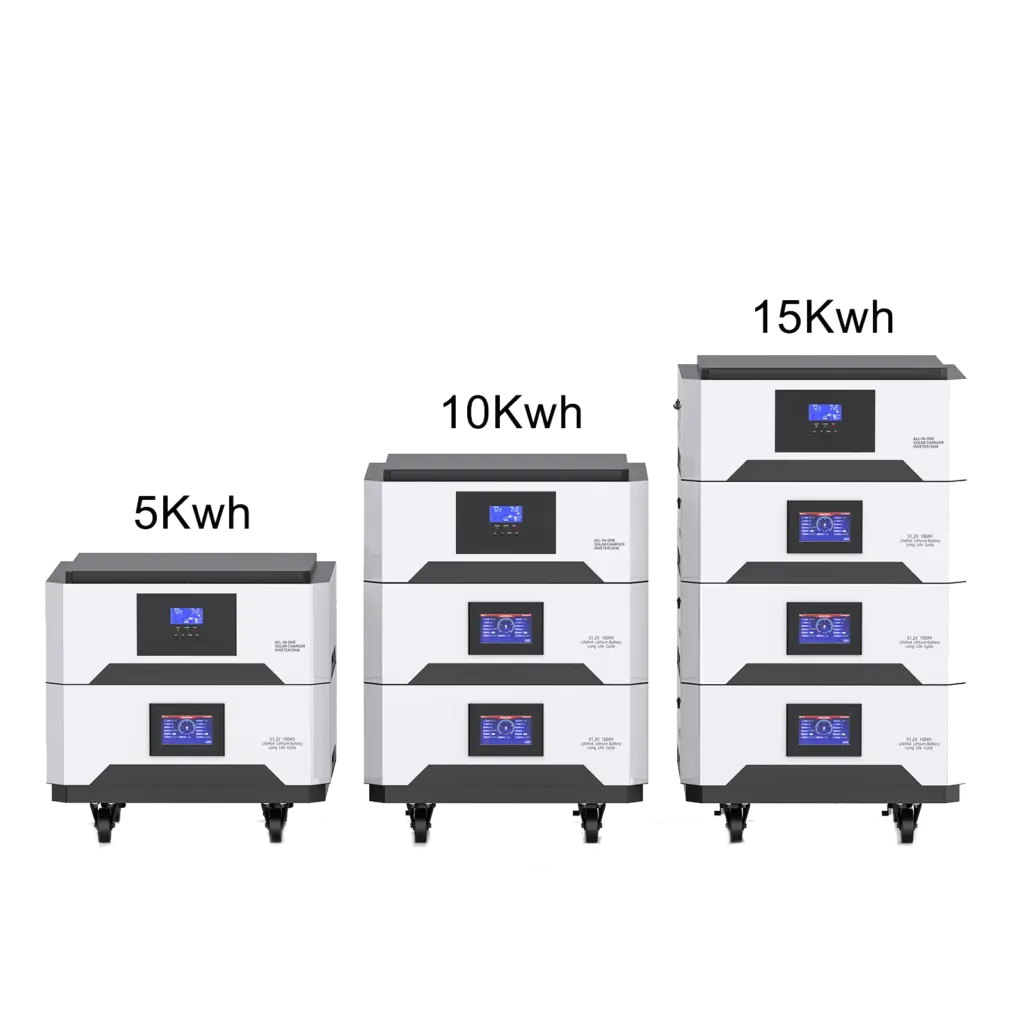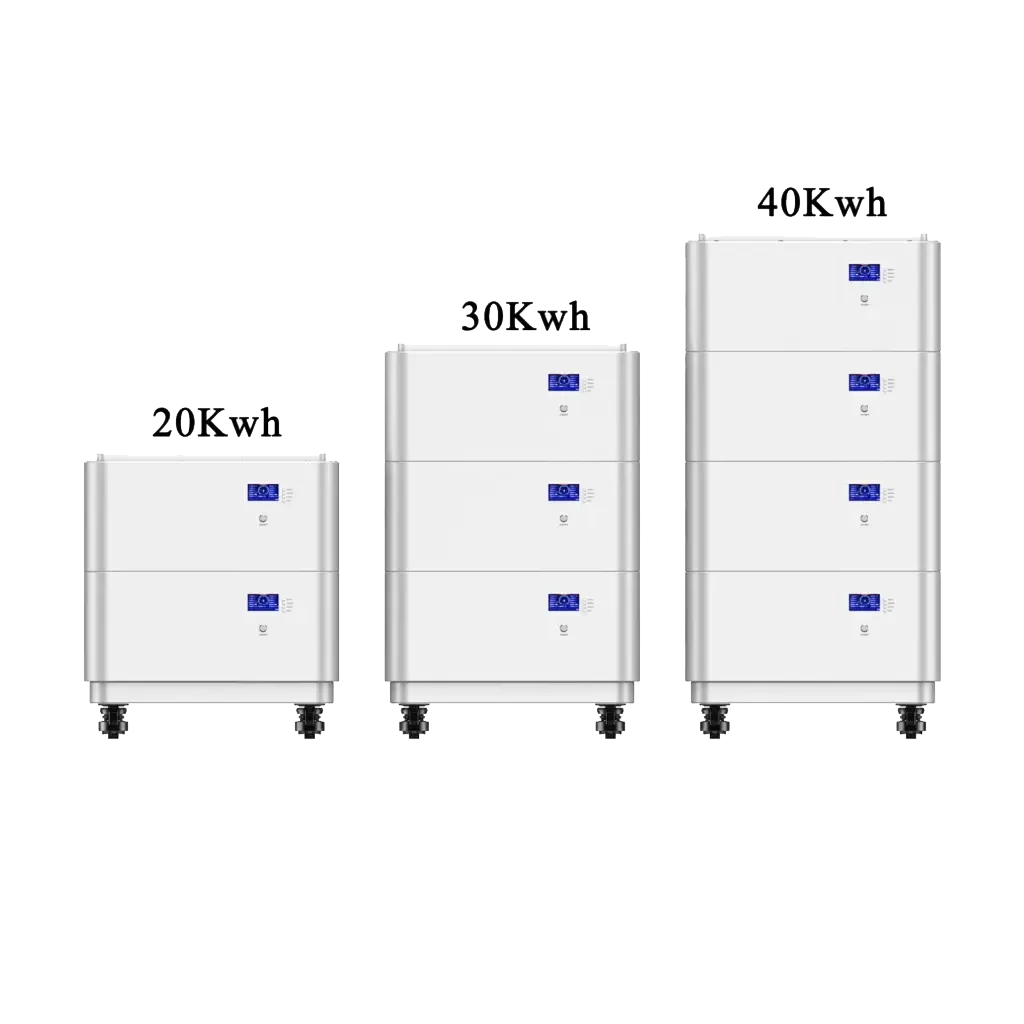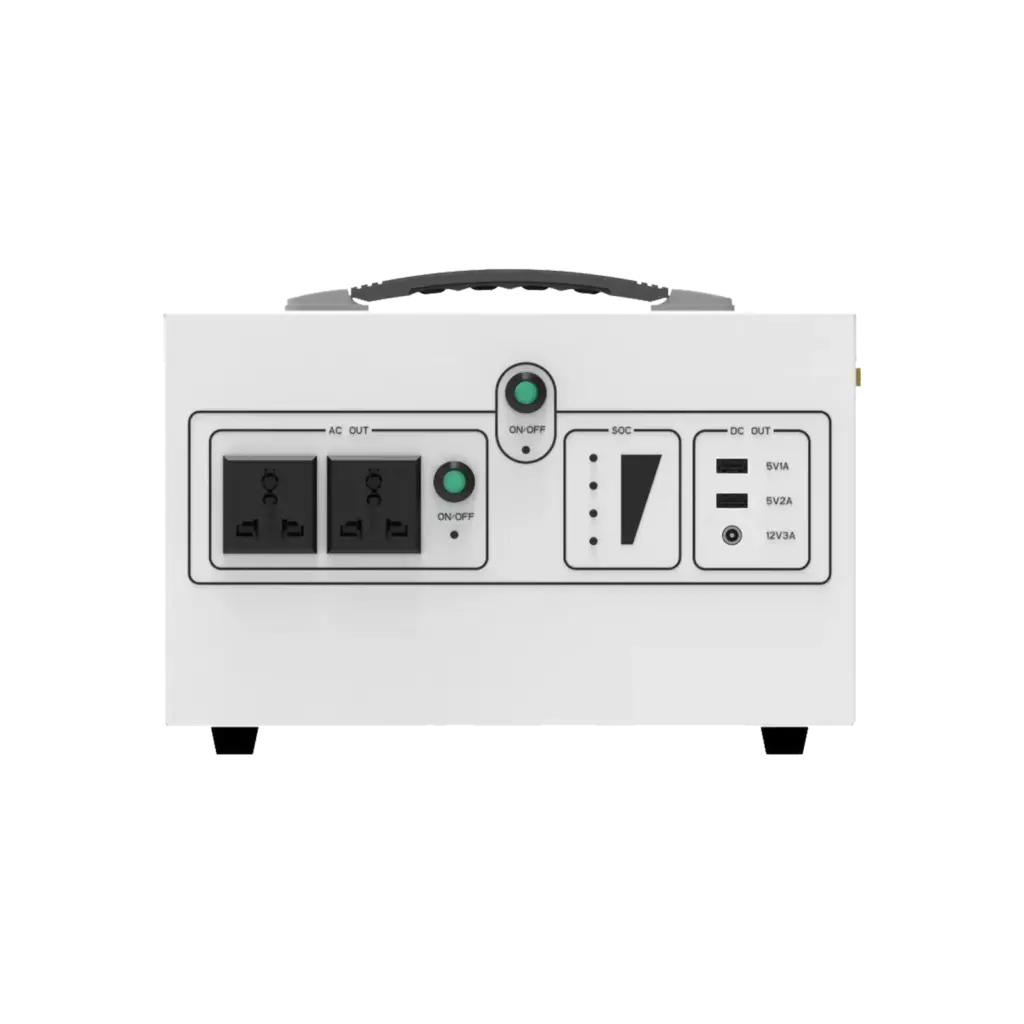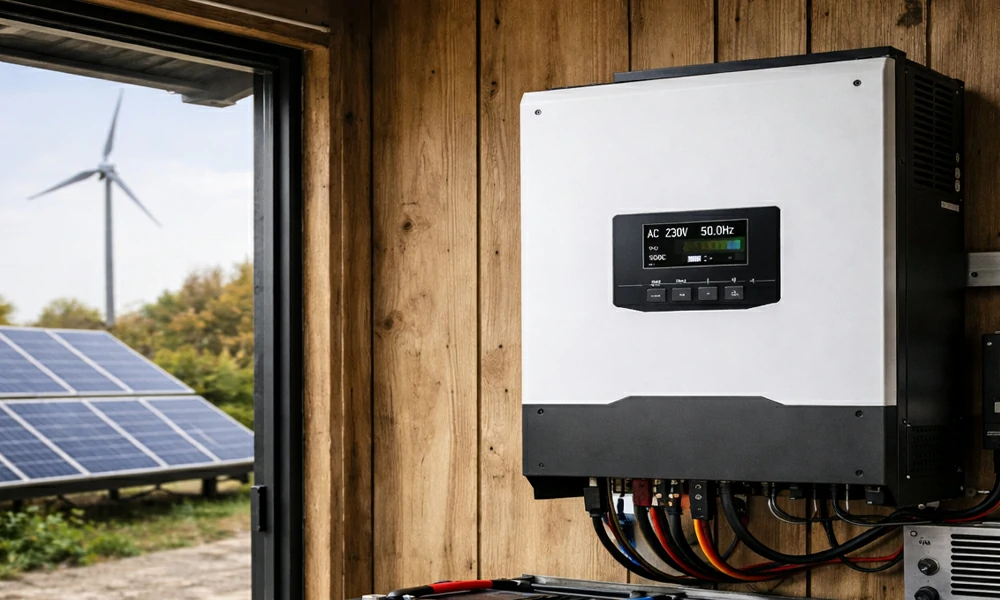


Server rack batteries have become essential components for businesses, data centers, and renewable energy storage systems. These batteries are versatile energy storage solutions designed to provide reliable power where it matters most. Unlike conventional batteries, server rack batteries are installed in standardized cabinets or racks. They primarily serve as backup power sources, ensuring critical equipment continues to run during power outages or voltage fluctuations.
Today, server rack batteries are no longer limited to data centers and communication hubs. They are increasingly being used in solar energy storage systems and other renewable energy setups. Their flexibility, high energy density, and modular design make them suitable for both large-scale industrial applications and smaller residential setups. In this article, we’ll explore what server rack batteries are, their main functions, features, and how to choose the right system for your needs.
What Are Server Rack Batteries?
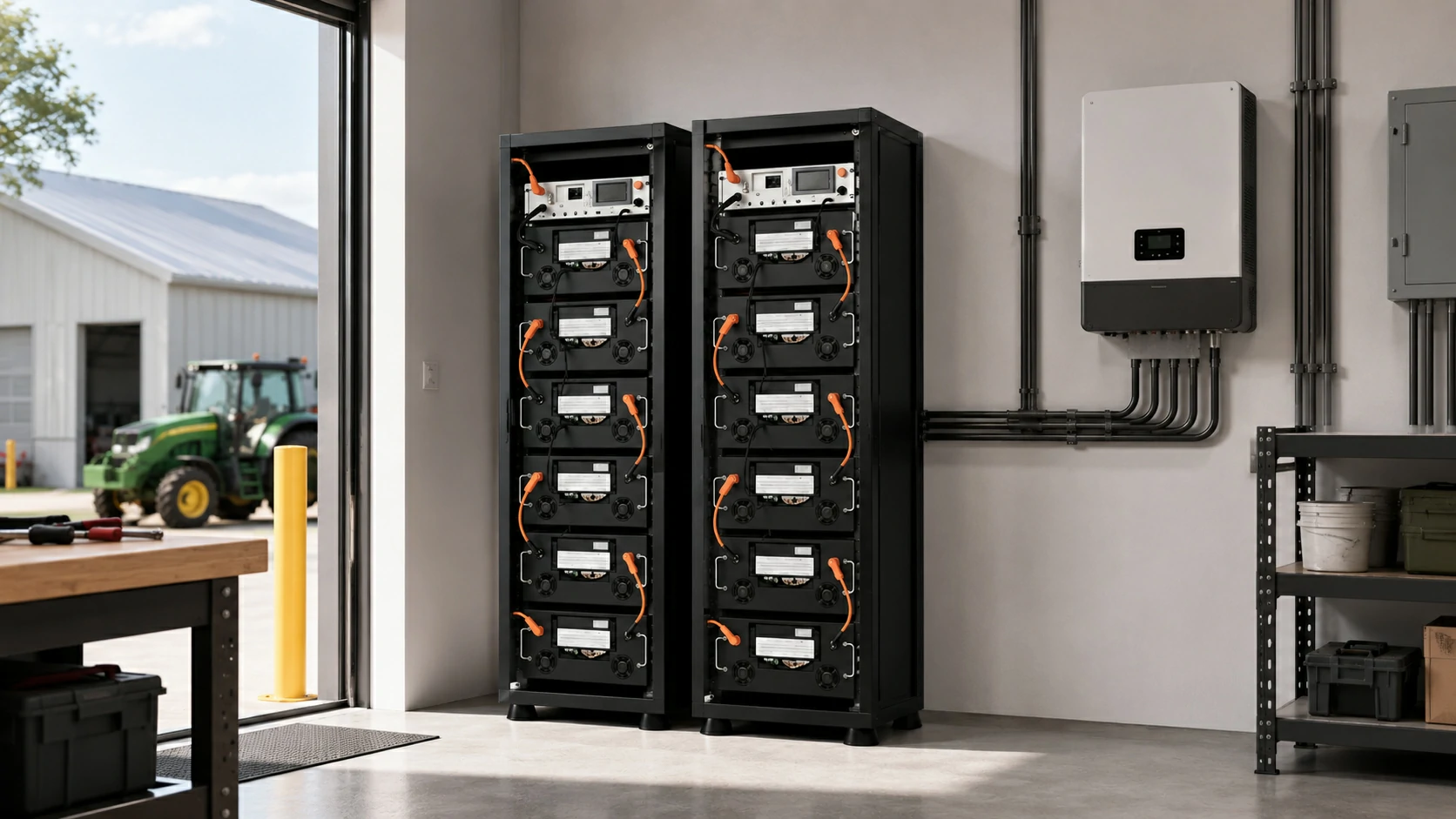
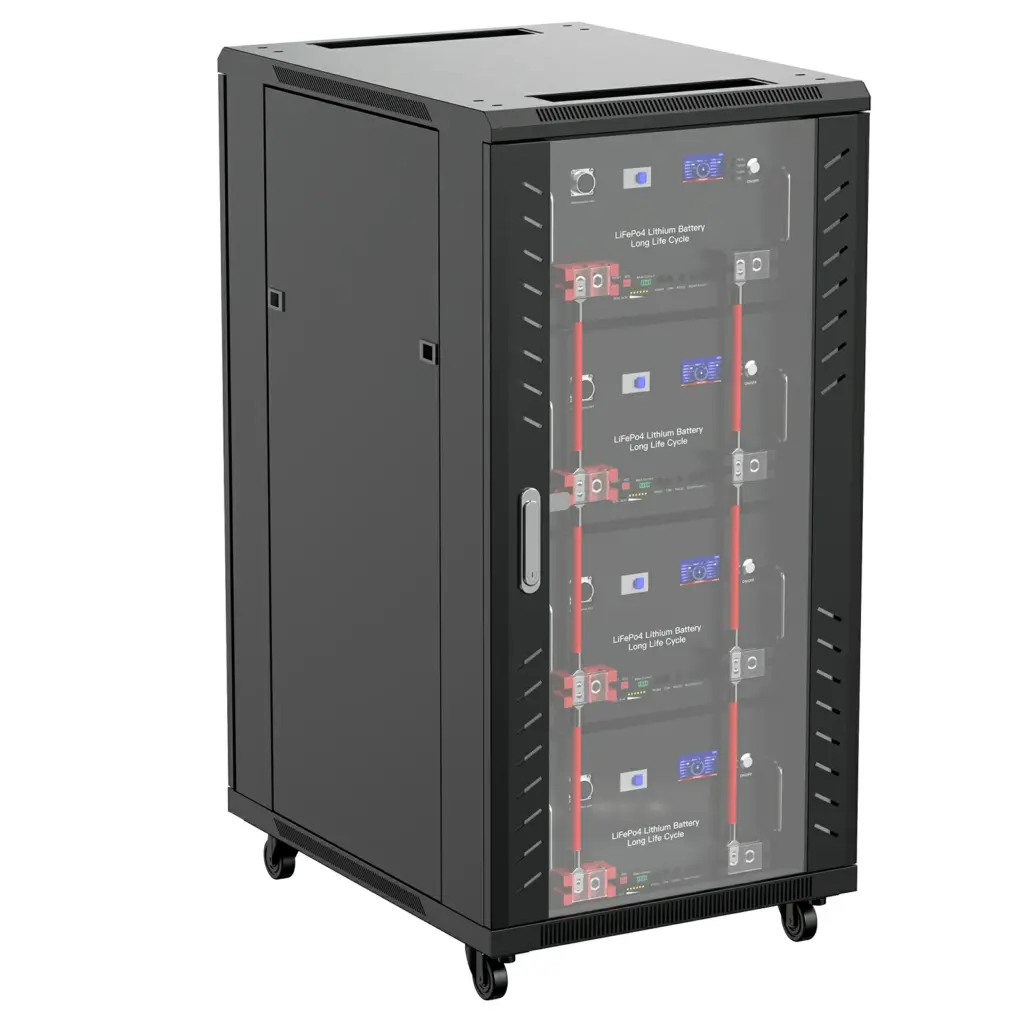
A server rack battery is a modular battery system designed to fit inside a standard rack cabinet or battery cabinet. It is commonly used with UPS systems, server rooms, telecom sites, edge computing facilities, micro data centers and backup energy storage systems.
Most modern rack batteries are built around 48V or 51.2V modules, especially in small and medium server rooms. Larger data center backup systems may use higher-voltage battery cabinets or integrated UPS battery strings, depending on system architecture.
A typical server rack battery system includes:
- Battery cells
- Battery modules
- Built-in BMS
- DC breaker or protection device
- Communication ports
- Monitoring interface
- Rack cabinet or enclosure
- Connection to UPS, inverter or power conversion system
The main purpose is simple: when grid power becomes unstable or fails, the battery provides immediate backup power so servers, network equipment, storage systems and control devices can continue operating safely.
In a data center, even a short interruption can lead to service downtime, corrupted data, failed transactions, equipment damage or financial loss. This is why rack battery selection should not only focus on capacity. It must also consider power output, discharge rate, safety, monitoring, operating temperature, redundancy and lifecycle cost.
Why Rack Batteries are So Important
Rack batteries are essentially high-density energy storage packs. They can hold power from various sources, including solar panels, the main power grid, and generators. Their value comes from the critical roles they play in ensuring continuous operation and smart energy use.
Uninterruptible Power Supply (UPS)
The most well-known function is providing uninterruptible power. When the main power goes out, the rack battery instantly steps in to supply electricity to the core equipment. This temporary power prevents system shutdowns and data loss, making sure that critical operations continue without interruption.
Power Backup and Protection
Rack batteries offer a strong power backup layer. If the primary power supply becomes unstable—for example, due to sudden voltage drops or very brief power failures—the battery smoothly takes over. This prevents equipment damage that can happen from poor power quality.
Load Balancing and Smart Energy Management
The batteries work with power management systems to help with load balancing and optimizing energy consumption. By managing when power is drawn from the grid versus the battery, they help facilities use electricity more efficiently, which lowers overall power costs and improves the entire system’s efficiency.
Reducing Home and Business Energy Costs
In the context of solar power, rack batteries help people reduce their energy costs. They store the extra energy a solar system generates during the day and then release it later when electricity from the utility company costs more. This increases the amount of solar power a user consumes themselves, making the solar setup more cost-effective.
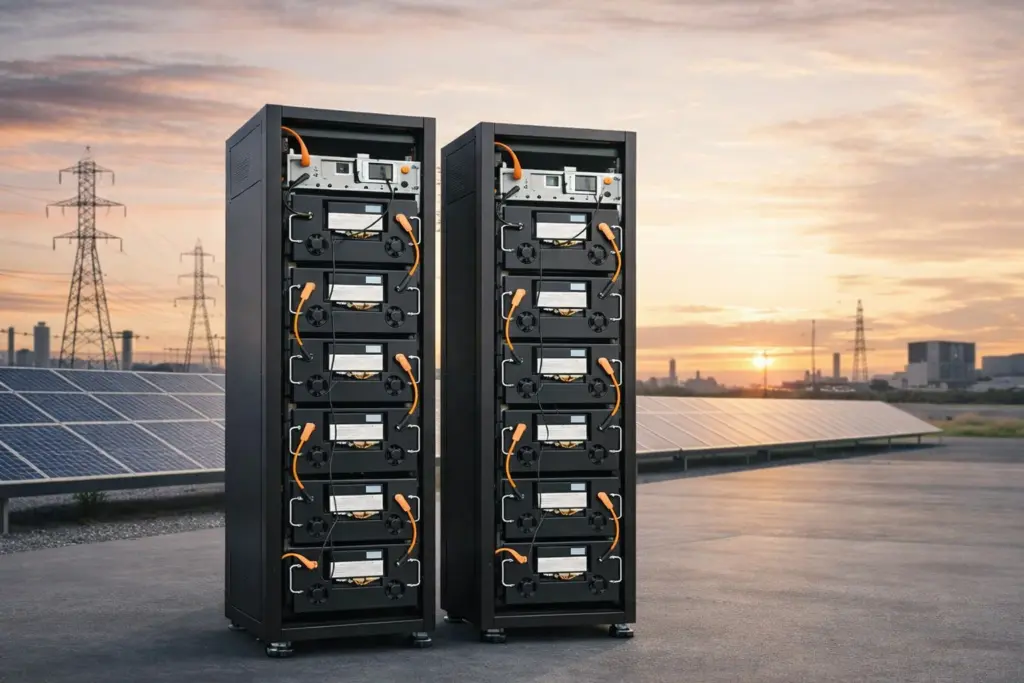
Need A Custom Server Rack Battery Solution For Your Data Center
Avepower provides LiFePO4 rack battery systems for server rooms, telecom backup, commercial energy storage and data center support applications.
Key Features of Modern Server Rack Batteries
Server rack batteries have evolved significantly over the years. Today’s systems offer high performance, flexibility, and user-friendly features. The key characteristics include:
High Energy Density
Modern rack batteries typically use lithium-ion or lithium iron phosphate (LiFePO4) technology. These batteries deliver more energy in a smaller space compared to traditional lead-acid batteries. Higher energy density means longer runtimes and better performance while occupying minimal rack space.
Modular and Scalable Design
Most server rack batteries are designed to be modular. Users can easily add or remove battery modules to adjust total energy capacity according to current needs. This makes them suitable for both small server rooms and large-scale industrial energy storage setups.
Flexible Installation Options
Rack batteries can be installed in cabinets, which are compatible with both indoor and outdoor environments. They are designed for easy installation, removal, and maintenance. Damaged modules can be replaced individually without interrupting the operation of the remaining system.
Advanced Battery Management Systems (BMS)
Server rack batteries come with intelligent BMS that continuously monitor battery health, temperature, and performance. The BMS also provides fault alerts, ensures safe operation, and allows remote monitoring and management of the battery system.
How to Choose the Right Server Rack Battery
Choosing the correct rack battery requires careful consideration of several technical specifications and long-term factors. You need to match the battery’s capabilities with your specific power needs.
Voltage and Capacity
Capacity is the total amount of power a battery can store, and people usually measure it in kilowatt-hours (kWh) or amp-hours (Ah).
To figure out the energy stored in watt-hours (Wh) when the capacity is given in amp-hours (Ah), you simply multiply the amp-hour rating by the battery’s voltage (V): Wh=Ah×V
For example, if you have a 48-volt, 280-amp-hour server rack battery, the calculation is: 48V×280=13,440Wh, which equals 13.44kWh. You must select a voltage and capacity that meet the power demands and runtime requirements of your equipment.
Charge and Discharge Rate (C-Rate)
While capacity tells you how big a battery is, the charge and discharge rate (C-rate) indicates how fast the battery can release or take in power at any given moment. This rate is critical for equipment that needs a lot of power quickly, such as during a sudden spike in demand. A higher C-rate means the battery can deliver more power instantly. You must ensure the battery’s C-rate is high enough to handle the maximum power load of your connected devices.
Depth of Discharge (DoD)
The Depth of Discharge (DoD) is the amount of power that has been used up from the battery, expressed as a percentage of its total capacity. Most battery manufacturers set a maximum DoD to ensure the longest possible lifespan and best performance.
For instance, if a 10 kWh battery has a maximum DoD of 90%, you should use no more than 9 kWh of its energy before you recharge it. While lithium batteries can theoretically discharge 100%, doing so frequently will drastically shorten their useful life and may void the manufacturer’s warranty. It is important to operate the battery within the recommended DoD to protect your investment.
Usable Life and Warranty
Most lithium batteries are designed to last between 8 to 16 years. In typical applications, like home solar systems or data center backup, the batteries are constantly cycled (charged and discharged). Over time, just like a cell phone battery, the total capacity of the battery slowly decreases. Extreme temperatures can also accelerate this aging process.
When you are comparing batteries, you must carefully review the warranty. Manufacturers usually guarantee a specific number of cycles or a certain lifespan while maintaining a certain minimum DoD. A typical warranty might state that the battery will maintain at least 60% of its original capacity after 10 years, assuming a maximum DoD of 80%. This warranty is the best indicator of the battery’s long-term reliability and value.
Expandability for Future Needs
Most modern lithium batteries have expandability built into their design. This feature allows you to connect multiple battery units together, either in series or parallel, to your system. This means you can easily increase the total capacity of your energy storage in the future as your power needs grow. You should always confirm this option to make sure your system can scale up without major overhauls.
Installation Requirements
The installation process is an important practical consideration. Because these are rack-mounted units, they need to fit into racks. You must check the physical dimensions, weight, and any specific ventilation or thermal management requirements. Systems that are easier and quicker to install will save time and labor costs.
Best Server Rack Battery Solutions By Application
Small Server Rooms
For small server rooms, a 48V or 51.2V LiFePO4 rack battery system is often the most practical choice. It provides modular capacity, easier installation and better monitoring than traditional lead-acid batteries.
Recommended solution:
- 51.2V LiFePO4 rack battery
- 5 kWh to 30 kWh total capacity
- Online UPS compatibility
- 10 to 30 minutes backup runtime
- BMS communication
- Expandable battery modules
Best for:
- Office server rooms
- Network closets
- Small business IT systems
- Security and monitoring systems
- Local backup infrastructure
Edge Data Centers
Edge data centers need compact, reliable and remotely monitored backup power. These facilities are often distributed across multiple locations, so maintenance cost and remote visibility are important.
Recommended solution:
- Modular LiFePO4 rack batteries
- Remote monitoring
- High cycle life
- Compact rack design
- Parallel expansion
- Strong BMS protection
Best for:
- Telecom edge sites
- Micro data centers
- Retail IT infrastructure
- Industrial automation rooms
- Remote network nodes
Colocation Facilities
Colocation operators must balance uptime, footprint, cost and serviceability. A compact battery system can help preserve valuable rack and floor space.
Recommended solution:
- Lithium-ion or LiFePO4 UPS battery cabinets
- Modular battery architecture
- N+1 redundancy planning
- Centralized monitoring
- Fast replacement design
- High safety documentation
Best for:
- Multi-tenant data centers
- High-density racks
- Enterprise hosting
- Cloud service infrastructure
- Facilities with space constraints
AI And GPU Data Centers
AI workloads create high-density, fast-changing power demands. The battery system must support power stability, fast response and strong thermal monitoring.
Recommended solution:
- High-power lithium or LiFePO4 battery system
- AI-ready UPS architecture
- Strong discharge capability
- Fast BMS response
- Thermal monitoring
- Power quality integration
- Scalable battery cabinets
Best for:
- GPU clusters
- AI training facilities
- HPC environments
- High-density racks
- Research computing centers
Telecom And Network Sites
Telecom sites commonly use 48V DC systems, making LiFePO4 rack batteries a strong replacement for older lead-acid batteries.
Recommended solution:
- 48V or 51.2V LiFePO4 rack battery
- High cycle life
- Wide operating temperature design
- Remote monitoring
- Parallel expansion
- Easy cabinet installation
Best for:
- Telecom base stations
- Communication rooms
- Fiber network nodes
- Remote monitoring sites
- Backup DC power systems
Avepower Server Rack Battery Solutions
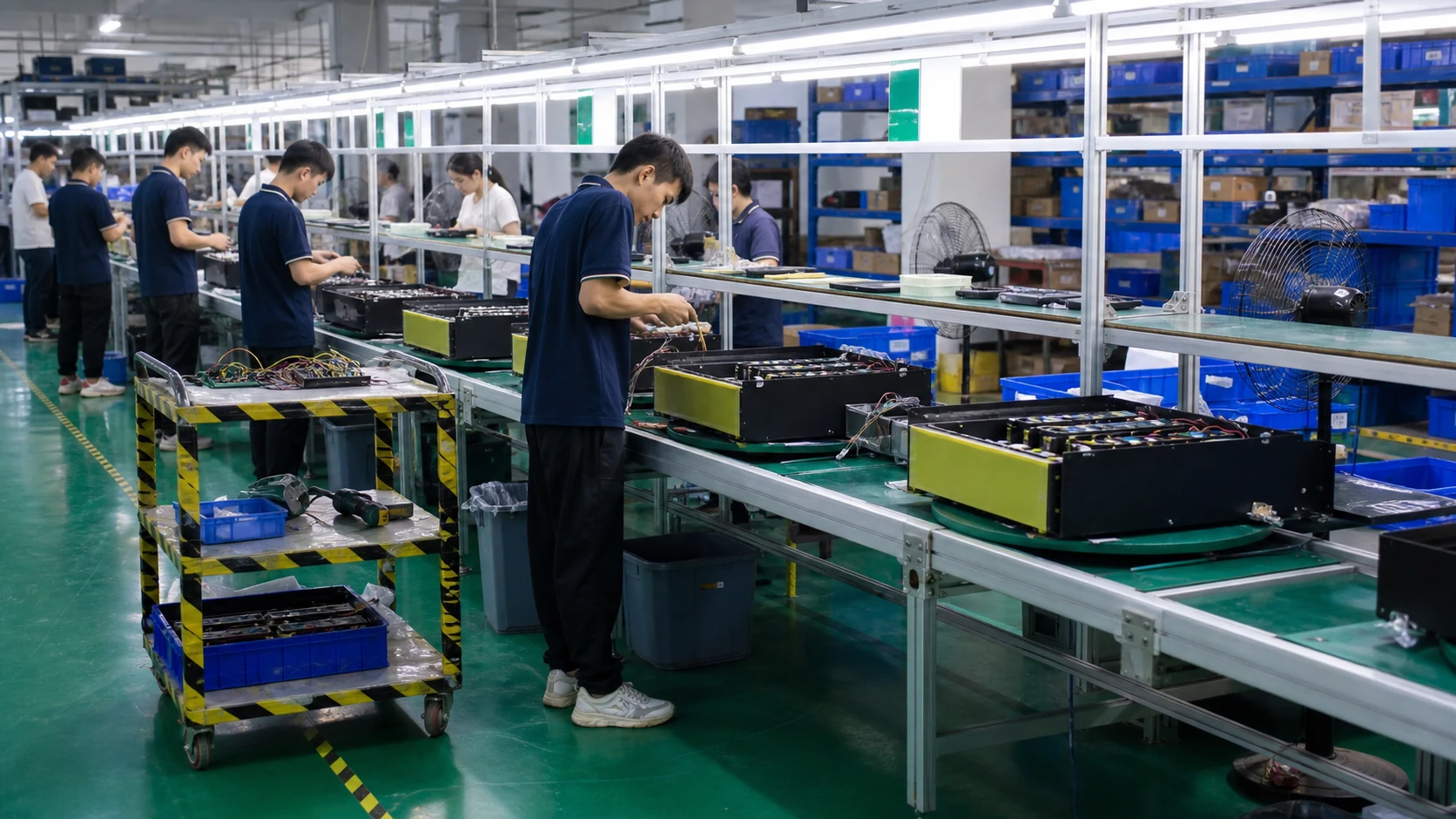
Avepower provides LiFePO4 rack battery solutions for data centers, telecom stations, commercial backup systems, solar energy storage and OEM or ODM projects.
For data center and server room applications, Avepower rack batteries are designed around safety, modularity and long-term reliability. They can support standard rack cabinet installation and can be customized according to voltage, capacity, appearance, communication protocol and project requirements.
Key advantages of Avepower rack battery solutions include:
- LiFePO4 battery chemistry
- Intelligent BMS protection
- Modular rack-mounted design
- 48V and higher-voltage options
- CAN, RS485 and RS232 communication options
- Parallel expansion support
- OEM and ODM customization
- Support for branding, labels and packaging
- Technical documentation support
- Manufacturing and engineering support for B2B buyers
Avepower solutions are suitable for installers, distributors, EPC contractors, telecom integrators, data center equipment suppliers and OEM energy storage brands that need reliable lithium battery systems with flexible customization. residential applications. This battery offers a reliable and scalable option for energy storage needs, ensuring uninterrupted power supply and efficient energy management.
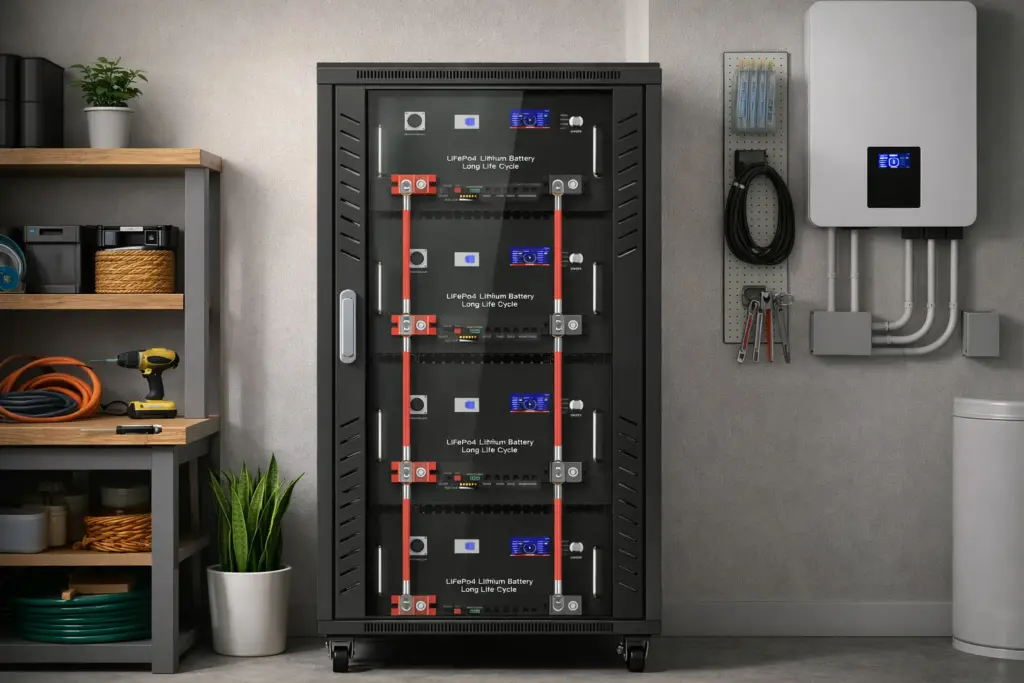
Custom Server Rack Battery Solution
Tell us your UPS voltage, load size, backup time, communication requirements and installation environment. Our engineering team can help recommend a suitable rack battery configuration for your project.
Conclusion
The best server rack battery solution for data centers in 2026 depends on load size, runtime requirement, UPS architecture, space limitations, safety needs and lifecycle cost.
For legacy systems, VRLA batteries may still be acceptable. For modern server rooms, edge data centers, telecom sites and scalable commercial backup systems, LiFePO4 rack batteries often provide a better balance of safety, footprint, service life, monitoring and TCO.
AI workloads are making this decision even more important. As data centers move toward higher power density, faster load swings and tighter space constraints, battery systems need to become smarter, safer and more modular.
Avepower supports B2B buyers with customizable LiFePO4 rack battery solutions for server rooms, telecom backup, data center support systems and commercial energy storage projects. Whether you need a standard 48V rack battery, a scalable cabinet solution or a custom high-voltage system, Avepower can help match the battery design to your project’s technical requirements.
FAQ
A server rack battery is a type of energy storage device designed to be installed in a standard rack or cabinet. It provides uninterrupted power supply (UPS) to servers, networking equipment, and other critical devices in data centers, telecom stations, and energy storage systems.
Server rack batteries are often better than traditional batteries for critical systems because they are modular, scalable, and space-efficient. They offer high energy density, intelligent monitoring, and reliable backup power, making them ideal for commercial and industrial applications.
The runtime depends on the connected load. For example:
With a 500W load: Runtime ≈ 48V × 100Ah ÷ 500W = ~9.6 hours
With a 1,000W load: Runtime ≈ 4.8 hours
Battery life also depends on depth of discharge (DoD), cycle count, and operating conditions.
A server rack is a standardized frame or enclosure that organizes servers, networking hardware, and energy storage devices. It ensures efficient use of space, better airflow, easier maintenance, and secure installation of critical IT and energy equipment.
Yes. Most server rack batteries are modular and stackable. You can connect multiple units in series or parallel to expand voltage or capacity, depending on your system requirements. Proper installation and ventilation are essential for safety.