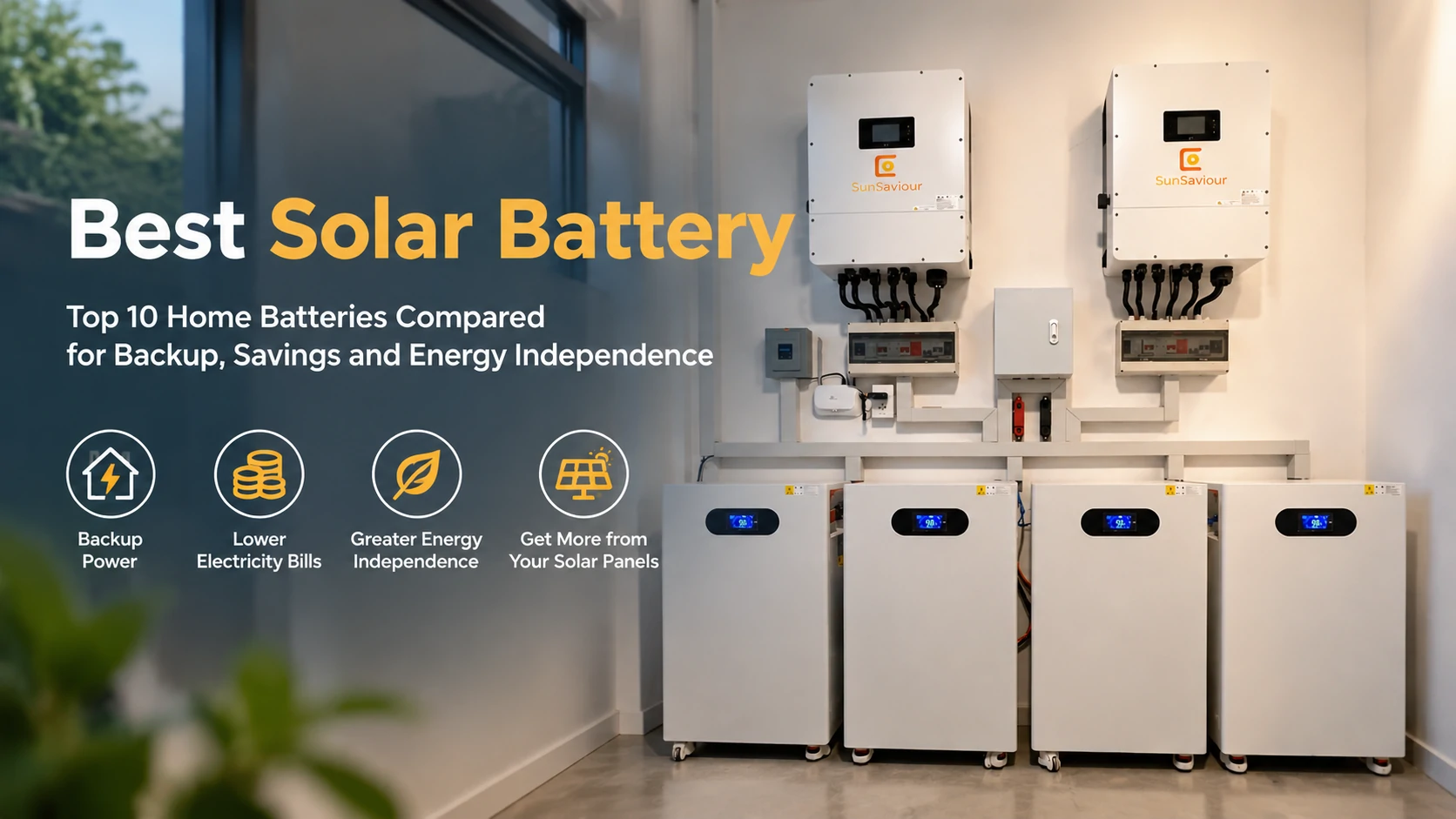
The best solar battery depends on your backup needs, usable capacity, output power, chemistry, inverter compatibility, warranty, and cost. For homes with frequent outages, limited net metering, or high time-of-use electricity rates, battery storage can be especially valuable.
For 2026, we compared leading home batteries across these factors and selected 10 strong options, including Tesla, FranklinWH, Avepower, MidNite Solar, Sigenergy, Enphase, SolarEdge, EcoFlow, EG4, and Generac.
What Is the Best Solar Battery in 2026?
| Battery | Energy | Continuous Output | Warranty | Strongest Fit |
|---|---|---|---|---|
| Tesla Powerwall 3 | 13.5 kWh | Up to 11.5 kW | 10 years | New solar + storage and high-power backup |
| FranklinWH aPower 2 | 15 kWh | 10 kW | 15 years / 60 MWh | High-capacity whole-home backup and expansion |
| Avepower | 15 kWh | 10kW DC | Verify by project / market | Scalable 48V/51.2V LiFePO4 solar storage |
| MidNite Solar Powerflo 16 | 16 kWh | System-dependent | 15 years | Large-capacity residential energy storage |
| Sigenergy SigenStor | Modular | Configuration-dependent | 10 years | Modular smart solar + storage systems |
| Enphase IQ Battery 10C | 10.0 kWh usable | 7.08 kVA | Up to 15 years / 6,000 cycles | Modular AC-coupled systems and retrofits |
| SolarEdge Home Battery | 9.7 kWh usable | 5 kW | 10 years | SolarEdge inverter-based solar systems |
| EcoFlow OCEAN Pro Battery | 10 kWh | Up to 10 kW | 15 years | High-power modular residential storage |
| EG4 WallMount All Weather | 14.3 kWh | Inverter-dependent | 10 years | Low-voltage outdoor battery systems |
| Generac PWRcell 2 | 9–18 kWh | Up to 10 kW at 18 kWh | 10 years | Configurable home backup and Generac integration |
1. Tesla Powerwall 3 — Best Overall Solar Battery
Capacity: 13.5 kWh
Continuous output: Up to 11.5 kW
Best for: Homeowners looking for an integrated solar-plus-storage and whole-home backup system
Tesla Powerwall 3 is our best overall solar battery because it combines a useful 13.5 kWh battery capacity with unusually high continuous output and an integrated hybrid inverter.
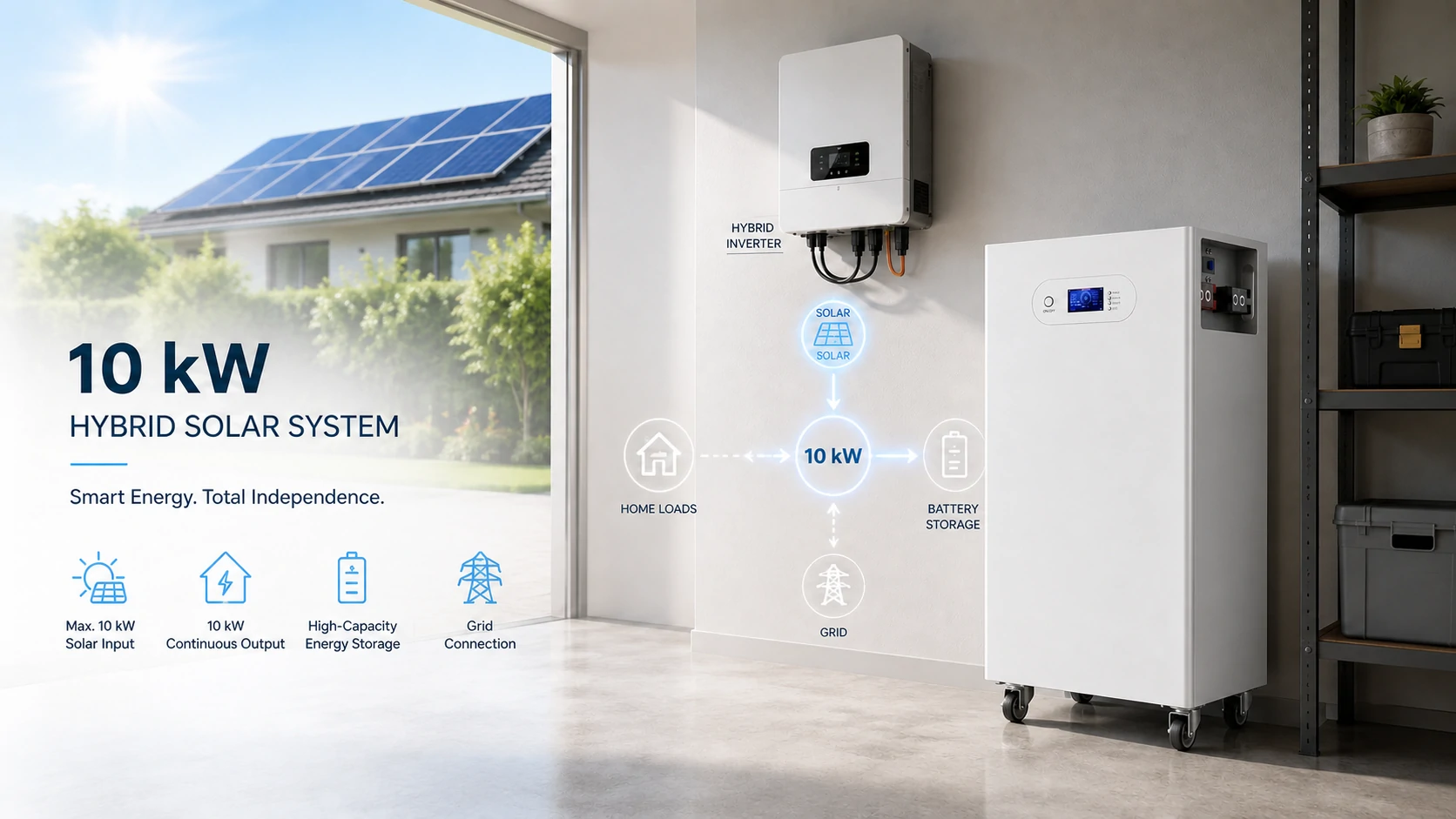
Its integrated architecture is especially attractive for new solar-plus-storage installations. Instead of choosing a battery and hybrid inverter separately, Powerwall 3 combines these functions within the Tesla ecosystem.
Why we picked it
- 13.5 kWh battery capacity
- Up to 11.5 kW continuous AC output
- Integrated solar inverter
- Suitable for high-power backup loads
- Strong energy-management ecosystem
- Can be used for solar self-consumption, backup and time-of-use management
The main limitation is ecosystem flexibility. Homeowners with an existing microinverter-based solar installation or complex panel-level optimization requirements may find another AC-coupled battery easier to retrofit.
Best choice for: Homeowners installing a new solar-plus-storage system who want high backup power and integrated energy management.
2. FranklinWH aPower 2 — Best for High-Power Whole-Home Backup
Capacity: 15 kWh
Continuous output: 10 kW
Battery chemistry: LFP
Warranty: 15 years / 60 MWh
Best for: Large household loads and whole-home backup
FranklinWH aPower 2 stands out because one battery combines 15 kWh of storage with 10 kW of continuous output. That power-to-capacity combination makes it particularly suitable for homes that want to operate larger loads such as air conditioning, heating equipment and other high-demand appliances during an outage.
FranklinWH also allows multiple batteries to be added to the same energy-management system.
Why we picked it
- 15 kWh capacity per battery
- 10 kW continuous output
- LFP chemistry
- 15-year / 60 MWh warranty
- Scalable to 225 kWh
- Strong whole-home energy-management features
- Suitable for solar, grid and backup applications
The principal tradeoff is cost. Buyers who only need basic critical-load backup may not benefit enough from its high output and sophisticated whole-home architecture to justify a larger system.
Best choice for: Homes with high peak loads that prioritize whole-home backup rather than only keeping lights, refrigeration and communication equipment running.
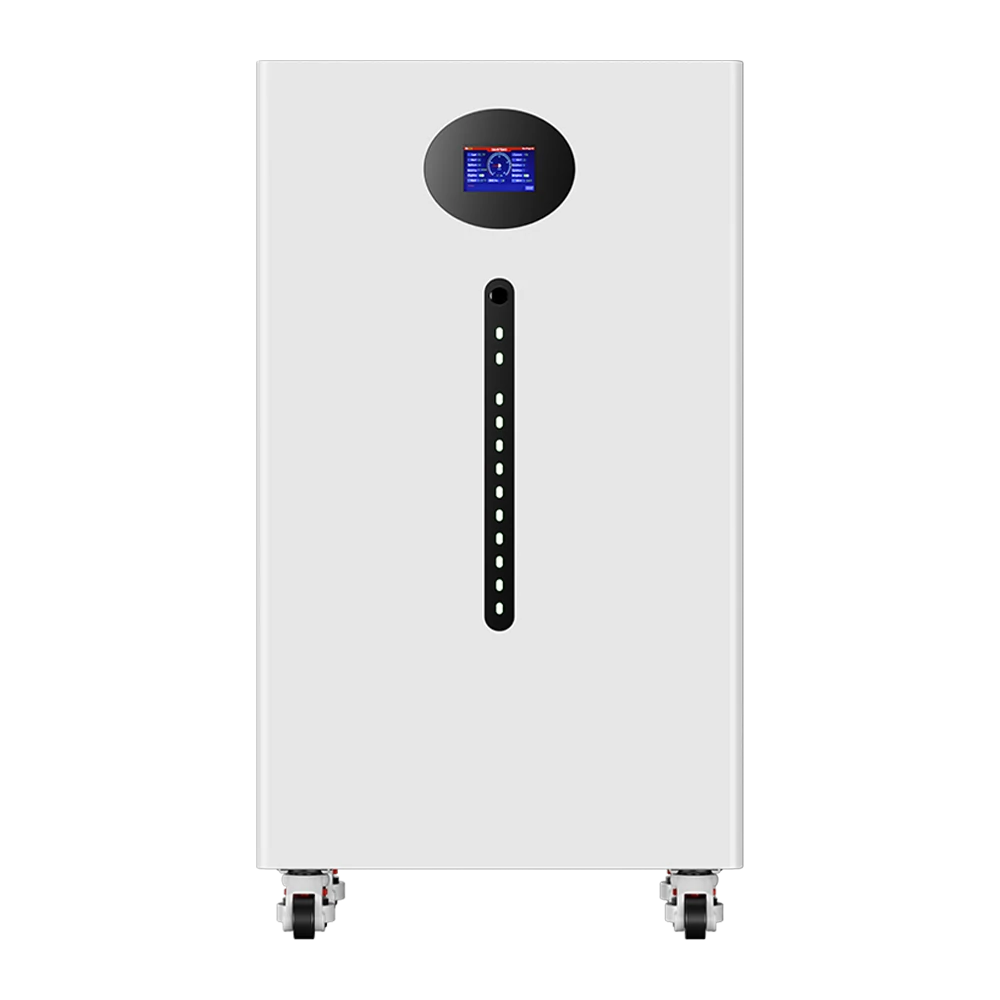
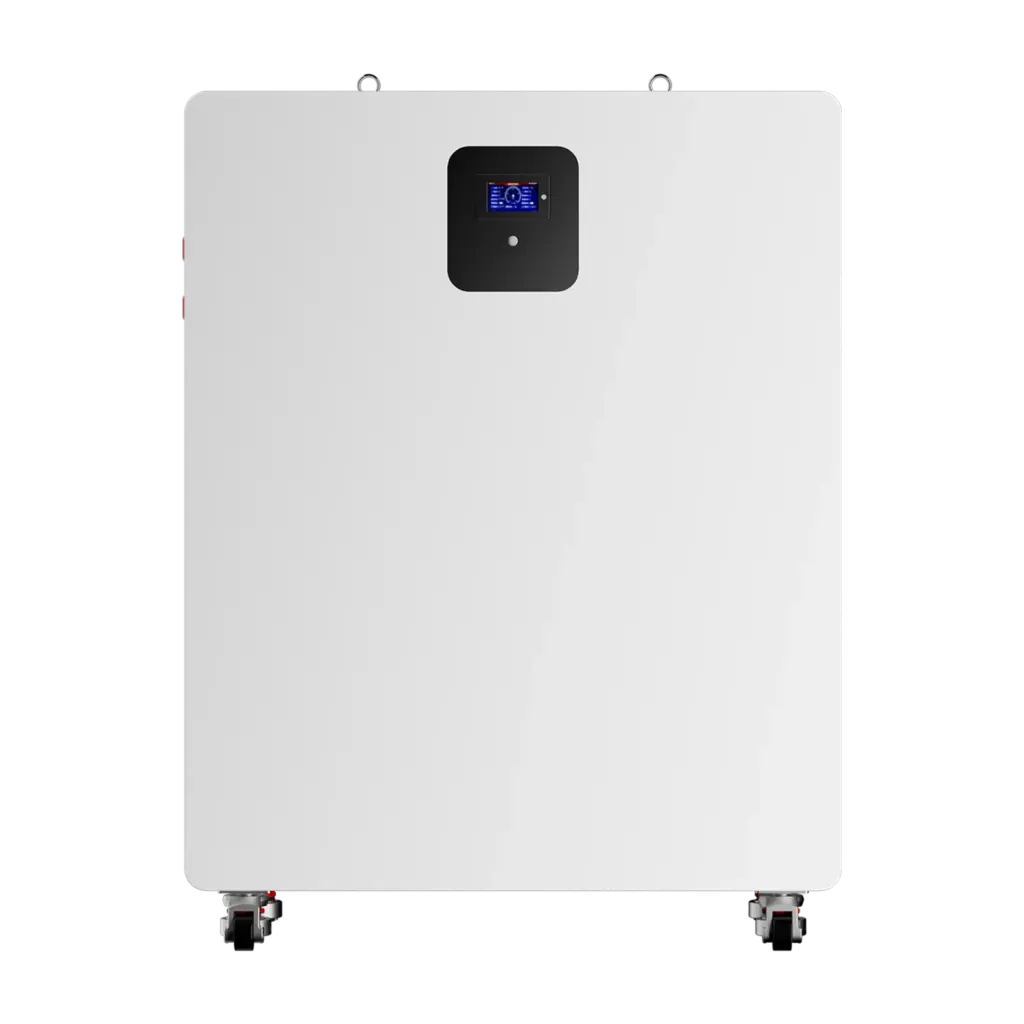
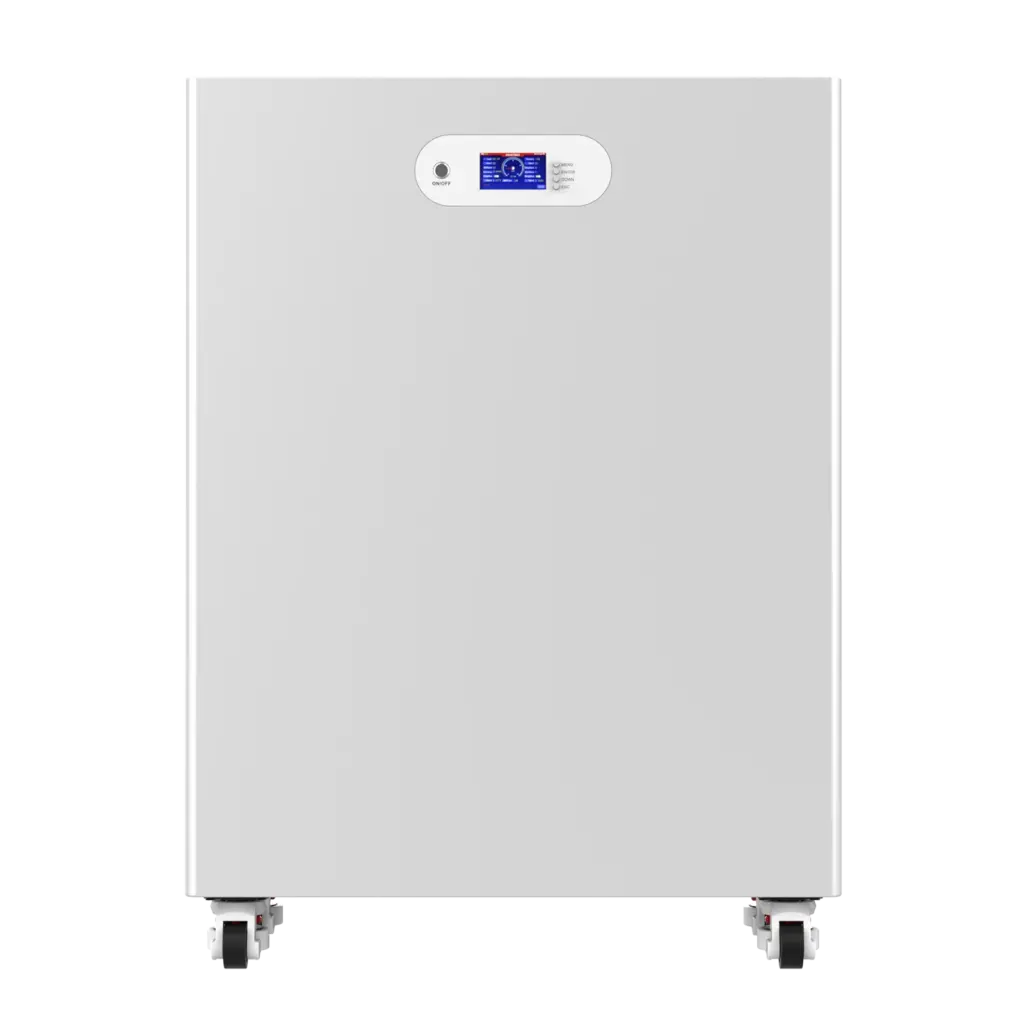
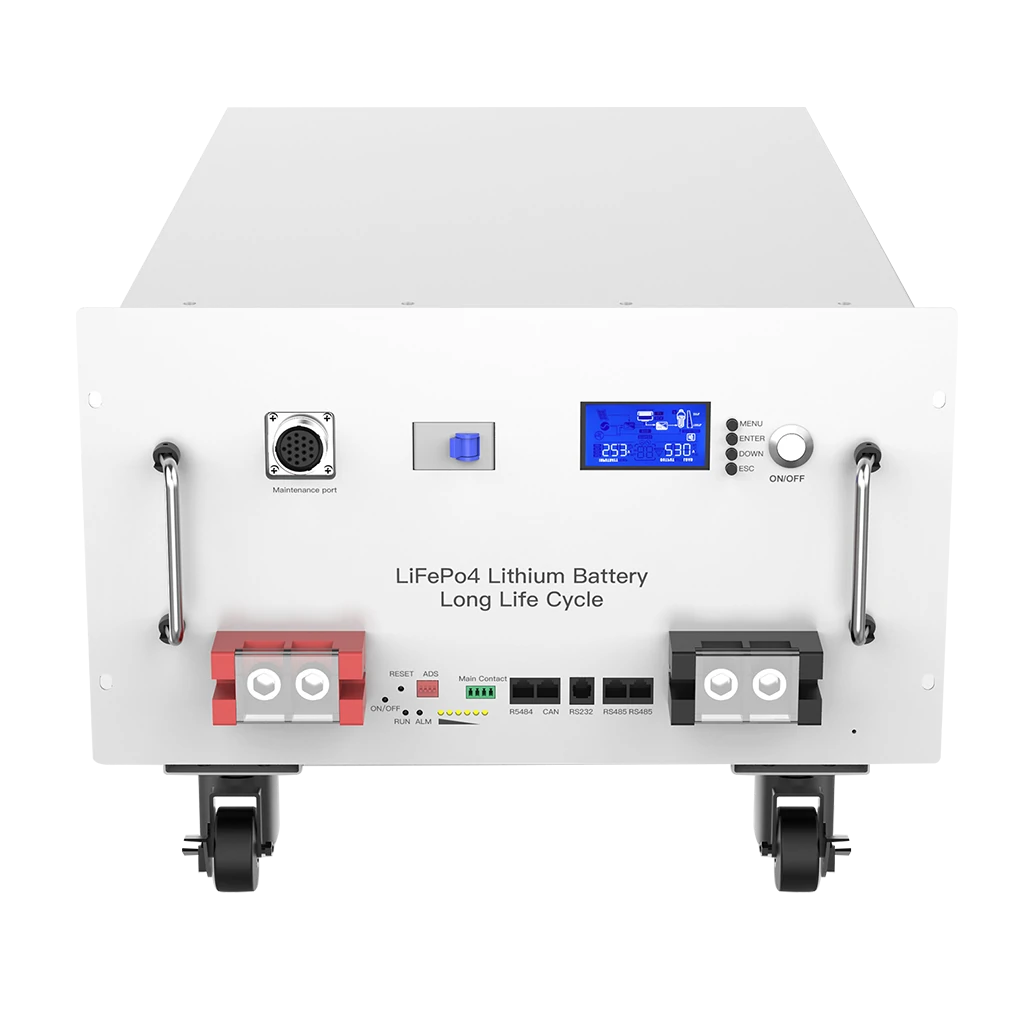
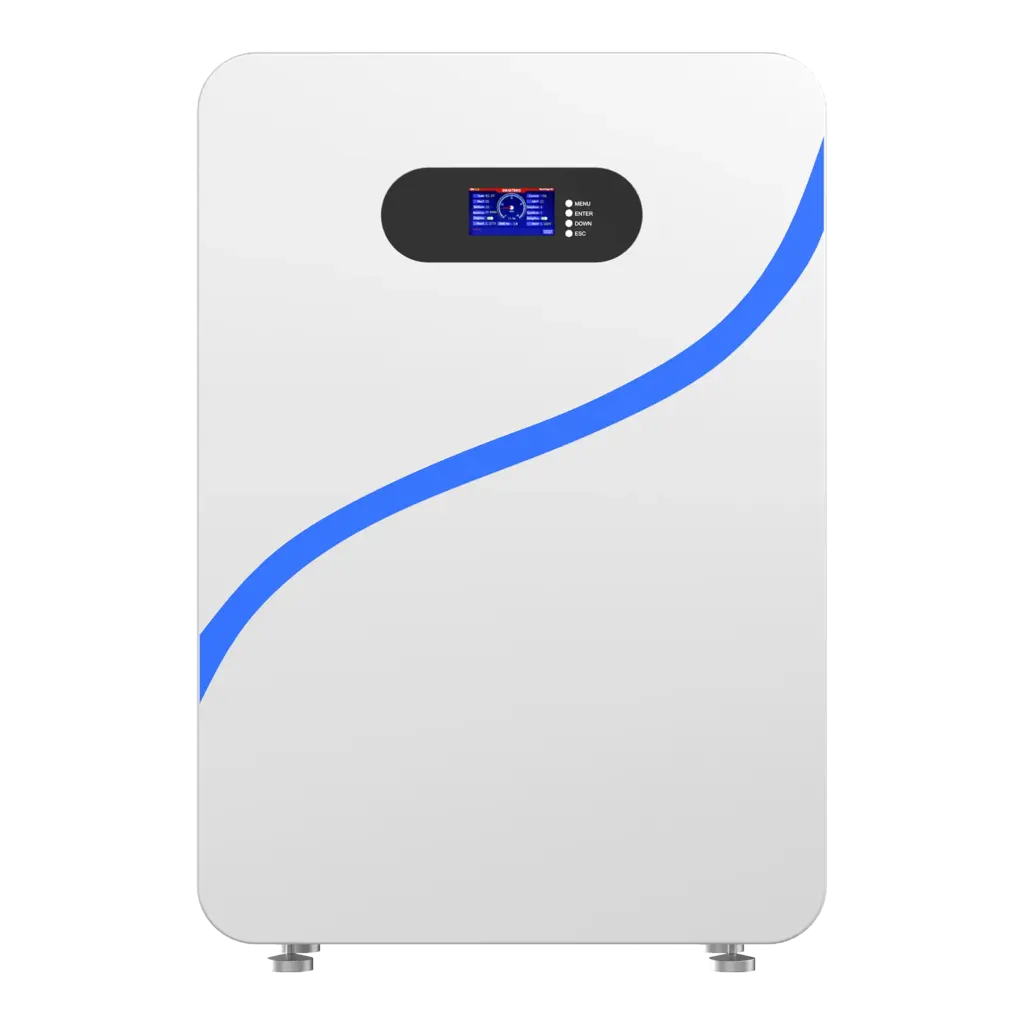
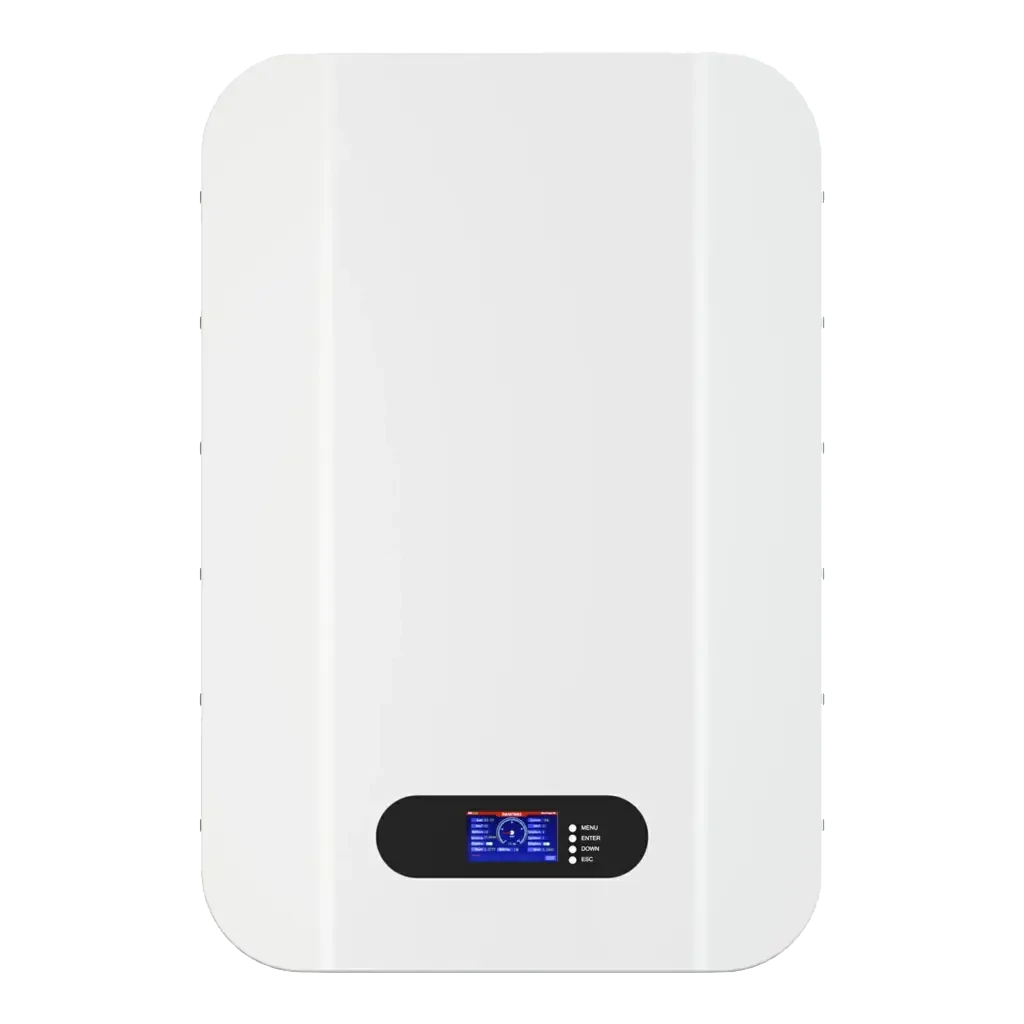
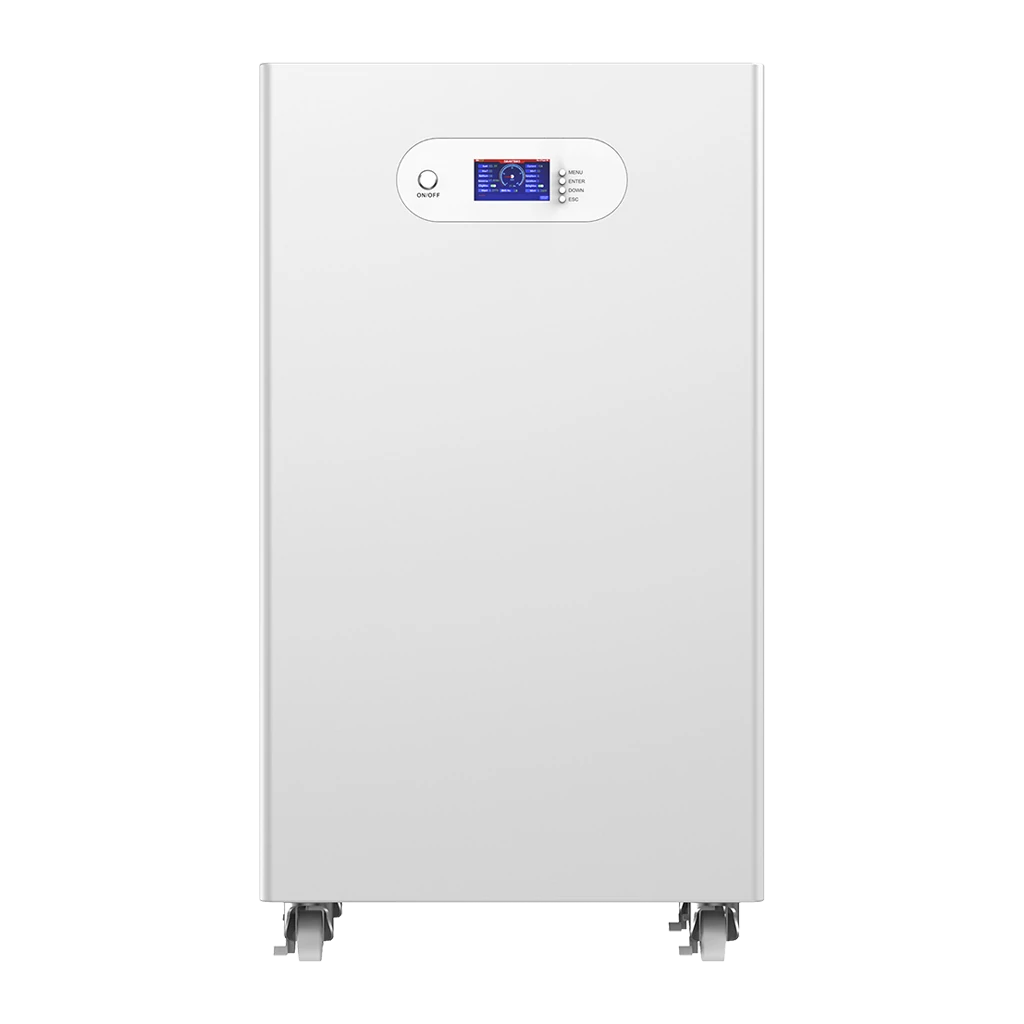
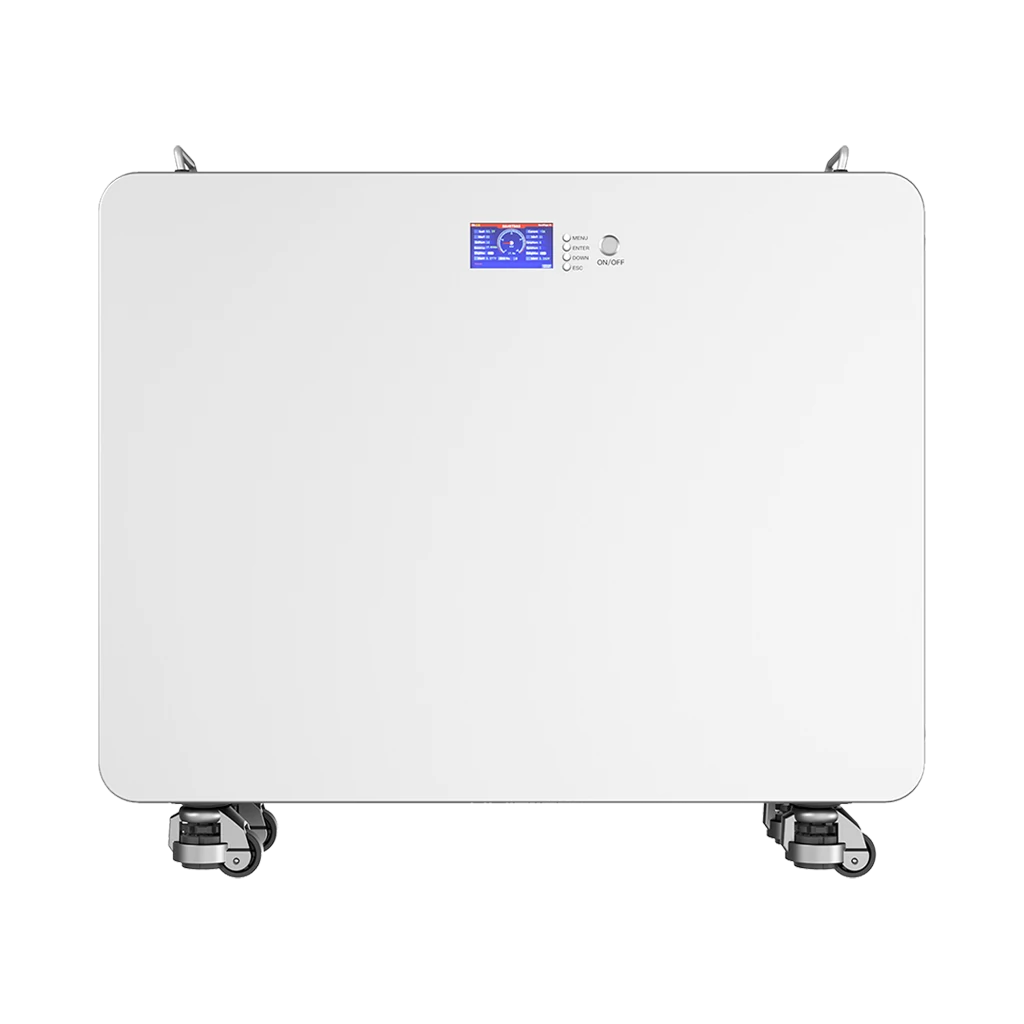
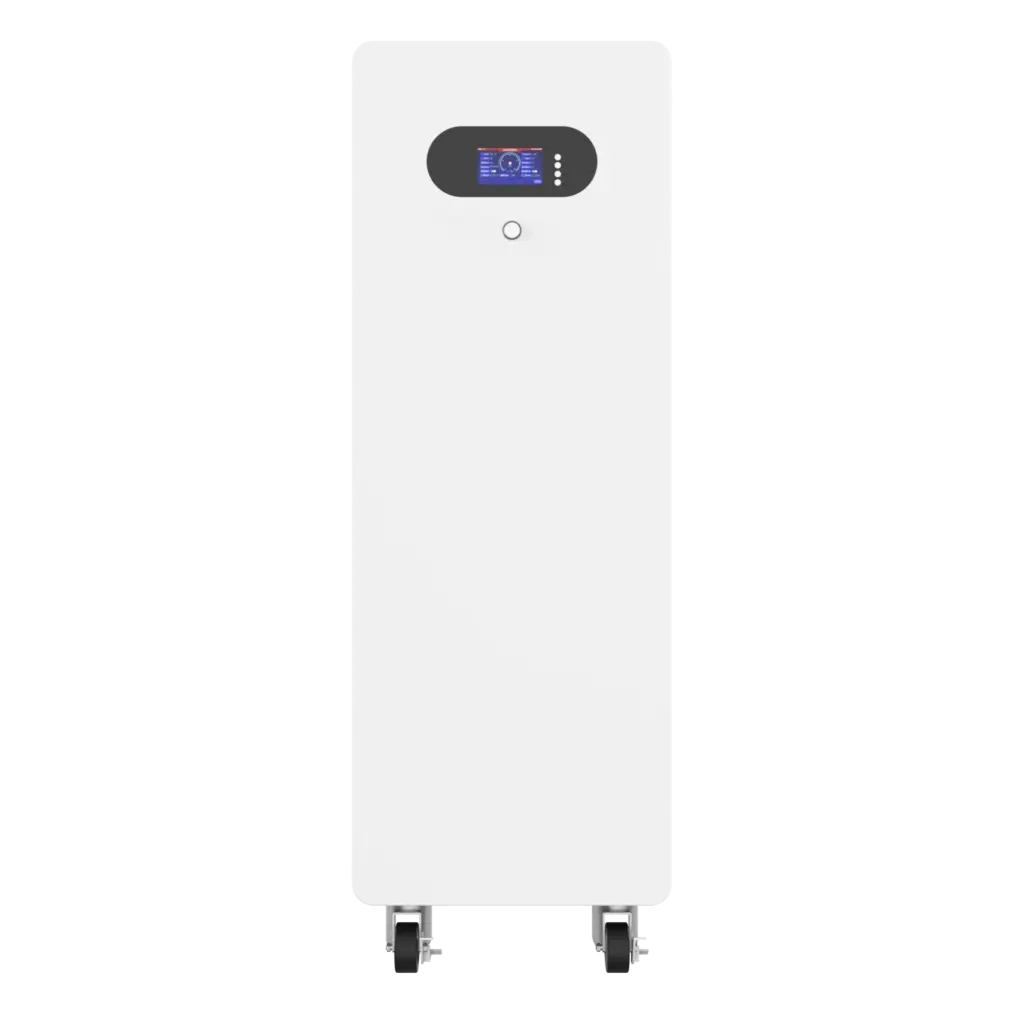
3. Avepower 48V 300Ah 15kWh LiFePO4 Battery — Best for Scalable 48V Solar Storage
Capacity: 15 kWh nominal
Battery configuration: 48V / 300Ah
Battery chemistry: LiFePO4
Continuous discharge current: 157A
Maximum discharge current: 200A for up to 300 seconds
Best for: Solar installers, off-grid systems, distributors and scalable low-voltage storage projects
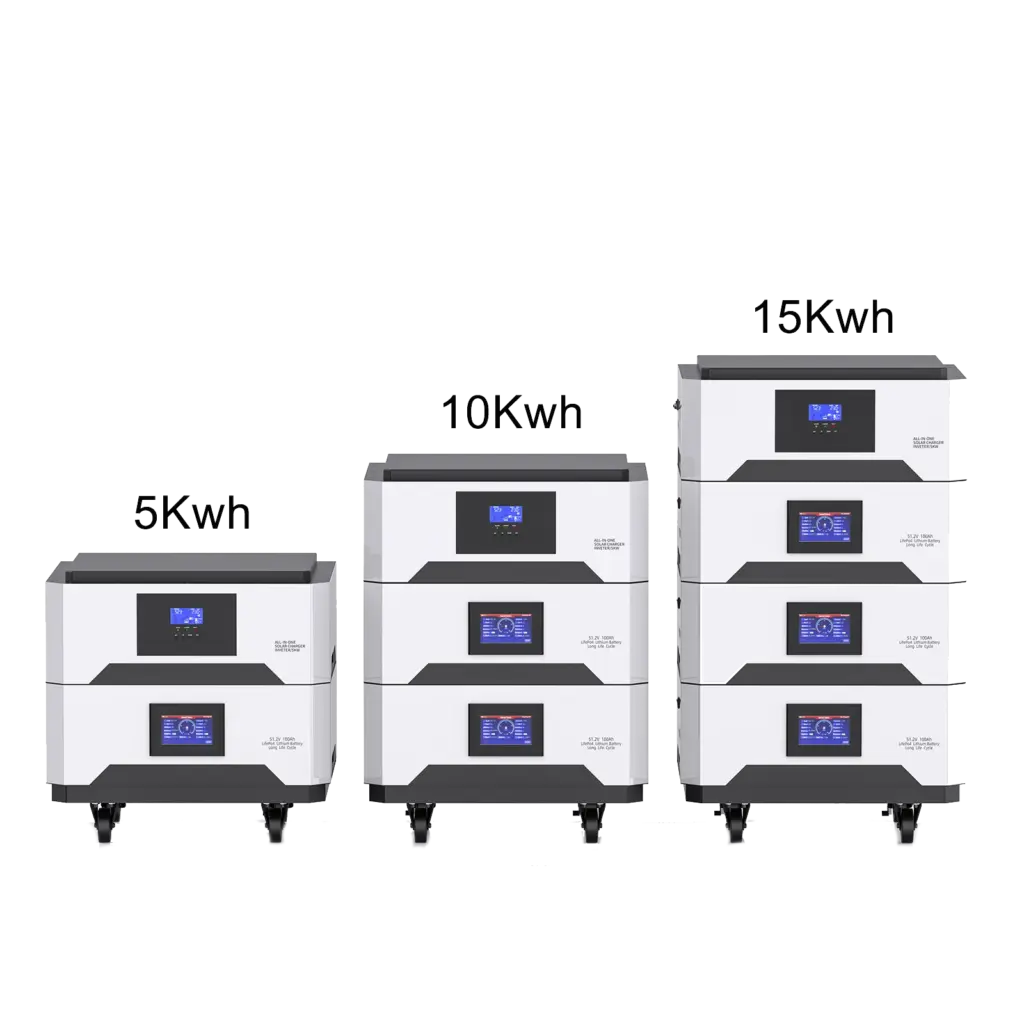
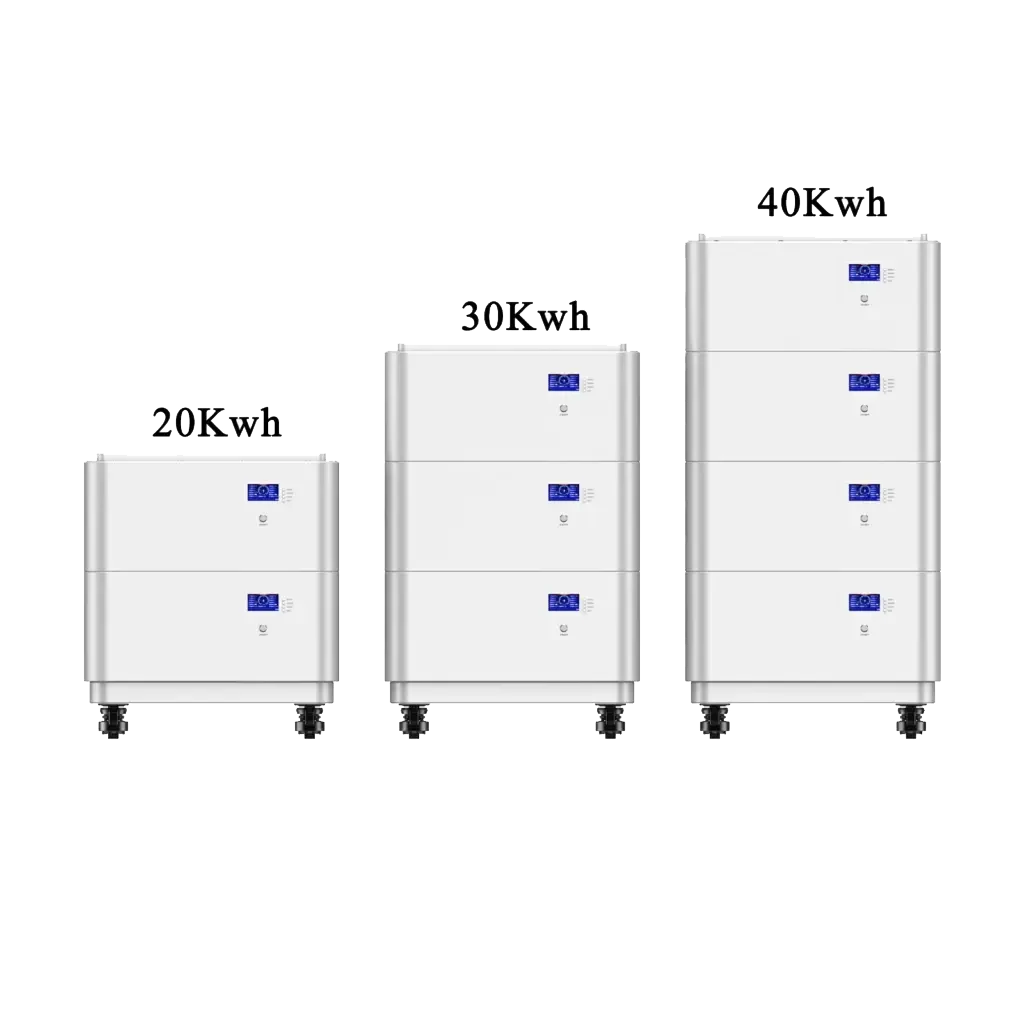
The Avepower 48V 300Ah battery earns the third position because it takes a different approach from tightly integrated proprietary home-battery ecosystems. It provides a 15 kWh-class low-voltage LiFePO4 platform designed to work with compatible hybrid and off-grid inverters, making it particularly useful where system flexibility and future expansion matter.
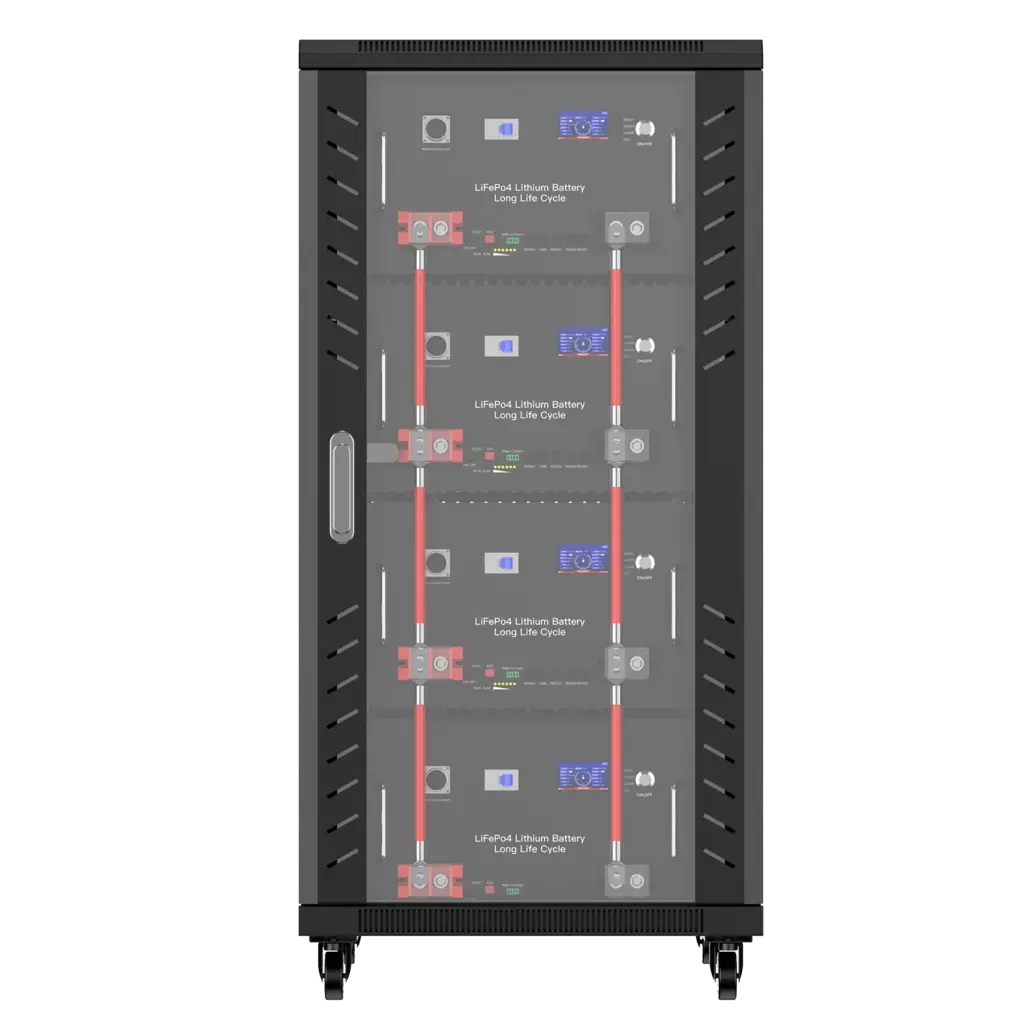
The battery supports CAN, RS485 and RS232 communication and can be connected in parallel with up to 16 units. This allows a project to start with one 15 kWh battery and expand to approximately 260 kWh of nominal storage where the system design and inverter configuration support it.
Why we picked it
- 15 kWh nominal battery capacity
- 48V / 300Ah low-voltage architecture
- LiFePO4 battery chemistry
- 157A standard continuous discharge
- 200A maximum discharge for up to 300 seconds
- CAN, RS485 and RS232 communication
- Up to 16 batteries in parallel
Unlike Tesla or FranklinWH, this product is primarily a battery platform rather than a complete proprietary home-energy ecosystem. The inverter, automatic transfer equipment and system controls therefore depend on the final project configuration.
That can be an advantage for installers and project developers who want more control over the system architecture, but homeowners looking for a completely integrated retail package may prefer an all-in-one system.
Best choice for: Installers, distributors, off-grid homeowners and solar projects that need a scalable 48V LiFePO4 battery with broad inverter-integration options.
4. MidNite Solar Powerflo 16 — Best Large-Capacity Single Battery
Capacity: 16 kWh
Best for: Homeowners wanting more storage in fewer battery modules
MidNite Solar Powerflo 16 is notable for providing approximately 16 kWh of capacity in a single battery unit.
A larger single battery can simplify projects that would otherwise require several smaller modules to reach the same energy capacity.
Why we picked it
- 16 kWh capacity per battery
- Large amount of storage in a single unit
- LFP-based stationary storage design
- Long warranty positioning
- Attractive capacity-to-cost proposition
- Suitable for larger backup requirements
The main limitation is output power relative to its battery size. A large kWh capacity does not automatically mean the battery can simultaneously operate more high-power appliances.
This makes Powerflo 16 more compelling for buyers prioritizing runtime and storage capacity than maximum instantaneous power.
Best choice for: Homes that want substantial storage capacity without installing many small battery modules.
5. Sigenergy SigenStor — Best Modular Smart Energy System
Battery modules: Approximately 5–8 kWh class modules depending on configuration
Battery chemistry: LiFePO4
Best for: Modular solar, battery and energy-management installations
Sigenergy SigenStor is one of the more modular residential energy-storage platforms available. Rather than treating the battery as a standalone component, the system combines energy storage with inverter and energy-management functions within a scalable architecture.
Why we picked it
- Modular battery architecture
- LiFePO4 cells
- Expandable storage capacity
- Integrated smart energy-management ecosystem
- High ingress-protection rating on supported configurations
- Suitable for both residential and larger energy-storage designs
Its main disadvantage is that SigenStor works best as part of the Sigenergy ecosystem. Buyers who simply want a low-voltage battery to connect to an existing third-party inverter may find a more open battery architecture easier to integrate.
Best choice for: Buyers starting a new solar-plus-storage installation who value a highly integrated and modular energy-management platform.
6. Enphase IQ Battery 10C — Best for Enphase Solar Systems
Usable capacity: 10 kWh
Continuous output: 7.08 kVA
Architecture: AC-coupled
Best for: Homes using Enphase microinverters
The Enphase IQ Battery 10C is one of the strongest choices for homeowners already using Enphase microinverters. Each battery provides 10 kWh of usable energy and includes four embedded grid-forming microinverters with a rated continuous output of 7.08 kVA.
Because the battery is AC-coupled, it can also be particularly useful when storage is being added to an existing solar installation.
Why we picked it
- 10 kWh usable capacity
- 7.08 kVA continuous output
- AC-coupled architecture
- Integrated grid-forming microinverters
- Excellent integration with Enphase solar systems
- Modular expansion
- Strong monitoring ecosystem
The tradeoff is cost and ecosystem dependence. If the home does not already use Enphase equipment, the integration advantage becomes less significant.
Best choice for: Homeowners with Enphase microinverters who want battery backup without redesigning the entire solar architecture.
7. SolarEdge Home Battery — Best for SolarEdge Inverter Systems
Usable capacity: 9.7 kWh
Continuous power: 5 kW
Peak power: 7.5 kW
Round-trip efficiency: Up to 94.5% under the stated DC-coupled configuration
Best for: Homes already using compatible SolarEdge inverters
The SolarEdge Home Battery is designed around tight DC-coupled integration with SolarEdge’s own inverter platform. Each battery provides 9.7 kWh of storage and can deliver 5 kW continuously, with 7.5 kW peak output.
Why we picked it
- 9.7 kWh storage capacity
- 5 kW continuous output
- 7.5 kW peak output
- DC-coupled design
- Up to 94.5% specified round-trip efficiency
- Up to three batteries per compatible inverter
- Strong integration with SolarEdge monitoring and controls
Its biggest strength is also its biggest limitation: ecosystem integration.
The SolarEdge Home Battery makes much more sense for a homeowner using compatible SolarEdge equipment than for someone designing an inverter-agnostic battery system.
Best choice for: Existing or new SolarEdge solar installations.
8. EcoFlow OCEAN Pro Battery — Best High-Power Modular 10kWh Battery
Capacity: 10 kWh
Maximum continuous discharge: 10 kW
Battery chemistry: LiFePO4
Best for: Modular high-output residential energy-storage systems
EcoFlow OCEAN Pro combines 10 kWh of nominal and usable battery capacity with up to 10 kW of continuous discharge power per specified battery configuration. That gives it an unusually strong power-to-energy ratio for a 10 kWh-class residential battery.
One OCEAN Pro inverter can support multiple battery units, allowing storage capacity to increase as household requirements grow.
Why we picked it
- 10 kWh usable capacity
- 10 kW maximum continuous discharge
- LiFePO4 chemistry
- Modular system design
- Up to eight battery units supported by one OCEAN Pro inverter
- UL 1973 and system-level UL 9540 documentation listed for supported configurations
- Indoor/outdoor-oriented enclosure design
A high output rating can drain a 10 kWh battery quickly if heavy appliances are operated continuously, so power and runtime should still be sized separately.
Best choice for: Homes that need high short-term power capability but want a modular battery platform.
9. EG4 WallMount All Weather 280Ah — Best Low-Voltage Outdoor Battery
Capacity: 14.3 kWh
Voltage: 51.2V
Capacity: 280Ah
Battery chemistry: LiFePO4
Best for: Outdoor low-voltage solar-storage installations
The EG4 WallMount All Weather battery is a strong option for buyers who want a large-capacity 48/51.2V-class LiFePO4 battery designed specifically for outdoor residential storage.
Each battery provides 14.3 kWh of energy and includes an integrated BMS, touchscreen monitoring and weather-resistant construction.
Why we picked it
- 14.3 kWh capacity
- 51.2V / 280Ah architecture
- LiFePO4 chemistry
- Integrated self-heating
- Outdoor-rated design
- Built-in touchscreen
- UL 1973 documentation
- UL 9540A test documentation
- Compatibility with several common low-voltage inverter platforms
- 10-year manufacturer warranty
Like the Avepower battery, EG4 is more inverter-dependent than an all-in-one proprietary system. The exact inverter and battery combination should be confirmed before installation.
Best choice for: Homeowners and installers building a low-voltage outdoor battery system around a compatible hybrid inverter.
10. Generac PWRcell 2 — Best Configurable Home Battery System
Usable capacity: 9–18 kWh per cabinet
Maximum system capacity: Expandable through additional cabinets
Best for: Homes already using or considering the Generac energy ecosystem
Generac PWRcell 2 takes a modular approach to home energy storage. A cabinet can be configured from 9 kWh to 18 kWh of usable energy in 3 kWh increments, allowing installers to better match the battery size to the homeowner’s load rather than forcing every project into one fixed capacity.
An 18 kWh PWRcell 2 configuration can provide about 10 kW of maximum continuous power, while larger configurations can support higher starting loads.
Why we picked it
- 9, 12, 15 or 18 kWh configurations
- Modular 3 kWh capacity increments
- Strong load-start capability
- Whole-home and partial-home backup options
- Integration with Generac energy-management equipment
- Generator integration options
- Suitable for households with variable backup requirements
The main consideration is ecosystem commitment. The system makes the most sense when the battery, inverter, controls and potentially a Generac backup generator are designed together.
Best choice for: Homeowners who want modular battery sizing and particularly those already using Generac backup-power products.
How Should You Choose the Best Solar Battery?
Use this decision framework:
| Factor | What to Check | Why It Matters | Common Mistake |
|---|---|---|---|
| Usable capacity | Usable kWh, not only nominal kWh | Determines runtime | Buying from headline capacity alone |
| Continuous power | kW or kVA | Determines how many loads can run simultaneously | Assuming more kWh means more power |
| Starting/surge power | Peak kW, LRA or manufacturer load-start data | Important for pumps, HVAC and motors | Ignoring appliance startup |
| Chemistry | LFP, NMC or other chemistry | Affects thermal characteristics, life and packaging | Treating chemistry as the only safety factor |
| Coupling | AC or DC | Affects retrofit options and conversion path | Buying before checking existing solar architecture |
| Inverter/BMS compatibility | Exact model and protocol | Required for safe charging, SOC reporting and control | Checking brand name but not model/protocol |
| Warranty | Years, cycles, throughput and retained capacity | Defines what long-term performance is actually guaranteed | Looking only at warranty years |
| Expansion | Maximum modules and control-system limitations | Matters if loads grow later | Assuming every system can simply add batteries |
| Certification | Exact model/system listing required locally | May affect permitting and insurance | Accepting a generic company certificate |
| Installed cost | Battery + controls + inverter + labor + permits + electrical work | Determines actual project economics | Comparing hardware price with turnkey price |
Is LFP the Best Battery Chemistry for Solar Storage?
LFP, or lithium iron phosphate, is a strong default choice for many modern stationary solar-storage systems because it combines good thermal stability, long-cycle applications and low maintenance.
For a more detailed chemistry comparison, see Which Type of Battery Is Best for Solar System?.
| Chemistry | Main Advantage | Main Limitation | Typical Fit |
|---|---|---|---|
| LFP / LiFePO4 | Long-cycle stationary use and good thermal stability | Lower energy density than some nickel-based chemistries | Residential and commercial stationary ESS |
| NMC lithium-ion | High energy density | Thermal management and aging characteristics differ from LFP | Applications where size/weight matter |
| Lead-acid / AGM | Lower initial hardware cost | Lower usable depth, heavier, shorter cycling life | Budget or infrequent-use systems |
| Flow battery | Scalable long-duration storage | Large footprint and system complexity | Commercial, industrial or long-duration applications |
Conclusion: So, What Is the Best Solar Battery?
The best solar battery is the one that meets your real energy and power requirements at an acceptable lifetime cost while remaining compatible, safe, serviceable and legally installable in your location. For most modern residential systems, LFP is a strong chemistry candidate, but chemistry alone should never determine the purchase.
For U.S. retail homeowners in 2026, systems such as Tesla Powerwall 3, Enphase IQ Battery 10C and FranklinWH aPower 2 provide useful benchmarks for different installation architectures and backup goals.
For installers, distributors and project buyers, modular platforms can be more appropriate when capacity, inverter protocol, enclosure, branding or future expansion needs to be configured around the project.
Before asking for a battery quote, prepare four pieces of information:
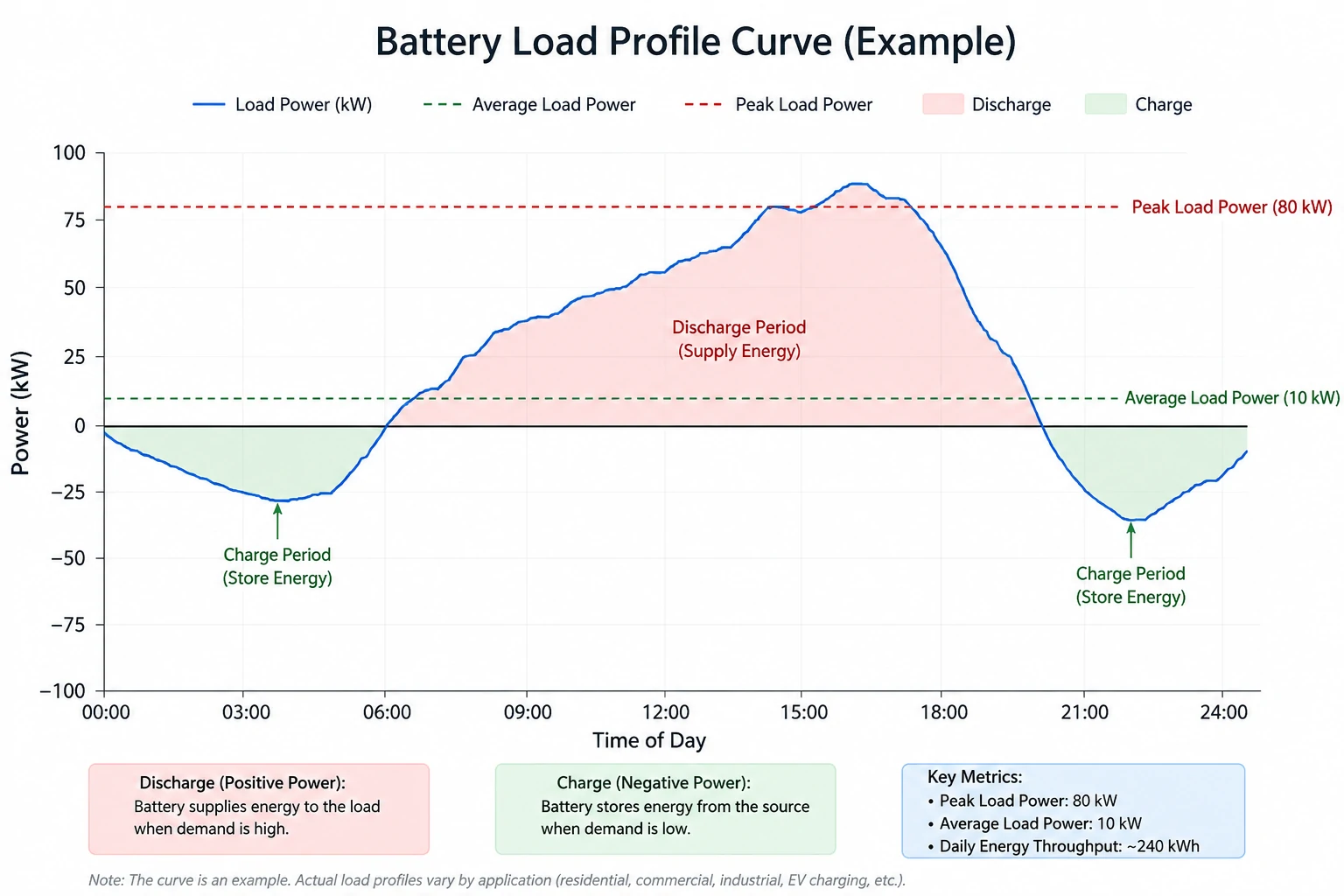
your electricity usage or load profile, required backup duration, inverter model, and installation country.
Avepower can use these inputs to help project buyers evaluate suitable LiFePO4 capacity, communication requirements, expansion architecture and required documentation rather than selecting a battery from capacity alone.
FAQ
The best solar battery depends on your backup needs, usable capacity, output power, inverter compatibility, warranty, and budget. Tesla Powerwall 3, FranklinWH aPower 2, Enphase IQ Battery 10C, and other leading systems suit different installation types rather than one model being best for every home.
Many homes start around 10–15 kWh for evening use or essential-load backup, but the correct size depends on your actual electricity consumption and desired backup duration. Whole-home backup may require 20 kWh or more, especially if you want to run HVAC, pumps, or electric appliances.
In the U.S., many installed residential battery systems cost roughly $10,000–$20,000 or more before incentives, depending on capacity, inverter requirements, electrical upgrades, and labor. Hardware-only battery prices can be much lower, so always compare total installed cost rather than product price alone.
Check usable capacity, continuous output, surge capability, battery chemistry, inverter compatibility, warranty terms, expansion limits, safety certifications, and total installed cost. You should also confirm whether the system can support your largest loads and whether the battery is approved for your local installation requirements.