
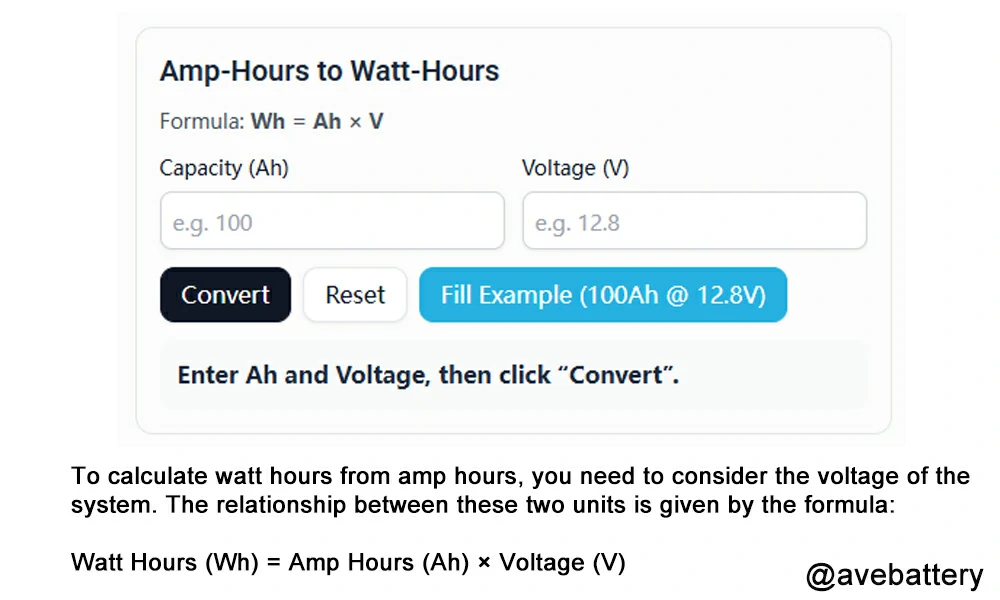
Amp-Hours to Watt-Hours
Formula: Wh = Ah × V
To make home energy management simpler and more accurate, Avepower has developed one of the easiest and most intuitive Amp-Hour to Watt-Hour calculators — and it’s completely free to use.
Mastering Ah-to-Wh and other key battery calculations is essential for correctly sizing your solar energy storage system, improving efficiency, and ensuring your battery bank delivers the performance your home needs.
Let’s dive into the fundamentals so you can design a smarter, safer, and more reliable solar storage setup.
What Are Amp Hours And Watt Hours?
What Is An Amp Hour (Ah)?
Every electrical system has current, voltage, and time.
- Current is the flow of electric charge. People measure it in amps (A).
- Time is how long the current flows. People measure it in hours (h).
An amp hour (Ah) is the amount of electric charge that flows when 1 amp of current runs for 1 hour.
- If a battery can deliver 1 A for 10 hours, it has 10 Ah.
- If a battery can deliver 5 A for 2 hours, it has 10 Ah as well.
So amp hours tell you “how long the battery can deliver a certain current.”
However, amp hours do not tell you the whole story. Amp hours do not include the voltage of the battery. A 12 V, 24 V, and 48 V battery can all be 100 Ah, but they do not store the same amount of energy.
Related resources: How to Calculate Battery Amp Hours
What Is A Watt Hour (Wh)?
To talk about energy, people use watts and watt hours.
- Power (W) = Volts (V) × Amps (A)
- Energy (Wh) = Power (W) × Time (h)
A watt hour (Wh) is the amount of energy used when a 1 watt device runs for 1 hour.
Some simple examples help:
- If a phone charger uses 10 W for 2 hours, it uses 20 Wh.
- If a TV uses 100 W for 5 hours, it uses 500 Wh.
People often use kilowatt hours (kWh) for larger systems:
- 1 kWh = 1000 Wh
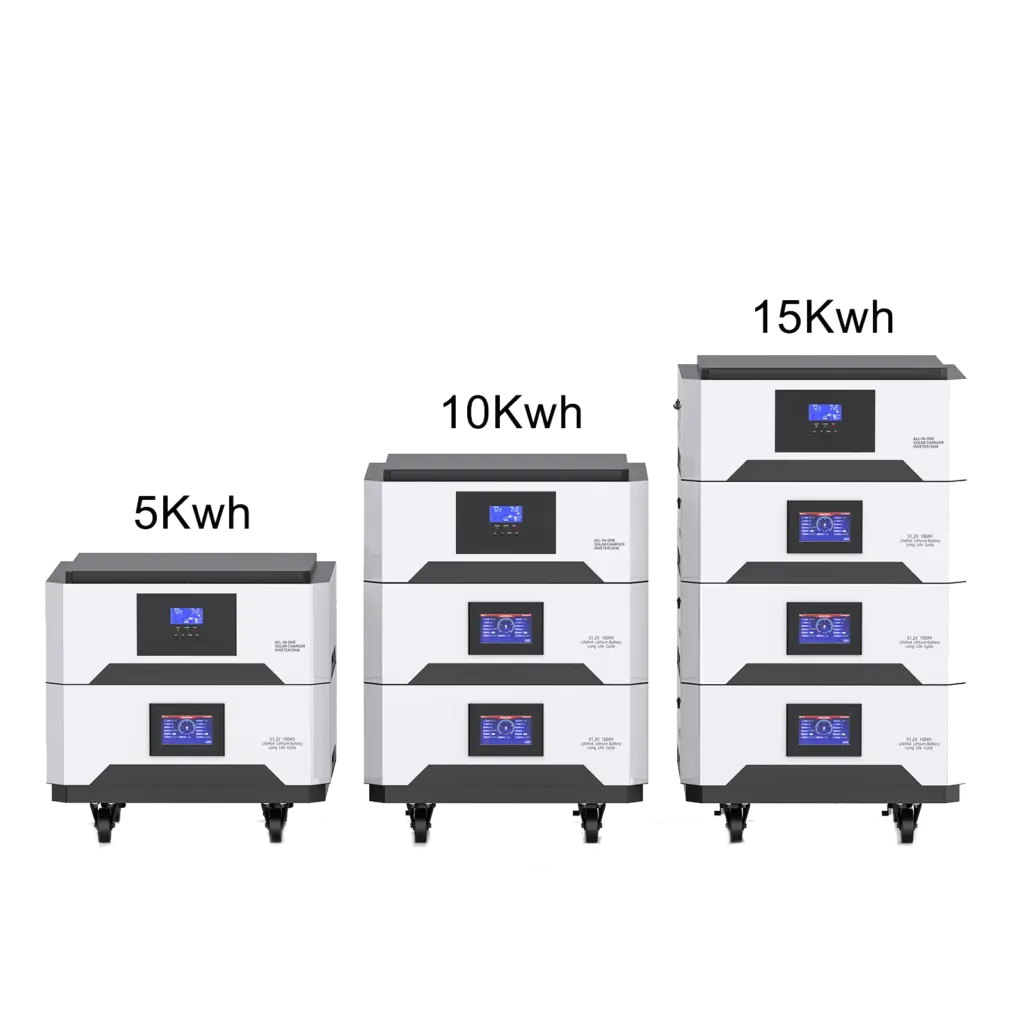
- A typical home battery might be 5 kWh, 10 kWh, or 15 kWh.
Watt hours connect very directly to real life:
- A Wh or kWh rating tells you how much energy is stored.
- Your electricity bill shows kWh, not Ah.
- Incentive programs in the United States and Australia often talk in kWh of battery storage.
Because of this, you usually need to convert Ah (from the battery label) to Wh or kWh (used in quotes, bills, and rebates).
Related resources: How to Calculate Watt Hours of a Battery
Amp Hours to Watt Hours
You can convert amp hours to watt hours if you know the voltage.
Watt Hours (Wh) = Amp Hours (Ah) × Voltage (V)
This formula tells you how much energy a battery stores at a given voltage.
Example: 24V 200Ah Battery
You want to know how much energy a 24V 200Ah battery can store.
- You start with the formula:
- Wh = Ah × V
- You plug in the values:
- Wh = 200Ah × 24V
- You do the multiplication:
- Wh = 4800Wh
So this battery bank stores 4800Wh or 4.8kWh.
If your average load is 800W, you can estimate the run time:
Run time (hours) = Energy (Wh) ÷ Load (W)
Run time = 4800Wh ÷ 800W = 6 hours
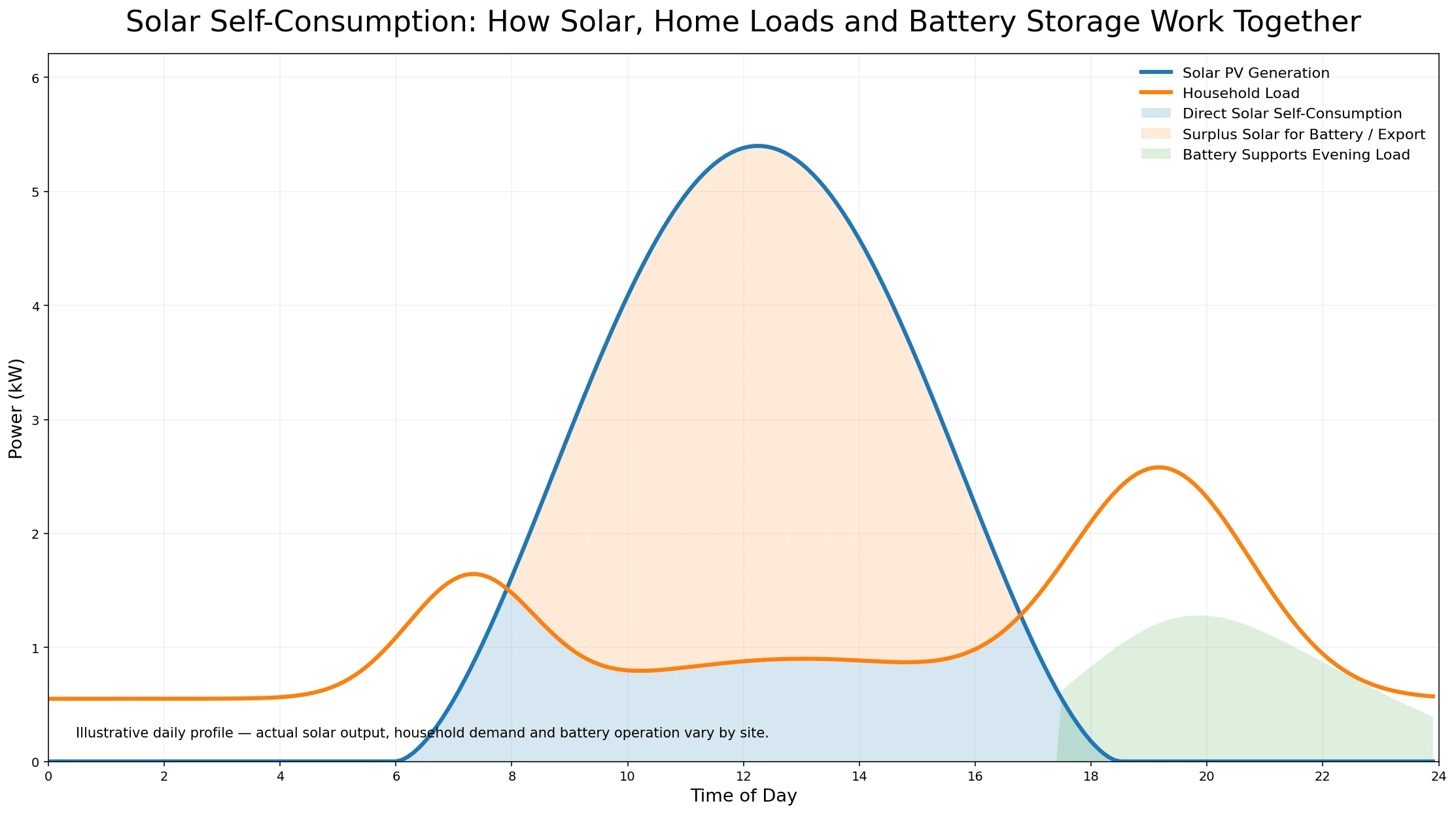
If you add solar charging and use a smart home backup battery like an Avepower unit, you can extend this run time because the battery can recharge during the day.
12V Battery: Amp Hours To Watt Hours
| Amp Hours (Ah) | Voltage (V) | Watt Hours (Wh) |
|---|---|---|
| 10Ah | 12V | 120Wh |
| 20Ah | 12V | 240Wh |
| 50Ah | 12V | 600Wh |
| 80Ah | 12V | 960Wh |
| 100Ah | 12V | 1200Wh |
| 150Ah | 12V | 1800Wh |
| 200Ah | 12V | 2400Wh |
24V Battery: Amp Hours To Watt Hours
| Amp Hours (Ah) | Voltage (V) | Watt Hours (Wh) |
|---|---|---|
| 50Ah | 24V | 1200Wh |
| 80Ah | 24V | 1920Wh |
| 100Ah | 24V | 2400Wh |
| 150Ah | 24V | 3600Wh |
| 200Ah | 24V | 4800Wh |
| 250Ah | 24V | 6000Wh |
48V Battery: Amp Hours To Watt Hours
| Amp Hours (Ah) | Voltage (V) | Watt Hours (Wh) |
|---|---|---|
| 50Ah | 48V | 2400Wh |
| 80Ah | 48V | 3840Wh |
| 100Ah | 48V | 4800Wh |
| 150Ah | 48V | 7200Wh |
| 200Ah | 48V | 9600Wh |
| 250Ah | 48V | 12,000Wh |
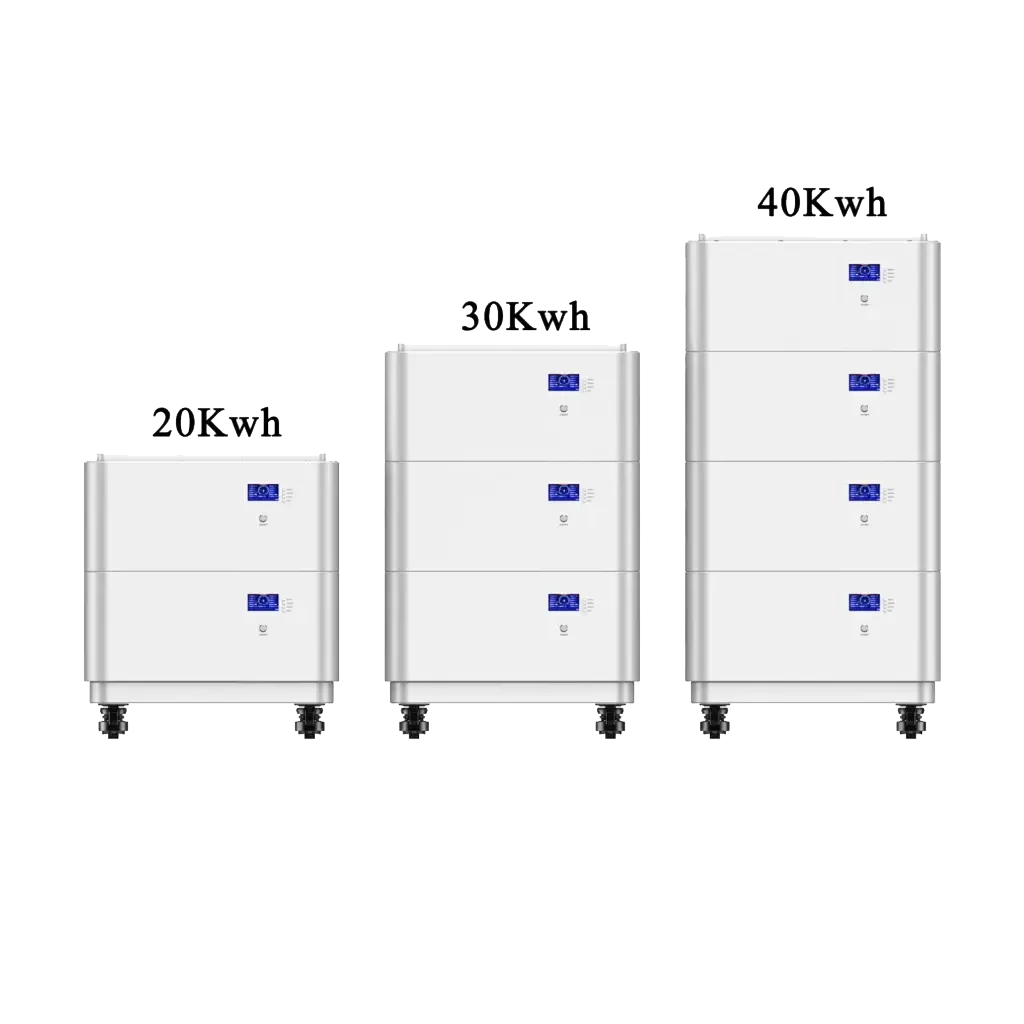
You will often see 48V battery systems in home backup and larger solar installations. Avepower and similar manufacturers use 48V because it allows safe, efficient systems that scale up to higher capacities such as 10kWh, 15kWh, or 20kWh.
How To Convert Watt Hours Back To Amp Hours
Sometimes you start from Wh or kWh and you want to know Ah. For example, you might know that you want 10 kWh of storage at 48 V, and you want to know what Ah rating to look for.
The reverse formula is:
Amp Hours (Ah) = Watt Hours (Wh) ÷ Volts (V)
Watt-Hours to Amp-Hours Converter
Formula: Ah = Wh ÷ V
Amp Hours vs Watt Hours: Key Differences
| Item | Amp Hours (Ah) | Watt Hours (Wh) |
|---|---|---|
| What It Measures | Charge over time | Total energy |
| Includes Voltage? | No | Yes (because Wh = Ah × V) |
| What It Tells You | How long a battery can deliver a current | How much work or power the battery can supply |
| Typical Use | Battery labels, small devices, DC systems | Energy bills, home batteries, solar quotes |
| Best For Comparing | Same voltage batteries | Any batteries with any voltage |
| Used In Incentive Rules | Rarely | Very often (Wh or kWh of usable capacity) |
For system design, watt hours or kilowatt hours are usually more important than amp hours, because Wh and kWh describe actual energy, not just charge.
Amp hours still matter, especially when you work with DC wiring, fuses, and charge controllers, but most buyers will find Wh/kWh easier to use when they choose a home battery system.
Related resources: Watt Hours to Amp Hours
How To Use Ah And Wh When You Size A Home Battery
When you size a home battery system, you usually start with three things:
- You estimate how much energy your home uses per day (in kWh).
- You decide how many hours or days of backup you want.
- You choose a battery size in kWh that fits your budget and your goals.
Amp hours and watt hours help at each step.
Step 1: Estimate Your Daily Energy Use
You can:
- Read your power bill and check your daily kWh average.
- Or list your main appliances and estimate how many hours per day you use them.
If you find that your critical loads use 8kWh per day, you know that a 10kWh battery can almost cover one full day of those loads, especially if you also have solar panels to recharge the battery.
Step 2: Choose Your Target Backup Time
You ask yourself:
- Do you only need backup for short outages of a few hours?
- Do you want one full day of backup?
- Do you want several days of backup with solar generation?
If you want one full day of backup for 8kWh of critical loads, you might choose a 10kWh Avepower home backup battery, so you have a little safety margin.
Step 3: Match Battery Specs To Your Needs
Now, you use Wh ↔ Ah conversions as needed.
If a spec sheet lists 48V, 200Ah, you calculate:
- Wh = 48V × 200Ah = 9600Wh (9.6kWh).
You see that this battery is close to your 10kWh target, and you can decide whether one battery is enough or if you should add a second unit in parallel for more capacity.
Final Thoughts
When you understand how to convert amp hours to watt hours, you gain real control over your solar and backup power choices. You no longer need to trust marketing claims blindly. You can:
- Read battery labels with confidence.
- Compare 12V, 24V, and 48V systems in a fair way.
- Estimate run time for your most important loads.
- Plan the right size for your home backup system.
If you are now thinking about a home backup battery, you can use the formulas in this guide to match your daily energy needs to a battery size in kWh. Then you can look at systems from manufacturers such as Avepower, compare the Wh and kWh values, and choose a system that fits your home, your budget, and your comfort level.

Take Control of Your Energy with Avepower!
Reliable home solar battery solutions with OEM/ODM customization and in-house manufacturing, tailored to the needs of distributors, installers, and energy partners.
FAQ
You always need the battery voltage for this conversion. If you have a 12V battery rated at 100Ah, you calculate 100Ah × 12V = 1200Wh.
Amp hours only tell you how much charge the battery can hold. Voltage tells you how strongly that charge is pushed, and together they define total energy.
Amp hours measure the amount of electric charge a battery can deliver over time. Watt hours measure the total energy stored or delivered by the battery, because they combine charge (Ah) and voltage (V).
If you have a 1200Wh battery and a 200W load, you get about 1200 ÷ 200 = 6 hours in ideal conditions.