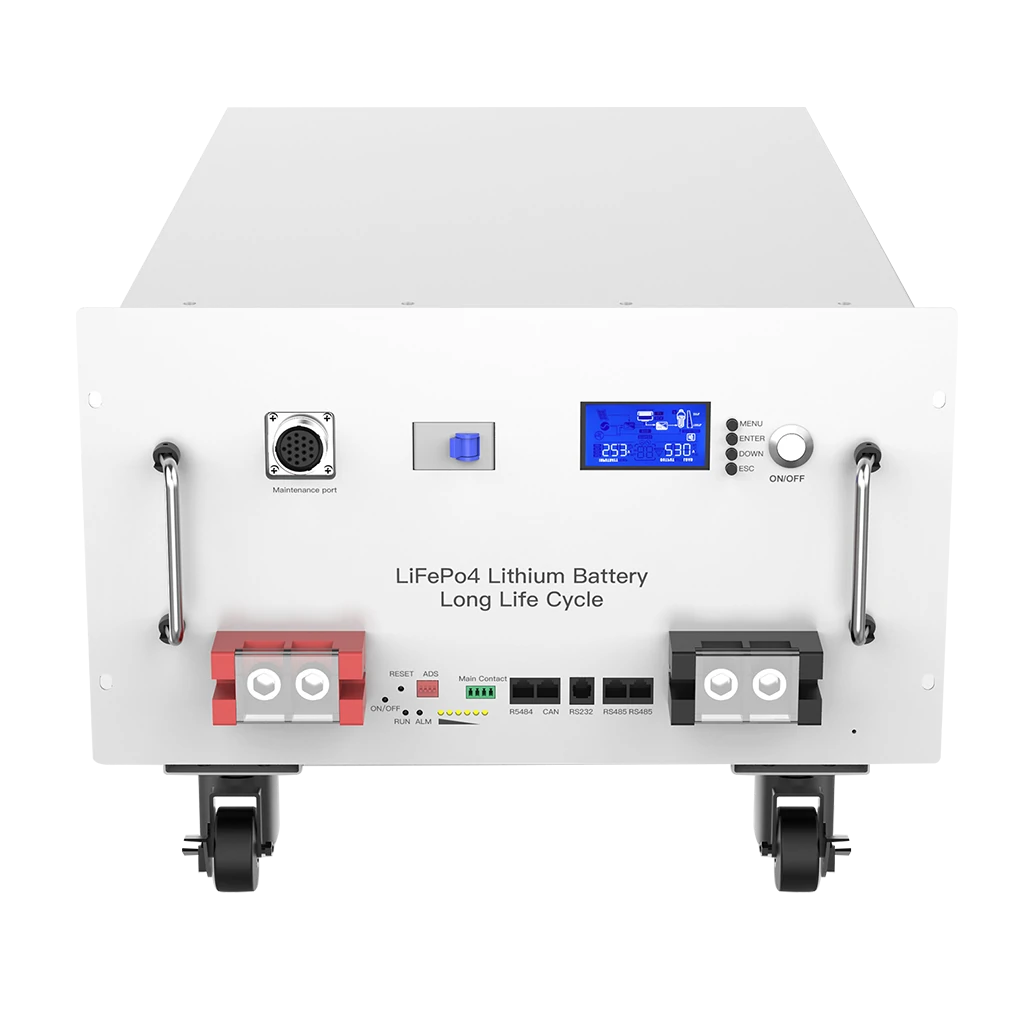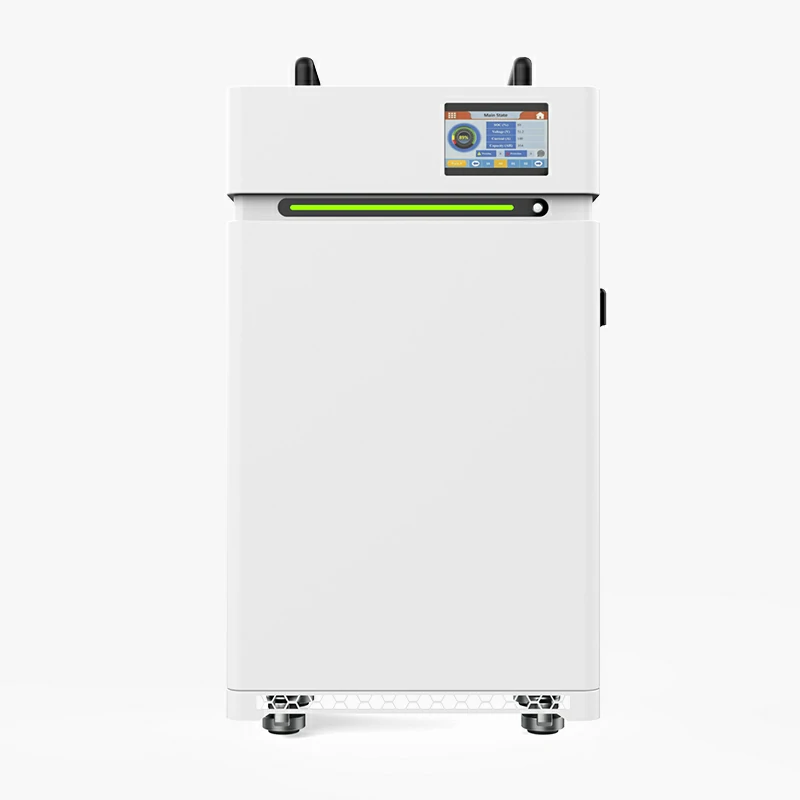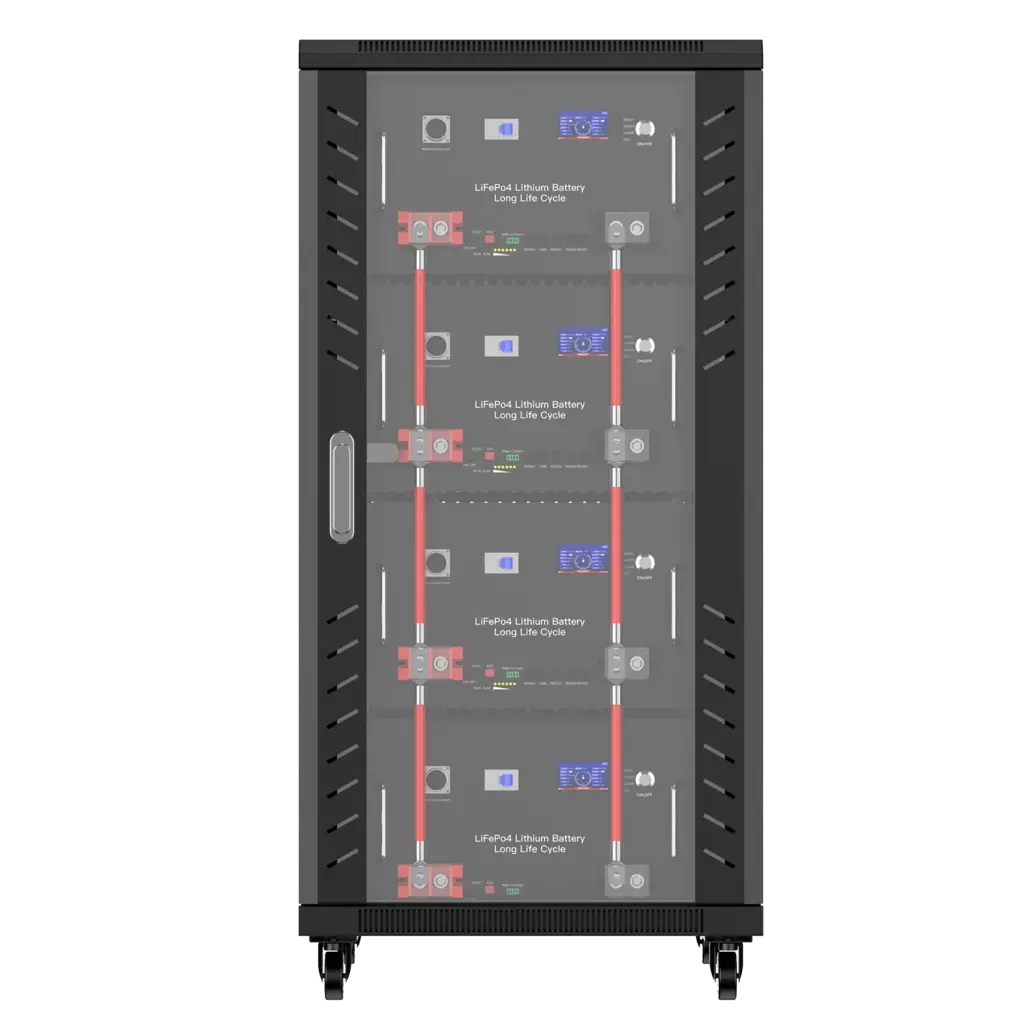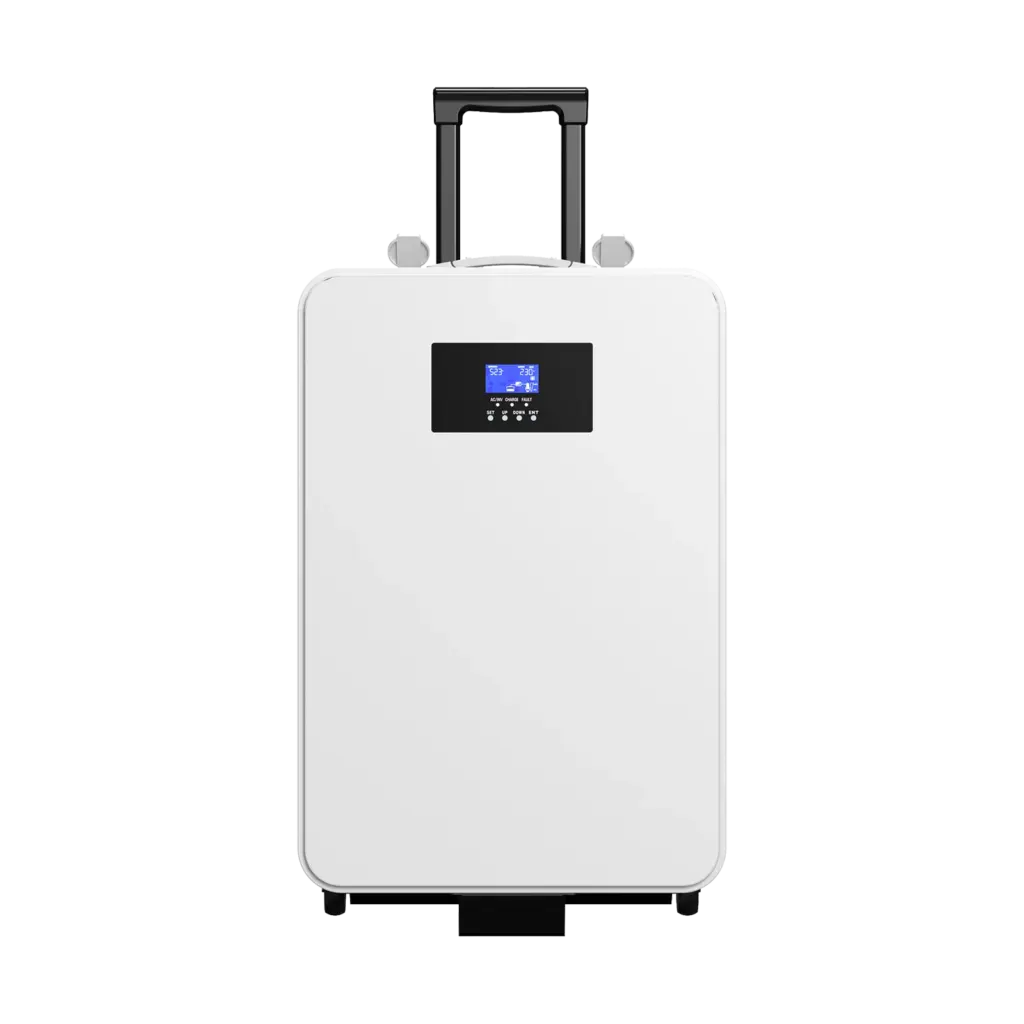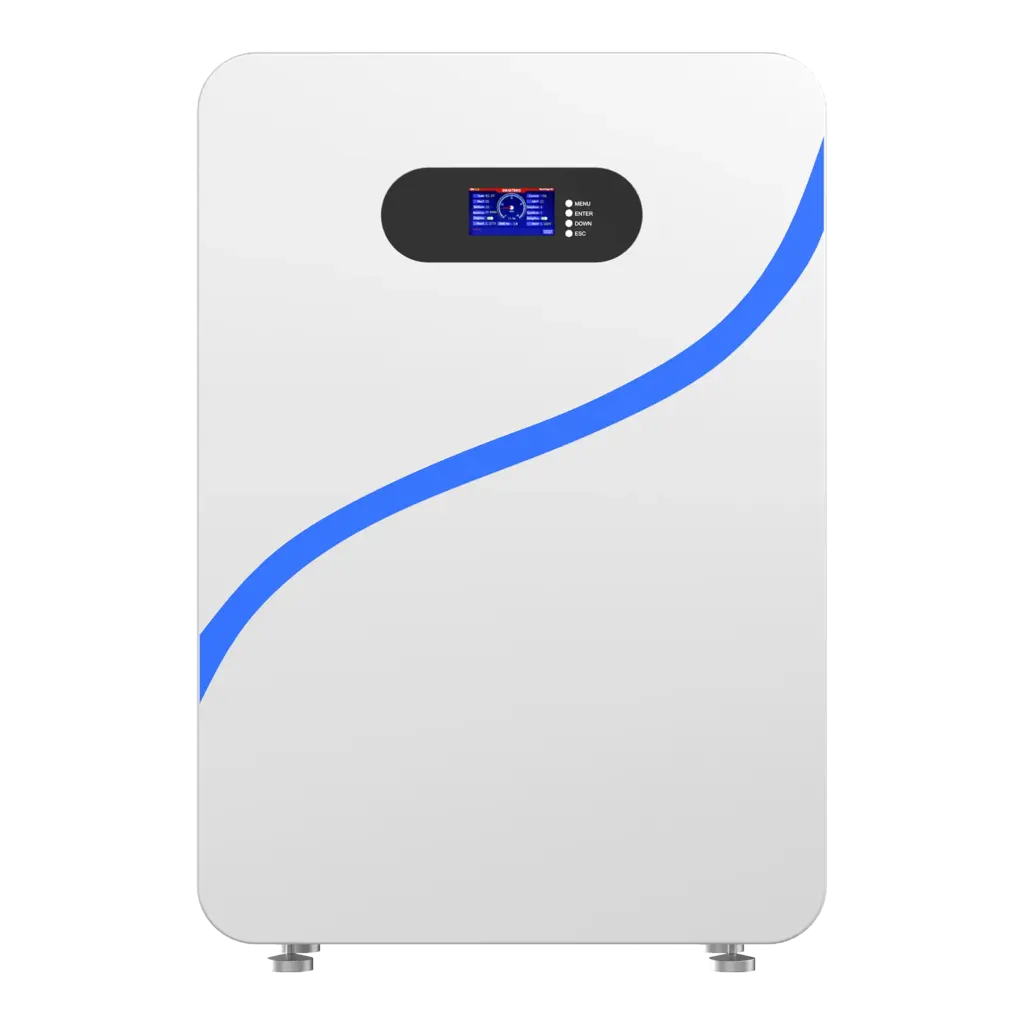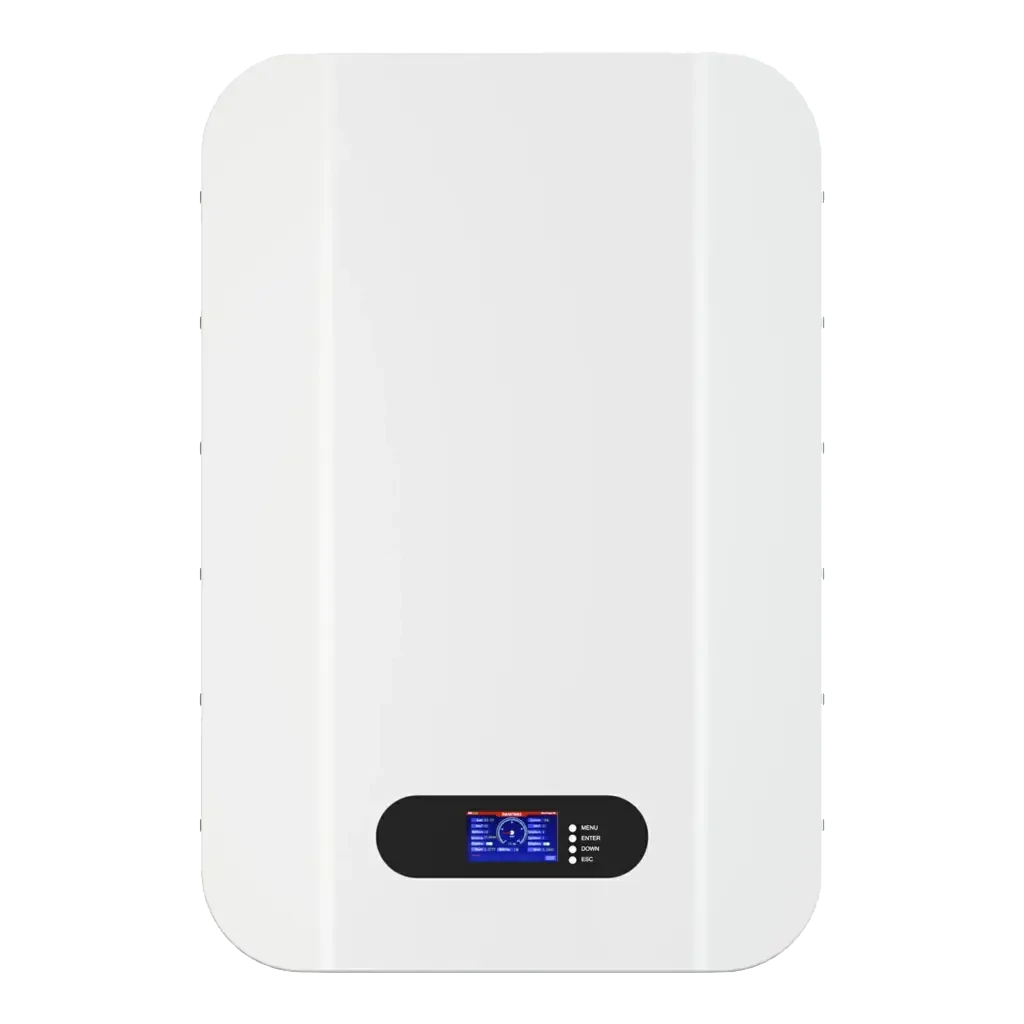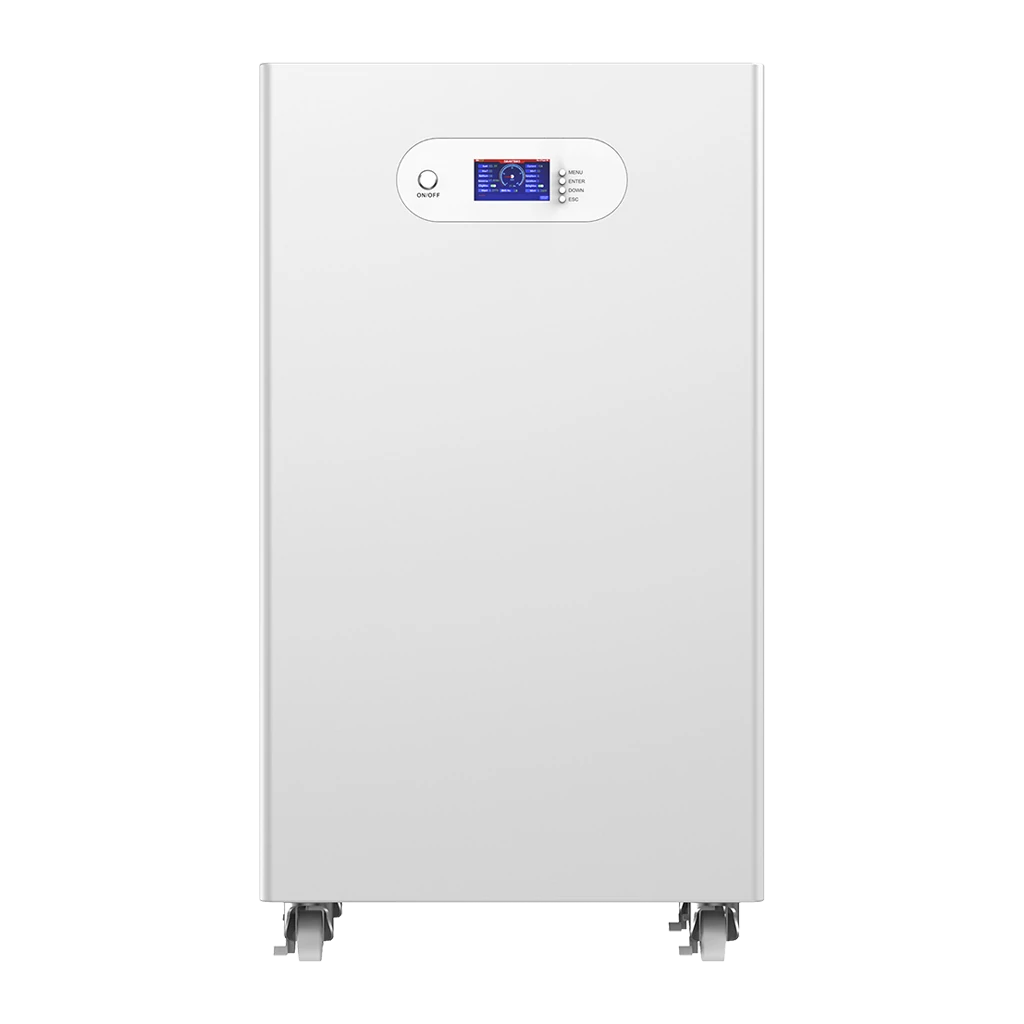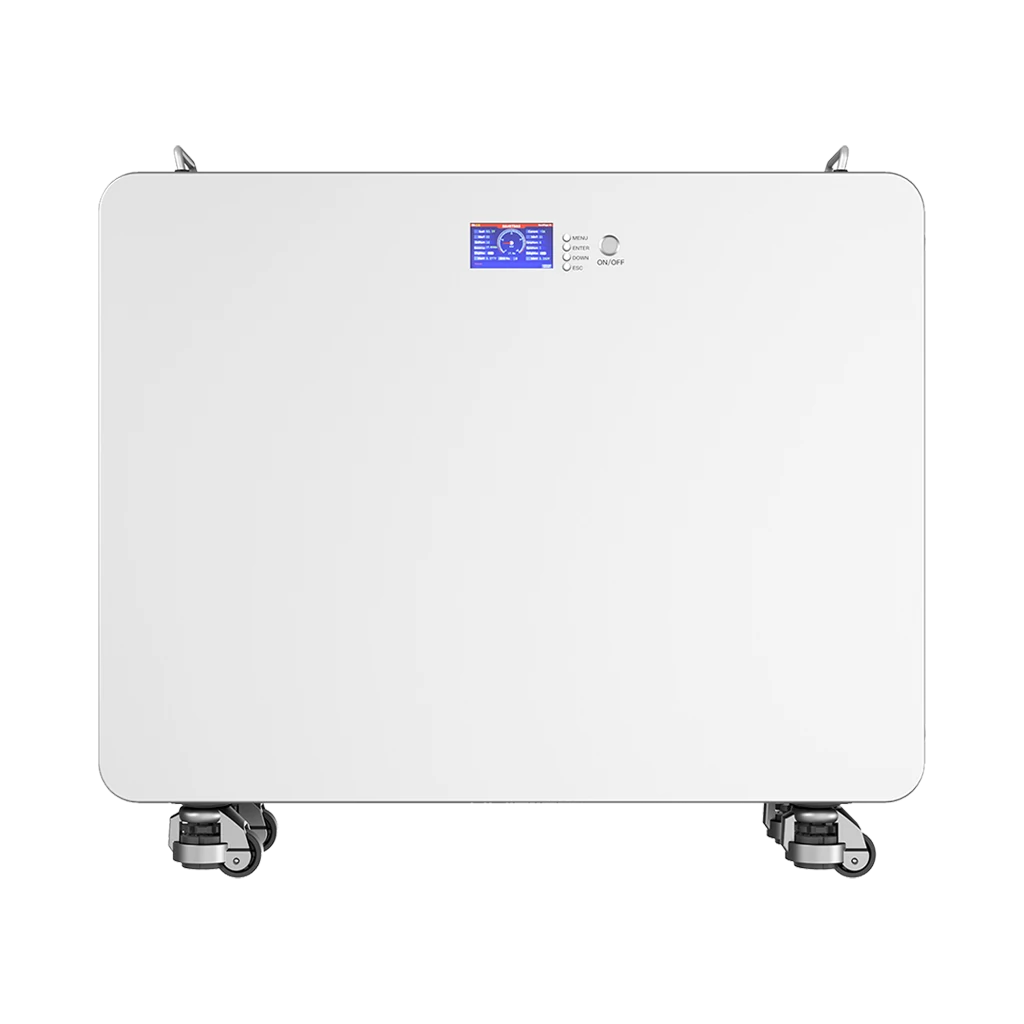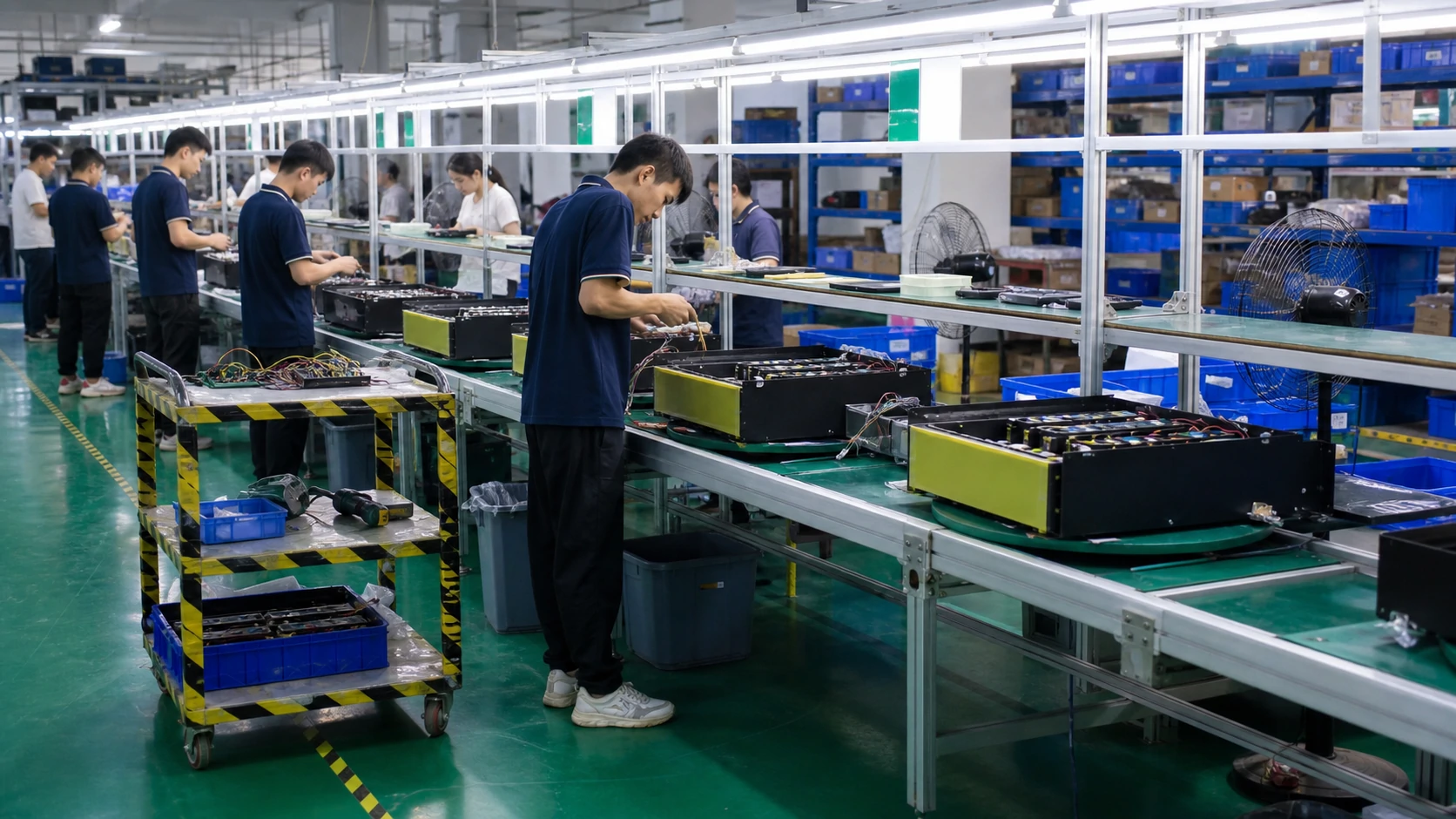

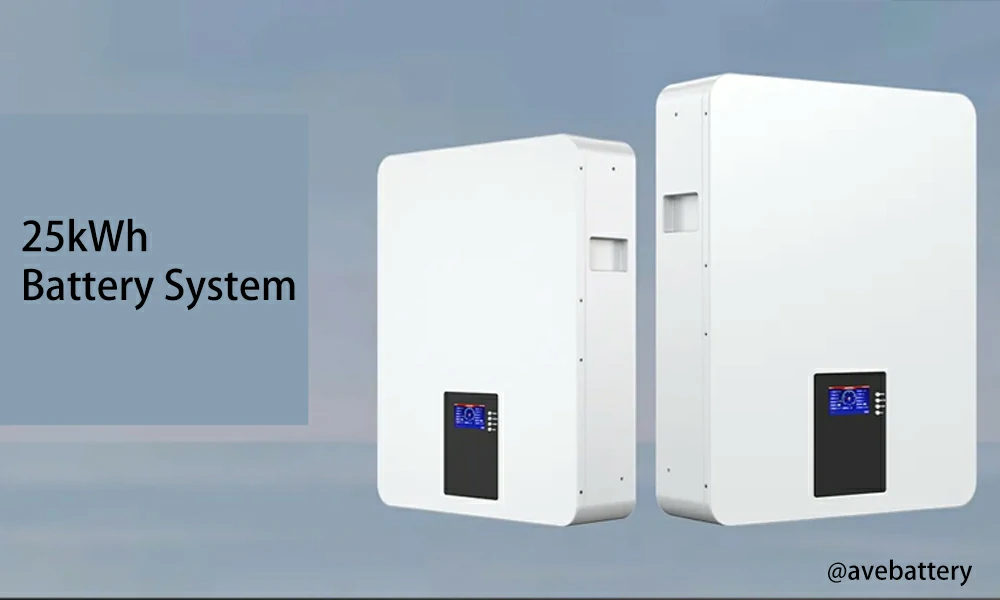
A 25kWh battery system can power a home for approximately 10.4 hours at an average 2kW load, 20.7 hours at 1kW, or 4.1 hours at 5kW, assuming 90% usable depth of discharge and 92% inverter efficiency. With only essential appliances running, backup power may last more than a day, while air conditioning, electric heating and other high-power equipment can significantly reduce runtime.
A 25kWh home battery typically uses lithium-ion technology, including lithium iron phosphate (LiFePO4), and may provide around 10–15 years of service life, depending on battery chemistry, cycle frequency, temperature and maintenance. This guide explains how to calculate battery runtime, what appliances a 25kWh system can support, how long the battery itself may last and how solar charging affects backup duration.
25kWh Battery System at a Glance
| Specification | Typical Value or Example |
|---|---|
| Nominal Battery Capacity | 25 kWh |
| Battery Energy | 25,000 Wh |
| Battery Chemistry | LiFePO4 (LFP) or other lithium-ion chemistry |
| Assumed Usable Depth of Discharge | 90% |
| Assumed Inverter Efficiency | 92% |
| Estimated AC Energy Available | 20.7 kWh |
| Backup Time at 1kW | 20.7 hours |
| Backup Time at 2kW | 10.4 hours |
| Backup Time at 5kW | 4.1 hours |
| Typical Service Life | Approximately 10–15 years, product-dependent |
| Solar Charging | Supported with compatible inverter and charging equipment |
| Main Applications | Home backup, solar energy storage, load shifting and small commercial backup |
What Does 25 kWh Mean?
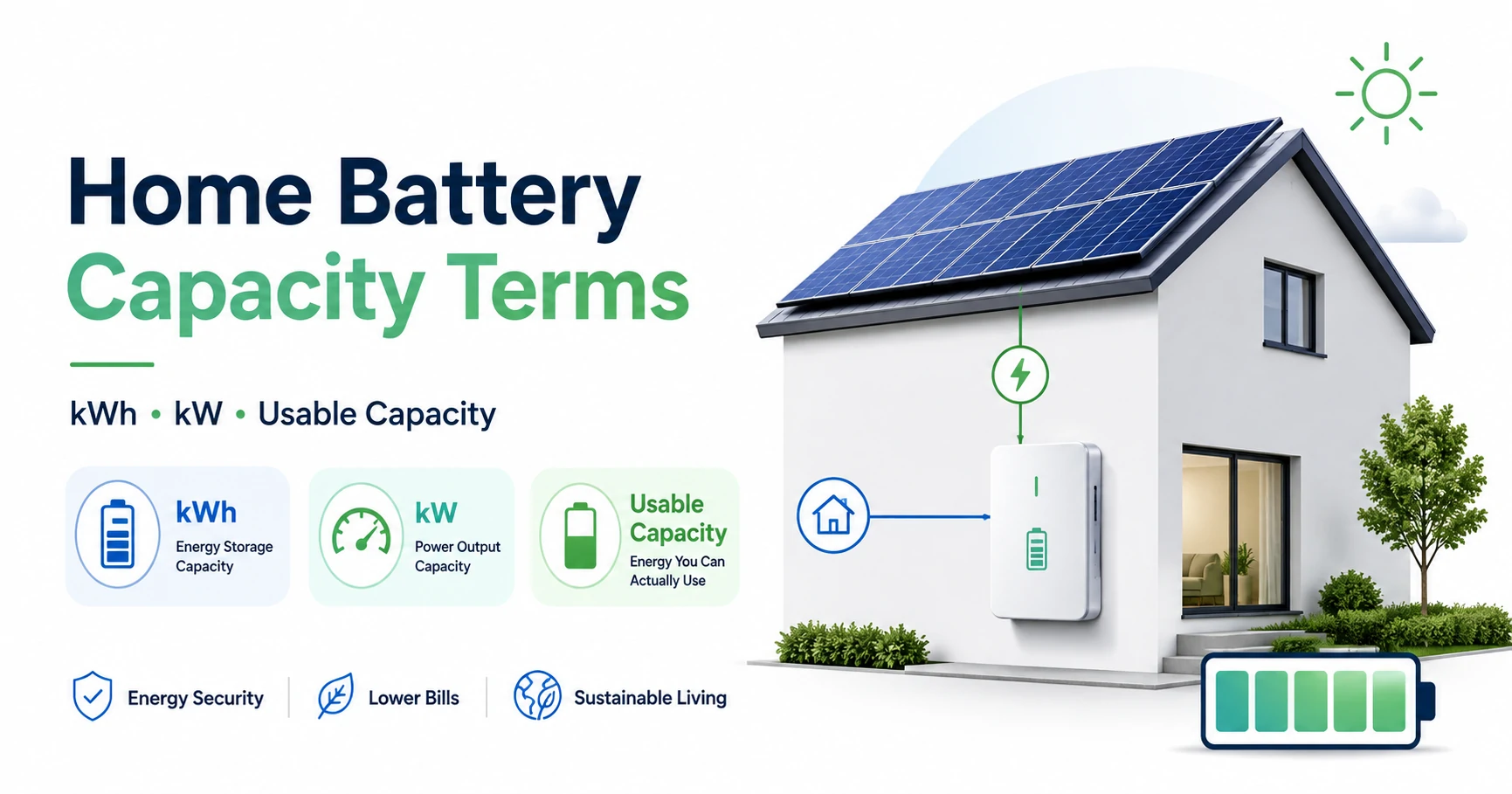
The “kWh” in 25 kWh stands for kilowatt-hour. A kilowatt is a unit of power, and an hour is a unit of time. So, a kilowatt-hour is a unit of energy. For example, if you have a device that uses 1 kilowatt of power, and you run it for one hour, it will use 1 kWh of energy. The same device running for two hours would use 2 kWh.
A 25 kWh battery system holds 25 kilowatt-hours of energy. The question of how long it lasts is really a question of how quickly you use up that energy. The faster you use the energy, the shorter the battery will last. The slower you use the energy, the longer the battery will last.
How Long Will a 25kWh Battery Last at Different Loads?
The runtime of a 25kWh battery depends primarily on the average power consumption of connected appliances.
Although a 25kWh battery nominally stores 25 kilowatt-hours of energy, not all of this energy will necessarily be available to household appliances. Battery reserve settings, depth-of-discharge limits and inverter conversion losses reduce the amount of usable AC electricity.
The following examples assume 90% usable depth of discharge and 92% inverter efficiency.
| Average AC Load | Estimated Battery Runtime | Typical Usage Scenario |
|---|---|---|
| 500W (0.5kW) | 41.4 hours | Limited essential appliances |
| 1,000W (1kW) | 20.7 hours | Light household demand |
| 1,500W (1.5kW) | 13.8 hours | Moderate household demand |
| 2,000W (2kW) | 10.4 hours | Multiple household appliances |
| 3,000W (3kW) | 6.9 hours | Higher household demand |
| 5,000W (5kW) | 4.1 hours | Heavy electrical demand |
| 8,000W (8kW) | 2.6 hours | High-power loads, if supported by the inverter |
Battery Runtime Formula
Runtime (hours) = Battery Capacity (kWh) × Usable DoD × Inverter Efficiency ÷ Average Load (kW)
For example, with a constant 2kW load:
25 × 0.90 × 0.92 ÷ 2 = 10.35 hours
This means a fully charged 25kWh battery could supply a 2kW average load for approximately 10.4 hours under these assumptions.
Important: The battery and inverter must be rated to deliver the required power. An 8kW load cannot be supported by a system limited to 5kW of continuous output, regardless of how much energy is stored in the battery.
25kWh Battery Backup Time by Household Usage
| Backup Scenario | Assumed Average Load | Approximate Runtime |
|---|---|---|
| Essential loads only | 0.5kW | 41 hours |
| Essential loads plus light household use | 1.0kW | 21 hours |
| Moderate whole-home usage | 2.0kW | 10 hours |
| Higher-demand household | 3.0kW | 7 hours |
| Heavy electrical usage | 5.0kW | 4 hours |
To estimate your own backup duration, review the average electricity demand of the circuits you want to support during an outage. Using essential loads only can substantially extend battery runtime.
Real-World Lifespan of a 25kWh Battery System
A 25kWh lithium battery system may provide approximately 10–15 years of service life, depending on battery chemistry, operating temperature, cycling frequency, depth of discharge and manufacturer specifications.
High-quality lithium iron phosphate (LiFePO4 or LFP) batteries are widely used in stationary energy storage because of their thermal stability and long cycle life.
However, battery lifespan should not be determined by cycle count alone.
For example, 6,000 full-equivalent cycles at one cycle per day mathematically represent approximately 16.4 years of cycling. This does not guarantee that a battery will operate for 16.4 years, because calendar aging, temperature, degradation and operating conditions also affect its remaining capacity.
Battery Warranty vs. Actual Service Life
Many residential energy storage batteries offer warranties of approximately 10 years, although terms vary by manufacturer.
When evaluating a 25kWh battery, check:
- Warranty period and coverage conditions
- Guaranteed remaining capacity at the end of the warranty
- Maximum warranted energy throughput or cycle limits
- Operating temperature requirements
- Depth-of-discharge and charge-rate limitations
A battery may continue operating after its warranty expires, but its usable storage capacity will gradually decline over time.
For long-term backup applications, compare documented cycle-life test conditions and warranty terms rather than relying only on a manufacturer’s advertised cycle count.
Financial Considerations
The financial value of a 25kWh battery system depends on installation cost, local electricity tariffs, solar self-consumption, time-of-use pricing and battery operating life. A larger battery does not automatically provide greater savings, especially if the household rarely uses its full storage capacity.
Before purchasing, compare your daily electricity consumption, expected backup duration and available solar generation. For a detailed breakdown of battery pricing, installation configurations and sizing considerations, see our 25kWh battery cost and selection guide.
Applications of a 25kWh Battery System
Understanding where and how a 25kWh battery system can be used is essential for making informed decisions.
Backup Power for Homes
A 25kWh system is suitable for emergency backup power. It can keep essential appliances running during short power outages, such as lights, refrigerator, water pump, and Wi-Fi router. For most households, it could last anywhere from 6 to 12 hours, depending on energy use.
Peak Shaving
Peak shaving is a strategy where batteries supply power during periods of high electricity rates. A 25kWh battery can reduce grid consumption during peak hours, lowering monthly electricity bills while improving grid stability.
Solar Energy Storage
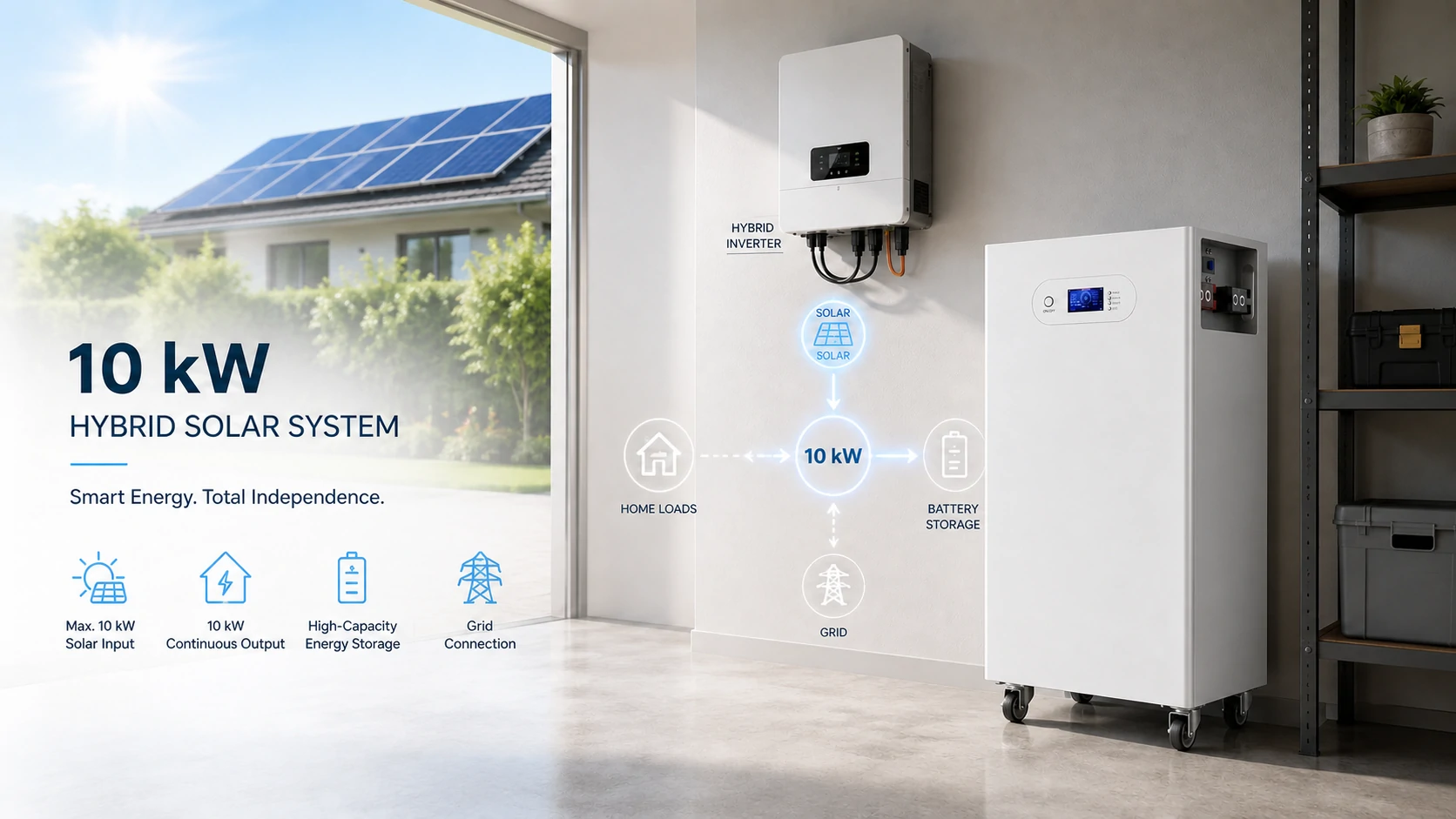
When paired with solar panels, a 25kWh battery allows homeowners to store excess solar energy generated during the day for use at night. For example, if solar panels generate 10kWh during the day, the battery can store this energy and provide additional hours of power in the evening, reducing reliance on the grid.
Can Solar Panels Fully Charge a 25kWh Battery in One Day?
Yes, a sufficiently sized solar array may recharge a 25kWh battery within one sunny day, but the result depends on solar production, household electricity consumption and charging efficiency.
For example, an 8kW solar array receiving five peak sun hours with an assumed 80% overall PV performance ratio could generate approximately 32kWh of electricity per day.
However, that electricity must also supply any household loads operating during daylight hours. Additional energy is lost during battery charging, so 32kWh of daily solar generation does not guarantee that an empty 25kWh battery will be fully recharged.
A larger solar array, lower daytime consumption or additional charging time may be necessary.
When designing a solar-plus-storage system, calculate both the electricity needed to recharge the battery and the electricity consumed by the building during the charging period.
Small Commercial Use
Small businesses, such as cafes or offices, can also benefit from a 25kWh battery. It can provide emergency power for critical operations or reduce peak electricity charges. Runtime in these settings may vary from 3 to 8 hours, depending on load and appliance usage.
Choosing the Right 25kWh Battery Type
Most modern 25kWh home battery systems use lithium-ion technology, with lithium iron phosphate (LFP or LiFePO4) and nickel manganese cobalt (NMC) among the available chemistries.
LFP batteries are widely used in stationary energy storage because of their thermal stability, long cycle life and suitability for frequent charging and discharging.
NMC batteries typically provide higher energy density, which can be useful when space and weight are important considerations. However, battery safety, durability and performance depend on the complete system design, including the battery management system, thermal management and manufacturer specifications.
For home backup and solar energy storage, compare usable capacity, continuous discharge power, warranty coverage, certified equipment and inverter compatibility before choosing a 25kWh battery system.
How to Monitor Runtime
Modern battery systems come with monitoring software that allows users to track energy consumption, remaining capacity, and estimated runtime. This is especially useful for managing daily energy use, planning for outages, or optimizing solar storage. Users can see exactly how many hours the battery will last under current loads and adjust usage accordingly.
25kWh Battery Solutions for Reliable Power
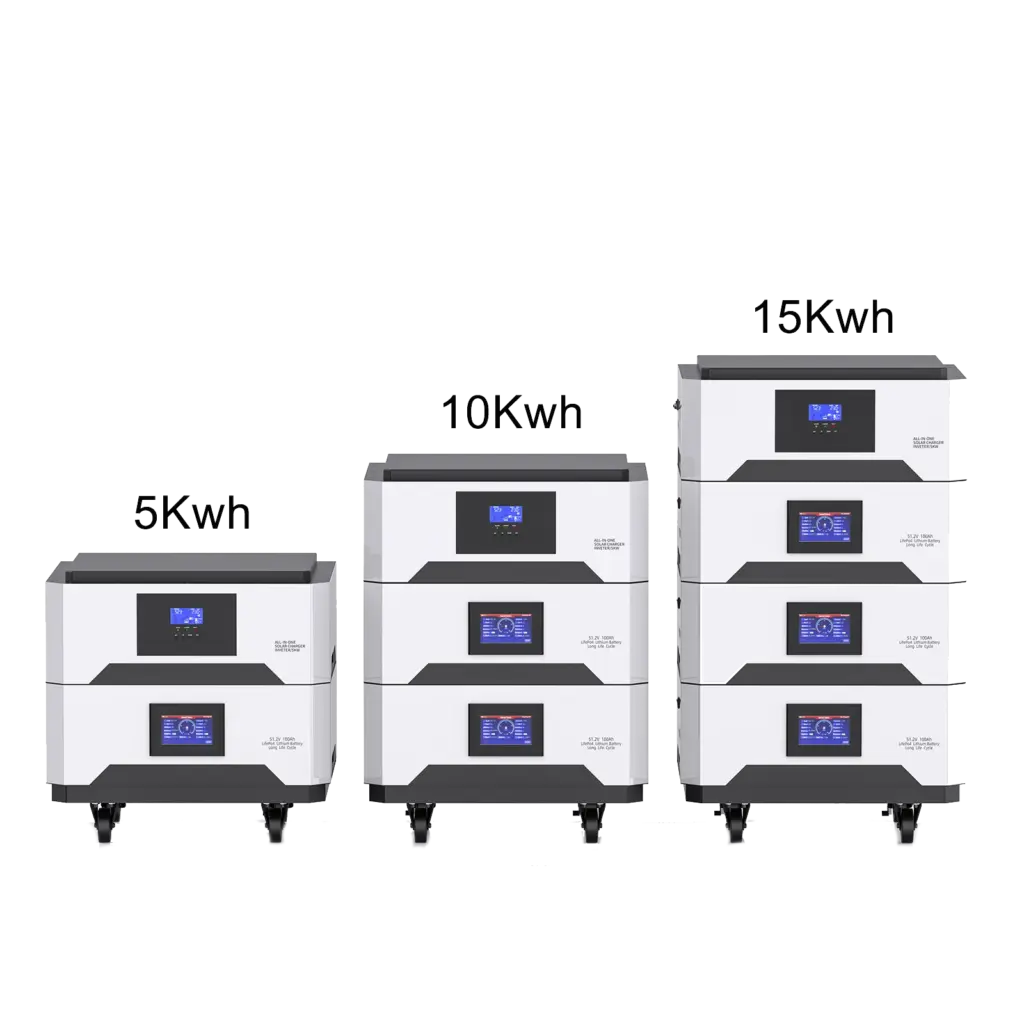
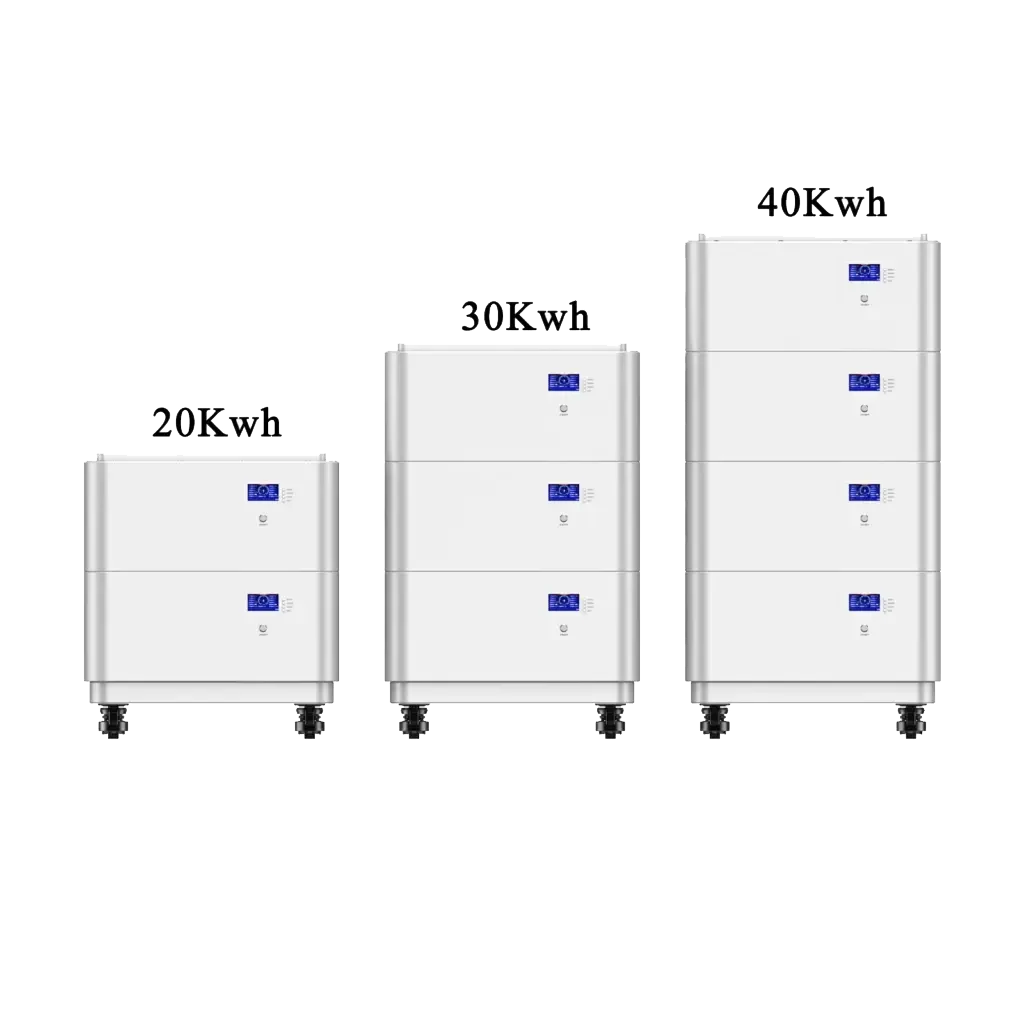
If you are looking to optimize your energy usage and protect your home from power outages, consider investing in a 5kWh, 10kWh, 15kWh, or 25kWh battery system. With professional installation and smart energy management, you can enjoy reliable power, lower electricity bills, and make your home or business more resilient. Avepower provides complete battery energy storage solutions for homes, and off-grid living, tailored to meet your specific energy needs.
Take Control of Your Energy with Avepower!
Reliable home solar battery solutions with OEM/ODM customization and in-house manufacturing, tailored to the needs of distributors, installers, and energy partners.
FAQ
A 25kWh battery can power a house for approximately 10.4 hours at an average 2kW load, assuming 90% usable depth of discharge and 92% inverter efficiency. Lower electricity consumption can extend backup time beyond 20 hours.
A 25kWh nominal battery can supply a constant 1kW load for approximately 20.7 hours under the same usable-capacity and inverter-efficiency assumptions. Actual runtime depends on system settings and battery condition.
At a constant 5kW load, a 25kWh battery can provide approximately 4.1 hours of backup power, assuming 20.7kWh of AC energy is available. The inverter and battery must support at least 5kW of continuous output.
Yes, a 25kWh battery may support whole-home backup if the inverter, battery output rating and electrical system are properly sized. However, central air conditioning, electric heating and other high-demand appliances can significantly reduce runtime.
A residential LiFePO4 battery may provide approximately 10–15 years of service, depending on product design and operating conditions. Cycle count, temperature, battery degradation and warranty terms should be considered when estimating its useful lifespan.
Yes, if solar generation exceeds household electricity use and charging losses by a sufficient margin. For example, an 8kW solar array might generate approximately 32kWh during a day with five peak sun hours and an 80% PV performance ratio. Actual charging depends on the energy available after other loads and the system’s charging limits.
Reduce non-essential electricity consumption, prioritize critical circuits, limit high-power heating and cooling, and monitor battery state of charge. Solar recharging can extend backup duration when the system supports safe operation during a grid outage and sufficient sunlight is available.