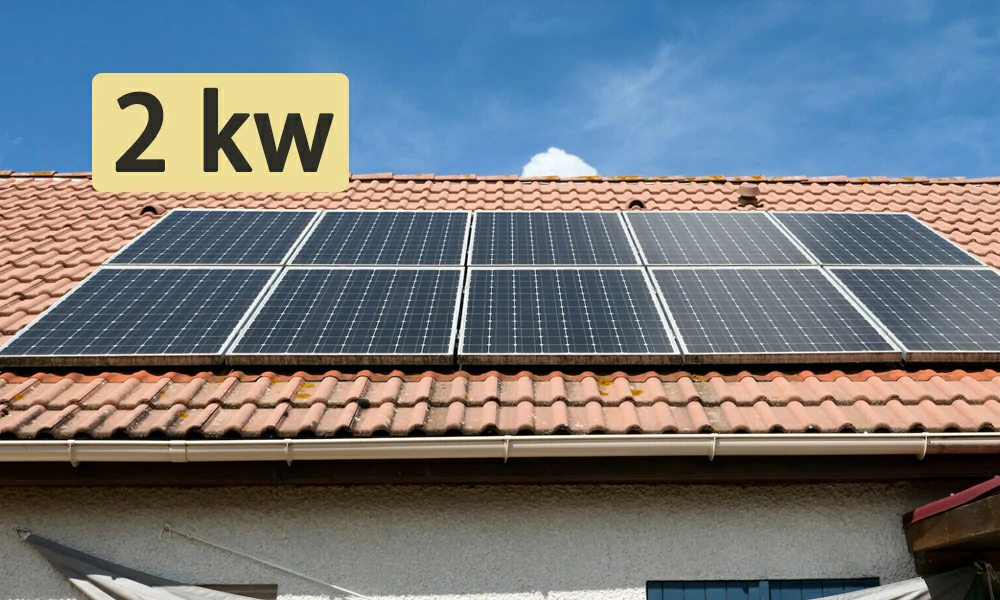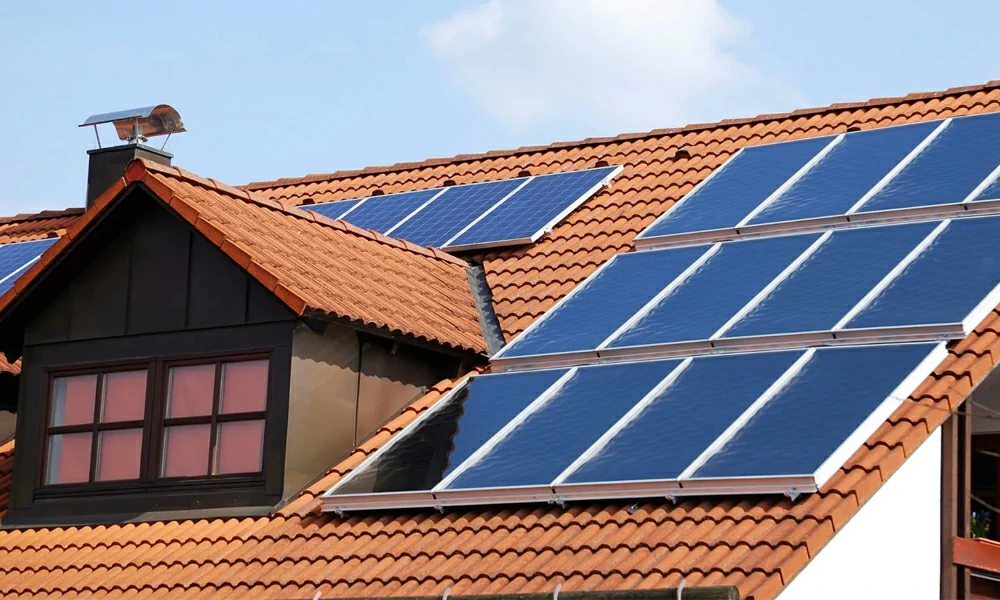

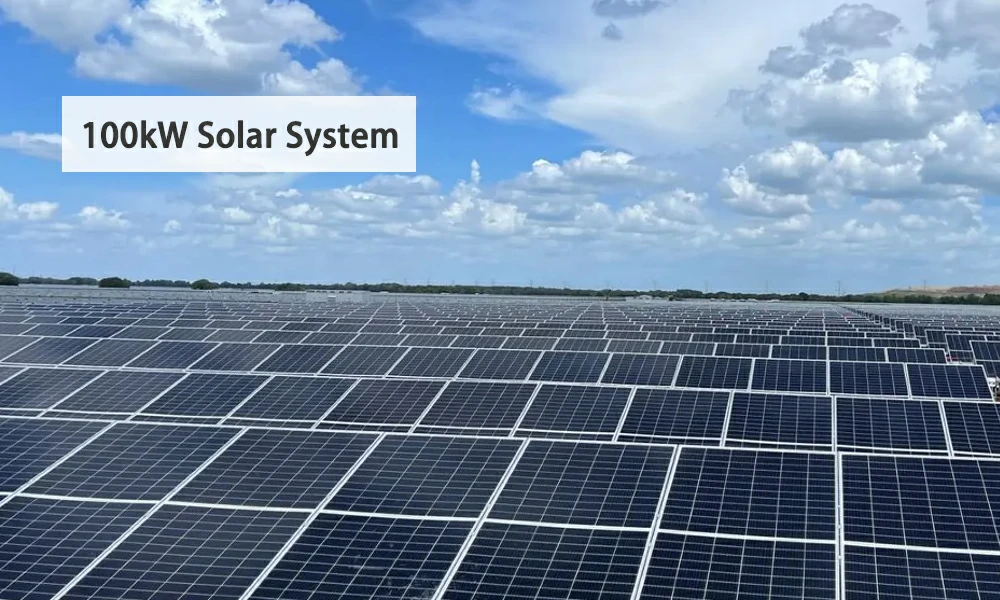
A 100 kW solar system can make a noticeable dent in electricity bills for warehouses, farms, schools, offices, and light-industrial sites. It offers a practical balance of strong output and straightforward installation, and it can be deployed as a rooftop array or a compact ground-mount project where space is limited.
However, your usage pattern is what determines the real financial return. Your load profile also shapes the right system type for your site—whether that is a solar-only system, solar paired with battery storage for higher self-consumption and peak-shaving, or a true 100 kW off-grid solar system designed for full energy independence.
How Much Space Does a 100 kW Solar System Need?
In a typical commercial layout, a 100 kW solar array usually requires about 740–930 m² of available, unshaded area.
If your roof is smaller than this, you still have options. You can use higher-efficiency (higher-wattage) panels, design a more compact layout (where codes and safety rules allow), or build a partial ground-mount system to make up the difference.
How Many Solar Panels for 100 kW?
The panel count depends on the wattage you choose. With common 400–550 W modules, a 100 kW system typically needs around 180–250 panels.
- 400 W panels: ~250 panels
- 450 W panels: ~223 panels
- 500 W panels: ~200 panels
- 550 W panels: ~182 panels
If you want, tell me your roof size (m²) and whether you are aiming for rooftop-only or rooftop + ground-mount, and I can estimate a realistic fit and layout direction.
Inverter Choice and Electrical Layout for a 100 kW Solar System
A 100 kW commercial solar system is usually built around three-phase inverter capacity in the 75–100 kW range, either as one larger three-phase inverter or multiple smaller string inverters working together. A single larger unit can simplify wiring and monitoring, while multiple string inverters can improve design flexibility on complex roofs, reduce shading impact by using more MPPT channels, and make servicing easier because the system does not rely on one device.
How Much Electricity Can a 100 kW Solar System Produce?
A 100 kW solar system can generate a substantial amount of electricity, but the real output depends on local sunlight and the system’s performance ratio (PR). For a well-designed commercial PV system, PR typically sits around 0.75–0.85, which reflects real-world losses from heat, cabling, inverter conversion, soiling (dust), and module mismatch.
With that PR range, a 100 kW solar system typically produces about 310–440 kWh per day. Sites with strong sun and clear skies tend to land near the top of the range, while cloudier or higher-latitude locations tend to land lower.
If you are in Australia, a practical daily production estimate looks like this:
- Perth: ~420 kWh/day
- Sydney: ~360 kWh/day
- Canberra: ~385 kWh/day
- Darwin: ~440 kWh/day
- Melbourne: ~335 kWh/day
- Adelaide: ~385 kWh/day
- Brisbane: ~400 kWh/day
- Hobart: ~310 kWh/day
To estimate annual generation, you can multiply the average daily output by 365. As an energy comparison, if a household uses about 10–12 kWh per day, then 310–440 kWh/day is roughly equivalent to the daily electricity use of about 25–40 homes (actual coverage depends on timing, peaks, and self-consumption).
If your annual electricity bill is around $50,000, a 100 kW system may help you save around 30% (about $15,000/year) in many commercial cases, but the true savings still depend on your tariff, your daytime load profile, and how much solar you can use on-site versus export.
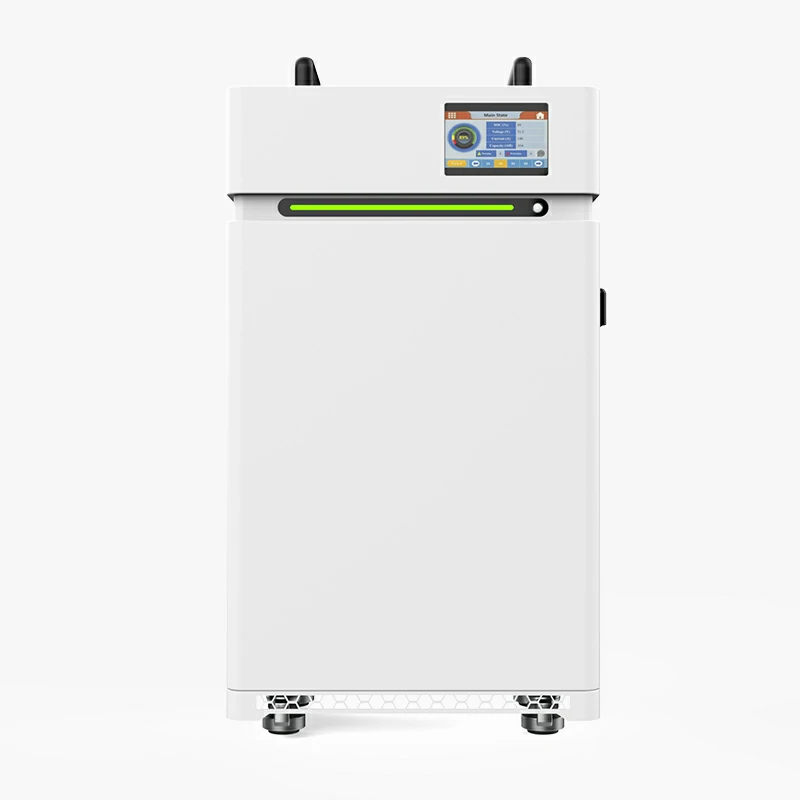
If you’re considering a 100 kW off-grid solar system with battery, contact Avepower to explore customizable energy storage solutions backed by international certifications and advanced LiFePO4 technology.
How Much Does a 100 kW Solar System Cost?
The average cost of a 100 kW solar system ranges between USD 200,000 – 400,000 (approximately AUD 300,000 – 600,000 depending on equipment choice, site conditions, and installation complexity).
Several key factors influence the final system cost:
- Solar panels: Typically 180–250 panels rated around 400–550 W each.
- Inverters: One or multiple three-phase inverters rated 75–100 kW.
- Mounting systems: Rooftop, ground-mount, or carport structures.
- Design & installation: Labor, permits, and electrical configuration.
- Battery storage (optional): Adding a lithium-ion battery increases the price but enables backup and off-grid capability.
Incentives in Australia
In Australia, 100 kW is the minimum system size eligible for federal Small-scale Technology Certificates (STCs). These upfront incentives effectively reduce capital expenditure by tens of thousands of dollars, improving the payback period, this translates to a payback period of 3 – 5 years. Many businesses also qualify for accelerated depreciation and state-based programs that further enhance ROI.
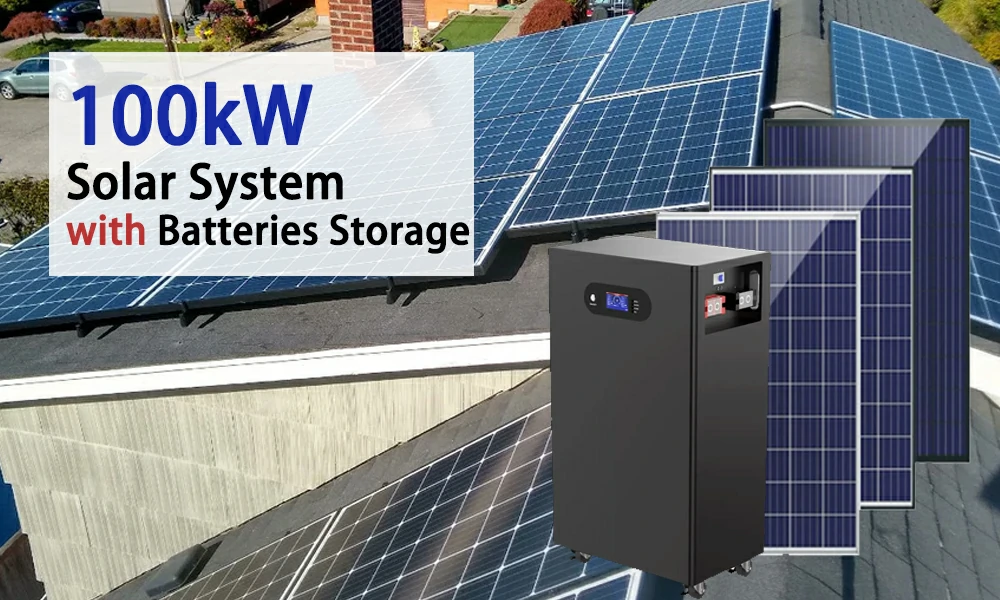
100 kW Grid-Tied Solar System with Battery
A grid-tied + battery can help you:
- Shift solar energy into the evening so you consume more of your own solar instead of exporting it.
- Reduce demand charges (if your tariff includes them) by shaving short peak loads.
- Provide limited backup power during outages if the system is designed for backup (backup switchgear, critical-load board, correct inverter architecture, and proper controls).
The trade-off is cost. Adding storage increases the upfront investment because you are paying not only for the battery, but also integration hardware, controls, installation labor, commissioning, and margin. As a global reference point, IRENA reports that the total installed cost of utility-scale BESS averaged about USD 192/kWh in 2024—but real “behind-the-meter” commercial projects can be higher depending on configuration, duration, and site requirements.
100 kW Off-Grid Solar System with Battery
An off-grid system of this scale typically costs between $500,000 and $750,000, depending on battery chemistry (LiFePO₄ preferred for safety and lifespan) and system autonomy requirements (usually 1 – 2 days of storage).
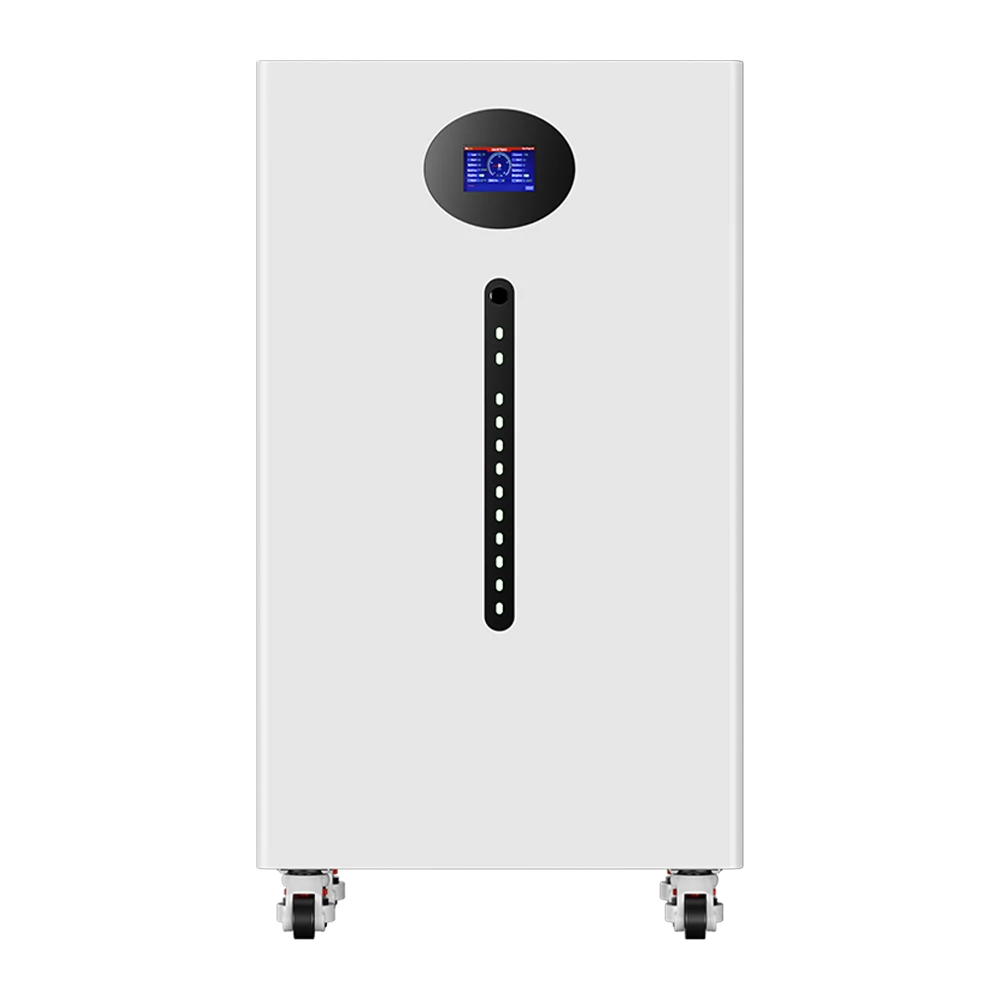
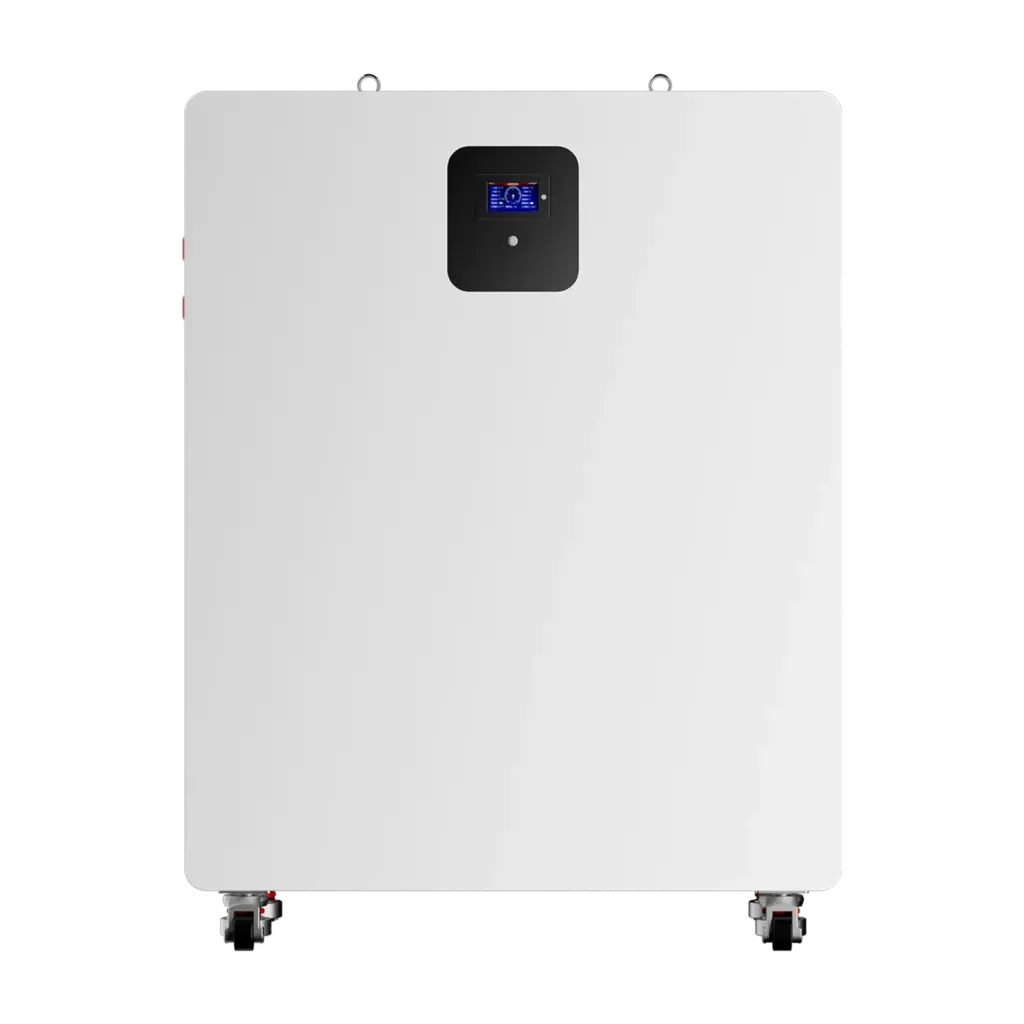
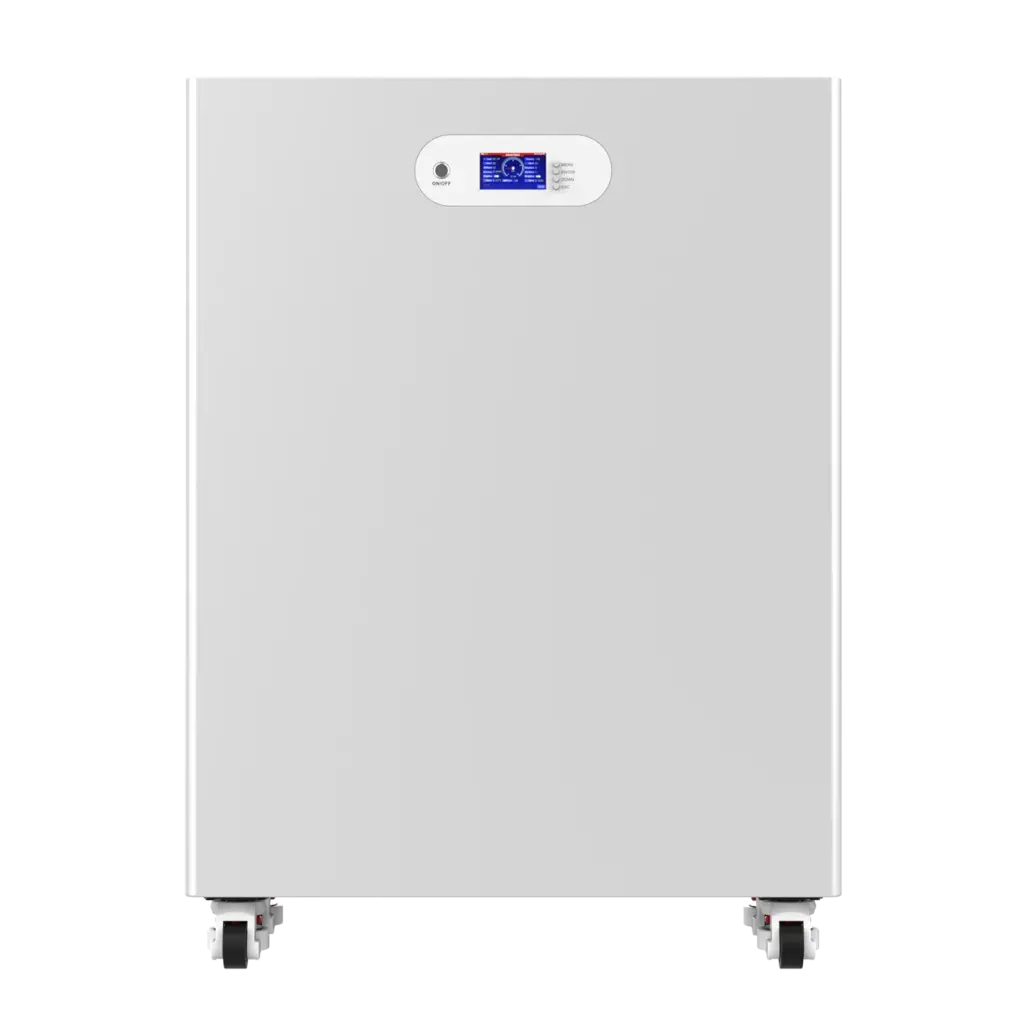
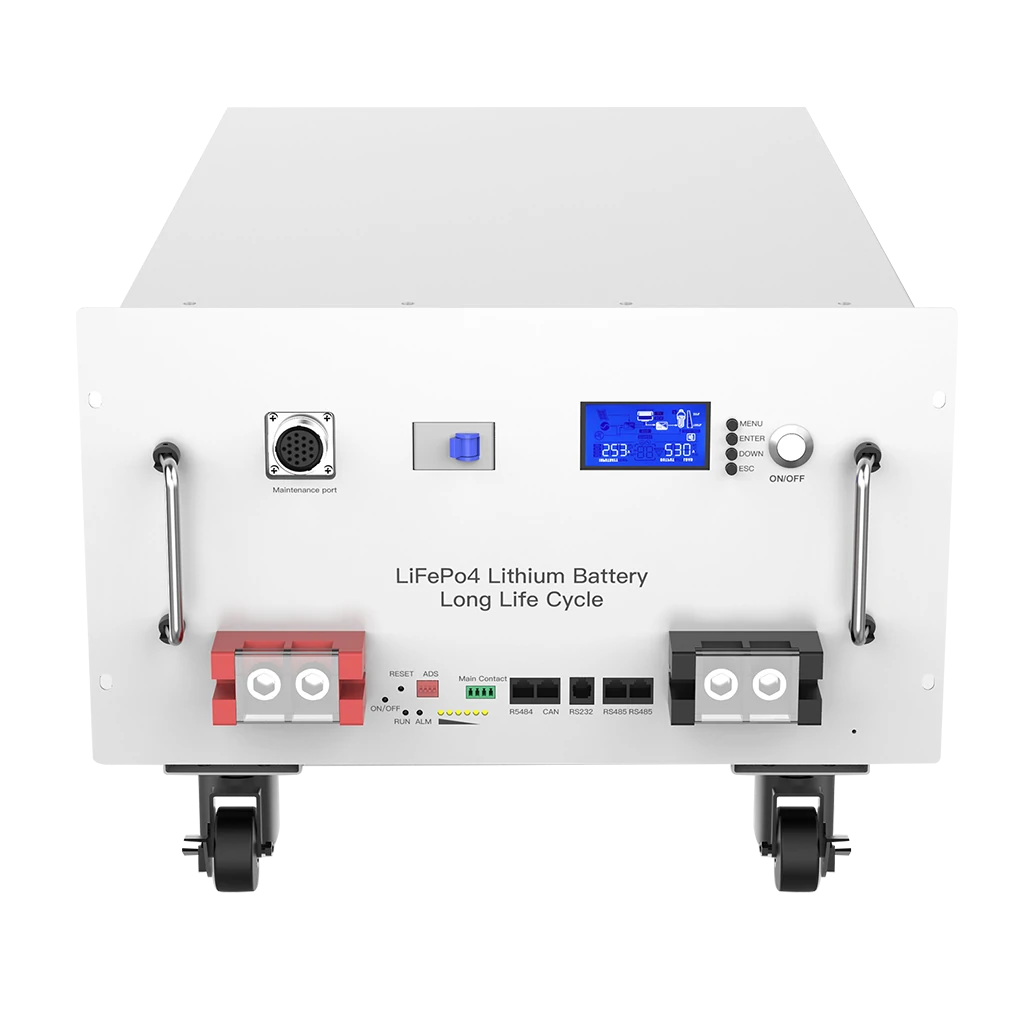
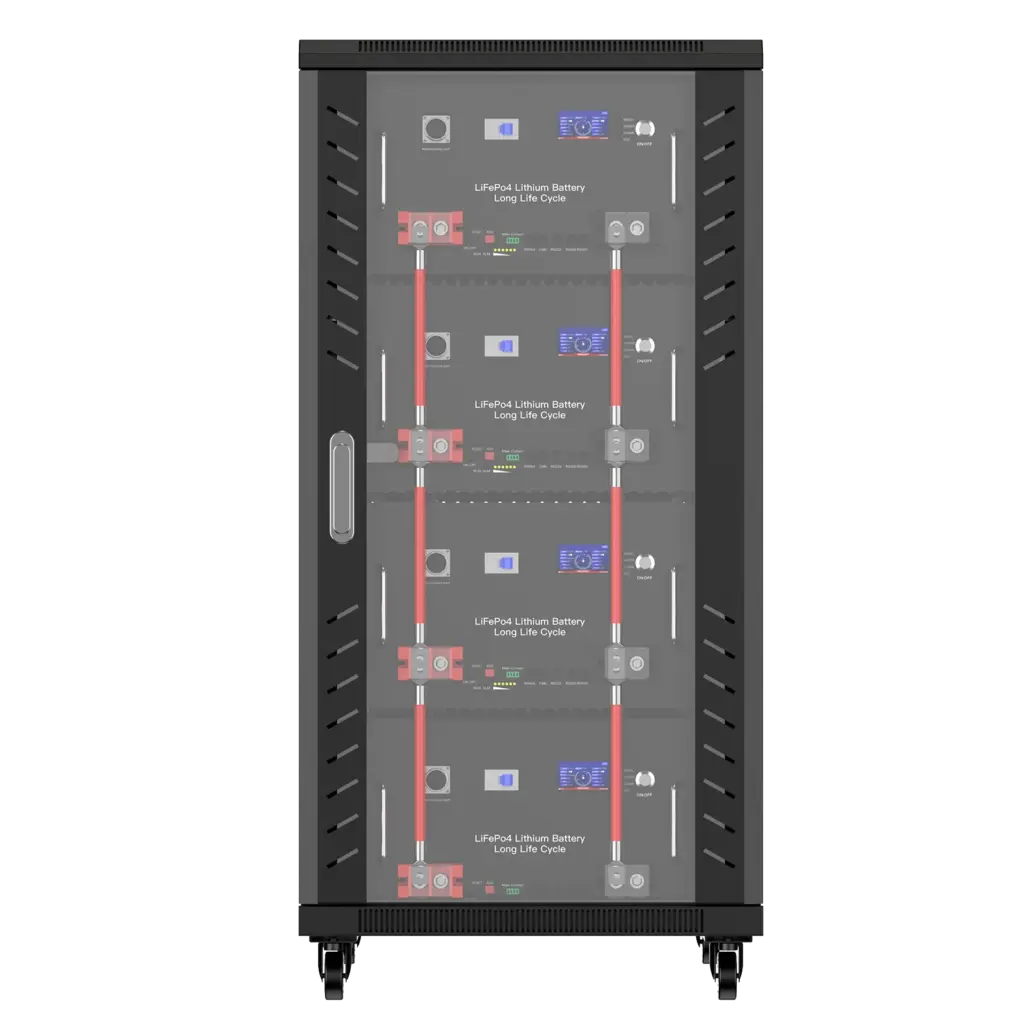
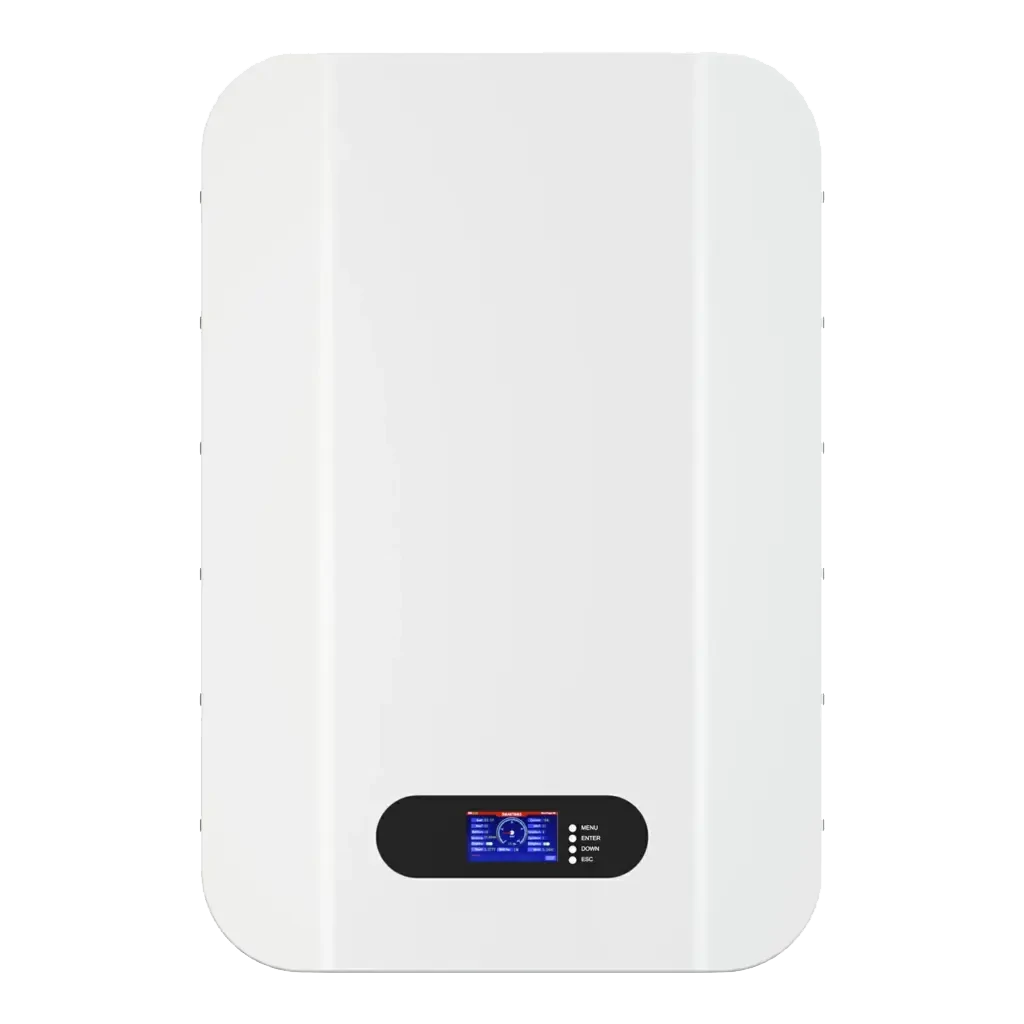
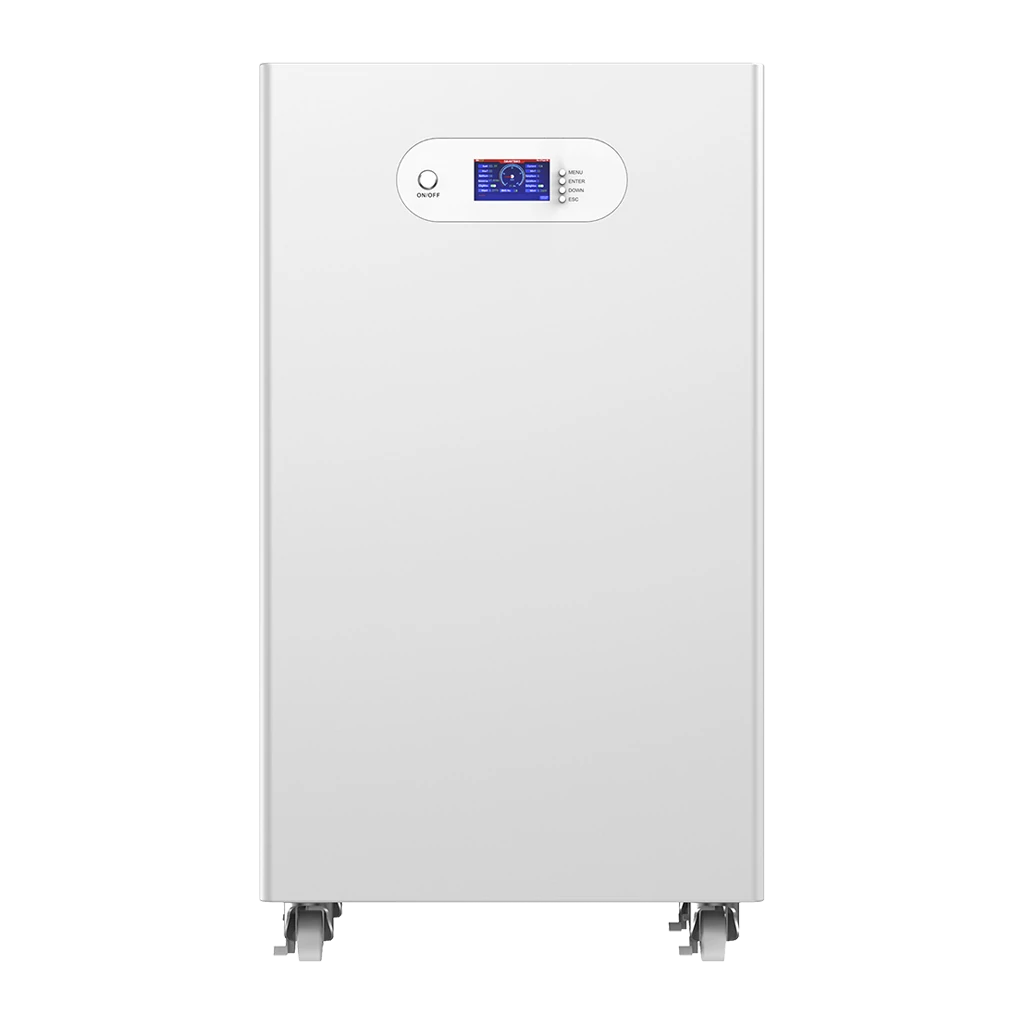
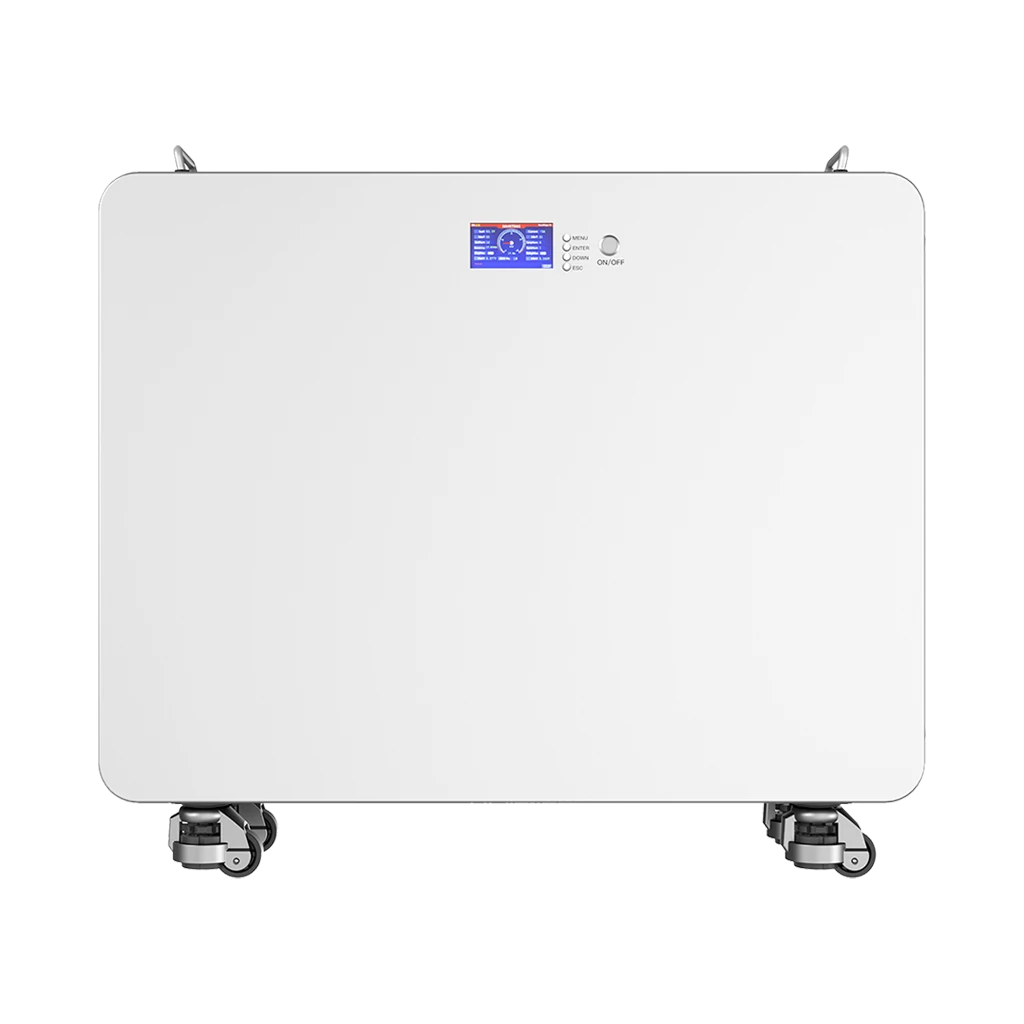
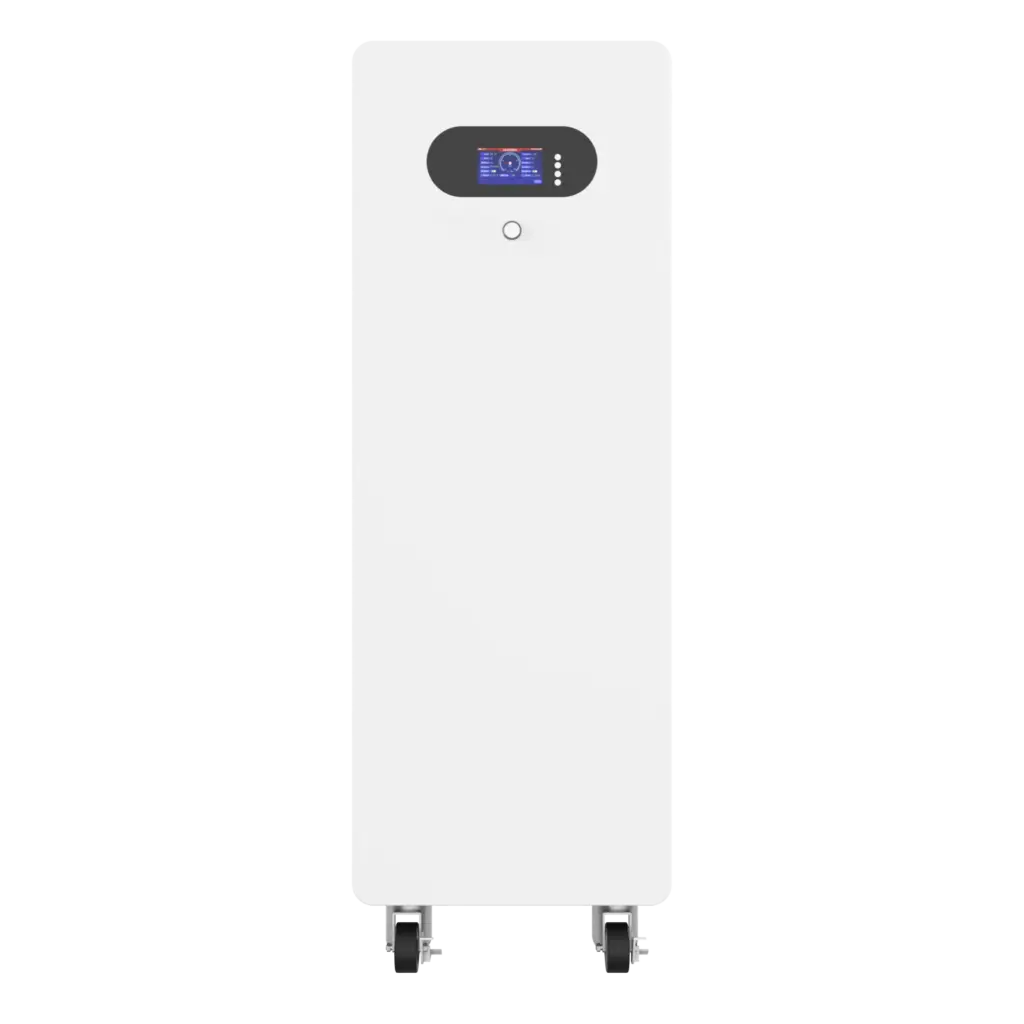
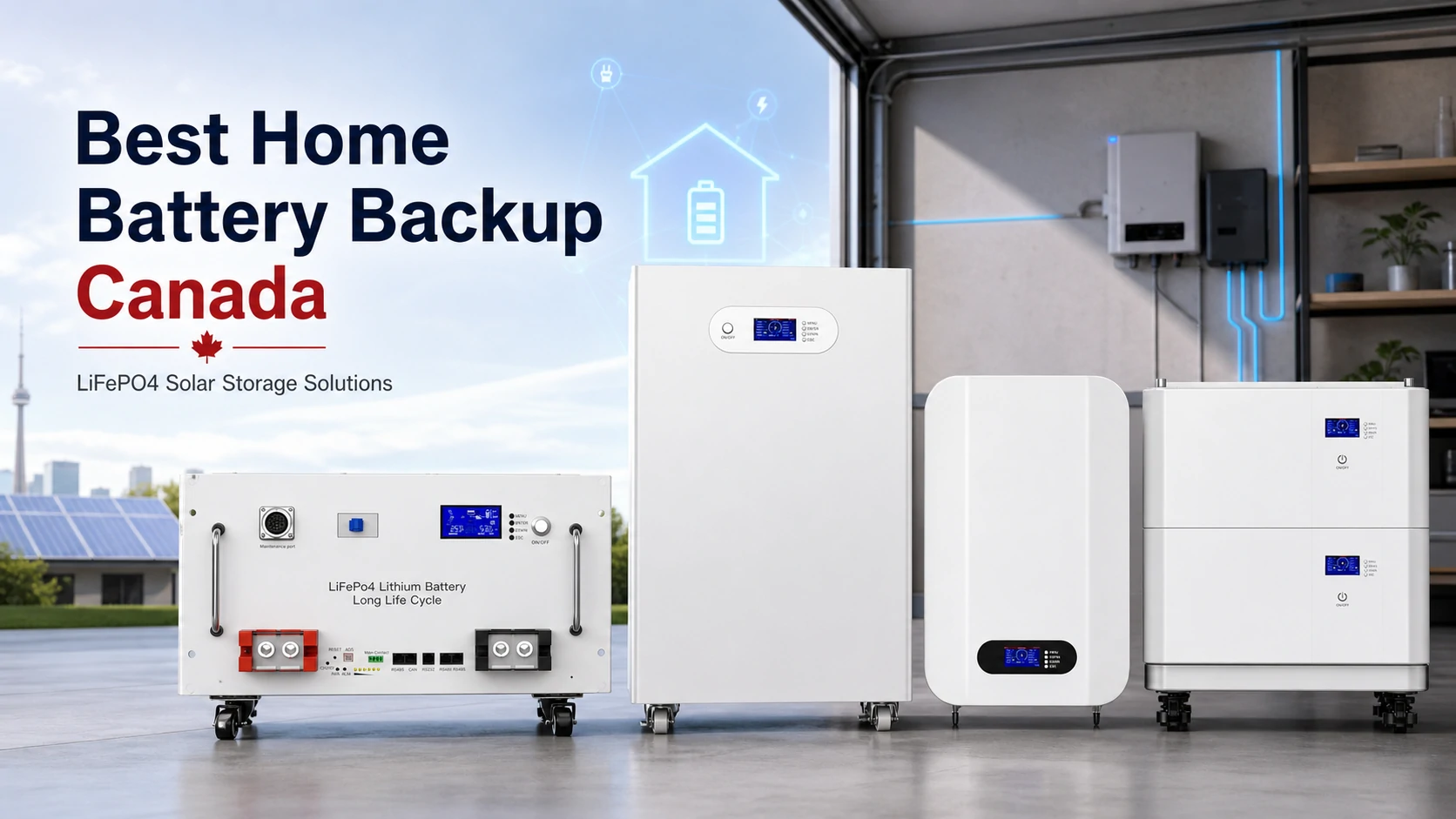
For example: Avepower 480 kWh energy storage battery with modular BMS design offers 8000+ cycles, and customized OEM/ODM support for industrial clients. The system provides seamless backup, maintaining power supply even during grid outages.
In off-grid design, battery size is chosen from your load, not from the PV nameplate. For example, if your site needs 300 kWh each night and you want one full night of autonomy, you generally do not size storage at exactly 300 kWh. After accounting for reserve energy, usable depth of discharge, and operating limits, you might target ~400–600 kWh of usable storage to achieve that goal reliably.
Return on Investment (ROI) and Payback Period
A commercial entity with annual electricity costs of AUD $70,000–$100,000 can expect the following benefits:
- Annual savings: $25,000–$40,000 (depending on usage and tariff)
- Payback period: 3 – 5 years
- System lifespan: 25 years for panels, 10–15 years for inverters
Adding a smart battery system enhances energy resilience, enabling peak-shaving, load-shifting, and backup functions that further improve financial returns.
100kW Energy Storage Solution Built for Savings
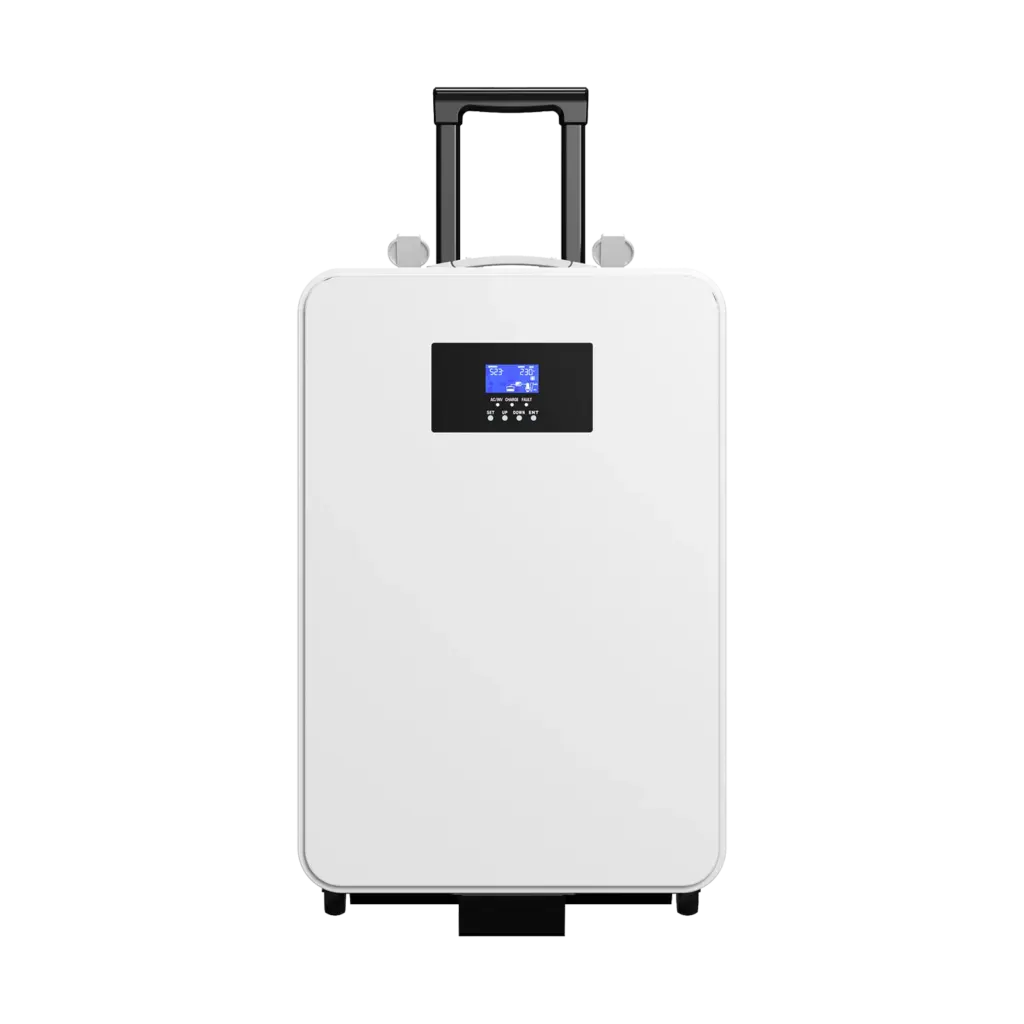
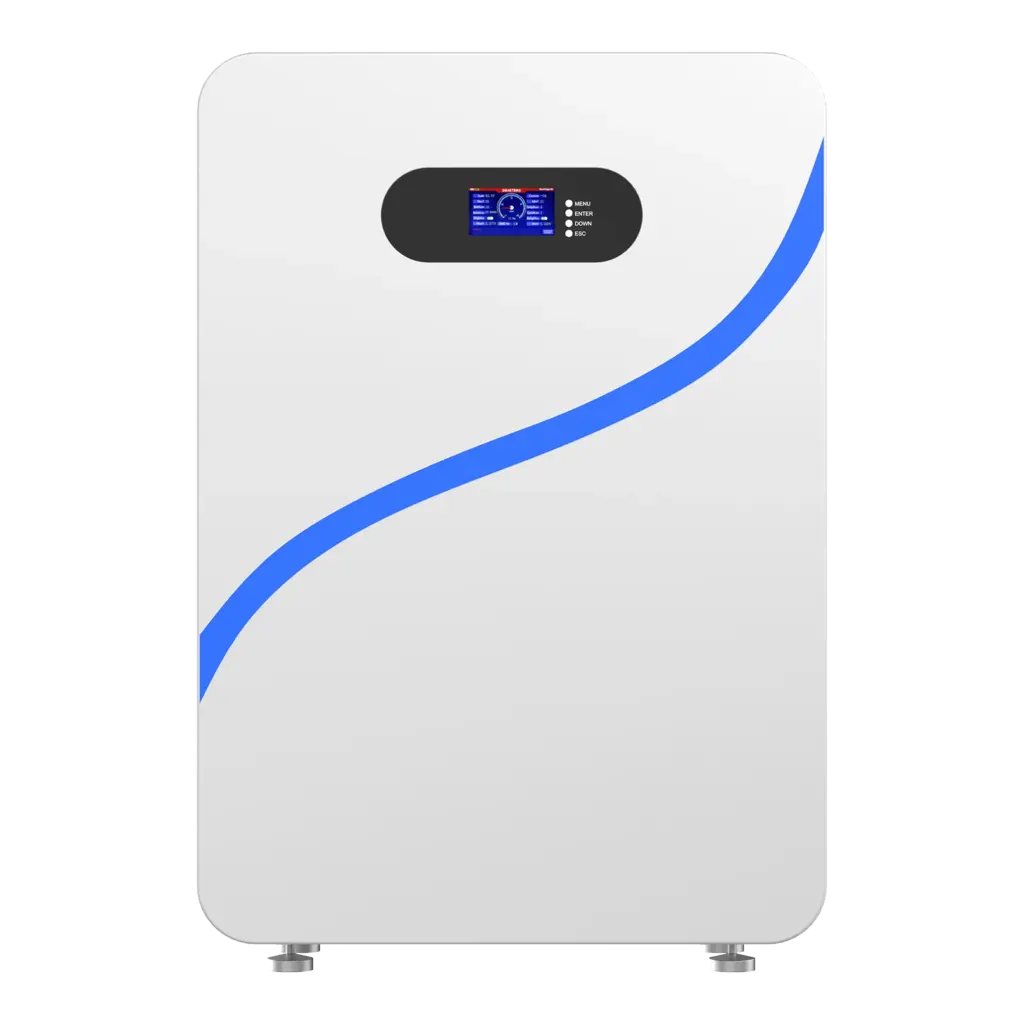
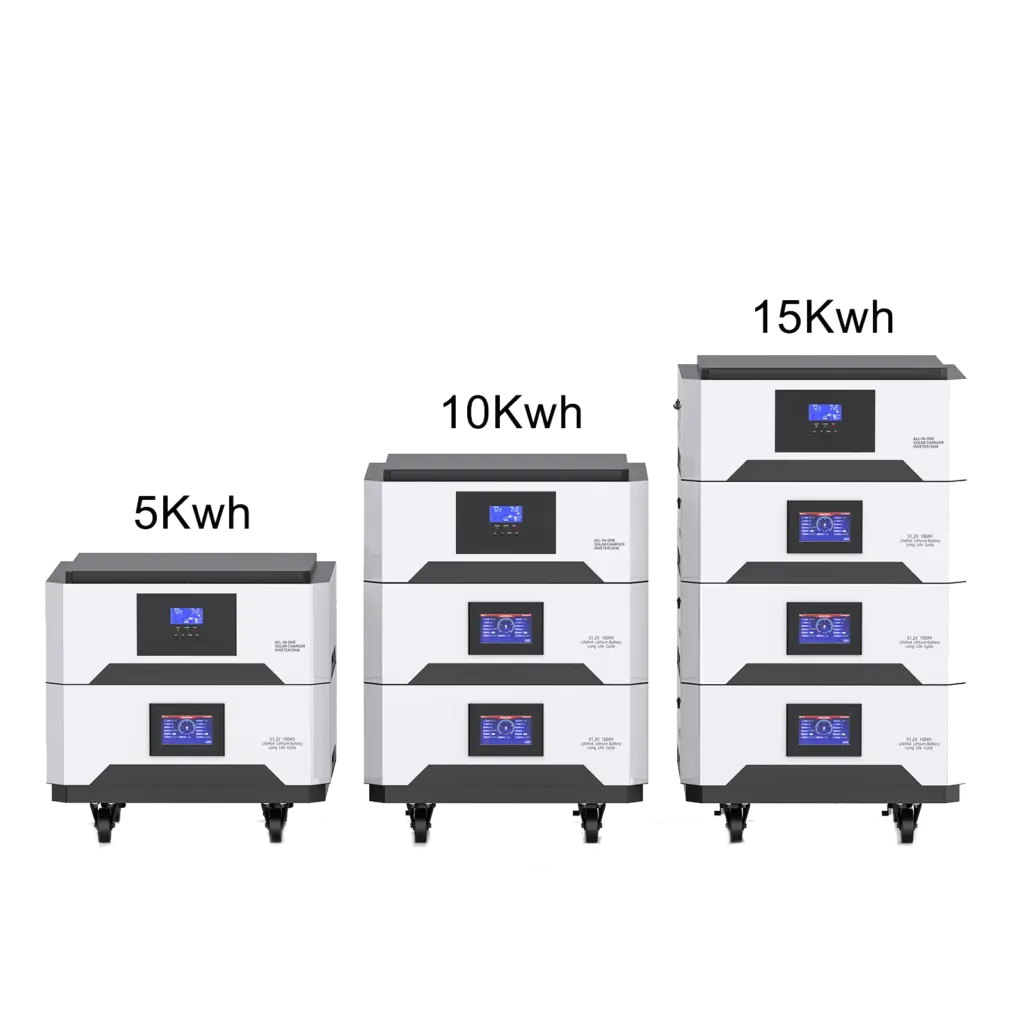
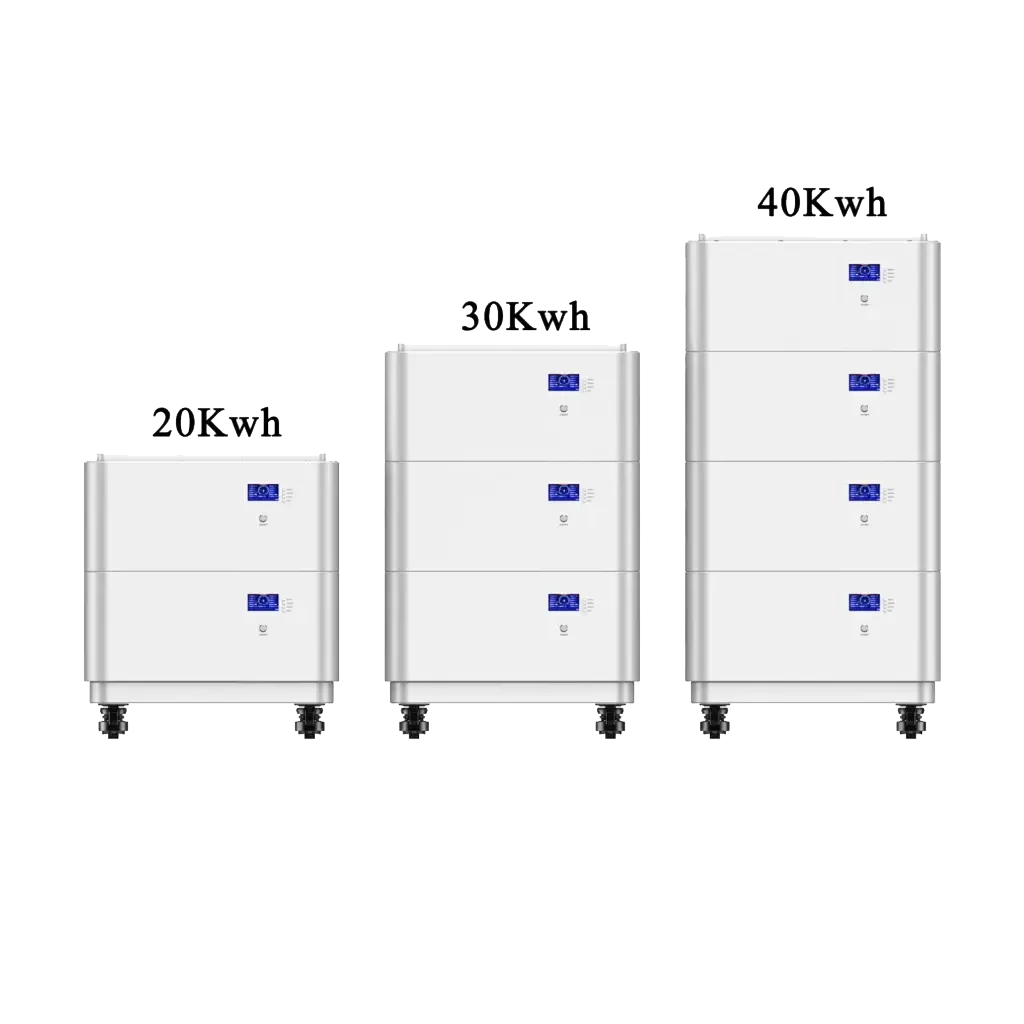
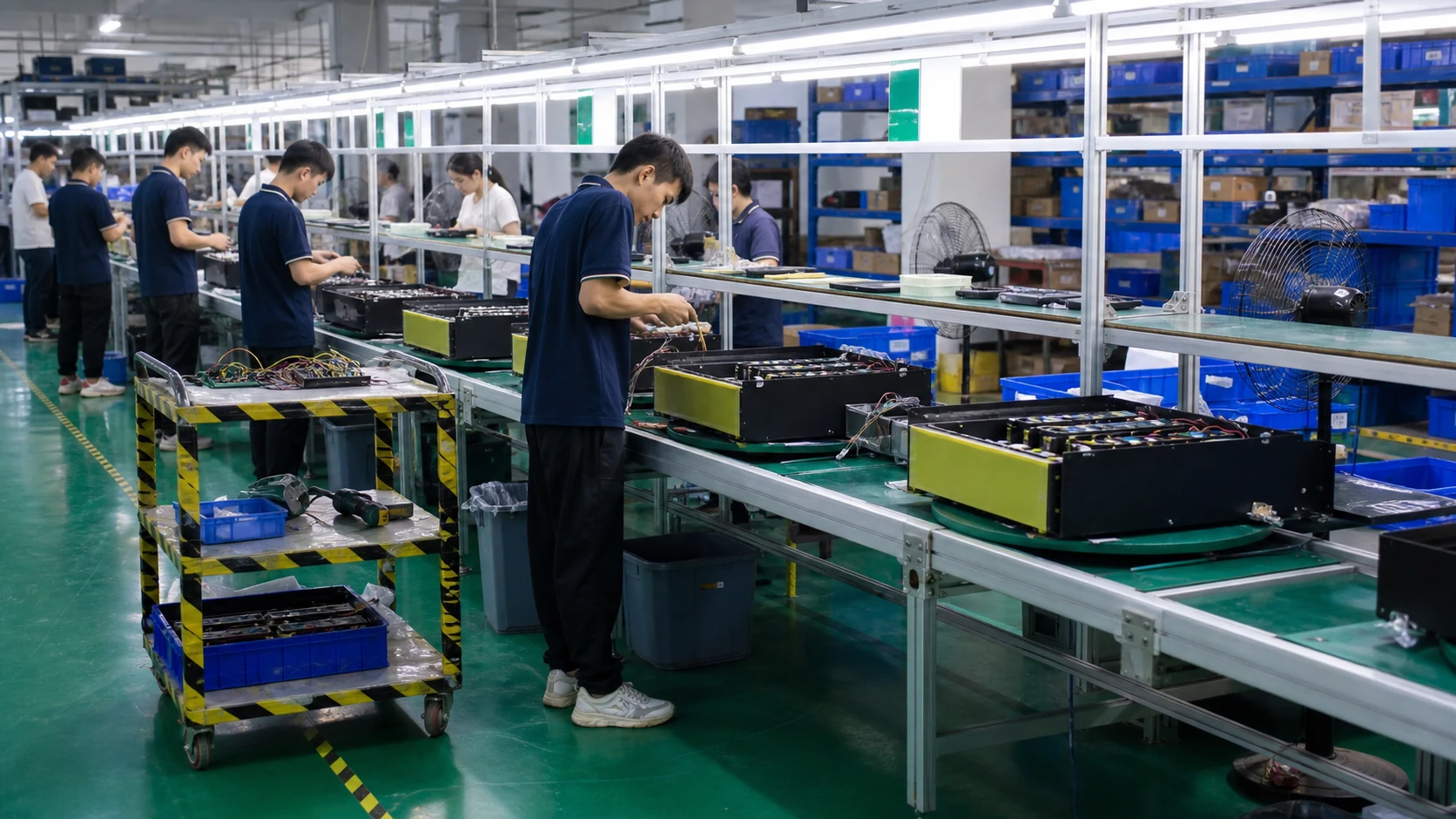
If you’re planning a 100kW energy storage solution, Avepower delivers an end-to-end system—from design and configuration to manufacturing and delivery. Our LiFePO4 battery systems feature advanced BMS protection, strong safety performance, and broad compatibility with mainstream inverters, helping you achieve peak shaving, load shifting, backup power, and future capacity expansion with confidence.
Contact us today for a tailored proposal and pricing. Share your load profile, daily energy use, and backup-hour target, and we’ll recommend a safer, more scalable 100kW storage system that maximizes savings and energy resilience.
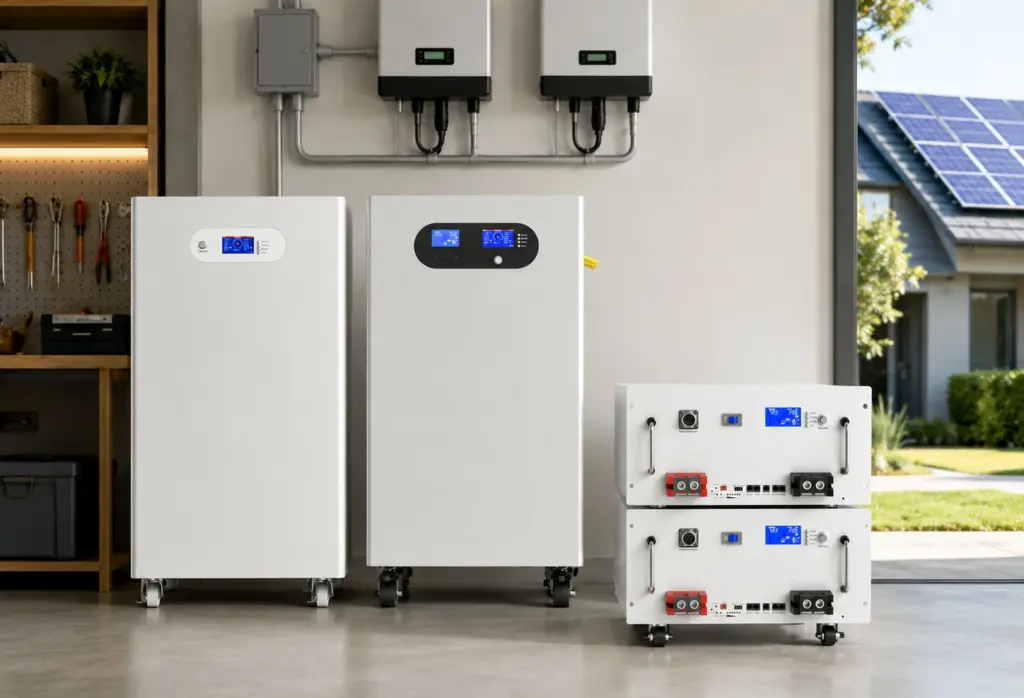
Take Control of Your Energy with Avepower!
Reliable home solar battery solutions with OEM/ODM customization and in-house manufacturing, tailored to the needs of distributors, installers, and energy partners.
FAQ
A typical grid-connected 100kW solar system often falls in the $200,000–$400,000 range, depending on panel brand, inverter configuration, mounting type (roof vs ground), and installation complexity.
A 100kW off grid solar system or hybrid design with a large battery bank is commonly $500,000–$750,000, largely driven by battery capacity (kWh) and autonomy targets (1–2 days).
If an average home uses about 10-12 kWh/day, then a 100kW system producing ~310-440 kWh/day could theoretically cover around 25–40 homes.
A common estimate is 740–930 m² of usable area. Exact space depends on panel dimensions, row spacing (for ground mounts), and access pathways required by installers.
Many off-grid designs land in the 400–600 kWh battery range, but the right size depends on nighttime loads, peak demand, generator backup strategy, and how many “days of autonomy” you want.